CallCraft AI
AI tool that analyzes sales and support calls to generate real-time coaching, scripts, and deal insights. Boost team performance without manual reviews.
what is an AI call analysis platform and why it matters now
Sales and customer support conversations have always been a goldmine of insights—but historically, they’ve been underutilized. Managers either rely on manual call reviews (time-consuming and inconsistent) or surface-level metrics like call duration and conversion rates. This is where AI-powered call analysis tools like CallCraft AI step in.
CallCraft AI is designed to analyze sales and support calls in real time, delivering actionable coaching, dynamic scripts, and deal insights without the need for manual QA processes. It transforms raw conversation data into structured intelligence that directly improves team performance.
With the rapid adoption of AI in customer experience (CX) and revenue operations (RevOps), the timing couldn’t be better. According to industry reports from sources like McKinsey and Gartner, organizations leveraging AI in sales processes can see productivity gains of 20–30%. Yet, most teams still lack real-time guidance during calls—the exact gap CallCraft AI fills.
the target audience: who needs CallCraft AI most
Understanding the ideal users is critical for both product design and go-to-market success. CallCraft AI serves multiple high-value segments:
sales teams (SMBs to enterprise)
- SDRs and AEs who need real-time objection handling
- Sales managers who want scalable coaching without micromanagement
- Revenue leaders seeking pipeline insights and deal risk signals
customer support teams
- Support agents needing contextual assistance during live calls
- CX leaders focused on consistency and quality assurance
- Teams handling high ticket volume where manual QA is impractical
call centers and BPOs
- Large-scale operations requiring standardization across agents
- Performance monitoring without increasing QA headcount
- Training new agents faster with AI-driven assistance
founders and startups
- Early-stage teams that cannot afford dedicated sales trainers
- Founders personally handling calls who want structured feedback
Primary users
Sales reps, support agents, and managers who need real-time insights and coaching.
Secondary users
RevOps teams, founders, and customer experience leaders seeking scalable optimization.
the market gap: why existing tools fall short
Despite a crowded landscape of call intelligence tools (like Gong and Chorus), there’s a significant gap in real-time actionable intelligence.
current limitations in the market
- Post-call analysis bias: Most tools provide insights after the call ends
- Manual review dependency: QA teams still spend hours scoring calls
- Static scripts: Sales scripts don’t adapt dynamically to conversation flow
- Lack of coaching context: Feedback is often generic rather than situational
the emerging opportunity
The next evolution is not just analyzing calls—but augmenting them live.
CallCraft AI positions itself as:
- A real-time co-pilot rather than a passive analytics tool
- A performance engine, not just a reporting dashboard
- A decision assistant for both agents and managers
Key insight
The biggest shift in AI for sales is moving from "insight after action" to "intelligence during action." This is where the highest ROI lies.
core features that define CallCraft AI
To truly differentiate, CallCraft AI must deliver a tightly integrated set of capabilities that work seamlessly during live calls.
1. real-time transcription and analysis
- Converts speech to text instantly using advanced ASR models
- Identifies intent, sentiment, and conversational cues
- Detects keywords like objections, pricing discussions, or churn signals
2. live coaching prompts
- Suggests what to say next based on context
- Recommends objection-handling strategies
- Flags missed opportunities (e.g., upsell cues)
3. dynamic script generation
- Adapts scripts in real-time based on conversation flow
- Personalizes messaging using CRM data
- Eliminates rigid, one-size-fits-all scripts
4. deal intelligence and risk scoring
- Identifies deal momentum or risk factors
- Highlights competitor mentions
- Predicts likelihood of closing based on conversation signals
5. automated call summaries
- Generates structured summaries instantly after calls
- Extracts key action items and follow-ups
- Syncs with CRM systems
6. performance analytics dashboard
- Tracks agent performance trends
- Identifies coaching opportunities at scale
- Benchmarks top-performing behaviors
feature comparison: traditional vs AI-driven call intelligence
| Feature | Manual QA | Traditional tools | CallCraft AI | Impact |
|---|---|---|---|---|
| Real-time coaching | ❌ | ❌ | ✅ | Immediate performance boost |
| Automated summaries | ❌ | ✅ | ✅ | Time savings |
| Dynamic scripts | ❌ | ❌ | ✅ | Higher conversion rates |
| Scalable coaching | ❌ | ⚠️ | ✅ | Reduced training costs |
recommended tech stack and architecture
Building CallCraft AI requires a robust, low-latency architecture capable of handling real-time audio processing and inference.
frontend
- React for UI
- TailwindCSS for rapid styling
- WebRTC integration for real-time call streaming
backend
- Node.js or Python (FastAPI) for API orchestration
- Event-driven architecture using message queues (Kafka or RabbitMQ)
AI and ML components
- Speech-to-text: OpenAI Whisper or similar ASR models
- NLP models for:
- sentiment analysis
- intent detection
- entity extraction
- LLMs for:
- coaching suggestions
- script generation
- summaries
infrastructure
- AWS or GCP for scalability
- GPU instances for real-time inference
- Edge processing for latency reduction
integrations
- CRM systems (Salesforce, HubSpot)
- Dialers (Aircall, Twilio)
- Video platforms (Zoom, Google Meet)
// Example: real-time coaching trigger logic
if (transcript.includes("too expensive")) {
  triggerCoachingPrompt({
    type: "objection",
    suggestion: "Highlight ROI and offer flexible pricing options"
  });
}
trade-offs to consider
- Latency vs accuracy: Faster models may reduce precision
- Cost vs scalability: Real-time AI inference is resource-intensive
- Privacy vs functionality: Recording calls raises compliance concerns
monetization strategy: how CallCraft AI makes money
A strong SaaS monetization strategy ensures both growth and sustainability.
subscription tiers
- Starter: Basic transcription and summaries
- Pro: Real-time coaching + analytics
- Enterprise: Custom models, integrations, compliance features
usage-based pricing
- Charge per minute of processed audio
- Scales with customer usage
add-ons
- Advanced analytics
- Industry-specific coaching models
- Multilingual support
freemium strategy
- Limited free plan to drive adoption
- Upsell through feature gating
Pricing insight
Avoid pricing purely per seat. Usage-based models align better with value delivered in AI-driven platforms.
competitive landscape and differentiation
The space includes players like Gong, Chorus, and Observe.AI. However, CallCraft AI can carve a unique position.
key competitors
- Gong: strong analytics, weak real-time coaching
- Chorus: good insights, limited AI adaptability
- Observe.AI: focused on contact centers
CallCraft AI’s unique advantages
- real-time intelligence (not post-call)
- adaptive scripts powered by AI
- lightweight and startup-friendly
- focus on performance, not just analytics
Post-call insights are useful but reactive. Real-time coaching allows reps to adjust during the conversation, directly impacting outcomes instead of just learning afterward.
Static scripts assume predictable conversations. AI-driven scripts evolve with context, making them far more effective in real-world scenarios.
potential risks and how to mitigate them
No SaaS idea is without challenges—especially in AI.
1. data privacy and compliance
- Risk: handling sensitive customer conversations
- Mitigation:
- GDPR and SOC2 compliance
- data encryption
- opt-in recording policies
2. model accuracy and hallucinations
- Risk: incorrect coaching suggestions
- Mitigation:
- fine-tune models on domain-specific data
- include human override mechanisms
3. user adoption resistance
- Risk: agents may resist AI guidance
- Mitigation:
- design non-intrusive UI
- position AI as assistant, not supervisor
4. latency issues
- Risk: delays reduce usefulness
- Mitigation:
- optimize inference pipelines
- use streaming architectures
go-to-market strategy
Launching CallCraft AI requires a focused approach.
initial niche
Start with:
- SaaS sales teams
- High-ticket B2B sales environments
These segments have:
- high ROI sensitivity
- structured sales processes
- willingness to adopt tools
acquisition channels
- content marketing (SEO-driven blogs)
- LinkedIn outreach
- product-led growth (free trials)
partnerships
- CRM platforms
- sales enablement tools
- call providers
implementation roadmap
building faster with modern SaaS tooling
Speed matters. Instead of building everything from scratch, founders can leverage pre-built SaaS foundations.
Using a platform like TurboStarter can accelerate:
- authentication
- billing systems
- dashboard UI
- API scaffolding
This allows you to focus on the core differentiator: AI intelligence and real-time performance.
future trends shaping AI call intelligence
The evolution of tools like CallCraft AI aligns with broader trends:
multimodal AI
- Combining voice, text, and behavioral signals
- More context-aware coaching
personalized AI agents
- Each rep gets a tailored AI assistant
- Learns from individual performance patterns
predictive revenue intelligence
- Forecast outcomes based on conversations
- Move from reactive CRM updates to proactive insights
voice-first interfaces
- Reduced reliance on dashboards
- More natural interaction with AI
actionable next steps to build CallCraft AI
If you're serious about launching this SaaS:
-
Validate demand
- Talk to sales managers
- Identify biggest pain points in call coaching
-
Define MVP scope
- Focus on real-time transcription + prompts
- Avoid overbuilding analytics initially
-
Choose your stack
- Prioritize low-latency AI pipelines
- Ensure scalability from day one
-
Build and test quickly
- Use tools like TurboStarter
- Launch within 6–8 weeks
-
Iterate with real users
- Collect call data
- Continuously refine models
-
Scale strategically
- Expand integrations
- Introduce enterprise features
final thoughts: why CallCraft AI is a high-potential SaaS idea
CallCraft AI sits at the intersection of AI, sales enablement, and real-time decision support—three of the fastest-growing SaaS categories.
Its core strength lies in shifting from passive analytics to active performance enhancement. Instead of telling teams what went wrong, it helps them get it right in the moment.
That’s not just a feature upgrade—it’s a fundamental shift in how teams operate.
For founders and builders, this represents a rare opportunity: a product that delivers immediate, measurable ROI while riding the wave of AI adoption across industries.
If executed well, CallCraft AI isn’t just another SaaS tool—it becomes an essential layer in modern revenue teams.
More 🤖 AI Startup SaaS ideas
Discover more innovative ai startup SaaS ideas that are trending in 2026. Each idea is AI-generated with market validation and growth potential to help you find your next profitable venture faster than competitors.
Your competitors are building with TurboStarter
Below are some of the SaaS ideas that have been generated and built with our starter kit.
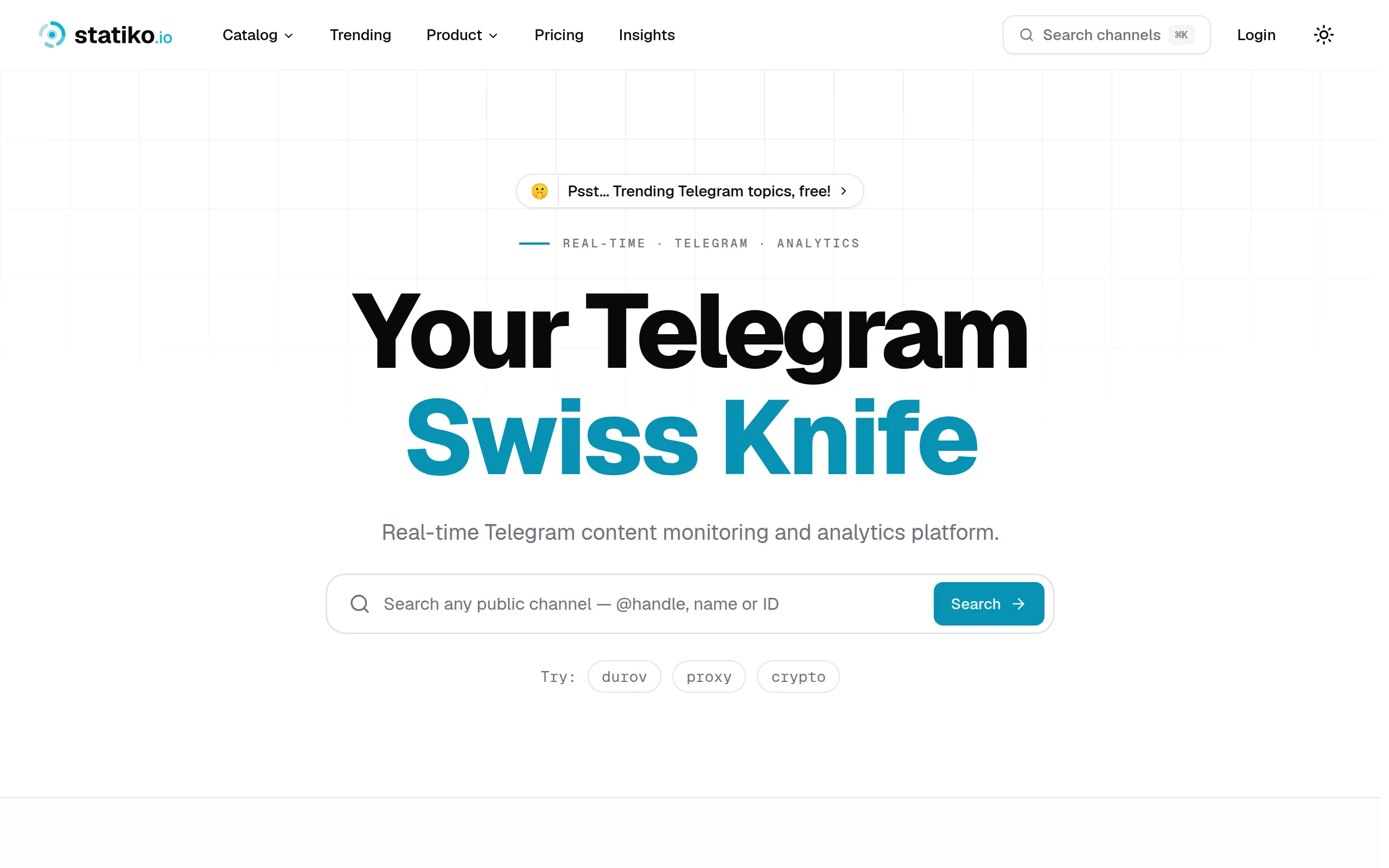
Statiko
Monitor any Telegram channel in real time - track posts, edits, deletions, and growth with AI recaps 📡

Shibui
AI website builder - describe your business, pick a niche template, edit by chatting, and publish instantly ✨

Pro Service
Find verified home service professionals, compare quotes, and pay securely through escrow - built for Brazilians across the US 🏠
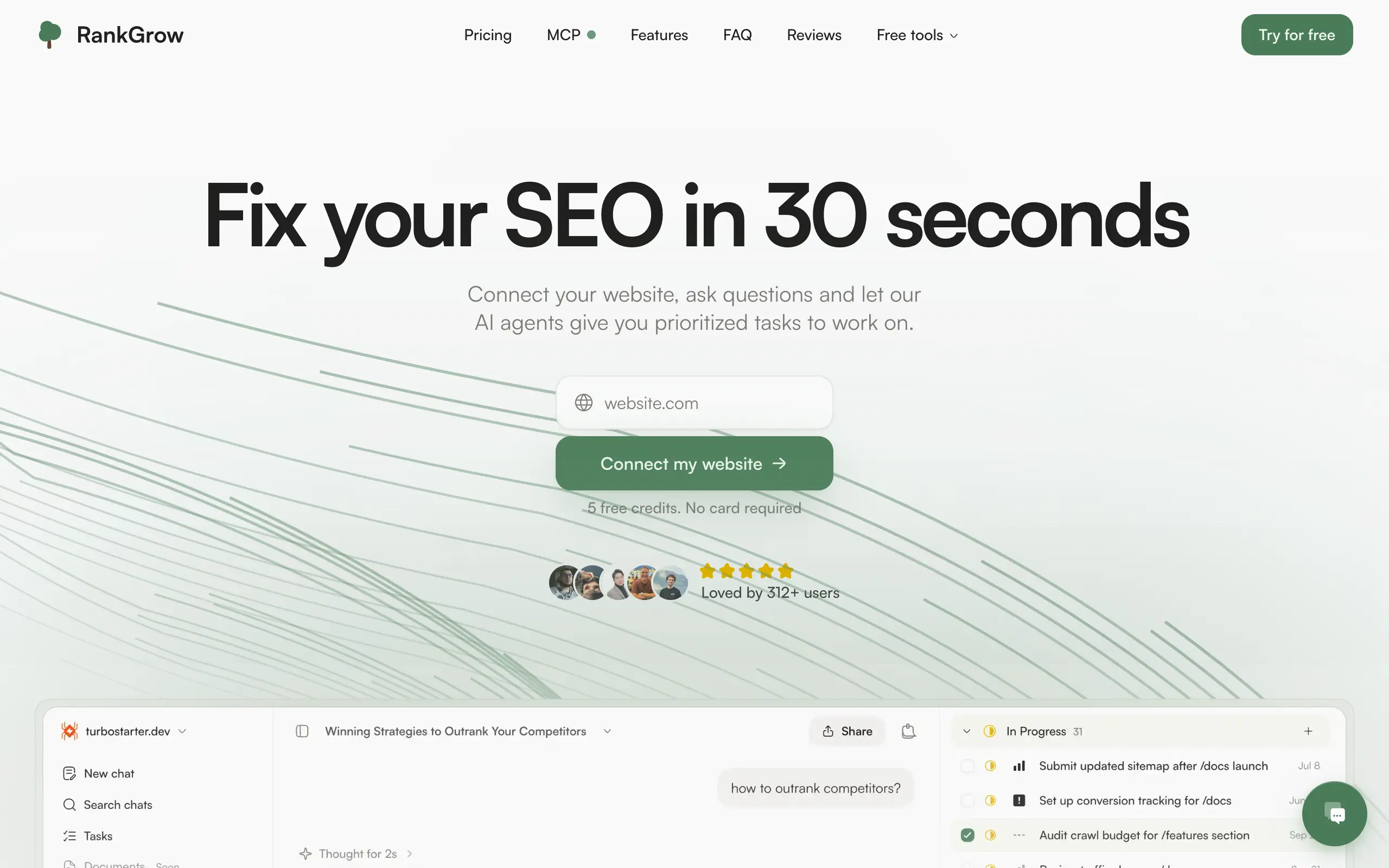
RankGrow
Fix your SEO with AI agents - connect Search Console, get prioritized tasks, and grow organic traffic 📈
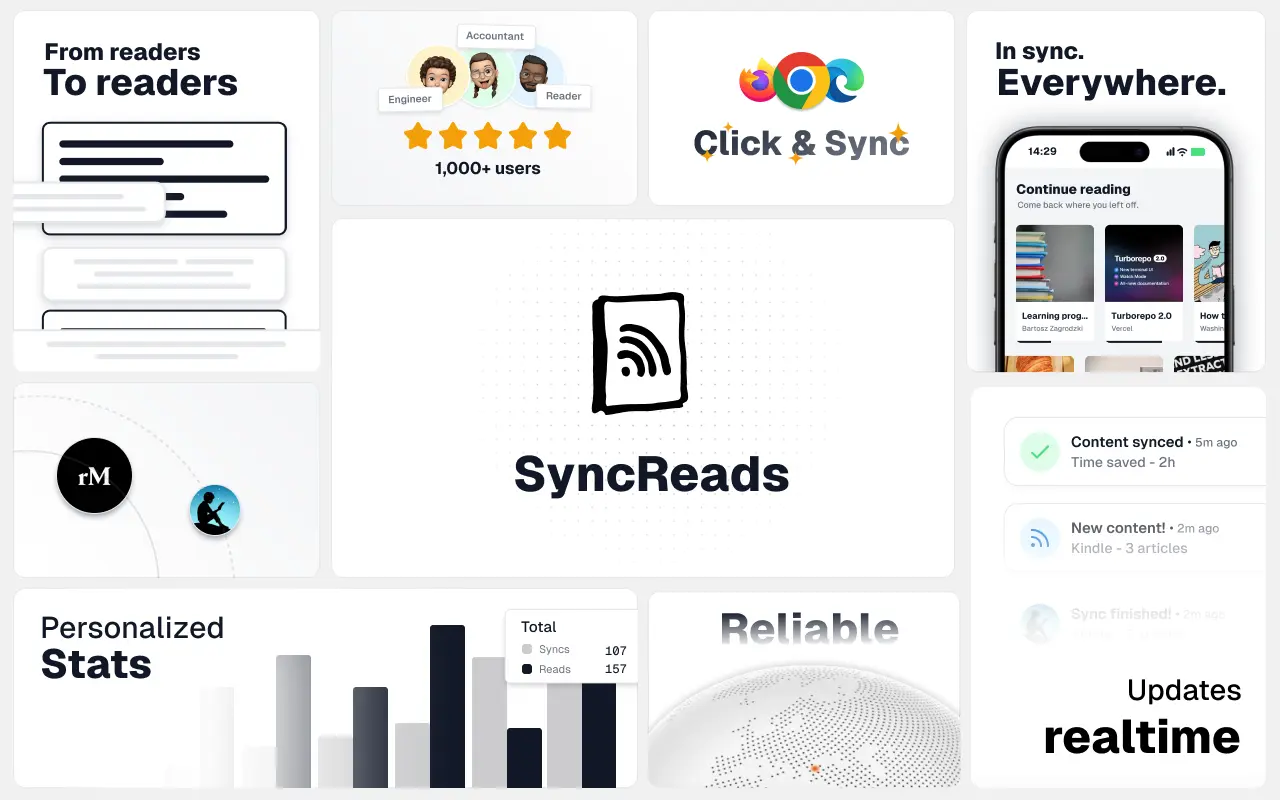
SyncReads
Sync your favorite content for distraction-free reading, save time and replace multiple apps. Anytime, anywhere 🔄
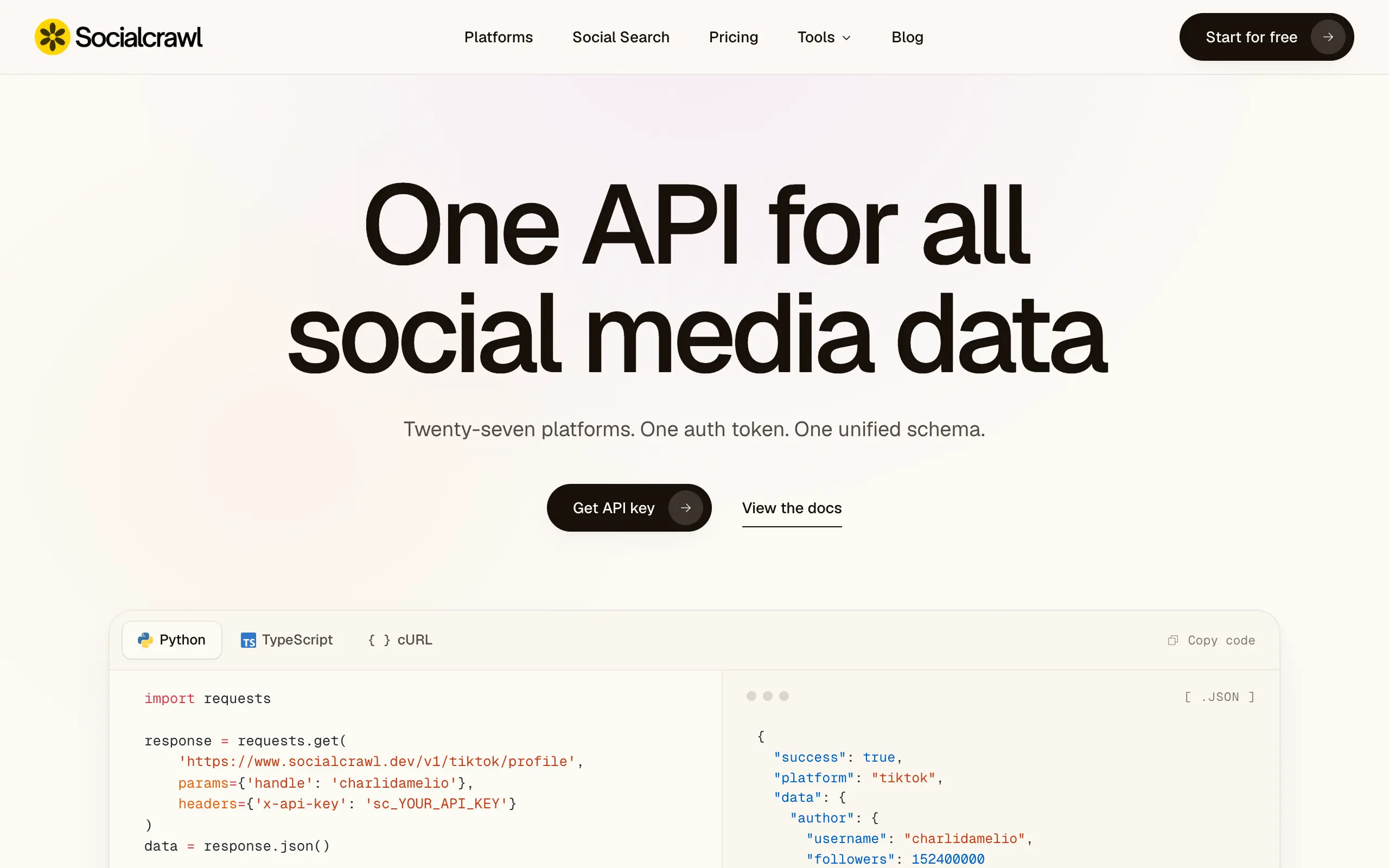
Socialcrawl
Get clean, structured data from 21 platforms like TikTok, Instagram, and YouTube with a single request 📊
Statiko
Monitor any Telegram channel in real time - track posts, edits, deletions, and growth with AI recaps 📡
Shibui
AI website builder - describe your business, pick a niche template, edit by chatting, and publish instantly ✨
Pro Service
Find verified home service professionals, compare quotes, and pay securely through escrow - built for Brazilians across the US 🏠
RankGrow
Fix your SEO with AI agents - connect Search Console, get prioritized tasks, and grow organic traffic 📈
SyncReads
Sync your favorite content for distraction-free reading, save time and replace multiple apps. Anytime, anywhere 🔄
Socialcrawl
Get clean, structured data from 21 platforms like TikTok, Instagram, and YouTube with a single request 📊
Statiko
Monitor any Telegram channel in real time - track posts, edits, deletions, and growth with AI recaps 📡
Shibui
AI website builder - describe your business, pick a niche template, edit by chatting, and publish instantly ✨
Pro Service
Find verified home service professionals, compare quotes, and pay securely through escrow - built for Brazilians across the US 🏠
RankGrow
Fix your SEO with AI agents - connect Search Console, get prioritized tasks, and grow organic traffic 📈
SyncReads
Sync your favorite content for distraction-free reading, save time and replace multiple apps. Anytime, anywhere 🔄
Socialcrawl
Get clean, structured data from 21 platforms like TikTok, Instagram, and YouTube with a single request 📊
Statiko
Monitor any Telegram channel in real time - track posts, edits, deletions, and growth with AI recaps 📡
Shibui
AI website builder - describe your business, pick a niche template, edit by chatting, and publish instantly ✨
Pro Service
Find verified home service professionals, compare quotes, and pay securely through escrow - built for Brazilians across the US 🏠
RankGrow
Fix your SEO with AI agents - connect Search Console, get prioritized tasks, and grow organic traffic 📈
SyncReads
Sync your favorite content for distraction-free reading, save time and replace multiple apps. Anytime, anywhere 🔄
Socialcrawl
Get clean, structured data from 21 platforms like TikTok, Instagram, and YouTube with a single request 📊
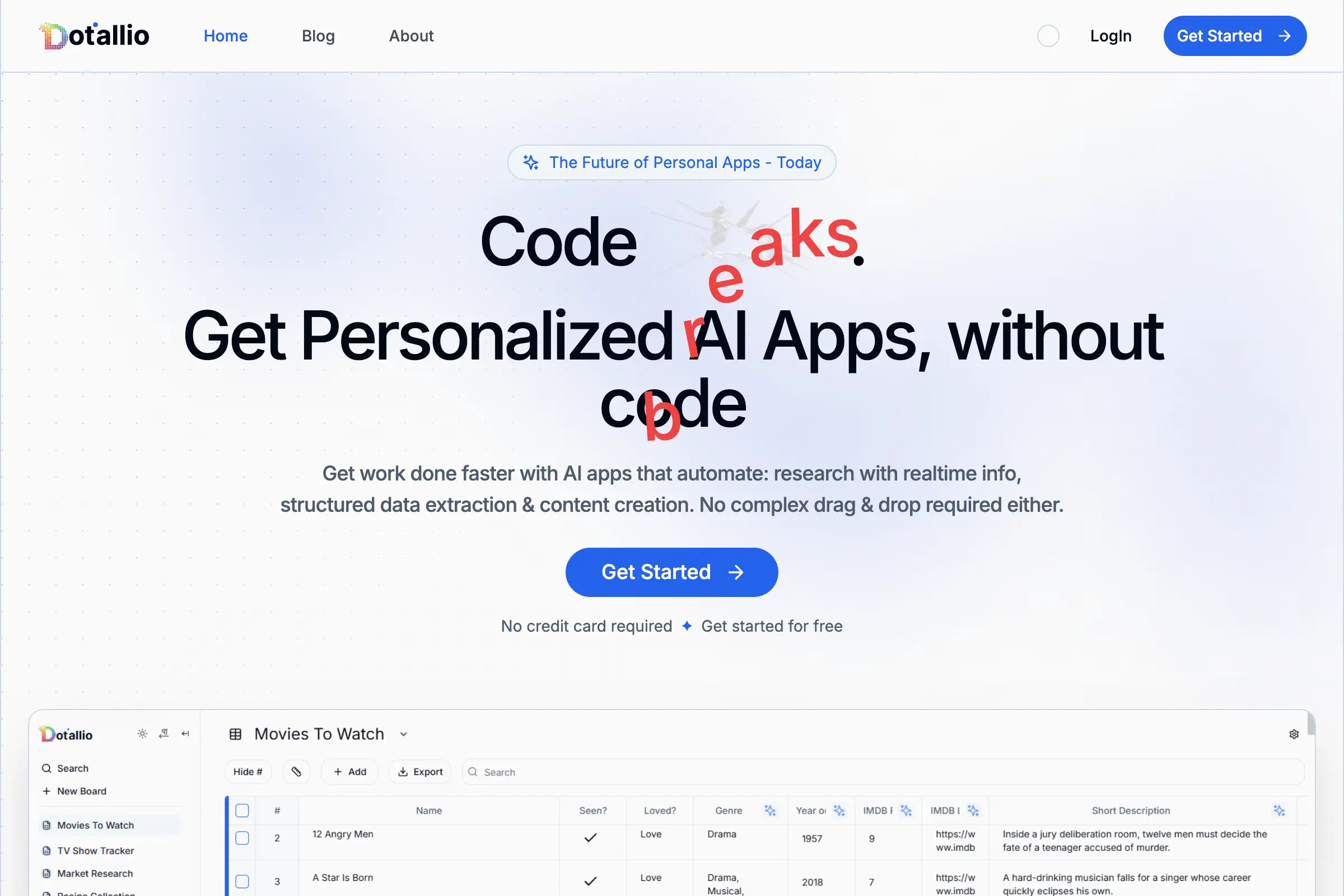
Dotallio
Personalized AI apps that automate research, data extraction, and content creation without code 🤖
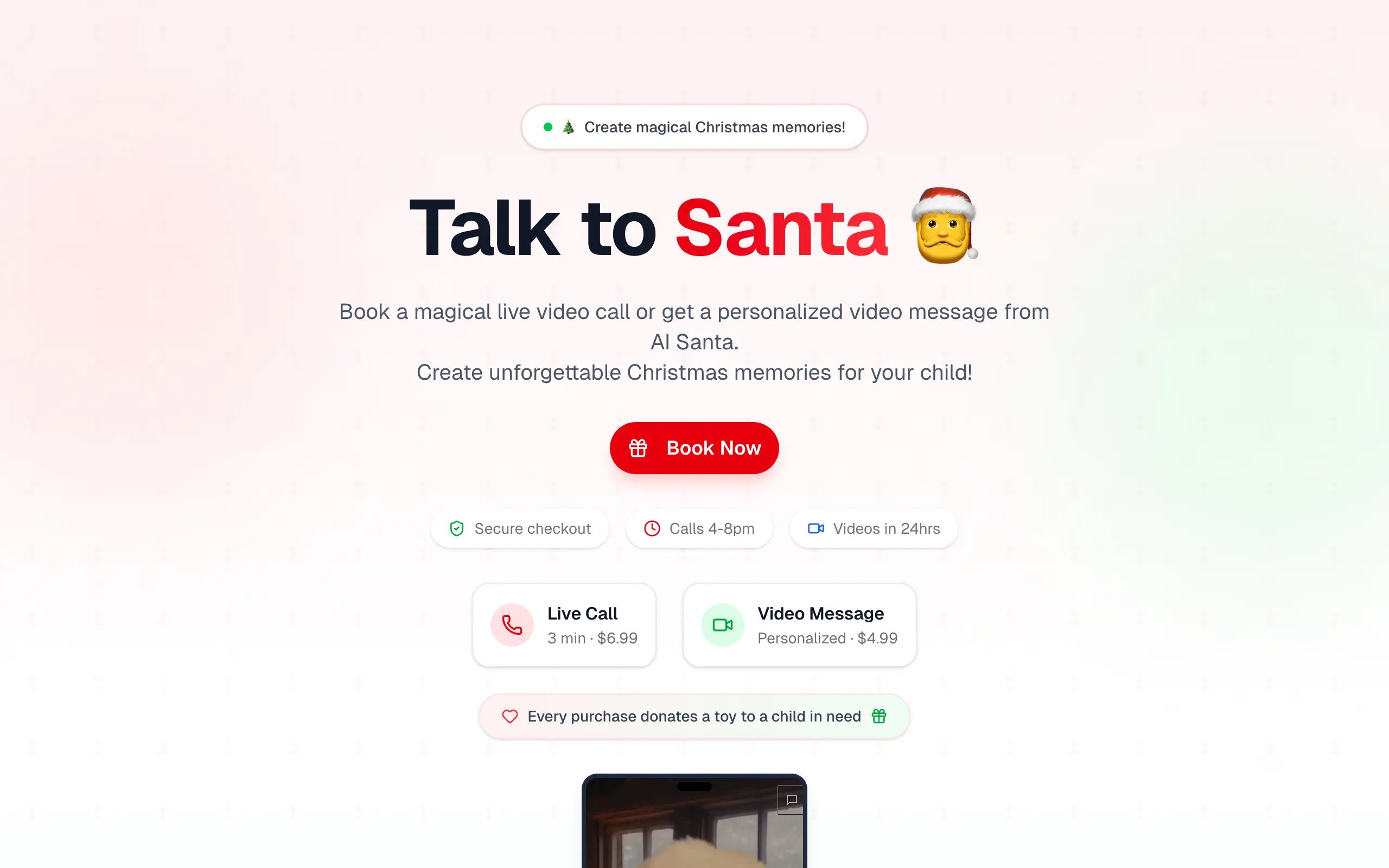
Talk to Santa
Enjoy a magical live video chat or receive a unique AI-generated video greeting from Santa Claus 🎅
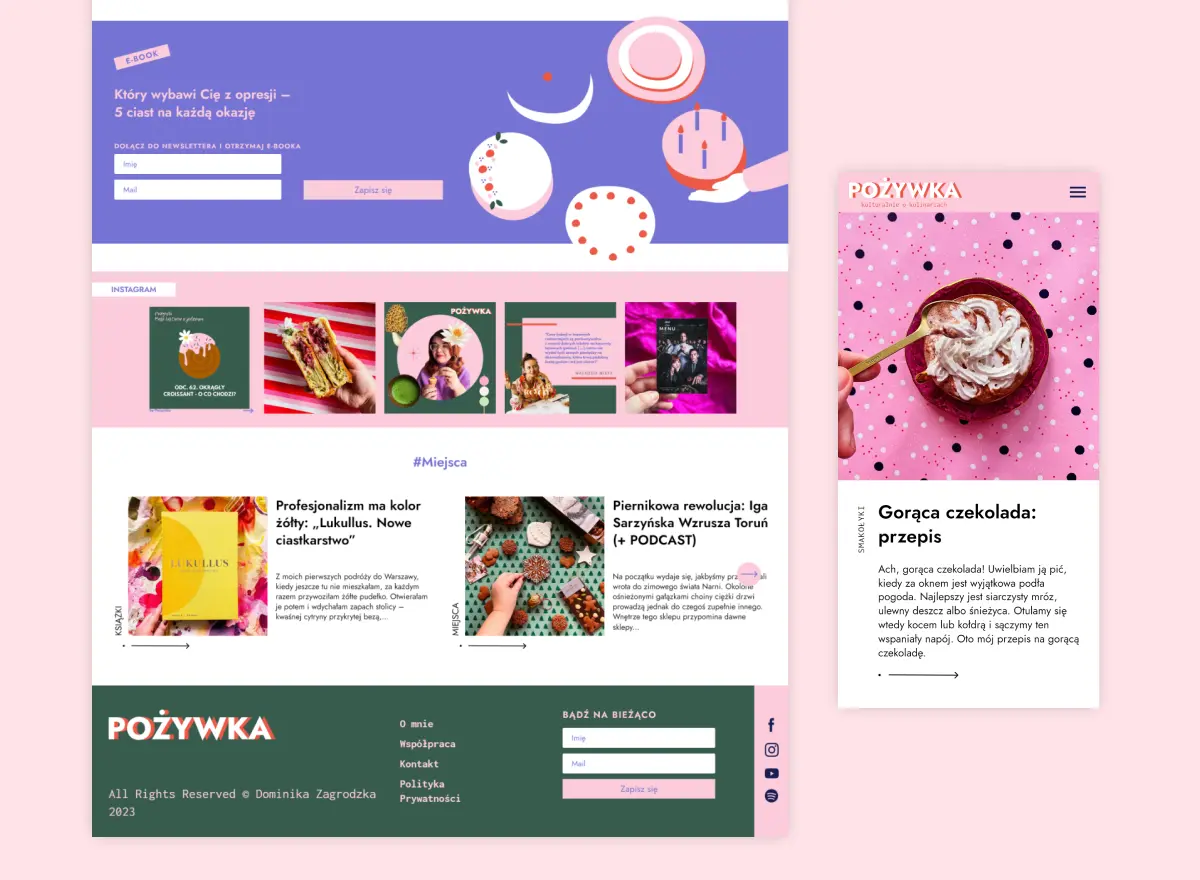
pozywka.pl
Scalable blog for food journalist, focused on performance and user experience 🌭
zagrodzki.me
Personal blog and portfolio of Bart Zagrodzki, where he shares his knowledge and work 💼
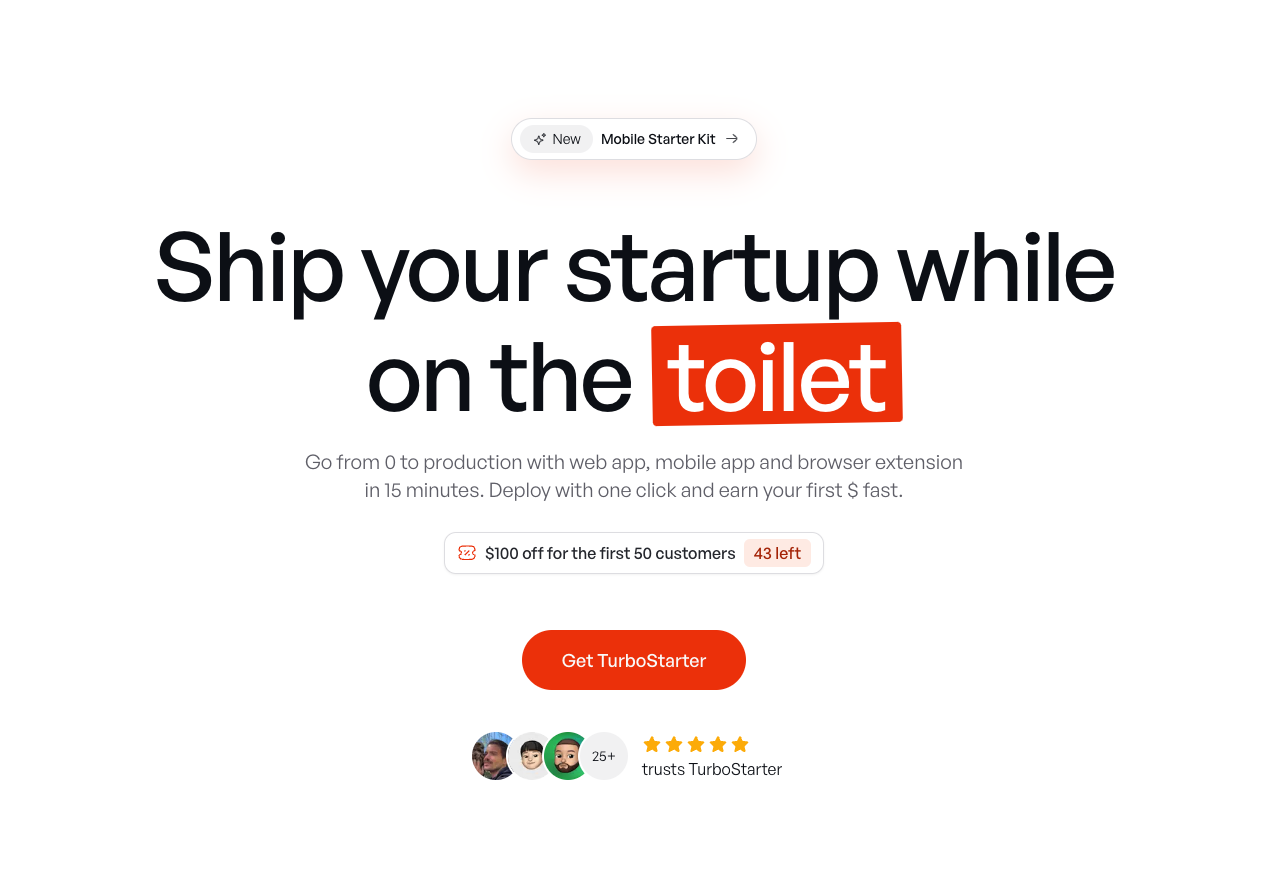
TurboStarter
Ship your startup everywhere. In minutes.
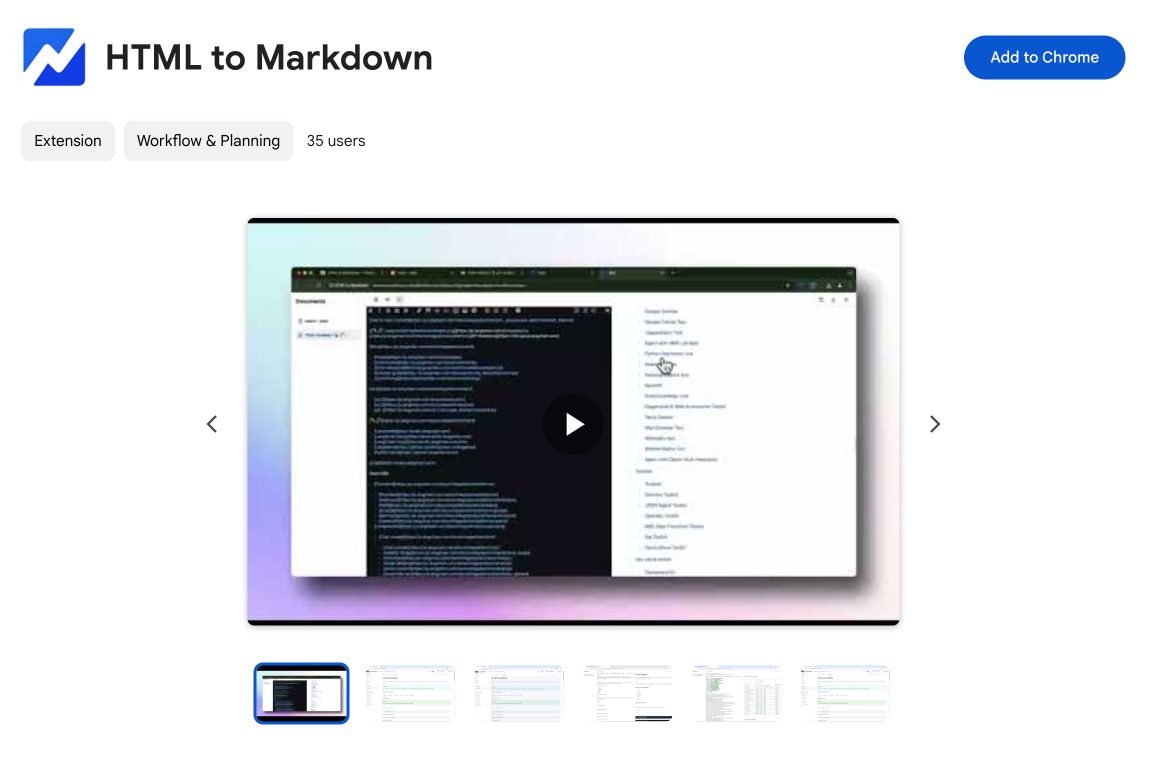
HTML to Markdown
Convert HTML to Markdown with ease, directly in your browser 📄
Dotallio
Personalized AI apps that automate research, data extraction, and content creation without code 🤖
Talk to Santa
Enjoy a magical live video chat or receive a unique AI-generated video greeting from Santa Claus 🎅
pozywka.pl
Scalable blog for food journalist, focused on performance and user experience 🌭
zagrodzki.me
Personal blog and portfolio of Bart Zagrodzki, where he shares his knowledge and work 💼
TurboStarter
Ship your startup everywhere. In minutes.
HTML to Markdown
Convert HTML to Markdown with ease, directly in your browser 📄
Dotallio
Personalized AI apps that automate research, data extraction, and content creation without code 🤖
Talk to Santa
Enjoy a magical live video chat or receive a unique AI-generated video greeting from Santa Claus 🎅
pozywka.pl
Scalable blog for food journalist, focused on performance and user experience 🌭
zagrodzki.me
Personal blog and portfolio of Bart Zagrodzki, where he shares his knowledge and work 💼
TurboStarter
Ship your startup everywhere. In minutes.
HTML to Markdown
Convert HTML to Markdown with ease, directly in your browser 📄
Dotallio
Personalized AI apps that automate research, data extraction, and content creation without code 🤖
Talk to Santa
Enjoy a magical live video chat or receive a unique AI-generated video greeting from Santa Claus 🎅
pozywka.pl
Scalable blog for food journalist, focused on performance and user experience 🌭
zagrodzki.me
Personal blog and portfolio of Bart Zagrodzki, where he shares his knowledge and work 💼
TurboStarter
Ship your startup everywhere. In minutes.
HTML to Markdown
Convert HTML to Markdown with ease, directly in your browser 📄
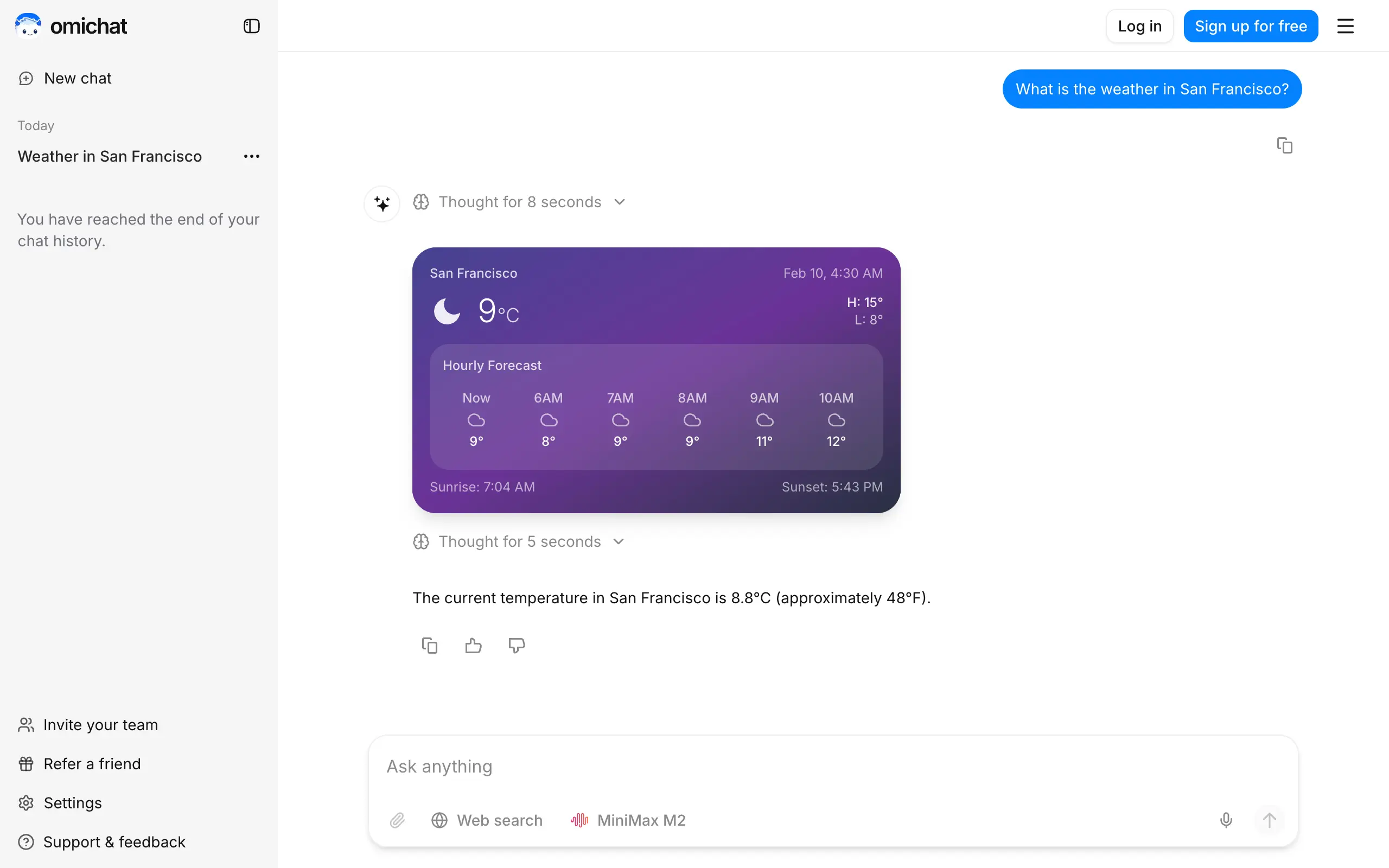
Omichat
Chat with 50+ AI models, including ChatGPT and Claude, in one place - switch models anytime without losing context 🤖
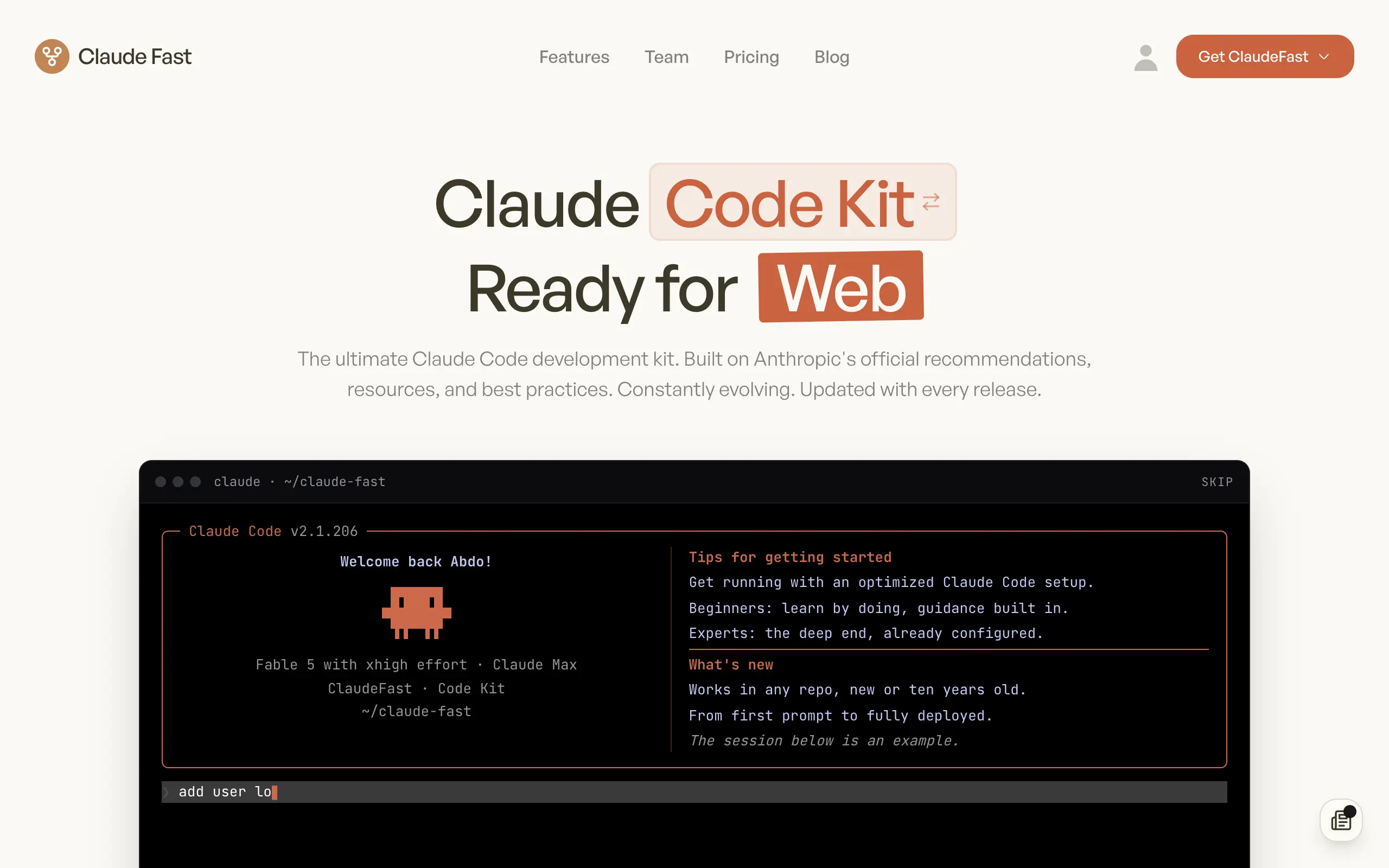
Claude Fast
Supercharge your Claude Code with 6x effective context window and specialized AI agents 🤖
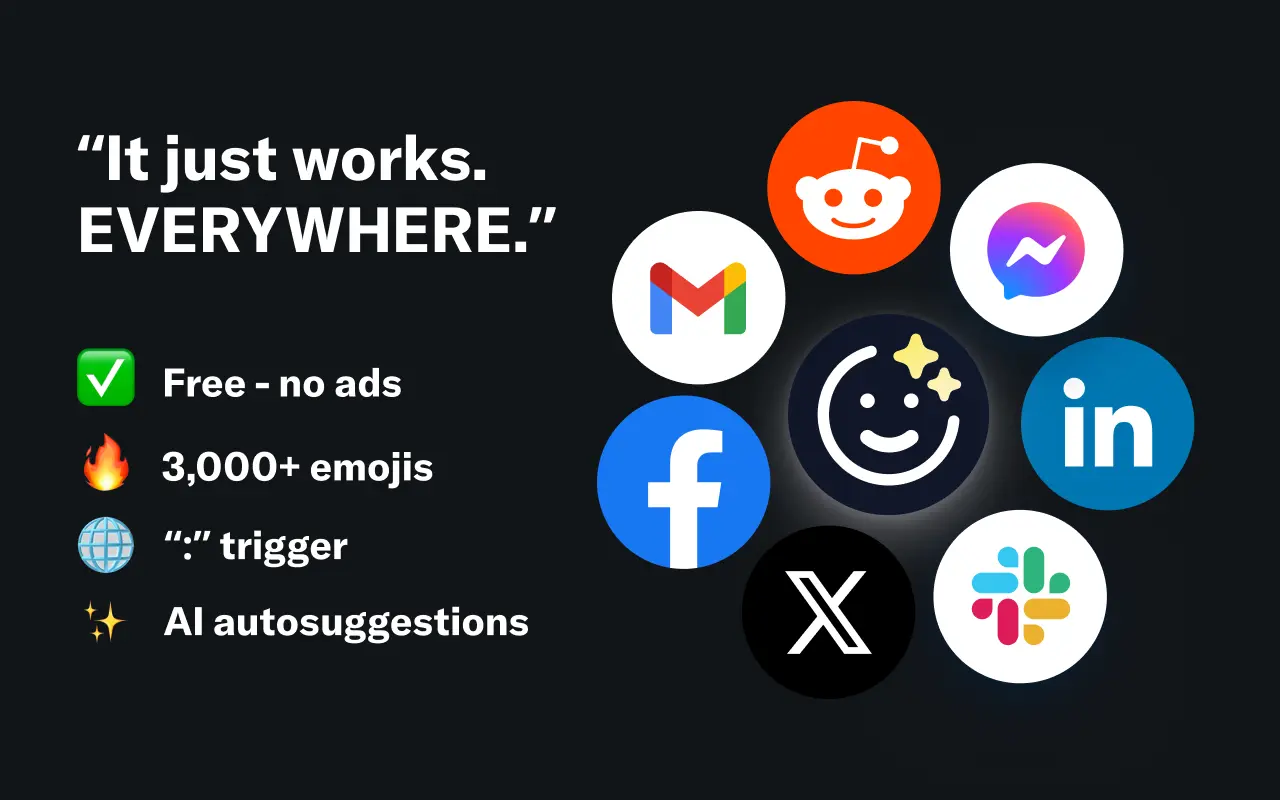
EmojAI
AI-powered emoji picker with smart, context-aware suggestions 🤖
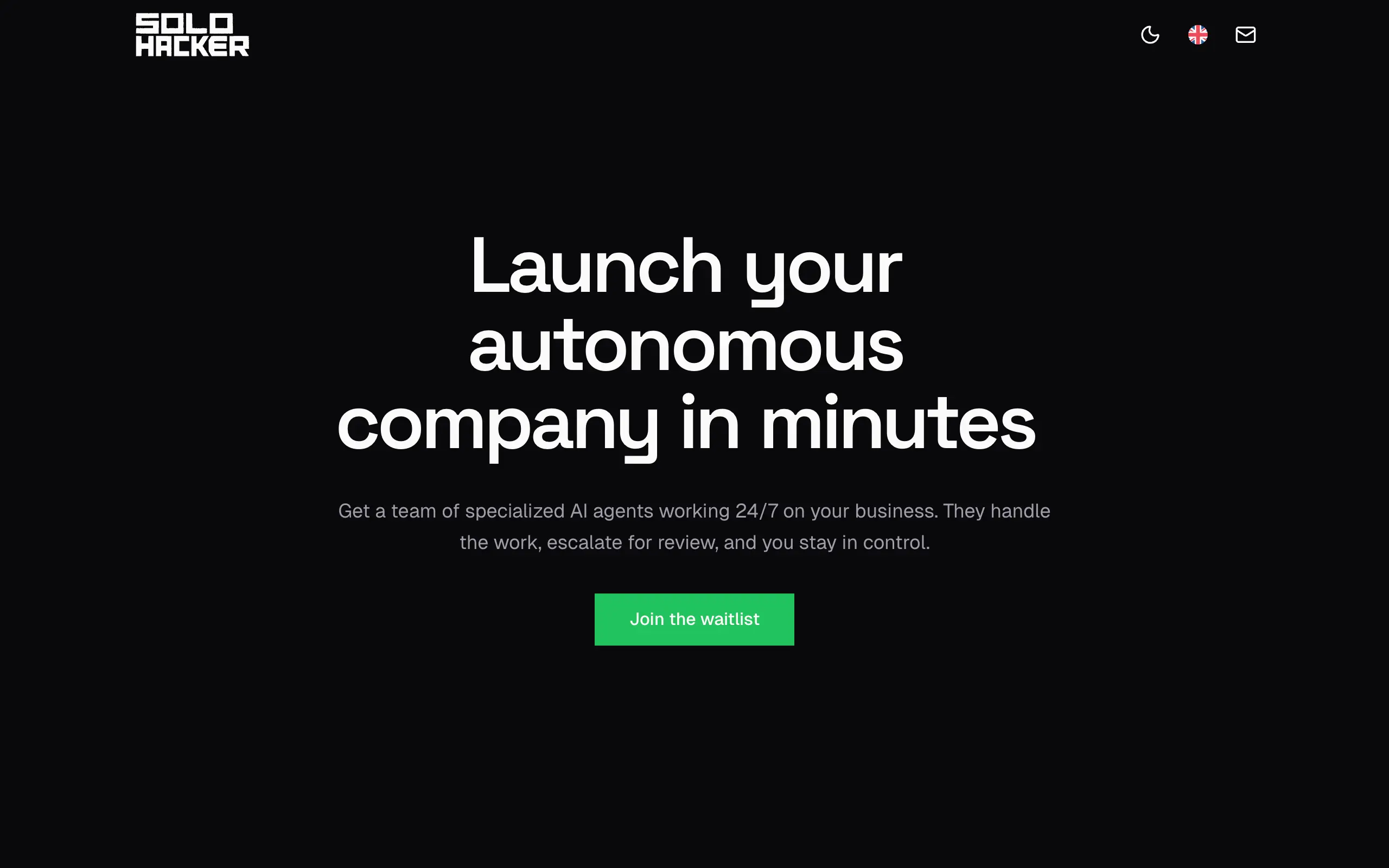
Solohacker
Autonomous company launcher - AI agents work 24/7, escalate what matters, and you stay in control 🤖
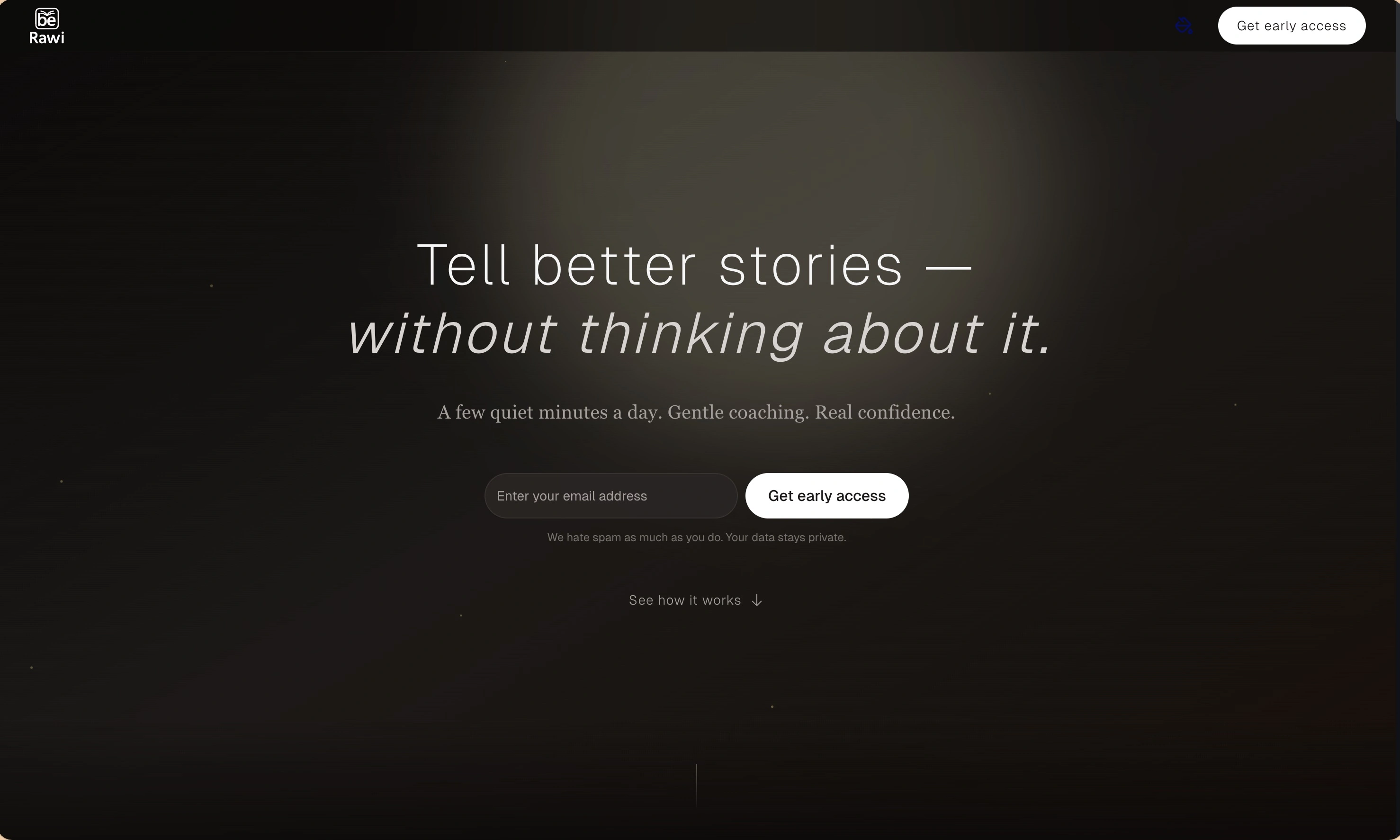
BeRawi: Storytelling Coach
Practice storytelling daily with instant feedback to sound clearer, more engaging, and confident 🎤
Omichat
Chat with 50+ AI models, including ChatGPT and Claude, in one place - switch models anytime without losing context 🤖
Claude Fast
Supercharge your Claude Code with 6x effective context window and specialized AI agents 🤖
EmojAI
AI-powered emoji picker with smart, context-aware suggestions 🤖
Solohacker
Autonomous company launcher - AI agents work 24/7, escalate what matters, and you stay in control 🤖
BeRawi: Storytelling Coach
Practice storytelling daily with instant feedback to sound clearer, more engaging, and confident 🎤
Omichat
Chat with 50+ AI models, including ChatGPT and Claude, in one place - switch models anytime without losing context 🤖
Claude Fast
Supercharge your Claude Code with 6x effective context window and specialized AI agents 🤖
EmojAI
AI-powered emoji picker with smart, context-aware suggestions 🤖
Solohacker
Autonomous company launcher - AI agents work 24/7, escalate what matters, and you stay in control 🤖
BeRawi: Storytelling Coach
Practice storytelling daily with instant feedback to sound clearer, more engaging, and confident 🎤
Omichat
Chat with 50+ AI models, including ChatGPT and Claude, in one place - switch models anytime without losing context 🤖
Claude Fast
Supercharge your Claude Code with 6x effective context window and specialized AI agents 🤖
EmojAI
AI-powered emoji picker with smart, context-aware suggestions 🤖
Solohacker
Autonomous company launcher - AI agents work 24/7, escalate what matters, and you stay in control 🤖
BeRawi: Storytelling Coach
Practice storytelling daily with instant feedback to sound clearer, more engaging, and confident 🎤

Connect with like-minded people
Join our community to get feedback, support, and grow together with 1,000+ builders on board, let's ship it!
Join usShip your startup everywhere. In minutes.
Don't burn tokens on setup and start building features on day one.