CallScope AI
AI analyzes sales call recordings to auto-generate summaries, objections, and follow-ups for small teams without expensive CRM tools.
What is an AI sales call analyzer and why it matters now
Sales teams are sitting on a goldmine of untapped data: their conversations. Every objection, hesitation, buying signal, and objection-handling tactic lives inside sales calls—but most small teams lack the tools (or time) to extract meaningful insights from them.
That’s where an AI sales call analyzer like CallScope AI comes in.
CallScope AI is designed to automatically analyze sales call recordings and generate:
- Concise summaries
- Identified objections
- Suggested follow-ups
- Actionable insights
All without requiring a complex or expensive CRM system.
This is especially relevant in 2025 and beyond, as AI-powered productivity tools become essential rather than optional. According to widely reported industry trends (e.g., McKinsey and Gartner research), AI-assisted workflows can improve sales productivity by up to 30–50% when applied correctly.
For small teams, startups, and solo founders, that’s not just helpful—it’s transformative.
The growing demand for AI-powered sales call analysis
Why traditional sales workflows are broken
Most small sales teams operate in a fragmented way:
- Calls happen on Zoom, Google Meet, or phone
- Notes are scribbled manually (or not at all)
- Follow-ups are inconsistent
- Insights are lost
Even when CRMs are used, they often:
- Require manual data entry
- Feel bloated or overly complex
- Are expensive for small teams
This creates a massive gap between what’s said in conversations and what gets recorded as actionable data.
The shift toward AI-driven sales tooling
Recent trends driving adoption:
- Explosion of generative AI models (e.g., OpenAI, Anthropic)
- Increased remote selling and async communication
- Demand for lightweight tools vs. enterprise CRMs
- Rise of “AI copilots” in productivity workflows
CallScope AI fits squarely into this trend by acting as a lightweight AI sales assistant, not a full CRM replacement.
Target audience: who needs CallScope AI the most
Understanding the audience is key to positioning and growth.
Primary audience segments
1. Startup founders and indie hackers
- Often handle sales themselves
- Limited time for note-taking
- Need quick insights to iterate pitches
Pain points:
- Forgetting key objections
- Losing track of follow-ups
- No structured sales system
2. Small sales teams (2–20 reps)
- No dedicated sales ops team
- CRM usage is inconsistent
- Coaching is informal or nonexistent
Pain points:
- Lack of visibility into calls
- Difficulty standardizing messaging
- No scalable training process
3. Agencies and service businesses
- Frequent client discovery calls
- High stakes in understanding client needs
- Need accurate summaries for internal teams
Pain points:
- Miscommunication between sales and delivery
- Poor documentation
- Missed upsell opportunities
4. Freelancers and consultants
- Handle sales + delivery alone
- Need fast turnaround between call and proposal
Pain points:
- Time-consuming admin work
- Difficulty tracking multiple prospects
- Inconsistent follow-ups
The core problem: insight extraction from conversations
At its core, CallScope AI solves a very specific and valuable problem:
Turning unstructured sales conversations into structured, actionable insights.
What makes this problem hard?
- Audio data is messy and nuanced
- Conversations are nonlinear
- Objections are often implicit
- Important signals are buried in context
Why existing tools fall short
Most solutions fall into two categories:
-
Basic transcription tools
- Provide raw transcripts
- No real analysis
- User must manually interpret
-
Enterprise sales intelligence platforms
- Expensive (often $50–$150/user/month)
- Require CRM integration
- Overkill for small teams
CallScope AI positions itself in the middle ground:
- Smarter than transcription tools
- Simpler and cheaper than enterprise platforms
Core features of CallScope AI
1. AI-generated call summaries
Automatically condense long conversations into:
- Key discussion points
- Decisions made
- Next steps
This eliminates the need for manual note-taking and ensures consistency.
2. Objection detection and categorization
One of the most valuable features.
CallScope AI can identify:
- Pricing objections
- Timing concerns
- Competitor comparisons
- Feature gaps
And group them into structured insights.
3. Smart follow-up suggestions
Based on conversation context, the system generates:
- Personalized follow-up emails
- Suggested responses to objections
- Next meeting prompts
Example output:
const followUp = {
  subject: "Great chatting today – next steps",
  body: `
Hi Sarah,

Really enjoyed our conversation. Based on your concern about onboarding time,
I’ve included a quick breakdown of how we typically get teams live in under 7 days.

Would you be open to a quick follow-up next week?

Best,
Alex
  `
}
4. Searchable call insights
Users can:
- Search across all calls
- Filter by objection type
- Identify recurring patterns
This turns conversations into a knowledge base.
5. Lightweight workflow integration
Instead of replacing tools, CallScope AI complements:
- Zoom recordings
- Google Meet recordings
- Uploaded audio files
No heavy CRM setup required.
Competitive landscape and positioning
Key competitors
- Gong (enterprise-level)
- Chorus (ZoomInfo)
- Fireflies.ai
- Otter.ai
- Avoma
Where CallScope AI stands out
| Feature | CallScope AI | Gong | Otter | Fireflies | Avoma |
|---|---|---|---|---|---|
| AI summaries | ✅ | ✅ | ✅ | ✅ | ✅ |
| Objection detection | ✅ | ✅ | ❌ | ❌ | ✅ |
| Affordable pricing | ✅ | ❌ | ✅ | ✅ | ❌ |
| No CRM required | ✅ | ❌ | ✅ | ✅ | ❌ |
| Built for small teams | ✅ | ❌ | ✅ | ✅ | ❌ |
Unique selling proposition (USP)
CallScope AI’s key differentiator:
AI-powered sales intelligence without the complexity or cost of enterprise CRM ecosystems.
Market opportunity and gap analysis
Size of the opportunity
The global sales enablement market is projected to grow significantly (industry reports from Gartner and Forrester support this trend), driven by:
- Remote selling
- AI adoption
- Demand for productivity tools
Underserved segment
Most tools target:
- Mid-market to enterprise companies
- Teams with structured sales processes
CallScope AI targets:
- Early-stage startups
- Small teams
- Non-technical users
This segment is:
- Large
- Growing
- Willing to pay for simplicity
Key market gap
There’s a clear gap for:
- Affordable AI sales tools
- Minimal setup solutions
- Insight-focused (not data-heavy) platforms
Recommended tech stack for building CallScope AI
Frontend
Why:
- Fast development
- Strong ecosystem
- Great for SaaS dashboards
Backend
- Node.js (Express or NestJS)
- Python (for AI processing)
Why:
- Node for API and real-time features
- Python for ML pipelines and NLP
AI & transcription
- OpenAI API (for summarization, insights)
- Whisper (speech-to-text)
Storage
- AWS S3 (audio files)
- PostgreSQL (structured data)
Infrastructure
- Vercel (frontend)
- AWS or Railway (backend)
Trade-offs
- Use managed APIs (OpenAI, AssemblyAI)
- Faster to launch
- Higher variable costs
- Build custom pipelines
- Lower long-term costs
- More engineering complexity
Monetization strategies
1. Subscription model (primary)
- Free tier (limited minutes/month)
- Pro: $19–$49/month
- Team: $79–$199/month
2. Usage-based pricing
- Pay per minute of audio processed
- Attractive for low-volume users
3. Add-ons
- Advanced analytics
- Team coaching insights
- CRM integrations
4. White-label solution
- Agencies resell under their brand
- Higher pricing tier
Potential risks and how to mitigate them
1. Accuracy concerns
AI may misinterpret conversations.
Mitigation:
- Allow user edits
- Continuous model improvement
- Confidence scoring
2. Privacy and compliance
Handling call recordings is sensitive.
Mitigation:
- End-to-end encryption
- GDPR compliance
- Clear data policies
3. Competition from big players
Gong and others may move downmarket.
Mitigation:
- Focus on simplicity
- Strong UX
- Community-driven growth
4. Cost of AI processing
APIs can become expensive.
Mitigation:
- Optimize prompts
- Batch processing
- Hybrid models
Important
AI cost control is critical. Without optimization, margins can quickly shrink, especially with audio-heavy workloads.
Building a competitive advantage
1. Simplicity as a feature
Most tools are bloated. CallScope AI should:
- Require no onboarding
- Work out-of-the-box
- Deliver instant value
2. Speed to insight
Users should get:
- Results within minutes
- Not hours or days
3. Focus on outcomes, not features
Instead of “AI transcription,” sell:
- “Close more deals”
- “Never miss a follow-up again”
4. Community-driven insights
Future opportunity:
- Benchmark objections across industries
- Share anonymized trends
Implementation roadmap
Go-to-market strategy
1. Content marketing (SEO-first)
Target keywords:
- AI sales call analyzer
- sales call summary tool
- AI sales assistant
- call transcription for sales
2. Product-led growth
- Free tier
- Viral sharing of summaries
- Easy onboarding
3. Founder-led sales
- Direct outreach
- Demo calls
- Early partnerships
4. Integration ecosystem
- Zoom
- Google Meet
- Slack
Real-world use cases
Startup founder
Gets instant summaries and improves pitch after every call
Sales manager
Tracks team objections and improves closing rates
Agency owner
Documents client needs and reduces miscommunication
Future expansion opportunities
- AI coaching (real-time suggestions during calls)
- Deal scoring and forecasting
- CRM-lite features
- Multilingual support
- Voice sentiment analysis
Actionable steps to get started
If you're building or validating CallScope AI:
- Define your ICP (ideal customer profile)
- Build a simple MVP (don’t over-engineer)
- Focus on one killer feature (summaries or objections)
- Get real user feedback early
- Iterate fast based on usage data
To accelerate development, you can use frameworks like TurboStarter to bootstrap your SaaS infrastructure quickly and focus on core features.
Final thoughts
CallScope AI sits at the intersection of AI, productivity, and sales enablement—a space that’s rapidly evolving and full of opportunity.
Its strength lies in:
- Solving a clear, painful problem
- Targeting an underserved market
- Delivering immediate, tangible value
The winners in this space won’t necessarily be the most advanced AI platforms—they’ll be the ones that make AI useful, accessible, and frictionless.
If executed well, CallScope AI has the potential to become an essential tool for modern sales teams that want clarity without complexity.
More 🤖 AI Startup SaaS ideas
Discover more innovative ai startup SaaS ideas that are trending in 2026. Each idea is AI-generated with market validation and growth potential to help you find your next profitable venture faster than competitors.
Your competitors are building with TurboStarter
Below are some of the SaaS ideas that have been generated and built with our starter kit.
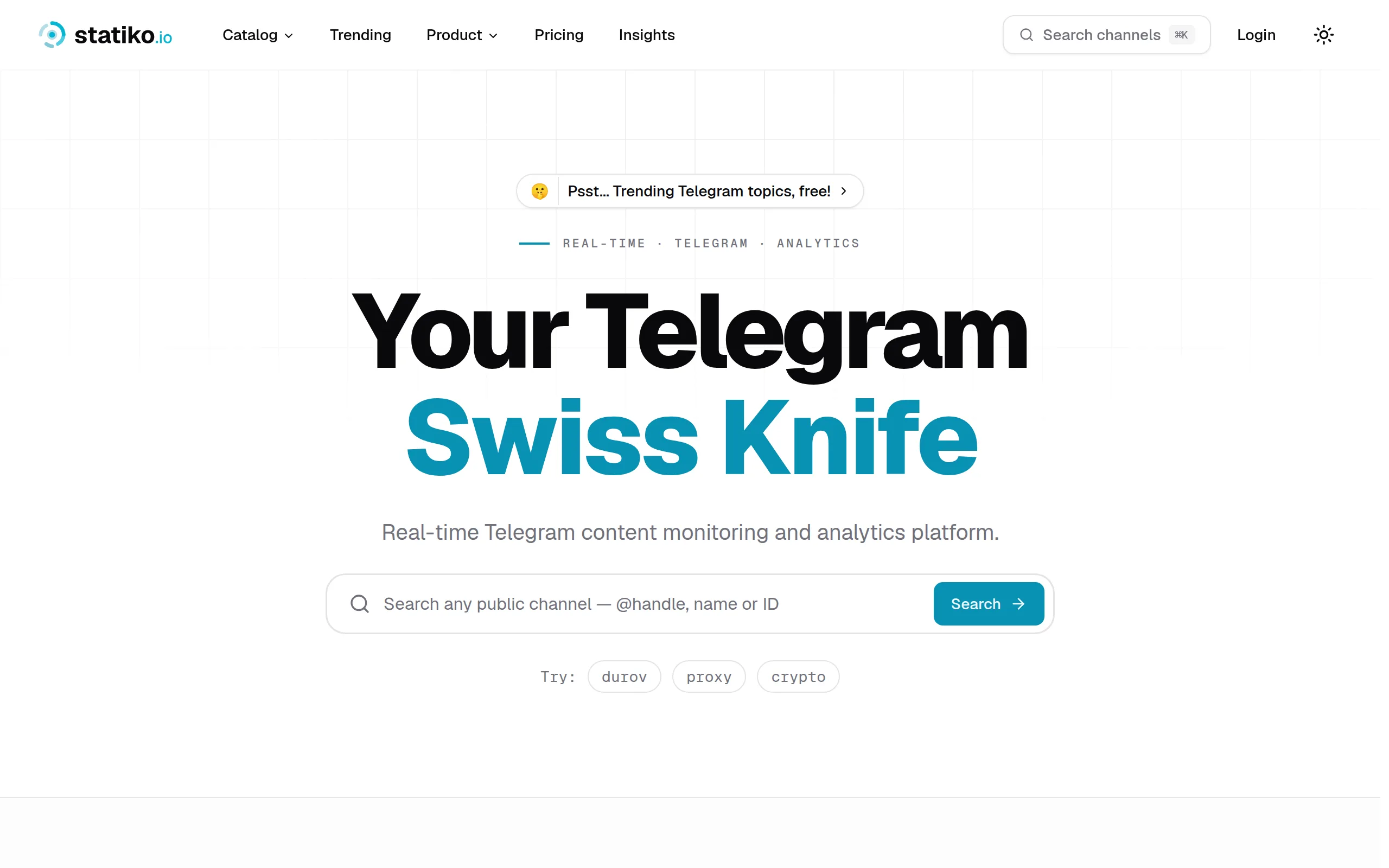
Statiko
Monitor any Telegram channel in real time - track posts, edits, deletions, and growth with AI recaps 📡

Shibui
AI website builder - describe your business, pick a niche template, edit by chatting, and publish instantly ✨
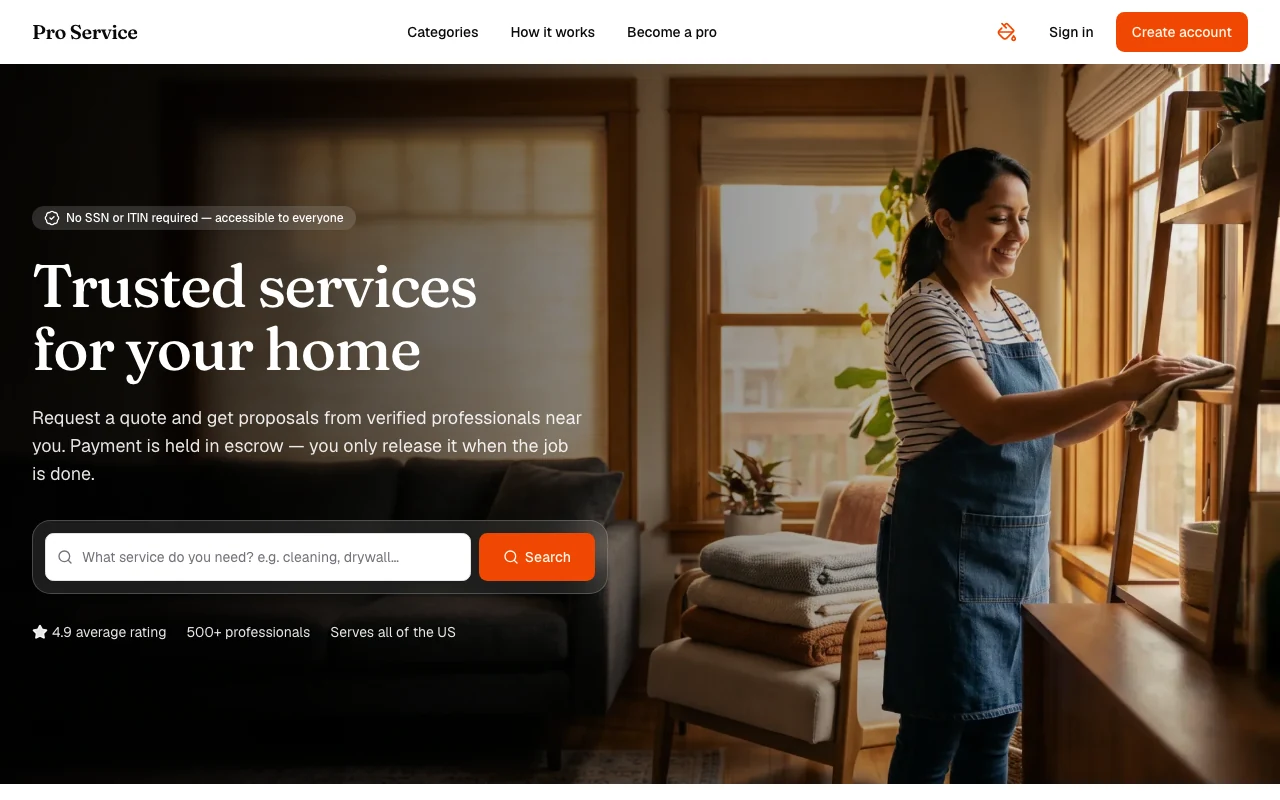
Pro Service
Find verified home service professionals, compare quotes, and pay securely through escrow - built for Brazilians across the US 🏠
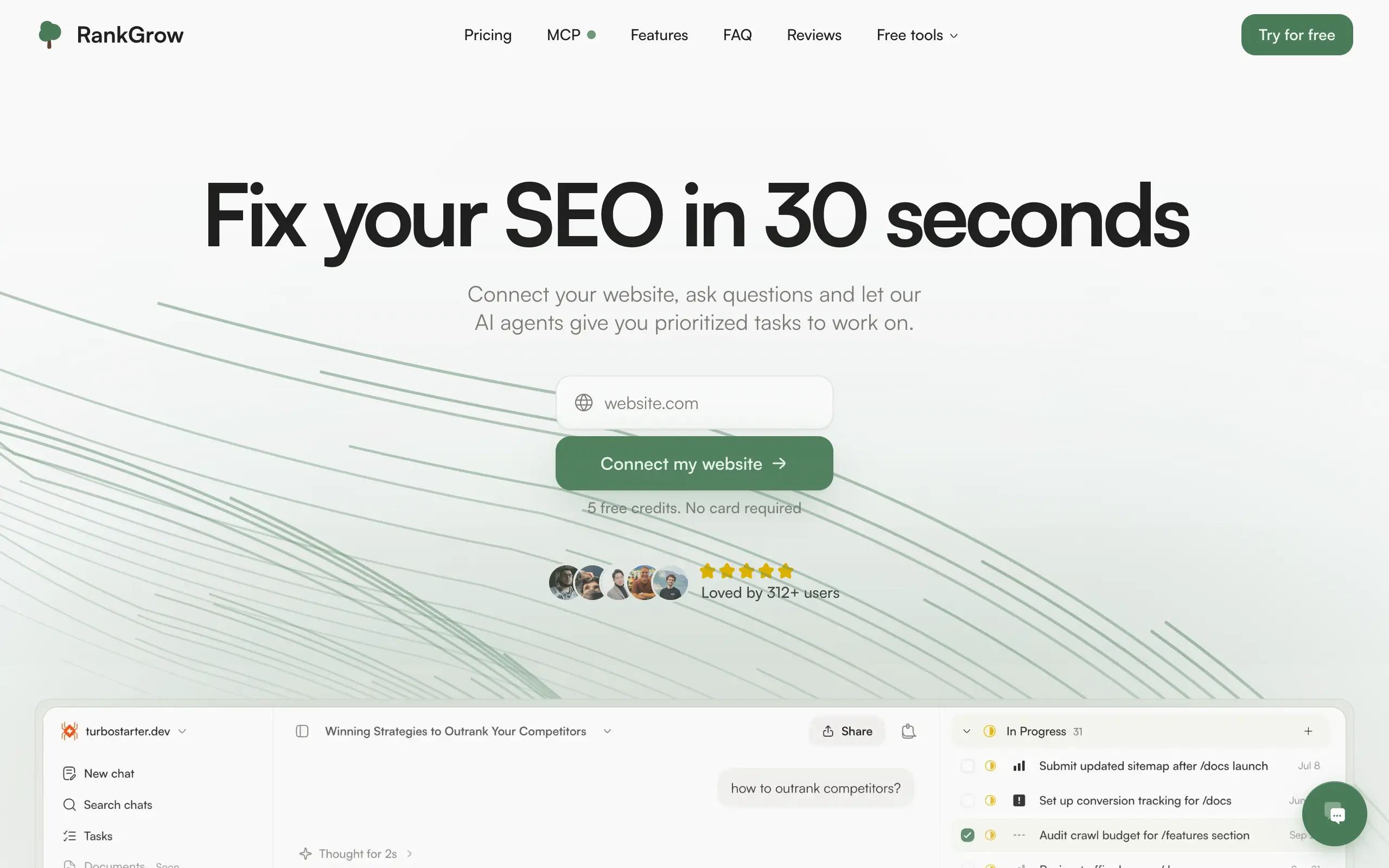
RankGrow
Fix your SEO with AI agents - connect Search Console, get prioritized tasks, and grow organic traffic 📈
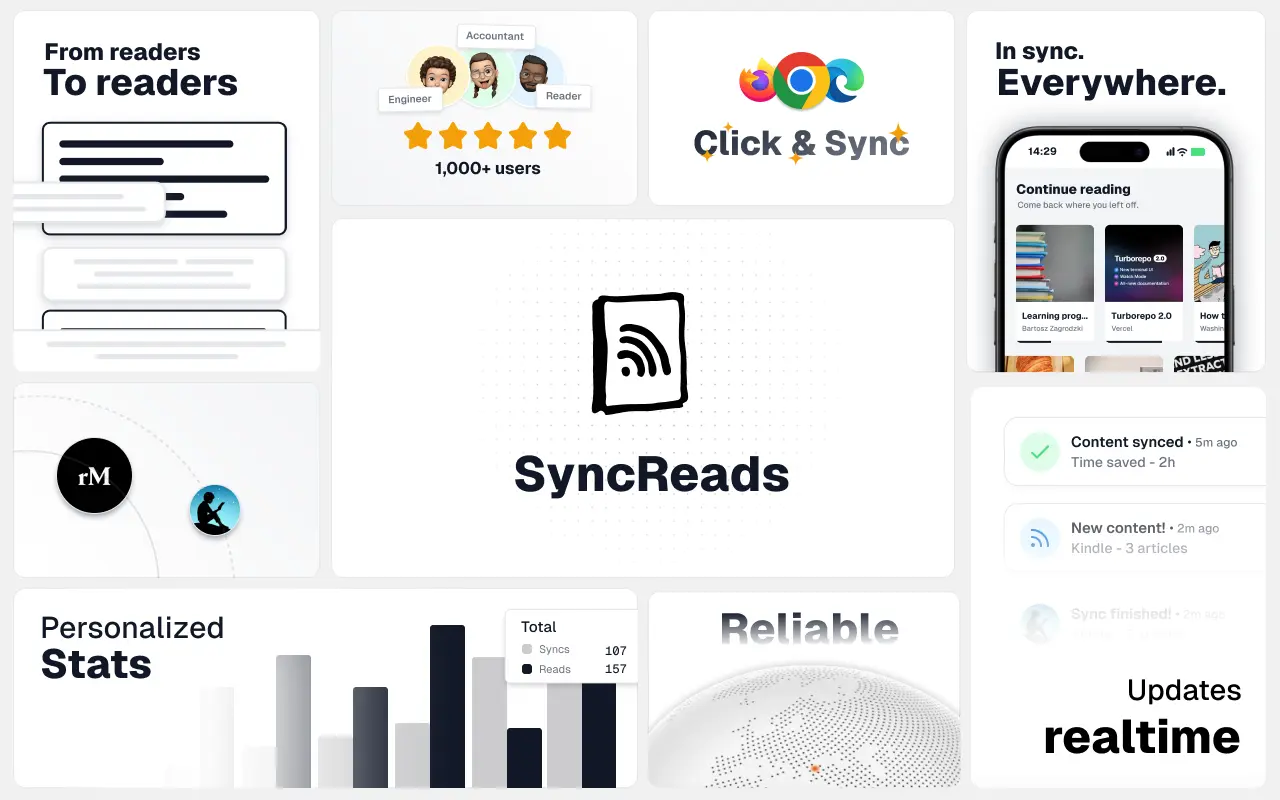
SyncReads
Sync your favorite content for distraction-free reading, save time and replace multiple apps. Anytime, anywhere 🔄
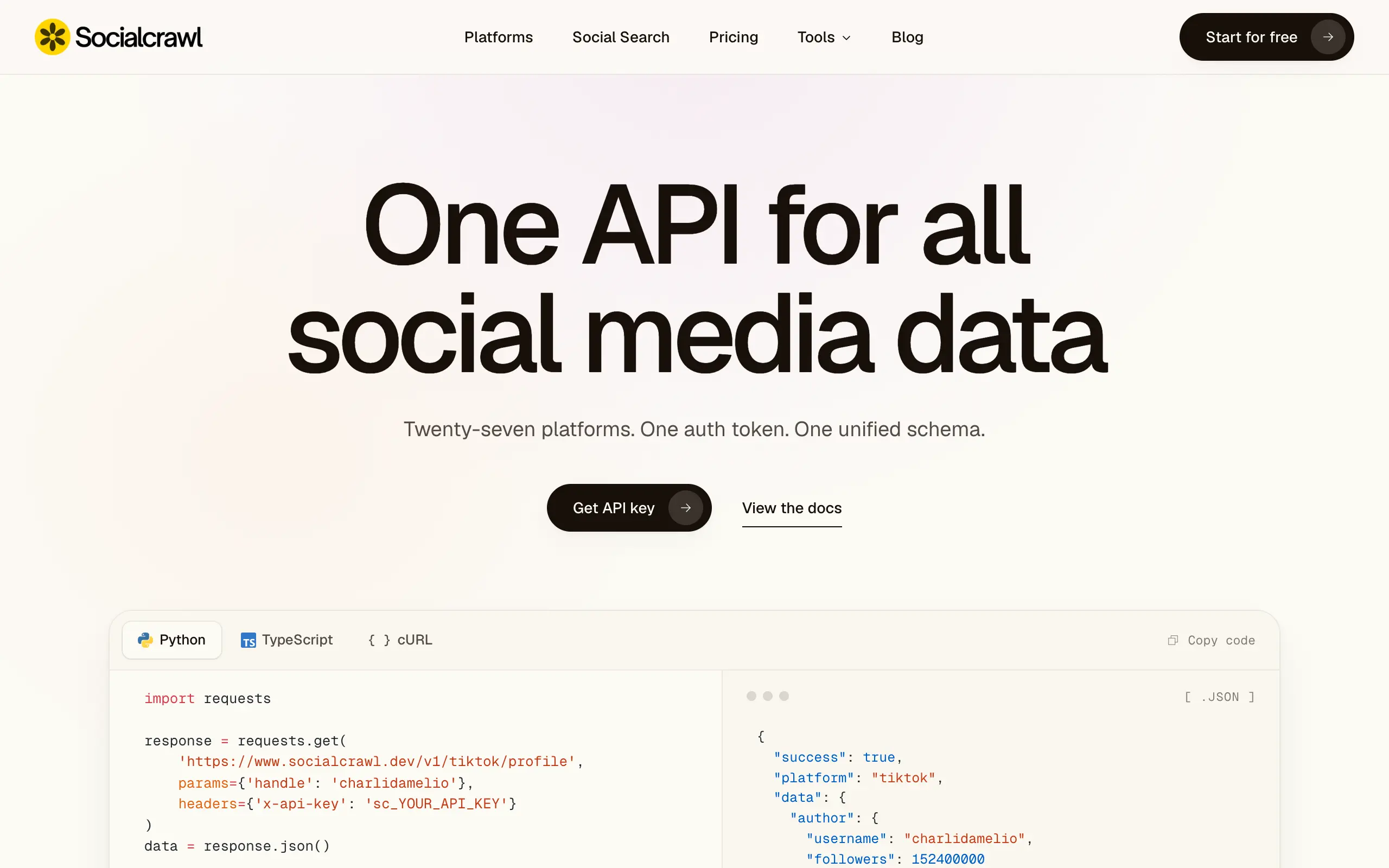
Socialcrawl
Get clean, structured data from 21 platforms like TikTok, Instagram, and YouTube with a single request 📊
Statiko
Monitor any Telegram channel in real time - track posts, edits, deletions, and growth with AI recaps 📡
Shibui
AI website builder - describe your business, pick a niche template, edit by chatting, and publish instantly ✨
Pro Service
Find verified home service professionals, compare quotes, and pay securely through escrow - built for Brazilians across the US 🏠
RankGrow
Fix your SEO with AI agents - connect Search Console, get prioritized tasks, and grow organic traffic 📈
SyncReads
Sync your favorite content for distraction-free reading, save time and replace multiple apps. Anytime, anywhere 🔄
Socialcrawl
Get clean, structured data from 21 platforms like TikTok, Instagram, and YouTube with a single request 📊
Statiko
Monitor any Telegram channel in real time - track posts, edits, deletions, and growth with AI recaps 📡
Shibui
AI website builder - describe your business, pick a niche template, edit by chatting, and publish instantly ✨
Pro Service
Find verified home service professionals, compare quotes, and pay securely through escrow - built for Brazilians across the US 🏠
RankGrow
Fix your SEO with AI agents - connect Search Console, get prioritized tasks, and grow organic traffic 📈
SyncReads
Sync your favorite content for distraction-free reading, save time and replace multiple apps. Anytime, anywhere 🔄
Socialcrawl
Get clean, structured data from 21 platforms like TikTok, Instagram, and YouTube with a single request 📊
Statiko
Monitor any Telegram channel in real time - track posts, edits, deletions, and growth with AI recaps 📡
Shibui
AI website builder - describe your business, pick a niche template, edit by chatting, and publish instantly ✨
Pro Service
Find verified home service professionals, compare quotes, and pay securely through escrow - built for Brazilians across the US 🏠
RankGrow
Fix your SEO with AI agents - connect Search Console, get prioritized tasks, and grow organic traffic 📈
SyncReads
Sync your favorite content for distraction-free reading, save time and replace multiple apps. Anytime, anywhere 🔄
Socialcrawl
Get clean, structured data from 21 platforms like TikTok, Instagram, and YouTube with a single request 📊
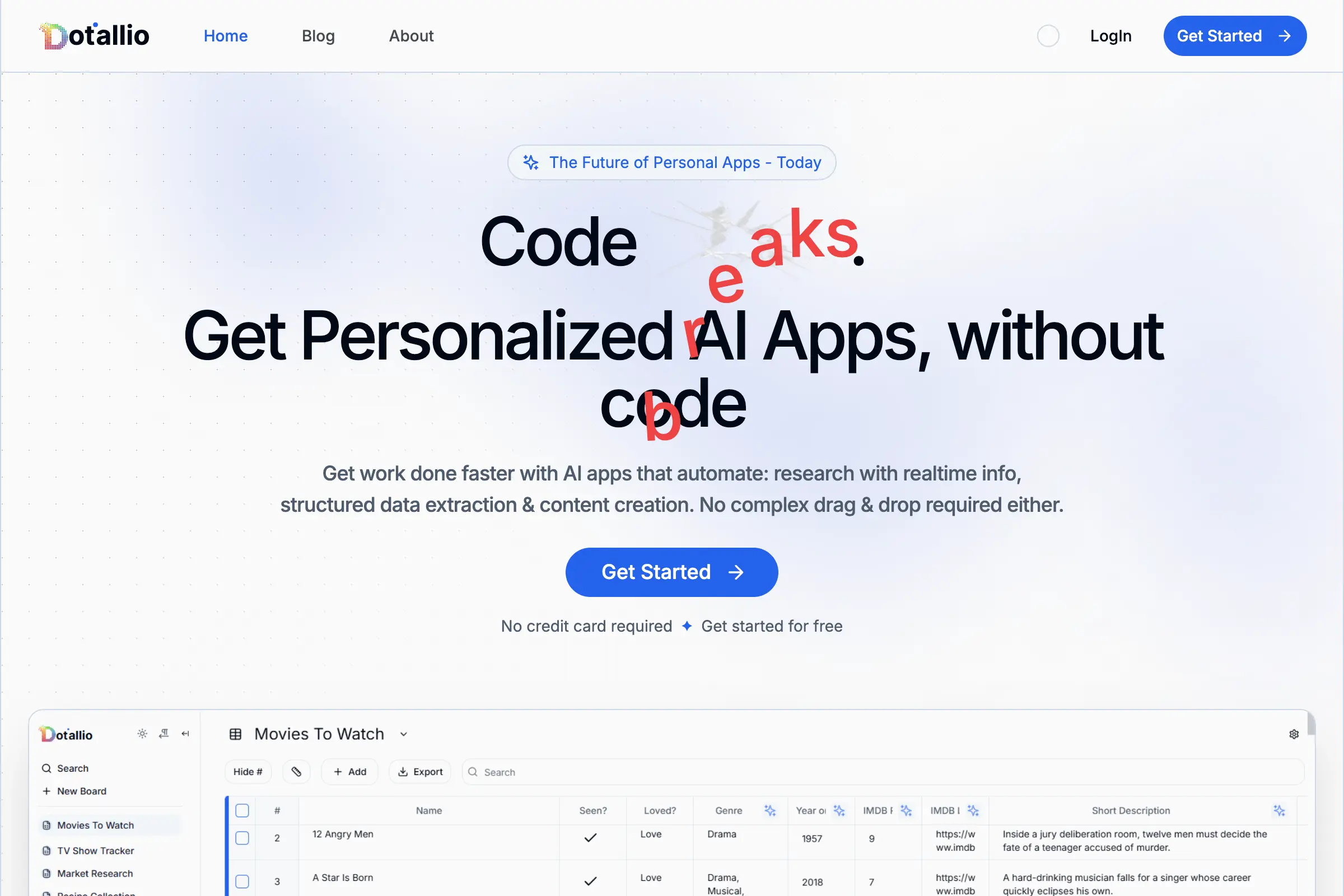
Dotallio
Personalized AI apps that automate research, data extraction, and content creation without code 🤖
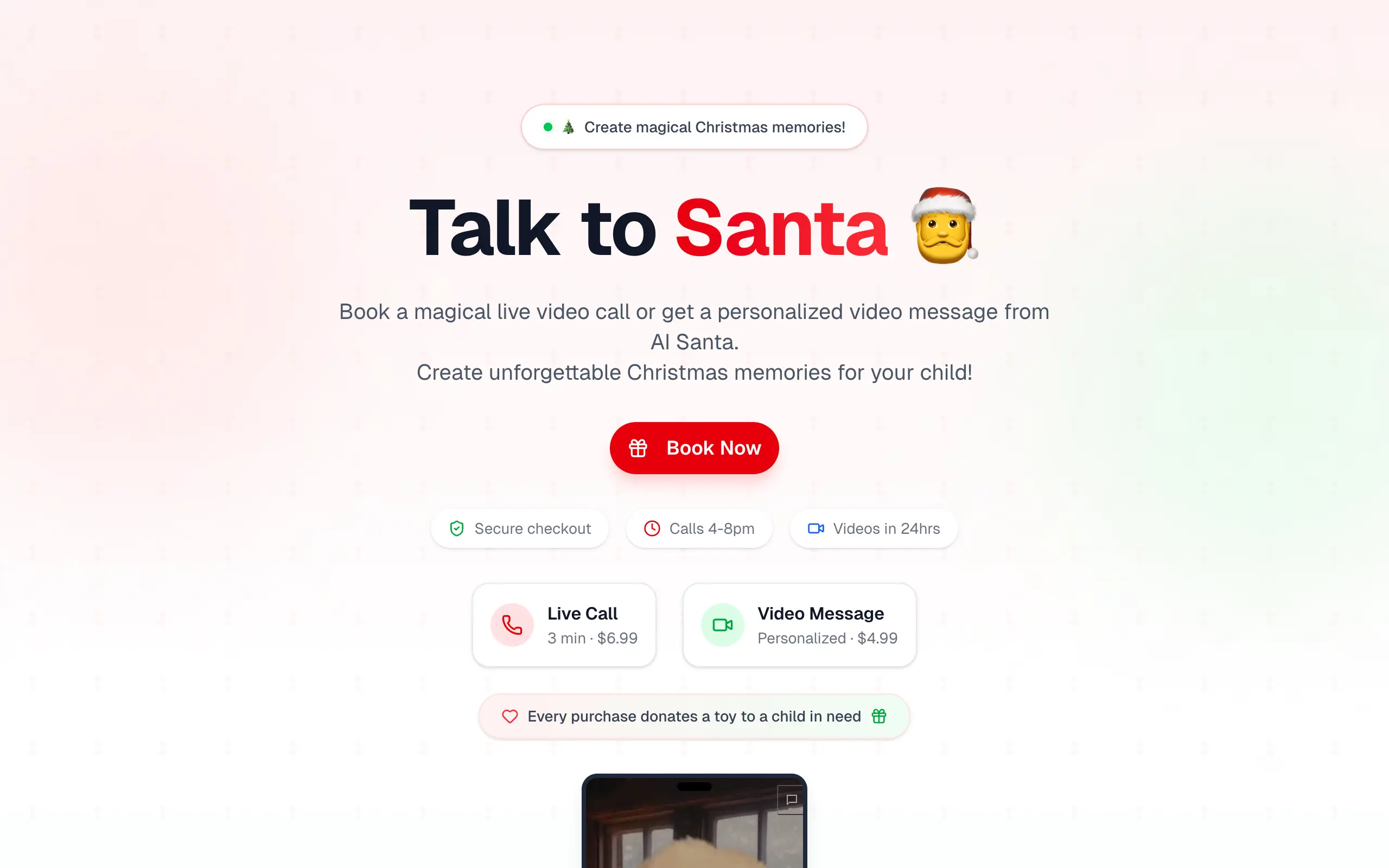
Talk to Santa
Enjoy a magical live video chat or receive a unique AI-generated video greeting from Santa Claus 🎅
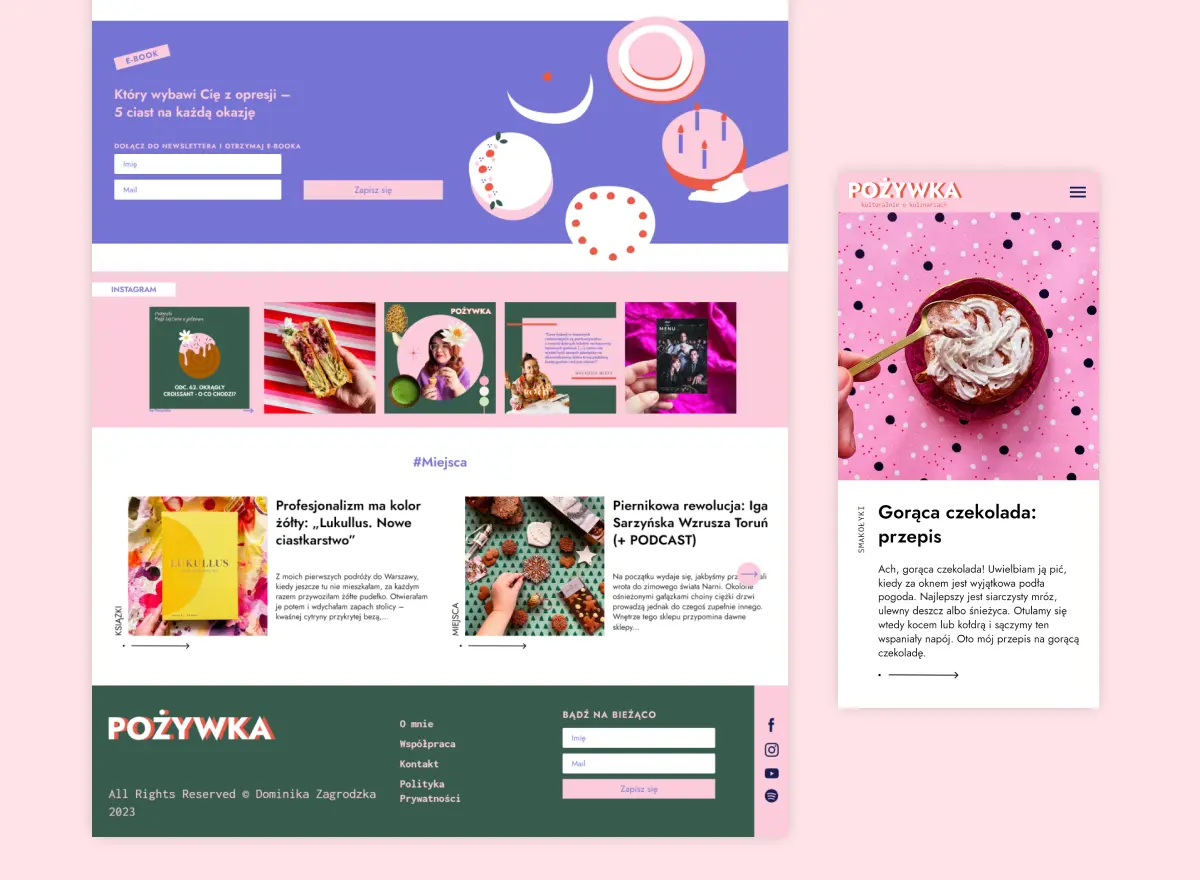
pozywka.pl
Scalable blog for food journalist, focused on performance and user experience 🌭
zagrodzki.me
Personal blog and portfolio of Bart Zagrodzki, where he shares his knowledge and work 💼
TurboStarter
Ship your startup everywhere. In minutes.
HTML to Markdown
Convert HTML to Markdown with ease, directly in your browser 📄
Dotallio
Personalized AI apps that automate research, data extraction, and content creation without code 🤖
Talk to Santa
Enjoy a magical live video chat or receive a unique AI-generated video greeting from Santa Claus 🎅
pozywka.pl
Scalable blog for food journalist, focused on performance and user experience 🌭
zagrodzki.me
Personal blog and portfolio of Bart Zagrodzki, where he shares his knowledge and work 💼
TurboStarter
Ship your startup everywhere. In minutes.
HTML to Markdown
Convert HTML to Markdown with ease, directly in your browser 📄
Dotallio
Personalized AI apps that automate research, data extraction, and content creation without code 🤖
Talk to Santa
Enjoy a magical live video chat or receive a unique AI-generated video greeting from Santa Claus 🎅
pozywka.pl
Scalable blog for food journalist, focused on performance and user experience 🌭
zagrodzki.me
Personal blog and portfolio of Bart Zagrodzki, where he shares his knowledge and work 💼
TurboStarter
Ship your startup everywhere. In minutes.
HTML to Markdown
Convert HTML to Markdown with ease, directly in your browser 📄
Dotallio
Personalized AI apps that automate research, data extraction, and content creation without code 🤖
Talk to Santa
Enjoy a magical live video chat or receive a unique AI-generated video greeting from Santa Claus 🎅
pozywka.pl
Scalable blog for food journalist, focused on performance and user experience 🌭
zagrodzki.me
Personal blog and portfolio of Bart Zagrodzki, where he shares his knowledge and work 💼
TurboStarter
Ship your startup everywhere. In minutes.
HTML to Markdown
Convert HTML to Markdown with ease, directly in your browser 📄
Omichat
Chat with 50+ AI models, including ChatGPT and Claude, in one place - switch models anytime without losing context 🤖
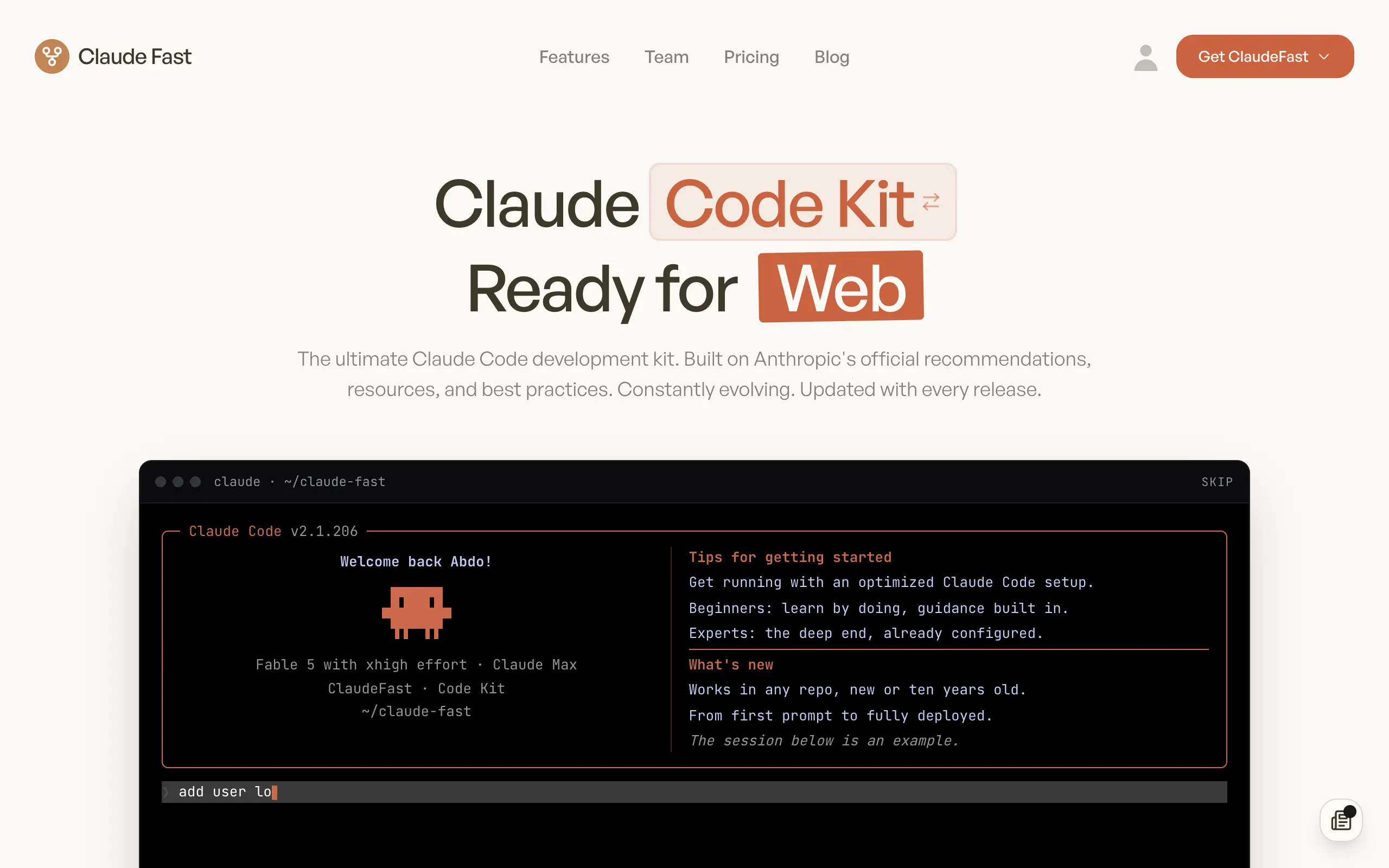
Claude Fast
Supercharge your Claude Code with 6x effective context window and specialized AI agents 🤖
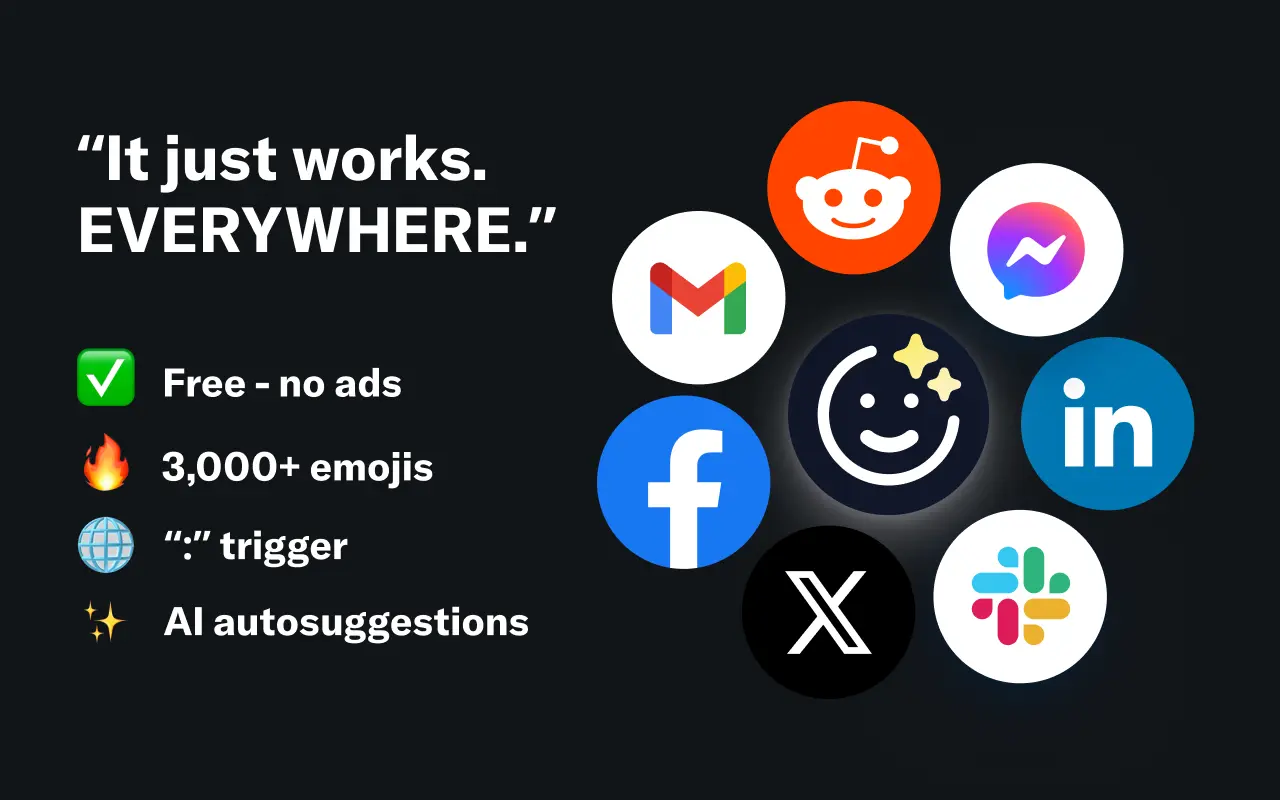
EmojAI
AI-powered emoji picker with smart, context-aware suggestions 🤖
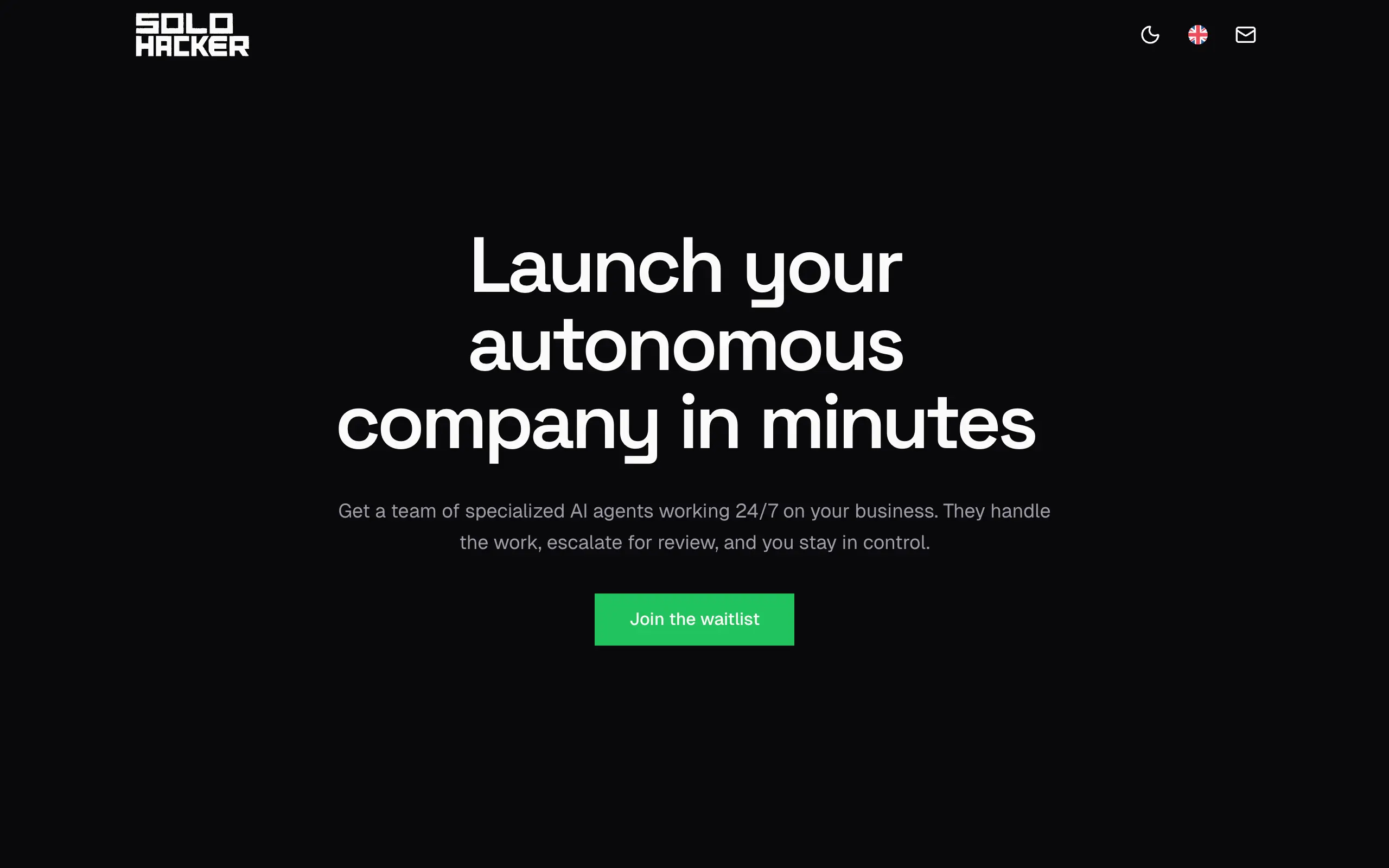
Solohacker
Autonomous company launcher - AI agents work 24/7, escalate what matters, and you stay in control 🤖
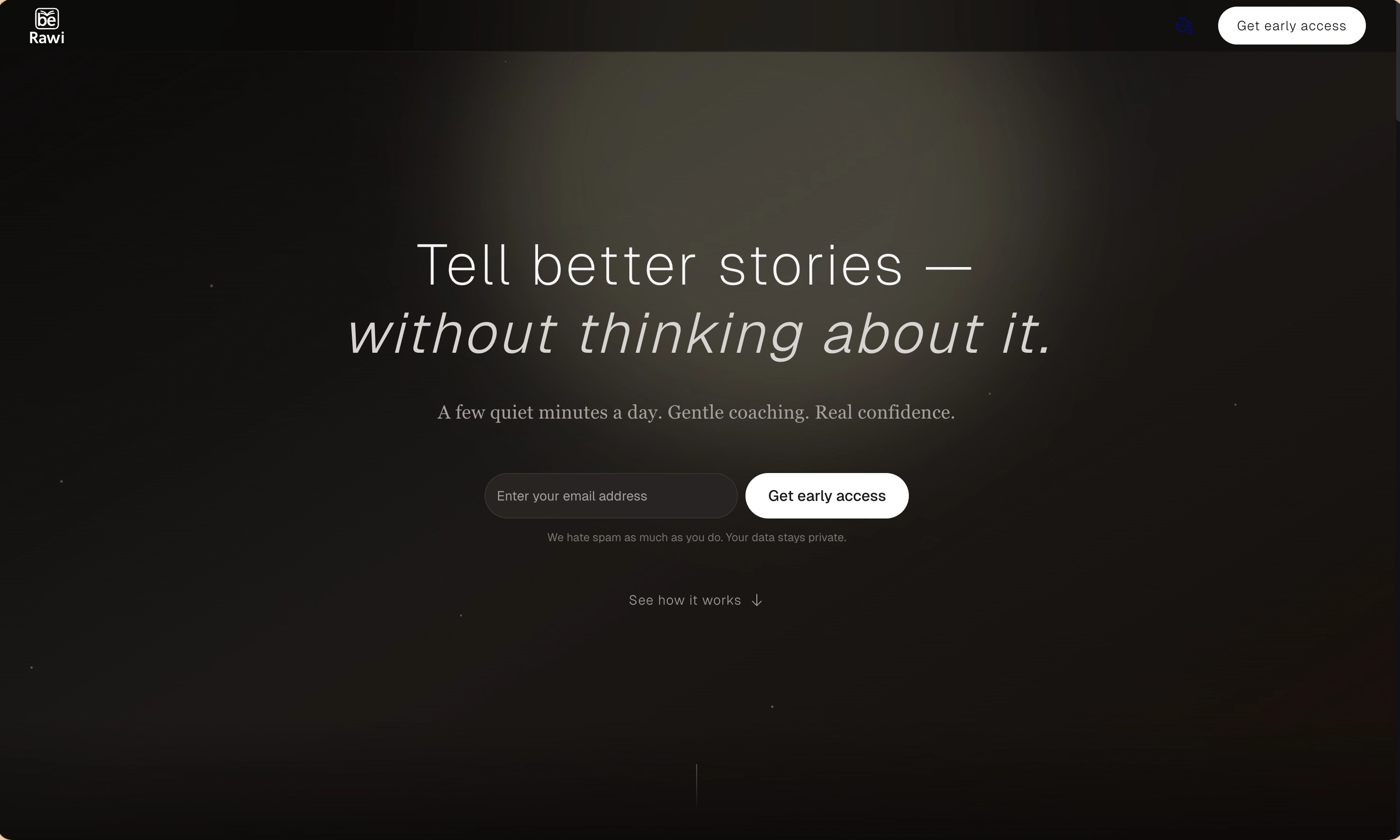
BeRawi: Storytelling Coach
Practice storytelling daily with instant feedback to sound clearer, more engaging, and confident 🎤
Omichat
Chat with 50+ AI models, including ChatGPT and Claude, in one place - switch models anytime without losing context 🤖
Claude Fast
Supercharge your Claude Code with 6x effective context window and specialized AI agents 🤖
EmojAI
AI-powered emoji picker with smart, context-aware suggestions 🤖
Solohacker
Autonomous company launcher - AI agents work 24/7, escalate what matters, and you stay in control 🤖
BeRawi: Storytelling Coach
Practice storytelling daily with instant feedback to sound clearer, more engaging, and confident 🎤
Omichat
Chat with 50+ AI models, including ChatGPT and Claude, in one place - switch models anytime without losing context 🤖
Claude Fast
Supercharge your Claude Code with 6x effective context window and specialized AI agents 🤖
EmojAI
AI-powered emoji picker with smart, context-aware suggestions 🤖
Solohacker
Autonomous company launcher - AI agents work 24/7, escalate what matters, and you stay in control 🤖
BeRawi: Storytelling Coach
Practice storytelling daily with instant feedback to sound clearer, more engaging, and confident 🎤
Omichat
Chat with 50+ AI models, including ChatGPT and Claude, in one place - switch models anytime without losing context 🤖
Claude Fast
Supercharge your Claude Code with 6x effective context window and specialized AI agents 🤖
EmojAI
AI-powered emoji picker with smart, context-aware suggestions 🤖
Solohacker
Autonomous company launcher - AI agents work 24/7, escalate what matters, and you stay in control 🤖
BeRawi: Storytelling Coach
Practice storytelling daily with instant feedback to sound clearer, more engaging, and confident 🎤

Connect with like-minded people
Join our community to get feedback, support, and grow together with 1,000+ builders on board, let's ship it!
Join usShip your startup everywhere. In minutes.
Don't burn tokens on setup and start building features on day one.