CalmPulse AI
AI-powered real-time stress and anxiety monitoring with personalized coping strategies, mindfulness exercises, and progress tracking for individuals and therapists.
Understanding the need for AI-powered stress monitoring
Stress is a pervasive challenge in modern life, impacting productivity, health, and overall well-being. With the rise of remote work, digital overload, and global uncertainty, individuals are seeking smarter, more proactive ways to manage stress. CalmPulse AI addresses this need by leveraging artificial intelligence and wearable integration to deliver real-time stress monitoring and personalized coping strategies.
Why stress management is more critical than ever
- Rising mental health concerns: According to the World Health Organization, stress-related disorders are among the leading causes of disability worldwide.
- Wearable adoption: The global wearable technology market is projected to surpass $100 billion by 2027 (source: Statista), making real-time biometric data more accessible than ever.
- Demand for personalization: Users expect tailored experiences, especially in health and wellness, where one-size-fits-all solutions often fall short.
By combining AI, real-time data, and personalized interventions, CalmPulse AI is positioned to meet the evolving needs of individuals seeking effective, tech-driven mental health support.
Target audience analysis: Who benefits from CalmPulse AI?
Understanding the target audience is crucial for product-market fit and effective go-to-market strategies. CalmPulse AI’s primary and secondary user segments include:
Primary audience
- Professionals and remote workers: Individuals facing high-pressure environments, tight deadlines, or digital fatigue.
- Students: Those managing academic stress, exam anxiety, or transition challenges.
- Individuals with chronic stress or anxiety: People seeking proactive, non-intrusive support for ongoing mental health management.
Secondary audience
- Healthcare providers: Therapists, counselors, and clinics looking to augment patient care with data-driven insights.
- Corporate wellness programs: Organizations aiming to support employee well-being and reduce burnout.
- Fitness and wellness enthusiasts: Users already invested in wearables and self-optimization.
User personas
Busy professional
Needs real-time stress alerts and actionable coping strategies during work hours.
University student
Wants to track stress patterns and receive study break reminders.
Therapist
Seeks objective data to complement therapy sessions and monitor client progress.
Identifying the market opportunity and gaps
Current landscape
The digital mental health market is crowded with meditation apps, mood trackers, and teletherapy platforms. However, most solutions:
- Rely on self-reported data, which can be subjective and inconsistent.
- Offer generic advice, lacking true personalization.
- Do not leverage real-time biometric data for proactive intervention.
Key market gaps CalmPulse AI addresses
- Objective, continuous monitoring: By integrating with wearables, CalmPulse AI captures real-time physiological signals (e.g., heart rate variability, skin conductance) to detect stress as it happens.
- Personalized, adaptive strategies: AI-driven recommendations evolve based on user data, context, and feedback.
- Seamless, non-intrusive support: Interventions are delivered at the right moment, minimizing disruption and maximizing impact.
Competitive landscape comparison
| Real-time monitoring | Wearable integration | Personalized strategies | AI-driven insights | Self-reported only |
|---|---|---|---|---|
| ✅ | ✅ | ✅ | ✅ | ❌ |
| ❌ | ❌ | ✅ | ❌ | ✅ |
Core features and solution details
CalmPulse AI’s feature set is designed to deliver a seamless, effective, and user-centric experience.
1. Real-time stress detection
- Continuous monitoring: Leverages data from wearables (e.g., smartwatches, fitness bands) to track physiological markers.
- AI-powered analysis: Uses machine learning models to detect stress patterns and anomalies.
2. Personalized coping strategies
- Dynamic recommendations: Suggests breathing exercises, mindfulness prompts, or movement breaks tailored to the user’s current state.
- Context-aware interventions: Considers time of day, calendar events, and user preferences.
3. Insightful analytics and trends
- Stress history dashboard: Visualizes stress levels over time, highlighting triggers and progress.
- Goal setting and tracking: Enables users to set wellness goals and monitor achievements.
4. Seamless wearable integration
- Multi-device support: Compatible with leading wearables (Apple Watch, Fitbit, Garmin, etc.).
- Secure data sync: Ensures privacy and data integrity.
5. Proactive notifications and reminders
- Smart alerts: Notifies users when stress is detected, offering immediate coping strategies.
- Customizable frequency: Users control how often they receive interventions.
6. Privacy-first architecture
- End-to-end encryption: Protects sensitive health data.
- User control: Transparent data policies and easy opt-out options.
Example user flow
Recommended tech stack for CalmPulse AI
Selecting the right technology stack is critical for scalability, security, and user experience. Here’s a recommended stack with trade-offs considered:
Frontend
- React: Robust, component-based UI development.
- TailwindCSS: Utility-first CSS for rapid, responsive design.
- Redux or Context API: State management for real-time updates.
Backend
- Node.js: Scalable, event-driven server-side logic.
- Express: Lightweight API framework.
- Python (for AI models): Rich ecosystem for machine learning (TensorFlow, PyTorch).
AI & Data
- TensorFlow or PyTorch: For training and deploying stress detection models.
- PostgreSQL: Reliable, scalable relational database.
- Redis: For caching and real-time data processing.
Wearable integration
- Apple HealthKit, Google Fit, Fitbit API: For accessing wearable data.
Security & Privacy
- OAuth 2.0: Secure authentication.
- End-to-end encryption: For all sensitive data in transit and at rest.
Trade-offs
- Python vs. Node.js for AI: Python offers superior ML libraries, but Node.js may be preferred for real-time, event-driven tasks.
- Cloud vs. on-device processing: Cloud-based AI enables more complex models, but on-device processing enhances privacy and reduces latency.
Monetization strategy options
A sustainable business model is essential for long-term success. CalmPulse AI can explore several monetization avenues:
1. Freemium model
- Free tier: Basic stress monitoring and limited interventions.
- Premium tier: Advanced analytics, unlimited personalized strategies, and priority support.
2. B2B partnerships
- Corporate wellness: Offer enterprise packages to organizations for employee well-being programs.
- Healthcare providers: Subscription-based access for clinics and therapists.
3. In-app purchases
- Specialized content: Guided meditations, expert webinars, or stress management courses.
4. Data-driven insights (with consent)
- Aggregated, anonymized reports: For research institutions or wellness partners (strictly opt-in and privacy-compliant).
Ads can undermine user trust, especially in sensitive health contexts. A subscription or B2B model aligns better with user expectations and privacy standards.
Potential risks and mitigation strategies
Building an AI-powered mental health platform comes with unique challenges. Proactive risk management is key.
1. Data privacy and security
- Risk: Breach of sensitive health data.
- Mitigation: Implement end-to-end encryption, regular security audits, and transparent privacy policies.
2. Algorithmic bias
- Risk: AI models may not generalize across diverse populations.
- Mitigation: Use diverse training datasets, continuous model evaluation, and allow user feedback to refine recommendations.
3. Over-reliance on technology
- Risk: Users may substitute professional help with app-based interventions.
- Mitigation: Clearly communicate that CalmPulse AI is a support tool, not a replacement for medical advice. Provide resources for seeking professional help.
4. Wearable compatibility issues
- Risk: Limited device support could hinder adoption.
- Mitigation: Prioritize integration with the most popular wearables and maintain an open roadmap for expanding compatibility.
Important
CalmPulse AI should never be positioned as a substitute for professional mental health care. Always encourage users to consult qualified professionals for serious concerns.
Competitive advantage analysis
CalmPulse AI stands out in a crowded market through several unique selling propositions:
1. True real-time, objective monitoring
Unlike most mental health apps that rely on self-reported data, CalmPulse AI uses continuous, objective biometric signals for stress detection.
2. Deep personalization powered by AI
Recommendations are not static—they evolve with each user’s data, context, and feedback, ensuring interventions remain relevant and effective.
3. Seamless wearable integration
By supporting a wide range of popular devices, CalmPulse AI meets users where they are, reducing friction and increasing engagement.
4. Privacy-first approach
With robust encryption and transparent data practices, CalmPulse AI builds trust—a critical factor in health tech adoption.
5. Actionable insights for users and professionals
The platform’s analytics empower both individuals and healthcare providers to make informed decisions and track progress over time.
Actionable implementation steps
Launching CalmPulse AI requires a structured, iterative approach. Here’s a recommended roadmap:
Conclusion: Why CalmPulse AI is the future of stress management
CalmPulse AI is uniquely positioned to transform how individuals understand and manage stress. By combining AI-powered real-time monitoring, deep personalization, and seamless wearable integration, it addresses critical gaps in the digital mental health landscape. Its privacy-first approach and actionable insights set a new standard for trust and efficacy in wellness technology.
For founders, developers, and investors, CalmPulse AI represents a timely, scalable, and impactful opportunity. By following a user-centric, evidence-based roadmap, this platform can become a leader in the next generation of mental health support.
Further resources
- TurboStarter — Accelerate your SaaS MVP development.
- React — Official documentation.
- TailwindCSS — Official documentation.
- TensorFlow — Machine learning framework.
- Apple HealthKit — Wearable data integration.
- For mental health statistics, see the World Health Organization’s mental health data portal.
Frequently asked questions
No, CalmPulse AI is a wellness tool designed to support stress management. It is not intended to diagnose, treat, or cure any medical condition.
All sensitive data is encrypted in transit and at rest. Users have full control over their data and can opt out at any time.
CalmPulse AI aims to support all major devices, including Apple Watch, Fitbit, and Garmin, with ongoing expansion based on user demand.
Some features may be available without a wearable, but real-time stress monitoring requires biometric data from supported devices.
More 🤖 AI Startup SaaS ideas
Discover more innovative ai startup SaaS ideas that are trending in 2026. Each idea is AI-generated with market validation and growth potential to help you find your next profitable venture faster than competitors.
Your competitors are building with TurboStarter
Below are some of the SaaS ideas that have been generated and built with our starter kit.
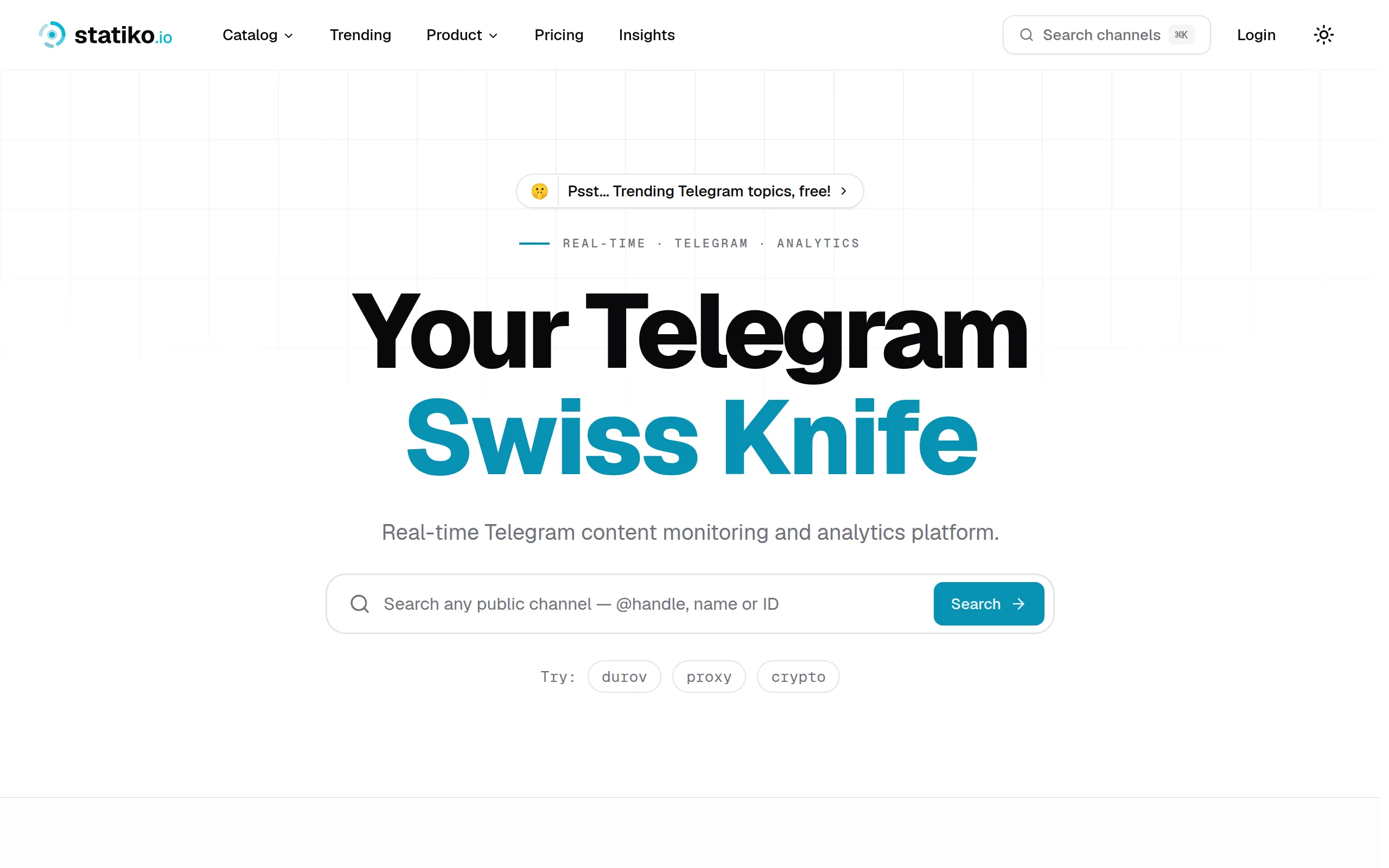
Statiko
Monitor any Telegram channel in real time - track posts, edits, deletions, and growth with AI recaps 📡

Shibui
AI website builder - describe your business, pick a niche template, edit by chatting, and publish instantly ✨

Pro Service
Find verified home service professionals, compare quotes, and pay securely through escrow - built for Brazilians across the US 🏠
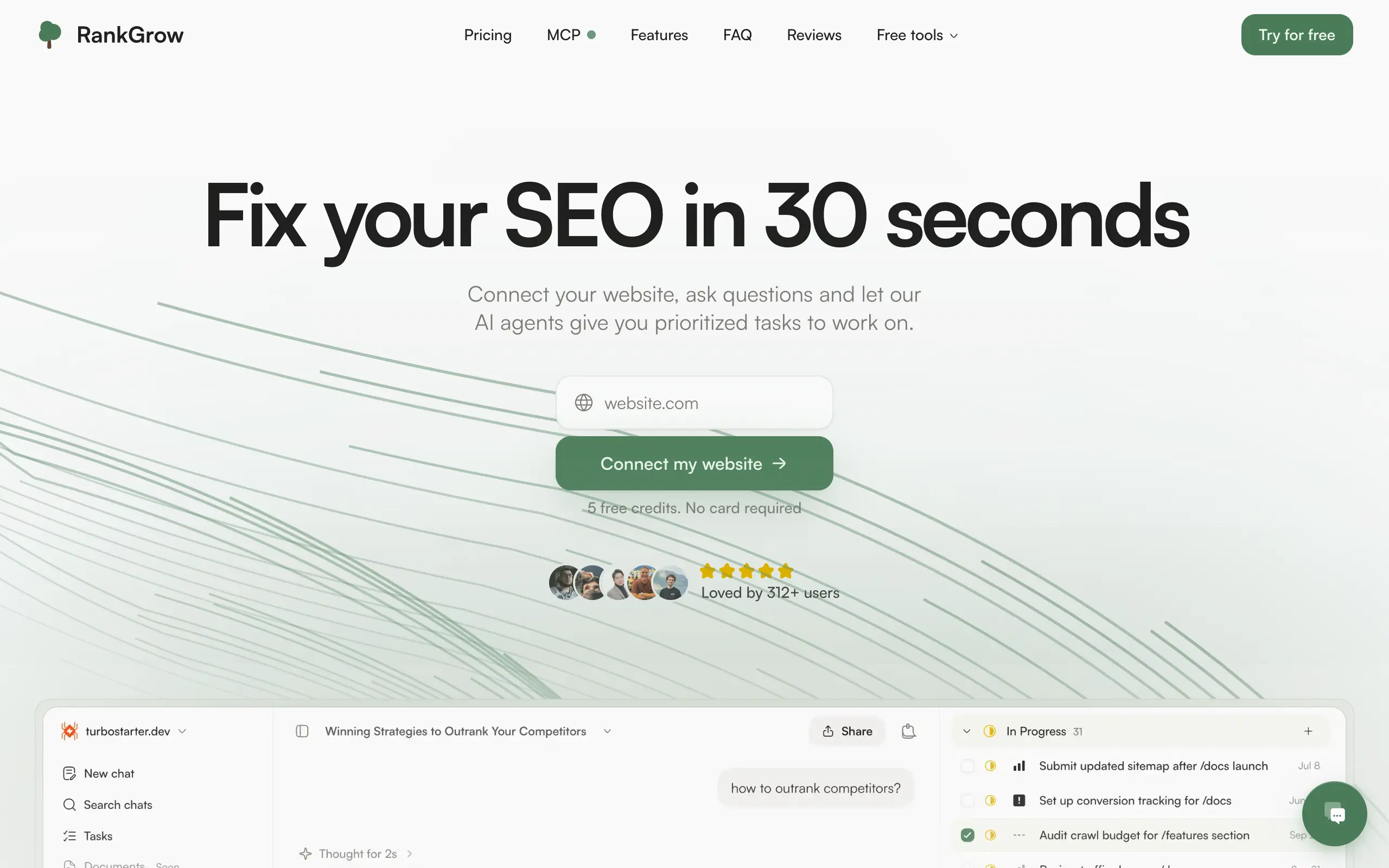
RankGrow
Fix your SEO with AI agents - connect Search Console, get prioritized tasks, and grow organic traffic 📈
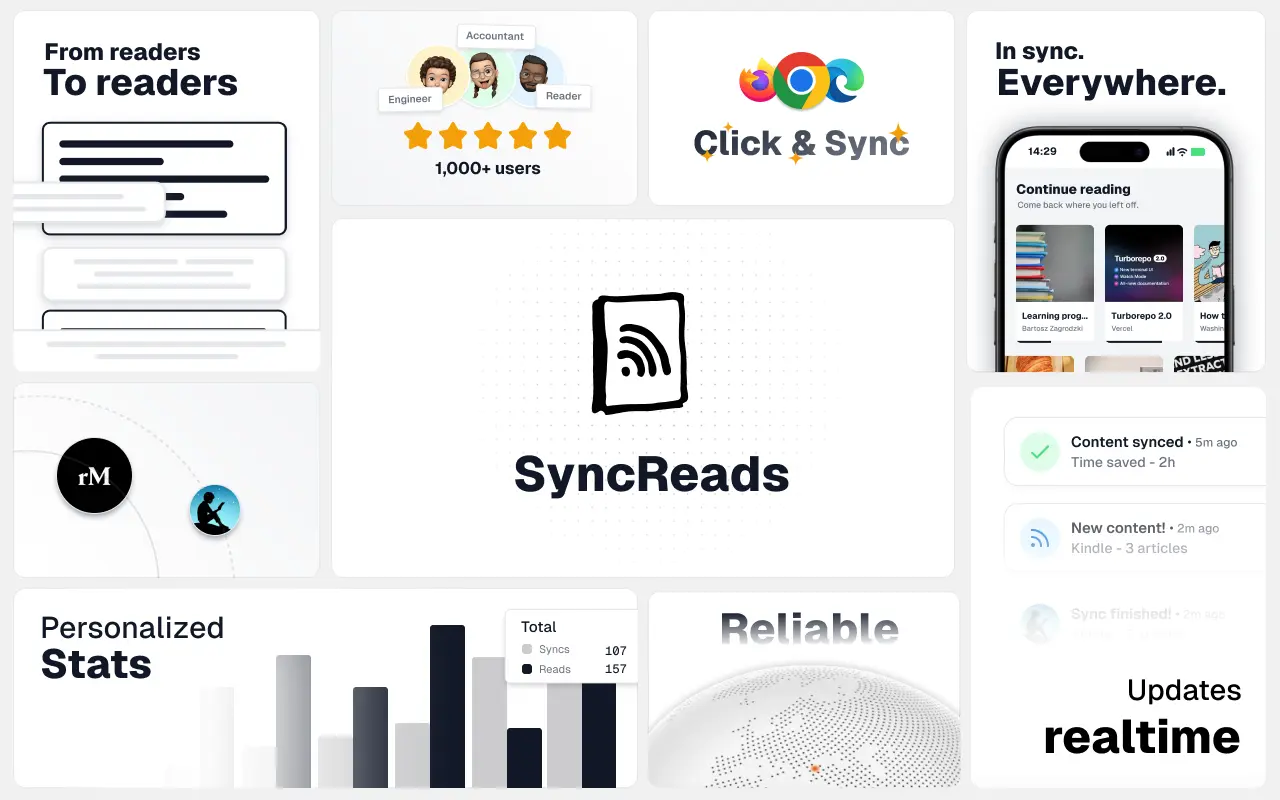
SyncReads
Sync your favorite content for distraction-free reading, save time and replace multiple apps. Anytime, anywhere 🔄
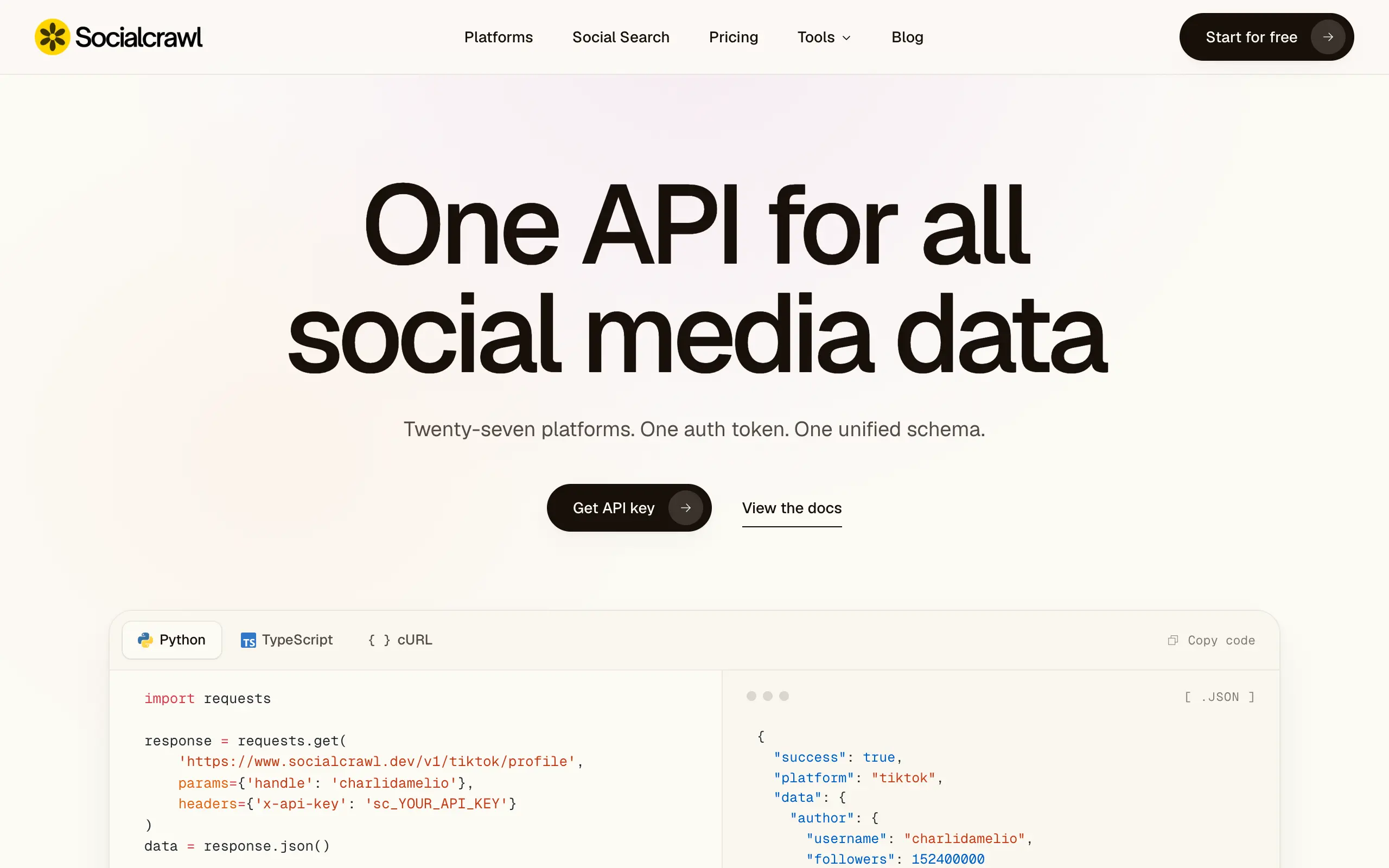
Socialcrawl
Get clean, structured data from 21 platforms like TikTok, Instagram, and YouTube with a single request 📊
Statiko
Monitor any Telegram channel in real time - track posts, edits, deletions, and growth with AI recaps 📡
Shibui
AI website builder - describe your business, pick a niche template, edit by chatting, and publish instantly ✨
Pro Service
Find verified home service professionals, compare quotes, and pay securely through escrow - built for Brazilians across the US 🏠
RankGrow
Fix your SEO with AI agents - connect Search Console, get prioritized tasks, and grow organic traffic 📈
SyncReads
Sync your favorite content for distraction-free reading, save time and replace multiple apps. Anytime, anywhere 🔄
Socialcrawl
Get clean, structured data from 21 platforms like TikTok, Instagram, and YouTube with a single request 📊
Statiko
Monitor any Telegram channel in real time - track posts, edits, deletions, and growth with AI recaps 📡
Shibui
AI website builder - describe your business, pick a niche template, edit by chatting, and publish instantly ✨
Pro Service
Find verified home service professionals, compare quotes, and pay securely through escrow - built for Brazilians across the US 🏠
RankGrow
Fix your SEO with AI agents - connect Search Console, get prioritized tasks, and grow organic traffic 📈
SyncReads
Sync your favorite content for distraction-free reading, save time and replace multiple apps. Anytime, anywhere 🔄
Socialcrawl
Get clean, structured data from 21 platforms like TikTok, Instagram, and YouTube with a single request 📊
Statiko
Monitor any Telegram channel in real time - track posts, edits, deletions, and growth with AI recaps 📡
Shibui
AI website builder - describe your business, pick a niche template, edit by chatting, and publish instantly ✨
Pro Service
Find verified home service professionals, compare quotes, and pay securely through escrow - built for Brazilians across the US 🏠
RankGrow
Fix your SEO with AI agents - connect Search Console, get prioritized tasks, and grow organic traffic 📈
SyncReads
Sync your favorite content for distraction-free reading, save time and replace multiple apps. Anytime, anywhere 🔄
Socialcrawl
Get clean, structured data from 21 platforms like TikTok, Instagram, and YouTube with a single request 📊
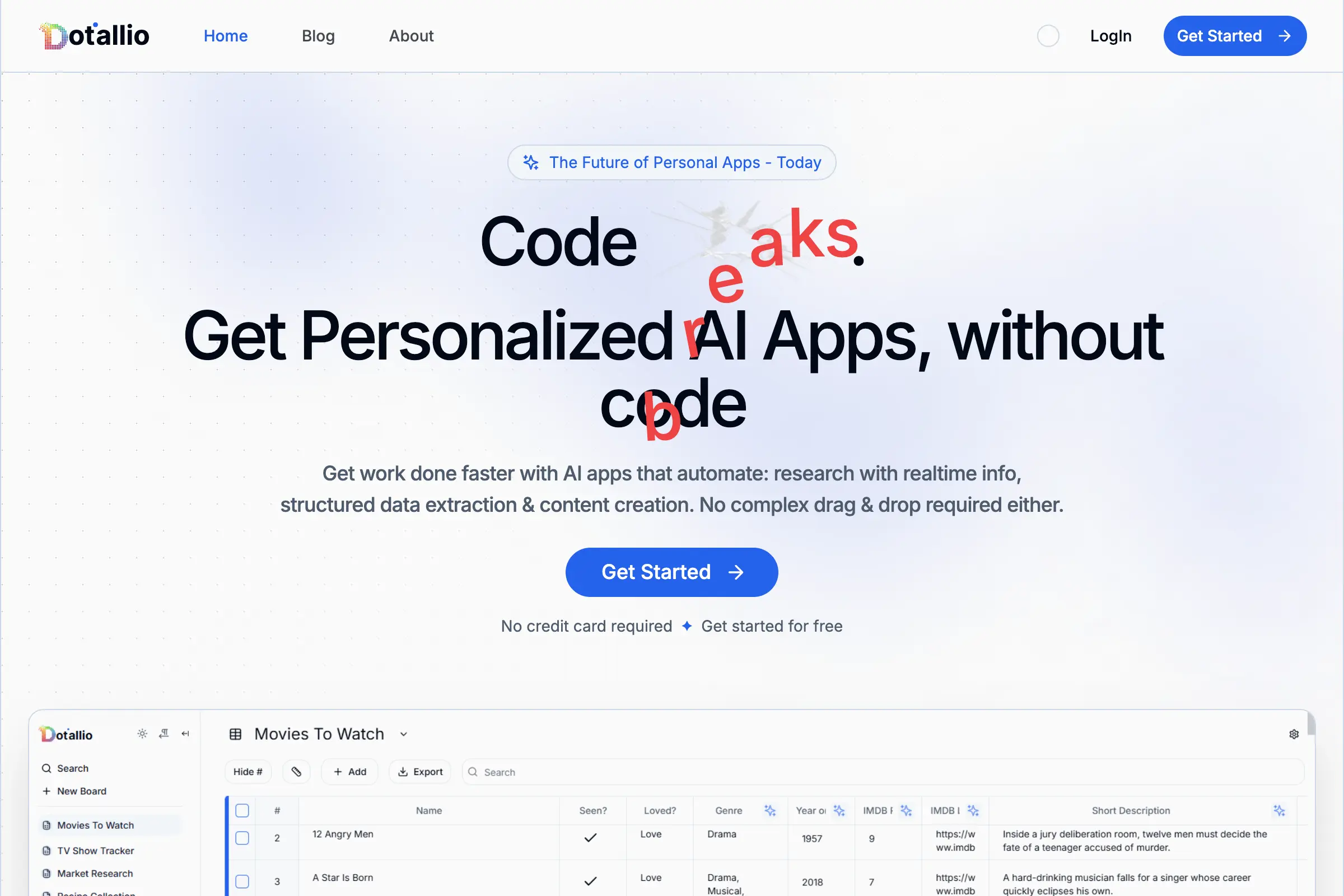
Dotallio
Personalized AI apps that automate research, data extraction, and content creation without code 🤖

Talk to Santa
Enjoy a magical live video chat or receive a unique AI-generated video greeting from Santa Claus 🎅
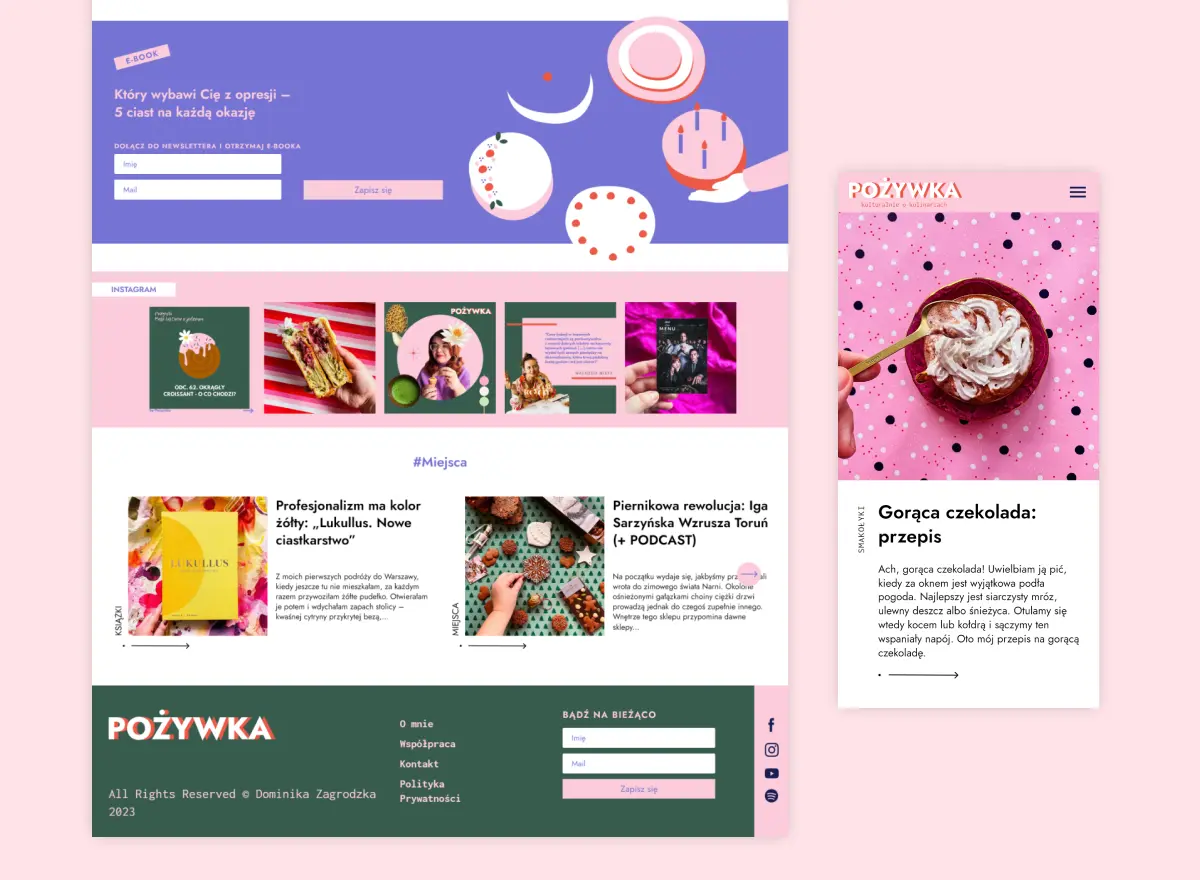
pozywka.pl
Scalable blog for food journalist, focused on performance and user experience 🌭
zagrodzki.me
Personal blog and portfolio of Bart Zagrodzki, where he shares his knowledge and work 💼
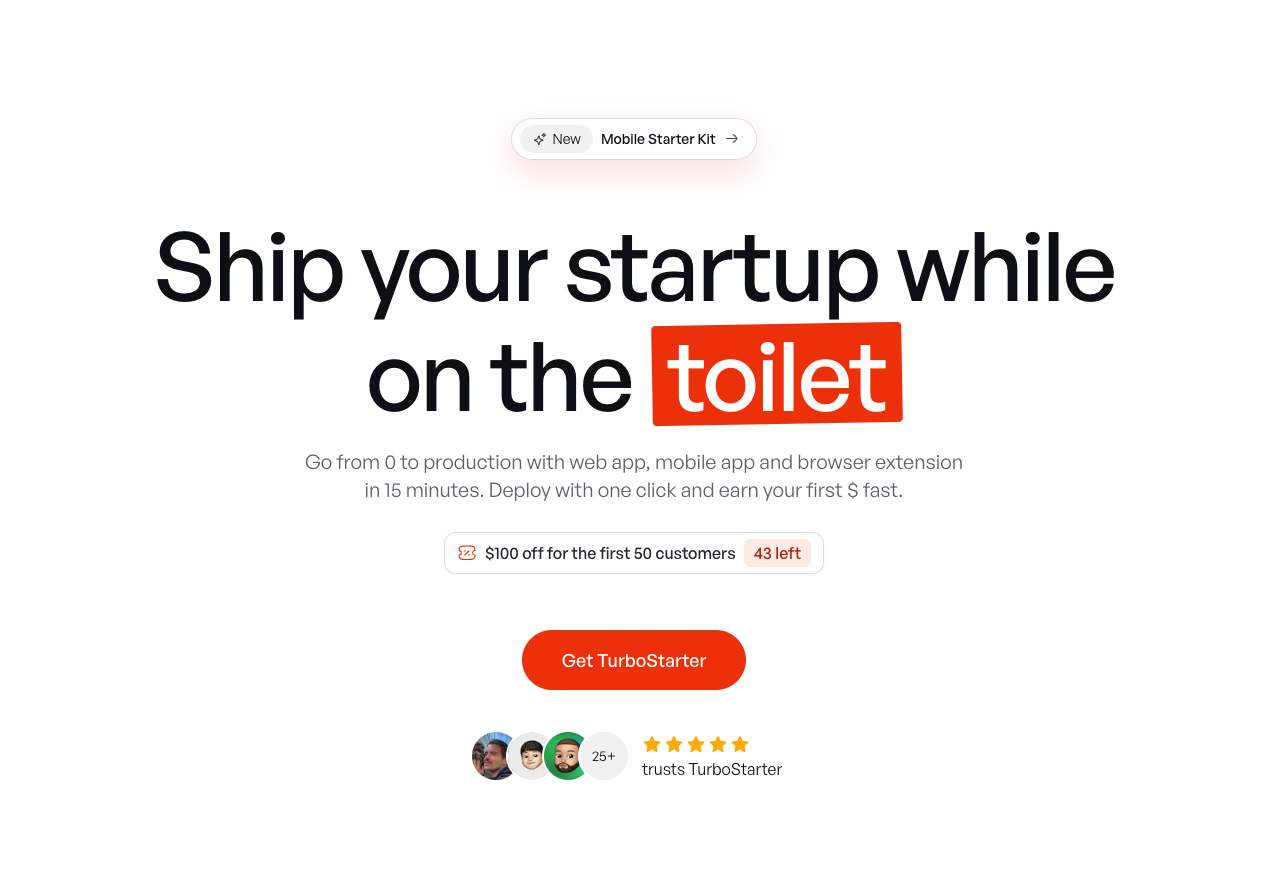
TurboStarter
Ship your startup everywhere. In minutes.
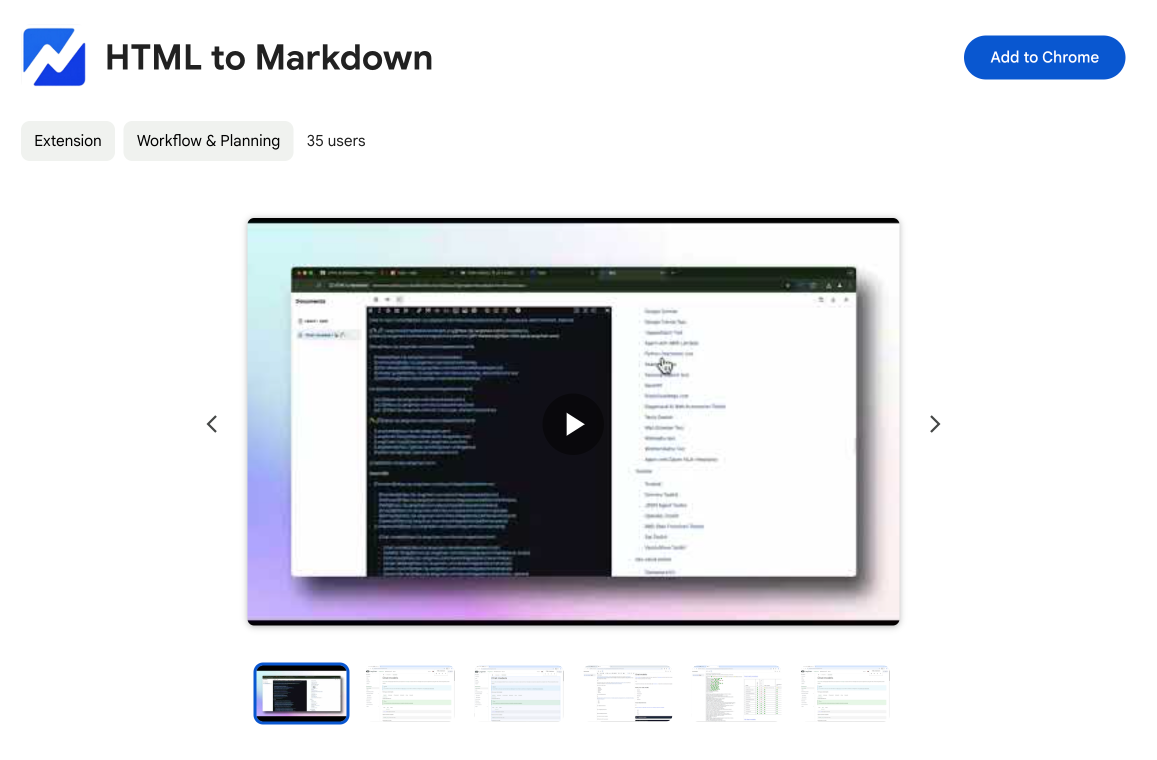
HTML to Markdown
Convert HTML to Markdown with ease, directly in your browser 📄
Dotallio
Personalized AI apps that automate research, data extraction, and content creation without code 🤖
Talk to Santa
Enjoy a magical live video chat or receive a unique AI-generated video greeting from Santa Claus 🎅
pozywka.pl
Scalable blog for food journalist, focused on performance and user experience 🌭
zagrodzki.me
Personal blog and portfolio of Bart Zagrodzki, where he shares his knowledge and work 💼
TurboStarter
Ship your startup everywhere. In minutes.
HTML to Markdown
Convert HTML to Markdown with ease, directly in your browser 📄
Dotallio
Personalized AI apps that automate research, data extraction, and content creation without code 🤖
Talk to Santa
Enjoy a magical live video chat or receive a unique AI-generated video greeting from Santa Claus 🎅
pozywka.pl
Scalable blog for food journalist, focused on performance and user experience 🌭
zagrodzki.me
Personal blog and portfolio of Bart Zagrodzki, where he shares his knowledge and work 💼
TurboStarter
Ship your startup everywhere. In minutes.
HTML to Markdown
Convert HTML to Markdown with ease, directly in your browser 📄
Dotallio
Personalized AI apps that automate research, data extraction, and content creation without code 🤖
Talk to Santa
Enjoy a magical live video chat or receive a unique AI-generated video greeting from Santa Claus 🎅
pozywka.pl
Scalable blog for food journalist, focused on performance and user experience 🌭
zagrodzki.me
Personal blog and portfolio of Bart Zagrodzki, where he shares his knowledge and work 💼
TurboStarter
Ship your startup everywhere. In minutes.
HTML to Markdown
Convert HTML to Markdown with ease, directly in your browser 📄
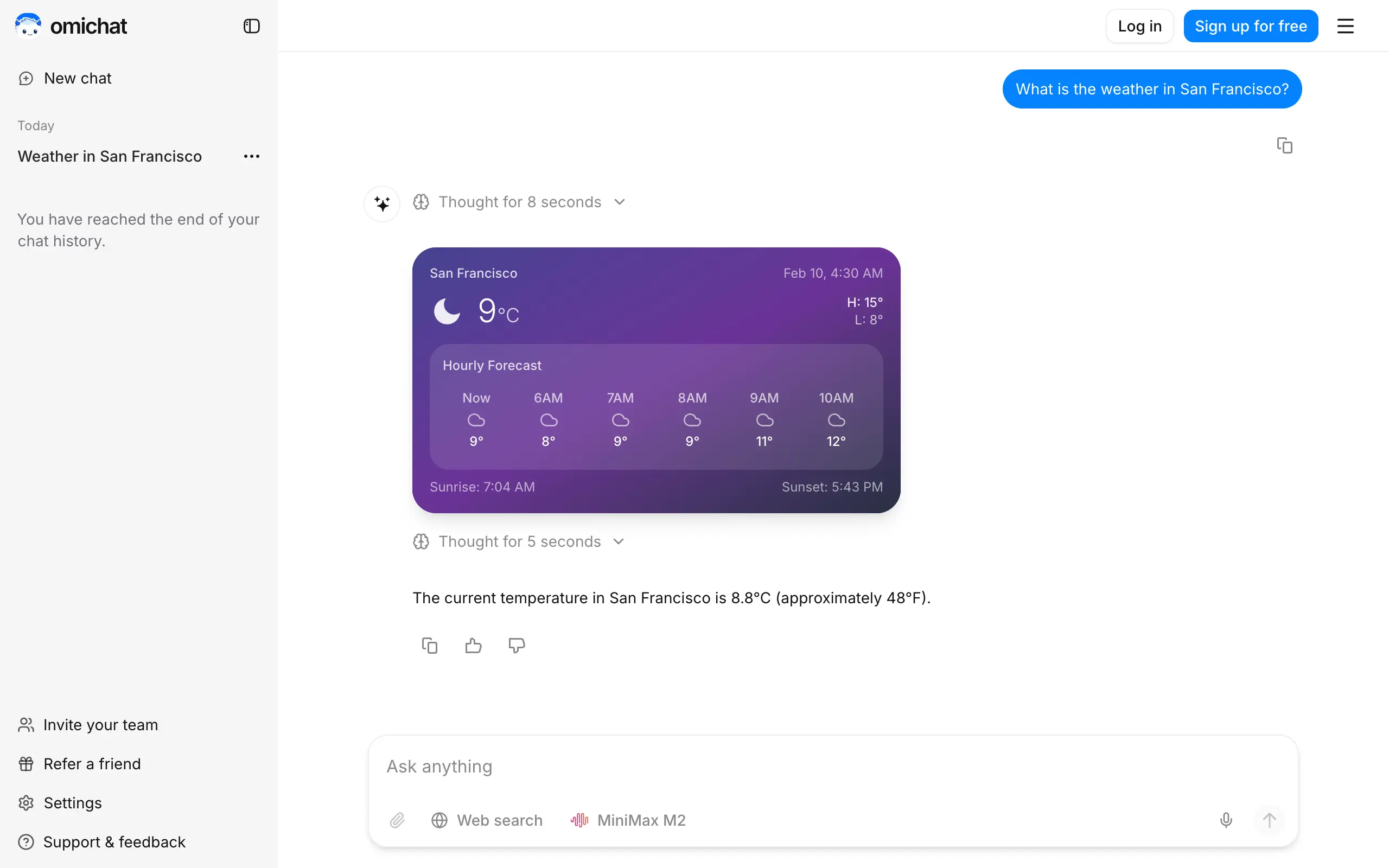
Omichat
Chat with 50+ AI models, including ChatGPT and Claude, in one place - switch models anytime without losing context 🤖
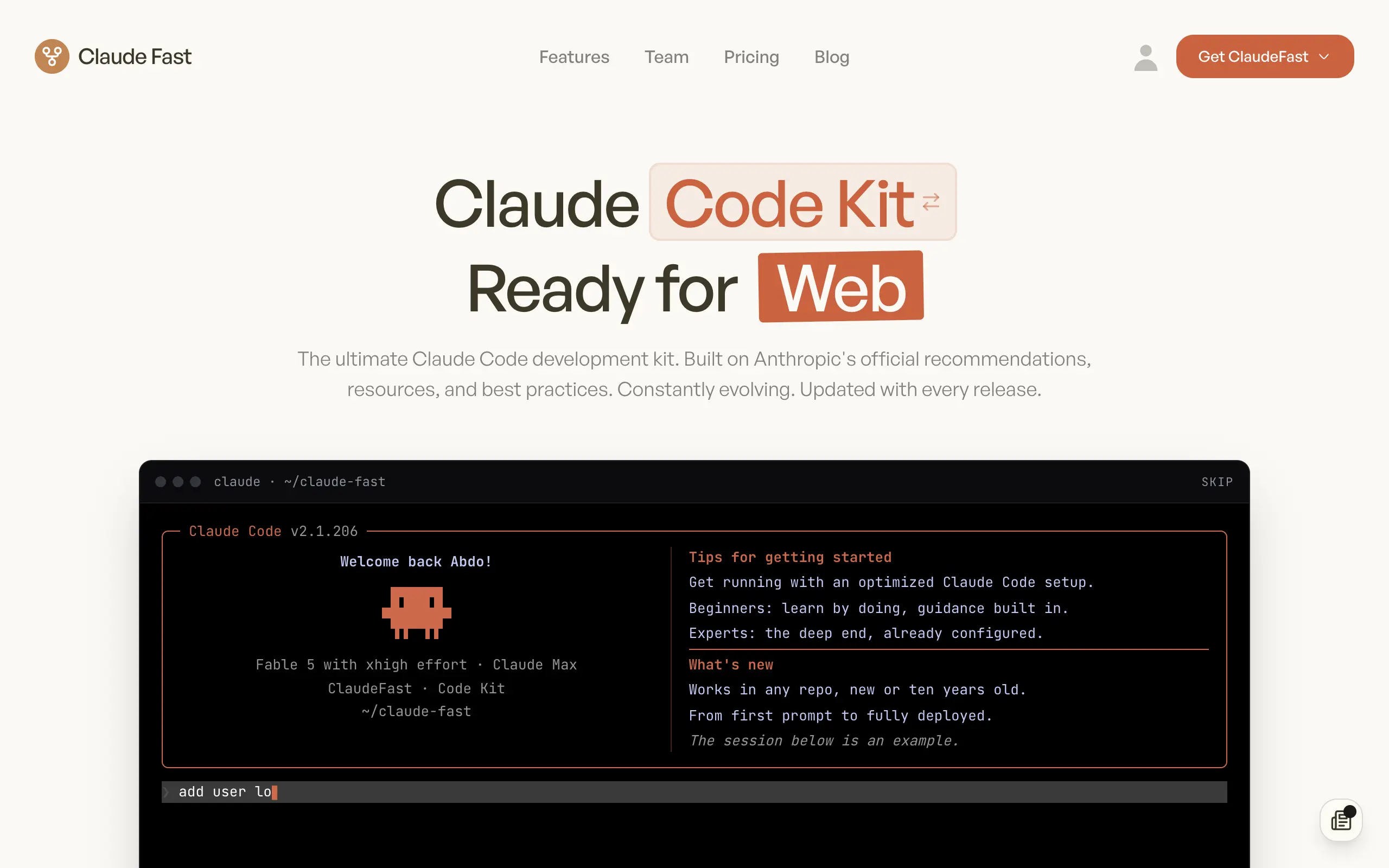
Claude Fast
Supercharge your Claude Code with 6x effective context window and specialized AI agents 🤖
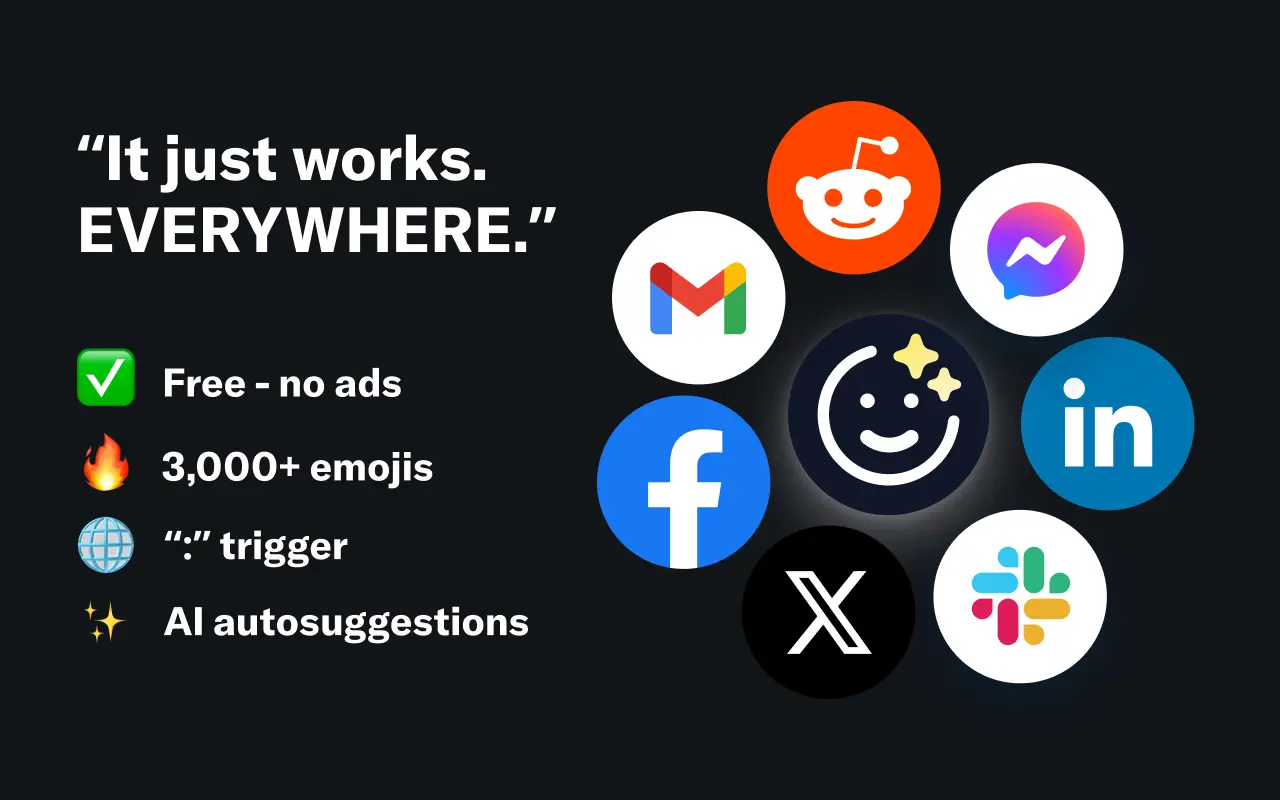
EmojAI
AI-powered emoji picker with smart, context-aware suggestions 🤖
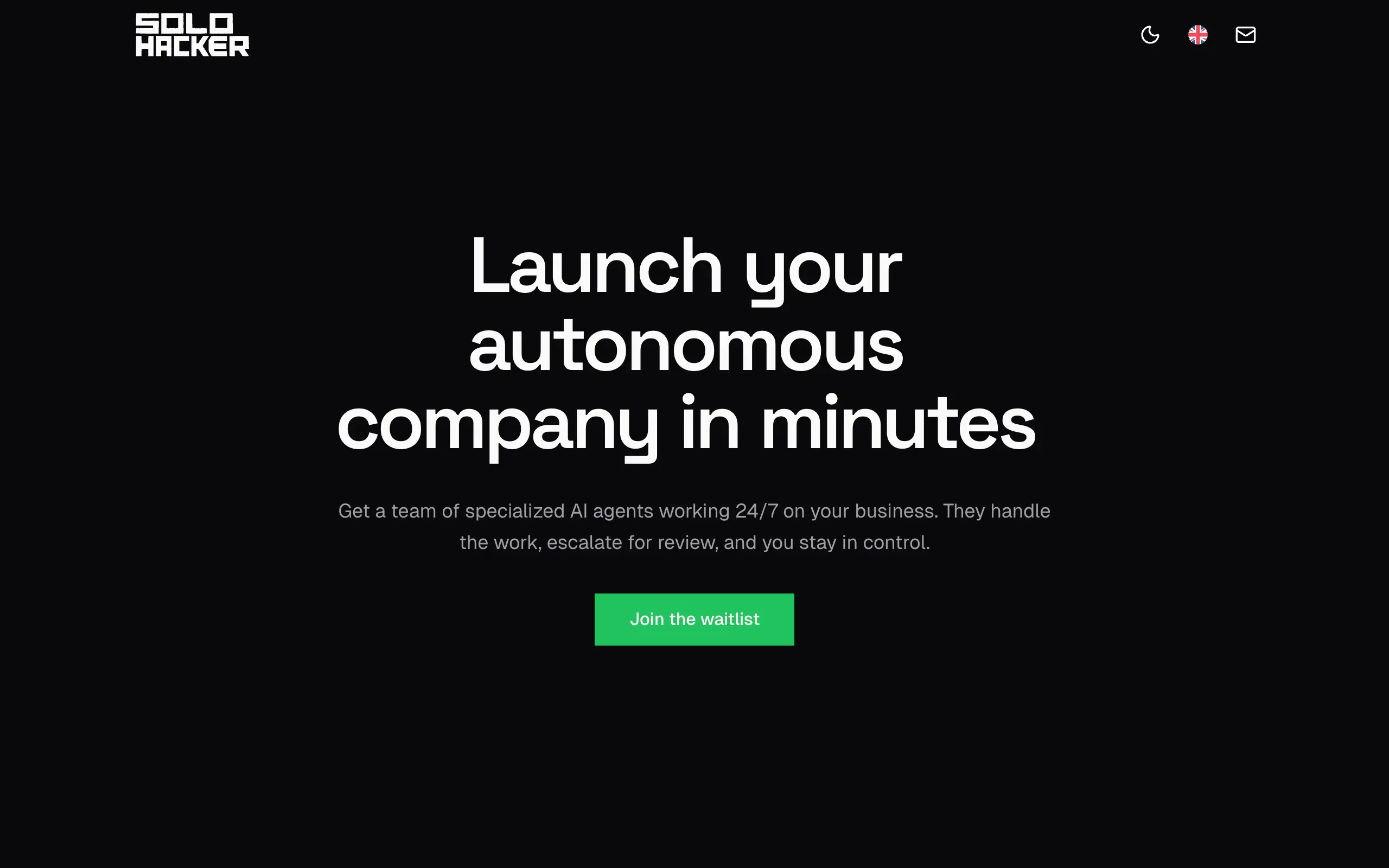
Solohacker
Autonomous company launcher - AI agents work 24/7, escalate what matters, and you stay in control 🤖
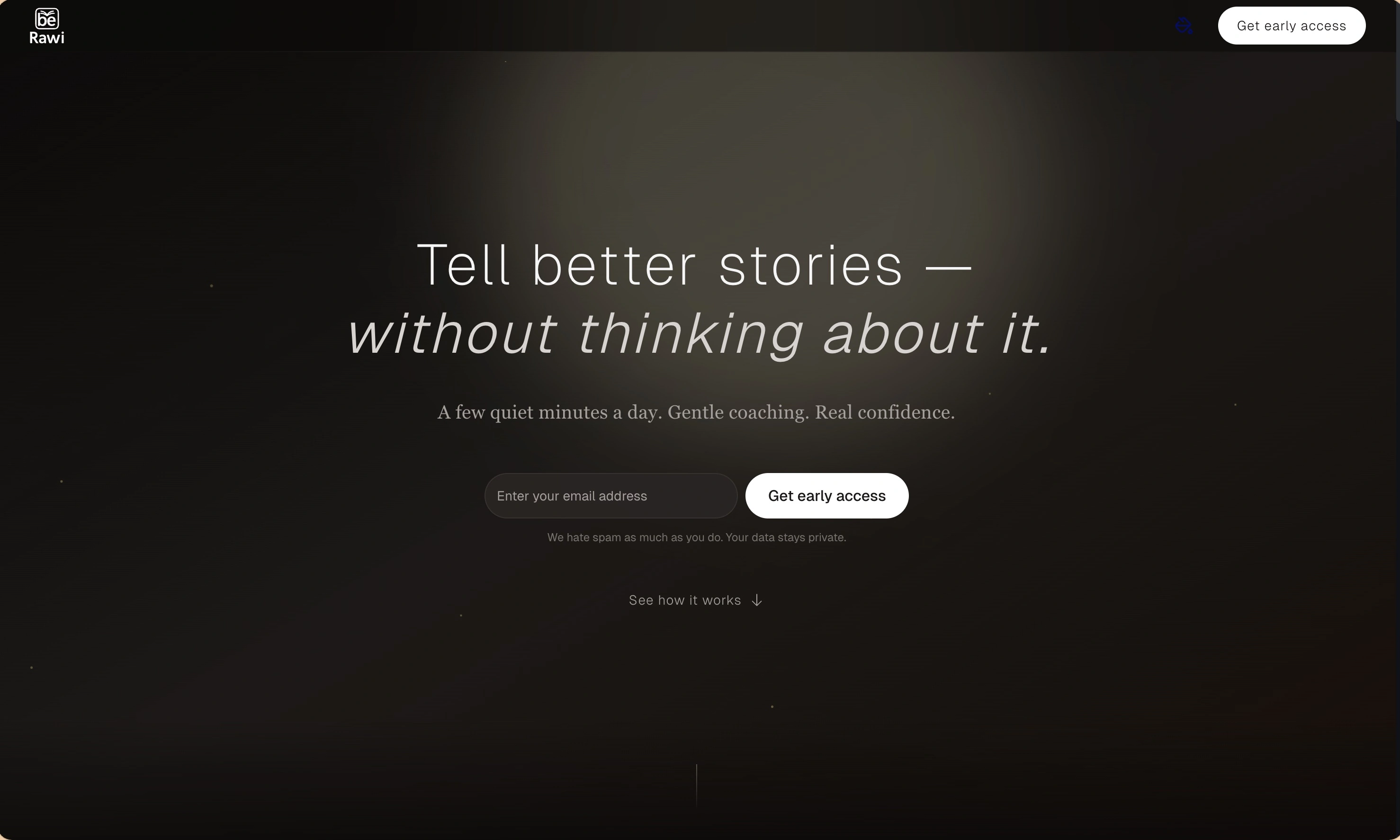
BeRawi: Storytelling Coach
Practice storytelling daily with instant feedback to sound clearer, more engaging, and confident 🎤
Omichat
Chat with 50+ AI models, including ChatGPT and Claude, in one place - switch models anytime without losing context 🤖
Claude Fast
Supercharge your Claude Code with 6x effective context window and specialized AI agents 🤖
EmojAI
AI-powered emoji picker with smart, context-aware suggestions 🤖
Solohacker
Autonomous company launcher - AI agents work 24/7, escalate what matters, and you stay in control 🤖
BeRawi: Storytelling Coach
Practice storytelling daily with instant feedback to sound clearer, more engaging, and confident 🎤
Omichat
Chat with 50+ AI models, including ChatGPT and Claude, in one place - switch models anytime without losing context 🤖
Claude Fast
Supercharge your Claude Code with 6x effective context window and specialized AI agents 🤖
EmojAI
AI-powered emoji picker with smart, context-aware suggestions 🤖
Solohacker
Autonomous company launcher - AI agents work 24/7, escalate what matters, and you stay in control 🤖
BeRawi: Storytelling Coach
Practice storytelling daily with instant feedback to sound clearer, more engaging, and confident 🎤
Omichat
Chat with 50+ AI models, including ChatGPT and Claude, in one place - switch models anytime without losing context 🤖
Claude Fast
Supercharge your Claude Code with 6x effective context window and specialized AI agents 🤖
EmojAI
AI-powered emoji picker with smart, context-aware suggestions 🤖
Solohacker
Autonomous company launcher - AI agents work 24/7, escalate what matters, and you stay in control 🤖
BeRawi: Storytelling Coach
Practice storytelling daily with instant feedback to sound clearer, more engaging, and confident 🎤

Connect with like-minded people
Join our community to get feedback, support, and grow together with 1,000+ builders on board, let's ship it!
Join usShip your startup everywhere. In minutes.
Don't burn tokens on setup and start building features on day one.