Candidate Shortlist AI for Recruiters
Recruitment SaaS that leverages AI to suggest the top 5 candidates for job openings by scanning resumes, online profiles, skill assessment results, and even cultural fit analysis. The tool provides ranked shortlists, flagging any gaps or unique strengths, and streamlines outreach and interview scheduling.
Understanding candidate shortlist AI for recruiters
Manually sorting through hundreds of resumes for a single job opening is not only time-consuming but also prone to unconscious bias and oversight. Candidate shortlist AI for recruiters offers a transformative solution: automating and optimizing the process of identifying the top 5 candidates who are best fit for a specific role. By leveraging advanced algorithms, natural language processing (NLP), and machine learning, this recruitment SaaS scans resumes, online profiles, skill assessments, and even cultural indicators. It provides HR professionals with a ranked, actionable shortlist—highlighting skills gaps and unique strengths—while seamlessly integrating with outreach and interview scheduling workflows.
In this article, we’ll take a comprehensive look at this AI-powered recruitment tool, exploring its real-world value, core features, technology choices, market fit, monetization, risks, differentiation, and concrete steps to turn this idea into a winning SaaS business.
Who needs candidate shortlist AI? In-depth target audience analysis
Understanding the nuances of your target users is essential for building a tool that finds traction and solves real pain points.
Primary audiences
- In-house recruitment teams: Medium to large enterprises, especially in technology, finance, healthcare, and professional services, where high-volume or specialized hiring is the norm.
- Recruitment agencies: Staffing firms juggling multiple job requisitions and desperate for efficiency gains and improved client placements.
- HR consultants: External specialists focused on talent acquisition, diversity recruiting, and executive search.
- Small business owners: Busy founders or operations managers at SMEs with limited HR staff handling occasional hiring surges.
- Startup founders: Particularly those scaling rapidly and needing to maintain culture while building early teams.
Why would they use AI shortlist tools?
- Reduce manual filtering: AI scans hundreds of applications in seconds, providing a ranked shortlist for further review.
- Bias mitigation: Algorithmic candidate ranking can help reduce unconscious bias (if implemented thoughtfully).
- Faster time-to-hire: Streamlined workflows result in quicker interviews and offers.
- Competitive advantage: Top talent is in high demand—speed and accuracy improve the odds of capturing those “unicorns.”
Secondary audiences
- Hiring managers: Those who want tailored recommendations but don’t want to spend hours reviewing resumes.
- Diversity & Inclusion (D&I) teams: Professionals focused on increasing representation and mitigating bias in the pipeline.
Market opportunity and gap analysis
The recruitment technology market has seen explosive growth in recent years. According to Grand View Research, the global HR tech market size was valued at over $22 billion in 2022 and is expected to climb steadily (reference: Grand View Research).
Yet, even as applicant tracking systems (ATS) and job boards proliferate, two persistent issues remain:
Key market pain points
- Information overload: Recruiters face a deluge of applications per open role, making it easy to overlook high-potential candidates.
- Manual ranking is slow & inconsistent: Human screening is slow and can vary drastically between recruiters.
- Lack of contextual understanding: Most ATS solutions only parse for keywords and roles, missing nuances like cultural fit, growth potential, and soft skills.
- Fragmented assessment landscape: Skill assessments, personality tests, and background information are often siloed.
Where most tools fall short
| Automated Ranking | Skill Gap Analysis | Cultural Fit Scoring | Scheduling Integration | Outreach Streamlining |
|---|---|---|---|---|
| ✅ | ❌ | ❌ | ✅ | ❌ |
| ✅ | ❌ | ✅ | ✅ | ❌ |
Most competing tools either offer basic resume parsing (with keyword matching) or focus solely on one aspect like skill testing or calendar scheduling. Few provide a genuinely holistic AI-powered candidate shortlist—one that incorporates resume data, online professional profiles, dynamic assessment results, and cultural fit analytics in a unified, actionable output.
Core features: How candidate shortlist AI for recruiters actually works
Let’s break down the essential feature set that would make this recruitment SaaS a game-changer.
1. Resume and online profile parsing
- AI-powered parsing: Extract structured data from unstructured resumes and LinkedIn/GitHub profiles using NLP.
- Semantic skill mapping: Identify relevant hard and soft skills, experience depth, and industry-specific keywords.
2. Skill assessment & gap analysis
- Assessment integration: Import results from coding tests, sales role-plays, psychometric assessments, or external tools.
- Skill gap flagging: Highlight essential job requirements that candidates are missing or under-qualified for.
- Relative ranking: Score candidates based on how well their skills and experience align versus others in the pool.
3. Cultural fit and soft trait analysis
- Personality parsing: Analyze signals from resumes, cover letters, and assessments for communication style, adaptability, etc.
- Cultural matching: Map candidate values and soft skills to company culture markers and preferences.
4. Dynamic shortlist generation
- Top 5 suggestions: Generate a transparent ranking of the best-fit candidates for each position—explainable via AI-driven reasoning.
- Strengths & red flags: Summarize unique selling points (e.g. multilingual, leadership roles) and call out notable gaps.
5. Outreach and communication tools
- Automated email invitations: Built-in personalized emails for outreach to shortlisted candidates.
- Calendar and ATS sync: Integration with tools like Google Calendar, Outlook, and major ATS platforms.
6. Interview scheduling & tracking
- One-click scheduling: Secure time slots with candidates via embedded calendar links.
- Status dashboard: Track interview progress, feedback, and candidate movement within the funnel.
7. Diversity and compliance features
- Bias detection: Optional anonymized shortlists or alerts to potential language bias in job descriptions.
- Audit trail: Maintain compliance with hiring regulations and best practices.
Recommended tech stack for building recruitment AI SaaS
The backbone of a robust Candidate Shortlist AI platform requires careful tech stack choices to balance speed, explainability, scalability, and cost.
Frontend: React & TypeScript
[React](https://reactjs.org) offers a proven UI framework, with [TypeScript](https://www.typescriptlang.org) for safe, scalable code.
UI Framework: TailwindCSS
[TailwindCSS](https://tailwindcss.com) enables rapid development of beautiful, consistent, and responsive interfaces.
Backend: Node.js & Python
Combine [Node.js](https://nodejs.org) for API orchestration and [Python](https://www.python.org) for AI/ML processing.
AI models: Transformers & Scikit-learn
Use Transformers/LLMs (e.g. Hugging Face's BERT) for NLP, and [Scikit-learn](https://scikit-learn.org/) for traditional ML tasks.
Data: PostgreSQL & MongoDB
Mix [PostgreSQL](https://www.postgresql.org) for relational data, and [MongoDB](https://www.mongodb.com) for flexible document storage.
Trade-offs to consider
- Cloud AI services vs custom models: Leveraging cloud APIs (e.g., OpenAI or Hugging Face) speeds up development but may pose challenges for data privacy, explainability, and cost. Custom, domain-specific models require more upfront ML expertise but offer better alignment and potential for IP differentiation.
- Monolithic vs microservices: Monolithic backends simplify early development; microservices (e.g., using Docker and Kubernetes) provide scalability as demand grows.
- Security/compliance frameworks: With sensitive data, implementing robust authentication (e.g. OAuth 2.0), GDPR, and SOC 2 compliance standards from the outset is non-negotiable.
Monetization strategies: How to profit from AI candidate shortlisting
With strong product-market fit, the following revenue models are most promising:
1. Subscription SaaS
- Per recruiter/seat pricing: Standard monthly fee for each active user (recruiter/hiring manager).
- Tiered feature access: Basic plans for light usage; premium plans with advanced analytics, unlimited shortlists, and deeper integrations.
2. Pay-per-job or usage-based pricing
- Per-shortlist fee: Attracts employers or agencies with sporadic hiring needs or those wishing to test the service.
- Bulk credits/bundles: Discounted rates for larger recruiting teams.
3. Enterprise plans
- Custom integrations: White-label or deeply integrated solutions for large organizations, with dedicated support and custom SLAs.
- API access: Charge for API usage for HR tech partners wanting to integrate shortlisting into their own products.
4. Marketplace cross-sell (future roadmap)
- Promote assessments or job postings: Facilitate additional revenue streams by recommending premium assessment tools or sponsored placements.
Initial market entry often benefits from the flexibility of usage-based or per-job pricing, which lowers friction for trial. As adoption grows, recurring SaaS subscriptions provide predictable revenue and higher customer lifetime value.
Potential risks and mitigation strategies for recruitment AI tools
Every advanced SaaS—especially those using AI in HR—must proactively address a range of possible risks.
Key risks
- Algorithmic bias: Poorly-trained models can perpetuate or amplify systemic biases in hiring.
- Data privacy and security: Handling resumes, assessments, and candidate information introduces GDPR, CCPA, and general privacy obligations.
- Explainability challenges: Recruiters and candidates may be skeptical about how shortlisting decisions are made.
- Integration complexity: Syncing seamlessly with multiple ATS, calendar, and workflow systems is technically challenging.
- Over-promising AI accuracy: Misalignment of marketing claims and actual model performance can damage user trust.
Effective mitigation
- Bias audits: Regularly test models for disparate impact and fairness. Use diverse training datasets.
- Transparency & explainable AI: Provide recruiters with clear rationales for each shortlist and candidate ranking.
- Hardened data infrastructure: Implement encryption at-rest and in-transit, strong authentication, and regular security reviews.
- Compliant onboarding: Collect only necessary data, with explicit user consent. Build features for data deletion and export.
- Continuous human oversight: Enable manual reviewer override and feedback, closing the loop on unexpected edge cases.
Caution: Recruiting AI bias
All AI candidate shortlisting must be designed to mitigate discrimination and promote fairness. Regular external and internal audits are essential, along with transparency features giving hiring teams visibility into scoring logic.
Competitive advantage: Uniqueness of candidate shortlist AI for recruiters
The strategic edge of this SaaS lies in its comprehensive, explainable, and workflow-centric approach:
- Multi-source intelligence: Most tools parse resumes but ignore online profiles, skills tests, and cultural fit. By blending multiple data sources, this AI delivers a richer, more informed shortlist.
- Transparent rankings: Explainable AI means recruiters can see why each candidate was chosen, boosting adoption and confidence.
- Integrated workflow automation: Outreach and scheduling are built-in, replacing fragmented toolchains and reducing manual effort.
- Enhanced bias detection: Diversity/compliance modules proactively flag problematic language or bias, going further than basic anonymized screening.
- Speed and scalability: Designed for instant, accurate recommendations—outperforming slow, manual, or “black box” competitors.
Actionable implementation steps
For SaaS founders or teams looking to bring this AI-powered recruitment product to life, here’s a practical roadmap:
- User research: Interview recruiters, agency leads, and HR decision-makers to validate pain points, ideal workflows, and data privacy needs.
- Data partnerships: Secure access to a diverse and representative corpus of resumes, assessments, and culture fit signals for training and tuning your AI.
- Model prototyping: Use transformers (e.g., BERT or domain-tuned LLMs) for resume parsing, with customizable scoring logic for skills and culture fit.
- Integration MVP: Build initial connectors to ATS (e.g., Greenhouse, Lever), LinkedIn, and Google/Outlook calendars.
- Compliance-first mindset: Bake in encryption, consent flows, and audit trails from day one.
- UI/UX design: Design an intuitive dashboard for recruiters, highlighting explanations and actionable next steps for each shortlist.
- Beta launch: Recruit early adopters—ideally from your target audience—for pilot testing and feedback loops.
- Iterate and scale: Improve model accuracy, broaden assessment integrations, and add advanced reporting based on real-world usage.
Here’s a simple code snippet illustrating how you might use Python’s transformers library to parse and rank resumes:
from transformers import pipeline

# Load a pre-trained transformer for NLP feature extraction
nlp = pipeline('feature-extraction', model='bert-base-uncased')

def extract_resume_features(resume_text):
    features = nlp(resume_text)
    # Additional feature engineering here...
    return features

# Example: Rank candidates based on similarity to job requirements
# (This is illustrative; real product logic will be more sophisticated)
Conclusion: Why candidate shortlist AI stands out and how to get started
Candidate shortlist AI for recruiters directly addresses some of the deepest pain points facing modern recruitment and HR teams: information overload, inconsistent manual filtering, and the challenge of surfacing the best-fit talent fast—without bias.
By combining multi-source candidate analysis, transparent explainable AI, and integrated workflow automation, this platform promises both immediate ROI and sustainable advantage for recruiting teams. As technology advances and the competition for talent intensifies, tools like this aren’t just nice-to-have—they’re essential.
Ready to unlock smarter, fairer, and faster hiring? Platforms such as TurboStarter can help founders accelerate MVP launches, onboard agile teams, and bring cutting-edge SaaS products like this to market with speed and confidence.
Frequently asked questions
While the platform excels for tech and business roles with well-structured qualifications, its AI can be tuned for a vast range of white-collar positions—including sales, marketing, customer success, and specialized roles requiring both hard and soft skill evaluation.
The SaaS includes built-in bias detection, anonymization options, and full audit trails. Human-in-the-loop review allows recruiters to override recommendations and capture edge cases.
Early versions focus on common ATS and calendar systems, with plans to expand to more job boards, communication tools, and HRIS integrations over time.
Yes—implementing robust security (encryption, authentication) and privacy controls (user consent, data export/delete). Compliance with major regulations (GDPR, CCPA, SOC 2) is prioritized from the ground up.
Absolutely. While the platform offers default ranking strategies, users can configure weightings for skills, experience, assessments, and culture fit to align with their unique requirements.
More 🤖 AI Startup SaaS ideas
Discover more innovative ai startup SaaS ideas that are trending in 2026. Each idea is AI-generated with market validation and growth potential to help you find your next profitable venture faster than competitors.
Your competitors are building with TurboStarter
Below are some of the SaaS ideas that have been generated and built with our starter kit.
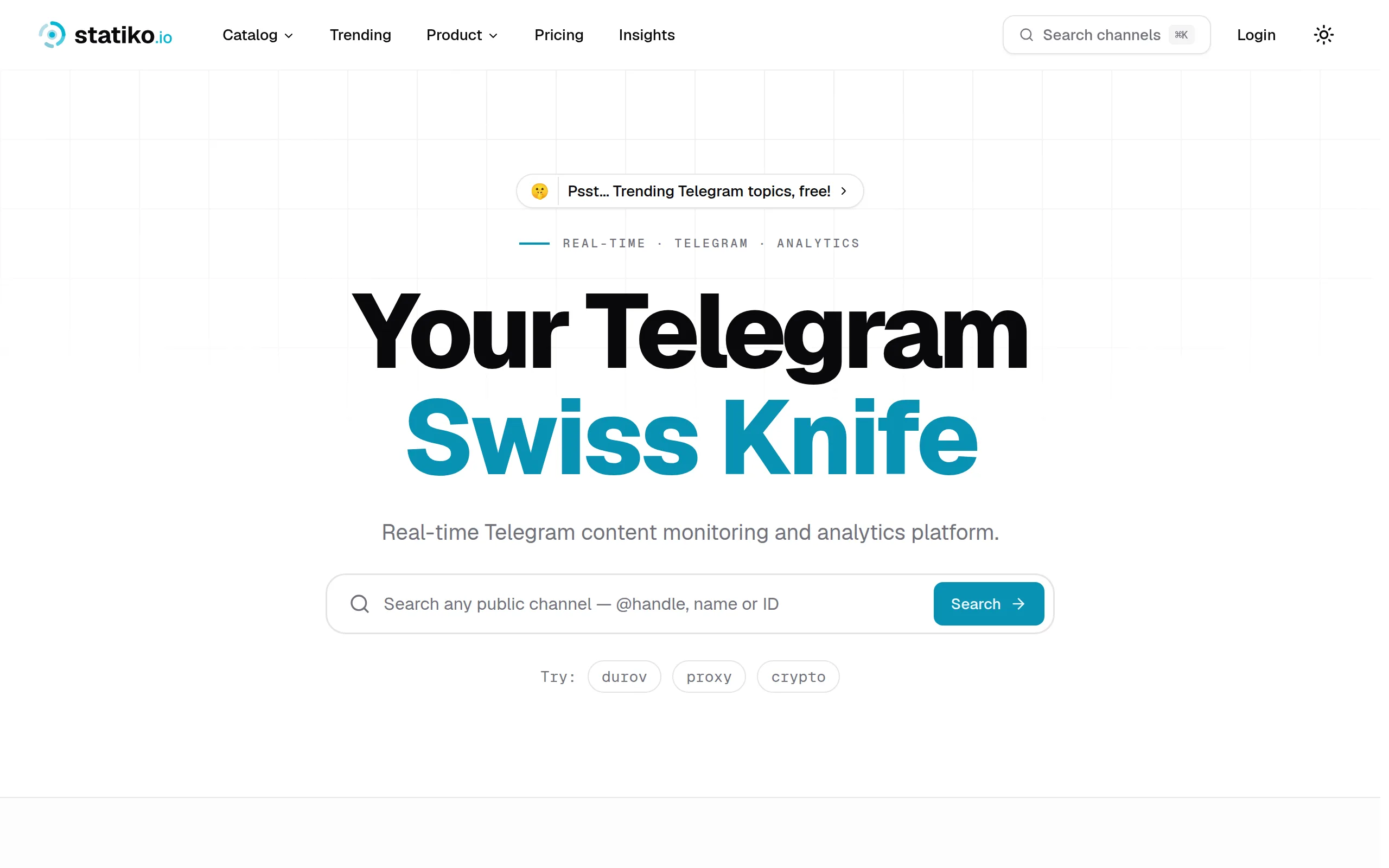
Statiko
Monitor any Telegram channel in real time - track posts, edits, deletions, and growth with AI recaps 📡

Shibui
AI website builder - describe your business, pick a niche template, edit by chatting, and publish instantly ✨

Pro Service
Find verified home service professionals, compare quotes, and pay securely through escrow - built for Brazilians across the US 🏠
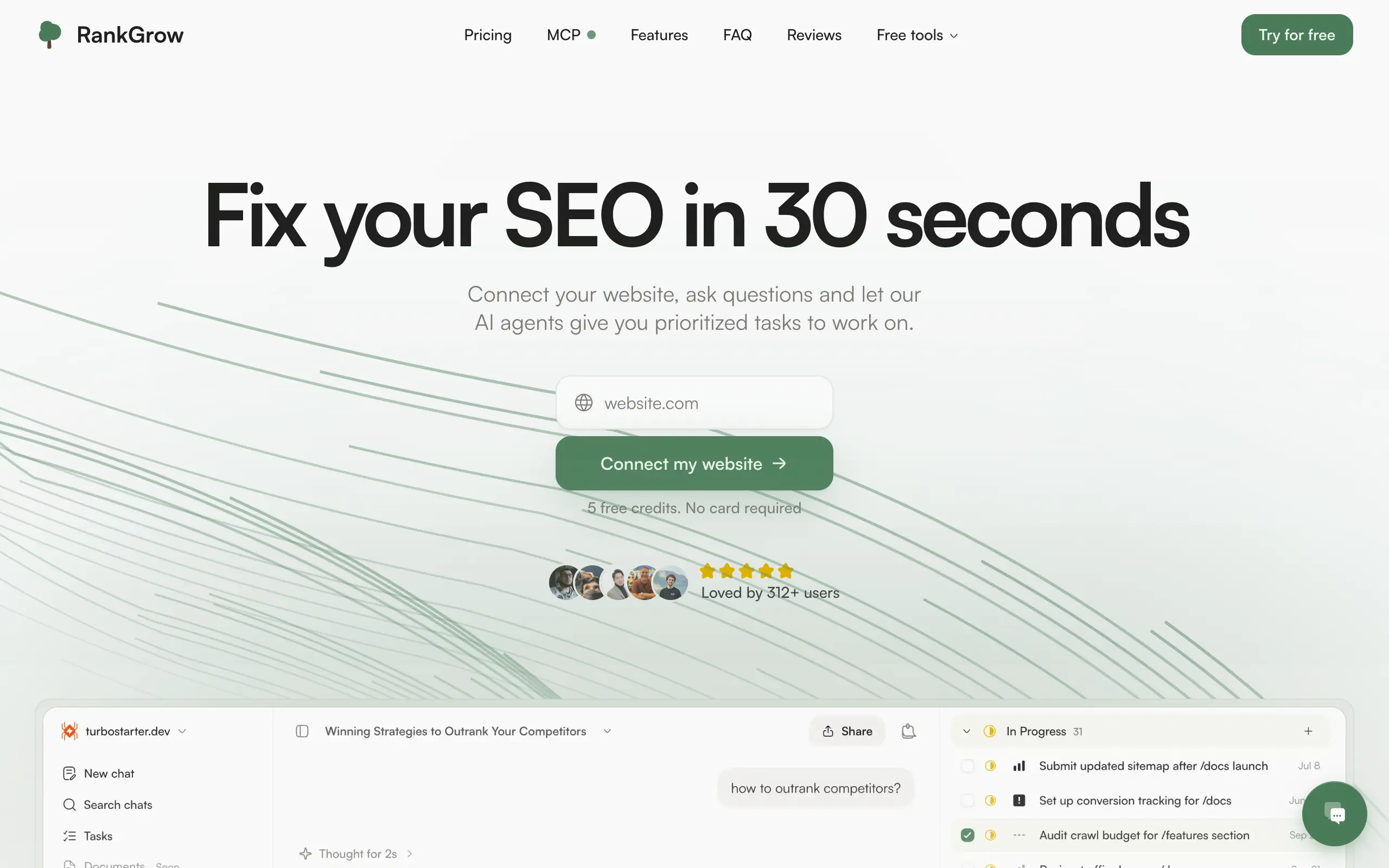
RankGrow
Fix your SEO with AI agents - connect Search Console, get prioritized tasks, and grow organic traffic 📈
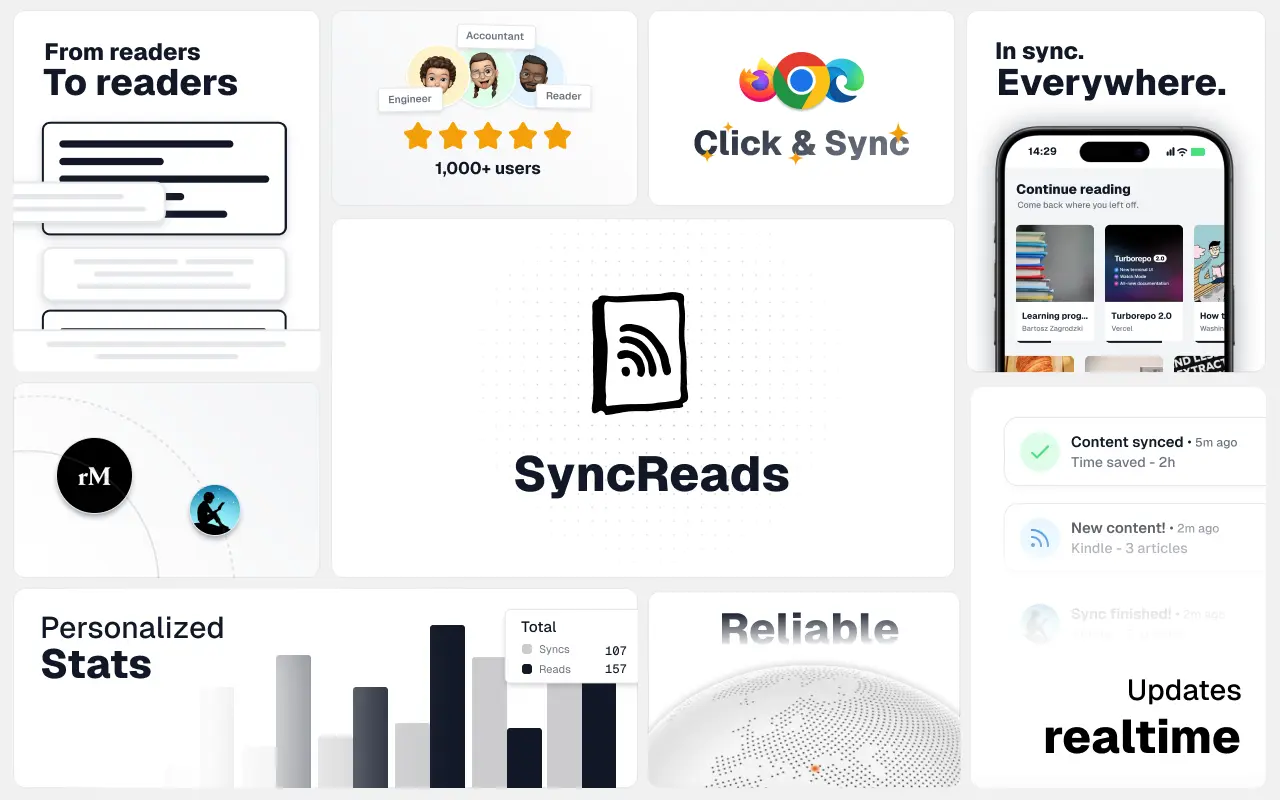
SyncReads
Sync your favorite content for distraction-free reading, save time and replace multiple apps. Anytime, anywhere 🔄
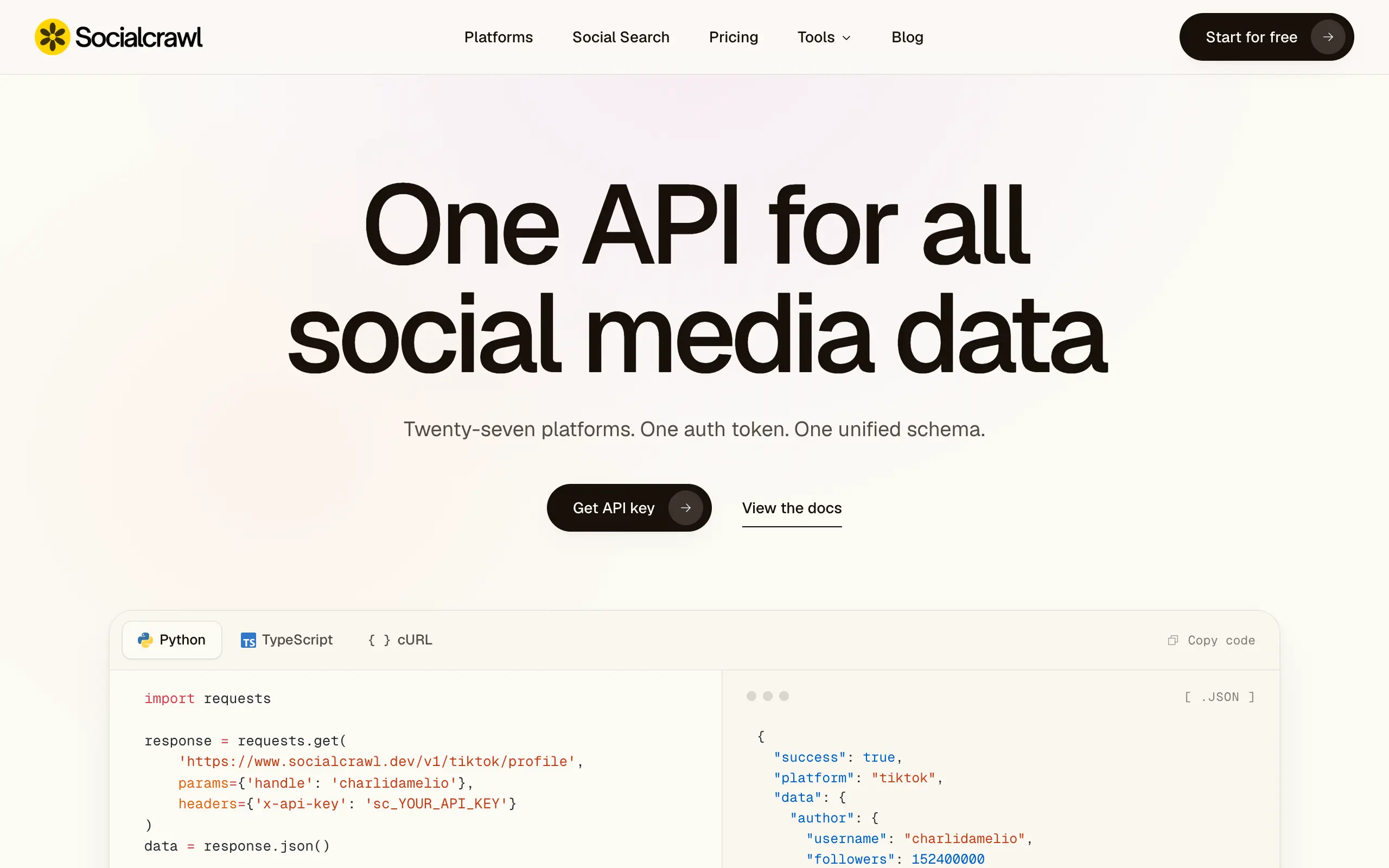
Socialcrawl
Get clean, structured data from 21 platforms like TikTok, Instagram, and YouTube with a single request 📊
Statiko
Monitor any Telegram channel in real time - track posts, edits, deletions, and growth with AI recaps 📡
Shibui
AI website builder - describe your business, pick a niche template, edit by chatting, and publish instantly ✨
Pro Service
Find verified home service professionals, compare quotes, and pay securely through escrow - built for Brazilians across the US 🏠
RankGrow
Fix your SEO with AI agents - connect Search Console, get prioritized tasks, and grow organic traffic 📈
SyncReads
Sync your favorite content for distraction-free reading, save time and replace multiple apps. Anytime, anywhere 🔄
Socialcrawl
Get clean, structured data from 21 platforms like TikTok, Instagram, and YouTube with a single request 📊
Statiko
Monitor any Telegram channel in real time - track posts, edits, deletions, and growth with AI recaps 📡
Shibui
AI website builder - describe your business, pick a niche template, edit by chatting, and publish instantly ✨
Pro Service
Find verified home service professionals, compare quotes, and pay securely through escrow - built for Brazilians across the US 🏠
RankGrow
Fix your SEO with AI agents - connect Search Console, get prioritized tasks, and grow organic traffic 📈
SyncReads
Sync your favorite content for distraction-free reading, save time and replace multiple apps. Anytime, anywhere 🔄
Socialcrawl
Get clean, structured data from 21 platforms like TikTok, Instagram, and YouTube with a single request 📊
Statiko
Monitor any Telegram channel in real time - track posts, edits, deletions, and growth with AI recaps 📡
Shibui
AI website builder - describe your business, pick a niche template, edit by chatting, and publish instantly ✨
Pro Service
Find verified home service professionals, compare quotes, and pay securely through escrow - built for Brazilians across the US 🏠
RankGrow
Fix your SEO with AI agents - connect Search Console, get prioritized tasks, and grow organic traffic 📈
SyncReads
Sync your favorite content for distraction-free reading, save time and replace multiple apps. Anytime, anywhere 🔄
Socialcrawl
Get clean, structured data from 21 platforms like TikTok, Instagram, and YouTube with a single request 📊
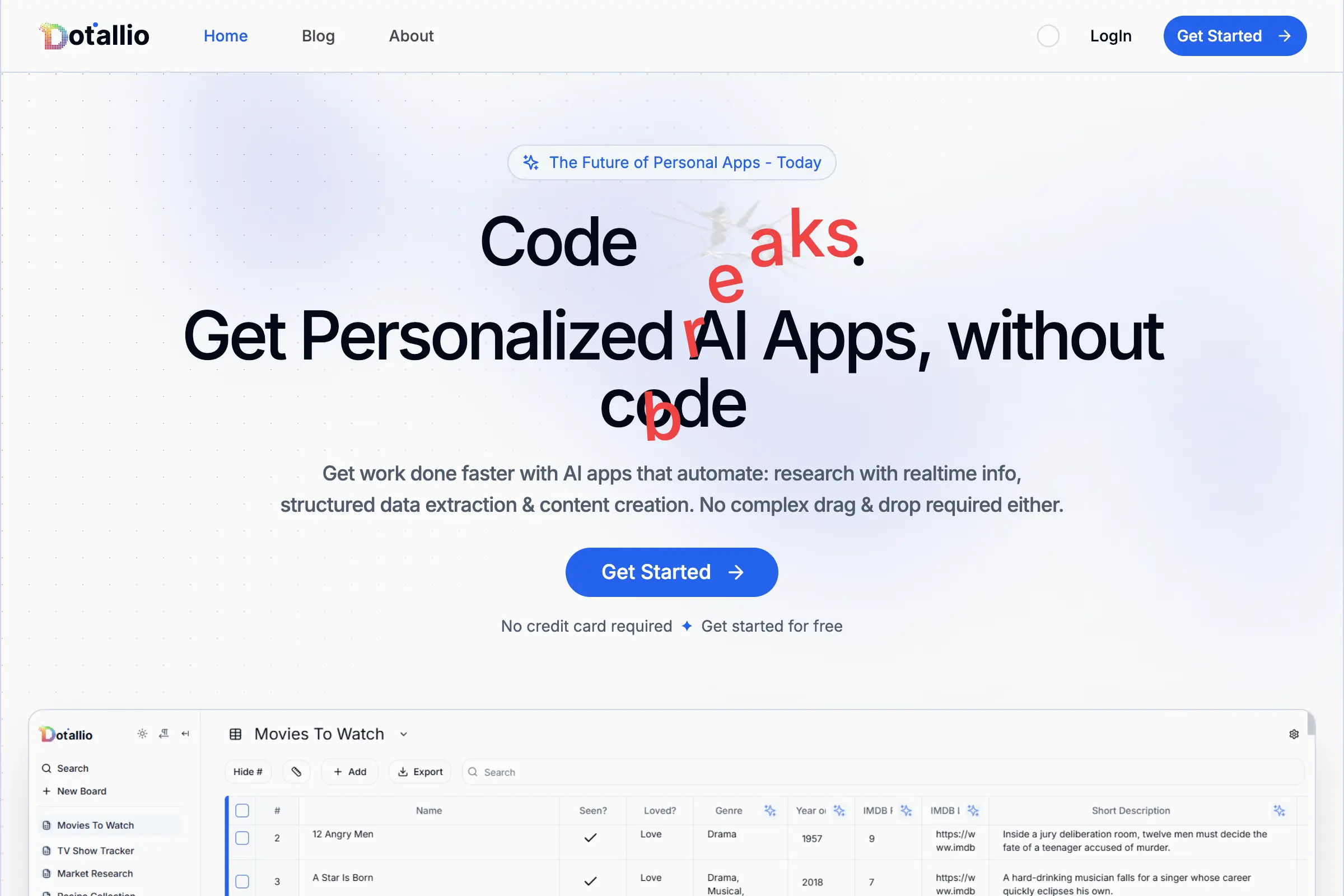
Dotallio
Personalized AI apps that automate research, data extraction, and content creation without code 🤖
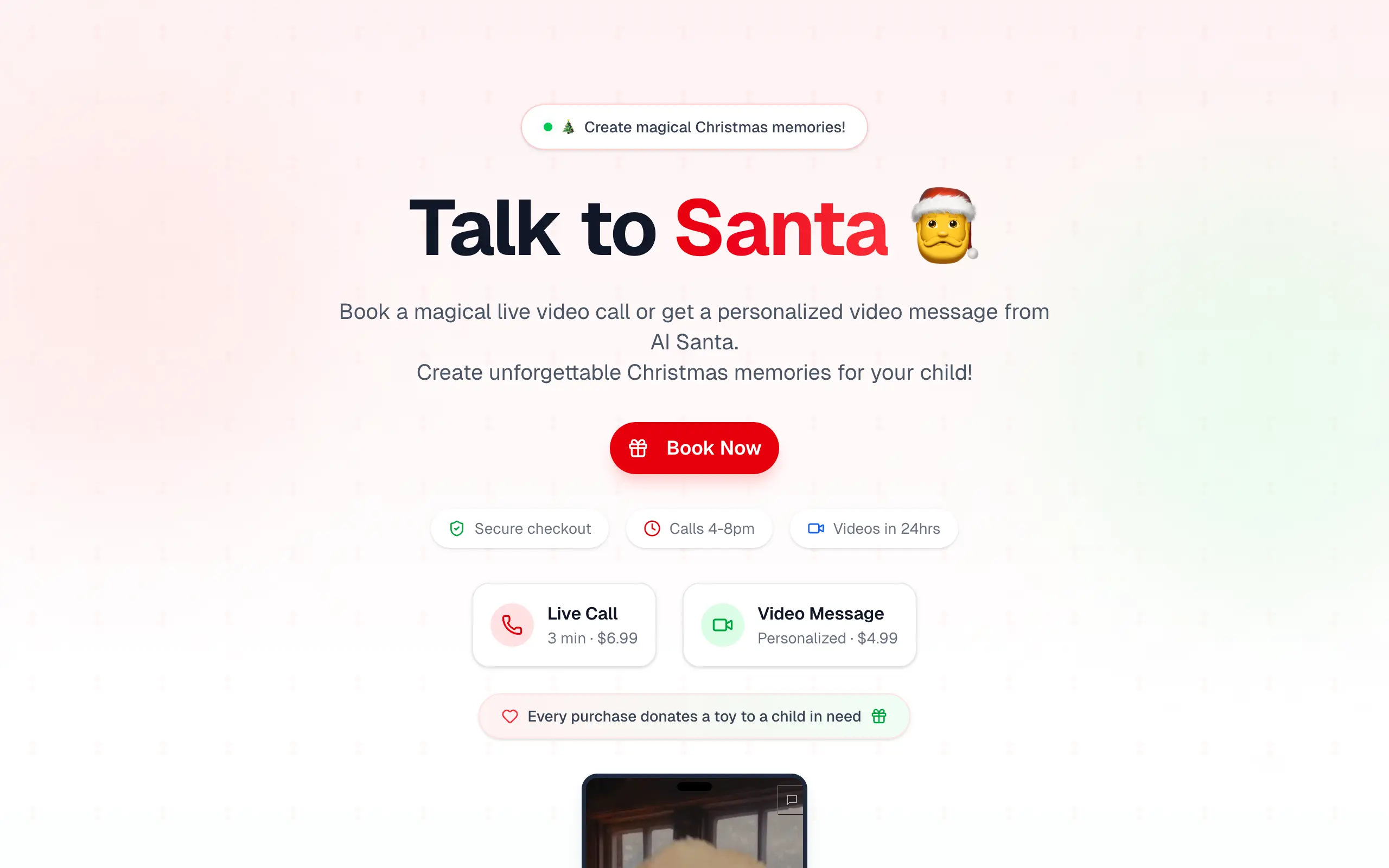
Talk to Santa
Enjoy a magical live video chat or receive a unique AI-generated video greeting from Santa Claus 🎅
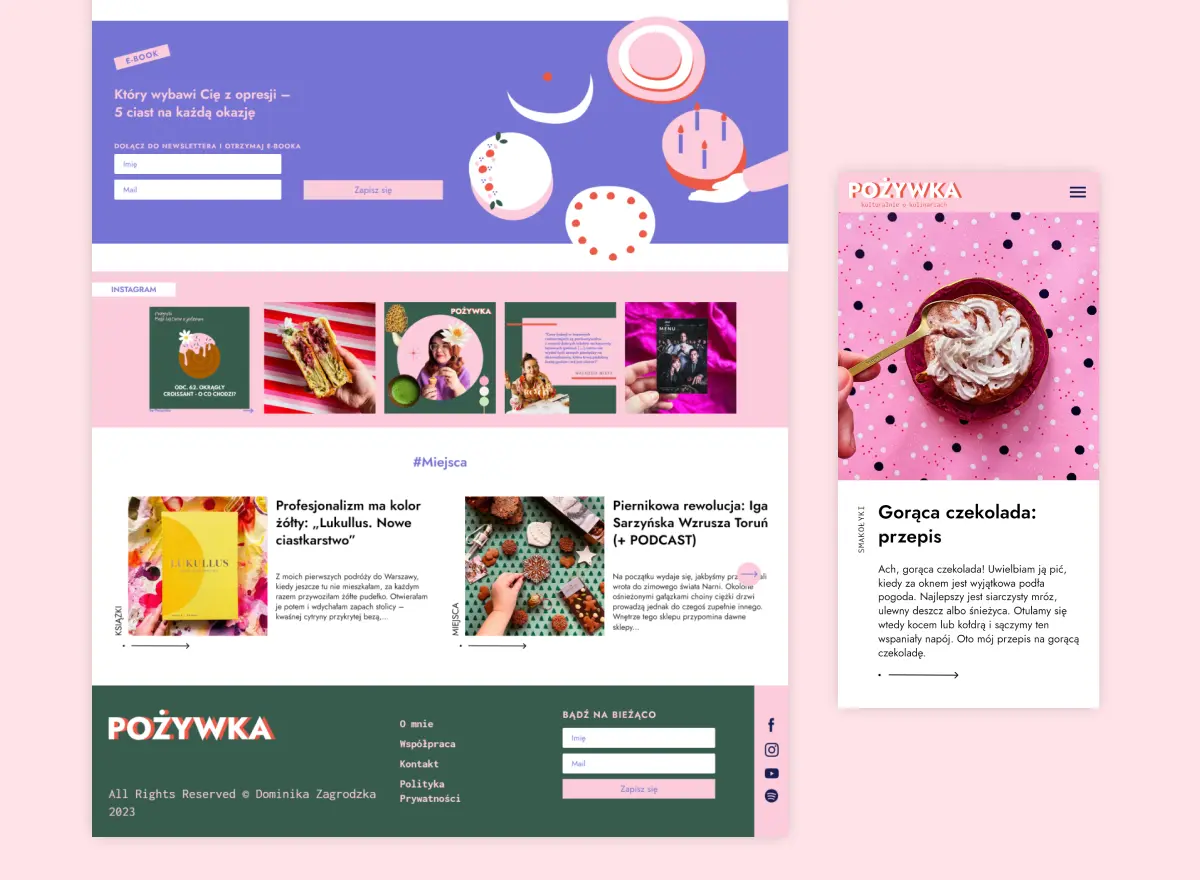
pozywka.pl
Scalable blog for food journalist, focused on performance and user experience 🌭
zagrodzki.me
Personal blog and portfolio of Bart Zagrodzki, where he shares his knowledge and work 💼
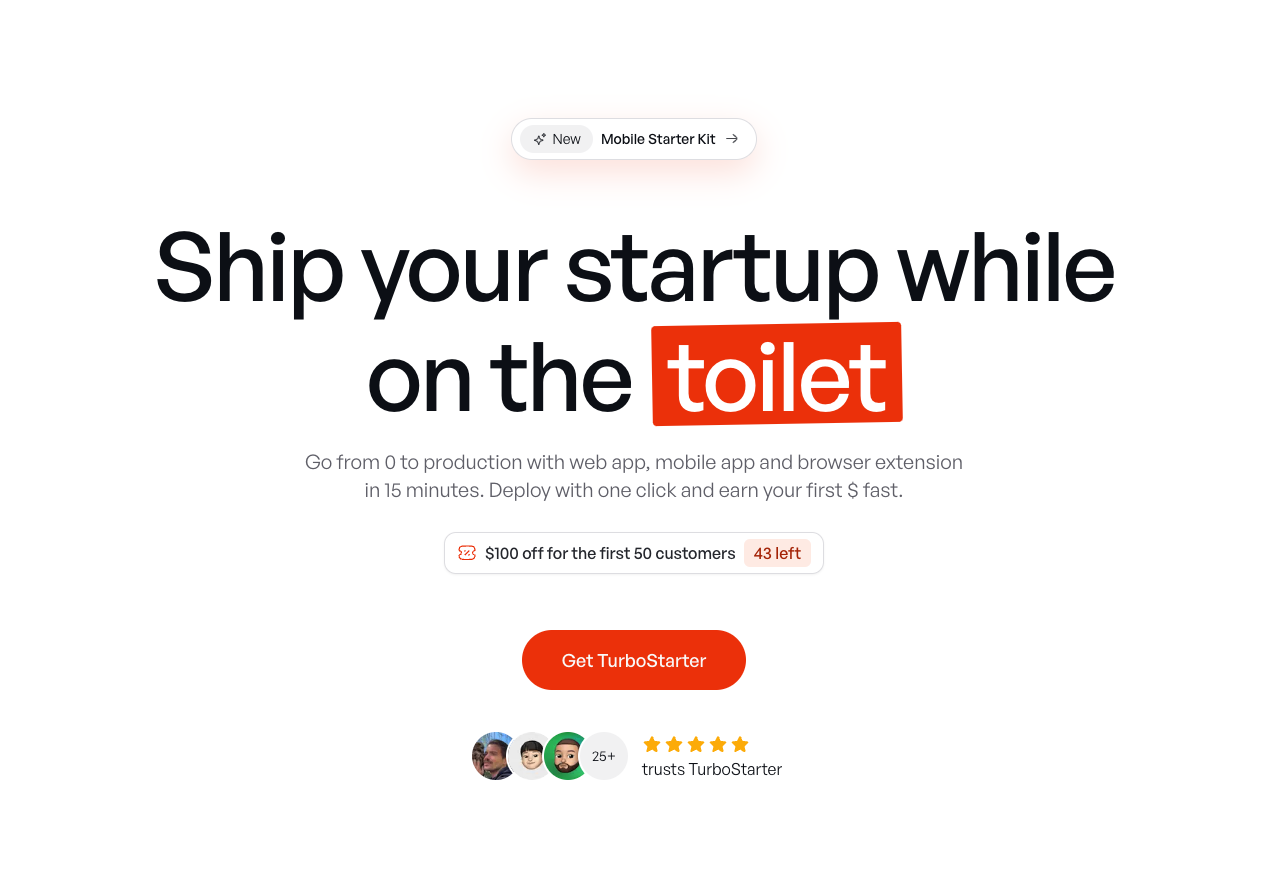
TurboStarter
Ship your startup everywhere. In minutes.
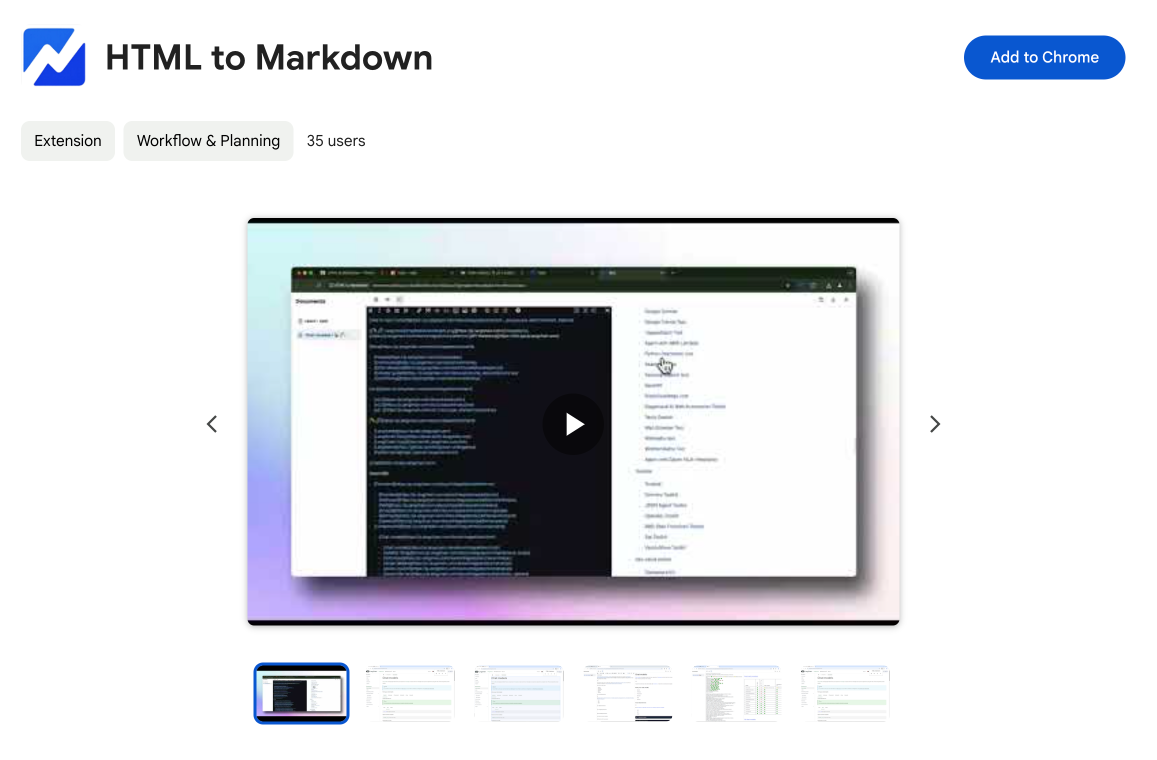
HTML to Markdown
Convert HTML to Markdown with ease, directly in your browser 📄
Dotallio
Personalized AI apps that automate research, data extraction, and content creation without code 🤖
Talk to Santa
Enjoy a magical live video chat or receive a unique AI-generated video greeting from Santa Claus 🎅
pozywka.pl
Scalable blog for food journalist, focused on performance and user experience 🌭
zagrodzki.me
Personal blog and portfolio of Bart Zagrodzki, where he shares his knowledge and work 💼
TurboStarter
Ship your startup everywhere. In minutes.
HTML to Markdown
Convert HTML to Markdown with ease, directly in your browser 📄
Dotallio
Personalized AI apps that automate research, data extraction, and content creation without code 🤖
Talk to Santa
Enjoy a magical live video chat or receive a unique AI-generated video greeting from Santa Claus 🎅
pozywka.pl
Scalable blog for food journalist, focused on performance and user experience 🌭
zagrodzki.me
Personal blog and portfolio of Bart Zagrodzki, where he shares his knowledge and work 💼
TurboStarter
Ship your startup everywhere. In minutes.
HTML to Markdown
Convert HTML to Markdown with ease, directly in your browser 📄
Dotallio
Personalized AI apps that automate research, data extraction, and content creation without code 🤖
Talk to Santa
Enjoy a magical live video chat or receive a unique AI-generated video greeting from Santa Claus 🎅
pozywka.pl
Scalable blog for food journalist, focused on performance and user experience 🌭
zagrodzki.me
Personal blog and portfolio of Bart Zagrodzki, where he shares his knowledge and work 💼
TurboStarter
Ship your startup everywhere. In minutes.
HTML to Markdown
Convert HTML to Markdown with ease, directly in your browser 📄
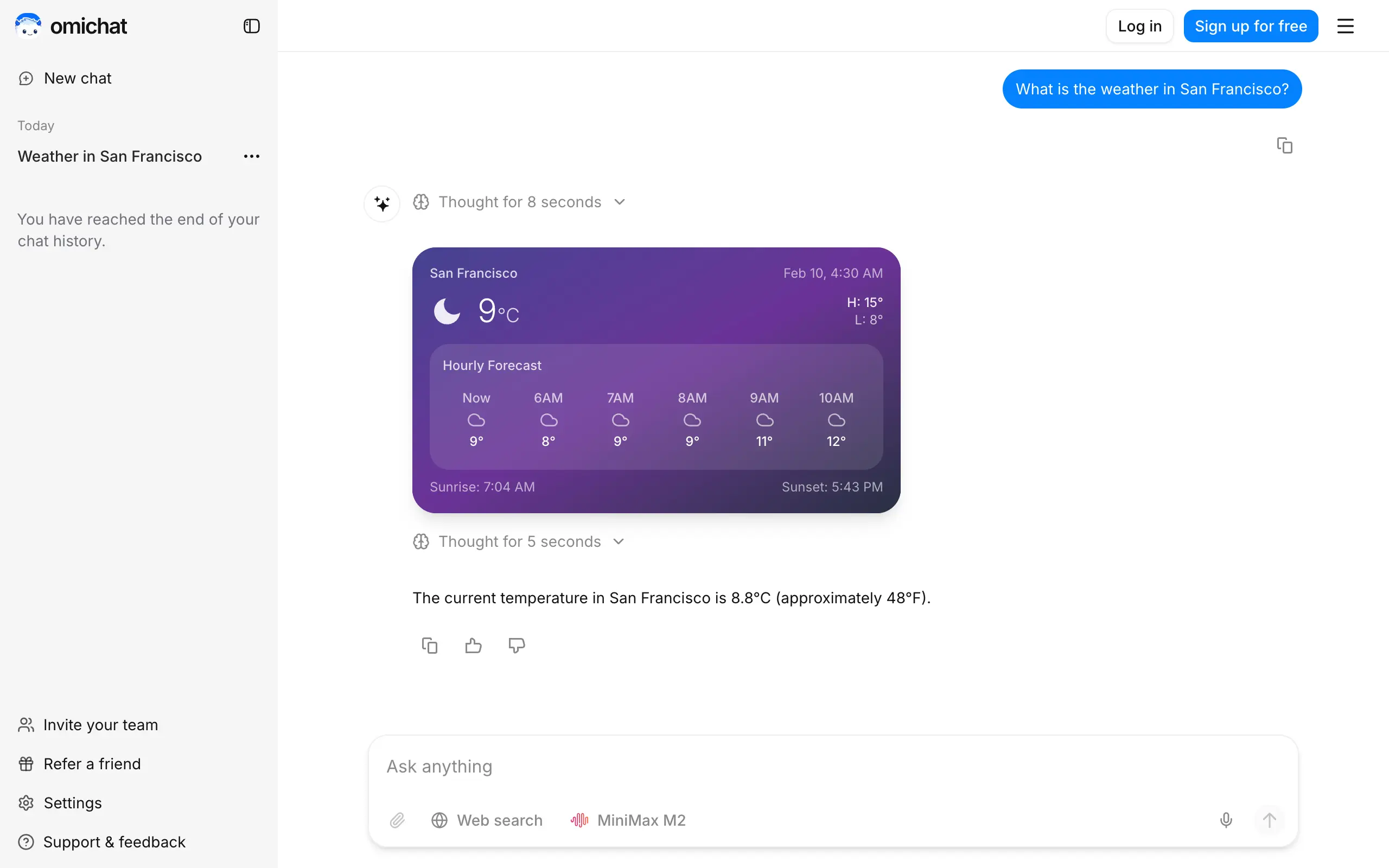
Omichat
Chat with 50+ AI models, including ChatGPT and Claude, in one place - switch models anytime without losing context 🤖
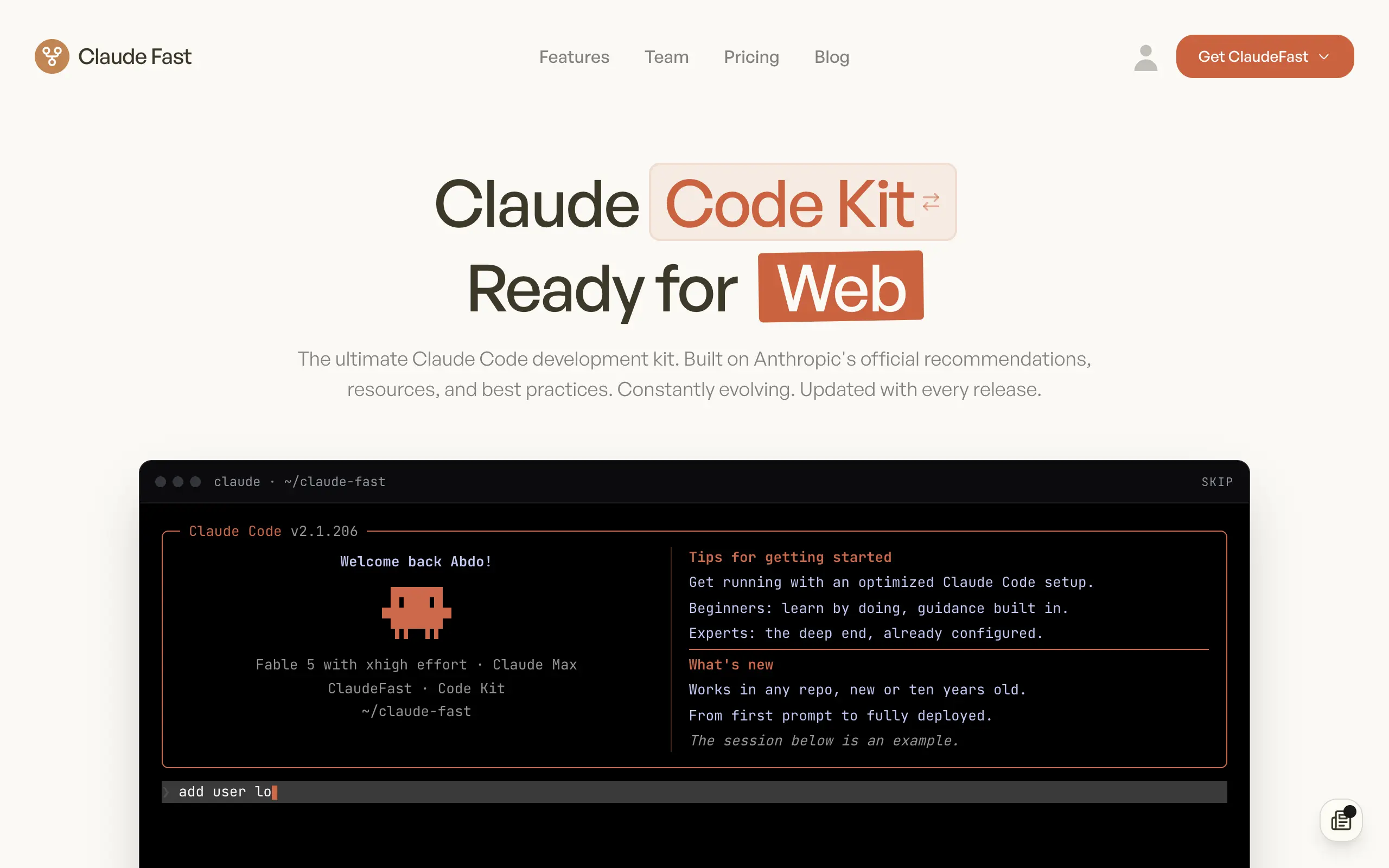
Claude Fast
Supercharge your Claude Code with 6x effective context window and specialized AI agents 🤖
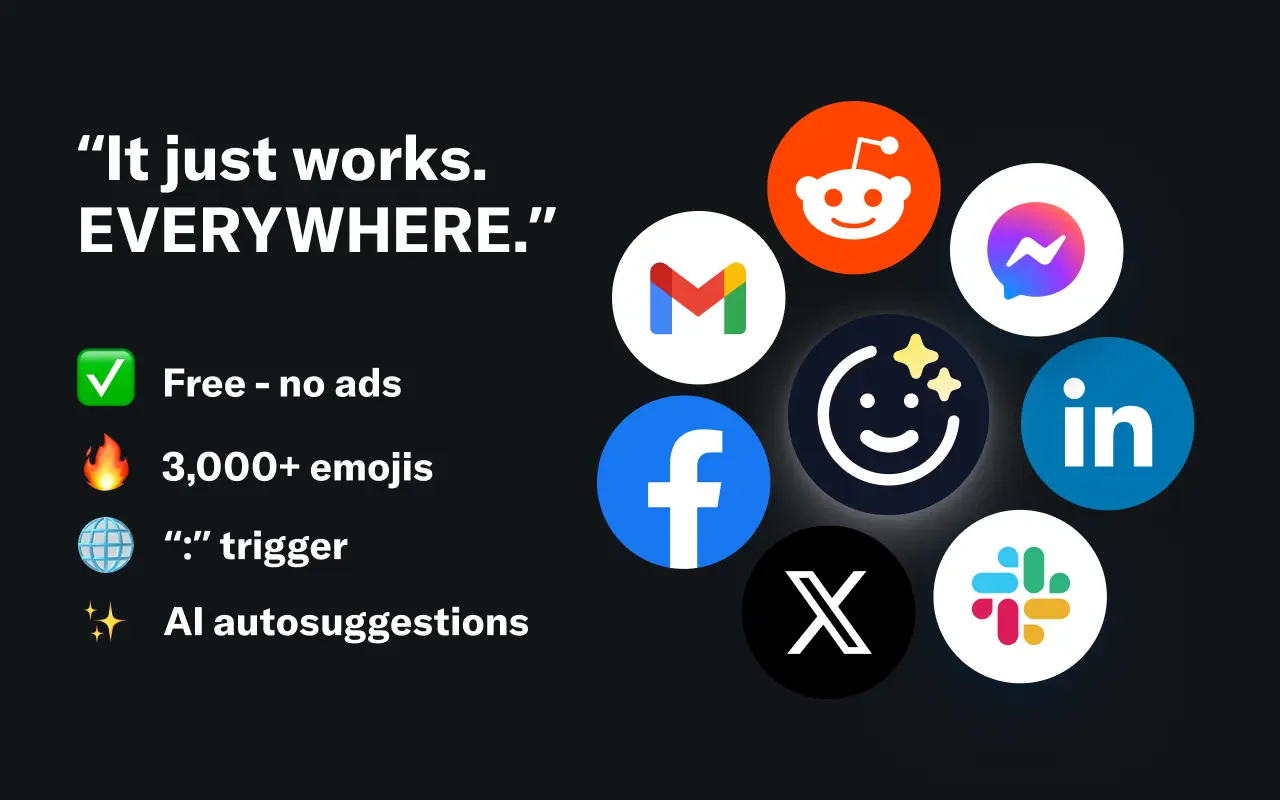
EmojAI
AI-powered emoji picker with smart, context-aware suggestions 🤖
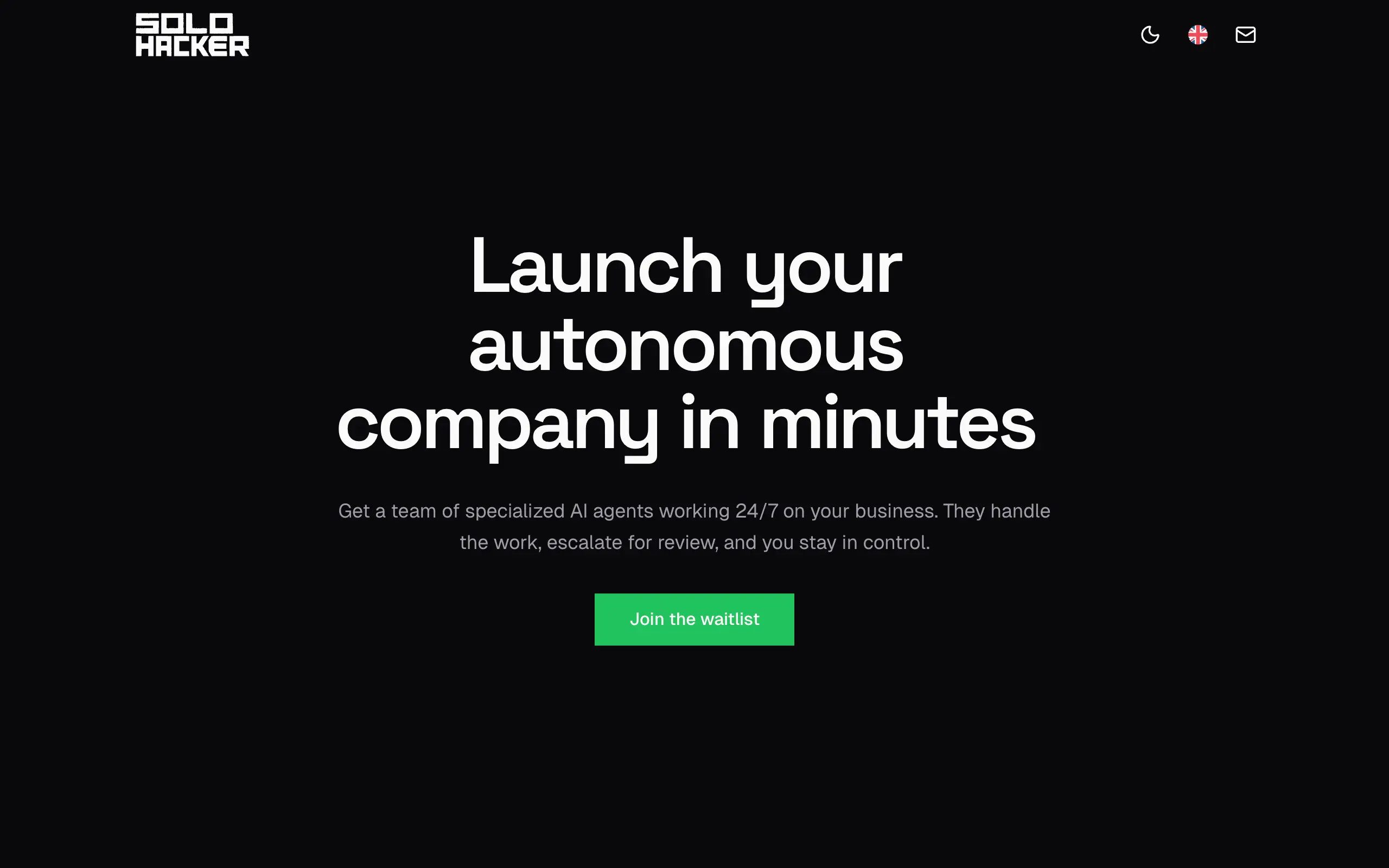
Solohacker
Autonomous company launcher - AI agents work 24/7, escalate what matters, and you stay in control 🤖
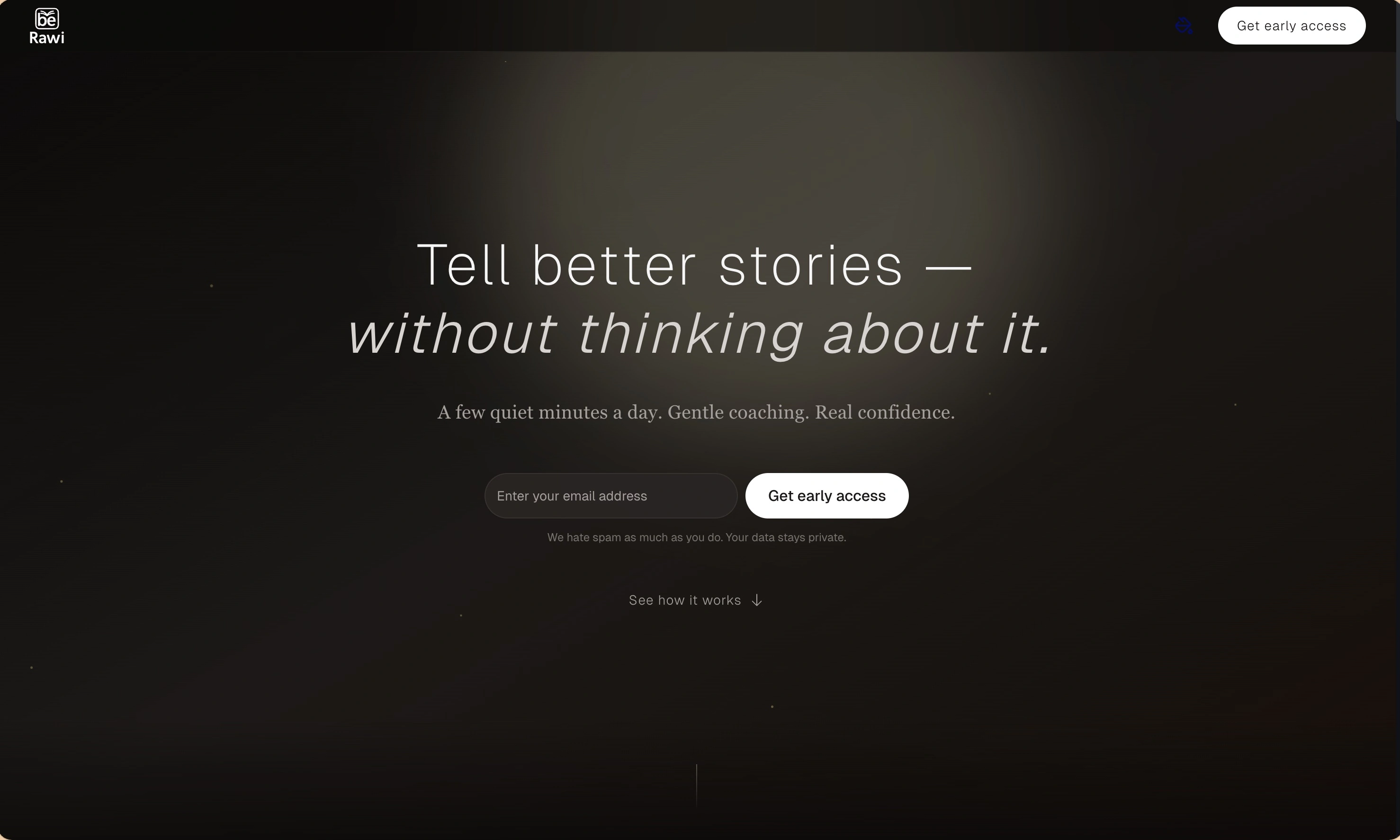
BeRawi: Storytelling Coach
Practice storytelling daily with instant feedback to sound clearer, more engaging, and confident 🎤
Omichat
Chat with 50+ AI models, including ChatGPT and Claude, in one place - switch models anytime without losing context 🤖
Claude Fast
Supercharge your Claude Code with 6x effective context window and specialized AI agents 🤖
EmojAI
AI-powered emoji picker with smart, context-aware suggestions 🤖
Solohacker
Autonomous company launcher - AI agents work 24/7, escalate what matters, and you stay in control 🤖
BeRawi: Storytelling Coach
Practice storytelling daily with instant feedback to sound clearer, more engaging, and confident 🎤
Omichat
Chat with 50+ AI models, including ChatGPT and Claude, in one place - switch models anytime without losing context 🤖
Claude Fast
Supercharge your Claude Code with 6x effective context window and specialized AI agents 🤖
EmojAI
AI-powered emoji picker with smart, context-aware suggestions 🤖
Solohacker
Autonomous company launcher - AI agents work 24/7, escalate what matters, and you stay in control 🤖
BeRawi: Storytelling Coach
Practice storytelling daily with instant feedback to sound clearer, more engaging, and confident 🎤
Omichat
Chat with 50+ AI models, including ChatGPT and Claude, in one place - switch models anytime without losing context 🤖
Claude Fast
Supercharge your Claude Code with 6x effective context window and specialized AI agents 🤖
EmojAI
AI-powered emoji picker with smart, context-aware suggestions 🤖
Solohacker
Autonomous company launcher - AI agents work 24/7, escalate what matters, and you stay in control 🤖
BeRawi: Storytelling Coach
Practice storytelling daily with instant feedback to sound clearer, more engaging, and confident 🎤

Connect with like-minded people
Join our community to get feedback, support, and grow together with 1,000+ builders on board, let's ship it!
Join usShip your startup everywhere. In minutes.
Don't burn tokens on setup and start building features on day one.