CarePath AI
AI care-plan companion that turns discharge papers into plain-language tasks, medication reminders, and caregiver updates for families.
Why an AI care-plan companion is a timely healthcare SaaS opportunity
Care transitions are one of the most difficult moments in healthcare. A patient may leave a hospital, rehabilitation facility, outpatient procedure center, or emergency department with a dense packet of discharge paperwork, a changed medication list, follow-up instructions, restrictions, warning signs, and referrals. Families are expected to understand all of it while managing recovery, transportation, insurance, work schedules, and emotional stress.
CarePath AI is an AI care-plan companion designed to make that transition more manageable. It turns discharge papers into plain-language tasks, medication reminders, follow-up schedules, and consent-based caregiver updates.
The primary opportunity is not simply to summarize healthcare documents. It is to create a reliable care coordination layer between clinical discharge and the daily actions that happen at home.
A strong product in this category should help families answer practical questions such as:
- What does the patient need to do today?
- Which medications are new, changed, or discontinued?
- When is the next appointment, and what needs to happen before it?
- Which recovery symptoms are expected, and which instructions say to contact a clinician?
- How can a caregiver stay informed without repeatedly asking the patient for updates?
- Where did a particular instruction come from in the original discharge document?
The differentiator for CarePath AI is actionable clarity with traceability. Rather than presenting an opaque AI-generated care summary, the platform should organize every recommendation around the source material, user confirmation, and appropriate clinical safety boundaries.
Positioning recommendation
CarePath AI should be positioned as a post-discharge organization and communication platform, not as a diagnostic tool, emergency service, or replacement for a clinician. This reduces avoidable risk while making the product promise easier for families to understand.
The care transition problem CarePath AI solves
Discharge instructions are medically necessary documents, but they are rarely designed for the realities of home recovery. They can be fragmented across multiple pages, written in clinical language, inconsistent with older medication lists, and difficult to share with family members.
This creates a major gap between information delivered and care successfully carried out.
A patient may technically receive all needed instructions, yet still miss a medication dose, fail to book a follow-up appointment, misunderstand activity restrictions, or lack a clear escalation plan. Caregivers often step in, but many do not have direct access to the paperwork or a single current source of truth.
An AI care-plan companion can reduce that friction by transforming unstructured documents into a structured, collaborative care experience.
The hidden burden on patients and caregivers
The need is particularly acute for people managing:
- Multi-medication regimens after hospitalization
- Surgery recovery plans with changing restrictions
- Chronic conditions that require ongoing monitoring
- Cognitive impairment or limited health literacy
- Care across multiple specialists and facilities
- Long-distance family caregiving
- Language barriers or non-native English speakers
- Recovery after an emergency visit where instructions were reviewed quickly
The product does not need to solve every clinical workflow on day one. Its initial job is more focused: help people understand what they have been told to do, remember it at the right time, and keep approved supporters informed.
Why existing tools leave a gap
Patient portals are valuable, but they are often document repositories and messaging systems rather than day-to-day recovery companions. Calendar apps can hold appointment dates, but they do not parse a discharge packet. Generic medication reminder apps may handle pill schedules, but they usually lack the care-plan context around medications, restrictions, referrals, and caregiver coordination.
A CarePath AI workflow can connect those missing pieces:
- A user uploads or scans discharge papers.
- The platform extracts dates, medications, tasks, provider details, and warnings.
- AI translates the instructions into plain language.
- The user reviews and confirms uncertain items.
- The platform creates a personalized action plan.
- Approved caregivers receive relevant status updates.
- Users can return to the original instruction source when needed.
That combination creates a differentiated AI discharge planning assistant for patients and families rather than another generic health reminder product.
Target audience for an AI care-plan companion
CarePath AI has several potential user groups, but the strongest go-to-market approach is to begin with a narrow, high-urgency segment where discharge complexity is common and the value is immediately visible.
Primary audience: family caregivers managing post-discharge care
The core user is often not the patient. It is the adult child, spouse, partner, sibling, or close friend who becomes responsible for coordinating care after discharge.
This person may be balancing a job, their own family obligations, and a sudden responsibility to understand medical paperwork. They need a fast, trustworthy answer to “what happens next?”
Their main needs include:
- A simple daily view of tasks and medications
- Shared visibility across multiple caregivers
- Plain-language explanations without losing the original context
- Appointment and refill reminders
- A way to document that tasks were completed
- Clear pathways back to the care team for clinical questions
CarePath AI should make caregivers feel organized rather than overwhelmed. The product experience should emphasize calm, clarity, and confidence, not AI novelty.
Secondary audience: older adults and patients with ongoing care needs
Some patients will use CarePath AI directly, especially people who are comfortable with smartphones and want more control after a procedure or hospital stay.
The interface should account for accessibility needs:
- Large, legible typography
- High contrast modes
- Minimal navigation depth
- Voice-friendly task completion
- Clear language at an accessible reading level
- Translation support where appropriate
- Optional caregiver assistance rather than mandatory account sharing
An older adult should be able to open the app and immediately see the next action, the next medication, and the next appointment.
Institutional audience: care providers and transition teams
Over time, CarePath AI can offer a business-to-business version for:
- Hospitals and health systems
- Home health agencies
- Skilled nursing and rehabilitation facilities
- Surgical practices
- Primary care groups
- Care management organizations
- Medicare Advantage plans
- Employer health navigation providers
Institutional buyers care about measurable operational and patient outcomes. Their interest may include patient activation, follow-up adherence, caregiver engagement, satisfaction, reduced avoidable calls, and better transition-of-care workflows.
However, provider sales cycles, security reviews, and integrations can be lengthy. A direct-to-consumer or caregiver-led validation path can generate meaningful insight before pursuing enterprise deployment.
Caregiver-led adoption
Start with a product that helps families organize immediate post-discharge responsibilities without waiting for a hospital partnership.
Provider-assisted distribution
Offer clinics and care teams a branded handoff workflow once the consumer experience proves engagement and retention.
Payer and care-management expansion
Use adherence, engagement, and follow-up data to support value-based care partnerships after privacy and clinical governance mature.
Market gap and demand for AI discharge planning tools
The market opportunity sits at the intersection of consumer health, care coordination, medication adherence, patient engagement, and generative AI. While each category is crowded, few products are purpose-built to convert discharge documents into an adaptive, shared household care plan.
That gap is meaningful because discharge is a high-intent event. Users do not need to be persuaded that a problem exists. They already have paperwork in hand and a list of responsibilities they are unsure how to manage.
The high-intent acquisition moment
A caregiver searching for an AI care-plan companion may use terms such as:
- AI discharge instructions app
- post-hospital care checklist
- medication reminder for elderly parent
- caregiver medication tracker
- discharge planner app
- plain-language medical instructions
- family care coordination app
- hospital discharge checklist for caregivers
These searches reveal immediate, practical intent. They are not broad wellness queries. They reflect a real logistical and emotional need that a product can solve quickly.
A content strategy for CarePath AI should target these use cases with clinically cautious, task-oriented educational pages. For example, helpful resources could explain how to organize a discharge packet, prepare for a post-hospital follow-up visit, or build a medication list without telling users how to self-diagnose or change treatment.
Why AI is useful, but not sufficient on its own
Optical character recognition, document classification, and large language models make it possible to transform complicated paperwork at scale. But raw AI summarization is not enough for healthcare use.
Healthcare users need:
- Source citations back to the uploaded document
- Extraction confidence indicators
- Human review for uncertain medication details
- Explicit user confirmation before reminders begin
- Clear separation of document-derived content and general education
- A way to correct errors without technical support
- Safety escalation language for urgent concerns
The winning product will not be the one that produces the longest summary. It will be the one that creates the most trustworthy next action.
Suggested research sources for market validation
Before presenting precise market size or outcomes claims, validate the opportunity using current reports and primary sources. Consider citing:
- The Agency for Healthcare Research and Quality for care transition and patient safety research
- The Centers for Disease Control and Prevention for caregiver and chronic disease context
- The Centers for Medicare & Medicaid Services for transitional care and quality program context
- The Office for Civil Rights for HIPAA guidance and privacy expectations
- Peer-reviewed studies indexed through PubMed for evidence on discharge communication, adherence, and readmissions
Avoid using an unverified readmission reduction percentage in sales materials. Outcomes depend on patient population, care setting, intervention design, and whether clinical teams are actively involved.
Core features for CarePath AI
The CarePath AI product should be designed around an end-to-end journey from document upload to completed recovery tasks. The MVP must deliver a clear “aha” moment quickly while reserving advanced clinical workflows for later.
Document upload and secure discharge paper parsing
The entry point is a simple document ingestion workflow. Users should be able to upload PDFs, take photos of printed instructions, forward documents from email, or scan pages with a phone camera.
The system should identify likely categories such as:
- Medication lists
- Follow-up appointments
- Activity restrictions
- Wound care instructions
- Diet guidance
- Therapy referrals
- Warning signs and contact details
- Durable medical equipment instructions
A high-quality interface should show the original document alongside extracted items. This is essential for trust, especially when a medication name, dose, or timing appears unclear.
Plain-language care-plan generation
After extraction, CarePath AI should create a plain-language overview organized around time and action.
Instead of presenting:
“Patient to follow up with PCP within 7 to 10 days and continue prescribed pharmacotherapy as reconciled.”
The platform can present:
“Schedule a visit with your primary care clinician within 7 to 10 days. Bring your current medication list and discharge papers to the appointment.”
The system should preserve nuance. It must never silently add clinical advice that was not present in the source material.
A useful care plan has four layers:
- Today for immediate tasks, medication starts, and pickup reminders.
- This week for scheduling, restrictions, and early follow-up.
- Ongoing for repeated medication, therapy, and monitoring tasks.
- Know when to contact your care team for document-derived warning signs and contact instructions.
Medication reminders with reconciliation safeguards
Medication management may become the most valuable CarePath AI feature, but it is also the highest-risk area. Discharge medication lists can contain duplicates, substitutions, discontinued drugs, or instructions that conflict with a patient’s existing routine.
The product should not assume every extracted medication is correct. Instead, use a verification flow.
| Medication workflow stage | CarePath AI action | User safety control | Caregiver value | Priority |
|---|---|---|---|---|
| Extract | Detect medication name, dose, route, and timing | Show source text and confidence state | Creates a shared starting point | High |
| Confirm | Ask the patient or caregiver to verify details | Flag unclear or conflicting entries | Reduces assumptions between family members | High |
| Remind | Send scheduled notifications after confirmation | Allow edits, pauses, and adherence notes | Provides optional completion visibility | High |
| Escalate | Direct users to pharmacist or clinician contact details | Never recommend dose changes | Helps caregivers know what question to ask | Critical |
Medication reminders should support “taken,” “skipped,” “snoozed,” and “need help” states. A “need help” selection can display the relevant pharmacy or care-team number from the discharge instructions, without attempting to resolve a clinical question through the model.
Shared caregiver updates and permissions
Caregiver communication is a core product advantage. The patient should be able to invite trusted people and choose what they can see.
Permission levels might include:
- “View tasks” for a relative who helps with appointments
- “Medication support” for a caregiver who assists with daily routines
- “Full care coordinator” for a designated family member
- “Updates only” for loved ones who should receive high-level progress notifications
The platform should support consent-based updates such as “follow-up appointment scheduled” or “today’s checklist completed.” Avoid creating surveillance dynamics. The patient should understand what is shared, with whom, and how to revoke access.
Appointment, referral, and transportation coordination
Discharge plans frequently require action outside the app. CarePath AI should make those steps easier to complete.
High-value capabilities include:
- Calendar exports for confirmed appointments
- Referral task tracking
- Reminder sequences for appointments that still need scheduling
- Preparation checklists for follow-up visits
- Contact cards for providers and pharmacies
- Transportation planning prompts
- A secure notes area for questions to ask at the next visit
This transforms a static discharge plan into an active care coordination system.
Source-linked explanations and AI question support
An AI assistant can answer questions like “What does this instruction mean in simpler language?” or “Which page mentions physical therapy?” when it stays grounded in the uploaded materials.
The best design pattern is retrieval-grounded responses that display:
- The plain-language answer
- A document excerpt or page reference
- A statement when the information is not found
- A prompt to contact the care team for clinical interpretation when appropriate
For example, if a user asks whether a symptom is dangerous, the assistant should not diagnose. It can say that it cannot assess symptoms, display the discharge document’s relevant warning signs if present, and direct the user to appropriate urgent or emergency resources based on the instruction set.
Clinical safety boundary
CarePath AI should not tell users to start, stop, change, or combine medications. It should not diagnose conditions, determine urgency from symptoms, or claim that a recovery path is normal. Build the experience to organize clinician-provided instructions and support appropriate follow-up.
Recommended tech stack for CarePath AI
A healthcare-oriented AI SaaS needs a stack that prioritizes security, auditability, data minimization, and operational reliability alongside product velocity.
Product application layer
For a responsive web application, Next.js is a strong choice because it supports server-rendered experiences, API routes, authentication patterns, and SEO-friendly educational content in one ecosystem. Build the interface with React and TypeScript to reduce avoidable type errors in high-stakes workflows.
Tailwind CSS is useful for developing accessible, consistent interfaces quickly. CarePath AI should establish a deliberate design system for high-contrast controls, readable text sizes, touch-friendly buttons, and clear states for incomplete or uncertain tasks.
For mobile engagement, a responsive progressive web app can validate demand early. Native applications can follow once notification reliability, camera scanning, offline usage, and engagement patterns justify the additional complexity.
Data and backend architecture
A relational database such as PostgreSQL is well suited for structured entities including users, households, care plans, tasks, medication schedules, document versions, consent records, and audit events.
The backend should model the data as a source-aware graph:
- A care plan belongs to a patient or household.
- A task links to a specific extracted document item.
- An extracted item links to a document, page, and bounding region where available.
- A caregiver permission applies to a patient and a defined scope.
- Every material edit receives an audit event.
This structure makes it possible to answer “where did this task come from?” and “who changed this medication reminder?” without relying on model memory.
AI, OCR, and retrieval architecture
A reliable pipeline should separate document processing from conversational generation.
type ExtractedCareItem = {
  category: "medication" | "appointment" | "task" | "restriction" | "warning";
  sourceDocumentId: string;
  sourcePage: number;
  sourceText: string;
  normalizedInstruction: string;
  confidence: "high" | "medium" | "low";
  requiresUserConfirmation: boolean;
};

function canActivateReminder(item: ExtractedCareItem) {
  return item.category !== "medication" || !item.requiresUserConfirmation;
}
A production workflow can include:
- Secure document upload and virus scanning.
- OCR for scanned and image-based files.
- Document classification and section detection.
- Structured extraction into a validated schema.
- Confidence scoring and rule-based checks.
- Human-friendly review screens for uncertain items.
- Retrieval-grounded AI explanations using approved source text.
- Immutable audit logging for high-impact actions.
For model outputs, use strict schemas and validation rather than accepting free-form text. A model can propose an extraction, but deterministic rules should validate date formats, medication fields, contact details, and reminder schedules before they reach the user interface.
Trade-offs between speed and enterprise readiness
A fast MVP can begin with encrypted storage, a secure managed database, role-based access control, and a focused document workflow. However, selling to hospitals or health plans will likely require a higher operational bar.
Enterprise readiness commonly includes:
- Business associate agreements where applicable
- Formal HIPAA risk assessment processes
- Encryption in transit and at rest
- Access logging and audit trails
- Incident response procedures
- Vendor security reviews
- Data retention and deletion controls
- Penetration testing
- Disaster recovery planning
- Support for healthcare interoperability standards
FHIR should be part of the long-term integration strategy. Do not make a complex electronic health record integration a requirement for early validation unless a launch partner specifically demands it. Manual upload can prove whether users value the transformed care plan before the team invests in difficult integration work.
Monetization strategy for CarePath AI
CarePath AI can support multiple revenue models, but the pricing model must match the trust model. Families need affordable help at a stressful time, while institutions need demonstrable workflow and engagement value.
Consumer subscription model
A freemium plan can let users upload one discharge packet and create a short-term care plan. Paid plans can unlock:
- Multiple care plans
- Shared caregiver seats
- Advanced medication schedules
- Longer document storage
- Reminder history
- Calendar synchronization
- Multilingual support
- Downloadable visit summaries
- Premium onboarding assistance
A monthly option supports immediate post-discharge needs, while an annual family plan may appeal to households managing long-term chronic care.
Employer, provider, and payer licensing
Business customers may pay per enrolled patient, per discharge episode, per care manager seat, or through an annual platform agreement.
The most credible early institutional pitch is not “AI will solve readmissions.” It is more specific:
- Improve comprehension of discharge instructions
- Give patients a usable task plan
- Extend caregiver visibility with consent
- Reduce repetitive administrative confusion
- Standardize post-discharge follow-up workflows
- Surface engagement signals to approved care teams
Outcome claims should be tested through pilots with predefined cohorts, comparison methods, and appropriate privacy governance.
Concierge services and partner referrals
CarePath AI could eventually offer optional, non-clinical concierge support for appointment scheduling, transportation coordination, pharmacy delivery, or home service navigation. This can create additional revenue, but referrals must be transparent and never compromise user trust.
Do not build the business around selling sensitive health data. In consumer health, privacy is a product feature and a long-term competitive advantage.
Competitive advantage and unique selling proposition
The strongest CarePath AI USP is:
CarePath AI converts discharge paperwork into a verified, shared, plain-language action plan that helps patients and families carry out clinician instructions at home.
This is more compelling than “AI healthcare assistant” because it describes a concrete moment, user, input, and outcome.
How CarePath AI can stand apart
| Category | Typical strength | Typical limitation | CarePath AI advantage | Strategic value |
|---|---|---|---|---|
| Patient portals | Access to clinical records | Often passive and fragmented | Turns documents into daily actions | High |
| Medication apps | Reminder scheduling | Lack full discharge context | Connects reminders to care-plan sources | High |
| Generic AI chatbots | Fast explanations | Limited traceability and safety controls | Uses source-grounded, reviewable answers | Critical |
| Care coordination tools | Shared family communication | May require manual setup | Starts from real discharge paperwork | High |
Defensibility will come from more than the AI model. Models are increasingly accessible. CarePath AI should build durable advantages through:
- A high-quality discharge document extraction dataset
- Safety-oriented care-plan schemas
- Source attribution and correction workflows
- Caregiver consent and permission systems
- Institution-ready compliance operations
- Thoughtful user experience for stressful care transitions
- Outcome evidence from real-world pilots
Risks and mitigation strategies
Healthcare SaaS products require disciplined risk management. The biggest risks are not only technical. They include safety, privacy, trust, and adoption.
Document scans may be blurry, handwritten notes can be ambiguous, and medication instructions can be complex. Mitigate this with OCR quality checks, extraction confidence thresholds, side-by-side source views, user confirmation, and hard rules that block automatic medication reminder activation for uncertain entries.
Use clear product language, source-grounded answers, and context-specific escalation prompts. The AI should organize and explain document content, not diagnose, prescribe, or determine whether symptoms are safe to ignore.
Collect only necessary data, encrypt it, limit employee access, implement detailed logs, provide deletion controls, vet vendors, and obtain legal guidance on HIPAA and applicable state privacy rules. Build consent management into the core data model.
Give patients granular permissions, visible sharing status, revocation controls, and separate roles for helpers versus update-only family members. Do not default to broad sharing.
Validate the core user need directly with caregivers and launch focused pilots with independent practices, discharge planners, or home health organizations before committing to a large health-system sales motion.
A practical MVP roadmap for CarePath AI
The first version should solve one painful job extremely well: converting a discharge packet into a reviewed checklist that a patient and caregiver can follow.
Avoid launching with broad symptom checking, deep electronic health record integrations, complex clinician dashboards, or automated clinical triage. Those features add risk before product-market fit is established.
Phase one: prove the core transformation
Build a focused MVP with:
- Secure account creation
- PDF and image upload
- OCR and document text extraction
- AI-generated plain-language summaries
- Extracted tasks with source page references
- Appointment and follow-up reminders
- Caregiver invitations
- User corrections and feedback collection
- Clear clinical safety language
The success metric is not only uploads. Measure whether users complete the plan.
Useful early metrics include:
- Percentage of uploads that become an active care plan
- Percentage of extracted tasks reviewed by users
- Time from upload to first completed task
- Caregiver invitation rate
- Seven-day and 30-day engagement
- Medication reminder confirmation rate
- Frequency of corrections by extraction category
- Customer-reported confidence in understanding next steps
Phase two: improve reliability and retention
Once users demonstrate repeated value, add:
- Medication reconciliation workflows
- Calendar synchronization
- Refill and prescription pickup tasks
- Multi-language document translation support
- Secure question lists for care-team appointments
- Personalized notification preferences
- Recovery timeline views
- More robust audit and consent logs
Phase three: add provider-facing workflows carefully
Only after consumer and caregiver workflows are reliable should CarePath AI expand into provider tooling.
Potential provider capabilities include:
- Branded discharge-plan invitations
- Patient engagement dashboards
- Care-plan completion summaries
- Escalation queues for non-clinical follow-up
- FHIR-based document or appointment integration
- Configurable templates by procedure or care pathway
Keep provider alerts narrow and operationally useful. If a care team receives too many low-value alerts, adoption will suffer.
For founders building the initial product quickly, TurboStarter can provide a practical foundation for accelerating SaaS setup while the team focuses its effort on the care-plan workflow, privacy architecture, and user research that will differentiate CarePath AI.
Final perspective: build trust before scale
CarePath AI addresses a real and emotionally significant problem. Families do not need more medical jargon, another disconnected reminder app, or a chatbot that sounds confident without showing its source. They need a clear plan they can act on together.
The most successful AI care-plan companion will combine intelligent document processing with conservative clinical boundaries, transparent source links, accessible design, and consent-first caregiver collaboration.
Start with the simplest high-value promise: upload discharge instructions, understand the next steps, and keep the right people aligned. If CarePath AI can reliably deliver that outcome, it has a credible path toward a trusted consumer health platform and, eventually, a valuable care-transition solution for healthcare organizations.
More 🤖 AI Startup SaaS ideas
Discover more innovative ai startup SaaS ideas that are trending in 2026. Each idea is AI-generated with market validation and growth potential to help you find your next profitable venture faster than competitors.
Your competitors are building with TurboStarter
Below are some of the SaaS ideas that have been generated and built with our starter kit.
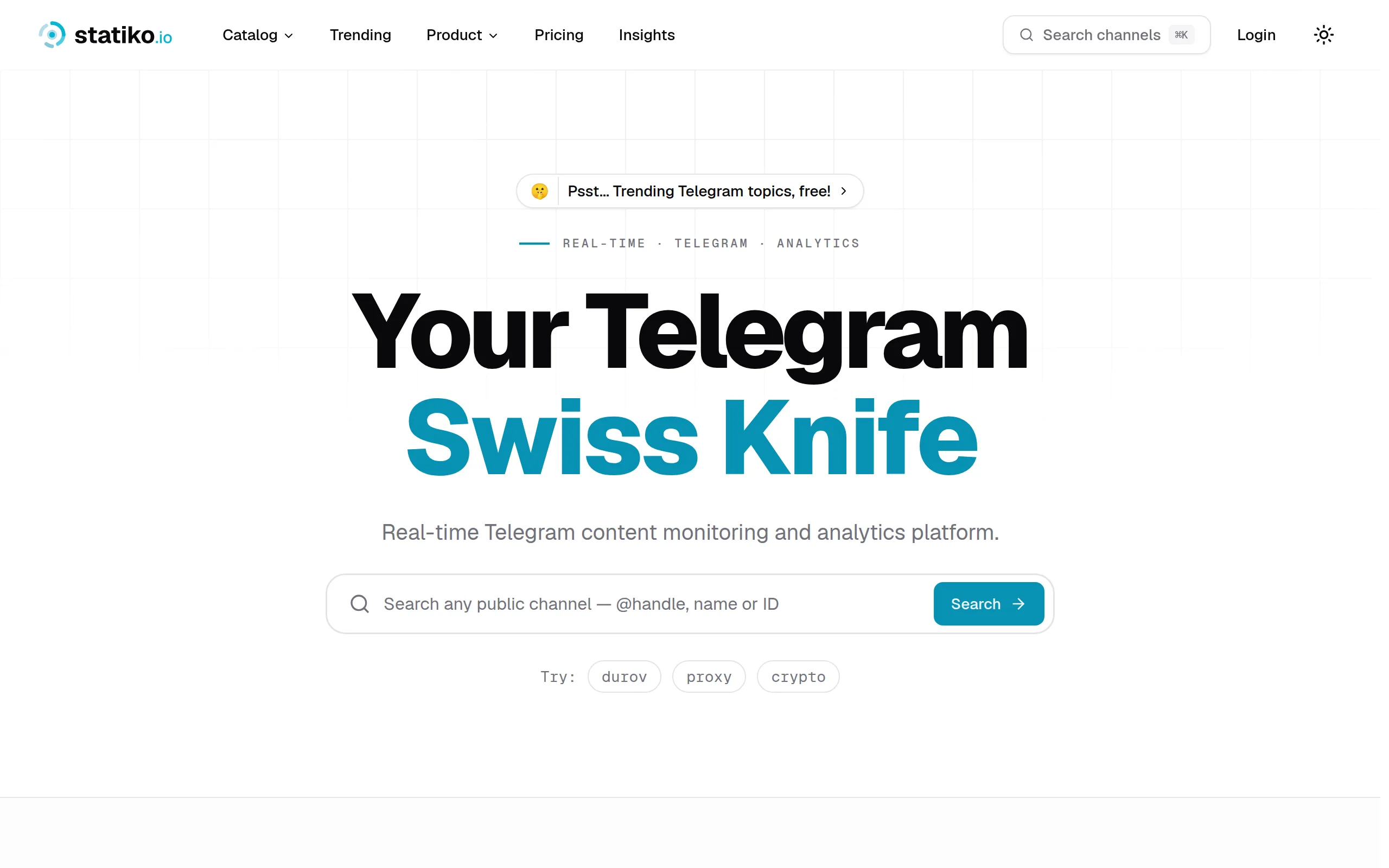
Statiko
Monitor any Telegram channel in real time - track posts, edits, deletions, and growth with AI recaps 📡

Shibui
AI website builder - describe your business, pick a niche template, edit by chatting, and publish instantly ✨
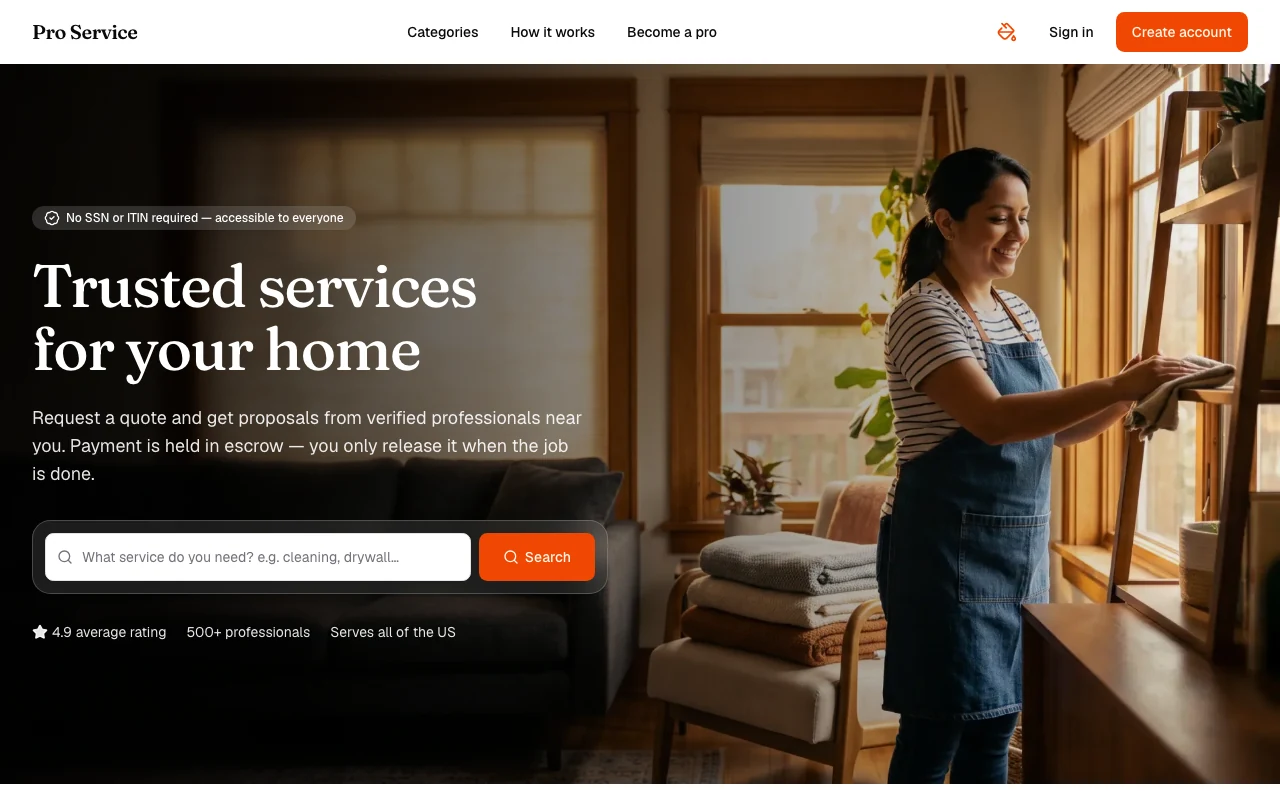
Pro Service
Find verified home service professionals, compare quotes, and pay securely through escrow - built for Brazilians across the US 🏠
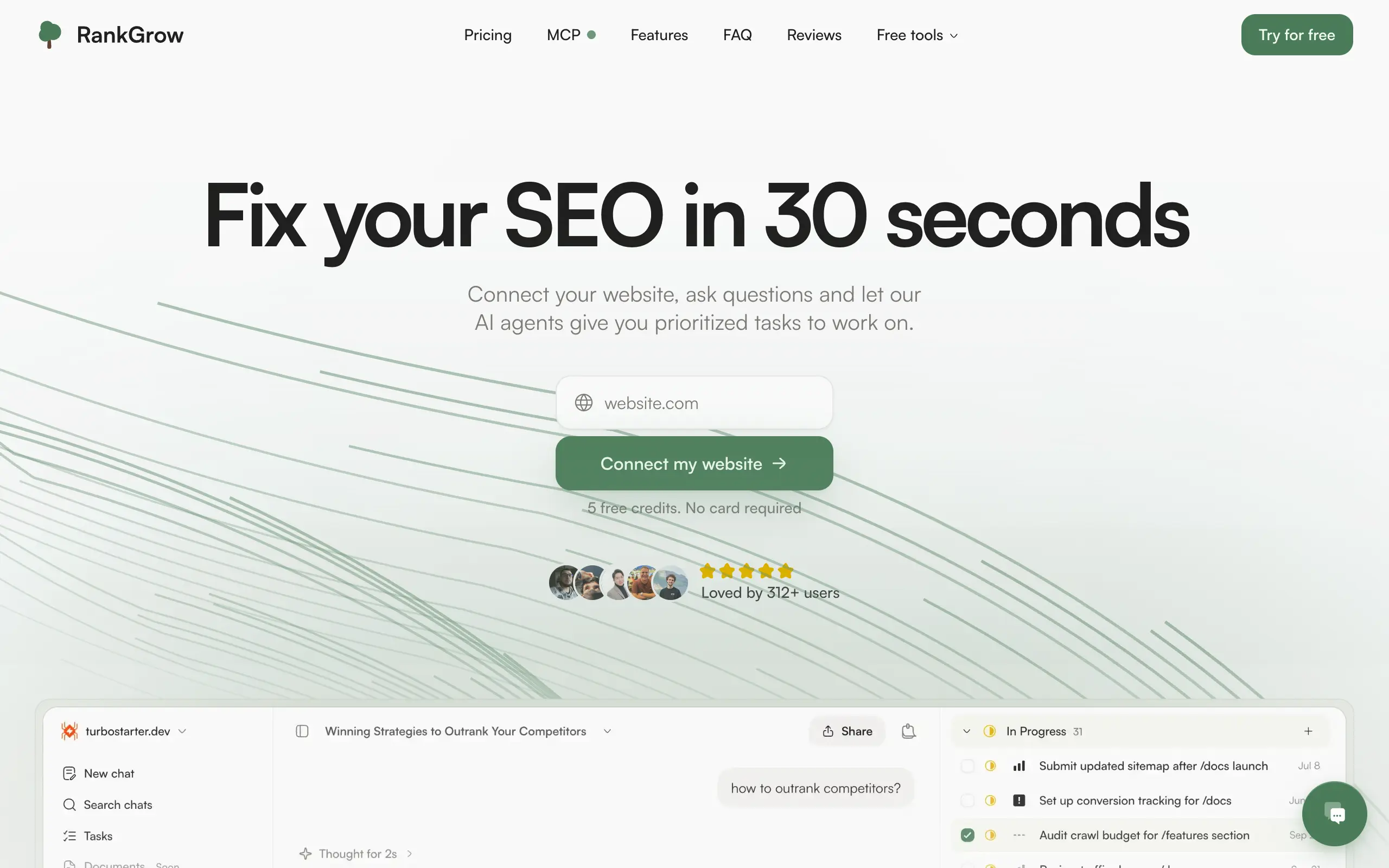
RankGrow
Fix your SEO with AI agents - connect Search Console, get prioritized tasks, and grow organic traffic 📈
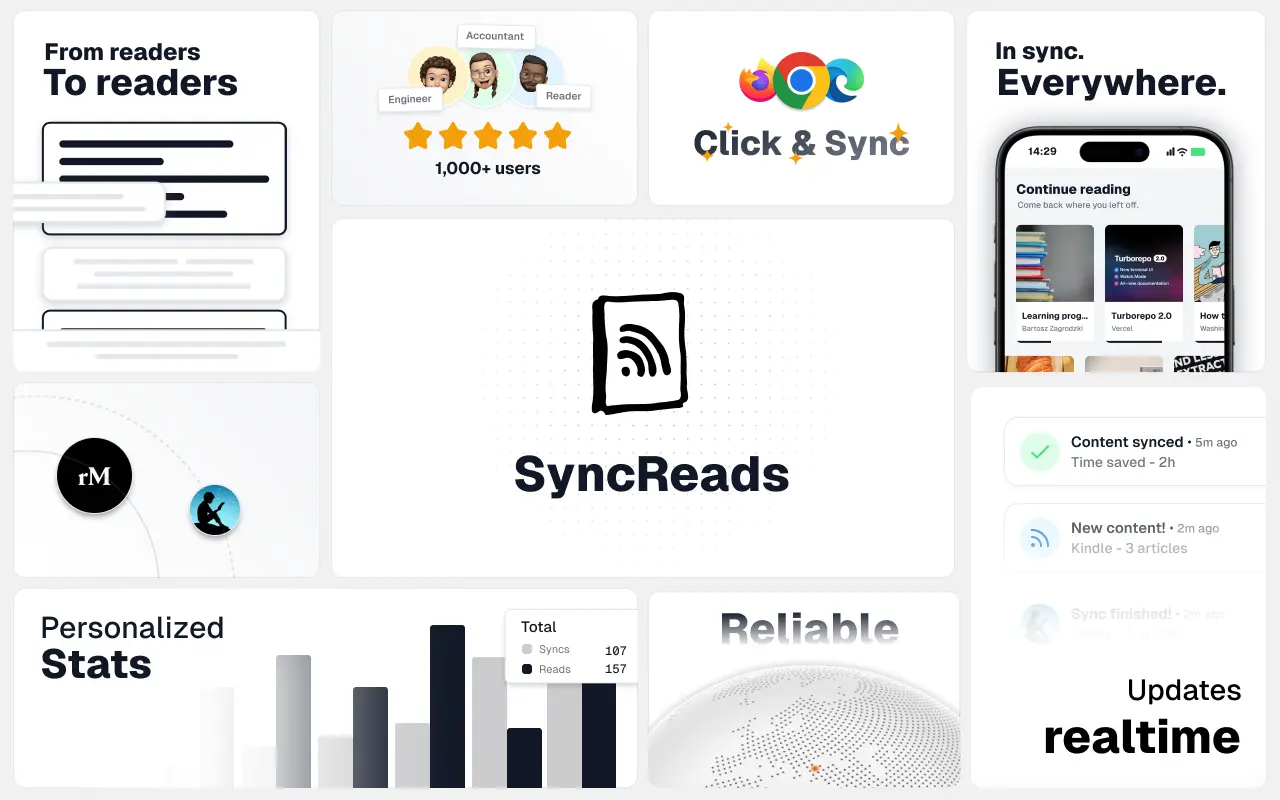
SyncReads
Sync your favorite content for distraction-free reading, save time and replace multiple apps. Anytime, anywhere 🔄
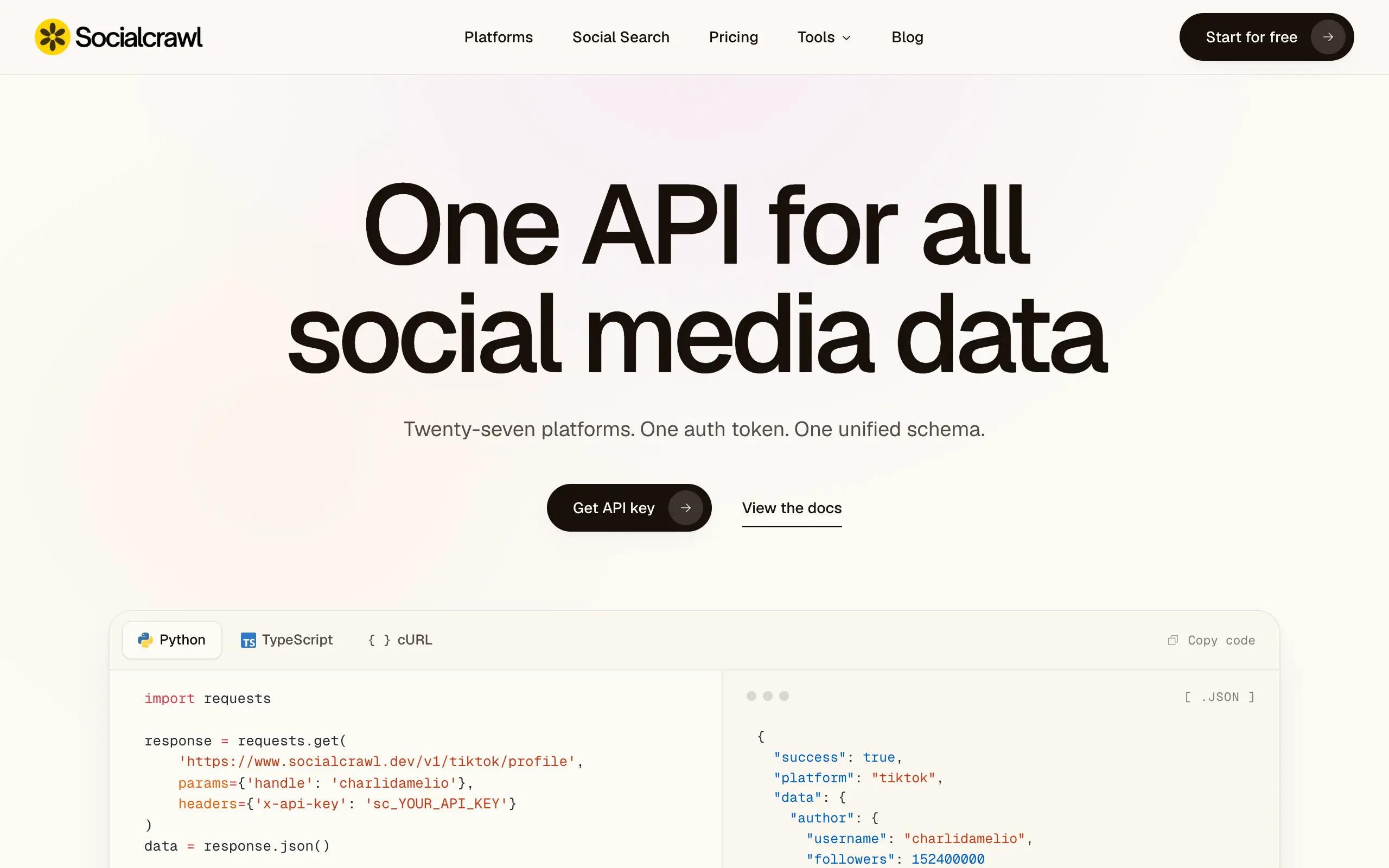
Socialcrawl
Get clean, structured data from 21 platforms like TikTok, Instagram, and YouTube with a single request 📊
Statiko
Monitor any Telegram channel in real time - track posts, edits, deletions, and growth with AI recaps 📡
Shibui
AI website builder - describe your business, pick a niche template, edit by chatting, and publish instantly ✨
Pro Service
Find verified home service professionals, compare quotes, and pay securely through escrow - built for Brazilians across the US 🏠
RankGrow
Fix your SEO with AI agents - connect Search Console, get prioritized tasks, and grow organic traffic 📈
SyncReads
Sync your favorite content for distraction-free reading, save time and replace multiple apps. Anytime, anywhere 🔄
Socialcrawl
Get clean, structured data from 21 platforms like TikTok, Instagram, and YouTube with a single request 📊
Statiko
Monitor any Telegram channel in real time - track posts, edits, deletions, and growth with AI recaps 📡
Shibui
AI website builder - describe your business, pick a niche template, edit by chatting, and publish instantly ✨
Pro Service
Find verified home service professionals, compare quotes, and pay securely through escrow - built for Brazilians across the US 🏠
RankGrow
Fix your SEO with AI agents - connect Search Console, get prioritized tasks, and grow organic traffic 📈
SyncReads
Sync your favorite content for distraction-free reading, save time and replace multiple apps. Anytime, anywhere 🔄
Socialcrawl
Get clean, structured data from 21 platforms like TikTok, Instagram, and YouTube with a single request 📊
Statiko
Monitor any Telegram channel in real time - track posts, edits, deletions, and growth with AI recaps 📡
Shibui
AI website builder - describe your business, pick a niche template, edit by chatting, and publish instantly ✨
Pro Service
Find verified home service professionals, compare quotes, and pay securely through escrow - built for Brazilians across the US 🏠
RankGrow
Fix your SEO with AI agents - connect Search Console, get prioritized tasks, and grow organic traffic 📈
SyncReads
Sync your favorite content for distraction-free reading, save time and replace multiple apps. Anytime, anywhere 🔄
Socialcrawl
Get clean, structured data from 21 platforms like TikTok, Instagram, and YouTube with a single request 📊
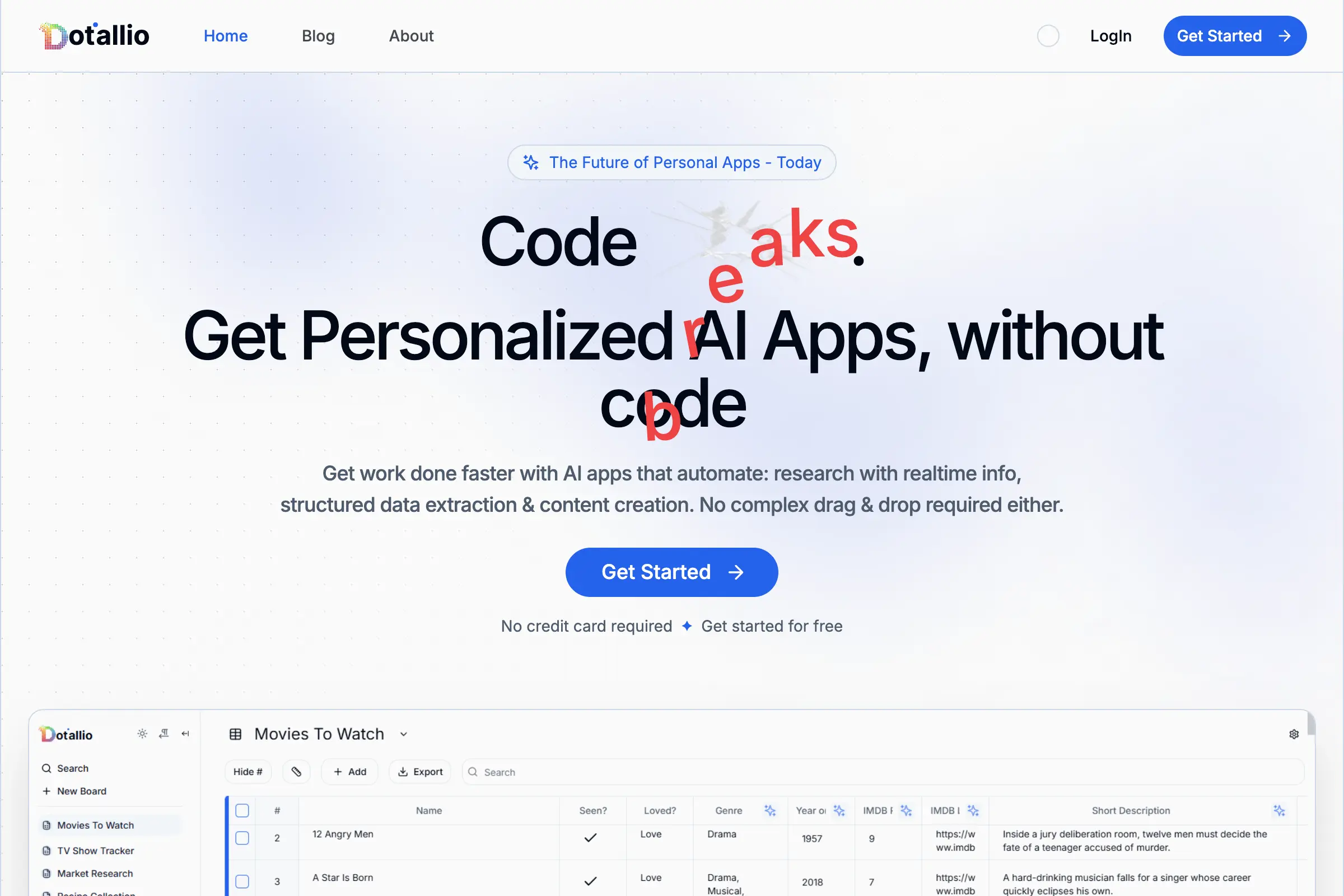
Dotallio
Personalized AI apps that automate research, data extraction, and content creation without code 🤖
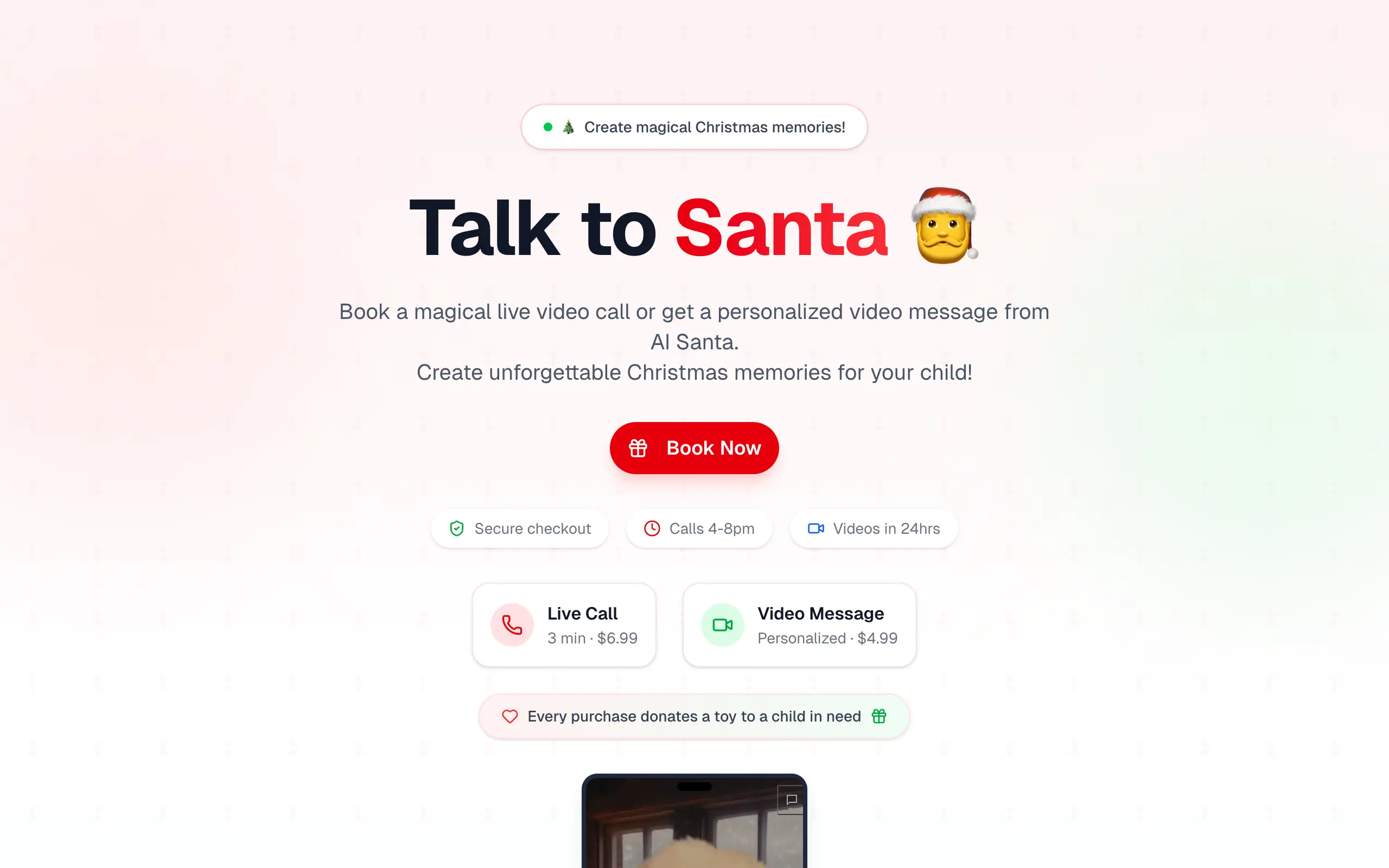
Talk to Santa
Enjoy a magical live video chat or receive a unique AI-generated video greeting from Santa Claus 🎅
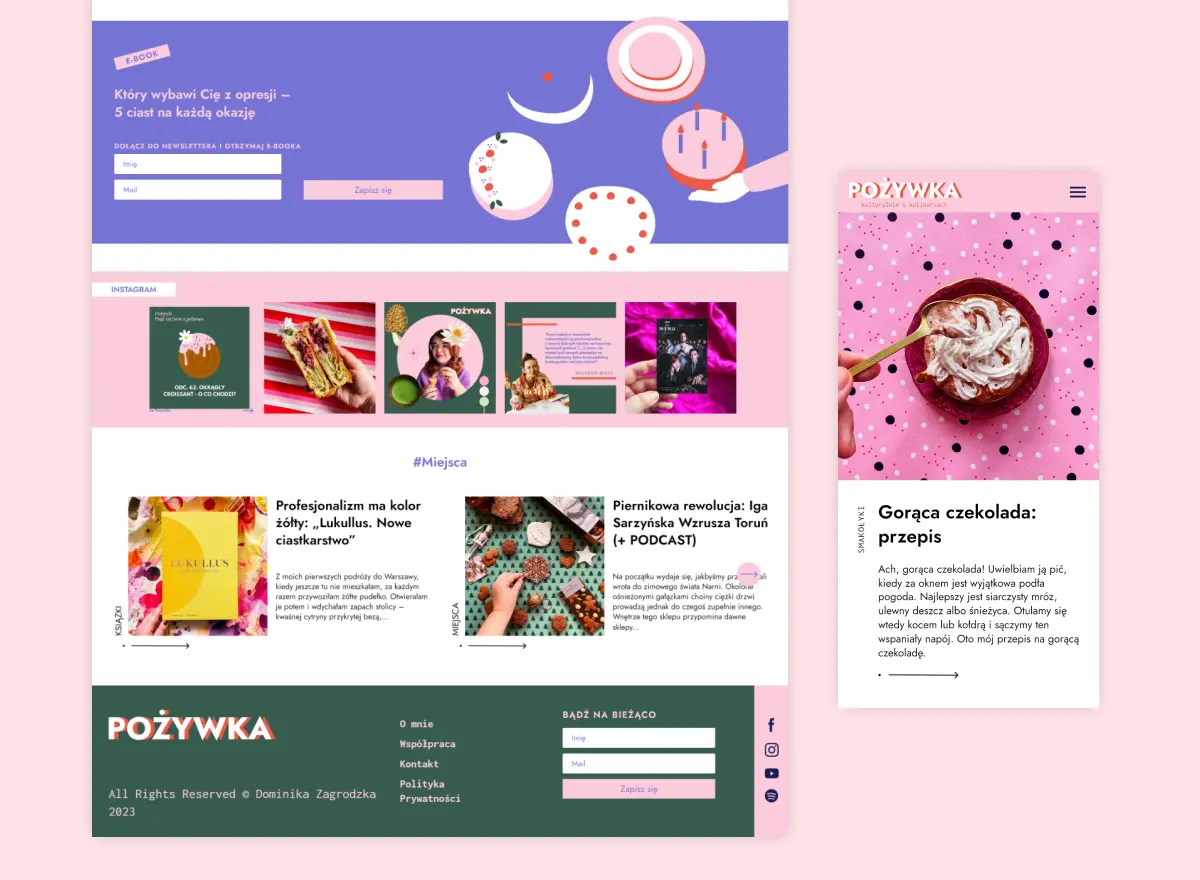
pozywka.pl
Scalable blog for food journalist, focused on performance and user experience 🌭
zagrodzki.me
Personal blog and portfolio of Bart Zagrodzki, where he shares his knowledge and work 💼
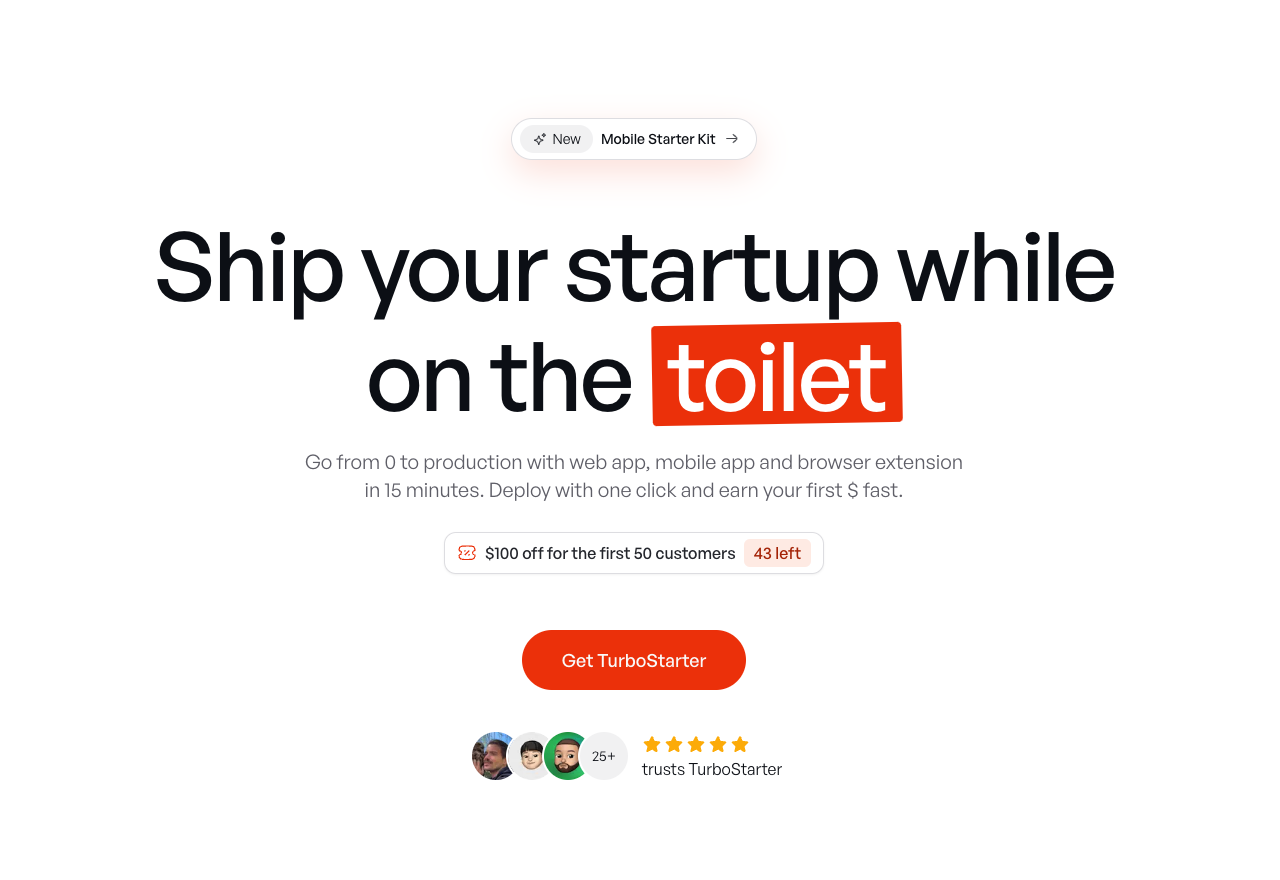
TurboStarter
Ship your startup everywhere. In minutes.
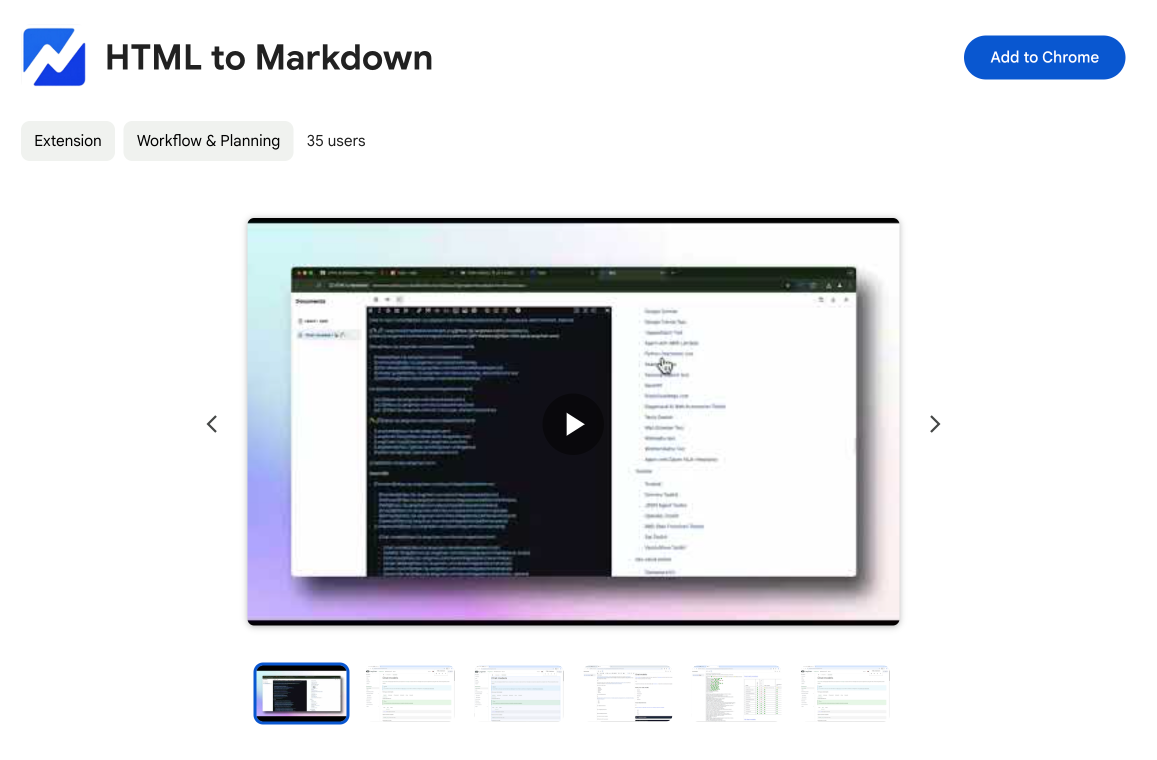
HTML to Markdown
Convert HTML to Markdown with ease, directly in your browser 📄
Dotallio
Personalized AI apps that automate research, data extraction, and content creation without code 🤖
Talk to Santa
Enjoy a magical live video chat or receive a unique AI-generated video greeting from Santa Claus 🎅
pozywka.pl
Scalable blog for food journalist, focused on performance and user experience 🌭
zagrodzki.me
Personal blog and portfolio of Bart Zagrodzki, where he shares his knowledge and work 💼
TurboStarter
Ship your startup everywhere. In minutes.
HTML to Markdown
Convert HTML to Markdown with ease, directly in your browser 📄
Dotallio
Personalized AI apps that automate research, data extraction, and content creation without code 🤖
Talk to Santa
Enjoy a magical live video chat or receive a unique AI-generated video greeting from Santa Claus 🎅
pozywka.pl
Scalable blog for food journalist, focused on performance and user experience 🌭
zagrodzki.me
Personal blog and portfolio of Bart Zagrodzki, where he shares his knowledge and work 💼
TurboStarter
Ship your startup everywhere. In minutes.
HTML to Markdown
Convert HTML to Markdown with ease, directly in your browser 📄
Dotallio
Personalized AI apps that automate research, data extraction, and content creation without code 🤖
Talk to Santa
Enjoy a magical live video chat or receive a unique AI-generated video greeting from Santa Claus 🎅
pozywka.pl
Scalable blog for food journalist, focused on performance and user experience 🌭
zagrodzki.me
Personal blog and portfolio of Bart Zagrodzki, where he shares his knowledge and work 💼
TurboStarter
Ship your startup everywhere. In minutes.
HTML to Markdown
Convert HTML to Markdown with ease, directly in your browser 📄
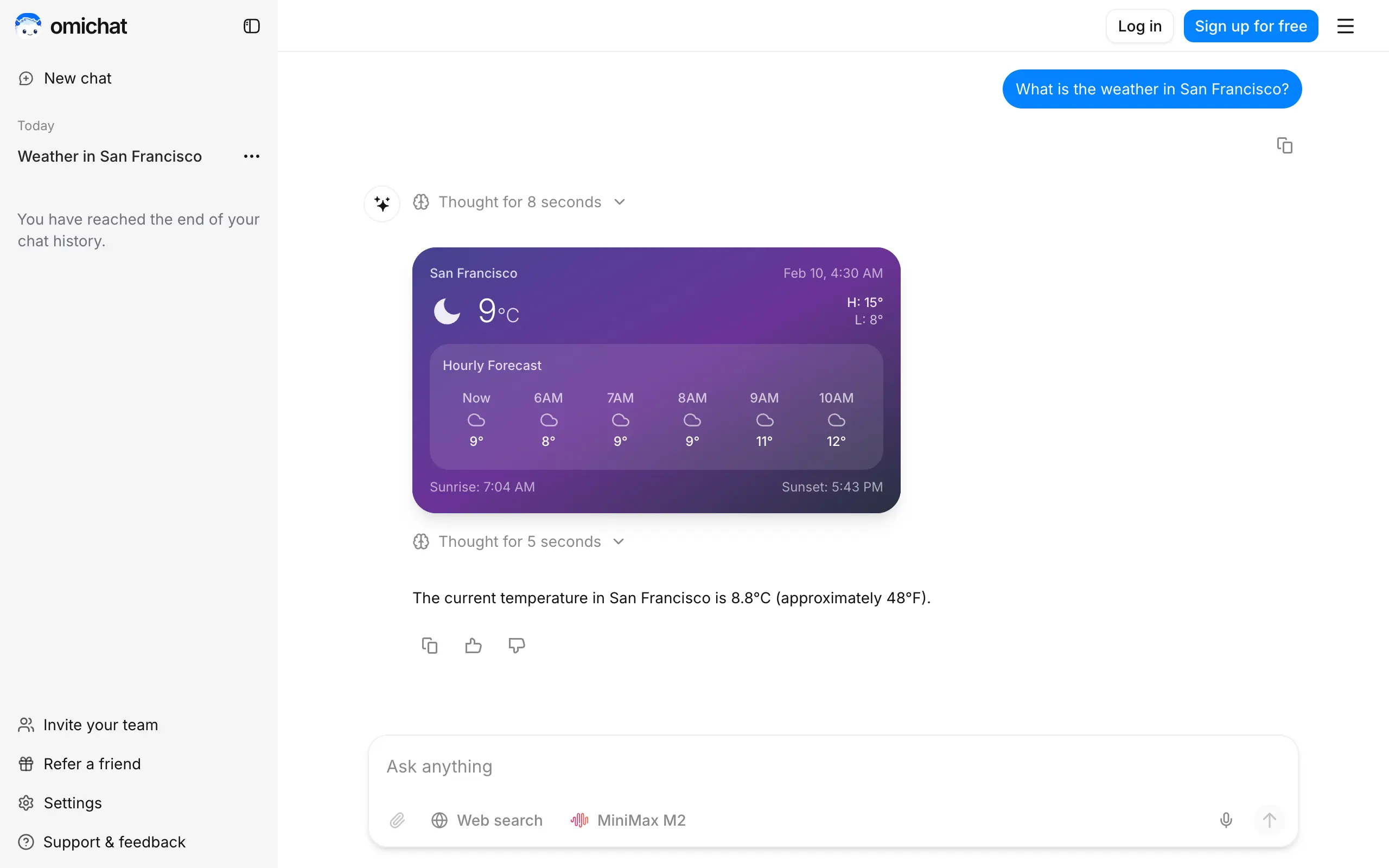
Omichat
Chat with 50+ AI models, including ChatGPT and Claude, in one place - switch models anytime without losing context 🤖
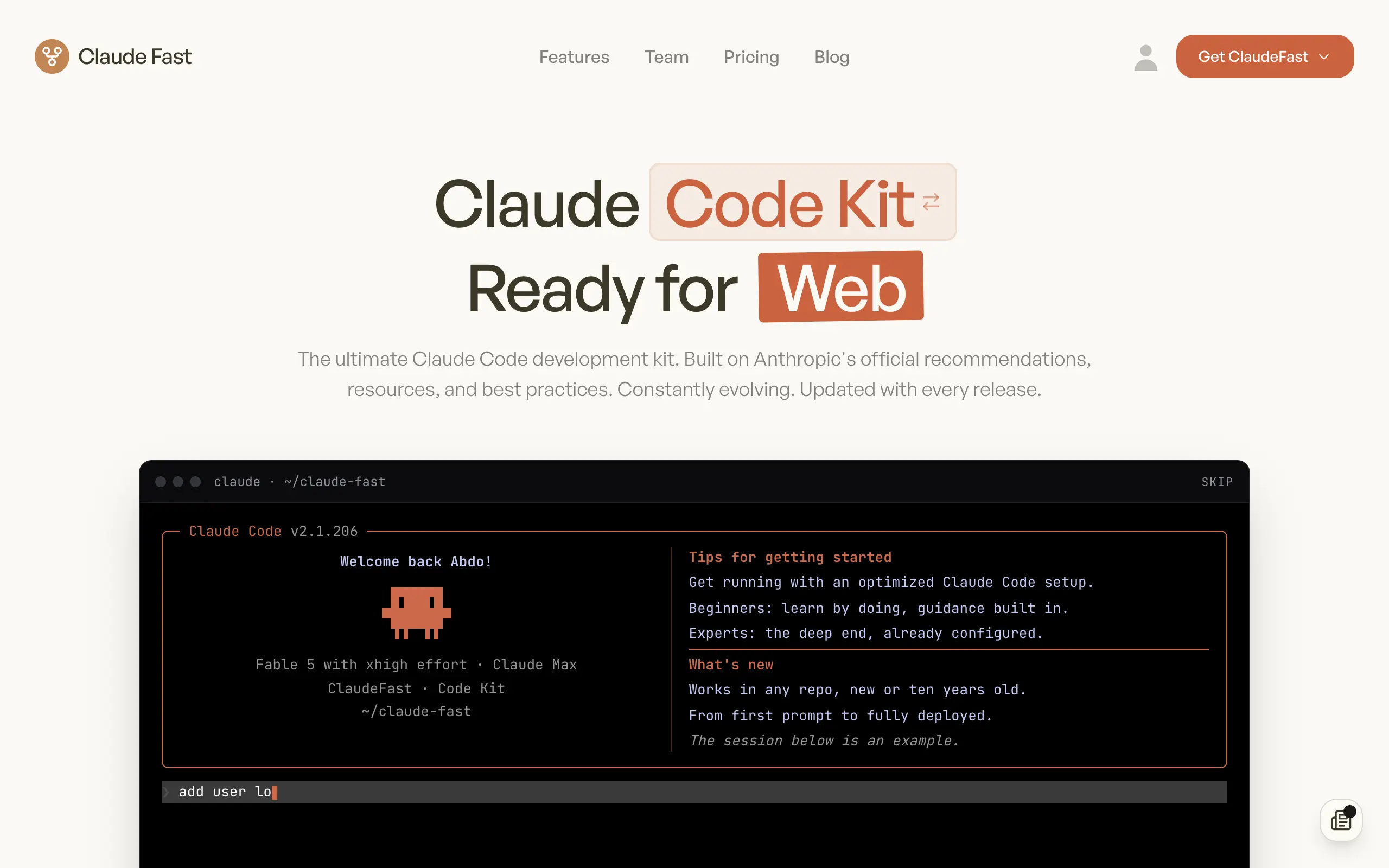
Claude Fast
Supercharge your Claude Code with 6x effective context window and specialized AI agents 🤖
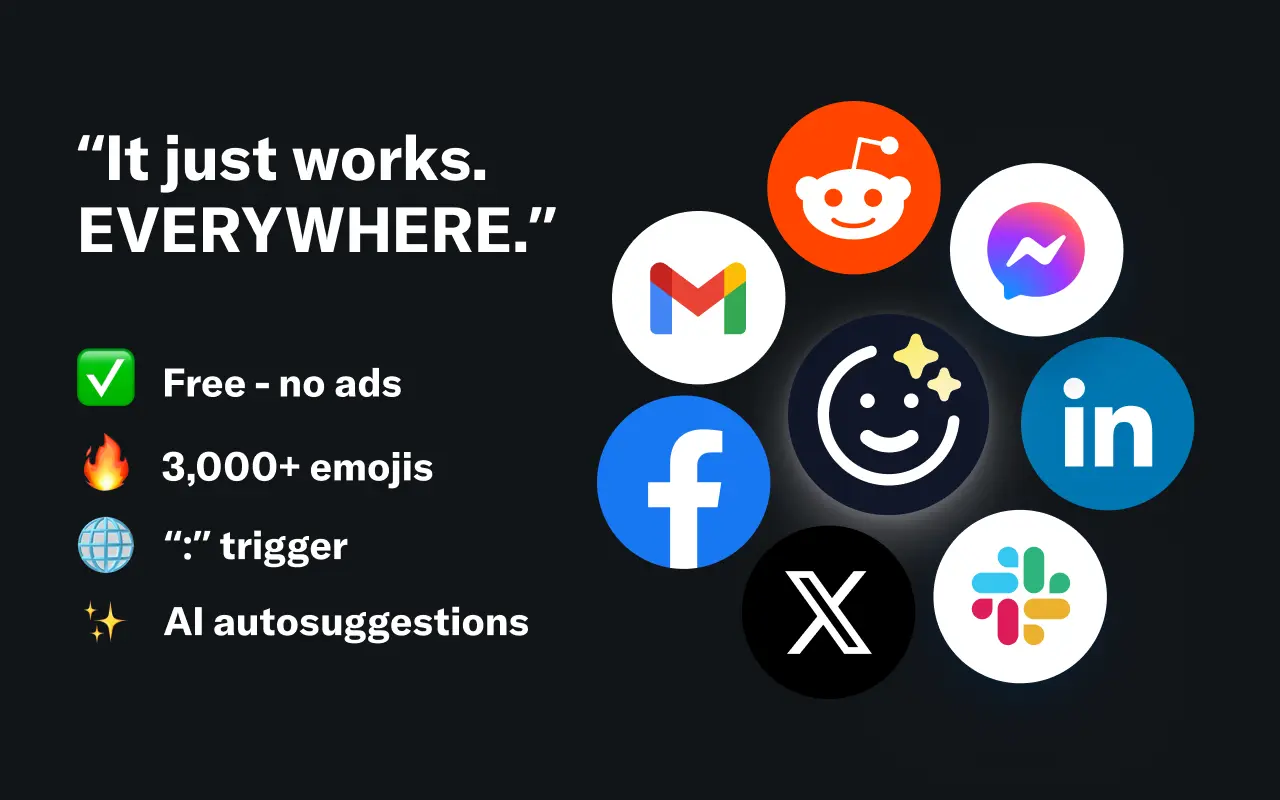
EmojAI
AI-powered emoji picker with smart, context-aware suggestions 🤖
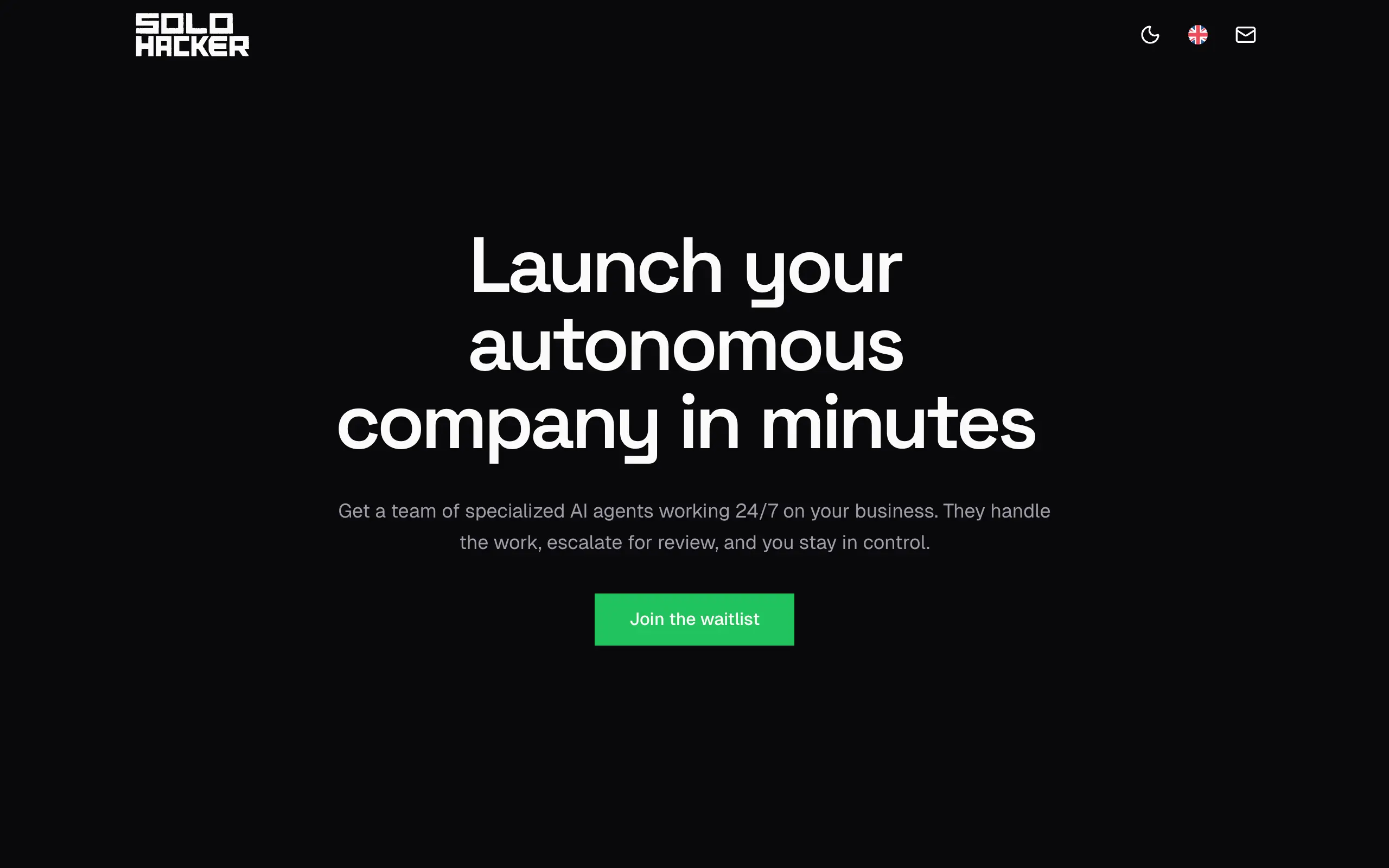
Solohacker
Autonomous company launcher - AI agents work 24/7, escalate what matters, and you stay in control 🤖
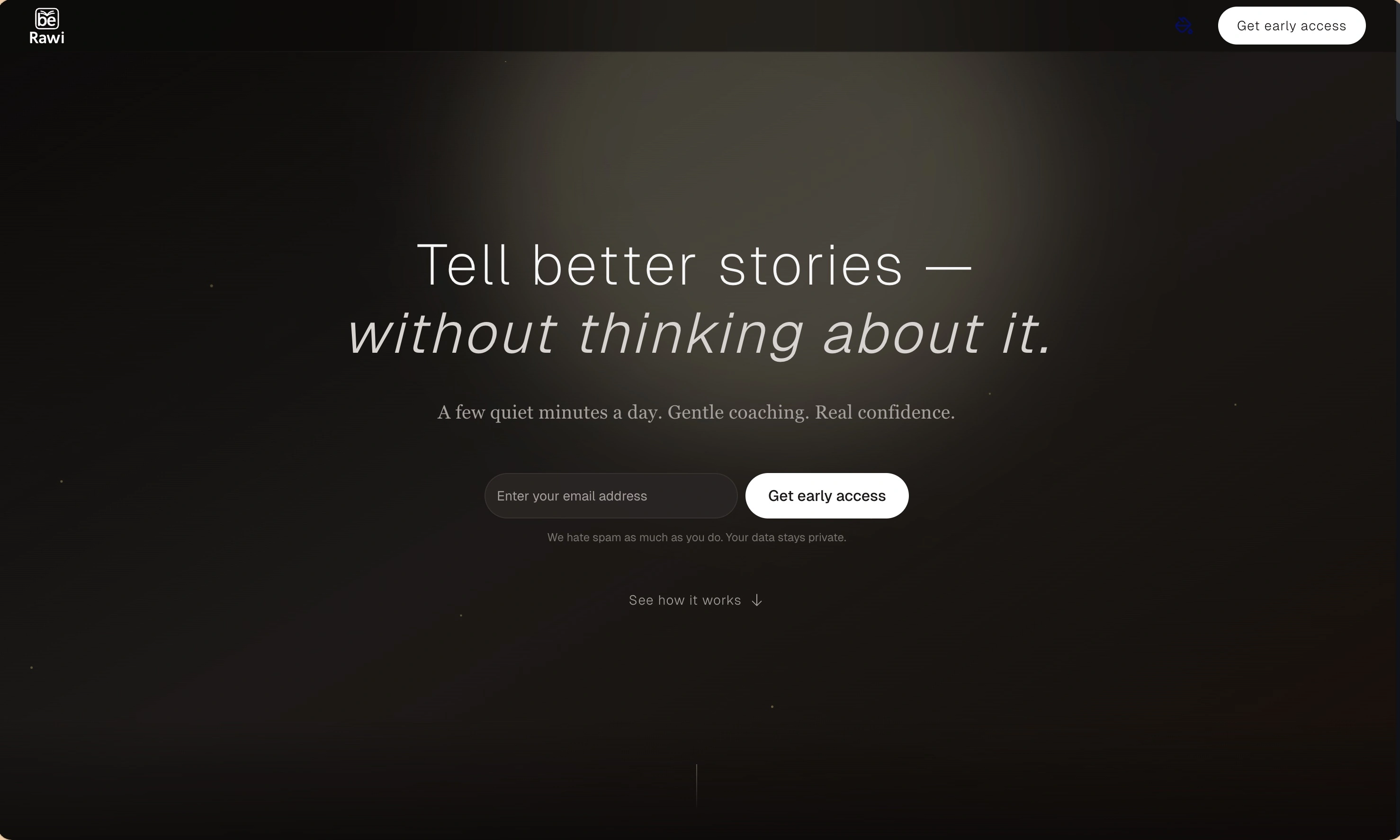
BeRawi: Storytelling Coach
Practice storytelling daily with instant feedback to sound clearer, more engaging, and confident 🎤
Omichat
Chat with 50+ AI models, including ChatGPT and Claude, in one place - switch models anytime without losing context 🤖
Claude Fast
Supercharge your Claude Code with 6x effective context window and specialized AI agents 🤖
EmojAI
AI-powered emoji picker with smart, context-aware suggestions 🤖
Solohacker
Autonomous company launcher - AI agents work 24/7, escalate what matters, and you stay in control 🤖
BeRawi: Storytelling Coach
Practice storytelling daily with instant feedback to sound clearer, more engaging, and confident 🎤
Omichat
Chat with 50+ AI models, including ChatGPT and Claude, in one place - switch models anytime without losing context 🤖
Claude Fast
Supercharge your Claude Code with 6x effective context window and specialized AI agents 🤖
EmojAI
AI-powered emoji picker with smart, context-aware suggestions 🤖
Solohacker
Autonomous company launcher - AI agents work 24/7, escalate what matters, and you stay in control 🤖
BeRawi: Storytelling Coach
Practice storytelling daily with instant feedback to sound clearer, more engaging, and confident 🎤
Omichat
Chat with 50+ AI models, including ChatGPT and Claude, in one place - switch models anytime without losing context 🤖
Claude Fast
Supercharge your Claude Code with 6x effective context window and specialized AI agents 🤖
EmojAI
AI-powered emoji picker with smart, context-aware suggestions 🤖
Solohacker
Autonomous company launcher - AI agents work 24/7, escalate what matters, and you stay in control 🤖
BeRawi: Storytelling Coach
Practice storytelling daily with instant feedback to sound clearer, more engaging, and confident 🎤

Connect with like-minded people
Join our community to get feedback, support, and grow together with 1,000+ builders on board, let's ship it!
Join usShip your startup everywhere. In minutes.
Don't burn tokens on setup and start building features on day one.