CarePlan Genie
Personalized, AI-generated care plans for chronic disease management, integrating patient data, lifestyle, and real-time feedback for better outcomes.
Understanding the need for personalized AI-generated care plans
Chronic disease management is one of the most pressing challenges in modern healthcare. Millions of patients worldwide struggle with conditions like diabetes, hypertension, heart disease, and COPD, requiring ongoing monitoring, lifestyle adjustments, and medication adherence. Traditional care plans are often generic, static, and fail to account for the unique needs, preferences, and real-time changes in a patient's life.
CarePlan Genie addresses this gap by leveraging artificial intelligence to generate truly personalized care plans. By integrating patient data, lifestyle factors, and real-time feedback, it aims to improve health outcomes, empower patients, and support healthcare providers with actionable insights.
Who benefits from CarePlan Genie? Target audience analysis
Understanding the target audience is crucial for any SaaS product, especially in healthcare. CarePlan Genie is designed for a diverse set of users, each with distinct needs and expectations:
1. Patients with chronic diseases
- Primary users: Individuals managing conditions like diabetes, hypertension, asthma, heart failure, and more.
- Needs: Personalized guidance, reminders, progress tracking, and motivation to adhere to care plans.
- Pain points: Overwhelm from generic advice, lack of real-time support, difficulty integrating recommendations into daily life.
2. Healthcare providers
- Includes: Physicians, nurse practitioners, care coordinators, and health coaches.
- Needs: Tools to create, monitor, and adjust care plans efficiently; insights into patient adherence and outcomes.
- Pain points: Time constraints, limited visibility into patient behavior outside the clinic, administrative burden.
3. Payers and insurers
- Includes: Health insurance companies, accountable care organizations (ACOs).
- Needs: Solutions that improve patient outcomes, reduce hospitalizations, and lower costs.
- Pain points: High costs from poorly managed chronic diseases, lack of scalable personalized interventions.
4. Family caregivers
- Role: Supporting loved ones in managing chronic conditions.
- Needs: Clear, actionable plans and updates; ability to provide feedback or flag concerns.
Patients
Empowered with tailored, actionable care plans and real-time support.
Providers
Gain insights and automate care plan adjustments for better patient outcomes.
Payers
Reduce costs through improved adherence and proactive interventions.
Caregivers
Stay informed and involved in the care journey.
Market opportunity and gap analysis
The global digital health market is projected to surpass $500 billion by 2027 (source: suggest referencing a recent Statista or Grand View Research report). Within this, chronic disease management is a top priority due to its impact on healthcare costs and patient quality of life.
Key market gaps CarePlan Genie addresses
- Lack of personalization: Most digital care plans are template-based, not tailored to individual needs.
- Fragmented data: Patient information is often siloed across EHRs, wearables, and apps, making holistic care difficult.
- Static recommendations: Traditional plans rarely adapt to real-time changes in patient behavior or health status.
- Limited patient engagement: Without ongoing feedback and motivation, adherence rates remain low.
Why now? Industry trends driving adoption
- AI and machine learning: Advances in AI enable dynamic, data-driven personalization at scale.
- Wearable and IoT integration: Devices like smartwatches and glucose monitors provide continuous health data.
- Value-based care: Healthcare systems are shifting towards models that reward improved outcomes, not just services rendered.
- Patient empowerment: There is growing demand for tools that put patients at the center of their care.
Core features and solution details
CarePlan Genie stands out by offering a comprehensive, AI-powered platform for chronic disease management. Here’s how it works:
1. AI-driven care plan generation
- Personalized recommendations: The AI engine analyzes medical history, current medications, lab results, lifestyle factors, and patient preferences.
- Dynamic updates: Plans adjust in real time based on new data (e.g., wearable device readings, patient-reported symptoms).
- Evidence-based: Recommendations are grounded in the latest clinical guidelines and research.
2. Seamless data integration
- EHR connectivity: Securely syncs with electronic health records for up-to-date medical information.
- Wearable and app integration: Connects to devices like Apple Health, Fitbit, and glucose monitors.
- Patient input: Easy logging of symptoms, mood, medication adherence, and lifestyle choices.
3. Real-time feedback and alerts
- Proactive notifications: Alerts patients and providers to potential issues (e.g., missed medication, abnormal readings).
- Adaptive coaching: Offers motivational messages, educational content, and reminders tailored to the individual.
4. Collaborative care tools
- Provider dashboard: Visualizes patient progress, flags risks, and suggests interventions.
- Caregiver access: Allows family members to view plans and provide feedback (with patient consent).
- Secure messaging: Facilitates communication between patients, providers, and caregivers.
5. Analytics and reporting
- Outcome tracking: Measures improvements in key health metrics and adherence rates.
- Population health insights: Aggregates data for providers and payers to identify trends and optimize interventions.
The AI uses a combination of rule-based clinical guidelines and machine learning models trained on large datasets. It considers individual risk factors, comorbidities, lifestyle habits, and real-time feedback to generate and adjust recommendations.
Yes. CarePlan Genie employs end-to-end encryption, strict access controls, and complies with HIPAA and GDPR standards to ensure data privacy and security.
Absolutely. Providers retain full control and can modify or approve care plans before they are delivered to patients.
Recommended tech stack and architecture
Building a robust, scalable, and secure AI SaaS platform for healthcare requires careful selection of technologies. Here’s a recommended stack for CarePlan Genie:
Frontend
- React: For building a responsive, interactive user interface.
- TailwindCSS: Enables rapid, consistent UI styling.
- Redux or Recoil: For state management, especially with complex data flows.
- TypeScript: Adds type safety and improves maintainability.
Backend
- Node.js with Express: For scalable API development.
- Python: Ideal for AI/ML model development and integration.
- TensorFlow or PyTorch: For building and deploying machine learning models.
- PostgreSQL: Reliable, scalable relational database for structured data.
- Redis: For caching and real-time data processing.
Data integration and security
- FHIR: Standard for healthcare data interoperability.
- OAuth 2.0 / OpenID Connect: Secure authentication and authorization.
- End-to-end encryption: Protects sensitive health data.
Cloud and DevOps
- AWS, Azure, or Google Cloud: For scalable hosting, storage, and AI services.
- Docker and Kubernetes: For containerization and orchestration.
- CI/CD pipelines: Automated testing and deployment.
Trade-offs to consider
- Python vs. Node.js for backend: Python excels in AI/ML, while Node.js offers high performance for APIs. A hybrid approach can leverage both.
- Cloud provider choice: AWS offers robust healthcare compliance tools, but Azure and Google Cloud have strong AI offerings.
- Build vs. buy for EHR integration: Building custom integrations offers flexibility but increases complexity; third-party APIs can accelerate development.
Monetization strategy options
A successful SaaS product in healthcare must balance value delivery with sustainable revenue. Here are viable monetization models for CarePlan Genie:
1. Subscription-based pricing
- Per patient per month (PPPM): Healthcare providers or payers pay a monthly fee for each active patient.
- Tiered plans: Different feature sets for clinics, hospitals, or enterprise customers.
2. B2B licensing
- White-label solutions: License the platform to health systems or insurers under their own brand.
- API access: Charge for integration with third-party apps or platforms.
3. Outcome-based contracts
- Value-based pricing: Align fees with improvements in patient outcomes or cost savings (e.g., reduced hospitalizations).
4. Freemium model
- Basic features free: Patients can access core functionality at no cost, with premium features (e.g., advanced analytics, caregiver access) available via subscription.
| Subscription | Licensing | Outcome-based | Freemium | API |
|---|---|---|---|---|
| ✅ | ❌ | ❌ | ✅ | ❌ |
| ✅ | ❌ | ✅ | ✅ | ❌ |
Potential risks and mitigation strategies
Launching an AI-powered healthcare SaaS comes with unique challenges. Here’s how to anticipate and address them:
1. Data privacy and compliance
- Risk: Breach of sensitive health data or non-compliance with regulations (HIPAA, GDPR).
- Mitigation: Implement robust encryption, regular security audits, and strict access controls. Stay updated on regulatory changes.
2. AI bias and accuracy
- Risk: AI recommendations may be biased or inaccurate if trained on unrepresentative data.
- Mitigation: Use diverse, high-quality datasets; regularly validate models; allow provider oversight and override.
3. Integration complexity
- Risk: Difficulty connecting with various EHRs, devices, and third-party apps.
- Mitigation: Adopt standards like FHIR; offer flexible APIs; partner with integration specialists.
4. User adoption and engagement
- Risk: Patients or providers may not consistently use the platform.
- Mitigation: Focus on intuitive UX, onboarding support, and ongoing engagement features (e.g., gamification, reminders).
5. Regulatory and clinical validation
- Risk: Delays or barriers in obtaining necessary certifications or clinical validation.
- Mitigation: Engage with regulatory experts early; design for compliance from the start; conduct pilot studies.
Healthcare SaaS caution
Always consult with legal and clinical experts when handling patient data or making health-related recommendations.
Competitive advantage analysis
The digital health space is crowded, but CarePlan Genie offers several unique selling points:
What sets CarePlan Genie apart?
- Truly personalized, AI-driven care plans: Goes beyond templates to adapt in real time to each patient’s unique context.
- Holistic data integration: Combines EHR, wearable, and patient-reported data for a 360-degree view.
- Real-time feedback loop: Continuously refines recommendations based on outcomes and user input.
- Provider and caregiver collaboration: Supports the entire care ecosystem, not just the patient.
- Scalable, secure, and compliant: Built from the ground up for healthcare-grade security and interoperability.
How does it compare to alternatives?
Most existing solutions either focus on a single disease, lack real-time adaptability, or offer limited integration. CarePlan Genie’s AI-first, multi-source approach delivers superior personalization and engagement.
Actionable implementation steps
Ready to bring CarePlan Genie to life? Here’s a step-by-step roadmap:
Conclusion: Why CarePlan Genie is the future of chronic disease management
Chronic disease management demands more than one-size-fits-all solutions. By harnessing the power of AI, real-time data, and seamless collaboration, CarePlan Genie empowers patients, providers, and payers to achieve better health outcomes—efficiently and securely.
If you’re looking to build, launch, or scale an AI-powered healthcare SaaS, platforms like TurboStarter can accelerate your journey with ready-to-use templates, integrations, and best practices.
Frequently asked questions
Yes, the platform is designed to support a wide range of chronic conditions, with customizable care plans for each.
The AI engine is regularly updated with the latest evidence-based guidelines, ensuring recommendations remain current.
Absolutely. CarePlan Genie offers flexible pricing and deployment options for organizations of all sizes.
Further reading and resources
- React – Official documentation for building modern UIs
- TailwindCSS – Utility-first CSS framework
- TensorFlow – Open-source platform for machine learning
- FHIR – Healthcare data interoperability standard
- TurboStarter – Accelerate your SaaS development
This article is for informational purposes only and does not constitute medical or legal advice. Always consult qualified professionals when developing healthcare solutions.
More 🤖 AI Startup SaaS ideas
Discover more innovative ai startup SaaS ideas that are trending in 2026. Each idea is AI-generated with market validation and growth potential to help you find your next profitable venture faster than competitors.
Your competitors are building with TurboStarter
Below are some of the SaaS ideas that have been generated and built with our starter kit.
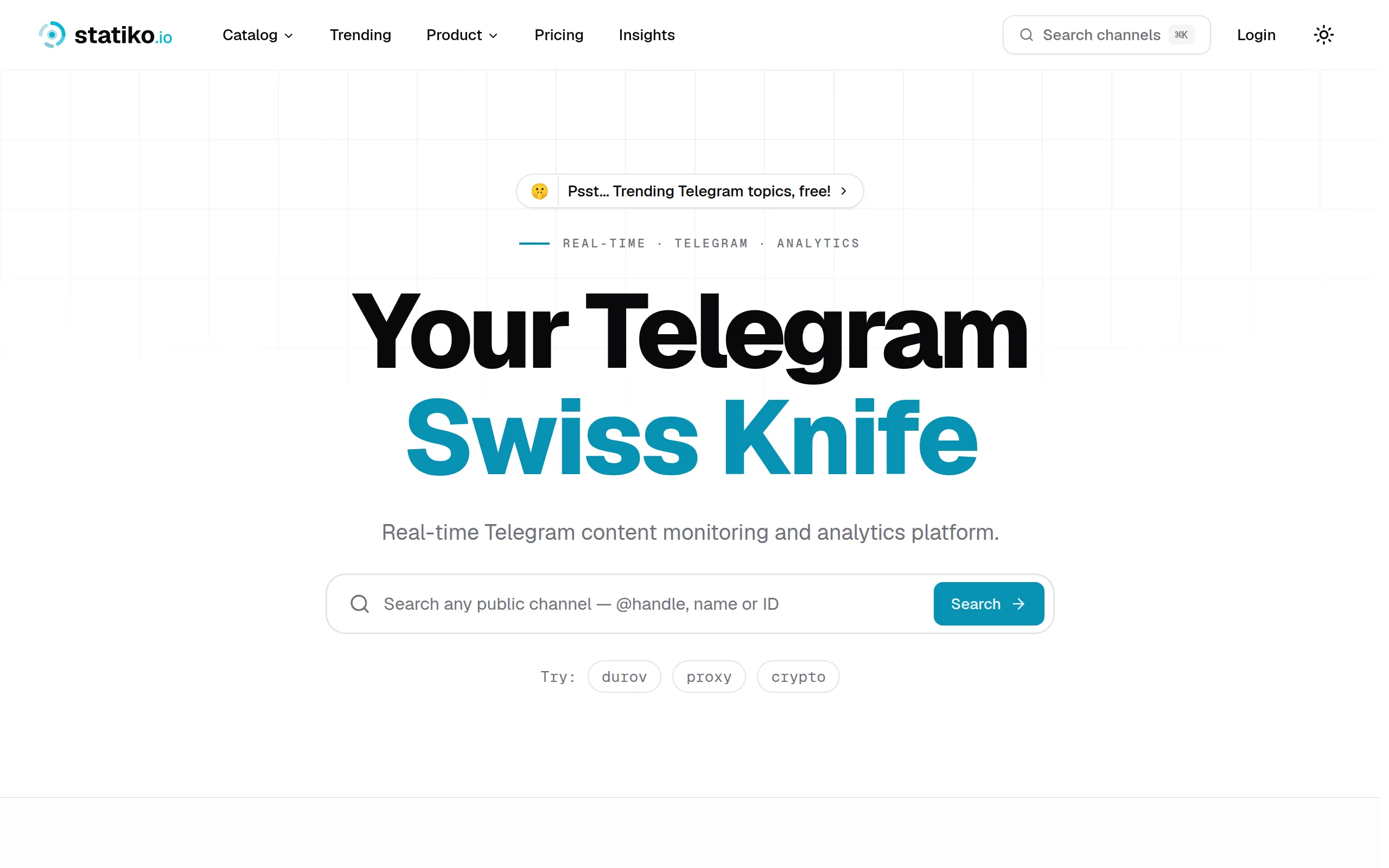
Statiko
Monitor any Telegram channel in real time - track posts, edits, deletions, and growth with AI recaps 📡

Shibui
AI website builder - describe your business, pick a niche template, edit by chatting, and publish instantly ✨

Pro Service
Find verified home service professionals, compare quotes, and pay securely through escrow - built for Brazilians across the US 🏠
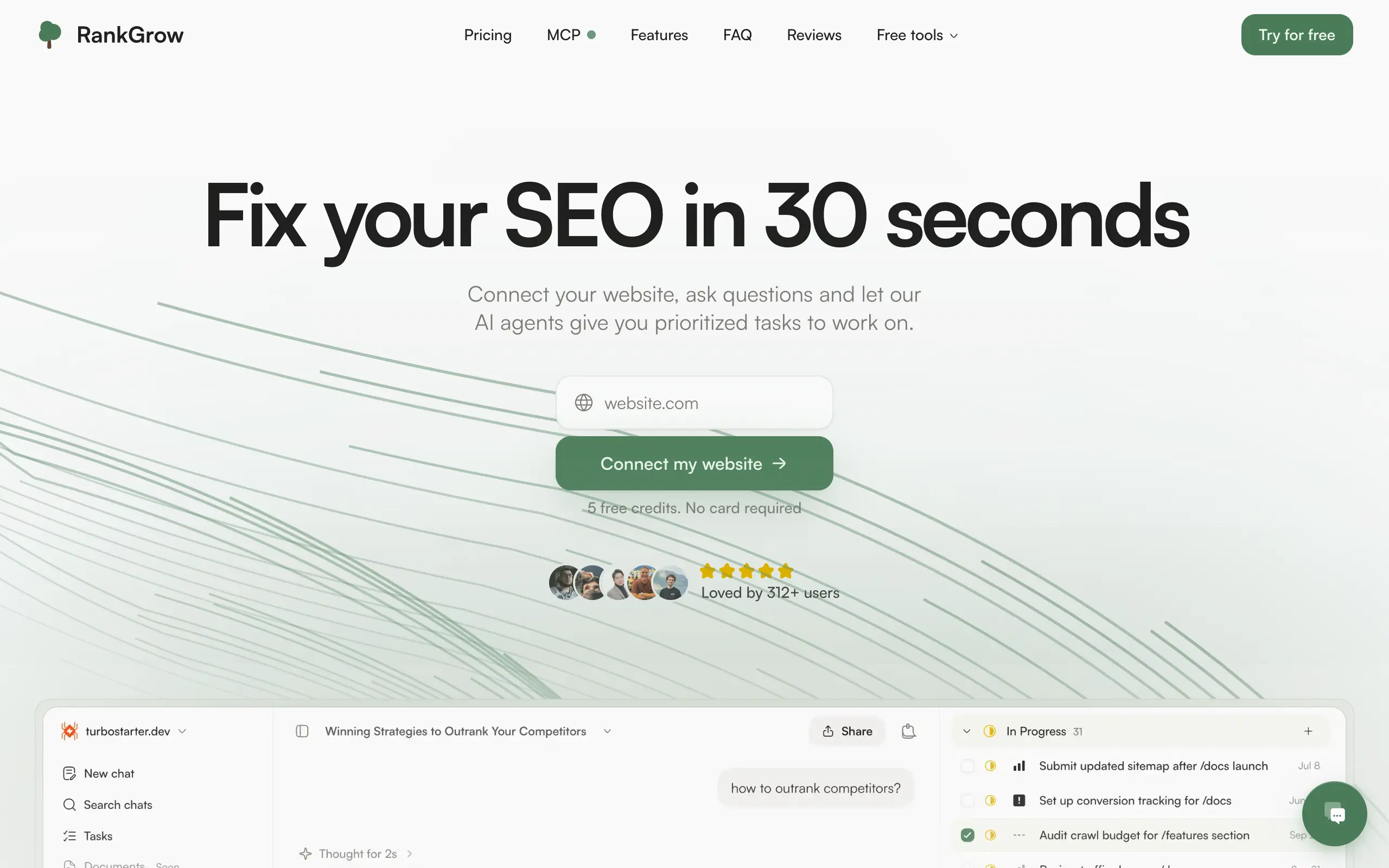
RankGrow
Fix your SEO with AI agents - connect Search Console, get prioritized tasks, and grow organic traffic 📈
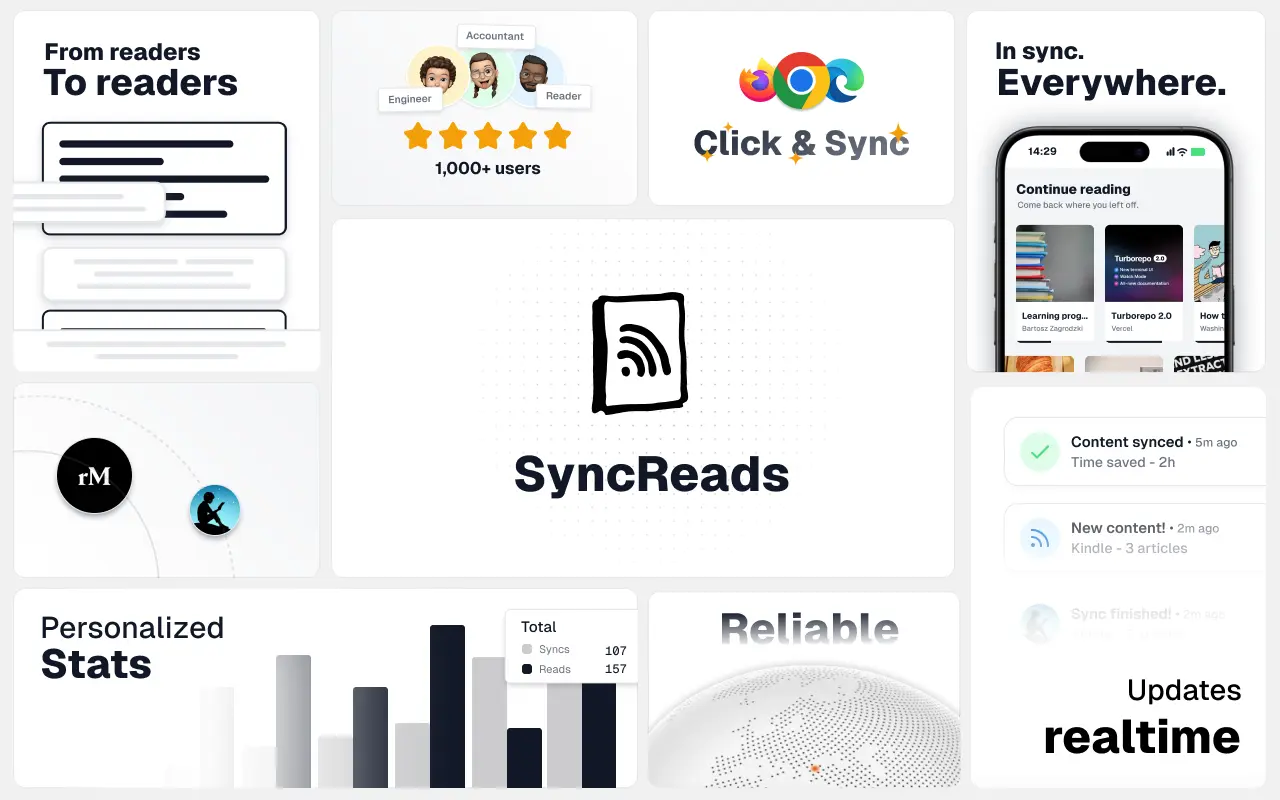
SyncReads
Sync your favorite content for distraction-free reading, save time and replace multiple apps. Anytime, anywhere 🔄
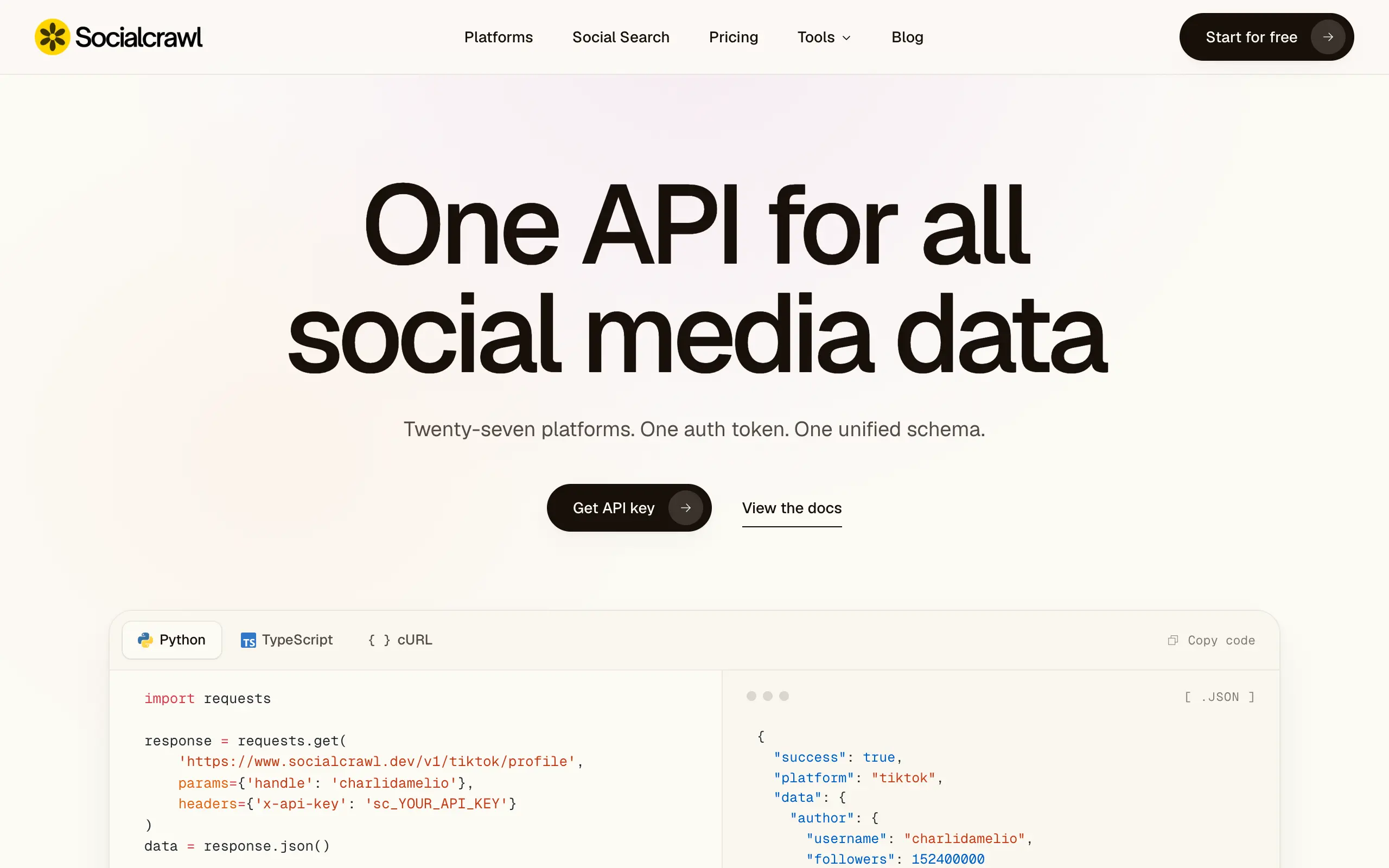
Socialcrawl
Get clean, structured data from 21 platforms like TikTok, Instagram, and YouTube with a single request 📊
Statiko
Monitor any Telegram channel in real time - track posts, edits, deletions, and growth with AI recaps 📡
Shibui
AI website builder - describe your business, pick a niche template, edit by chatting, and publish instantly ✨
Pro Service
Find verified home service professionals, compare quotes, and pay securely through escrow - built for Brazilians across the US 🏠
RankGrow
Fix your SEO with AI agents - connect Search Console, get prioritized tasks, and grow organic traffic 📈
SyncReads
Sync your favorite content for distraction-free reading, save time and replace multiple apps. Anytime, anywhere 🔄
Socialcrawl
Get clean, structured data from 21 platforms like TikTok, Instagram, and YouTube with a single request 📊
Statiko
Monitor any Telegram channel in real time - track posts, edits, deletions, and growth with AI recaps 📡
Shibui
AI website builder - describe your business, pick a niche template, edit by chatting, and publish instantly ✨
Pro Service
Find verified home service professionals, compare quotes, and pay securely through escrow - built for Brazilians across the US 🏠
RankGrow
Fix your SEO with AI agents - connect Search Console, get prioritized tasks, and grow organic traffic 📈
SyncReads
Sync your favorite content for distraction-free reading, save time and replace multiple apps. Anytime, anywhere 🔄
Socialcrawl
Get clean, structured data from 21 platforms like TikTok, Instagram, and YouTube with a single request 📊
Statiko
Monitor any Telegram channel in real time - track posts, edits, deletions, and growth with AI recaps 📡
Shibui
AI website builder - describe your business, pick a niche template, edit by chatting, and publish instantly ✨
Pro Service
Find verified home service professionals, compare quotes, and pay securely through escrow - built for Brazilians across the US 🏠
RankGrow
Fix your SEO with AI agents - connect Search Console, get prioritized tasks, and grow organic traffic 📈
SyncReads
Sync your favorite content for distraction-free reading, save time and replace multiple apps. Anytime, anywhere 🔄
Socialcrawl
Get clean, structured data from 21 platforms like TikTok, Instagram, and YouTube with a single request 📊
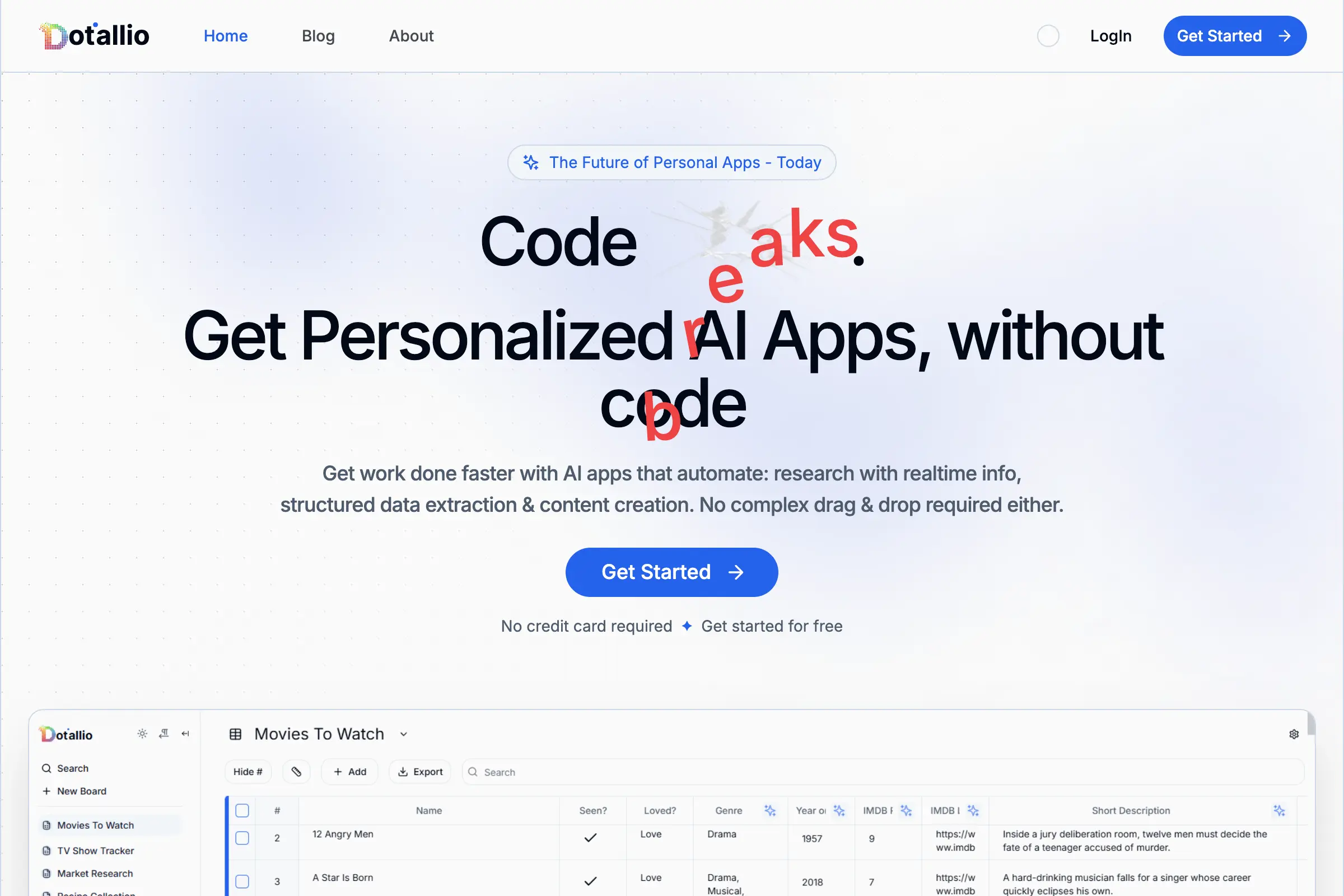
Dotallio
Personalized AI apps that automate research, data extraction, and content creation without code 🤖
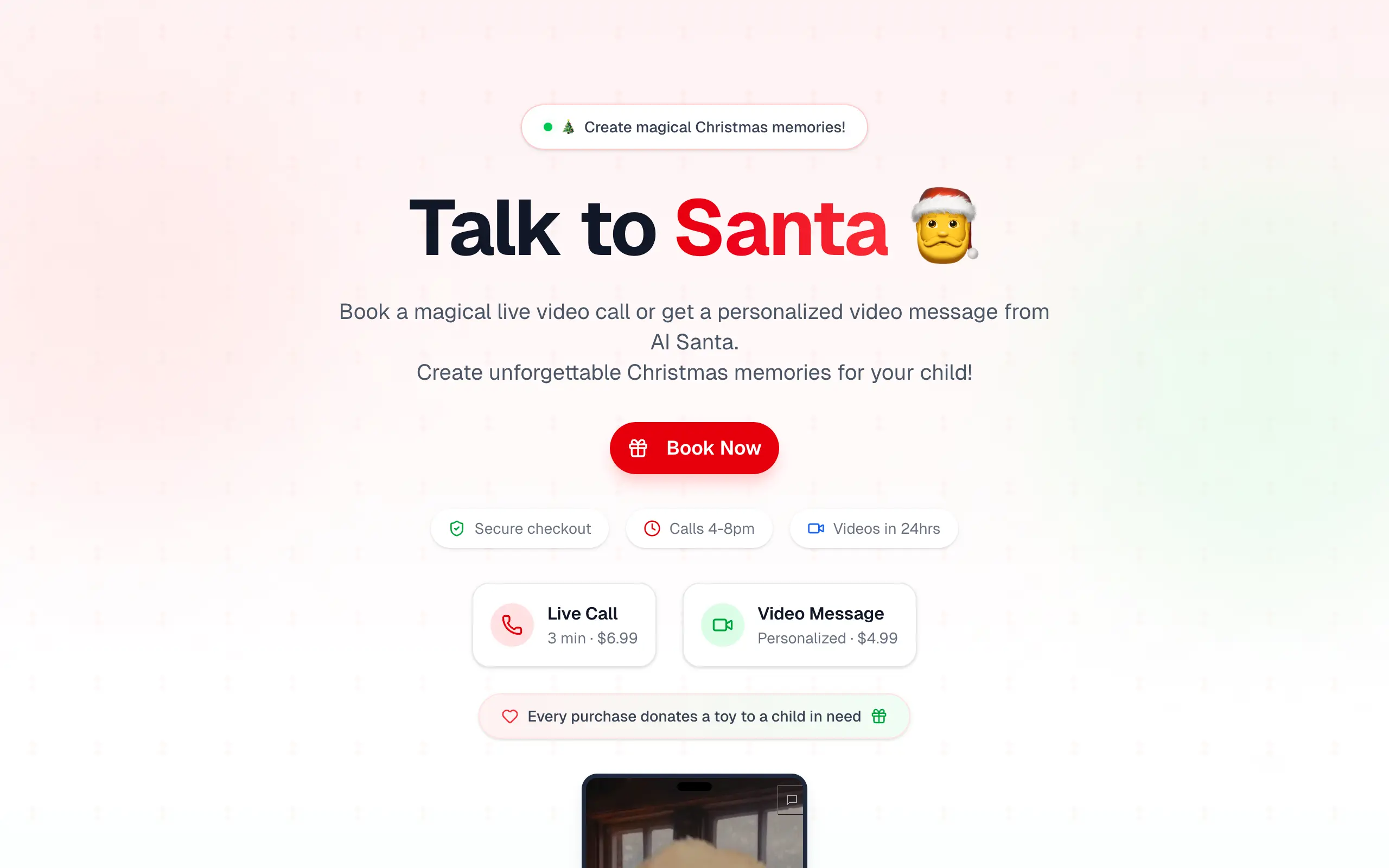
Talk to Santa
Enjoy a magical live video chat or receive a unique AI-generated video greeting from Santa Claus 🎅
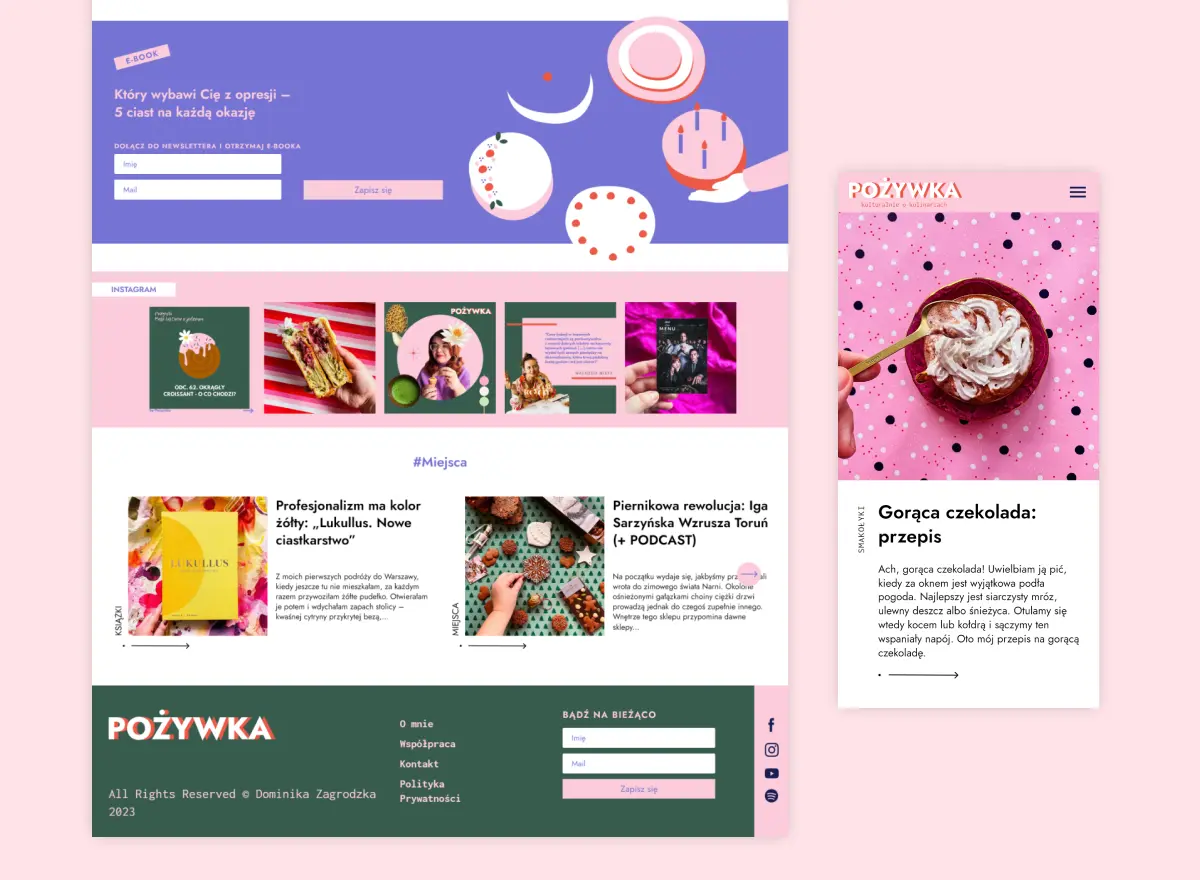
pozywka.pl
Scalable blog for food journalist, focused on performance and user experience 🌭
zagrodzki.me
Personal blog and portfolio of Bart Zagrodzki, where he shares his knowledge and work 💼
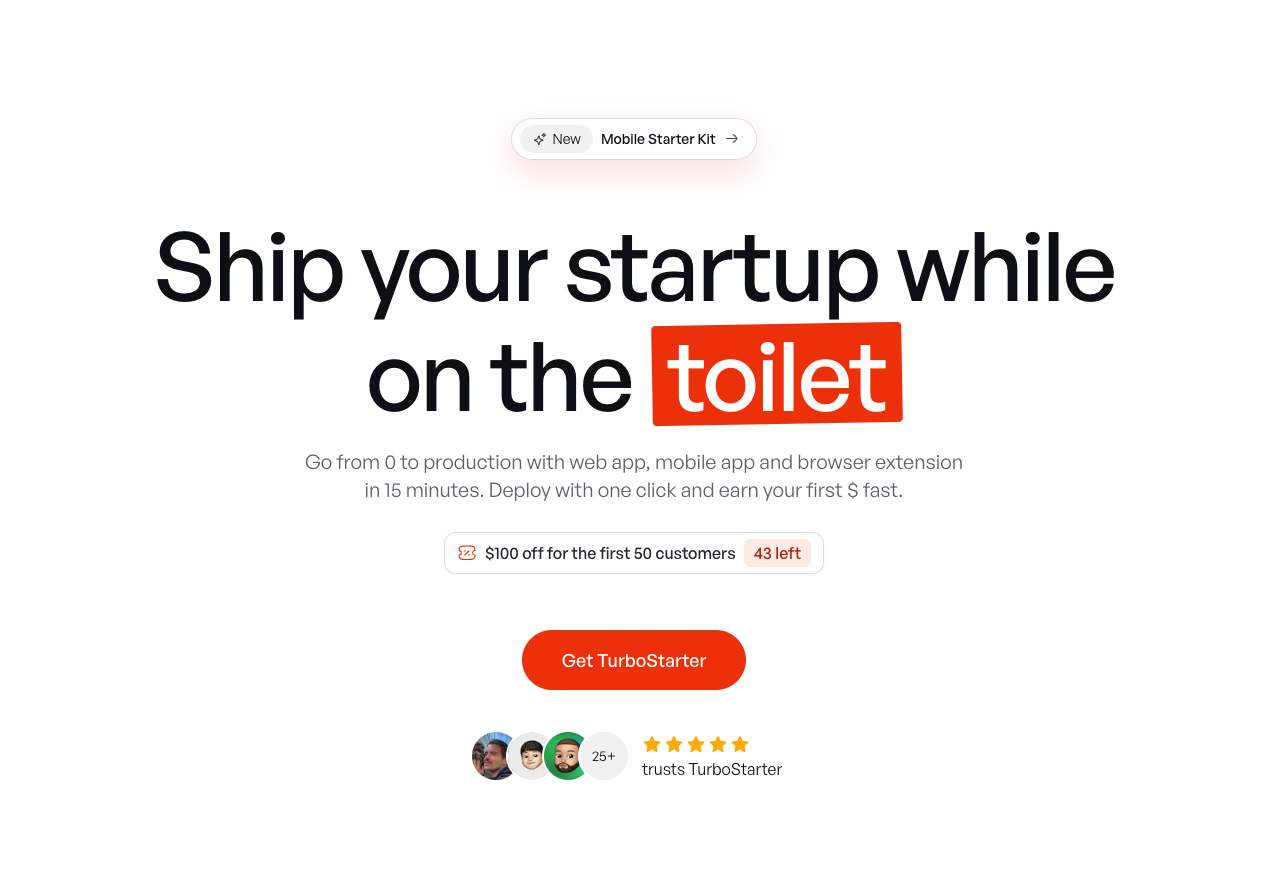
TurboStarter
Ship your startup everywhere. In minutes.
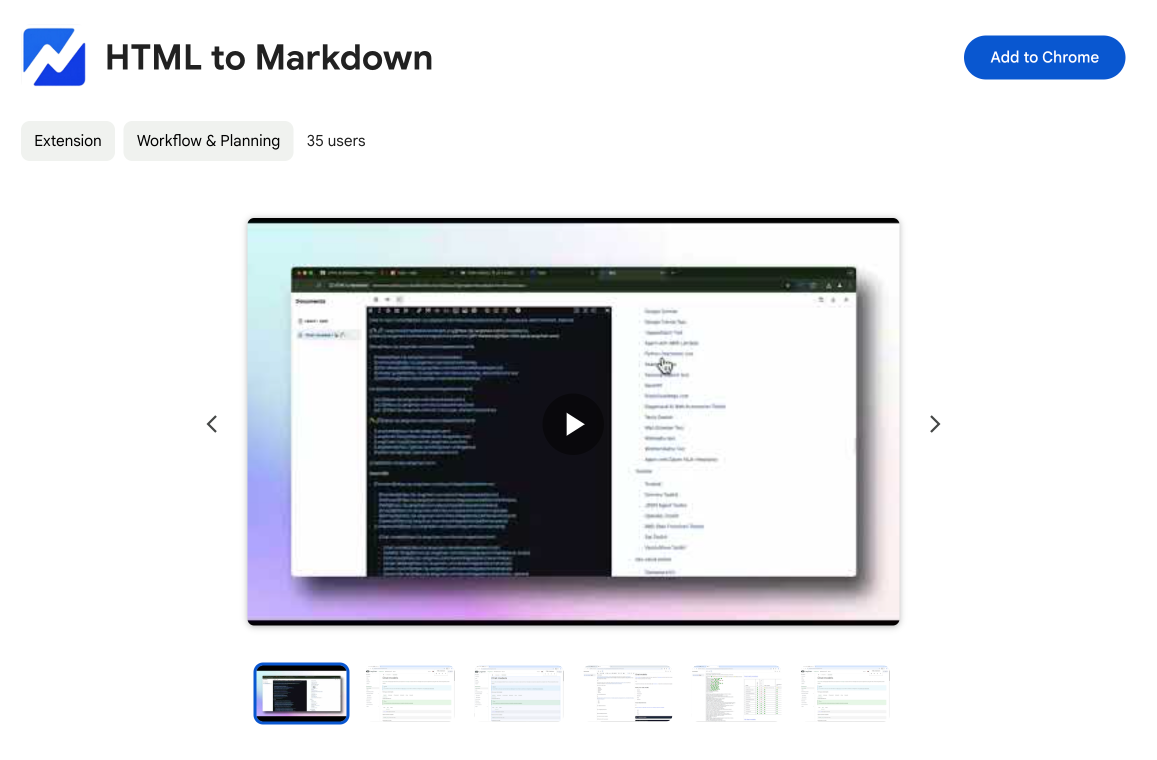
HTML to Markdown
Convert HTML to Markdown with ease, directly in your browser 📄
Dotallio
Personalized AI apps that automate research, data extraction, and content creation without code 🤖
Talk to Santa
Enjoy a magical live video chat or receive a unique AI-generated video greeting from Santa Claus 🎅
pozywka.pl
Scalable blog for food journalist, focused on performance and user experience 🌭
zagrodzki.me
Personal blog and portfolio of Bart Zagrodzki, where he shares his knowledge and work 💼
TurboStarter
Ship your startup everywhere. In minutes.
HTML to Markdown
Convert HTML to Markdown with ease, directly in your browser 📄
Dotallio
Personalized AI apps that automate research, data extraction, and content creation without code 🤖
Talk to Santa
Enjoy a magical live video chat or receive a unique AI-generated video greeting from Santa Claus 🎅
pozywka.pl
Scalable blog for food journalist, focused on performance and user experience 🌭
zagrodzki.me
Personal blog and portfolio of Bart Zagrodzki, where he shares his knowledge and work 💼
TurboStarter
Ship your startup everywhere. In minutes.
HTML to Markdown
Convert HTML to Markdown with ease, directly in your browser 📄
Dotallio
Personalized AI apps that automate research, data extraction, and content creation without code 🤖
Talk to Santa
Enjoy a magical live video chat or receive a unique AI-generated video greeting from Santa Claus 🎅
pozywka.pl
Scalable blog for food journalist, focused on performance and user experience 🌭
zagrodzki.me
Personal blog and portfolio of Bart Zagrodzki, where he shares his knowledge and work 💼
TurboStarter
Ship your startup everywhere. In minutes.
HTML to Markdown
Convert HTML to Markdown with ease, directly in your browser 📄
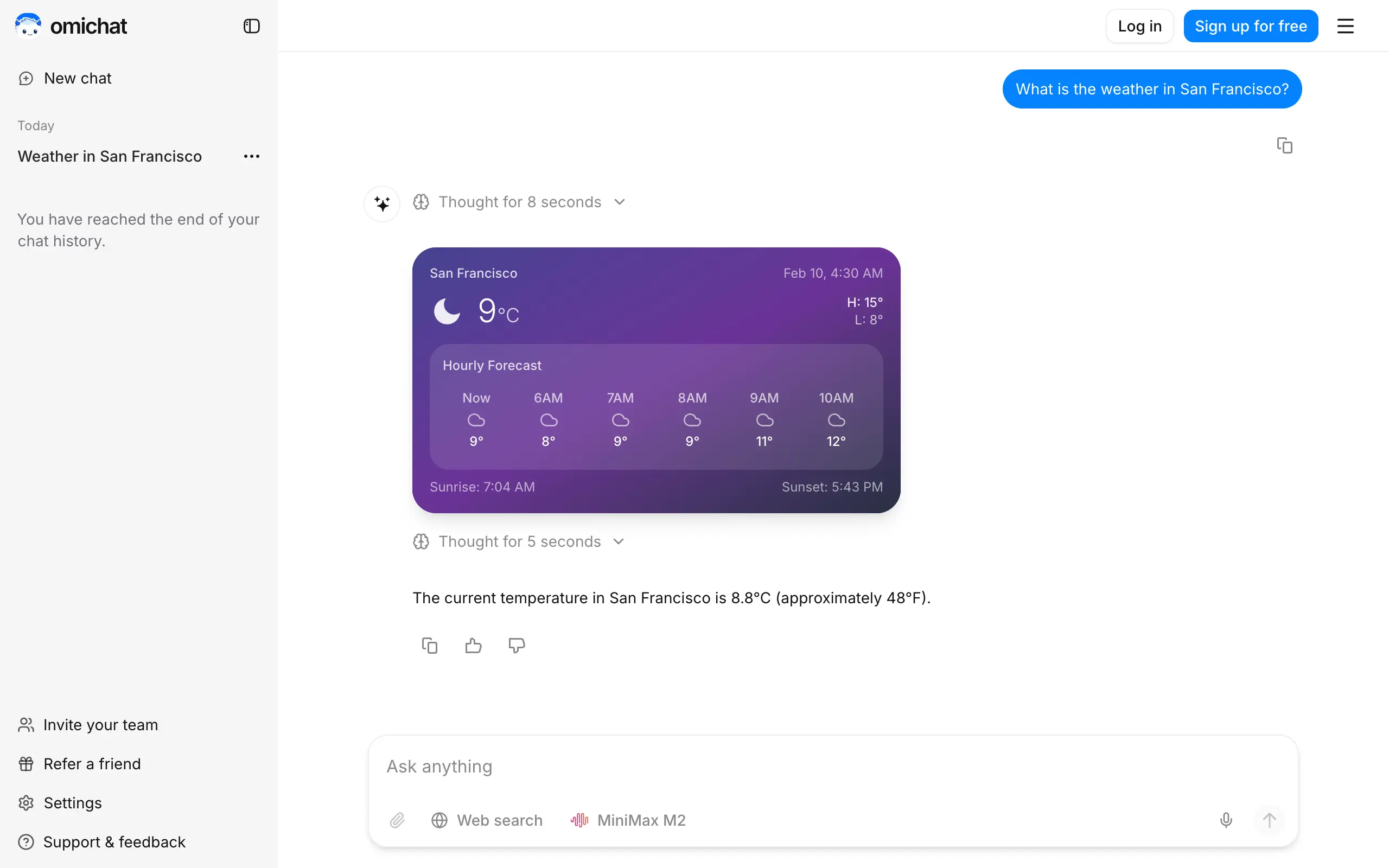
Omichat
Chat with 50+ AI models, including ChatGPT and Claude, in one place - switch models anytime without losing context 🤖
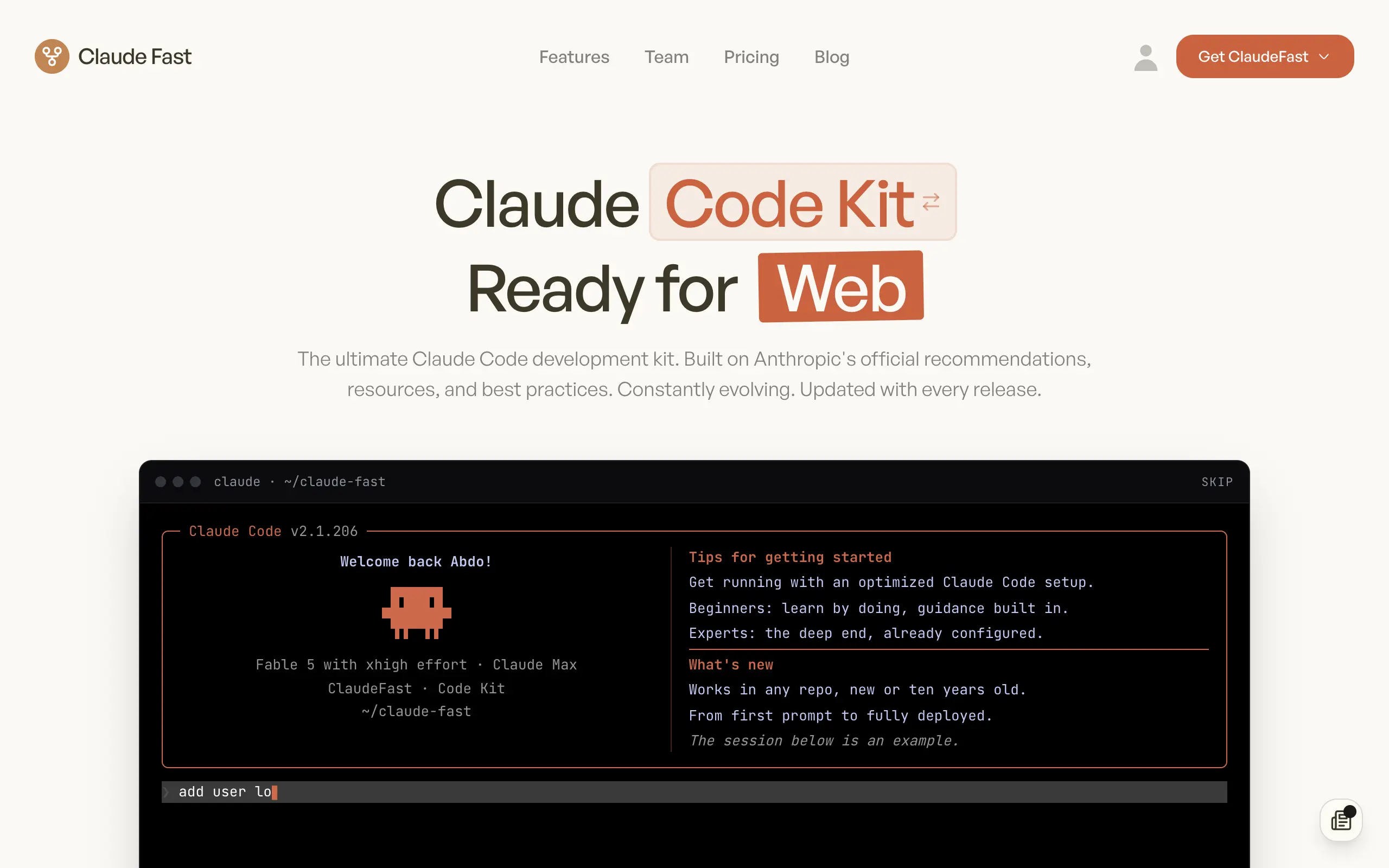
Claude Fast
Supercharge your Claude Code with 6x effective context window and specialized AI agents 🤖
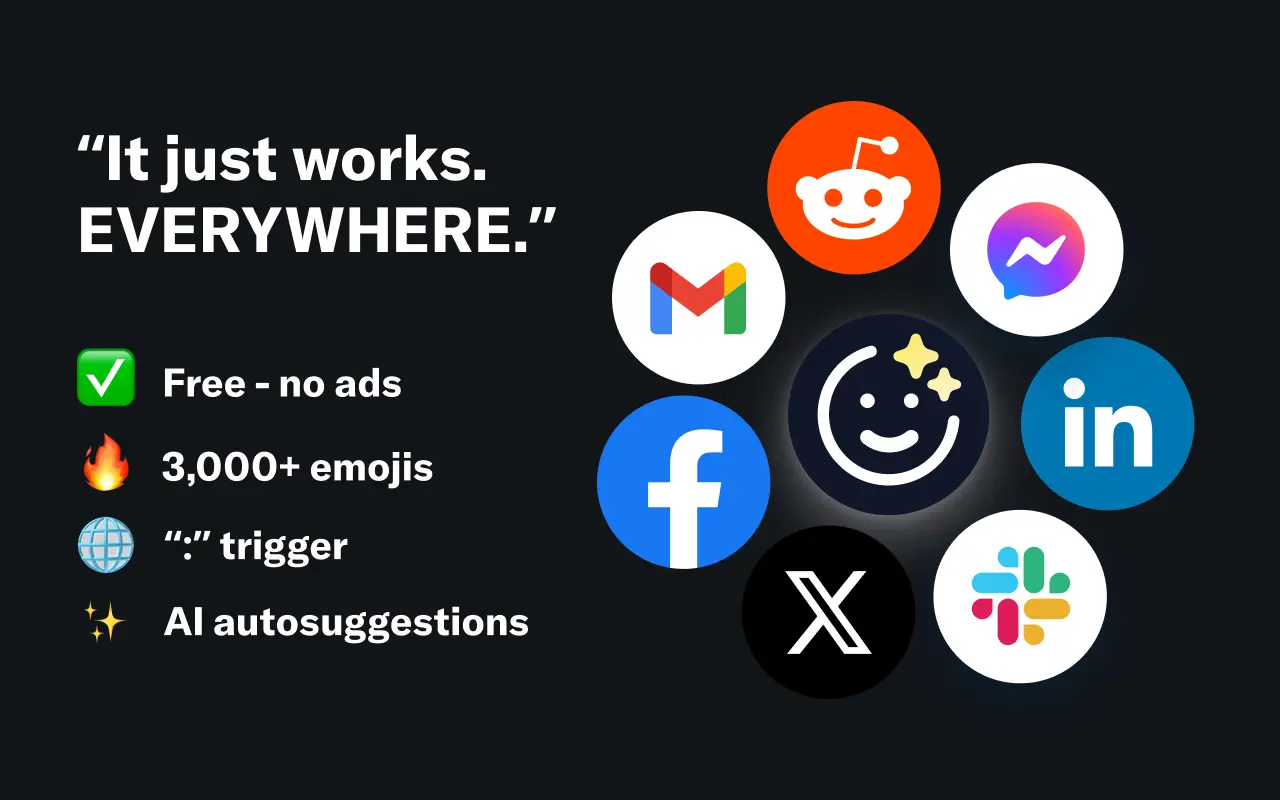
EmojAI
AI-powered emoji picker with smart, context-aware suggestions 🤖
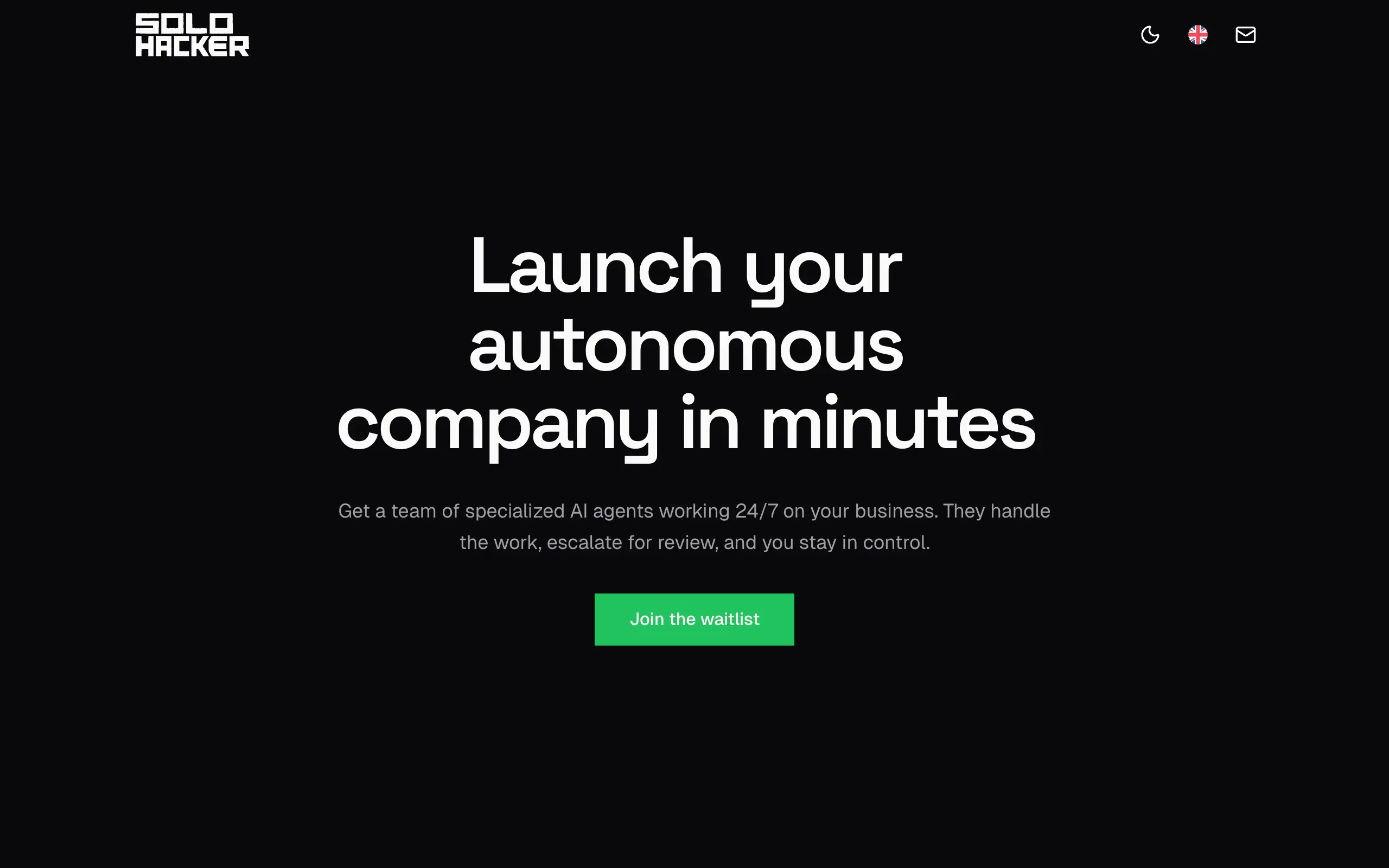
Solohacker
Autonomous company launcher - AI agents work 24/7, escalate what matters, and you stay in control 🤖
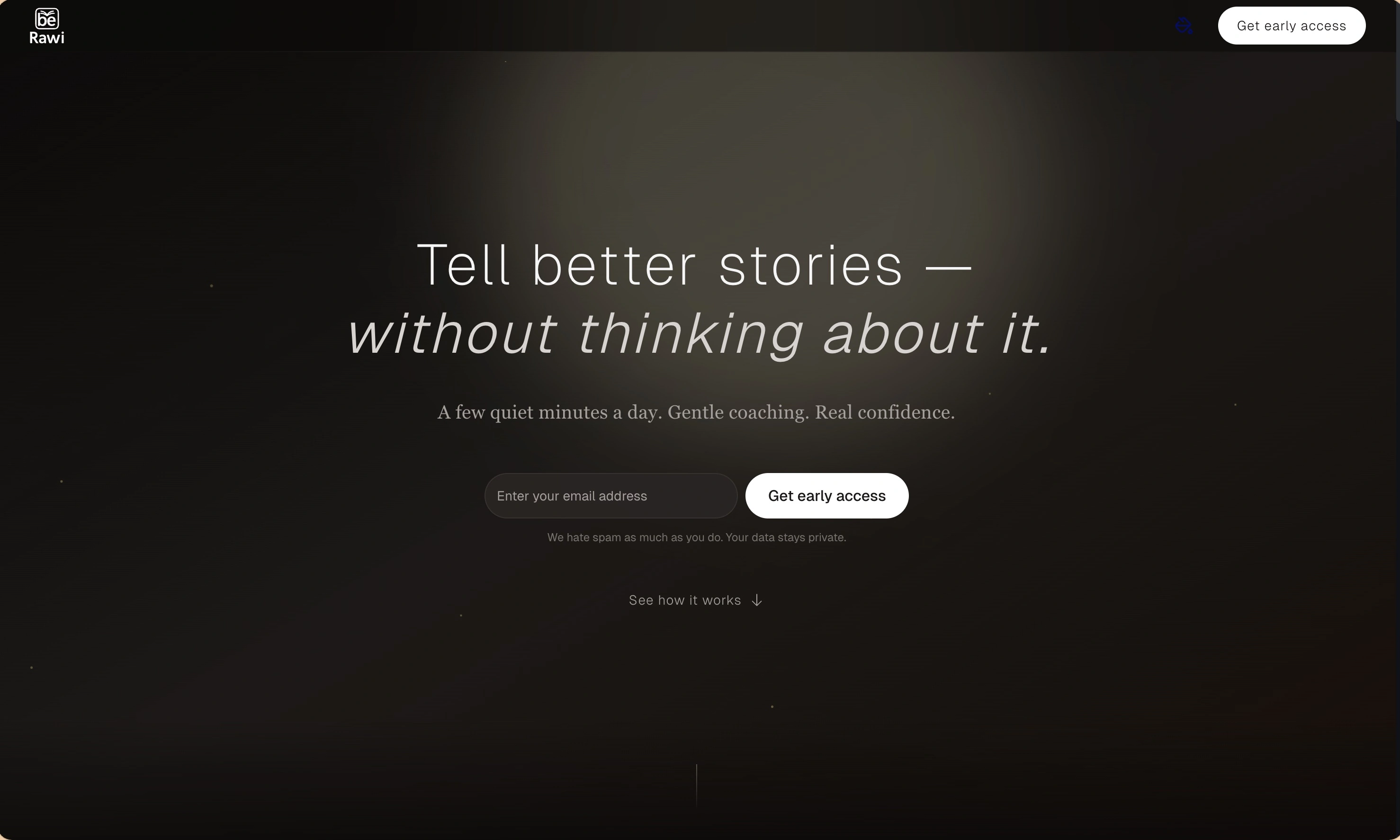
BeRawi: Storytelling Coach
Practice storytelling daily with instant feedback to sound clearer, more engaging, and confident 🎤
Omichat
Chat with 50+ AI models, including ChatGPT and Claude, in one place - switch models anytime without losing context 🤖
Claude Fast
Supercharge your Claude Code with 6x effective context window and specialized AI agents 🤖
EmojAI
AI-powered emoji picker with smart, context-aware suggestions 🤖
Solohacker
Autonomous company launcher - AI agents work 24/7, escalate what matters, and you stay in control 🤖
BeRawi: Storytelling Coach
Practice storytelling daily with instant feedback to sound clearer, more engaging, and confident 🎤
Omichat
Chat with 50+ AI models, including ChatGPT and Claude, in one place - switch models anytime without losing context 🤖
Claude Fast
Supercharge your Claude Code with 6x effective context window and specialized AI agents 🤖
EmojAI
AI-powered emoji picker with smart, context-aware suggestions 🤖
Solohacker
Autonomous company launcher - AI agents work 24/7, escalate what matters, and you stay in control 🤖
BeRawi: Storytelling Coach
Practice storytelling daily with instant feedback to sound clearer, more engaging, and confident 🎤
Omichat
Chat with 50+ AI models, including ChatGPT and Claude, in one place - switch models anytime without losing context 🤖
Claude Fast
Supercharge your Claude Code with 6x effective context window and specialized AI agents 🤖
EmojAI
AI-powered emoji picker with smart, context-aware suggestions 🤖
Solohacker
Autonomous company launcher - AI agents work 24/7, escalate what matters, and you stay in control 🤖
BeRawi: Storytelling Coach
Practice storytelling daily with instant feedback to sound clearer, more engaging, and confident 🎤

Connect with like-minded people
Join our community to get feedback, support, and grow together with 1,000+ builders on board, let's ship it!
Join usShip your startup everywhere. In minutes.
Don't burn tokens on setup and start building features on day one.