CartSignal
Find the products, messages, and offers most likely to recover abandoned carts. CartSignal turns store behavior into personalized campaigns you can launch across email and SMS.
CartSignal is an AI-powered abandoned cart recovery platform that helps ecommerce brands decide which products to promote, what message to send, and which offer—if any—is most likely to bring a shopper back. Instead of relying on one-size-fits-all reminder emails, it uses store behavior and campaign outcomes to help teams create more relevant recovery campaigns across email and SMS.
The opportunity is compelling because abandoned carts are not all alike. One shopper may need a simple reminder; another may be comparing products, waiting for a payday, or unsure about shipping. CartSignal’s potential advantage is helping merchants respond to those differences without requiring a dedicated data science or lifecycle marketing team.
This guide explores the target market, product opportunity, core features, technology choices, business model, competitive positioning, risks, and practical steps for building an AI abandoned cart recovery SaaS.
What CartSignal does
CartSignal turns ecommerce behavior into personalized cart recovery campaigns. It brings together information such as cart contents, browsing activity, past purchases, customer preferences, and campaign results to help a merchant decide what to do next.
A useful CartSignal workflow could look like this:
- A shopper adds one or more products to a cart but does not complete checkout.
- CartSignal evaluates the available context, such as product category, cart value, prior purchases, and previous campaign engagement.
- The platform recommends a recovery approach, such as featuring a particular product, addressing a likely concern, or sending a reminder without an incentive.
- The merchant reviews or approves the recommendation.
- CartSignal sends the campaign through the configured email or SMS provider.
- The platform measures resulting visits, conversions, revenue, unsubscribes, and other relevant outcomes.
- Those results inform future recommendations.
The important distinction is that CartSignal should not be framed as simply an email scheduler with AI-generated copy. Its stronger product promise is decision support for cart recovery: helping merchants choose a relevant product, message, channel, and timing based on evidence from their own store.
Why abandoned cart recovery needs a more considered approach
A generic reminder can be useful, but it may also miss the reason a shopper left. A customer might have been interrupted, encountered an unexpected shipping cost, become uncertain about sizing, or simply wanted to compare options. The cart alone does not reveal which explanation is correct.
That uncertainty creates a product challenge. Merchants need to improve conversion without sending excessive messages, discounting unnecessarily, or making unsupported assumptions about shoppers. CartSignal can address this by presenting recommendations as informed suggestions—not as certainty about a customer’s motivation.
A responsible recovery system should help a merchant answer practical questions:
- What should the campaign feature? The entire cart, the highest-value item, a relevant alternative, or a complementary product?
- What should the message emphasize? A reminder, product details, customer support, delivery information, or an incentive?
- Which channel is appropriate? Email, SMS, or no additional message?
- When should it be sent? Based on the merchant’s rules, customer consent, and observed campaign results?
- How will success be measured? Through attributable purchases and customer experience indicators, not opens alone.
These are useful decisions for ecommerce teams because recovery performance depends on more than copywriting. Product relevance, timing, channel choice, consent, and offer economics all matter.
Target audience for CartSignal
CartSignal’s best early customers are likely to be online stores that have enough order and customer activity to learn from, but not enough internal resources to build sophisticated lifecycle marketing systems themselves.
Small and midsize ecommerce brands
Growing direct-to-consumer brands often use an ecommerce platform, an email service provider, and a small marketing team. They may already have an abandoned cart flow, but the flow is often built from a standard template and rarely revisited.
CartSignal could help these teams:
- Launch a more tailored recovery program without building complex segments manually.
- Test different product recommendations and message strategies.
- Understand which recovery campaigns produce incremental value.
- Reduce the time spent maintaining multiple workflow variations.
These customers tend to value quick setup, clear recommendations, and visible results. A product that requires lengthy data science configuration would be a poor fit for them.
Ecommerce agencies and lifecycle marketing consultants
Agencies manage campaigns for multiple merchants and need repeatable processes that still allow for brand-specific customization. CartSignal could provide a shared workspace for identifying recovery opportunities, reviewing recommendations, and reporting outcomes across client accounts.
For this audience, important capabilities may include:
- Multiple store workspaces.
- Role-based permissions for staff and clients.
- Approval flows before campaigns go live.
- White-label or branded reporting.
- Consistent performance reporting across accounts.
Agency customers may also help CartSignal reach merchants through existing client relationships. However, the product should avoid becoming so complex that agency workflows delay onboarding for individual stores.
Larger ecommerce teams
More established brands may have data analysts, marketing operations specialists, and existing customer data platforms. They are less likely to adopt a tool solely because it offers AI-generated messages. They may be interested if CartSignal can provide measurable improvement, integrate cleanly with their stack, and give them meaningful control over campaign logic.
Potential needs include:
- Configurable decision rules.
- Experimentation and holdout groups.
- Detailed audit trails.
- Data export and reporting.
- Strong security and permission controls.
- Support for complex customer journeys.
This segment could be attractive later, but it usually requires more integrations, procurement support, and proof of impact than an early-stage product can provide.
A practical ideal customer profile
A strong initial customer profile might be an ecommerce brand that:
- Sells products through a supported ecommerce platform.
- Has regular store traffic and enough cart events to evaluate outcomes.
- Already uses email or SMS marketing.
- Has a small marketing team responsible for several channels.
- Wants to improve revenue without adding a large number of manual campaigns.
- Can provide the permissions and consent data required for compliant messaging.
CartSignal should validate this profile through interviews and pilots rather than assuming all ecommerce businesses have the same needs. A store with very low traffic may not produce enough evidence for useful personalization, while a large retailer may expect integrations and governance features that are expensive to build.
Market opportunity and product gap
Abandoned cart recovery is an established ecommerce use case. Many merchants already have access to basic automations through their ecommerce, email, or marketing platforms. That makes the market understandable, but it also means CartSignal cannot rely on the feature category alone as its differentiator.
The opportunity is in the gap between basic automation and highly customized lifecycle marketing.
Basic tools may make it easy to trigger a message when a cart is abandoned. More advanced systems can support complex segmentation, testing, and orchestration, but may demand additional setup, specialist knowledge, or a broader marketing technology stack. CartSignal could occupy a focused middle ground: an accessible product that helps a merchant make better recovery decisions using store-specific evidence.
Potential gaps CartSignal can address
Recommendations that connect product, message, and offer
A campaign builder may help a team send a message, but CartSignal can focus on the decision behind it. It could explain why it recommends featuring a particular product or why a discount is not recommended for a given campaign.
Personalization that respects business rules
Personalization should not mean automatically changing every campaign for every shopper. Merchants need control over discount limits, excluded products, inventory availability, brand language, customer consent, and message frequency. CartSignal can make those constraints part of its recommendation system.
Clear measurement rather than vanity metrics
Email opens can be affected by privacy features and are not equivalent to purchases. A stronger measurement experience emphasizes attributed orders, revenue, conversion rate, unsubscribe rate, and comparisons against a suitable baseline or holdout group.
A simpler path from insight to action
Some analytics products show what happened without helping teams act on it. CartSignal can connect an observation to a proposed campaign, provide a review step, and then report what happened after launch.
A focused product experience
A specialized abandoned cart recovery platform can offer a clearer setup and workflow than a broad marketing suite. That focus is valuable only if it saves time or improves decision quality; “narrower” by itself is not a competitive advantage.
Core CartSignal features
The product should begin with a small set of capabilities that work reliably. The first version should prove that CartSignal can ingest relevant store data, help merchants launch useful campaigns, and measure outcomes responsibly.
Store and marketing integrations
CartSignal needs access to the events and records required to understand a recovery opportunity. Depending on the initial platform, this may include:
- Cart creation and abandonment events.
- Product catalog data and availability.
- Checkout and order events.
- Customer and consent information.
- Email and SMS delivery status.
- Campaign engagement and conversion events.
Start with one ecommerce platform and a small number of marketing integrations. Supporting many providers from day one can create a large maintenance burden and make it harder to validate the core product. The initial integration should be chosen based on customer interviews, technical feasibility, and the quality of available event data.
Cart recovery segmentation
Merchants should be able to group recovery opportunities using understandable criteria. Examples include:
- Cart value or product count.
- New versus returning customer.
- Product category or margin range.
- Previous purchase history.
- Time since abandonment.
- Prior engagement with recovery campaigns.
- Customer consent and communication preferences.
Segments should be transparent and editable. A merchant should be able to see which rule placed a shopper in a campaign group and why the shopper is eligible to receive a message.
AI-assisted product recommendations
CartSignal’s product recommendations should be explainable enough for a marketing team to evaluate. Possible recommendations include:
- Reminding the shopper about an item left in the cart.
- Featuring the item most likely to be relevant to the shopper.
- Showing a complementary product when it supports the original purchase.
- Suggesting an alternative if an item becomes unavailable.
- Recommending no product substitution when the cart itself is the clearest message.
The system should avoid recommending products that are unavailable, excluded by the merchant, or inconsistent with the customer’s original intent. A sensible first release may use transparent rules and product relationships before introducing more complex machine learning.
Message and offer recommendations
CartSignal could generate or recommend campaign copy while allowing merchants to control brand voice and claims. Useful inputs might include product information, shipping policies, return details, approved brand language, and campaign goals.
Offer recommendations need particular care. A discount may recover an order, but it can also reduce margin, train customers to wait for promotions, or reward shoppers who would have purchased anyway. CartSignal should support rules such as:
- Never exceed a merchant-defined discount limit.
- Exclude products with restricted pricing.
- Require approval before sending an incentive.
- Prefer a non-discount message when evidence supports it.
- Track campaign outcomes alongside estimated offer cost.
AI-generated text should be reviewed for accuracy. The system must not invent delivery promises, product claims, stock levels, or return conditions.
Email and SMS campaign orchestration
The product should make it possible to configure a recovery journey with clear rules for eligibility, timing, frequency, and channel. For example, a merchant might send one email first and only send an SMS later if the customer has the appropriate consent and has not already purchased.
Key controls include:
- A maximum number of messages in a defined period.
- Suppression after a purchase or unsubscribe.
- Time-zone-aware sending where supported.
- Channel-specific consent checks.
- Quiet hours and merchant-defined sending windows.
- A global pause or kill switch.
The goal is not to maximize message volume. It is to send a relevant message when permitted and avoid contacting shoppers unnecessarily.
Experimentation and attribution
CartSignal should help merchants distinguish correlation from incremental impact. If every shopper receives the campaign, a resulting order cannot automatically be credited to that campaign. A holdout group or controlled experiment can provide a more useful comparison when the merchant has enough traffic.
A first analytics release can show:
- Eligible carts.
- Messages sent and delivered.
- Orders associated with campaign interactions.
- Revenue and discount cost.
- Conversion rate by campaign or segment.
- Unsubscribes and complaints.
- Results for test and control groups, when available.
Attribution windows and rules should be visible. The dashboard should not imply that every tracked order was caused by CartSignal.
Merchant dashboard and recommendations
The dashboard should make the next action obvious. A useful home screen might show:
- A summary of recent recovery activity.
- Campaigns that need approval.
- Recommendations with their supporting context.
- Delivery, conversion, and revenue trends.
- Setup or data-quality issues.
- A short explanation of what changed and why.
This is especially important for small teams. If the dashboard presents a large volume of charts without a clear action, it may add work instead of reducing it.
Competitive advantage and unique selling proposition
CartSignal’s proposed unique selling proposition is evidence-informed abandoned cart recovery that connects product selection, campaign messaging, and offer decisions in one focused workflow.
That positioning is more specific than “AI marketing automation.” It gives the product a clear job: help ecommerce teams decide what recovery action to take and learn whether it worked.
| Product approach | Typical strength | Potential limitation | CartSignal opportunity |
|---|---|---|---|
| Basic ecommerce automation | Quick setup for standard reminders | Limited decision support | Add recommendations without sacrificing simplicity |
| General email marketing platform | Broad campaign and audience capabilities | Merchants may need to build logic themselves | Provide a focused recovery workflow |
| Enterprise marketing platform | Advanced orchestration and controls | Can require specialist setup and ongoing management | Serve teams that need useful guidance with less overhead |
| Manual agency workflow | Human judgment and brand context | Time-consuming to repeat and report | Automate routine analysis while keeping approval in the loop |
| CartSignal concept | Product, message, and offer recommendations for recovery | Must prove value and earn trust in recommendations | Build a focused, measurable decision layer |
The competitive story should be proven through product performance, not just branding. CartSignal should be able to demonstrate that it helps customers launch campaigns faster, reduce unnecessary discounting, improve relevant conversions, or gain clearer insight into recovery performance.
A credible advantage could compound over time through:
- Better understanding of which campaign strategies work for different store contexts.
- High-quality integrations and dependable event handling.
- Merchant-specific learning based on campaign outcomes.
- Strong safeguards for consent, offer limits, and message frequency.
- Transparent recommendations that marketers can review and control.
Customer data should not be treated as a free-for-all training resource. CartSignal’s data policy must clearly explain how data is used, retained, protected, and isolated across accounts.
Recommended technology stack
The right stack depends on the first ecommerce integration, expected event volume, team expertise, and security requirements. A sensible MVP architecture should favor reliability and ease of iteration over unnecessary infrastructure complexity.
Application and user interface
A React-based application can support a responsive merchant dashboard, campaign configuration, onboarding, and reporting. React is a widely used library for building user interfaces. A framework such as Next.js may be appropriate if the team wants routing, server-side capabilities, and a structured full-stack application in one project.
For styling, Tailwind CSS can help teams build a consistent interface quickly. The trade-off is that the team needs design conventions and reusable components to prevent class-heavy, inconsistent screens as the product grows.
Backend and data storage
A relational database such as PostgreSQL is a strong fit for core product records, including tenants, users, stores, campaigns, consent states, and subscription information. CartSignal should use a tenant-aware data model from the beginning, with careful access controls and tests to prevent one merchant from accessing another merchant’s records.
A background job system is important because event processing and campaign sending should not depend on a shopper-facing request remaining open. Jobs can handle:
- Processing store webhooks.
- Checking whether a cart is still eligible.
- Scheduling campaign steps.
- Sending messages through providers.
- Updating delivery and purchase outcomes.
- Retrying temporary failures safely.
Use idempotency keys and event deduplication to avoid creating duplicate campaigns when a provider retries a webhook.
AI and recommendation layer
The AI layer should be modular rather than tightly coupled to one model provider. A practical initial approach can combine:
- Deterministic rules for eligibility, consent, exclusions, and merchant constraints.
- Analytics for campaign and product performance.
- Language models for draft copy or structured recommendations where they provide clear value.
- Human approval for consequential actions such as sending a discount or changing a campaign.
Do not allow a language model to override consent rules, inventory checks, or offer limits. Those controls should be enforced by application logic. Model outputs should be structured, validated, and logged so that the team can inspect why a recommendation was produced.
Messaging and payments
Email and SMS should initially be delivered through established providers rather than through a home-built delivery system. Provider selection should consider deliverability, regional coverage, webhook quality, pricing, consent support, and the ability to handle opt-outs reliably.
For billing, a service such as Stripe can handle subscription payments and related billing workflows. CartSignal should keep product entitlements and usage tracking in its own application rather than relying on billing events as the only source of account state.
Suggested architecture trade-offs
| Decision | Lean MVP choice | Trade-off to monitor |
|---|---|---|
| Application structure | One well-organized application | May need separation as teams and workloads grow |
| Event processing | Managed job queue or task service | Provider-specific limits and retry behavior |
| Recommendations | Rules plus measured experiments | Less sophisticated than a mature predictive model |
| Data storage | Relational database for core entities | High-volume event analytics may later need a specialized store |
| Messaging | Third-party email and SMS providers | Provider dependency and varying delivery costs |
| AI provider | Replaceable model abstraction | Additional engineering, but less vendor lock-in |
For an early product team, TurboStarter can be considered as a way to accelerate the foundations of a SaaS application. The team should still evaluate whether its chosen starter fits CartSignal’s tenancy, integrations, data protection, and event-processing requirements before building on it.
Monetization strategy options
CartSignal should price around the value and scale of the product while keeping costs predictable for merchants. Several models are worth testing.
Tiered monthly subscriptions
Plans can be differentiated by store volume, number of integrations, advanced reporting, or team features. This is straightforward for merchants to understand, but the tiers should correspond to meaningful product value rather than arbitrary feature restrictions.
A possible structure could include:
- A starter plan for one store and core recovery workflows.
- A growth plan with more volume, experimentation, and advanced recommendations.
- A multi-store or agency plan with workspaces, collaboration, and reporting.
Exact pricing should be validated through customer conversations and willingness-to-pay tests.
Usage-based pricing
CartSignal could charge based on eligible carts, processed events, or messages managed. Usage pricing aligns some costs with customer activity, but it can make bills unpredictable. If this model is used, provide clear usage limits, alerts, and estimates before customers incur overages.
Performance-based pricing
A fee tied to recovered revenue may appear attractive because merchants pay in proportion to results. The difficulty is attribution. CartSignal must agree with each customer on attribution windows, exclusions, returns, discounts, and whether the result is incremental or merely associated with a message.
Performance pricing should only be introduced when measurement is sufficiently transparent. Otherwise, it can create billing disputes and undermine trust.
Hybrid pricing
A base subscription plus a modest usage component can balance predictable revenue with variable messaging or data costs. This model may be appropriate once CartSignal has a better understanding of typical customer usage and provider expenses.
Pricing principles
Whichever model CartSignal chooses, it should:
- Make the value metric easy to understand.
- Avoid charging more for sending unnecessary messages.
- Show likely monthly costs before onboarding is complete.
- Keep essential consent and suppression controls available on every plan.
- Make it easy for a merchant to export data and leave.
Risks and mitigation
A product that uses customer behavior and AI to influence marketing decisions has operational, legal, and reputational risks. Addressing them early is part of the product design.
Privacy and consent
CartSignal may process personal information and communication preferences. Requirements depend on the merchant’s locations, the customer’s location, the data involved, and the communication channel. Email and SMS rules can differ, and consent must not be assumed from the presence of a phone number or email address.
Mitigations include:
- Collect only the data required for the stated function.
- Use merchant-provided consent and suppression states.
- Store and honor opt-outs promptly.
- Document data processing roles and retention practices.
- Provide clear privacy and security documentation.
- Consult qualified legal counsel for applicable privacy and marketing requirements.
Unsupported AI recommendations
A model could produce inaccurate product claims, misleading shipping statements, or an inappropriate discount. AI-generated copy can also sound unlike a brand or make assumptions that the store cannot substantiate.
Mitigations include:
- Use approved store content as the source for product claims.
- Restrict generation to structured, reviewed inputs.
- Validate discounts and inventory through business logic.
- Provide merchant approval and editing tools.
- Keep a record of generated recommendations and final campaign content.
- Offer a no-AI or rules-only mode where appropriate.
Over-messaging and customer fatigue
A recovery platform can damage a customer relationship if it sends too many messages or contacts people through channels they did not agree to use.
Mitigations include global frequency caps, purchase-based suppression, channel-specific consent checks, quiet hours, and account-level controls. CartSignal should also monitor unsubscribe and complaint rates, not just conversion metrics.
Weak attribution
A campaign may receive credit for a purchase that would have happened anyway. This is especially likely when a merchant uses last-click attribution without a comparison group.
Mitigations include clear attribution definitions, holdout testing when feasible, reporting of limitations, and a distinction between tracked revenue and estimated incremental impact. The product should never present modeled estimates as directly observed facts.
Data quality and integration changes
Ecommerce platforms and marketing providers may change APIs, event schemas, or webhook behavior. Missing or delayed events can lead to duplicate messages, inaccurate reports, or recommendations based on incomplete information.
Mitigations include integration monitoring, webhook signature verification, retries with idempotency, data-quality indicators, and clear alerts when a store connection is unhealthy.
Model and platform dependency
Relying heavily on one model or messaging provider creates cost, availability, and policy risks. CartSignal can reduce dependency by keeping provider interfaces modular, monitoring unit economics, and ensuring essential campaign logic continues to work without a model response.
Merchant trust
Merchants may be reluctant to let an unfamiliar product send messages automatically. The onboarding experience should explain permissions, data access, campaign rules, and measurement in plain language. Start with recommendations and approval workflows, then let experienced customers opt into more automation.
Metrics that matter
CartSignal needs measures of both business value and customer experience. A narrow focus on recovered revenue can hide discount costs or message fatigue.
Useful product and campaign metrics include:
- Activation rate: The share of connected stores that configure and launch a first campaign.
- Time to first value: How long it takes a merchant to see a useful recommendation or campaign result.
- Eligible-cart coverage: The share of eligible abandoned carts that can be handled by the configured workflow.
- Conversion rate: The share of eligible shoppers who purchase under the defined measurement rules.
- Incremental lift: The difference in outcomes between a campaign group and a suitable comparison group.
- Net recovered revenue: Revenue considered alongside discount and messaging costs.
- Unsubscribe and complaint rates: Indicators of customer experience and messaging quality.
- Campaign approval rate: A signal of whether merchants find recommendations relevant and trustworthy.
- Retention and expansion: Whether customers continue using CartSignal and adopt additional capabilities.
Metrics need clear definitions in the product. For example, “recovered revenue” should explain the attribution window and whether refunds, cancellations, or discounts are included.
Actionable implementation steps
CartSignal should be built in stages, with each stage designed to validate an important assumption before expanding the product.
Interview the right merchants
Speak with ecommerce operators, lifecycle marketers, and agency teams. Ask how they currently manage abandoned cart campaigns, which decisions require the most manual work, how they evaluate results, and what makes them reluctant to automate.
Focus on specific recent examples rather than asking whether someone likes the idea. A merchant who describes a recurring, costly workflow is more informative than one who simply says AI sounds useful.
Select one initial customer segment and integration
Choose an initial segment based on access, urgency, and implementation feasibility. Then select one ecommerce platform and one messaging pathway that can support a complete workflow from cart event to outcome measurement.
Avoid promising broad compatibility before the integration has been tested with real store data.
Define the event and consent model
Document the events CartSignal requires, their source, how they are deduplicated, and how long they are retained. Define how consent, unsubscribes, purchases, refunds, and product availability affect campaign eligibility.
This data model is foundational. Retrofitting privacy and event correctness later is more costly than designing for them early.
Build a rules-based recovery MVP
Start with understandable recommendations and merchant-defined rules. The first version might identify eligible carts, suggest a message and product selection, enforce frequency limits, and provide an approval step.
Use AI only where it provides a clear improvement, such as drafting a message from approved brand and product information.
Pilot with a small group of stores
Run a controlled pilot with a handful of merchants who are willing to share feedback and evaluate results. Observe setup difficulties, recommendation quality, delivery reliability, and reporting questions.
Do not optimize only for campaign volume. A low-volume workflow that merchants trust may be more valuable than an aggressive automation that creates customer complaints.
Measure outcomes with transparent definitions
Agree on campaign metrics before launch. Where appropriate, compare outcomes against a holdout or another reasonable baseline. Report direct observations separately from modeled estimates.
Review message costs, discount costs, unsubscribes, and campaign performance together.
Improve onboarding and reliability
Use pilot feedback to simplify setup, clarify permissions, improve data-health checks, and make recommendations easier to approve. Add monitoring for failed webhooks, duplicate events, delayed sends, and provider errors.
Expand based on validated demand
Only after the first workflow is reliable should CartSignal add more integrations, advanced experimentation, agency features, or predictive recommendations. Prioritize features that solve repeated customer problems and strengthen the core product promise.
Build trust before automation
For a new recovery platform, a strong initial experience is often recommendation-first: show the merchant what CartSignal would do, explain why, and let the merchant approve it. More automatic sending can follow once the data, controls, and results earn confidence.
How CartSignal can stand out
CartSignal’s long-term differentiation will depend on whether it can make recovery campaigns more relevant and easier to manage without compromising customer trust. The product should compete on a combination of focused workflow, transparent recommendations, reliable integrations, and credible measurement.
That means resisting the temptation to describe every feature as AI. A merchant is more likely to value a system that prevents an ineligible SMS, avoids an unnecessary discount, and explains a recommendation than one that produces a large volume of unreviewed copy.
CartSignal should be able to answer three questions clearly:
- Why is this shopper or cart eligible for this campaign?
- Why is this product, message, offer, channel, and timing being recommended?
- What evidence shows whether the campaign helped?
If the product can answer those questions reliably, it can offer a meaningful alternative to both generic cart reminders and complex systems that require substantial manual configuration.
Final recommendation
CartSignal is a promising SaaS concept because it targets a familiar ecommerce problem while proposing a more specific solution than another reminder-email builder. Its strongest opportunity is to help merchants make better recovery decisions—especially around product relevance, message strategy, incentives, and measurement.
The most practical path is to start with one merchant segment, one core integration, and a transparent rules-based workflow. Add AI where it improves recommendations or saves meaningful time, while keeping consent, pricing limits, inventory checks, and sending rules under deterministic control.
Validate the product with real campaigns, measure outcomes carefully, and treat customer experience as a core success metric. If CartSignal can help merchants recover valuable orders without resorting to irrelevant messages or unnecessary discounts, it can build a durable position in the ecommerce marketing stack.
More 🤖 AI Startup SaaS ideas
Discover more innovative ai startup SaaS ideas that are trending in 2026. Each idea is AI-generated with market validation and growth potential to help you find your next profitable venture faster than competitors.
Your competitors are building with TurboStarter
Below are some of the SaaS ideas that have been generated and built with our starter kit.
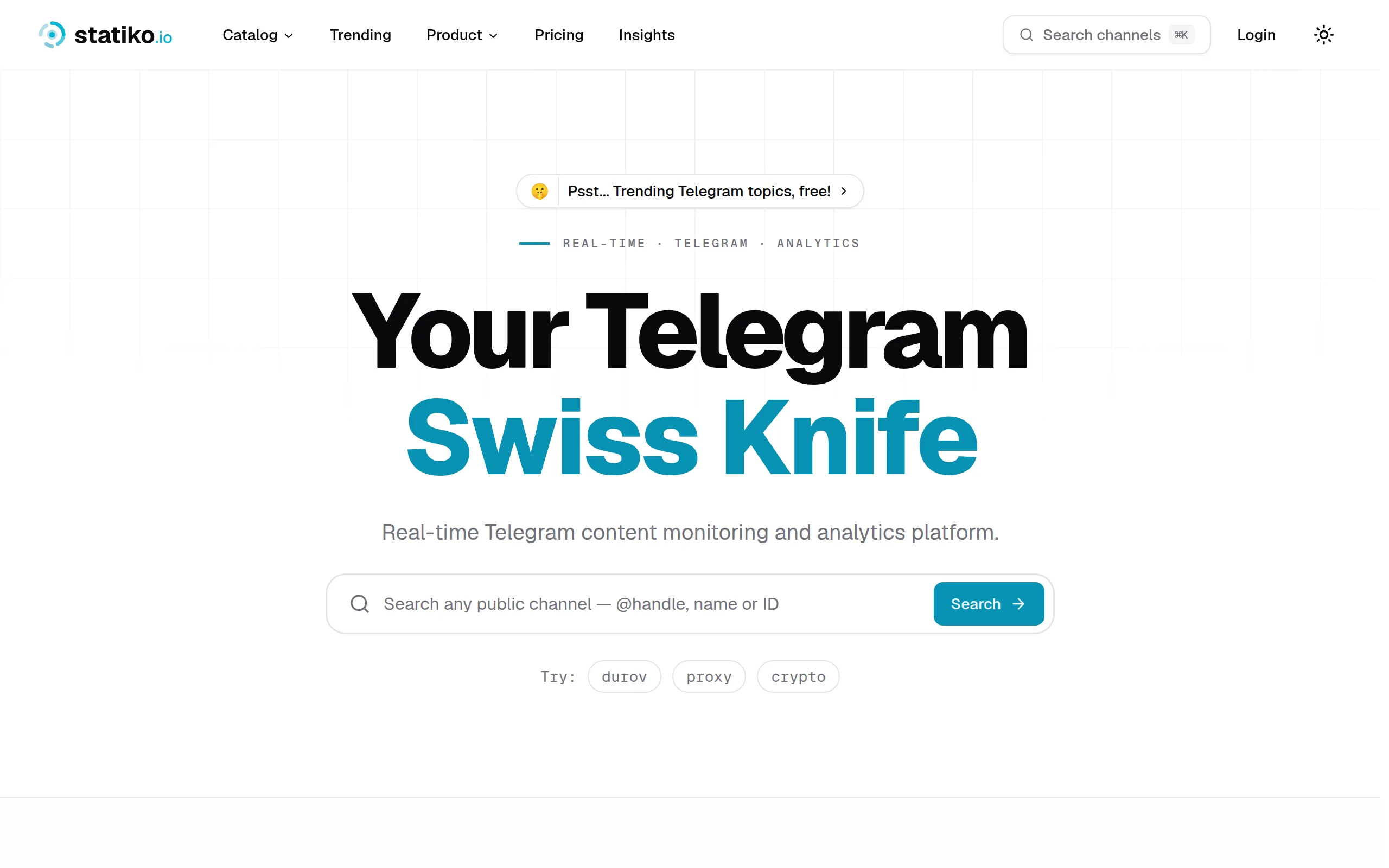
Statiko
Monitor any Telegram channel in real time - track posts, edits, deletions, and growth with AI recaps 📡

Shibui
AI website builder - describe your business, pick a niche template, edit by chatting, and publish instantly ✨

Pro Service
Find verified home service professionals, compare quotes, and pay securely through escrow - built for Brazilians across the US 🏠
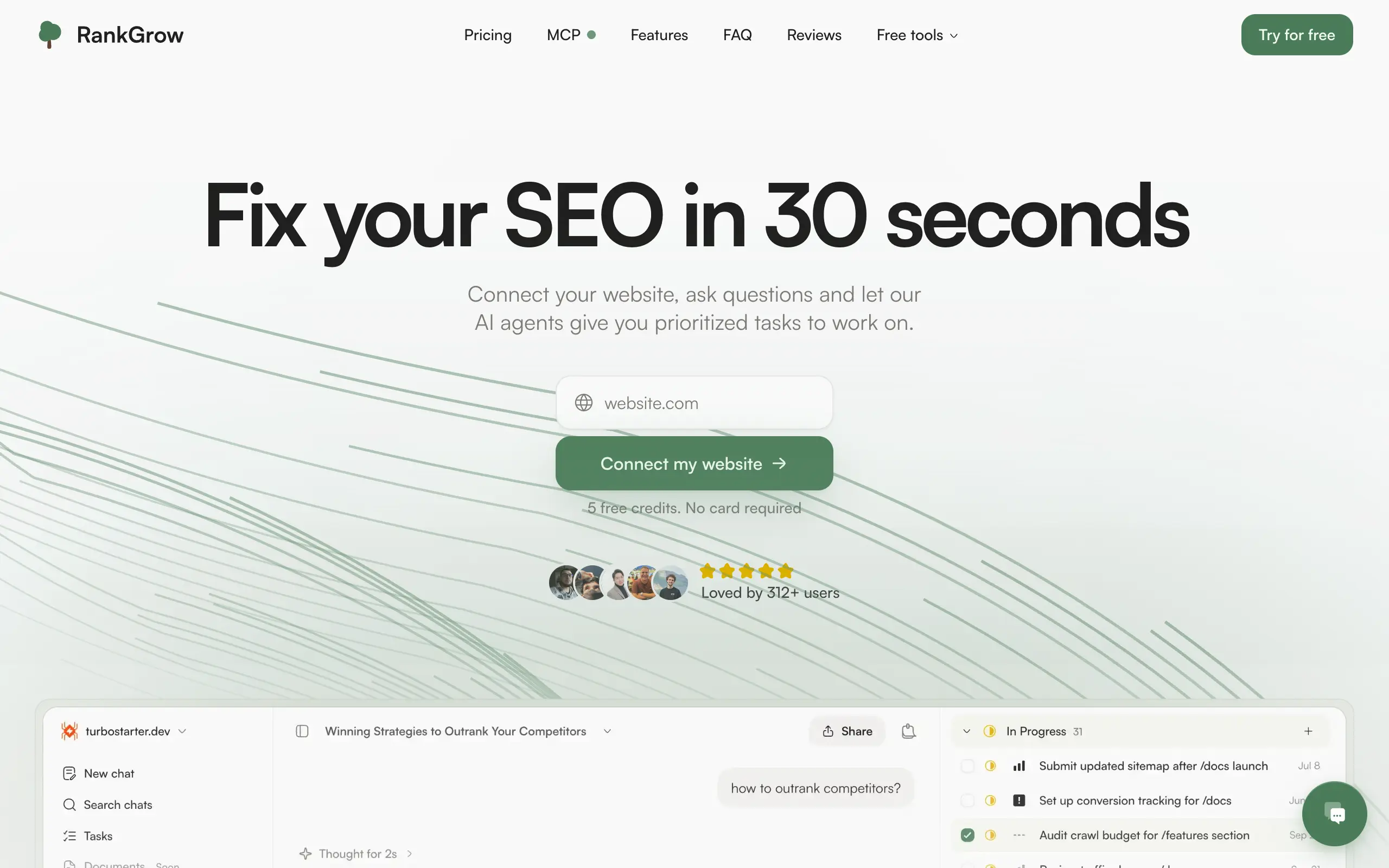
RankGrow
Fix your SEO with AI agents - connect Search Console, get prioritized tasks, and grow organic traffic 📈
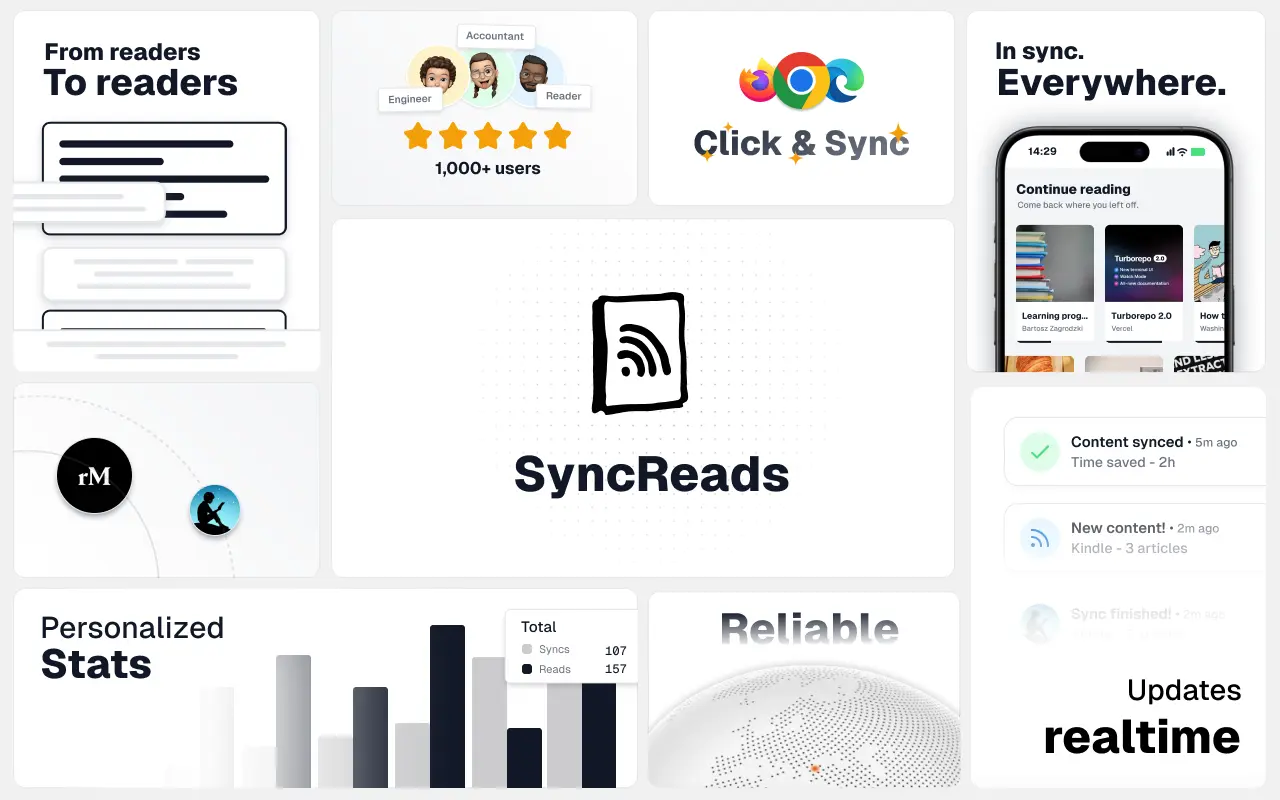
SyncReads
Sync your favorite content for distraction-free reading, save time and replace multiple apps. Anytime, anywhere 🔄
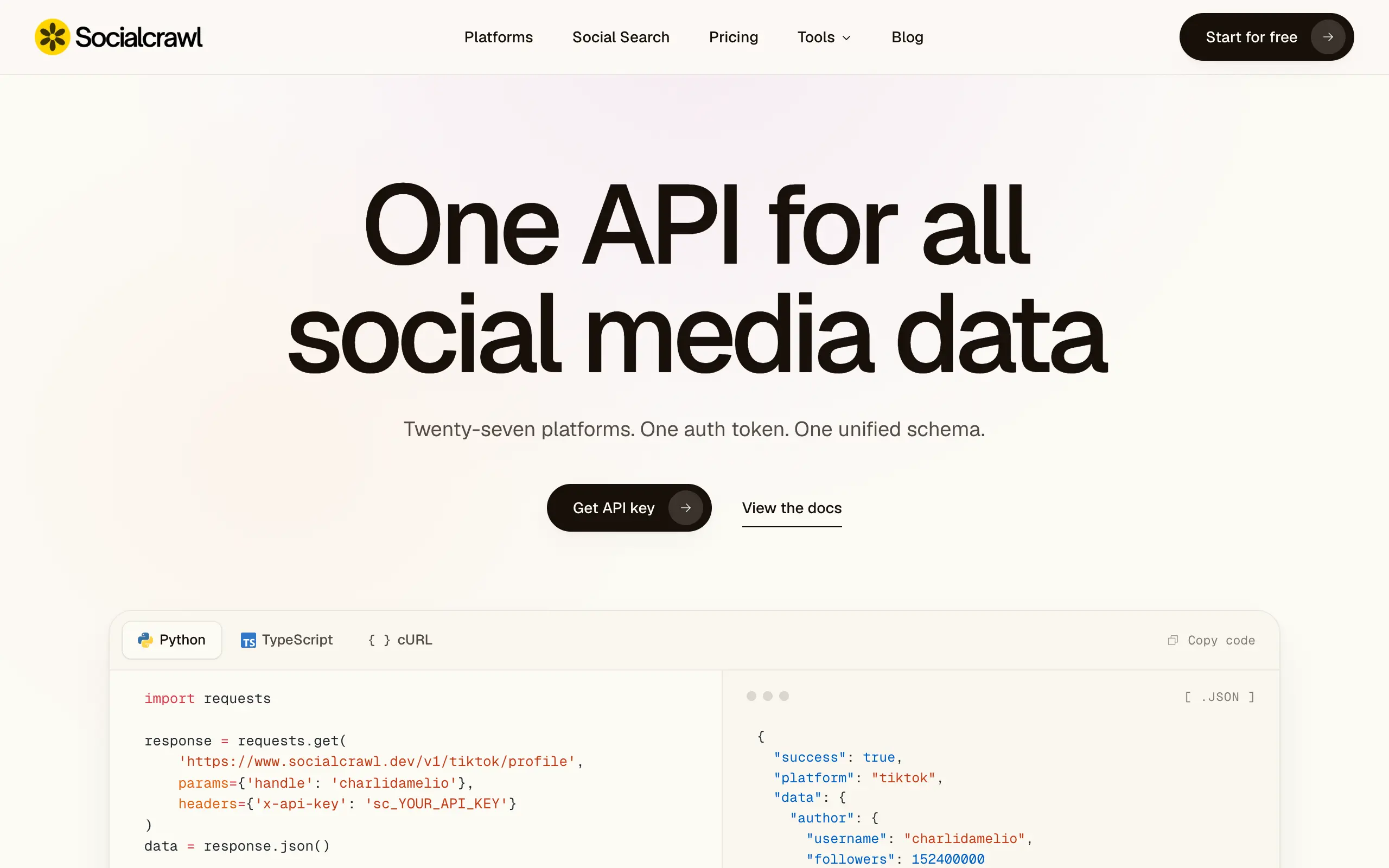
Socialcrawl
Get clean, structured data from 21 platforms like TikTok, Instagram, and YouTube with a single request 📊
Statiko
Monitor any Telegram channel in real time - track posts, edits, deletions, and growth with AI recaps 📡
Shibui
AI website builder - describe your business, pick a niche template, edit by chatting, and publish instantly ✨
Pro Service
Find verified home service professionals, compare quotes, and pay securely through escrow - built for Brazilians across the US 🏠
RankGrow
Fix your SEO with AI agents - connect Search Console, get prioritized tasks, and grow organic traffic 📈
SyncReads
Sync your favorite content for distraction-free reading, save time and replace multiple apps. Anytime, anywhere 🔄
Socialcrawl
Get clean, structured data from 21 platforms like TikTok, Instagram, and YouTube with a single request 📊
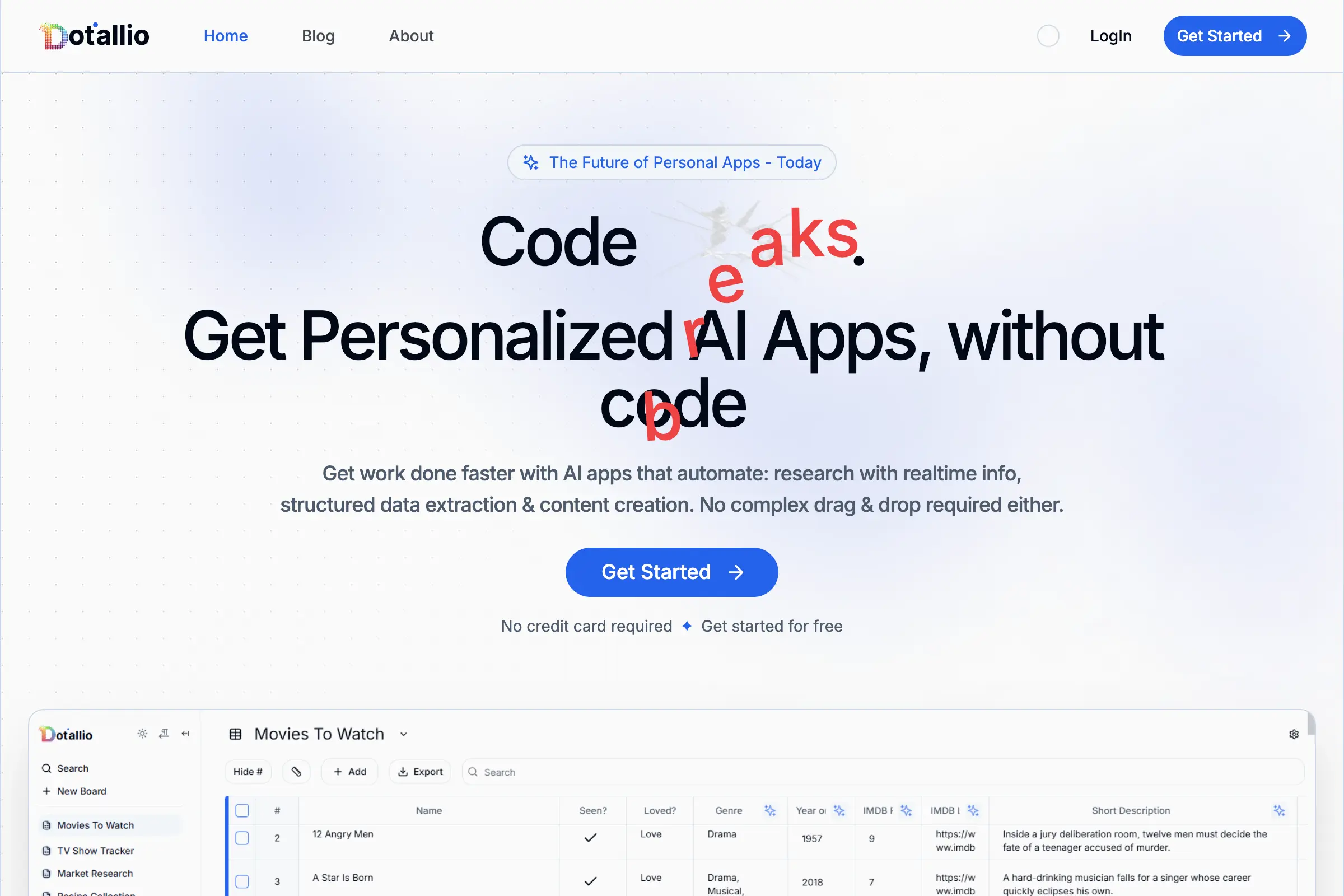
Dotallio
Personalized AI apps that automate research, data extraction, and content creation without code 🤖

Talk to Santa
Enjoy a magical live video chat or receive a unique AI-generated video greeting from Santa Claus 🎅

pozywka.pl
Scalable blog for food journalist, focused on performance and user experience 🌭
zagrodzki.me
Personal blog and portfolio of Bart Zagrodzki, where he shares his knowledge and work 💼

TurboStarter
Ship your startup everywhere. In minutes.
HTML to Markdown
Convert HTML to Markdown with ease, directly in your browser 📄
Dotallio
Personalized AI apps that automate research, data extraction, and content creation without code 🤖
Talk to Santa
Enjoy a magical live video chat or receive a unique AI-generated video greeting from Santa Claus 🎅
pozywka.pl
Scalable blog for food journalist, focused on performance and user experience 🌭
zagrodzki.me
Personal blog and portfolio of Bart Zagrodzki, where he shares his knowledge and work 💼
TurboStarter
Ship your startup everywhere. In minutes.
HTML to Markdown
Convert HTML to Markdown with ease, directly in your browser 📄
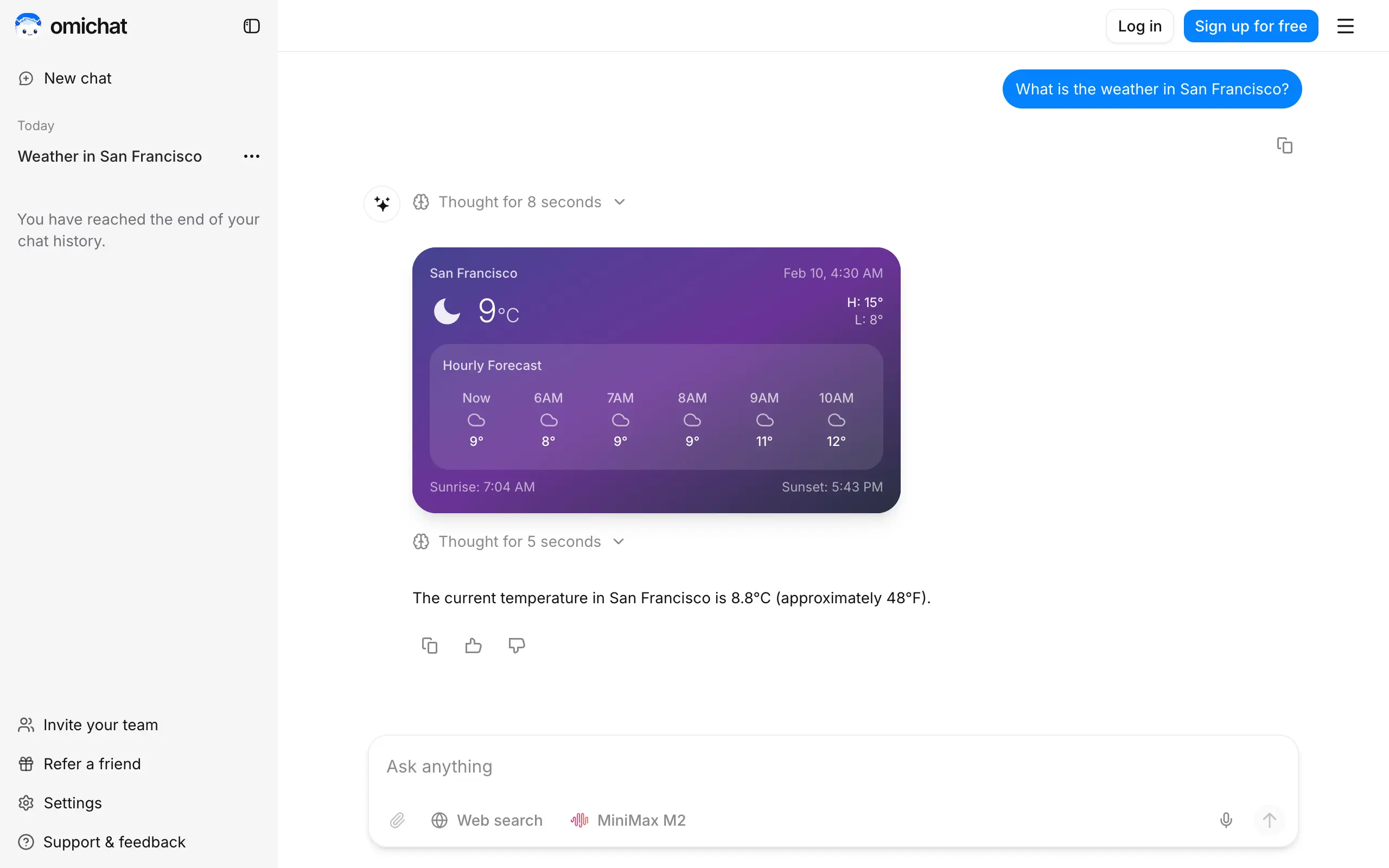
Omichat
Chat with 50+ AI models, including ChatGPT and Claude, in one place - switch models anytime without losing context 🤖
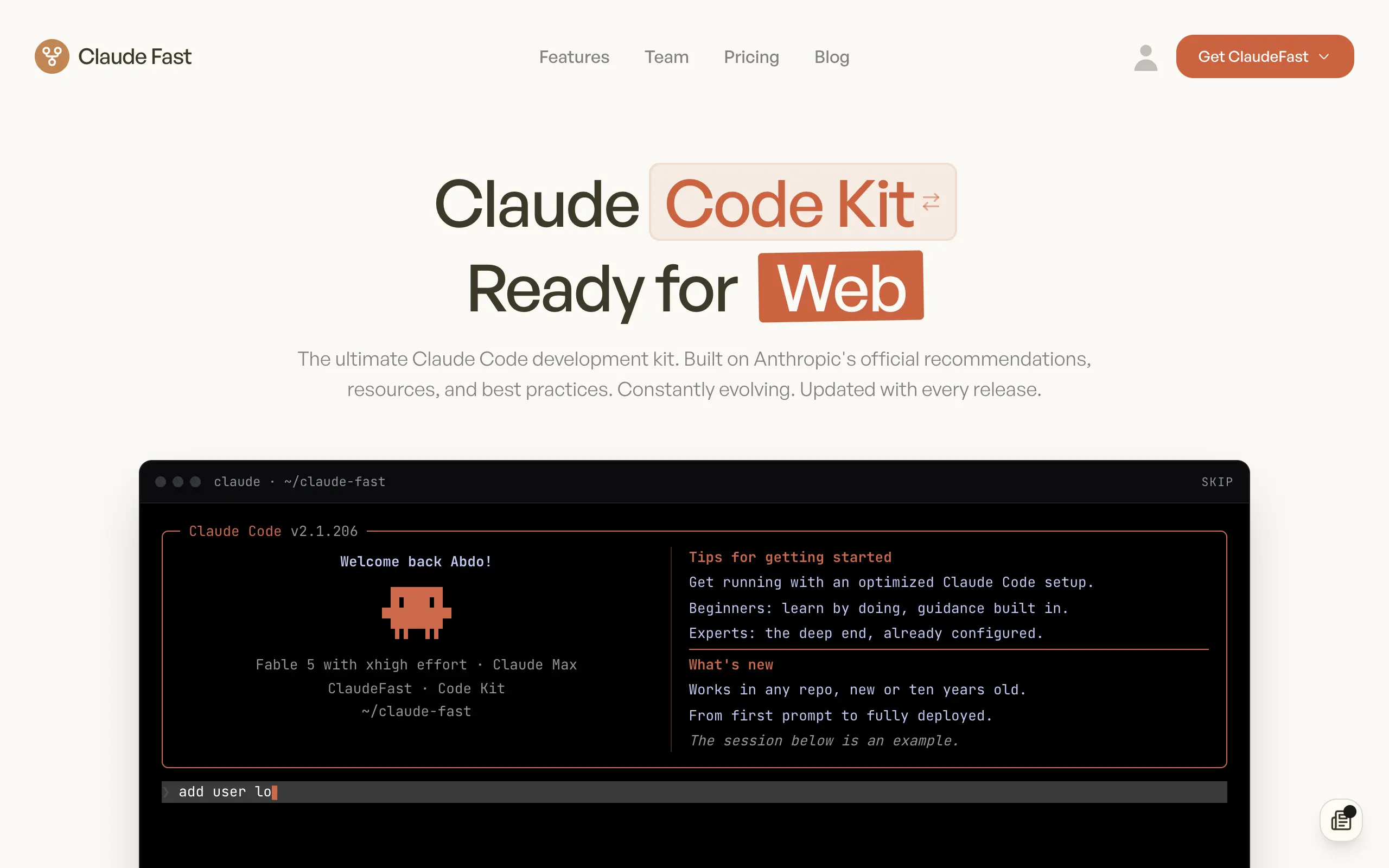
Claude Fast
Supercharge your Claude Code with 6x effective context window and specialized AI agents 🤖

EmojAI
AI-powered emoji picker with smart, context-aware suggestions 🤖

Solohacker
Autonomous company launcher - AI agents work 24/7, escalate what matters, and you stay in control 🤖

BeRawi: Storytelling Coach
Practice storytelling daily with instant feedback to sound clearer, more engaging, and confident 🎤
Omichat
Chat with 50+ AI models, including ChatGPT and Claude, in one place - switch models anytime without losing context 🤖
Claude Fast
Supercharge your Claude Code with 6x effective context window and specialized AI agents 🤖
EmojAI
AI-powered emoji picker with smart, context-aware suggestions 🤖
Solohacker
Autonomous company launcher - AI agents work 24/7, escalate what matters, and you stay in control 🤖
BeRawi: Storytelling Coach
Practice storytelling daily with instant feedback to sound clearer, more engaging, and confident 🎤

Connect with like-minded people
Join our community to get feedback, support, and grow together with 1,000+ builders on board, let's ship it!
Join usShip your startup everywhere. In minutes.
Don't burn tokens on setup and start building features on day one.