CaseCart
Practice AI-generated retail, marketing, and business cases with instant feedback on your pricing, strategy, and financial decisions.
What CaseCart solves for aspiring and practicing business decision-makers
CaseCart is an AI business case practice platform for people who want to improve commercial judgment through realistic retail, marketing, and business scenarios. Instead of passively reading frameworks or memorizing interview answers, users work through decisions involving pricing, promotions, growth strategy, inventory, margins, budgets, and financial trade-offs, then receive immediate AI-generated feedback.
The core problem is simple: many professionals understand business concepts in theory but lack a safe, repeatable way to practice making decisions under uncertainty.
A marketing manager may know how to calculate return on ad spend. A retail analyst may understand gross margin. A founder may recognize the importance of unit economics. Yet real work requires connecting these concepts quickly:
- Choosing a price when competitors are discounting
- Allocating a limited campaign budget across channels
- Deciding whether a product launch should prioritize margin or market share
- Explaining a recommendation with incomplete data
- Identifying financial downside before committing to a strategy
Traditional case study preparation often fails because it is static, expensive, difficult to personalize, or disconnected from the learner’s actual role. CaseCart can close that gap by generating decision-based cases dynamically and assessing not just the final answer, but the quality of the reasoning behind it.
Its differentiated promise is compelling: practice business decisions, receive instant feedback, and improve strategic thinking through adaptive AI-generated cases.
Primary positioning
CaseCart should be positioned as an AI-powered business case simulator, not merely an interview prep tool. That broader positioning creates room to serve students, consultants, operators, marketers, retail managers, and founders.
Target audience for an AI business case practice platform
The strongest go-to-market strategy starts with a narrow initial audience, even if CaseCart eventually supports a broad professional learning market. The product’s use cases are wide, but early messaging should focus on users with a clear motivation to practice structured business decisions.
Business students and early-career professionals
University students, MBA candidates, and recent graduates are a natural entry segment. They frequently need to prepare for case interviews, business simulations, assessment centers, and commercial roles.
Their common pain points include:
- Limited access to high-quality practice cases
- Difficulty finding useful feedback after completing a case
- Anxiety around financial and strategic questions
- Generic online resources that do not adapt to their skill level
- Lack of a live coach or experienced mentor
For this audience, CaseCart can offer an affordable, always-available practice environment. The AI feedback should translate complex evaluation into practical guidance such as identifying missing assumptions, improving a recommendation, or tightening an executive summary.
Retail, e-commerce, and consumer brand teams
Retail and consumer businesses make frequent, measurable decisions about pricing, assortment, promotions, inventory, customer acquisition, and profitability. This makes the vertical especially well suited to scenario-based learning.
Potential users include:
- Category managers
- E-commerce managers
- Merchandise planners
- Growth marketers
- Brand managers
- Commercial analysts
- Store operations leaders
- Revenue and pricing teams
A retail case simulator can feel immediately relevant when scenarios include realistic variables such as conversion rate, average order value, stock availability, return rates, discount depth, and gross margin.
This audience is particularly valuable because companies can purchase team subscriptions for internal training, onboarding, leadership development, and assessment.
Consultants and aspiring consultants
Consultants and consulting applicants often practice cases because they need to communicate structured thinking under pressure. However, existing case prep resources typically focus on classic market sizing, profitability, and market entry prompts.
CaseCart can differentiate by offering more operationally realistic simulations. Rather than only asking, “Should the company enter a new market?”, it can ask users to decide how a multi-channel retailer should respond to declining profitability after a promotion-heavy quarter.
That type of case is useful for consulting applicants, but it is also more transferable to real operating roles.
Founders, operators, and small business owners
Founders often make high-impact choices without a finance team, commercial strategy team, or dedicated mentor. They need to understand trade-offs, not just formulas.
CaseCart can create accessible practice around scenarios such as:
- Raising prices without damaging retention
- Evaluating whether a new customer segment is profitable
- Choosing between paid acquisition and partnerships
- Forecasting cash implications of inventory purchases
- Designing a promotion that does not destroy margin
This segment may not describe its need as “case practice.” It may search for terms such as business strategy simulator, pricing strategy training, unit economics practice, or AI business coach. Landing pages should therefore reflect these outcome-oriented searches.
Initial B2C wedge
Target business students, MBA candidates, and early-career commercial professionals who want structured case practice with instant feedback.
High-value B2B expansion
Sell team workspaces to retail, e-commerce, and consumer companies that need scalable commercial decision-making training.
Long-term platform opportunity
Build a scenario library and assessment engine that supports onboarding, leadership development, and role-based certification.
The market gap CaseCart can own
The market has no shortage of business courses, case books, interview prep platforms, spreadsheets, and generic AI chat tools. The opportunity lies in combining the strongest parts of each category into a focused, repeatable product experience.
Most alternatives suffer from one or more weaknesses.
| Alternative | What it does well | Typical limitation | CaseCart opportunity | Buyer value |
|---|---|---|---|---|
| Case books | Structured examples | Static and limited feedback | Adaptive case generation | More practice variety |
| Courses | Teaches concepts | Passive learning format | Decision-based simulations | Applied learning |
| Private coaching | High-quality feedback | Expensive and difficult to scale | Immediate AI feedback | Lower-cost repetition |
| General AI chat | Flexible conversation | Inconsistent evaluation standards | Structured scoring rubric | Comparable progress data |
The market gap is not simply “AI-generated cases.” Generating text is increasingly commoditized. The defensible opportunity is a system that makes case practice credible, measurable, role-relevant, and behavior-changing.
A user should finish a CaseCart session knowing:
- Whether their answer was commercially sound
- Which assumptions were unsupported or missing
- How their financial logic affected the recommendation
- What a stronger answer would look like
- Which skill they should practice next
That final point matters. A generic chatbot can respond to an answer. A specialized AI business case platform can maintain a learner model across sessions and deliberately assign the next scenario based on gaps in pricing, financial analysis, prioritization, or communication.
Core CaseCart features that create a better learning loop
A strong minimum viable product should not attempt to simulate every business function from day one. It should focus on a tightly designed practice loop that users can complete in 10 to 30 minutes.
AI-generated business cases with controlled realism
The case generation engine should create scenarios from structured templates rather than relying entirely on freeform prompts. This prevents vague prompts, inconsistent data, and feedback that is difficult to compare across users.
Each case should contain:
- A business context and objective
- A role for the learner
- A defined decision to make
- Relevant performance data
- Constraints and trade-offs
- Optional follow-up questions
- A hidden evaluation rubric
- A benchmark solution or model reasoning path
For example, a retail pricing case might present a direct-to-consumer apparel brand that has declining gross margin due to shipping costs and discounting. The user must recommend whether to raise prices, reduce discounts, change shipping thresholds, or adjust the product mix.
The case should not require one “correct” answer. Instead, it should reward sound reasoning, explicit assumptions, clear trade-offs, and a feasible implementation plan.
Interactive financial and commercial decision inputs
Text answers alone are useful, but structured inputs make simulations more engaging and easier to evaluate. CaseCart can let users choose or enter decisions such as:
- Product price changes
- Promotion depth
- Marketing budget allocation
- Channel mix
- Inventory quantities
- Hiring plans
- Sales targets
- Market entry options
- Customer segment priorities
The platform can then calculate modeled outcomes based on predefined rules. This transforms a generic AI conversation into a business simulation.
For a pricing case, the user could choose a 5%, 10%, or 15% price increase, while the model estimates downstream effects on conversion, average order value, revenue, gross profit, and customer retention. The exact figures need not claim to predict the real world. They simply need to create credible trade-offs for learning.
Instant feedback using transparent scoring
Feedback is the product’s most important moment. It should be specific enough to help and structured enough to build trust.
A useful scoring model can assess several dimensions:
- "Problem framing": Did the learner identify the actual decision and commercial objective?
- "Data interpretation": Did they use the provided numbers correctly?
- "Financial reasoning": Did they consider revenue, costs, margin, and payback?
- "Strategic logic": Did the recommendation fit the company’s context?
- "Risk awareness": Did they identify potential downside and mitigation?
- "Communication": Was the recommendation concise and actionable?
Avoid presenting AI scores as objective truth. A score should be framed as a guided assessment based on a disclosed rubric. Show the learner why they received the result, cite the evidence from their answer, and give one or two prioritized improvement actions.
Trust is a product feature
Do not let an opaque AI score determine whether a user is “good” or “bad” at business. Explain the rubric, show the reasoning behind feedback, and allow users to challenge or revise an answer.
Adaptive difficulty and personalized practice paths
The most valuable AI learning experiences become more useful with repeated use. CaseCart should build a skill profile based on past decisions, common mistakes, and preferred scenario types.
A learner who consistently handles market sizing well but overlooks margin implications could receive more profitability and pricing cases. A user who makes good recommendations but communicates poorly could receive executive-summary drills.
Personalized paths may include:
- Pricing and promotion fundamentals
- Retail profitability analysis
- Growth marketing allocation
- Product launch strategy
- Financial decision-making for operators
- E-commerce unit economics
- Leadership and stakeholder communication
This structure also improves retention because users can see progress rather than treating each session as an isolated exercise.
Post-case debrief and model answer comparison
A post-case debrief should help users convert practice into learning. It can include:
- A concise expert-style recommendation
- Key assumptions the learner should have surfaced
- Important metrics they missed
- An explanation of competing strategic options
- A sensitivity analysis showing what changes the recommendation
- A rewritten executive summary based on the user’s original answer
The goal is not to replace independent thinking with a “perfect answer.” It is to show users how experienced operators structure decisions in uncertain conditions.
Team analytics for B2B customers
For business customers, CaseCart should offer manager-facing analytics. This makes the product more than an individual practice tool.
Useful team-level insights include:
- Completion rates by learning path
- Average performance by competency
- Common reasoning gaps across a team
- Improvement over time
- Scenario difficulty calibration
- Cohort comparison
- Exportable assessment summaries
Privacy controls are essential. Individual-level results should not be used as hidden performance surveillance without clear employee consent and a transparent policy.
A practical product architecture for CaseCart
CaseCart should be built as a reliable SaaS application, not a collection of loosely connected AI prompts. The technical architecture needs to support structured case generation, data validation, user history, subscriptions, evaluation workflows, and observability.
Recommended SaaS tech stack
A modern TypeScript stack is an efficient choice for an AI case practice platform because it supports fast iteration while maintaining type safety across the frontend, backend, and database layers.
| Layer | Recommended option | Why it fits | Trade-off | Priority |
|---|---|---|---|---|
| Frontend | Next.js and React | Fast SaaS development and strong UX ecosystem | Requires careful server and client boundaries | High |
| Database | PostgreSQL | Reliable relational data for users, cases, scores, and billing | Schema planning is important | High |
| AI layer | LLM API with structured outputs | Flexible generation and feedback | Needs guardrails and evaluation | High |
| Payments | Stripe | Subscriptions and invoicing support | Webhook lifecycle adds complexity | High |
| Analytics | Product analytics platform | Supports retention and funnel analysis | Privacy review is required | Medium |
For the application framework, Next.js and React provide a practical foundation for marketing pages, authenticated learning experiences, APIs, and server-side workflows. Tailwind CSS is a strong fit for quickly building a polished, responsive interface without accumulating inconsistent styling.
Use PostgreSQL for core relational data. Cases, scenarios, user responses, rubric versions, feedback records, subscriptions, and team memberships all benefit from relational integrity. A document-only architecture can feel attractive for AI content, but it becomes harder to enforce reporting consistency and auditability as B2B needs expand.
For authentication, Auth.js can work well in a TypeScript-based application. For payments, Stripe is a dependable choice for subscriptions, trials, invoices, and tax-related workflows.
For deployment, Vercel is well suited to a Next.js application. Background jobs should be handled separately or through a managed workflow system when feedback generation, report generation, and notification tasks begin to exceed request-time limits.
Why structured AI outputs matter
The model should produce a predictable schema for every generated case and feedback response. This reduces parsing failures, makes the UI more consistent, and allows the product team to evaluate quality at scale.
type CaseEvaluation = {
  overallScore: number;
  competencyScores: {
    problemFraming: number;
    financialReasoning: number;
    strategicLogic: number;
    riskManagement: number;
    communication: number;
  };
  strengths: string[];
  improvementPriorities: string[];
  missedMetrics: string[];
  feedbackSummary: string;
  suggestedNextCase: string;
};
The AI system should be instructed to return only validated structured data for core product workflows. If output fails validation, the application should retry with a stricter prompt or route the response through a fallback evaluator.
This architecture is more reliable than displaying raw AI output directly to users.
Build an evaluation layer before scaling case generation
The most common AI learning product mistake is prioritizing generation volume over content quality. CaseCart should instead establish an internal evaluation dataset early.
Create a representative bank of human-reviewed cases that includes:
- Strong answers
- Weak answers
- Incomplete answers
- Numerically incorrect answers
- Creative but defensible answers
- Answers that sound polished but lack substance
- Answers with safety or integrity concerns
Use this set to compare AI feedback against a predefined rubric. Review whether the system identifies key omissions, avoids inventing facts, applies scores consistently, and gives genuinely actionable advice.
For credible AI product claims, CaseCart should publish methodology rather than making unsupported accuracy promises. If the company later cites outcome data, it should use clear research methods and suggest references to authoritative sources or independently reviewed studies.
Designing the AI business case experience
The best experience should feel like a focused work session, not a long chat conversation.
A recommended flow is:
The product should also support multiple practice modes.
A 5 to 10 minute scenario focused on one skill, such as calculating the impact of a discount or prioritizing a marketing channel.
A 20 to 30 minute end-to-end business case with a written recommendation, data interpretation, follow-up questions, and detailed feedback.
A collaborative scenario for cohorts, classrooms, or company teams where participants compare decisions and discuss trade-offs.
Quick drills improve frequency and habit formation. Full cases develop deeper reasoning. Team challenges create a B2B training motion and make the product more useful for instructors and managers.
Monetization strategy for CaseCart
CaseCart can combine self-serve subscriptions with higher-value team plans. The right model depends on proving consumer retention before investing heavily in enterprise workflows.
Freemium model for adoption
A free tier should let users experience the core value quickly. A reasonable starting offer could include a limited number of cases per month, basic scoring, and access to introductory scenarios.
The free experience must be good enough to demonstrate the feedback quality. Do not reserve all meaningful feedback for the paid tier, or users will not understand why they should upgrade.
Potential premium benefits include:
- Unlimited or higher-volume case practice
- Advanced industry-specific case libraries
- Personalized practice plans
- Detailed score breakdowns
- Case replay and answer revisions
- Financial modeling tools
- Interview simulation mode
- Progress reports
- Priority access to new scenario packs
Individual subscription pricing
A consumer plan can be tested in a price range appropriate for career development and professional learning software. Start with simple monthly and annual options rather than a complex menu.
Pricing should be tested against the actual substitute. If users compare CaseCart with a case book, the price sensitivity will be high. If users compare it with private coaching or a professional course, the perceived value can be much higher.
Team and education plans
B2B and education plans can create stronger average revenue per account. These plans should include:
- Shared learning paths
- Team administration
- Cohort analytics
- Custom case assignments
- Private company scenarios
- Instructor or manager dashboards
- Single sign-on for larger customers
- Data processing and privacy documentation
For universities, pricing can be structured by course, cohort, or annual department license. For companies, pricing can be per active learner or per team workspace.
Custom scenario services
Custom case development can be an effective high-touch offering for early enterprise customers. A retailer may want cases based on its own categories, metrics, or strategic priorities. This service creates revenue, improves customer intimacy, and reveals which product features should become self-serve later.
However, custom work can distract from the product roadmap. Define clear boundaries around what is configurable and what remains standard.
Competitive advantage and defensibility
CaseCart’s competitive advantage should not depend solely on access to a language model. AI model capabilities change quickly, and competitors can generate plausible business prompts with little effort.
The durable advantage comes from the product system around the model.
Case quality and scenario design
High-quality cases require domain expertise in retail, marketing, finance, and strategy. A strong scenario includes realistic constraints, useful data, ambiguity, and multiple defensible options.
This is difficult to create consistently. CaseCart can develop proprietary scenario templates, decision models, scoring rubrics, and domain-specific evaluation criteria over time.
Longitudinal learner data
With permission and strong privacy standards, CaseCart can understand which types of scenarios help users improve. This supports a personalized practice engine that becomes more useful after every session.
The data moat is not raw answer text. It is the relationship between scenario type, skill gap, intervention, user behavior, and improvement outcome.
Trustworthy feedback methodology
Users will only rely on feedback if it feels fair, specific, and stable. CaseCart should differentiate with transparent rubrics, visible assumptions, feedback citations tied to user responses, and clear limitations.
This is especially important for B2B buyers, who will evaluate whether the product is credible enough for employee development.
Vertical depth in retail and commercial decision-making
Generic business case platforms risk becoming interchangeable. CaseCart can build authority by starting with retail, e-commerce, consumer brands, pricing, and growth decisions where inputs and outputs are concrete.
A focused library can include cases around:
- Promotion profitability
- Markdown optimization
- Inventory allocation
- Customer acquisition payback
- Marketplace channel strategy
- Subscription retention
- New product launch economics
- Store expansion
- Margin recovery
- Assortment rationalization
This vertical expertise gives CaseCart sharper SEO opportunities and more relevant conversion messaging.
Risks and mitigation strategies
AI-powered learning products face real risks. Addressing them directly improves trust with users, partners, and prospective customers.
Inaccurate or inconsistent AI feedback
Language models can make reasoning mistakes, overstate confidence, or give inconsistent feedback for similar answers.
Mitigation approaches include:
- Use structured rubrics rather than open-ended evaluation alone
- Validate outputs against schemas and business rules
- Create human-reviewed benchmark datasets
- Display feedback confidence or uncertainty where appropriate
- Allow users to request a reevaluation
- Maintain versioning for prompts, rubrics, and scoring logic
- Avoid claims that the tool replaces human coaching or professional judgment
Hallucinated business facts
Generated cases may include unrealistic market claims or fabricated benchmarks if the system is allowed to invent details freely.
The safest design is to distinguish clearly between simulated case data and real-world data. When a scenario uses fictional numbers, label it as a simulation. When CaseCart references external industry research, it should cite verified primary sources.
For future content marketing, statistical claims should be supported with a reference format such as “Source: company annual report, industry association report, or peer-reviewed study, accessed on [date].”
Privacy and sensitive company data
If teams upload internal data or create private cases, CaseCart must treat that content as sensitive.
Key controls should include:
- Clear data ownership terms
- Role-based access controls
- Encryption in transit and at rest
- Configurable data retention
- Audit logs for enterprise accounts
- Explicit disclosure of AI processing practices
- An option to prevent customer content from being used for model training
Legal counsel should review privacy commitments, data processing agreements, and regional compliance requirements before enterprise expansion.
Weak retention after initial novelty
AI-generated cases can feel exciting at first but lose appeal if the experience becomes repetitive or feedback feels generic.
Retention improvements may include:
- Progressive learning paths
- Weekly challenges
- Skill milestones
- Personalized difficulty adjustment
- Fresh industry scenarios
- Streaks used carefully, without manipulative design
- Cohort challenges
- Practical downloadable learning summaries
The product should optimize for meaningful repeat value, not merely time spent.
Overbuilding before validation
It is tempting to build calculators, dashboards, team analytics, custom case builders, social features, and complex simulations before confirming demand.
The MVP should answer a smaller question: Will a target user return weekly to practice AI-generated business cases because the feedback genuinely helps them improve?
If the answer is yes, expand. If not, improve the scenario quality and learning loop before adding more surface area.
SEO strategy for CaseCart
The content strategy should target both high-intent product searches and educational searches from users who are still defining their problem.
Core keyword themes can include:
- AI business case practice
- AI business case simulator
- Business case study practice
- Retail case study practice
- Pricing strategy simulator
- Marketing strategy case studies
- Business decision-making training
- Retail profitability training
- AI case interview practice
- Financial reasoning practice
- Unit economics simulator
Avoid trying to rank one page for every keyword. Instead, develop topic clusters that map to clear user intent.
High-intent landing pages
Create focused product pages for terms with strong commercial intent:
- AI business case simulator
- AI case interview practice
- Retail business simulation
- Pricing strategy training
- Business decision-making software
- Commercial skills training platform
Each page should explain the relevant problem, show example scenarios, clarify who the product is for, address common objections, and include an obvious call to action.
Educational content that earns trust
Build authoritative guides around the skills users want to improve. Strong examples include:
- How to analyze a pricing case study
- How to calculate gross margin in retail
- A practical guide to promotion profitability
- How to present a business recommendation
- The difference between revenue, gross profit, and contribution margin
- How to evaluate customer acquisition payback
- How to approach a retail case interview
These articles should include formulas, worked examples, common mistakes, and practical decision frameworks. They should also naturally introduce CaseCart as a way to practice the skill.
Expert review adds credibility. Where possible, have content reviewed by experienced retail operators, finance leaders, marketers, or educators, and include a transparent author or reviewer bio on the published page.
Actionable implementation plan
The most efficient path is to validate the learning loop with a focused vertical before expanding into a broad business education suite.
Phase one: validate the core practice loop
Build a small but polished product with:
- Authentication and basic user profiles
- Ten to twenty high-quality retail and marketing cases
- A structured case player
- Written response submission
- Rubric-based AI feedback
- Basic progress tracking
- Subscription payments
- Feedback collection after every session
Interview users after they complete at least three cases. Ask what they learned, whether the feedback changed their thinking, and whether they would use the product again next week.
Phase two: improve quality and retention
Once the initial workflow is useful, add:
- Adaptive difficulty
- Skill-based learning paths
- Scenario parameterization
- Better financial decision controls
- Answer revision workflows
- Case history
- Streaks and milestones
- Referral incentives for student and early-career audiences
Measure activation as the percentage of new users who complete a first case and review their feedback. Measure retention based on users who complete another case in the following week, not just those who log in.
Phase three: launch B2B pilots
Approach a small number of retail, e-commerce, education, or consulting-adjacent organizations with a focused pilot offer.
The pilot should include a defined audience, a clear learning objective, a time-bound cohort, and a measurement plan. For example, a commercial team might complete four pricing and profitability scenarios over six weeks.
Use these pilots to learn which reporting, security, customization, and administrative requirements are truly necessary.
Phase four: build scalable SaaS infrastructure
Once product-market evidence is stronger, invest in:
- Team workspaces
- Organization-level permissions
- Cohort reporting
- Custom scenario configuration
- Audit logs
- Data retention controls
- Enterprise billing
- Evaluation dashboards for AI quality
A production-ready SaaS foundation can accelerate this work. TurboStarter can help teams move faster with common SaaS building blocks such as authentication, billing, database integrations, and application structure, allowing more development time to go toward the core case simulation and feedback engine.
Frequently asked questions about CaseCart
No. Case interview practice can be an important use case, but the broader opportunity is business decision-making practice. CaseCart can support retail managers, marketers, founders, analysts, students, and commercial teams who want to improve pricing, financial, and strategic judgment.
AI feedback should be based on visible rubrics, validated case data, structured outputs, and ongoing quality testing. The platform should explain why it gave feedback, distinguish simulations from real-world facts, and avoid presenting AI assessments as infallible.
The MVP should include a focused case library, a clear scenario workflow, written decision submissions, rubric-based feedback, user accounts, progress tracking, and payments. Sophisticated simulations and enterprise analytics can come after retention is validated.
A general chatbot can discuss business ideas, but CaseCart can provide curated scenarios, consistent evaluation rubrics, interactive decision variables, learner progress tracking, and targeted next-step recommendations. The value is the complete learning system, not just generated text.
Final perspective
CaseCart has the potential to become a valuable AI business case practice platform because it addresses a durable problem: professionals need more opportunities to make and explain business decisions before the stakes are real.
The winning product will not be the one that generates the largest number of cases. It will be the one that gives users realistic scenarios, trustworthy feedback, measurable improvement, and a reason to return.
Start with a narrow, high-value category such as retail pricing, profitability, and marketing decisions. Build a disciplined evaluation system alongside the AI workflow. Prove that users gain confidence and improve their reasoning. Then expand CaseCart into team learning, education, and broader commercial strategy training.
More 🤖 AI Startup SaaS ideas
Discover more innovative ai startup SaaS ideas that are trending in 2026. Each idea is AI-generated with market validation and growth potential to help you find your next profitable venture faster than competitors.
Your competitors are building with TurboStarter
Below are some of the SaaS ideas that have been generated and built with our starter kit.
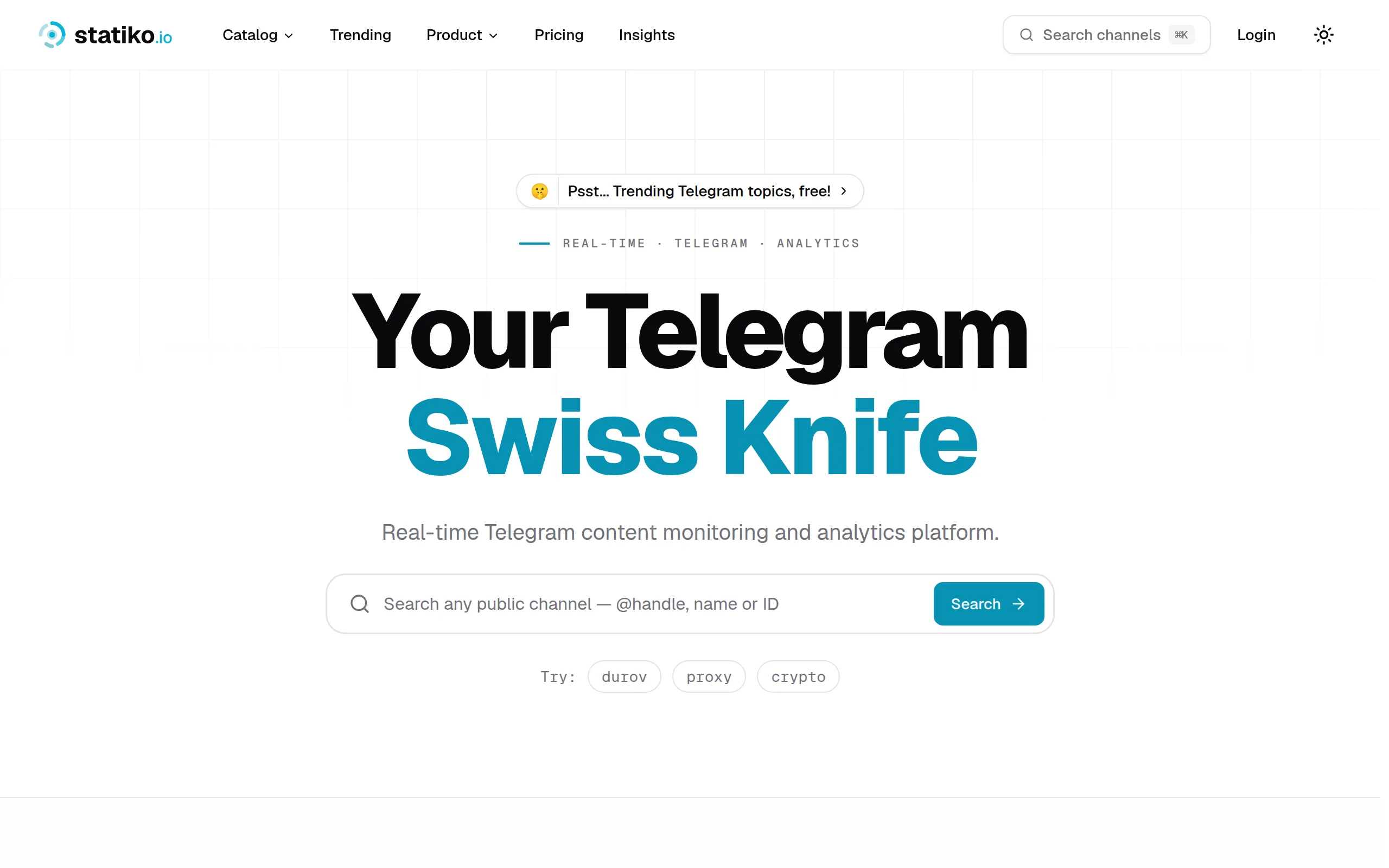
Statiko
Monitor any Telegram channel in real time - track posts, edits, deletions, and growth with AI recaps 📡

Shibui
AI website builder - describe your business, pick a niche template, edit by chatting, and publish instantly ✨

Pro Service
Find verified home service professionals, compare quotes, and pay securely through escrow - built for Brazilians across the US 🏠
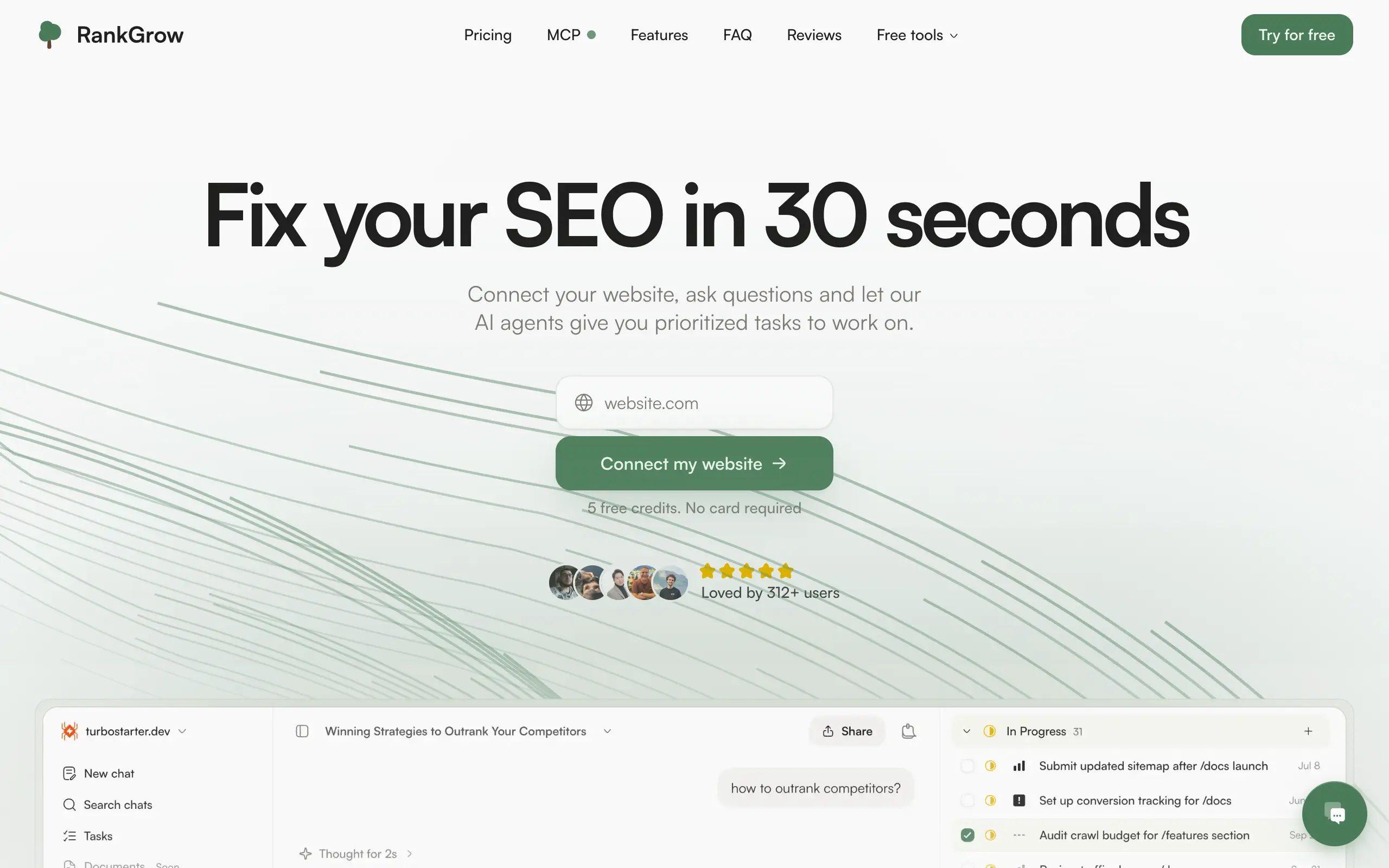
RankGrow
Fix your SEO with AI agents - connect Search Console, get prioritized tasks, and grow organic traffic 📈
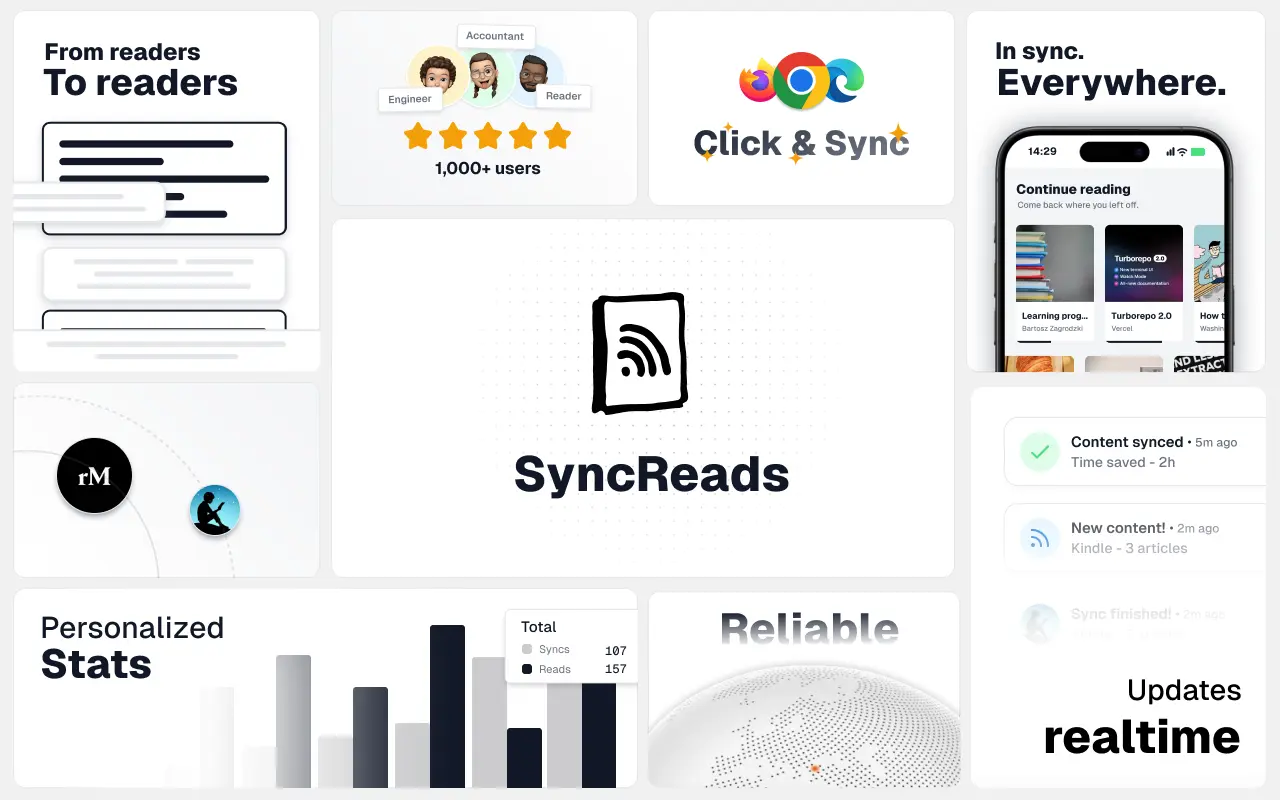
SyncReads
Sync your favorite content for distraction-free reading, save time and replace multiple apps. Anytime, anywhere 🔄
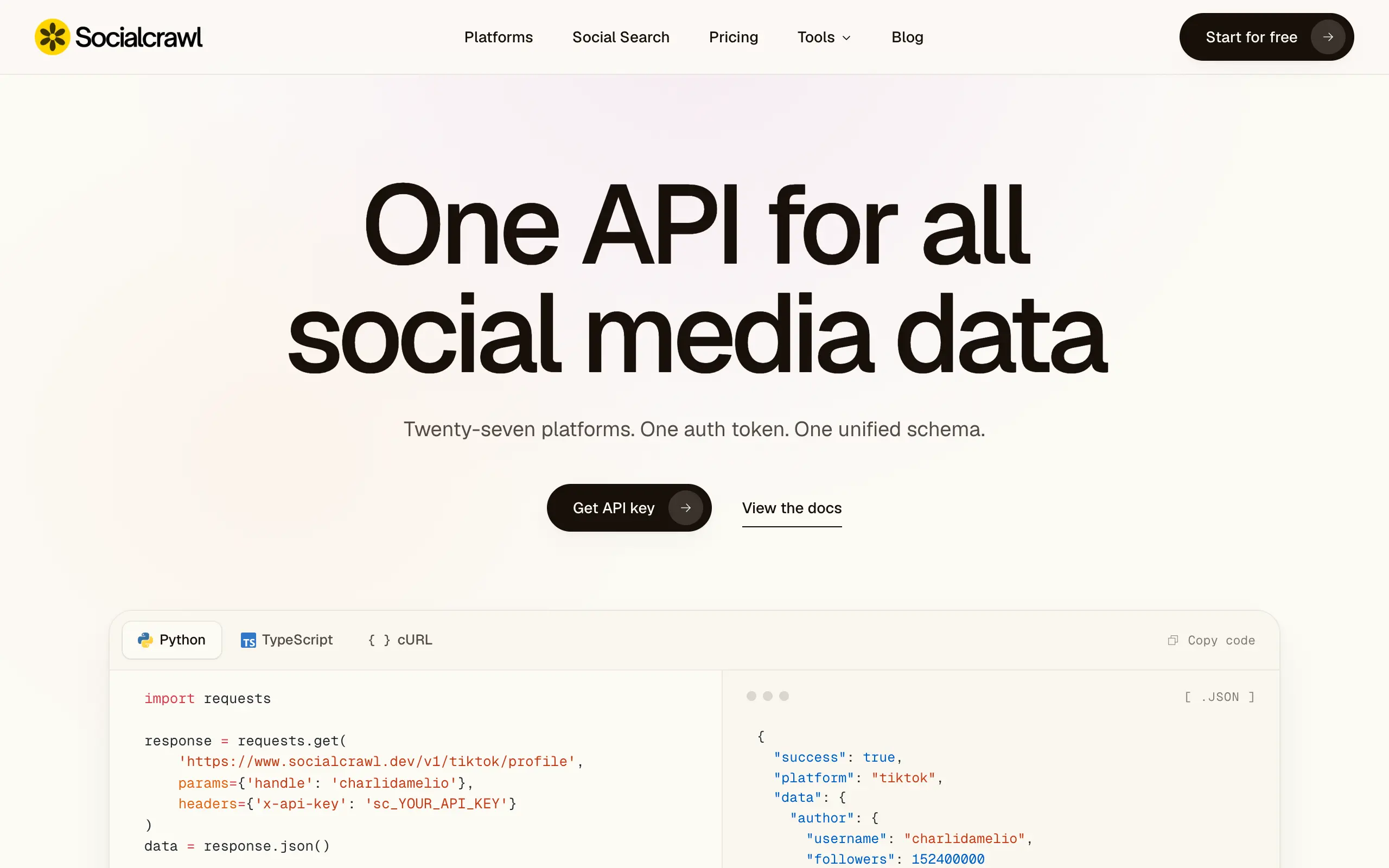
Socialcrawl
Get clean, structured data from 21 platforms like TikTok, Instagram, and YouTube with a single request 📊
Statiko
Monitor any Telegram channel in real time - track posts, edits, deletions, and growth with AI recaps 📡
Shibui
AI website builder - describe your business, pick a niche template, edit by chatting, and publish instantly ✨
Pro Service
Find verified home service professionals, compare quotes, and pay securely through escrow - built for Brazilians across the US 🏠
RankGrow
Fix your SEO with AI agents - connect Search Console, get prioritized tasks, and grow organic traffic 📈
SyncReads
Sync your favorite content for distraction-free reading, save time and replace multiple apps. Anytime, anywhere 🔄
Socialcrawl
Get clean, structured data from 21 platforms like TikTok, Instagram, and YouTube with a single request 📊
Statiko
Monitor any Telegram channel in real time - track posts, edits, deletions, and growth with AI recaps 📡
Shibui
AI website builder - describe your business, pick a niche template, edit by chatting, and publish instantly ✨
Pro Service
Find verified home service professionals, compare quotes, and pay securely through escrow - built for Brazilians across the US 🏠
RankGrow
Fix your SEO with AI agents - connect Search Console, get prioritized tasks, and grow organic traffic 📈
SyncReads
Sync your favorite content for distraction-free reading, save time and replace multiple apps. Anytime, anywhere 🔄
Socialcrawl
Get clean, structured data from 21 platforms like TikTok, Instagram, and YouTube with a single request 📊
Statiko
Monitor any Telegram channel in real time - track posts, edits, deletions, and growth with AI recaps 📡
Shibui
AI website builder - describe your business, pick a niche template, edit by chatting, and publish instantly ✨
Pro Service
Find verified home service professionals, compare quotes, and pay securely through escrow - built for Brazilians across the US 🏠
RankGrow
Fix your SEO with AI agents - connect Search Console, get prioritized tasks, and grow organic traffic 📈
SyncReads
Sync your favorite content for distraction-free reading, save time and replace multiple apps. Anytime, anywhere 🔄
Socialcrawl
Get clean, structured data from 21 platforms like TikTok, Instagram, and YouTube with a single request 📊
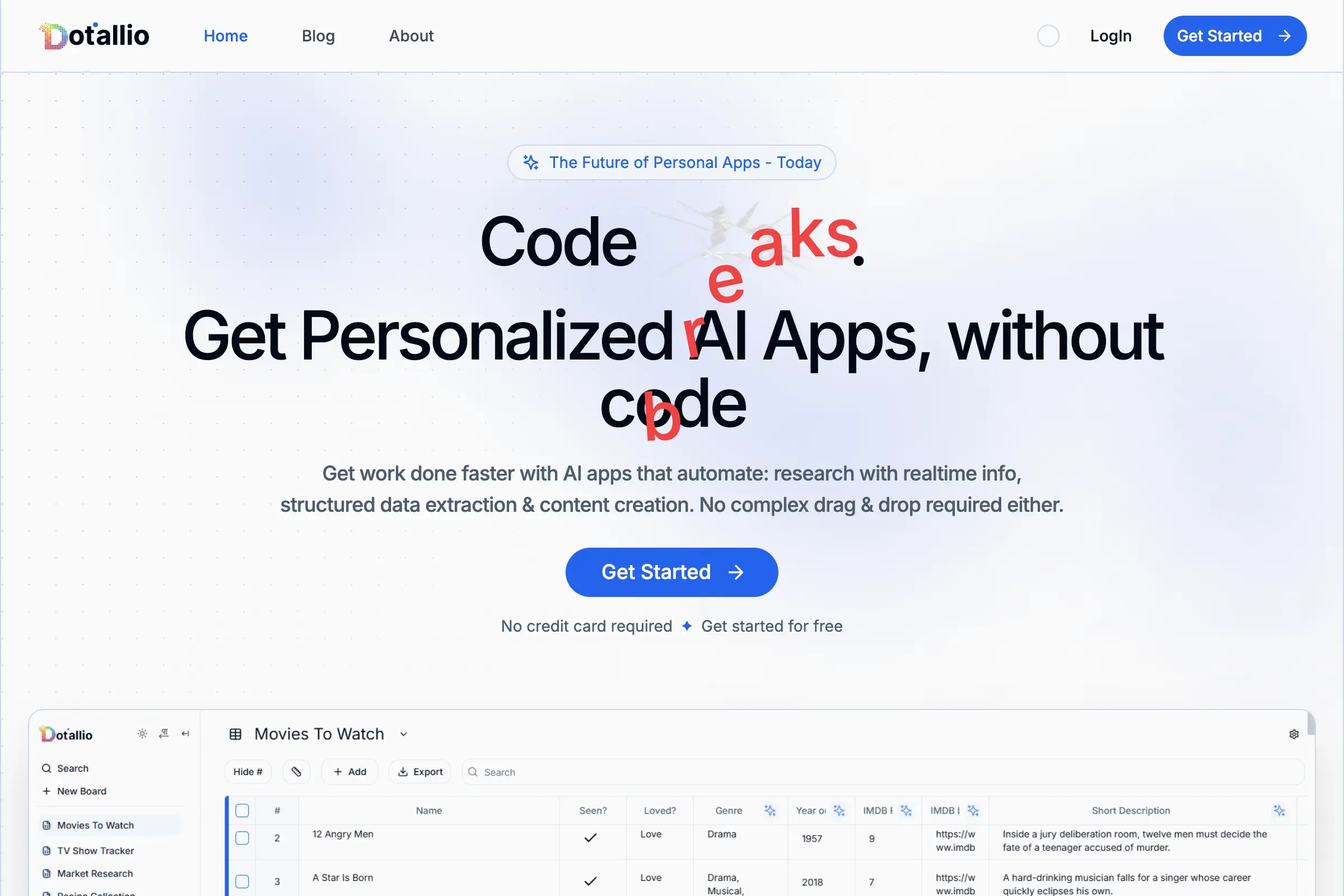
Dotallio
Personalized AI apps that automate research, data extraction, and content creation without code 🤖
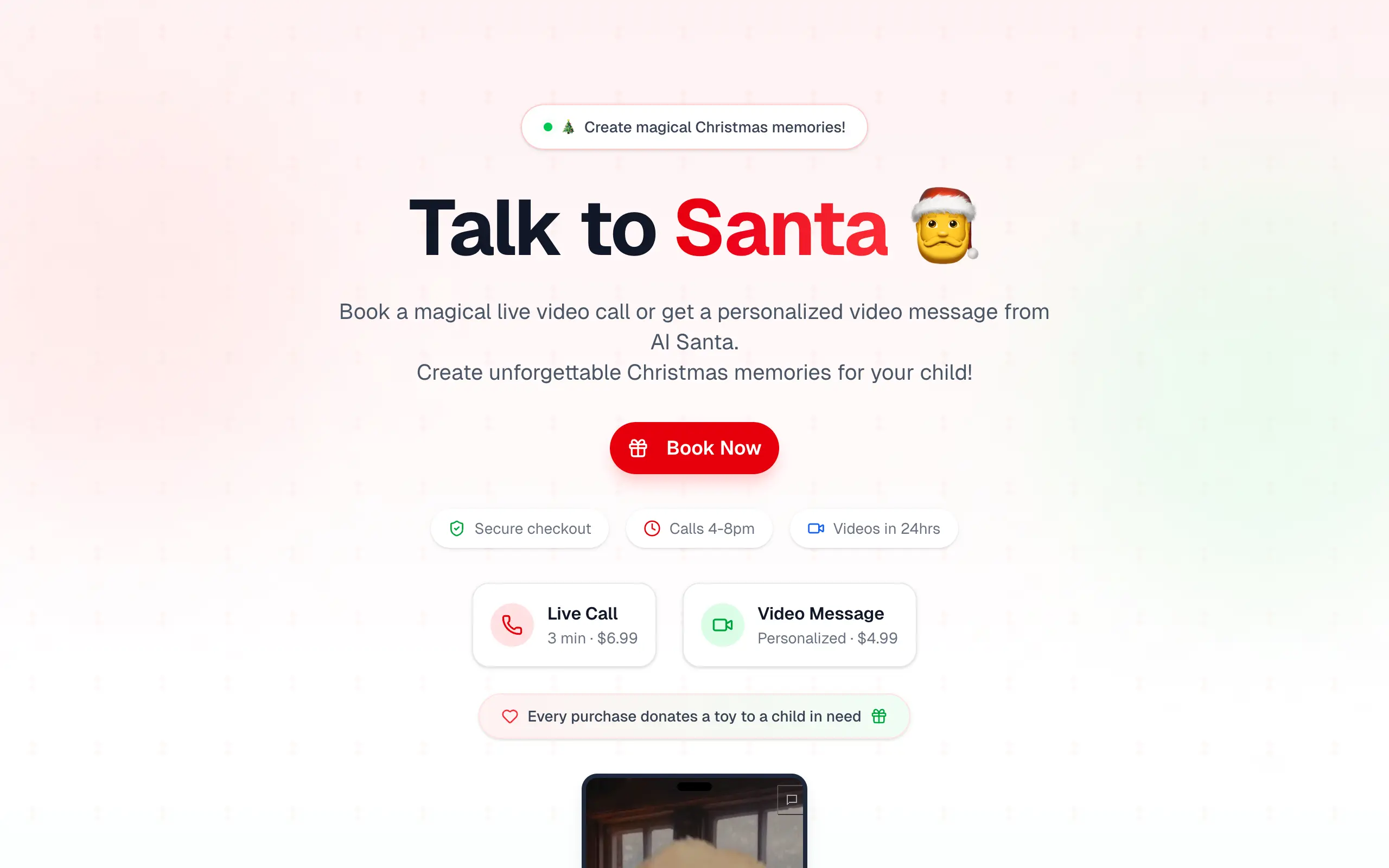
Talk to Santa
Enjoy a magical live video chat or receive a unique AI-generated video greeting from Santa Claus 🎅
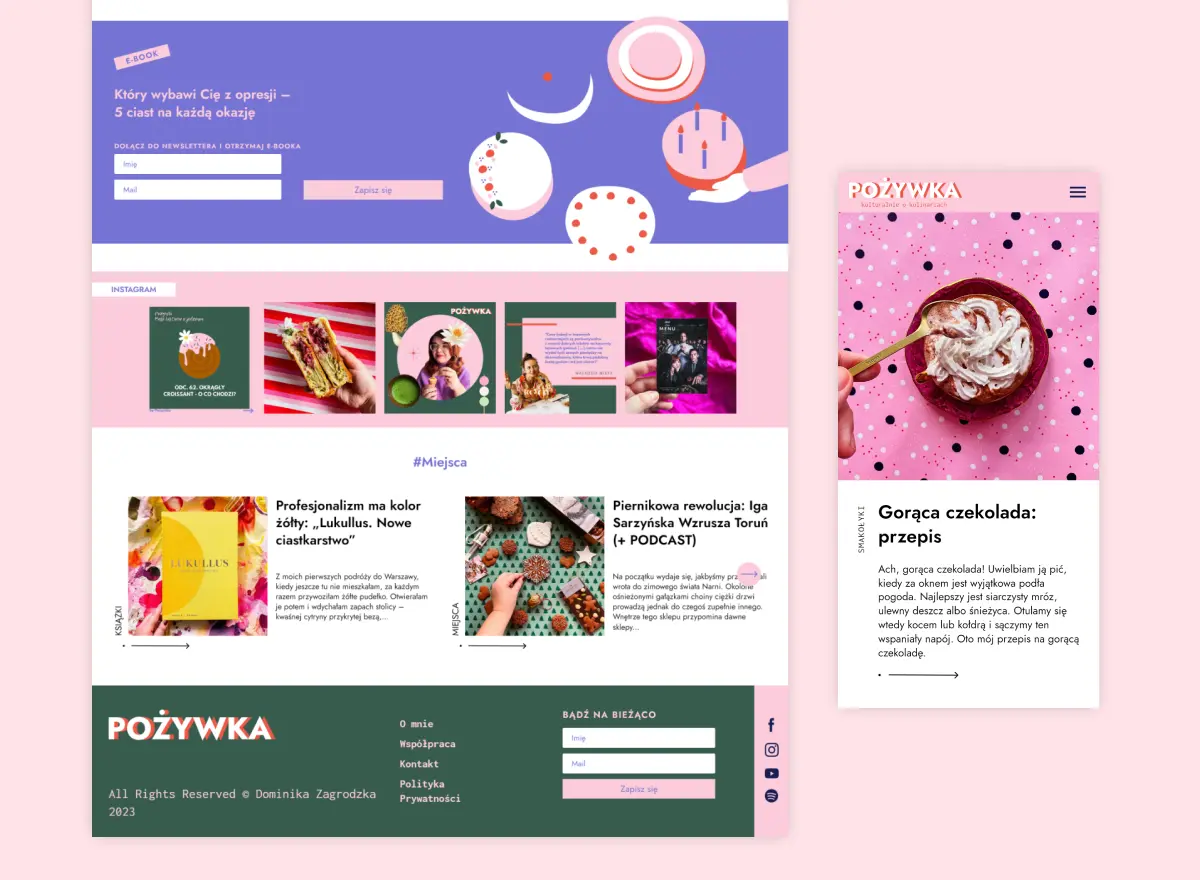
pozywka.pl
Scalable blog for food journalist, focused on performance and user experience 🌭
zagrodzki.me
Personal blog and portfolio of Bart Zagrodzki, where he shares his knowledge and work 💼
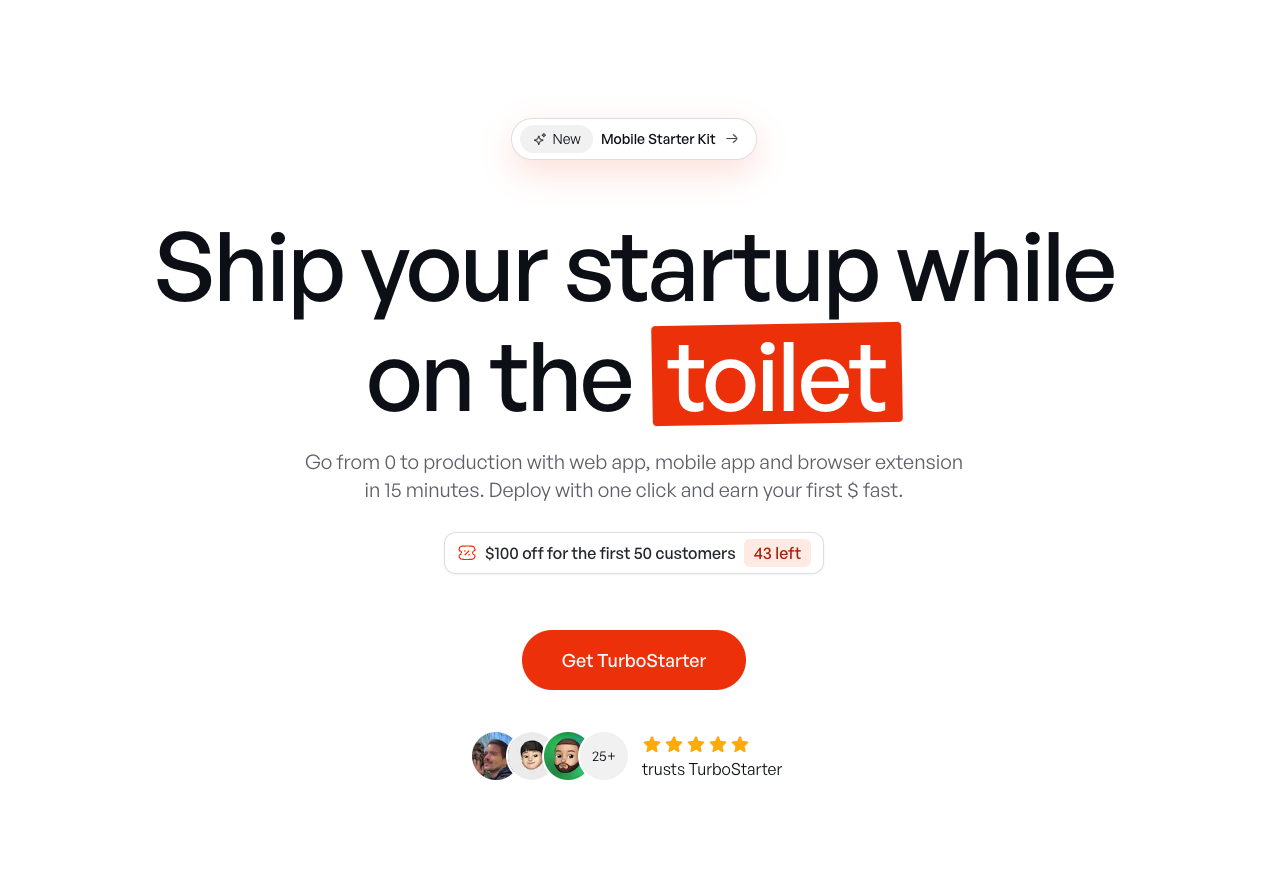
TurboStarter
Ship your startup everywhere. In minutes.
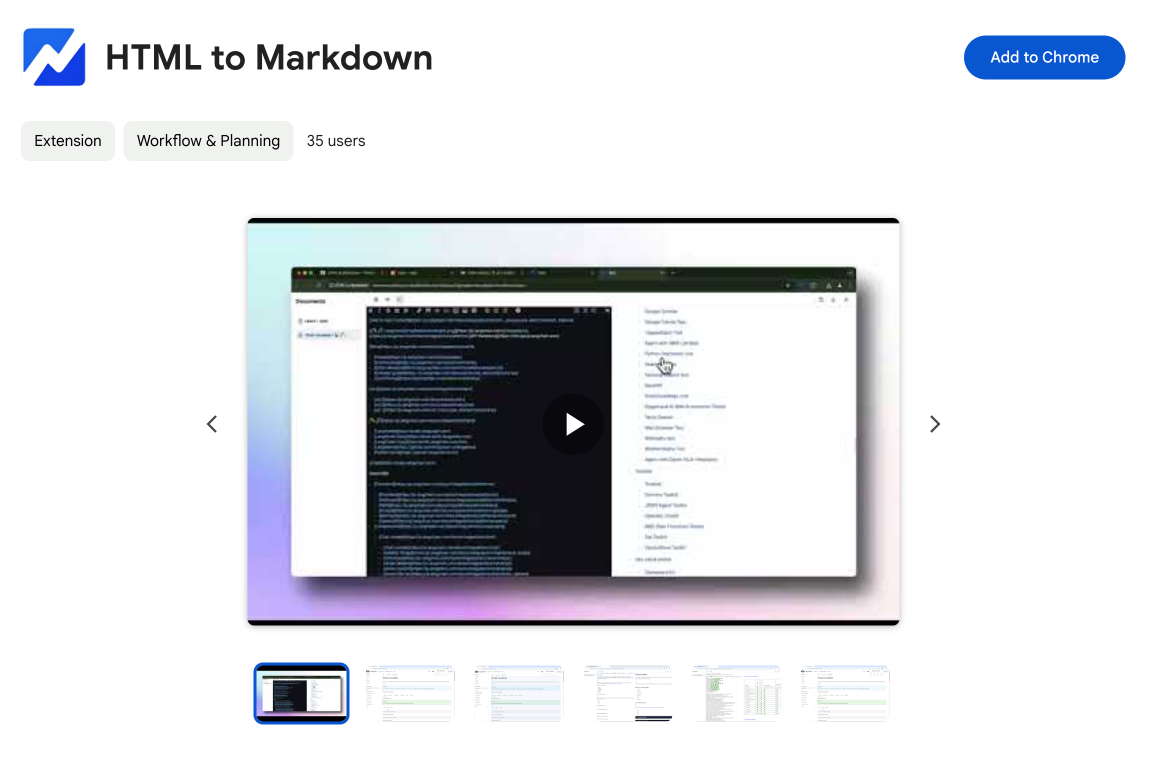
HTML to Markdown
Convert HTML to Markdown with ease, directly in your browser 📄
Dotallio
Personalized AI apps that automate research, data extraction, and content creation without code 🤖
Talk to Santa
Enjoy a magical live video chat or receive a unique AI-generated video greeting from Santa Claus 🎅
pozywka.pl
Scalable blog for food journalist, focused on performance and user experience 🌭
zagrodzki.me
Personal blog and portfolio of Bart Zagrodzki, where he shares his knowledge and work 💼
TurboStarter
Ship your startup everywhere. In minutes.
HTML to Markdown
Convert HTML to Markdown with ease, directly in your browser 📄
Dotallio
Personalized AI apps that automate research, data extraction, and content creation without code 🤖
Talk to Santa
Enjoy a magical live video chat or receive a unique AI-generated video greeting from Santa Claus 🎅
pozywka.pl
Scalable blog for food journalist, focused on performance and user experience 🌭
zagrodzki.me
Personal blog and portfolio of Bart Zagrodzki, where he shares his knowledge and work 💼
TurboStarter
Ship your startup everywhere. In minutes.
HTML to Markdown
Convert HTML to Markdown with ease, directly in your browser 📄
Dotallio
Personalized AI apps that automate research, data extraction, and content creation without code 🤖
Talk to Santa
Enjoy a magical live video chat or receive a unique AI-generated video greeting from Santa Claus 🎅
pozywka.pl
Scalable blog for food journalist, focused on performance and user experience 🌭
zagrodzki.me
Personal blog and portfolio of Bart Zagrodzki, where he shares his knowledge and work 💼
TurboStarter
Ship your startup everywhere. In minutes.
HTML to Markdown
Convert HTML to Markdown with ease, directly in your browser 📄
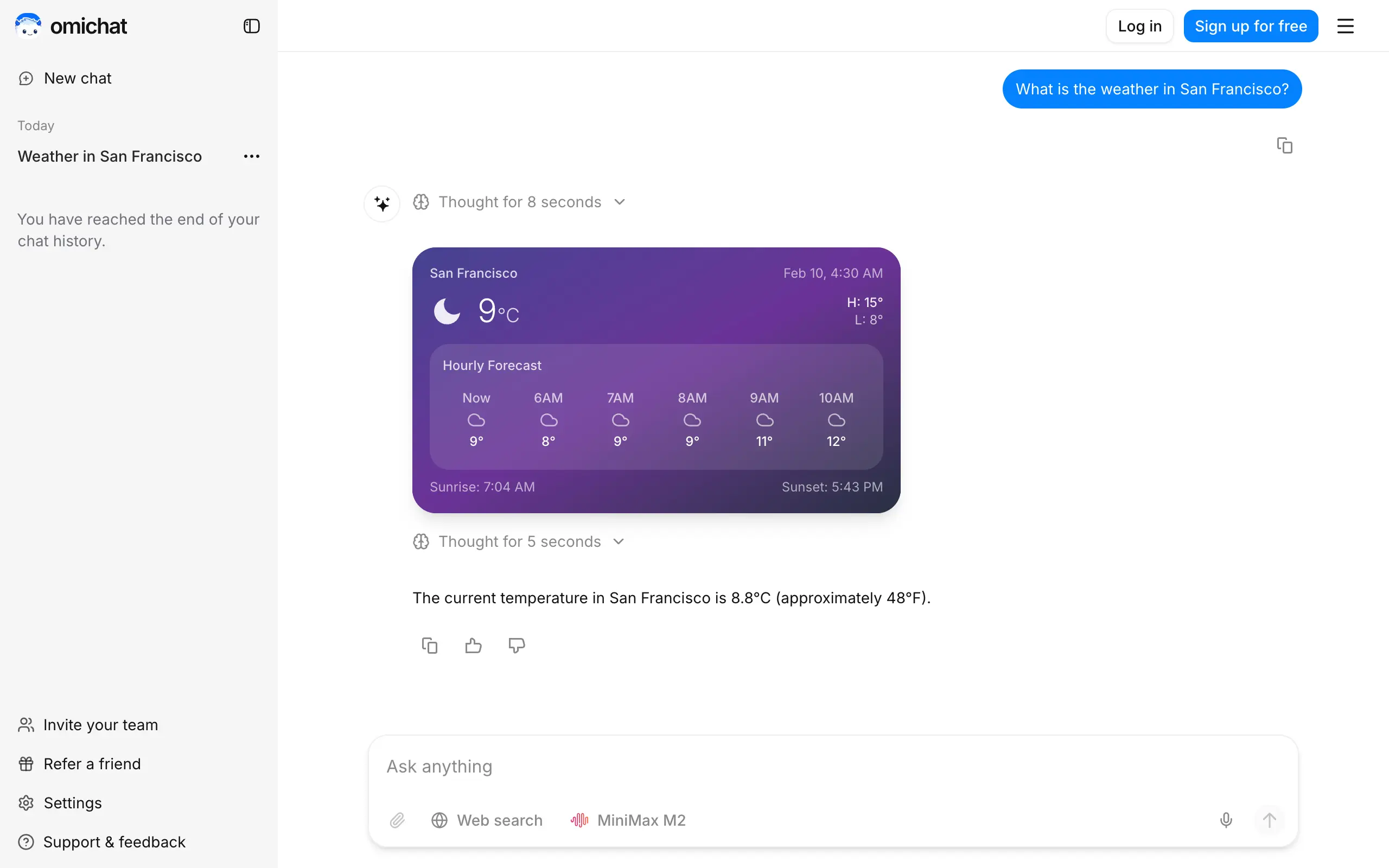
Omichat
Chat with 50+ AI models, including ChatGPT and Claude, in one place - switch models anytime without losing context 🤖
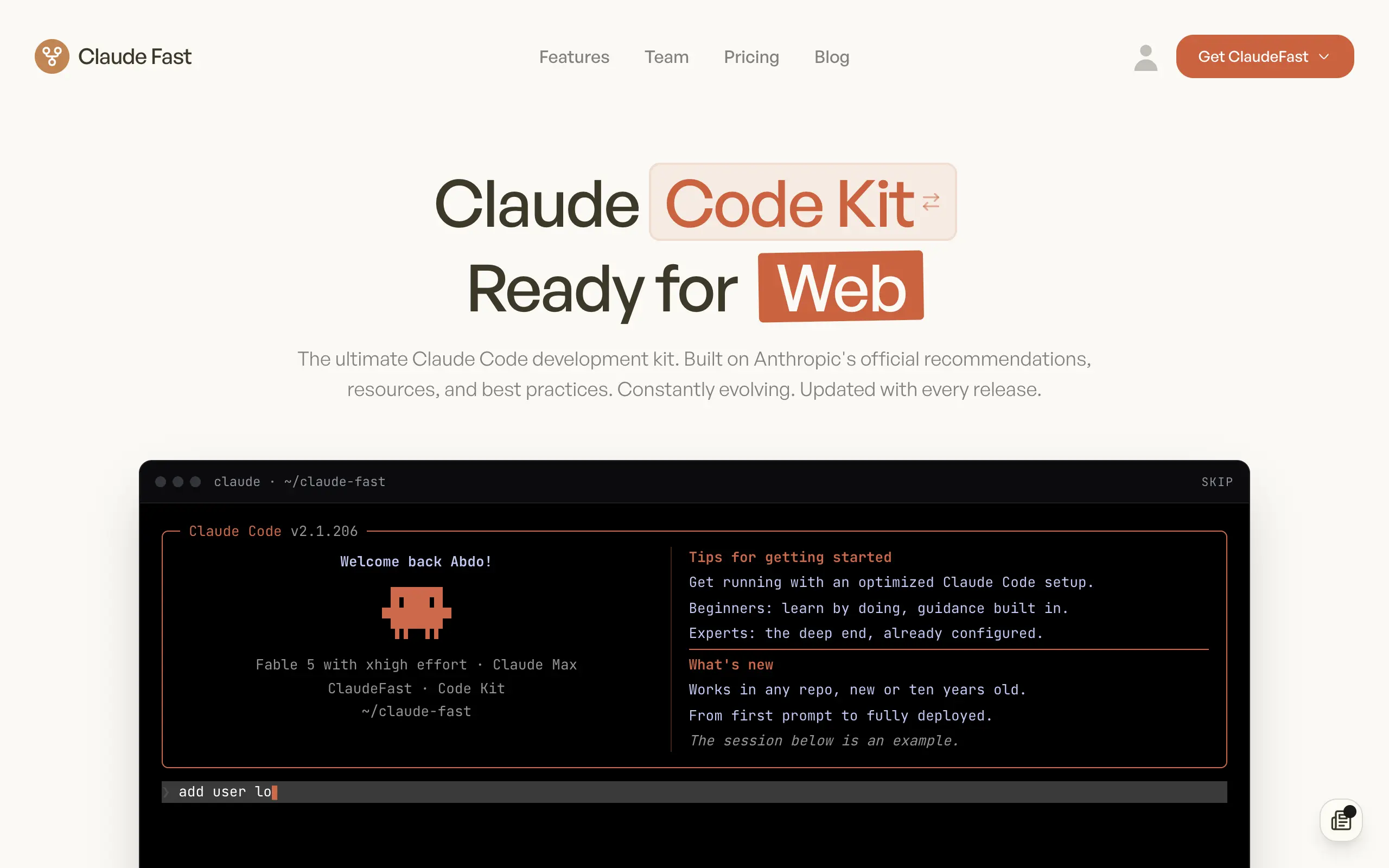
Claude Fast
Supercharge your Claude Code with 6x effective context window and specialized AI agents 🤖
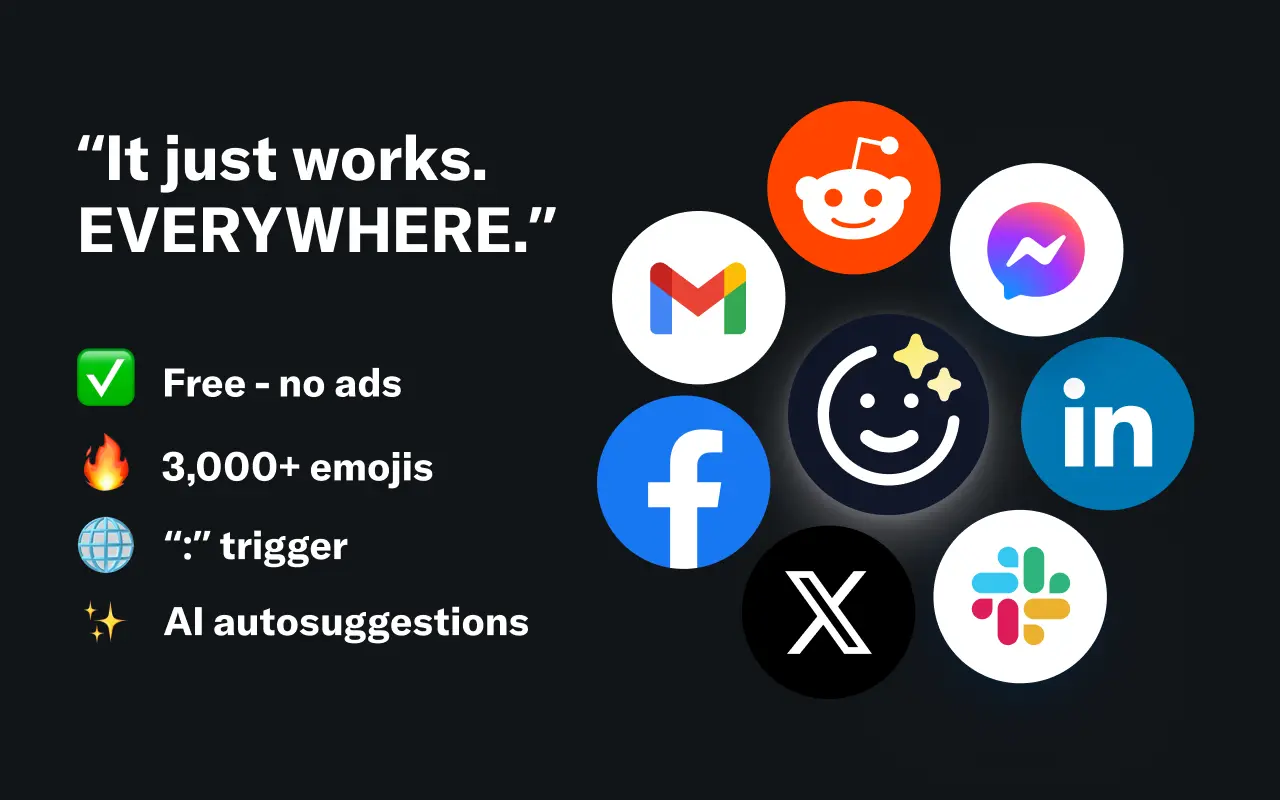
EmojAI
AI-powered emoji picker with smart, context-aware suggestions 🤖
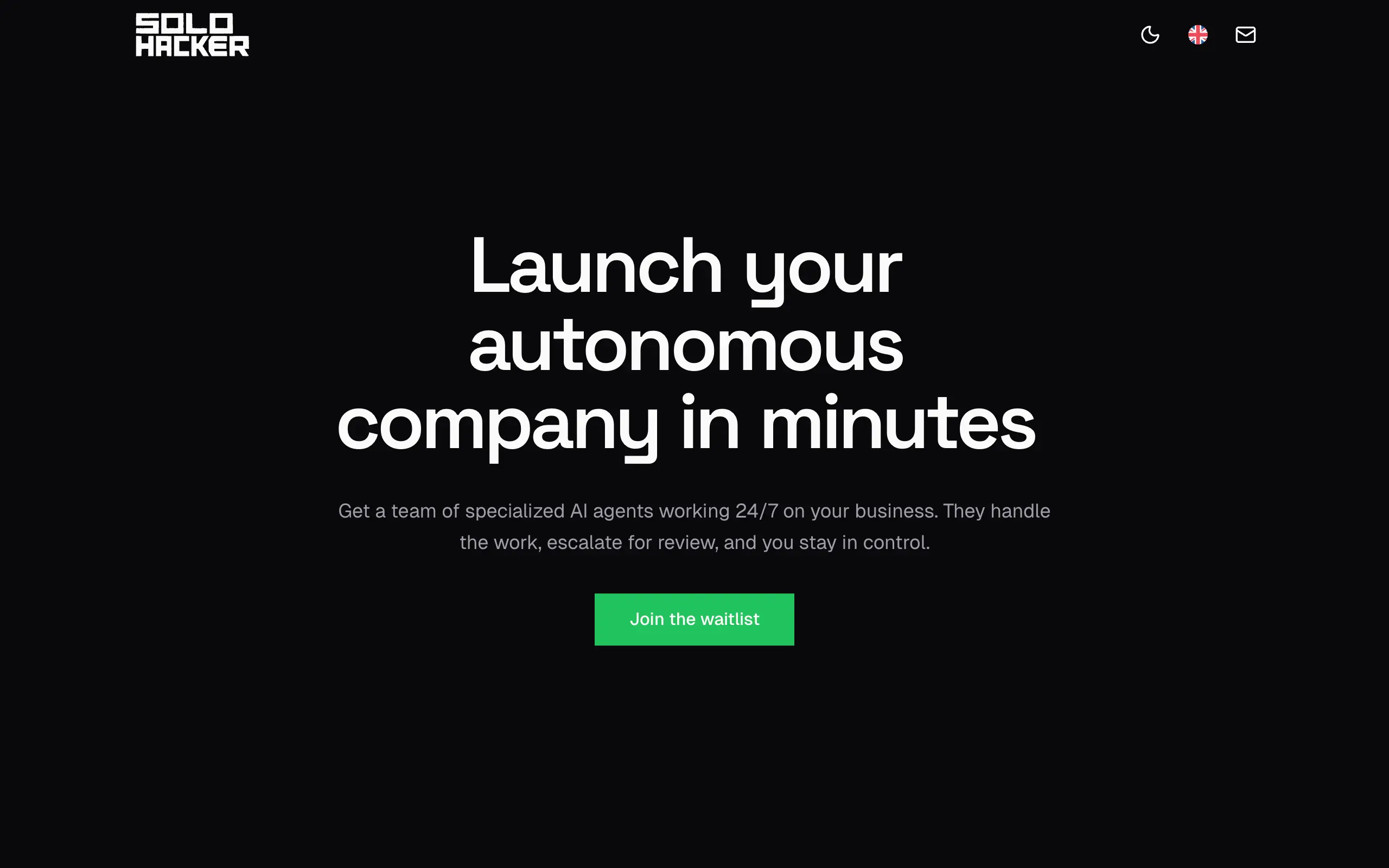
Solohacker
Autonomous company launcher - AI agents work 24/7, escalate what matters, and you stay in control 🤖
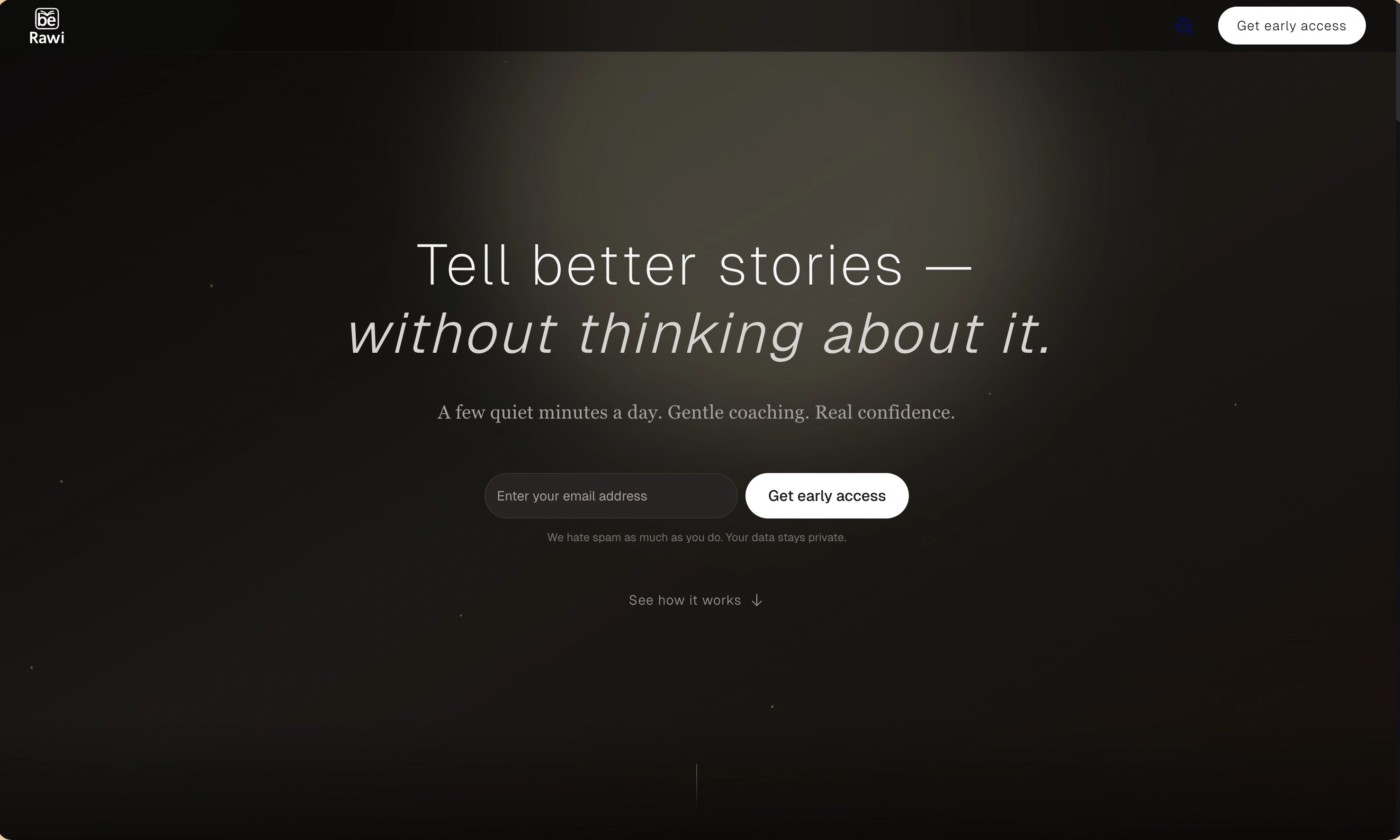
BeRawi: Storytelling Coach
Practice storytelling daily with instant feedback to sound clearer, more engaging, and confident 🎤
Omichat
Chat with 50+ AI models, including ChatGPT and Claude, in one place - switch models anytime without losing context 🤖
Claude Fast
Supercharge your Claude Code with 6x effective context window and specialized AI agents 🤖
EmojAI
AI-powered emoji picker with smart, context-aware suggestions 🤖
Solohacker
Autonomous company launcher - AI agents work 24/7, escalate what matters, and you stay in control 🤖
BeRawi: Storytelling Coach
Practice storytelling daily with instant feedback to sound clearer, more engaging, and confident 🎤
Omichat
Chat with 50+ AI models, including ChatGPT and Claude, in one place - switch models anytime without losing context 🤖
Claude Fast
Supercharge your Claude Code with 6x effective context window and specialized AI agents 🤖
EmojAI
AI-powered emoji picker with smart, context-aware suggestions 🤖
Solohacker
Autonomous company launcher - AI agents work 24/7, escalate what matters, and you stay in control 🤖
BeRawi: Storytelling Coach
Practice storytelling daily with instant feedback to sound clearer, more engaging, and confident 🎤
Omichat
Chat with 50+ AI models, including ChatGPT and Claude, in one place - switch models anytime without losing context 🤖
Claude Fast
Supercharge your Claude Code with 6x effective context window and specialized AI agents 🤖
EmojAI
AI-powered emoji picker with smart, context-aware suggestions 🤖
Solohacker
Autonomous company launcher - AI agents work 24/7, escalate what matters, and you stay in control 🤖
BeRawi: Storytelling Coach
Practice storytelling daily with instant feedback to sound clearer, more engaging, and confident 🎤

Connect with like-minded people
Join our community to get feedback, support, and grow together with 1,000+ builders on board, let's ship it!
Join usShip your startup everywhere. In minutes.
Don't burn tokens on setup and start building features on day one.