ChartMentor
AI trading assistant offering journaling, risk management, live charting, news-based analysis, and a chat interface to interact with your trades and charts in real time.
Understanding the need for an AI trading assistant
The world of trading has evolved rapidly, with technology playing a pivotal role in shaping how traders analyze markets, manage risk, and make decisions. Yet, even with a plethora of tools available, many traders—both retail and professional—struggle to synthesize information, maintain discipline, and adapt to fast-moving markets. This is where an AI trading assistant like ChartMentor steps in, offering a comprehensive suite of features: journaling, risk management, live charting, news-based analysis, and a real-time chat interface.
In this article, we’ll explore the market demand for such a solution, analyze the target audience, break down the core features, and provide a roadmap for building and monetizing ChartMentor. We’ll also discuss the competitive landscape, potential risks, and actionable steps for implementation.
Who needs ChartMentor? Target audience analysis
Understanding the end user is crucial for any SaaS product, especially in the trading and finance sector. ChartMentor’s primary audience includes:
- Retail traders: Individuals trading stocks, forex, crypto, or commodities, often using multiple platforms and tools.
- Professional traders: Those working in prop firms, hedge funds, or as independent portfolio managers.
- Trading educators and coaches: Professionals who teach trading strategies and risk management.
- Quantitative analysts and algorithmic traders: Users who value data-driven insights and automation.
- Aspiring traders: Beginners seeking guidance, structure, and learning resources.
Key pain points faced by these users:
- Information overload from disparate sources (charts, news, social media, etc.).
- Difficulty maintaining a consistent trading journal and learning from past trades.
- Lack of real-time, actionable insights tailored to their trading style.
- Inadequate risk management tools integrated with their workflow.
- The need for a conversational interface to quickly query data or get explanations.
By addressing these pain points, ChartMentor positions itself as an indispensable AI trading assistant.
Identifying the market opportunity and gaps
The trading technology market is crowded, but significant gaps remain:
- Fragmented toolsets: Most traders juggle multiple apps for charting, journaling, news, and risk management, leading to inefficiency.
- Limited AI integration: While some platforms offer basic automation, few provide true conversational AI that understands context and can interact with charts and trades in real time.
- Poor user experience: Many legacy platforms are clunky, non-intuitive, or lack mobile-friendly interfaces.
- Lack of personalized insights: Generic alerts and analysis fail to adapt to individual trading styles or risk profiles.
Market trends supporting ChartMentor’s opportunity:
- The global algorithmic trading market is projected to reach $31.49 billion by 2028 (source: suggest referencing a recent market research report).
- AI adoption in fintech is accelerating, with traders increasingly seeking intelligent assistants.
- Demand for integrated, all-in-one trading workspaces is rising, especially among younger, tech-savvy traders.
Core features and solution details
ChartMentor’s value proposition lies in its seamless integration of essential trading tools, all powered by AI. Let’s break down each core feature:
AI-powered journaling
- Automatic trade logging: Capture every trade, including entry/exit, rationale, and outcome, directly from connected broker accounts or manual input.
- Sentiment and pattern analysis: Use AI to detect behavioral biases, recurring mistakes, and emotional triggers.
- Performance dashboards: Visualize win rates, risk/reward ratios, and progress over time.
Advanced risk management
- Real-time risk assessment: Calculate position sizing, stop-loss levels, and portfolio exposure dynamically.
- Customizable risk rules: Set personal risk parameters (e.g., max daily loss, per-trade risk) and receive proactive alerts.
- Scenario simulation: Model “what-if” scenarios to understand potential outcomes before executing trades.
Live charting and technical analysis
- Interactive charts: Access multi-asset, multi-timeframe charts with drawing tools and technical indicators.
- AI-driven pattern recognition: Automatically highlight chart patterns, support/resistance zones, and trendlines.
- Strategy backtesting: Test trading strategies on historical data with instant feedback.
News-based analysis
- Real-time news aggregation: Curate news from trusted financial sources, social media, and economic calendars.
- AI sentiment analysis: Gauge market sentiment and flag news events likely to impact your watchlist.
- Event-driven alerts: Get notified of breaking news relevant to your positions or interests.
Conversational chat interface
- Natural language queries: Ask questions like “Show me my last 10 trades on EUR/USD” or “What’s the risk on my current portfolio?”
- Trade and chart interaction: Place trades, annotate charts, or set alerts directly via chat.
- Learning and coaching: Receive explanations of technical concepts, trading strategies, or risk management best practices.
Unified workspace
All essential trading tools in one AI-powered platform.
Personalized insights
AI adapts to your trading style and risk profile.
Conversational interface
Interact with your trades and charts using natural language.
Recommended tech stack for ChartMentor
Building a robust, scalable, and secure AI trading assistant requires careful selection of technologies. Here’s a recommended stack, with trade-offs considered:
Frontend
- React: For building a dynamic, responsive user interface.
- TailwindCSS: Enables rapid UI development with utility-first CSS.
- Redux or Zustand: For state management, especially for real-time data and user sessions.
- D3.js or TradingView Charting Library: For advanced charting and data visualization.
Trade-off: TradingView’s library offers rich features but may have licensing costs; D3.js is more flexible but requires more custom development.
Backend
- Node.js: For scalable, event-driven server logic.
- Python: Ideal for AI/ML components, data analysis, and integration with trading APIs.
- FastAPI: For building high-performance REST APIs (if using Python).
- PostgreSQL: Reliable, scalable relational database for user data, trades, and journaling.
- Redis: For caching and real-time data feeds.
AI and NLP
- OpenAI GPT-4: For conversational AI and natural language understanding.
- spaCy or Hugging Face Transformers: For custom NLP tasks like sentiment analysis and pattern recognition.
Integrations
- Broker APIs: e.g., Interactive Brokers, Alpaca, Binance, etc., for trade execution and data.
- News APIs: e.g., NewsAPI, Alpha Vantage, or direct RSS feeds.
Hosting and DevOps
- AWS or Google Cloud: For scalable cloud infrastructure.
- Docker: For containerization and deployment.
- TurboStarter: For rapid SaaS boilerplate and deployment acceleration.
Why TurboStarter?
TurboStarter provides a robust foundation for SaaS products, offering authentication, billing, and deployment out of the box—accelerating your go-to-market timeline.
Monetization strategy options
A successful SaaS must balance value delivery with sustainable revenue. ChartMentor can consider several monetization models:
1. Subscription-based pricing
- Tiered plans: Offer Basic (limited features), Pro (full access), and Enterprise (custom integrations/support).
- Monthly/annual billing: Incentivize annual plans with discounts.
2. Freemium model
- Free tier: Limited journaling and charting, basic AI chat.
- Paid upgrades: Unlock advanced risk management, news analysis, and premium AI features.
3. Usage-based pricing
- API calls or data usage: Charge based on the number of AI queries, chart loads, or news alerts.
4. Add-ons and marketplace
- Premium indicators, strategies, or news feeds: Offer as paid add-ons.
- Third-party integrations: Allow partners to build and sell plugins.
5. White-label and B2B licensing
- Custom solutions for trading firms or educators: License the platform with branding and custom features.
Consider your target audience’s willingness to pay, the value delivered at each tier, and the competitive landscape. Start with a simple subscription, then expand as you validate demand.
Potential risks and mitigation strategies
Launching an AI trading assistant involves several risks. Here’s how to address them:
1. Regulatory compliance
- Risk: Financial data handling and trade execution are subject to strict regulations (e.g., GDPR, SEC, MiFID II).
- Mitigation: Consult legal experts, implement robust data privacy controls, and ensure clear disclaimers about AI-generated advice.
2. Data security
- Risk: Sensitive user data (trades, account info) is a prime target for breaches.
- Mitigation: Use end-to-end encryption, regular security audits, and secure cloud infrastructure.
3. AI accuracy and bias
- Risk: Inaccurate or biased AI recommendations can lead to user losses.
- Mitigation: Clearly communicate AI limitations, allow user overrides, and continuously retrain models with diverse data.
4. Market volatility
- Risk: Sudden market events can overwhelm systems or produce misleading signals.
- Mitigation: Build robust error handling, real-time monitoring, and fallback mechanisms.
5. User adoption and retention
- Risk: Traders may be skeptical of new tools or find onboarding complex.
- Mitigation: Offer guided onboarding, in-app tutorials, and responsive support.
Competitive advantage analysis
ChartMentor stands out in a crowded market by combining several unique strengths:
| Feature | ChartMentor | Legacy Platforms | Standalone Journals | Basic AI Bots | Manual Tools |
|---|---|---|---|---|---|
| Unified workspace | ✅ | ❌ | ❌ | ✅ | ❌ |
| Conversational AI | ✅ | ❌ | ✅ | ✅ | ❌ |
Key differentiators:
- All-in-one platform: No need to juggle multiple subscriptions or tools.
- Real-time, context-aware AI: Not just static alerts, but interactive, personalized guidance.
- Deep integration: Connects journaling, risk, news, and charting in a seamless workflow.
- User-centric design: Modern, intuitive UI with mobile and desktop support.
Actionable implementation steps
Ready to bring ChartMentor to life? Here’s a step-by-step roadmap:
Conclusion: Why ChartMentor is the future of AI trading assistants
ChartMentor is more than just another trading tool—it’s a next-generation AI trading assistant designed to empower traders at every level. By unifying journaling, risk management, live charting, news-based analysis, and a conversational interface, it addresses the real-world challenges faced by modern traders.
What sets ChartMentor apart?
- Deep AI integration for actionable, personalized insights.
- Seamless, intuitive user experience.
- Robust security and compliance for peace of mind.
- Flexible monetization and growth potential.
As AI continues to transform the financial sector, platforms like ChartMentor will become essential for traders seeking an edge in increasingly complex markets. By following the implementation steps above and leveraging the right technology, you can build a SaaS that not only meets but exceeds user expectations.
Frequently asked questions
Absolutely. ChartMentor’s guided onboarding, educational resources, and conversational AI make it accessible for traders of all experience levels.
By implementing end-to-end encryption, secure cloud hosting, and strict compliance with data protection regulations.
Yes, ChartMentor is designed to integrate with popular broker APIs for seamless trade logging and execution.
Unlike basic bots, ChartMentor’s AI is context-aware, learns from your trading behavior, and provides personalized, actionable insights in real time.
Ready to build the future of trading? ChartMentor is your AI-powered edge.
More 🤖 AI Startup SaaS ideas
Discover more innovative ai startup SaaS ideas that are trending in 2026. Each idea is AI-generated with market validation and growth potential to help you find your next profitable venture faster than competitors.
Your competitors are building with TurboStarter
Below are some of the SaaS ideas that have been generated and built with our starter kit.
Statiko
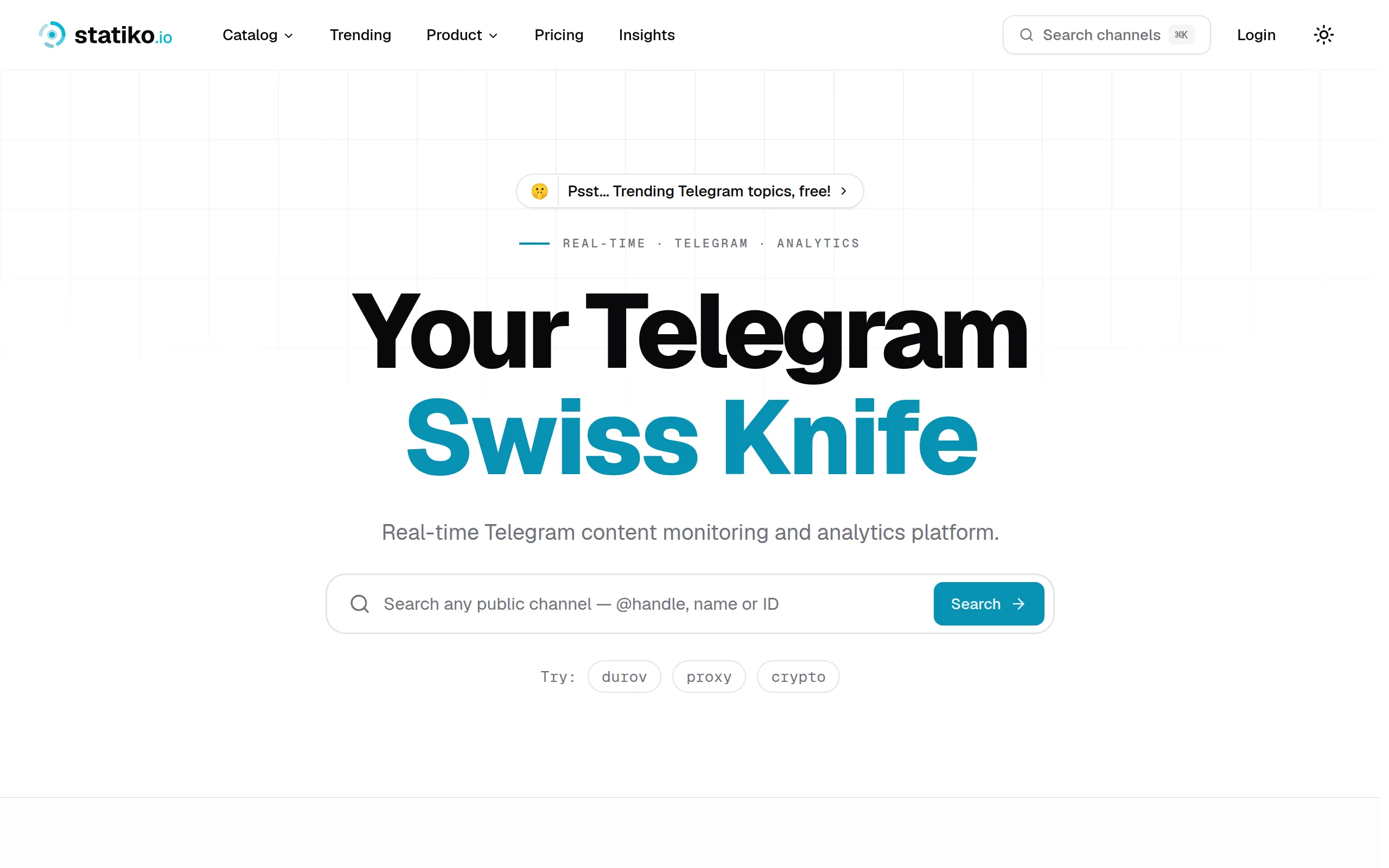
Monitor any Telegram channel in real time - track posts, edits, deletions, and growth with AI recaps 📡

Shibui
AI website builder - describe your business, pick a niche template, edit by chatting, and publish instantly ✨

Pro Service
Find verified home service professionals, compare quotes, and pay securely through escrow - built for Brazilians across the US 🏠

RankGrow
Fix your SEO with AI agents - connect Search Console, get prioritized tasks, and grow organic traffic 📈
SyncReads
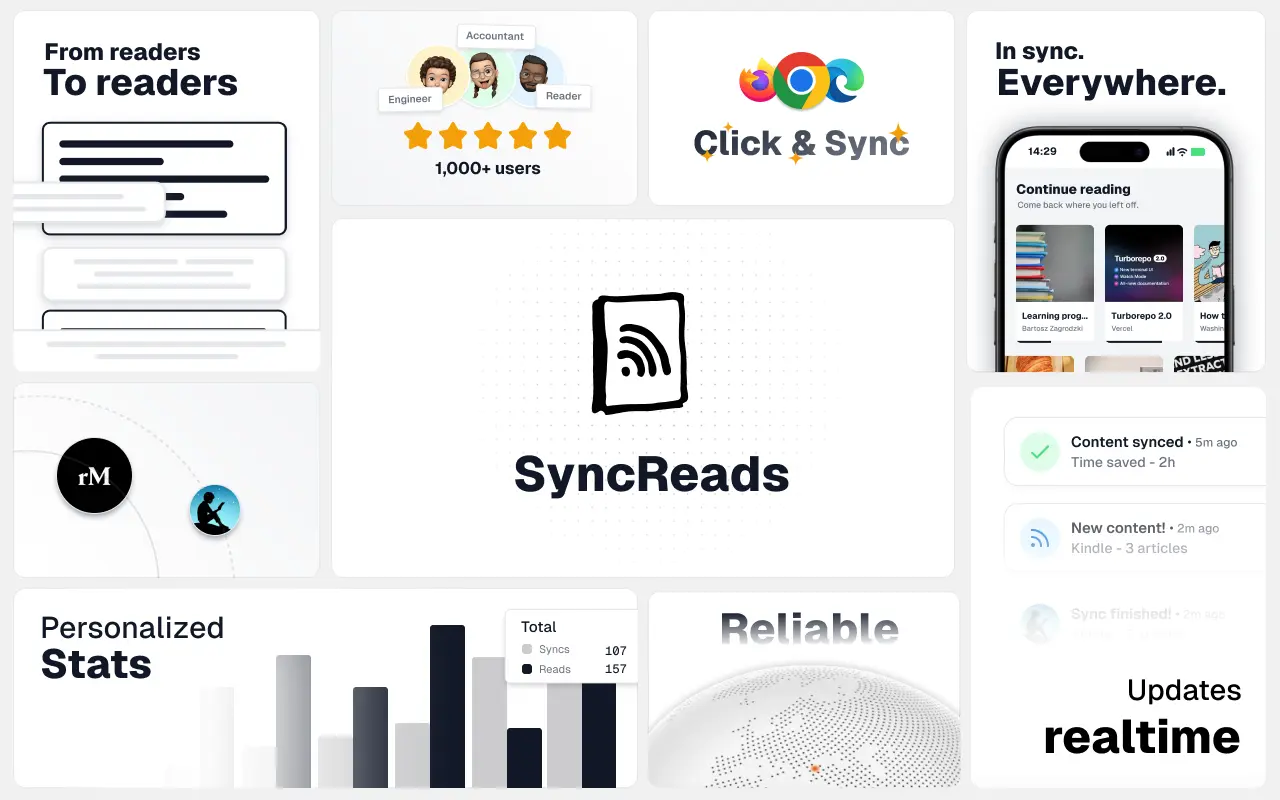
Sync your favorite content for distraction-free reading, save time and replace multiple apps. Anytime, anywhere 🔄
Socialcrawl
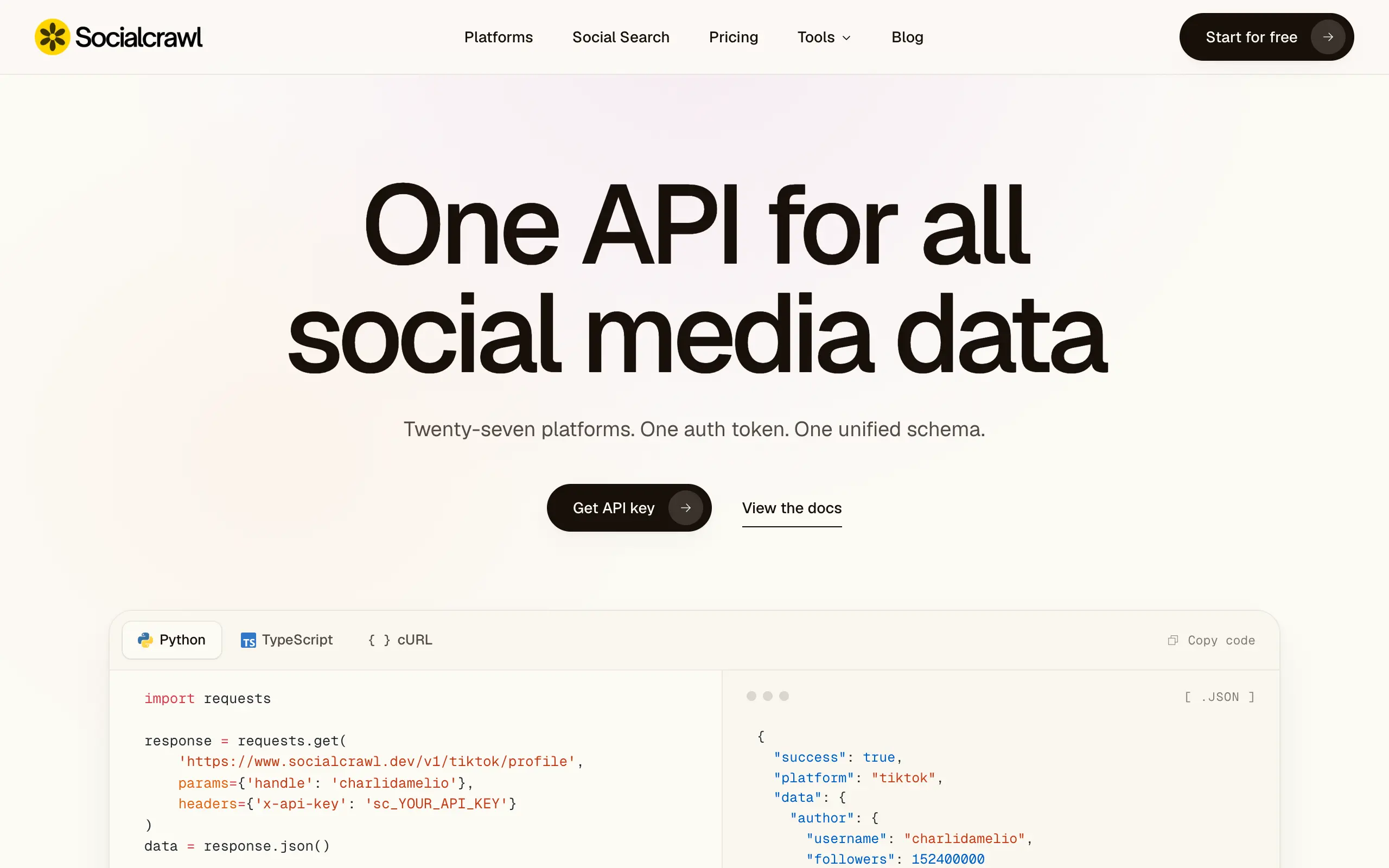
Get clean, structured data from 21 platforms like TikTok, Instagram, and YouTube with a single request 📊
Statiko
Monitor any Telegram channel in real time - track posts, edits, deletions, and growth with AI recaps 📡
Shibui
AI website builder - describe your business, pick a niche template, edit by chatting, and publish instantly ✨
Pro Service
Find verified home service professionals, compare quotes, and pay securely through escrow - built for Brazilians across the US 🏠
RankGrow
Fix your SEO with AI agents - connect Search Console, get prioritized tasks, and grow organic traffic 📈
SyncReads
Sync your favorite content for distraction-free reading, save time and replace multiple apps. Anytime, anywhere 🔄
Socialcrawl
Get clean, structured data from 21 platforms like TikTok, Instagram, and YouTube with a single request 📊
Statiko
Monitor any Telegram channel in real time - track posts, edits, deletions, and growth with AI recaps 📡
Shibui
AI website builder - describe your business, pick a niche template, edit by chatting, and publish instantly ✨
Pro Service
Find verified home service professionals, compare quotes, and pay securely through escrow - built for Brazilians across the US 🏠
RankGrow
Fix your SEO with AI agents - connect Search Console, get prioritized tasks, and grow organic traffic 📈
SyncReads
Sync your favorite content for distraction-free reading, save time and replace multiple apps. Anytime, anywhere 🔄
Socialcrawl
Get clean, structured data from 21 platforms like TikTok, Instagram, and YouTube with a single request 📊
Statiko
Monitor any Telegram channel in real time - track posts, edits, deletions, and growth with AI recaps 📡
Shibui
AI website builder - describe your business, pick a niche template, edit by chatting, and publish instantly ✨
Pro Service
Find verified home service professionals, compare quotes, and pay securely through escrow - built for Brazilians across the US 🏠
RankGrow
Fix your SEO with AI agents - connect Search Console, get prioritized tasks, and grow organic traffic 📈
SyncReads
Sync your favorite content for distraction-free reading, save time and replace multiple apps. Anytime, anywhere 🔄
Socialcrawl
Get clean, structured data from 21 platforms like TikTok, Instagram, and YouTube with a single request 📊
Dotallio
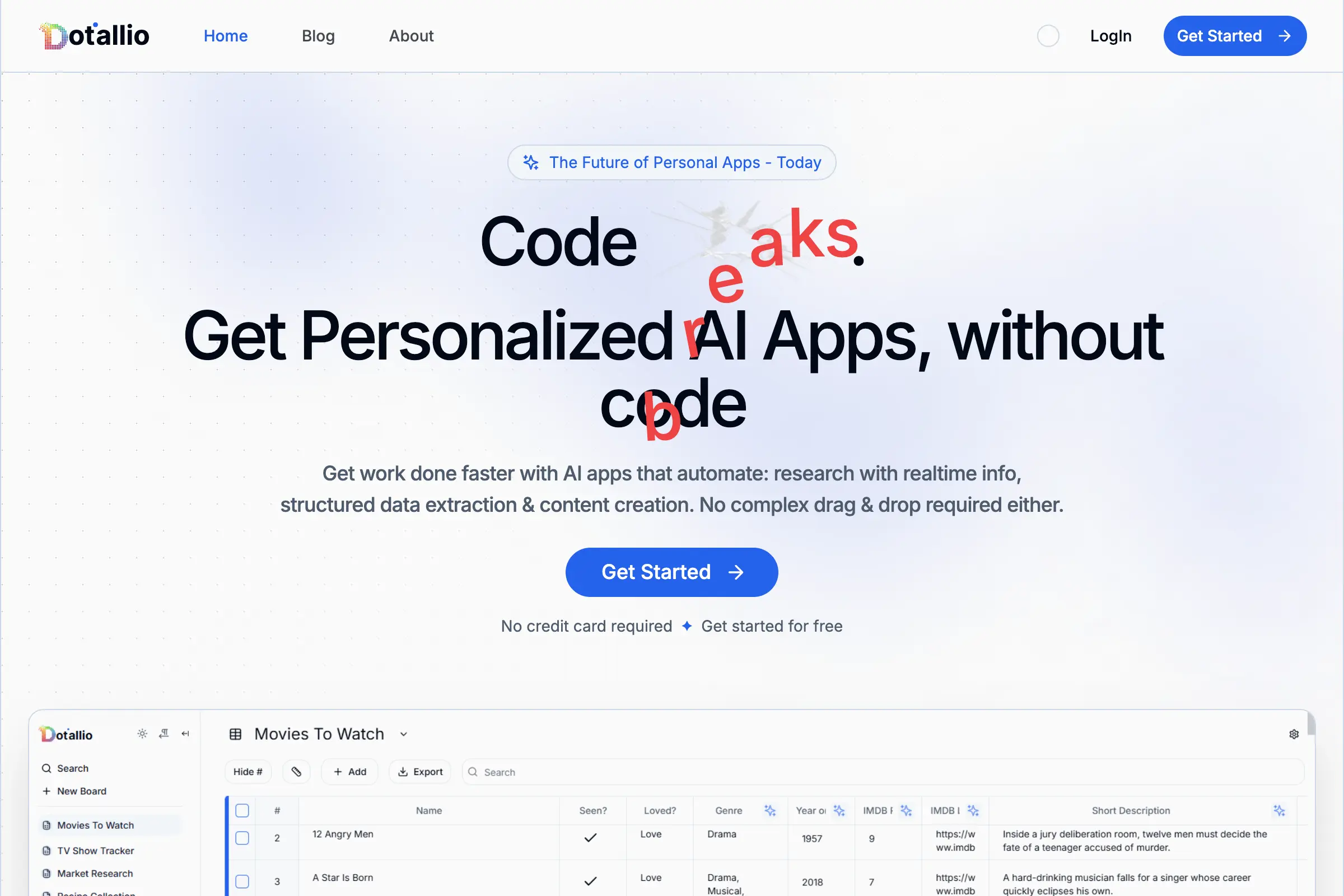
Personalized AI apps that automate research, data extraction, and content creation without code 🤖

Talk to Santa
Enjoy a magical live video chat or receive a unique AI-generated video greeting from Santa Claus 🎅

pozywka.pl
Scalable blog for food journalist, focused on performance and user experience 🌭
zagrodzki.me
Personal blog and portfolio of Bart Zagrodzki, where he shares his knowledge and work 💼
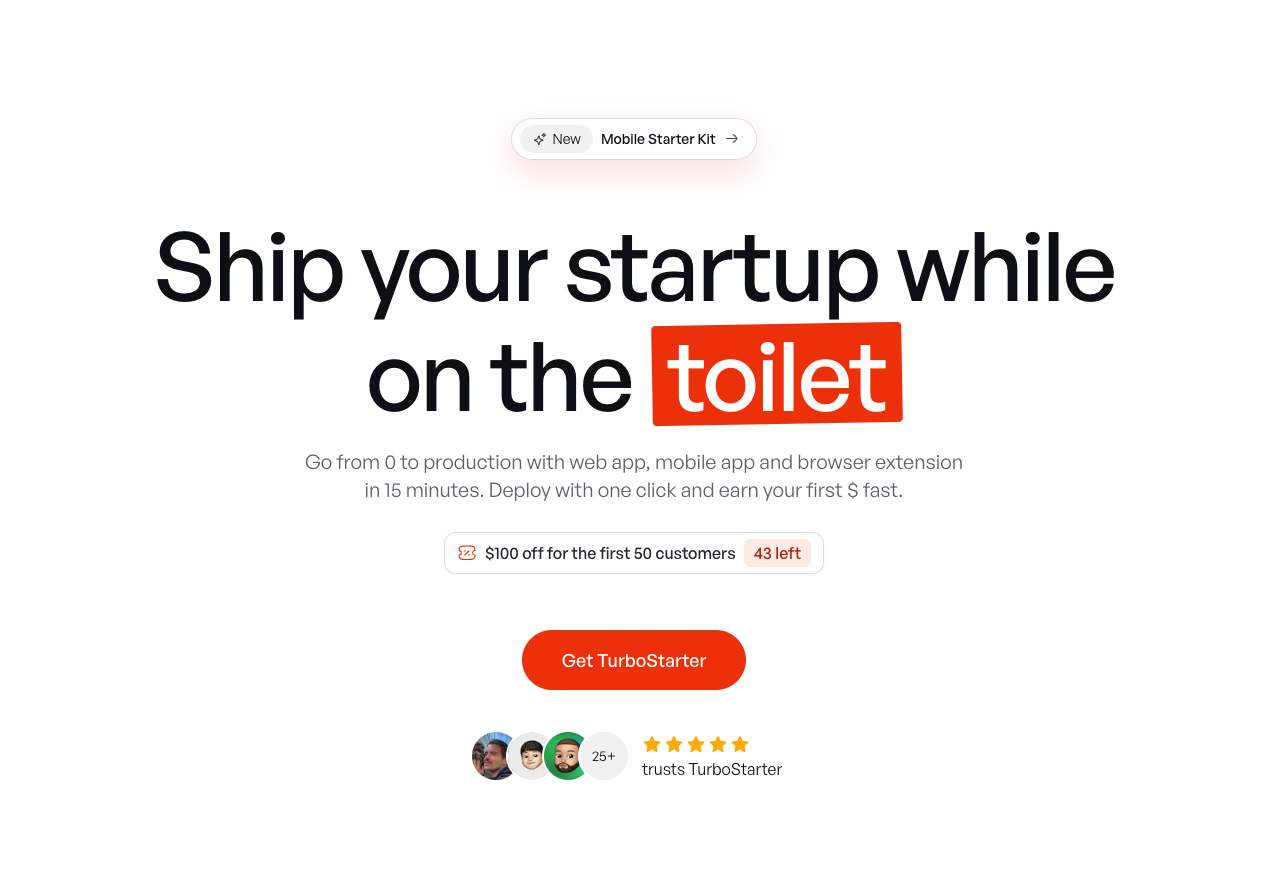
TurboStarter
Ship your startup everywhere. In minutes.
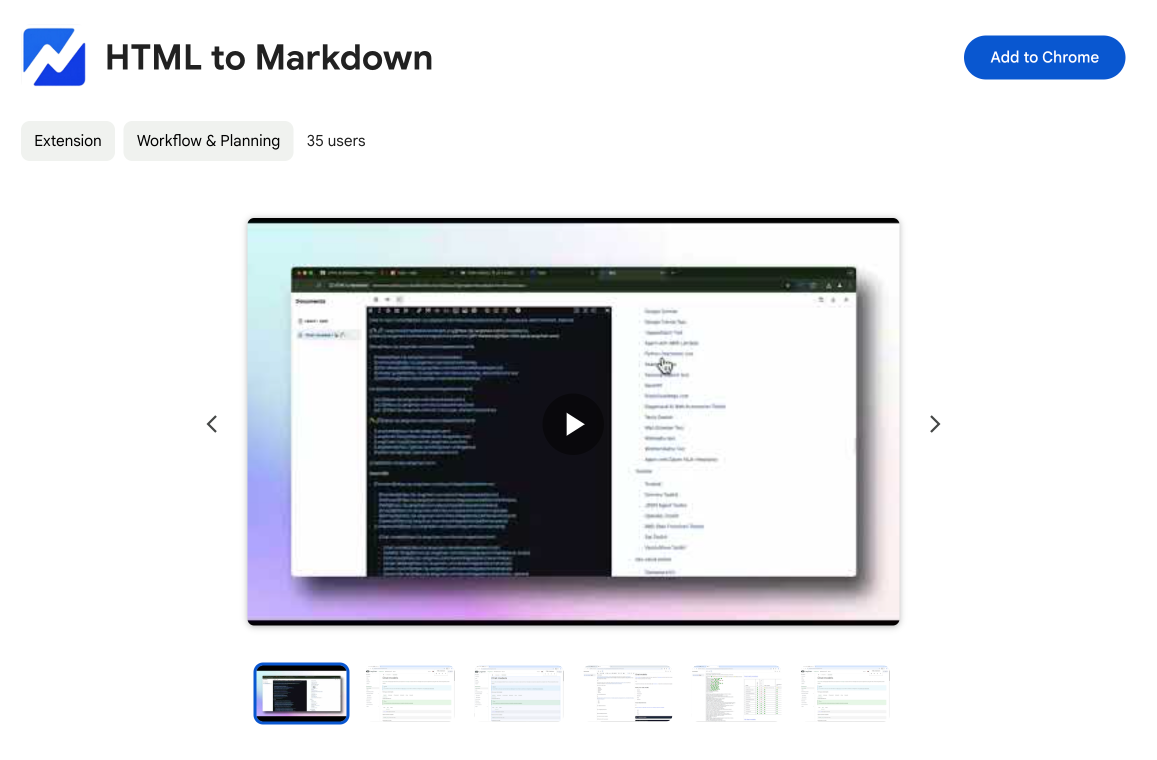
HTML to Markdown
Convert HTML to Markdown with ease, directly in your browser 📄
Dotallio
Personalized AI apps that automate research, data extraction, and content creation without code 🤖
Talk to Santa
Enjoy a magical live video chat or receive a unique AI-generated video greeting from Santa Claus 🎅
pozywka.pl
Scalable blog for food journalist, focused on performance and user experience 🌭
zagrodzki.me
Personal blog and portfolio of Bart Zagrodzki, where he shares his knowledge and work 💼
TurboStarter
Ship your startup everywhere. In minutes.
HTML to Markdown
Convert HTML to Markdown with ease, directly in your browser 📄
Dotallio
Personalized AI apps that automate research, data extraction, and content creation without code 🤖
Talk to Santa
Enjoy a magical live video chat or receive a unique AI-generated video greeting from Santa Claus 🎅
pozywka.pl
Scalable blog for food journalist, focused on performance and user experience 🌭
zagrodzki.me
Personal blog and portfolio of Bart Zagrodzki, where he shares his knowledge and work 💼
TurboStarter
Ship your startup everywhere. In minutes.
HTML to Markdown
Convert HTML to Markdown with ease, directly in your browser 📄
Dotallio
Personalized AI apps that automate research, data extraction, and content creation without code 🤖
Talk to Santa
Enjoy a magical live video chat or receive a unique AI-generated video greeting from Santa Claus 🎅
pozywka.pl
Scalable blog for food journalist, focused on performance and user experience 🌭
zagrodzki.me
Personal blog and portfolio of Bart Zagrodzki, where he shares his knowledge and work 💼
TurboStarter
Ship your startup everywhere. In minutes.
HTML to Markdown
Convert HTML to Markdown with ease, directly in your browser 📄
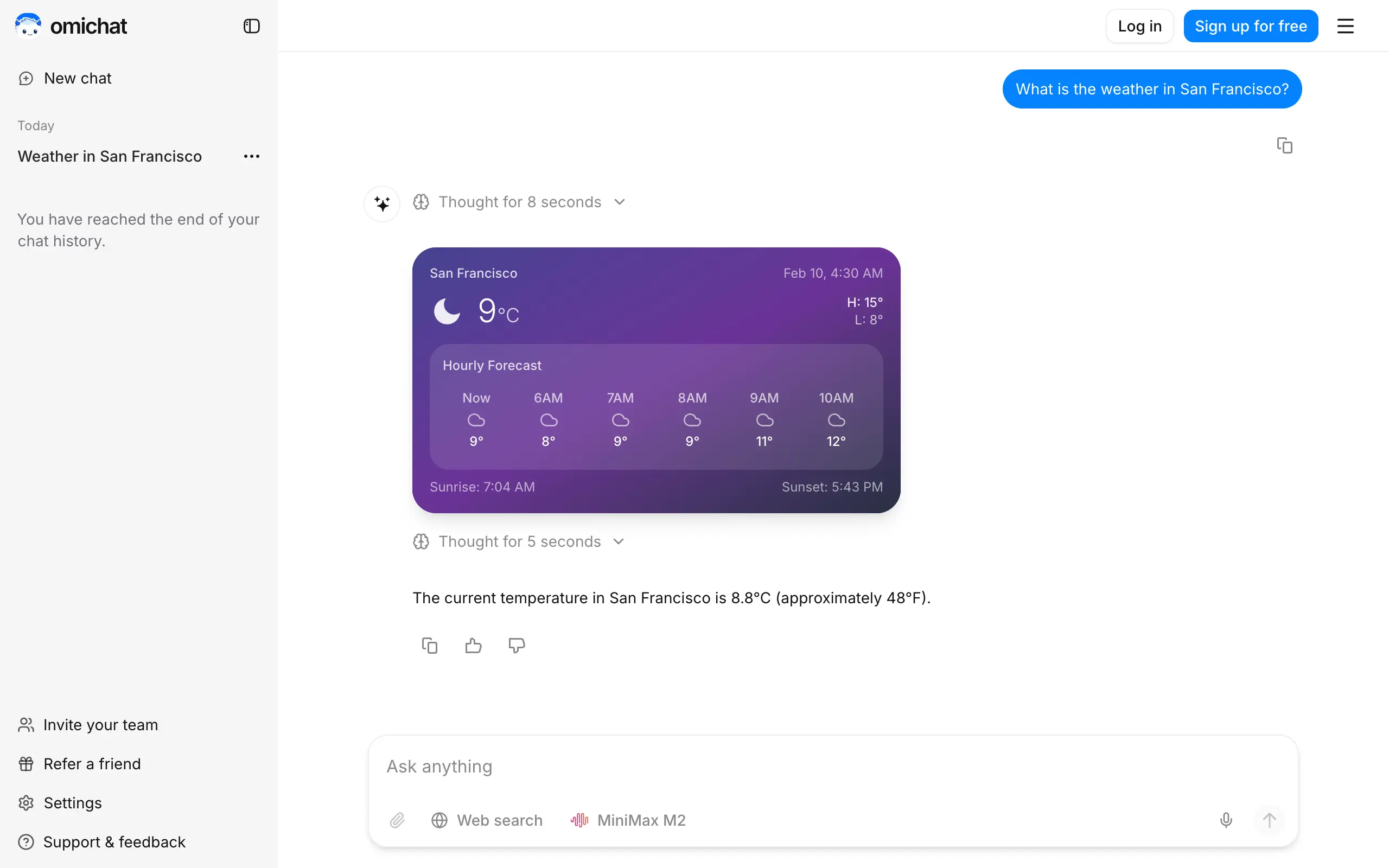
Omichat
Chat with 50+ AI models, including ChatGPT and Claude, in one place - switch models anytime without losing context 🤖
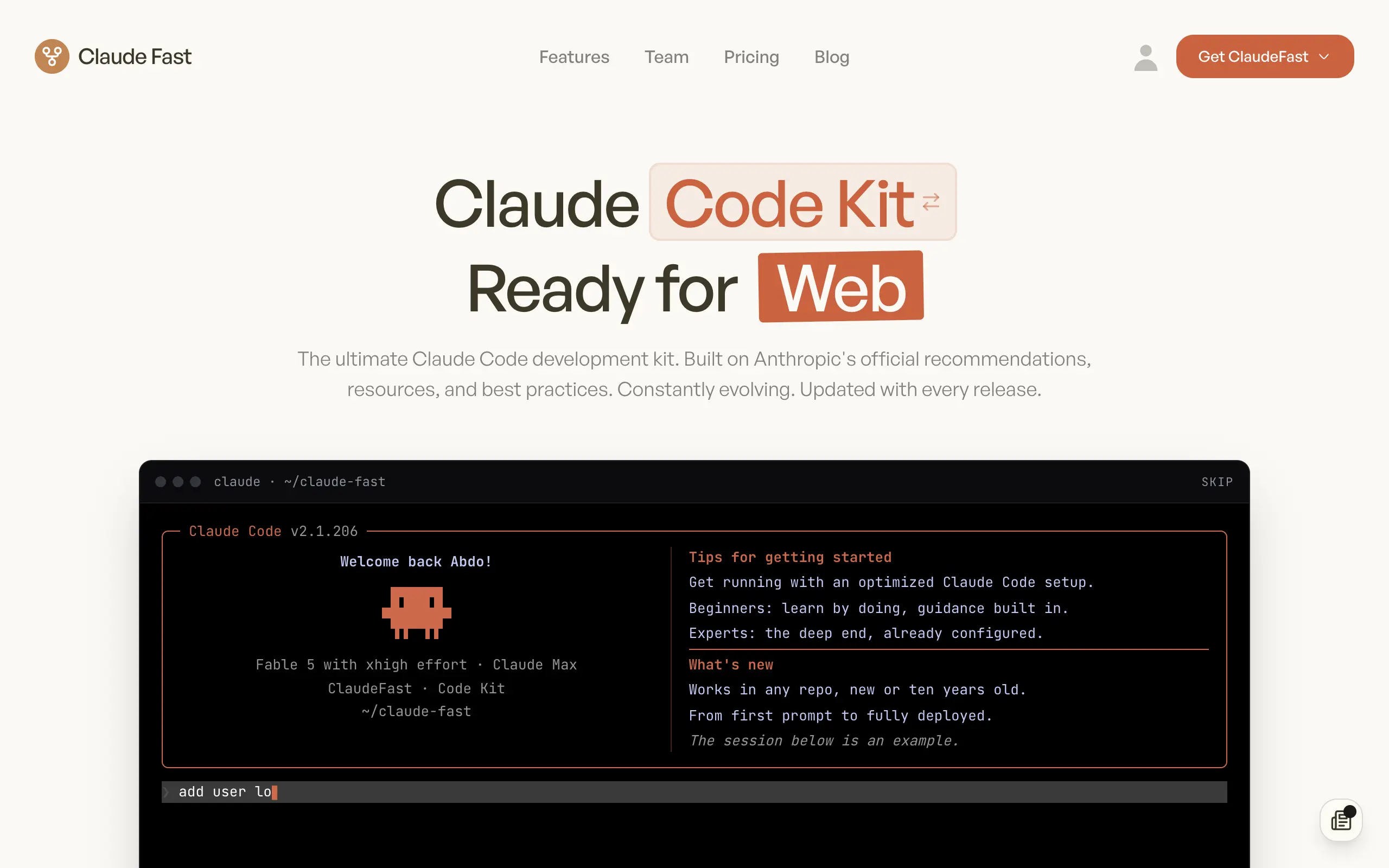
Claude Fast
Supercharge your Claude Code with 6x effective context window and specialized AI agents 🤖
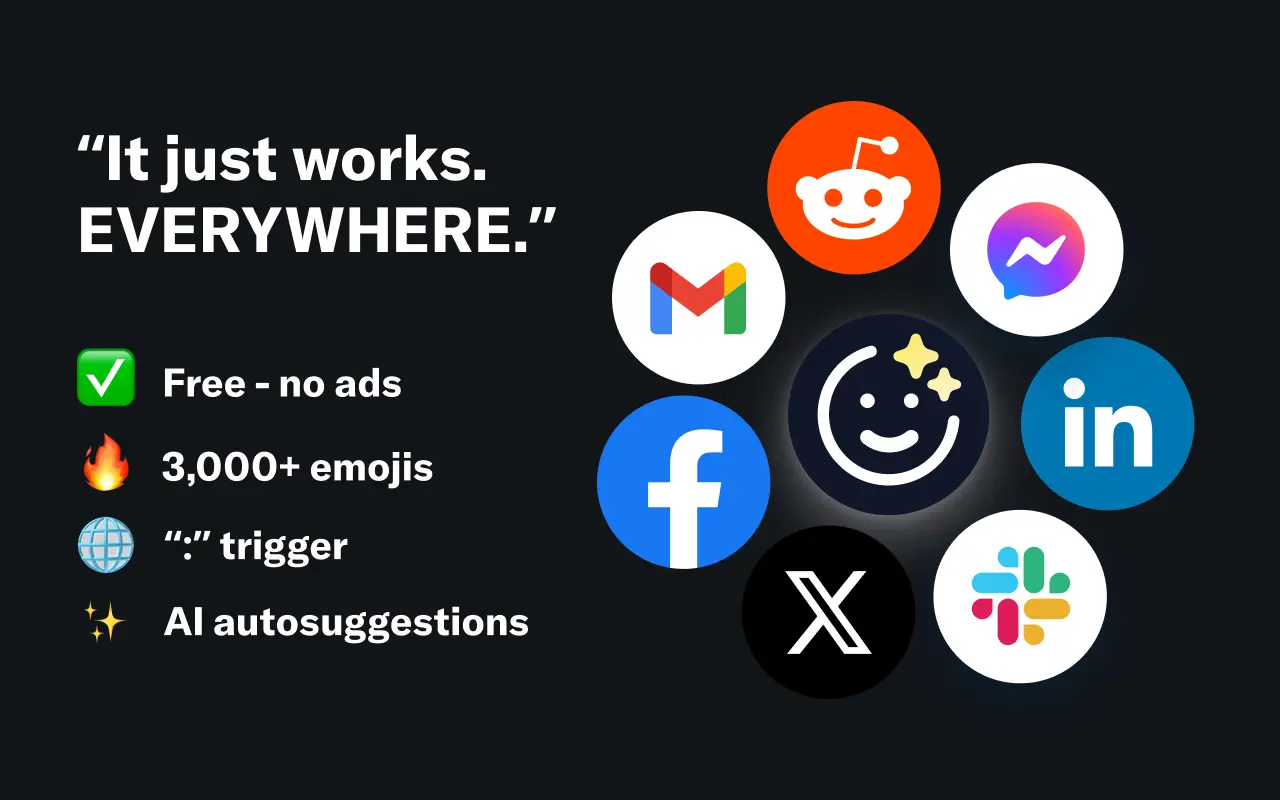
EmojAI
AI-powered emoji picker with smart, context-aware suggestions 🤖
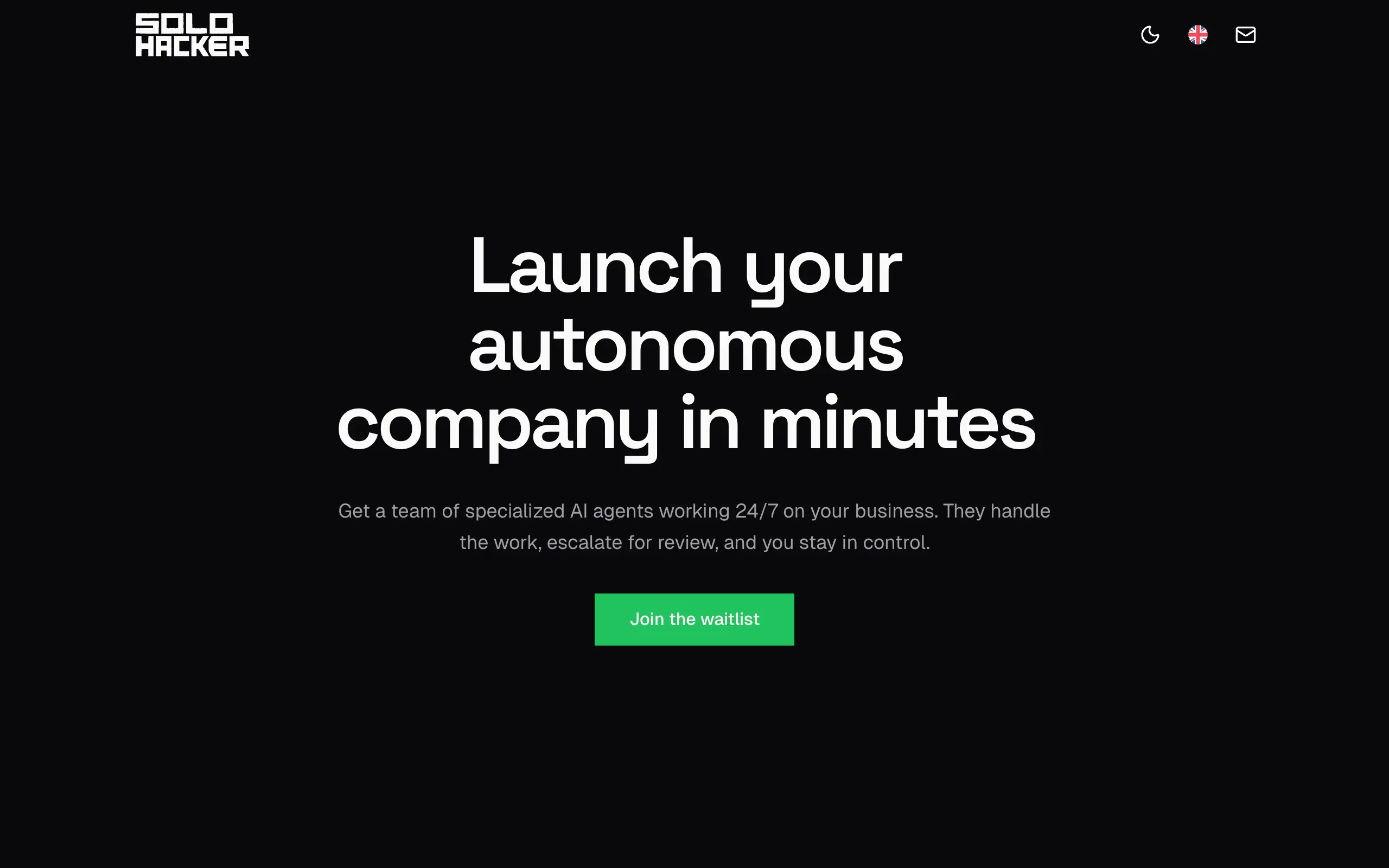
Solohacker
Autonomous company launcher - AI agents work 24/7, escalate what matters, and you stay in control 🤖
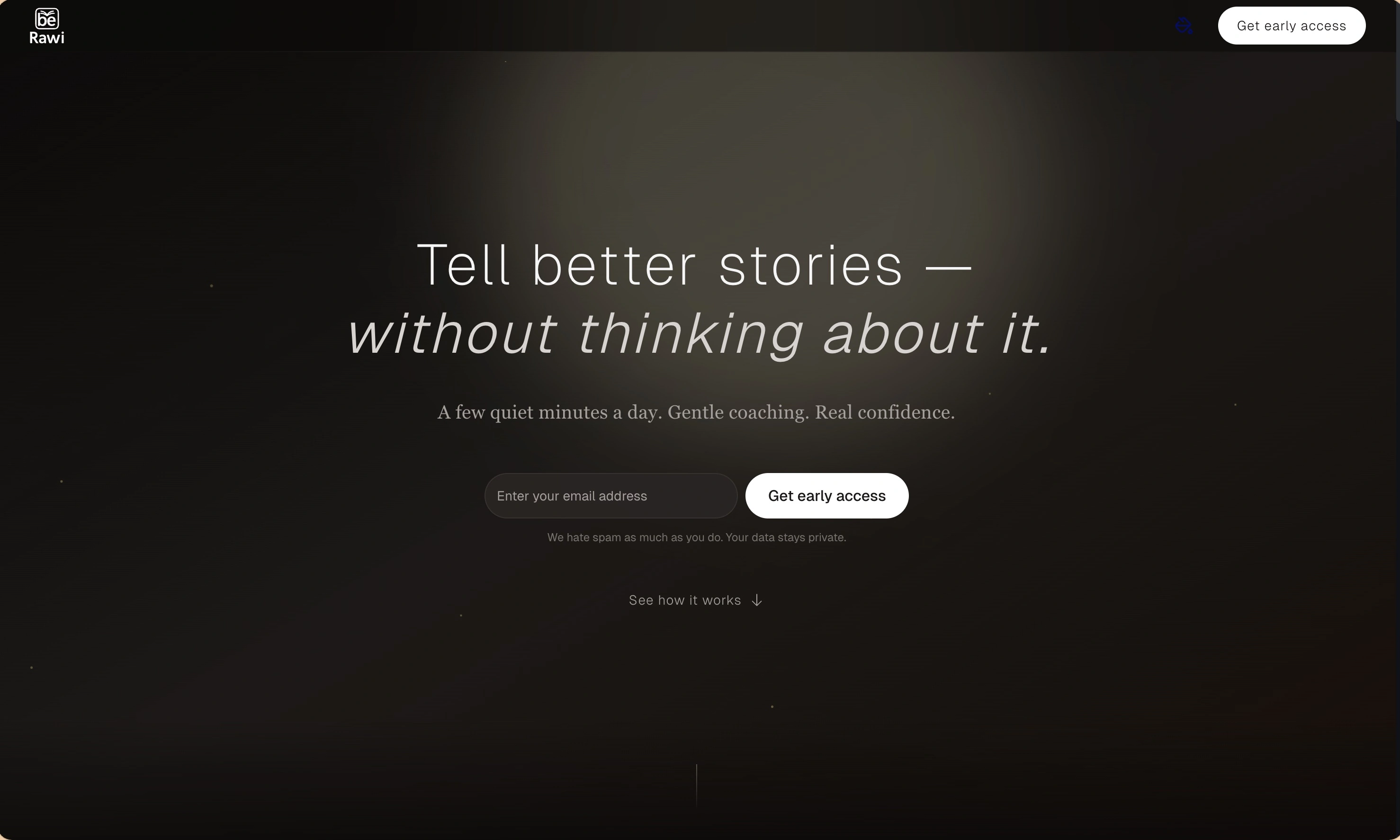
BeRawi: Storytelling Coach
Practice storytelling daily with instant feedback to sound clearer, more engaging, and confident 🎤
Omichat
Chat with 50+ AI models, including ChatGPT and Claude, in one place - switch models anytime without losing context 🤖
Claude Fast
Supercharge your Claude Code with 6x effective context window and specialized AI agents 🤖
EmojAI
AI-powered emoji picker with smart, context-aware suggestions 🤖
Solohacker
Autonomous company launcher - AI agents work 24/7, escalate what matters, and you stay in control 🤖
BeRawi: Storytelling Coach
Practice storytelling daily with instant feedback to sound clearer, more engaging, and confident 🎤
Omichat
Chat with 50+ AI models, including ChatGPT and Claude, in one place - switch models anytime without losing context 🤖
Claude Fast
Supercharge your Claude Code with 6x effective context window and specialized AI agents 🤖
EmojAI
AI-powered emoji picker with smart, context-aware suggestions 🤖
Solohacker
Autonomous company launcher - AI agents work 24/7, escalate what matters, and you stay in control 🤖
BeRawi: Storytelling Coach
Practice storytelling daily with instant feedback to sound clearer, more engaging, and confident 🎤
Omichat
Chat with 50+ AI models, including ChatGPT and Claude, in one place - switch models anytime without losing context 🤖
Claude Fast
Supercharge your Claude Code with 6x effective context window and specialized AI agents 🤖
EmojAI
AI-powered emoji picker with smart, context-aware suggestions 🤖
Solohacker
Autonomous company launcher - AI agents work 24/7, escalate what matters, and you stay in control 🤖
BeRawi: Storytelling Coach
Practice storytelling daily with instant feedback to sound clearer, more engaging, and confident 🎤

Connect with like-minded people
Join our community to get feedback, support, and grow together with 1,000+ builders on board, let's ship it!
Join usShip your startup everywhere. In minutes.
Don't burn tokens on setup and start building features on day one.