CipherShield AI
AI-driven secure communication and risk-detection platform designed to protect activists and human rights groups in high-risk regions.
Introduction: why AI-driven secure communication matters now
Around the world, activists, investigative journalists, and human rights organizations operate in environments where digital surveillance, targeted phishing, and coordinated disinformation campaigns are not abstract risks — they are daily realities. In high-risk regions, compromised communication can lead to harassment, imprisonment, or worse.
An AI-driven secure communication platform like CipherShield AI addresses this urgent need by combining end-to-end encrypted messaging with real-time risk detection, behavioral anomaly analysis, and contextual threat intelligence. The goal is not simply privacy — it is proactive protection.
This article explores the full strategic blueprint behind CipherShield AI: its target audience, market opportunity, core features, recommended tech stack, monetization strategies, risk mitigation, and implementation roadmap. It is designed for founders, product strategists, and technical teams evaluating the feasibility and impact of building a secure communication and AI risk-detection platform for vulnerable communities.
Understanding the primary user intent
Users searching for solutions like CipherShield AI typically fall into one of these categories:
- Human rights NGOs seeking secure communication tools for field teams.
- Activists in high-risk regions looking for safer alternatives to mainstream messaging apps.
- Journalists and investigative reporters protecting sources.
- Digital security advisors evaluating threat detection and encrypted collaboration tools.
- Founders and investors assessing market potential for security-focused AI SaaS.
Their intent is clear:
- Ensure confidential communication.
- Detect threats before damage occurs.
- Reduce digital attack surface.
- Maintain operational resilience under surveillance pressure.
CipherShield AI must directly address these concerns with both technical robustness and practical usability.
Target audience analysis: who needs CipherShield AI?
A secure communication and AI risk-detection platform is not a general-purpose messaging tool. It serves a niche — but globally significant — audience.
1. Grassroots activists in high-risk regions
- Operate in environments with state surveillance.
- Vulnerable to SIM card tracking, phishing, device compromise.
- Often lack advanced cybersecurity knowledge.
- Require low-bandwidth, mobile-first design.
Key needs:
- Strong encryption by default.
- AI-powered phishing and impersonation detection.
- Discreet user interface.
- Offline-capable communication options.
2. Human rights NGOs and international organizations
- Coordinate field teams across borders.
- Store sensitive case documentation.
- Protect whistleblowers and witnesses.
Key needs:
- Secure group collaboration.
- Role-based access control.
- Encrypted document sharing.
- Compliance reporting and audit logs.
3. Investigative journalists
- Protect anonymous sources.
- Secure cross-border collaboration.
- Detect targeted digital attacks.
Key needs:
- Secure dropboxes.
- Threat alerts for suspicious behavior.
- Metadata minimization.
- Anonymous onboarding options.
4. Digital security consultants
- Deploy secure communication systems for clients.
- Need centralized dashboards for risk monitoring.
- Require explainable AI threat scoring.
Market opportunity and gap analysis
The global cybersecurity market
The cybersecurity market continues to grow rapidly, driven by:
- Increased geopolitical instability.
- Rise in state-sponsored cyber attacks.
- AI-powered phishing and social engineering.
- Remote and distributed collaboration.
According to major industry reports (e.g., Gartner and similar firms), cybersecurity spending continues to increase annually. However, most products target enterprises — not activists or NGOs.
The gap in secure communication tools
Existing secure messaging apps (e.g., Signal, WhatsApp) provide encryption but often lack:
- Proactive AI-based risk detection.
- Behavioral anomaly alerts.
- Region-specific threat intelligence.
- NGO-focused collaboration workflows.
- Secure document lifecycle management.
CipherShield AI bridges that gap by combining:
- End-to-end encrypted communication.
- AI threat detection.
- Context-aware security alerts.
- Privacy-preserving analytics.
- Operational resilience tools.
Core features of CipherShield AI
Below is a comprehensive breakdown of essential and advanced features.
1. End-to-end encrypted messaging
Core encryption principles:
- Signal protocol-based encryption model.
- Perfect forward secrecy.
- Encrypted metadata where possible.
- Zero-knowledge architecture.
Differentiator: AI-powered anomaly detection layered on top of encrypted systems without violating user privacy.
2. AI-driven risk detection engine
This is CipherShield AI’s central innovation.
Risk detection components:
- Phishing detection AI
- Impersonation analysis
- Behavioral anomaly detection
- Malware link scanning
- Geolocation anomaly alerts
- Account compromise signals
Privacy-first AI
AI models should operate locally (on-device) whenever possible to preserve user privacy. Federated learning techniques can be used to improve models without centralizing sensitive data.
3. Threat intelligence integration
- Region-specific threat feeds.
- Known malicious IP tracking.
- Campaign detection (e.g., coordinated harassment).
- Secure broadcast alerts.
4. Secure file and document sharing
- Encrypted document vault.
- Time-limited access.
- Watermarking for leak traceability.
- Access revocation.
5. Anonymous onboarding options
- No phone-number requirement.
- Hardware key support.
- Burner-device mode.
- Plausible deniability interface.
6. Emergency protocol features
- Panic mode (wipes local data).
- Auto-delete after X attempts.
- Stealth notification suppression.
- Emergency contact trigger.
How AI enhances secure communication
Traditional encryption protects content. AI enhances context.
Key AI capabilities
- Detects phishing language patterns.
- Flags suspicious domain links.
- Identifies impersonation attempts.
- Monitors suspicious login patterns.
- Learns normal communication behavior.
- Detects anomalies in access time or location.
- Flags sudden device changes.
- Alerts unusual group activity spikes.
Competitive landscape analysis
CipherShield AI competes indirectly with encrypted messaging platforms and enterprise security tools.
| Feature | Standard Messaging Apps | Enterprise Security Tools | CipherShield AI | Built for NGOs |
|---|---|---|---|---|
| End-to-end encryption | ✅ | ❌ | ✅ | ✅ |
| AI threat detection | ❌ | ✅ | ✅ | ✅ |
Unique advantage: CipherShield AI integrates encryption and AI risk detection into a single workflow tailored specifically for activists and human rights groups.
Recommended tech stack for building CipherShield AI
Building an AI-driven secure communication platform requires robust architecture.
Frontend
- React for web app.
- TailwindCSS for styling.
- React Native or Flutter for mobile apps.
Backend
- Node.js with TypeScript.
- gRPC for secure communication.
- PostgreSQL with encryption-at-rest.
- Redis for secure ephemeral sessions.
Encryption layer
- Signal protocol libraries.
- Libsodium for cryptographic primitives.
AI infrastructure
- Python-based microservices.
- PyTorch or TensorFlow.
- On-device inference via ONNX.
- Federated learning approach.
DevOps & hosting
- Multi-region deployment.
- Zero-trust infrastructure model.
- Containerization with Docker + Kubernetes.
Trade-offs to consider
-
On-device AI vs server AI
- On-device = more privacy.
- Server-side = better model performance.
-
Phone-number verification vs anonymity
- Phone = easier onboarding.
- Anonymous = higher safety.
-
Centralized vs decentralized architecture
- Centralized = easier maintenance.
- Decentralized = stronger censorship resistance.
Monetization strategy for CipherShield AI
Ethical monetization is critical.
Revenue models
NGO subscription plans
Tiered pricing for organizations based on number of users and storage needs.
Enterprise human rights plans
Large institutions pay for premium threat intelligence dashboards.
Grants & philanthropic funding
Foundation-backed cybersecurity initiatives.
Tier structure example
-
Free activist tier
- Encrypted messaging.
- Basic AI phishing detection.
-
NGO Pro
- Threat intelligence feeds.
- Document vault.
- Admin dashboard.
-
Enterprise human rights
- Custom AI training.
- Dedicated support.
- Regional threat analytics.
Potential risks and mitigation strategies
1. Government blocking
Mitigation:
- Domain fronting techniques.
- Decentralized relay servers.
- Offline mesh capabilities.
2. AI false positives
Mitigation:
- Human-readable risk explanations.
- Adjustable alert sensitivity.
- Model retraining cycles.
3. Data breach risk
Mitigation:
- Zero-knowledge encryption.
- No centralized plaintext storage.
- Regular third-party audits.
4. Misuse of platform
Mitigation:
- Clear ethical usage policy.
- NGO verification mechanisms.
- Abuse detection systems.
Regulatory and ethical considerations
Operating in high-risk regions introduces legal complexities:
- Data sovereignty laws.
- Export restrictions on encryption tech.
- Government pressure.
- Human rights compliance standards.
Ethical responsibility
CipherShield AI must balance privacy with responsible usage. Transparency reports and independent security audits are critical for trustworthiness.
Go-to-market strategy
Phase 1: Pilot programs
- Partner with small NGOs.
- Conduct closed beta testing.
- Gather security feedback.
Phase 2: Advocacy partnerships
- Collaborate with digital rights groups.
- Publish whitepapers on secure communication risks.
Phase 3: Institutional adoption
- Offer enterprise dashboards.
- Provide security consulting integrations.
Building the MVP: step-by-step roadmap
Sample AI risk detection microservice (concept)
// Example pseudo-service for phishing detection
import express from "express";
import { analyzeText } from "./aiModel";

const app = express();

app.post("/analyze-message", async (req, res) => {
  const { message } = req.body;

  const riskScore = await analyzeText(message);

  if (riskScore > 0.8) {
    return res.json({
      threat: "High",
      explanation: "Potential phishing language detected"
    });
  }

  res.json({ threat: "Low" });
});

app.listen(4000, () => {
  console.log("AI Risk Engine running...");
});
Long-term competitive advantage
CipherShield AI’s defensibility lies in:
- AI models trained on real activist threat data.
- Deep NGO partnerships.
- Region-specific threat intelligence.
- Ethical brand positioning.
- Strong privacy-first architecture.
Over time, data-driven AI refinement creates a compounding advantage.
Implementation acceleration with modern SaaS frameworks
Building secure SaaS infrastructure from scratch can delay launch timelines significantly. Using a production-ready foundation like TurboStarter can accelerate:
- Authentication systems.
- SaaS billing infrastructure.
- Role-based access.
- Scalable API architecture.
- Secure deployment templates.
This allows teams to focus on core differentiation — encryption and AI risk detection — rather than reinventing SaaS boilerplate.
Future roadmap possibilities
- AI-driven misinformation detection.
- Secure voice & video with AI background noise threat filtering.
- Decentralized storage nodes.
- Offline mesh networking mode.
- Open-source core encryption engine.
- Regional emergency alert broadcasts.
Final thoughts: why CipherShield AI matters
Secure communication alone is no longer sufficient in high-risk regions. The threat landscape has evolved:
- AI-generated phishing attacks.
- Deepfake impersonations.
- Sophisticated state surveillance.
- Coordinated harassment campaigns.
CipherShield AI addresses the next generation of threats by combining:
- Encryption
- AI-powered risk detection
- Threat intelligence
- NGO-focused workflows
- Privacy-first design
The opportunity is not just commercial — it is mission-driven. Protecting activists, journalists, and human rights defenders has global implications for democracy and transparency.
If executed correctly, CipherShield AI can become more than a SaaS platform. It can become critical infrastructure for digital human rights protection.
Ready to build?
Developing an AI-driven secure communication platform requires deep technical planning, ethical consideration, and strong product focus. But with the right architecture, partnerships, and phased rollout strategy, CipherShield AI can fill a crucial market gap.
Now is the time to build secure, intelligent communication tools that protect those who protect others.
More 🤖 AI Startup SaaS ideas
Discover more innovative ai startup SaaS ideas that are trending in 2026. Each idea is AI-generated with market validation and growth potential to help you find your next profitable venture faster than competitors.
Your competitors are building with TurboStarter
Below are some of the SaaS ideas that have been generated and built with our starter kit.
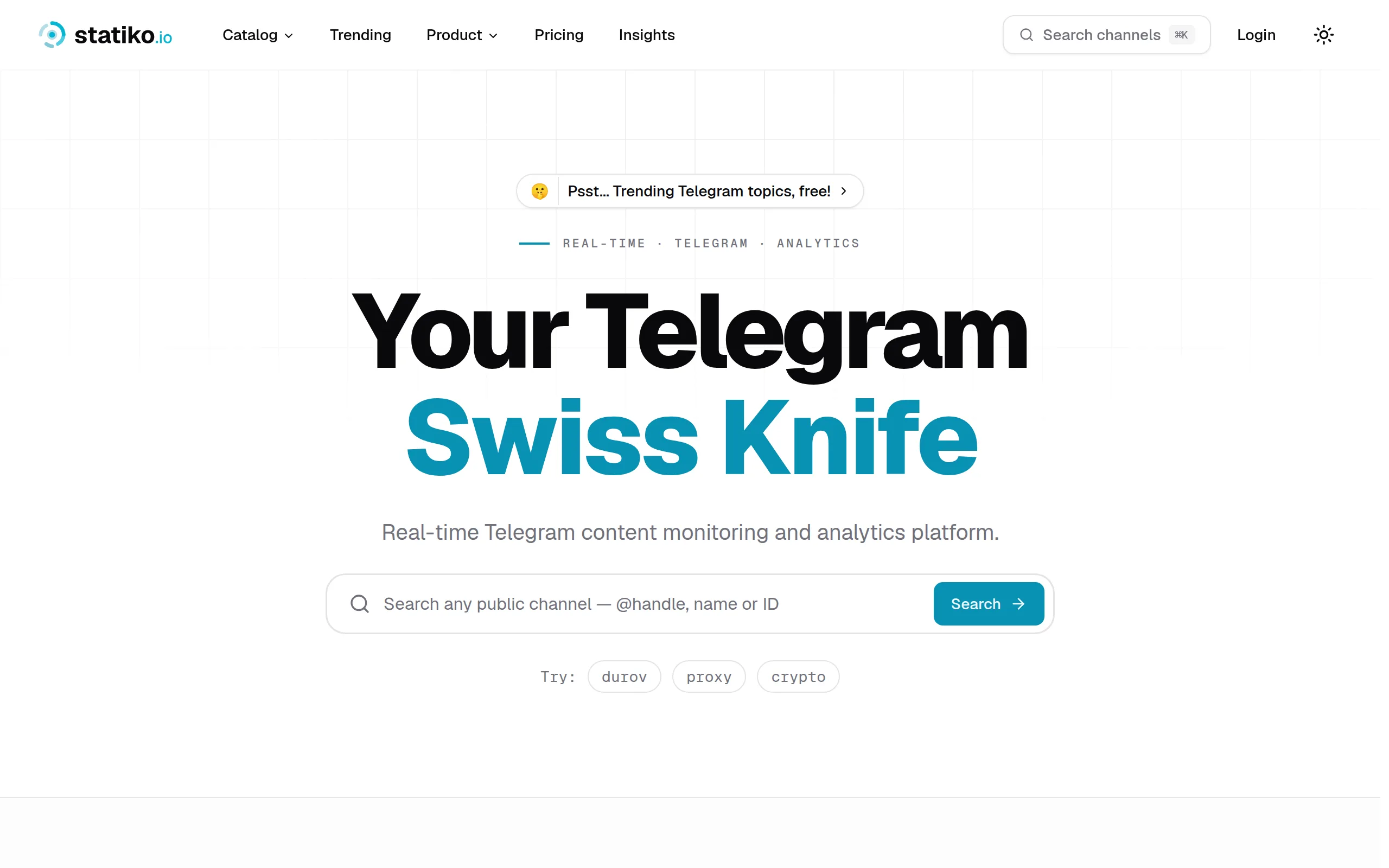
Statiko
Monitor any Telegram channel in real time - track posts, edits, deletions, and growth with AI recaps 📡

Shibui
AI website builder - describe your business, pick a niche template, edit by chatting, and publish instantly ✨

Pro Service
Find verified home service professionals, compare quotes, and pay securely through escrow - built for Brazilians across the US 🏠
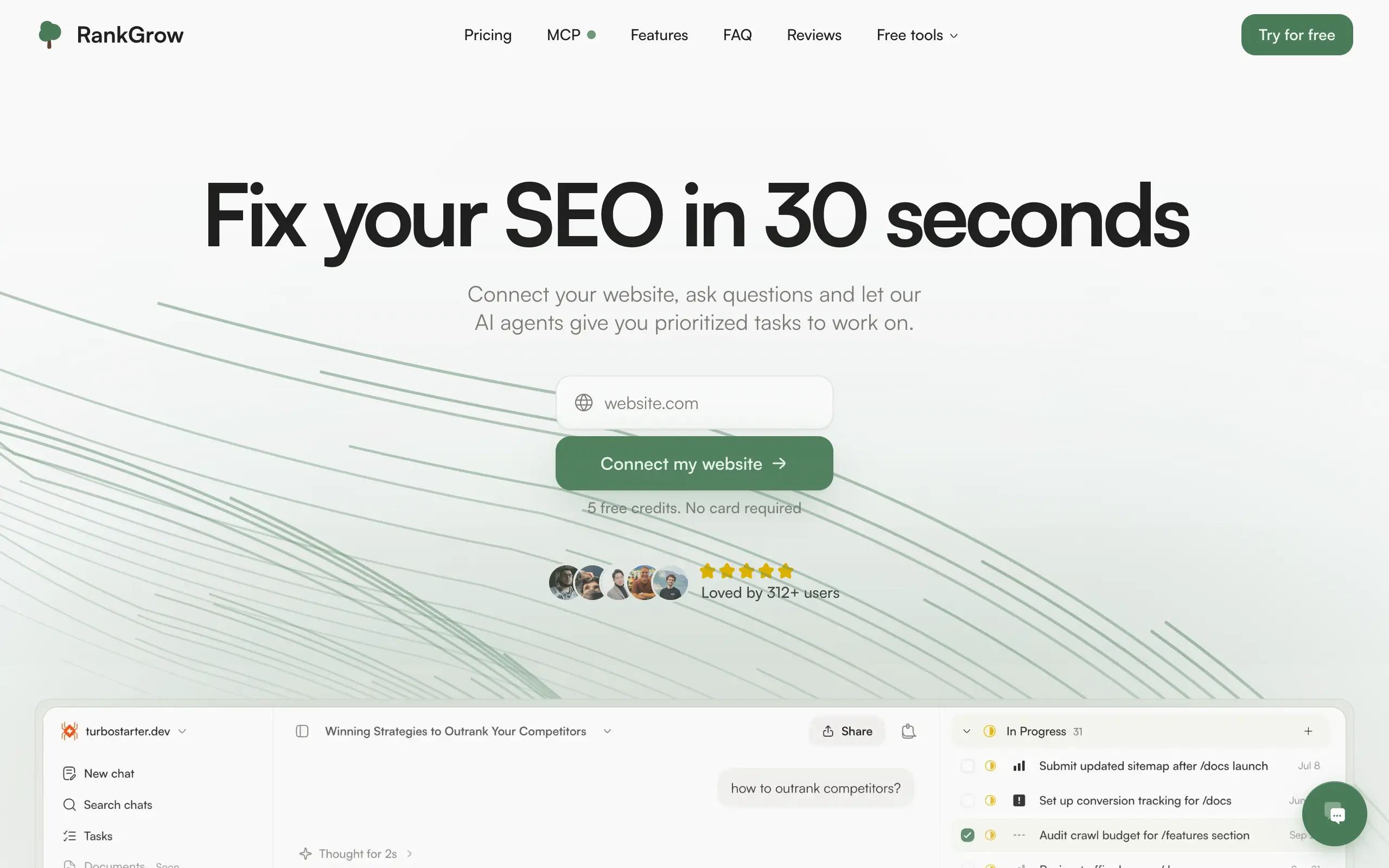
RankGrow
Fix your SEO with AI agents - connect Search Console, get prioritized tasks, and grow organic traffic 📈
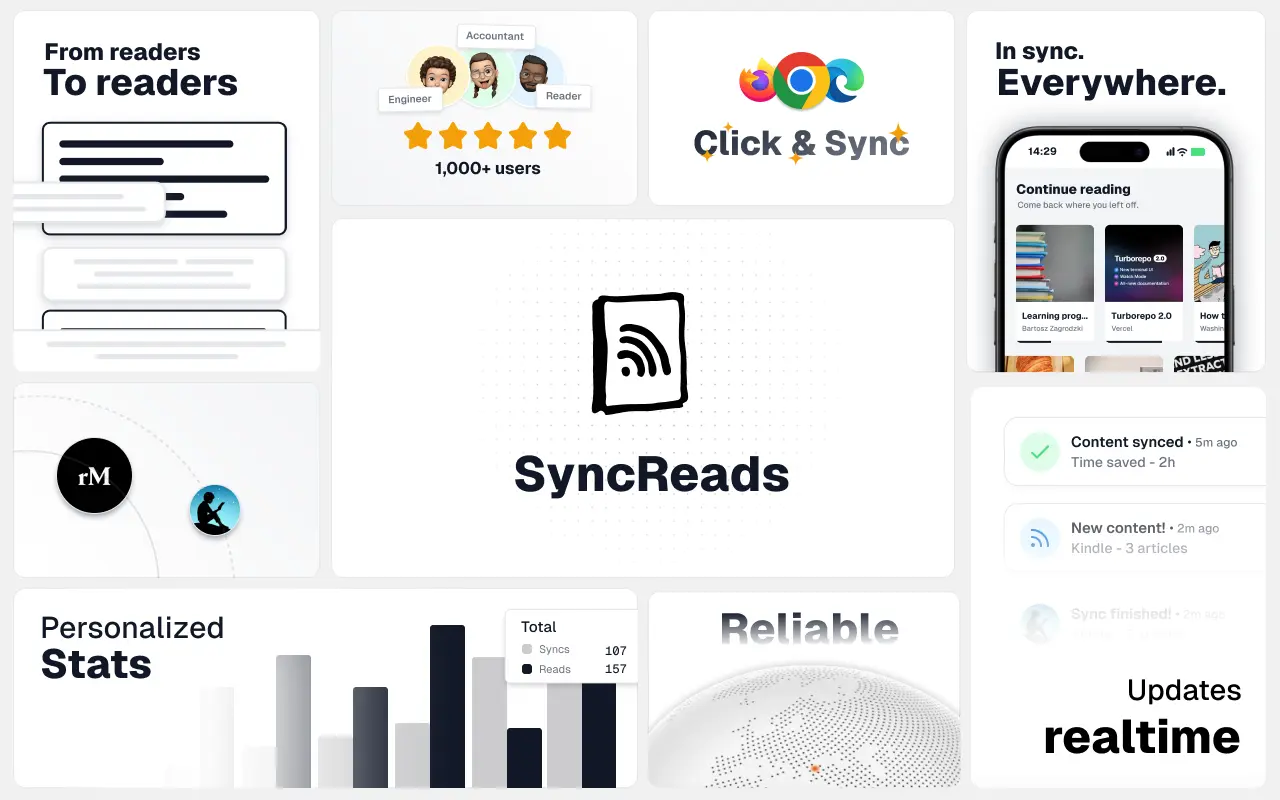
SyncReads
Sync your favorite content for distraction-free reading, save time and replace multiple apps. Anytime, anywhere 🔄
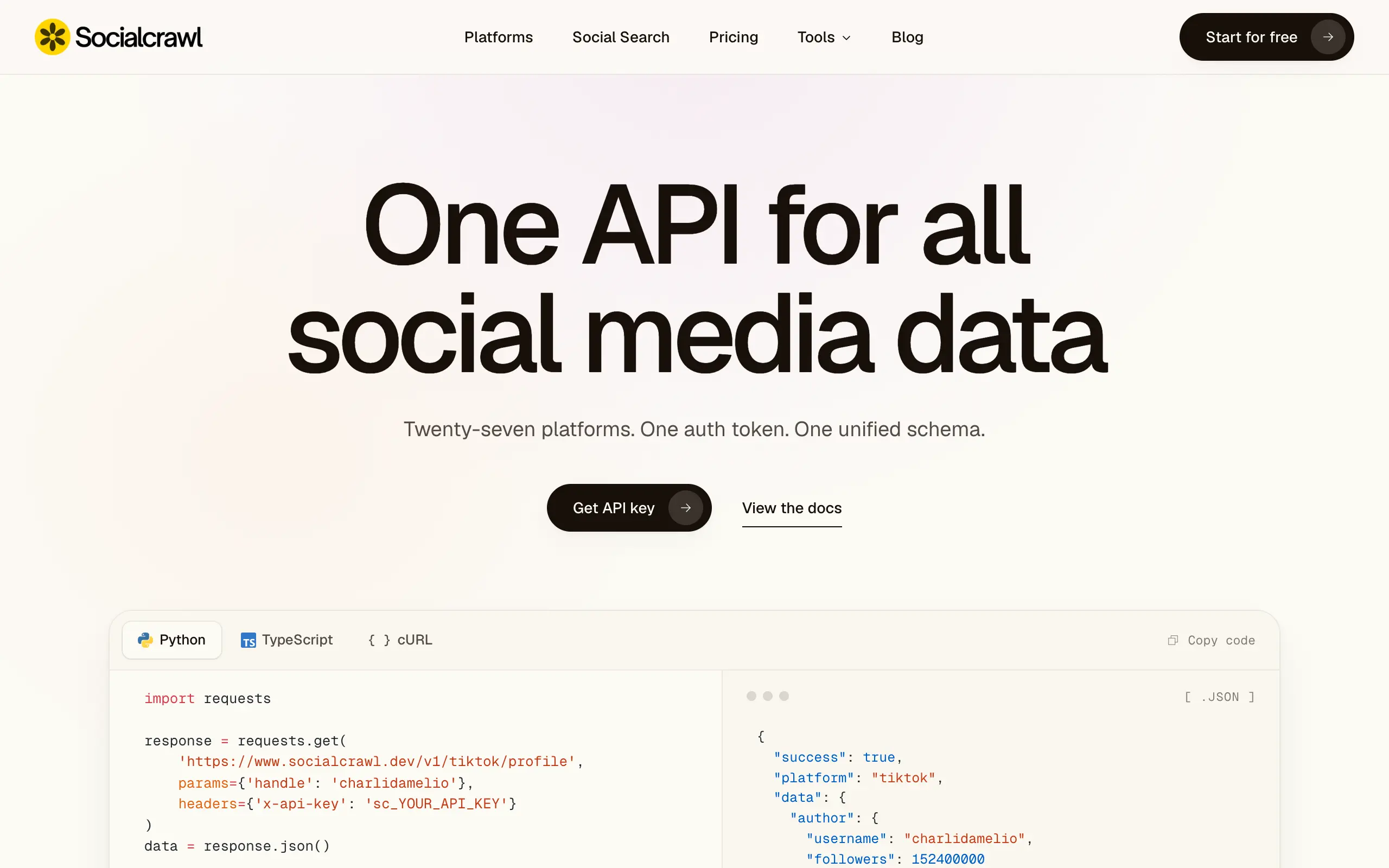
Socialcrawl
Get clean, structured data from 21 platforms like TikTok, Instagram, and YouTube with a single request 📊
Statiko
Monitor any Telegram channel in real time - track posts, edits, deletions, and growth with AI recaps 📡
Shibui
AI website builder - describe your business, pick a niche template, edit by chatting, and publish instantly ✨
Pro Service
Find verified home service professionals, compare quotes, and pay securely through escrow - built for Brazilians across the US 🏠
RankGrow
Fix your SEO with AI agents - connect Search Console, get prioritized tasks, and grow organic traffic 📈
SyncReads
Sync your favorite content for distraction-free reading, save time and replace multiple apps. Anytime, anywhere 🔄
Socialcrawl
Get clean, structured data from 21 platforms like TikTok, Instagram, and YouTube with a single request 📊
Statiko
Monitor any Telegram channel in real time - track posts, edits, deletions, and growth with AI recaps 📡
Shibui
AI website builder - describe your business, pick a niche template, edit by chatting, and publish instantly ✨
Pro Service
Find verified home service professionals, compare quotes, and pay securely through escrow - built for Brazilians across the US 🏠
RankGrow
Fix your SEO with AI agents - connect Search Console, get prioritized tasks, and grow organic traffic 📈
SyncReads
Sync your favorite content for distraction-free reading, save time and replace multiple apps. Anytime, anywhere 🔄
Socialcrawl
Get clean, structured data from 21 platforms like TikTok, Instagram, and YouTube with a single request 📊
Statiko
Monitor any Telegram channel in real time - track posts, edits, deletions, and growth with AI recaps 📡
Shibui
AI website builder - describe your business, pick a niche template, edit by chatting, and publish instantly ✨
Pro Service
Find verified home service professionals, compare quotes, and pay securely through escrow - built for Brazilians across the US 🏠
RankGrow
Fix your SEO with AI agents - connect Search Console, get prioritized tasks, and grow organic traffic 📈
SyncReads
Sync your favorite content for distraction-free reading, save time and replace multiple apps. Anytime, anywhere 🔄
Socialcrawl
Get clean, structured data from 21 platforms like TikTok, Instagram, and YouTube with a single request 📊
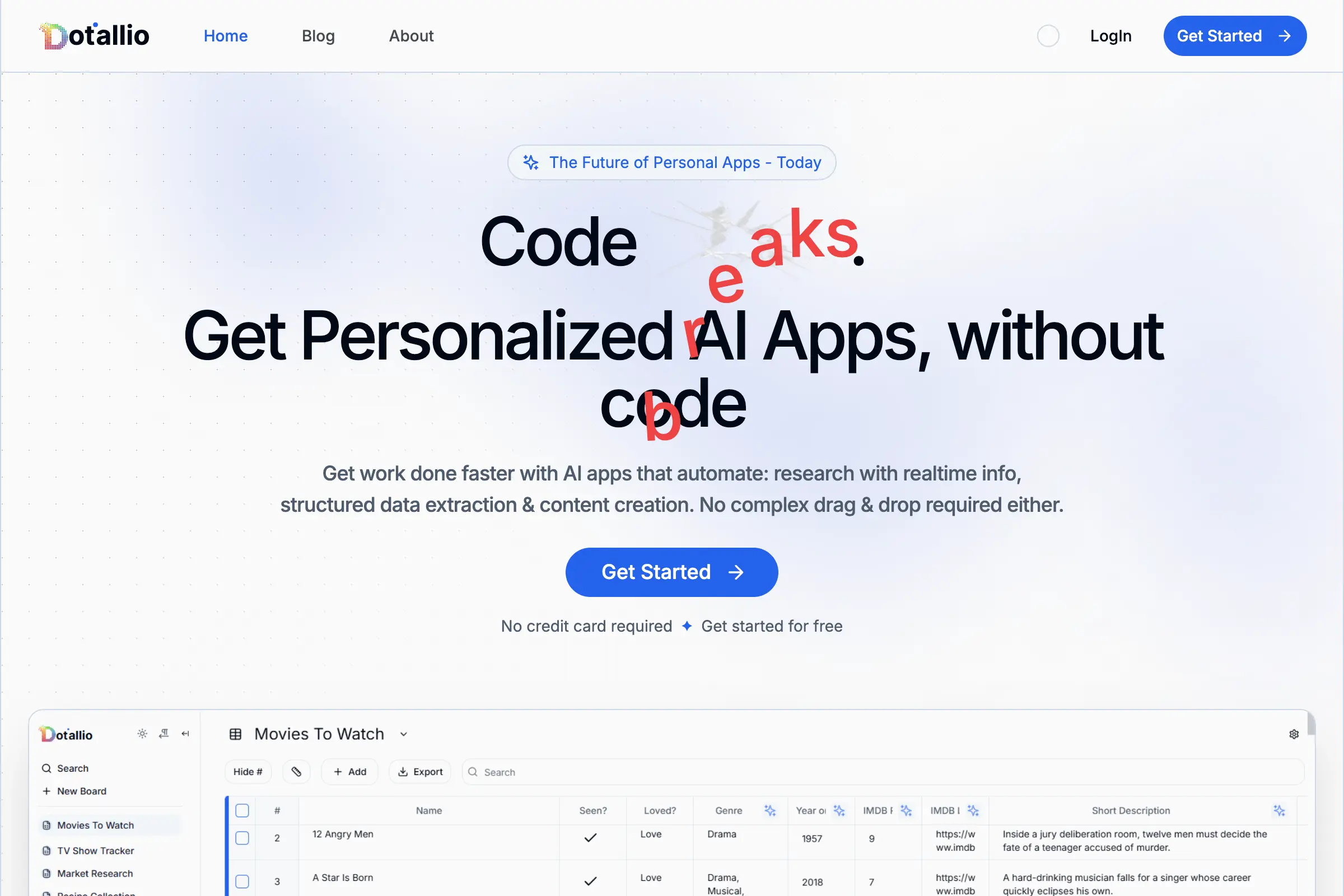
Dotallio
Personalized AI apps that automate research, data extraction, and content creation without code 🤖

Talk to Santa
Enjoy a magical live video chat or receive a unique AI-generated video greeting from Santa Claus 🎅

pozywka.pl
Scalable blog for food journalist, focused on performance and user experience 🌭
zagrodzki.me
Personal blog and portfolio of Bart Zagrodzki, where he shares his knowledge and work 💼
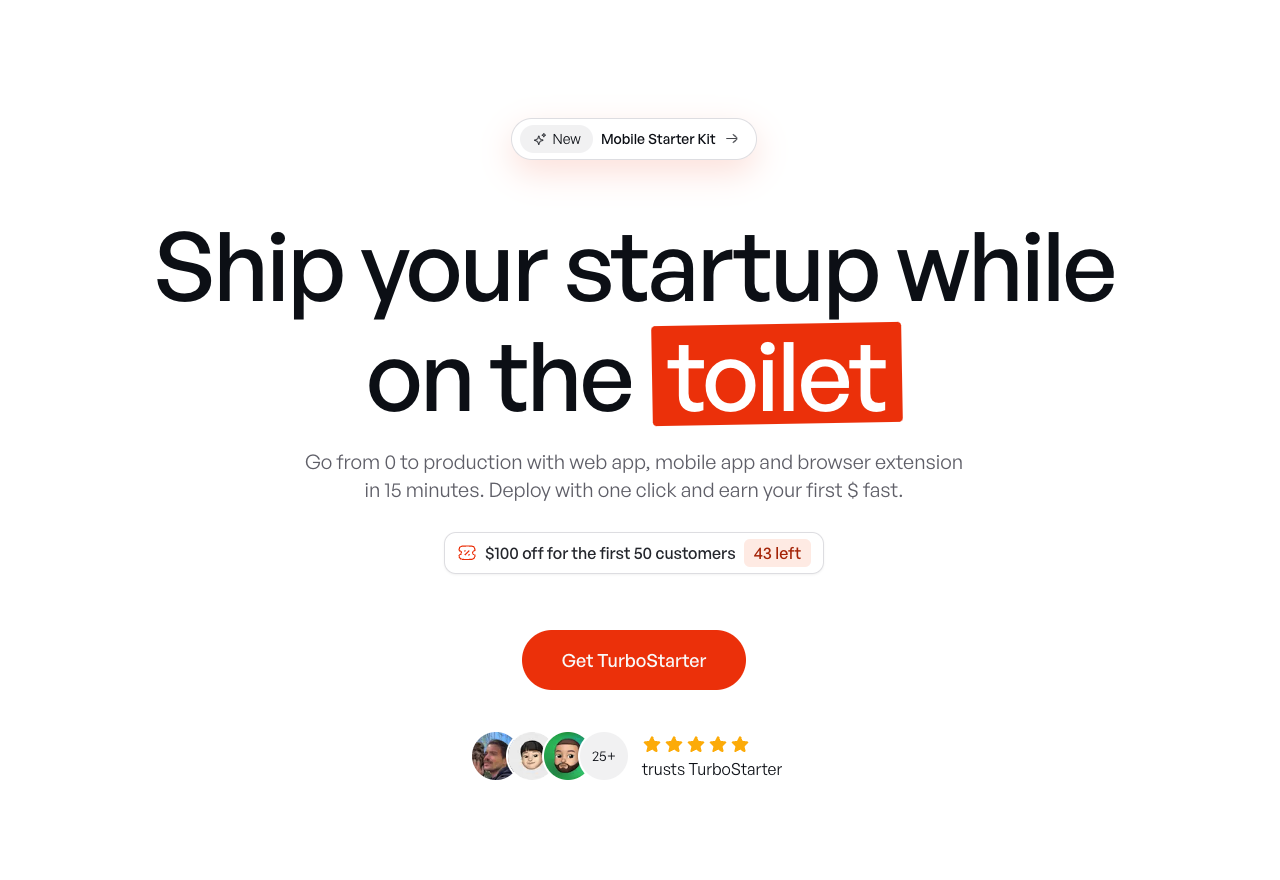
TurboStarter
Ship your startup everywhere. In minutes.
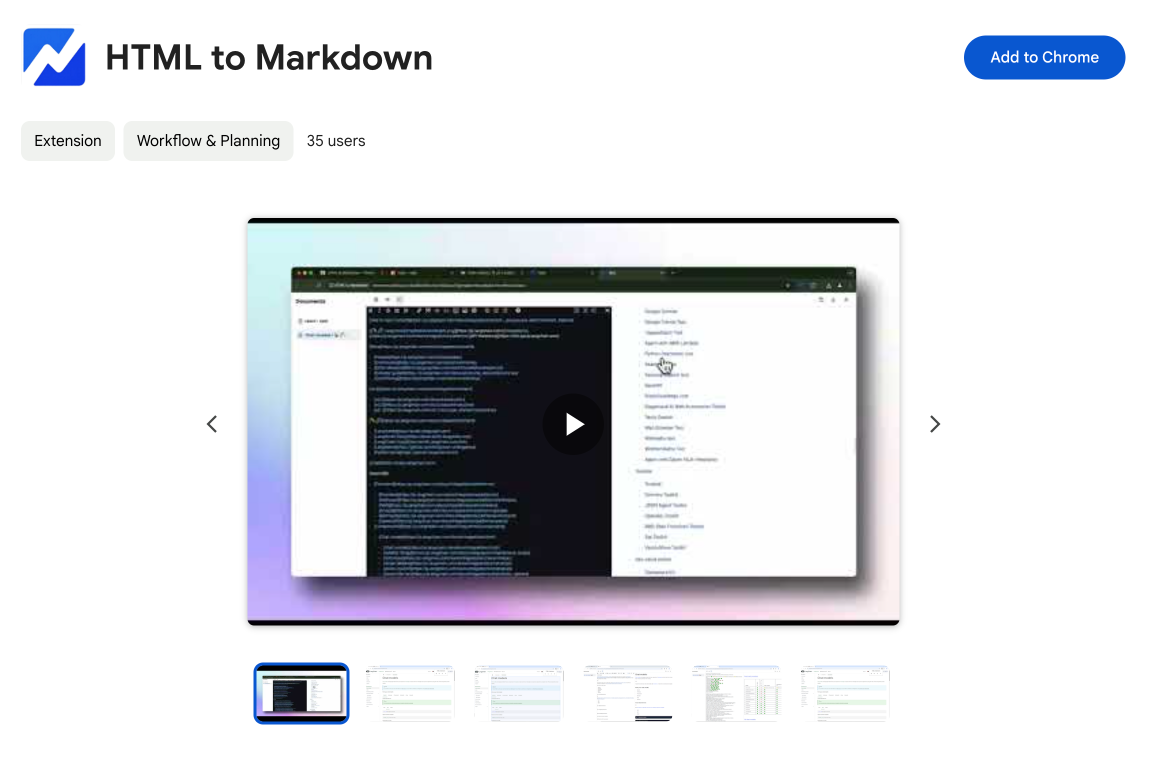
HTML to Markdown
Convert HTML to Markdown with ease, directly in your browser 📄
Dotallio
Personalized AI apps that automate research, data extraction, and content creation without code 🤖
Talk to Santa
Enjoy a magical live video chat or receive a unique AI-generated video greeting from Santa Claus 🎅
pozywka.pl
Scalable blog for food journalist, focused on performance and user experience 🌭
zagrodzki.me
Personal blog and portfolio of Bart Zagrodzki, where he shares his knowledge and work 💼
TurboStarter
Ship your startup everywhere. In minutes.
HTML to Markdown
Convert HTML to Markdown with ease, directly in your browser 📄
Dotallio
Personalized AI apps that automate research, data extraction, and content creation without code 🤖
Talk to Santa
Enjoy a magical live video chat or receive a unique AI-generated video greeting from Santa Claus 🎅
pozywka.pl
Scalable blog for food journalist, focused on performance and user experience 🌭
zagrodzki.me
Personal blog and portfolio of Bart Zagrodzki, where he shares his knowledge and work 💼
TurboStarter
Ship your startup everywhere. In minutes.
HTML to Markdown
Convert HTML to Markdown with ease, directly in your browser 📄
Dotallio
Personalized AI apps that automate research, data extraction, and content creation without code 🤖
Talk to Santa
Enjoy a magical live video chat or receive a unique AI-generated video greeting from Santa Claus 🎅
pozywka.pl
Scalable blog for food journalist, focused on performance and user experience 🌭
zagrodzki.me
Personal blog and portfolio of Bart Zagrodzki, where he shares his knowledge and work 💼
TurboStarter
Ship your startup everywhere. In minutes.
HTML to Markdown
Convert HTML to Markdown with ease, directly in your browser 📄
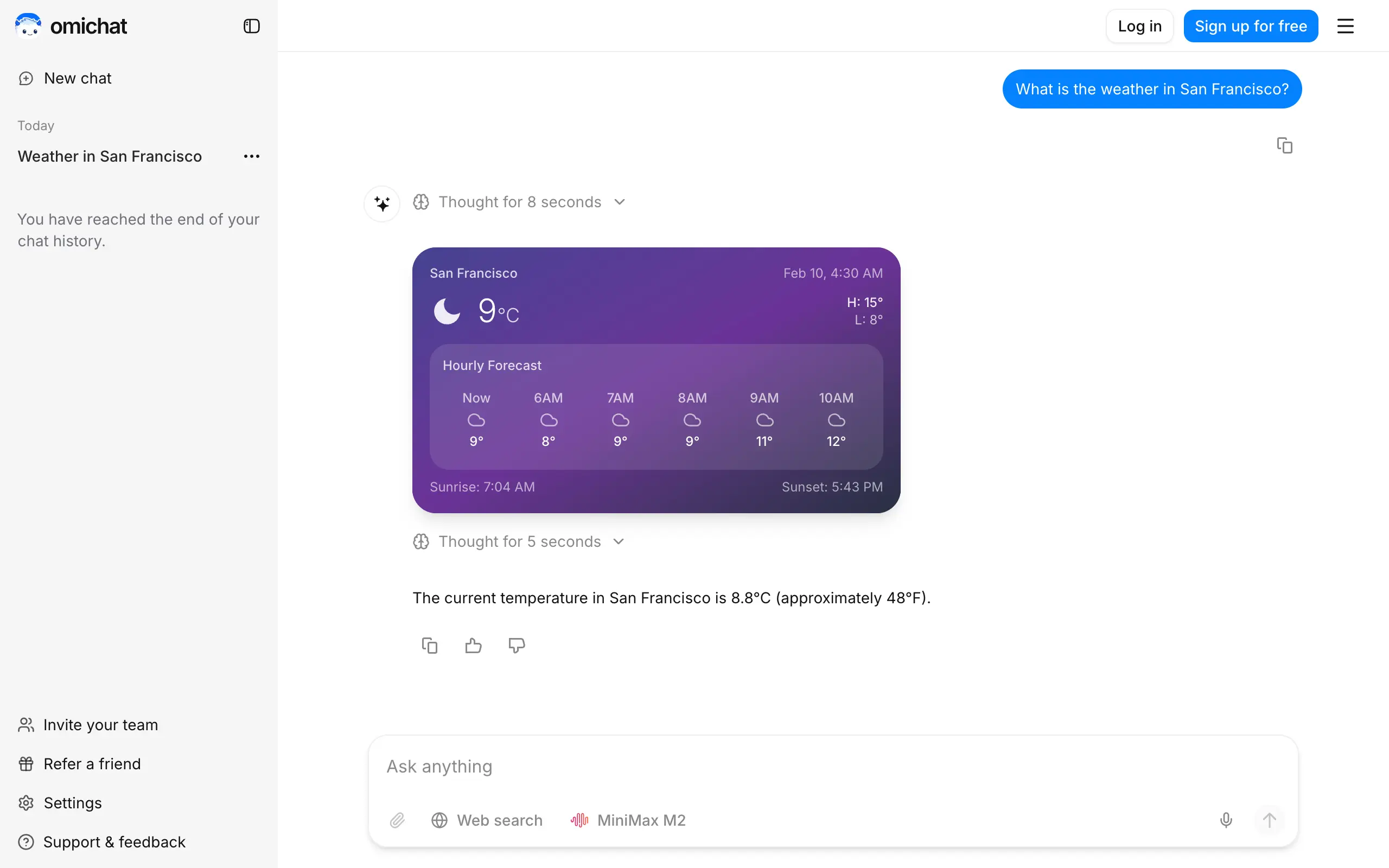
Omichat
Chat with 50+ AI models, including ChatGPT and Claude, in one place - switch models anytime without losing context 🤖
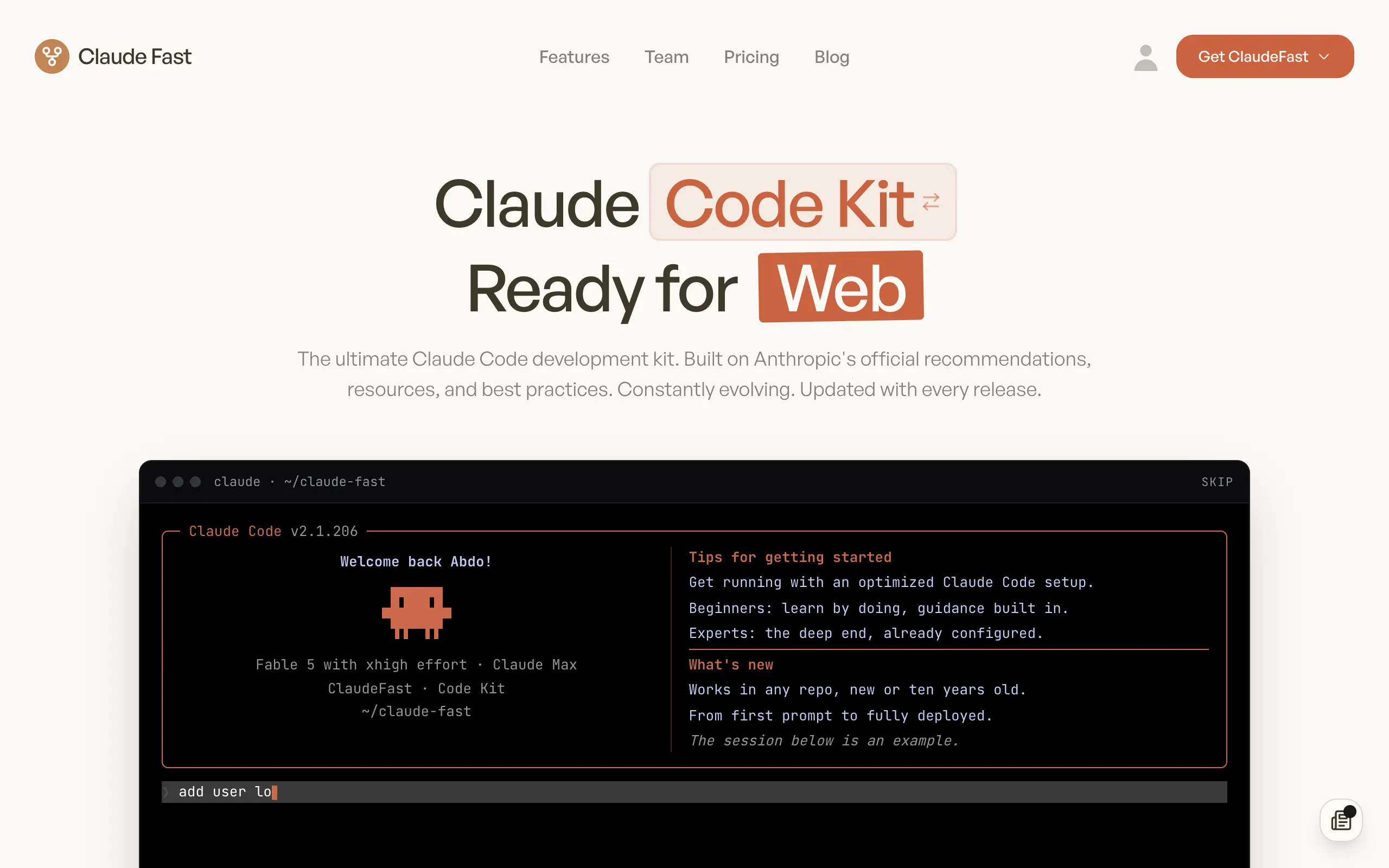
Claude Fast
Supercharge your Claude Code with 6x effective context window and specialized AI agents 🤖
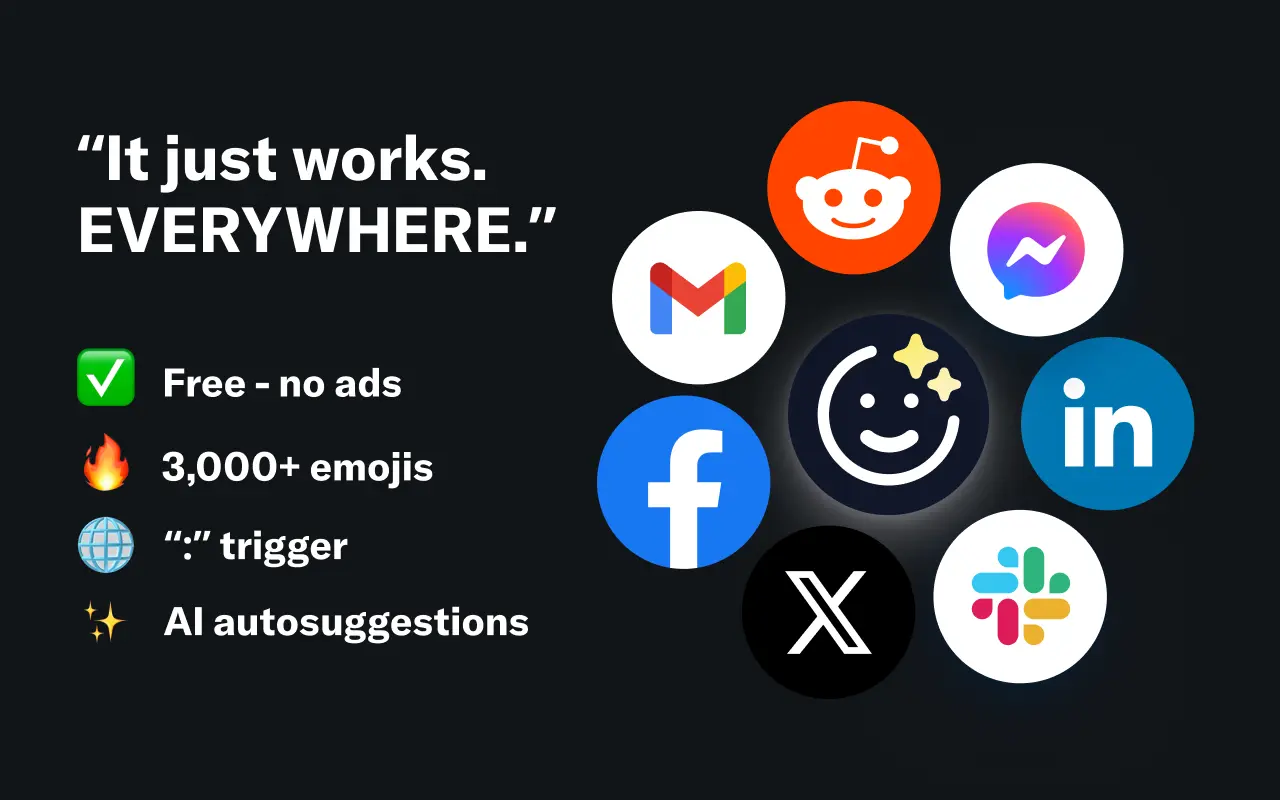
EmojAI
AI-powered emoji picker with smart, context-aware suggestions 🤖
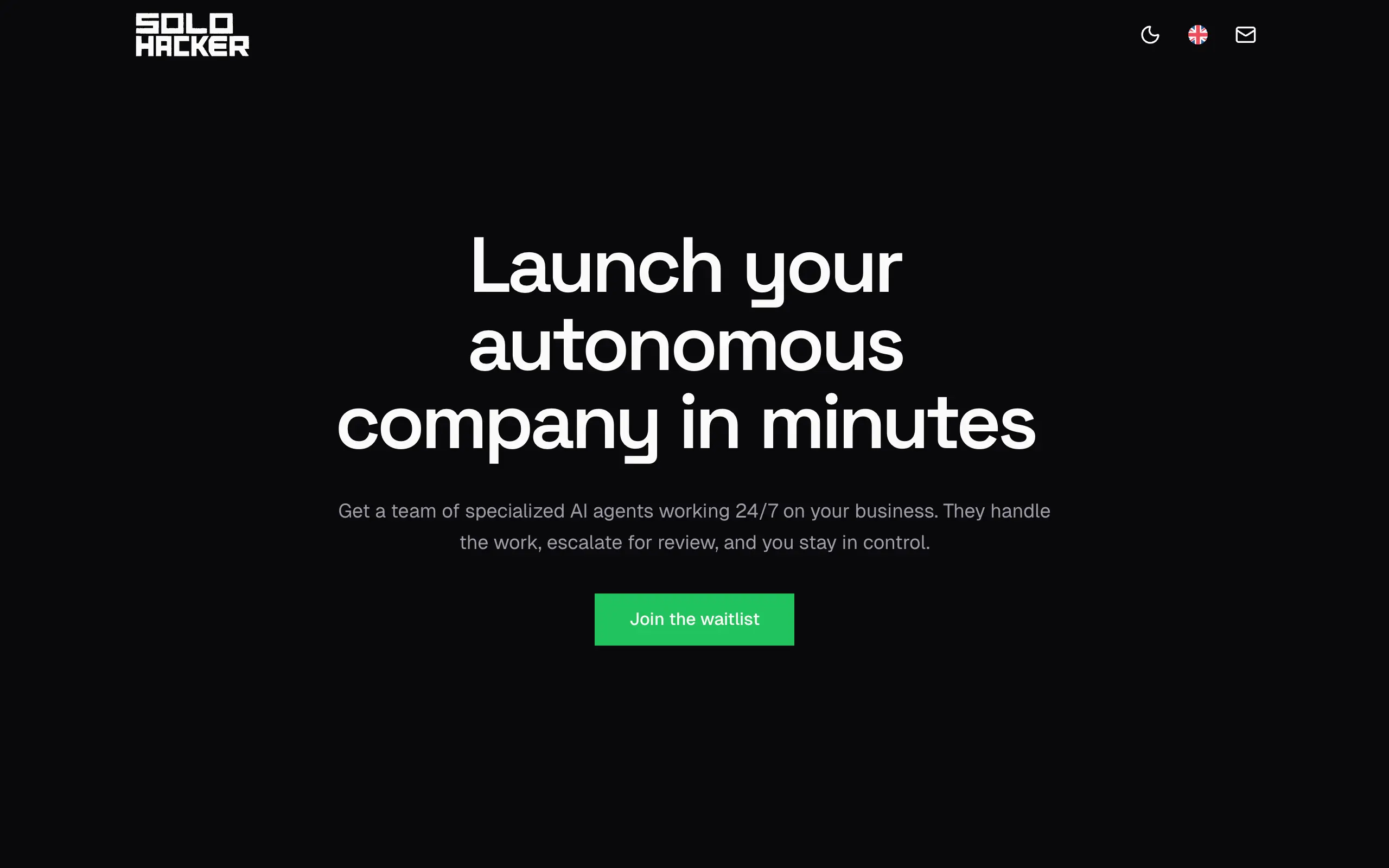
Solohacker
Autonomous company launcher - AI agents work 24/7, escalate what matters, and you stay in control 🤖
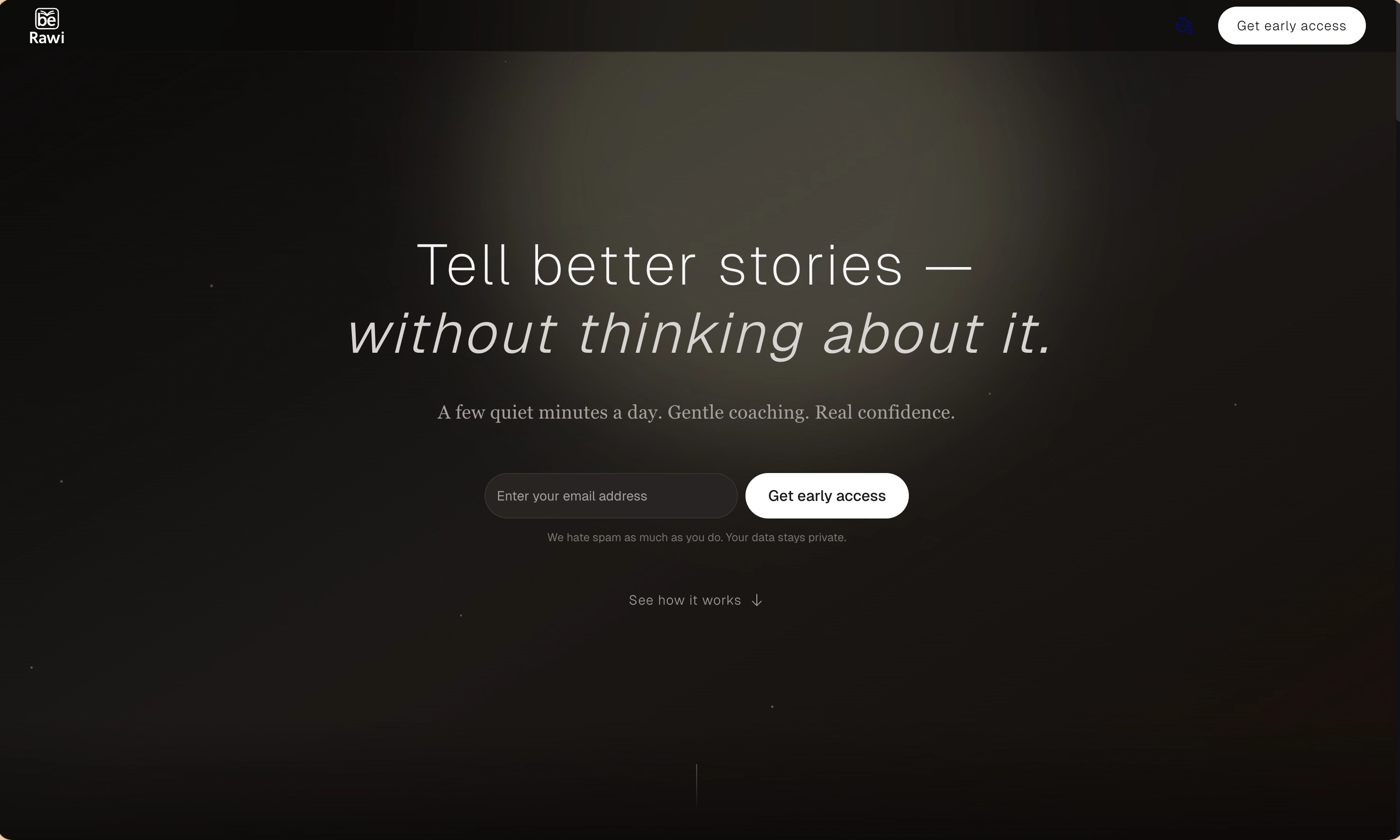
BeRawi: Storytelling Coach
Practice storytelling daily with instant feedback to sound clearer, more engaging, and confident 🎤
Omichat
Chat with 50+ AI models, including ChatGPT and Claude, in one place - switch models anytime without losing context 🤖
Claude Fast
Supercharge your Claude Code with 6x effective context window and specialized AI agents 🤖
EmojAI
AI-powered emoji picker with smart, context-aware suggestions 🤖
Solohacker
Autonomous company launcher - AI agents work 24/7, escalate what matters, and you stay in control 🤖
BeRawi: Storytelling Coach
Practice storytelling daily with instant feedback to sound clearer, more engaging, and confident 🎤
Omichat
Chat with 50+ AI models, including ChatGPT and Claude, in one place - switch models anytime without losing context 🤖
Claude Fast
Supercharge your Claude Code with 6x effective context window and specialized AI agents 🤖
EmojAI
AI-powered emoji picker with smart, context-aware suggestions 🤖
Solohacker
Autonomous company launcher - AI agents work 24/7, escalate what matters, and you stay in control 🤖
BeRawi: Storytelling Coach
Practice storytelling daily with instant feedback to sound clearer, more engaging, and confident 🎤
Omichat
Chat with 50+ AI models, including ChatGPT and Claude, in one place - switch models anytime without losing context 🤖
Claude Fast
Supercharge your Claude Code with 6x effective context window and specialized AI agents 🤖
EmojAI
AI-powered emoji picker with smart, context-aware suggestions 🤖
Solohacker
Autonomous company launcher - AI agents work 24/7, escalate what matters, and you stay in control 🤖
BeRawi: Storytelling Coach
Practice storytelling daily with instant feedback to sound clearer, more engaging, and confident 🎤

Connect with like-minded people
Join our community to get feedback, support, and grow together with 1,000+ builders on board, let's ship it!
Join usShip your startup everywhere. In minutes.
Don't burn tokens on setup and start building features on day one.