CircleSpark
AI tool for hobby-club hosts that turns RSVPs into thoughtful small-group introductions. It reduces awkward arrivals and repetitive attendee tracking.
What CircleSpark is and why it matters
CircleSpark is an AI tool for hobby-club hosts that turns attendee RSVPs into thoughtful small-group introductions. Instead of leaving new arrivals to find their own way into a conversation, a host can use CircleSpark to create welcoming, balanced groups based on practical preferences and event context.
The idea addresses a familiar problem. People may be excited to attend a book club, craft night, board-game meetup, running group, or community workshop, but walking into a room where everyone seems to know one another can feel uncomfortable. Hosts often want to help, yet they may not know every attendee well enough to make introductions—and manually tracking who has met whom gets harder as a club grows.
CircleSpark’s core promise is straightforward: make it easier for people to feel included without giving hosts another spreadsheet to manage.
That promise combines three jobs:
- Collect useful RSVP information without making registration feel intrusive.
- Suggest small groups that support natural conversation.
- Help hosts welcome attendees while preserving their control over the event.
The product should not try to replace the human warmth of a good host. It should make that warmth easier to deliver consistently.
Who CircleSpark should serve first
“Hobby clubs” is a useful starting point for the concept, but it is too broad to guide an initial product launch. A sewing circle, a tabletop gaming group, and a neighborhood walking club have different formats, attendance patterns, and expectations of privacy. CircleSpark should identify an initial audience with a recurring event format and a clear need for introductions.
Primary audience: recurring community hosts
The strongest early customer is likely a volunteer or small-business host who runs recurring events and wants newcomers to feel welcome. These hosts may organize:
- Book clubs and reading groups
- Craft, knitting, and maker meetups
- Board-game and tabletop role-playing groups
- Local professional or creative communities
- Language-exchange gatherings
- Walking, running, or outdoor hobby clubs
- Workshops where participants benefit from collaborating
They are often balancing invitations, RSVPs, venue details, reminders, attendance, and event facilitation. CircleSpark can help by turning one of those recurring administrative tasks—making introductions—into a repeatable process.
Secondary audience: community managers and event teams
Organizations that host events for a larger membership may need more structure than a volunteer-led club. Examples include coworking communities, alumni groups, cultural organizations, and membership-based learning communities.
These users may value:
- Reusable event templates
- Multiple host accounts
- Attendance and participation summaries
- Consistent onboarding for new members
- Permissions and privacy controls
- Exports or integrations with existing event systems
They may also have longer buying cycles and more demanding security expectations. CircleSpark can explore this segment after validating the product with individual hosts.
The attendee is also a user
Although the host may be the buyer, attendees determine whether the product feels helpful or invasive. They need to understand what information is collected, how it affects group suggestions, and what the host will see.
A successful attendee experience should feel lightweight. A person should be able to RSVP, optionally share a few conversation preferences, and know what to expect without completing a lengthy personality assessment.
Jobs to be done
CircleSpark should be designed around specific outcomes rather than a generic promise of “AI-powered networking.”
| User | Job to be done | How CircleSpark can help |
|---|---|---|
| Host | Welcome newcomers without neglecting regulars | Highlight first-time attendees and suggest balanced groups |
| Host | Form small groups quickly | Generate editable group suggestions from RSVP information |
| Host | Avoid repeating the same introductions | Track event participation with clear retention controls |
| Attendee | Find an approachable way into a conversation | Provide a simple group assignment and optional conversation prompts |
| Club organizer | Run a consistent, repeatable event | Save templates for recurring event formats |
The market opportunity and product gap
CircleSpark sits at the intersection of event coordination, community software, and AI-assisted facilitation. The opportunity is not simply to create another event registration product. It is to solve the moment after registration: how people actually connect once they arrive.
Many event tools are built to help organizers publish an event, collect registrations, send reminders, and manage attendance. Those jobs matter, but they do not necessarily help an organizer introduce a first-time attendee to a welcoming group or avoid placing all newcomers together.
At the other end of the spectrum, networking platforms often focus on professional matching, lead generation, or large conferences. That can be more complex than a volunteer-run club needs. A hobby-club host may not want a formal matchmaking system; they may want to make a small gathering feel less awkward.
The likely gap
CircleSpark can differentiate by focusing on the host’s real-world facilitation workflow:
- Create an event or reuse a recurring event template.
- Invite people to RSVP.
- Collect only the context needed to make useful introductions.
- Review and adjust group suggestions.
- Share group assignments or prompts in a clear, friendly format.
- Learn from the event without turning attendance history into a permanent profile.
This is a narrower product scope than a full event platform, which can be an advantage. It gives CircleSpark a specific use case to explain and a focused problem to validate.
Why timing may be favorable
A number of broad technology shifts support the concept, without guaranteeing demand:
- Generative AI has made natural-language assistance more accessible to small software teams.
- Many communities rely on recurring events, where a small improvement can matter repeatedly.
- Users increasingly expect digital tools to explain how personal information is used.
- Lightweight SaaS products can serve niche communities without requiring a large enterprise sales team.
These are directional observations, not proof of market size. Before making investment or hiring decisions, CircleSpark’s founders should research community-host workflows, competitor positioning, event attendance patterns, and willingness to pay. If publishing market statistics, cite a dated, credible source and explain the segment and methodology rather than repeating a broad “events market” figure that may not apply to hobby clubs.
CircleSpark’s core features
A strong first version should help a host go from RSVP list to usable introductions with minimal effort. Features should be prioritized by whether they improve that workflow—not by whether they demonstrate technical novelty.
Event creation and reusable templates
Hosts should be able to create an event with a name, date, format, group size, and a short description. Recurring clubs need the ability to reuse settings, questions, and invitation text.
Templates can be tailored to distinct event formats. A board-game night may need to know whether attendees are beginners or experienced players. A book club might benefit from discussion interests. A craft meetup could ask whether someone is comfortable sharing a skill or would prefer to observe first.
Templates should remain editable. The product should not assume that every event in a particular category follows the same rules.
RSVP collection with optional conversation context
CircleSpark should collect only information that improves the event experience. Potential questions include:
- Is this your first time attending?
- What would you enjoy talking about today?
- Would you prefer a quieter or more energetic group?
- Are there topics or activities you would rather avoid?
- Would you like a host to introduce you to someone?
These questions should be optional unless a specific answer is necessary for participation. The interface should explain why each question is asked and who can see the response.
Avoid treating demographic information as a shortcut to “compatibility.” It can be sensitive, inaccurate, or irrelevant to the event. A safer product starts with attendees’ stated interests, group-size preferences, and event-specific needs.
AI-assisted group suggestions
The central feature is a group recommendation system that gives hosts a useful starting point. Suggestions might account for:
- New and returning attendees
- RSVP status and attendance confidence
- Preferred group size
- Shared interests or complementary experience
- Host-defined constraints
- Avoiding repeat pairings, if attendees have agreed to that history being used
The AI should recommend rather than dictate. Hosts need to review, move, or remove attendees before anything is shared. A good interface explains the practical reason for a suggestion, such as “This group includes two first-time attendees and one returning member who opted in to welcoming newcomers.”
Avoid presenting recommendations as objective judgments about personality or social compatibility. CircleSpark can help organize conversation opportunities; it cannot reliably predict whether two people will become friends.
Host controls and last-minute changes
Real events are messy. People cancel, arrive late, bring a guest, or change their preferences. A useful product should make it easy to update groups without starting over.
Host controls might include:
- Drag-and-drop group editing
- Automatic rebalancing after a cancellation
- A way to lock specific attendees together or apart when appropriate
- A “regenerate suggestions” action that preserves manual changes where possible
- A printable or mobile-friendly event view
The host should be able to understand what will change before applying a new group arrangement.
Friendly introductions and conversation prompts
A group assignment is only useful if attendees know what to do with it. CircleSpark can help hosts share a short, welcoming introduction, such as where a group should meet or what activity to begin with.
Optional conversation prompts can reduce the pressure of starting a conversation. Prompts should be relevant to the club and should avoid implying that people must disclose personal information. Hosts should be able to edit or replace them.
Lightweight attendance history
Hosts may want to know whether someone is new, whether a group has met before, or how often a person attends. That can support better introductions, but it also creates privacy responsibilities.
CircleSpark should offer clear controls for:
- What attendance details are stored
- How long event information is retained
- Whether attendees can request deletion
- Whether history is used to influence future group suggestions
- Whether a host can export or remove records
The product should avoid collecting data “just in case.” A focused history that supports a specific host workflow is easier to explain and protect.
How CircleSpark can create better introductions
The value of CircleSpark depends on thoughtful product rules, not merely on generating a list of names. A practical system should combine clear constraints with modest AI assistance.
Separate hard constraints from soft preferences
Some inputs are hard constraints. For example, an attendee may require an accessible activity format or may have opted out of being assigned to a group. Other inputs are soft preferences, such as wanting a group of three or preferring a quieter discussion.
The system should distinguish these categories. Hard constraints should not be overridden by a model’s judgment. Soft preferences can guide recommendations while allowing the host to make a sensible adjustment.
Use a staged recommendation approach
A robust first implementation does not need to send every RSVP detail to a large language model. A better pattern is:
- Validate and normalize the event data.
- Apply explicit constraints in application code.
- Generate candidate groupings using a deterministic algorithm.
- Use AI, if needed, to create explanations or event-specific conversation prompts.
- Let the host inspect and edit the result.
This design can be more predictable, less expensive, and easier to test than asking a language model to make the entire assignment from scratch.
For instance, a basic grouping algorithm can account for group size, first-time attendee distribution, and repeat pairings. AI can then help summarize the reason for a suggestion in plain language. If the product later has reliable evidence that a more advanced matching method improves outcomes, that method can be tested separately.
Evaluate outcomes with meaningful measures
CircleSpark should not define success only as “groups generated.” Useful measures may include:
- Time from RSVP close to host-approved groups
- Percentage of suggested groups accepted without major changes
- Host-reported confidence in welcoming newcomers
- Attendee-reported comfort with the introduction process
- Repeat use by the same host
- RSVP completion and event attendance rates
These measures should be interpreted carefully. A high acceptance rate does not prove that attendees had better conversations, and surveys may be affected by response bias. Combining product analytics with occasional qualitative interviews gives a more complete picture.
Recommended technology stack for CircleSpark
The best stack is the one the team can ship, secure, and maintain. CircleSpark’s early technical architecture should favor a reliable web application and a clear data model over premature complexity.
Front end
A web app built with React can support the host dashboard, event creation flow, RSVP pages, and group editor. A responsive interface matters because hosts may check changes from a phone shortly before an event.
Next.js is one possible framework for a React product. It can support server-rendered pages, routing, and backend functionality in a unified codebase. The trade-off is that a framework with more features also introduces conventions and deployment decisions that a small team must understand.
Tailwind CSS can help a team build consistent interfaces quickly. The trade-off is that utility-heavy markup requires shared component patterns to keep the interface maintainable.
Backend and database
A relational database such as PostgreSQL is a strong fit for users, clubs, events, RSVPs, preferences, group assignments, and consent records. These entities have clear relationships, and the product will likely need reliable queries and transactions.
A managed database service can reduce operational work, but founders should review its backup, access-control, and data-retention capabilities before selecting a provider. Avoid making architectural choices based only on a fast prototype if they make later privacy controls difficult.
AI and recommendation services
CircleSpark can begin with a deterministic matching service and add an AI provider only for tasks where a language model offers clear value, such as generating optional prompts or rewriting host-facing explanations.
If an AI provider processes attendee information, the product team should assess:
- What data is sent to the provider
- Whether that data is retained or used for model improvement
- Whether sensitive details can be excluded
- How errors and unexpected outputs are handled
- What happens when the AI service is unavailable
For the first version, avoid sending names or unnecessary personal details to an AI model. Use internal identifiers or minimal event-specific context where feasible.
Authentication, messaging, and operations
CircleSpark may need email-based authentication, RSVP confirmation messages, host reminders, and event update notifications. These services should be chosen for deliverability, reliability, and clear opt-out controls.
Operational basics matter from the beginning:
- Use role-based access so hosts only see the events they manage.
- Store secrets outside the source code.
- Log important administrative actions without recording unnecessary personal data.
- Maintain automated backups and test restoration.
- Monitor errors and failed notifications.
- Provide a clear path for account and data deletion.
Build versus buy trade-offs
| Product area | Build in-house when | Use a managed service when |
|---|---|---|
| Group suggestions | The matching logic is core to differentiation | A generic scheduling or automation task is not strategic |
| Authentication | The team has a specific, justified requirement | Security and maintenance would distract from product validation |
| Email delivery | Messaging behavior is a core product capability | A specialist provider can handle deliverability reliably |
| Analytics | You need a small set of custom product measures | A managed tool provides sufficient privacy and retention controls |
| Payments | Billing rules are a competitive advantage | A payments provider can handle routine subscription workflows |
The trade-off is not simply speed versus control. Managed services can reduce maintenance but introduce cost, vendor dependency, and data-processing considerations. The team should document why each service is needed and how it can be replaced if the product evolves.
Monetization strategies for an AI hobby-club tool
CircleSpark should test willingness to pay with the hosts who experience the problem most often. Pricing should reflect the value of reducing repeated event work, not the novelty of AI.
Freemium for individual hosts
A free tier can help hosts test the product with a small number of events or attendees. A paid plan could include more events, reusable templates, advanced group controls, and attendance insights.
The free plan should be useful enough to demonstrate value but not so generous that frequent hosts have no reason to upgrade.
Subscription for active clubs
A monthly or annual club plan can be a natural fit for organizations that run events regularly. Potential paid features include:
- Multiple hosts and role permissions
- Higher attendee limits
- Recurring event templates
- Custom RSVP questions
- Historical pairing controls
- Branding and communication options
- Event reporting
Pricing should be simple. A small club should not need to calculate a complex per-seat charge before deciding whether the tool is worthwhile.
Usage-based pricing
Charging by event or attendee can align price with usage, but it may make hosts hesitant to invite more people. That is a poor incentive if CircleSpark’s goal is inclusion. If usage-based pricing is tested, provide predictable caps and clear advance notice.
Organization and community plans
Larger community organizations may value centralized administration, multiple groups, consolidated billing, and onboarding support. This can support a higher-priced plan, but enterprise features should follow demonstrated demand rather than being built speculatively.
Pricing validation
Before setting a permanent price, test concrete packages in customer interviews and landing-page experiments. Ask whether a host would pay for a defined outcome—for example, saving preparation time across recurring events—rather than asking whether AI sounds valuable.
A pricing experiment should also distinguish between:
- Interest in trying the product
- Intent to use it repeatedly
- Willingness to pay personally
- Ability to obtain an organization budget
Those are different signals and should not be treated as interchangeable.
Competitive advantage and positioning
CircleSpark’s competitive advantage should be specific and observable. “We use AI” is not enough; competitors can add AI features, and users may not care how recommendations are generated if the workflow feels awkward.
A focused positioning statement
A useful positioning direction is:
CircleSpark helps hobby-club hosts turn RSVPs into welcoming small-group introductions, with editable AI-assisted suggestions and privacy-conscious attendee preferences.
This statement identifies the user, the outcome, and the product’s role. It also avoids promising that AI can guarantee friendships or perfect compatibility.
Potential sources of differentiation
CircleSpark can stand out through several connected choices:
- A narrow workflow focus: It addresses introductions after RSVPs, rather than trying to replace every event tool.
- Host control: Suggestions are editable, and the host makes the final decision.
- Recurring-event memory: Hosts can reduce repetitive tracking while controlling what history is retained.
- Attendee-respectful design: Preference collection is limited, understandable, and optional where possible.
- Format-aware templates: Different hobbies can use different event questions and facilitation patterns.
- Useful explanations: Hosts can see why a group was suggested without being asked to trust a black box.
The advantage will become stronger if CircleSpark learns from real use across different event formats and translates that learning into better templates and controls. It should not rely on accumulating sensitive attendee data as its primary moat.
How CircleSpark differs from adjacent products
| Product category | Typical focus | CircleSpark’s opportunity |
|---|---|---|
| Event registration software | Publishing events and managing RSVPs | Support the transition from RSVP list to introductions |
| Community platforms | Membership, posts, and ongoing discussion | Improve in-person interaction at a specific event |
| Conference networking tools | Large-scale professional connection | Make small, recurring hobby gatherings more welcoming |
| Manual spreadsheets | Flexible attendee tracking | Reduce host effort with a repeatable, editable workflow |
This is a positioning hypothesis, not a claim that every product in these categories lacks similar features. Competitor research should examine current product pages, onboarding flows, pricing, and customer reviews before making public comparisons.
Privacy, safety, and trust requirements
Because CircleSpark processes attendee preferences and event history, trust is part of the product—not a legal checklist to add later.
Collect less information
Only ask for data that supports an identifiable feature. If a detail does not improve group suggestions or event facilitation, it probably does not belong in the initial RSVP flow.
Provide a short explanation near each question. Avoid asking attendees to reveal sensitive personal history for a casual hobby event.
Make participation understandable
Attendees should be able to understand:
- Whether their responses are optional
- Which responses the host can see
- Whether information is used to suggest groups
- How long the information is retained
- How to update or delete their information
Hosts should receive similar clarity about what is stored on behalf of their club.
Keep human review in the loop
A recommendation should not silently exclude someone, assign attendees based on sensitive inferences, or make a high-impact decision without host review. The interface should make it easy to correct mistakes and should avoid confidence language that suggests the system knows people better than it does.
Design for accessibility and varied social comfort
The product should support different ways of participating. Some attendees may want a conversation prompt; others may prefer to observe or join an activity without being singled out. Hosts should be able to facilitate introductions without publicly labeling someone as shy, new, or socially anxious.
Avoid overpromising
CircleSpark can help hosts organize introductions, but it cannot guarantee that a group will connect or that every attendee will feel comfortable. Describe the product as a facilitation aid, not a compatibility engine.
Risks and practical ways to mitigate them
Hosts may see the problem as too small to pay for
Some clubs manage introductions informally and may not consider the task painful enough to justify a subscription.
Mitigation: Start with hosts who run frequent events, manage larger groups, or have a clear newcomer-retention challenge. Measure repeat usage and test paid plans before expanding to occasional event organizers.
Attendees may resist another RSVP form
Every additional question can reduce completion. Long forms also conflict with the promise of a lightweight event experience.
Mitigation: Keep the RSVP flow short, make most preference questions optional, and test completion rates. Let hosts choose a minimal template for simple events.
AI recommendations may feel unfair or opaque
A host may question why one person was placed in a group, and attendees may dislike being described through inferred traits.
Mitigation: Base recommendations on stated, event-relevant preferences and explicit rules. Give hosts clear explanations and editing controls. Do not infer personality, identity, or compatibility from sparse data.
Group quality may be difficult to measure
A set of groups can appear balanced in software without producing better conversations. The experience is subjective and shaped by venue, group activity, attendance, and host behavior.
Mitigation: Combine behavior data with post-event host feedback and optional attendee surveys. Avoid treating algorithmic metrics as a substitute for real outcomes.
Last-minute attendance changes can undermine trust
If a system takes too long to update or produces confusing assignments after cancellations, hosts may return to a spreadsheet.
Mitigation: Make manual editing fast, preserve host changes where possible, and provide a clear fallback view that works even if an automated recommendation service is unavailable.
Privacy concerns may limit adoption
Hosts may not want to store attendee details, and attendees may not want their preferences retained.
Mitigation: Use data minimization, retention controls, deletion workflows, and transparent explanations. Let hosts run events with minimal data where possible.
The product could become too broad
Adding ticket sales, social feeds, chat, community directories, and venue management may dilute the introduction workflow.
Mitigation: Use a product decision rule: build a feature only if it directly supports RSVP-to-introduction, improves repeat use of that workflow, or is necessary for a validated customer segment.
A practical MVP scope
A useful minimum viable product should test whether CircleSpark makes event preparation easier and introductions more welcoming. It does not need a complex social graph or a large AI system.
A first release could include:
- Host account creation
- Club and event setup
- RSVP links
- A small number of optional, event-specific questions
- A basic group suggestion algorithm
- Manual group editing
- A simple attendee-facing group view
- A host feedback prompt after the event
- Clear data deletion and retention controls
Defer elaborate attendee profiles, automated social scoring, native mobile apps, and enterprise reporting until evidence supports them.
Example data model
At a high level, the product may need records for:
- Users and host roles
- Clubs and memberships
- Events and event templates
- RSVPs and attendance status
- Event-specific preferences
- Group assignments
- Consent and data-retention settings
- Feedback and operational events
Keep preferences attached to the context in which they were provided. A person’s answer for a quiet book discussion should not automatically become a permanent profile attribute used at every future event.
Example recommendation flow
A first version could use a transparent sequence like this:
type Attendee = {
  id: string;
  isFirstTime: boolean;
  preferredGroupSize?: number;
  interests: string[];
  optedOut: boolean;
};

type Group = {
  attendeeIds: string[];
};

function createGroups(attendees: Attendee[], targetSize: number): Group[] {
  const eligible = attendees.filter((attendee) => !attendee.optedOut);
  const newcomers = eligible.filter((attendee) => attendee.isFirstTime);
  const returning = eligible.filter((attendee) => !attendee.isFirstTime);

  const groups: Group[] = [];

  while (newcomers.length > 0 || returning.length > 0) {
    const attendeeIds: string[] = [];

    while (attendeeIds.length < targetSize && newcomers.length > 0) {
      attendeeIds.push(newcomers.shift()!.id);
    }

    while (attendeeIds.length < targetSize && returning.length > 0) {
      attendeeIds.push(returning.shift()!.id);
    }

    groups.push({ attendeeIds });
  }

  return groups;
}
This simplified example illustrates deterministic grouping, not a complete production algorithm. A real implementation should account for event constraints, uneven group sizes, host edits, accessibility needs, and edge cases such as a very small attendee list. It should also avoid implying that first-time attendees must always be grouped with returning members; that should be a host-configurable facilitation choice.
Actionable implementation steps
A disciplined launch can help the team validate the problem before investing in sophisticated AI infrastructure.
Interview hosts and observe the workflow
Speak with hosts who run recurring events in several hobby categories. Ask them to walk through their last event: how they collected RSVPs, noticed newcomers, formed groups, handled cancellations, and followed up afterward.
Look for repeated pain, workarounds, and moments of uncertainty. Do not lead with the proposed solution. A host saying “AI sounds interesting” is weaker evidence than showing how they currently spend time assembling groups.
Choose one initial event segment
Select a segment with frequent events, manageable group sizes, and a clear introduction challenge. A focused launch makes it easier to design suitable RSVP questions and test whether the product improves the host workflow.
Prototype the full host journey
Create a clickable or manually operated prototype that covers event setup, RSVP collection, group suggestions, host editing, and attendee communication. Test it with real hosts before building advanced matching features.
Run a concierge pilot
For an early pilot, the team can support a small number of events manually behind the scenes. This helps reveal what hosts actually need and which group rules matter. Be transparent with pilot participants about how recommendations are produced and how their information is handled.
Build the smallest reliable product
Implement event creation, RSVP collection, editable suggestions, and basic privacy controls. Use simple, testable logic first. Add AI only where it improves a measurable part of the experience.
Measure repeat value and willingness to pay
Track whether hosts use CircleSpark again, how much time the workflow saves, how often they edit suggestions, and whether attendees understand the process. Test pricing with clear paid plans rather than relying on hypothetical interest.
Improve based on event evidence
Review post-event feedback, support requests, and group-edit patterns. Improve templates and controls where repeated evidence points to a problem. Expand into additional event categories only when the product works well for its first audience.
For founders who want to move from product concept to a working SaaS foundation, TurboStarter may help accelerate setup. Choose a starter platform based on its fit with the intended stack, maintainability, and authentication and billing requirements rather than assuming a template replaces product validation.
The long-term potential for CircleSpark
CircleSpark has a clear opportunity if it remains focused on the human moment behind the software: helping a host turn a list of RSVPs into a room where people can begin talking.
The strongest version is not an autonomous “social matching” system. It is a practical facilitation tool that gives hosts a useful first draft, supports attendee choice, and makes introductions easier to repeat. Its advantage can come from a focused workflow, event-specific templates, transparent recommendations, and trust-centered data practices.
The next step is not to build every feature described here. It is to validate the core assumption with real hosts: does turning RSVPs into editable small-group introductions make events easier to run and more welcoming to attend? If recurring users answer yes—and demonstrate that the improvement is worth paying for—CircleSpark will have a credible foundation for growth.
More 🤖 AI Startup SaaS ideas
Discover more innovative ai startup SaaS ideas that are trending in 2026. Each idea is AI-generated with market validation and growth potential to help you find your next profitable venture faster than competitors.
Your competitors are building with TurboStarter
Below are some of the SaaS ideas that have been generated and built with our starter kit.
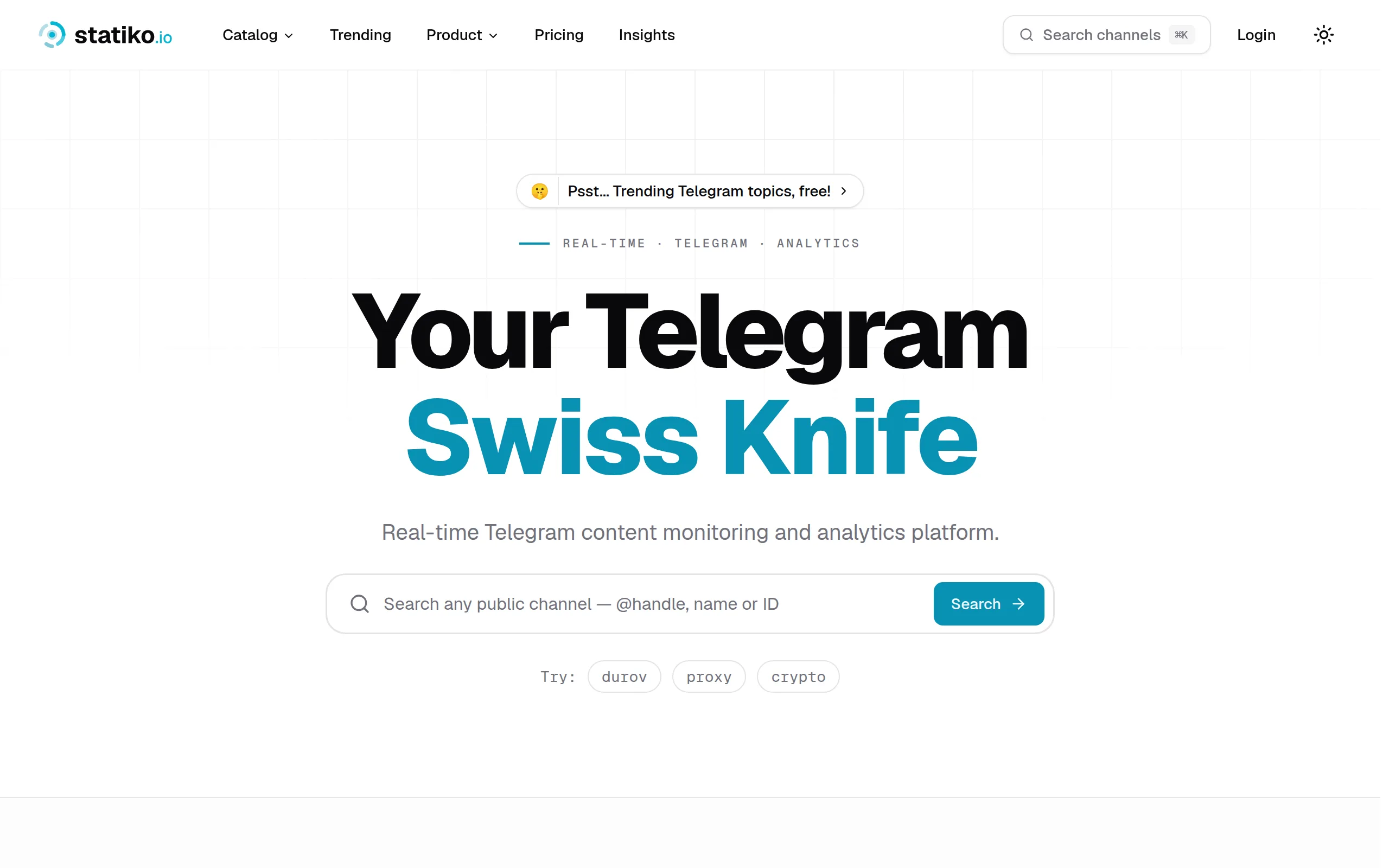
Statiko
Monitor any Telegram channel in real time - track posts, edits, deletions, and growth with AI recaps 📡
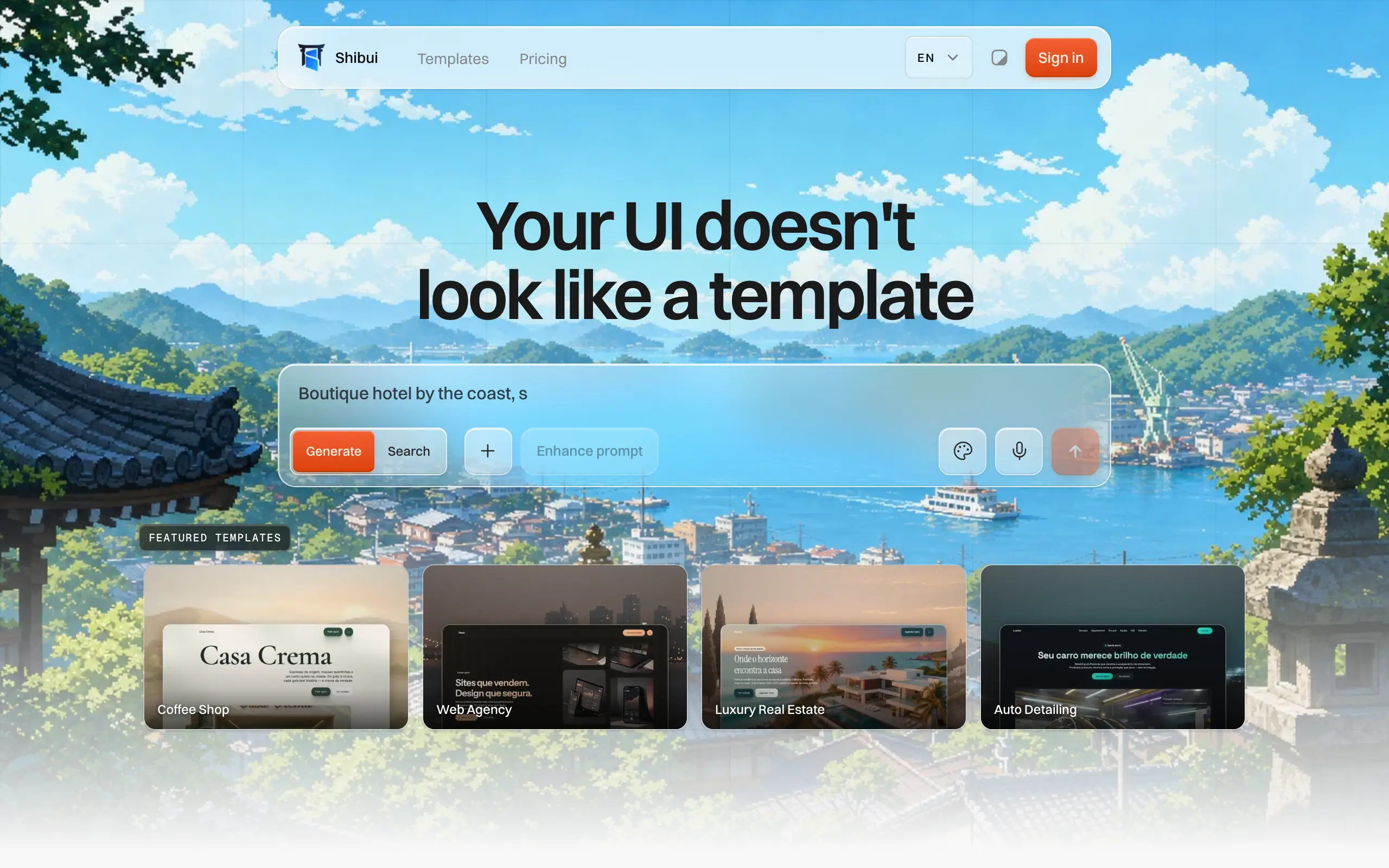
Shibui
AI website builder - describe your business, pick a niche template, edit by chatting, and publish instantly ✨

Pro Service
Find verified home service professionals, compare quotes, and pay securely through escrow - built for Brazilians across the US 🏠
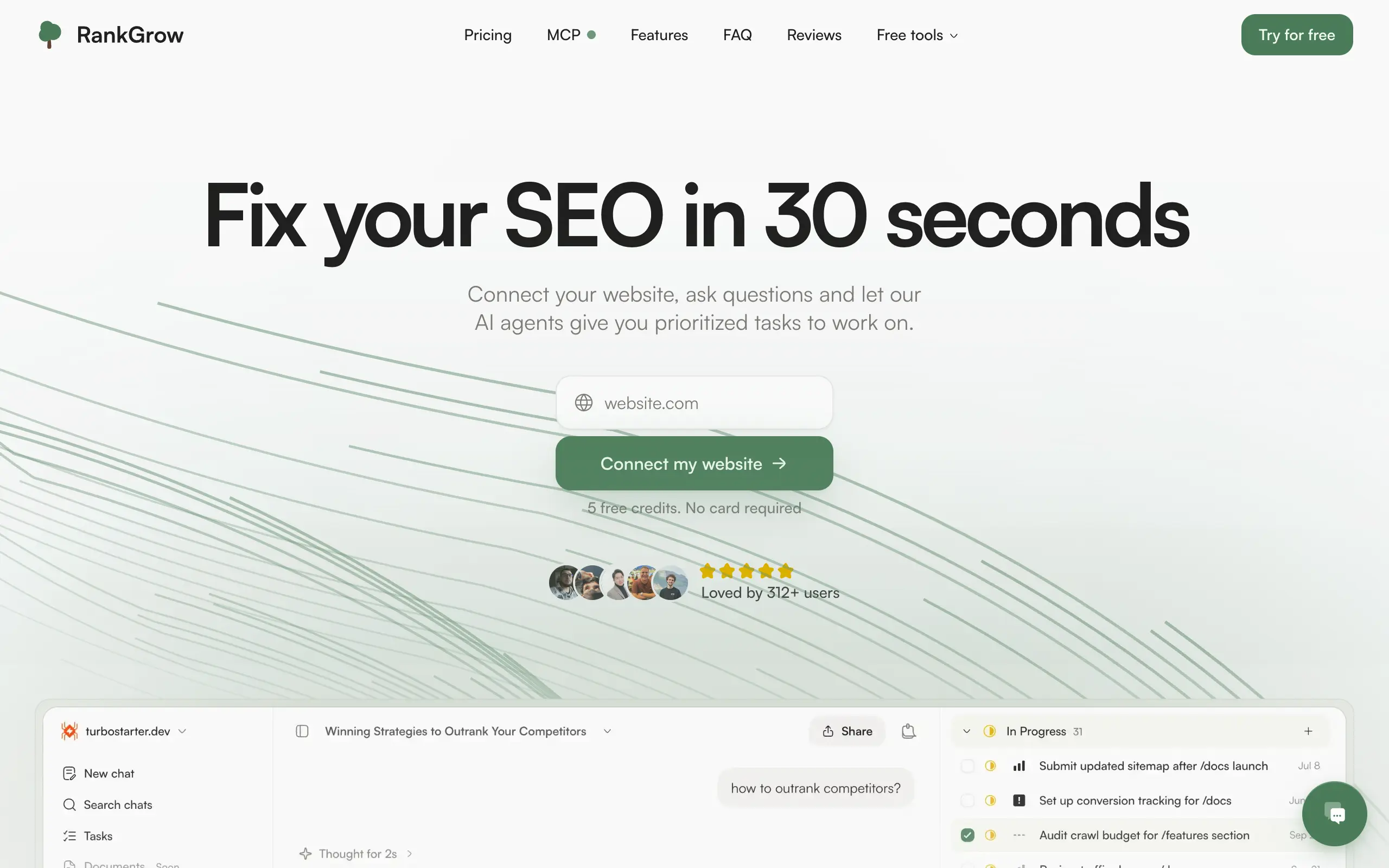
RankGrow
Fix your SEO with AI agents - connect Search Console, get prioritized tasks, and grow organic traffic 📈
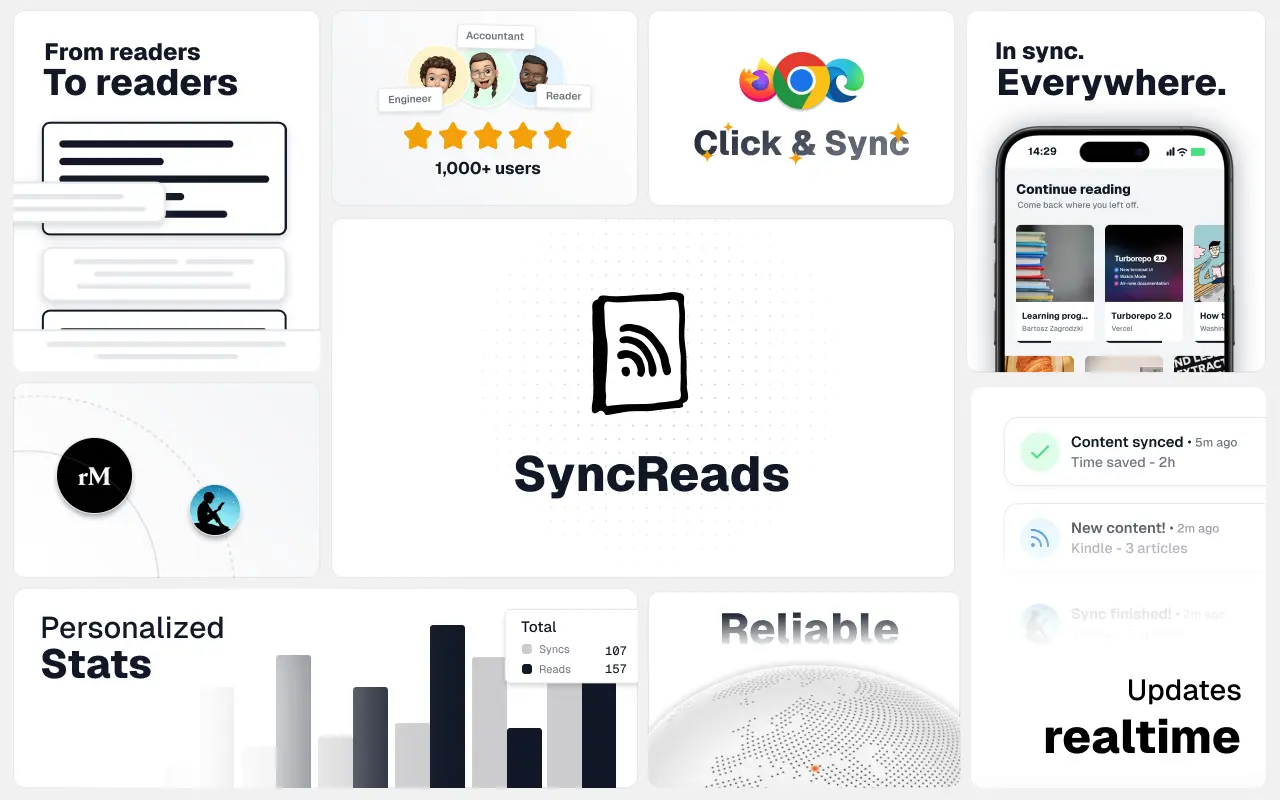
SyncReads
Sync your favorite content for distraction-free reading, save time and replace multiple apps. Anytime, anywhere 🔄
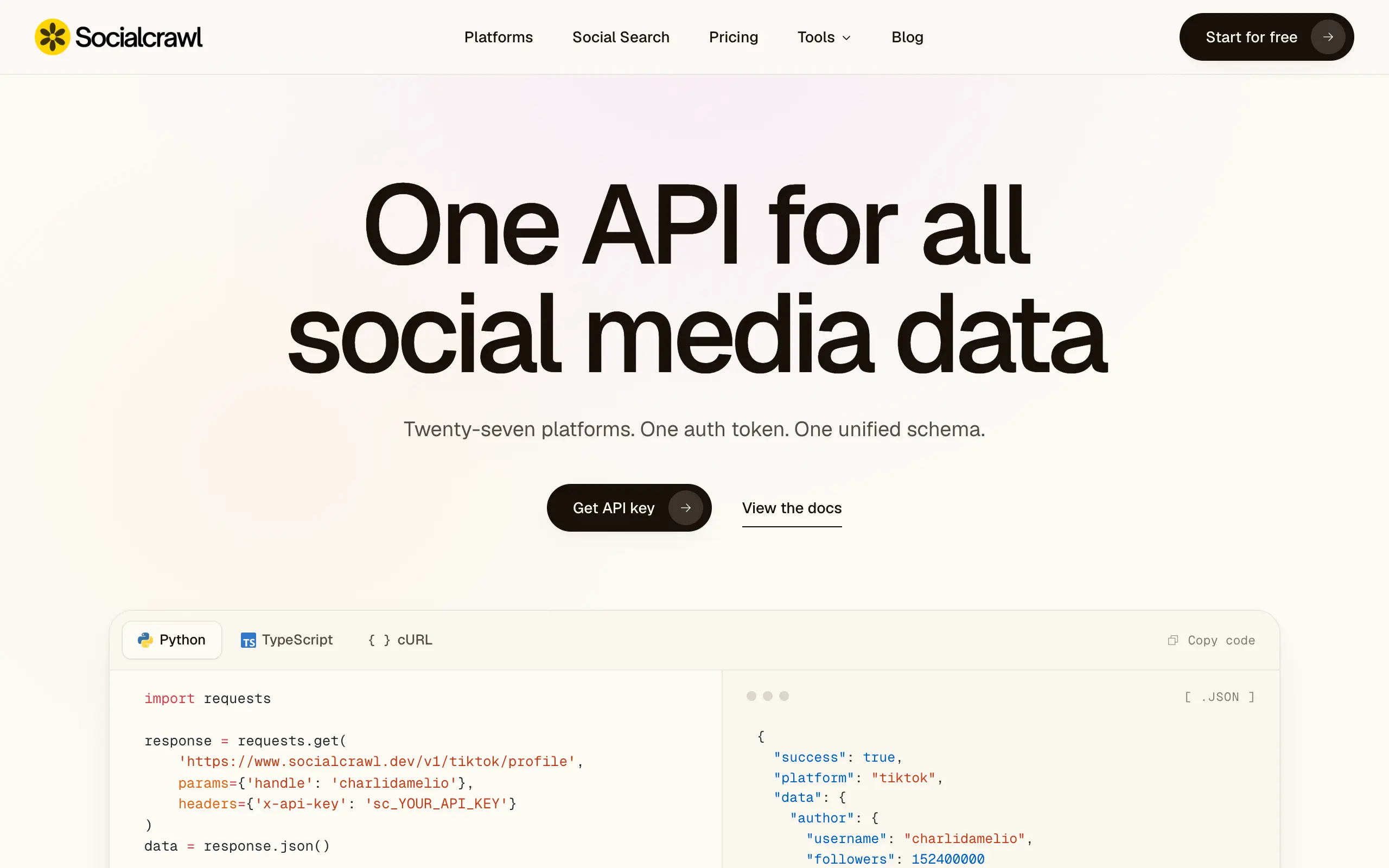
Socialcrawl
Get clean, structured data from 21 platforms like TikTok, Instagram, and YouTube with a single request 📊
Statiko
Monitor any Telegram channel in real time - track posts, edits, deletions, and growth with AI recaps 📡
Shibui
AI website builder - describe your business, pick a niche template, edit by chatting, and publish instantly ✨
Pro Service
Find verified home service professionals, compare quotes, and pay securely through escrow - built for Brazilians across the US 🏠
RankGrow
Fix your SEO with AI agents - connect Search Console, get prioritized tasks, and grow organic traffic 📈
SyncReads
Sync your favorite content for distraction-free reading, save time and replace multiple apps. Anytime, anywhere 🔄
Socialcrawl
Get clean, structured data from 21 platforms like TikTok, Instagram, and YouTube with a single request 📊
Statiko
Monitor any Telegram channel in real time - track posts, edits, deletions, and growth with AI recaps 📡
Shibui
AI website builder - describe your business, pick a niche template, edit by chatting, and publish instantly ✨
Pro Service
Find verified home service professionals, compare quotes, and pay securely through escrow - built for Brazilians across the US 🏠
RankGrow
Fix your SEO with AI agents - connect Search Console, get prioritized tasks, and grow organic traffic 📈
SyncReads
Sync your favorite content for distraction-free reading, save time and replace multiple apps. Anytime, anywhere 🔄
Socialcrawl
Get clean, structured data from 21 platforms like TikTok, Instagram, and YouTube with a single request 📊
Statiko
Monitor any Telegram channel in real time - track posts, edits, deletions, and growth with AI recaps 📡
Shibui
AI website builder - describe your business, pick a niche template, edit by chatting, and publish instantly ✨
Pro Service
Find verified home service professionals, compare quotes, and pay securely through escrow - built for Brazilians across the US 🏠
RankGrow
Fix your SEO with AI agents - connect Search Console, get prioritized tasks, and grow organic traffic 📈
SyncReads
Sync your favorite content for distraction-free reading, save time and replace multiple apps. Anytime, anywhere 🔄
Socialcrawl
Get clean, structured data from 21 platforms like TikTok, Instagram, and YouTube with a single request 📊
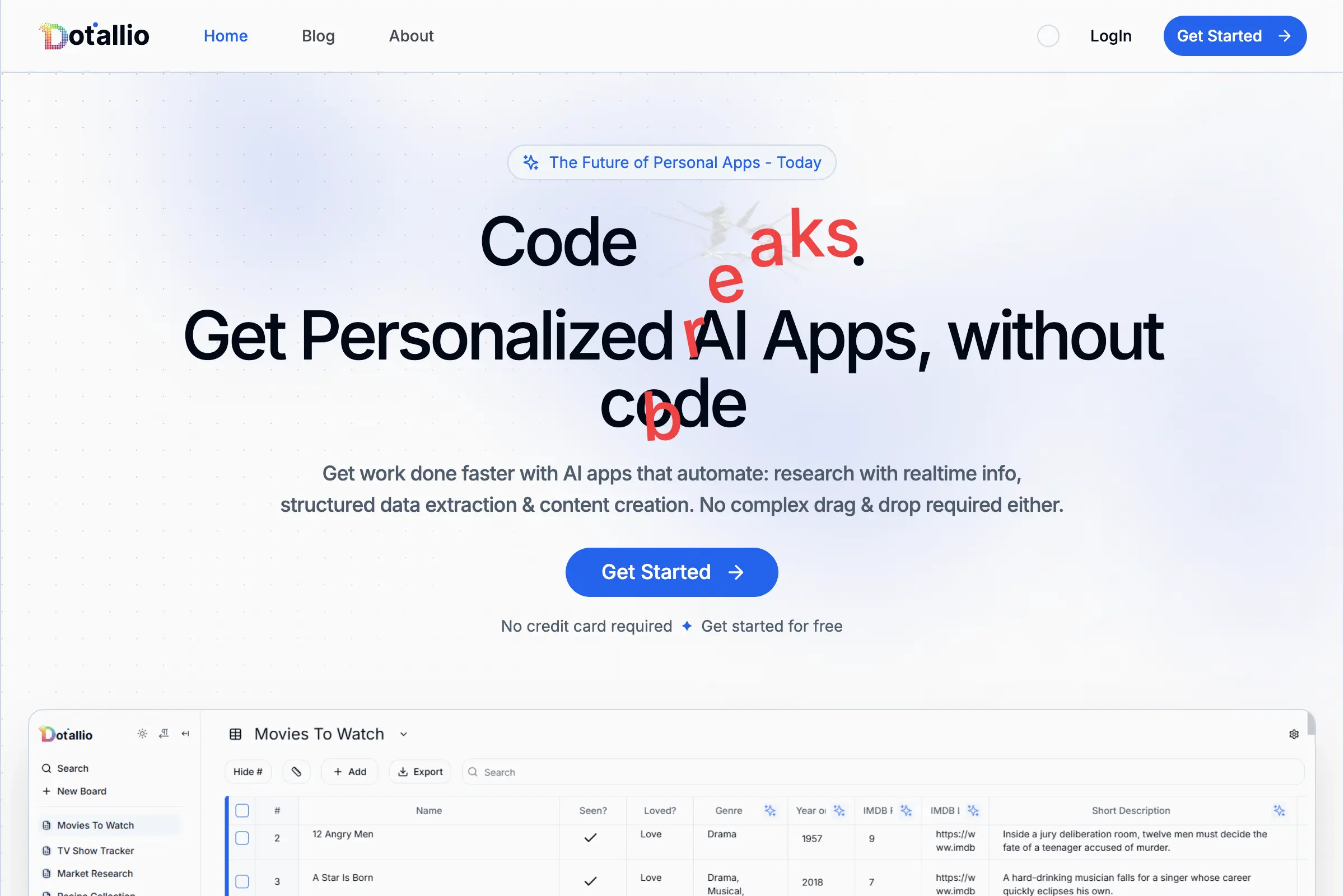
Dotallio
Personalized AI apps that automate research, data extraction, and content creation without code 🤖
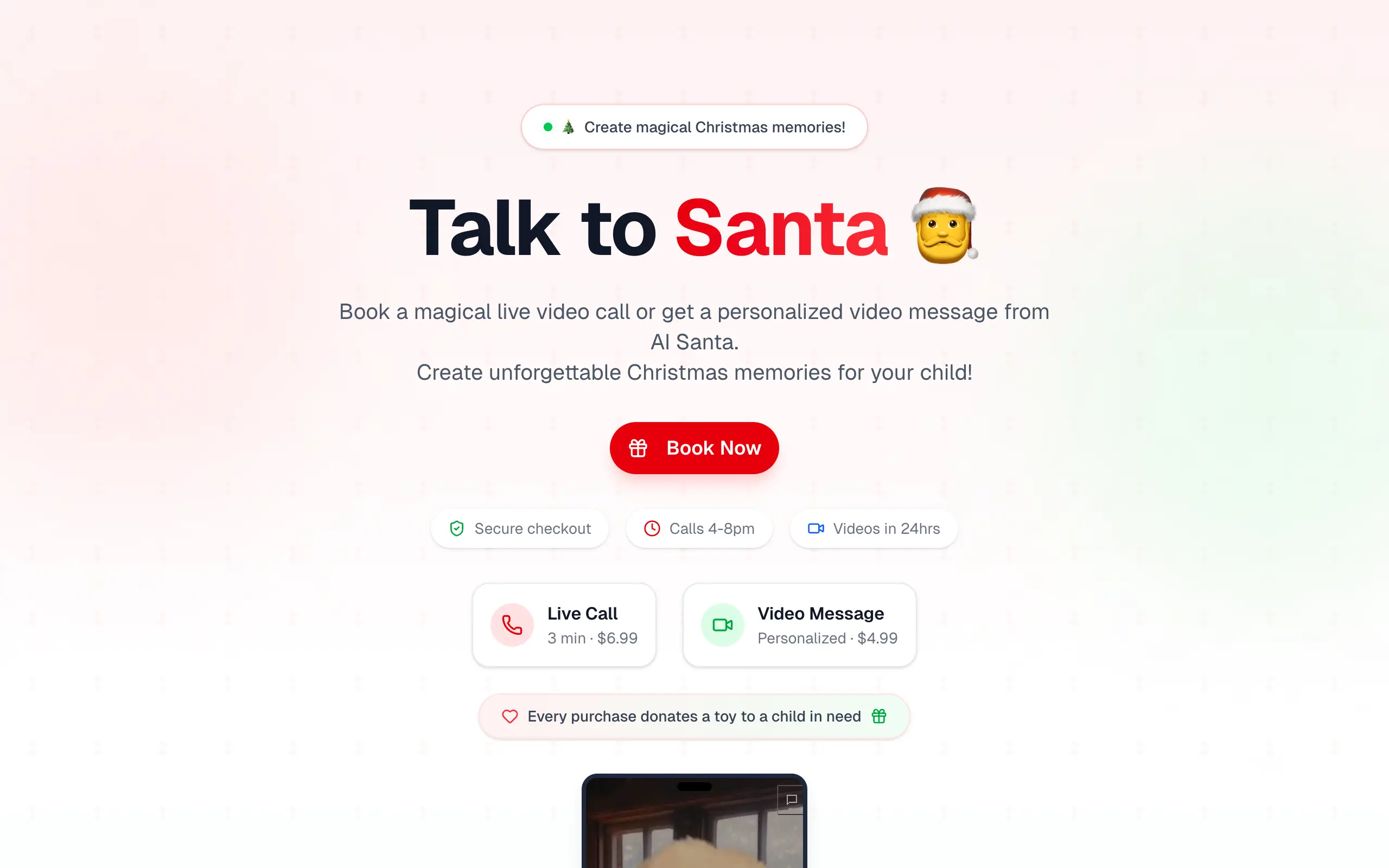
Talk to Santa
Enjoy a magical live video chat or receive a unique AI-generated video greeting from Santa Claus 🎅
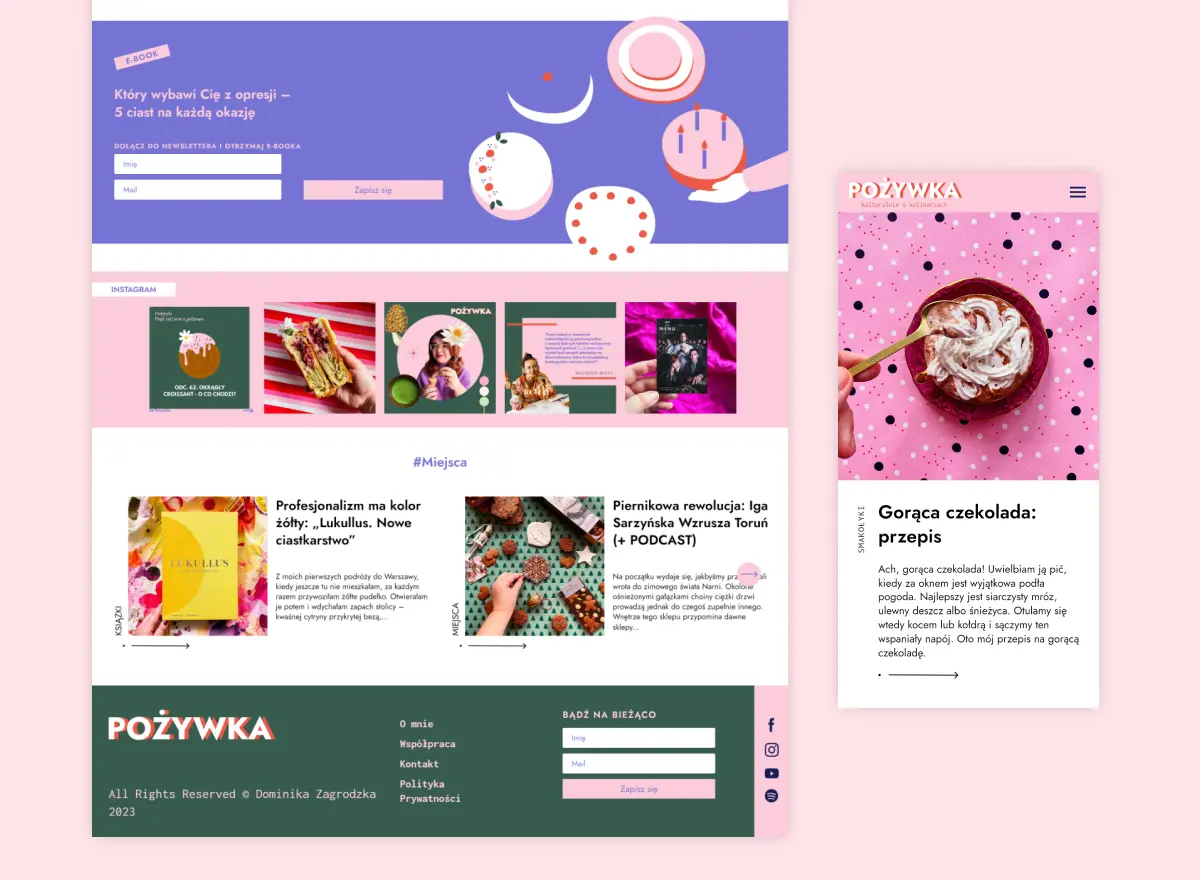
pozywka.pl
Scalable blog for food journalist, focused on performance and user experience 🌭
zagrodzki.me
Personal blog and portfolio of Bart Zagrodzki, where he shares his knowledge and work 💼
TurboStarter
Ship your startup everywhere. In minutes.
HTML to Markdown
Convert HTML to Markdown with ease, directly in your browser 📄
Dotallio
Personalized AI apps that automate research, data extraction, and content creation without code 🤖
Talk to Santa
Enjoy a magical live video chat or receive a unique AI-generated video greeting from Santa Claus 🎅
pozywka.pl
Scalable blog for food journalist, focused on performance and user experience 🌭
zagrodzki.me
Personal blog and portfolio of Bart Zagrodzki, where he shares his knowledge and work 💼
TurboStarter
Ship your startup everywhere. In minutes.
HTML to Markdown
Convert HTML to Markdown with ease, directly in your browser 📄
Dotallio
Personalized AI apps that automate research, data extraction, and content creation without code 🤖
Talk to Santa
Enjoy a magical live video chat or receive a unique AI-generated video greeting from Santa Claus 🎅
pozywka.pl
Scalable blog for food journalist, focused on performance and user experience 🌭
zagrodzki.me
Personal blog and portfolio of Bart Zagrodzki, where he shares his knowledge and work 💼
TurboStarter
Ship your startup everywhere. In minutes.
HTML to Markdown
Convert HTML to Markdown with ease, directly in your browser 📄
Dotallio
Personalized AI apps that automate research, data extraction, and content creation without code 🤖
Talk to Santa
Enjoy a magical live video chat or receive a unique AI-generated video greeting from Santa Claus 🎅
pozywka.pl
Scalable blog for food journalist, focused on performance and user experience 🌭
zagrodzki.me
Personal blog and portfolio of Bart Zagrodzki, where he shares his knowledge and work 💼
TurboStarter
Ship your startup everywhere. In minutes.
HTML to Markdown
Convert HTML to Markdown with ease, directly in your browser 📄
Omichat
Chat with 50+ AI models, including ChatGPT and Claude, in one place - switch models anytime without losing context 🤖
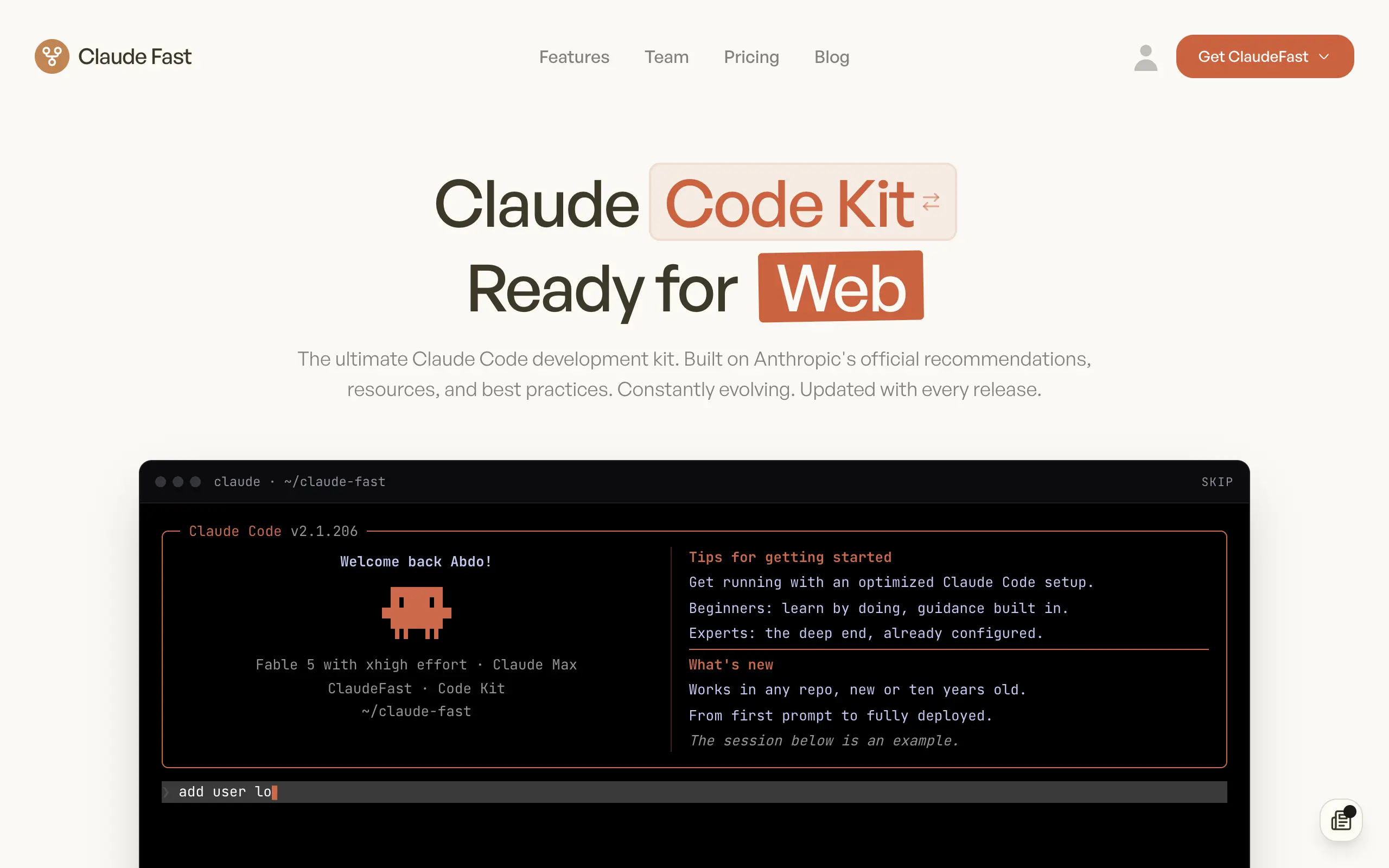
Claude Fast
Supercharge your Claude Code with 6x effective context window and specialized AI agents 🤖
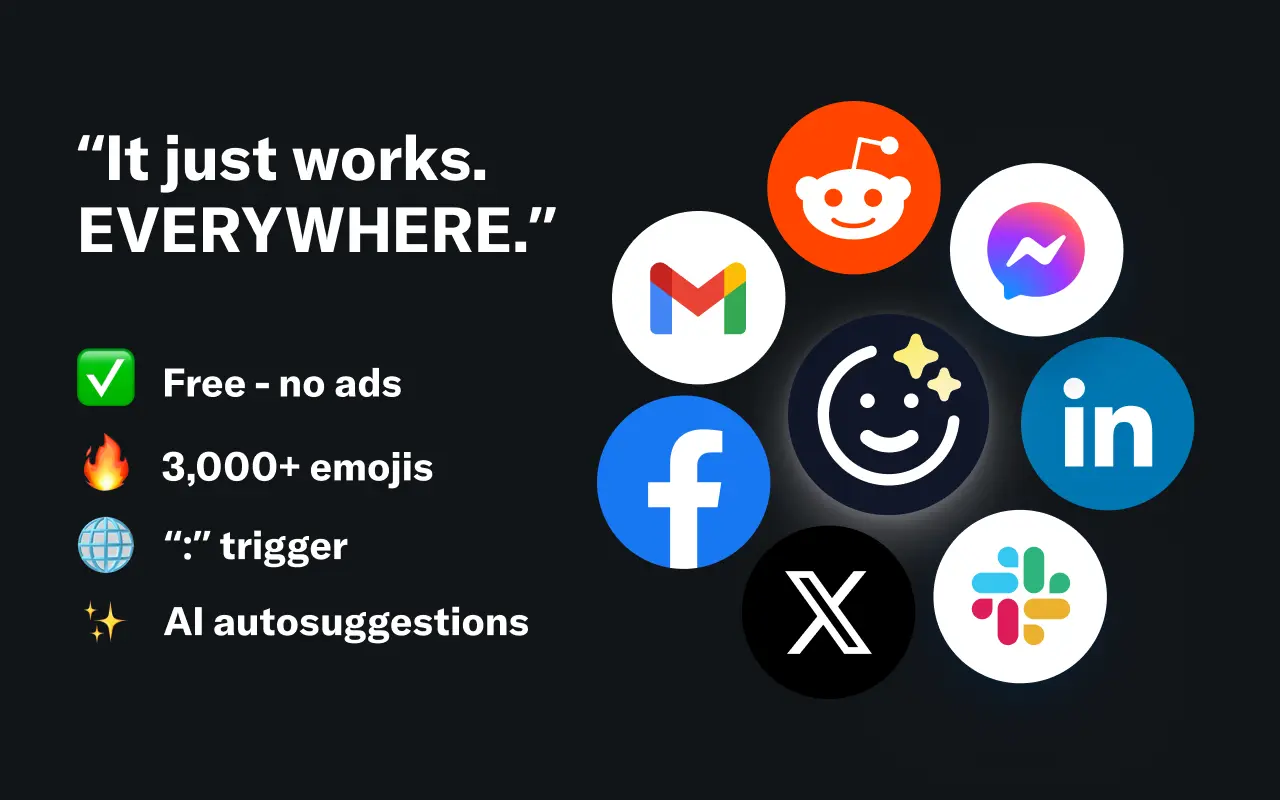
EmojAI
AI-powered emoji picker with smart, context-aware suggestions 🤖
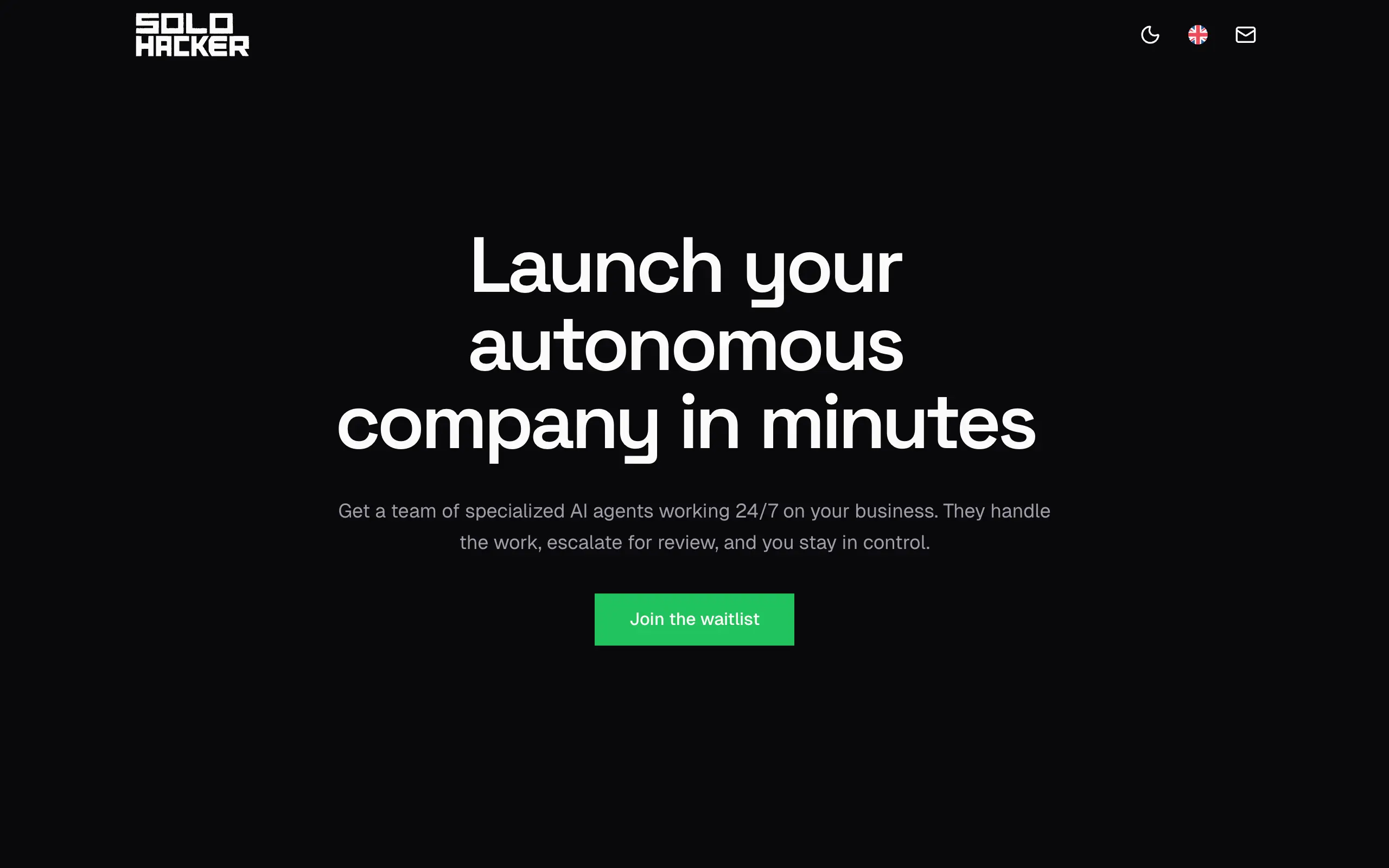
Solohacker
Autonomous company launcher - AI agents work 24/7, escalate what matters, and you stay in control 🤖
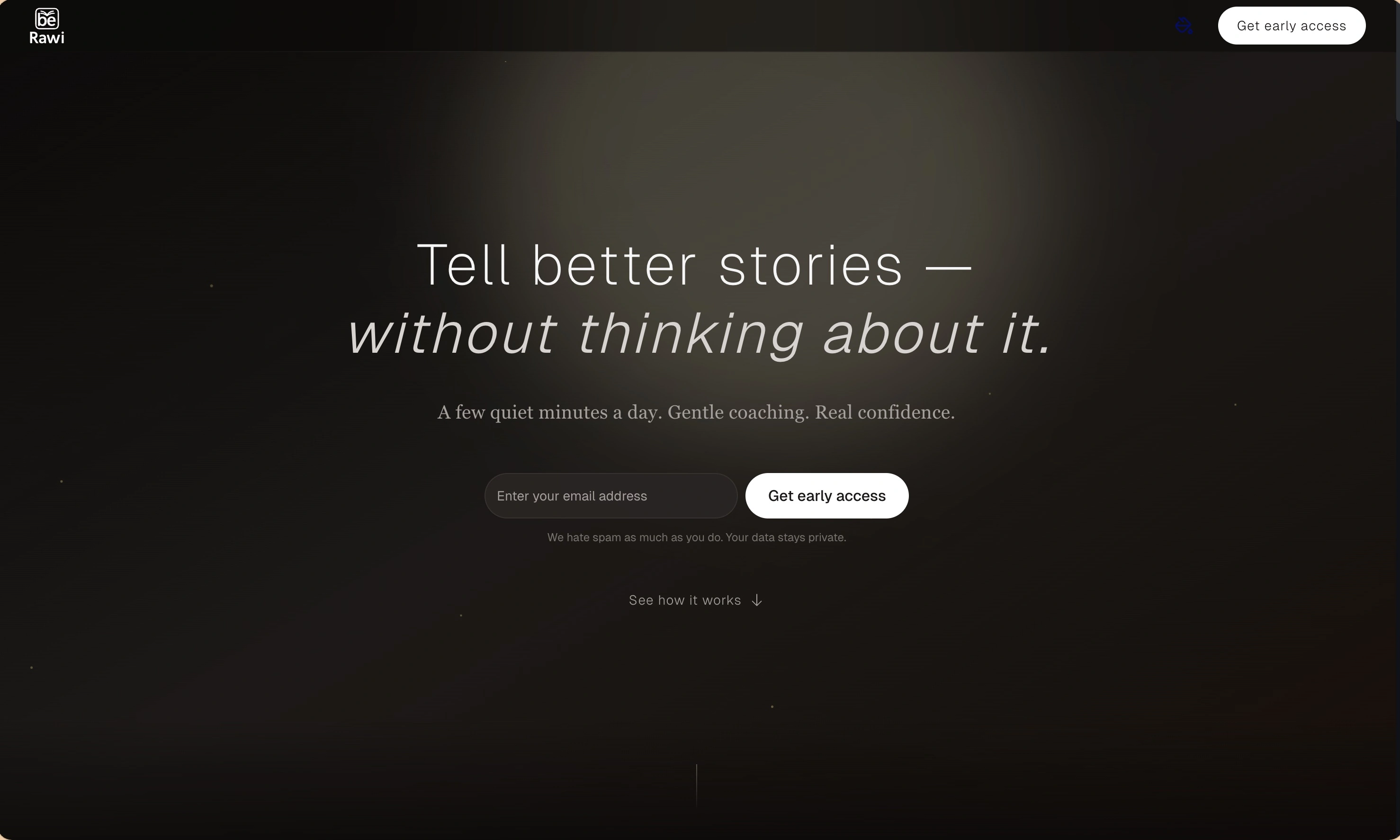
BeRawi: Storytelling Coach
Practice storytelling daily with instant feedback to sound clearer, more engaging, and confident 🎤
Omichat
Chat with 50+ AI models, including ChatGPT and Claude, in one place - switch models anytime without losing context 🤖
Claude Fast
Supercharge your Claude Code with 6x effective context window and specialized AI agents 🤖
EmojAI
AI-powered emoji picker with smart, context-aware suggestions 🤖
Solohacker
Autonomous company launcher - AI agents work 24/7, escalate what matters, and you stay in control 🤖
BeRawi: Storytelling Coach
Practice storytelling daily with instant feedback to sound clearer, more engaging, and confident 🎤
Omichat
Chat with 50+ AI models, including ChatGPT and Claude, in one place - switch models anytime without losing context 🤖
Claude Fast
Supercharge your Claude Code with 6x effective context window and specialized AI agents 🤖
EmojAI
AI-powered emoji picker with smart, context-aware suggestions 🤖
Solohacker
Autonomous company launcher - AI agents work 24/7, escalate what matters, and you stay in control 🤖
BeRawi: Storytelling Coach
Practice storytelling daily with instant feedback to sound clearer, more engaging, and confident 🎤
Omichat
Chat with 50+ AI models, including ChatGPT and Claude, in one place - switch models anytime without losing context 🤖
Claude Fast
Supercharge your Claude Code with 6x effective context window and specialized AI agents 🤖
EmojAI
AI-powered emoji picker with smart, context-aware suggestions 🤖
Solohacker
Autonomous company launcher - AI agents work 24/7, escalate what matters, and you stay in control 🤖
BeRawi: Storytelling Coach
Practice storytelling daily with instant feedback to sound clearer, more engaging, and confident 🎤

Connect with like-minded people
Join our community to get feedback, support, and grow together with 1,000+ builders on board, let's ship it!
Join usShip your startup everywhere. In minutes.
Don't burn tokens on setup and start building features on day one.