CivicLens AI
AI-powered public behavior monitoring system that detects rule violations like smoking in restricted areas and auto-generates evidence-based fine reports for authorities.
The future of AI-powered public behavior monitoring
Urban environments are becoming more complex. Cities face increasing pressure to maintain public safety, enforce regulations, and ensure compliance with civic rules—while simultaneously respecting privacy and civil liberties. From smoking in restricted areas to littering, illegal parking, or unauthorized vending, municipalities struggle with limited manpower and reactive enforcement models.
An AI-powered public behavior monitoring system like CivicLens AI offers a proactive, scalable solution. By leveraging computer vision, edge AI, and automated evidence generation, CivicLens AI detects rule violations in real time and auto-generates evidence-based fine reports for authorities.
This article provides a comprehensive breakdown of the opportunity, technical architecture, monetization strategy, legal risks, and go-to-market roadmap for launching and scaling an AI public behavior monitoring SaaS platform.
Understanding the user search intent
When users search for terms like:
- “AI public behavior monitoring system”
- “AI smoking detection system”
- “automated fine generation software”
- “AI rule violation detection”
- “smart city AI enforcement”
They are typically looking for one of the following:
- Municipal leaders exploring smart city technologies.
- Government procurement teams assessing compliance automation tools.
- Startup founders validating an AI SaaS idea.
- Investors evaluating smart city innovation.
- Developers researching technical implementation.
This guide directly addresses all these intents by providing:
- Market analysis
- Technical stack recommendations
- Legal considerations
- Competitive positioning
- Monetization models
- Actionable implementation steps
The core problem: inefficient civic rule enforcement
Most civic rule enforcement today is:
- Manual
- Reactive
- Labor-intensive
- Inconsistent
For example, enforcing no-smoking laws in restricted public areas typically requires:
- Physical patrol officers
- Citizen complaints
- Manual documentation
- Paper-based fine issuance
This leads to:
- High operational costs
- Inconsistent enforcement
- Delayed penalties
- Low deterrence impact
CivicLens AI introduces real-time AI-driven monitoring that automates detection and report generation while keeping human oversight in the loop.
What is CivicLens AI?
CivicLens AI is an AI-powered public behavior monitoring system designed for municipalities and regulatory authorities. It:
- Monitors public areas using existing CCTV infrastructure
- Detects predefined rule violations (e.g., smoking in restricted zones)
- Captures timestamped evidence
- Generates structured fine reports
- Integrates with government systems
It is not merely surveillance software. It is an intelligent enforcement workflow platform.
Target audience analysis
Primary target users
Municipal Governments
City administrations seeking cost-effective smart enforcement solutions.
Transportation Authorities
Monitoring metro stations, airports, bus terminals for rule compliance.
Campus & Facility Operators
Universities, hospitals, and large facilities enforcing internal policies.
Secondary stakeholders
- Law enforcement agencies
- Smart city consultants
- Public-private infrastructure operators
- Property management firms
Decision-maker personas
- Chief Innovation Officer (CIO)
- Smart City Director
- Head of Public Safety
- Government Procurement Officer
Their priorities include:
- Cost reduction
- Public compliance improvement
- Legal defensibility
- Transparent reporting
- Citizen trust
Market opportunity and gap analysis
Smart city market growth
The global smart city market continues to grow rapidly, driven by:
- Urbanization
- IoT adoption
- AI integration
- Digital governance initiatives
Industry research firms such as Gartner and IDC frequently highlight AI-driven public infrastructure as a top investment area. Municipalities are increasingly allocating budgets to:
- Intelligent traffic management
- AI surveillance systems
- Automated compliance monitoring
Market gap
Current surveillance solutions focus on:
- Video recording
- Basic motion detection
- Security threat alerts
Few systems provide:
- Rule-specific violation detection
- Automated evidence packaging
- Compliance-grade reporting
- Fine report auto-generation
This is the opportunity CivicLens AI addresses.
Core features of CivicLens AI
1. AI-powered violation detection
Using computer vision models trained on specific behaviors:
- Smoking detection
- Littering detection
- Restricted area entry
- Loitering patterns
- Unauthorized vending
Models are optimized for edge inference to reduce latency and cloud costs.
2. Evidence capture engine
When a violation is detected:
- Video snippet is clipped (e.g., 10–20 seconds)
- Timestamp and GPS metadata embedded
- Confidence score calculated
- Incident ID generated
This ensures defensibility in case of disputes.
3. Automated fine report generation
The system generates structured reports including:
- Violation type
- Legal reference
- Evidence attachments
- Officer review section
- Digital signature capability
Example structure:
{
  "incident_id": "CL-2026-0001982",
  "violation": "Smoking in restricted public area",
  "timestamp": "2026-02-14T15:42:21Z",
  "location": "Metro Station - Platform 2",
  "confidence_score": 0.93,
  "evidence_clip": "secure_storage_link"
}
4. Human-in-the-loop review dashboard
To reduce false positives:
- Officers review flagged incidents
- Approve or dismiss cases
- Add comments
- Trigger fine issuance
This ensures ethical AI deployment.
5. Compliance and audit logs
Every action is logged:
- Detection event
- Review decision
- Fine issuance
- Appeals handling
This creates legal transparency.
Feature comparison with traditional systems
| Feature | Traditional CCTV | Basic AI Surveillance | CivicLens AI | Manual Patrol |
|---|---|---|---|---|
| Real-time rule detection | ❌ | ✅ | ✅ | ❌ |
| Auto evidence packaging | ❌ | ❌ | ✅ | ❌ |
| Fine report generation | ❌ | ❌ | ✅ | ✅ (manual) |
| Scalability | ✅ | ✅ | ✅ | ❌ |
Technical architecture of an AI public behavior monitoring system
High-level architecture
Recommended tech stack
Frontend
Why:
- Scalable admin dashboards
- Real-time updates via WebSockets
- Excellent developer ecosystem
Backend
- Node.js or Python (FastAPI)
- REST or GraphQL API
- WebSocket for real-time alerts
AI & Computer Vision
- PyTorch or TensorFlow
- OpenCV
- YOLOv8 or custom CNN models
- ONNX for optimized edge deployment
Infrastructure
- AWS, Azure, or GCP
- Object storage (S3-compatible)
- Kubernetes for scalability
- Edge devices (NVIDIA Jetson)
Example AI inference pipeline
def process_frame(frame):
    detections = model.predict(frame)

    for detection in detections:
        if detection.label == "smoking" and detection.confidence > 0.85:
            incident = create_incident_record(detection)
            save_evidence_clip(frame)
            notify_dashboard(incident)
Privacy, legal, and ethical considerations
This is the most critical section.
AI public behavior monitoring intersects with:
- Data protection laws
- Surveillance regulations
- Civil rights
- Due process
Key compliance areas
- GDPR (EU)
- CCPA (California)
- Local surveillance laws
- Data retention policies
Privacy-first design is non-negotiable
AI enforcement systems must implement data minimization, encryption, and strict access control. Public trust is essential for adoption.
Risk mitigation strategies
- Blur non-relevant faces
- Store only incident-based footage
- Limit retention period
- Enable citizen appeal portal
- Provide audit transparency
Monetization strategy
CivicLens AI operates as a B2G (Business-to-Government) SaaS model.
1. SaaS subscription pricing
Options:
- Per camera per month
- Per detected incident
- Tiered city population pricing
Example:
- Small city: $5,000/month
- Mid-sized city: $15,000/month
- Enterprise metro: Custom pricing
2. Hardware + software bundle
For cities lacking infrastructure:
- Edge AI device leasing
- Installation services
- Maintenance contracts
3. Revenue-sharing model
Some municipalities may prefer:
- Percentage of collected fines
- Hybrid subscription + revenue share
This reduces upfront friction.
Competitive landscape
Indirect competitors
- Generic AI surveillance vendors
- Traffic enforcement camera companies
- Security monitoring platforms
CivicLens AI differentiation
- Rule-specific detection
- Automated legal report generation
- Human-in-the-loop workflow
- Compliance-ready architecture
- Modular violation model training
Unique selling proposition (USP)
CivicLens AI is not just surveillance—it is an AI-powered civic enforcement automation platform.
Its core advantages:
- End-to-end workflow
- Evidence-based reporting
- Legal defensibility
- Smart city integration
- Scalable SaaS model
Potential risks and mitigation
1. False positives
Mitigation:
- High confidence thresholds
- Manual review stage
- Continuous model retraining
2. Public backlash
Mitigation:
- Transparent communication
- Independent audits
- Privacy safeguards
3. Regulatory restrictions
Mitigation:
- Legal advisory partnerships
- Localized compliance modules
- Modular feature toggling
Implementation roadmap
MVP scope recommendation
Start with:
- Single violation type (e.g., smoking detection)
- 10–20 cameras
- Manual officer review
- PDF fine report export
- Dashboard analytics
Avoid:
- Multi-country expansion at launch
- Full automation without review
- Excessive feature creep
Go-to-market strategy
Phase 1: pilot city
- Offer discounted pilot
- Prove reduction in manual workload
- Demonstrate ROI
Phase 2: case study marketing
- Publish measurable results
- Highlight compliance impact
- Showcase cost savings
Phase 3: smart city partnerships
- Collaborate with infrastructure providers
- Integrate with urban tech ecosystems
Building CivicLens AI efficiently
Launching a complex SaaS like CivicLens AI requires:
- Secure authentication
- Role-based dashboards
- Scalable infrastructure
- Billing management
- Compliance logging
Instead of building everything from scratch, you can accelerate development using a production-ready SaaS starter kit like TurboStarter, which provides authentication, billing integration, and scalable architecture foundations—allowing your team to focus on AI model innovation and enforcement workflows.
Future expansion opportunities
Once established, CivicLens AI can expand into:
- AI traffic violations
- Environmental monitoring
- Crowd safety analytics
- Workplace compliance monitoring
- Smart campus solutions
Long-term vision: a unified AI governance platform for cities.
Frequently asked questions
It depends on jurisdiction. Compliance with local surveillance and data protection laws is mandatory. Systems must include privacy safeguards and human oversight.
With sufficient training data and controlled environments, modern computer vision models can exceed 90% precision. However, performance varies based on lighting and camera angle.
Yes. Most modern IP camera systems support RTSP streams, which can be integrated into AI inference pipelines.
Final thoughts
CivicLens AI represents a high-impact opportunity at the intersection of:
- Artificial intelligence
- Smart cities
- Civic compliance
- Automated enforcement
By focusing on:
- Privacy-first architecture
- Human-in-the-loop workflows
- Legal defensibility
- Scalable SaaS infrastructure
You can build not just an AI monitoring tool—but a trusted civic technology platform.
The demand for AI-powered public behavior monitoring systems is rising. Municipalities seek efficient, data-driven enforcement solutions that reduce costs while improving compliance.
If executed responsibly and strategically, CivicLens AI can become a foundational technology in next-generation urban governance.
More 🤖 AI Startup SaaS ideas
Discover more innovative ai startup SaaS ideas that are trending in 2026. Each idea is AI-generated with market validation and growth potential to help you find your next profitable venture faster than competitors.
Your competitors are building with TurboStarter
Below are some of the SaaS ideas that have been generated and built with our starter kit.

Statiko
Monitor any Telegram channel in real time - track posts, edits, deletions, and growth with AI recaps 📡

Shibui
AI website builder - describe your business, pick a niche template, edit by chatting, and publish instantly ✨

Pro Service
Find verified home service professionals, compare quotes, and pay securely through escrow - built for Brazilians across the US 🏠
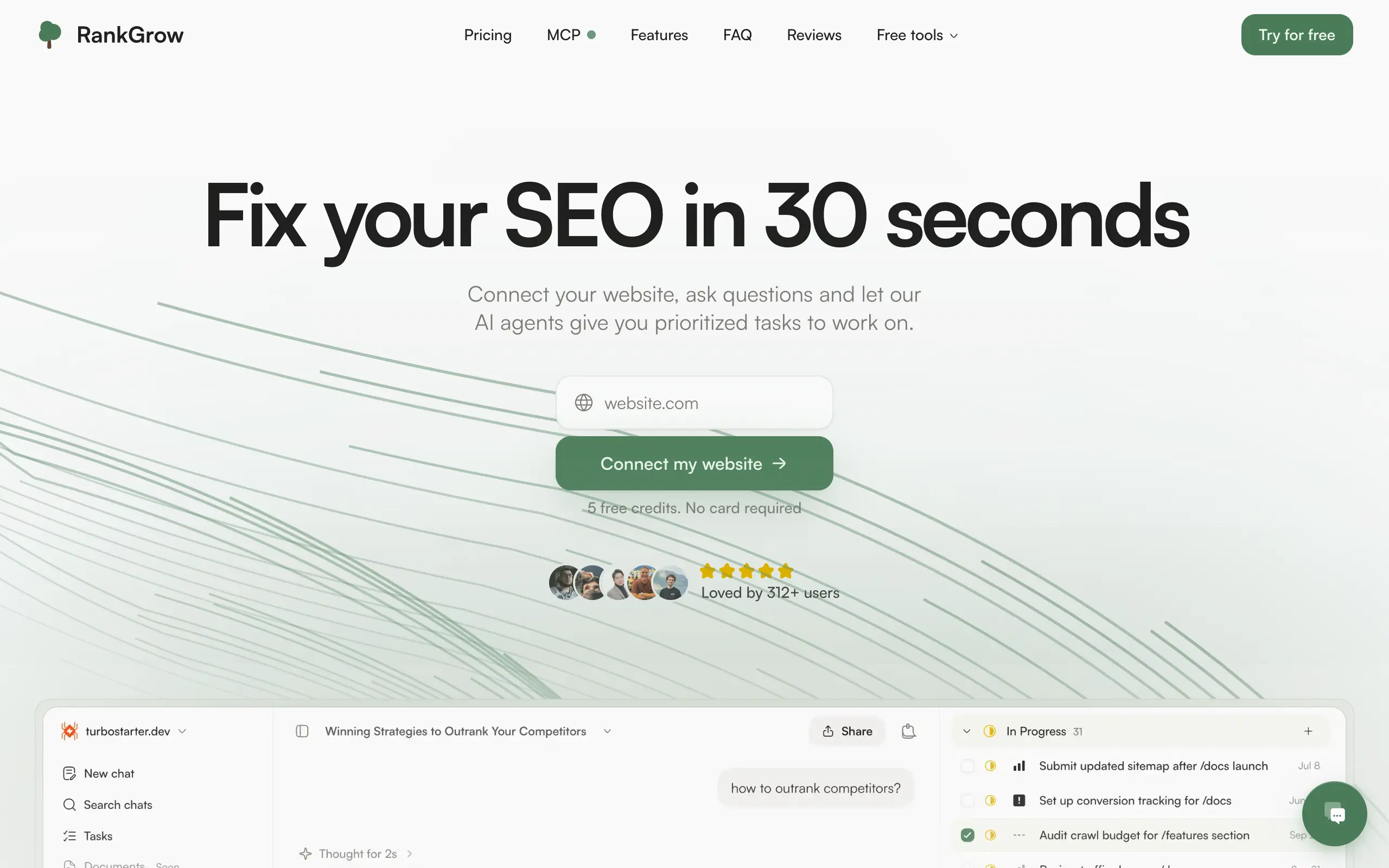
RankGrow
Fix your SEO with AI agents - connect Search Console, get prioritized tasks, and grow organic traffic 📈
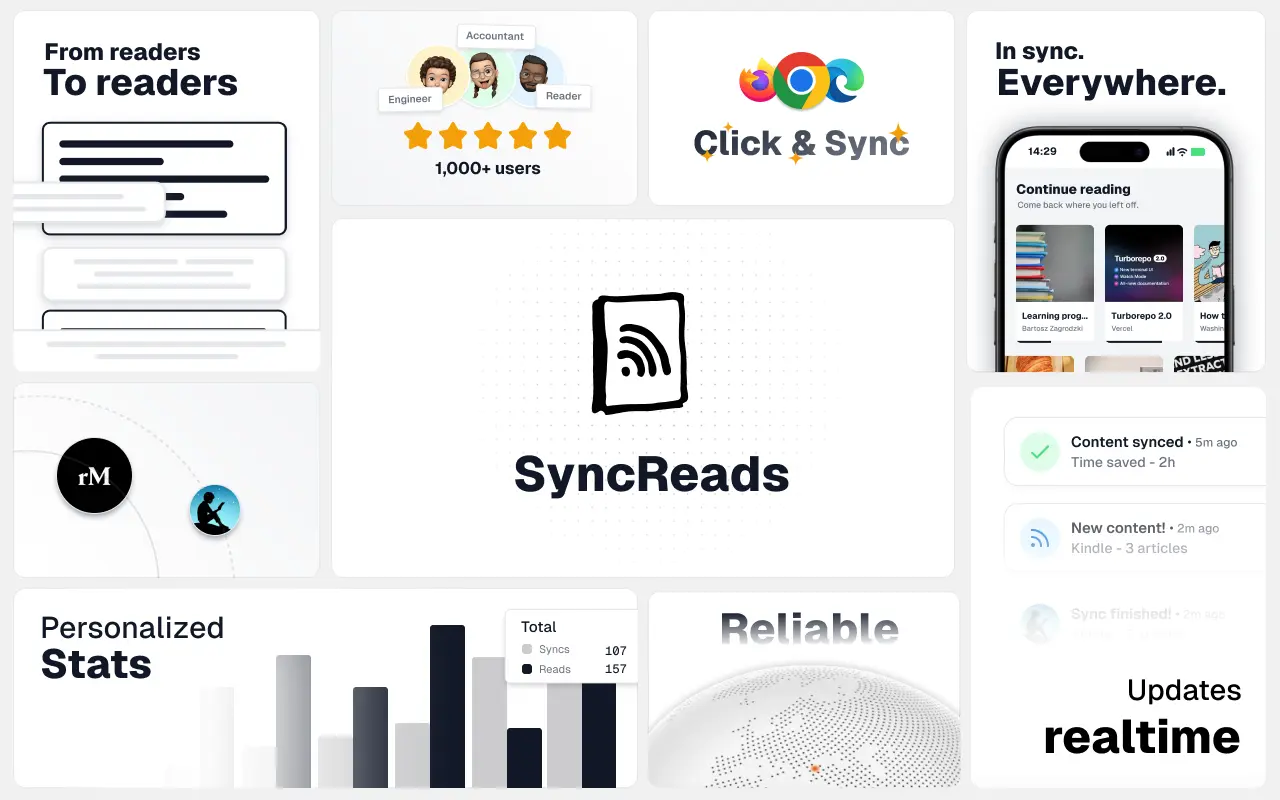
SyncReads
Sync your favorite content for distraction-free reading, save time and replace multiple apps. Anytime, anywhere 🔄
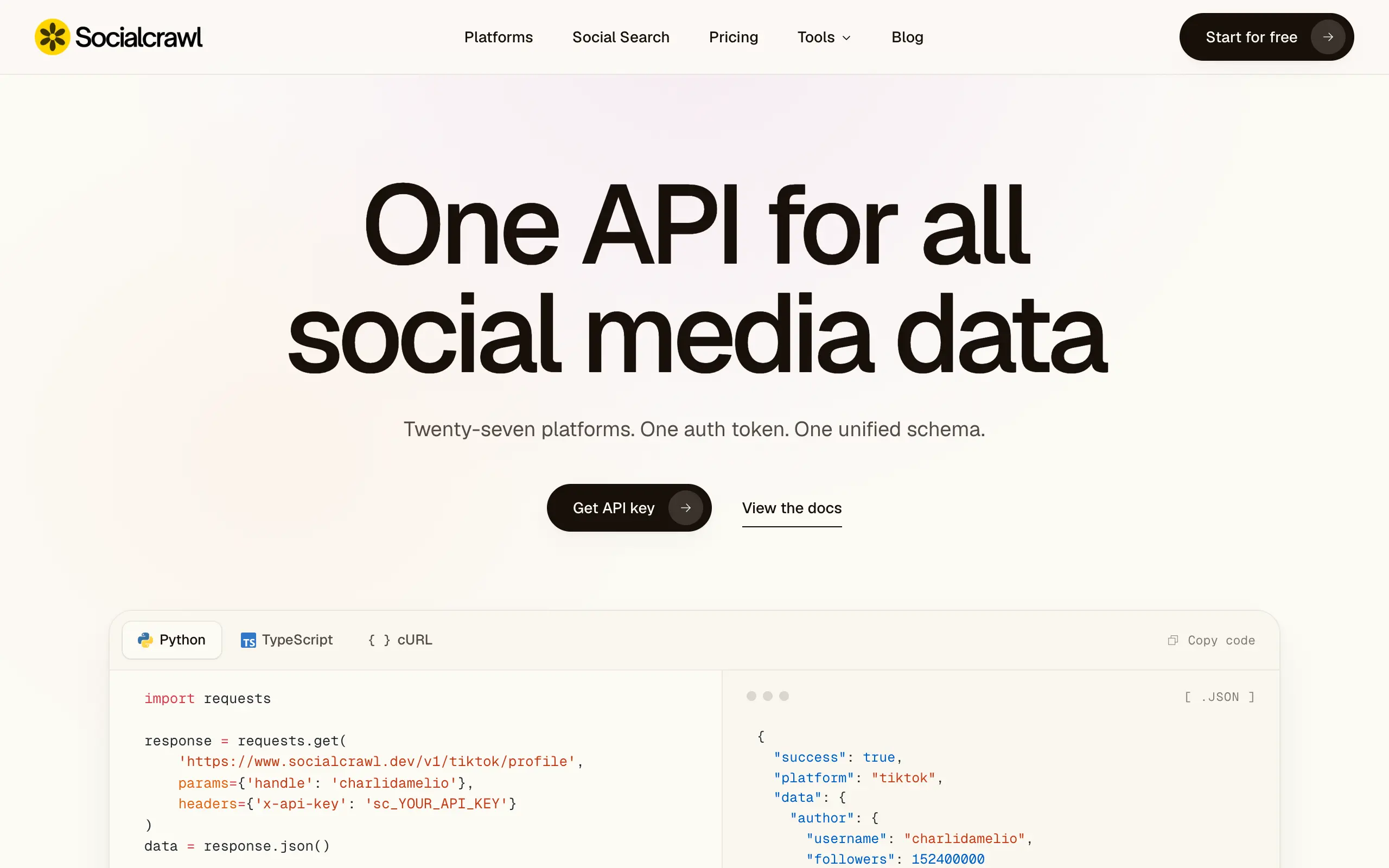
Socialcrawl
Get clean, structured data from 21 platforms like TikTok, Instagram, and YouTube with a single request 📊
Statiko
Monitor any Telegram channel in real time - track posts, edits, deletions, and growth with AI recaps 📡
Shibui
AI website builder - describe your business, pick a niche template, edit by chatting, and publish instantly ✨
Pro Service
Find verified home service professionals, compare quotes, and pay securely through escrow - built for Brazilians across the US 🏠
RankGrow
Fix your SEO with AI agents - connect Search Console, get prioritized tasks, and grow organic traffic 📈
SyncReads
Sync your favorite content for distraction-free reading, save time and replace multiple apps. Anytime, anywhere 🔄
Socialcrawl
Get clean, structured data from 21 platforms like TikTok, Instagram, and YouTube with a single request 📊
Statiko
Monitor any Telegram channel in real time - track posts, edits, deletions, and growth with AI recaps 📡
Shibui
AI website builder - describe your business, pick a niche template, edit by chatting, and publish instantly ✨
Pro Service
Find verified home service professionals, compare quotes, and pay securely through escrow - built for Brazilians across the US 🏠
RankGrow
Fix your SEO with AI agents - connect Search Console, get prioritized tasks, and grow organic traffic 📈
SyncReads
Sync your favorite content for distraction-free reading, save time and replace multiple apps. Anytime, anywhere 🔄
Socialcrawl
Get clean, structured data from 21 platforms like TikTok, Instagram, and YouTube with a single request 📊
Statiko
Monitor any Telegram channel in real time - track posts, edits, deletions, and growth with AI recaps 📡
Shibui
AI website builder - describe your business, pick a niche template, edit by chatting, and publish instantly ✨
Pro Service
Find verified home service professionals, compare quotes, and pay securely through escrow - built for Brazilians across the US 🏠
RankGrow
Fix your SEO with AI agents - connect Search Console, get prioritized tasks, and grow organic traffic 📈
SyncReads
Sync your favorite content for distraction-free reading, save time and replace multiple apps. Anytime, anywhere 🔄
Socialcrawl
Get clean, structured data from 21 platforms like TikTok, Instagram, and YouTube with a single request 📊
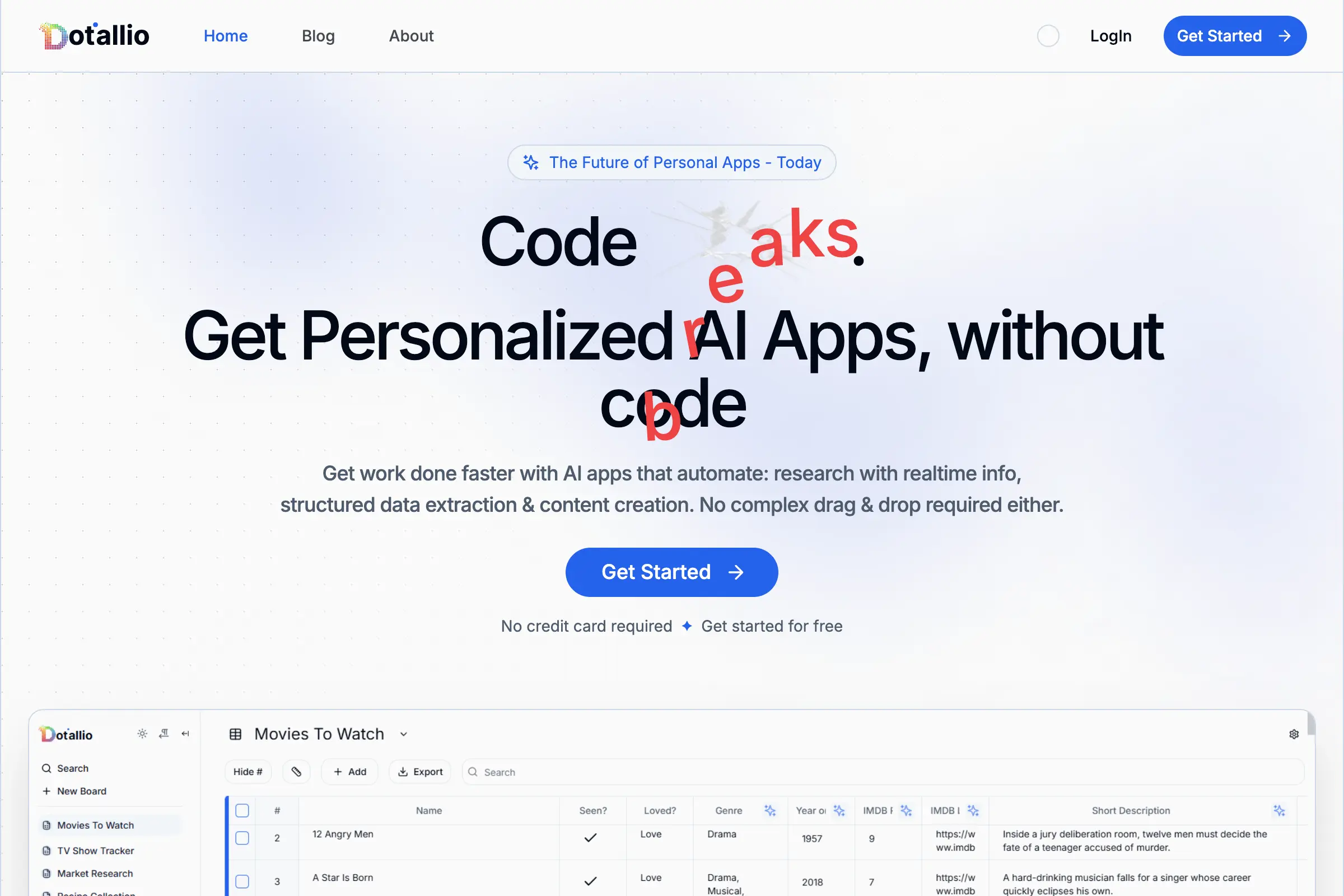
Dotallio
Personalized AI apps that automate research, data extraction, and content creation without code 🤖

Talk to Santa
Enjoy a magical live video chat or receive a unique AI-generated video greeting from Santa Claus 🎅

pozywka.pl
Scalable blog for food journalist, focused on performance and user experience 🌭
zagrodzki.me
Personal blog and portfolio of Bart Zagrodzki, where he shares his knowledge and work 💼
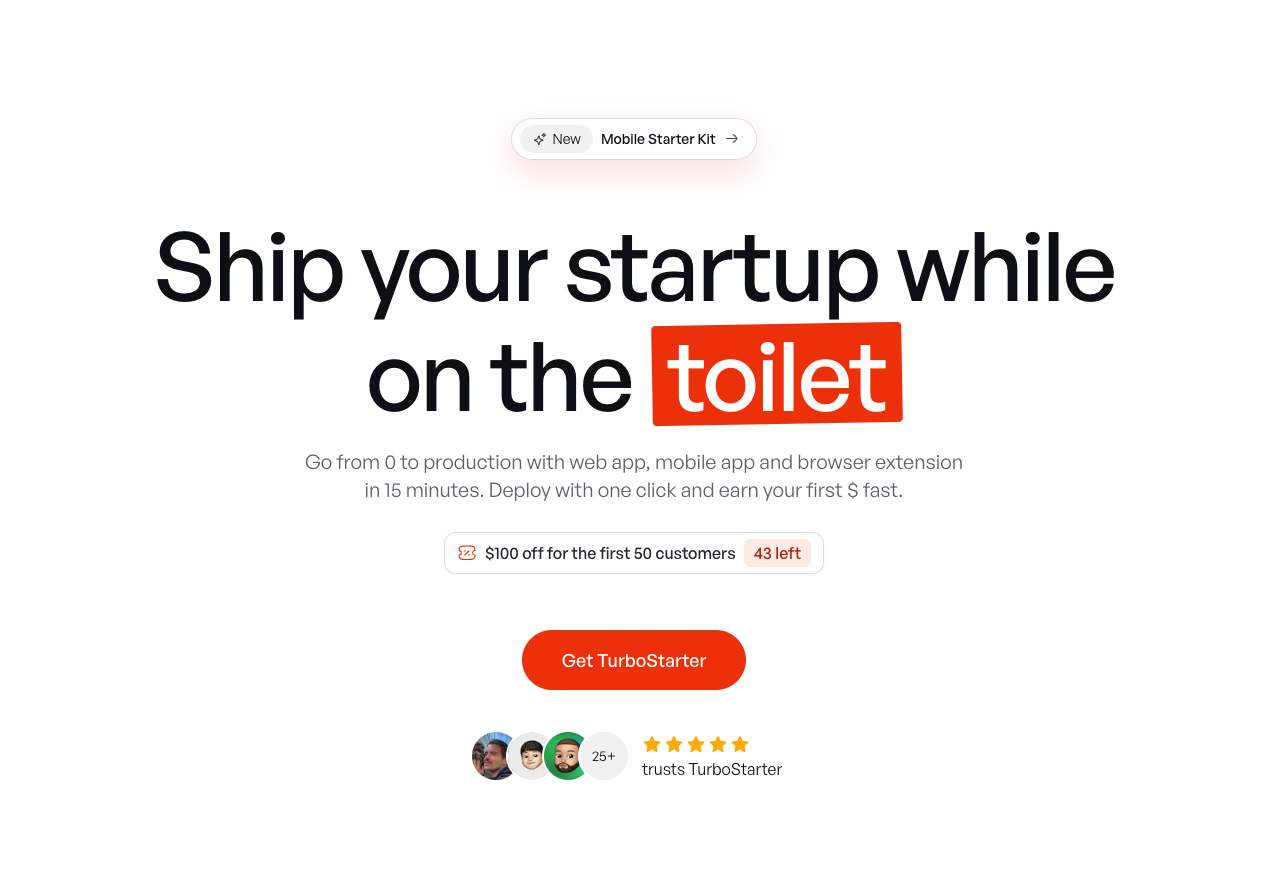
TurboStarter
Ship your startup everywhere. In minutes.
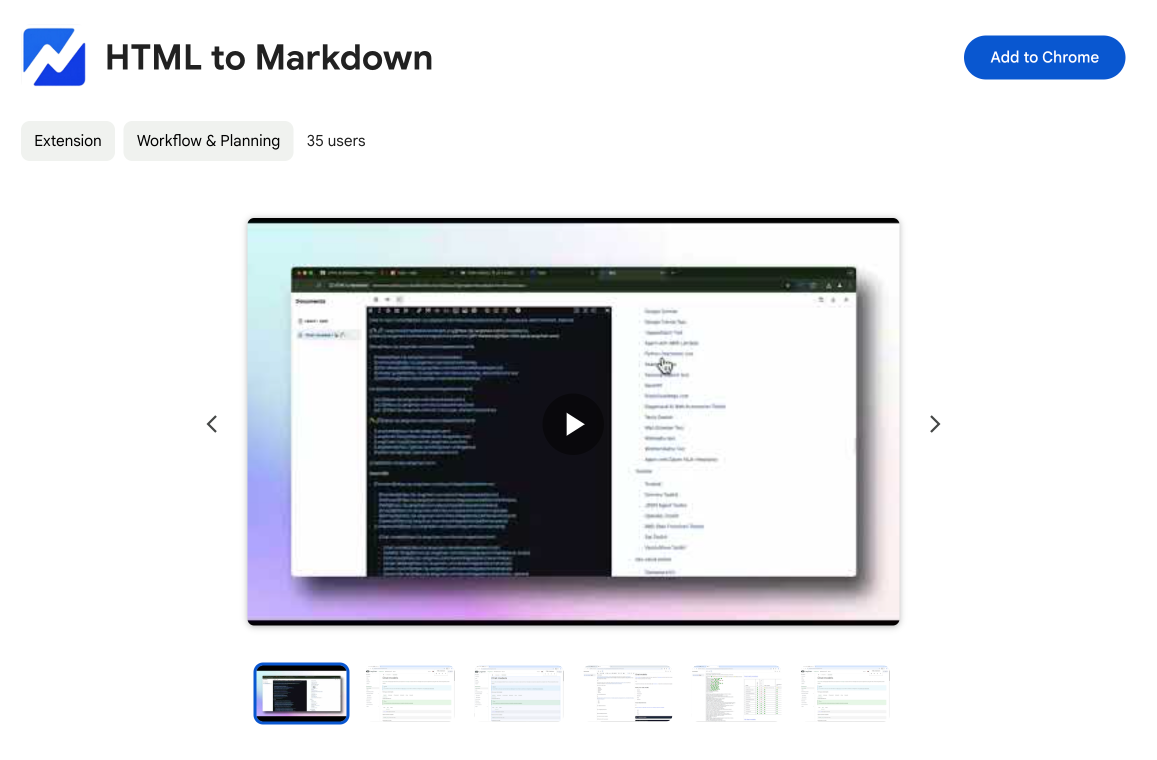
HTML to Markdown
Convert HTML to Markdown with ease, directly in your browser 📄
Dotallio
Personalized AI apps that automate research, data extraction, and content creation without code 🤖
Talk to Santa
Enjoy a magical live video chat or receive a unique AI-generated video greeting from Santa Claus 🎅
pozywka.pl
Scalable blog for food journalist, focused on performance and user experience 🌭
zagrodzki.me
Personal blog and portfolio of Bart Zagrodzki, where he shares his knowledge and work 💼
TurboStarter
Ship your startup everywhere. In minutes.
HTML to Markdown
Convert HTML to Markdown with ease, directly in your browser 📄
Dotallio
Personalized AI apps that automate research, data extraction, and content creation without code 🤖
Talk to Santa
Enjoy a magical live video chat or receive a unique AI-generated video greeting from Santa Claus 🎅
pozywka.pl
Scalable blog for food journalist, focused on performance and user experience 🌭
zagrodzki.me
Personal blog and portfolio of Bart Zagrodzki, where he shares his knowledge and work 💼
TurboStarter
Ship your startup everywhere. In minutes.
HTML to Markdown
Convert HTML to Markdown with ease, directly in your browser 📄
Dotallio
Personalized AI apps that automate research, data extraction, and content creation without code 🤖
Talk to Santa
Enjoy a magical live video chat or receive a unique AI-generated video greeting from Santa Claus 🎅
pozywka.pl
Scalable blog for food journalist, focused on performance and user experience 🌭
zagrodzki.me
Personal blog and portfolio of Bart Zagrodzki, where he shares his knowledge and work 💼
TurboStarter
Ship your startup everywhere. In minutes.
HTML to Markdown
Convert HTML to Markdown with ease, directly in your browser 📄
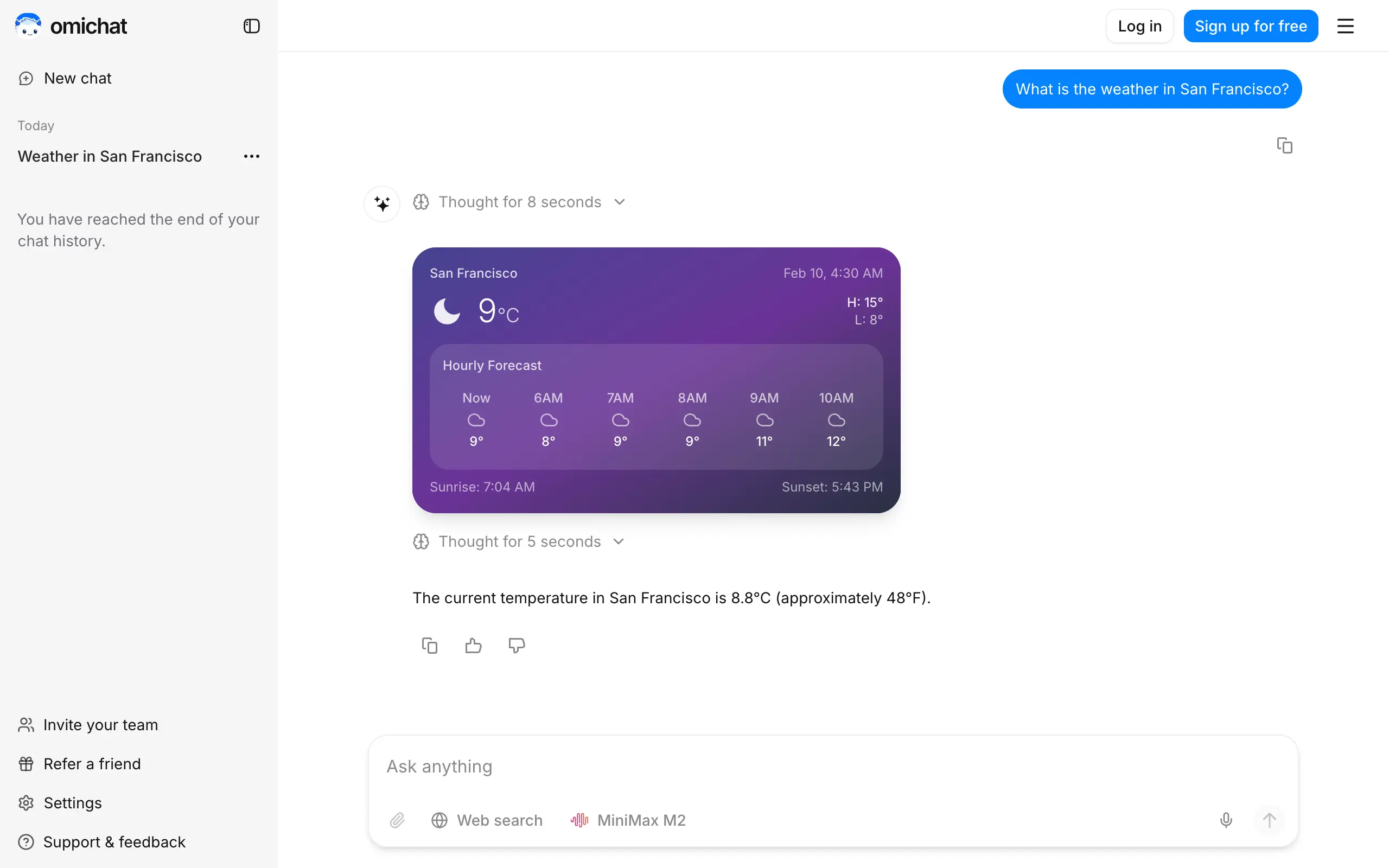
Omichat
Chat with 50+ AI models, including ChatGPT and Claude, in one place - switch models anytime without losing context 🤖
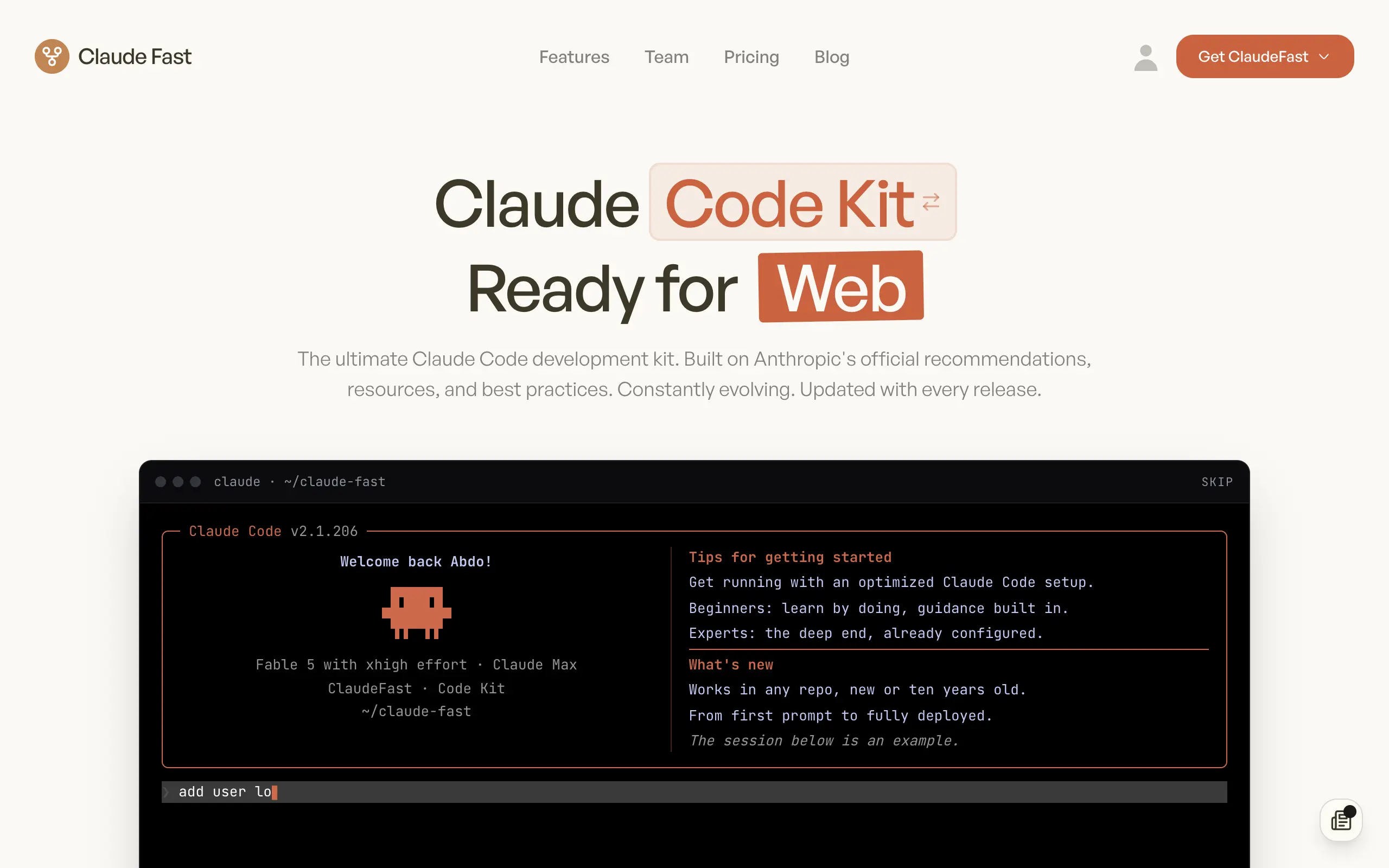
Claude Fast
Supercharge your Claude Code with 6x effective context window and specialized AI agents 🤖
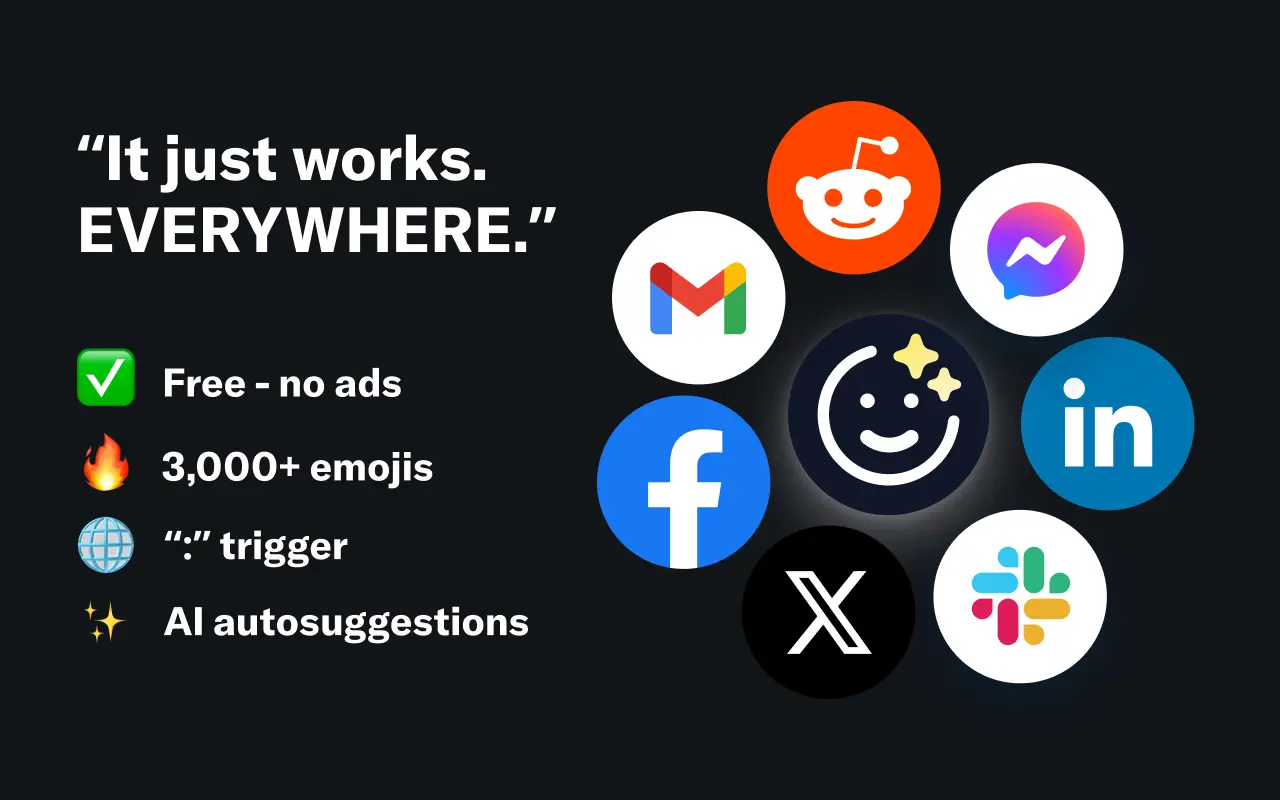
EmojAI
AI-powered emoji picker with smart, context-aware suggestions 🤖

Solohacker
Autonomous company launcher - AI agents work 24/7, escalate what matters, and you stay in control 🤖

BeRawi: Storytelling Coach
Practice storytelling daily with instant feedback to sound clearer, more engaging, and confident 🎤
Omichat
Chat with 50+ AI models, including ChatGPT and Claude, in one place - switch models anytime without losing context 🤖
Claude Fast
Supercharge your Claude Code with 6x effective context window and specialized AI agents 🤖
EmojAI
AI-powered emoji picker with smart, context-aware suggestions 🤖
Solohacker
Autonomous company launcher - AI agents work 24/7, escalate what matters, and you stay in control 🤖
BeRawi: Storytelling Coach
Practice storytelling daily with instant feedback to sound clearer, more engaging, and confident 🎤
Omichat
Chat with 50+ AI models, including ChatGPT and Claude, in one place - switch models anytime without losing context 🤖
Claude Fast
Supercharge your Claude Code with 6x effective context window and specialized AI agents 🤖
EmojAI
AI-powered emoji picker with smart, context-aware suggestions 🤖
Solohacker
Autonomous company launcher - AI agents work 24/7, escalate what matters, and you stay in control 🤖
BeRawi: Storytelling Coach
Practice storytelling daily with instant feedback to sound clearer, more engaging, and confident 🎤
Omichat
Chat with 50+ AI models, including ChatGPT and Claude, in one place - switch models anytime without losing context 🤖
Claude Fast
Supercharge your Claude Code with 6x effective context window and specialized AI agents 🤖
EmojAI
AI-powered emoji picker with smart, context-aware suggestions 🤖
Solohacker
Autonomous company launcher - AI agents work 24/7, escalate what matters, and you stay in control 🤖
BeRawi: Storytelling Coach
Practice storytelling daily with instant feedback to sound clearer, more engaging, and confident 🎤

Connect with like-minded people
Join our community to get feedback, support, and grow together with 1,000+ builders on board, let's ship it!
Join usShip your startup everywhere. In minutes.
Don't burn tokens on setup and start building features on day one.