CivicPlain AI
AI scans government websites for plain-language, ADA, and translation gaps, then drafts compliant fixes for public-sector web teams.
What CivicPlain AI solves for government teams
Public-sector websites carry an unusually high burden of clarity. Residents use them to apply for benefits, pay bills, request permits, understand legal notices, report hazards, access emergency information, and participate in local decision-making. When a page is inaccessible or written in bureaucratic language, the consequence is not merely a poor user experience. It can prevent someone from receiving a service they are entitled to use.
CivicPlain AI is an AI accessibility and plain-language auditor for government websites. It scans public-service content, identifies likely compliance and usability gaps, prioritizes what needs attention, and produces controlled rewrite suggestions that make content easier to understand without changing its legal or policy meaning.
The core primary keyword for this product category is AI accessibility and plain-language auditor for government websites. Related terms include:
- "Web accessibility auditing": automated and guided evaluation of website barriers
- "Government website accessibility": accessibility work for municipal, county, state, and federal digital services
- "Plain-language checker": software that detects difficult, vague, or unnecessarily technical language
- "WCAG compliance monitoring": continuous review against Web Content Accessibility Guidelines
- "Section 508 compliance": accessibility requirements relevant to U.S. federal agencies and many associated public organizations
- "Digital accessibility remediation": the process of fixing barriers in content, design, and code
- "Civic technology": tools that improve public-service delivery and citizen experiences
CivicPlain AI is not positioned as a generic grammar tool with an accessibility widget attached. Its value comes from joining two problems that government teams often manage separately:
- Can residents access the information and service?
- Can residents understand what the government is asking them to do?
A page may technically pass many automated accessibility checks and still fail a resident who cannot interpret phrases such as “submit the requisite supporting documentation pursuant to applicable provisions.” Conversely, a page may be clearly written but inaccessible to a keyboard-only user or someone using a screen reader. CivicPlain AI addresses both dimensions in one structured workflow.
The practical product promise
CivicPlain AI should help agencies move from a long, unprioritized list of website issues to a defensible improvement plan with page-level evidence, plain-language recommendations, assigned owners, and a clear review trail.
Why the market needs an AI accessibility and plain-language auditor
Government content is complex because public agencies must balance accuracy, legal constraints, multilingual audiences, policy changes, public records obligations, and limited publishing resources. Yet residents do not experience those internal constraints. They experience a website that either helps them complete a task or sends them into a confusing loop of calls, forms, and office visits.
The opportunity for an AI accessibility and plain-language auditor is driven by five persistent market conditions.
Public websites are high-volume, high-consequence channels
Even a small municipality may operate thousands of pages across department sites, service portals, document libraries, and news archives. Larger agencies often have decentralized publishing teams, multiple content management systems, legacy PDF repositories, and vendors responsible for separate service experiences.
Manual audits are essential for many accessibility issues, but they do not scale as the only quality-control mechanism. A government digital team needs continuous automated monitoring to identify the pages most likely to create harm or compliance exposure.
CivicPlain AI can serve as an early-warning system by detecting patterns such as:
- Missing alternative text or non-descriptive alternative text
- Heading structures that disrupt screen-reader navigation
- Links labeled “click here,” “learn more,” or other vague phrases
- Missing form labels and potentially inaccessible form controls
- Dense paragraphs, excessive sentence length, and high reading complexity
- Undefined acronyms and unexplained administrative terminology
- Passive constructions that obscure who must take action
- Confusing eligibility, deadline, and required-document instructions
- PDFs that may require accessible-format review
- High-traffic pages that have not been reviewed recently
Accessibility compliance is not a one-time event
A website can pass an audit in January and become less accessible in February after a new template, embedded widget, policy update, document upload, or content edit. Accessibility must be treated as an operational practice, not a project that ends after a single report.
This creates a meaningful SaaS opportunity. CivicPlain AI can offer recurring crawls, change monitoring, remediation workflows, and leadership dashboards rather than selling a static assessment.
A strong content strategy should reference authoritative frameworks without making unsupported compliance claims. Relevant sources to cite in a future published version include the W3C Web Accessibility Initiative for WCAG guidance, the U.S. General Services Administration for plain-language guidance, and applicable federal, state, provincial, or local digital accessibility regulations.
Plain language is still underserved in accessibility tools
Many digital accessibility platforms focus on technical barriers. That focus is necessary, but government teams also need to know whether a page can be understood by a resident under stress, using a phone, reading in a second language, or navigating an unfamiliar process.
A dedicated plain-language layer can examine:
- Reading grade level and sentence density
- Jargon, acronyms, and legalistic phrasing
- Action clarity and next-step visibility
- Ambiguous eligibility criteria
- Hidden deadlines and consequences
- Unclear document requirements
- Overloaded navigation labels
- Missing summaries on long policy pages
- Whether the primary task is visible above the fold
This is where CivicPlain AI can establish a differentiated category: public-service content quality intelligence.
Procurement teams want evidence, not vague promises
Government buyers must justify purchases, document decisions, manage risk, and coordinate across departments. A product that says “make your site more accessible” is less compelling than one that produces evidence they can use in governance and procurement processes.
CivicPlain AI should generate reports that connect each issue to:
- The affected URL and content element
- The issue category and severity
- Relevant WCAG success criterion when applicable
- Plain-language concern and readability signal
- Recommended remediation path
- Suggested rewritten copy where appropriate
- Confidence level and human-review status
- Historical trend and remediation owner
Generative AI adoption requires guardrails
Government organizations are interested in AI productivity, but they are rightly cautious about privacy, factual accuracy, bias, public-record retention, and unapproved policy changes. A general-purpose chatbot is rarely acceptable as the complete solution.
CivicPlain AI can win trust by making AI recommendations reviewable, constrained, traceable, and optional. The product should never silently publish changes or claim legal compliance based solely on automation.
Target audience for CivicPlain AI
The most effective go-to-market motion begins with a narrow ideal customer profile rather than treating “government” as a single buyer group.
Primary buyers and champions
The first target segment should be small and mid-sized local governments, special districts, and public agencies with public-facing websites but limited in-house accessibility capacity. These organizations frequently have urgent needs, shorter decision chains than large federal departments, and a real need for a practical content-quality workflow.
Key personas include:
- "Digital services director": owns website modernization, service design, and platform governance
- "Communications director": manages public information quality, editorial standards, and departmental publishing
- "Accessibility coordinator": monitors accessibility risk and coordinates remediation across teams
- "Chief information officer": evaluates security, integration, vendor viability, and operational value
- "Web manager": needs actionable tickets rather than abstract compliance language
- "Content strategist": wants editorial consistency and clearer service content
- "City clerk or public records officer": may care about public-document accessibility and retention requirements
- "Department administrator": owns high-volume service content for housing, health, permitting, utilities, transportation, or social services
High-value agency segments
CivicPlain AI should prioritize organizations with service-intensive, frequently updated content.
Municipal and county governments
Strong fit for resident services, decentralized content teams, aging websites, and visible public accountability.
Public health agencies
High-stakes information must remain clear, current, and accessible during routine operations and emergencies.
Housing and social-service agencies
Eligibility, applications, deadlines, and benefits instructions create a large plain-language need.
Transit and utility districts
Service alerts, payment options, outage information, and rider guidance benefit from continuous monitoring.
Jobs to be done
The product should be designed around the outcomes customers are trying to achieve.
| User | Job to be done | What success looks like |
|---|---|---|
| Accessibility coordinator | Find and prioritize barriers before complaints or audits escalate | A ranked issue queue with evidence and remediation tracking |
| Content editor | Rewrite difficult service content without changing meaning | Approved, clearer copy with a visible before-and-after comparison |
| Digital leader | Show measurable improvement to leadership and governing bodies | Trend reports for accessibility, readability, and issue resolution |
| Department publisher | Publish updates confidently under time pressure | In-context checks that flag issues before publication |
| Procurement or IT leader | Select a responsible AI vendor | Security documentation, audit logs, access controls, and transparent model behavior |
The market gap: where existing tools fall short
CivicPlain AI should not attempt to replace every accessibility platform, content management system, or human accessibility consultant. Its competitive advantage comes from the workflow between those tools.
Many existing options fall into one of four categories:
- Technical accessibility scanners that detect common code-level issues but offer limited content clarity analysis.
- Overlay products that promise simplified remediation but may not resolve underlying source-code and content problems.
- General writing assistants that improve prose but lack public-sector policy controls and accessibility context.
- Manual consulting services that provide valuable expertise but can be costly, periodic, and difficult to operationalize across thousands of changing pages.
| Capability | CivicPlain AI | Basic scanner | General AI writer | Manual audit only |
|---|---|---|---|---|
| Accessibility issue detection | ✅ | ✅ | ❌ | ✅ |
| Plain-language analysis | ✅ | ❌ | ✅ | ✅ |
| Government-safe rewrite workflow | ✅ | ❌ | Partial | Partial |
| Continuous monitoring | ✅ | ✅ | ❌ | ❌ |
| Human review and audit trail | ✅ | Partial | Partial | ✅ |
The gap is especially clear for a web manager who asks: “Which pages should we fix first, what should the corrected content say, who needs to approve it, and can we show what changed?”
CivicPlain AI can answer all four questions in one workspace.
Core CivicPlain AI features and product workflow
The minimum viable product should focus on a workflow that produces immediate value without claiming complete automated compliance.
Website crawl and issue inventory
A customer enters a public domain, verifies ownership, and configures crawl boundaries. The crawler discovers HTML pages, linked documents, sitemap URLs, and selected subdomains. It should respect crawl limits, robots directives where appropriate, rate limits, and customer controls.
The output is an inventory showing:
- Indexed pages and page metadata
- Content freshness signals
- Accessibility findings
- Plain-language findings
- Duplicate and near-duplicate content
- Priority scores
- Content ownership fields
- Review status
The product should clearly separate automatically detectable issues from issues requiring human review. For example, missing image alternative text can often be detected; whether alternative text accurately communicates the purpose of a complex image requires contextual judgment.
Accessibility audit engine
The technical audit should combine deterministic rules with browser-based checks. Standards-aligned checks can identify common issues involving semantic structure, keyboard navigation indicators, forms, images, media, tables, color contrast, and links.
The audit interface should explain each finding in plain language:
- "What we found": a concise description of the observed issue
- "Why it matters": the likely impact on users
- "Where it appears": page, component, selector, or content block
- "How to fix it": a specific remediation recommendation
- "Standards reference": the relevant WCAG criterion where the rule reliably maps
- "Verification status": open, fixed, rechecked, or needs manual review
Avoid treating a scan score as proof of legal compliance. A credible product uses cautious terminology such as “risk indicators,” “detected issues,” and “coverage,” then encourages manual testing and qualified accessibility review for complex experiences.
Plain-language content intelligence
This is CivicPlain AI’s signature feature. The product should analyze text for readability and task clarity, not merely grammar.
A useful scoring model may include:
- "Readability": sentence length, word familiarity, clause density, and reading-level estimates
- "Action clarity": whether users can identify what to do, when to do it, and where to get help
- "Jargon risk": agency-specific terms, legal language, unexplained acronyms, and formal administrative phrases
- "Information structure": headings, summaries, lists, scannability, and logical sequencing
- "Equity considerations": language patterns that may create confusion for people with low literacy or limited English proficiency
- "Service completeness": whether eligibility, costs, required documents, processing time, and next steps are easy to find
The system should be configurable. A public health department may define approved clinical terminology, while a planning department may need to preserve specific statutory terms. The AI must recognize that not every complex word is bad; the practical question is whether it is explained at the point of need.
Controlled AI rewrites
The rewrite experience should show the original copy alongside a proposed plain-language version. It should also present an explanation of substantive changes so editors can evaluate whether the recommendation preserves policy intent.
Useful rewrite modes include:
Rewrite content using direct language, active voice, short sentences, descriptive headings, and a clear next step. Preserve required legal terms and identify any phrases that need subject-matter review.
Produce a short overview for the top of a long page. The summary should tell residents who the service is for, what they can do, and the most important deadline or requirement.
Convert procedural instructions into an ordered, accessible checklist. Keep every required step, document, deadline, and contact path visible.
A safe prompt architecture should include source text, content type, agency glossary, reading-level target, required legal phrases, prohibited changes, and a directive to flag uncertainty rather than invent information.
const rewritePolicy = {
  targetReadingLevel: "Grade 8",
  preserveTerms: ["ordinance", "appeal period", "proof of residency"],
  prohibitedActions: [
    "Do not change eligibility rules",
    "Do not invent deadlines",
    "Do not remove legally required notices"
  ],
  output: ["rewrite", "changeSummary", "reviewFlags"]
};
The product should never imply that generated language is ready to publish without review. A content owner or subject-matter expert needs to approve material changes.
Issue prioritization for public impact
A simple list sorted by technical severity is insufficient. A low-severity problem on a page with thousands of visits and a critical service task may deserve attention before a high-severity issue on an archived page.
CivicPlain AI should include a transparent priority formula using signals such as:
- Page traffic or search visibility, if analytics integration is enabled
- Service criticality selected by the agency
- Accessibility severity and confidence
- Content comprehension risk
- Presence of deadlines, payments, benefits, or emergency information
- Recent changes to the page
- Existing complaints or support-contact volume
- Whether the page belongs to a priority equity service area
Transparency matters. Customers should be able to see why a page was ranked highly and adjust the weighting model to match local priorities.
Collaboration, governance, and reporting
Government workflows require accountability. Essential collaboration features include:
- Assignments by department, owner, and due date
- Comments and evidence attachments
- Approval stages for proposed content changes
- Role-based permissions
- Exportable remediation reports
- Historical issue status and re-scan records
- Audit logs for AI-generated suggestions and human decisions
- Quarterly leadership summaries
A particularly useful report is a public-service content quality scorecard. It should avoid misleading simplification while giving leaders a practical overview of improvement across high-priority services.
Recommended technology stack for CivicPlain AI
The ideal CivicPlain AI architecture combines a modern SaaS application, reliable web crawling, deterministic accessibility analysis, AI orchestration, and enterprise-grade governance.
Application and dashboard layer
A strong starting stack includes React for the application interface and Next.js for server-rendered dashboards, routing, API endpoints, and performance optimization. Tailwind CSS is a practical choice for building an accessible design system quickly, provided teams maintain semantic HTML and do not substitute utility classes for accessibility testing.
For a fast SaaS foundation, TurboStarter can reduce setup time for authentication, billing, organization management, and core product scaffolding. That allows the founding team to focus engineering effort on the crawl, audit, AI review, and remediation workflow that makes CivicPlain AI distinct.
Crawling and accessibility testing layer
Use a browser automation framework such as Playwright to render dynamic websites and inspect user-facing page behavior. A browser-based crawler is more resource-intensive than static HTML fetching, but it is necessary for modern public sites that use client-side applications, consent banners, menus, and interactive forms.
Accessibility checks can use axe-core, an established open-source accessibility testing engine. It offers broad automated rule coverage, but the product must communicate its limits. Automated testing can catch many issues efficiently, yet it cannot fully determine whether content makes sense in context or whether a complicated workflow is genuinely usable.
For large crawls, use a queue-based architecture with:
- A job queue for crawl and analysis tasks
- Domain-level concurrency controls
- Retry handling and crawl snapshots
- Content hashing to avoid unnecessary re-analysis
- Separate worker pools for browser rendering and AI tasks
- A dead-letter queue for failed or blocked URLs
Data, search, and AI layer
A relational database such as PostgreSQL is well suited to organizations, domains, pages, findings, tickets, user roles, and audit logs. Use object storage for page snapshots, downloadable reports, and document artifacts. A search index can improve discovery across large content inventories.
For the AI layer, a provider-agnostic orchestration service is preferable to hard-coding one model into the product. This gives CivicPlain AI flexibility around cost, latency, model quality, data-residency requirements, and future procurement needs.
The AI pipeline should use:
- Structured extraction from page content
- Deterministic readability and content-pattern checks
- Retrieval of agency-specific style guides and glossaries
- Constrained generation for rewrite suggestions
- JSON schema validation for model outputs
- A human approval workflow before publishing
The trade-off is clear. A simpler “send page text to a model” implementation is faster to build, but it creates higher hallucination, privacy, and governance risk. A constrained workflow takes more engineering effort and delivers a substantially more trustworthy public-sector product.
Security and compliance foundations
Security cannot be postponed for a government-facing SaaS. The first production version should include:
- Tenant isolation
- Encryption in transit and at rest
- Role-based access control
- Multi-factor authentication options
- Audit logging
- Configurable retention policies
- Secrets management
- Security event monitoring
- Data-processing documentation
- Vendor and subprocessor transparency
- A documented incident-response process
CivicPlain AI should minimize collection of personally identifiable information. The crawler primarily analyzes public pages, but forms, query strings, attachments, and page content can still expose sensitive data. The product needs redaction controls, exclusion rules, and clear instructions for customers not to submit confidential material into generative workflows without an approved data-processing arrangement.
Monetization strategy and packaging
The most practical model is subscription pricing based on the scale and governance needs of the organization rather than charging only per AI rewrite.
Suggested pricing structure
- "Starter": for small municipalities and special districts, with one domain, a defined page limit, monthly monitoring, baseline reports, and limited users
- "Professional": for larger agencies with multiple departments, more crawl capacity, workflow assignment, analytics integration, and custom glossary support
- "Enterprise": for state agencies, large counties, and shared-service organizations, with single sign-on, advanced retention controls, dedicated support, procurement documentation, and custom security requirements
- "Implementation services": onboarding, content inventory cleanup, accessibility program setup, staff training, and migration support
- "Partner licensing": access for accessibility consultants, civic web agencies, and CMS implementation partners managing multiple public-sector clients
Pricing should be predictable. Government buyers often prefer annual contracts with clear scope, optional service packages, and no surprise model-usage charges. AI usage can be included through reasonable monthly allowances, then governed by transparent overage rules.
Value-based ROI narrative
The strongest sales argument is not “AI saves writers time,” though it can. The stronger narrative is that CivicPlain AI helps agencies reduce avoidable service friction.
Potential value sources include:
- Fewer resident calls caused by unclear instructions
- Faster editorial review cycles
- Better readiness for accessibility assessments
- Earlier detection of regressions after website changes
- More consistent content across departments
- Better staff visibility into high-risk public pages
- Reduced cost of locating issues during remediation projects
Avoid promising legal-risk elimination or guaranteed compliance. Instead, quantify operational indicators such as pages reviewed, issues resolved, high-priority content improved, average time to remediation, and readability improvements for key services.
CivicPlain AI’s competitive advantage
The product’s defensible advantage is not simply access to an AI model. Models are increasingly available to every software company. The durable advantage is the domain-specific system built around government content quality.
CivicPlain AI can stand out through five differentiators.
A dual accessibility and comprehension lens
Technical accessibility and plain language are often purchased, measured, and managed separately. CivicPlain AI makes them part of the same quality workflow. This directly reflects how residents experience public information.
Government-specific policy controls
Generic rewriting tools rarely understand the importance of preserving statutory language, eligibility requirements, procedural fairness, and approved terminology. CivicPlain AI should let agencies lock terms, attach style rules, use department glossaries, and require review flags for uncertain changes.
Evidence-based remediation
Every recommendation should be traceable to the source page and explainable in plain language. This makes the platform useful to both technical teams and communications staff.
Prioritization based on public-service impact
By combining technical findings, content risk, service criticality, traffic, and change frequency, CivicPlain AI can guide teams toward the issues most likely to affect residents.
Trustworthy human-in-the-loop AI
The platform should treat AI as a drafting and analysis assistant, not an autonomous publisher. Approval workflows, version history, output validation, and data controls are valuable product features, not merely legal safeguards.
Risks and mitigation strategies
A credible SaaS strategy acknowledges the limits of the technology.
Mitigate this by labeling automated findings accurately, including manual-review queues, documenting test coverage, and recommending periodic expert review and user testing with people with disabilities.
Require approval before publication, preserve locked language, show change summaries, flag uncertainty, and allow agencies to use approved glossaries and content templates.
Start with smaller local agencies, special districts, web agencies, and accessibility consultants. Build procurement-ready documentation early and offer a limited pilot with measurable outcomes.
Support sitemap ingestion, authenticated crawl options where appropriate, customer-uploaded page lists, rate limits, and transparent reporting about pages that could not be analyzed.
Focus positioning on public-service content clarity, remediation workflow, and government governance rather than competing only on the number of automated rules detected.
There is also a reputational risk. Accessibility is a community-centered discipline, and products in this category should be built with ongoing input from disabled users, accessibility professionals, content designers, and public-sector practitioners. Establishing an advisory group and compensating expert contributors can materially improve product quality and credibility.
Go-to-market strategy for CivicPlain AI
The most effective launch message is outcome-oriented:
Make every public-service page easier to access, understand, and act on.
Avoid leading with abstract AI capabilities. Government teams care about safer workflows, visible progress, and resident outcomes.
Acquisition channels that fit the market
- "Accessibility consultants": offer a partner dashboard that helps consultants monitor clients and manage remediation recommendations
- "Civic web agencies": integrate into redesign and managed-service contracts
- "Government digital communities": publish practical guidance, templates, and webinars for web managers and communications teams
- "Content marketing": target search intent around government website accessibility, plain-language checklists, WCAG content remediation, and accessible public-service writing
- "Pilot programs": offer a clearly bounded review of one high-priority department or service area
- "CMS ecosystem partnerships": create integrations for platforms commonly used by public agencies
The most compelling product-led entry point may be a free, limited domain scan that generates a high-level public website clarity and accessibility snapshot. The free result must be useful, but detailed remediation workflows, historical monitoring, assignments, and rewrite tools should require a paid account.
Actionable implementation steps
A disciplined phased launch reduces both product and market risk.
The first version should resist feature sprawl. Do not begin by attempting to solve every PDF remediation issue, fully automate complex form testing, or build a complete content management system. Win the initial wedge: help agencies identify their most important public pages, understand the barriers, make safe improvements, and prove progress.
Final perspective
CivicPlain AI has the potential to become more than another website scanner or AI writing assistant. It can become the operating layer that helps public organizations deliver information people can actually use.
Its central opportunity lies in recognizing a simple truth: an accessible government website is not fully successful if residents still cannot understand the service, eligibility requirements, deadline, or next action. Likewise, clear language is not enough if the page cannot be navigated by the people who need it.
By combining automated accessibility testing, government-specific plain-language analysis, controlled AI rewrites, and accountable remediation workflows, CivicPlain AI can address a painful and persistent gap in civic technology. The winning product will be rigorous about what automation can detect, humble about what requires human judgment, and relentless about improving the real resident experience.
More 🤖 AI Startup SaaS ideas
Discover more innovative ai startup SaaS ideas that are trending in 2026. Each idea is AI-generated with market validation and growth potential to help you find your next profitable venture faster than competitors.
Your competitors are building with TurboStarter
Below are some of the SaaS ideas that have been generated and built with our starter kit.
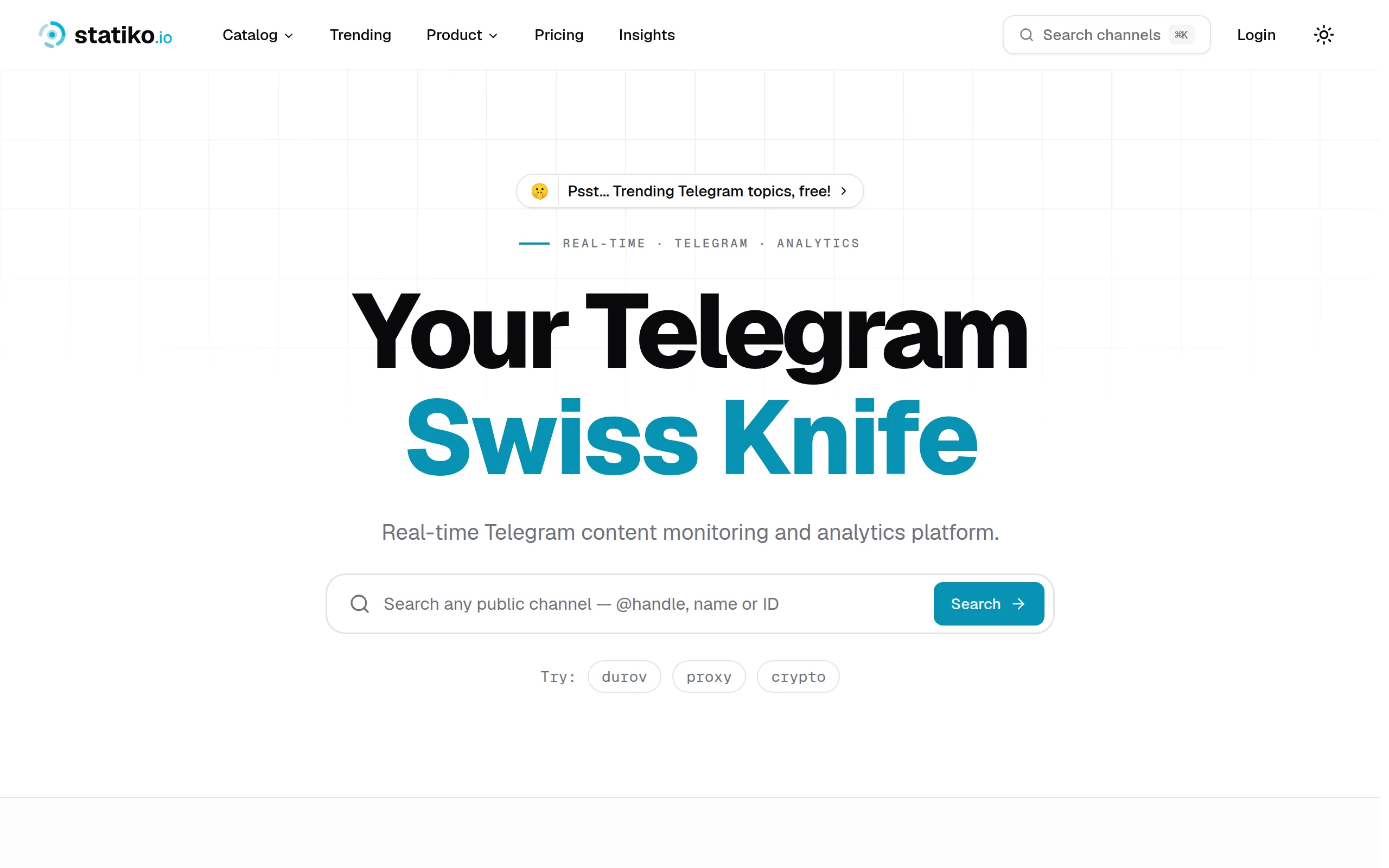
Statiko
Monitor any Telegram channel in real time - track posts, edits, deletions, and growth with AI recaps 📡

Shibui
AI website builder - describe your business, pick a niche template, edit by chatting, and publish instantly ✨

Pro Service
Find verified home service professionals, compare quotes, and pay securely through escrow - built for Brazilians across the US 🏠
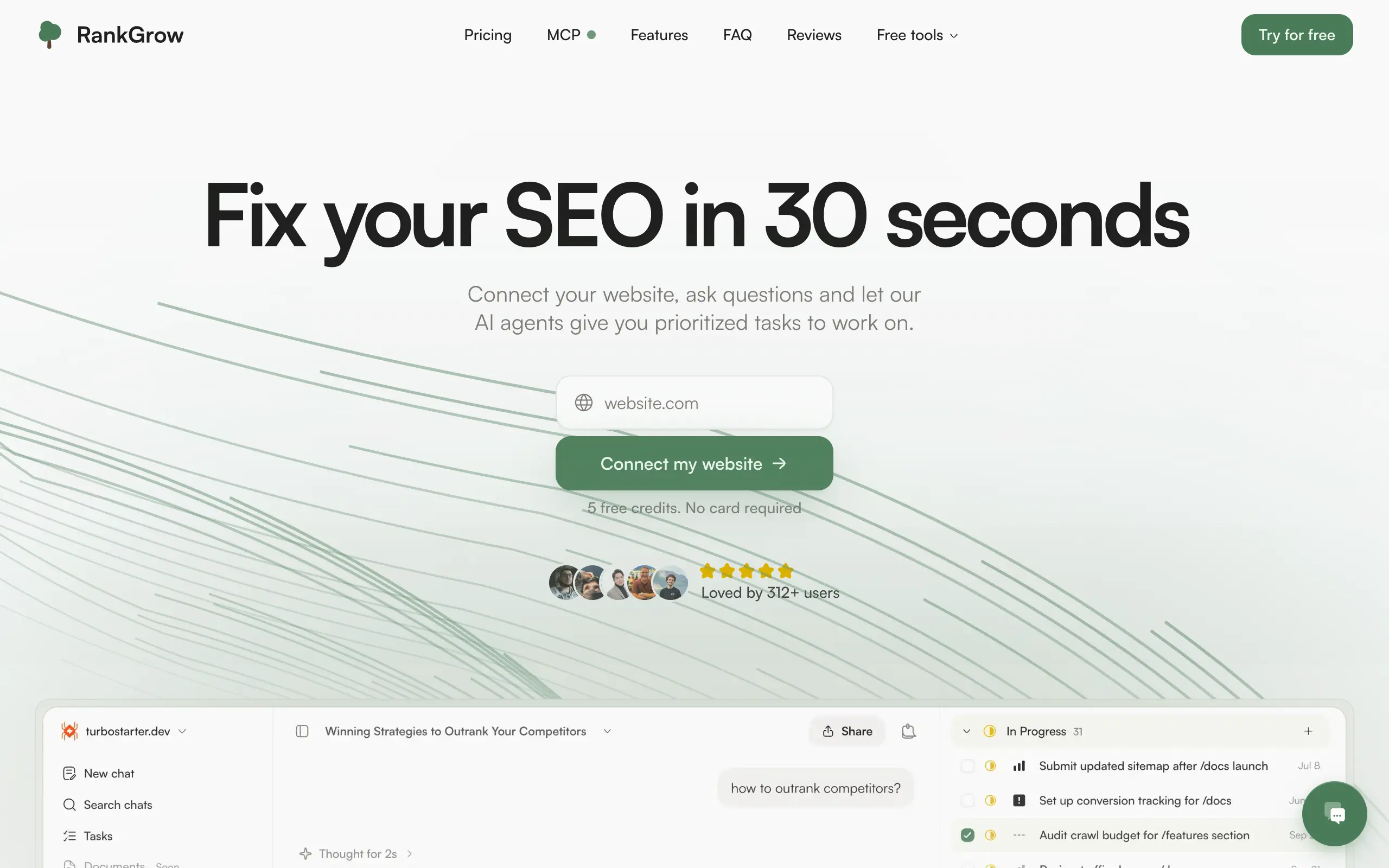
RankGrow
Fix your SEO with AI agents - connect Search Console, get prioritized tasks, and grow organic traffic 📈
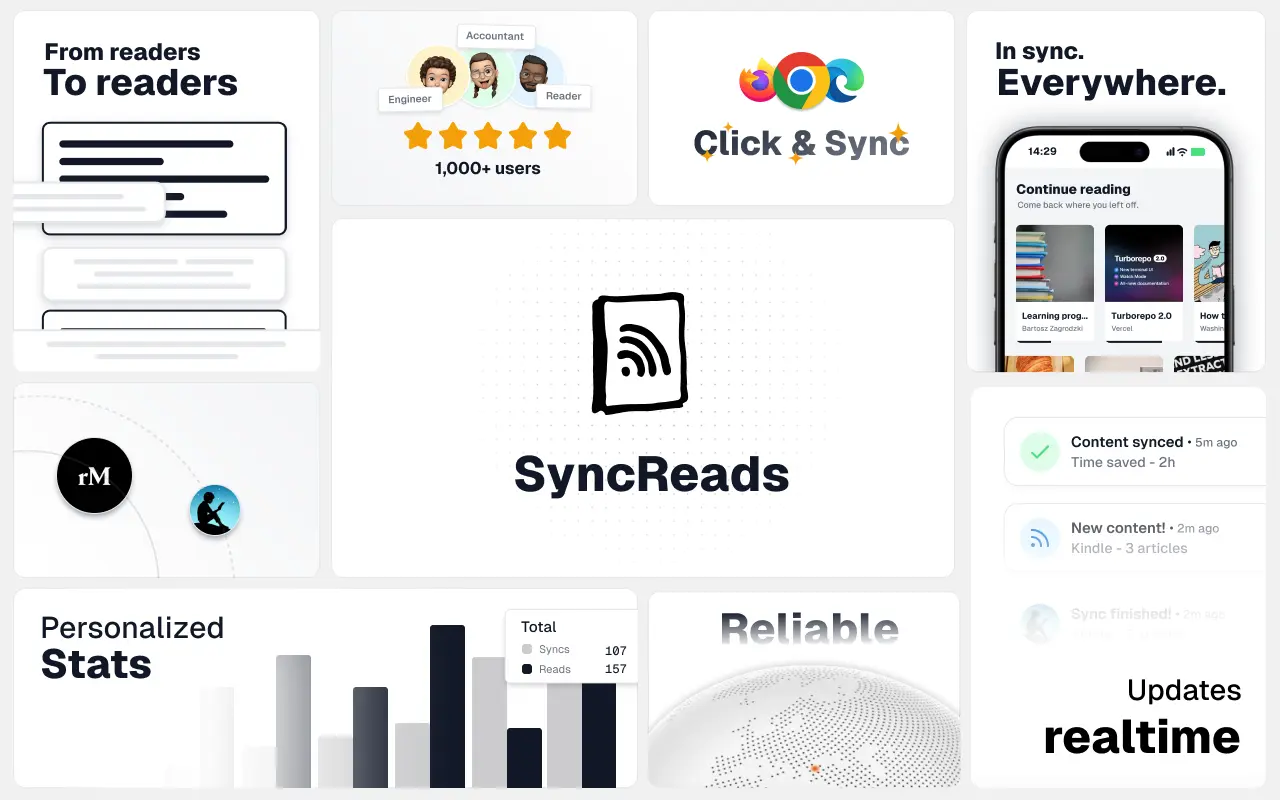
SyncReads
Sync your favorite content for distraction-free reading, save time and replace multiple apps. Anytime, anywhere 🔄
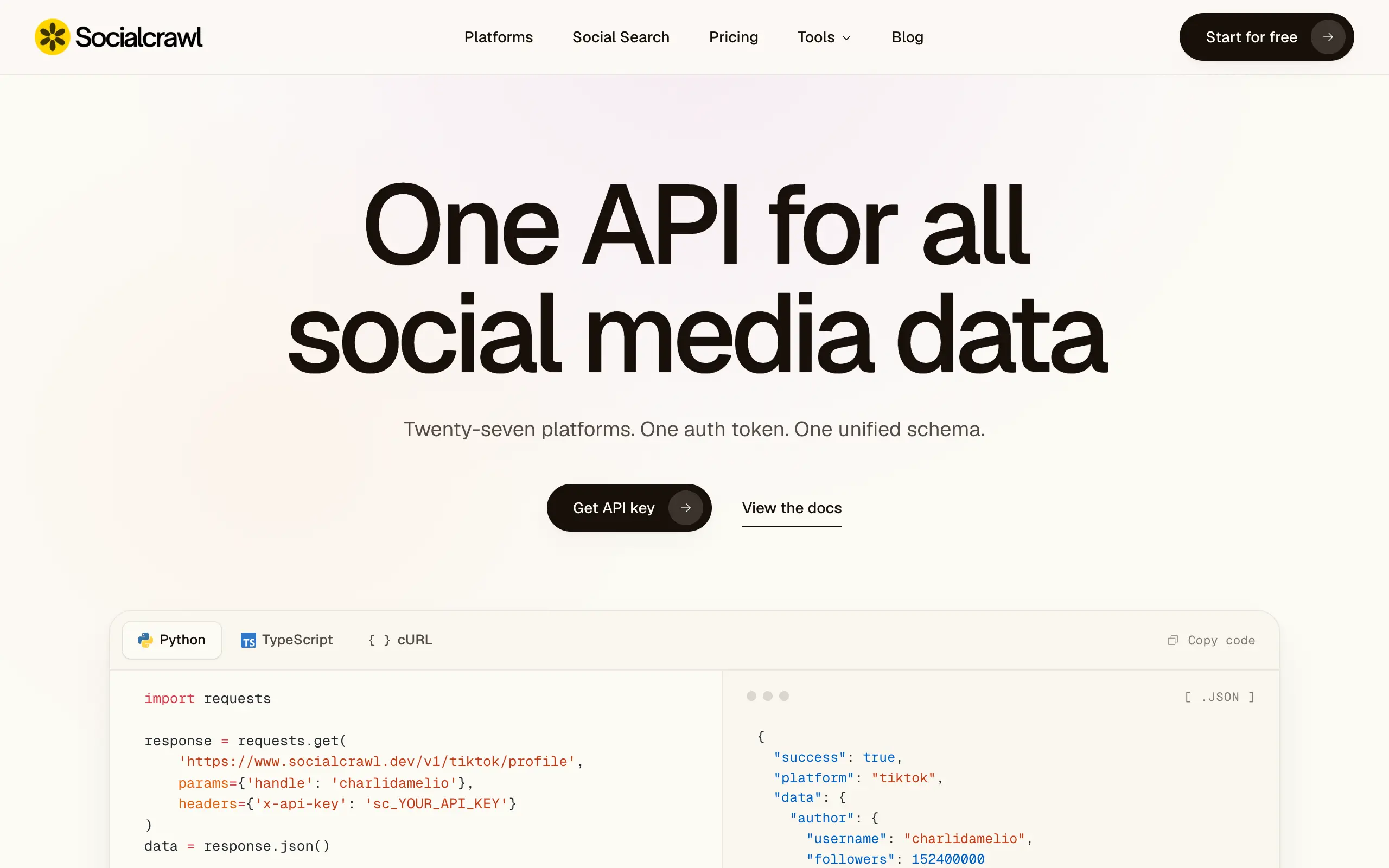
Socialcrawl
Get clean, structured data from 21 platforms like TikTok, Instagram, and YouTube with a single request 📊
Statiko
Monitor any Telegram channel in real time - track posts, edits, deletions, and growth with AI recaps 📡
Shibui
AI website builder - describe your business, pick a niche template, edit by chatting, and publish instantly ✨
Pro Service
Find verified home service professionals, compare quotes, and pay securely through escrow - built for Brazilians across the US 🏠
RankGrow
Fix your SEO with AI agents - connect Search Console, get prioritized tasks, and grow organic traffic 📈
SyncReads
Sync your favorite content for distraction-free reading, save time and replace multiple apps. Anytime, anywhere 🔄
Socialcrawl
Get clean, structured data from 21 platforms like TikTok, Instagram, and YouTube with a single request 📊
Statiko
Monitor any Telegram channel in real time - track posts, edits, deletions, and growth with AI recaps 📡
Shibui
AI website builder - describe your business, pick a niche template, edit by chatting, and publish instantly ✨
Pro Service
Find verified home service professionals, compare quotes, and pay securely through escrow - built for Brazilians across the US 🏠
RankGrow
Fix your SEO with AI agents - connect Search Console, get prioritized tasks, and grow organic traffic 📈
SyncReads
Sync your favorite content for distraction-free reading, save time and replace multiple apps. Anytime, anywhere 🔄
Socialcrawl
Get clean, structured data from 21 platforms like TikTok, Instagram, and YouTube with a single request 📊
Statiko
Monitor any Telegram channel in real time - track posts, edits, deletions, and growth with AI recaps 📡
Shibui
AI website builder - describe your business, pick a niche template, edit by chatting, and publish instantly ✨
Pro Service
Find verified home service professionals, compare quotes, and pay securely through escrow - built for Brazilians across the US 🏠
RankGrow
Fix your SEO with AI agents - connect Search Console, get prioritized tasks, and grow organic traffic 📈
SyncReads
Sync your favorite content for distraction-free reading, save time and replace multiple apps. Anytime, anywhere 🔄
Socialcrawl
Get clean, structured data from 21 platforms like TikTok, Instagram, and YouTube with a single request 📊
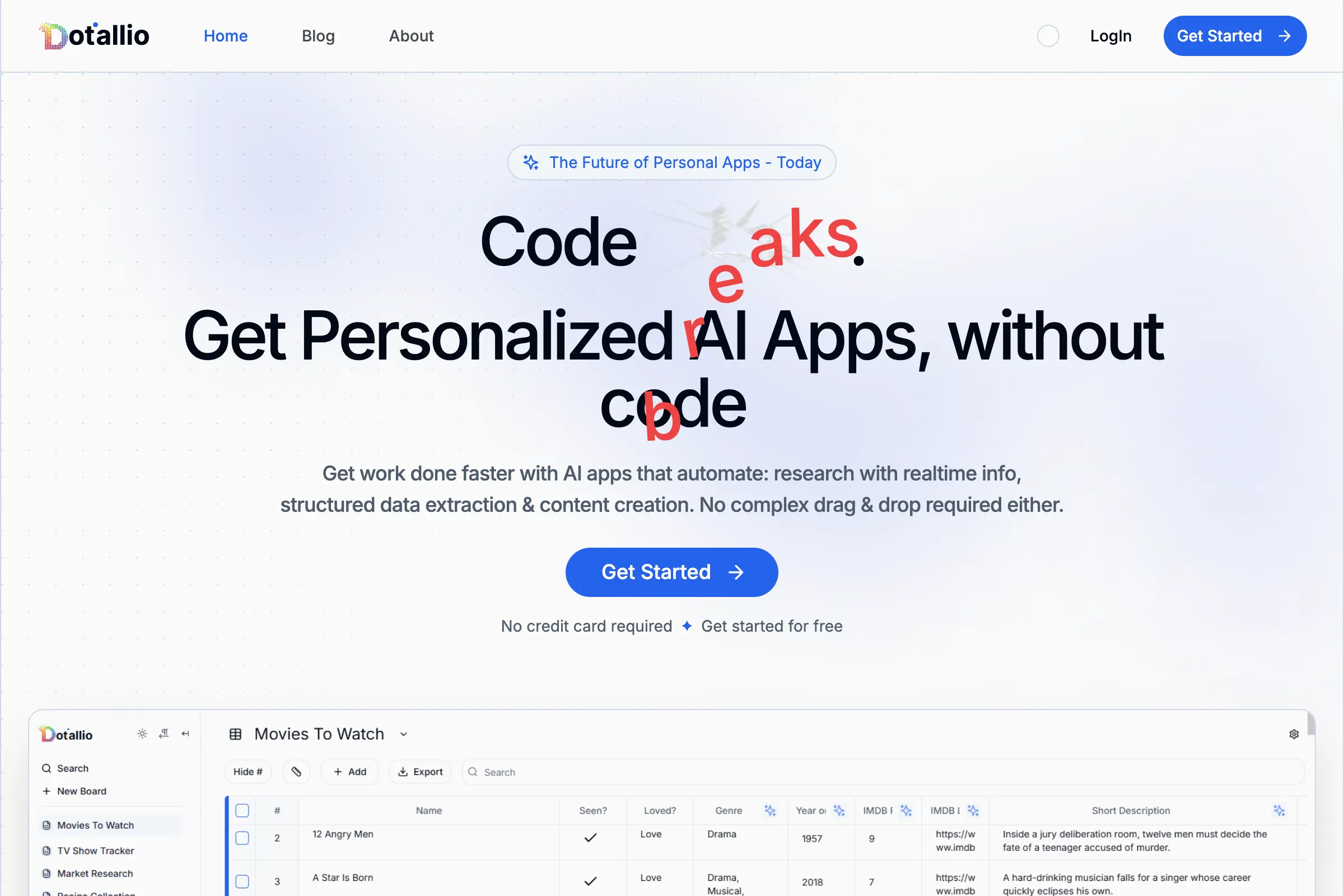
Dotallio
Personalized AI apps that automate research, data extraction, and content creation without code 🤖
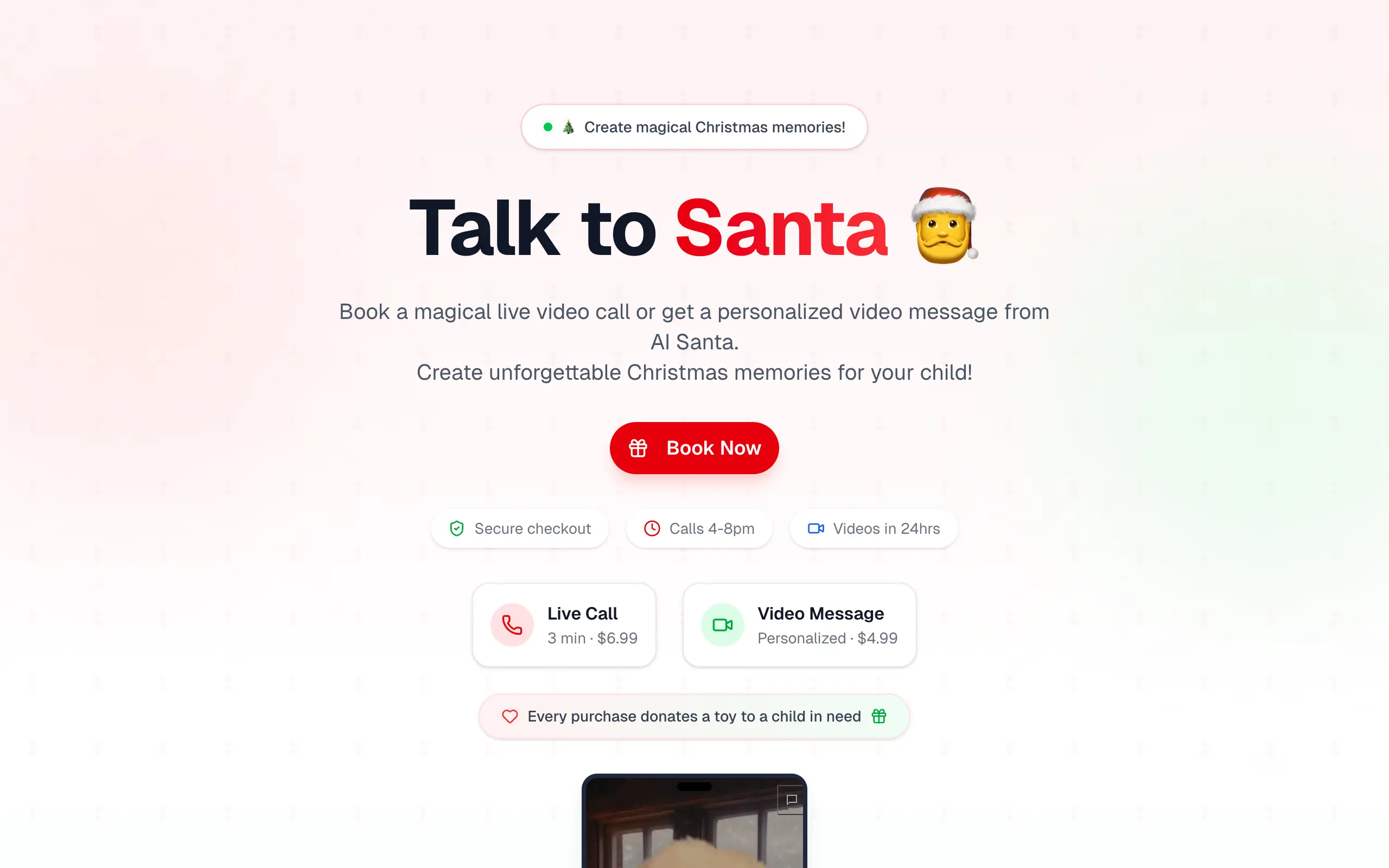
Talk to Santa
Enjoy a magical live video chat or receive a unique AI-generated video greeting from Santa Claus 🎅
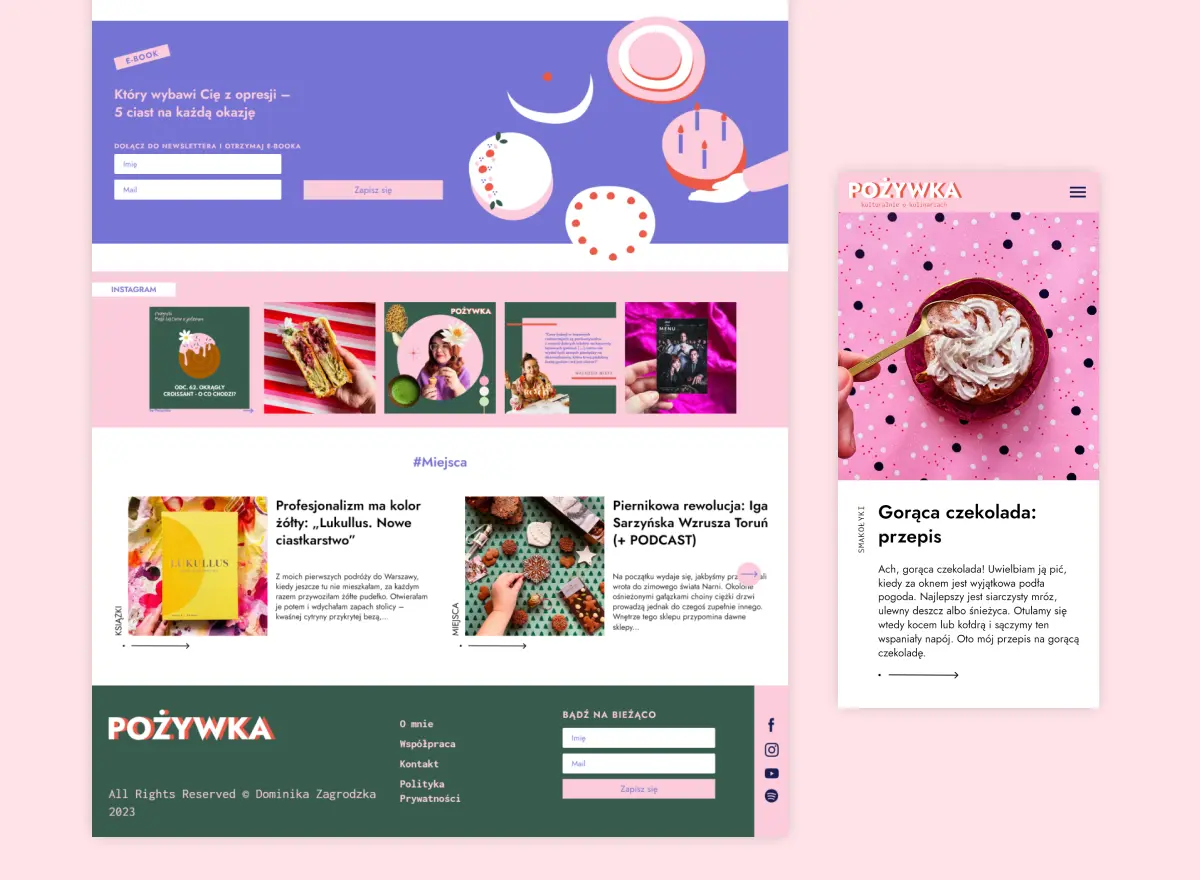
pozywka.pl
Scalable blog for food journalist, focused on performance and user experience 🌭
zagrodzki.me
Personal blog and portfolio of Bart Zagrodzki, where he shares his knowledge and work 💼
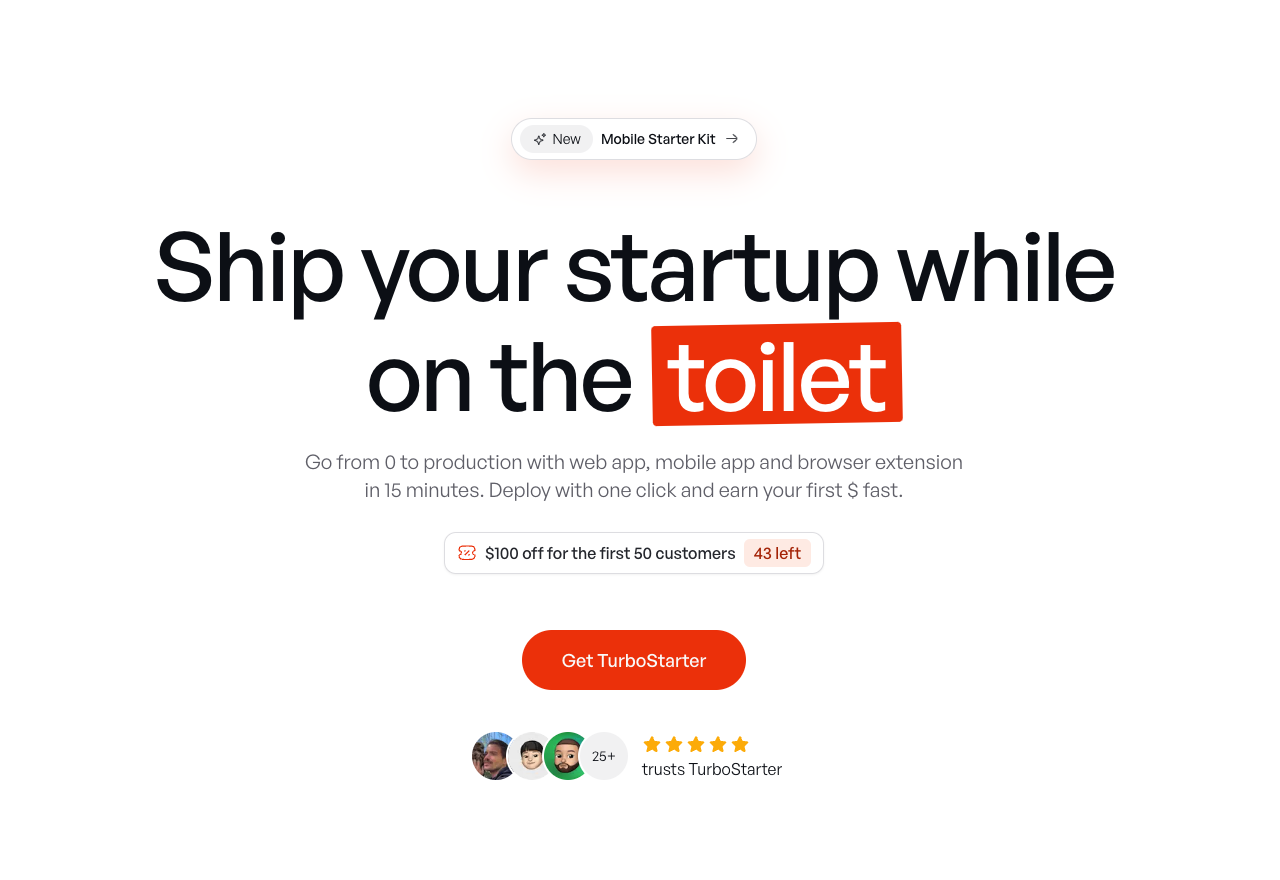
TurboStarter
Ship your startup everywhere. In minutes.
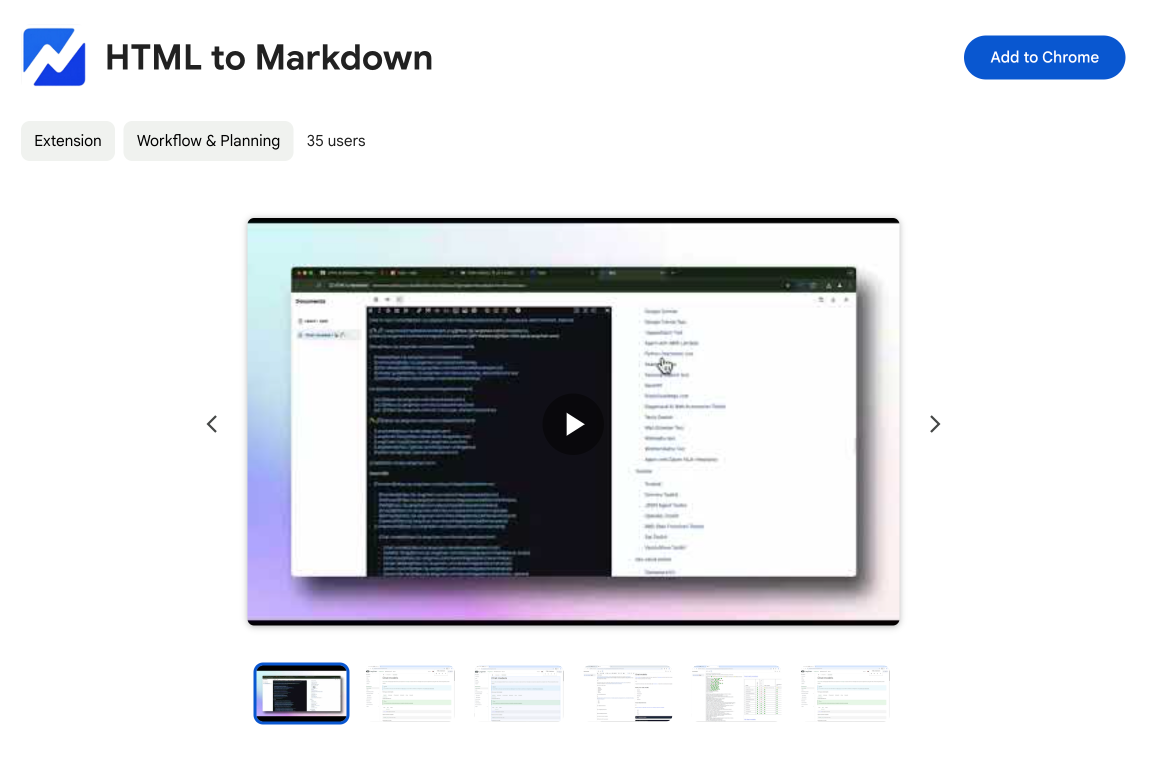
HTML to Markdown
Convert HTML to Markdown with ease, directly in your browser 📄
Dotallio
Personalized AI apps that automate research, data extraction, and content creation without code 🤖
Talk to Santa
Enjoy a magical live video chat or receive a unique AI-generated video greeting from Santa Claus 🎅
pozywka.pl
Scalable blog for food journalist, focused on performance and user experience 🌭
zagrodzki.me
Personal blog and portfolio of Bart Zagrodzki, where he shares his knowledge and work 💼
TurboStarter
Ship your startup everywhere. In minutes.
HTML to Markdown
Convert HTML to Markdown with ease, directly in your browser 📄
Dotallio
Personalized AI apps that automate research, data extraction, and content creation without code 🤖
Talk to Santa
Enjoy a magical live video chat or receive a unique AI-generated video greeting from Santa Claus 🎅
pozywka.pl
Scalable blog for food journalist, focused on performance and user experience 🌭
zagrodzki.me
Personal blog and portfolio of Bart Zagrodzki, where he shares his knowledge and work 💼
TurboStarter
Ship your startup everywhere. In minutes.
HTML to Markdown
Convert HTML to Markdown with ease, directly in your browser 📄
Dotallio
Personalized AI apps that automate research, data extraction, and content creation without code 🤖
Talk to Santa
Enjoy a magical live video chat or receive a unique AI-generated video greeting from Santa Claus 🎅
pozywka.pl
Scalable blog for food journalist, focused on performance and user experience 🌭
zagrodzki.me
Personal blog and portfolio of Bart Zagrodzki, where he shares his knowledge and work 💼
TurboStarter
Ship your startup everywhere. In minutes.
HTML to Markdown
Convert HTML to Markdown with ease, directly in your browser 📄
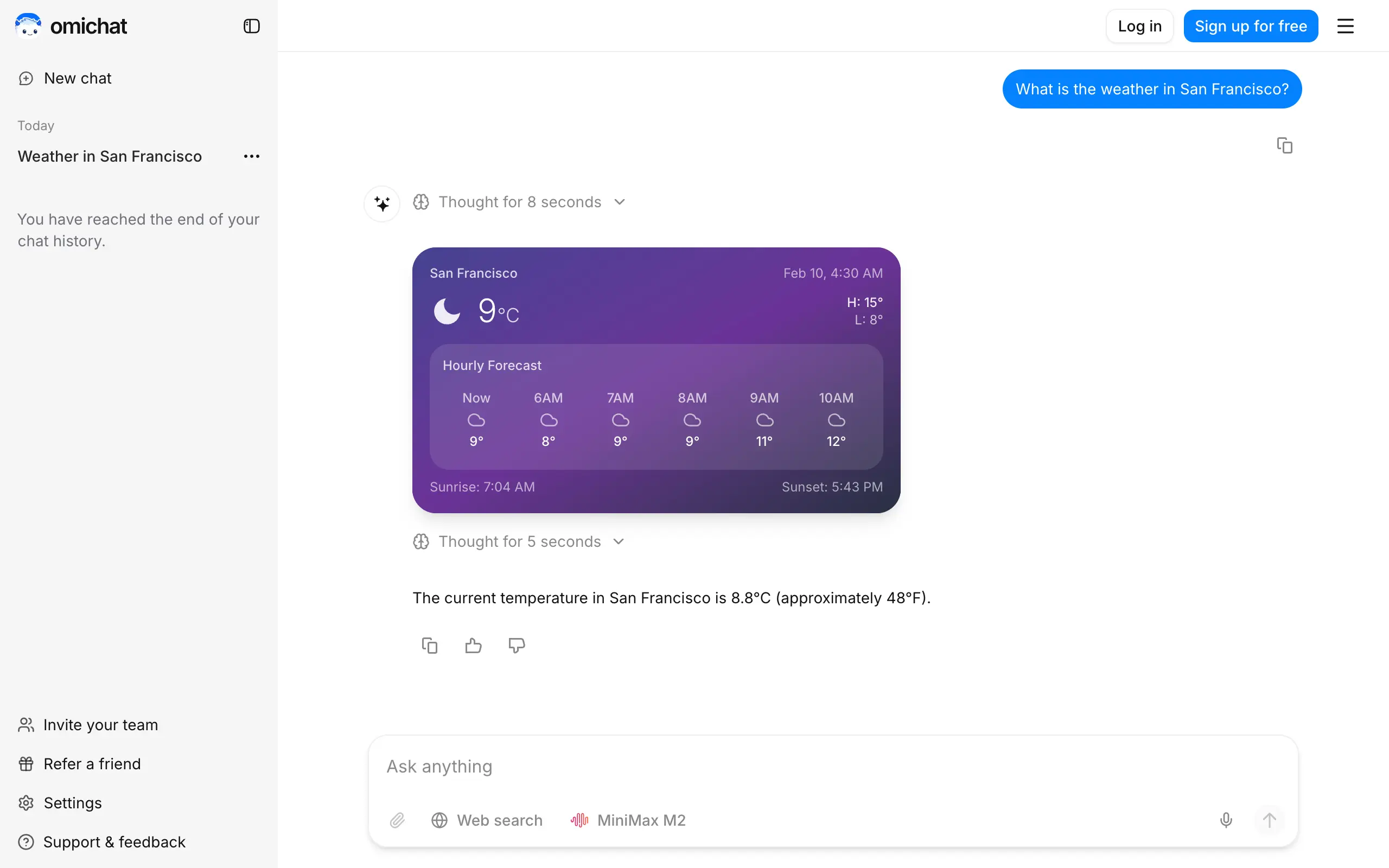
Omichat
Chat with 50+ AI models, including ChatGPT and Claude, in one place - switch models anytime without losing context 🤖
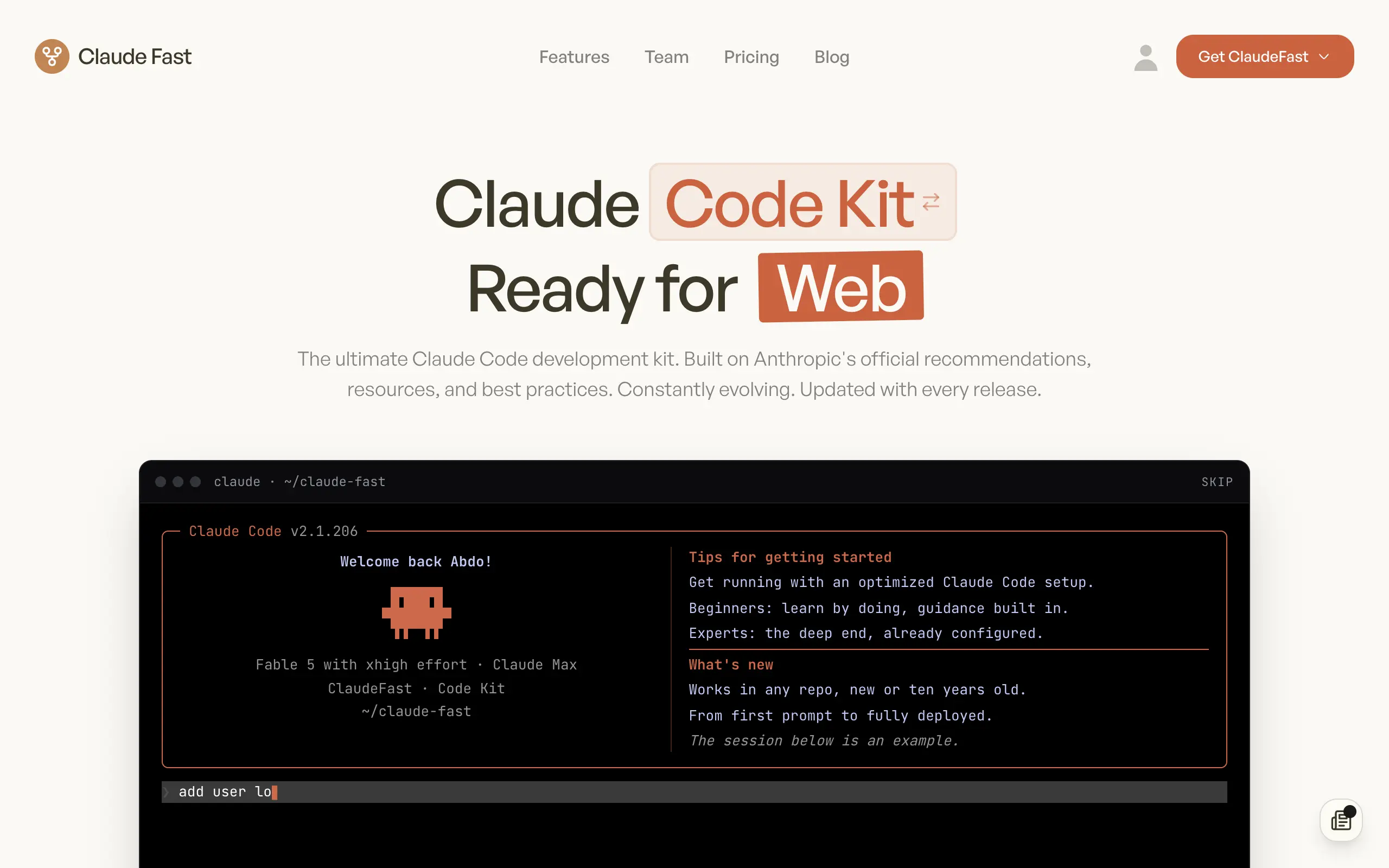
Claude Fast
Supercharge your Claude Code with 6x effective context window and specialized AI agents 🤖
EmojAI
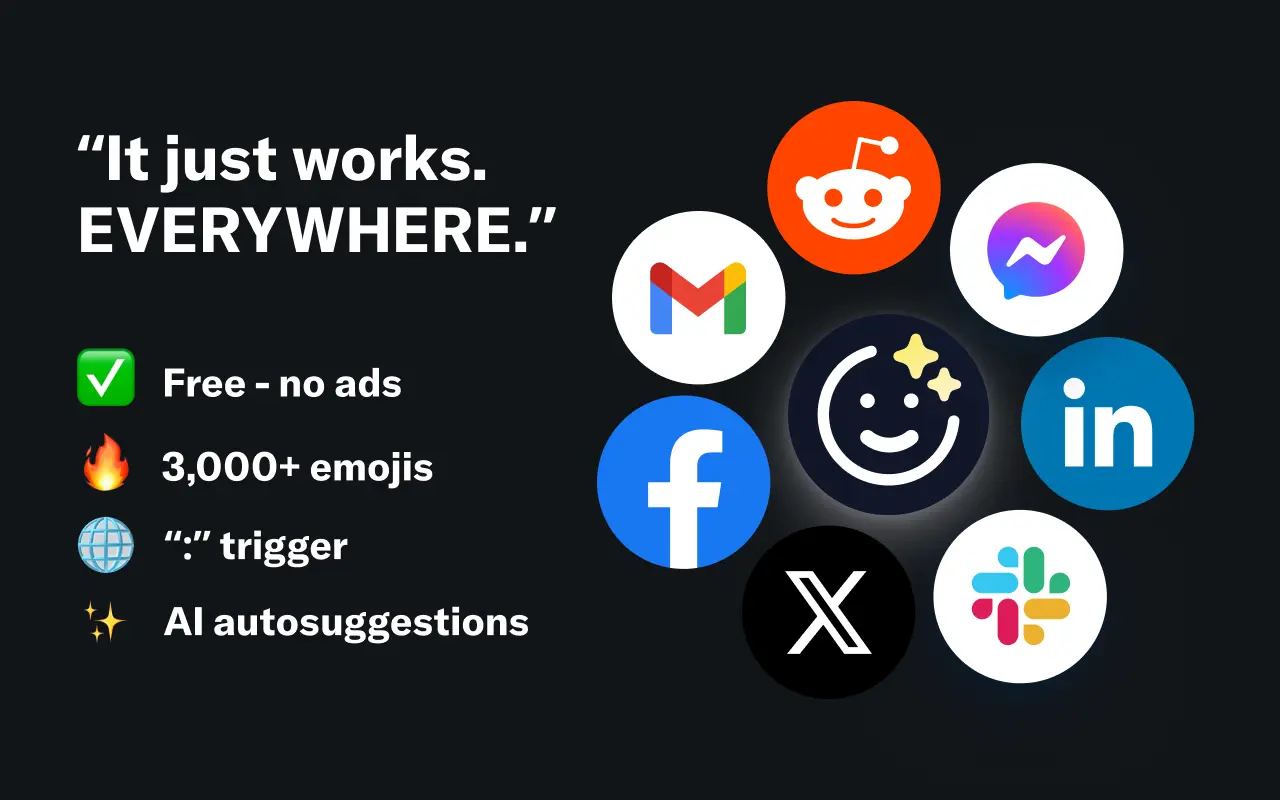
AI-powered emoji picker with smart, context-aware suggestions 🤖
Solohacker
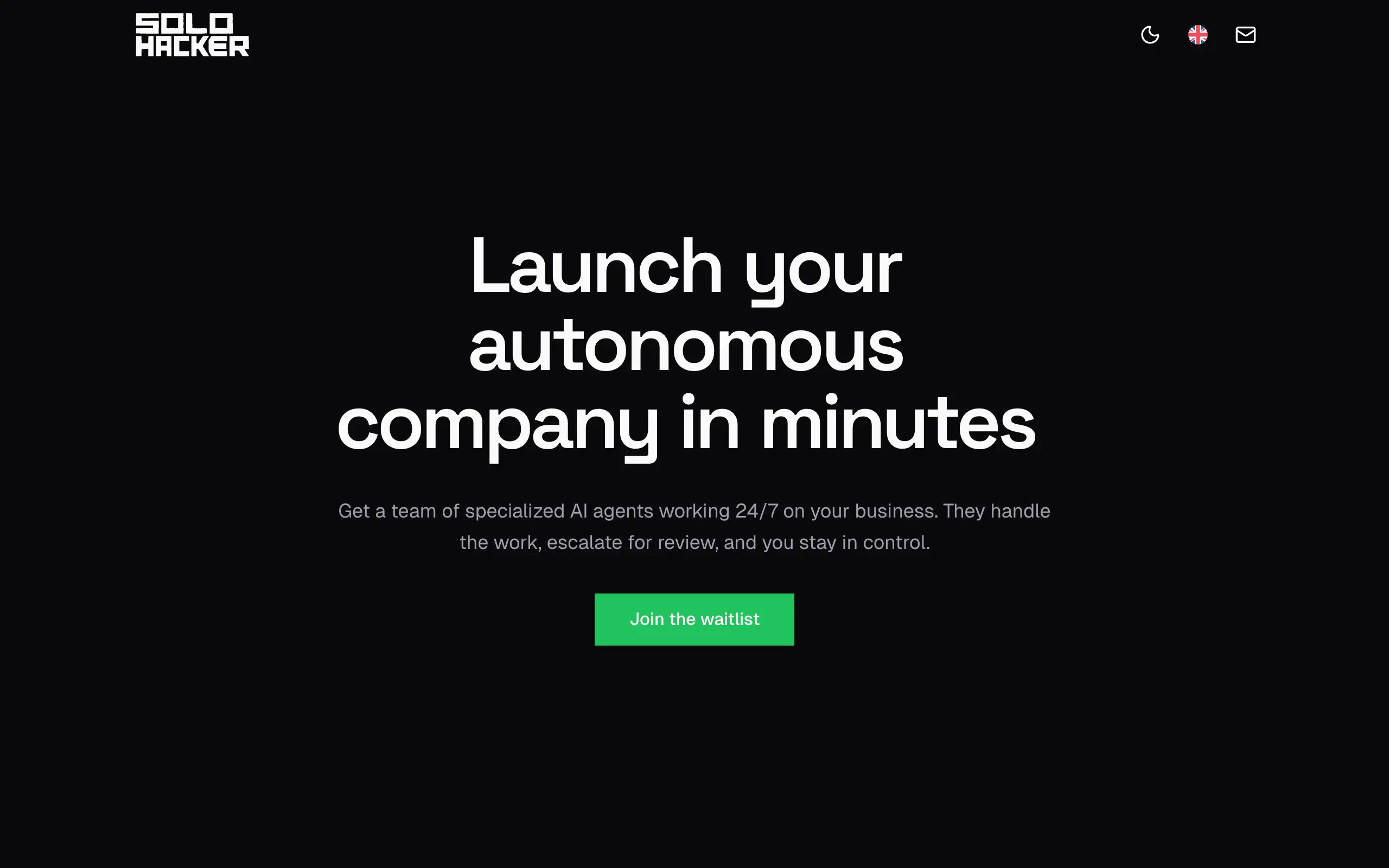
Autonomous company launcher - AI agents work 24/7, escalate what matters, and you stay in control 🤖

BeRawi: Storytelling Coach
Practice storytelling daily with instant feedback to sound clearer, more engaging, and confident 🎤
Omichat
Chat with 50+ AI models, including ChatGPT and Claude, in one place - switch models anytime without losing context 🤖
Claude Fast
Supercharge your Claude Code with 6x effective context window and specialized AI agents 🤖
EmojAI
AI-powered emoji picker with smart, context-aware suggestions 🤖
Solohacker
Autonomous company launcher - AI agents work 24/7, escalate what matters, and you stay in control 🤖
BeRawi: Storytelling Coach
Practice storytelling daily with instant feedback to sound clearer, more engaging, and confident 🎤
Omichat
Chat with 50+ AI models, including ChatGPT and Claude, in one place - switch models anytime without losing context 🤖
Claude Fast
Supercharge your Claude Code with 6x effective context window and specialized AI agents 🤖
EmojAI
AI-powered emoji picker with smart, context-aware suggestions 🤖
Solohacker
Autonomous company launcher - AI agents work 24/7, escalate what matters, and you stay in control 🤖
BeRawi: Storytelling Coach
Practice storytelling daily with instant feedback to sound clearer, more engaging, and confident 🎤
Omichat
Chat with 50+ AI models, including ChatGPT and Claude, in one place - switch models anytime without losing context 🤖
Claude Fast
Supercharge your Claude Code with 6x effective context window and specialized AI agents 🤖
EmojAI
AI-powered emoji picker with smart, context-aware suggestions 🤖
Solohacker
Autonomous company launcher - AI agents work 24/7, escalate what matters, and you stay in control 🤖
BeRawi: Storytelling Coach
Practice storytelling daily with instant feedback to sound clearer, more engaging, and confident 🎤

Connect with like-minded people
Join our community to get feedback, support, and grow together with 1,000+ builders on board, let's ship it!
Join usShip your startup everywhere. In minutes.
Don't burn tokens on setup and start building features on day one.