ClaimClarity AI
AI copilot that analyzes health insurance claim denials and generates appeal letters with evidence mapping, saving providers hours and recovering lost revenue.
The growing crisis of health insurance claim denials
Health insurance claim denials are no longer a minor administrative inconvenience. For many healthcare providers, they represent one of the largest hidden revenue leaks in the business. According to industry reports (such as those published by the American Medical Association and MGMA), denial rates have steadily increased in recent years, with some providers reporting initial denial rates exceeding 10–15% of submitted claims.
Each denied claim triggers a costly chain reaction:
- Staff must analyze payer responses.
- Documentation must be reviewed and updated.
- Appeal letters must be drafted.
- Clinical evidence must be mapped to payer policies.
- Timelines must be monitored to avoid forfeiting reimbursement.
This process consumes hours of skilled labor per claim. For mid-sized clinics or hospital systems, that can translate to hundreds of thousands — or even millions — of dollars in delayed or lost revenue annually.
This is where an AI-powered denial management solution like ClaimClarity AI becomes strategically transformative.
What is ClaimClarity AI?
ClaimClarity AI is an AI copilot for healthcare revenue cycle teams that:
- Analyzes health insurance claim denials
- Interprets payer denial codes and policies
- Maps clinical documentation to required evidence
- Generates structured, compliant appeal letters
- Tracks appeal outcomes and optimization patterns
Unlike generic AI writing tools, this system is purpose-built for healthcare reimbursement workflows. It combines:
- Natural language processing (NLP)
- Structured claim data parsing
- Evidence mapping against payer policy
- Compliance-aware language generation
The result: faster appeals, higher overturn rates, and recovered revenue with less administrative overhead.
Primary keyword focus
Throughout this article, we focus on the primary keyword:
AI for health insurance claim denials
Closely related semantic keywords include:
- AI claim denial management
- Automated insurance appeal letters
- Healthcare revenue cycle AI
- Medical billing denial analysis software
- AI healthcare revenue recovery
- Claim appeal automation
- Denial management SaaS
Who is the target audience?
Understanding user intent is critical. People searching for “AI for health insurance claim denials” are typically:
- Revenue cycle managers
- Medical billing directors
- Hospital CFOs
- Practice administrators
- Healthcare SaaS buyers
- Healthtech founders validating a new product idea
Let’s break this down further.
1. Mid-to-large healthcare providers
These organizations:
- Process thousands of claims monthly
- Maintain dedicated revenue cycle teams
- Experience high denial volumes
- Need measurable ROI from automation
Their pain point is scale and cost inefficiency.
2. Medical billing companies (RCM vendors)
Revenue cycle management firms serve multiple providers. For them:
- Denial appeals are time-consuming and repetitive
- Margins are squeezed by labor costs
- Faster turnaround improves client satisfaction
An AI copilot increases throughput per billing specialist.
3. Hospital systems
Hospitals face:
- Complex payer contracts
- Multi-layered denial reasons
- Regulatory scrutiny
- Tight operating margins
They require enterprise-grade compliance and audit trails.
4. Healthtech buyers searching for automation
Search intent often includes:
- “How to reduce claim denials”
- “AI tools for medical billing”
- “Automate insurance appeals”
- “Denial management software”
They want:
- Validation
- ROI projections
- Feature clarity
- Security assurance
- Implementation guidance
This article is structured to answer those needs comprehensively.
The market opportunity for AI claim denial management
Why this problem is accelerating
Several macro trends increase denial complexity:
- Stricter payer prior authorization policies
- Increased use of AI by insurers to flag claims
- More granular medical necessity reviews
- Value-based reimbursement models
- Staff shortages in billing departments
If payers are using AI to deny claims, providers need AI to defend them.
The financial scale of the problem
Industry reports frequently cite:
- Billions of dollars annually in denied claims across the U.S.
- 50–65% of denials are recoverable when appealed
- Appeals can take 30–90+ days
- Manual appeal costs range from $25 to $100+ per claim
Even conservative recovery improvements (e.g., 10% better overturn rate) can yield substantial revenue gains.
Market gap
Current solutions fall into two categories:
-
Traditional denial management software
- Mostly workflow tracking
- Limited automation
- No intelligent evidence mapping
-
Generic AI writing tools
- Not compliance-aware
- No integration with claim data
- No payer-specific policy referencing
ClaimClarity AI fills the gap by combining:
- Structured claim data analysis
- Payer policy interpretation
- Evidence-to-requirement mapping
- Appeal letter drafting
- Learning from outcomes
That combination is the competitive differentiator.
Core features of ClaimClarity AI
Below is a strategic breakdown of the feature set required for an AI-powered claim denial SaaS platform.
1. Denial code interpretation engine
The system ingests:
- EOBs (Explanation of Benefits)
- ERA 835 files
- Payer denial codes
- CPT/ICD-10 codes
- Claim metadata
It translates cryptic payer codes into actionable explanations.
Example outputs:
- “Medical necessity not established under policy XYZ-123.”
- “Authorization missing for CPT 27447.”
- “Documentation insufficient for modifier 25.”
2. Evidence mapping against payer policy
This is the most powerful differentiator.
The AI:
- Pulls payer policy language
- Extracts required criteria
- Cross-references documentation
- Flags missing evidence
For example:
| Policy Requirement | Documentation Found | Gap |
|---|---|---|
| Conservative treatment for 6 weeks | Only 3 weeks documented | Missing documentation |
This structured analysis gives appeal writers clarity and confidence.
3. Automated appeal letter generation
Using structured inputs, the AI generates:
- Payer-compliant appeal letters
- References to policy language
- Structured arguments
- Supporting documentation citations
Appeal letters should:
- Be professionally formatted
- Reference claim numbers
- Include CPT/ICD codes
- Quote relevant policy sections
- Cite clinical guidelines where applicable
The system must avoid hallucinations by grounding outputs in structured claim data.
4. Appeal optimization analytics
ClaimClarity AI can track:
- Appeal submission dates
- Overturn rates by payer
- Denial categories
- Success by documentation type
- Time-to-reimbursement metrics
Over time, it becomes a learning system:
- Which arguments succeed?
- Which documentation improves overturn rates?
- Which payers require specific phrasing?
5. Compliance and audit logging
Healthcare requires strict compliance:
- HIPAA compliance
- Audit trail logging
- Role-based access control
- Encrypted data storage
Enterprise adoption depends on this layer.
How ClaimClarity AI creates a competitive advantage
Let’s compare positioning.
| Capability | Manual Process | Basic RCM Software | Generic AI Tool | ClaimClarity AI |
|---|---|---|---|---|
| Denial code interpretation | ✅ | ✅ | ❌ | ✅ |
| Evidence mapping to policy | ❌ | ❌ | ❌ | ✅ |
| Automated appeal drafting | ❌ | ❌ | ✅ (generic) | ✅ (structured & compliant) |
| Learning from appeal outcomes | ❌ | ❌ | ❌ | ✅ |
Unique Selling Proposition (USP):
ClaimClarity AI is not just a letter generator — it is an AI copilot that maps clinical evidence to payer requirements and continuously improves overturn rates.
Recommended technology stack
Building an AI healthcare SaaS requires thoughtful architectural decisions.
Frontend
Why?
- Fast UI development
- Secure authentication flows
- Component-driven dashboards
- Responsive design for billing teams
Backend
- Node.js (with NestJS or Express)
- Python microservices for AI processing
- REST or GraphQL APIs
AI layer
- LLM provider (with healthcare-safe deployment)
- Retrieval-Augmented Generation (RAG)
- Vector database for payer policies
- Structured prompt templates
Example: structured appeal generation logic
// Pseudocode for structured AI appeal generation
const generateAppeal = async (claimData, payerPolicy, documentation) => {
  const structuredInput = {
    denialReason: claimData.denialCode,
    cptCodes: claimData.cptCodes,
    icdCodes: claimData.icdCodes,
    policyRequirements: payerPolicy.criteria,
    documentationEvidence: documentation.mappedFindings,
  };

  const response = await aiClient.generate({
    systemPrompt: "Generate compliant healthcare appeal letter.",
    structuredData: structuredInput,
  });

  return response;
};
Data & security
- HIPAA-compliant cloud hosting (e.g., AWS with BAA)
- Encrypted storage (AES-256)
- Audit logs
- SOC 2 roadmap
Trade-offs to consider
- LLM cost vs. scalability
- On-prem vs. cloud deployment
- Real-time vs. batch processing
- Custom fine-tuning vs. RAG-based architecture
Healthcare buyers value explainability and security more than flashy features.
Monetization strategy
ClaimClarity AI can use multiple revenue models.
1. Per-claim pricing
- $5–$25 per analyzed denial
- Aligns directly with ROI
- Easy to justify financially
2. Tiered subscription model
- Starter: small practices
- Growth: multi-location clinics
- Enterprise: hospital systems
Pricing factors:
- Claim volume
- Integrations
- Advanced analytics
- Dedicated support
3. Revenue-share model
Take a percentage of recovered revenue.
Pros:
- Highly compelling
- Risk-aligned
Cons:
- Complex tracking
- Longer sales cycle
4. API-based pricing
For RCM vendors:
- API access
- Volume discounts
- White-label options
Potential risks and mitigation strategies
Risk 1: AI hallucinations
Mitigation:
- Ground all outputs in structured data
- Disable creative mode
- Require citation to policy language
Risk 2: Compliance violations
Mitigation:
- HIPAA-compliant infrastructure
- Legal review of generated templates
- Built-in disclaimers
Risk 3: Resistance from billing staff
Mitigation:
- Position as copilot, not replacement
- Emphasize time savings
- Provide transparent reasoning
Risk 4: Payer policy variability
Mitigation:
- Maintain payer policy database
- Use RAG to update dynamically
- Continuous retraining pipeline
Go-to-market strategy
Phase 1: Niche specialization
Start with:
- High-denial specialties (e.g., orthopedics, cardiology)
- Specific CPT-heavy procedures
- Mid-sized RCM firms
Phase 2: Proof of ROI
Collect case studies:
- Reduction in appeal drafting time
- Increased overturn rates
- Faster reimbursement
Phase 3: Enterprise expansion
- EHR integrations
- SSO
- Advanced reporting
- Custom workflows
Implementation roadmap
Why now is the right time
Several 2025 trends make this ideal timing:
- Mature LLM capabilities
- Growing administrative burden
- Increased payer automation
- Healthcare labor shortages
- Pressure on provider margins
The administrative cost crisis in healthcare is intensifying. AI is no longer experimental — it is becoming operational infrastructure.
Final thoughts: the strategic potential of AI for health insurance claim denials
ClaimClarity AI represents more than incremental automation. It addresses:
- Revenue leakage
- Administrative burnout
- Documentation inefficiencies
- Payer complexity
For providers, the value is tangible:
- Faster cash flow
- Reduced staff overload
- Improved financial predictability
- Competitive financial advantage
For founders and SaaS builders, this represents:
- A large, high-ROI B2B market
- Recurring subscription potential
- Deep defensibility through data learning loops
- Enterprise expansion opportunities
The combination of structured healthcare data + AI reasoning + policy mapping is a powerful and scalable foundation.
If built correctly, ClaimClarity AI could become the standard AI copilot for healthcare revenue recovery.
Build your AI healthcare SaaS faster
If you're planning to build an AI-driven healthcare SaaS like ClaimClarity AI, you need:
- Secure authentication
- Scalable SaaS architecture
- Billing integration
- Admin dashboards
- API infrastructure
Instead of building everything from scratch, you can accelerate development using a production-ready SaaS starter kit like TurboStarter.
It provides:
- Modern full-stack foundation
- Scalable architecture
- Authentication & payments
- Clean code structure
- Rapid deployment support
By combining a solid SaaS foundation with a focused, high-value AI use case like health insurance claim denial automation, you position yourself at the intersection of:
- Healthcare
- Artificial intelligence
- Revenue optimization
- Enterprise SaaS
And that is where the most durable, high-impact companies are built.
More 🤖 AI Startup SaaS ideas
Discover more innovative ai startup SaaS ideas that are trending in 2026. Each idea is AI-generated with market validation and growth potential to help you find your next profitable venture faster than competitors.
Your competitors are building with TurboStarter
Below are some of the SaaS ideas that have been generated and built with our starter kit.
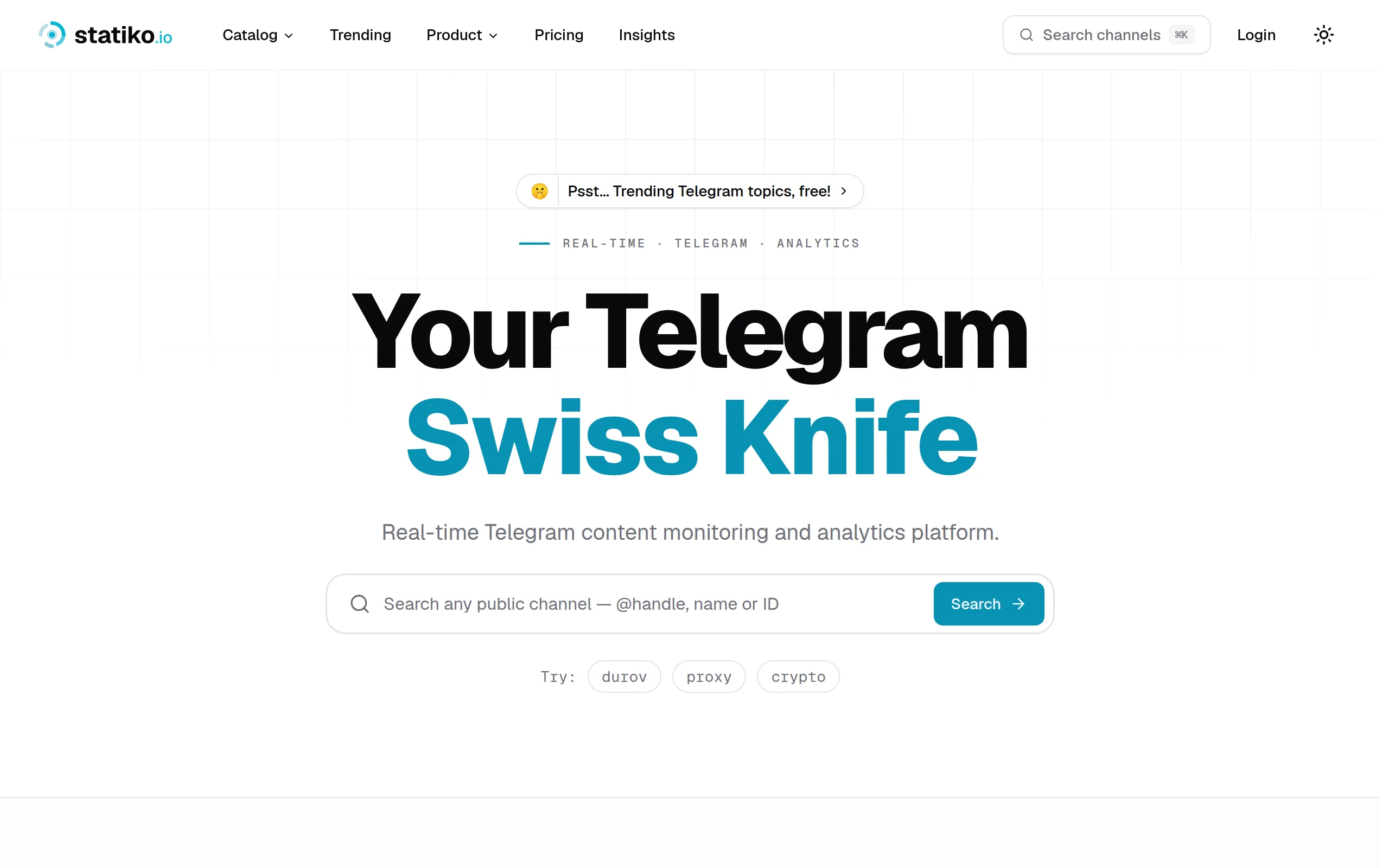
Statiko
Monitor any Telegram channel in real time - track posts, edits, deletions, and growth with AI recaps 📡
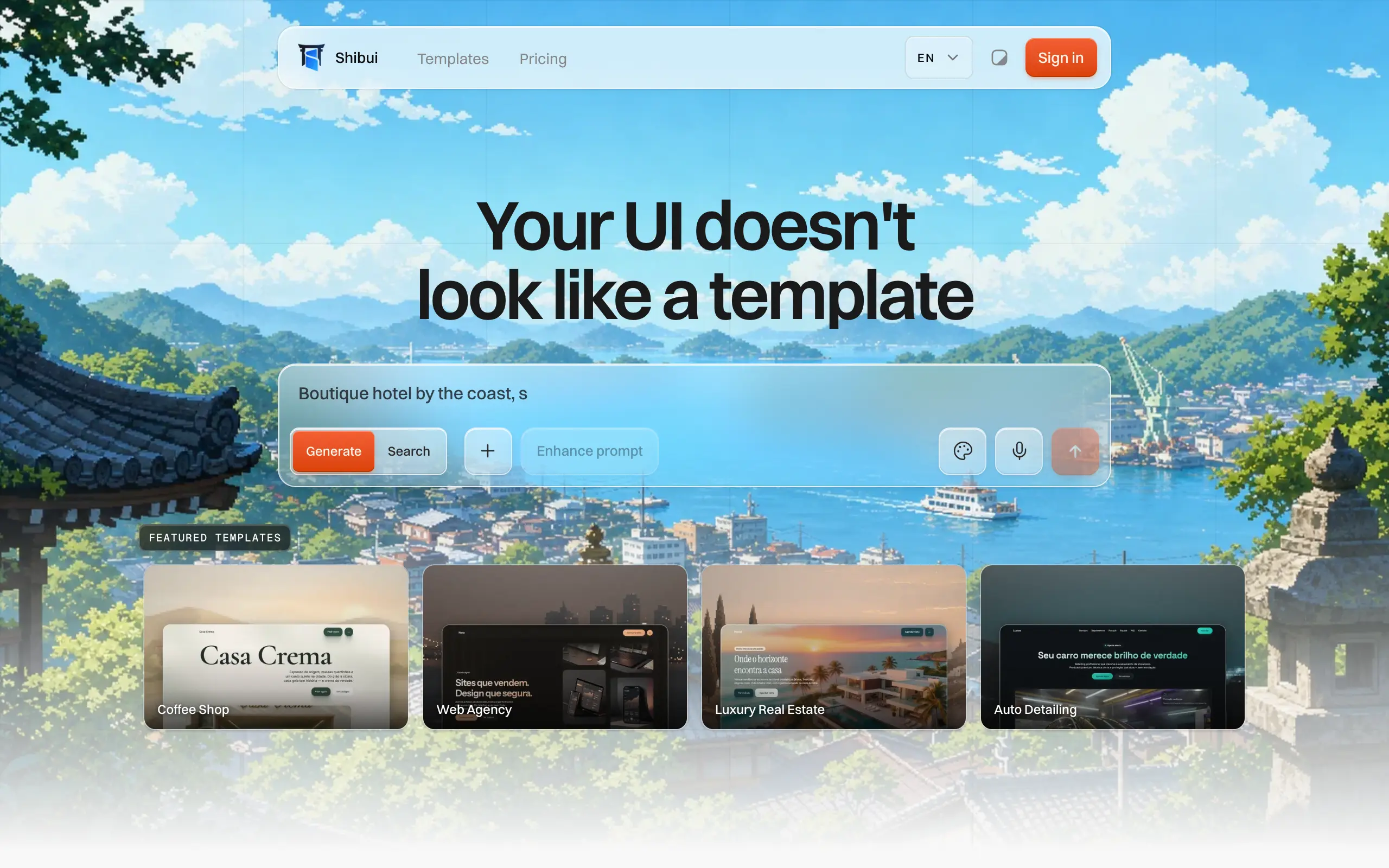
Shibui
AI website builder - describe your business, pick a niche template, edit by chatting, and publish instantly ✨
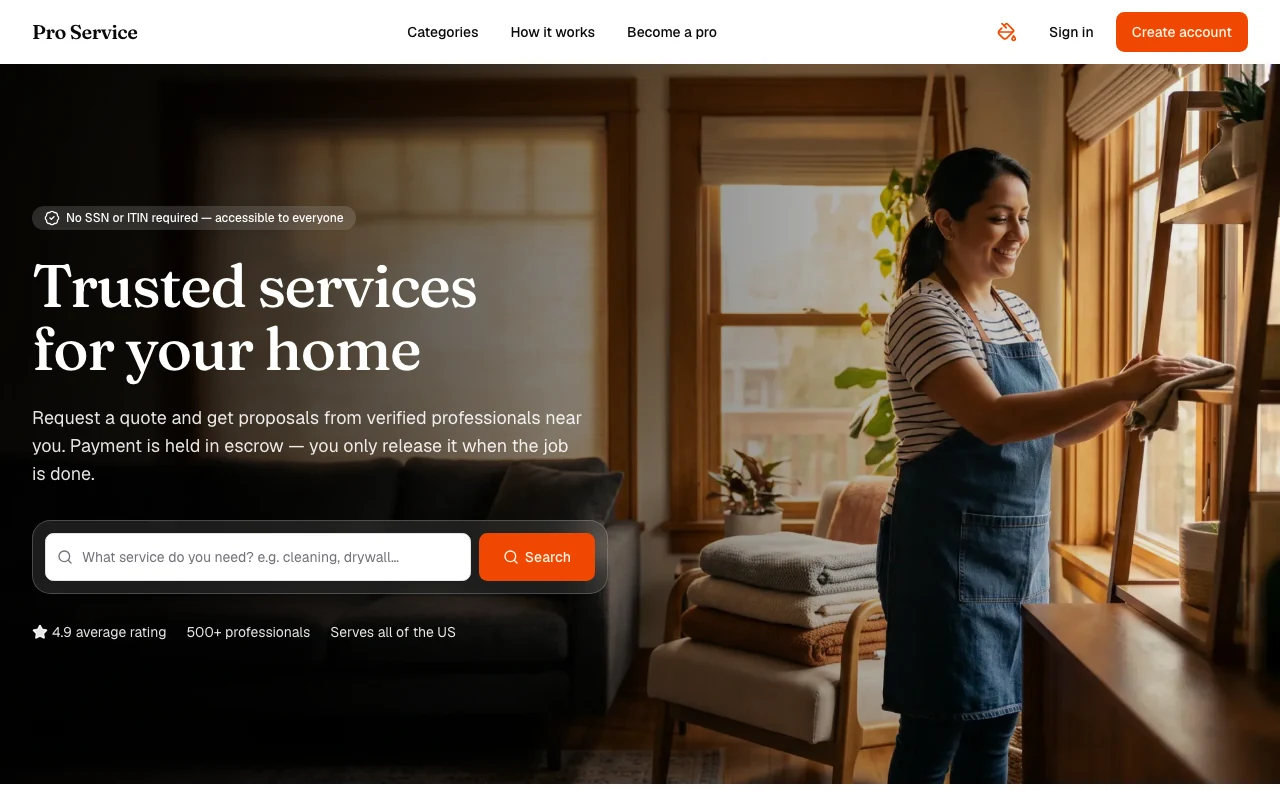
Pro Service
Find verified home service professionals, compare quotes, and pay securely through escrow - built for Brazilians across the US 🏠
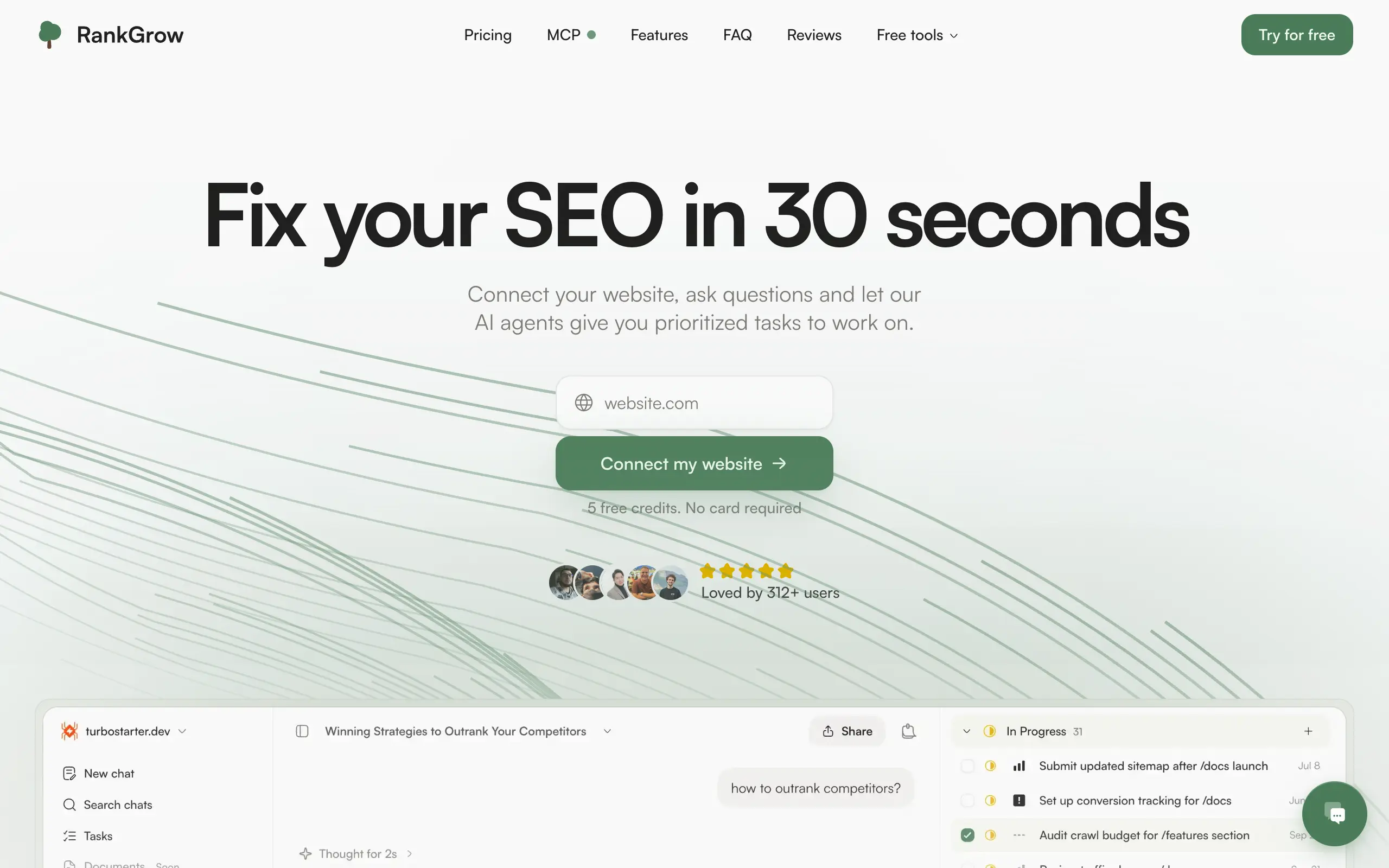
RankGrow
Fix your SEO with AI agents - connect Search Console, get prioritized tasks, and grow organic traffic 📈
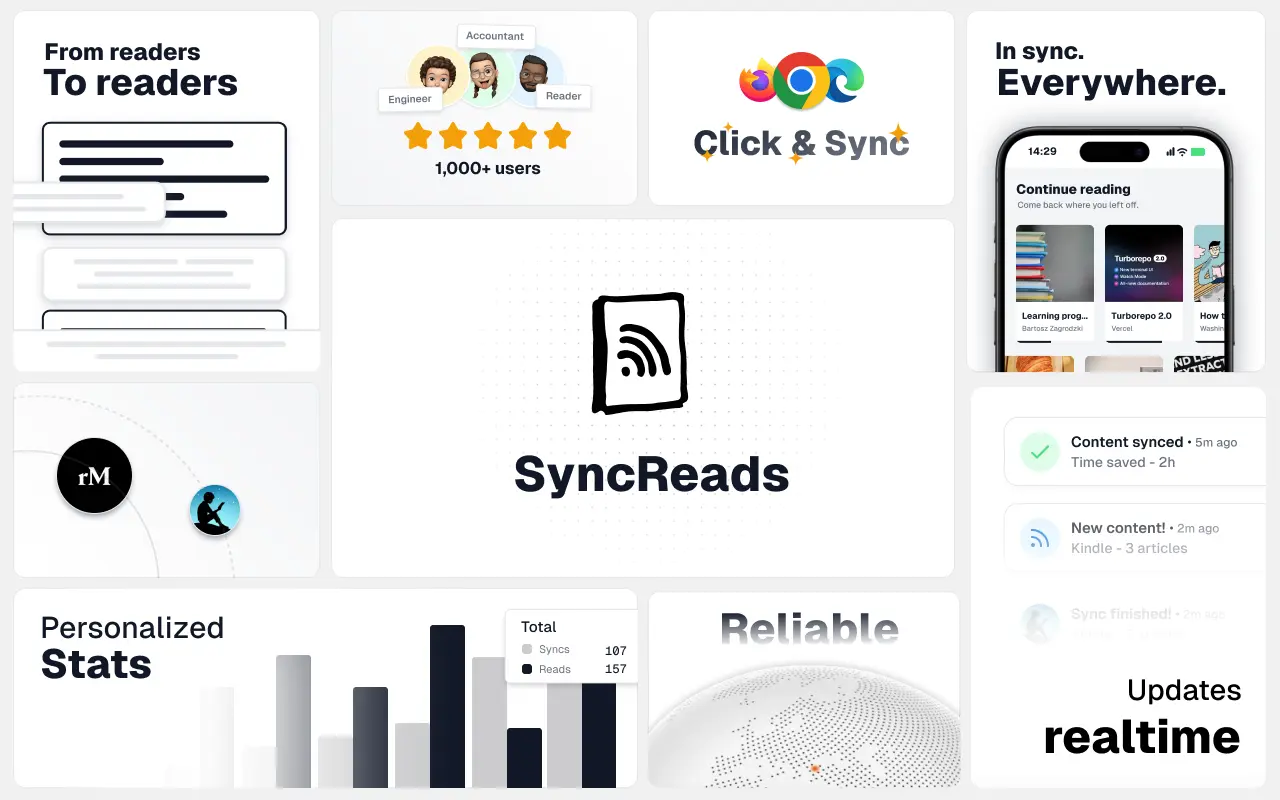
SyncReads
Sync your favorite content for distraction-free reading, save time and replace multiple apps. Anytime, anywhere 🔄
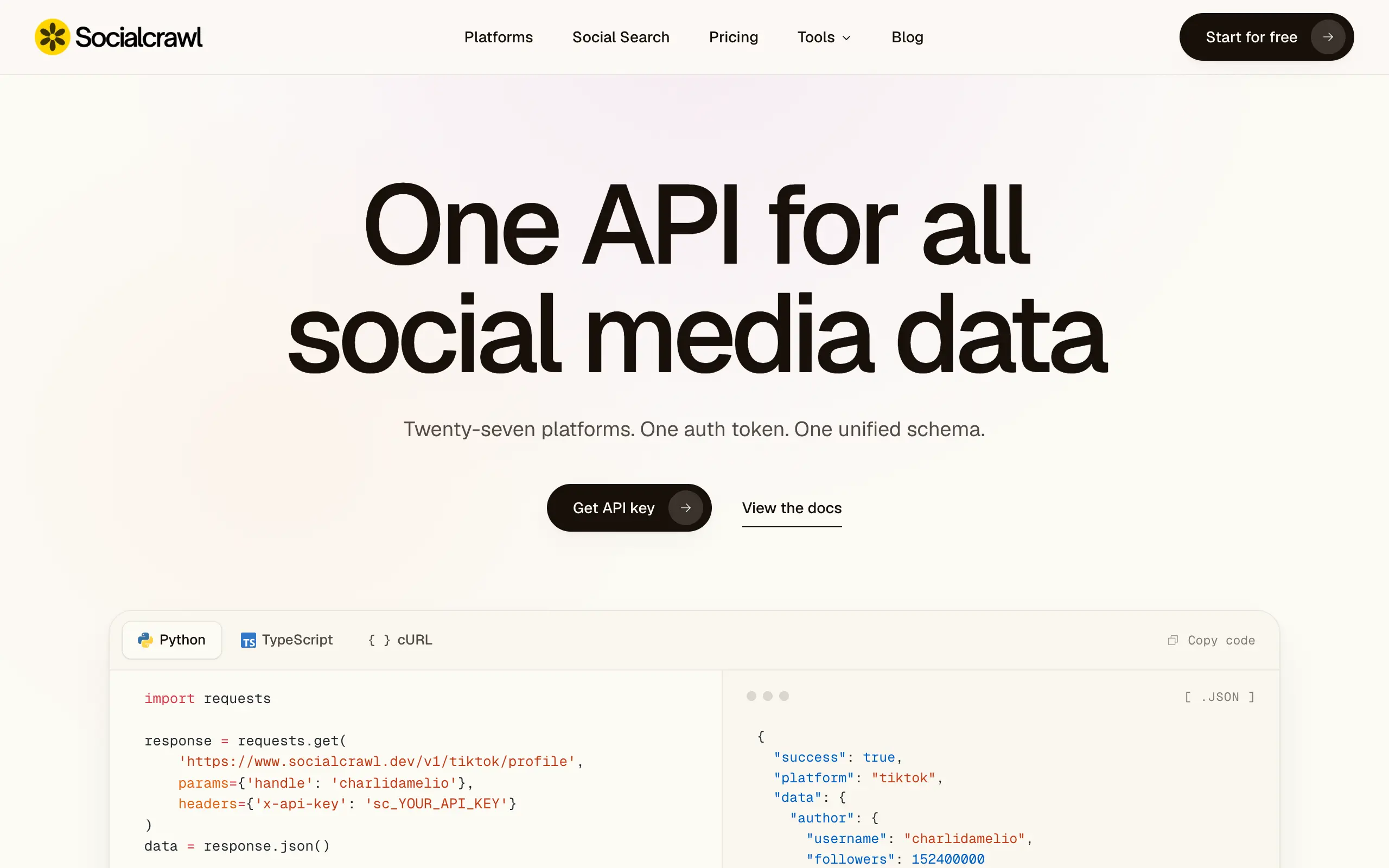
Socialcrawl
Get clean, structured data from 21 platforms like TikTok, Instagram, and YouTube with a single request 📊
Statiko
Monitor any Telegram channel in real time - track posts, edits, deletions, and growth with AI recaps 📡
Shibui
AI website builder - describe your business, pick a niche template, edit by chatting, and publish instantly ✨
Pro Service
Find verified home service professionals, compare quotes, and pay securely through escrow - built for Brazilians across the US 🏠
RankGrow
Fix your SEO with AI agents - connect Search Console, get prioritized tasks, and grow organic traffic 📈
SyncReads
Sync your favorite content for distraction-free reading, save time and replace multiple apps. Anytime, anywhere 🔄
Socialcrawl
Get clean, structured data from 21 platforms like TikTok, Instagram, and YouTube with a single request 📊
Statiko
Monitor any Telegram channel in real time - track posts, edits, deletions, and growth with AI recaps 📡
Shibui
AI website builder - describe your business, pick a niche template, edit by chatting, and publish instantly ✨
Pro Service
Find verified home service professionals, compare quotes, and pay securely through escrow - built for Brazilians across the US 🏠
RankGrow
Fix your SEO with AI agents - connect Search Console, get prioritized tasks, and grow organic traffic 📈
SyncReads
Sync your favorite content for distraction-free reading, save time and replace multiple apps. Anytime, anywhere 🔄
Socialcrawl
Get clean, structured data from 21 platforms like TikTok, Instagram, and YouTube with a single request 📊
Statiko
Monitor any Telegram channel in real time - track posts, edits, deletions, and growth with AI recaps 📡
Shibui
AI website builder - describe your business, pick a niche template, edit by chatting, and publish instantly ✨
Pro Service
Find verified home service professionals, compare quotes, and pay securely through escrow - built for Brazilians across the US 🏠
RankGrow
Fix your SEO with AI agents - connect Search Console, get prioritized tasks, and grow organic traffic 📈
SyncReads
Sync your favorite content for distraction-free reading, save time and replace multiple apps. Anytime, anywhere 🔄
Socialcrawl
Get clean, structured data from 21 platforms like TikTok, Instagram, and YouTube with a single request 📊
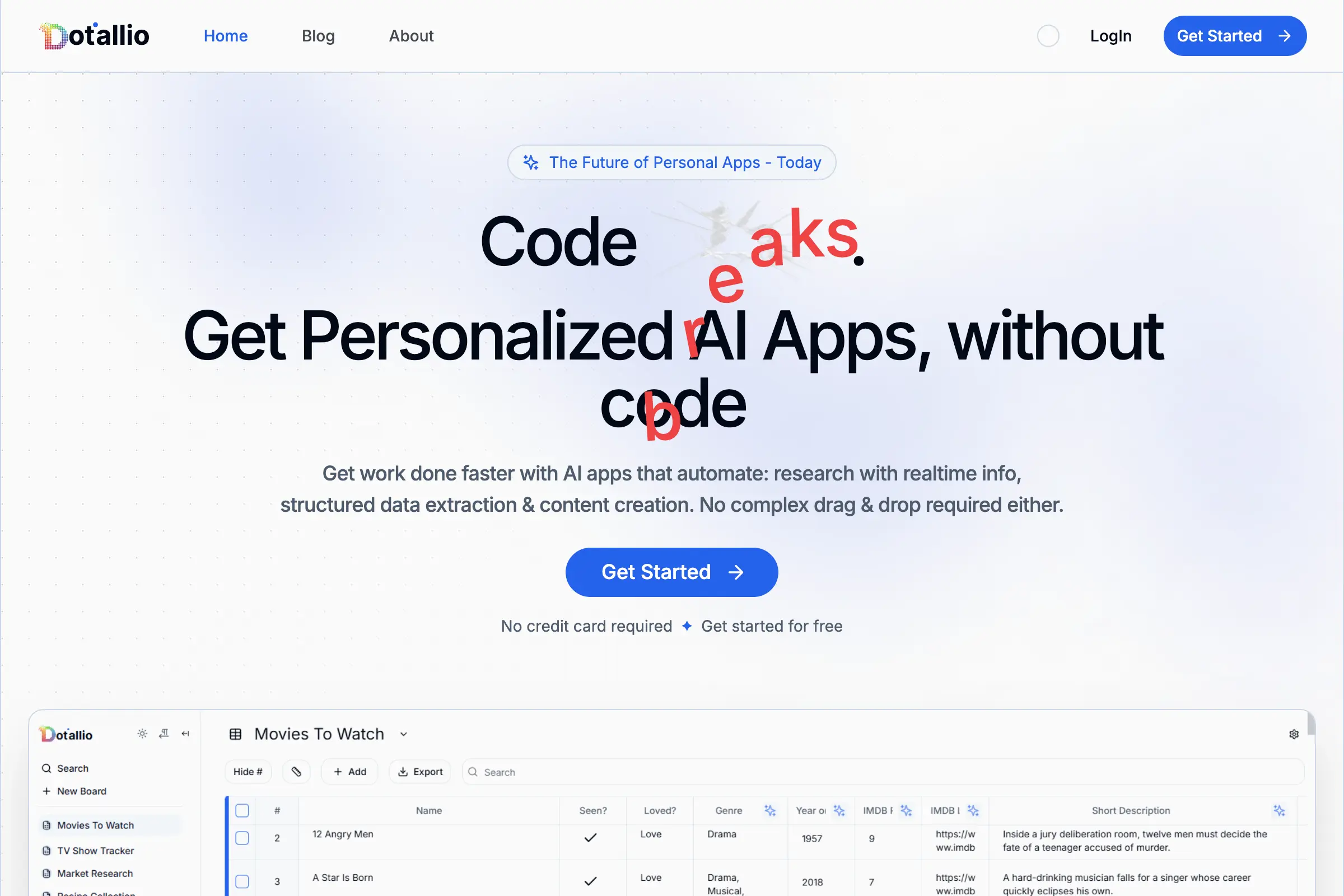
Dotallio
Personalized AI apps that automate research, data extraction, and content creation without code 🤖
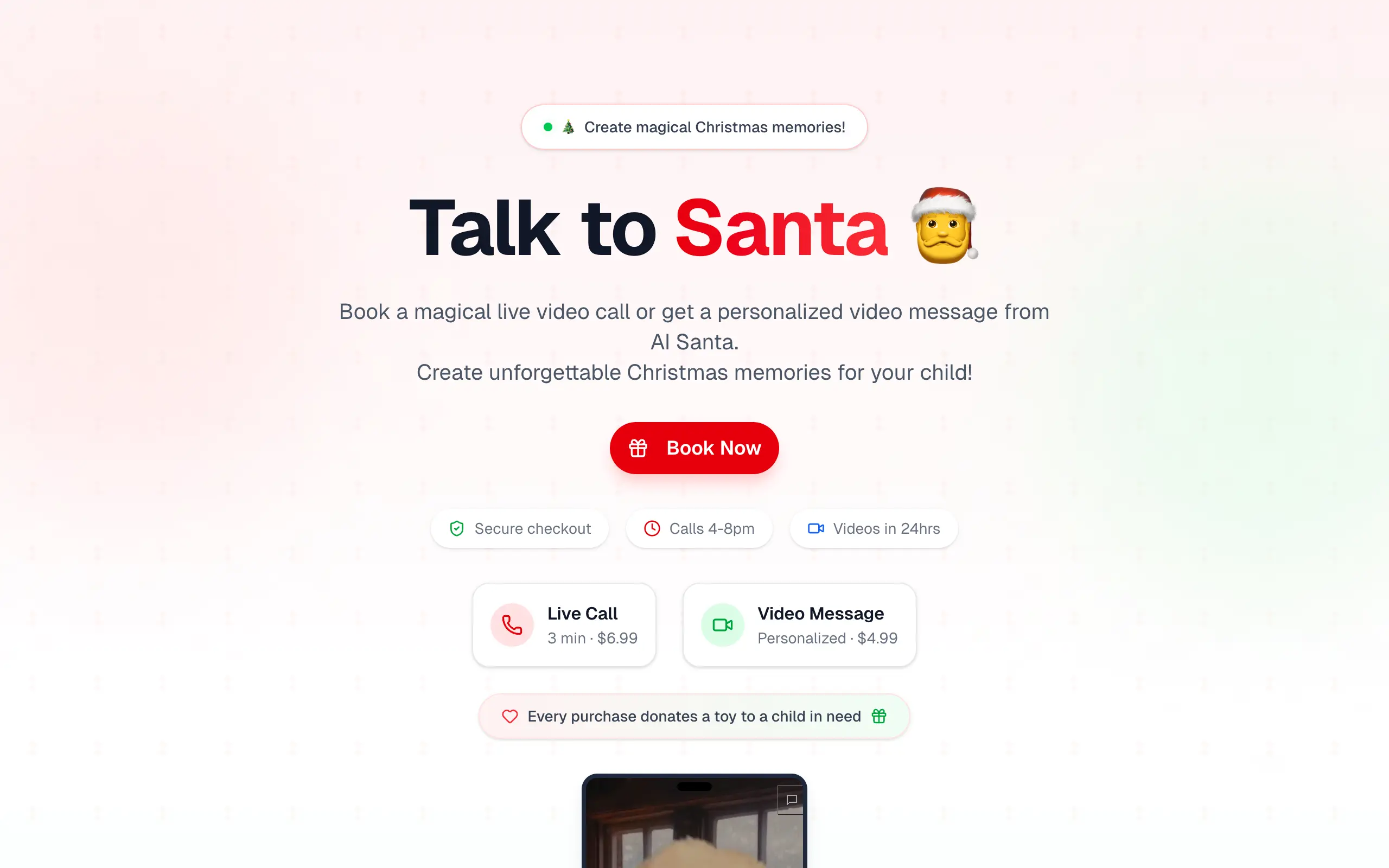
Talk to Santa
Enjoy a magical live video chat or receive a unique AI-generated video greeting from Santa Claus 🎅
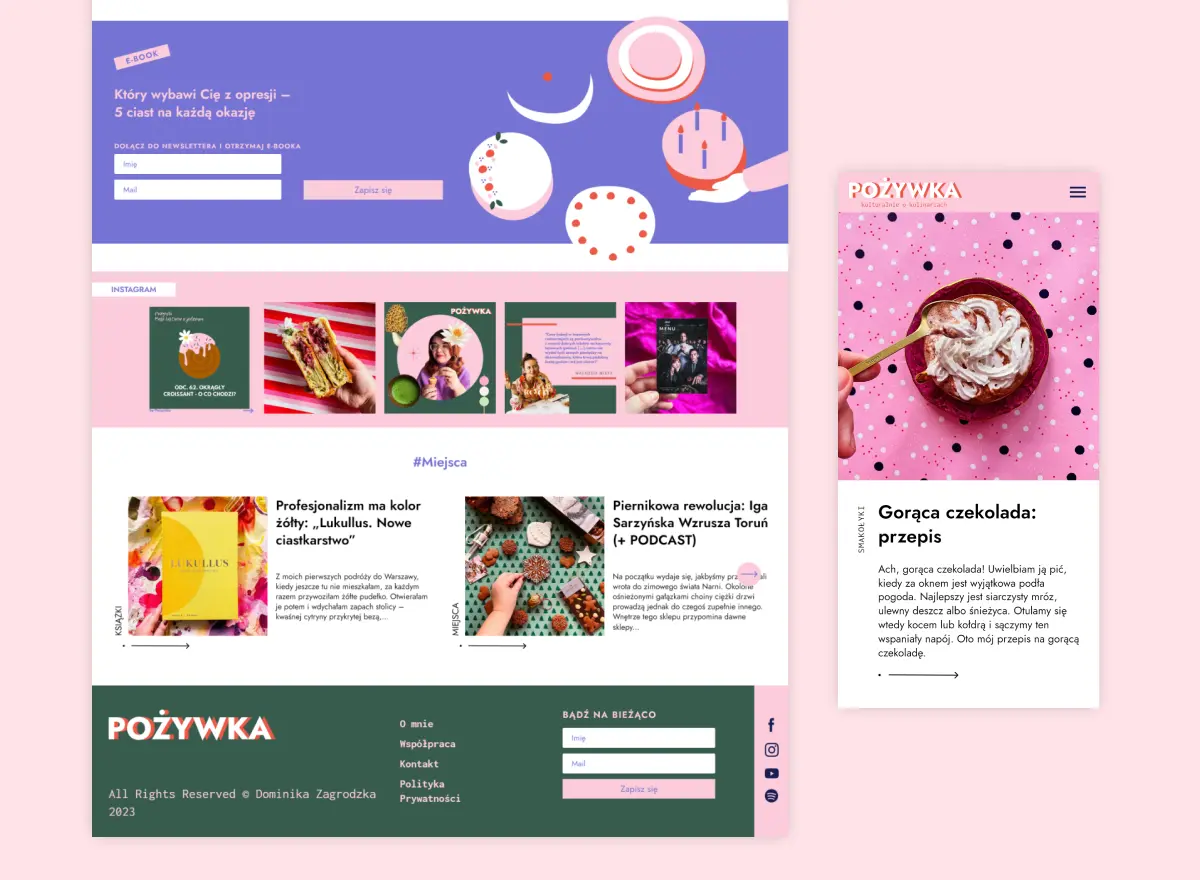
pozywka.pl
Scalable blog for food journalist, focused on performance and user experience 🌭
zagrodzki.me
Personal blog and portfolio of Bart Zagrodzki, where he shares his knowledge and work 💼
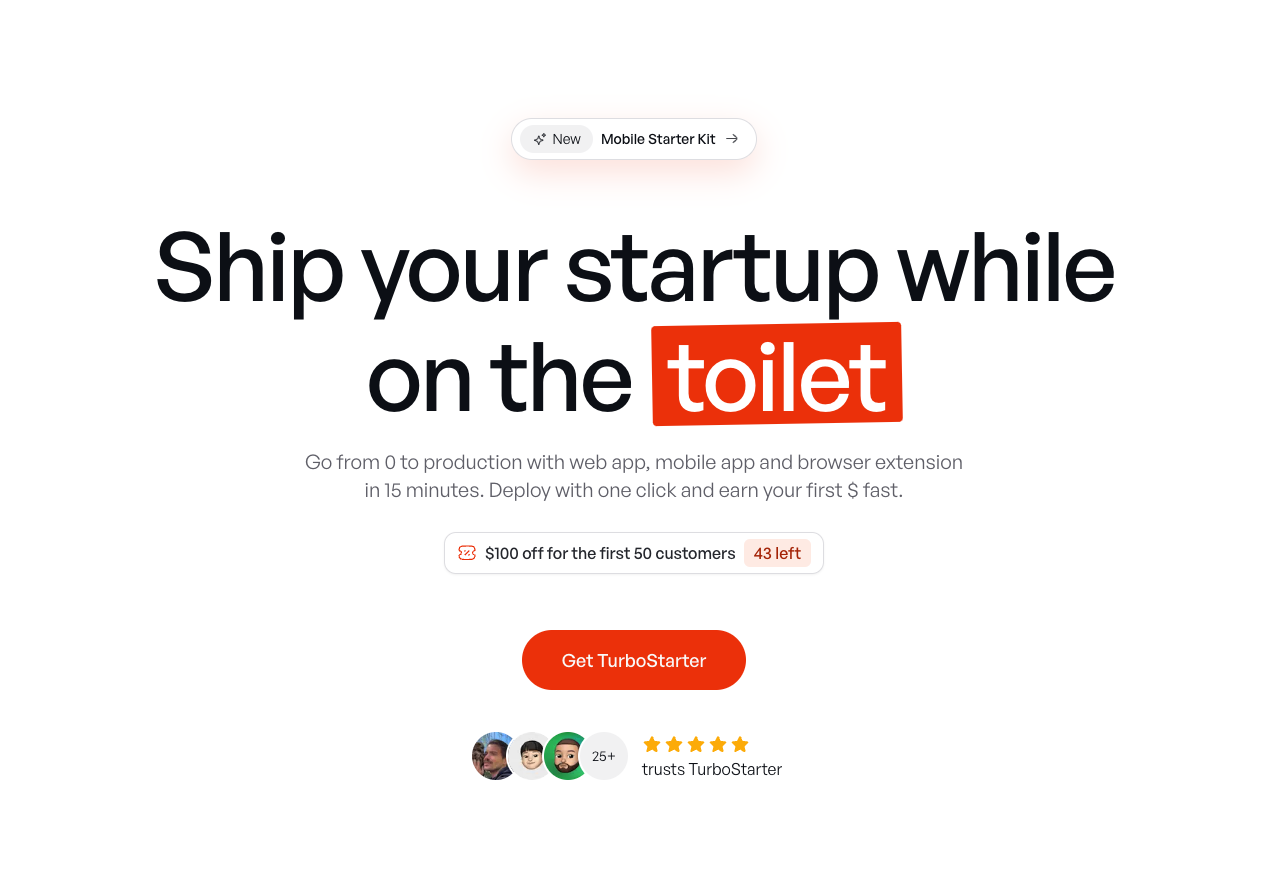
TurboStarter
Ship your startup everywhere. In minutes.
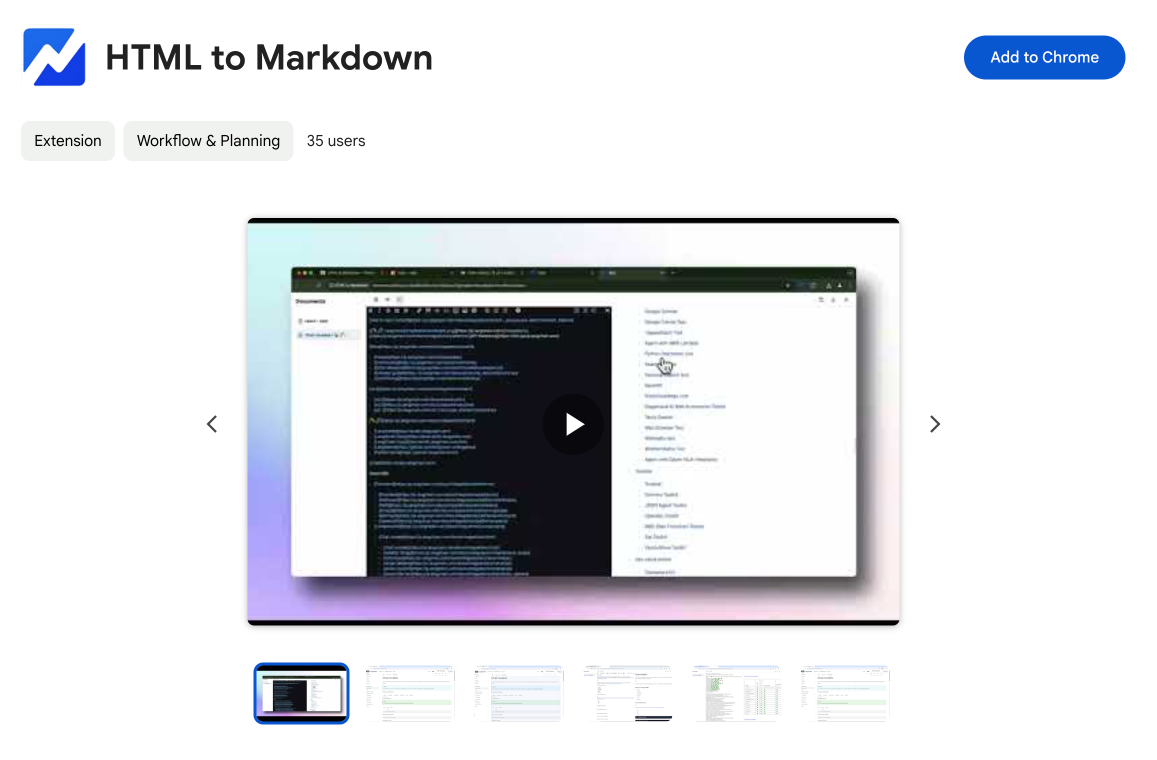
HTML to Markdown
Convert HTML to Markdown with ease, directly in your browser 📄
Dotallio
Personalized AI apps that automate research, data extraction, and content creation without code 🤖
Talk to Santa
Enjoy a magical live video chat or receive a unique AI-generated video greeting from Santa Claus 🎅
pozywka.pl
Scalable blog for food journalist, focused on performance and user experience 🌭
zagrodzki.me
Personal blog and portfolio of Bart Zagrodzki, where he shares his knowledge and work 💼
TurboStarter
Ship your startup everywhere. In minutes.
HTML to Markdown
Convert HTML to Markdown with ease, directly in your browser 📄
Dotallio
Personalized AI apps that automate research, data extraction, and content creation without code 🤖
Talk to Santa
Enjoy a magical live video chat or receive a unique AI-generated video greeting from Santa Claus 🎅
pozywka.pl
Scalable blog for food journalist, focused on performance and user experience 🌭
zagrodzki.me
Personal blog and portfolio of Bart Zagrodzki, where he shares his knowledge and work 💼
TurboStarter
Ship your startup everywhere. In minutes.
HTML to Markdown
Convert HTML to Markdown with ease, directly in your browser 📄
Dotallio
Personalized AI apps that automate research, data extraction, and content creation without code 🤖
Talk to Santa
Enjoy a magical live video chat or receive a unique AI-generated video greeting from Santa Claus 🎅
pozywka.pl
Scalable blog for food journalist, focused on performance and user experience 🌭
zagrodzki.me
Personal blog and portfolio of Bart Zagrodzki, where he shares his knowledge and work 💼
TurboStarter
Ship your startup everywhere. In minutes.
HTML to Markdown
Convert HTML to Markdown with ease, directly in your browser 📄
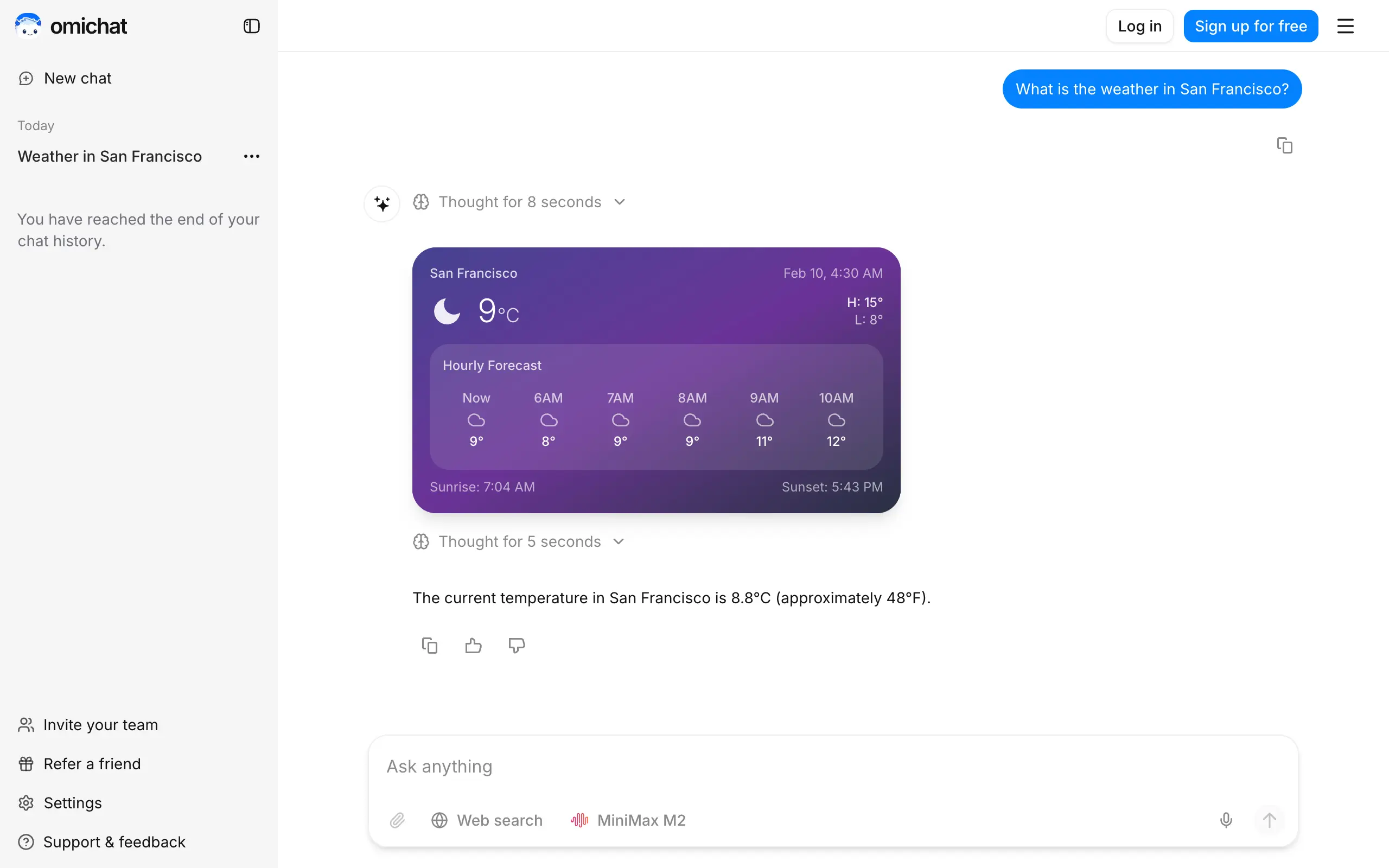
Omichat
Chat with 50+ AI models, including ChatGPT and Claude, in one place - switch models anytime without losing context 🤖
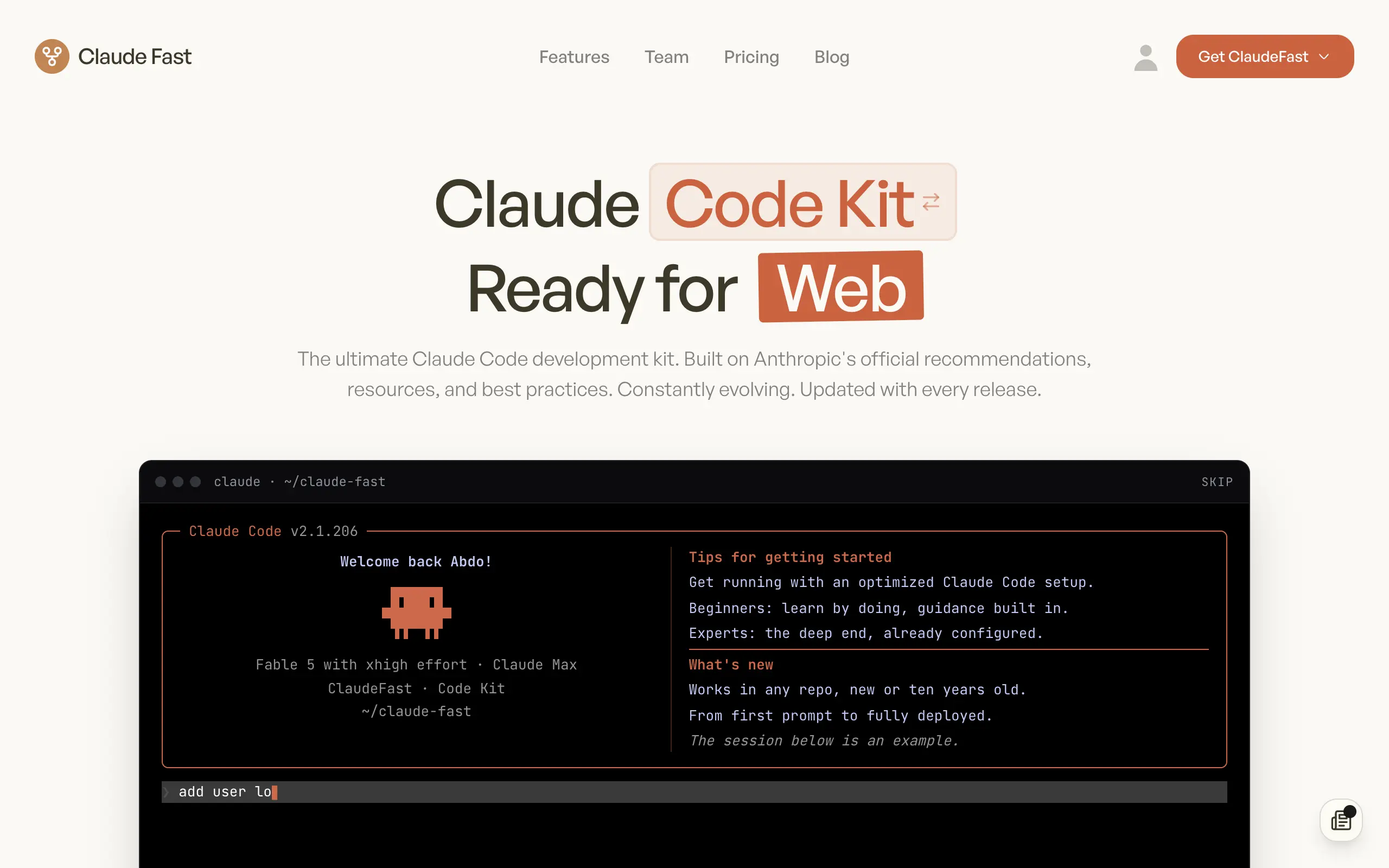
Claude Fast
Supercharge your Claude Code with 6x effective context window and specialized AI agents 🤖
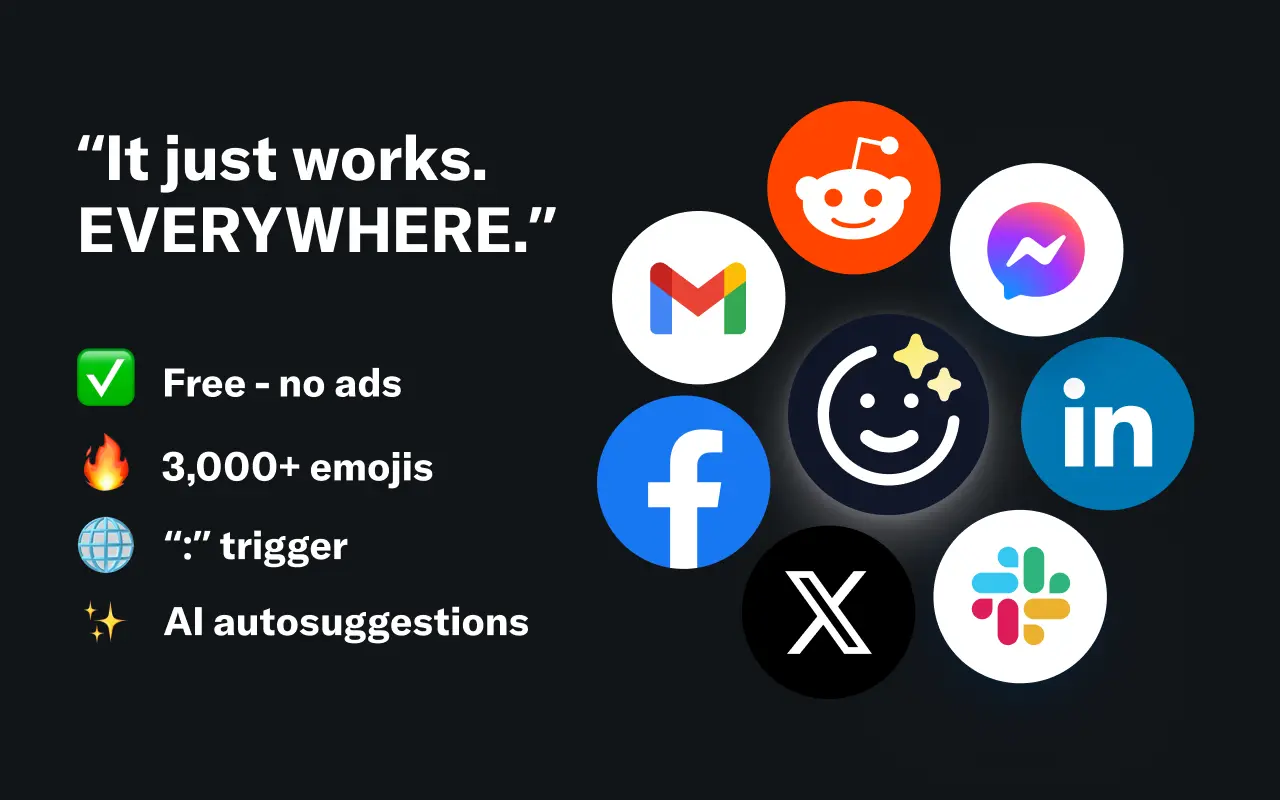
EmojAI
AI-powered emoji picker with smart, context-aware suggestions 🤖
Solohacker
Autonomous company launcher - AI agents work 24/7, escalate what matters, and you stay in control 🤖
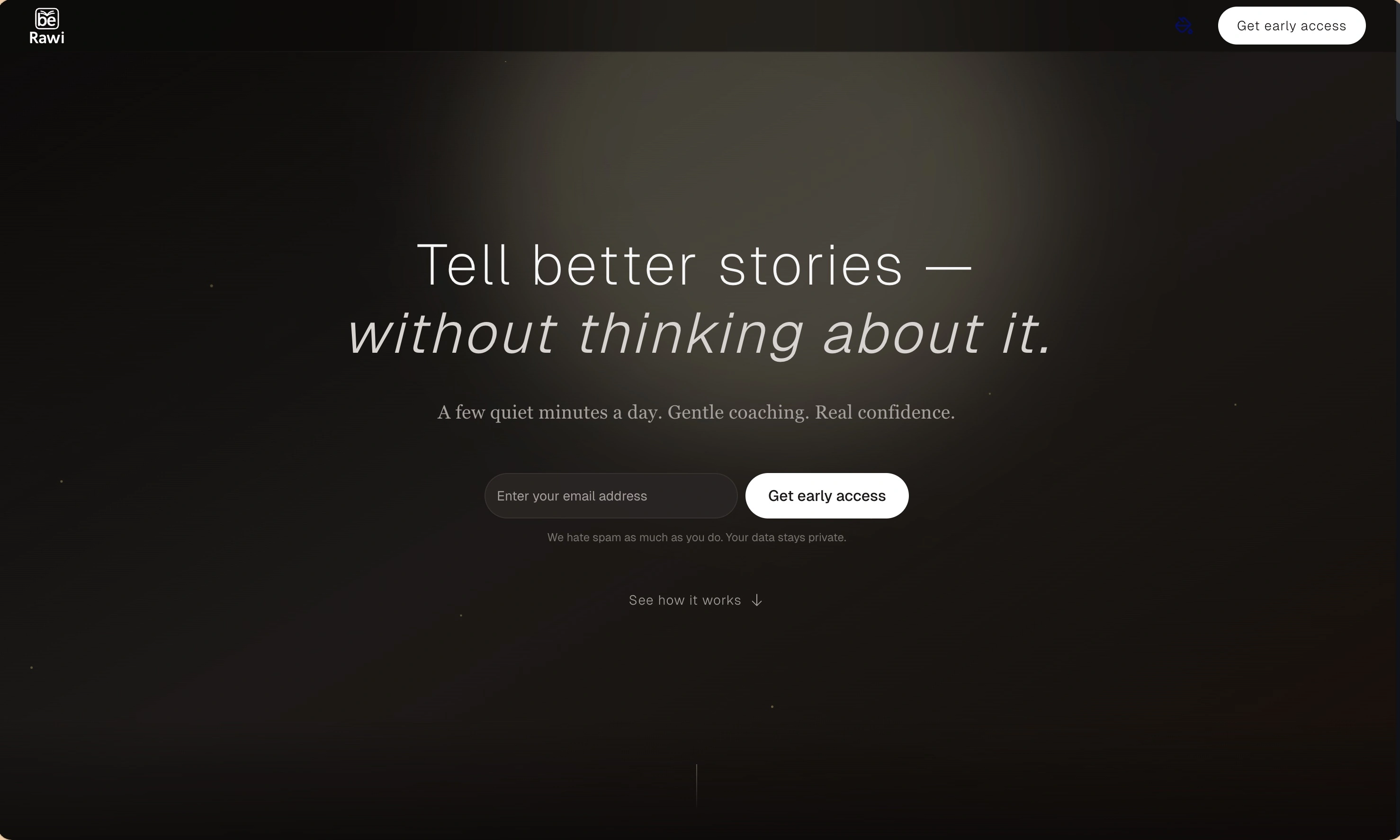
BeRawi: Storytelling Coach
Practice storytelling daily with instant feedback to sound clearer, more engaging, and confident 🎤
Omichat
Chat with 50+ AI models, including ChatGPT and Claude, in one place - switch models anytime without losing context 🤖
Claude Fast
Supercharge your Claude Code with 6x effective context window and specialized AI agents 🤖
EmojAI
AI-powered emoji picker with smart, context-aware suggestions 🤖
Solohacker
Autonomous company launcher - AI agents work 24/7, escalate what matters, and you stay in control 🤖
BeRawi: Storytelling Coach
Practice storytelling daily with instant feedback to sound clearer, more engaging, and confident 🎤
Omichat
Chat with 50+ AI models, including ChatGPT and Claude, in one place - switch models anytime without losing context 🤖
Claude Fast
Supercharge your Claude Code with 6x effective context window and specialized AI agents 🤖
EmojAI
AI-powered emoji picker with smart, context-aware suggestions 🤖
Solohacker
Autonomous company launcher - AI agents work 24/7, escalate what matters, and you stay in control 🤖
BeRawi: Storytelling Coach
Practice storytelling daily with instant feedback to sound clearer, more engaging, and confident 🎤
Omichat
Chat with 50+ AI models, including ChatGPT and Claude, in one place - switch models anytime without losing context 🤖
Claude Fast
Supercharge your Claude Code with 6x effective context window and specialized AI agents 🤖
EmojAI
AI-powered emoji picker with smart, context-aware suggestions 🤖
Solohacker
Autonomous company launcher - AI agents work 24/7, escalate what matters, and you stay in control 🤖
BeRawi: Storytelling Coach
Practice storytelling daily with instant feedback to sound clearer, more engaging, and confident 🎤

Connect with like-minded people
Join our community to get feedback, support, and grow together with 1,000+ builders on board, let's ship it!
Join usShip your startup everywhere. In minutes.
Don't burn tokens on setup and start building features on day one.