ClaimForge
Turn HVAC service notes, invoices, and equipment photos into manufacturer-ready warranty claim packets, helping contractors recover missed parts credits.
AI HVAC warranty claim software can turn a time-consuming paperwork task into a repeatable recovery process. ClaimForge’s opportunity is to help contractors transform service notes, invoices, and equipment photos into organized, manufacturer-ready warranty claim packets—so teams can submit more complete claims, reduce administrative rework, and recover parts credits they might otherwise miss.
The strongest version of this product is not simply an AI document generator. It is a warranty-claim workflow system for HVAC contractors: one that gathers evidence, checks for missing details, supports manufacturer-specific requirements, and makes every claim easy to review before submission.
What ClaimForge could do for HVAC contractors
A typical HVAC warranty claim may involve information scattered across service-management software, technician notes, invoices, equipment labels, photographs, and manufacturer portals. Even when a contractor has the required evidence, someone still needs to find it, interpret it, format it, and submit it in the right way.
ClaimForge could bring that process into one workflow:
- Collect the service notes, invoice, equipment photos, and related documents.
- Extract relevant details, such as model and serial numbers, service dates, parts, and failure descriptions.
- Compare the available evidence with a claim checklist configured for the manufacturer or claim type.
- Flag missing or inconsistent information for a human reviewer.
- Generate a clear, organized claim packet that the contractor can review and submit.
That process addresses a focused business problem. HVAC contractors already perform warranty work, but administrative friction can make it harder to receive the credit they are owed. ClaimForge’s value is therefore not “AI for HVAC” in the abstract. It is helping turn completed service work and existing documentation into a more dependable path to warranty recovery.
The market opportunity and the gap ClaimForge can address
HVAC warranty claims sit at the intersection of field service, parts management, document processing, and manufacturer requirements. Many contractors have software for scheduling, dispatch, invoicing, or inventory. Those systems may hold useful information, but that does not guarantee it is assembled into a complete, reviewable claim packet.
The opportunity is to own the workflow between service documentation and claim submission.
Why warranty administration can be difficult
A claim may depend on details recorded by different people at different times. A technician may document a failure in a service note, while an office employee records a part on an invoice and a warehouse team tracks its return separately. Equipment information may appear in a photograph rather than a structured record.
That fragmentation creates predictable operational problems:
- Evidence is hard to locate. Staff may need to search through job records, email, shared drives, and photos.
- Documentation quality varies. One technician may write a detailed failure description, while another records only a brief note.
- Important fields may be missing. A packet can be delayed when a model number, serial number, date, or other required detail is absent.
- Administrative work competes with other priorities. Warranty processing often sits alongside dispatch, billing, customer service, and purchasing.
- Follow-up can be inconsistent. A team may not have a clear view of which claims are ready, submitted, rejected, or awaiting additional information.
These are workflow issues, not just data-entry issues. A product that only extracts text from a document will have limited impact if it does not help the team track evidence, review the packet, and resolve exceptions.
The market gap is likely to be operational, not purely technical
Generic optical character recognition and AI document tools can extract text. Field-service platforms can store work orders. Accounting systems can create invoices. But contractors may still need a practical way to connect those records to a warranty claim process.
ClaimForge can differentiate by focusing on the end-to-end job:
- Identify evidence relevant to a warranty claim.
- Normalize information from different formats.
- Make uncertainty visible instead of hiding it.
- Check packet completeness before submission.
- Preserve a record of what was reviewed and changed.
- Help teams learn which documentation gaps recur.
The product should not assume that all manufacturers use the same forms, deadlines, terminology, or evidence requirements. A durable opportunity lies in making those differences manageable through configurable workflows rather than hard-coding a single universal claim template.
Who should use AI HVAC warranty claim software?
The best initial customer is not necessarily the largest HVAC company. It is the contractor with enough warranty volume to feel the administrative burden, but enough operational flexibility to adopt a focused tool.
Independent HVAC contractors
Smaller contractors may have an owner, service manager, or office administrator handling warranty paperwork as one of many responsibilities. They could benefit from a guided workflow that reduces the need to remember every document or field.
For this segment, onboarding should be straightforward. A contractor should be able to upload a few representative jobs, review the extracted information, and understand the product’s value without a complex implementation.
Mid-sized service businesses
Mid-sized contractors may process enough service calls and replacement parts to need clearer ownership and visibility. They are a promising audience for features such as:
- Claim queues and status tracking
- Role-based access for technicians and office staff
- Review and approval steps
- Recurring documentation-gap reports
- Integrations with existing field-service or accounting tools
This segment may also care more about auditability. Managers need to know what the system generated, what an employee changed, and what evidence was included.
HVAC service managers and warranty coordinators
These users understand where claim packets get delayed. They can help define the product’s real acceptance criteria: not just whether extraction looks impressive, but whether the output makes a claim easier to check and submit.
They are also valuable design partners. Early product interviews should ask them to walk through recent claims, including successful, delayed, and rejected examples. The goal is to understand the actual workflow rather than assume that every contractor follows the same process.
Distributors and manufacturer-adjacent organizations
Distributors or other channel partners may be useful future customers or partners if they help contractors manage parts, returns, or warranty documentation. However, this audience could introduce longer sales cycles, more integration needs, and different data-access requirements.
A sensible first move is to focus on contractors, prove that ClaimForge improves their workflow, and then assess whether channel partners have a compelling reason to distribute or support the product.
The likely buyer and daily user
In smaller businesses, the buyer may be the owner or general manager. In larger companies, the buyer may be a service operations leader, finance leader, or warranty manager. The daily user may be an office administrator, service coordinator, or technician submitting evidence.
That distinction matters. The buyer wants a measurable business outcome, such as fewer incomplete packets or less time spent assembling claims. The user wants a tool that fits into the workday and does not create extra data entry.
The core features ClaimForge should prioritize
The product’s first version should concentrate on the complete, high-value workflow for a claim—not an expansive set of AI capabilities.
1. Flexible evidence intake
ClaimForge should accept the documents contractors already have, such as:
- Service notes and work-order exports
- Invoices and parts records
- Equipment and nameplate photographs
- Technician comments
- Manufacturer forms or supporting documents
The intake experience should make it clear what is being uploaded and which job or claim it belongs to. If a file is unreadable, incomplete, or unsupported, the system should say so plainly and offer a next step.
2. Document extraction with visible confidence
AI can help identify and structure information such as:
- Equipment brand, model, and serial number
- Service date and customer or job reference
- Part descriptions and quantities
- Reported failure and diagnostic details
- Technician and company information
- Relevant invoice line items
Extraction should be presented as a draft for review, not as an unquestionable answer. If the system is uncertain about a field, it should show that uncertainty and direct a human to the original evidence.
A practical interface might display an extracted value beside the relevant source document or image. That way, reviewers can confirm the value without searching through files again.
3. Claim-readiness checks
Before a packet is generated, ClaimForge should check for missing fields, inconsistent dates, unreadable evidence, or other configurable requirements. These checks should be specific enough to help, but not claim to guarantee acceptance by a manufacturer.
For example, the product could indicate:
- Required information is present.
- A serial number appears in the notes but could not be read in the photo.
- The invoice references a part that is not mentioned in the service notes.
- A reviewer should confirm the failure description.
- A manufacturer-specific document still needs to be attached.
This makes the system a preparation and quality-control assistant rather than an automated decision-maker.
4. Manufacturer-aware packet generation
ClaimForge’s core output should be a coherent, organized packet that a person can inspect and submit. Depending on the customer’s workflow, this may include a completed form, supporting documents, and an evidence summary.
The product should make clear which content was extracted, which content was supplied by a user, and which fields remain unverified. Clear provenance helps reviewers catch errors and builds trust in the workflow.
5. Human review and approval
A reviewer should be able to correct extracted information, add missing details, and approve a packet before it is submitted. The product should preserve an audit trail of important edits and approvals.
This is especially important because a polished-looking packet can still contain a consequential error. Human review is not a temporary weakness to hide; it is a key product safeguard.
6. Claim status and follow-up
The product should track a claim from intake through preparation and submission. A useful status model could include:
- Needs evidence
- Ready for review
- Approved for submission
- Submitted
- Additional information requested
- Resolved or credited
Status definitions should be configurable where customers have different internal processes. ClaimForge should also make follow-up ownership visible, so a pending claim does not disappear into a queue.
7. Reporting that supports action
Early reporting should answer operational questions, not simply display charts. For example:
- Which claims are blocked by missing information?
- Which claim types take the longest to prepare?
- Which documentation gaps appear repeatedly?
- Which claims still need an assigned owner?
- How many packets are waiting for review or follow-up?
A later version could help contractors understand patterns across technicians, branches, or claim categories. Any financial reporting should distinguish clearly between credits submitted, credits approved, and credits received.
A practical MVP for an AI warranty claim platform
A focused minimum viable product should be small enough to build and test quickly, but complete enough to demonstrate a useful outcome.
Build the first workflow, not every integration
The MVP could let a contractor create a job record, upload documents and photos, review extracted fields, resolve missing-information prompts, and generate a downloadable claim packet. Include status tracking and a basic audit trail from the beginning.
For the first customers, it may be acceptable to support file uploads and manual entry rather than building deep integrations with every field-service platform. The goal is to learn which records are essential and where the workflow creates friction.
Keep automation bounded
The MVP should make claims easier to prepare, not automatically submit them. An initial product that handles intake, extraction, review, and packet assembly can test the core value proposition without taking on the complexity and risk of unattended submissions.
Measure process outcomes
Before launch, agree on a small set of operational measures, such as:
- Time required to assemble a packet
- Share of packets that pass an internal completeness review
- Number of missing-information follow-ups
- Time from evidence intake to packet approval
- Number of claims awaiting an owner or next action
These measures help validate whether ClaimForge saves meaningful effort. They are more useful than relying on demo quality or model accuracy in isolation.
Recommended technology stack for ClaimForge
The right stack should support secure file handling, reliable workflows, observable AI processing, and a product team that can iterate quickly. Avoid choosing technology solely because it is fashionable.
Web application
A TypeScript-based web application built with React can support an interactive review interface. For routing, server rendering, and full-stack application patterns, a framework such as Next.js may be appropriate.
The main trade-off is complexity. A full-stack framework can accelerate product development, but its conventions and deployment model need to fit the team’s experience. A simpler client application backed by a separate API may be preferable if the team already has strong backend infrastructure.
API and workflow processing
A typed API should manage organizations, users, jobs, claims, documents, and status changes. Document extraction and packet generation should run as background jobs rather than blocking the user interface.
Background processing is important because large files, image analysis, and external AI calls can take time or fail temporarily. The system should support retries, clear job states, and a way to resume or inspect failed processing.
Database and file storage
A relational database such as PostgreSQL is a strong fit for structured records and relationships. It can represent organizations, claims, evidence, review events, and status history in a way that supports reporting and auditability.
Store uploaded documents in private object storage, not as public files. Apply access controls, short-lived access links where appropriate, retention policies, and deletion procedures. Separate structured claim data from the original documents, but preserve the relationship between them.
AI and document processing
Use AI for extraction and summarization where it improves the workflow, while keeping deterministic validation rules for known requirements. For example, a model may extract a serial number from a photograph, while application logic checks whether the field is present and whether it matches an expected format.
A reliable pipeline should include:
- File-type and size validation.
- Text extraction or image processing.
- Structured field extraction.
- Confidence and provenance capture.
- Business-rule checks.
- Human review.
- Packet generation.
Do not let a language model silently invent missing information. When evidence is absent, the correct output is “not found” or “needs review,” not a plausible guess.
Security and privacy
ClaimForge may handle customer, job, equipment, and business records. Its security model should include organization-level data separation, role-based access, encryption in transit and at rest, secure authentication, and audit logs for sensitive actions.
The company should also define its data retention and deletion policies before collecting production documents. Contractors need to understand what happens to their uploaded files and whether those files are used to improve AI models. Communicate those policies directly and make them consistent with the system’s actual behavior.
Monetization options for HVAC warranty claim software
Pricing should reflect the value and usage pattern of the product, while remaining easy for a contractor to predict.
Subscription tiers
A monthly subscription can work well when customers process claims consistently. Tiers could vary by users, locations, included claims, workflow features, or integration access.
The advantage is predictable revenue for the vendor and predictable budgeting for the customer. The risk is that a flat fee may not match usage for very small contractors or businesses with seasonal demand.
Usage-based pricing
A fee per prepared claim or document-processing unit can align price with usage. This may be easier for a contractor to evaluate if the product clearly reduces labor per claim.
However, usage-based pricing can feel unpredictable if a customer cannot estimate monthly volume. Consider including a base subscription with a reasonable allowance, then charging for additional usage in a transparent way.
Tiered plans with service levels
A tiered model can offer a self-service plan for smaller companies and higher-touch onboarding for larger organizations. Larger plans might include integrations, multi-branch reporting, custom workflows, or dedicated support.
Avoid charging for features that are essential to trust, such as basic review controls and clear status tracking. Those should be part of the core product.
Outcome-based pricing
Pricing tied to recovered credits may sound attractive because it connects cost to value. It can also create complicated questions about attribution, timing, disputed decisions, and whether the product actually caused a recovery.
If explored, this model should be tested carefully with clear definitions and customer agreement. A subscription or usage-based model is typically easier to explain while the product is still validating its value.
Competitive advantage and positioning
ClaimForge will compete indirectly with more than other warranty tools. Contractors may use spreadsheets, shared folders, email, office staff, field-service software, or manual processes. The relevant comparison is often “the system we have today,” not a direct software competitor.
A focused workflow can beat a broad feature list
A general service platform may manage dispatch and job records, but its primary purpose may not be preparing manufacturer-ready warranty packets. ClaimForge can win by going deeper on the handoff from completed service work to claim preparation.
That focus helps the product provide better defaults, clearer evidence checks, and more useful status tracking for this specific workflow.
Evidence-aware AI is more valuable than generic generation
A strong differentiator is the connection between extracted information and its source. If a reviewer can see where a value came from and whether it has been confirmed, the system becomes more trustworthy than a tool that simply produces fluent text.
The product’s core promise should be traceable assistance, not autonomous certainty.
Manufacturer-specific configuration can compound over time
Different requirements create complexity for contractors. ClaimForge can make that complexity manageable through configurable templates, checklists, and packet structures.
This needs to be treated as maintained product data. Requirements can change, and customers may have local processes that differ from a general template. Keep version history, make configuration reviewable, and avoid claiming that a packet is guaranteed to be accepted.
Workflow learning can create defensibility
As customers use the product, ClaimForge can learn where documentation is commonly incomplete and which steps create delays. That learning can improve checklists, onboarding, and workflow guidance.
The defensibility comes from reliable execution, customer trust, and accumulated workflow knowledge—not simply access to an AI model that competitors can also use.
| Product approach | Main strength | Main limitation | ClaimForge opportunity |
|---|---|---|---|
| Manual spreadsheets and folders | Familiar and inexpensive to start | Limited visibility and repeated manual work | Add structure without forcing a complex rollout |
| General document extraction | Can identify text across files | Often lacks claim-specific review and status workflows | Connect extracted evidence to claim readiness |
| Field-service management software | Holds useful job and service records | May not specialize in warranty packet assembly | Integrate with the existing system of record |
| Fully manual claim preparation | Human judgment stays central | Administrative effort can be high and inconsistent | Keep human approval while automating preparation |
Risks and how to mitigate them
Incorrect extraction can damage trust
A wrong model number, date, or part detail could cause extra work or contribute to a rejected claim. Make uncertain fields easy to verify and preserve the source for each extracted value. Start with human approval and track correction rates by field type.
Manufacturer processes can vary
A single workflow may not fit every manufacturer, product category, or contractor. Begin with a narrow set of common workflows based on design-partner evidence. Use configurable checklists and packet templates, and label unsupported cases rather than pretending to handle them.
Integrations can consume the roadmap
Contractors may use different field-service, accounting, and document systems. Building many integrations before validating demand can delay the core product.
Start with a simple intake method and learn which integration would remove the most repeated work. Prioritize integrations based on customer usage, implementation cost, and whether they improve the end-to-end claim workflow.
Sensitive documents need strong controls
Uploaded records may include customer or business information. Limit employee access, isolate tenant data, log key actions, and set clear retention and deletion rules. Conduct a security review before expanding to larger customers, and do not make compliance claims that the company has not independently validated.
Customers may expect guaranteed recovery
ClaimForge can improve preparation, completeness checks, and workflow visibility. It cannot guarantee that a manufacturer will approve a claim or issue a credit. Be precise in product copy and contracts: the software assists with claim preparation and tracking; the manufacturer retains its own review and decision process.
Adoption may fail if technicians get more work
A workflow that depends on technicians entering extensive new information may be rejected, even if it helps the office team. Design around the records and photos technicians already create wherever possible. When extra details are necessary, make the request specific, contextual, and easy to complete.
How to validate demand before building too much
The first validation question is not whether HVAC companies like the idea. It is whether the product can reliably reduce a costly, recurring part of their work.
Interview the people who handle claims
Speak with owners, service managers, warranty coordinators, and office administrators. Ask them to describe a recent claim from service visit through submission. Request examples of the actual documents and handoffs, while respecting customer confidentiality.
Useful questions include:
- What starts the warranty claim process?
- Where are the required documents stored?
- Who assembles and checks the packet?
- What information is most often missing?
- What happens after a submission is delayed or returned?
- How do you currently track whether a claim was approved or credited?
- Which existing systems contain the information ClaimForge would need?
- What would make you trust an automated extraction?
Questions about past behavior are more informative than asking whether someone would use a hypothetical tool.
Run a concierge pilot
Before building extensive automation, offer a limited pilot where the team helps prepare packets using a mix of software and human review. This can reveal which fields matter, how documents vary, and what a good output looks like.
Measure the work before and after the pilot. Keep the pilot scope small enough that the team can understand each claim and investigate errors.
Define a clear success threshold
Set a practical pilot objective in advance. For example, test whether ClaimForge reduces packet preparation time without increasing correction work, or whether it decreases the number of packets returned internally for missing evidence.
Do not choose a success measure only because it is easy to track. It should reflect a real operational outcome customers care about.
An actionable implementation plan
A disciplined rollout lets ClaimForge validate its core value before taking on broad integrations or complex automation.
Map the existing claim workflow
Interview several contractors and document each step from technician visit to claim resolution. Identify the people involved, the systems they use, the evidence they need, and the points where work stops or gets repeated.
Select a narrow initial customer profile
Choose a contractor segment with recurring warranty activity and a clear operational owner. Define the initial use case by claim type, workflow, or customer size rather than trying to support every HVAC business immediately.
Collect representative, permissioned examples
With appropriate customer permission, gather sample notes, invoices, photos, and claim forms. Include incomplete and difficult examples, not just clean documents. Remove or protect sensitive information according to the pilot agreement and retention policy.
Build the review-first MVP
Implement evidence intake, extraction, source-linked review, claim-readiness checks, packet generation, status tracking, and basic audit history. Keep submissions under human control.
Run a measured pilot
Work with a small number of design partners. Compare the new process with their baseline, record extraction corrections, identify recurring missing fields, and collect feedback from both buyers and daily users.
Improve the workflow before expanding integrations
Use pilot findings to refine intake, review, and packet quality. Add the integration that removes the most proven friction, rather than building a long list of connectors based on assumptions.
Package, price, and scale carefully
Choose a pricing model customers can understand. Create onboarding materials, support processes, security documentation, and a clear explanation of what the AI does—and what still requires human review.
For founders building the application, TurboStarter can provide a starting point for a SaaS product so the team can spend more time validating the warranty workflow and less time assembling common application foundations.
The long-term opportunity for ClaimForge
ClaimForge’s strongest position is as the operational layer that helps HVAC contractors turn service evidence into organized warranty claims. Its advantage will depend less on generating impressive-looking text and more on delivering dependable outcomes: fewer missing details, clearer ownership, faster review, and better visibility into what happens after submission.
The most credible path is to begin with a narrow workflow, keep humans in control of consequential decisions, and prove value with real contractor processes. From there, the product can expand into deeper field-service integrations, configurable manufacturer workflows, multi-branch reporting, and more advanced automation.
For market research or an investor presentation, support any claims about industry size, warranty recovery, or administrative time with current, verifiable sources. A useful reference format is organization or author, report or dataset title, publication date, and the specific measure being cited. Avoid presenting assumed savings or approval improvements as established facts until customer data supports them.
If ClaimForge consistently makes warranty work easier to prepare, review, and track, it can offer a clear reason to buy: less time chasing paperwork and a more reliable process for pursuing parts credits already tied to completed service work.
More 🤖 AI Startup SaaS ideas
Discover more innovative ai startup SaaS ideas that are trending in 2026. Each idea is AI-generated with market validation and growth potential to help you find your next profitable venture faster than competitors.
Your competitors are building with TurboStarter
Below are some of the SaaS ideas that have been generated and built with our starter kit.
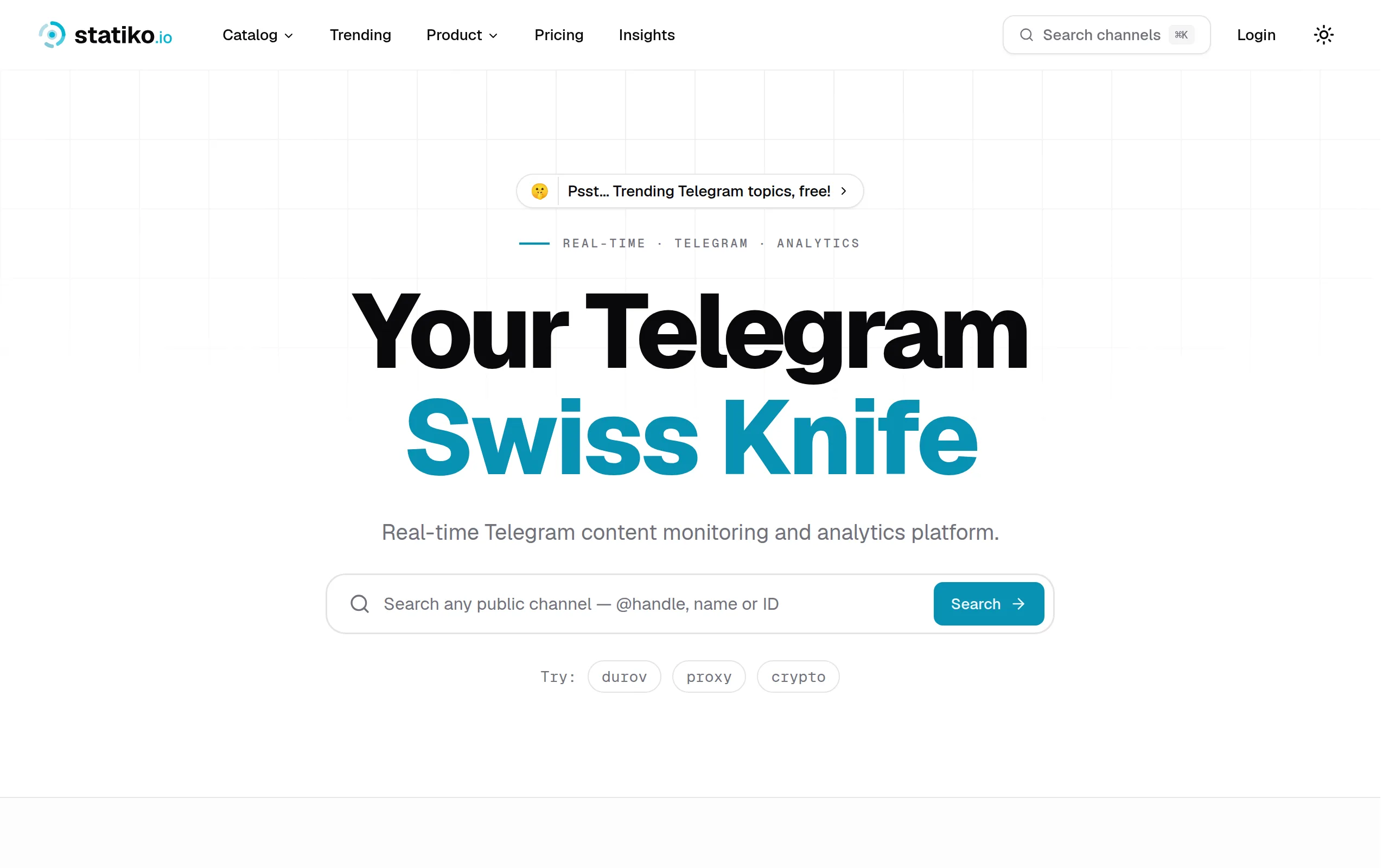
Statiko
Monitor any Telegram channel in real time - track posts, edits, deletions, and growth with AI recaps 📡

Shibui
AI website builder - describe your business, pick a niche template, edit by chatting, and publish instantly ✨

Pro Service
Find verified home service professionals, compare quotes, and pay securely through escrow - built for Brazilians across the US 🏠
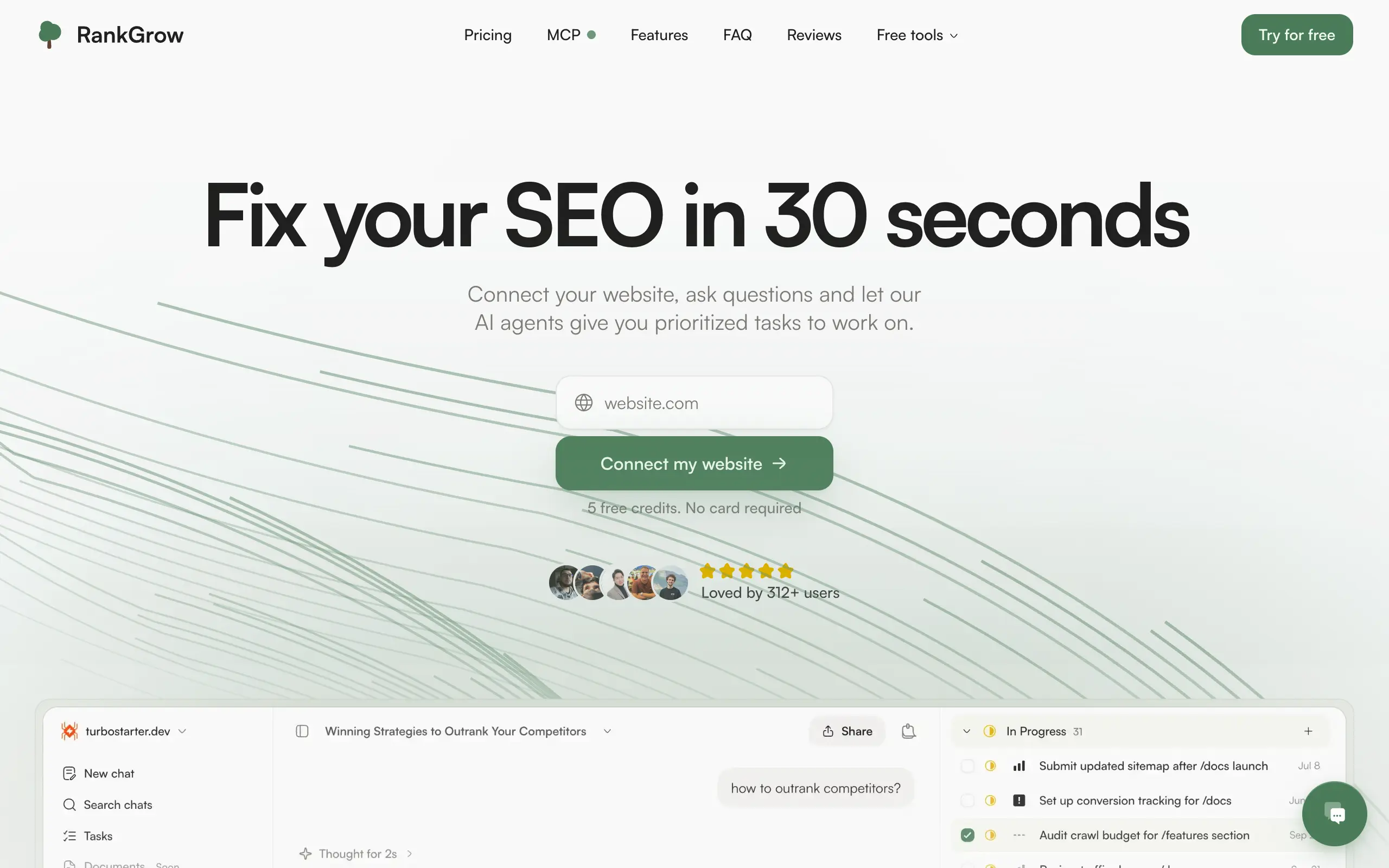
RankGrow
Fix your SEO with AI agents - connect Search Console, get prioritized tasks, and grow organic traffic 📈
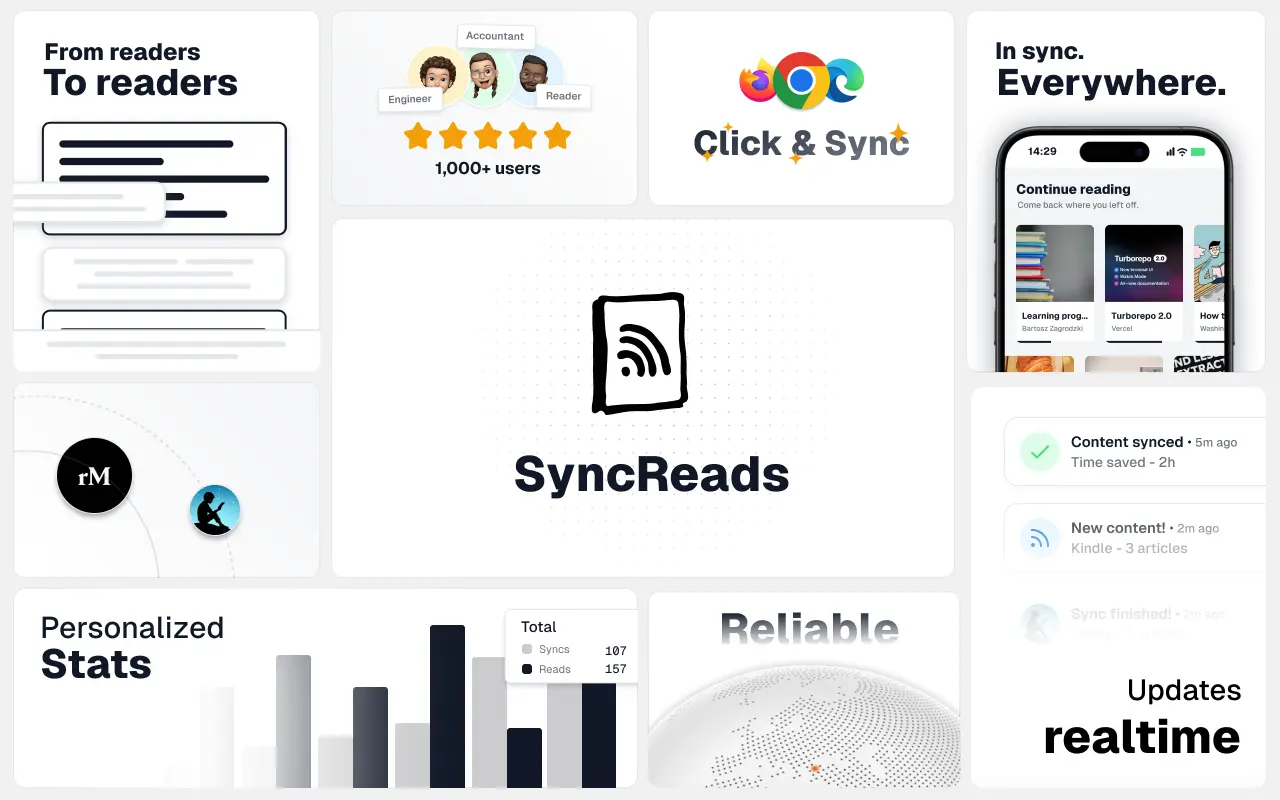
SyncReads
Sync your favorite content for distraction-free reading, save time and replace multiple apps. Anytime, anywhere 🔄
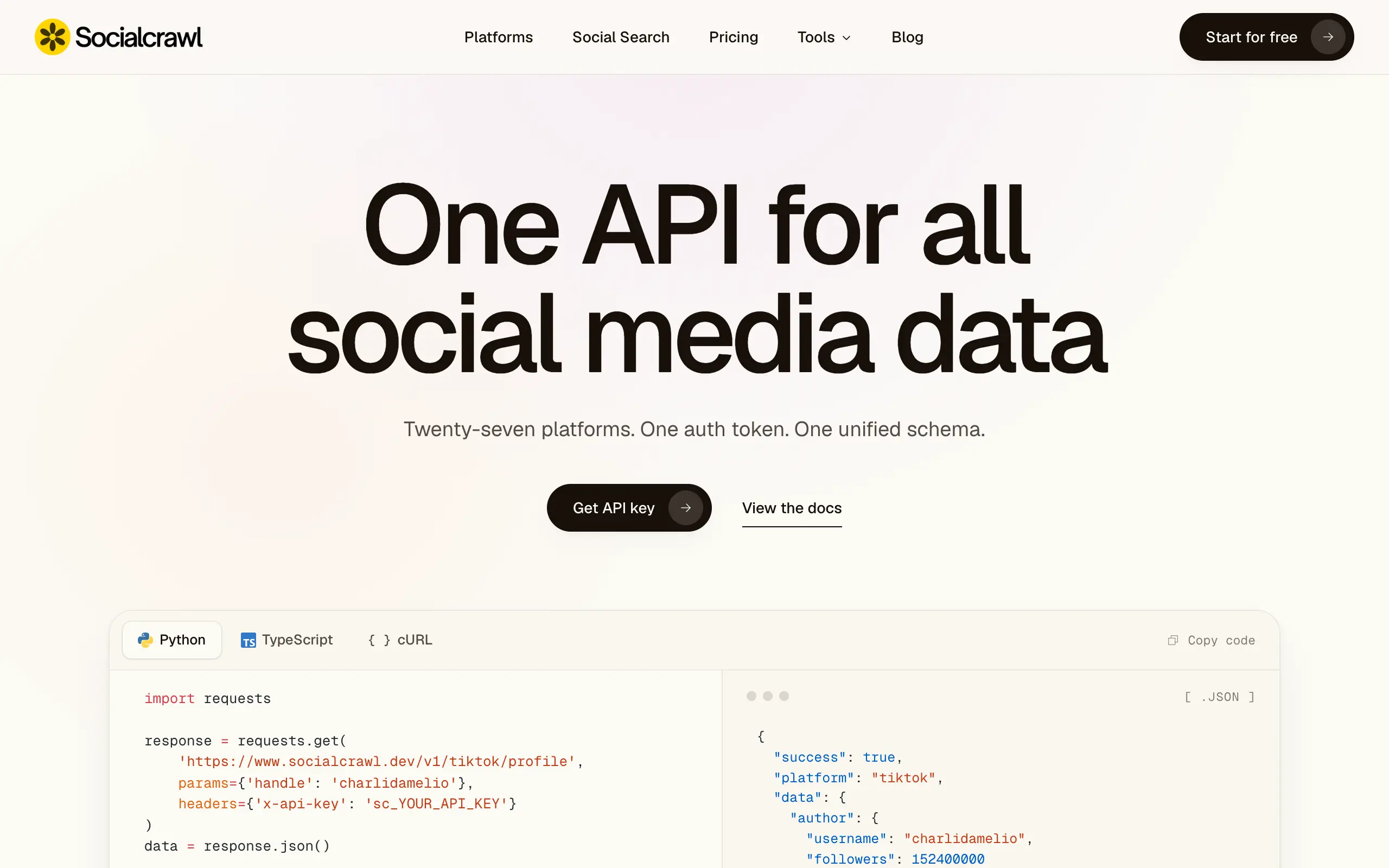
Socialcrawl
Get clean, structured data from 21 platforms like TikTok, Instagram, and YouTube with a single request 📊
Statiko
Monitor any Telegram channel in real time - track posts, edits, deletions, and growth with AI recaps 📡
Shibui
AI website builder - describe your business, pick a niche template, edit by chatting, and publish instantly ✨
Pro Service
Find verified home service professionals, compare quotes, and pay securely through escrow - built for Brazilians across the US 🏠
RankGrow
Fix your SEO with AI agents - connect Search Console, get prioritized tasks, and grow organic traffic 📈
SyncReads
Sync your favorite content for distraction-free reading, save time and replace multiple apps. Anytime, anywhere 🔄
Socialcrawl
Get clean, structured data from 21 platforms like TikTok, Instagram, and YouTube with a single request 📊
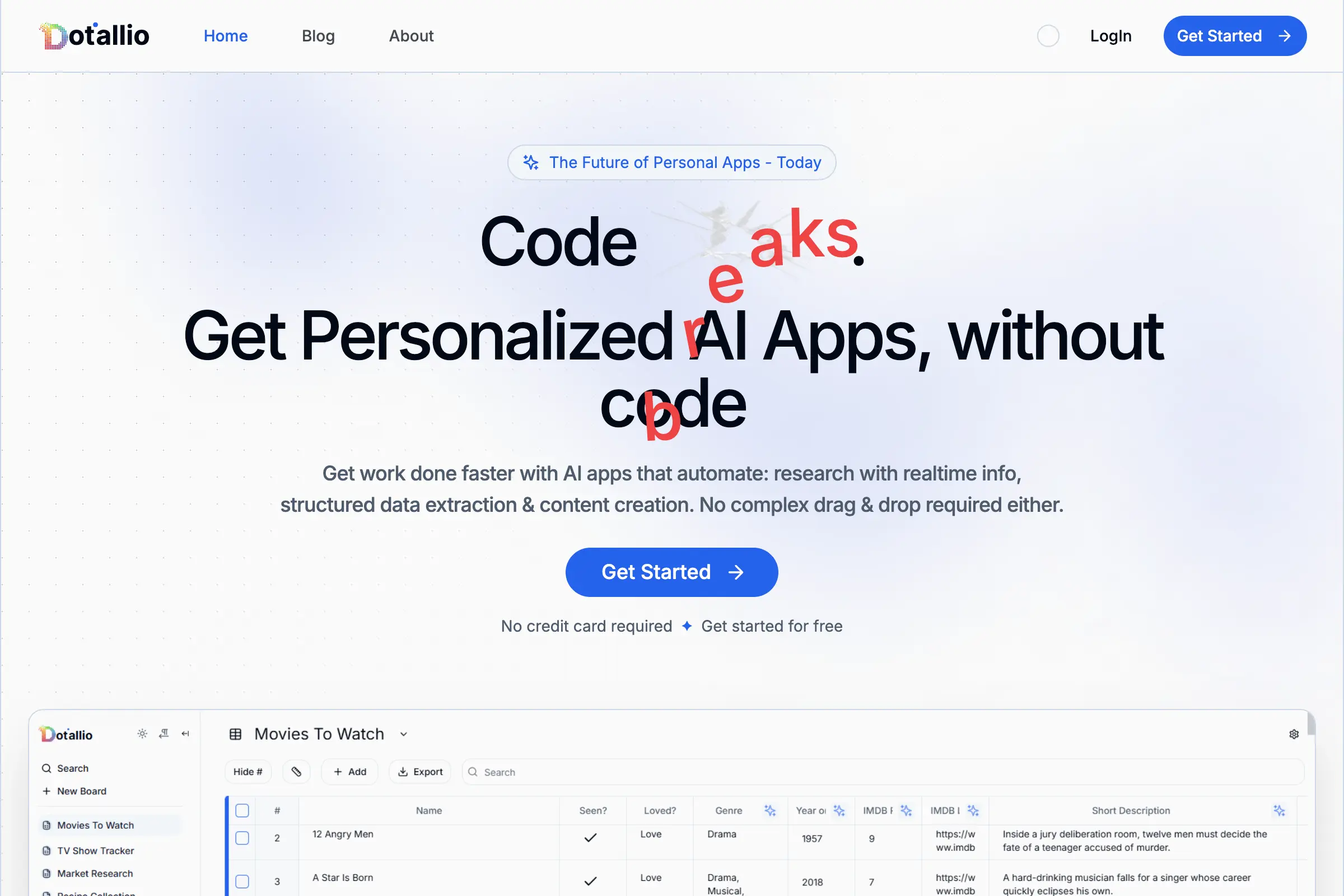
Dotallio
Personalized AI apps that automate research, data extraction, and content creation without code 🤖

Talk to Santa
Enjoy a magical live video chat or receive a unique AI-generated video greeting from Santa Claus 🎅
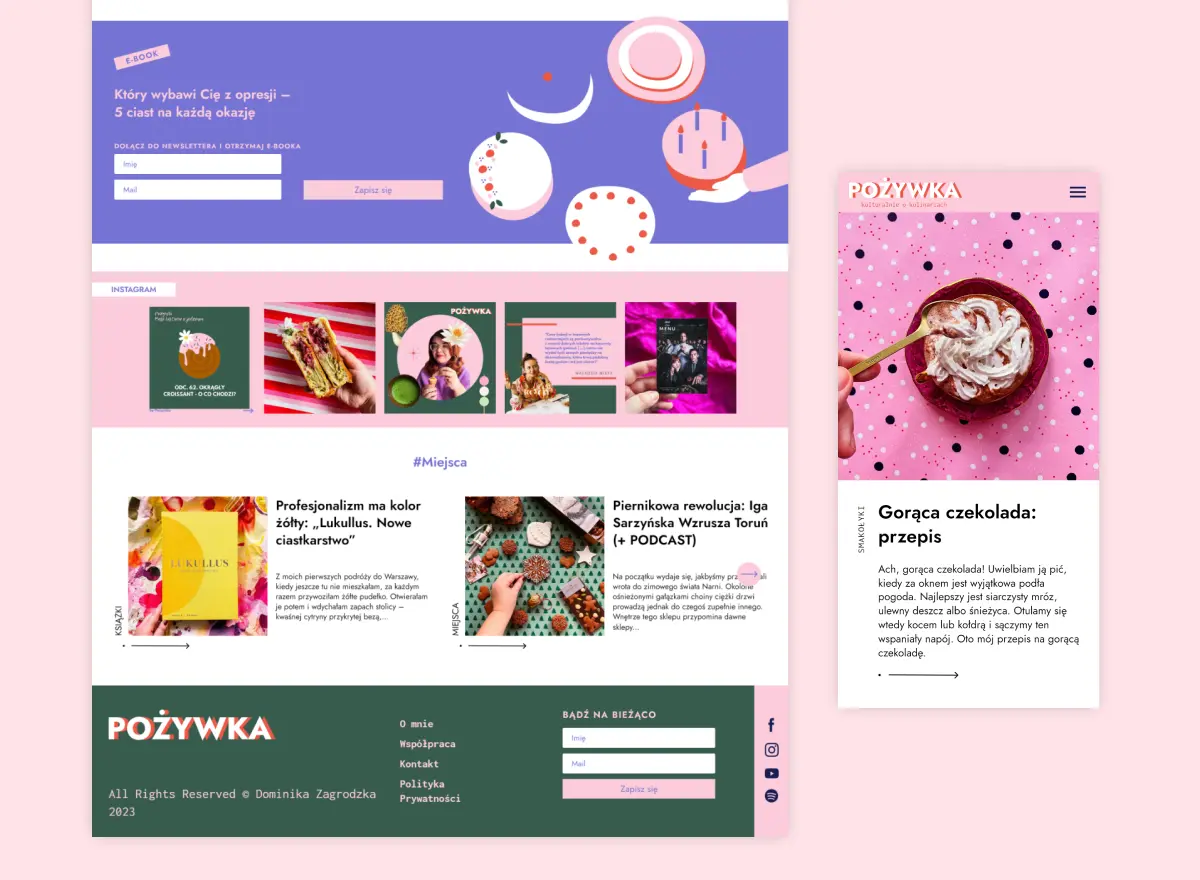
pozywka.pl
Scalable blog for food journalist, focused on performance and user experience 🌭
zagrodzki.me
Personal blog and portfolio of Bart Zagrodzki, where he shares his knowledge and work 💼
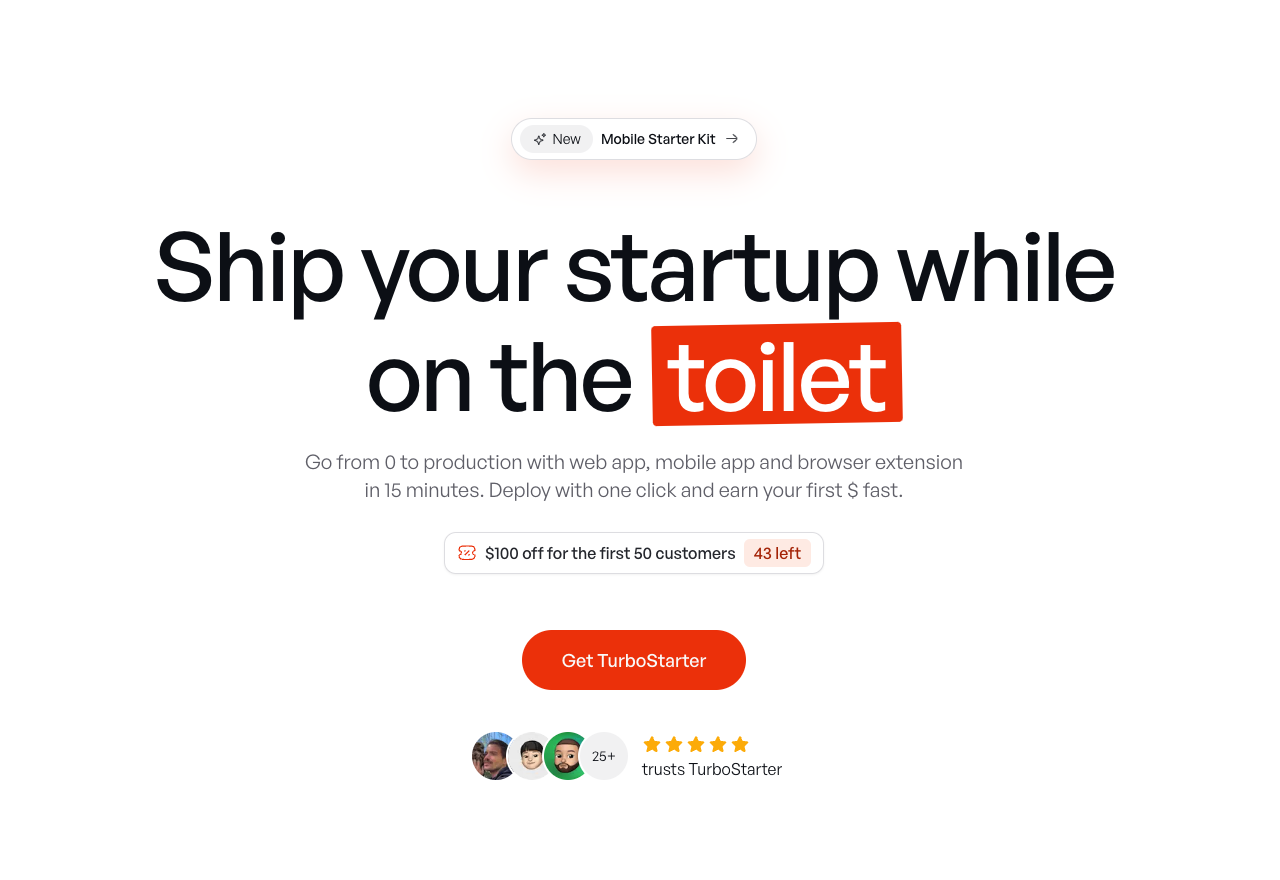
TurboStarter
Ship your startup everywhere. In minutes.
HTML to Markdown
Convert HTML to Markdown with ease, directly in your browser 📄
Dotallio
Personalized AI apps that automate research, data extraction, and content creation without code 🤖
Talk to Santa
Enjoy a magical live video chat or receive a unique AI-generated video greeting from Santa Claus 🎅
pozywka.pl
Scalable blog for food journalist, focused on performance and user experience 🌭
zagrodzki.me
Personal blog and portfolio of Bart Zagrodzki, where he shares his knowledge and work 💼
TurboStarter
Ship your startup everywhere. In minutes.
HTML to Markdown
Convert HTML to Markdown with ease, directly in your browser 📄
Omichat
Chat with 50+ AI models, including ChatGPT and Claude, in one place - switch models anytime without losing context 🤖
Claude Fast
Supercharge your Claude Code with 6x effective context window and specialized AI agents 🤖
EmojAI
AI-powered emoji picker with smart, context-aware suggestions 🤖
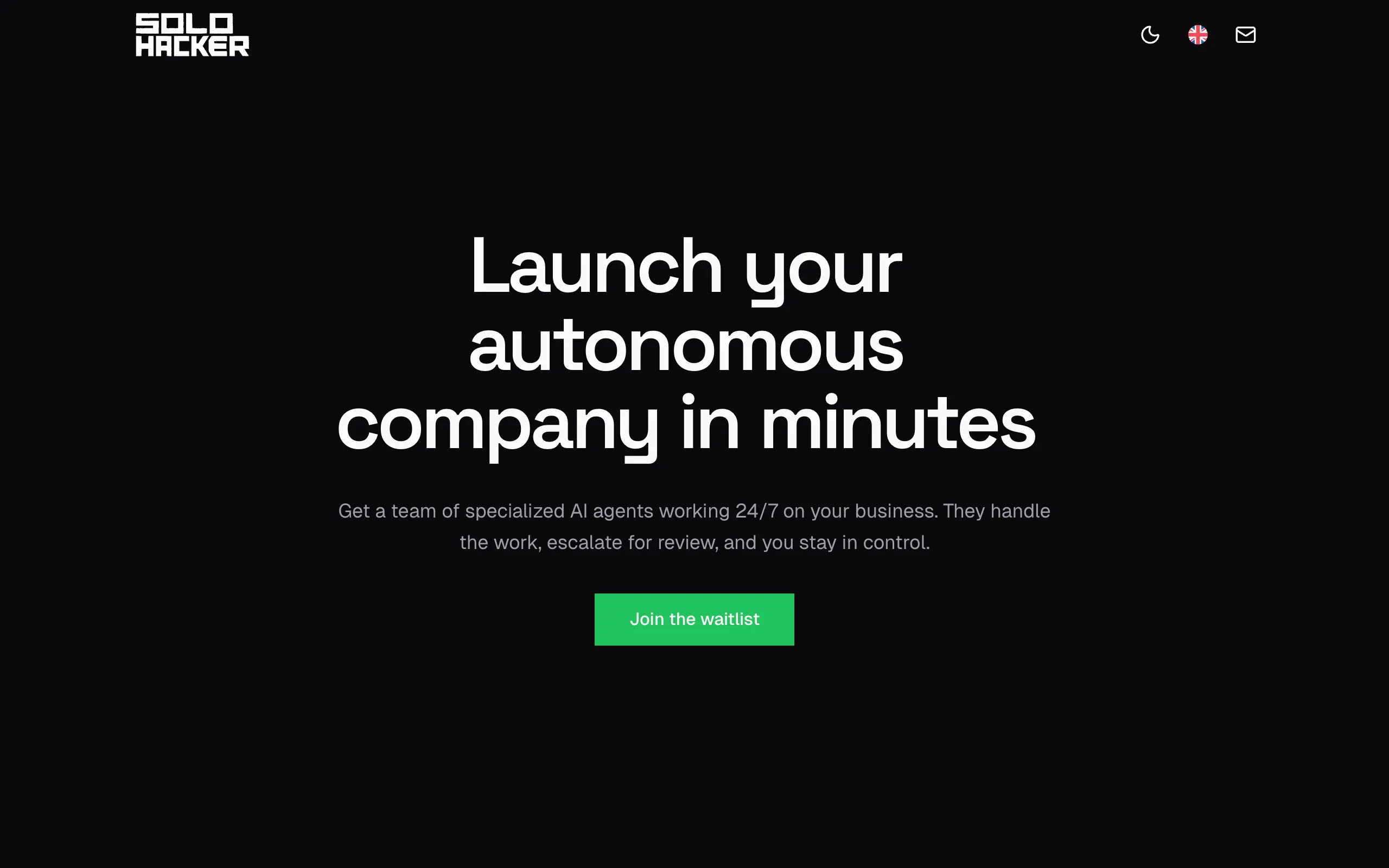
Solohacker
Autonomous company launcher - AI agents work 24/7, escalate what matters, and you stay in control 🤖
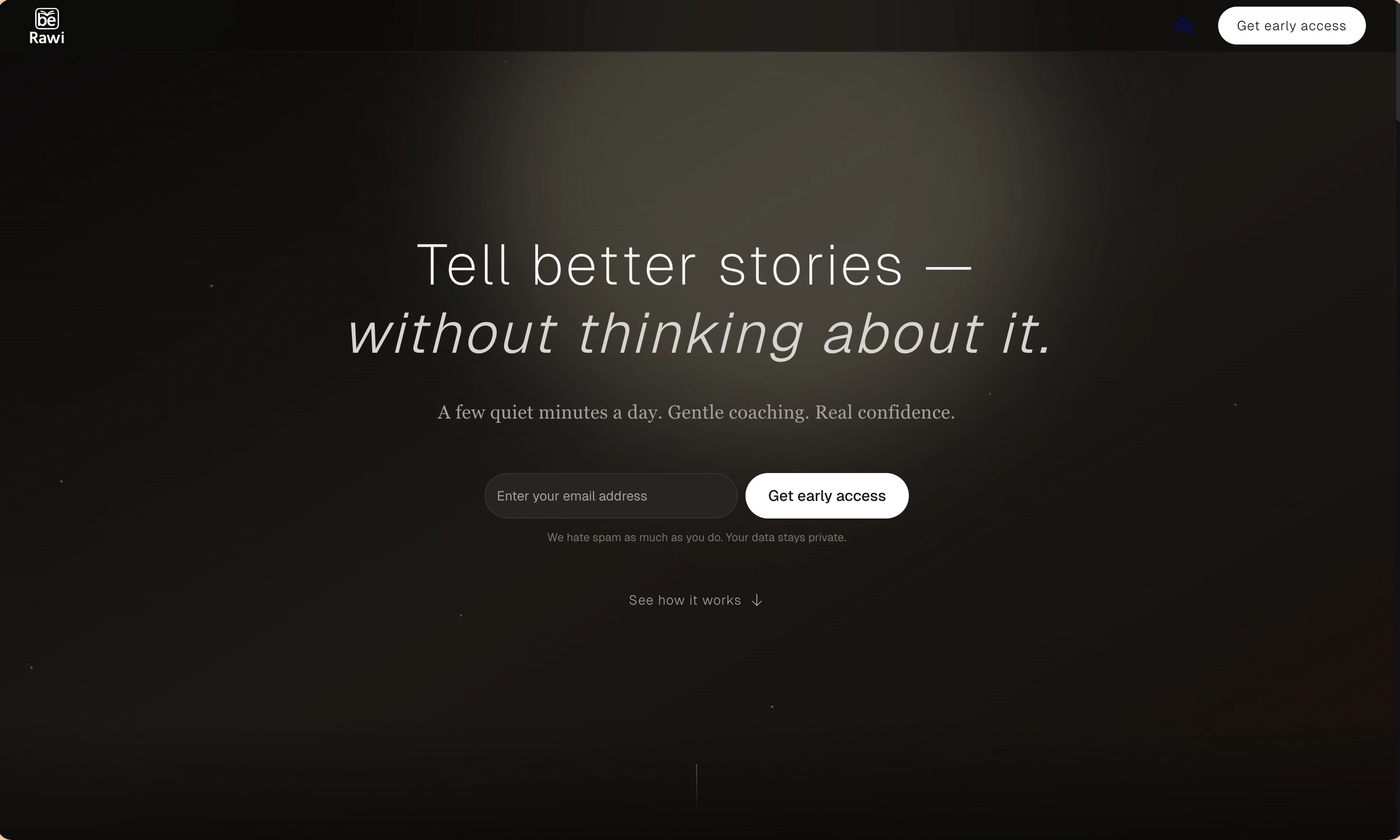
BeRawi: Storytelling Coach
Practice storytelling daily with instant feedback to sound clearer, more engaging, and confident 🎤
Omichat
Chat with 50+ AI models, including ChatGPT and Claude, in one place - switch models anytime without losing context 🤖
Claude Fast
Supercharge your Claude Code with 6x effective context window and specialized AI agents 🤖
EmojAI
AI-powered emoji picker with smart, context-aware suggestions 🤖
Solohacker
Autonomous company launcher - AI agents work 24/7, escalate what matters, and you stay in control 🤖
BeRawi: Storytelling Coach
Practice storytelling daily with instant feedback to sound clearer, more engaging, and confident 🎤

Connect with like-minded people
Join our community to get feedback, support, and grow together with 1,000+ builders on board, let's ship it!
Join usShip your startup everywhere. In minutes.
Don't burn tokens on setup and start building features on day one.