ClaimPilot
An AI middleman that handles insurance claim submissions between customers and insurers, optimizing documentation, follow-ups, and approval rates automatically.
The growing need for an AI insurance claim middleman
Insurance claims are one of the most frustrating customer experiences in modern finance. Whether it’s health, travel, auto, or home insurance, policyholders often face:
- Confusing documentation requirements
- Slow back-and-forth communication
- Claim denials due to technicalities
- Opaque approval timelines
- Emotional stress during already difficult situations
At the same time, insurers deal with incomplete submissions, fraud risks, compliance burdens, and operational inefficiencies.
ClaimPilot—an AI-powered insurance claim middleman—addresses this broken process. It acts as an intelligent layer between customers and insurers, optimizing documentation, automating follow-ups, and improving approval rates.
This article provides a comprehensive breakdown of the opportunity, target audience, competitive landscape, technical architecture, monetization strategy, risks, and implementation roadmap for building ClaimPilot into a scalable AI SaaS business.
Understanding user search intent
People searching for solutions like “AI insurance claim automation,” “insurance claim management software,” or “how to improve claim approval rate” are typically:
- Consumers frustrated with denied or delayed claims
- Insurance agents/brokers wanting better claim success for clients
- Insurtech founders exploring automation opportunities
- Enterprise insurers seeking operational efficiency
- Product managers researching AI use cases in fintech
ClaimPilot must address all of these perspectives with clarity and authority.
The market opportunity for AI in insurance claims
Insurance is massive — and inefficient
The global insurance industry generates trillions in premiums annually (consult reputable sources like Swiss Re Sigma reports for updated statistics). Yet, claims processing remains heavily manual in many segments.
Key pain points:
- Claims require structured and unstructured data
- Many customers submit incomplete documentation
- Denials often occur due to formatting or procedural issues
- Manual review costs are high
- Customer satisfaction drops during claims
Why now?
Several trends make ClaimPilot especially viable today:
- Large Language Models (LLMs) can interpret documents, extract structured data, and generate compliant summaries.
- API-driven insurers are becoming more common in insurtech ecosystems.
- Consumers expect automation (similar to fintech and banking apps).
- Regulatory reporting automation is improving through AI explainability tools.
ClaimPilot sits at the intersection of AI automation, workflow orchestration, and fintech infrastructure.
Target audience analysis
1. Individual consumers (B2C)
Who they are:
- Policyholders filing health, travel, home, or auto claims
- Often non-technical
- High emotional stress during claims
Pain points:
- “What documents do I need?”
- “Why was my claim denied?”
- “Why is this taking so long?”
Value proposition:
- AI-guided submission wizard
- Auto-document validation
- Real-time claim status tracking
- Optimized claim narratives
2. Insurance brokers & agencies (B2B)
Who they are:
- Independent agents managing multiple client policies
- Small and mid-sized brokerages
Pain points:
- Manual follow-ups
- Time spent chasing insurers
- Client dissatisfaction from delays
Value proposition:
- Bulk claim management dashboard
- Automated reminders and escalation
- Improved approval rates
- CRM integration
3. Insurtech startups & insurers (B2B Enterprise)
Who they are:
- Digital-first insurers
- Claims departments seeking automation
Pain points:
- Operational cost per claim
- Fraud detection complexity
- SLA compliance
Value proposition:
- AI pre-validation layer
- Intelligent triage
- Structured claim summary reports
- Reduced human review time
The core problem ClaimPilot solves
ClaimPilot acts as an AI insurance claim optimizer and middleman that:
- Collects structured and unstructured input
- Detects missing documentation
- Formats submissions to match insurer-specific requirements
- Generates persuasive, compliant claim narratives
- Automates follow-ups
- Tracks approval probability signals
In short, it increases the probability of claim approval while reducing processing time.
Core features of ClaimPilot
1. Intelligent claim intake assistant
An AI chatbot guides users step-by-step:
- Asks contextual questions
- Explains policy clauses
- Requests necessary documents
- Validates file types and completeness
2. Document parsing & optimization
Using NLP and OCR:
- Extracts key data from PDFs, invoices, medical reports
- Normalizes data into insurer-specific formats
- Flags inconsistencies
3. Claim narrative generator
A common reason for denial is poorly structured descriptions.
ClaimPilot:
- Generates structured claim summaries
- Aligns wording with policy terms
- Avoids ambiguous language
- Includes supporting references
4. Automated follow-ups
The system:
- Tracks submission deadlines
- Sends follow-ups automatically
- Escalates after SLA breach
- Maintains a communication log
5. Approval probability scoring
AI model analyzes:
- Documentation completeness
- Historical approval patterns
- Policy wording
- Claim type risk signals
Returns:
- Approval likelihood score
- Improvement suggestions
6. Multi-insurer integration layer
- API connectors
- Email parsing automation
- Document auto-submission
- Status webhooks
How ClaimPilot stands out (competitive advantage)
Existing solutions:
- Insurer-native portals
- Claims management SaaS
- Manual broker workflows
Most are:
- Insurer-centric
- Not optimized for customers
- Not AI-driven
- Not cross-insurer compatible
ClaimPilot’s USP:
- Independent AI middle layer
- Works across multiple insurers
- Optimizes for approval rate
- Reduces documentation friction
- Consumer-first design
Competitive comparison
| Feature | Insurer Portal | Broker Manual Process | Generic CRM | ClaimPilot |
|---|---|---|---|---|
| AI documentation validation | ❌ | ❌ | ❌ | ✅ |
| Cross-insurer compatibility | ❌ | ✅ | ✅ | ✅ |
| Approval probability scoring | ❌ | ❌ | ❌ | ✅ |
| Automated follow-ups | Limited | Manual | Limited | ✅ |
Technical architecture and recommended stack
ClaimPilot requires secure, scalable, AI-first infrastructure.
Frontend
- React for dynamic UI
- Next.js for SSR and API routes
- TailwindCSS for rapid UI styling
Backend
- Node.js (API layer)
- Python microservices for AI processing
- REST + Webhooks
- Background jobs (queue system like Redis)
AI stack
- LLM API (OpenAI or similar)
- Document OCR pipeline
- Fine-tuned classification models
- Vector database for policy retrieval
Example intake validation logic:
export function validateClaimInput(data: ClaimInput) {
  const missingDocs = requiredDocs.filter(
    (doc) => !data.uploadedDocs.includes(doc)
  );

  return {
    isComplete: missingDocs.length === 0,
    missingDocs,
    approvalScore: calculateScore(data),
  };
}
Database
- PostgreSQL for structured data
- Object storage for documents
- Encrypted backups
Security & compliance
- End-to-end encryption
- SOC 2 roadmap
- GDPR-compliant data handling
- Role-based access control
Monetization strategies
ClaimPilot supports multiple revenue models.
B2C subscription
- Free tier (1 claim per year)
- $19–$49 per month for unlimited claims
- Success-based premium plan
B2B SaaS pricing
- Per-seat pricing for brokers
- Volume-based claim processing fees
- API licensing for insurers
Performance-based pricing
- Charge % of approved claim increase
- Revenue-sharing with brokers
White-label solution
Offer branded ClaimPilot engine for insurers.
Risks and mitigation strategies
1. Regulatory risk
Insurance is heavily regulated.
Mitigation:
- Legal compliance advisors
- Transparent AI explainability logs
- Clear disclaimers
2. Data privacy risk
Handling medical and financial data is sensitive.
Mitigation:
- Encryption at rest & transit
- Zero-trust architecture
- Third-party audits
3. Insurer resistance
Insurers may not want a “middleman.”
Mitigation:
- Position as efficiency layer
- Offer API integrations
- Partner with brokers first
4. AI hallucination risk
LLMs may generate incorrect interpretations.
AI reliability warning
Claim narratives must be grounded in uploaded documentation. Always validate AI output against original files before submission.
Mitigation:
- Retrieval-augmented generation (RAG)
- Rule-based policy alignment
- Human review toggle option
Go-to-market strategy
Phase 1: Niche focus
Start with:
- Travel insurance claims
- Small health insurance claims
- Freelancers & digital nomads
These markets:
- Are underserved
- Have high frustration
- Have relatively standardized documentation
Phase 2: Broker partnerships
- Offer free trial for agencies
- Provide dashboard analytics
- Show measurable approval improvements
Phase 3: Enterprise integrations
- API layer
- White-label modules
- Insurer co-branding
Building the MVP strategically
Focus on measurable outcomes:
- Time to submission
- Approval rate
- Customer satisfaction score
Key metrics to track
- Claim approval rate increase %
- Average submission time reduction
- User retention rate
- Cost per processed claim
- Net promoter score (NPS)
Long-term expansion opportunities
AI fraud detection layer
Add anomaly detection models.
Predictive underwriting assistant
Move upstream into policy recommendations.
Cross-border claims automation
Integrate currency and international regulation modules.
Why ClaimPilot is positioned for long-term success
ClaimPilot aligns with major macro trends:
- AI workflow automation
- Consumer fintech empowerment
- API-driven insurance ecosystems
- Compliance-friendly AI explainability
Unlike insurer-native tools, ClaimPilot optimizes for the user.
Unlike generic CRMs, it deeply understands claim logic.
Unlike brokers, it scales infinitely.
Implementation roadmap for founders
If you’re building ClaimPilot:
- Validate niche pain point with 50+ interviews.
- Build MVP using scalable boilerplate like TurboStarter.
- Launch beta with manual oversight.
- Collect denial reasons.
- Improve AI training dataset.
- Add automated SLA tracking.
- Expand insurer integrations.
- Move into B2B licensing.
Final thoughts
Insurance claims are emotionally charged, bureaucratically complex, and economically critical. A well-built AI insurance claim automation platform like ClaimPilot can:
- Increase approval rates
- Reduce processing time
- Improve customer satisfaction
- Lower operational costs
- Create defensible insurtech infrastructure
By positioning itself as an AI-powered claim optimization layer rather than a replacement for insurers, ClaimPilot can carve out a powerful niche in the rapidly evolving insurance technology landscape.
For founders, investors, and product leaders exploring AI in insurance, ClaimPilot represents a high-impact, high-margin opportunity grounded in real-world friction and solvable inefficiencies.
More 🤖 AI Startup SaaS ideas
Discover more innovative ai startup SaaS ideas that are trending in 2026. Each idea is AI-generated with market validation and growth potential to help you find your next profitable venture faster than competitors.
Your competitors are building with TurboStarter
Below are some of the SaaS ideas that have been generated and built with our starter kit.
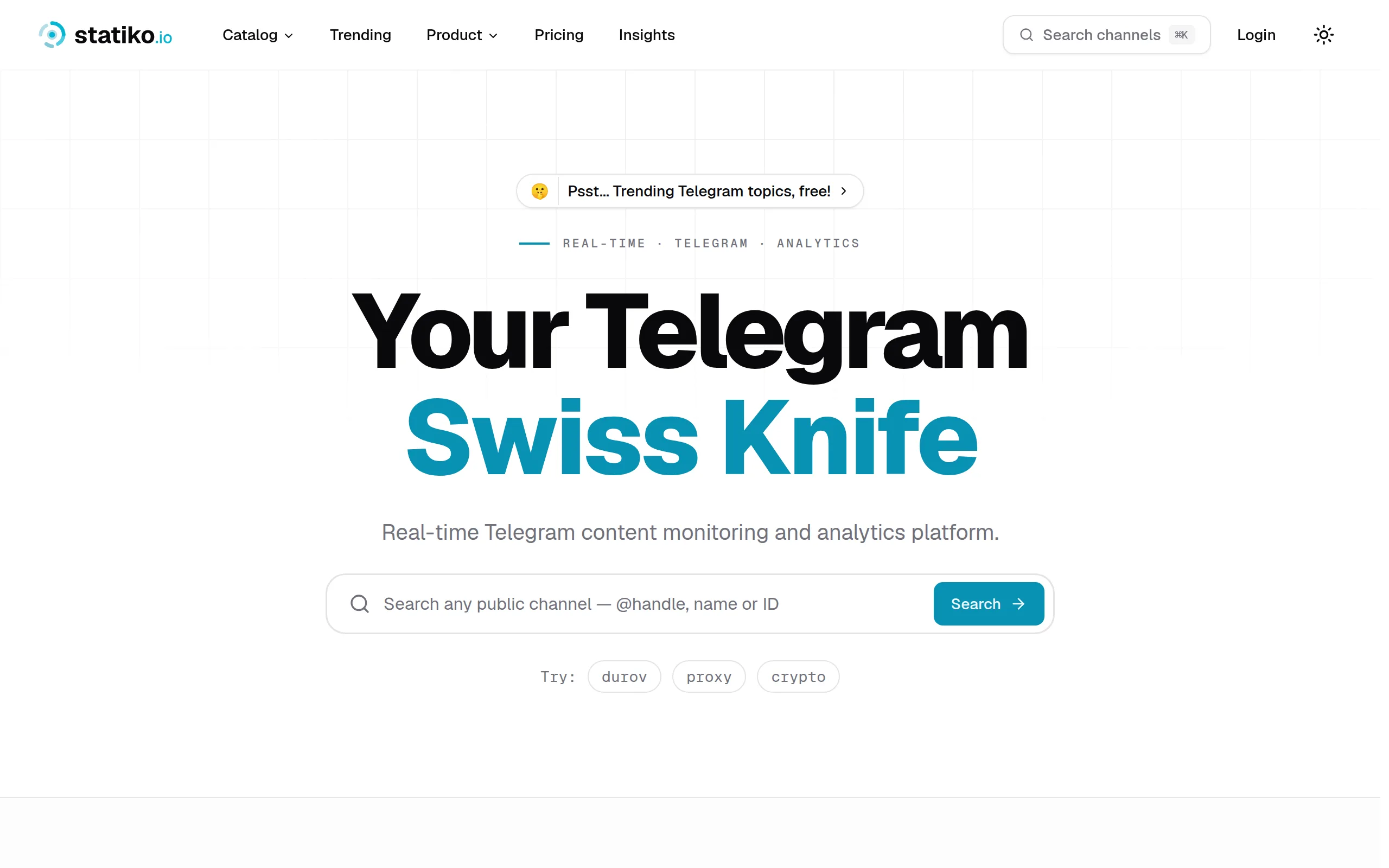
Statiko
Monitor any Telegram channel in real time - track posts, edits, deletions, and growth with AI recaps 📡

Shibui
AI website builder - describe your business, pick a niche template, edit by chatting, and publish instantly ✨

Pro Service
Find verified home service professionals, compare quotes, and pay securely through escrow - built for Brazilians across the US 🏠
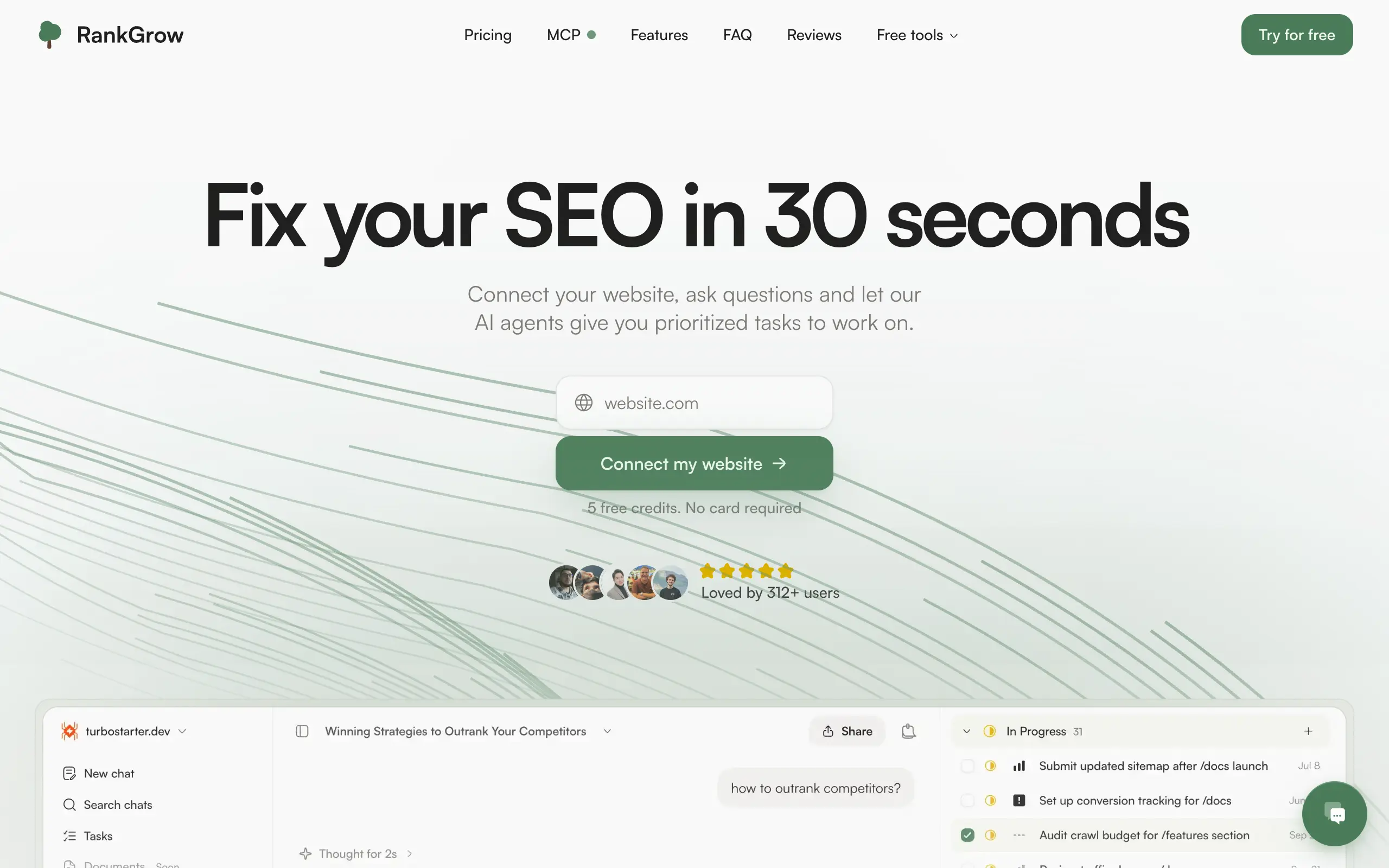
RankGrow
Fix your SEO with AI agents - connect Search Console, get prioritized tasks, and grow organic traffic 📈
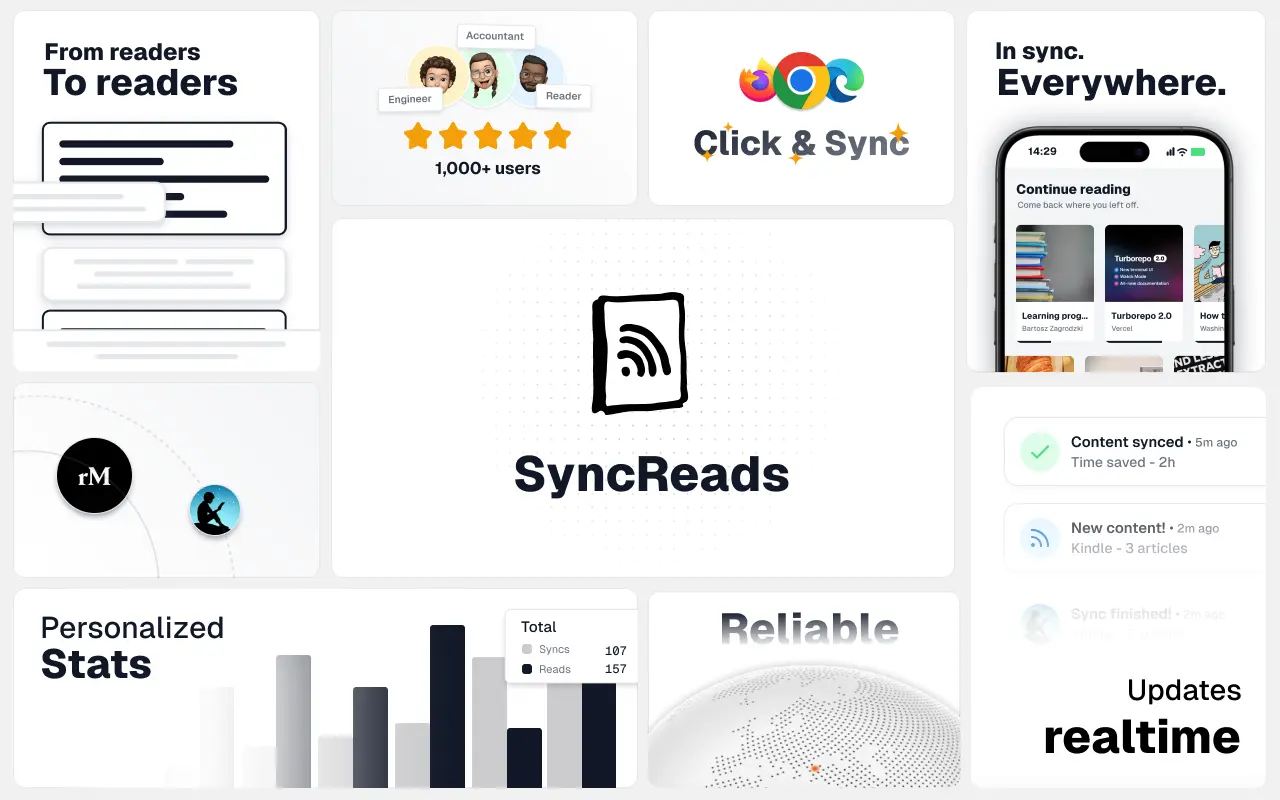
SyncReads
Sync your favorite content for distraction-free reading, save time and replace multiple apps. Anytime, anywhere 🔄
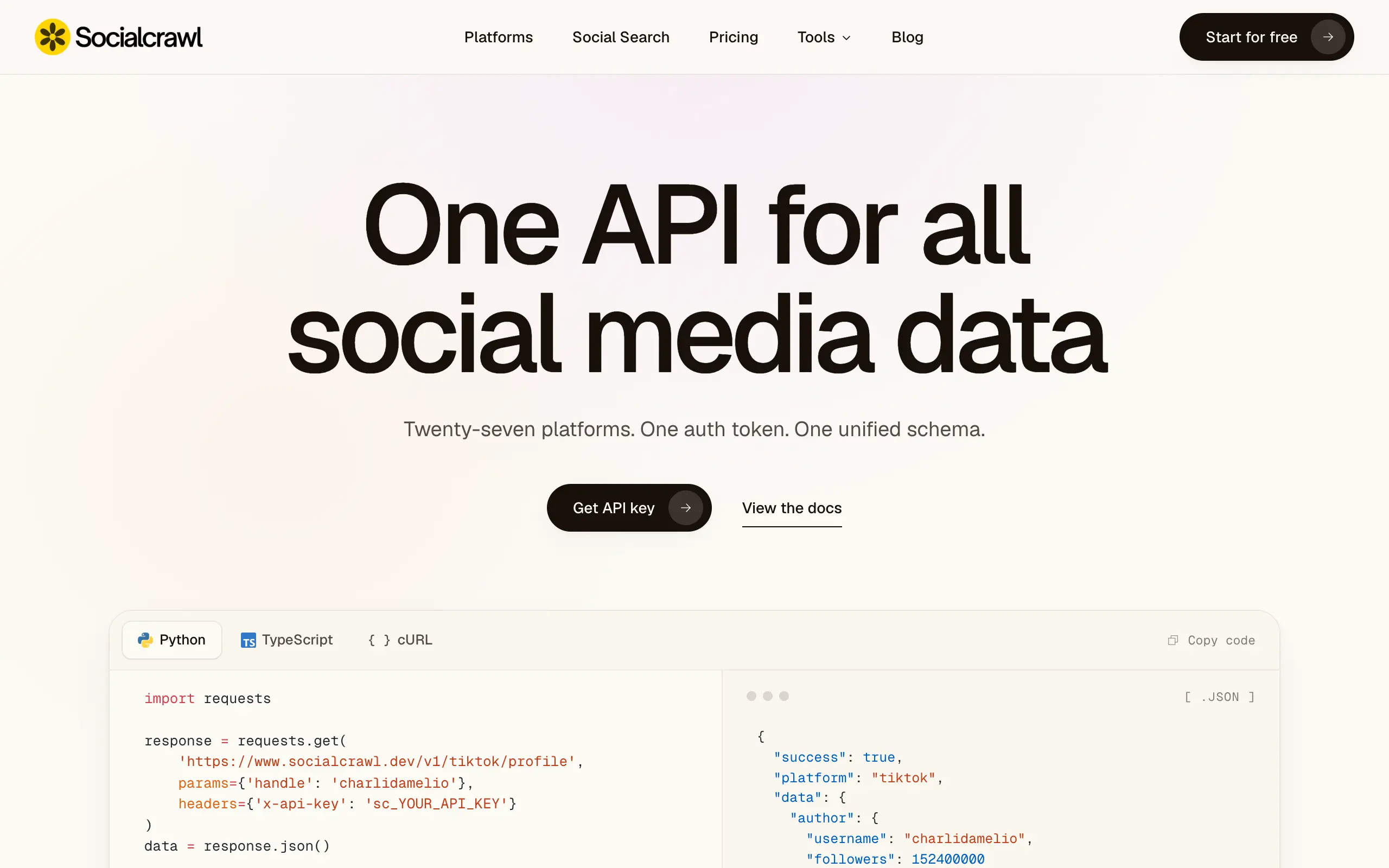
Socialcrawl
Get clean, structured data from 21 platforms like TikTok, Instagram, and YouTube with a single request 📊
Statiko
Monitor any Telegram channel in real time - track posts, edits, deletions, and growth with AI recaps 📡
Shibui
AI website builder - describe your business, pick a niche template, edit by chatting, and publish instantly ✨
Pro Service
Find verified home service professionals, compare quotes, and pay securely through escrow - built for Brazilians across the US 🏠
RankGrow
Fix your SEO with AI agents - connect Search Console, get prioritized tasks, and grow organic traffic 📈
SyncReads
Sync your favorite content for distraction-free reading, save time and replace multiple apps. Anytime, anywhere 🔄
Socialcrawl
Get clean, structured data from 21 platforms like TikTok, Instagram, and YouTube with a single request 📊
Statiko
Monitor any Telegram channel in real time - track posts, edits, deletions, and growth with AI recaps 📡
Shibui
AI website builder - describe your business, pick a niche template, edit by chatting, and publish instantly ✨
Pro Service
Find verified home service professionals, compare quotes, and pay securely through escrow - built for Brazilians across the US 🏠
RankGrow
Fix your SEO with AI agents - connect Search Console, get prioritized tasks, and grow organic traffic 📈
SyncReads
Sync your favorite content for distraction-free reading, save time and replace multiple apps. Anytime, anywhere 🔄
Socialcrawl
Get clean, structured data from 21 platforms like TikTok, Instagram, and YouTube with a single request 📊
Statiko
Monitor any Telegram channel in real time - track posts, edits, deletions, and growth with AI recaps 📡
Shibui
AI website builder - describe your business, pick a niche template, edit by chatting, and publish instantly ✨
Pro Service
Find verified home service professionals, compare quotes, and pay securely through escrow - built for Brazilians across the US 🏠
RankGrow
Fix your SEO with AI agents - connect Search Console, get prioritized tasks, and grow organic traffic 📈
SyncReads
Sync your favorite content for distraction-free reading, save time and replace multiple apps. Anytime, anywhere 🔄
Socialcrawl
Get clean, structured data from 21 platforms like TikTok, Instagram, and YouTube with a single request 📊
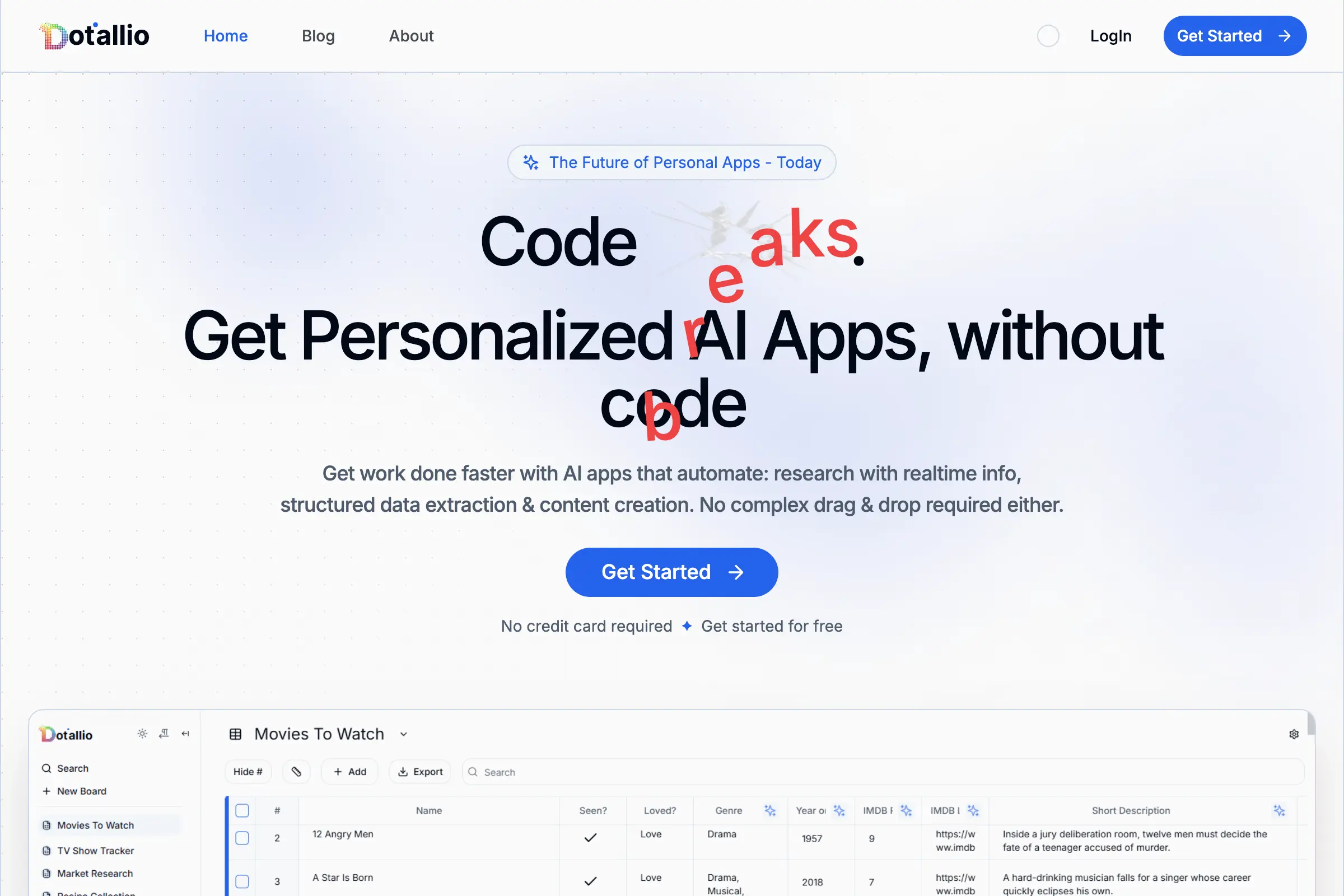
Dotallio
Personalized AI apps that automate research, data extraction, and content creation without code 🤖

Talk to Santa
Enjoy a magical live video chat or receive a unique AI-generated video greeting from Santa Claus 🎅
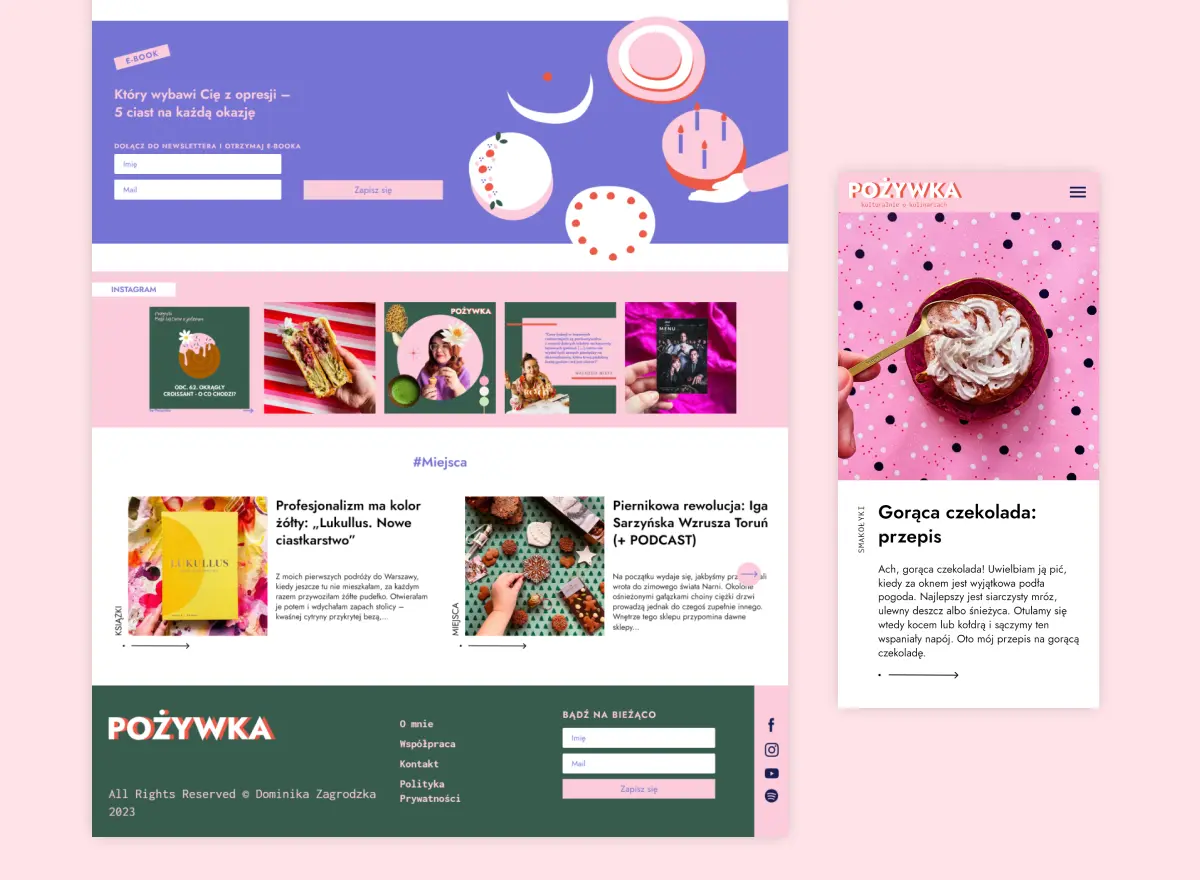
pozywka.pl
Scalable blog for food journalist, focused on performance and user experience 🌭
zagrodzki.me
Personal blog and portfolio of Bart Zagrodzki, where he shares his knowledge and work 💼
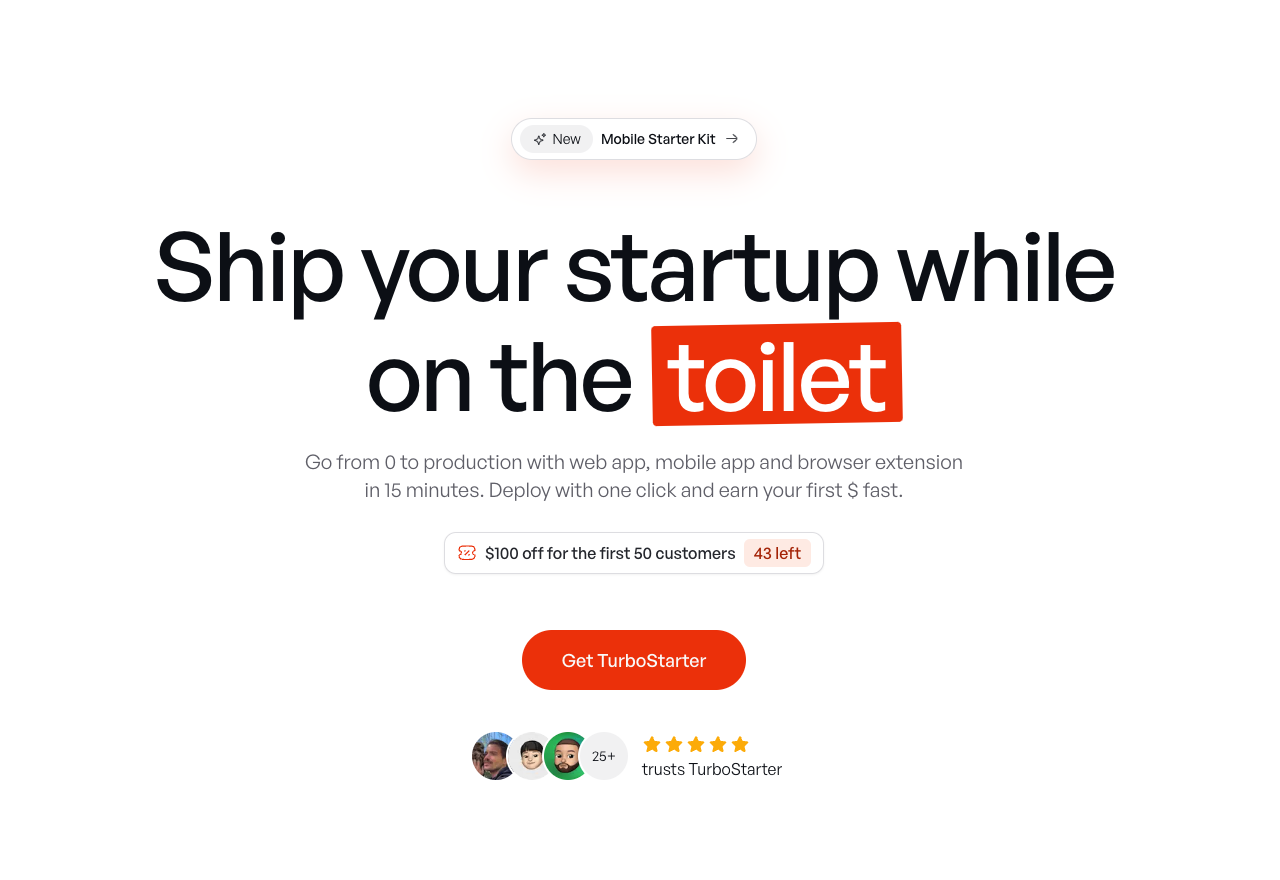
TurboStarter
Ship your startup everywhere. In minutes.
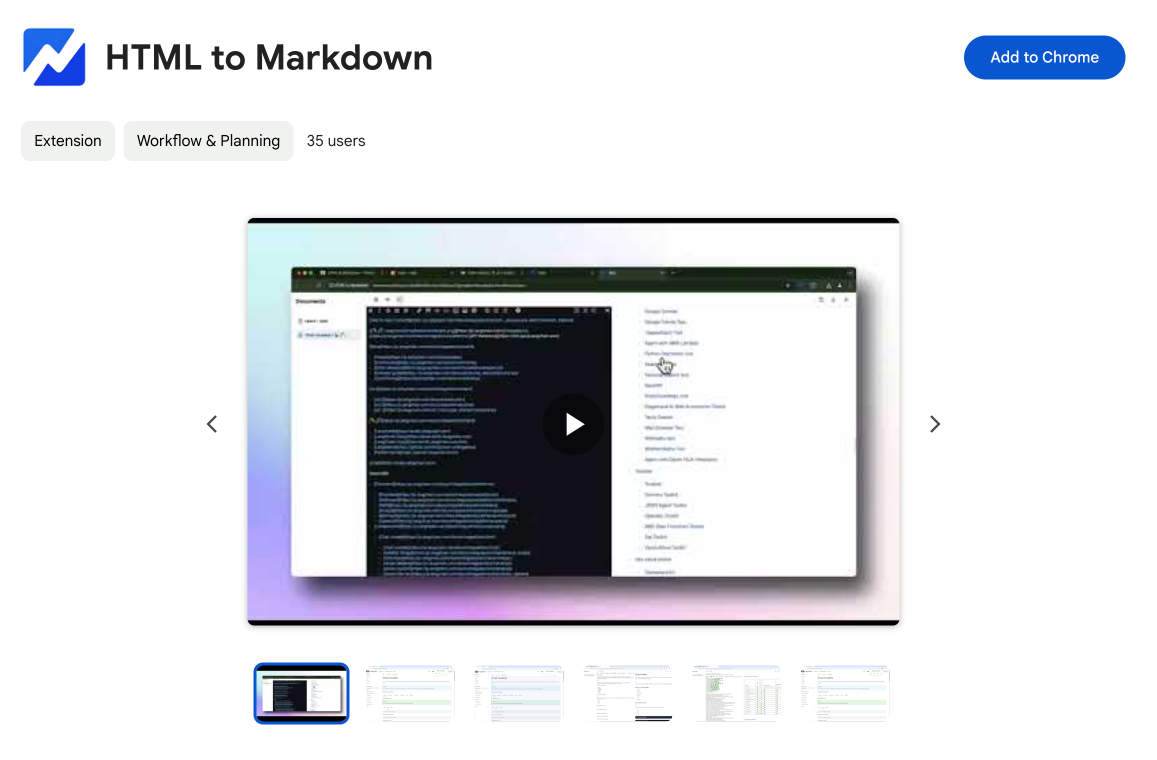
HTML to Markdown
Convert HTML to Markdown with ease, directly in your browser 📄
Dotallio
Personalized AI apps that automate research, data extraction, and content creation without code 🤖
Talk to Santa
Enjoy a magical live video chat or receive a unique AI-generated video greeting from Santa Claus 🎅
pozywka.pl
Scalable blog for food journalist, focused on performance and user experience 🌭
zagrodzki.me
Personal blog and portfolio of Bart Zagrodzki, where he shares his knowledge and work 💼
TurboStarter
Ship your startup everywhere. In minutes.
HTML to Markdown
Convert HTML to Markdown with ease, directly in your browser 📄
Dotallio
Personalized AI apps that automate research, data extraction, and content creation without code 🤖
Talk to Santa
Enjoy a magical live video chat or receive a unique AI-generated video greeting from Santa Claus 🎅
pozywka.pl
Scalable blog for food journalist, focused on performance and user experience 🌭
zagrodzki.me
Personal blog and portfolio of Bart Zagrodzki, where he shares his knowledge and work 💼
TurboStarter
Ship your startup everywhere. In minutes.
HTML to Markdown
Convert HTML to Markdown with ease, directly in your browser 📄
Dotallio
Personalized AI apps that automate research, data extraction, and content creation without code 🤖
Talk to Santa
Enjoy a magical live video chat or receive a unique AI-generated video greeting from Santa Claus 🎅
pozywka.pl
Scalable blog for food journalist, focused on performance and user experience 🌭
zagrodzki.me
Personal blog and portfolio of Bart Zagrodzki, where he shares his knowledge and work 💼
TurboStarter
Ship your startup everywhere. In minutes.
HTML to Markdown
Convert HTML to Markdown with ease, directly in your browser 📄
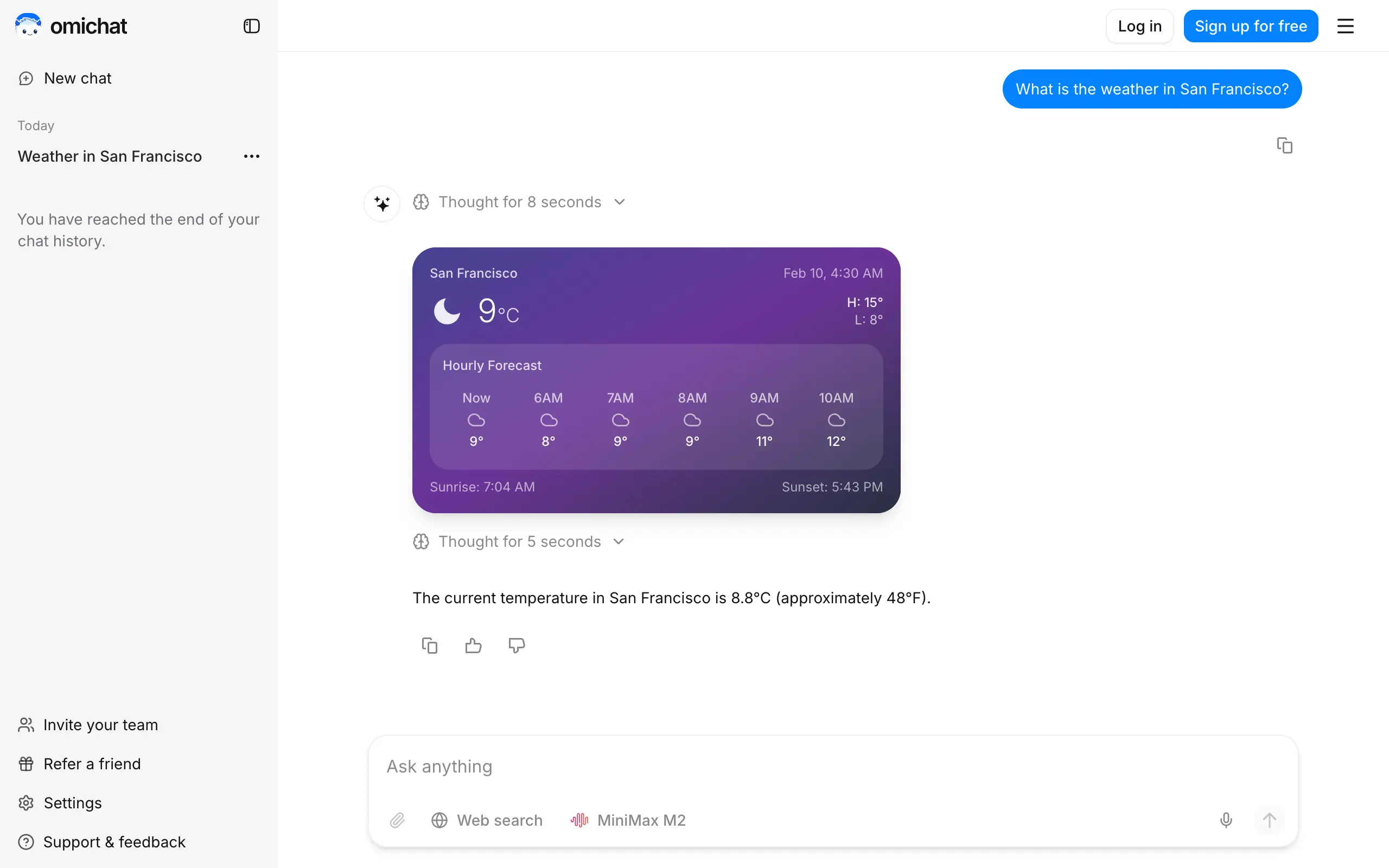
Omichat
Chat with 50+ AI models, including ChatGPT and Claude, in one place - switch models anytime without losing context 🤖
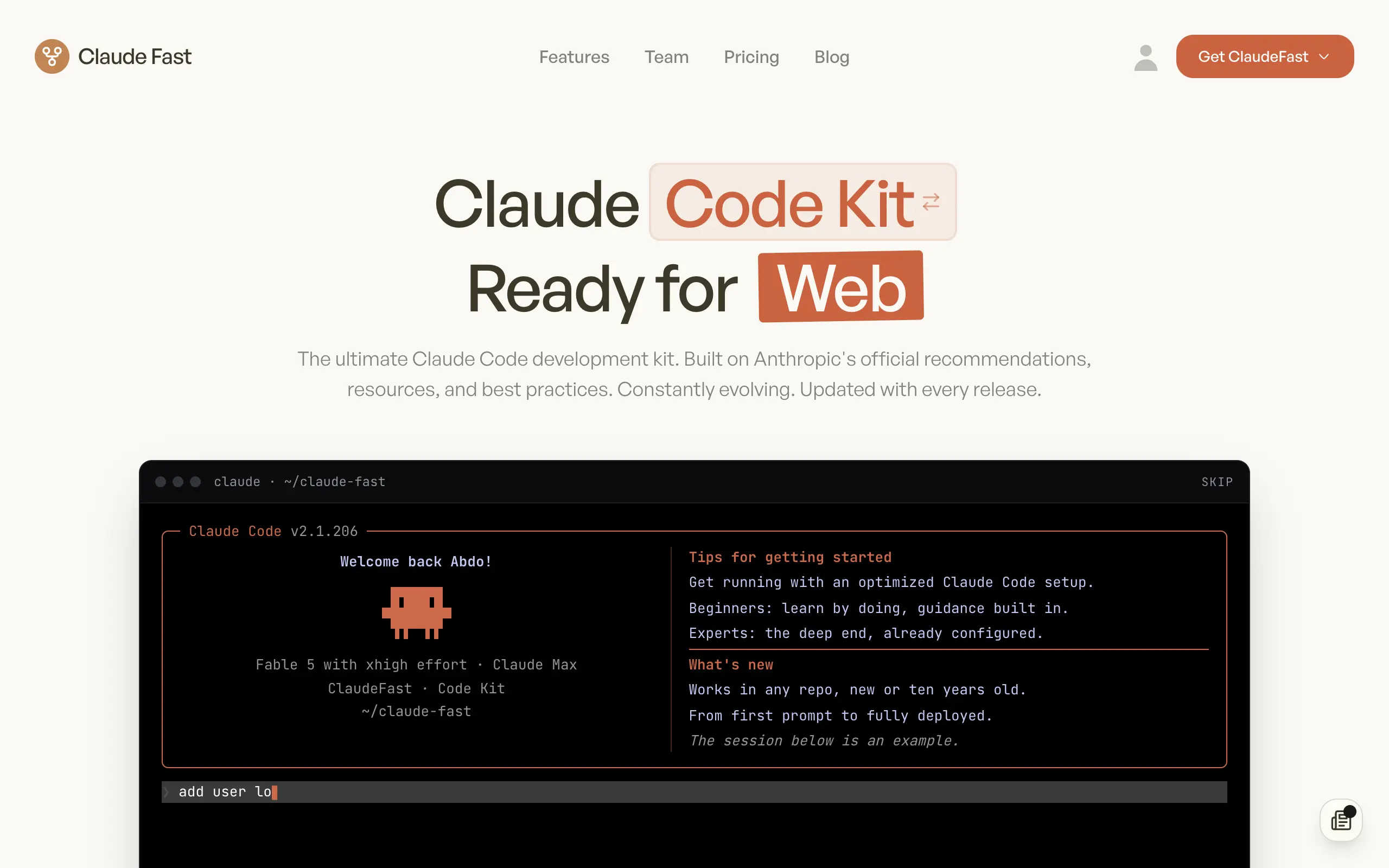
Claude Fast
Supercharge your Claude Code with 6x effective context window and specialized AI agents 🤖
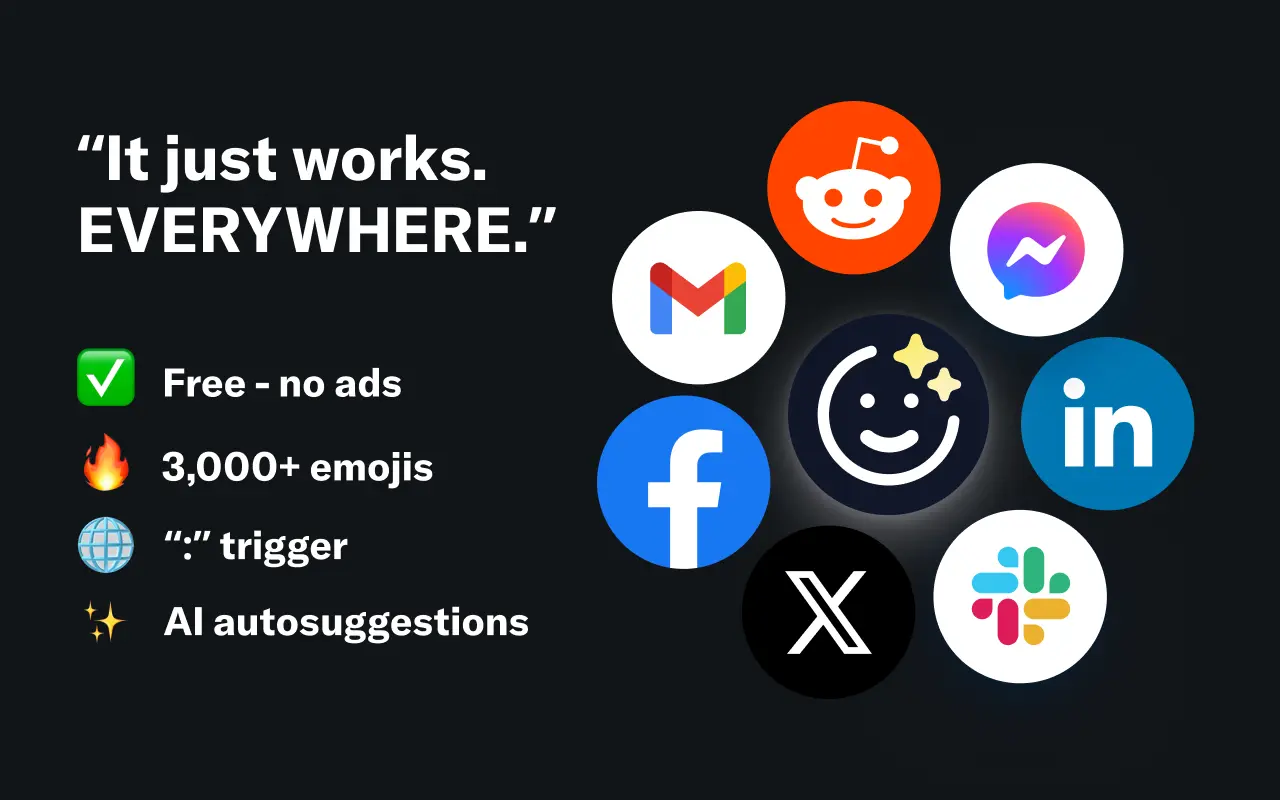
EmojAI
AI-powered emoji picker with smart, context-aware suggestions 🤖
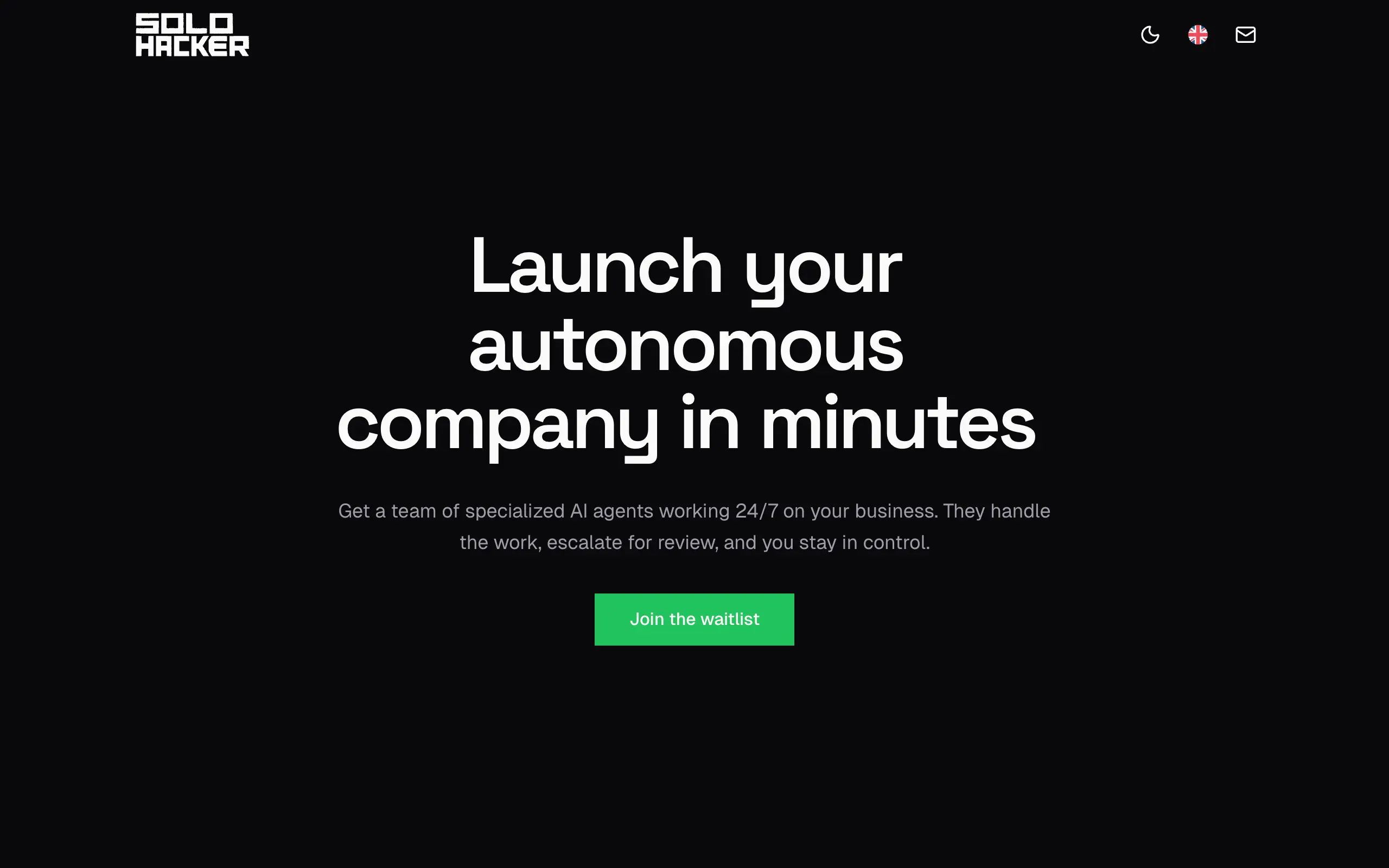
Solohacker
Autonomous company launcher - AI agents work 24/7, escalate what matters, and you stay in control 🤖
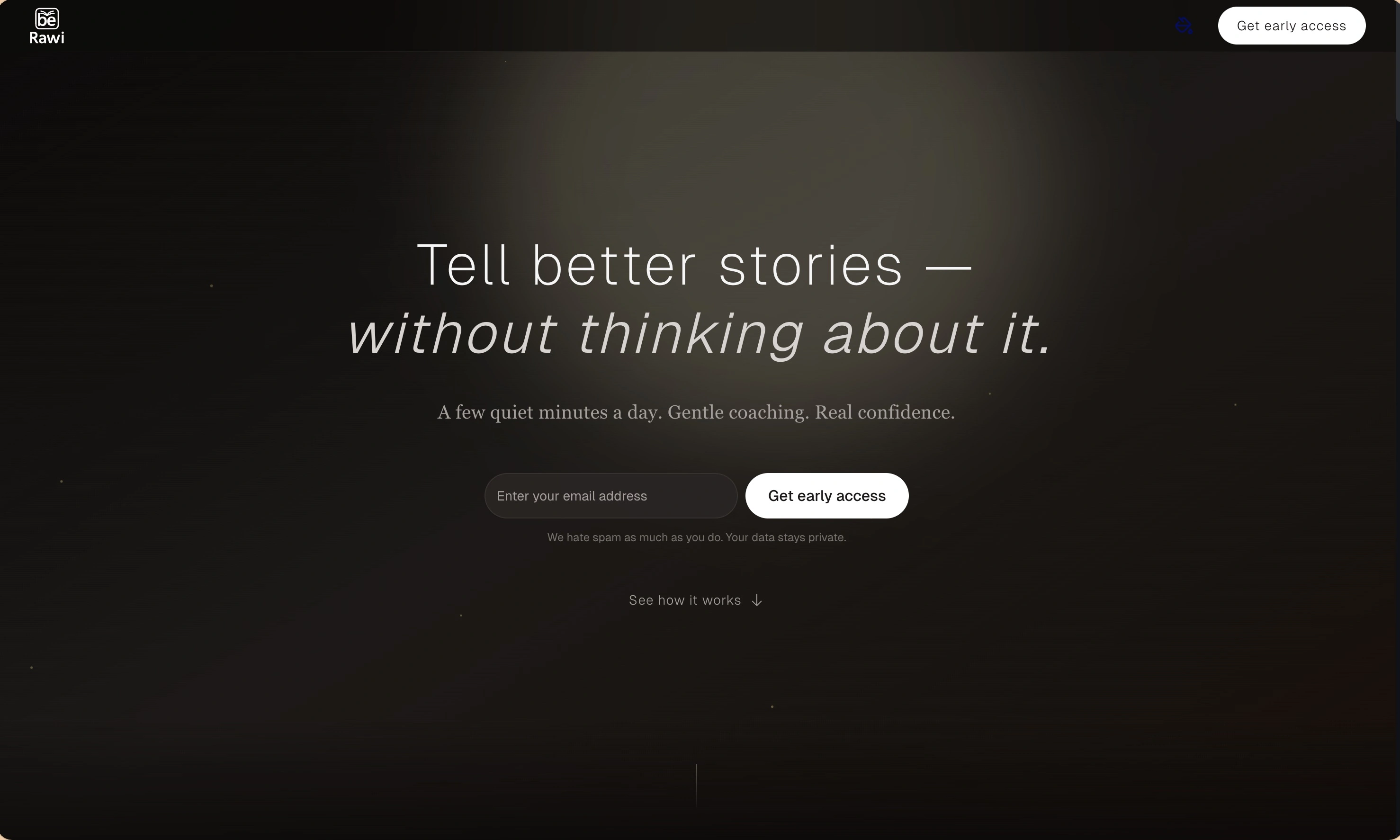
BeRawi: Storytelling Coach
Practice storytelling daily with instant feedback to sound clearer, more engaging, and confident 🎤
Omichat
Chat with 50+ AI models, including ChatGPT and Claude, in one place - switch models anytime without losing context 🤖
Claude Fast
Supercharge your Claude Code with 6x effective context window and specialized AI agents 🤖
EmojAI
AI-powered emoji picker with smart, context-aware suggestions 🤖
Solohacker
Autonomous company launcher - AI agents work 24/7, escalate what matters, and you stay in control 🤖
BeRawi: Storytelling Coach
Practice storytelling daily with instant feedback to sound clearer, more engaging, and confident 🎤
Omichat
Chat with 50+ AI models, including ChatGPT and Claude, in one place - switch models anytime without losing context 🤖
Claude Fast
Supercharge your Claude Code with 6x effective context window and specialized AI agents 🤖
EmojAI
AI-powered emoji picker with smart, context-aware suggestions 🤖
Solohacker
Autonomous company launcher - AI agents work 24/7, escalate what matters, and you stay in control 🤖
BeRawi: Storytelling Coach
Practice storytelling daily with instant feedback to sound clearer, more engaging, and confident 🎤
Omichat
Chat with 50+ AI models, including ChatGPT and Claude, in one place - switch models anytime without losing context 🤖
Claude Fast
Supercharge your Claude Code with 6x effective context window and specialized AI agents 🤖
EmojAI
AI-powered emoji picker with smart, context-aware suggestions 🤖
Solohacker
Autonomous company launcher - AI agents work 24/7, escalate what matters, and you stay in control 🤖
BeRawi: Storytelling Coach
Practice storytelling daily with instant feedback to sound clearer, more engaging, and confident 🎤

Connect with like-minded people
Join our community to get feedback, support, and grow together with 1,000+ builders on board, let's ship it!
Join usShip your startup everywhere. In minutes.
Don't burn tokens on setup and start building features on day one.