ClauseCue
AI reads vendor contracts and explains operational obligations, renewal traps, and owners in plain language for busy teams.
Busy teams do not lose control of vendor contracts because they cannot store PDFs. They lose control because critical commitments remain buried in legal language, scattered across amendments, and disconnected from the people who must act on them.
ClauseCue is an AI contract obligation management platform designed to turn vendor agreements into clear operational guidance. It reads contracts, identifies renewal traps, extracts obligations, assigns accountable owners, and explains what each clause means in plain language. The result is a more reliable way for procurement, finance, legal, IT, security, and operations teams to manage the work that begins after a contract is signed.
For companies with dozens or hundreds of SaaS, services, data-processing, and technology vendor agreements, the problem is not simply contract review. It is ongoing vendor contract compliance. ClauseCue addresses that operational gap by helping teams understand what they promised, when action is required, and who is responsible.
The central opportunity
Vendor contract data is often treated as legal archive material. The higher-value opportunity is converting it into an operational system of record that drives deadlines, ownership, and evidence of completion.
Why AI contract obligation management matters now
Vendor contracts are becoming more complex at the same time teams are expected to move faster with fewer resources. A typical agreement can contain commercial terms, security responsibilities, service-level commitments, renewal windows, privacy obligations, audit rights, data-return requirements, insurance obligations, and implementation dependencies.
These terms affect multiple departments, but most organizations still manage them through a combination of PDF folders, spreadsheets, email reminders, procurement systems, and institutional memory.
That approach creates predictable risks:
- Missed non-renewal notice windows that cause unwanted auto-renewals
- Unused software licenses that continue to renew
- Security reviews that are never completed after a contract changes
- Service-level agreement credits that are not claimed
- Data deletion and exit obligations that are overlooked at termination
- Contractual reporting obligations that have no designated owner
- Budget surprises caused by price escalators, minimum commits, or true-up clauses
- Weak audit readiness because the organization cannot show how contractual duties were tracked
AI has made contract intelligence more accessible, but summarization alone does not solve these problems. A generic summary may say that a contract “contains a renewal clause.” An operational team needs more specific answers:
- What is the exact notice deadline?
- Is notice required in writing, through a portal, or by email?
- Who in the company should decide whether to renew?
- What happens if no action is taken?
- What evidence should be retained?
- Does the contract conflict with the company’s internal policy?
- Which downstream teams need to know about the commitment?
ClauseCue can make that transition from static legal text to accountable operational work. This is the difference between an AI contract review tool and an AI contract obligation management system.
The target audience for ClauseCue
ClauseCue should not position itself as a replacement for lawyers or a full enterprise contract lifecycle management platform on day one. Its strongest initial position is a focused product for teams that need to operationalize vendor agreements after execution.
Primary audience: procurement and vendor management teams
Procurement teams are often accountable for commercial value, vendor performance, renewal discipline, and spend control. Yet they may not have a simple way to track every obligation created by the agreements they negotiate.
Their recurring pain points include:
- Incomplete visibility into renewal dates and notice periods
- Difficulty finding price increase provisions and usage commitments
- Manual handoffs between sourcing, finance, security, and business owners
- Time-consuming requests to interpret contract language
- Contract repositories that store documents but do not create action
For procurement leaders, ClauseCue should promise a practical outcome: know what every vendor contract requires and ensure the right team acts before deadlines pass.
Secondary audience: in-house legal and legal operations
Legal teams need to reduce repetitive contract interpretation requests without surrendering control over legal risk. They also want a structured record of important terms, exceptions, and negotiated obligations.
ClauseCue can help legal operations teams:
- Standardize the extraction of high-priority vendor clauses
- Create a review workflow for low-confidence AI findings
- Preserve source citations to the original agreement language
- Enable self-service answers for routine business questions
- Establish a scalable handoff from legal review to operational ownership
The product should be explicit that its explanations are informational and workflow-oriented, not legal advice. High-risk conclusions, unusual provisions, and contract disputes should still be escalated to qualified legal counsel.
Important users: finance, IT, security, and business owners
A contract is rarely owned by one department in practice. Finance may manage payment and budget obligations. IT may manage provisioning, integrations, and access. Security may be responsible for supplier reviews, incident communications, and audit evidence. A business stakeholder may be accountable for adoption, performance validation, or renewal decisions.
ClauseCue needs role-based views that surface relevant obligations without overwhelming each user with every legal detail.
Procurement leader
Needs renewal visibility, spend control, supplier accountability, and fewer manual contract follow-ups.
Legal operations manager
Needs structured extraction, source traceability, controlled review, and scalable self-service.
Security or IT owner
Needs visibility into technical, privacy, access, and incident-response commitments.
Finance partner
Needs clear payment milestones, fee changes, minimum commitments, and renewal forecasts.
The market gap in vendor contract management software
The market already contains several categories of adjacent products. Traditional contract lifecycle management software focuses on request, drafting, approval, signature, storage, and reporting. Procurement suites focus on sourcing, purchasing, supplier onboarding, and spend management. Contract repositories focus on search and central storage. Point AI tools frequently focus on redlining or contract summarization.
The gap sits between these categories: post-signature contract operations.
Many organizations have a signed contract but still cannot confidently answer what must happen next. Even when a CLM has metadata fields, those fields are often manually populated, inconsistently defined, or limited to high-level dates and values. The legally meaningful operational detail remains inside the document.
ClauseCue’s product opportunity is to make clauses actionable rather than merely searchable.
| Approach | Primary strength | Common limitation | ClauseCue opportunity | Best initial buyer |
|---|---|---|---|---|
| Contract repository | Centralized document storage | Documents remain passive | Turn clauses into owned actions | Legal operations |
| CLM platform | Pre-signature workflow | Post-signature adoption can be weak | Extend execution into operations | Procurement and legal |
| AI contract summary | Fast understanding | Limited tracking and accountability | Connect meaning to workflows | Busy business teams |
| Spreadsheet tracker | Flexible and familiar | Manual, fragile, and hard to audit | Automate extraction and governance | Growing mid-market teams |
The clearest competitive positioning is not “AI that reads contracts.” That claim is increasingly generic. The stronger positioning is:
ClauseCue transforms vendor contract clauses into plain-language obligations, deadline alerts, assigned owners, and verifiable completion workflows.
That statement identifies the input, the intelligence layer, the operational output, and the business value.
ClauseCue’s unique selling proposition
ClauseCue should win by focusing on a narrow but high-value job to be done: helping organizations avoid the financial, compliance, and operational consequences of missed vendor contract obligations.
Its USP can be framed around four connected capabilities:
- Plain-language explanations that let non-lawyers understand operationally relevant terms.
- Obligation extraction that identifies what must be done, by whom, and by when.
- Renewal trap detection that surfaces auto-renewal, notice, fee escalation, and cancellation requirements.
- Accountability workflows that assign owners, collect evidence, and create an auditable completion record.
This is more defensible than a generic document chat experience. Chat can answer questions, but it does not naturally create a durable operational control system. ClauseCue should make the action record the primary product object, with the original clause and AI explanation attached as evidence.
What makes the product different from contract AI assistants
A contract AI assistant generally helps a user ask ad hoc questions. ClauseCue should anticipate recurring questions and convert answers into persistent obligations.
For example, instead of merely answering, “When does this agreement renew?”, ClauseCue could create:
- A renewal record with the current term and renewal date
- A notice deadline calculated from the contract language
- A designated decision owner
- A finance stakeholder for budget review
- A legal reviewer for unusual termination provisions
- Escalating reminders before the notice deadline
- A source citation that links to the relevant section and page
- A completion checklist documenting the renewal decision
That workflow creates measurable business value. It can reduce unwanted renewals, improve supplier governance, and make audit preparation less manual.
Core features for an AI contract obligation management platform
A focused product roadmap is essential. The initial version should solve a painful, specific workflow exceptionally well before expanding into broad CLM functionality.
Contract ingestion and document normalization
ClauseCue should accept the formats that vendor management teams already use:
- PDF agreements and scanned contract documents
- Word documents
- Order forms and statements of work
- Amendments and addenda
- Data processing agreements
- Security exhibits
- Service-level agreements
- Renewal notices and related correspondence
The ingestion pipeline should identify document type, extract text, retain page references, and connect related documents into a contract family. This matters because obligations are often spread across a master agreement, order form, addendum, and later amendment.
A practical contract record should show the governing agreement and all related documents in chronological order. It should also make clear whether an extracted term came from the original agreement or a later modification.
AI clause extraction with confidence scoring
The AI extraction layer should target structured fields that directly drive operational decisions. Avoid extracting every possible legal concept in the first release. Start with the terms that have clear business consequences.
High-priority extraction categories include:
- Contract effective date and initial term
- Renewal date and renewal type
- Non-renewal notice period
- Termination rights and notice mechanics
- Pricing, minimum commitments, and fee increases
- Payment terms and invoicing requirements
- Service-level commitments and credit processes
- Data return, data deletion, and transition obligations
- Security requirements and incident notification terms
- Audit rights and compliance reporting
- Insurance and indemnification requirements
- Key vendor and customer obligations
- Assignment and subcontractor restrictions
Every extraction should include a confidence signal. A low-confidence result should never silently become a deadline or automated task. Instead, it should enter a verification queue where a designated reviewer can confirm, correct, or reject it.
Source traceability is non-negotiable
A contract intelligence product should never require users to trust a detached AI summary. Each obligation, date, and explanation needs a visible reference to the relevant document, section, and page whenever available.
Plain-language clause explanations
This feature is the heart of ClauseCue’s usability. The product should translate legal text without oversimplifying material risk.
A useful explanation template includes:
- What the clause requires in direct language
- Which party is responsible
- The trigger that activates the obligation
- The deadline or timing rule
- What could happen if the obligation is missed
- Which internal team typically owns the action
- Whether legal review is recommended
For example, a dense auto-renewal provision can become: “This subscription renews automatically for another 12-month term unless your company sends written non-renewal notice at least 60 days before the current term ends. Procurement owns the renewal decision, while Legal should confirm the required notice method.”
The explanation should always preserve nuance. If a clause is ambiguous, the product should say so rather than presenting a false certainty.
Obligation ownership and work management
Extracted obligations become useful only when they have accountable owners. ClauseCue should support an obligation lifecycle such as:
- Detected
- Awaiting review
- Confirmed
- Assigned
- In progress
- Completed
- Waived or not applicable
- Overdue
For each obligation, users should be able to record the owner, collaborators, due date, priority, evidence, notes, and status history.
The platform should also support recurring obligations. For example, a vendor may be required to provide an annual security report, while the customer may need to review it and retain evidence. ClauseCue can create recurring tasks linked to the relevant contract provision.
Renewal trap detection and forecasting
Renewal management is likely the best wedge feature because the pain is easy to understand and the ROI is measurable. The product should detect more than the renewal date.
It should identify:
- Auto-renewal versus manual renewal
- Renewal term length
- Notice period
- Required notice recipient and method
- Price increases at renewal
- Renewal conditions
- Usage thresholds and true-up mechanics
- Termination for convenience rights
- Early termination penalties
- Contractual decision dependencies
A renewal calendar should let procurement and finance view upcoming decision points by month, owner, department, vendor category, and spend level.
A more advanced version can produce a renewal risk score based on approaching deadlines, missing owners, incomplete usage data, unresolved vendor performance issues, and high annual contract value.
Ask-the-contract questions with governed answers
Natural-language search remains valuable, particularly when users need rapid context. ClauseCue can provide a secure question interface for queries such as:
- “What are our obligations if this vendor has a security incident?”
- “Can we terminate this agreement for convenience?”
- “Who must approve a change order?”
- “What is the process for claiming SLA credits?”
- “Does this contract require cyber insurance?”
However, every answer should show the supporting text and explain uncertainty. Retrieval-augmented generation can ground responses in the customer’s uploaded documents, but it does not eliminate the need for permissions, citations, quality evaluation, and escalation workflows.
Integrations and notifications
A contract obligation management tool should fit into existing work patterns. Prioritize integrations based on the chosen initial customer segment.
Useful integrations include:
- Slack or Microsoft Teams for due-date alerts and ownership requests
- Jira, Asana, or Linear for operational tasks
- Google Drive, SharePoint, Dropbox, or Box for document ingestion
- Procurement and spend systems for supplier and contract metadata
- Identity providers for single sign-on and role-based access
- Calendar systems for renewal and notice deadlines
Build integrations around clear actions, not just data synchronization. For instance, a Slack notification should let an owner acknowledge, delegate, or request legal review directly from the alert.
Recommended technology stack for ClauseCue
ClauseCue needs a stack that supports a polished SaaS application, reliable document processing, secure AI workflows, and a robust audit trail.
For a modern web application, React with Next.js is a strong choice. Next.js supports server-rendered experiences, API routes or route handlers, authentication flows, and scalable dashboard patterns. Use TypeScript to reduce errors in the complex data models associated with contracts, obligations, users, and permissions.
Tailwind CSS works well for rapidly creating a consistent B2B interface. Contract products benefit from dense but readable tables, status indicators, filters, document panes, and side-by-side source comparisons. A utility-first system can make this design language easier to maintain.
For the data layer, PostgreSQL is the right default. Contract metadata, obligation status changes, permissions, document versions, and audit events are relational data and require strong transactional integrity. An ORM such as Prisma can speed up development, though teams should avoid hiding critical query-performance decisions behind abstractions as the dataset grows.
A practical architecture could look like this:
type ContractObligation = {
  id: string;
  contractId: string;
  category:
    | "renewal"
    | "payment"
    | "security"
    | "privacy"
    | "service_level"
    | "termination";
  summary: string;
  sourceText: string;
  sourcePage: number | null;
  dueDate: Date | null;
  ownerId: string | null;
  confidenceScore: number;
  reviewStatus: "pending" | "confirmed" | "rejected";
  completionStatus: "open" | "in_progress" | "complete" | "overdue";
};
Document processing and AI architecture
The document pipeline should be asynchronous and observable. Uploading a 100-page scanned agreement should not block the user interface or create an opaque processing experience.
A resilient flow is:
- Store the original encrypted document.
- Extract native text when available.
- Run OCR for scanned pages.
- Segment text while preserving page and section references.
- Classify document type and identify related contract records.
- Extract structured clauses and candidate obligations.
- Validate extraction against schema rules.
- Store results with provenance and confidence metadata.
- Trigger human review when thresholds or policies require it.
Use a queueing system for long-running work. The exact choice depends on the team’s environment, but the key requirement is retry support, idempotency, job observability, and safe failure recovery.
For semantic retrieval, a vector index can help locate relevant passages for question answering. The trade-off is operational complexity and potential retrieval errors. For an early product, start with a managed vector capability or a PostgreSQL extension rather than introducing a separate search infrastructure too early. The highest priority is grounding every answer in authoritative source text.
Use Next.js, TypeScript, PostgreSQL, managed object storage, a background job service, and an AI provider with structured-output support. Focus on renewal extraction, obligation tracking, and document citations before adding broad integrations.
Add single sign-on, SCIM provisioning, granular role-based access control, regional data controls, immutable audit logs, customer-managed retention policies, security monitoring, and more formal model evaluation infrastructure.
Security and privacy requirements
Contracts often contain commercially sensitive information, personal data, pricing, security terms, and confidential business details. Security is not an enterprise add-on for ClauseCue. It is part of the product’s core trust proposition.
The baseline should include:
- Encryption in transit and at rest
- Tenant isolation in every database and retrieval query
- Role-based access control
- SSO support for larger customers
- Detailed audit logs for document views, exports, edits, and AI actions
- Configurable document retention and deletion controls
- Clear subprocessors and data-processing documentation
- Explicit policies for model-provider data handling
- Secure secrets management
- Regular vulnerability management and penetration testing
For larger customers, expect questions about SOC 2, privacy addenda, incident response, data residency, and whether customer content is used for model training. ClauseCue should provide precise, documented answers rather than broad marketing assurances.
Monetization strategies for ClauseCue
The best pricing model should align with the customer’s realized value while remaining simple enough to understand. Pricing per user alone is often a poor fit because obligations are created across departments, and broad access improves adoption.
A hybrid model is more appropriate.
Recommended pricing structure
- Starter plan for small teams with a limited contract count, basic extraction, renewal reminders, and email notifications
- Growth plan with more contracts, obligation workflows, integrations, collaboration, custom fields, and reporting
- Business plan with advanced approval workflows, API access, SSO, permission controls, custom retention settings, and dedicated onboarding
- Enterprise plan with volume pricing, security reviews, premium support, multi-entity controls, and contractual service commitments
Usage can be measured by active contracts, documents processed, annual contract value under management, or advanced AI processing volume. Active contract count is likely the clearest primary value metric for early customers.
Avoid charging in a way that discourages customers from uploading documents or assigning owners. Those behaviors increase product stickiness and improve customer outcomes.
Service revenue during early validation
During the initial go-to-market phase, a paid implementation or “contract intelligence setup” service can accelerate learning and fund onboarding. The service can include:
- Contract inventory cleanup
- Bulk document ingestion
- Clause taxonomy configuration
- Renewal calendar setup
- Owner mapping workshops
- Human validation of early AI outputs
- Migration from spreadsheet trackers
This is not a distraction if it is productized carefully. Early service work reveals the edge cases, vocabulary, approval rules, and integrations that the product must support.
Competitive advantage and defensibility
AI features alone are not a durable moat. Foundation models improve quickly, and competitors can often replicate basic extraction or summarization interfaces. ClauseCue’s defensibility should come from its operational data model and workflow adoption.
The strongest moats are likely to be:
- A high-quality obligation taxonomy tuned to vendor contracts
- A growing library of clause patterns and review outcomes
- Customer-specific ownership rules and workflow configurations
- Deep source-to-action traceability
- Historical evidence showing how obligations were completed
- Integrations that place ClauseCue inside daily procurement and governance processes
- Trust built through reliable, explainable outputs
Over time, ClauseCue can learn which obligations matter most by vendor category, contract value, business function, and risk profile. It can then proactively identify anomalies, missing controls, and contracts that deserve earlier attention.
For example, if a high-value software vendor agreement includes an unusual 90-day non-renewal window, an unassigned owner, and an upcoming deadline, the platform can prioritize it above a low-risk month-to-month agreement.
That kind of prioritization is more valuable than simply extracting every clause with equal weight.
Risks and how to mitigate them
Building AI software for legal and commercial documents carries real product, trust, and market risks. Addressing them directly strengthens ClauseCue’s credibility.
Mitigate this with source citations, structured extraction schemas, confidence scores, human review workflows, regression test sets, and clear language when the system is uncertain. Do not allow unsupported AI outputs to become automated contractual commitments.
Position ClauseCue as contract intelligence and operational workflow software. Include product language that encourages users to consult qualified counsel for legal interpretation, negotiation, disputes, and high-risk decisions.
Build secure handling practices early, document them clearly, support least-privilege permissions, and maintain a credible security roadmap. Sensitive contract data requires more than a generic AI privacy statement.
Integrate where possible rather than forcing rip-and-replace adoption. ClauseCue can become the post-signature intelligence layer for organizations that already use a repository or CLM system.
Make alerts actionable, assign clear owners, avoid notification overload, and show each role only the obligations relevant to them. The product should reduce work rather than create another dashboard to monitor.
A practical go-to-market strategy
The best initial segment is likely mid-market companies with meaningful SaaS and vendor spend but without mature contract operations. They often have enough complexity to feel the pain, while still being able to adopt a focused SaaS product faster than highly regulated enterprises.
Strong initial verticals may include:
- B2B SaaS companies with extensive software vendor stacks
- Professional services firms managing many client-facing tools and subcontractors
- Healthcare-adjacent technology firms with privacy and security obligations
- Fintech and financial operations teams with rigorous vendor oversight
- Agencies and consultancies that manage recurring platform and service contracts
The first marketing messages should lead with outcomes, not model capabilities:
- Stop missing auto-renewal deadlines
- Turn vendor contracts into assigned operational work
- Make contract obligations clear for non-lawyers
- Create an audit-ready record of vendor contract compliance
- See renewal risk before it becomes avoidable spend
Content marketing should target high-intent searches such as “vendor contract renewal tracking,” “contract obligation management,” “auto renewal clause tracking,” “vendor contract compliance checklist,” and “AI contract review for procurement.”
For authoritative content, cite primary or credible industry research where specific claims are made. Potential references include annual procurement benchmarks, legal operations reports, security governance guidance, and regulatory publications. Avoid unsupported claims about savings percentages unless supported by a clearly dated, reputable source.
Implementation steps for launching ClauseCue
A successful first release should be narrow, reliable, and clearly connected to a measurable customer outcome. Start with renewal and operational obligation management rather than attempting to build a complete CLM suite.
Define a vendor-contract taxonomy with 10 to 15 obligation categories that matter most to procurement, finance, security, and legal operations.
Interview at least 15 target buyers and collect anonymized examples of real contracts, renewal trackers, missed-deadline incidents, and handoff workflows.
Build document ingestion with secure storage, text extraction, page-level source references, and contract-family grouping for amendments and order forms.
Release structured extraction for renewal dates, notice periods, termination mechanics, pricing changes, and a small set of common obligations.
Add a human verification queue with confidence thresholds, reviewer comments, and complete source traceability.
Build obligation assignment, deadline alerts, completion evidence, and an executive renewal-risk dashboard.
Run design-partner pilots, measure missed-deadline prevention, time saved locating terms, adoption by owners, and extraction accuracy after review.
Use pilot feedback to improve taxonomy coverage, integrations, permission controls, and the explainability of AI-generated guidance.
For founders who want to move from validation to a secure SaaS application faster, TurboStarter can provide a practical foundation for authentication, billing, dashboards, and production-ready SaaS workflows. That lets the team invest more of its early engineering effort in ClauseCue’s differentiating capabilities: contract ingestion, AI extraction, obligation logic, source citations, and trust controls.
Final perspective
ClauseCue has a compelling opportunity because vendor contracts are full of operational commitments that organizations consistently struggle to manage after signature. The product does not need to replace legal judgment or rebuild every feature of enterprise CLM software. It needs to solve the costly gap between signed agreement and completed obligation.
The winning version of ClauseCue will make complex contract language understandable, identify the deadlines that matter, route work to accountable owners, and preserve the evidence teams need to prove they acted. By combining AI contract analysis with practical workflow management, ClauseCue can become a trusted system for vendor contract compliance, renewal control, and operational accountability.
More 🤖 AI Startup SaaS ideas
Discover more innovative ai startup SaaS ideas that are trending in 2026. Each idea is AI-generated with market validation and growth potential to help you find your next profitable venture faster than competitors.
Your competitors are building with TurboStarter
Below are some of the SaaS ideas that have been generated and built with our starter kit.
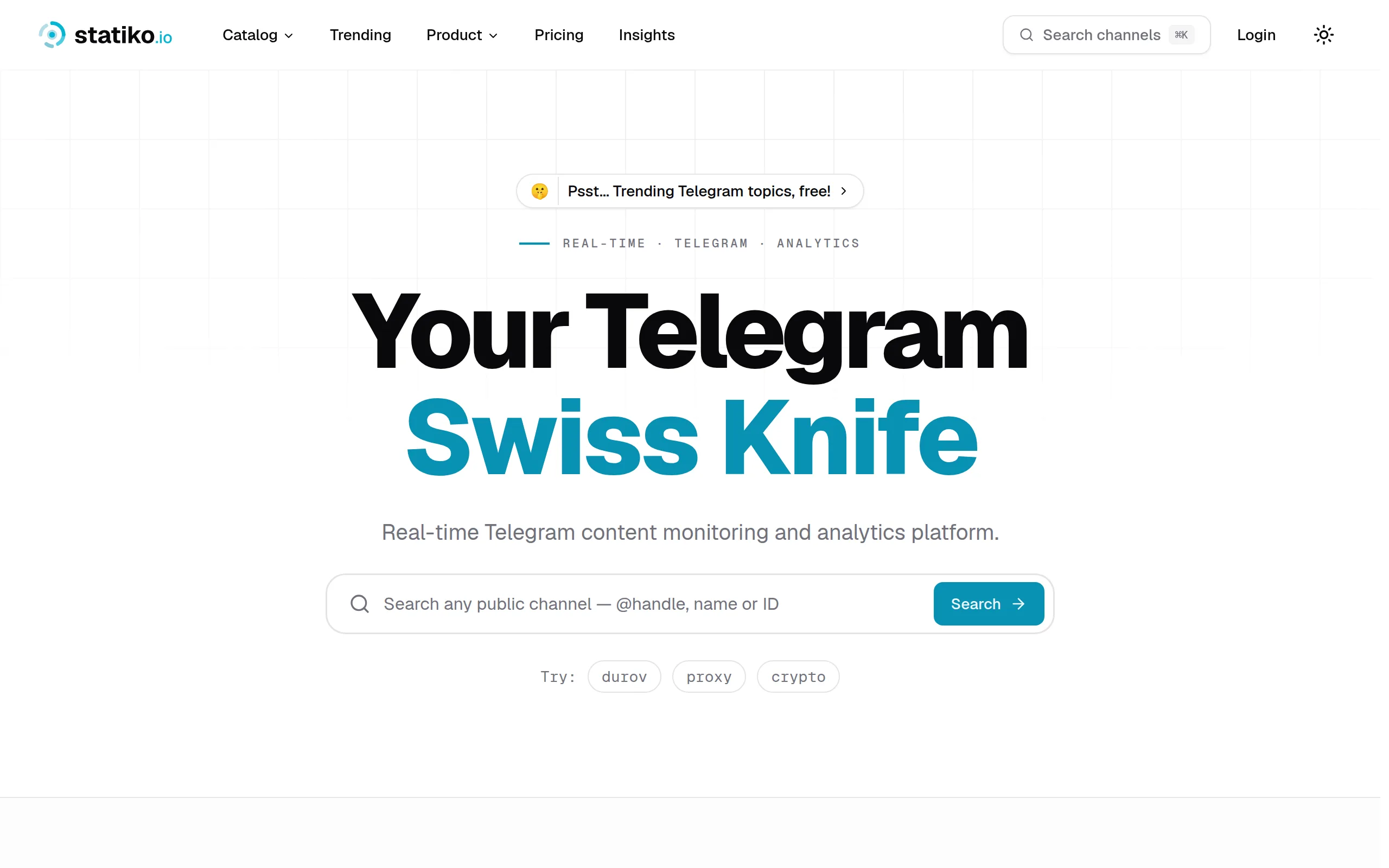
Statiko
Monitor any Telegram channel in real time - track posts, edits, deletions, and growth with AI recaps 📡

Shibui
AI website builder - describe your business, pick a niche template, edit by chatting, and publish instantly ✨

Pro Service
Find verified home service professionals, compare quotes, and pay securely through escrow - built for Brazilians across the US 🏠
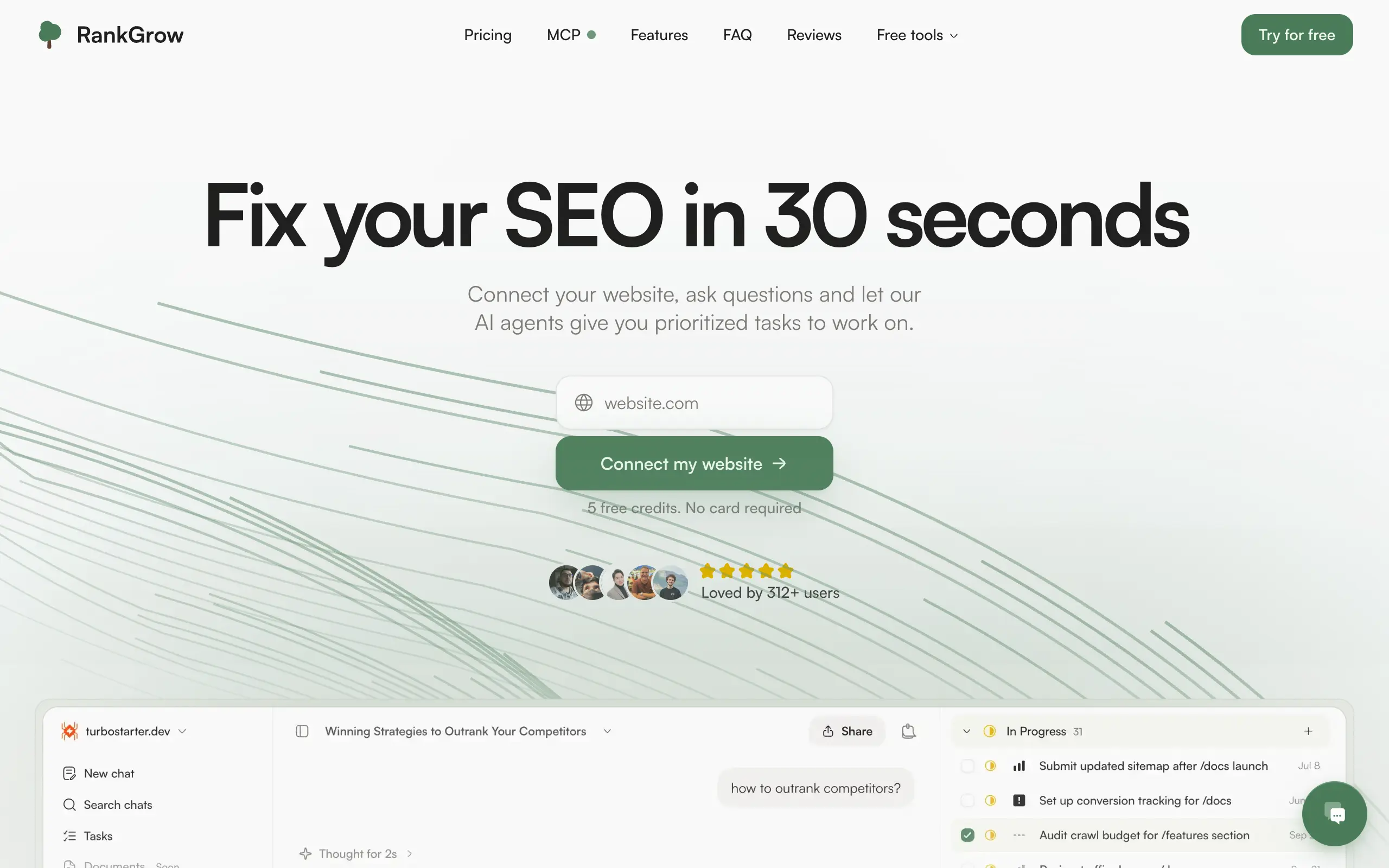
RankGrow
Fix your SEO with AI agents - connect Search Console, get prioritized tasks, and grow organic traffic 📈
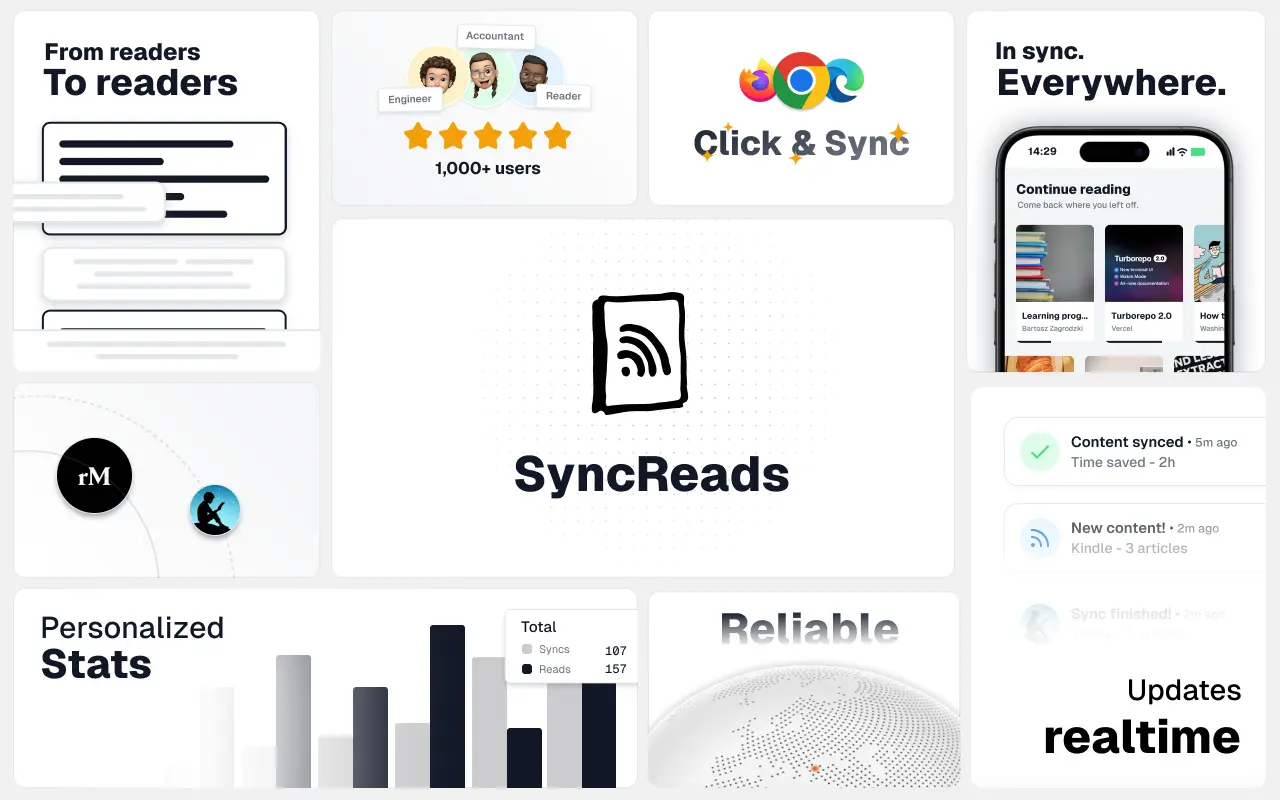
SyncReads
Sync your favorite content for distraction-free reading, save time and replace multiple apps. Anytime, anywhere 🔄
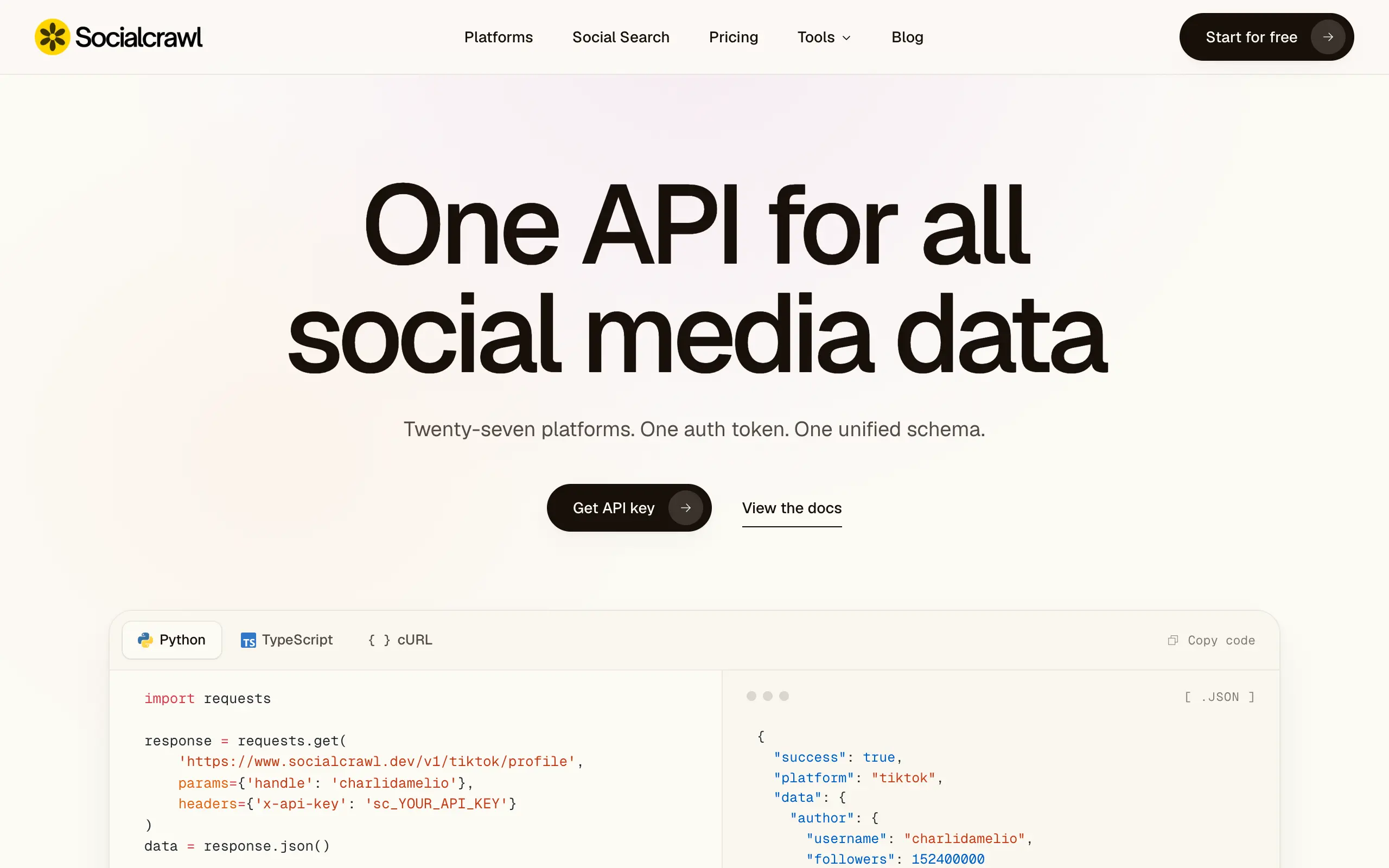
Socialcrawl
Get clean, structured data from 21 platforms like TikTok, Instagram, and YouTube with a single request 📊
Statiko
Monitor any Telegram channel in real time - track posts, edits, deletions, and growth with AI recaps 📡
Shibui
AI website builder - describe your business, pick a niche template, edit by chatting, and publish instantly ✨
Pro Service
Find verified home service professionals, compare quotes, and pay securely through escrow - built for Brazilians across the US 🏠
RankGrow
Fix your SEO with AI agents - connect Search Console, get prioritized tasks, and grow organic traffic 📈
SyncReads
Sync your favorite content for distraction-free reading, save time and replace multiple apps. Anytime, anywhere 🔄
Socialcrawl
Get clean, structured data from 21 platforms like TikTok, Instagram, and YouTube with a single request 📊
Statiko
Monitor any Telegram channel in real time - track posts, edits, deletions, and growth with AI recaps 📡
Shibui
AI website builder - describe your business, pick a niche template, edit by chatting, and publish instantly ✨
Pro Service
Find verified home service professionals, compare quotes, and pay securely through escrow - built for Brazilians across the US 🏠
RankGrow
Fix your SEO with AI agents - connect Search Console, get prioritized tasks, and grow organic traffic 📈
SyncReads
Sync your favorite content for distraction-free reading, save time and replace multiple apps. Anytime, anywhere 🔄
Socialcrawl
Get clean, structured data from 21 platforms like TikTok, Instagram, and YouTube with a single request 📊
Statiko
Monitor any Telegram channel in real time - track posts, edits, deletions, and growth with AI recaps 📡
Shibui
AI website builder - describe your business, pick a niche template, edit by chatting, and publish instantly ✨
Pro Service
Find verified home service professionals, compare quotes, and pay securely through escrow - built for Brazilians across the US 🏠
RankGrow
Fix your SEO with AI agents - connect Search Console, get prioritized tasks, and grow organic traffic 📈
SyncReads
Sync your favorite content for distraction-free reading, save time and replace multiple apps. Anytime, anywhere 🔄
Socialcrawl
Get clean, structured data from 21 platforms like TikTok, Instagram, and YouTube with a single request 📊
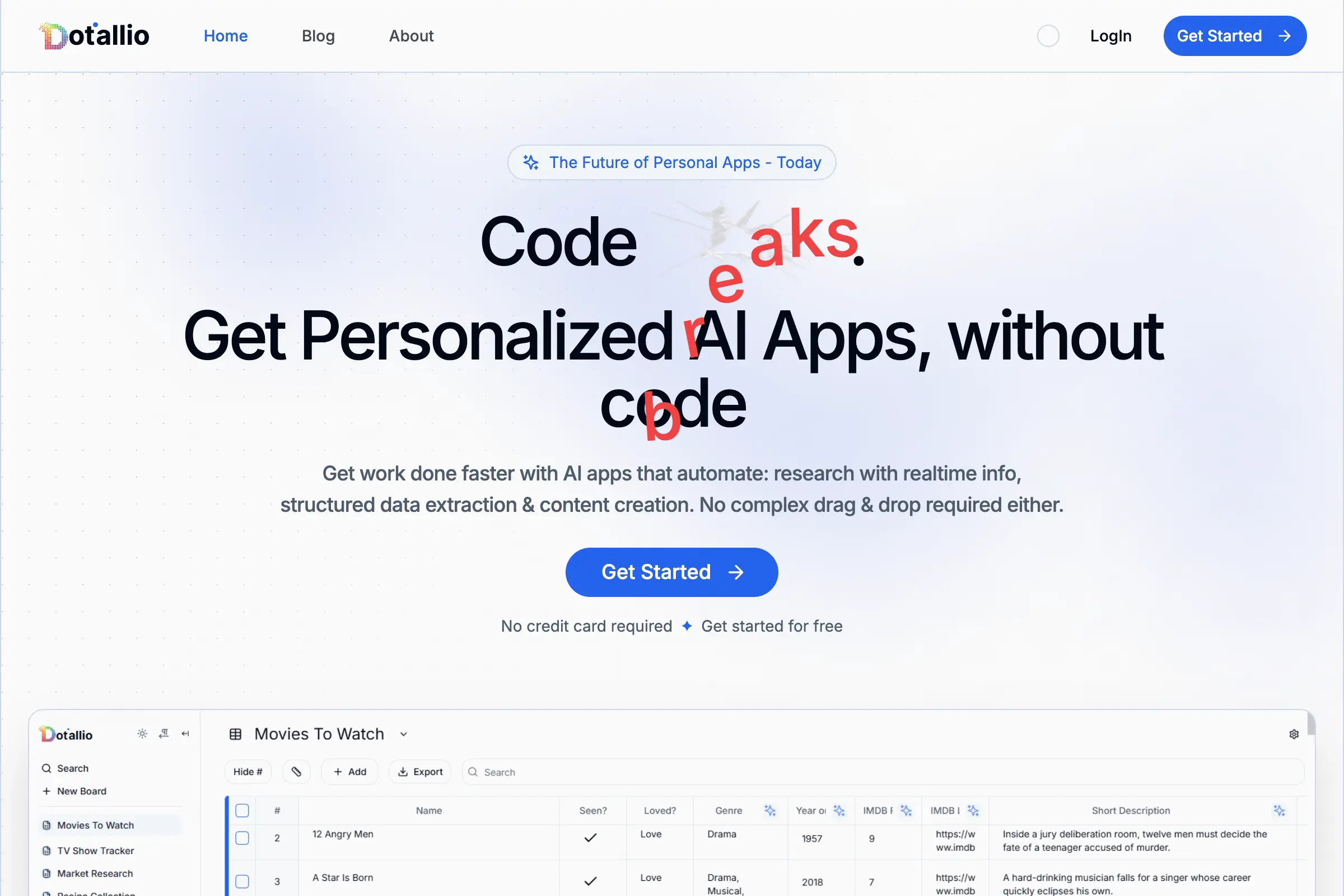
Dotallio
Personalized AI apps that automate research, data extraction, and content creation without code 🤖

Talk to Santa
Enjoy a magical live video chat or receive a unique AI-generated video greeting from Santa Claus 🎅
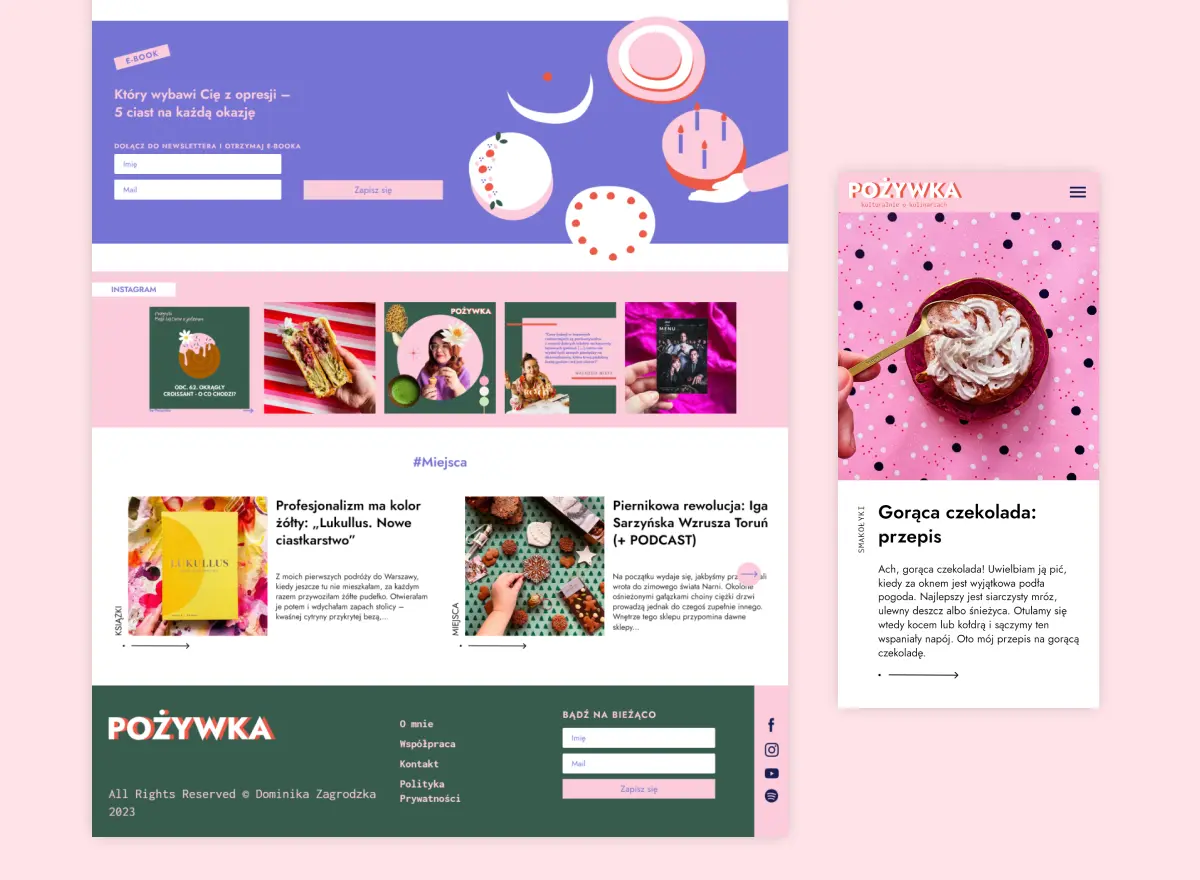
pozywka.pl
Scalable blog for food journalist, focused on performance and user experience 🌭
zagrodzki.me
Personal blog and portfolio of Bart Zagrodzki, where he shares his knowledge and work 💼
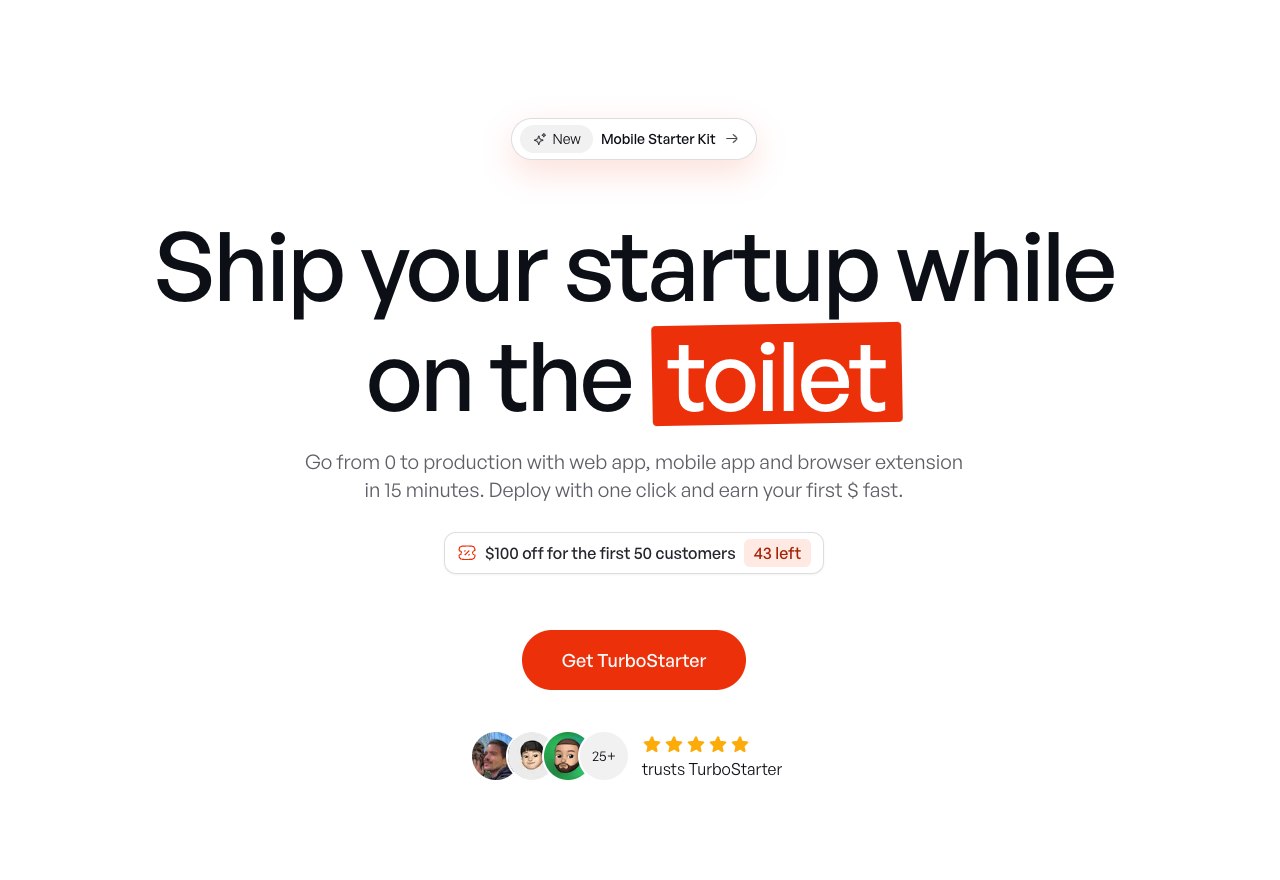
TurboStarter
Ship your startup everywhere. In minutes.
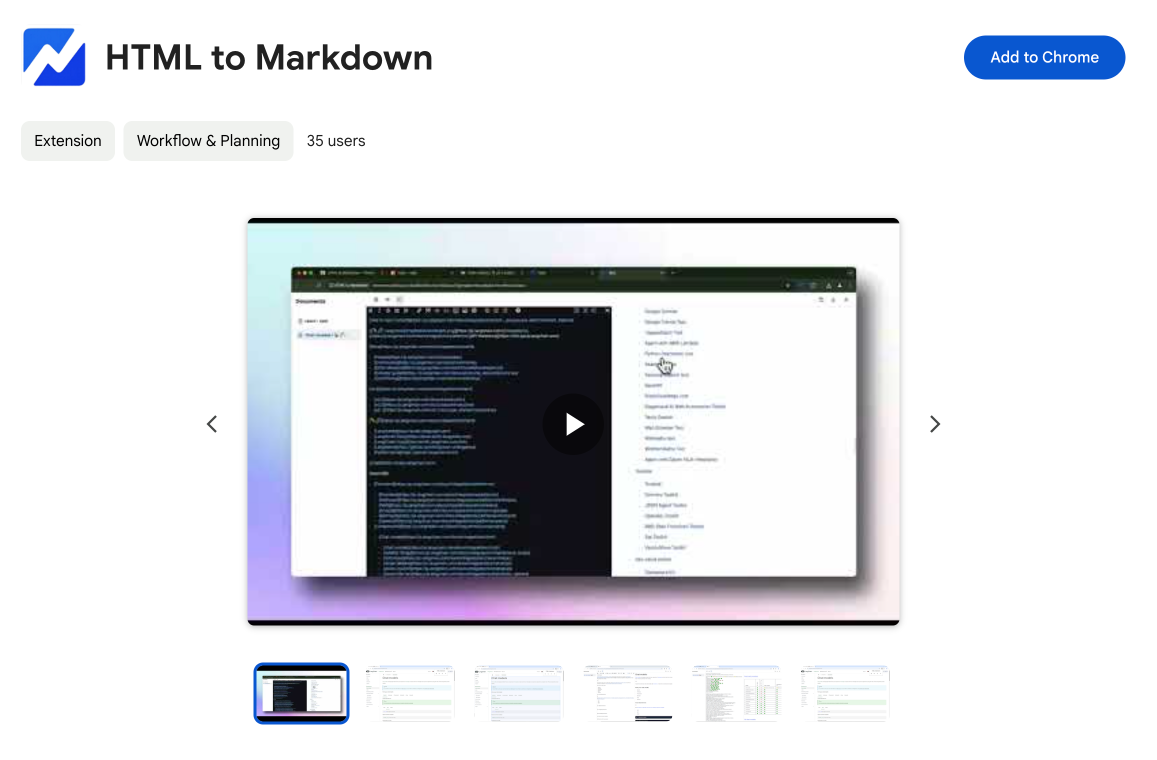
HTML to Markdown
Convert HTML to Markdown with ease, directly in your browser 📄
Dotallio
Personalized AI apps that automate research, data extraction, and content creation without code 🤖
Talk to Santa
Enjoy a magical live video chat or receive a unique AI-generated video greeting from Santa Claus 🎅
pozywka.pl
Scalable blog for food journalist, focused on performance and user experience 🌭
zagrodzki.me
Personal blog and portfolio of Bart Zagrodzki, where he shares his knowledge and work 💼
TurboStarter
Ship your startup everywhere. In minutes.
HTML to Markdown
Convert HTML to Markdown with ease, directly in your browser 📄
Dotallio
Personalized AI apps that automate research, data extraction, and content creation without code 🤖
Talk to Santa
Enjoy a magical live video chat or receive a unique AI-generated video greeting from Santa Claus 🎅
pozywka.pl
Scalable blog for food journalist, focused on performance and user experience 🌭
zagrodzki.me
Personal blog and portfolio of Bart Zagrodzki, where he shares his knowledge and work 💼
TurboStarter
Ship your startup everywhere. In minutes.
HTML to Markdown
Convert HTML to Markdown with ease, directly in your browser 📄
Dotallio
Personalized AI apps that automate research, data extraction, and content creation without code 🤖
Talk to Santa
Enjoy a magical live video chat or receive a unique AI-generated video greeting from Santa Claus 🎅
pozywka.pl
Scalable blog for food journalist, focused on performance and user experience 🌭
zagrodzki.me
Personal blog and portfolio of Bart Zagrodzki, where he shares his knowledge and work 💼
TurboStarter
Ship your startup everywhere. In minutes.
HTML to Markdown
Convert HTML to Markdown with ease, directly in your browser 📄
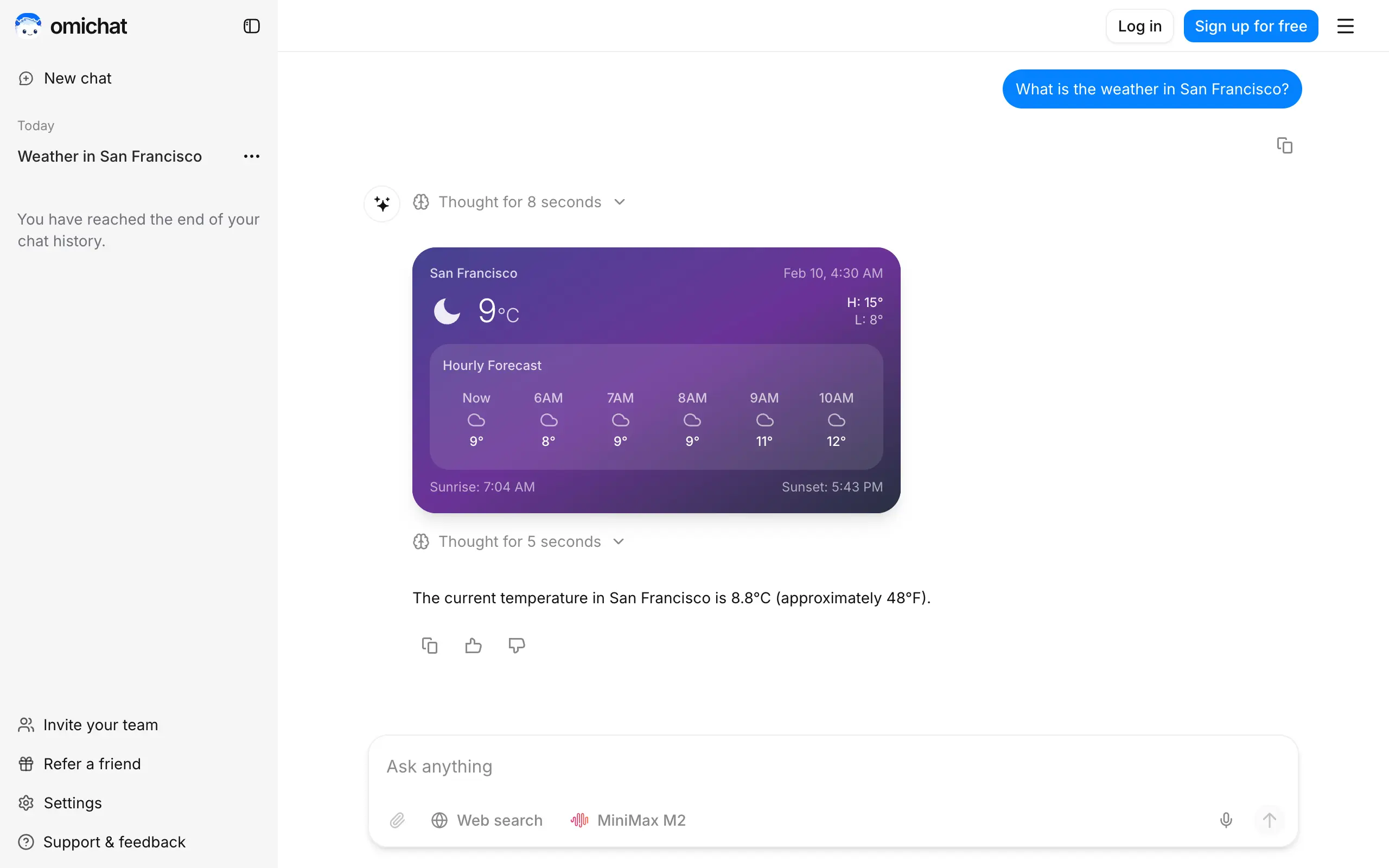
Omichat
Chat with 50+ AI models, including ChatGPT and Claude, in one place - switch models anytime without losing context 🤖
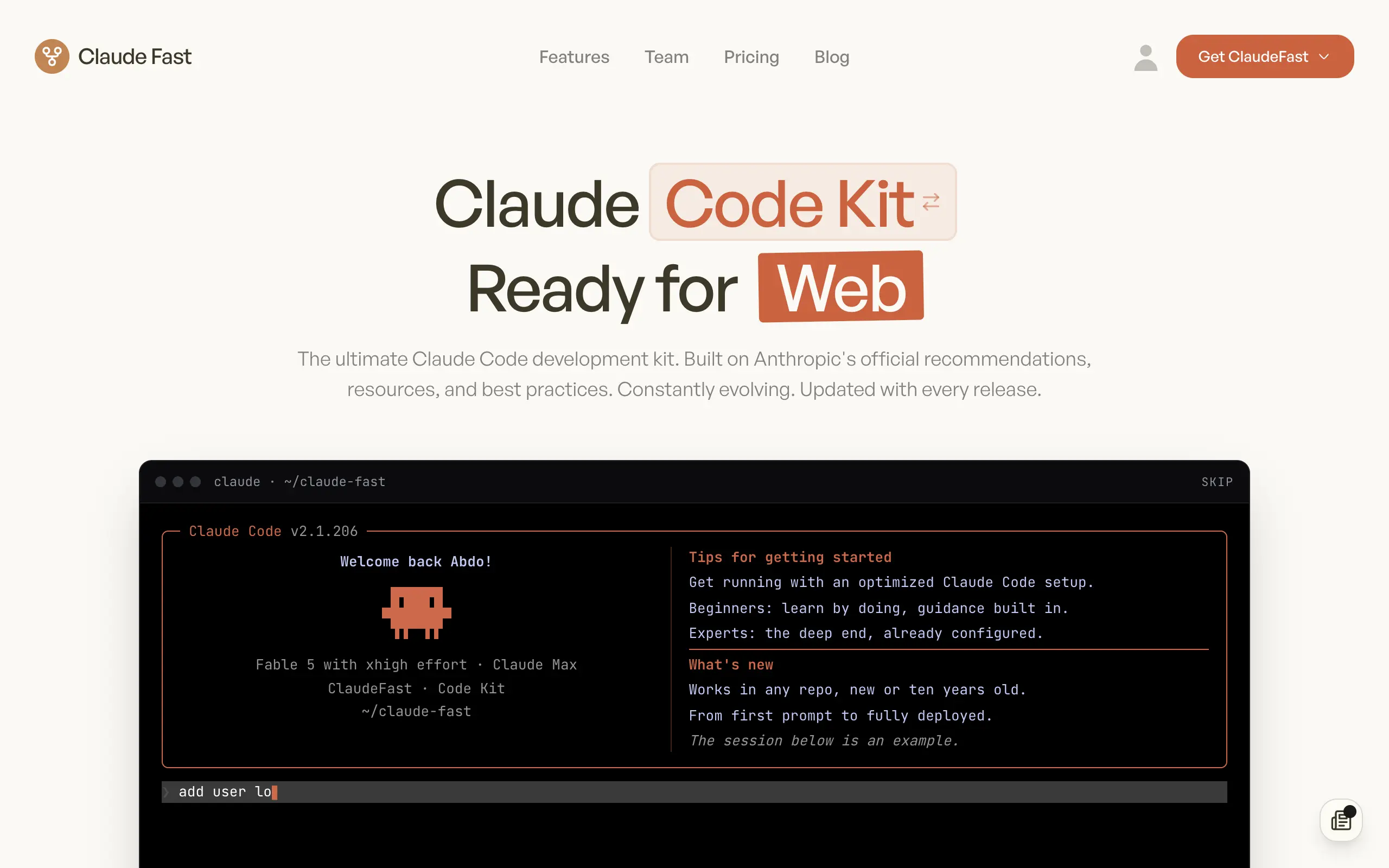
Claude Fast
Supercharge your Claude Code with 6x effective context window and specialized AI agents 🤖
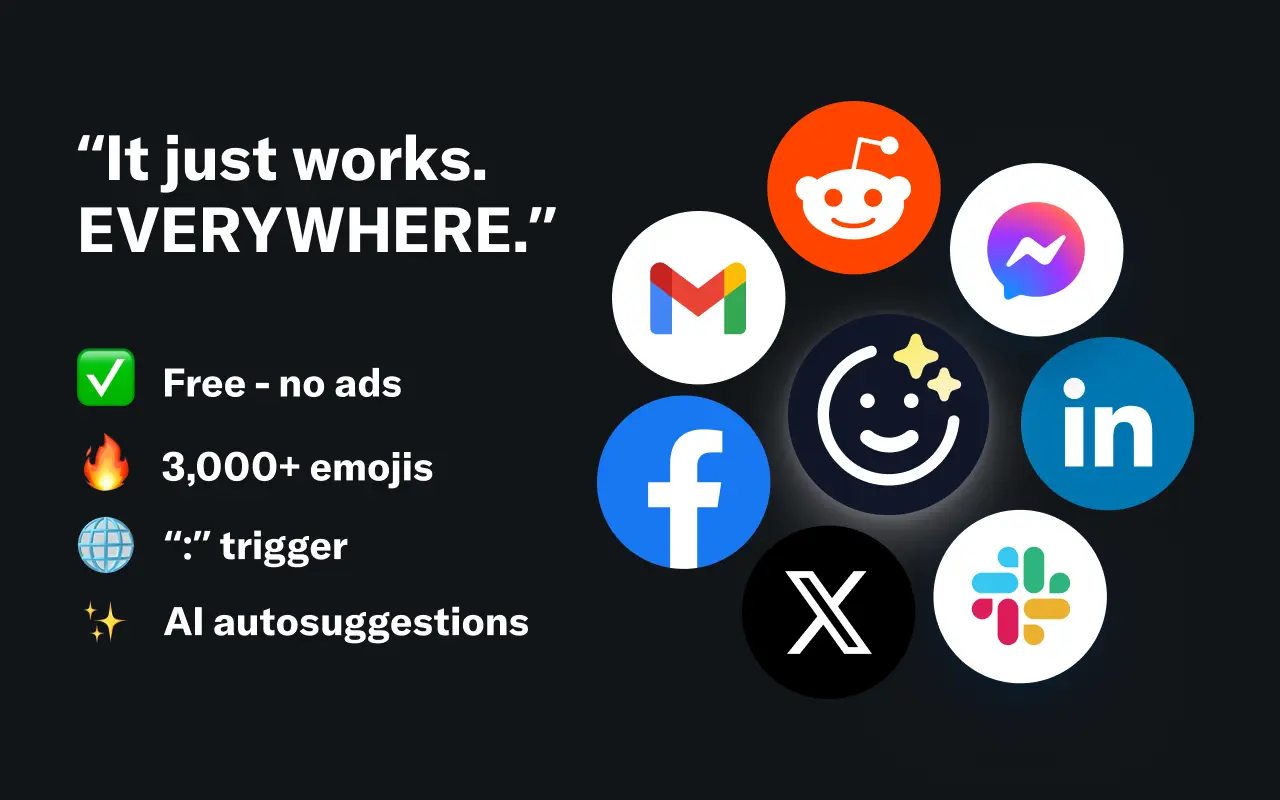
EmojAI
AI-powered emoji picker with smart, context-aware suggestions 🤖
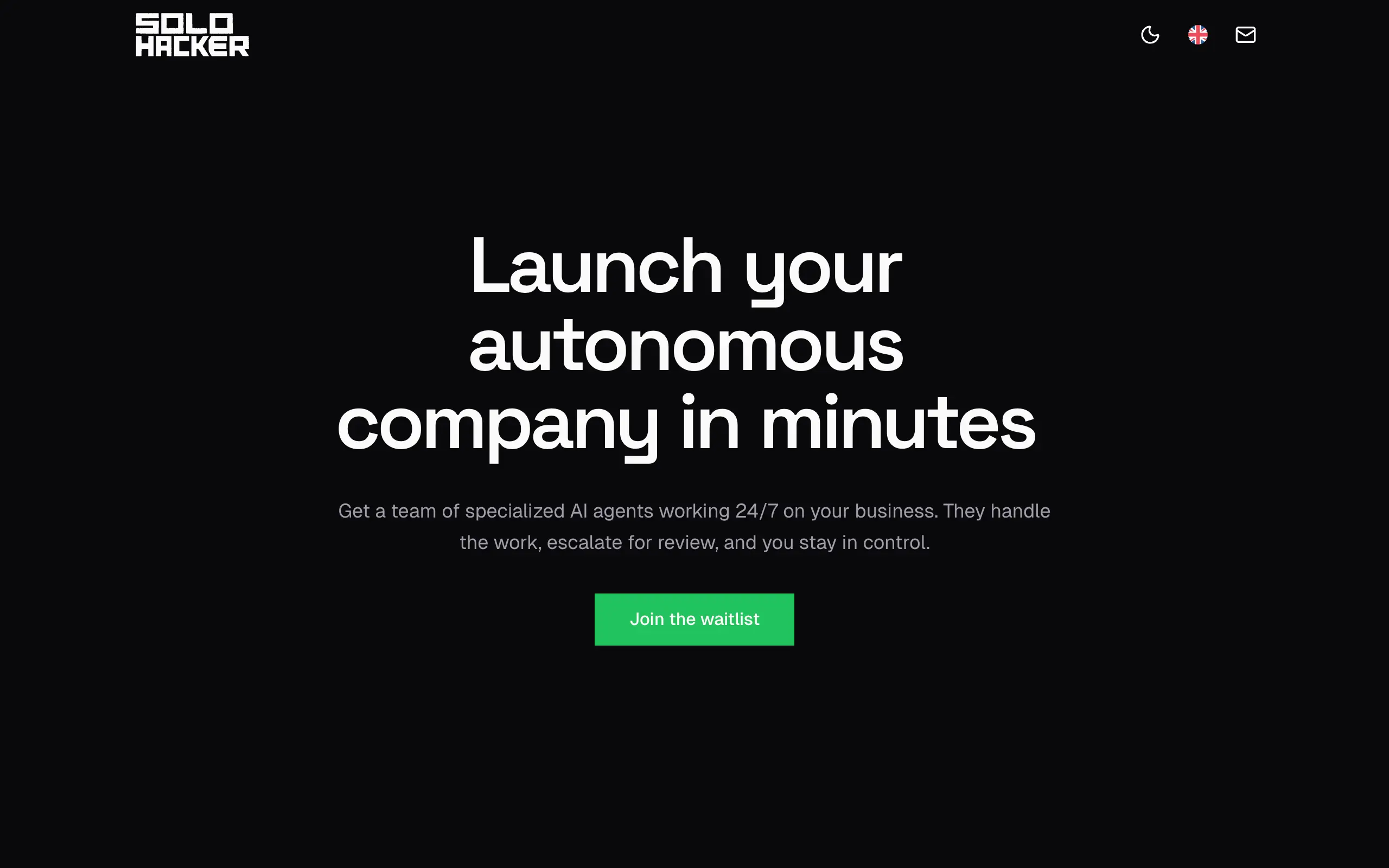
Solohacker
Autonomous company launcher - AI agents work 24/7, escalate what matters, and you stay in control 🤖
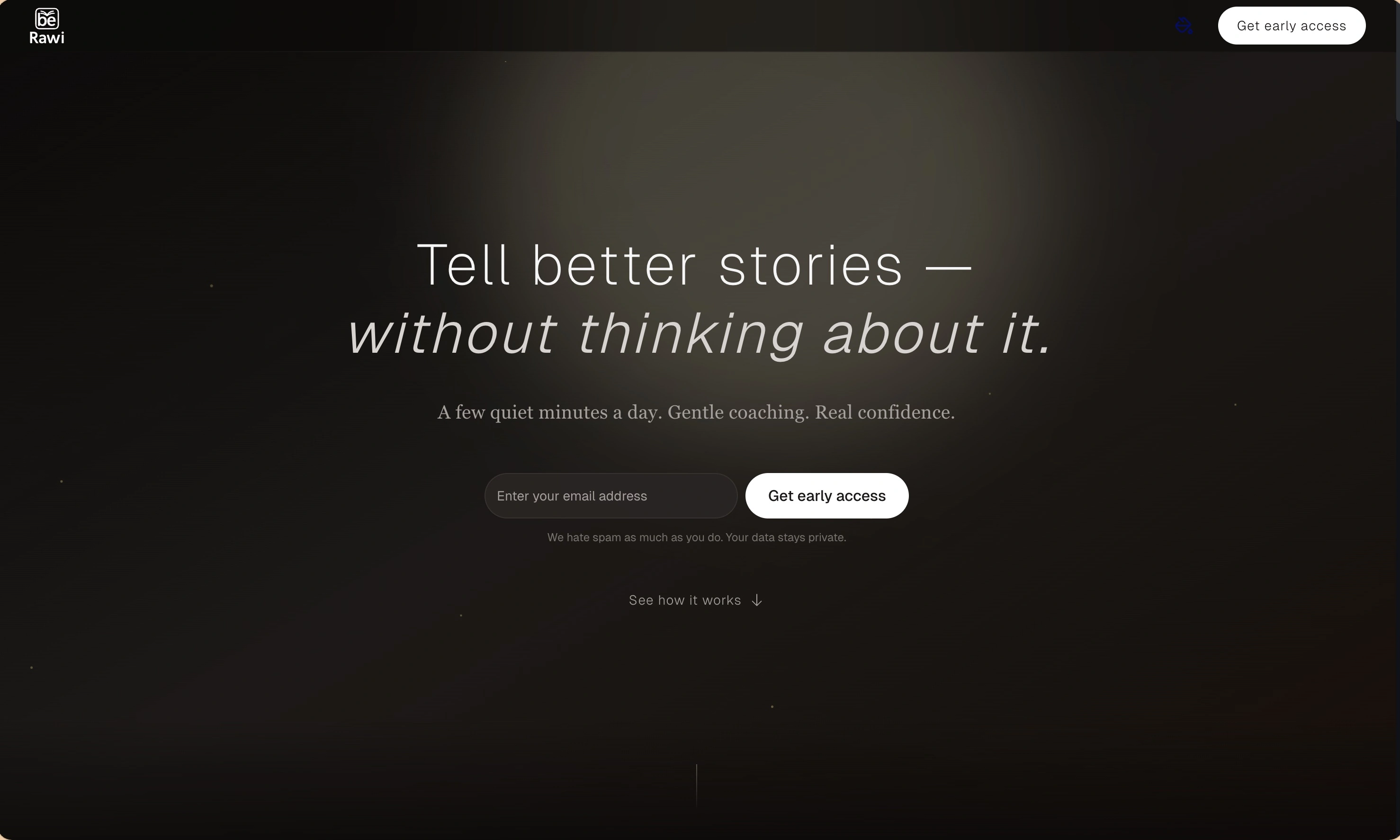
BeRawi: Storytelling Coach
Practice storytelling daily with instant feedback to sound clearer, more engaging, and confident 🎤
Omichat
Chat with 50+ AI models, including ChatGPT and Claude, in one place - switch models anytime without losing context 🤖
Claude Fast
Supercharge your Claude Code with 6x effective context window and specialized AI agents 🤖
EmojAI
AI-powered emoji picker with smart, context-aware suggestions 🤖
Solohacker
Autonomous company launcher - AI agents work 24/7, escalate what matters, and you stay in control 🤖
BeRawi: Storytelling Coach
Practice storytelling daily with instant feedback to sound clearer, more engaging, and confident 🎤
Omichat
Chat with 50+ AI models, including ChatGPT and Claude, in one place - switch models anytime without losing context 🤖
Claude Fast
Supercharge your Claude Code with 6x effective context window and specialized AI agents 🤖
EmojAI
AI-powered emoji picker with smart, context-aware suggestions 🤖
Solohacker
Autonomous company launcher - AI agents work 24/7, escalate what matters, and you stay in control 🤖
BeRawi: Storytelling Coach
Practice storytelling daily with instant feedback to sound clearer, more engaging, and confident 🎤
Omichat
Chat with 50+ AI models, including ChatGPT and Claude, in one place - switch models anytime without losing context 🤖
Claude Fast
Supercharge your Claude Code with 6x effective context window and specialized AI agents 🤖
EmojAI
AI-powered emoji picker with smart, context-aware suggestions 🤖
Solohacker
Autonomous company launcher - AI agents work 24/7, escalate what matters, and you stay in control 🤖
BeRawi: Storytelling Coach
Practice storytelling daily with instant feedback to sound clearer, more engaging, and confident 🎤

Connect with like-minded people
Join our community to get feedback, support, and grow together with 1,000+ builders on board, let's ship it!
Join usShip your startup everywhere. In minutes.
Don't burn tokens on setup and start building features on day one.