ClauseLens
Chrome extension that flags risky clauses in contracts, compares them to approved playbooks, and creates plain-English summaries for small teams.
What ClauseLens solves for people signing important agreements
Most people do not need a 40-page legal lecture when they receive a lease, job offer, freelance agreement, or service contract. They need fast, practical answers:
- What am I agreeing to?
- Which clauses could cost me money or limit my options?
- What dates, renewal windows, notice periods, or obligations can I not afford to miss?
- Which language is unusual enough that I should ask a lawyer about it?
- Can I understand this document before I sign it?
ClauseLens is an AI contract analysis SaaS designed around that need. Users upload common agreements and receive a structured, plain-English review that identifies costly clauses, material deadlines, potential risks, and follow-up questions.
The product should not position itself as a substitute for a licensed attorney. Its strongest market position is a document intelligence and contract-readiness layer: a fast way for consumers, freelancers, job candidates, landlords, tenants, and small businesses to understand an agreement before they commit.
That distinction matters. Legal advice is jurisdiction-specific and fact-dependent. ClauseLens can provide education, organization, issue spotting, and document summaries while directing users toward qualified legal help when a high-stakes risk appears.
The core promise
ClauseLens helps people see the practical implications of a contract before a deadline, signature, renewal, or dispute turns a confusing clause into an expensive problem.
Why an AI contract review SaaS has strong market potential
Contracts are everywhere, but legal comprehension is not. Individuals increasingly encounter professionally drafted agreements in everyday life, including residential leases, employment offers, contractor agreements, software subscriptions, service terms, non-disclosure agreements, and independent contractor arrangements.
The market opportunity is not simply “people need legal help.” It is more specific:
-
Legal support is often inaccessible for routine documents. A person may not want, be able to afford, or have time to hire counsel for every lease renewal or employment offer.
-
Generic contract templates are becoming more detailed. Businesses can generate sophisticated agreements quickly, which means the receiving party may face dense language, automatic renewals, arbitration provisions, restrictive covenants, and fee-shifting terms without understanding the consequences.
-
Deadlines are easy to miss. A contract can be understandable in broad terms but still costly because a renewal notice was due 30, 60, or 90 days before the end date.
-
AI adoption has changed user expectations. Users now expect immediate document summarization, contextual explanations, searchable insights, and action lists. The opportunity is to deliver those features responsibly in a high-trust category.
-
Small businesses need a middle layer. A business owner may need to review vendor contracts regularly but only escalate certain agreements to counsel. ClauseLens can help create an efficient first-pass review workflow.
The best initial product category is not “AI lawyer.” It is AI contract analyzer for everyday agreements, with strong document extraction, risk categorization, deadline tracking, and clear legal-safety guardrails.
Target audience for ClauseLens
ClauseLens should prioritize audiences based on document frequency, willingness to pay, urgency, and the financial consequences of overlooking a clause.
Primary audience: consumers with high-stakes personal documents
Consumers are likely to arrive through search when they have a specific document in hand and a pressing question. They may search for phrases such as:
- “Can AI review my lease?”
- “What clauses should I look for in a job offer?”
- “How do I check a service contract before signing?”
- “What does automatic renewal mean in a contract?”
- “How to find deadlines in a lease”
- “AI contract review tool”
High-value consumer use cases include:
- Residential tenants reviewing new leases and lease renewals
- Job candidates comparing employment offers
- Freelancers reviewing client service agreements
- Homeowners reviewing contractor proposals
- Consumers reviewing subscription or membership agreements
- Small landlords reviewing property-management and vendor agreements
Their primary need is clarity. They want a simple, direct explanation of what matters, what to ask, and what should be escalated.
Secondary audience: freelancers and independent consultants
Freelancers repeatedly face agreements involving payment schedules, intellectual property ownership, indemnification, liability caps, termination rights, non-solicitation clauses, and dispute resolution.
This segment is especially attractive because contract review is recurring rather than one-time. A freelance designer, consultant, developer, writer, or marketing specialist may receive multiple client agreements each quarter.
ClauseLens can help these users identify questions such as:
- Is the payment schedule clear?
- Does the client own all work product, including pre-existing templates?
- Can the client terminate without paying for completed work?
- Is my liability uncapped?
- Does the contract prevent me from working with competitors?
- Is there an acceptance period that delays payment?
Secondary audience: small business operators
Small businesses need a practical way to triage vendor agreements before sending selected contracts to an attorney. The ideal customer is not necessarily trying to eliminate legal counsel. They are trying to use legal counsel more efficiently.
For this audience, ClauseLens can evolve into a lightweight contract intake and review platform with:
- Shared document workspaces
- Approval workflows
- Risk policies by document type
- Clause comparison against preferred terms
- Centralized renewal calendars
- Internal notes and escalation records
- Exportable summaries for counsel
Audience segmentation priorities
| Segment | Primary document | Urgency | Buying trigger | Best initial offer |
|---|---|---|---|---|
| Tenants | Residential lease | High | Signing or renewal deadline | One-document review |
| Job candidates | Employment offer | High | Offer response deadline | Offer comparison and risk summary |
| Freelancers | Client service agreement | Medium to high | New client or project | Monthly document credits |
| Small businesses | Vendor contract | Medium | Renewal, procurement, compliance | Team subscription |
The market gap: contract intelligence without legal jargon
Existing contract-related products tend to fall into a few categories:
- Enterprise contract lifecycle management platforms
- General-purpose AI chat tools
- Attorney marketplaces and legal services
- Template libraries and document generators
- Contract redlining software for legal teams
- Consumer legal document services
Each category serves part of the problem, but there is a meaningful gap for ClauseLens.
Enterprise contract lifecycle management software is typically too expensive and complex for an individual or a small team. General AI assistants can summarize a document, but they may lack purpose-built clause taxonomy, deadline extraction, stable document organization, jurisdiction-aware caution, auditability, and user-facing risk workflows.
Attorney services are essential for bespoke legal advice, negotiations, litigation risk, and high-value matters. However, they are not always the right first step for someone who simply needs help understanding a standard contract and preparing intelligent questions.
ClauseLens can own the space between “I have no idea what this says” and “I need legal counsel to advise me.”
Its differentiated value comes from combining:
- Document-specific analysis rather than generic legal explainers
- Plain-English translation instead of only clause extraction
- Actionable issue spotting instead of broad summaries
- Deadline detection that turns dates into a usable checklist
- Risk-tiered guidance that clarifies what deserves professional review
- Recurring contract organization for users with more than one agreement
ClauseLens core features and solution design
A credible AI contract review platform needs more than a file upload box and a generic summary. The product experience should make the review process feel reliable, understandable, and safe.
Secure document upload and classification
The first experience should be simple. Users upload a PDF, DOCX, or readable image-based document. ClauseLens then identifies the likely agreement category, such as:
- Residential lease
- Employment agreement or job offer
- Independent contractor agreement
- Client services agreement
- Vendor agreement
- Non-disclosure agreement
- Subscription agreement
- Property management agreement
Document classification improves the quality of downstream analysis. A job offer should prioritize compensation, equity, probation, termination, restrictive covenants, and benefits. A lease should emphasize rent increases, deposits, repairs, renewal, late fees, subletting, notice requirements, and early termination.
Plain-English contract summary
The first result should be a concise, readable overview that answers the user’s immediate question: “What am I signing?”
A useful summary should cover:
- Parties to the agreement
- Effective date and contract term
- What each party must provide
- What the user must pay, perform, or avoid
- How either party can end the agreement
- Key financial commitments
- Material restrictions
- Important deadlines
- Clauses that need attention
The system should quote the relevant contract language alongside the explanation. This is important for trust. Users should be able to see the source text behind every AI-generated insight.
Costly clause detection
The central ClauseLens feature should be a risk scanner that surfaces clauses with practical financial, operational, or personal consequences.
Potential clause categories include:
- Automatic renewal
- Early termination fees
- Late payment penalties
- Rent escalation
- Price increase provisions
- Non-refundable deposits
- Broad indemnification
- Uncapped liability
- Fee shifting
- Arbitration and class action waivers
- Governing law and venue
- Non-compete and non-solicitation provisions
- Intellectual property assignment
- Confidentiality obligations
- Exclusivity restrictions
- One-sided modification rights
- Limitation of remedies
- Insurance requirements
- Personal guarantees
- Data processing obligations
The product should avoid declaring a clause “illegal,” “unenforceable,” or “bad” without appropriate legal context. A better approach is to explain the effect and level of attention needed.
For example:
This agreement includes automatic renewal language. If no written notice is sent at least 60 days before the end of the term, the agreement may renew for another 12 months. Consider confirming the notice method and adding the deadline to your calendar.
That phrasing is useful, accurate in spirit, and does not overreach into legal advice.
Deadline extraction and renewal calendar
Deadline tracking is one of the clearest sources of ongoing value. Many contracts are not harmful because of a single clause; they become harmful because someone misses a notice window.
ClauseLens should extract and organize:
- Signature deadlines
- Start and end dates
- Payment due dates
- Renewal notice periods
- Cancellation windows
- Review periods
- Cure periods
- Delivery milestones
- Option exercise dates
- Insurance certificate deadlines
- Notice addresses and methods
The system should distinguish between express dates and calculated deadlines. For example, if a lease ends on December 31 and requires 60 days’ notice, the product should calculate the likely notice deadline while clearly labeling it as a calculated date that the user should verify.
Risk scoring that users can understand
A single opaque “risk score” can be misleading. A better model combines severity with explanation.
Use categories such as:
- Needs immediate attention for high-impact clauses, imminent deadlines, or unclear financial exposure
- Worth reviewing for terms that may be negotiable or materially affect the user
- Standard but important for common clauses that users should understand
- Informational for administrative or low-impact provisions
Every flagged item should include four layers:
- The original clause text
- A plain-English explanation
- Why it could matter
- A suggested question or next step
This is where ClauseLens can create real user trust. The platform is not merely identifying legal vocabulary. It is translating contractual implications into decisions.
Ask-the-document chat with citations
A chat interface can be valuable when constrained properly. Users should be able to ask questions such as:
- “Can I terminate early?”
- “When does this renew?”
- “What happens if the client pays late?”
- “Does this give away ownership of my work?”
- “Where would a dispute be handled?”
Every response should cite relevant sections, page numbers where available, and the specific text used to generate the answer. If the answer is not found in the document, the product should say so instead of guessing.
Trust requirement
For a legal document AI product, unsupported answers are more damaging than incomplete answers. ClauseLens should default to “I could not locate that term in this document” when evidence is weak.
Product workflow for a document trial
The product’s initial funnel should use a document trial. This aligns with user intent because people often arrive with one urgent document rather than an abstract desire for a subscription.
Upload a lease, offer letter, service contract, or other supported agreement.
Confirm document type and tell ClauseLens what matters most, such as termination, payment, renewal, intellectual property, or deadlines.
Receive a structured overview with key terms, risk flags, extracted dates, and plain-English explanations.
Open the source text for every insight and create a list of questions to ask the other party or a qualified lawyer.
Subscribe to save documents, track future deadlines, compare agreements, and receive ongoing contract monitoring.
The trial should show meaningful value, not just a teaser. A limited free report can provide a contract summary and a small number of priority flags. The paid plan can unlock full clause analysis, source citations, Q&A, calendar reminders, exports, and document storage.
Recommended AI contract analysis tech stack
ClauseLens handles sensitive documents, complex extraction workflows, asynchronous processing, and high expectations around accuracy. The technology architecture should optimize for security, explainability, and iteration speed.
Frontend and application layer
A modern TypeScript stack is well suited to this product.
- Next.js provides a strong foundation for the web application, server rendering, route handlers, and authenticated product workflows.
- React supports a responsive document viewer, clause panels, filters, and interactive chat experiences.
- Tailwind CSS enables fast, consistent interface development without sacrificing design-system discipline.
- TypeScript reduces avoidable errors across the UI, API contracts, and document-processing workflow.
For founders moving quickly, TurboStarter can reduce setup time by providing an opinionated SaaS foundation for authentication, payments, dashboards, and common product infrastructure.
Data storage and document processing
A production-ready architecture should separate raw files from structured analysis data.
- Store original files in private object storage with short-lived signed access URLs.
- Store document metadata, extracted sections, user preferences, review results, and audit events in a relational database.
- Use background jobs for OCR, parsing, chunking, AI extraction, and notification scheduling.
- Apply encryption in transit and at rest.
- Define retention controls so users can delete uploaded documents and associated derived data.
For structured application data, PostgreSQL is a reliable choice. Its relational model is useful for linking a document to clauses, deadlines, review sessions, user questions, notification events, and organization memberships.
OCR and document extraction trade-offs
PDFs are not uniform. Some contain clean text layers, while others are scanned images, poorly formatted exports, or documents with tables and handwritten annotations.
A resilient pipeline should include:
- File validation and malware scanning
- Text-layer extraction when available
- OCR fallback for image-based PDFs
- Page-level quality assessment
- Section and heading detection
- Clause segmentation
- Extraction confidence scoring
The trade-off is cost versus accuracy. Lightweight text extraction is fast and inexpensive for clean PDFs. OCR adds cost and latency but is necessary for a broad consumer use case. Start by supporting high-quality PDFs and DOCX files, then add scanned-document support with transparent confidence labels.
LLM orchestration and retrieval
The AI layer should not ask a model to “read a contract and tell me everything.” That approach is difficult to test, expensive at scale, and likely to produce inconsistent results.
Instead, use a structured pipeline:
type ClauseFinding = {
  category: string;
  severity: "informational" | "review" | "attention";
  sourceText: string;
  pageReference?: string;
  explanation: string;
  practicalImpact: string;
  suggestedQuestion?: string;
  confidence: number;
};

async function analyzeContract(documentText: string) {
  const sections = segmentContract(documentText);
  const extractedTerms = await extractStructuredTerms(sections);
  const findings = await identifyRiskClauses(sections, extractedTerms);

  return validateFindings(findings);
}
A robust system uses multiple passes:
- Deterministic extraction for dates, names, currency amounts, addresses, and headings
- Structured LLM extraction for clause categories and obligations
- Retrieval-grounded Q&A that answers only from relevant contract sections
- Rules-based checks for patterns such as automatic renewal, arbitration, or notice requirements
- Validation passes that compare generated summaries against source excerpts
The trade-off is engineering complexity. However, this approach offers better explainability, more repeatable outputs, and clearer quality assurance than a single prompt.
Security and privacy requirements
Trust is a feature, not a footer link. Users may upload employment terms, salary information, signatures, addresses, personal identification details, and confidential business arrangements.
ClauseLens should adopt security practices early:
- Private-by-default file storage
- Strong authentication and session management
- Role-based access for teams
- Encryption at rest and in transit
- Clear data retention and deletion controls
- Vendor assessments for AI and storage providers
- Logging that avoids exposing raw contract text
- Explicit controls around model training and customer data use
- Incident response procedures
- Regular penetration testing as the platform matures
For enterprise customers, prepare for security questionnaires and consider a roadmap toward recognized security standards. Do not claim compliance certifications until they are independently achieved.
Monetization strategy for ClauseLens
The most effective pricing model combines an accessible first-document experience with subscriptions for recurring value.
Document trial and paid single review
A document trial gives users a low-friction way to validate the product. It should produce a meaningful output, such as a summary, top issues, and a sample of extracted deadlines.
A paid single-document review can serve users with an urgent lease or job offer. This reduces the barrier for one-time customers and creates a natural path to subscription.
Possible packaging includes:
- Free trial with limited findings
- One-time full report for a single document
- Add-on for additional document types or exports
- Optional premium escalation resources, clearly separated from legal advice
Individual subscription
An individual plan should target tenants, job seekers, and freelancers who need continuous access.
Include features such as:
- A monthly document allowance
- Full clause and deadline analysis
- Document Q&A with citations
- Renewal and notice reminders
- Saved document history
- Comparison between two versions
- Downloadable summary reports
- Priority support
The strongest retention lever is not unlimited uploads. It is ongoing deadline visibility. If a user can see upcoming renewal windows and cancellation dates in one dashboard, ClauseLens remains useful after the first review.
Team and business pricing
For small teams, price around collaboration and workflow rather than only document volume.
Business features can include:
- Shared workspace
- User roles and permissions
- Approval tracking
- Contract repository
- Renewal calendar
- Standard clause playbooks
- Shared comments
- Internal risk policies
- Exportable review reports
- API or integration roadmap
A low-commitment document review experience works best. The message should focus on understanding a specific agreement before signing.
A monthly plan should focus on protecting payment terms, intellectual property, scope, and termination rights across recurring client work.
A seat-based or workspace plan should focus on contract intake, renewal management, consistent review standards, and efficient legal escalation.
Competitive advantage: why ClauseLens can stand out
ClauseLens should not compete by claiming the most advanced model or the broadest legal coverage. Those claims are difficult to defend and may create unnecessary regulatory and trust risk.
Its advantage should be a focused user experience for common, consequential agreements.
A specialized clause taxonomy
Generic AI summarizes text. ClauseLens should identify contract patterns that users actually care about, including renewal windows, financial exposure, termination consequences, ownership rights, restrictive covenants, and dispute provisions.
A maintained clause taxonomy gives the product a defensible layer of domain expertise. Over time, it can improve through carefully reviewed examples, evaluation datasets, user feedback, and legal expert input.
Source-grounded explanations
Every important finding should lead back to the original text. This helps users verify the result and reduces the “black box” problem common in AI products.
The interface should make citations easy to inspect:
- Highlighted source clause
- Page or section reference
- Exact extracted language
- Explanation of the practical implication
- Confidence and limitation notes where appropriate
Audience-specific review modes
A lease reviewer should not look like a vendor contract reviewer. ClauseLens can offer tailored checklists based on the agreement type and user role.
For example:
Lease review mode
Focus on rent, deposits, repairs, occupancy, subletting, notices, renewal, and early termination.
Job offer review mode
Focus on compensation, equity, at-will status, benefits, confidentiality, inventions, and restrictive covenants.
Service contract review mode
Focus on payment, scope, change requests, intellectual property, liability, indemnity, and termination.
Responsible escalation instead of false certainty
The best trust signal is knowing when to stop. ClauseLens should flag issues that may warrant professional review, especially when they involve:
- Significant financial exposure
- Real estate rights and obligations
- Employment restrictions
- Intellectual property transfer
- Personal guarantees
- Regulatory obligations
- Unclear or conflicting language
- Dispute clauses in unfamiliar jurisdictions
This creates a credible and safer product than one that promises definitive legal answers from an uploaded file.
Risks and mitigation for an AI legal document platform
A ClauseLens launch plan must address real operational, legal, and reputational risks.
Risk of unauthorized practice of law
The product must avoid presenting itself as a law firm, attorney, or provider of individualized legal advice. The product language, interface, outputs, and support workflows all matter.
Mitigation steps include:
- Use clear educational and informational disclaimers
- Avoid conclusive legal judgments
- Present issue spotting and questions, not legal directives
- Encourage review by a qualified lawyer for high-stakes matters
- Consult qualified legal counsel on product positioning and jurisdictional requirements
- Keep a documented policy for prohibited output types
Risk of hallucinations and missed clauses
An AI model can misread text, infer unsupported facts, overlook exceptions, or provide incomplete summaries.
Mitigation should include:
- Source citations for all material findings
- Confidence thresholds and “not found” behavior
- Automated evaluation sets across document categories
- Human expert review of core taxonomies and prompt changes
- Versioned analysis outputs
- User feedback controls for incorrect findings
- Explicit warnings about OCR quality and incomplete uploads
Risk of privacy failures
Contracts may include confidential information and personal data. A breach could severely damage the company.
Mitigation should include:
- Minimize data collection
- Restrict internal access to raw documents
- Encrypt sensitive content
- Establish deletion workflows
- Review third-party processor terms
- Publish a precise privacy policy
- Build incident response and notification procedures before scale
Risk of users relying on the platform for urgent legal decisions
Some users may make material decisions based on an AI summary alone.
Mitigation should include contextual warnings when the system identifies high-impact terms. Instead of a generic disclaimer hidden in the footer, use timely language near the relevant finding:
This clause may materially affect your rights or financial obligations. Consider asking a qualified lawyer in the relevant jurisdiction before signing.
No. The product should help users understand document language, find material terms, organize deadlines, and prepare questions. Individualized legal advice should be provided by qualified legal professionals who can assess the user’s facts and jurisdiction.
Yes, but it should begin with careful scope control. Contract language, enforceability, consumer protections, employment rules, and landlord-tenant requirements vary by location. Start with general contract comprehension and clearly label jurisdiction-sensitive issues for professional review.
Trust comes from transparent source citations, clear limitations, accurate extraction, practical explanations, privacy controls, and a product that does not pretend to know more than the evidence supports.
SEO strategy for ClauseLens content acquisition
The best organic growth opportunity comes from high-intent educational content linked to the product workflow. People rarely search for “contract intelligence platform” before they have a problem. They search for a clause, deadline, or document type.
Build topic clusters around the primary keyword AI contract review and related terms such as AI contract analyzer, lease agreement review, job offer clause checker, service agreement review, contract deadline tracker, and plain-English contract summary.
High-intent content clusters
Create detailed, expert-reviewed pages around practical questions:
- How to review a lease before signing
- What to look for in a job offer letter
- Automatic renewal clause explained
- How to find contract cancellation deadlines
- What an indemnification clause means
- What to check in a freelance contract
- Intellectual property assignment clause explained
- Arbitration clause in a contract explained
- How to compare two versions of a contract
- Early termination clause explained
Each article should include:
- A direct answer near the beginning
- A plain-language definition
- Practical examples
- A checklist
- Questions readers can ask
- A reminder that legal effect can vary by jurisdiction
- A contextual path to upload a document to ClauseLens
Avoid publishing thin pages that merely define legal vocabulary. The content should demonstrate real practical expertise through scenario-based guidance, structured checklists, and careful explanations of limitations.
For statistics, market sizing, or regulatory claims, cite the original source in the editorial workflow. Good candidates include government agencies, court systems, academic research, and established legal or industry organizations. Verify publication dates and methodology before using numerical claims.
Actionable implementation plan
ClauseLens should launch with a narrow, reliable product rather than trying to support every contract type and every legal question from day one.
Phase one: validate the document trial
Start with three high-demand document categories:
- Residential leases
- Job offers and employment agreements
- Freelance or client service agreements
Build the smallest useful experience:
- Secure upload
- Document type selection
- Text extraction
- Summary of key terms
- Detection of 10 to 20 high-value clause categories
- Deadline extraction
- Source citations
- Clear disclaimer and escalation guidance
- Paid full-report conversion
Measure:
- Upload-to-completion rate
- Time to first useful result
- Trial-to-paid conversion
- Most-clicked clause categories
- User-reported accuracy
- Support requests by document type
- Repeat document uploads
Phase two: strengthen quality and retention
After proving demand, add features that increase repeat use:
- Deadline reminders
- Saved document vault
- Document comparison
- Ask-the-document chat
- Personalized review priorities
- Exports for lawyers or counterparties
- Feedback-driven accuracy improvements
Phase three: expand into small-business workflow
Once consumer and freelancer use cases are stable, add:
- Team workspaces
- Role-based access
- Contract approval states
- Shared notes
- Renewal dashboards
- Clause policy templates
- Integrations with calendar and storage systems
The key strategic discipline is to preserve the original product promise. ClauseLens should remain fast and understandable for the person with a contract in front of them, even as the platform gains business workflow capabilities.
Build ClauseLens around clarity, evidence, and trust
The most compelling version of ClauseLens is not an AI tool that claims to replace legal professionals. It is a reliable contract review companion that helps users identify what matters before they sign, miss a deadline, or accept an avoidable risk.
Its unique selling proposition is clear: ClauseLens translates common agreements into plain English, surfaces costly clauses and critical deadlines, and shows users the exact contract language behind every insight.
That combination creates value for a tenant reviewing a lease tonight, a candidate deciding on an offer tomorrow, a freelancer protecting their work next week, and a small business managing recurring agreements all year.
The winning execution depends on disciplined scope, source-grounded outputs, rigorous privacy controls, and transparent escalation when a document needs professional legal review. Start with a document trial that solves one urgent user problem exceptionally well, then turn deadline tracking and repeat analysis into a subscription-worthy workflow.
More 🤖 AI Startup SaaS ideas
Discover more innovative ai startup SaaS ideas that are trending in 2026. Each idea is AI-generated with market validation and growth potential to help you find your next profitable venture faster than competitors.
Your competitors are building with TurboStarter
Below are some of the SaaS ideas that have been generated and built with our starter kit.
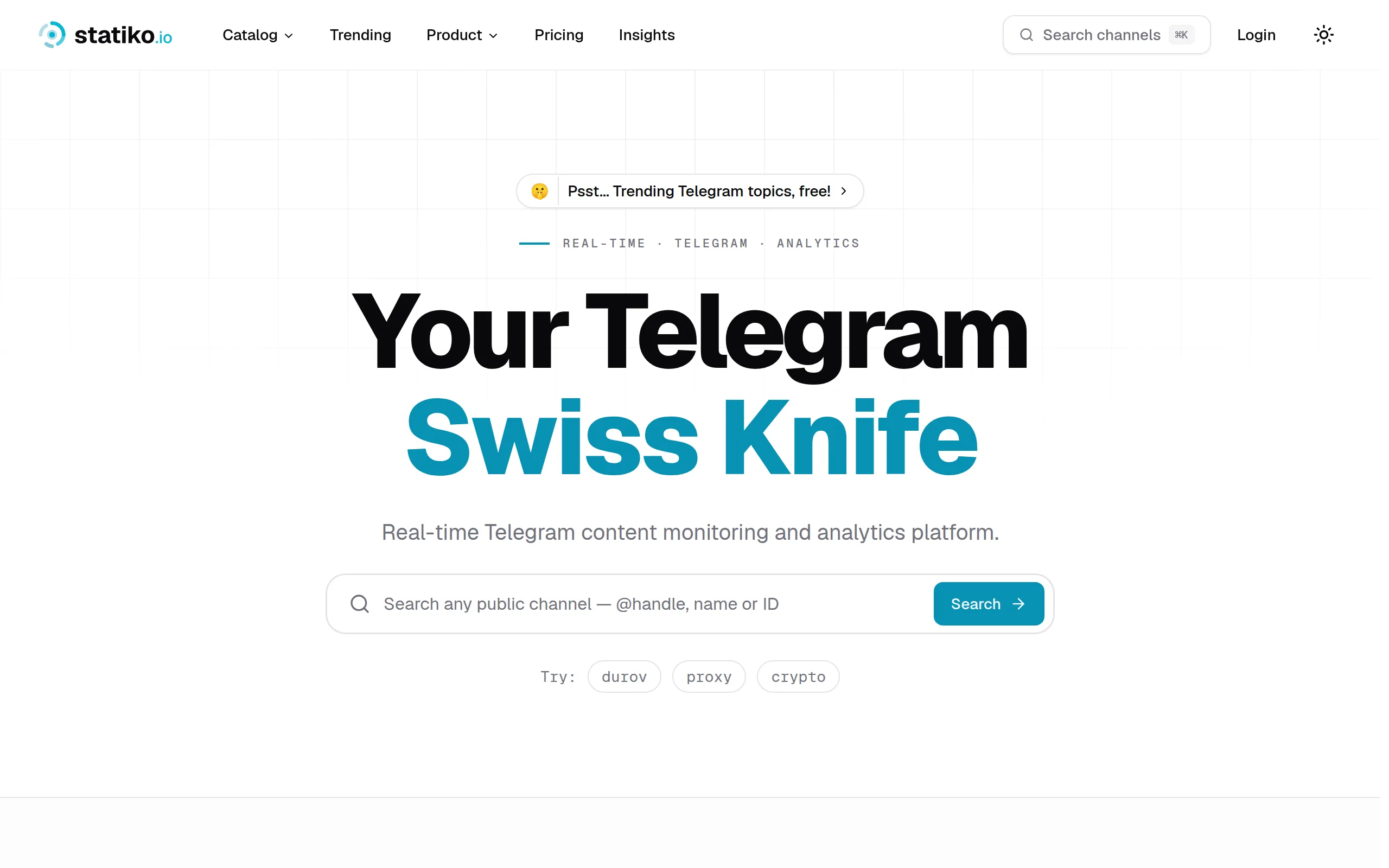
Statiko
Monitor any Telegram channel in real time - track posts, edits, deletions, and growth with AI recaps 📡
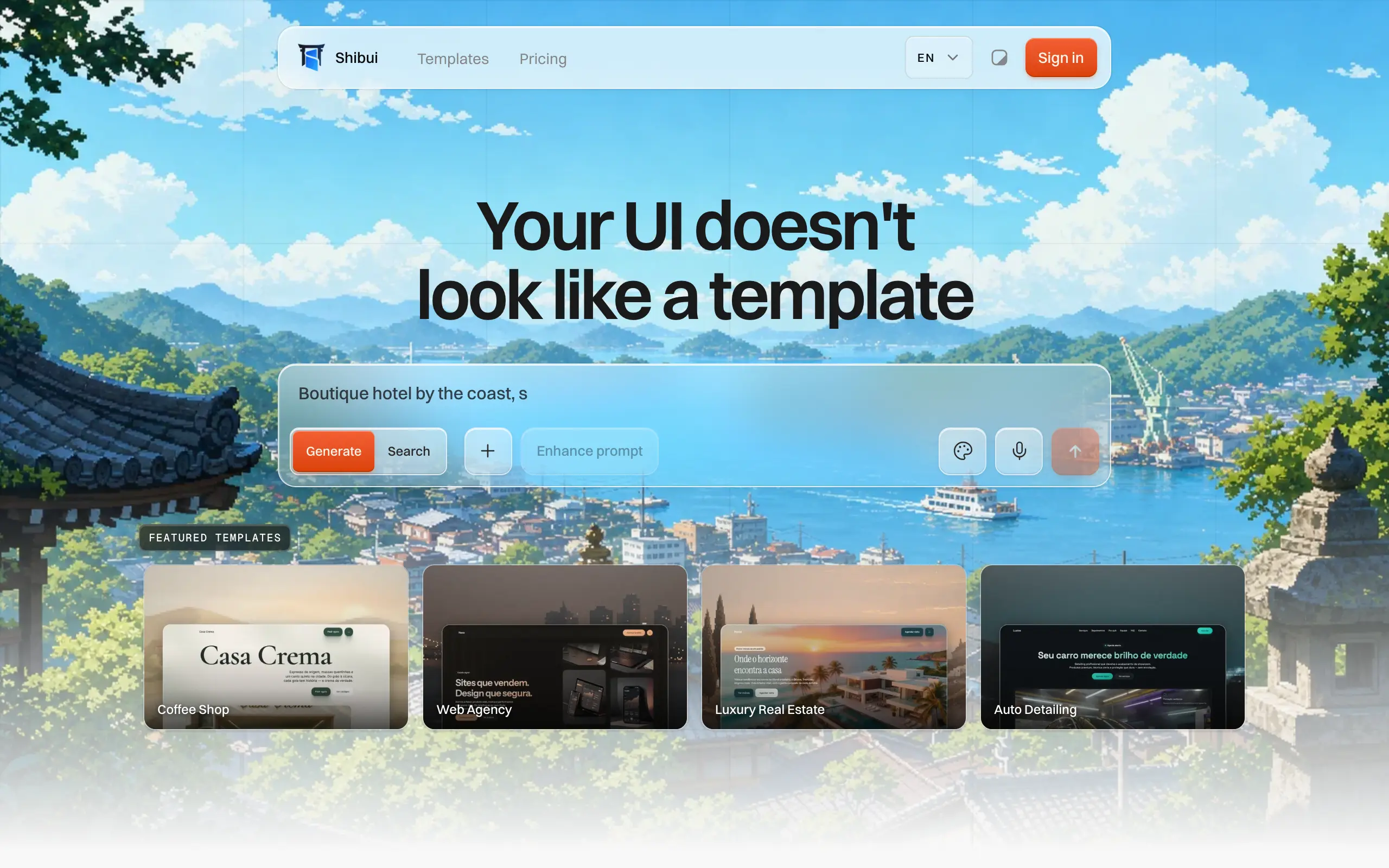
Shibui
AI website builder - describe your business, pick a niche template, edit by chatting, and publish instantly ✨

Pro Service
Find verified home service professionals, compare quotes, and pay securely through escrow - built for Brazilians across the US 🏠
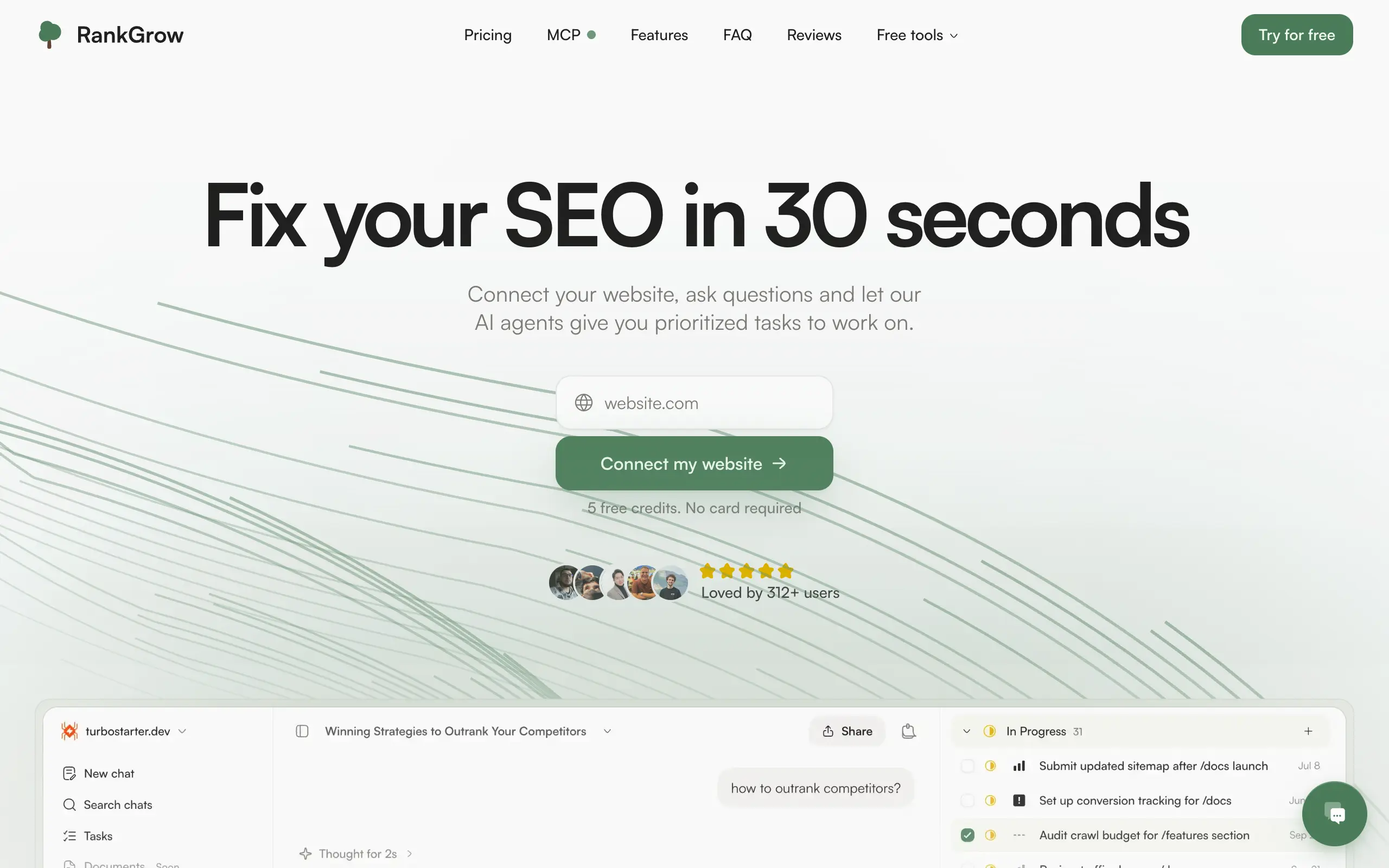
RankGrow
Fix your SEO with AI agents - connect Search Console, get prioritized tasks, and grow organic traffic 📈
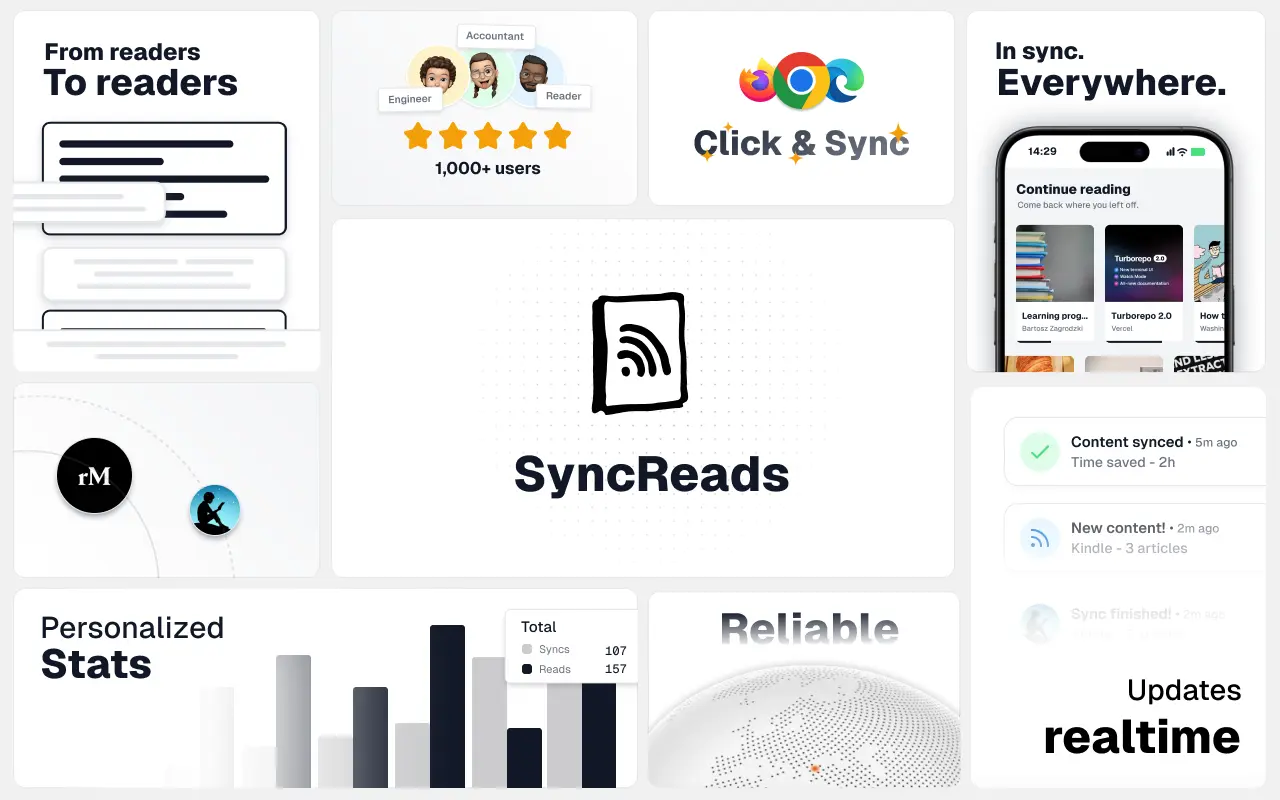
SyncReads
Sync your favorite content for distraction-free reading, save time and replace multiple apps. Anytime, anywhere 🔄
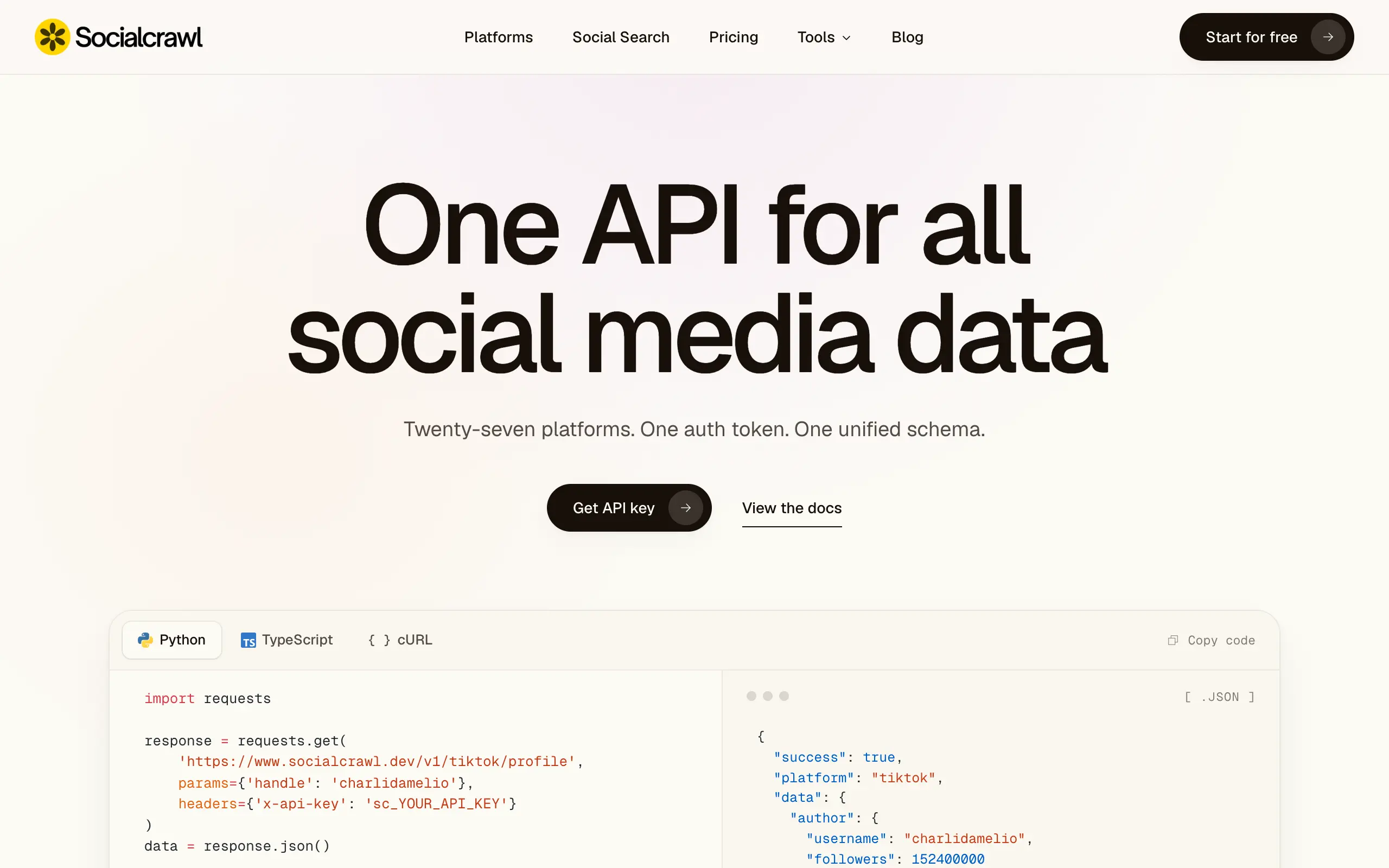
Socialcrawl
Get clean, structured data from 21 platforms like TikTok, Instagram, and YouTube with a single request 📊
Statiko
Monitor any Telegram channel in real time - track posts, edits, deletions, and growth with AI recaps 📡
Shibui
AI website builder - describe your business, pick a niche template, edit by chatting, and publish instantly ✨
Pro Service
Find verified home service professionals, compare quotes, and pay securely through escrow - built for Brazilians across the US 🏠
RankGrow
Fix your SEO with AI agents - connect Search Console, get prioritized tasks, and grow organic traffic 📈
SyncReads
Sync your favorite content for distraction-free reading, save time and replace multiple apps. Anytime, anywhere 🔄
Socialcrawl
Get clean, structured data from 21 platforms like TikTok, Instagram, and YouTube with a single request 📊
Statiko
Monitor any Telegram channel in real time - track posts, edits, deletions, and growth with AI recaps 📡
Shibui
AI website builder - describe your business, pick a niche template, edit by chatting, and publish instantly ✨
Pro Service
Find verified home service professionals, compare quotes, and pay securely through escrow - built for Brazilians across the US 🏠
RankGrow
Fix your SEO with AI agents - connect Search Console, get prioritized tasks, and grow organic traffic 📈
SyncReads
Sync your favorite content for distraction-free reading, save time and replace multiple apps. Anytime, anywhere 🔄
Socialcrawl
Get clean, structured data from 21 platforms like TikTok, Instagram, and YouTube with a single request 📊
Statiko
Monitor any Telegram channel in real time - track posts, edits, deletions, and growth with AI recaps 📡
Shibui
AI website builder - describe your business, pick a niche template, edit by chatting, and publish instantly ✨
Pro Service
Find verified home service professionals, compare quotes, and pay securely through escrow - built for Brazilians across the US 🏠
RankGrow
Fix your SEO with AI agents - connect Search Console, get prioritized tasks, and grow organic traffic 📈
SyncReads
Sync your favorite content for distraction-free reading, save time and replace multiple apps. Anytime, anywhere 🔄
Socialcrawl
Get clean, structured data from 21 platforms like TikTok, Instagram, and YouTube with a single request 📊
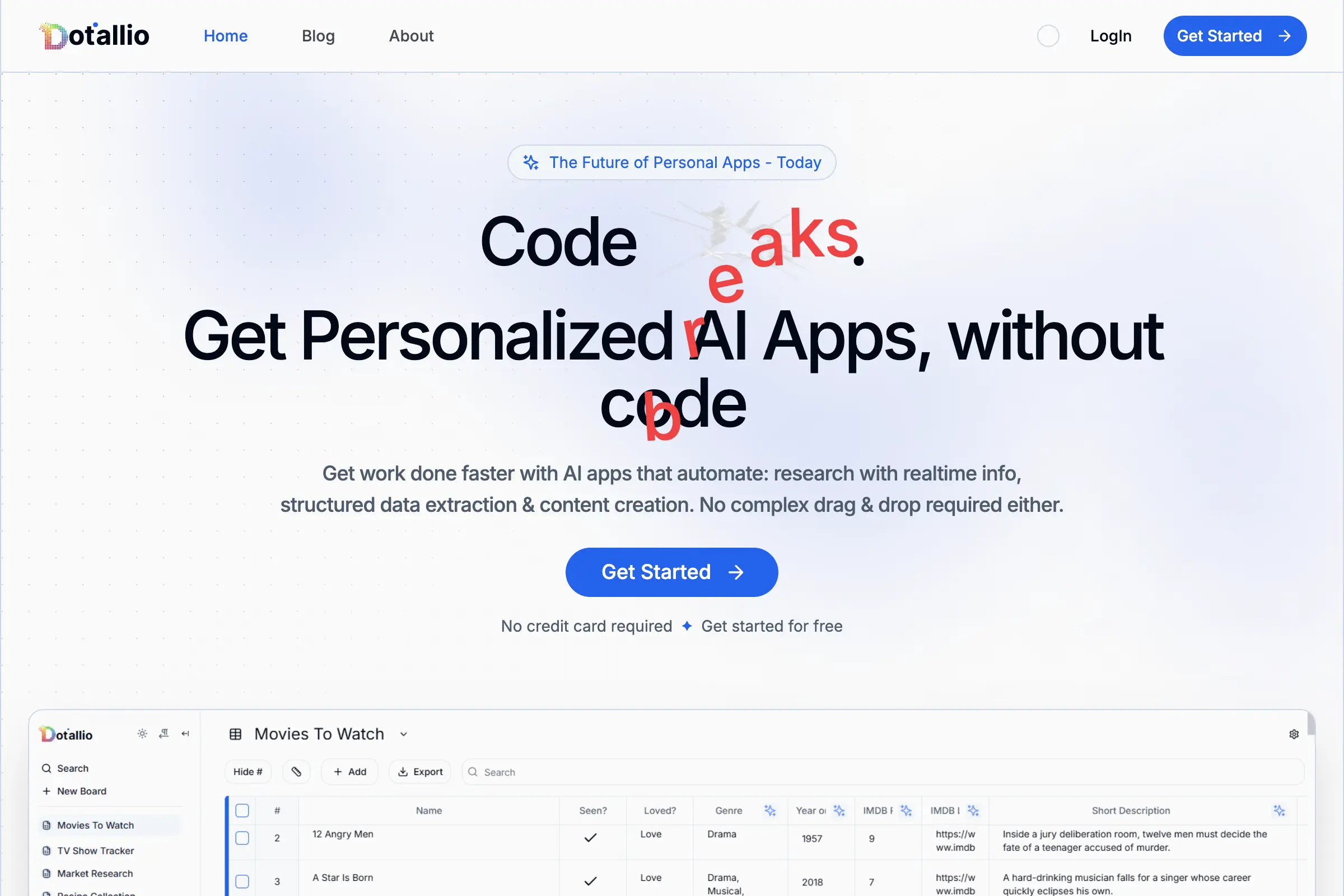
Dotallio
Personalized AI apps that automate research, data extraction, and content creation without code 🤖
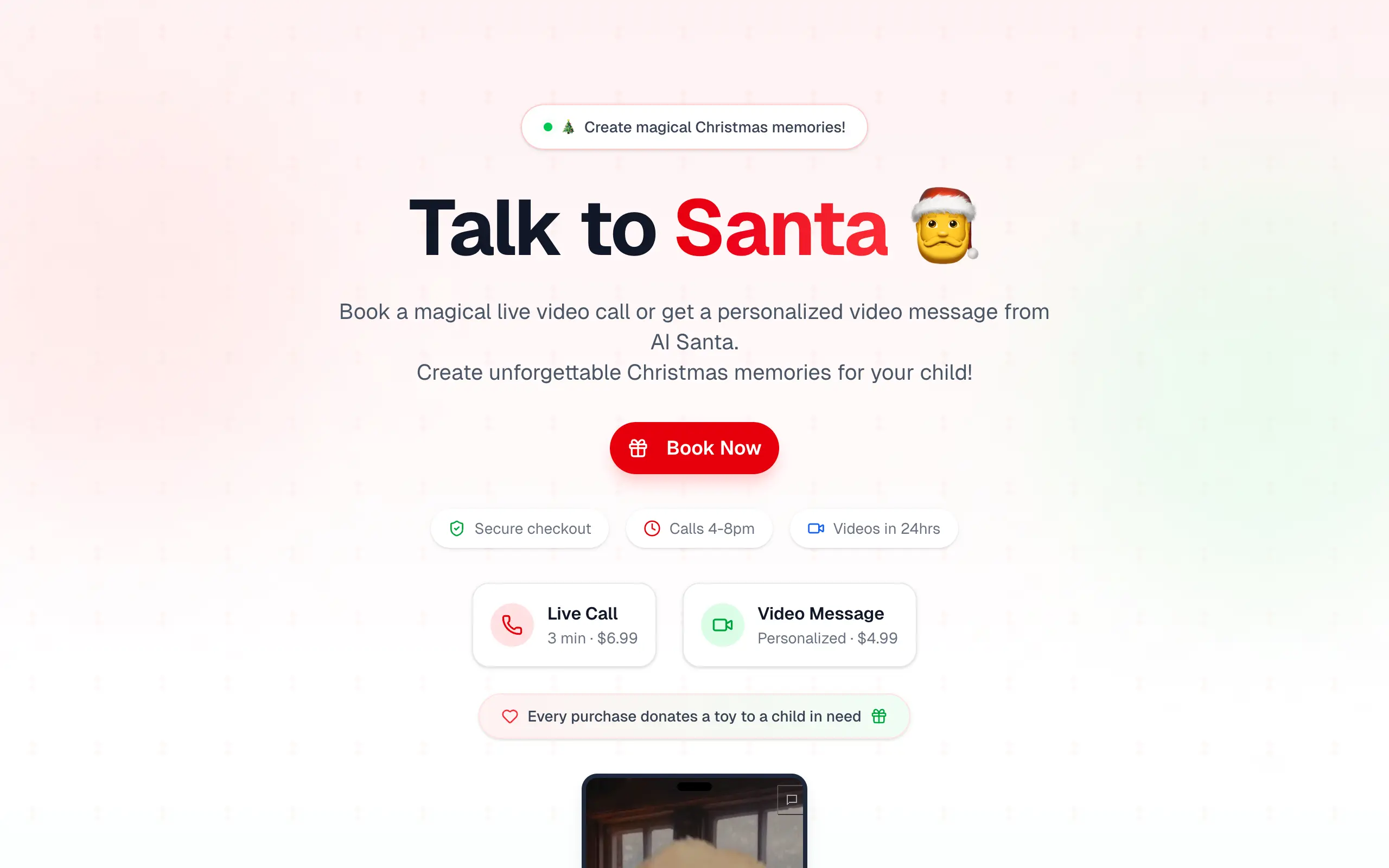
Talk to Santa
Enjoy a magical live video chat or receive a unique AI-generated video greeting from Santa Claus 🎅
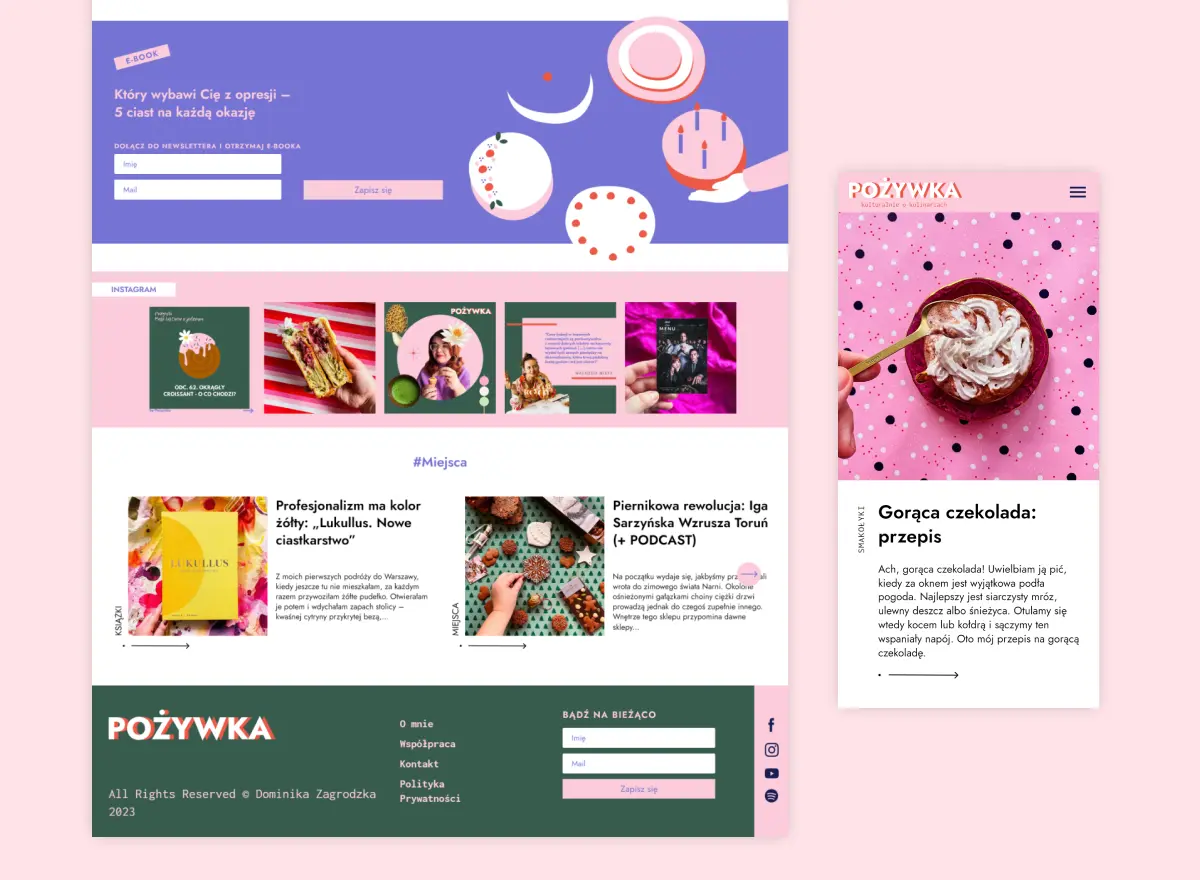
pozywka.pl
Scalable blog for food journalist, focused on performance and user experience 🌭
zagrodzki.me
Personal blog and portfolio of Bart Zagrodzki, where he shares his knowledge and work 💼
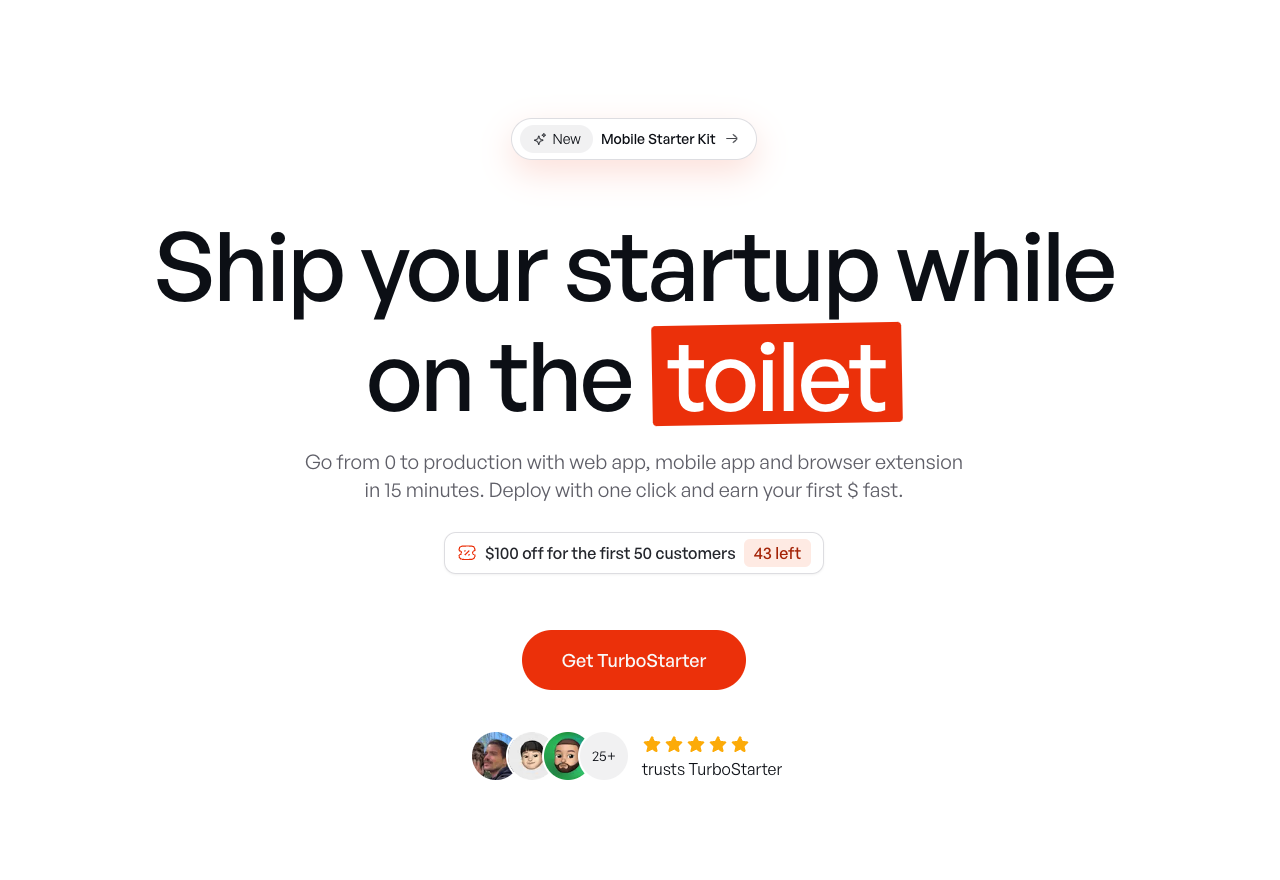
TurboStarter
Ship your startup everywhere. In minutes.
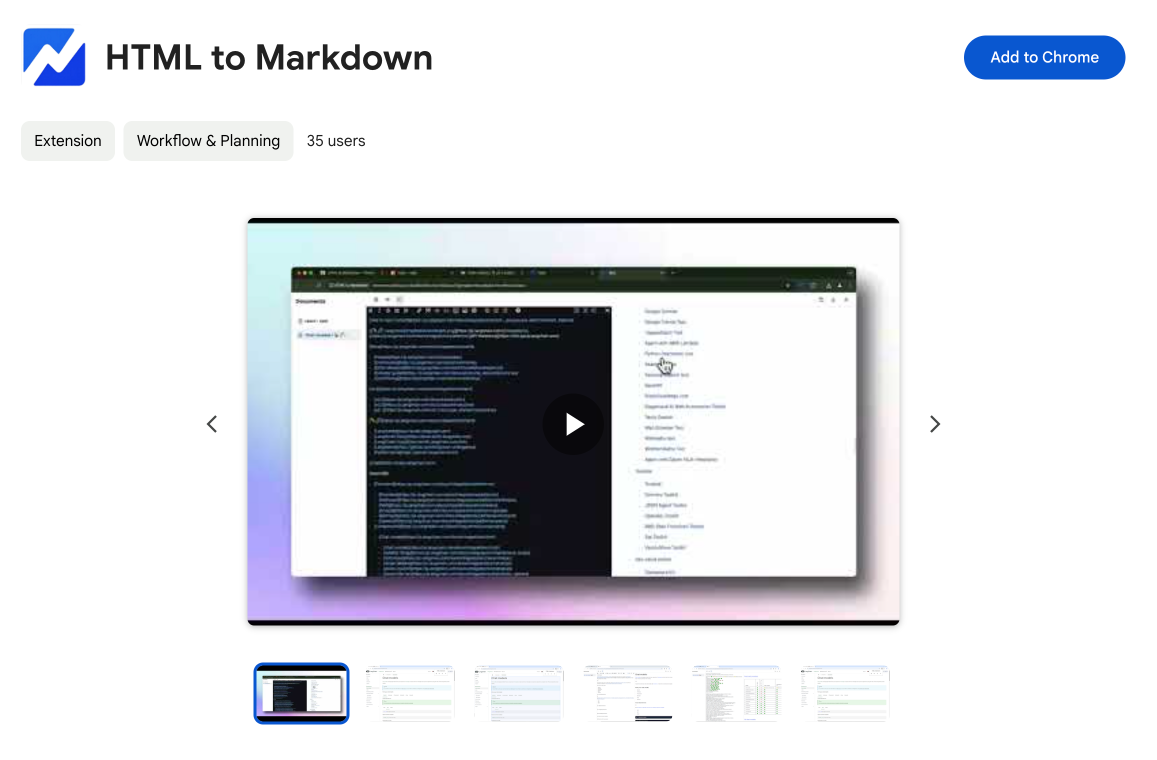
HTML to Markdown
Convert HTML to Markdown with ease, directly in your browser 📄
Dotallio
Personalized AI apps that automate research, data extraction, and content creation without code 🤖
Talk to Santa
Enjoy a magical live video chat or receive a unique AI-generated video greeting from Santa Claus 🎅
pozywka.pl
Scalable blog for food journalist, focused on performance and user experience 🌭
zagrodzki.me
Personal blog and portfolio of Bart Zagrodzki, where he shares his knowledge and work 💼
TurboStarter
Ship your startup everywhere. In minutes.
HTML to Markdown
Convert HTML to Markdown with ease, directly in your browser 📄
Dotallio
Personalized AI apps that automate research, data extraction, and content creation without code 🤖
Talk to Santa
Enjoy a magical live video chat or receive a unique AI-generated video greeting from Santa Claus 🎅
pozywka.pl
Scalable blog for food journalist, focused on performance and user experience 🌭
zagrodzki.me
Personal blog and portfolio of Bart Zagrodzki, where he shares his knowledge and work 💼
TurboStarter
Ship your startup everywhere. In minutes.
HTML to Markdown
Convert HTML to Markdown with ease, directly in your browser 📄
Dotallio
Personalized AI apps that automate research, data extraction, and content creation without code 🤖
Talk to Santa
Enjoy a magical live video chat or receive a unique AI-generated video greeting from Santa Claus 🎅
pozywka.pl
Scalable blog for food journalist, focused on performance and user experience 🌭
zagrodzki.me
Personal blog and portfolio of Bart Zagrodzki, where he shares his knowledge and work 💼
TurboStarter
Ship your startup everywhere. In minutes.
HTML to Markdown
Convert HTML to Markdown with ease, directly in your browser 📄
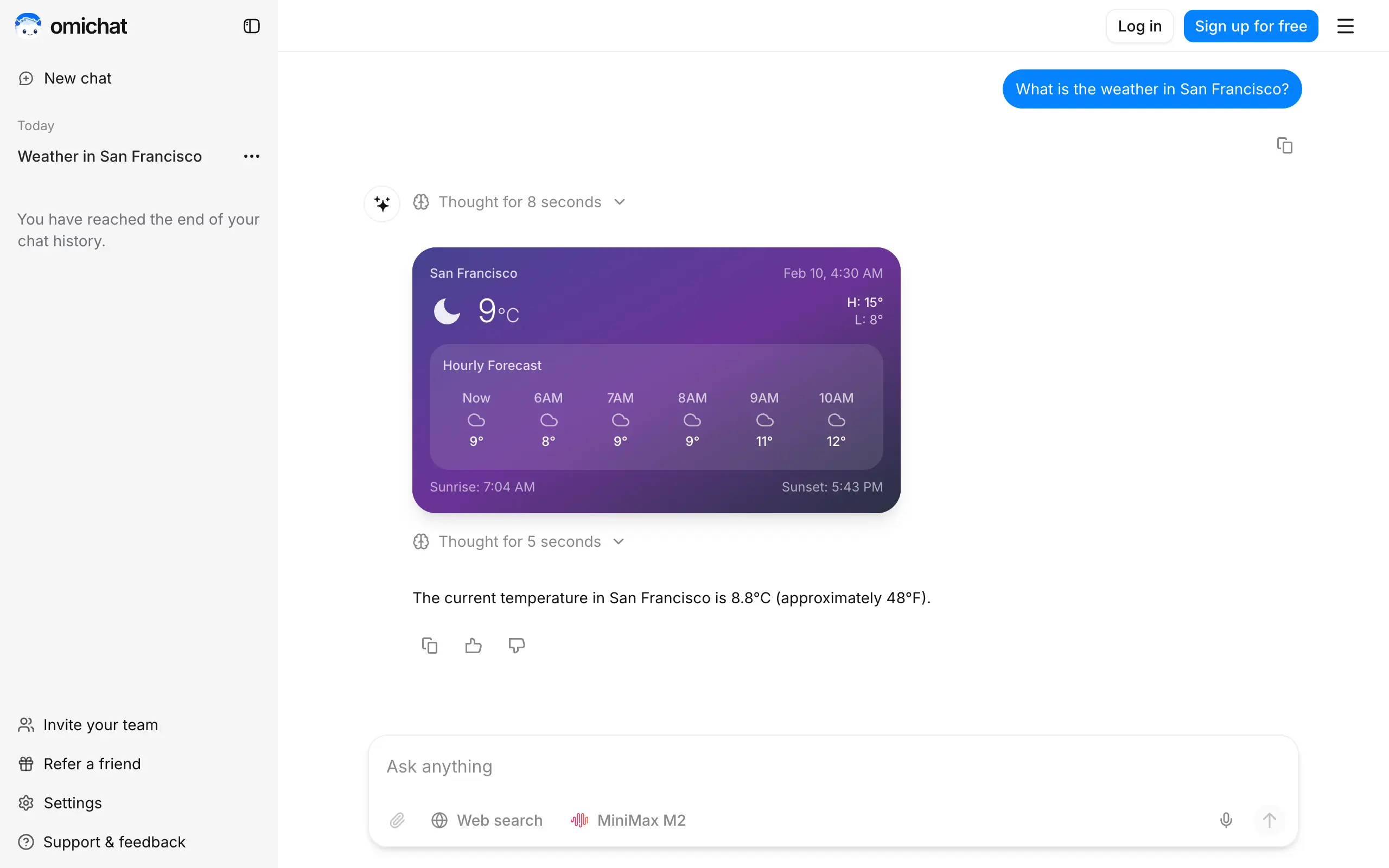
Omichat
Chat with 50+ AI models, including ChatGPT and Claude, in one place - switch models anytime without losing context 🤖
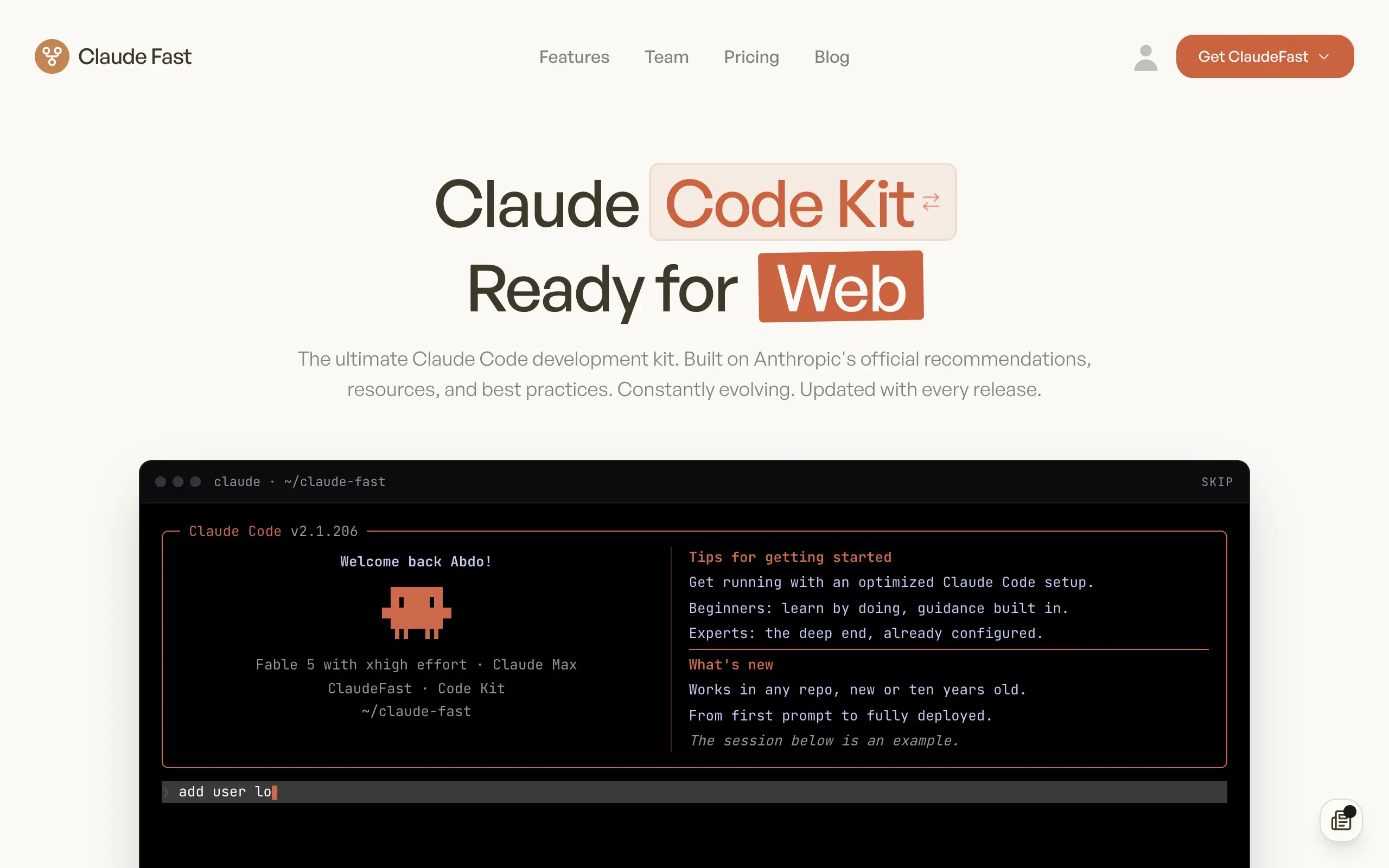
Claude Fast
Supercharge your Claude Code with 6x effective context window and specialized AI agents 🤖
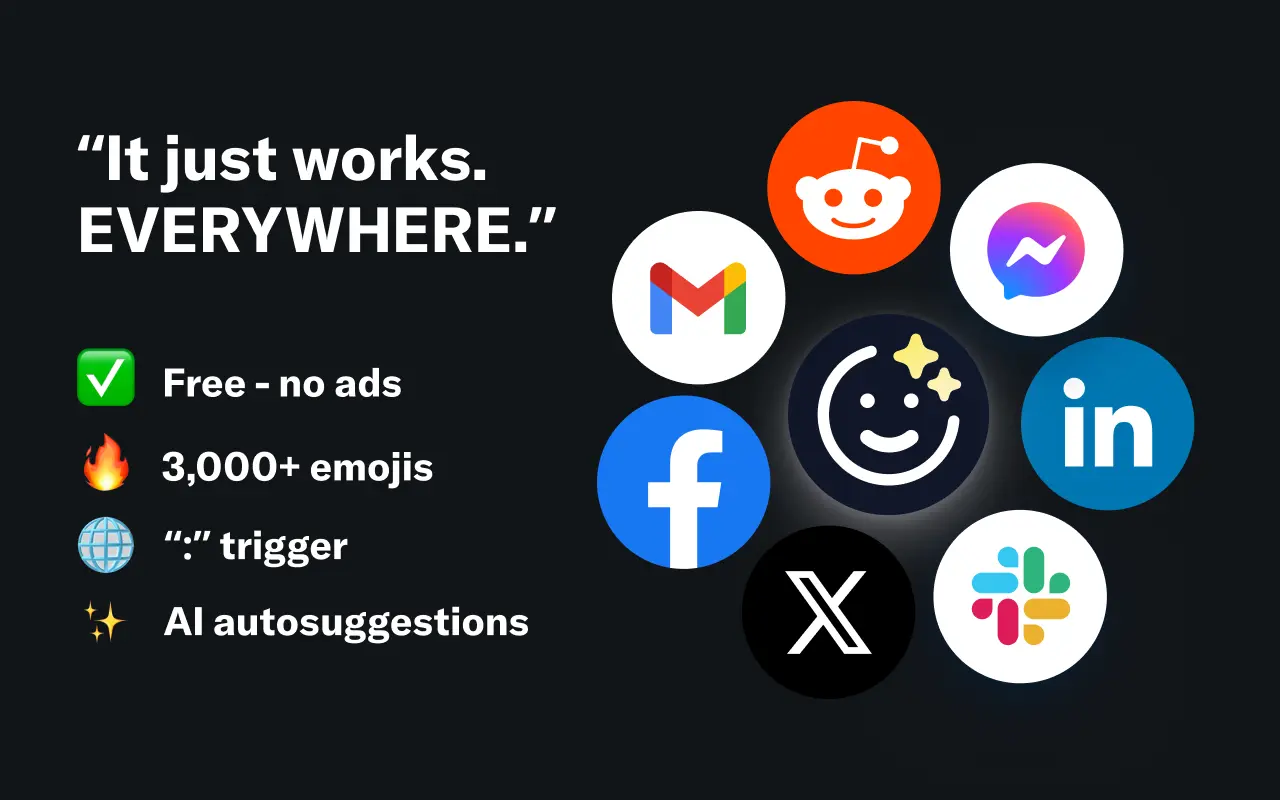
EmojAI
AI-powered emoji picker with smart, context-aware suggestions 🤖
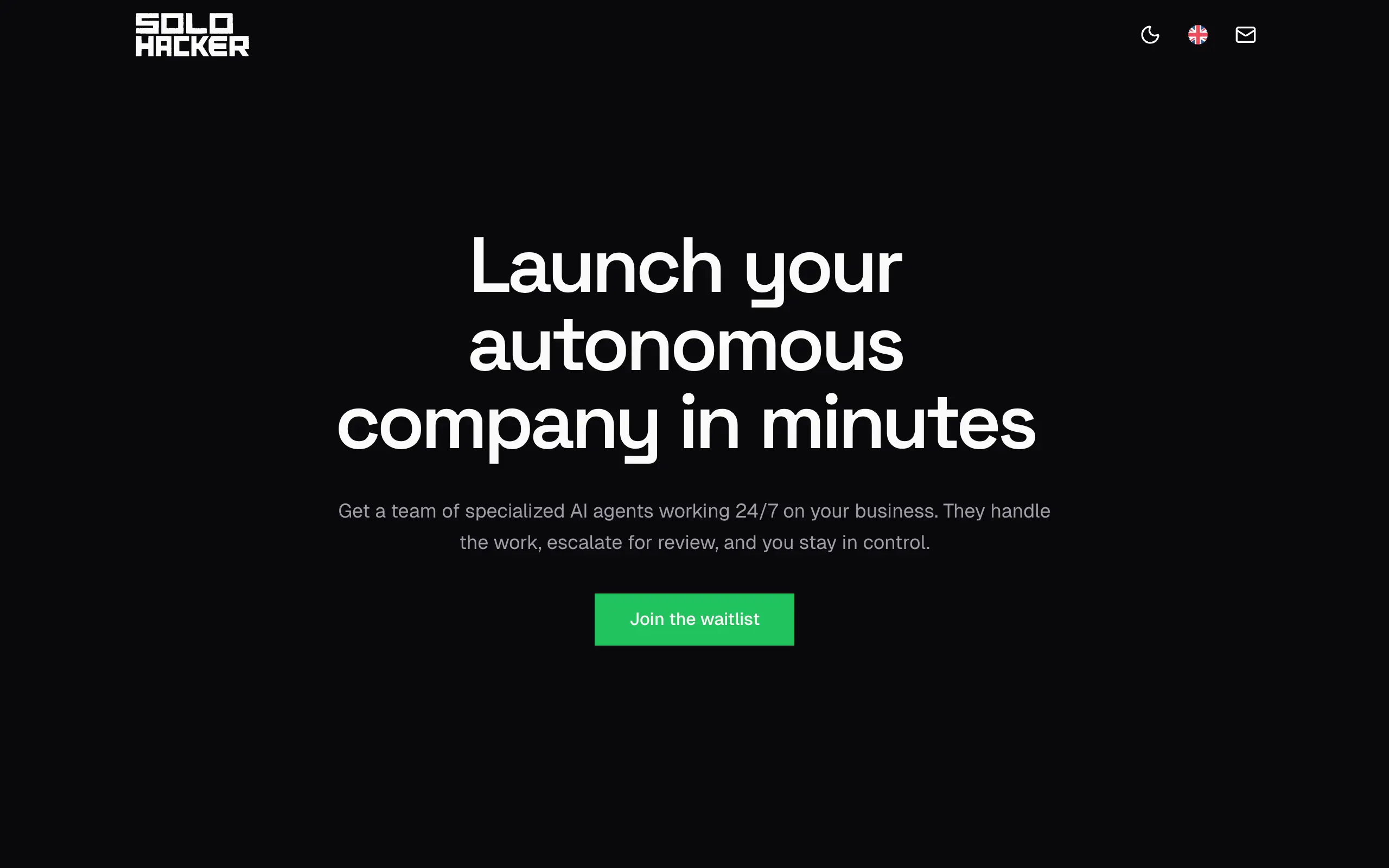
Solohacker
Autonomous company launcher - AI agents work 24/7, escalate what matters, and you stay in control 🤖
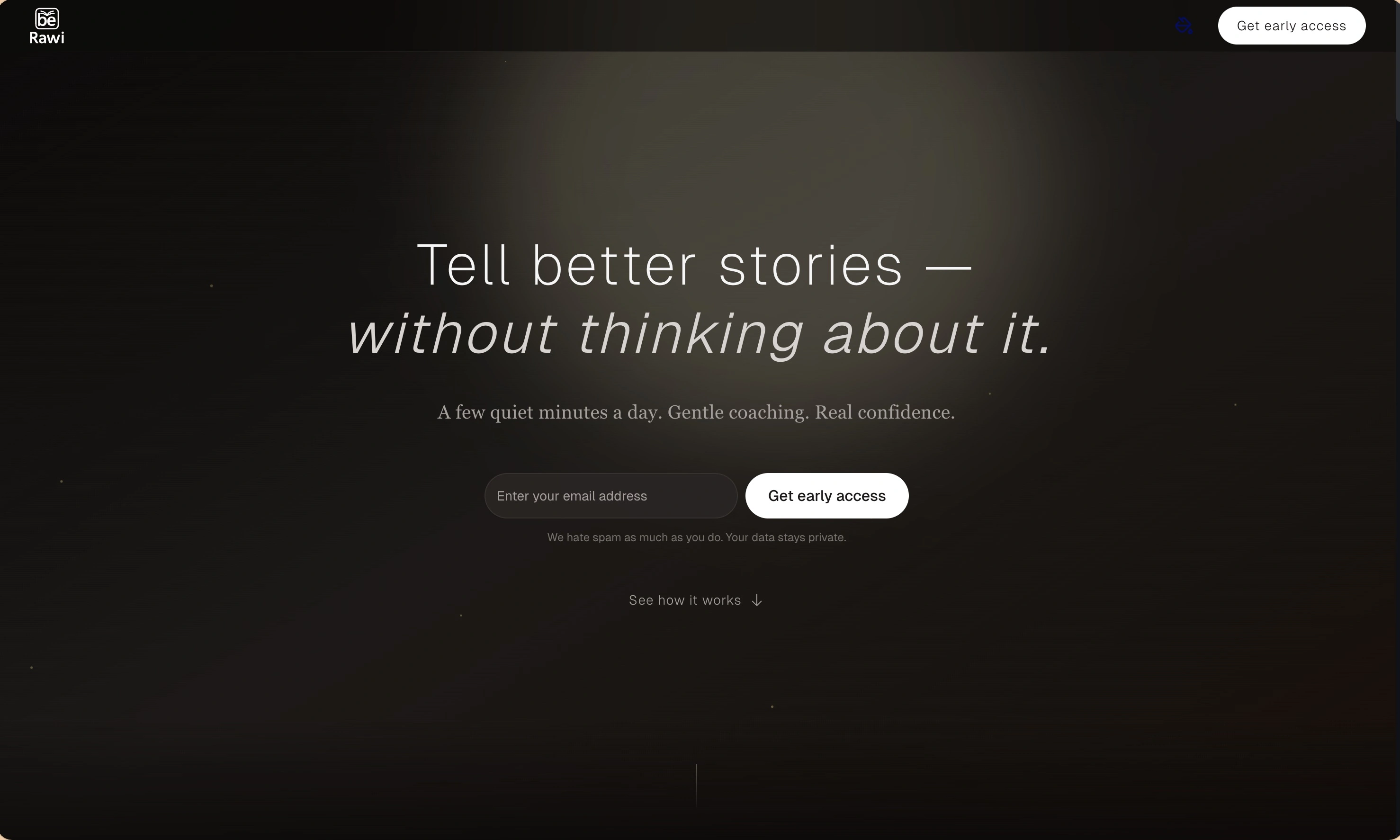
BeRawi: Storytelling Coach
Practice storytelling daily with instant feedback to sound clearer, more engaging, and confident 🎤
Omichat
Chat with 50+ AI models, including ChatGPT and Claude, in one place - switch models anytime without losing context 🤖
Claude Fast
Supercharge your Claude Code with 6x effective context window and specialized AI agents 🤖
EmojAI
AI-powered emoji picker with smart, context-aware suggestions 🤖
Solohacker
Autonomous company launcher - AI agents work 24/7, escalate what matters, and you stay in control 🤖
BeRawi: Storytelling Coach
Practice storytelling daily with instant feedback to sound clearer, more engaging, and confident 🎤
Omichat
Chat with 50+ AI models, including ChatGPT and Claude, in one place - switch models anytime without losing context 🤖
Claude Fast
Supercharge your Claude Code with 6x effective context window and specialized AI agents 🤖
EmojAI
AI-powered emoji picker with smart, context-aware suggestions 🤖
Solohacker
Autonomous company launcher - AI agents work 24/7, escalate what matters, and you stay in control 🤖
BeRawi: Storytelling Coach
Practice storytelling daily with instant feedback to sound clearer, more engaging, and confident 🎤
Omichat
Chat with 50+ AI models, including ChatGPT and Claude, in one place - switch models anytime without losing context 🤖
Claude Fast
Supercharge your Claude Code with 6x effective context window and specialized AI agents 🤖
EmojAI
AI-powered emoji picker with smart, context-aware suggestions 🤖
Solohacker
Autonomous company launcher - AI agents work 24/7, escalate what matters, and you stay in control 🤖
BeRawi: Storytelling Coach
Practice storytelling daily with instant feedback to sound clearer, more engaging, and confident 🎤

Connect with like-minded people
Join our community to get feedback, support, and grow together with 1,000+ builders on board, let's ship it!
Join usShip your startup everywhere. In minutes.
Don't burn tokens on setup and start building features on day one.