Clausewise
Helps small landlords review lease agreements before signing for risky clauses. Each review flags unusual terms and suggests plain-language edits in minutes.
Clausewise is an AI lease review tool for small landlords: upload a draft lease, and within minutes get a list of risky or unusual clauses with plain-language edits you can send back to the tenant or your attorney. It has potential in 2026 because language models can now read long contracts reliably enough to flag issues, while the people who own one to ten rental units still have no affordable middle path between a free template and a few hundred dollars of lawyer time. An AI lease review tool for landlords works best as a narrow, trustworthy checker, not a robot lawyer.
Key takeaways
- Target customer: self-managing landlords with one to ten units who sign or renew leases a few times a year.
- Pricing angle: pay per review or a low monthly plan, for example $15 per lease or $19/month for unlimited reviews on up to ten units.
- Biggest risk: trust and liability. A missed clause or a wrong suggestion can cost a landlord real money, and users may mistake the tool for legal advice.
- Time to MVP: about three to four weeks for a solo founder using a starter kit, with a working upload, review and export flow.
Who is Clausewise for?
The ideal customer is an accidental landlord: someone who owns a rental house, a duplex or a small building, manages it themselves and signs a handful of leases each year. They might be a nurse who kept her first home, a retiree with three units or a couple renting out a basement suite. They are not property management companies, which have in-house counsel and standard forms.
Their current workaround
Most of them do one of three things:
- Download a free template, change a few fields and hope it holds up.
- Reuse the lease from the last tenant, including clauses they never fully understood.
- Accept a lease drafted by a tenant, a property manager or a broker and skim it.
Why the workaround fails
Templates age. Local rules on deposits, late fees, notice periods and entry rights change, and a clause that was fine in one city can be unenforceable in another. A lawyer review fixes this, but for a single residential lease it often feels disproportionate, so landlords skip it.
The cost of skipping shows up later: a vague maintenance clause, a late fee that exceeds what is allowed, an auto-renewal nobody noticed. Landlords rarely learn about these until a dispute starts.
Why is an AI lease review tool for landlords a good idea in 2026?
The gap is between free templates and paid legal review. Template sites generate documents but rarely critique a lease you already have. Lawyers do critique, but at a price and speed that does not suit a routine renewal. General chatbots can read a lease, but they give unstructured answers, forget jurisdiction and do not produce a repeatable review.
Why now
- Model quality: current language models handle long documents and structured output well enough to extract clauses and classify them consistently.
- Lower trust barrier: landlords already use AI for emails and listings, so pasting a lease into a tool no longer feels strange.
- Cheap inference: a review of a typical residential lease costs a small amount in model usage, so per-review pricing can carry healthy margins. Measure this on your own prompts before fixing a price.
- Contract review is proven in business: tools for company contracts exist for larger teams, but small residential landlords are mostly ignored by them.
What you are competing against
Competitors fall into categories: legal document generators such as LegalZoom, landlord software such as Avail or TurboTenant that bundle lease templates with screening and rent collection, general assistants such as ChatGPT, and local attorneys. None of them focuses on "I already have a lease, tell me what to worry about before I sign."
What should the Clausewise MVP include?
Build one flow: upload a lease, get a clear risk report, copy suggested edits. The aha moment is seeing the first flagged clause, ideally one the landlord did not know was a problem, within a couple of minutes of uploading.
Lease upload and parsing
Accept PDF, Word or pasted text and split it into labeled clauses so every finding points to exact wording.
Risk flags with severity
Mark unusual, one-sided or missing terms as high, medium or low, with a one-line reason for each.
Plain-language edit suggestions
Offer replacement wording and a short explanation the landlord can paste into an email or send to a lawyer.
Shareable review report
Export a clean report with findings, suggested edits and a clear note that it is not legal advice.
What to cut for version one
- Tenant-side reviews. Serving both sides creates conflicting incentives.
- E-signature, rent collection and screening. Others do these well.
- Every jurisdiction. Start with one state or country and expand when you can verify the rules.
- Chat with your lease. It is tempting, but a fixed report is easier to test and trust.
How is Clausewise different from templates, lawyers and chatbots?
The unique selling point is a repeatable, jurisdiction-aware checklist applied to the lease you actually have, delivered in minutes at a price that fits a routine renewal. It is narrower than a lawyer and more structured than a chatbot.
| Option | Reviews your own lease | Jurisdiction-aware | Structured risk report | Typical cost |
|---|---|---|---|---|
| Clausewise | ✅ | ✅ (chosen regions) | ✅ | Low, per review |
| Free templates | ❌ | Depends | ❌ | Free |
| Landlord software suites | Limited | Depends | ❌ | Subscription |
| General AI chatbot | ✅ | ❌ | ❌ | Low |
| Local attorney | ✅ | ✅ | Depends | High |
The moat is not the model. It is the clause library, the jurisdiction rules you curate and the feedback loop from landlords who confirm or reject flags. That data compounds over time.
How would Clausewise make money?
Start with simple pricing and learn from conversion before adding tiers.
- Pay per review: for example $15 to $25 per lease. It matches the occasional usage pattern and removes subscription friction. Downside: revenue is lumpy and retention is weak.
- Monthly plan: for example $19/month for a set number of reviews and a saved clause library. If you convert 3% of free-report viewers and keep a third of them past three months, you can estimate lifetime value, but treat those numbers as assumptions to test.
- Professional tier: a higher price for small property managers or agents who review many leases, with team seats and branded reports.
A sensible path is a free first review that shows only the top few flags, then a paywall for the full report and edits. The gating moment is when the landlord has already seen proof of value.
First growth channel
The channel most likely to work first is landlord communities and search. Think forums, local landlord associations and Facebook groups, plus searches such as "lease red flags for landlords." Offer a free review in exchange for feedback, publish clause explainers and let each report link back to the product. Paid ads can wait until you know your conversion rate.
How do you validate Clausewise before building it?
Spend one to two weeks proving that landlords will upload a real lease and pay for the result.
Interview eight to ten landlords
Ask about their last lease signing, what they changed, and what went wrong. Listen for specific costly clauses, not general interest.
Run manual reviews
Offer to review three to five real leases by hand, using a model plus your own judgment. Note which flags they value and which they ignore.
Launch a landing page
State one promise, such as "Know what is risky in your lease before you sign," and collect waitlist emails from the communities you interviewed.
Ask for pre-sales
Offer a founding price for the first reviews. Even five paid commitments tell you more than a hundred waitlist signups.
What tech stack do you need to build Clausewise?
The product is a document pipeline wrapped in a standard SaaS app. The unique work is parsing, prompts, the clause library and the report. Everything else is plumbing, which is where TurboStarter saves the most time: it ships a monorepo with web and mobile apps, plus authentication, billing, database, emails, file storage, AI, background tasks and an admin panel already wired together.
The parts you get ready-made
- Accounts: sign-up, sessions and social login via the authentication module.
- Payments: per-review purchases and subscriptions through billing.
- Lease files: secure uploads using storage.
- Model calls: the AI module for connecting providers.
Choosing an AI provider
Best for the MVP. You get strong long-document reasoning and structured output with no infrastructure. The trade-offs are per-token cost, vendor dependency and sending lease text to a third party, which you must disclose in your privacy policy.
Worth considering later if privacy or cost becomes a selling point. You control the data path, but you take on hosting, evaluation and quality risk. For a first version, the extra work rarely pays off.
A simple review pipeline
- Extract text from the uploaded file and split it into clauses.
- Run each clause, with the jurisdiction, against your rule set and a model prompt that returns structured JSON.
- Merge findings, remove duplicates and rank by severity.
- Render the report and store it for later edits.
Long reviews belong in a background job, not a web request. That is what the background tasks module is for. A finding can be stored in a shape like this:
type Finding = {
  clauseId: string;
  excerpt: string;
  severity: "high" | "medium" | "low";
  reason: string;
  suggestedEdit: string;
  jurisdictionRule?: string;
};
Keep a test set of real leases with expected flags and rerun it on every prompt change. That evaluation set is your quality control.
What are the biggest risks and how do you reduce them?
Biggest risk: legal liability and false confidence
If Clausewise misses a clause or suggests an unlawful edit, a landlord may rely on it and lose money. Position the product as a review aid, not legal advice, show clear disclaimers in the report, keep launch jurisdictions limited, and have a local attorney review your rule set before charging. Check your local rules on unauthorized practice of law with a professional.
- Inaccurate output: models can hallucinate or miss subtle terms. Use structured outputs, quote the exact clause text in every finding and keep a regression test set.
- Low willingness to pay: landlords may feel a free chatbot is enough. Differentiate with jurisdiction rules, a consistent report and speed, and test pricing early.
- Infrequent usage: a landlord signs few leases a year. Add value between leases, such as renewal reminders, a saved clause library and a checklist for rule changes.
What should you do in the first 30 days?
Week 1: validate
Interview landlords, manually review sample leases and publish the landing page.
Week 2: build the pipeline
Set up the app from the starter kit, add upload and clause splitting, and get structured findings working on your test leases.
Week 3: ship the report
Build the report view, edit suggestions and checkout. Add the disclaimer and privacy policy.
Week 4: onboard the first users
Invite waitlist members, watch them use it and fix the top three confusions. Charge from the first real review.
Pick one jurisdiction, one lease type and one promise, then ship. You can start the build with TurboStarter and spend your time on the clause library instead of login screens.
FAQ
Interview landlords about their last lease, review a few real leases manually and ask for pre-payment. If people send you real documents and pay for the result, the demand is real. Waitlist signups alone are a weak signal.
A common starting range is $15 to $25 per review or around $19/month for a small plan, but test it. Compare the price with a lawyer's fee and the cost of one bad clause. Track the conversion from free preview to paid report.
Document generators like LegalZoom, landlord platforms like Avail and TurboTenant, general AI chatbots and local attorneys. Few focus on reviewing an existing lease for the small landlord. Your edge is narrow focus and jurisdiction-specific rules.
Position it as informational review, not legal advice, and state that clearly in the product and terms. Liability rules vary by region, so have a qualified attorney review your disclaimers and launch scope before charging customers.
A TypeScript monorepo with a Postgres database, file storage, a hosted language model and background jobs is enough. A starter kit such as TurboStarter covers authentication, billing and storage so you can focus on parsing and prompts.
Expect three to four weeks for a solo developer with a starter kit, longer if you build the accounts and billing yourself. Costs are mainly your time, model usage and a legal review of your disclaimers and rules.
More 🤖 AI Startup SaaS ideas
Discover more innovative ai startup SaaS ideas that are trending in 2026. Each idea is AI-generated with market validation and growth potential to help you find your next profitable venture faster than competitors.
Your competitors are building with TurboStarter
Below are some of the SaaS ideas that have been generated and built with our starter kit.

Monitor any Telegram channel in real time - track posts, edits, deletions, and growth with AI recaps 📡

AI website builder - describe your business, pick a niche template, edit by chatting, and publish instantly ✨
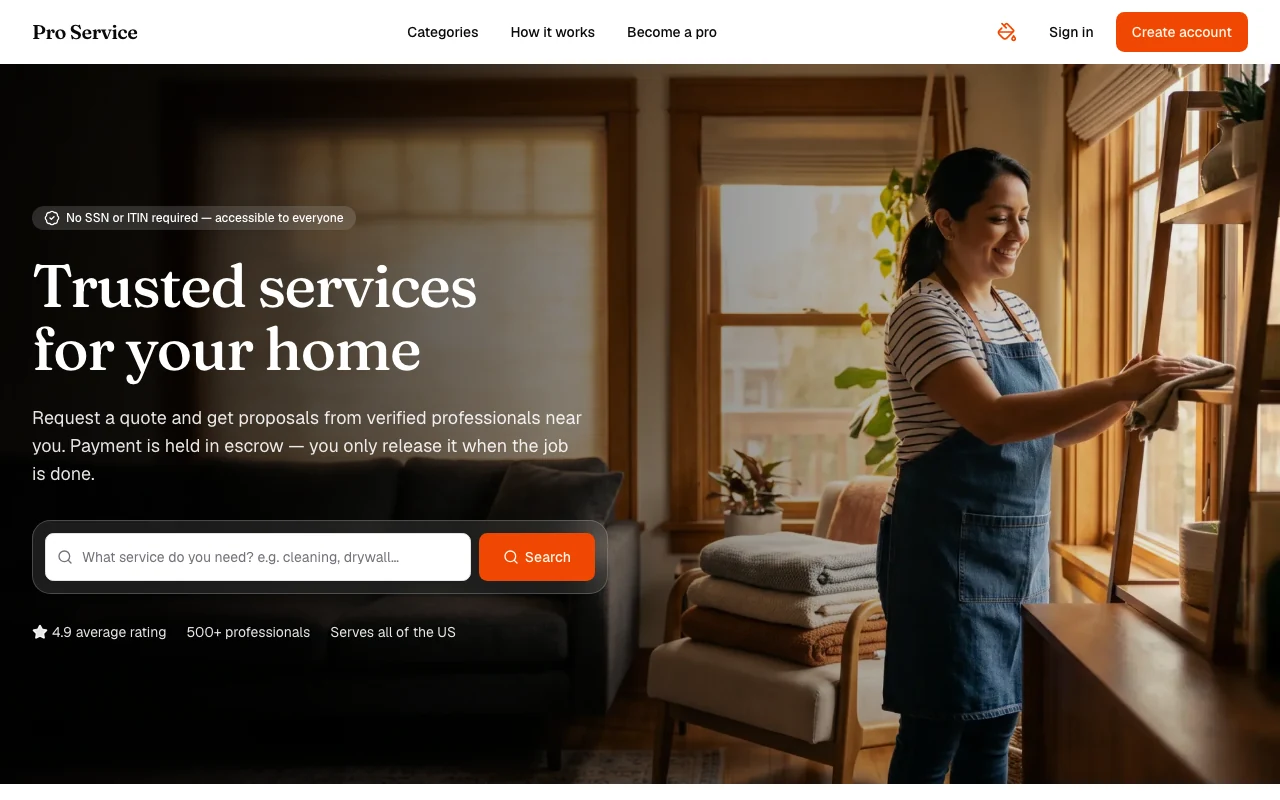
Find verified home service professionals, compare quotes, and pay securely through escrow - built for Brazilians across the US 🏠
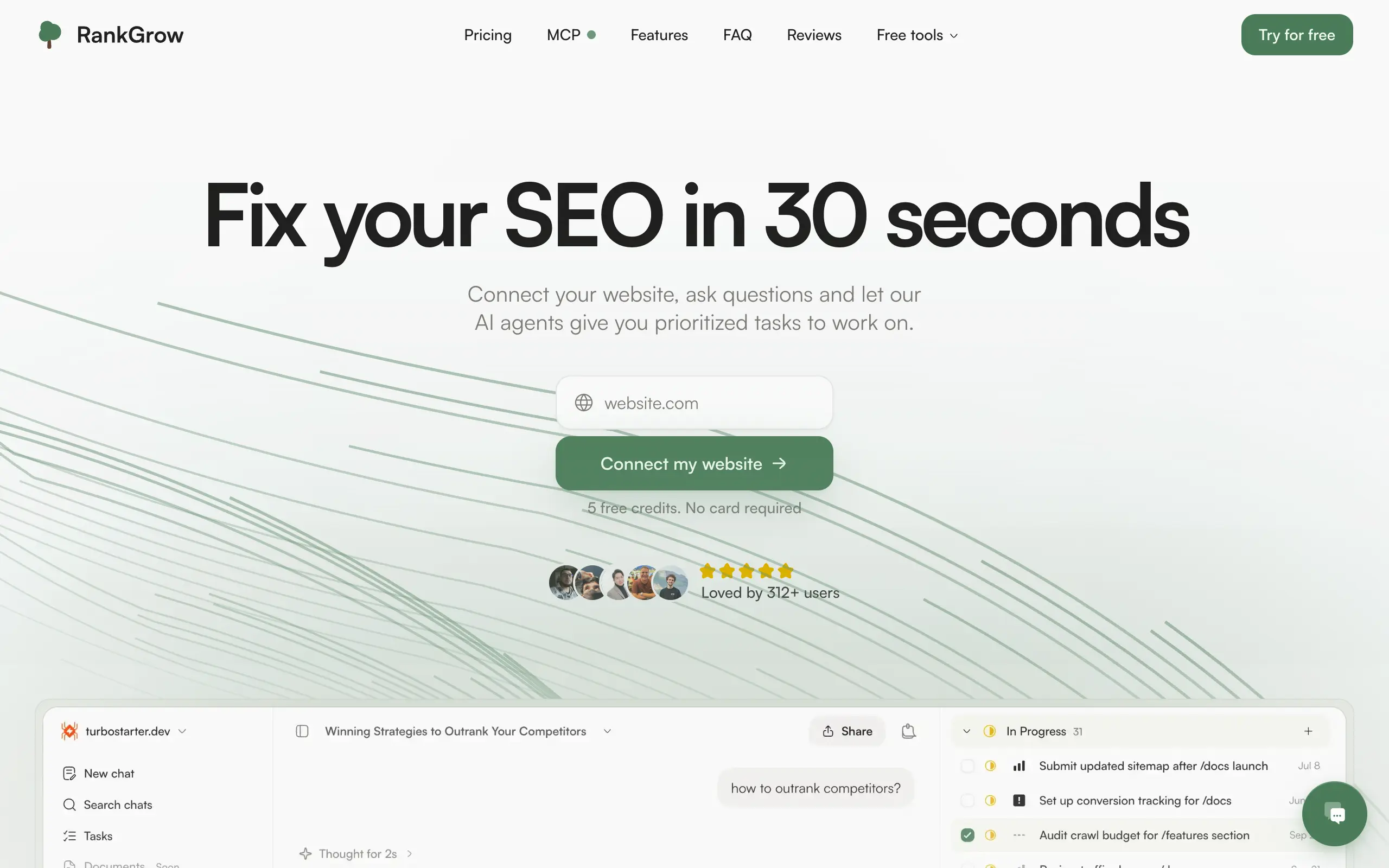
Fix your SEO with AI agents - connect Search Console, get prioritized tasks, and grow organic traffic 📈

Sync your favorite content for distraction-free reading, save time and replace multiple apps. Anytime, anywhere 🔄

Get clean, structured data from 21 platforms like TikTok, Instagram, and YouTube with a single request 📊
Monitor any Telegram channel in real time - track posts, edits, deletions, and growth with AI recaps 📡
AI website builder - describe your business, pick a niche template, edit by chatting, and publish instantly ✨
Find verified home service professionals, compare quotes, and pay securely through escrow - built for Brazilians across the US 🏠
Fix your SEO with AI agents - connect Search Console, get prioritized tasks, and grow organic traffic 📈
Sync your favorite content for distraction-free reading, save time and replace multiple apps. Anytime, anywhere 🔄
Get clean, structured data from 21 platforms like TikTok, Instagram, and YouTube with a single request 📊

Personalized AI apps that automate research, data extraction, and content creation without code 🤖

Enjoy a magical live video chat or receive a unique AI-generated video greeting from Santa Claus 🎅

Scalable blog for food journalist, focused on performance and user experience 🌭

Personal blog and portfolio of Bart Zagrodzki, where he shares his knowledge and work 💼

Ship your startup everywhere. In minutes.

Convert HTML to Markdown with ease, directly in your browser 📄
Personalized AI apps that automate research, data extraction, and content creation without code 🤖
Enjoy a magical live video chat or receive a unique AI-generated video greeting from Santa Claus 🎅
Scalable blog for food journalist, focused on performance and user experience 🌭
Personal blog and portfolio of Bart Zagrodzki, where he shares his knowledge and work 💼
Ship your startup everywhere. In minutes.
Convert HTML to Markdown with ease, directly in your browser 📄

Chat with 50+ AI models, including ChatGPT and Claude, in one place - switch models anytime without losing context 🤖

Supercharge your Claude Code with 6x effective context window and specialized AI agents 🤖

AI-powered emoji picker with smart, context-aware suggestions 🤖

Autonomous company launcher - AI agents work 24/7, escalate what matters, and you stay in control 🤖

Practice storytelling daily with instant feedback to sound clearer, more engaging, and confident 🎤
Chat with 50+ AI models, including ChatGPT and Claude, in one place - switch models anytime without losing context 🤖
Supercharge your Claude Code with 6x effective context window and specialized AI agents 🤖
AI-powered emoji picker with smart, context-aware suggestions 🤖
Autonomous company launcher - AI agents work 24/7, escalate what matters, and you stay in control 🤖
Practice storytelling daily with instant feedback to sound clearer, more engaging, and confident 🎤

Connect with like-minded people
Join our community to get feedback, support, and grow together with 1,000+ builders on board, let's ship it!
Join usShip your startup everywhere. In minutes.
Don't burn tokens on setup and start building features on day one.