ClawForge AI
AI-powered level and campaign generator for OpenClaw that creates balanced maps, enemies, and storylines in minutes. Built for modders and retro studios.
The opportunity behind an AI-powered OpenClaw level and campaign generator
Retro gaming is not just nostalgia—it’s a growing creator economy. Communities around classic titles continue to build mods, custom campaigns, and remastered experiences decades after release. OpenClaw, the open-source reimplementation of the classic platformer Captain Claw, is a prime example. It provides a modern foundation for modders and indie studios to extend a beloved 2D action-platformer.
Yet one major bottleneck remains: designing balanced, compelling levels and campaigns takes time, iteration, and deep engine knowledge.
This is where an AI-powered level and campaign generator for OpenClaw becomes transformative.
An AI tool that can generate:
- Balanced 2D maps
- Enemy placements and AI behavior presets
- Item distribution and difficulty curves
- Narrative arcs and mission scripting
- Fully exportable OpenClaw-compatible files
…would radically reduce development time while empowering creators to experiment faster.
This article explores the full strategic, technical, and market opportunity behind an AI-powered OpenClaw level generator, including:
- Target audience analysis
- Market gap and validation
- Core features and system architecture
- Recommended tech stack
- Monetization strategies
- Competitive positioning
- Risk mitigation
- Actionable implementation steps
Understanding the target audience
Before building any AI modding tool, we must understand who actually needs it and what they’re trying to accomplish.
1. Indie retro studios
Small studios building retro-inspired platformers often:
- Lack large design teams
- Need rapid prototyping tools
- Want procedural generation without losing creative control
For them, an OpenClaw AI campaign generator could serve as:
- A rapid content production engine
- A benchmarking tool for difficulty balancing
- A design inspiration generator
2. Hobbyist modders
OpenClaw’s modding community includes:
- Level designers
- Pixel artists
- Retro game enthusiasts
- Speedrunners experimenting with custom content
Their pain points include:
- Manual tile placement
- Trial-and-error balancing
- Complex scripting requirements
- Difficulty tuning enemy AI
An AI-assisted map generator dramatically lowers the technical barrier.
3. Educational institutions
Game design programs often use 2D engines to teach:
- Level design fundamentals
- Procedural generation
- AI-driven game mechanics
An AI-powered OpenClaw generator becomes a teaching tool:
- Students can analyze AI-generated maps
- Compare design heuristics
- Study procedural logic
4. Content creators and streamers
Imagine a Twitch streamer saying:
“Chat, I’m generating a new OpenClaw campaign live—AI makes it brutal!”
Procedurally generated campaigns create replayability and engagement.
Market opportunity and validation
Retro gaming is expanding
Industry reports (e.g., Newzoo market reports—reference format suggested) show consistent growth in indie and retro game sales. Platforms like Steam and itch.io demonstrate strong demand for pixel-art platformers.
Meanwhile:
- Open-source engines are growing in adoption.
- Procedural generation is becoming mainstream.
- AI-assisted content creation is exploding across industries.
But there’s a gap
While tools exist for:
- Minecraft map generation
- Unreal procedural terrain
- Unity level randomizers
There is no specialized AI tool for OpenClaw level and campaign generation.
That niche positioning creates:
- Low competition
- Strong community adoption potential
- Clear product differentiation
The niche advantage
A focused product for OpenClaw modders means:
- Tailored map format exports
- Engine-specific AI logic
- Pre-balanced difficulty curves
- Script-ready enemy configurations
Instead of competing broadly in “AI game generation,” this SaaS dominates a micro-niche.
Core features of an AI-powered OpenClaw level generator
To rank well and satisfy user intent, we must clearly define what such a platform offers.
1. AI map generation engine
The core system should generate:
- Tile-based 2D layouts
- Platforms and hazards
- Secret rooms
- Checkpoints
- Vertical/horizontal difficulty transitions
The AI can be trained using:
- Existing OpenClaw maps
- Reinforcement learning for playable paths
- Heuristic-based difficulty scaling
Key considerations:
- Ensuring every map is beatable
- Avoiding impossible jumps
- Maintaining pacing
2. Enemy and difficulty balancing system
Balanced enemy placement is critical in platformers.
The system should:
- Analyze jump arcs
- Estimate player damage intake
- Avoid spawn clustering
- Create progressive tension
This could be implemented via:
- Path analysis algorithms
- Simulation bots testing level completion
- Difficulty scoring models
3. Campaign storyline generator
A compelling campaign includes:
- Narrative arc
- Thematic level progression
- Boss encounters
- Environmental storytelling
AI can generate:
- Pirate-themed storylines
- Mission objectives
- Dialogue scripts
- Level intro descriptions
Using LLMs fine-tuned for game narrative structure.
4. Export-ready OpenClaw compatibility
Critical feature:
✅ Direct export to OpenClaw-compatible file formats
✅ Script integration
✅ Asset mapping support
✅ Mod package builder
Without seamless export, adoption drops significantly.
5. Customization controls
AI must be controllable.
Users should adjust:
- Difficulty (Easy → Nightmare)
- Map length
- Theme (shipwreck, jungle, fortress)
- Enemy density
- Boss frequency
Using slider-based UX.
Feature comparison
| Feature | Manual Modding | Basic Randomizer | ClawForge AI | Procedural Game Engines | Generic AI Tools |
|---|---|---|---|---|---|
| Balanced maps | ❌ | ❌ | ✅ | ✅ | ❌ |
| OpenClaw export | ✅ | ❌ | ✅ | ❌ | ❌ |
Recommended tech stack for building the SaaS
A modern AI SaaS requires careful architecture decisions.
Frontend
Why:
- Component scalability
- Fast iteration
- Strong community support
Backend
Options:
-
Node.js (TypeScript)
- Great for real-time interactions
- Unified language stack
-
Python (FastAPI)
- Strong ML ecosystem
- Easy AI model integration
Trade-off:
- Node.js = developer velocity
- Python = AI-native tooling
Hybrid architecture is often ideal.
AI layer
- Procedural generation algorithms
- LLM integration (for story and scripting)
- Pathfinding simulations
- Reinforcement learning models
Possible approach:
// Example pseudo-logic for level scoring
function scoreLevel(map) {
  const pathComplexity = calculatePathDifficulty(map);
  const enemyDensity = calculateEnemyDensity(map);
  const hazardRatio = calculateHazardPlacement(map);

  return (pathComplexity * 0.4) +
         (enemyDensity * 0.35) +
         (hazardRatio * 0.25);
}
Infrastructure
- Vercel or AWS for frontend hosting
- GPU-based inference (if heavy model usage)
- PostgreSQL for campaign storage
- Redis for caching
Accelerating development
Instead of building auth, billing, and dashboard systems from scratch, founders can bootstrap the SaaS using:
This reduces:
- Dev time
- Security risks
- Boilerplate engineering
Monetization strategies
An AI-powered OpenClaw campaign generator can monetize through multiple paths.
1. Freemium model
Free tier:
- Limited map generations per month
- No export
- Watermarked campaigns
Pro tier:
- Unlimited generation
- Advanced customization
- Direct OpenClaw export
2. Studio licensing
Offer:
- White-label generation API
- Custom campaign templates
- Enterprise SLAs
Perfect for indie studios shipping retro titles.
3. Marketplace model
Allow creators to:
- Publish AI-generated campaigns
- Sell custom campaign packs
- Share mods
Platform takes commission (10–30%).
4. API access
Provide:
- AI map generation API
- Campaign scripting endpoint
- Balance simulation engine
Target: game dev studios integrating procedural systems.
Competitive advantage and positioning
ClawForge AI’s strongest advantage is hyper-focus.
Instead of being:
“Another generic AI game generator…”
It becomes:
“The AI-native development engine for OpenClaw.”
Unique selling proposition (USP)
- Engine-specific optimization
- Playability simulation
- Narrative integration
- Export-ready compatibility
- Community-first ecosystem
Moat creation
To defend market position:
- Build proprietary training datasets
- Collect map feedback for iterative AI learning
- Develop community plugin ecosystem
- Host community challenges
Data network effects are powerful.
Risks and mitigation strategies
Risk 1: Small niche market
Mitigation:
- Expand to other retro engines
- Support similar 2D platformers
- Offer API-based engine adaptation
Risk 2: Low-quality AI maps
Mitigation:
- Human-in-the-loop validation
- Simulation bots testing playability
- Community rating systems
Risk 3: Copyright issues
Since OpenClaw is open-source:
- Ensure compliance with license
- Avoid bundling proprietary assets
- Provide asset-mapping tools instead
Roadmap to implementation
Example MVP architecture flow
- User selects theme + difficulty
- Backend generates tile layout
- Simulation validates playability
- LLM generates campaign narrative
- System packages level files
- User downloads mod-ready bundle
Future expansion opportunities
- Cross-engine AI level generator
- Multiplayer campaign generator
- AI-generated boss mechanics
- Speedrun-optimized map generator
- Procedural roguelike mode
Why timing matters in 2026
AI tools are now expected in creative workflows.
Game development is shifting toward:
- Procedural augmentation
- AI-assisted design
- Rapid iteration cycles
Communities increasingly demand:
- Replayability
- User-generated content
- Modding support
ClawForge AI sits directly at the intersection of:
- Retro gaming
- Procedural design
- AI creativity
- Indie development
Final implementation checklist
✅ Define AI generation logic
✅ Ensure OpenClaw file compatibility
✅ Build simple UI with customization sliders
✅ Test playability via automated simulation
✅ Validate monetization with beta testers
✅ Launch community marketplace
Building the next generation of retro game creation
An AI-powered OpenClaw level and campaign generator isn’t just a novelty.
It’s:
- A productivity multiplier
- A creativity accelerator
- A niche-dominating SaaS opportunity
By focusing on:
- Engine-specific excellence
- Community engagement
- Balanced AI generation
- Export-ready workflows
ClawForge AI can become the default tool for OpenClaw modders and retro studios worldwide.
The real advantage isn’t just AI.
It’s giving creators superpowers.
More 🤖 AI Startup SaaS ideas
Discover more innovative ai startup SaaS ideas that are trending in 2026. Each idea is AI-generated with market validation and growth potential to help you find your next profitable venture faster than competitors.
Your competitors are building with TurboStarter
Below are some of the SaaS ideas that have been generated and built with our starter kit.
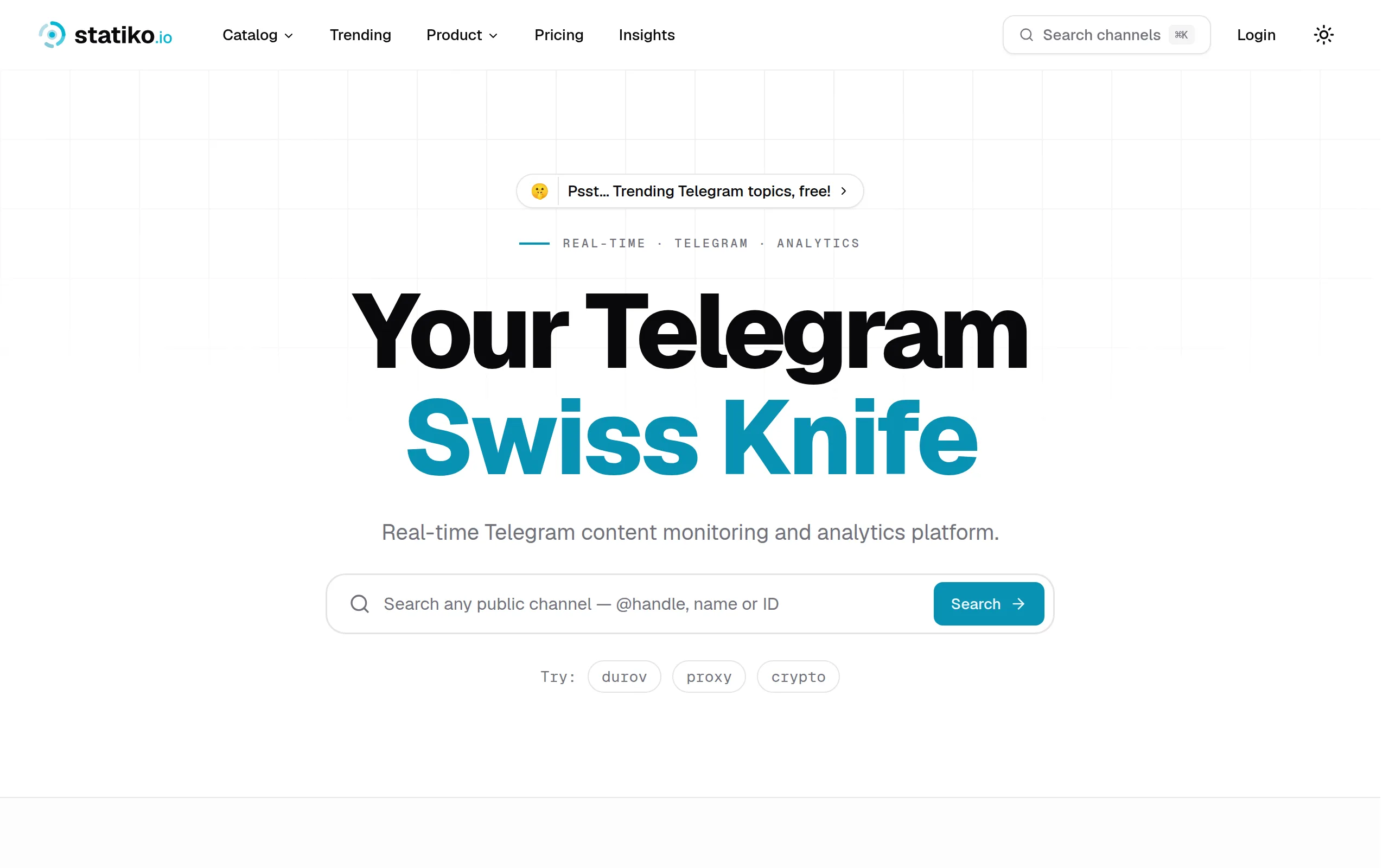
Statiko
Monitor any Telegram channel in real time - track posts, edits, deletions, and growth with AI recaps 📡

Shibui
AI website builder - describe your business, pick a niche template, edit by chatting, and publish instantly ✨

Pro Service
Find verified home service professionals, compare quotes, and pay securely through escrow - built for Brazilians across the US 🏠
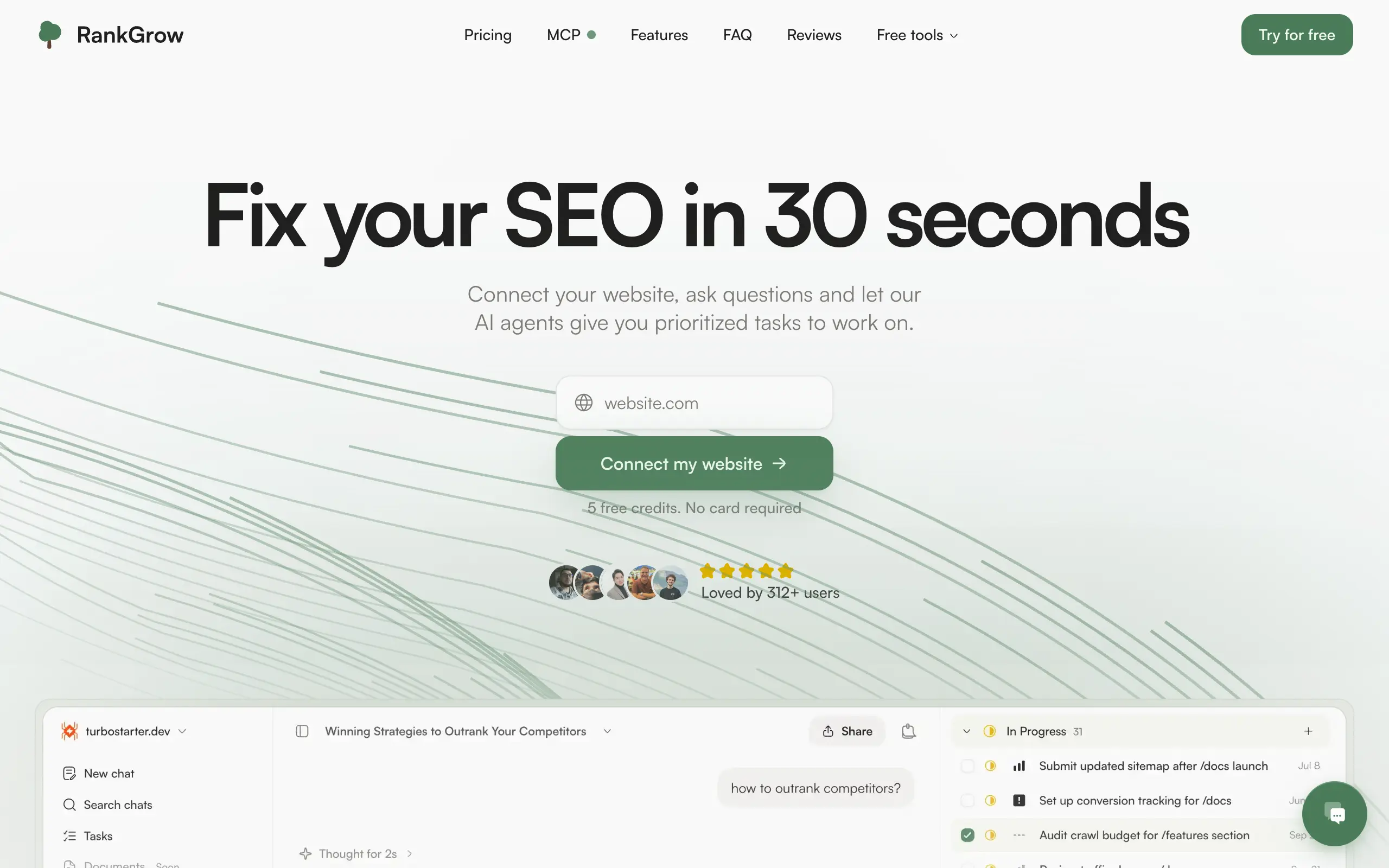
RankGrow
Fix your SEO with AI agents - connect Search Console, get prioritized tasks, and grow organic traffic 📈
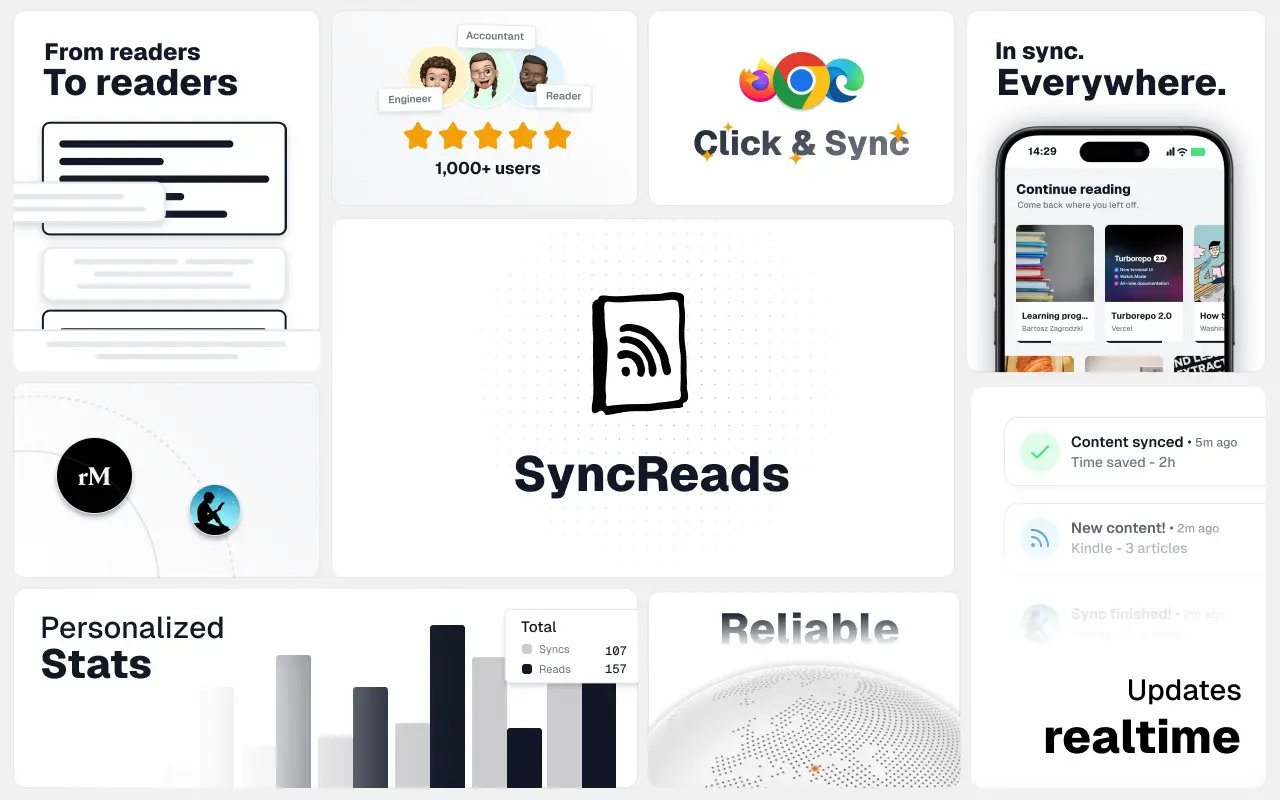
SyncReads
Sync your favorite content for distraction-free reading, save time and replace multiple apps. Anytime, anywhere 🔄
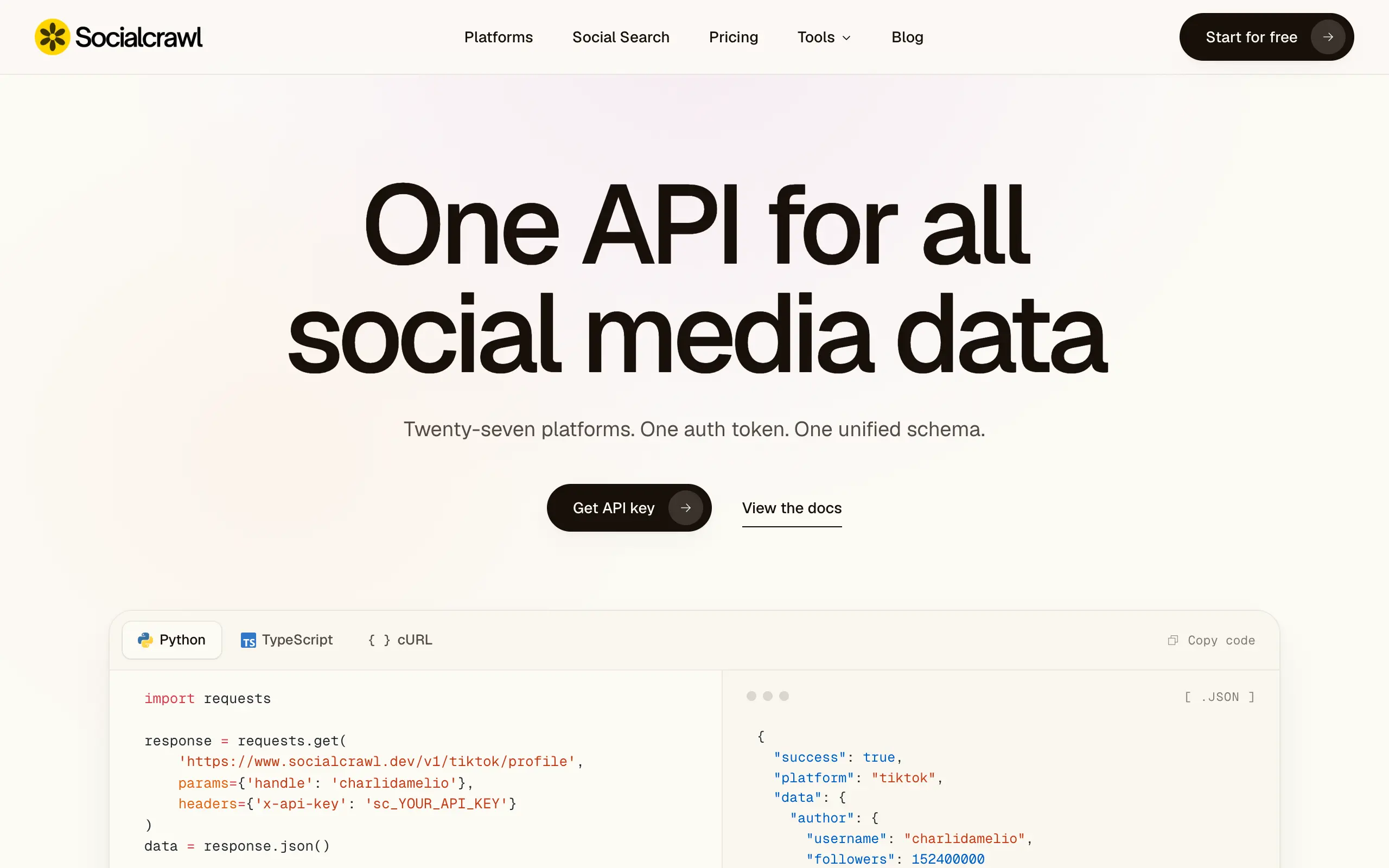
Socialcrawl
Get clean, structured data from 21 platforms like TikTok, Instagram, and YouTube with a single request 📊
Statiko
Monitor any Telegram channel in real time - track posts, edits, deletions, and growth with AI recaps 📡
Shibui
AI website builder - describe your business, pick a niche template, edit by chatting, and publish instantly ✨
Pro Service
Find verified home service professionals, compare quotes, and pay securely through escrow - built for Brazilians across the US 🏠
RankGrow
Fix your SEO with AI agents - connect Search Console, get prioritized tasks, and grow organic traffic 📈
SyncReads
Sync your favorite content for distraction-free reading, save time and replace multiple apps. Anytime, anywhere 🔄
Socialcrawl
Get clean, structured data from 21 platforms like TikTok, Instagram, and YouTube with a single request 📊
Statiko
Monitor any Telegram channel in real time - track posts, edits, deletions, and growth with AI recaps 📡
Shibui
AI website builder - describe your business, pick a niche template, edit by chatting, and publish instantly ✨
Pro Service
Find verified home service professionals, compare quotes, and pay securely through escrow - built for Brazilians across the US 🏠
RankGrow
Fix your SEO with AI agents - connect Search Console, get prioritized tasks, and grow organic traffic 📈
SyncReads
Sync your favorite content for distraction-free reading, save time and replace multiple apps. Anytime, anywhere 🔄
Socialcrawl
Get clean, structured data from 21 platforms like TikTok, Instagram, and YouTube with a single request 📊
Statiko
Monitor any Telegram channel in real time - track posts, edits, deletions, and growth with AI recaps 📡
Shibui
AI website builder - describe your business, pick a niche template, edit by chatting, and publish instantly ✨
Pro Service
Find verified home service professionals, compare quotes, and pay securely through escrow - built for Brazilians across the US 🏠
RankGrow
Fix your SEO with AI agents - connect Search Console, get prioritized tasks, and grow organic traffic 📈
SyncReads
Sync your favorite content for distraction-free reading, save time and replace multiple apps. Anytime, anywhere 🔄
Socialcrawl
Get clean, structured data from 21 platforms like TikTok, Instagram, and YouTube with a single request 📊
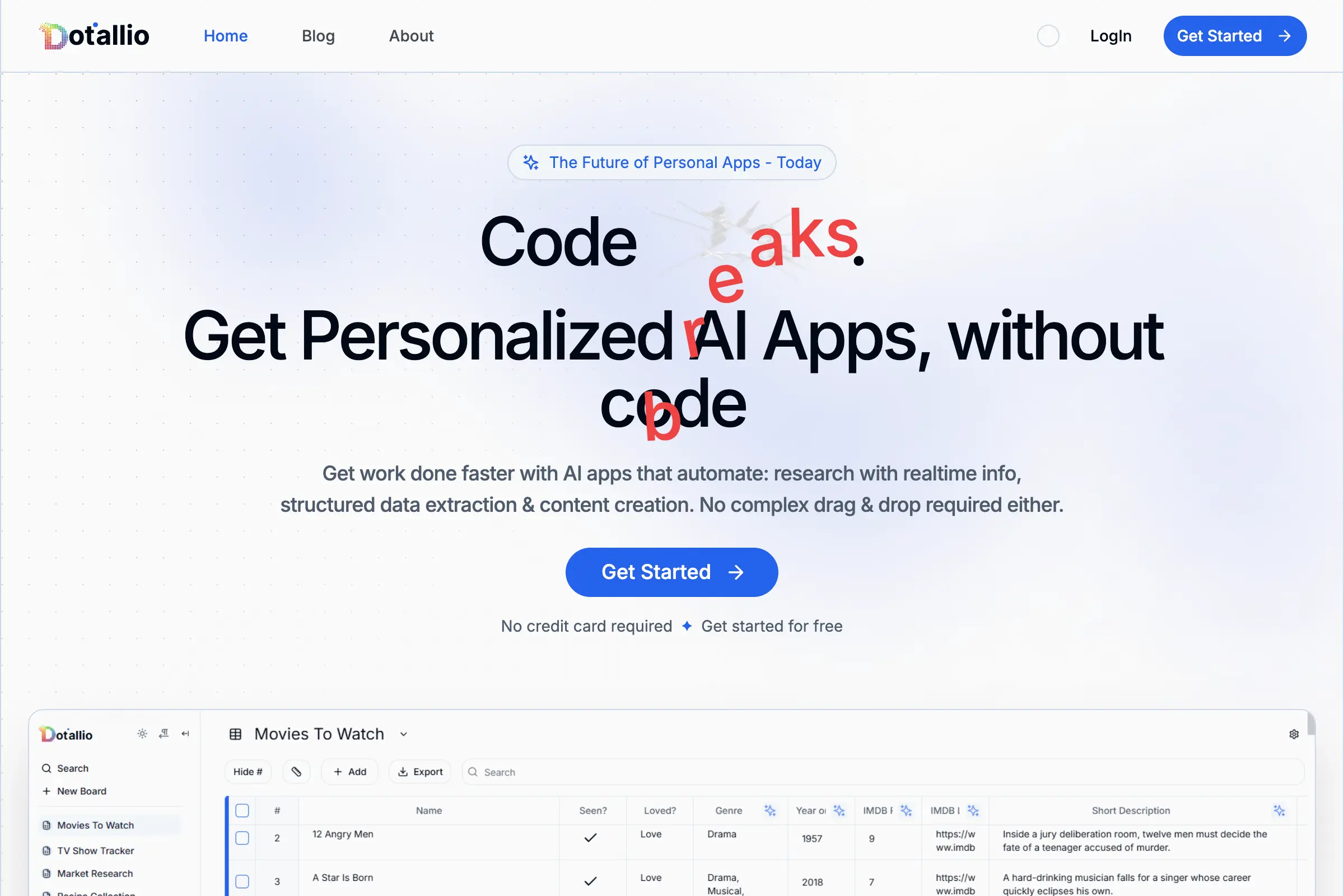
Dotallio
Personalized AI apps that automate research, data extraction, and content creation without code 🤖

Talk to Santa
Enjoy a magical live video chat or receive a unique AI-generated video greeting from Santa Claus 🎅
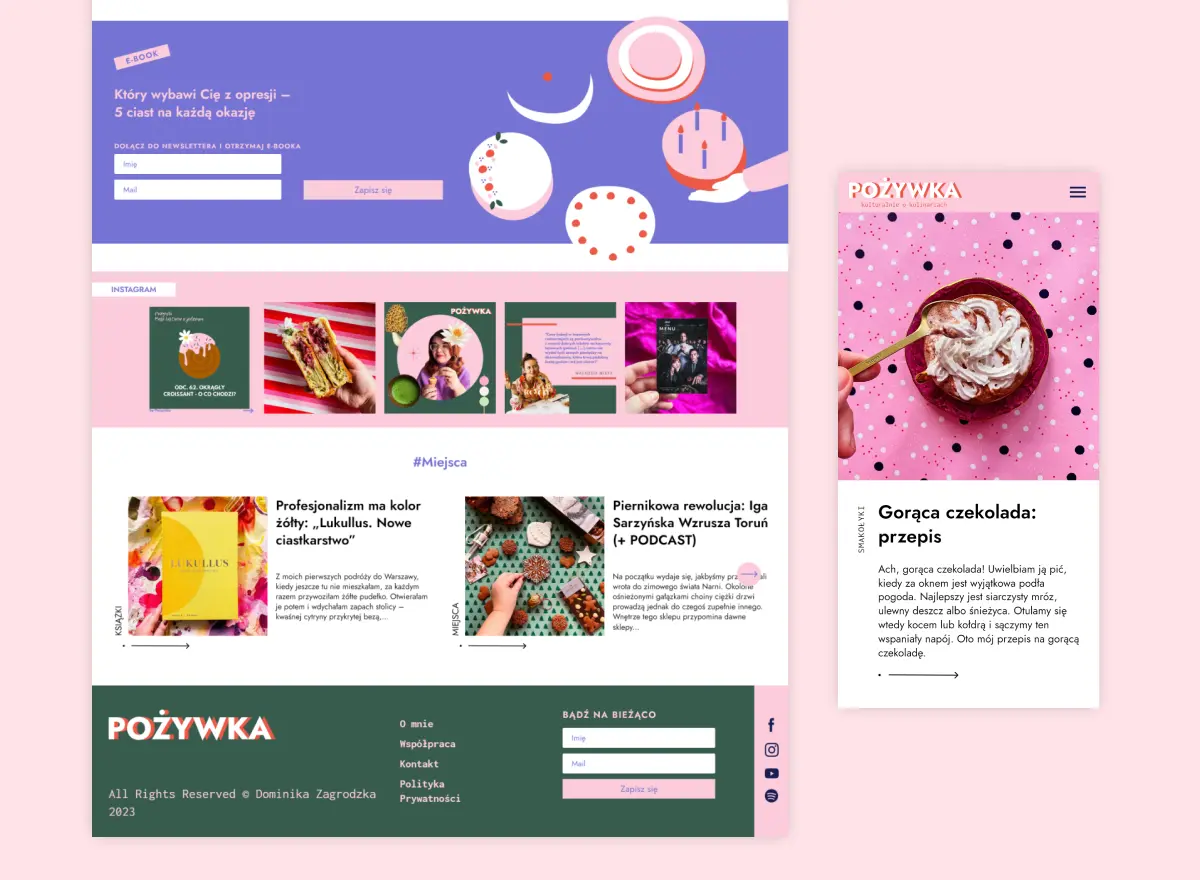
pozywka.pl
Scalable blog for food journalist, focused on performance and user experience 🌭
zagrodzki.me
Personal blog and portfolio of Bart Zagrodzki, where he shares his knowledge and work 💼
TurboStarter
Ship your startup everywhere. In minutes.
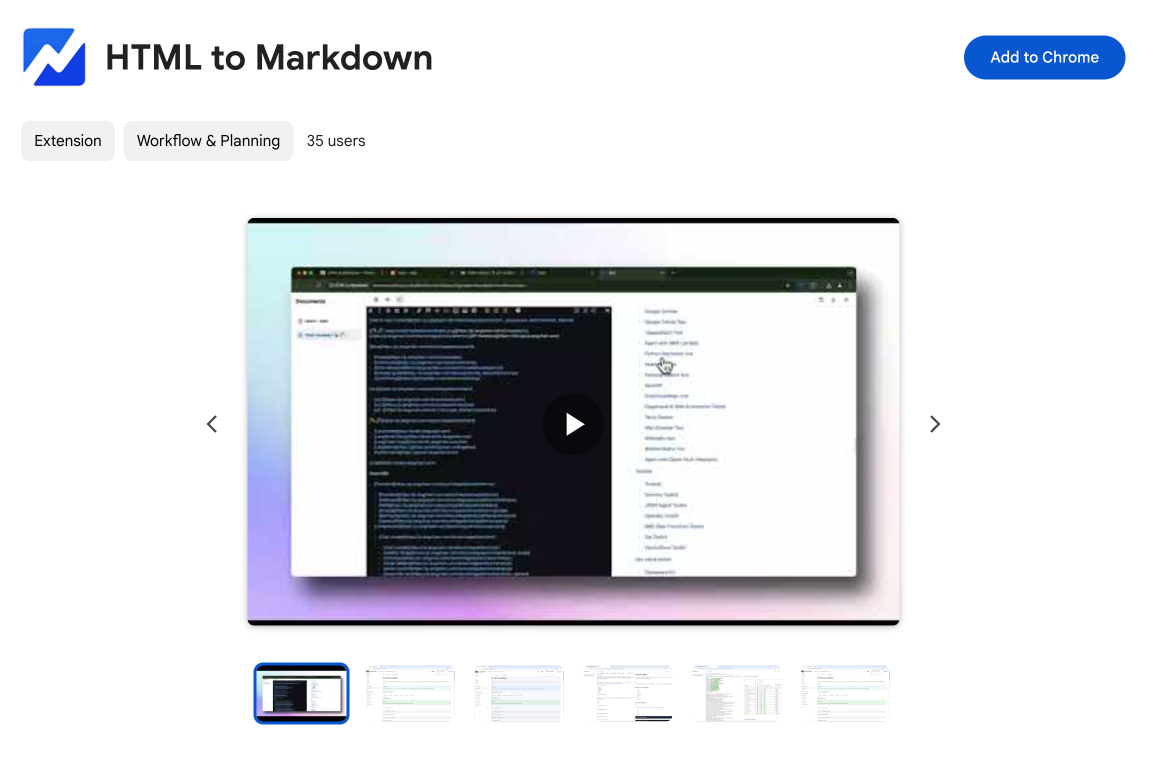
HTML to Markdown
Convert HTML to Markdown with ease, directly in your browser 📄
Dotallio
Personalized AI apps that automate research, data extraction, and content creation without code 🤖
Talk to Santa
Enjoy a magical live video chat or receive a unique AI-generated video greeting from Santa Claus 🎅
pozywka.pl
Scalable blog for food journalist, focused on performance and user experience 🌭
zagrodzki.me
Personal blog and portfolio of Bart Zagrodzki, where he shares his knowledge and work 💼
TurboStarter
Ship your startup everywhere. In minutes.
HTML to Markdown
Convert HTML to Markdown with ease, directly in your browser 📄
Dotallio
Personalized AI apps that automate research, data extraction, and content creation without code 🤖
Talk to Santa
Enjoy a magical live video chat or receive a unique AI-generated video greeting from Santa Claus 🎅
pozywka.pl
Scalable blog for food journalist, focused on performance and user experience 🌭
zagrodzki.me
Personal blog and portfolio of Bart Zagrodzki, where he shares his knowledge and work 💼
TurboStarter
Ship your startup everywhere. In minutes.
HTML to Markdown
Convert HTML to Markdown with ease, directly in your browser 📄
Dotallio
Personalized AI apps that automate research, data extraction, and content creation without code 🤖
Talk to Santa
Enjoy a magical live video chat or receive a unique AI-generated video greeting from Santa Claus 🎅
pozywka.pl
Scalable blog for food journalist, focused on performance and user experience 🌭
zagrodzki.me
Personal blog and portfolio of Bart Zagrodzki, where he shares his knowledge and work 💼
TurboStarter
Ship your startup everywhere. In minutes.
HTML to Markdown
Convert HTML to Markdown with ease, directly in your browser 📄
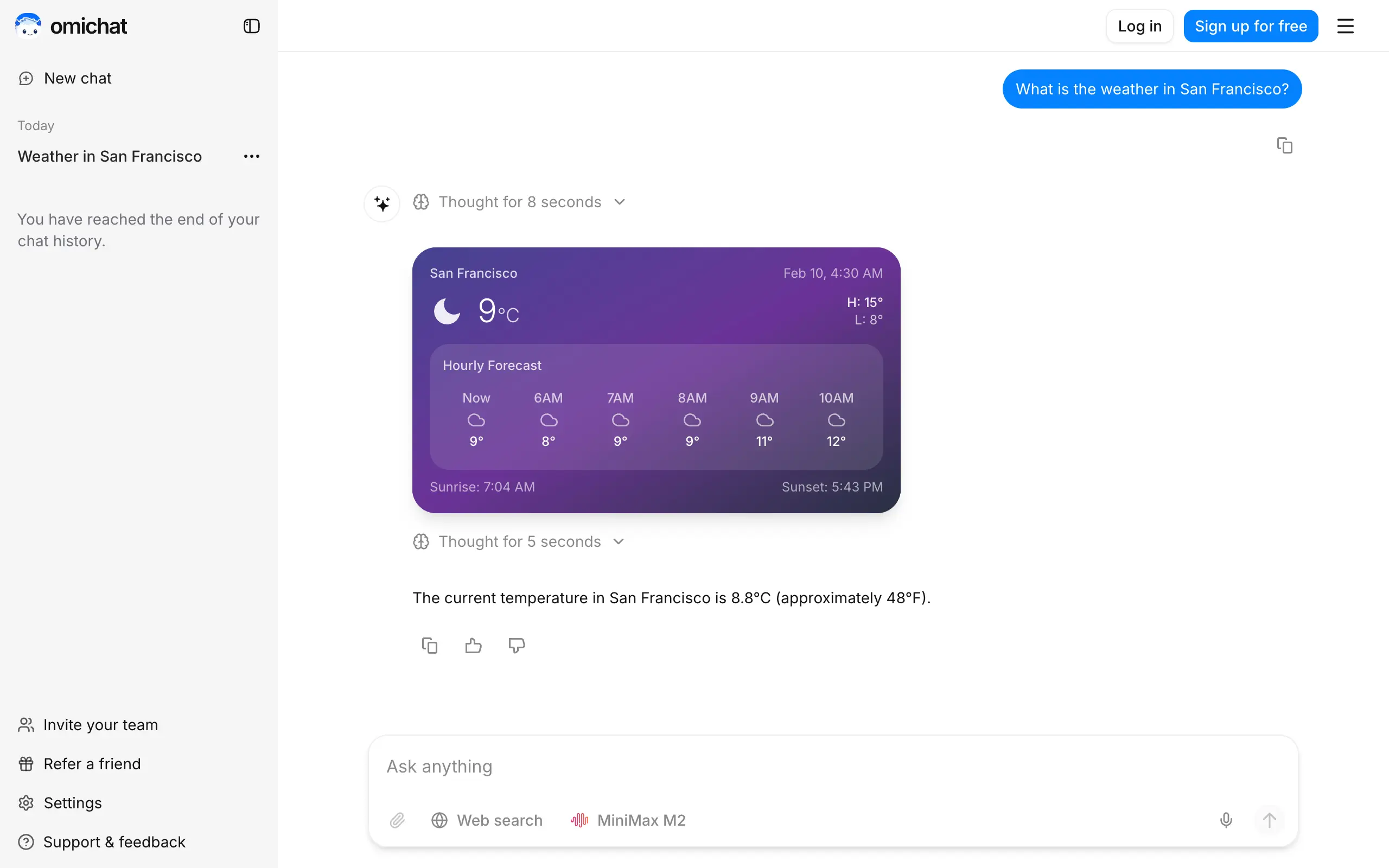
Omichat
Chat with 50+ AI models, including ChatGPT and Claude, in one place - switch models anytime without losing context 🤖
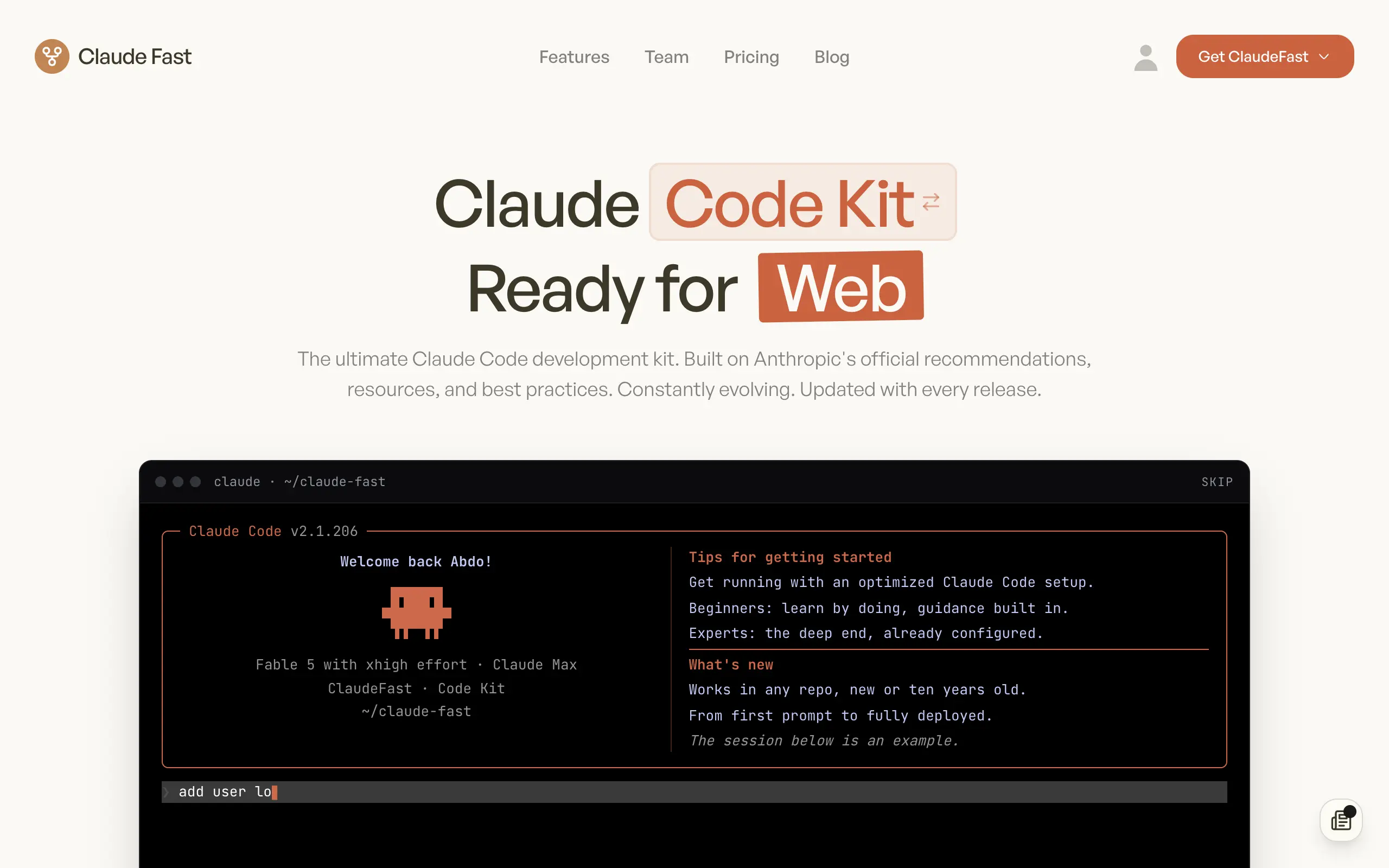
Claude Fast
Supercharge your Claude Code with 6x effective context window and specialized AI agents 🤖
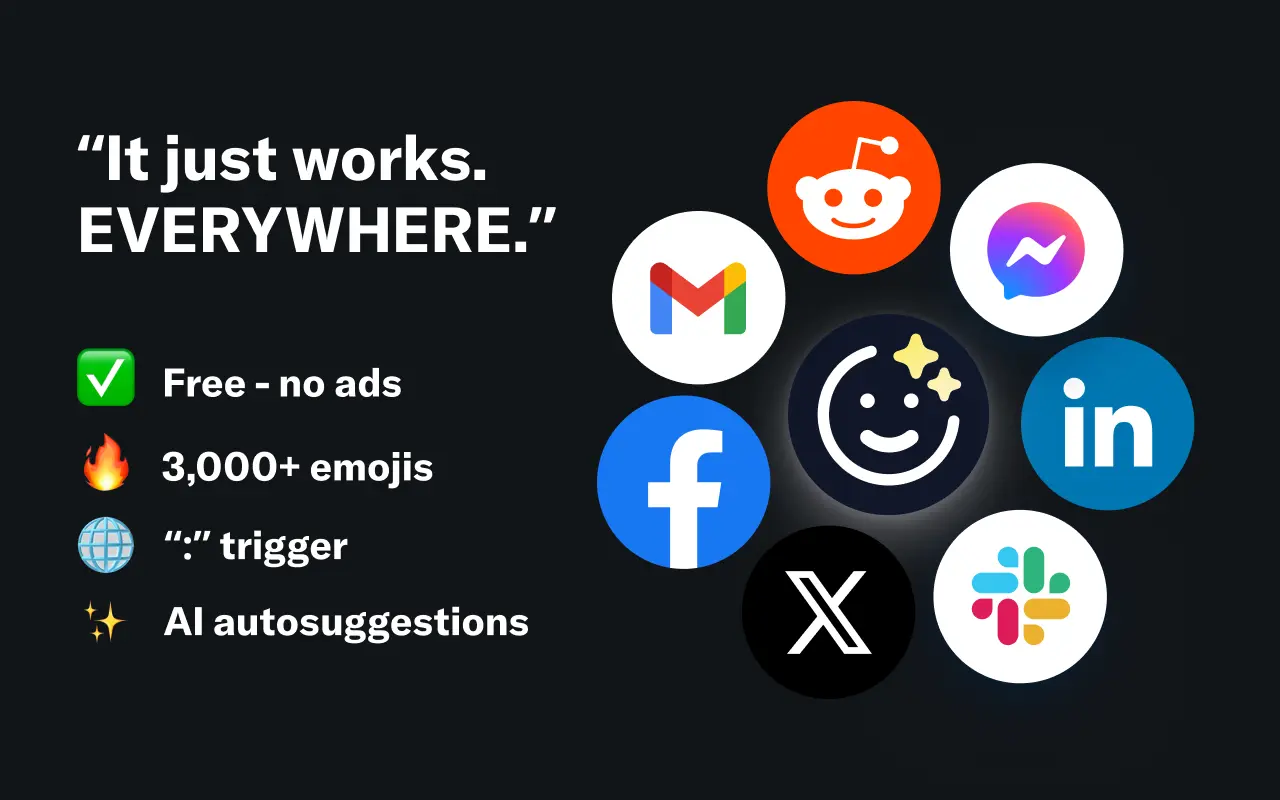
EmojAI
AI-powered emoji picker with smart, context-aware suggestions 🤖
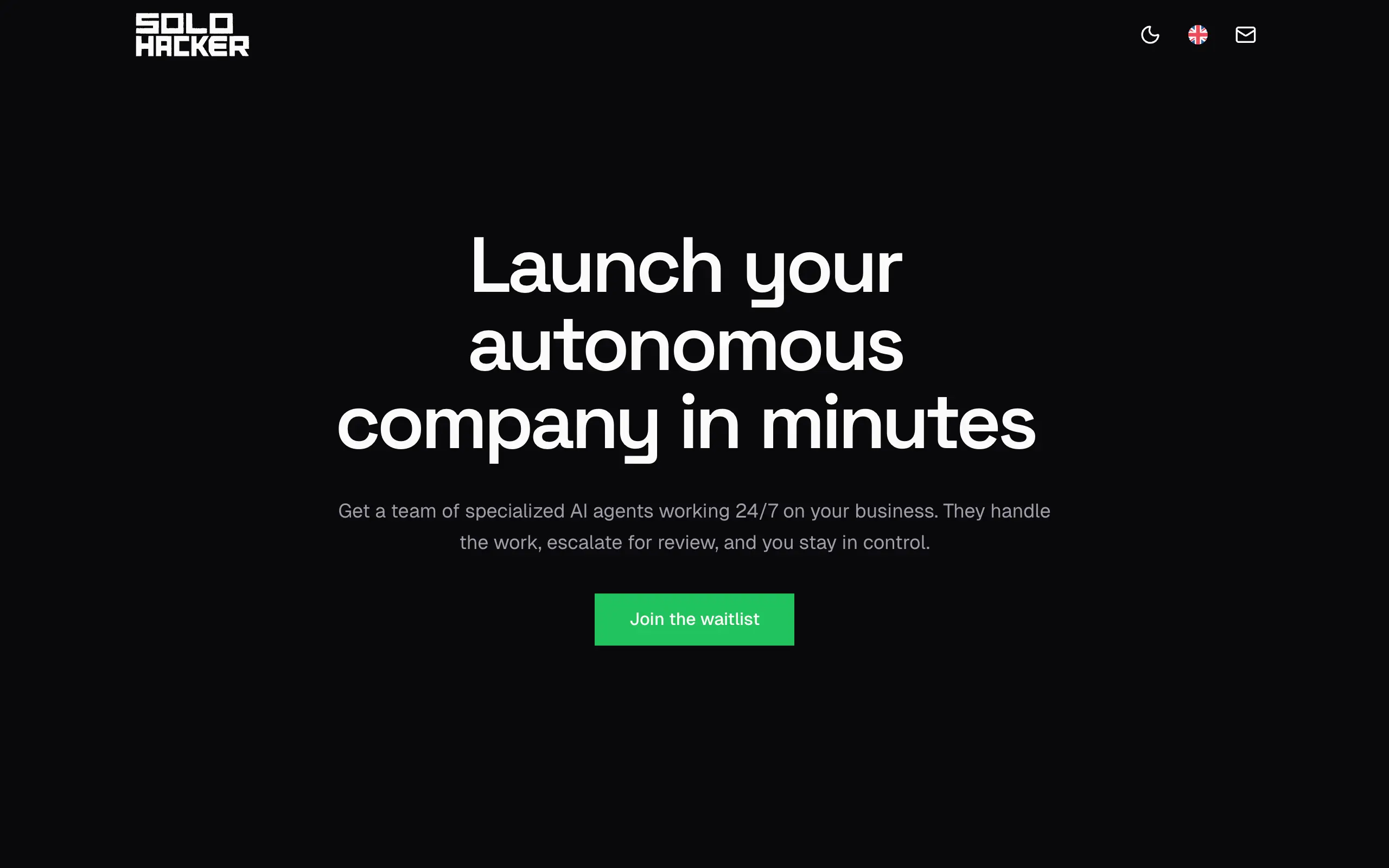
Solohacker
Autonomous company launcher - AI agents work 24/7, escalate what matters, and you stay in control 🤖
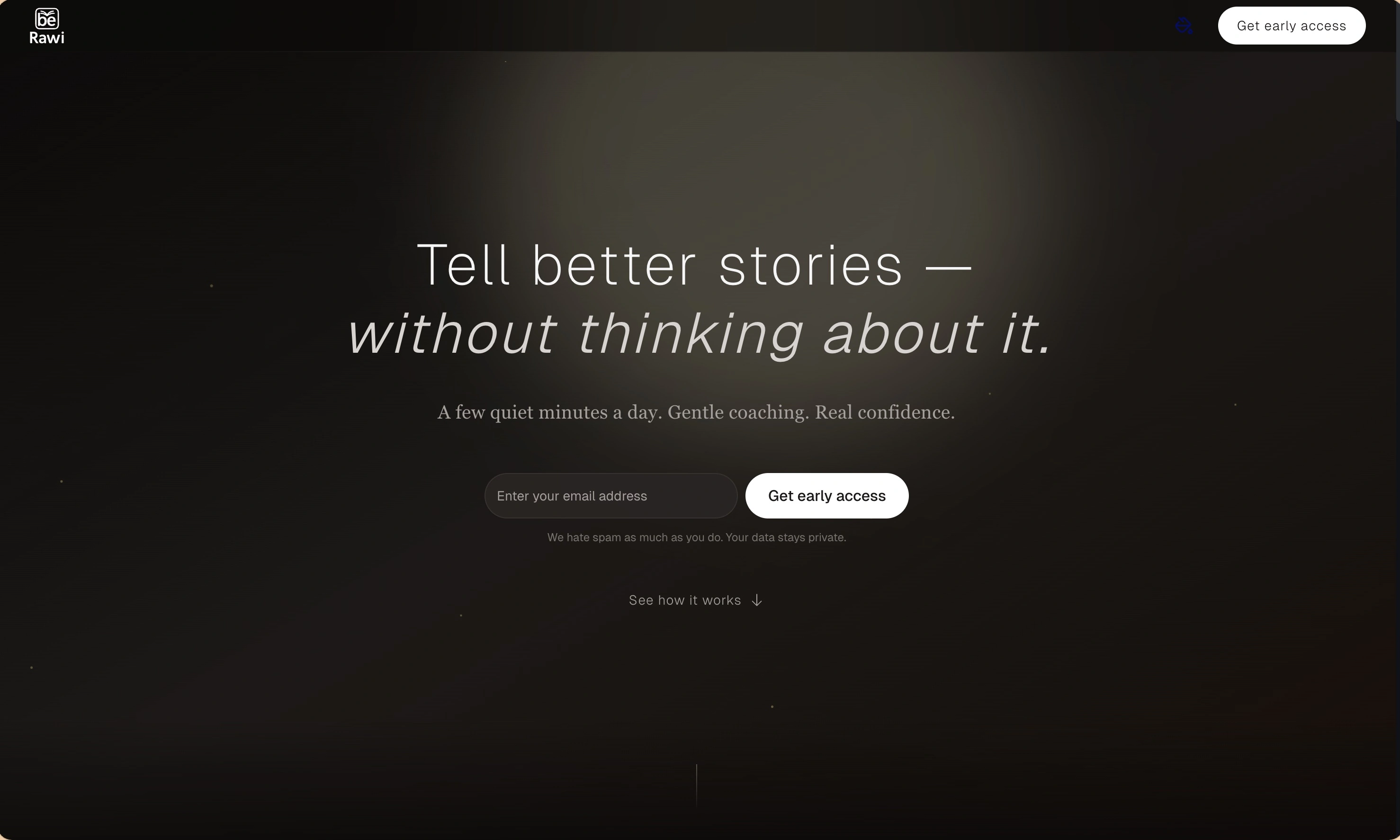
BeRawi: Storytelling Coach
Practice storytelling daily with instant feedback to sound clearer, more engaging, and confident 🎤
Omichat
Chat with 50+ AI models, including ChatGPT and Claude, in one place - switch models anytime without losing context 🤖
Claude Fast
Supercharge your Claude Code with 6x effective context window and specialized AI agents 🤖
EmojAI
AI-powered emoji picker with smart, context-aware suggestions 🤖
Solohacker
Autonomous company launcher - AI agents work 24/7, escalate what matters, and you stay in control 🤖
BeRawi: Storytelling Coach
Practice storytelling daily with instant feedback to sound clearer, more engaging, and confident 🎤
Omichat
Chat with 50+ AI models, including ChatGPT and Claude, in one place - switch models anytime without losing context 🤖
Claude Fast
Supercharge your Claude Code with 6x effective context window and specialized AI agents 🤖
EmojAI
AI-powered emoji picker with smart, context-aware suggestions 🤖
Solohacker
Autonomous company launcher - AI agents work 24/7, escalate what matters, and you stay in control 🤖
BeRawi: Storytelling Coach
Practice storytelling daily with instant feedback to sound clearer, more engaging, and confident 🎤
Omichat
Chat with 50+ AI models, including ChatGPT and Claude, in one place - switch models anytime without losing context 🤖
Claude Fast
Supercharge your Claude Code with 6x effective context window and specialized AI agents 🤖
EmojAI
AI-powered emoji picker with smart, context-aware suggestions 🤖
Solohacker
Autonomous company launcher - AI agents work 24/7, escalate what matters, and you stay in control 🤖
BeRawi: Storytelling Coach
Practice storytelling daily with instant feedback to sound clearer, more engaging, and confident 🎤

Connect with like-minded people
Join our community to get feedback, support, and grow together with 1,000+ builders on board, let's ship it!
Join usShip your startup everywhere. In minutes.
Don't burn tokens on setup and start building features on day one.