ClientBrief AI
Transformă conversațiile cu clienții în specificații tehnice, wireframe-uri și task-uri gata de dezvoltare. Perfect pentru dezvoltatori solo.
what is an AI client brief generator and why it matters
In today’s fast-moving product development landscape, one of the most underestimated bottlenecks isn’t coding—it’s understanding what needs to be built. Miscommunication between clients and developers leads to scope creep, delays, frustration, and wasted resources.
An AI client brief generator like ClientBrief AI addresses this exact problem by transforming raw client conversations into structured, actionable outputs such as:
- Technical specifications
- Wireframes
- Development-ready task lists
For solo developers, freelancers, and small agencies, this isn’t just a productivity boost—it’s a competitive advantage.
Instead of spending hours decoding vague client requests, you can instantly convert discussions into clear, buildable plans.
Key insight
The biggest inefficiency in freelance and indie development is not coding—it’s ambiguity. Tools that eliminate ambiguity create disproportionate value.
the growing need for AI-powered client brief tools
the problem with traditional client onboarding
Most developers still rely on:
- Email threads
- Notion docs
- Zoom call notes
- Manual interpretation
This process introduces several risks:
- Misaligned expectations
- Missing requirements
- Inconsistent documentation
- Rework and client dissatisfaction
According to widely cited industry insights (e.g., PMI and McKinsey reports), poor requirements gathering is one of the top causes of project failure.
why now is the perfect time
Several trends make ClientBrief AI especially relevant:
- Rise of solo developers and indie hackers
- Explosion of AI-assisted development tools
- Client expectations for faster delivery
- Growth of no-code/low-code ecosystems
Developers are building faster than ever—but planning hasn’t caught up.
That’s the gap.
target audience analysis
primary audience: solo developers
These users benefit the most because they:
- Handle both technical and client communication
- Lack dedicated product managers
- Need to move quickly with minimal overhead
Their pain points:
- Translating vague ideas into technical scope
- Avoiding miscommunication
- Delivering faster without sacrificing quality
secondary audience: freelancers and agencies
Small teams also struggle with:
- Standardizing project intake
- Reducing onboarding time
- Scaling without hiring more PMs
tertiary audience: product teams & startups
Early-stage startups often:
- Lack formal product documentation
- Iterate quickly
- Need structured outputs from chaotic brainstorming
how ClientBrief AI works (core concept)
At its core, ClientBrief AI acts as an AI-powered translator between human intent and technical execution.
input
- Client conversations (text, transcripts, notes)
- Voice recordings (optional future feature)
- Chat logs (Slack, email, WhatsApp)
processing
Using advanced language models, the system:
- Extracts intent
- Identifies features
- Detects ambiguities
- Structures requirements
output
- Product requirement documents (PRDs)
- Wireframes
- Task breakdowns (Jira-style)
- User stories
- Technical architecture suggestions
core features that define a winning product
1. conversation-to-spec conversion
The flagship feature:
- Paste a client conversation
- Receive a structured technical spec
This includes:
- Feature list
- Functional requirements
- Edge cases
- Assumptions
2. automatic wireframe generation
Instead of just text output, generate:
- Low-fidelity UI layouts
- Screen flows
- Component suggestions
3. task generation for developers
Transform specs into:
- Jira tickets
- GitHub issues
- Linear tasks
With:
- Acceptance criteria
- Priority levels
- Dependencies
4. clarification engine
AI detects ambiguity and asks:
- “Should users log in via email or social?”
- “Is this feature required for MVP?”
This reduces guesswork dramatically.
5. client-ready summaries
Generate:
- Clean project summaries
- Scope documents
- Cost estimation drafts
Perfect for client approval.
feature comparison against traditional workflows
| Capability | Manual Process | ClientBrief AI | Speed | Accuracy |
|---|---|---|---|---|
| Requirement gathering | ❌ | ✅ | ✅ | ✅ |
| Wireframe creation | ❌ | ✅ | ✅ | ❌ |
| Task breakdown | ❌ | ✅ | ✅ | ✅ |
market opportunity and gap analysis
existing tools
Current solutions include:
- Notion AI
- ChatGPT
- Productboard
- Jira + plugins
However, these tools:
- Are generic, not purpose-built
- Require manual prompting
- Don’t produce end-to-end outputs
the gap
There is no dominant tool that:
- Starts from raw conversation
- Ends with development-ready assets
- Focuses specifically on developers
That’s the positioning advantage.
unique selling proposition (USP)
ClientBrief AI stands out because it:
- Is developer-first, not enterprise-first
- Converts messy input → structured output instantly
- Combines AI + product thinking + dev workflows
- Reduces need for product managers in small teams
why this matters
Most AI tools assist with pieces of the workflow.
ClientBrief AI owns the entire pipeline.
recommended tech stack (with trade-offs)
frontend
Benefits:
- Fast UI development
- Scalable component system
Trade-off:
- Requires optimization for large outputs (virtualization)
backend
- Node.js (or Bun for performance)
- API layer for AI orchestration
AI layer
- OpenAI or similar LLM APIs
- Prompt pipelines + structured outputs
Trade-offs:
- Cost per request
- Latency vs quality balance
storage
- PostgreSQL for structured data
- Vector database (optional) for context memory
integrations
- Slack
- Notion
- Jira
- GitHub
monetization strategies
1. subscription model (recommended)
- Free tier (limited generations)
- Pro ($15–$30/month)
- Team plans ($50–$150/month)
2. usage-based pricing
Charge per:
- Brief generated
- Tokens processed
Best for heavy users.
3. agency plans
Offer:
- Multi-client workspace
- White-label exports
4. marketplace add-ons (future)
- Wireframe templates
- Industry-specific prompt packs
potential risks and how to mitigate them
risk 1: inaccurate outputs
AI may misunderstand context.
Mitigation:
- Add validation layers
- Include “confidence score”
- Provide editable outputs
risk 2: over-reliance on AI
Users might skip critical thinking.
Mitigation:
- Encourage review workflows
- Highlight assumptions clearly
risk 3: competition from general AI tools
ChatGPT-like tools could replicate features.
Mitigation:
- Focus on workflow integration
- Build UX moat, not just AI
risk 4: cost scaling
AI calls can get expensive.
Mitigation:
- Optimize prompts
- Cache results
- Offer tiered pricing
SEO keyword strategy for ClientBrief AI
Primary keyword:
- AI client brief generator
Secondary keywords:
- AI project specification tool
- client requirement automation
- AI wireframe generator
- developer workflow automation
- AI product requirements generator
Long-tail opportunities:
- “how to convert client ideas into technical specs”
- “AI tool for freelance developers requirements gathering”
content strategy to rank
To build authority:
- Publish case studies
- Create comparison posts
- Share real project transformations
Example topics:
- “From client call to MVP in 1 hour using AI”
- “Manual vs AI requirement gathering: time comparison”
- “How freelancers can eliminate scope creep with AI”
implementation roadmap
MVP feature set (what to build first)
Focus on:
- Input: conversation text
- Output: structured spec + tasks
- Export: Markdown / Notion
Skip initially:
- Complex integrations
- Advanced UI editors
go-to-market strategy
1. target indie developers
Channels:
- Twitter/X
- Indie Hackers
- Product Hunt
2. content marketing
Write about:
- Freelancing pain points
- AI productivity workflows
3. viral loops
Encourage sharing:
- “Generated with ClientBrief AI”
4. partnerships
Collaborate with:
- No-code platforms
- Dev communities
competitive advantage breakdown
Speed advantage
Reduce hours of planning into minutes with AI automation.
Clarity advantage
Eliminate ambiguity with structured outputs and validation.
Workflow integration
Seamlessly connects with tools developers already use.
future expansion opportunities
- Voice-to-brief conversion
- Real-time meeting assistant
- AI project estimation
- Code scaffolding integration
- Full product lifecycle management
practical example workflow
Developer spends hours:
- Reviewing notes
- Writing specs manually
- Clarifying with client
Paste conversation:
- AI generates spec
- Tasks auto-created
- Wireframe ready
frequently asked questions
Not entirely. It reduces the need for them in small teams but enhances productivity in larger teams.
Yes, but best results come with structured input and iterative refinement.
Accuracy improves with better prompts and feedback loops. Human validation is still recommended.
actionable steps to build your own AI client brief SaaS
- Define a narrow use case (freelancers first)
- Build a simple input → output pipeline
- Focus on UX clarity over AI complexity
- Validate with real users early
- Iterate aggressively
final thoughts
ClientBrief AI sits at the intersection of AI, developer productivity, and product management—a space that’s rapidly evolving and still largely underserved.
The real opportunity isn’t just building another AI tool.
It’s building a decision-making engine that helps developers move from:
“What did the client mean?”
to
“Let’s start building.”
If executed well, this product can become an essential part of every developer’s workflow.
ready to build your SaaS faster?
If you're serious about launching an AI product like this, using a proven starter framework can save weeks of setup and engineering effort.
Check out TurboStarter to accelerate your SaaS development with a production-ready foundation.
More 🤖 AI Startup SaaS ideas
Discover more innovative ai startup SaaS ideas that are trending in 2026. Each idea is AI-generated with market validation and growth potential to help you find your next profitable venture faster than competitors.
Your competitors are building with TurboStarter
Below are some of the SaaS ideas that have been generated and built with our starter kit.
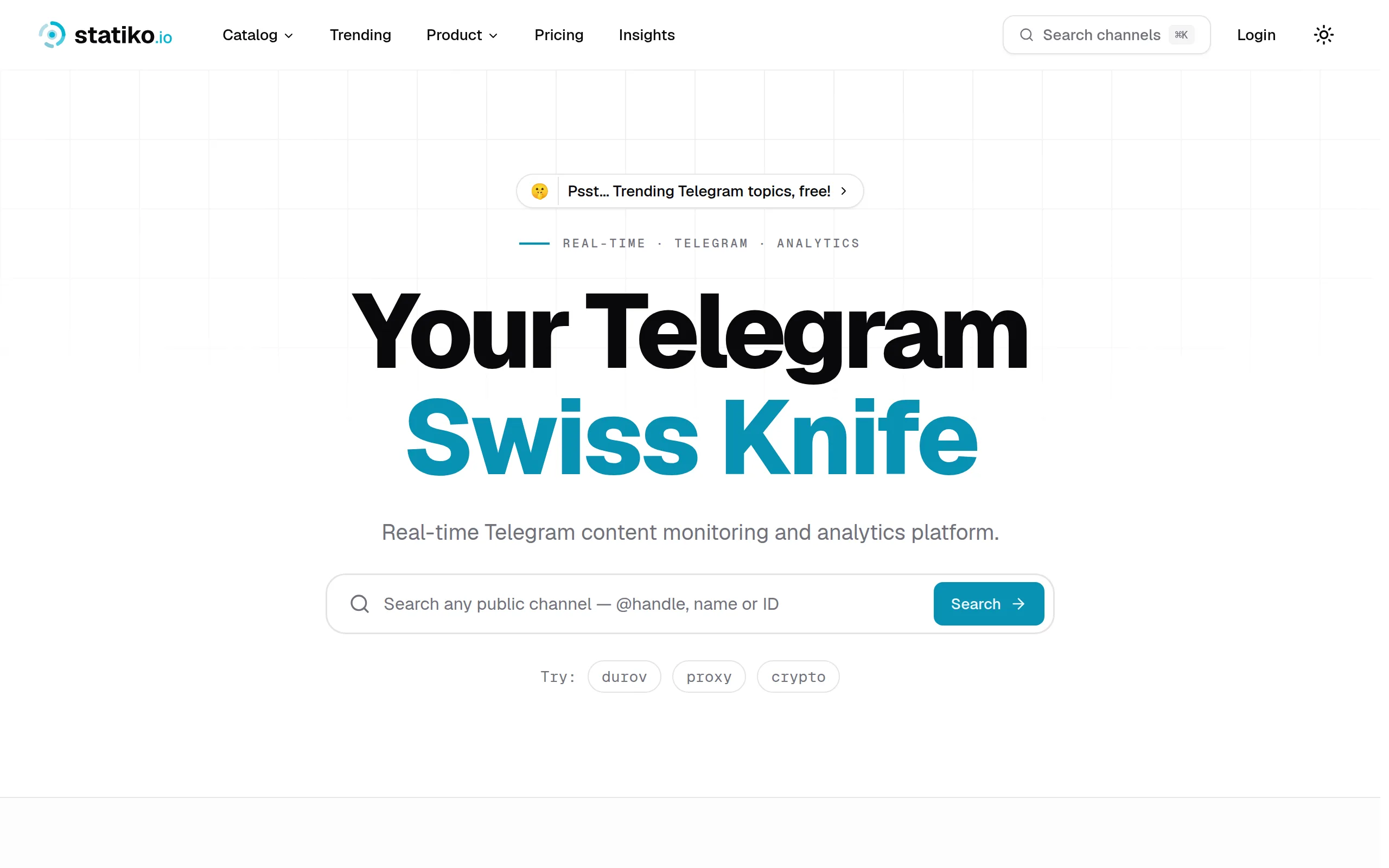
Statiko
Monitor any Telegram channel in real time - track posts, edits, deletions, and growth with AI recaps 📡

Shibui
AI website builder - describe your business, pick a niche template, edit by chatting, and publish instantly ✨

Pro Service
Find verified home service professionals, compare quotes, and pay securely through escrow - built for Brazilians across the US 🏠
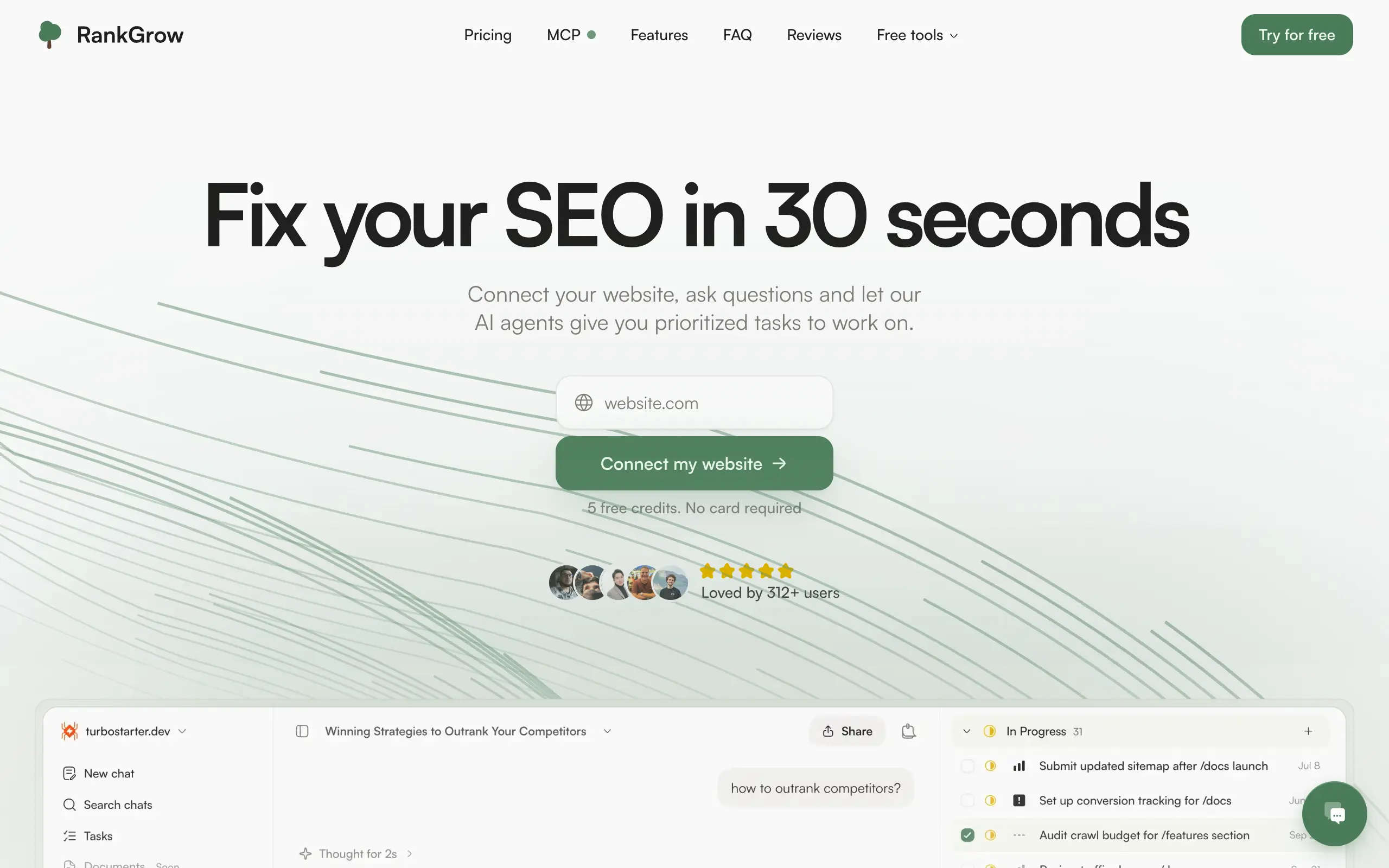
RankGrow
Fix your SEO with AI agents - connect Search Console, get prioritized tasks, and grow organic traffic 📈
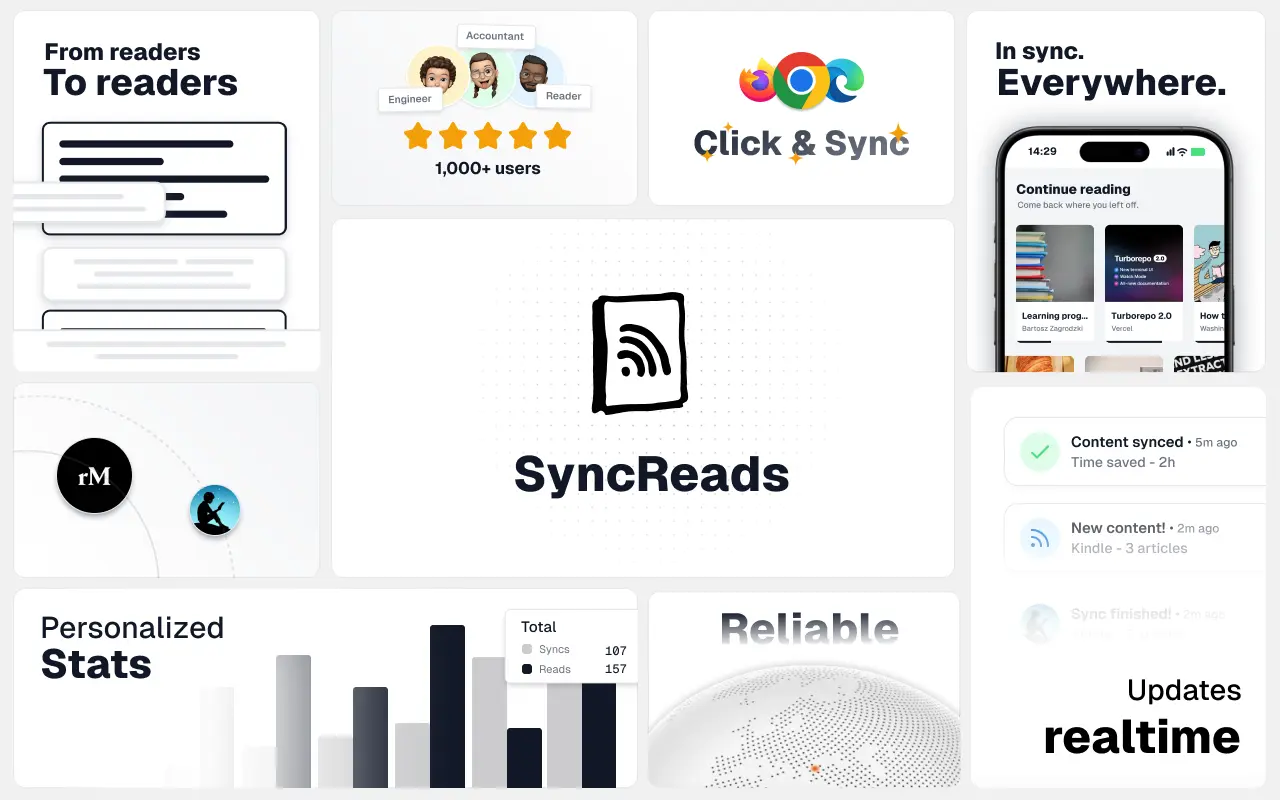
SyncReads
Sync your favorite content for distraction-free reading, save time and replace multiple apps. Anytime, anywhere 🔄
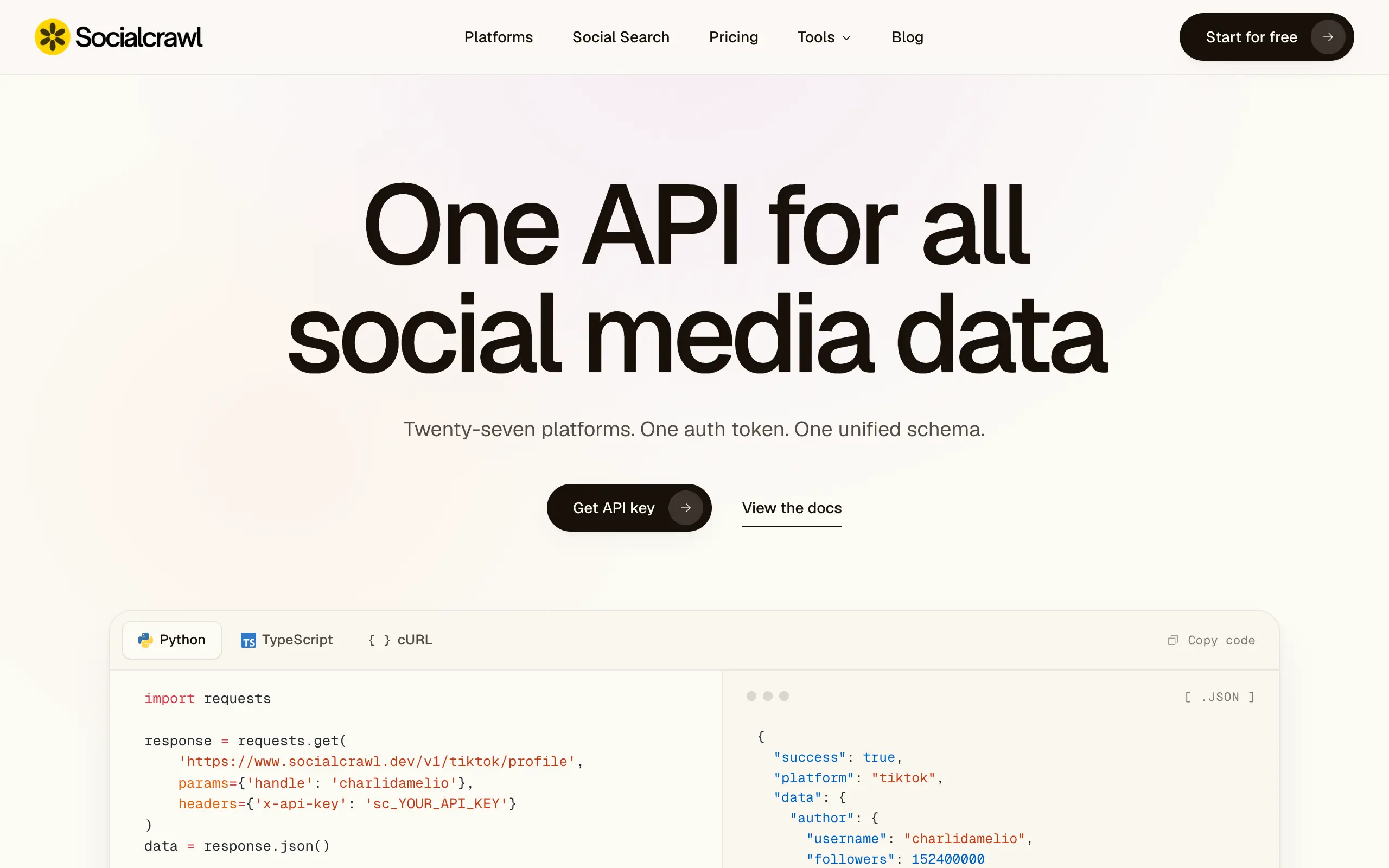
Socialcrawl
Get clean, structured data from 21 platforms like TikTok, Instagram, and YouTube with a single request 📊
Statiko
Monitor any Telegram channel in real time - track posts, edits, deletions, and growth with AI recaps 📡
Shibui
AI website builder - describe your business, pick a niche template, edit by chatting, and publish instantly ✨
Pro Service
Find verified home service professionals, compare quotes, and pay securely through escrow - built for Brazilians across the US 🏠
RankGrow
Fix your SEO with AI agents - connect Search Console, get prioritized tasks, and grow organic traffic 📈
SyncReads
Sync your favorite content for distraction-free reading, save time and replace multiple apps. Anytime, anywhere 🔄
Socialcrawl
Get clean, structured data from 21 platforms like TikTok, Instagram, and YouTube with a single request 📊
Statiko
Monitor any Telegram channel in real time - track posts, edits, deletions, and growth with AI recaps 📡
Shibui
AI website builder - describe your business, pick a niche template, edit by chatting, and publish instantly ✨
Pro Service
Find verified home service professionals, compare quotes, and pay securely through escrow - built for Brazilians across the US 🏠
RankGrow
Fix your SEO with AI agents - connect Search Console, get prioritized tasks, and grow organic traffic 📈
SyncReads
Sync your favorite content for distraction-free reading, save time and replace multiple apps. Anytime, anywhere 🔄
Socialcrawl
Get clean, structured data from 21 platforms like TikTok, Instagram, and YouTube with a single request 📊
Statiko
Monitor any Telegram channel in real time - track posts, edits, deletions, and growth with AI recaps 📡
Shibui
AI website builder - describe your business, pick a niche template, edit by chatting, and publish instantly ✨
Pro Service
Find verified home service professionals, compare quotes, and pay securely through escrow - built for Brazilians across the US 🏠
RankGrow
Fix your SEO with AI agents - connect Search Console, get prioritized tasks, and grow organic traffic 📈
SyncReads
Sync your favorite content for distraction-free reading, save time and replace multiple apps. Anytime, anywhere 🔄
Socialcrawl
Get clean, structured data from 21 platforms like TikTok, Instagram, and YouTube with a single request 📊
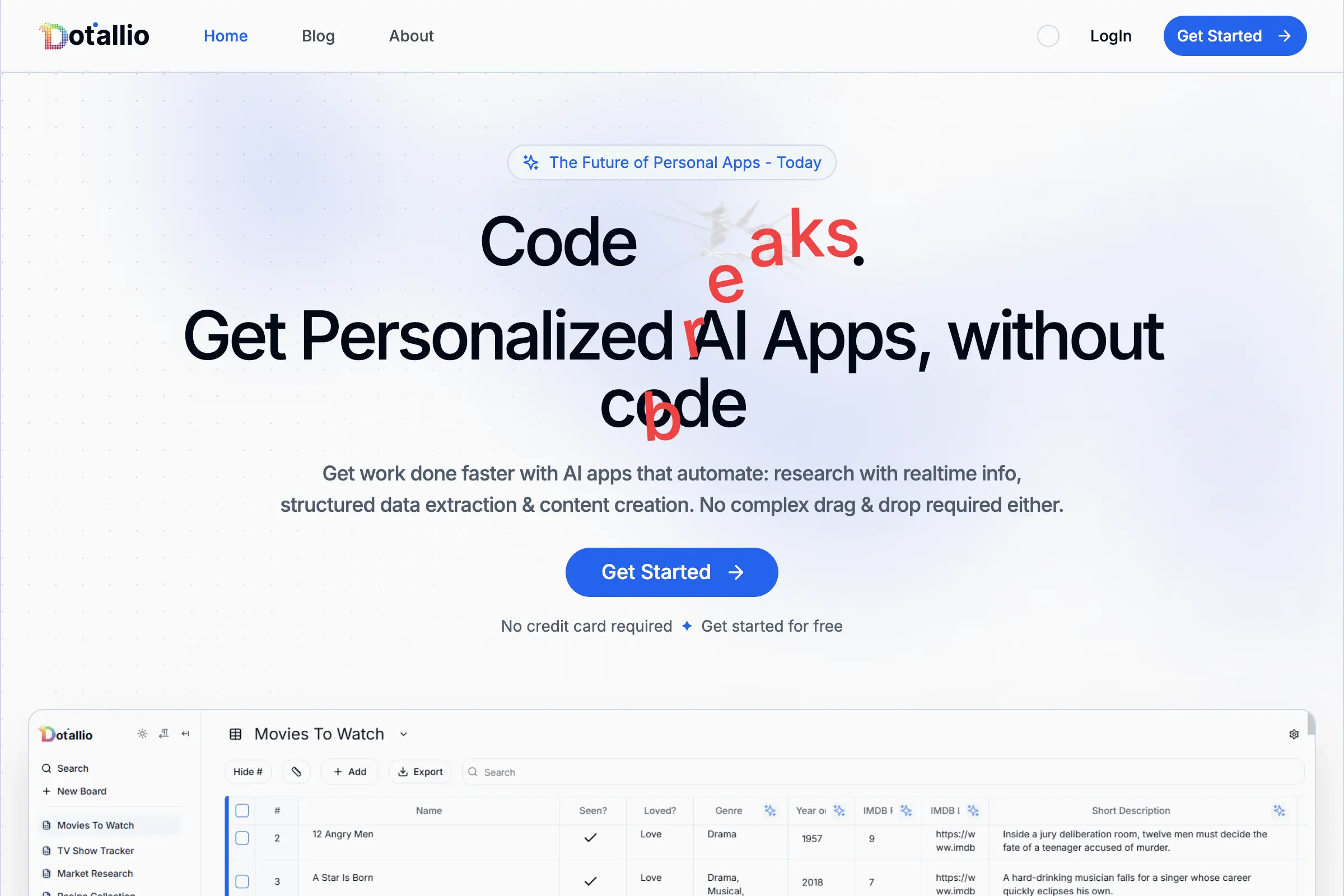
Dotallio
Personalized AI apps that automate research, data extraction, and content creation without code 🤖

Talk to Santa
Enjoy a magical live video chat or receive a unique AI-generated video greeting from Santa Claus 🎅
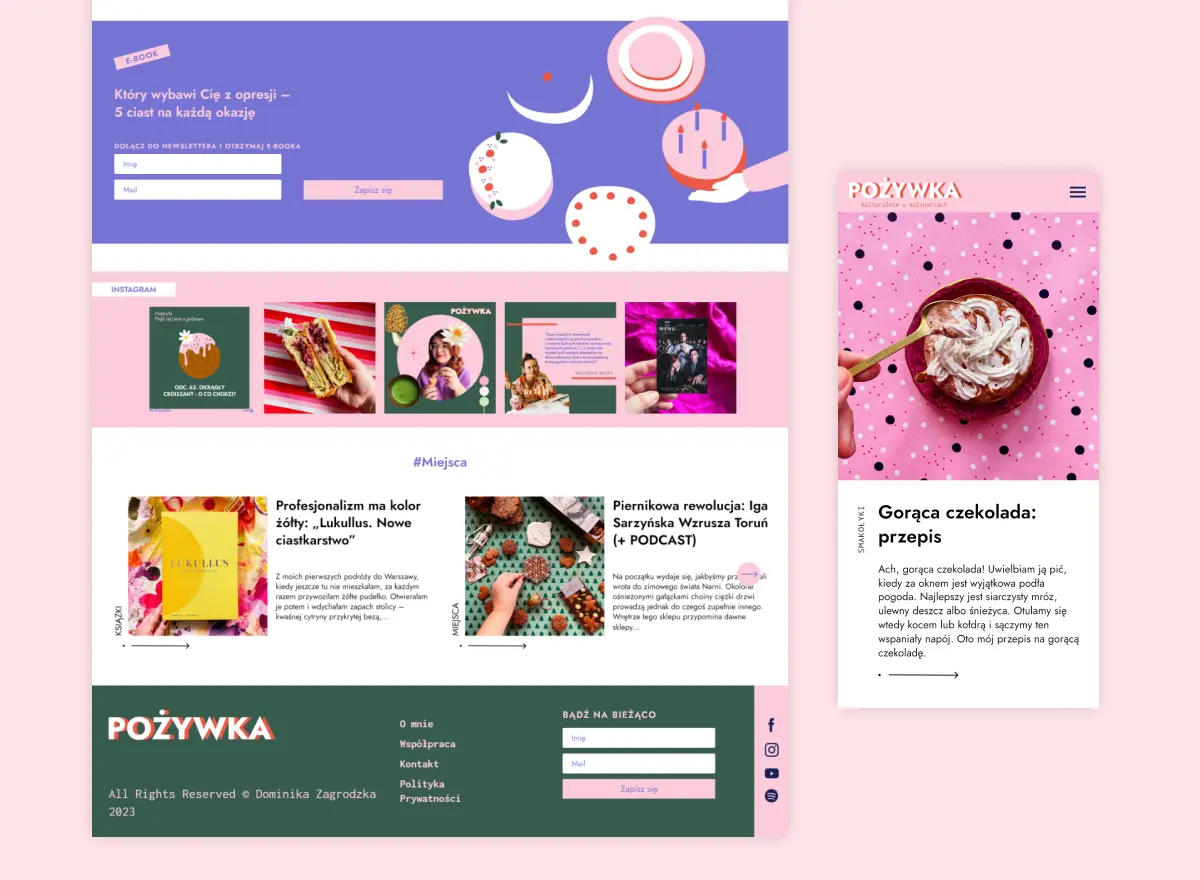
pozywka.pl
Scalable blog for food journalist, focused on performance and user experience 🌭
zagrodzki.me
Personal blog and portfolio of Bart Zagrodzki, where he shares his knowledge and work 💼
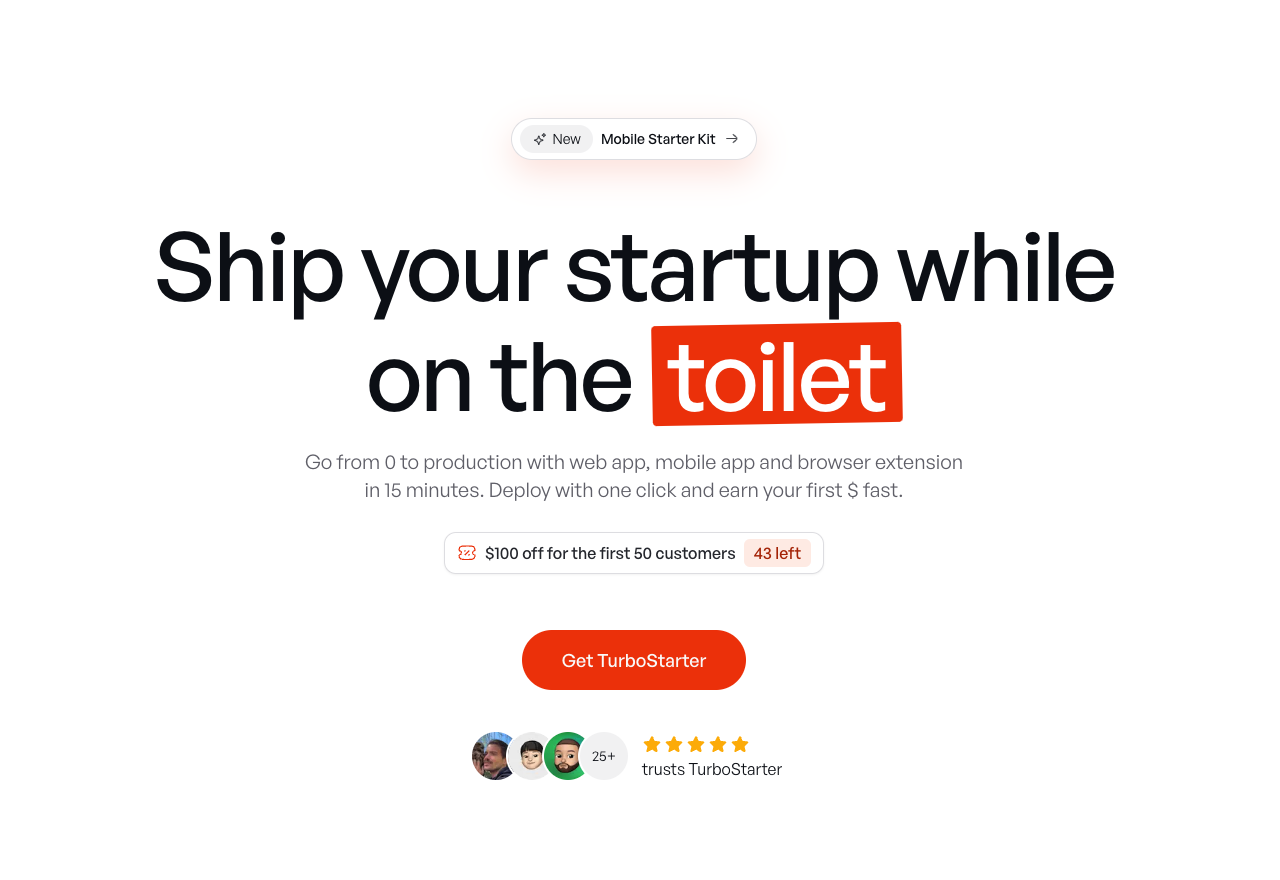
TurboStarter
Ship your startup everywhere. In minutes.
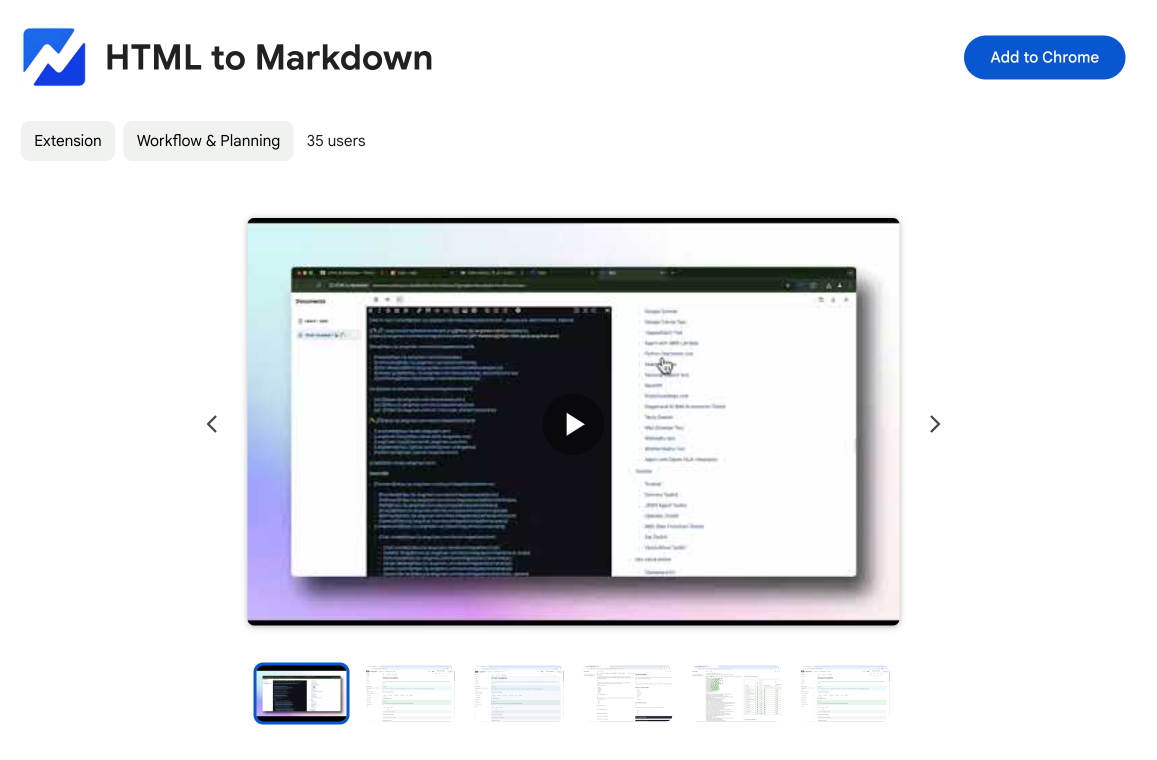
HTML to Markdown
Convert HTML to Markdown with ease, directly in your browser 📄
Dotallio
Personalized AI apps that automate research, data extraction, and content creation without code 🤖
Talk to Santa
Enjoy a magical live video chat or receive a unique AI-generated video greeting from Santa Claus 🎅
pozywka.pl
Scalable blog for food journalist, focused on performance and user experience 🌭
zagrodzki.me
Personal blog and portfolio of Bart Zagrodzki, where he shares his knowledge and work 💼
TurboStarter
Ship your startup everywhere. In minutes.
HTML to Markdown
Convert HTML to Markdown with ease, directly in your browser 📄
Dotallio
Personalized AI apps that automate research, data extraction, and content creation without code 🤖
Talk to Santa
Enjoy a magical live video chat or receive a unique AI-generated video greeting from Santa Claus 🎅
pozywka.pl
Scalable blog for food journalist, focused on performance and user experience 🌭
zagrodzki.me
Personal blog and portfolio of Bart Zagrodzki, where he shares his knowledge and work 💼
TurboStarter
Ship your startup everywhere. In minutes.
HTML to Markdown
Convert HTML to Markdown with ease, directly in your browser 📄
Dotallio
Personalized AI apps that automate research, data extraction, and content creation without code 🤖
Talk to Santa
Enjoy a magical live video chat or receive a unique AI-generated video greeting from Santa Claus 🎅
pozywka.pl
Scalable blog for food journalist, focused on performance and user experience 🌭
zagrodzki.me
Personal blog and portfolio of Bart Zagrodzki, where he shares his knowledge and work 💼
TurboStarter
Ship your startup everywhere. In minutes.
HTML to Markdown
Convert HTML to Markdown with ease, directly in your browser 📄
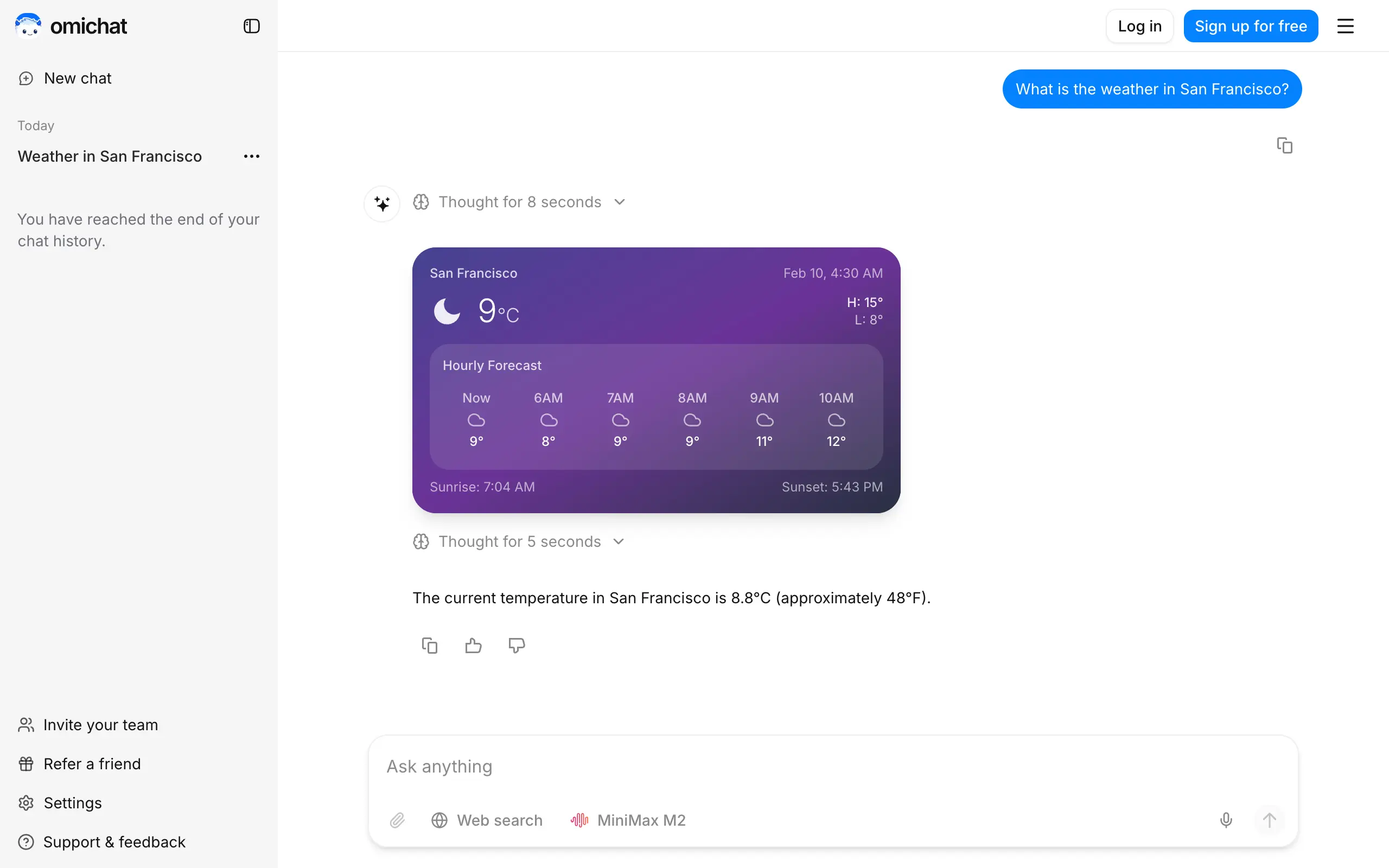
Omichat
Chat with 50+ AI models, including ChatGPT and Claude, in one place - switch models anytime without losing context 🤖
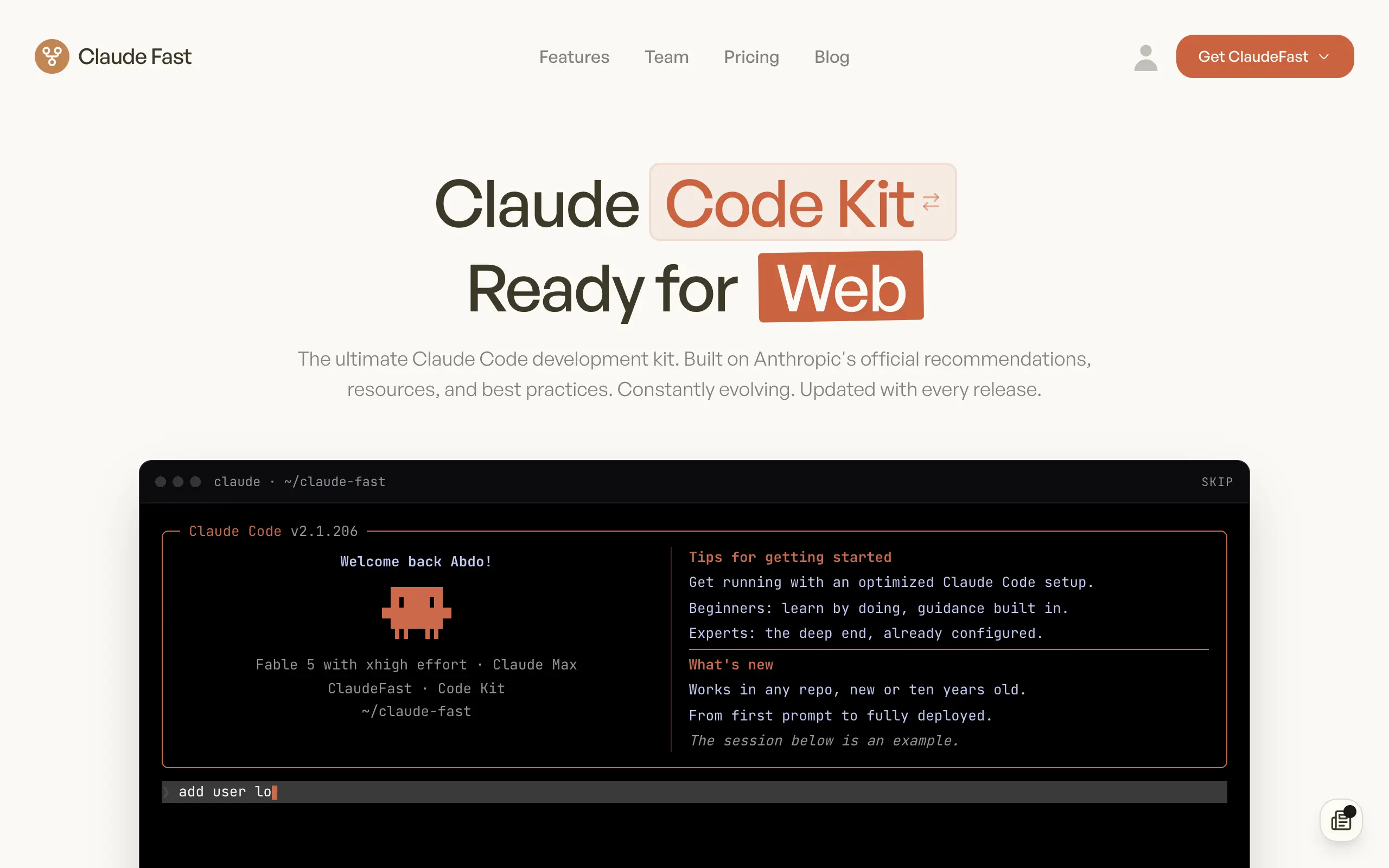
Claude Fast
Supercharge your Claude Code with 6x effective context window and specialized AI agents 🤖
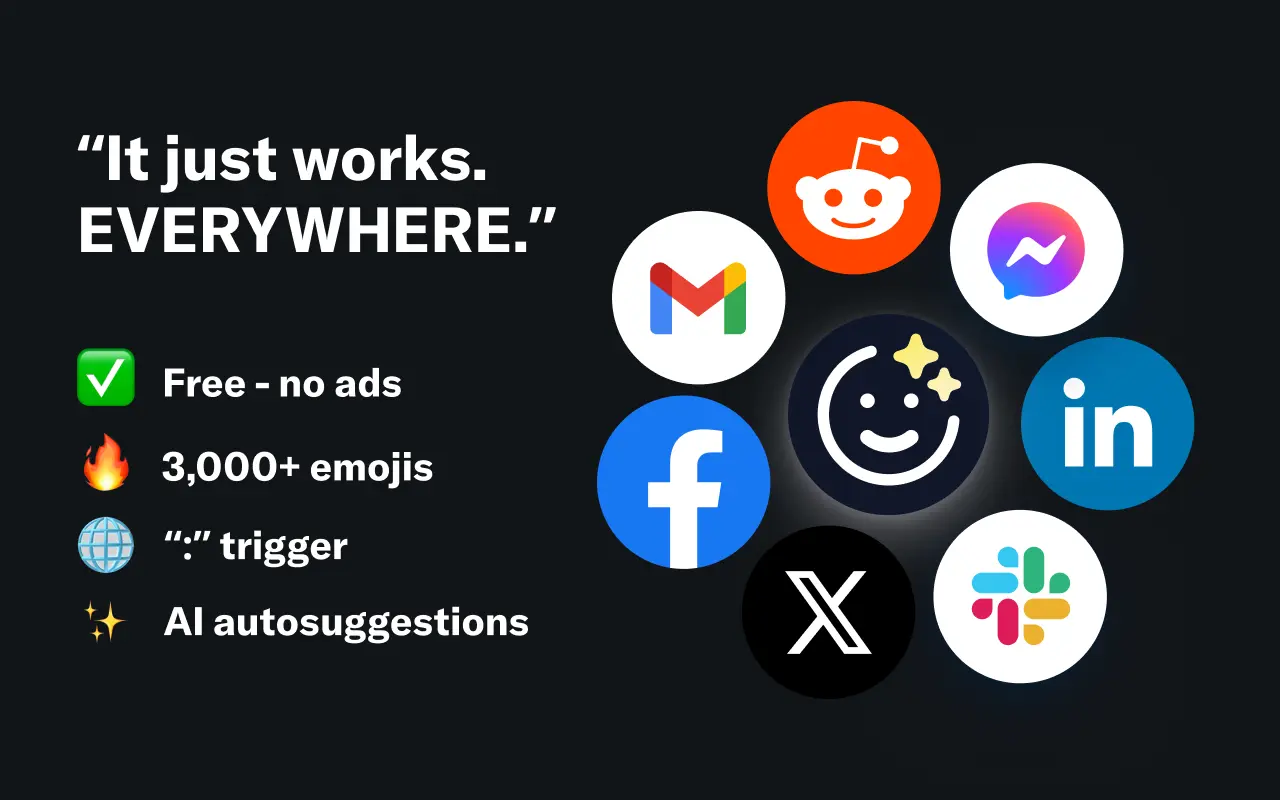
EmojAI
AI-powered emoji picker with smart, context-aware suggestions 🤖
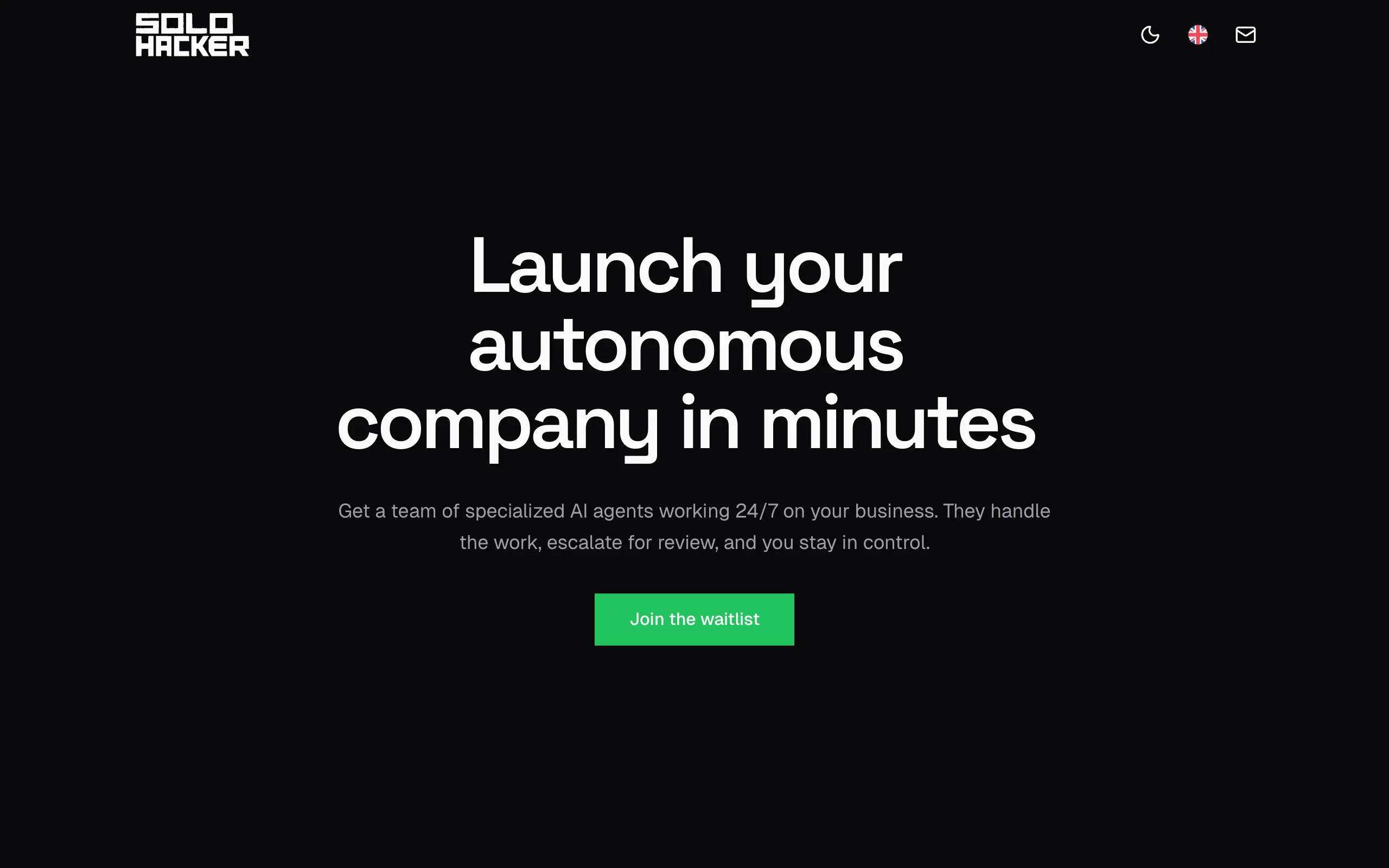
Solohacker
Autonomous company launcher - AI agents work 24/7, escalate what matters, and you stay in control 🤖
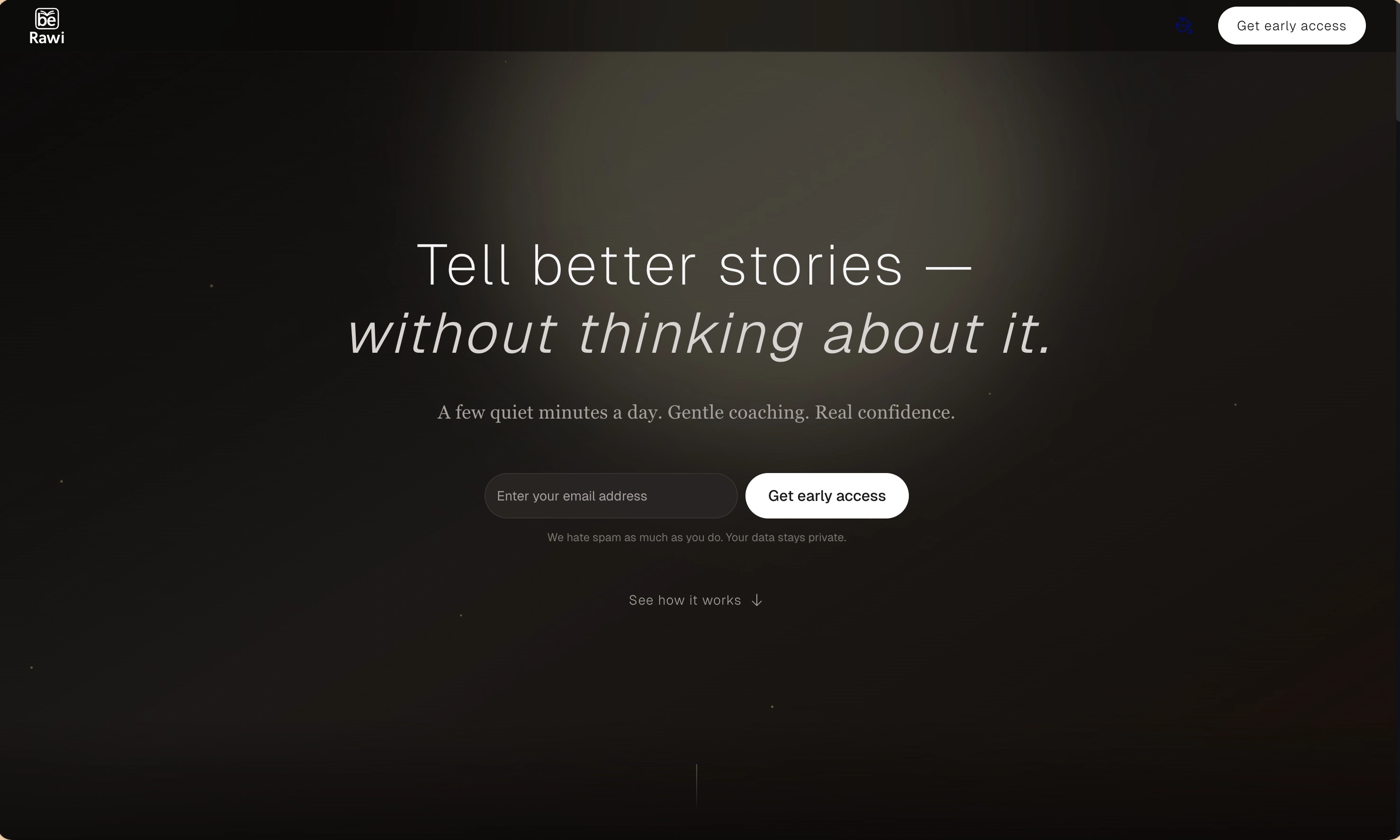
BeRawi: Storytelling Coach
Practice storytelling daily with instant feedback to sound clearer, more engaging, and confident 🎤
Omichat
Chat with 50+ AI models, including ChatGPT and Claude, in one place - switch models anytime without losing context 🤖
Claude Fast
Supercharge your Claude Code with 6x effective context window and specialized AI agents 🤖
EmojAI
AI-powered emoji picker with smart, context-aware suggestions 🤖
Solohacker
Autonomous company launcher - AI agents work 24/7, escalate what matters, and you stay in control 🤖
BeRawi: Storytelling Coach
Practice storytelling daily with instant feedback to sound clearer, more engaging, and confident 🎤
Omichat
Chat with 50+ AI models, including ChatGPT and Claude, in one place - switch models anytime without losing context 🤖
Claude Fast
Supercharge your Claude Code with 6x effective context window and specialized AI agents 🤖
EmojAI
AI-powered emoji picker with smart, context-aware suggestions 🤖
Solohacker
Autonomous company launcher - AI agents work 24/7, escalate what matters, and you stay in control 🤖
BeRawi: Storytelling Coach
Practice storytelling daily with instant feedback to sound clearer, more engaging, and confident 🎤
Omichat
Chat with 50+ AI models, including ChatGPT and Claude, in one place - switch models anytime without losing context 🤖
Claude Fast
Supercharge your Claude Code with 6x effective context window and specialized AI agents 🤖
EmojAI
AI-powered emoji picker with smart, context-aware suggestions 🤖
Solohacker
Autonomous company launcher - AI agents work 24/7, escalate what matters, and you stay in control 🤖
BeRawi: Storytelling Coach
Practice storytelling daily with instant feedback to sound clearer, more engaging, and confident 🎤

Connect with like-minded people
Join our community to get feedback, support, and grow together with 1,000+ builders on board, let's ship it!
Join usShip your startup everywhere. In minutes.
Don't burn tokens on setup and start building features on day one.