ClinicCue
An AI scribe for physiotherapists that captures verbal exercise prescriptions during appointments and sends personalised video programs with no typing.
Why an AI scribe for physiotherapists is a timely SaaS opportunity
Physiotherapy is a high-touch profession built on observation, assessment, coaching, and progressive exercise prescription. Yet many physiotherapists still spend a meaningful portion of each appointment documenting clinical notes, creating home exercise programs, finding suitable videos, and sending follow-up instructions.
That administrative burden creates a clear opportunity for ClinicCue, an AI scribe for physiotherapists that captures spoken exercise prescriptions during an appointment and turns them into personalized, patient-ready video programs without requiring the clinician to type.
The core promise is simple: a physiotherapist speaks naturally while treating a patient, ClinicCue recognizes the prescribed exercises and relevant instructions, and the system produces a tailored exercise program that can be reviewed and sent after the appointment.
This is not simply speech-to-text for clinical notes. The stronger product category is an AI-powered physiotherapy workflow assistant that connects the conversation in the treatment room to the patient’s recovery plan at home.
The central product thesis
The most valuable automation is not generic transcription. It is converting clinically meaningful spoken instructions into a structured, reviewable, patient-friendly exercise program that improves practice efficiency without removing therapist oversight.
For founders, clinic owners, and health-tech teams evaluating this idea, the opportunity sits at the intersection of AI documentation, patient adherence, rehabilitation technology, and clinical workflow software.
The problem ClinicCue solves for physiotherapy practices
Physiotherapists are expected to do far more than deliver treatment. During a standard appointment, they may need to assess movement, explain a diagnosis, demonstrate exercises, correct technique, define dosage, update progression criteria, document the visit, and communicate next steps.
When exercise prescription is handled manually, the workflow often looks fragmented:
- The physiotherapist discusses and demonstrates exercises during the session.
- The clinician writes notes while trying to maintain patient engagement.
- The clinician searches an exercise library or re-creates a program afterward.
- The program is sent by email, printed, or delivered through a patient portal.
- The patient receives instructions that may be delayed, generic, or difficult to follow.
- The clinic has limited visibility into whether the program was understood or completed.
This process creates friction for everyone involved.
For the physiotherapist, manual documentation and program creation can extend the working day and contribute to burnout. For the patient, a verbal explanation may be forgotten once they leave the clinic. For clinic owners, inconsistent workflows can reduce capacity and make care quality harder to standardize across the team.
An AI scribe for physiotherapists can reduce that friction by making verbal prescription the primary input. Instead of asking the clinician to adapt to software, the software adapts to the clinician’s natural treatment-room language.
For example, a physiotherapist may say:
“For the next week, complete three sets of ten bridge repetitions every other day. Keep your ribs down, pause for two seconds at the top, and stop if your pain exceeds three out of ten.”
ClinicCue should recognize the exercise, dosage, cadence, frequency, coaching cues, symptom guardrails, and review timeline. It can then produce a structured draft that the clinician approves before it reaches the patient.
That is the operational gap ClinicCue can own.
Target audience for an AI physiotherapy scribe
ClinicCue should avoid treating “physiotherapists” as one uniform market. Different practice types have distinct workflows, buying criteria, and compliance concerns. A focused initial customer profile will create a stronger go-to-market motion than a broad product for every rehabilitation provider.
Independent physiotherapists and solo practices
Solo practitioners often manage clinical care, scheduling, billing, follow-up communication, and administrative tasks themselves. They are highly sensitive to time savings because every minute spent creating programs is a minute unavailable for patient care, business development, or personal time.
Their likely needs include:
- Fast setup without technical implementation support
- A polished patient program experience that supports their personal brand
- Affordable monthly pricing
- Mobile-friendly access between appointments
- Easy sharing through email, SMS, or a secure patient link
- Minimal disruption to established documentation habits
This group is an excellent early adopter segment because purchase decisions are fast and the value proposition is immediately understandable.
Small and mid-sized physiotherapy clinics
Multi-practitioner clinics need workflow consistency as much as individual time savings. Clinic owners may want every clinician to deliver programs using common language, approved exercise content, and a unified patient experience.
Their priorities may include:
- Shared exercise libraries and templates
- Practitioner-level permissions
- Clinic-wide branding
- Usage analytics
- Standardized consent workflows
- Administrative controls and audit history
- Integration with practice management software
This segment can produce higher account values, but it will require stronger security, onboarding, and administrative capabilities.
Specialist rehabilitation providers
Sports rehabilitation, pelvic health, orthopaedic recovery, neurological rehabilitation, occupational health, and post-operative programs each have more specialized clinical language and exercise needs.
These users may be especially valuable because generic exercise software often fails to capture their nuanced instructions. However, vertical specialization should come after a reliable general musculoskeletal workflow is established.
Enterprise health organizations
Hospital outpatient departments, corporate healthcare providers, and large multidisciplinary clinics can represent substantial contracts. They also introduce longer procurement cycles, complex data processing requirements, formal security reviews, and integration demands.
ClinicCue should not begin here unless the founding team already has strong healthcare procurement experience. A more practical approach is proving retention with independent clinicians and growing clinics before building enterprise-grade controls.
Ideal early customer
A private musculoskeletal physiotherapy clinic with two to ten clinicians, frequent exercise prescriptions, and an owner who feels the administrative burden personally.
High-value user
A clinician who already uses home exercise software but dislikes the time spent searching, customizing, and sending programs after each visit.
Potential champion
A clinic director who wants consistent exercise instructions, better patient follow-up, and a more scalable clinical workflow.
Market gap in physiotherapy documentation and home exercise software
The physiotherapy software market is not empty. Clinics already use electronic health records, practice management systems, exercise libraries, telehealth tools, generic transcription platforms, and patient engagement applications.
The gap is that these categories are frequently disconnected.
A practice management system may store appointments and notes, but it may not turn spoken exercise instructions into a ready-to-send home program. A home exercise platform may have excellent video content, but it can still require manual searching, selection, dosage entry, and customization. A general medical transcription tool may summarize a consultation, but it may not understand that “heel slides,” “dead bugs,” or “banded external rotation” need to become patient-facing exercise cards with sets, repetitions, precautions, and videos.
ClinicCue’s market opportunity is to bridge these systems through a physiotherapy-specific workflow.
The key product gap
The most important gap can be expressed as a workflow problem:
Physiotherapists prescribe exercises in conversation, but existing systems often require them to rebuild that prescription manually in software afterward.
A strong AI physiotherapy scribe closes the loop from voice to action.
It should not merely generate documentation. It should generate an editable clinical artifact that can be delivered to the patient. This distinction gives ClinicCue a clearer commercial position than “another AI note-taking tool.”
Why now is a favorable time to build
Several trends make this product more feasible and relevant than it would have been a few years ago:
- Speech recognition has improved significantly for conversational audio.
- Large language models can extract structured information from unstructured language.
- Multimodal AI systems can support video tagging, exercise matching, and quality review.
- Clinicians are increasingly aware of administrative burnout and documentation fatigue.
- Patients increasingly expect digital communication and mobile-friendly care plans.
- Health software buyers are becoming more familiar with AI copilots, provided the systems are secure and clinician-controlled.
The opportunity is real, but healthcare AI should not rely on hype alone. Any public claims about time savings, adherence improvement, burnout reduction, or outcomes should be supported by product-specific research or credible external evidence. For published material, cite primary research, government health authorities, recognized professional bodies, or peer-reviewed journals where possible.
ClinicCue’s unique value proposition
ClinicCue should position itself around a narrow, memorable promise:
Speak the exercise plan naturally. Send a personalized video program in minutes, not after-hours.
The product’s unique selling proposition is the combination of:
- Voice-first exercise prescription during the appointment
- Physiotherapy-aware extraction of dosage and coaching details
- Personalized video program generation
- Mandatory clinician review before delivery
- Low-friction follow-up for patients
This is materially different from generic dictation software and generic exercise libraries.
A generic transcription service can produce a transcript. ClinicCue should produce a clinically useful program draft.
A generic exercise platform can host videos. ClinicCue should know which video, prescription details, progression cues, and warnings belong to the individual patient’s plan.
What makes the product defensible
The initial interface can be copied. The deeper advantage comes from the workflow data and domain-specific intelligence that accumulates over time.
ClinicCue can develop defensibility through:
-
A physiotherapy exercise ontology that maps spoken clinical terms, synonyms, modifications, contraindications, and dosage patterns to structured exercise content.
-
High-quality program generation that understands the difference between “three sets of ten,” “ten-second holds,” “daily mobility work,” “only if symptoms settle,” and “progress when you can complete this pain-free.”
-
Clinician feedback loops that learn from edits, rejected suggestions, preferred wording, and clinic-level templates.
-
Clinic-specific content systems that enable organizations to use their own approved videos, terminology, and branding.
-
Trust-oriented product design that makes review, auditing, consent, and data controls first-class features rather than late-stage additions.
Core ClinicCue features and user workflow
The first version of ClinicCue should focus on one highly repeatable job: turning a verbal exercise prescription into a clinician-approved patient program.
Avoid expanding into full electronic health records, billing, scheduling, diagnosis, or autonomous treatment recommendations too early. Those capabilities create complexity and regulatory risk while distracting from the product’s most compelling workflow.
Voice capture designed for treatment rooms
The input experience must be fast enough for real clinical work. A physiotherapist should be able to start recording from a tablet, desktop, or mobile device with minimal clicks.
The product should support:
- Real-time or near-real-time transcription
- Speaker-aware capture where practical
- Clear recording indicators and consent prompts
- Pause and resume controls
- Noise handling for active treatment environments
- Secure upload and storage
- Optional post-appointment dictation mode
A treatment room is not a quiet office. Patients may be moving, equipment may create background noise, and clinicians may speak while demonstrating an exercise. Product testing should include real clinic environments, not just clean demo recordings.
Exercise and dosage extraction
The AI engine should convert natural speech into structured prescription fields.
A useful program object may include:
- Exercise name and recognized variation
- Side of the body where relevant
- Sets, repetitions, hold duration, tempo, and rest
- Frequency and expected timeframe
- Intensity guidance
- Pain or symptom thresholds
- Equipment requirements
- Form cues
- Progression and regression notes
- Review date or reassessment trigger
The system should be capable of surfacing uncertainty. If it hears “three sets of fifteen” but cannot confidently associate it with a specific exercise, it should ask the clinician for confirmation rather than silently guessing.
Clinical safety principle
ClinicCue should draft and organize exercise prescriptions, not independently prescribe treatment. The treating clinician must remain the final decision-maker and approve the program before it is shared with a patient.
Personalized video program builder
The patient-facing program is where ClinicCue becomes more than an AI transcription tool. Once an exercise has been identified, the product should match it to the best available instructional video and create an understandable plan.
Each exercise card can include:
- A short demonstration video
- Plain-language exercise instructions
- Personalized coaching cues from the clinician
- Sets, repetitions, frequency, and rest details
- Equipment information
- Safety notes
- Completion tracking
- A way for the patient to flag pain or confusion
The content library should prioritize clinical quality over quantity. A smaller set of well-filmed, properly cued exercise demonstrations is more valuable than a vast, poorly categorized video library.
Clinician review and editing
Review is non-negotiable in a clinical workflow. The AI should make the clinician faster, but the interface must make it easy to verify every important detail.
The review screen should support:
- Inline editing of dosage and instructions
- Confidence flags for ambiguous extraction
- Exercise replacement suggestions
- Add and remove controls
- Reordering of exercises
- Program templates
- Preview in patient view
- A clear approval action before sending
The best interaction model is likely “AI drafts, clinician decides.” This keeps the system useful while respecting clinical judgment.
Patient delivery and adherence support
Once approved, the program should be simple to access. Patients should not need to navigate a complex portal just to complete two exercises.
Delivery options can include:
- Secure email link
- SMS link, subject to consent and regional privacy requirements
- A lightweight web portal
- A mobile web experience
- PDF export for practices that still need printed materials
The patient experience should feel reassuring rather than overly technical. It should answer practical questions such as what to do, how often to do it, how it should feel, and when to contact the clinic.
Follow-up insights for clinicians
ClinicCue can eventually provide a concise view of program engagement. The goal is not surveillance. It is making the next consultation more informed.
Useful signals may include:
- Whether the patient opened the program
- Self-reported completion
- Reported pain or difficulty
- Exercise-level feedback
- Commonly skipped tasks
- Changes made to the program over time
These insights should be presented carefully. Completion data is imperfect and should not be treated as a complete proxy for adherence or patient motivation.
Competitive advantage in the AI scribe and rehabilitation software market
ClinicCue will compete indirectly with several product categories. Its advantage depends on owning the intersection of these categories rather than trying to outperform every incumbent on their full feature set.
| Product category | Typical strength | Typical limitation | ClinicCue advantage |
|---|---|---|---|
| Generic AI scribe | Fast transcription and note drafts | Usually does not create patient exercise programs | Voice-to-program workflow built for physiotherapy |
| Home exercise platform | Video libraries and program delivery | Often requires manual program creation | Automatic extraction of verbal prescription details |
| Practice management system | Scheduling, billing, records, and administration | Limited specialization in exercise creation | Focused patient follow-up layer that can integrate outward |
| General transcription tool | Broad speech-to-text support | Limited clinical and movement-specific context | Physiotherapy vocabulary, dosage logic, and exercise matching |
The product should not claim that competitors lack value. Instead, the positioning should emphasize that ClinicCue solves a different and more focused problem: reducing the time between spoken prescription and a clear patient program.
Recommended tech stack for ClinicCue
ClinicCue requires a stack that balances development speed with security, accuracy, observability, and future interoperability. In healthcare-adjacent software, the cheapest technical choice can become expensive if it creates privacy, data residency, or auditability problems later.
Frontend and application layer
A strong web application stack could include Next.js with React and TypeScript.
This combination supports a fast clinician dashboard, responsive patient program pages, server-side rendering where useful, and a mature ecosystem. Tailwind CSS can accelerate consistent design implementation, especially for an early-stage product that needs to iterate rapidly across desktop and mobile layouts.
For the product interface, prioritize:
- High-contrast, accessible UI patterns
- Large tap targets for tablets
- Clear confirmation states
- Minimal cognitive load during appointments
- Responsive layouts for patients on mobile devices
Backend and data layer
A managed PostgreSQL database is a strong default for structured clinical workflow data. It handles relational entities well, including clinics, practitioners, patients, exercises, programs, permissions, consent records, and audit logs.
A backend should separate sensitive patient data from application telemetry wherever possible. The data model should support tenancy from day one, ensuring one clinic cannot access another clinic’s information.
For authentication, choose an approach that supports multi-tenant roles and strong security controls. Typical roles may include:
- Clinic owner
- Practitioner
- Administrative staff
- Patient
- Support operator with strictly constrained access
AI transcription and structured extraction
The AI pipeline should be modular rather than tied permanently to a single model provider. A flexible architecture enables the team to compare accuracy, latency, pricing, privacy commitments, and regional deployment options as the product grows.
A practical processing pipeline may look like this:
type PrescriptionDraft = {
  exerciseName: string;
  bodyRegion?: string;
  laterality?: "left" | "right" | "bilateral";
  sets?: number;
  repetitions?: number;
  holdSeconds?: number;
  frequency?: string;
  clinicianCues: string[];
  safetyNotes: string[];
  confidence: number;
};

async function createProgramDraft(transcript: string) {
  const extractedPrescription = await extractPrescription(transcript);
  const matchedExercises = await matchExerciseLibrary(extractedPrescription);

  return {
    transcript,
    prescriptions: matchedExercises,
    status: "requires_clinician_review",
  };
}
The key engineering decision is to preserve traceability. Each extracted field should be connected to the relevant source transcript segment whenever possible. This makes review easier and supports internal quality assurance.
Video infrastructure
Video delivery should be reliable, mobile-friendly, and cost-aware. For an early version, storing a curated video library with a managed video service may be preferable to building custom streaming infrastructure.
Trade-offs matter:
- A third-party video platform can accelerate delivery and adaptive streaming.
- Self-hosted storage can offer more control but increases operational complexity.
- Licensed third-party content can speed up launch but may limit differentiation.
- Original video production requires investment but strengthens the product moat.
The best long-term approach may be a blended library: high-quality core ClinicCue demonstrations plus optional clinic-owned content.
Integrations and interoperability
Do not begin by building integrations with every practice management system. Start with export and import options that solve real customer needs:
- PDF export
- Secure share links
- CSV or structured program data exports where appropriate
- Calendar reminders
- Webhooks for advanced customers
As demand becomes clear, prioritize integrations with the systems used by the most valuable customer segment. Healthcare interoperability standards such as FHIR may become relevant for larger organizations, but implementing them prematurely can slow down product-market fit.
Accelerating the MVP
For a startup team, a production-ready SaaS foundation can eliminate weeks of repetitive work around authentication, billing, teams, dashboards, transactional emails, and basic application infrastructure. TurboStarter can be a useful starting point when speed matters, allowing the team to focus more of its effort on the clinical transcription, exercise extraction, review workflow, and patient experience that differentiate ClinicCue.
Monetization strategy for ClinicCue
ClinicCue should align pricing with the value it creates. The clearest value metric is likely clinician usage, because clinicians generate programs and experience the direct time savings.
A subscription model is appropriate, with additional usage-based pricing only when it is transparent and predictable.
Recommended pricing structure
A tiered approach could include:
- Solo plan for individual physiotherapists with a monthly transcription and program allowance.
- Clinic plan for small teams with shared libraries, clinic branding, and centralized administration.
- Professional plan for growing practices that need analytics, templates, advanced permissions, and integrations.
- Enterprise plan for larger organizations requiring custom security reviews, service-level agreements, single sign-on, and dedicated support.
Rather than making the base plan feel restrictive, include enough usage for a clinician to establish a daily habit. If users constantly worry about transcription limits, they may revert to manual workflows.
Add-on opportunities
Potential add-ons include:
- Extra transcription hours
- SMS patient delivery credits
- White-label patient experience
- Custom clinic video production or content onboarding
- Advanced analytics
- Integration packages
- Additional data retention controls
- Multilingual program delivery
Avoid charging patients directly in the initial model. The clinic is the primary buyer, has the strongest economic incentive, and is best positioned to manage consent and care delivery.
Privacy, security, and clinical risks
Healthcare AI products earn trust through product behavior, documentation, and operational discipline. A good interface cannot compensate for weak privacy practices or unclear clinical responsibility.
ClinicCue should seek expert legal and compliance advice in every market it serves. Requirements vary by jurisdiction, data type, hosting location, and customer type.
Consent and recording risk
Patients must understand when audio is being recorded, why it is being used, how it will be processed, and who can access it. The product should make consent explicit and easy to document.
Mitigation measures include:
- Clear pre-recording consent prompts
- Configurable clinic consent language
- A no-recording workflow for patients who decline
- Visible recording status
- Consent audit records
- Controls for retention and deletion
Hallucination and extraction errors
An AI system may misunderstand terminology, assign dosage incorrectly, or map a phrase to the wrong exercise. In a clinical context, these errors can affect care quality.
Mitigation should include:
- Mandatory clinician approval before sending
- Confidence scoring and ambiguity flags
- Transcript-to-field traceability
- Conservative defaults when data is unclear
- A simple way to report incorrect suggestions
- Routine quality audits using de-identified, consented data where lawful
Overreliance risk
If users perceive ClinicCue as an autonomous clinical decision-maker, they may delegate judgment inappropriately. Product language must be precise.
Do not market the tool as diagnosing conditions or prescribing treatment independently. Position it as an AI assistant that captures, structures, and communicates the clinician’s own plan.
Data breach and access risk
Sensitive health information requires strong technical and organizational controls.
The security roadmap should include:
- Encryption in transit and at rest
- Role-based access control
- Tenant isolation
- Secure secrets management
- Detailed audit logs
- Regular penetration testing
- Incident response procedures
- Vendor due diligence
- Data processing agreements
- Backups and recovery testing
Not necessarily. Raw audio can be valuable for quality assurance and transcript verification, but it also increases sensitivity and storage obligations. A configurable retention policy can give clinics control. For some customers, deleting audio after transcription and review may be the preferred default.
Not in the MVP. ClinicCue should focus on the voice-to-exercise-program workflow. It can export useful summaries or integrate with existing systems later, but replacing an entire practice management or electronic health record platform would greatly expand scope.
It should never conceal uncertainty. Highlight unclear exercises, dosage values, or safety guidance, then require the clinician to confirm or edit the draft before a patient program can be delivered.
Go-to-market strategy for ClinicCue
The best early go-to-market strategy is likely founder-led sales with a narrow geographic and clinical focus. Start with physiotherapists who prescribe exercise programs frequently and who are already feeling the administrative cost of manual follow-up.
Build with design partners
Recruit five to fifteen design partner clinics before building every feature. The goal is not simply to collect feature requests. The goal is to observe real workflows.
Ask participating clinicians to share:
- How they currently create home exercise programs
- Which appointment types create the most administrative work
- Their preferred wording for patient instructions
- The exercise vocabulary they use most frequently
- What makes them trust or reject AI output
- What information patients commonly misunderstand
In return, offer close onboarding, prioritized feedback, and a meaningful early-adopter price.
Sell the outcome, not the model
Most physiotherapists do not need a technical explanation of speech recognition architecture. They need to know whether the product will save time, improve follow-up, and preserve clinical control.
High-converting messages are likely to focus on outcomes:
- Finish exercise programs before the patient leaves.
- Reduce after-hours program building.
- Send clearer home exercise instructions.
- Keep every program under clinician control.
- Deliver a more consistent patient experience.
Use proof carefully
Once the product is in use, collect evidence that supports the value proposition. Measure results ethically and transparently.
Useful metrics include:
- Average time from appointment end to program sent
- Average clinician editing time per program
- Percentage of AI drafts approved with minor edits
- Patient program open rate
- Patient-reported clarity
- Weekly active clinicians
- Program creation frequency
- Retention by clinic and clinician
Do not claim causal patient outcome improvements until there is sufficient evidence. Early proof should focus on workflow efficiency, usability, and communication quality.
A practical implementation roadmap
The right MVP is smaller than many founders expect. ClinicCue does not need to solve every physiotherapy workflow to become valuable.
Define the first use case around common musculoskeletal appointments where clinicians routinely prescribe a small number of standard exercises.
Create a curated initial exercise library with high-quality videos, consistent naming, common variations, dosage fields, and patient-friendly instructions.
Build secure audio capture, transcription, and a structured extraction pipeline that turns speech into an editable program draft.
Design an exceptionally fast clinician review screen with confidence flags, transcript references, exercise replacement, and one-click sending.
Launch with a small group of design partner clinics, review real recordings with consent, and improve the exercise matching model through clinician feedback.
Add patient engagement signals, clinic templates, branding, billing, and the integrations that repeatedly appear in successful customer conversations.
The first release should optimize for accuracy, speed, and trust. Sophisticated analytics, broad integrations, autonomous recommendations, and complex enterprise workflows can wait until ClinicCue has proven that clinicians return to it after the initial novelty fades.
Final perspective on building ClinicCue
ClinicCue has a compelling position in the expanding healthcare AI landscape because it addresses a specific, costly, and repeated workflow. Physiotherapists already explain exercises verbally. Patients already need clear instructions after the appointment. Clinics already want to reduce administrative work without compromising care quality.
The missing link is a reliable system that transforms spoken clinical guidance into a personalized, clinician-approved video program.
A successful AI scribe for physiotherapists will not win by generating the longest transcript or using the most impressive AI terminology. It will win by making the physiotherapist’s day easier, making patient instructions clearer, and maintaining a high standard of clinical trust.
The most effective product strategy is therefore focused:
- Start with voice-to-program creation.
- Keep clinicians in control.
- Build a high-quality exercise content foundation.
- Treat privacy and safety as product features.
- Learn from real treatment-room workflows.
- Expand only after the core behavior becomes habitual.
If ClinicCue can consistently help physiotherapists finish appointments with accurate, personalized programs ready to send, it can become an essential workflow layer for modern rehabilitation practices.
More 🤖 AI Startup SaaS ideas
Discover more innovative ai startup SaaS ideas that are trending in 2026. Each idea is AI-generated with market validation and growth potential to help you find your next profitable venture faster than competitors.
Your competitors are building with TurboStarter
Below are some of the SaaS ideas that have been generated and built with our starter kit.
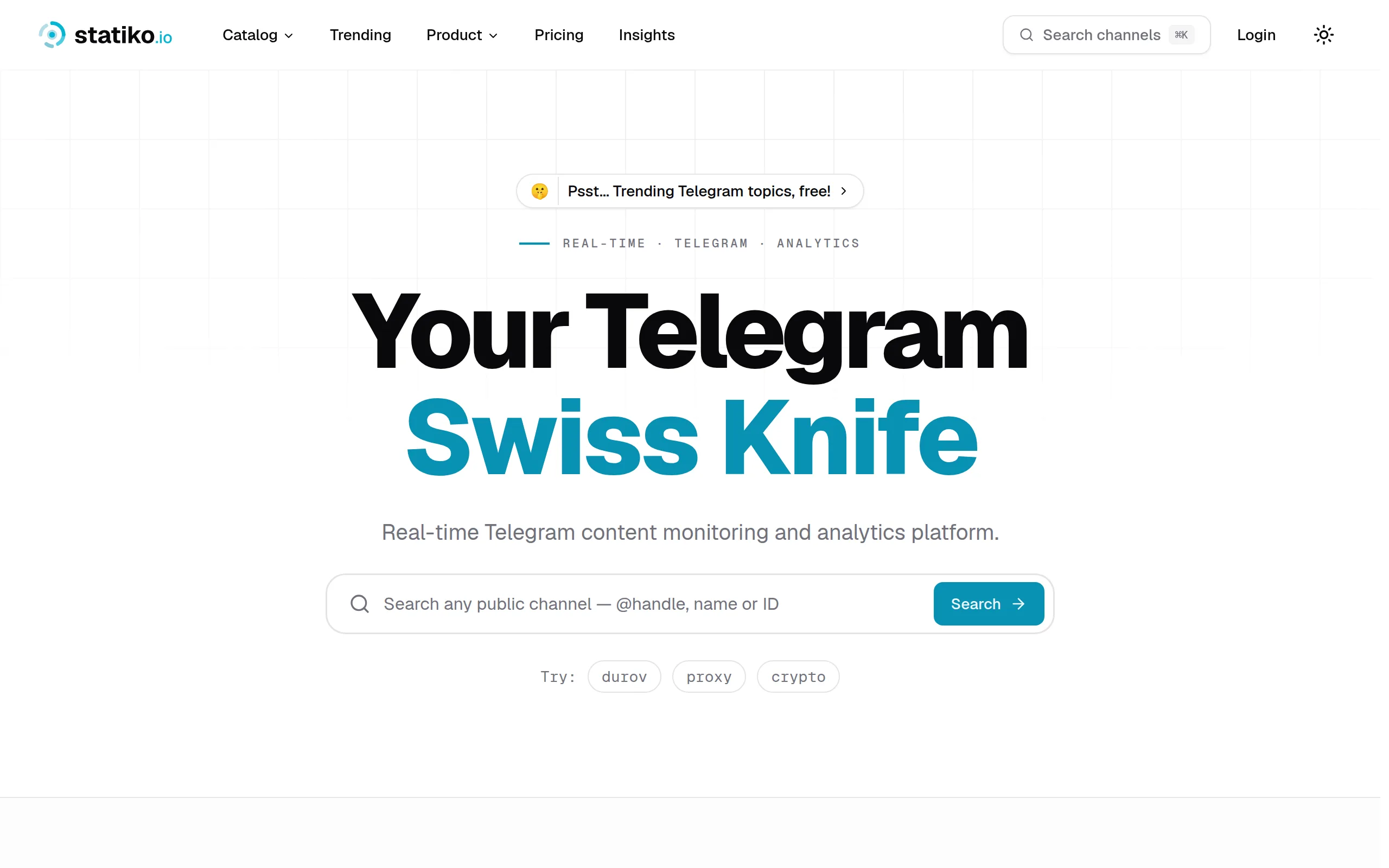
Statiko
Monitor any Telegram channel in real time - track posts, edits, deletions, and growth with AI recaps 📡
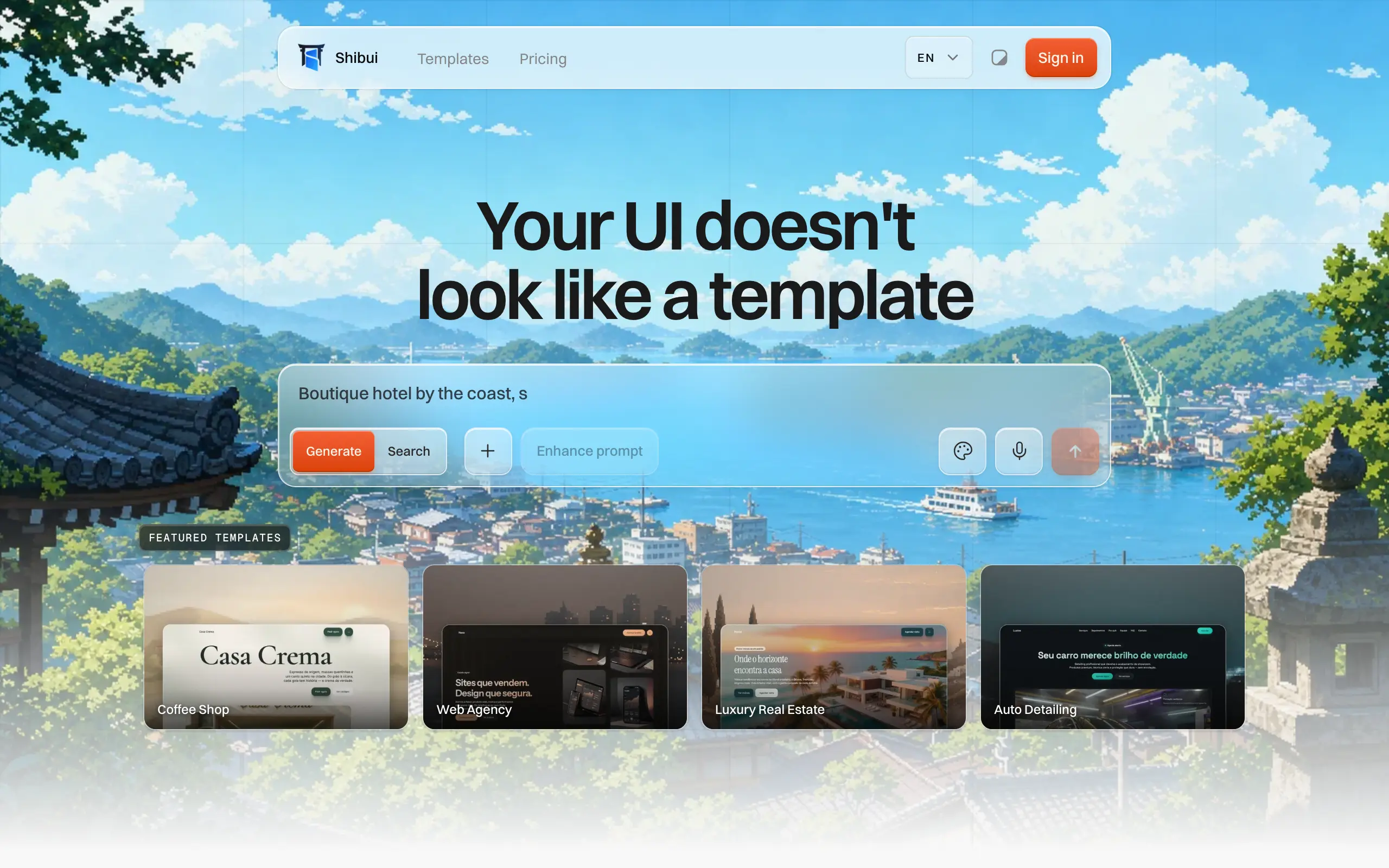
Shibui
AI website builder - describe your business, pick a niche template, edit by chatting, and publish instantly ✨
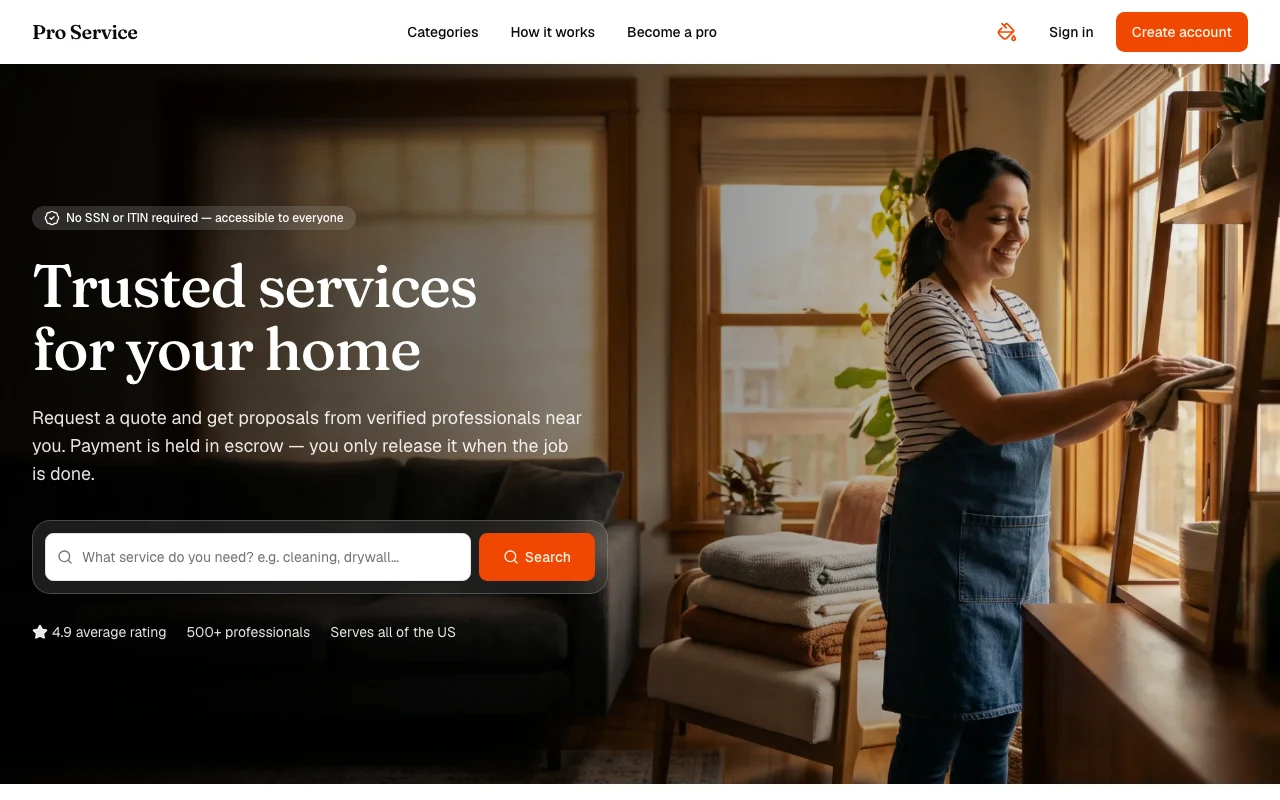
Pro Service
Find verified home service professionals, compare quotes, and pay securely through escrow - built for Brazilians across the US 🏠
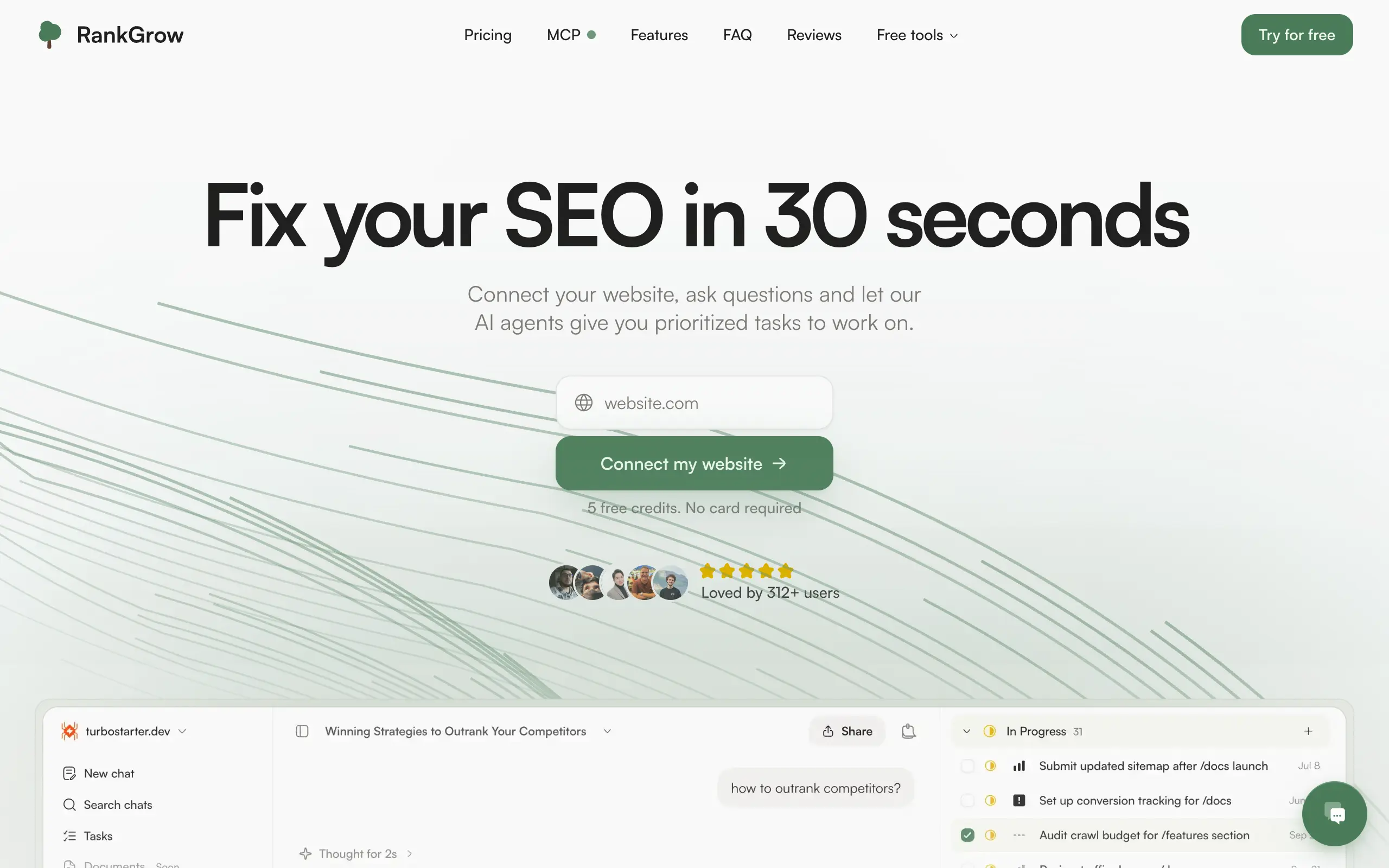
RankGrow
Fix your SEO with AI agents - connect Search Console, get prioritized tasks, and grow organic traffic 📈
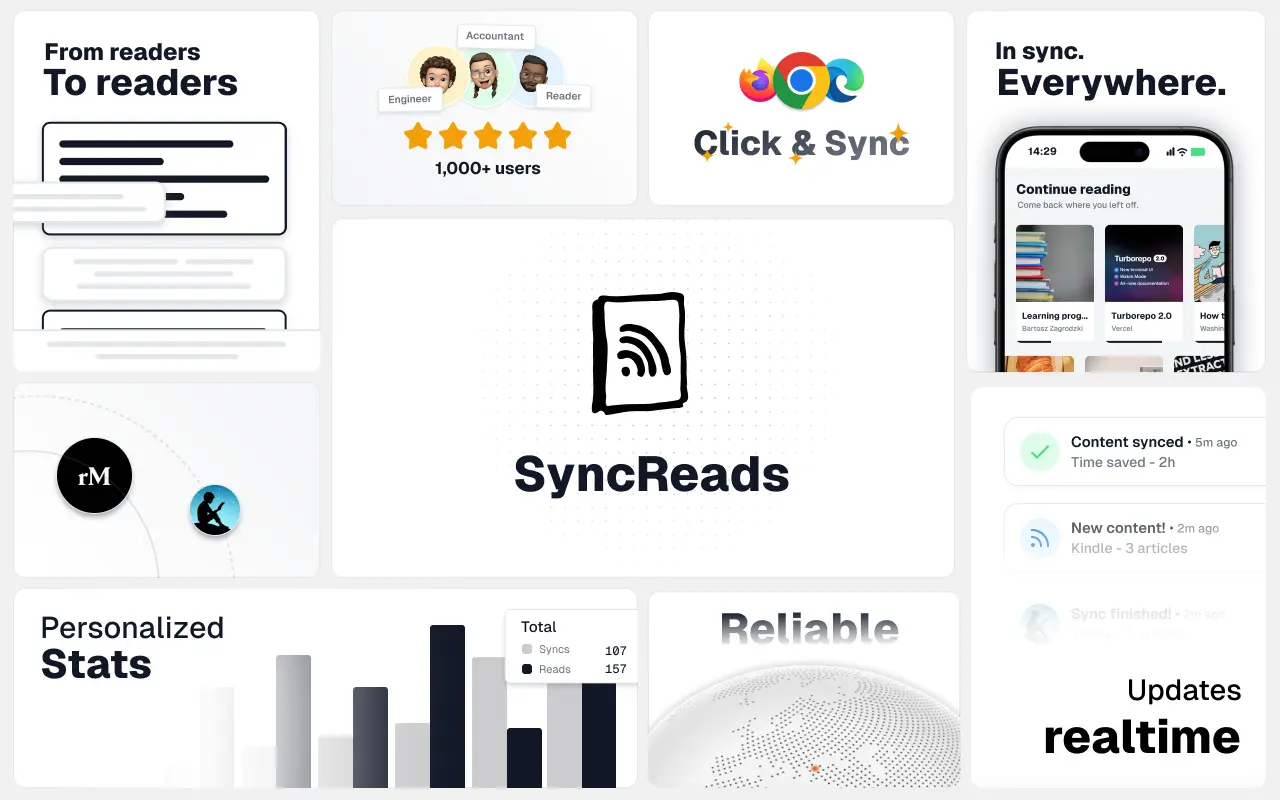
SyncReads
Sync your favorite content for distraction-free reading, save time and replace multiple apps. Anytime, anywhere 🔄
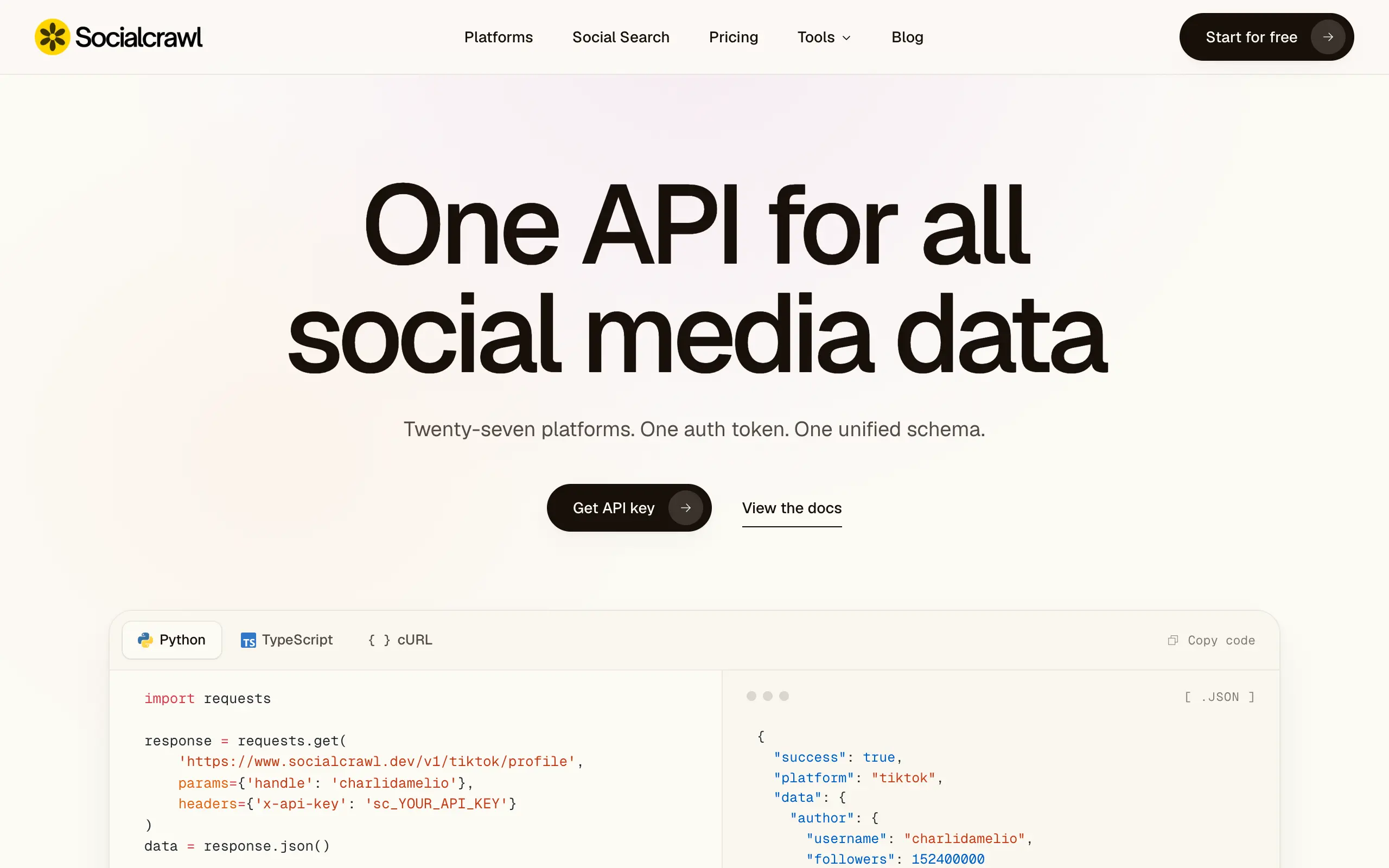
Socialcrawl
Get clean, structured data from 21 platforms like TikTok, Instagram, and YouTube with a single request 📊
Statiko
Monitor any Telegram channel in real time - track posts, edits, deletions, and growth with AI recaps 📡
Shibui
AI website builder - describe your business, pick a niche template, edit by chatting, and publish instantly ✨
Pro Service
Find verified home service professionals, compare quotes, and pay securely through escrow - built for Brazilians across the US 🏠
RankGrow
Fix your SEO with AI agents - connect Search Console, get prioritized tasks, and grow organic traffic 📈
SyncReads
Sync your favorite content for distraction-free reading, save time and replace multiple apps. Anytime, anywhere 🔄
Socialcrawl
Get clean, structured data from 21 platforms like TikTok, Instagram, and YouTube with a single request 📊
Statiko
Monitor any Telegram channel in real time - track posts, edits, deletions, and growth with AI recaps 📡
Shibui
AI website builder - describe your business, pick a niche template, edit by chatting, and publish instantly ✨
Pro Service
Find verified home service professionals, compare quotes, and pay securely through escrow - built for Brazilians across the US 🏠
RankGrow
Fix your SEO with AI agents - connect Search Console, get prioritized tasks, and grow organic traffic 📈
SyncReads
Sync your favorite content for distraction-free reading, save time and replace multiple apps. Anytime, anywhere 🔄
Socialcrawl
Get clean, structured data from 21 platforms like TikTok, Instagram, and YouTube with a single request 📊
Statiko
Monitor any Telegram channel in real time - track posts, edits, deletions, and growth with AI recaps 📡
Shibui
AI website builder - describe your business, pick a niche template, edit by chatting, and publish instantly ✨
Pro Service
Find verified home service professionals, compare quotes, and pay securely through escrow - built for Brazilians across the US 🏠
RankGrow
Fix your SEO with AI agents - connect Search Console, get prioritized tasks, and grow organic traffic 📈
SyncReads
Sync your favorite content for distraction-free reading, save time and replace multiple apps. Anytime, anywhere 🔄
Socialcrawl
Get clean, structured data from 21 platforms like TikTok, Instagram, and YouTube with a single request 📊
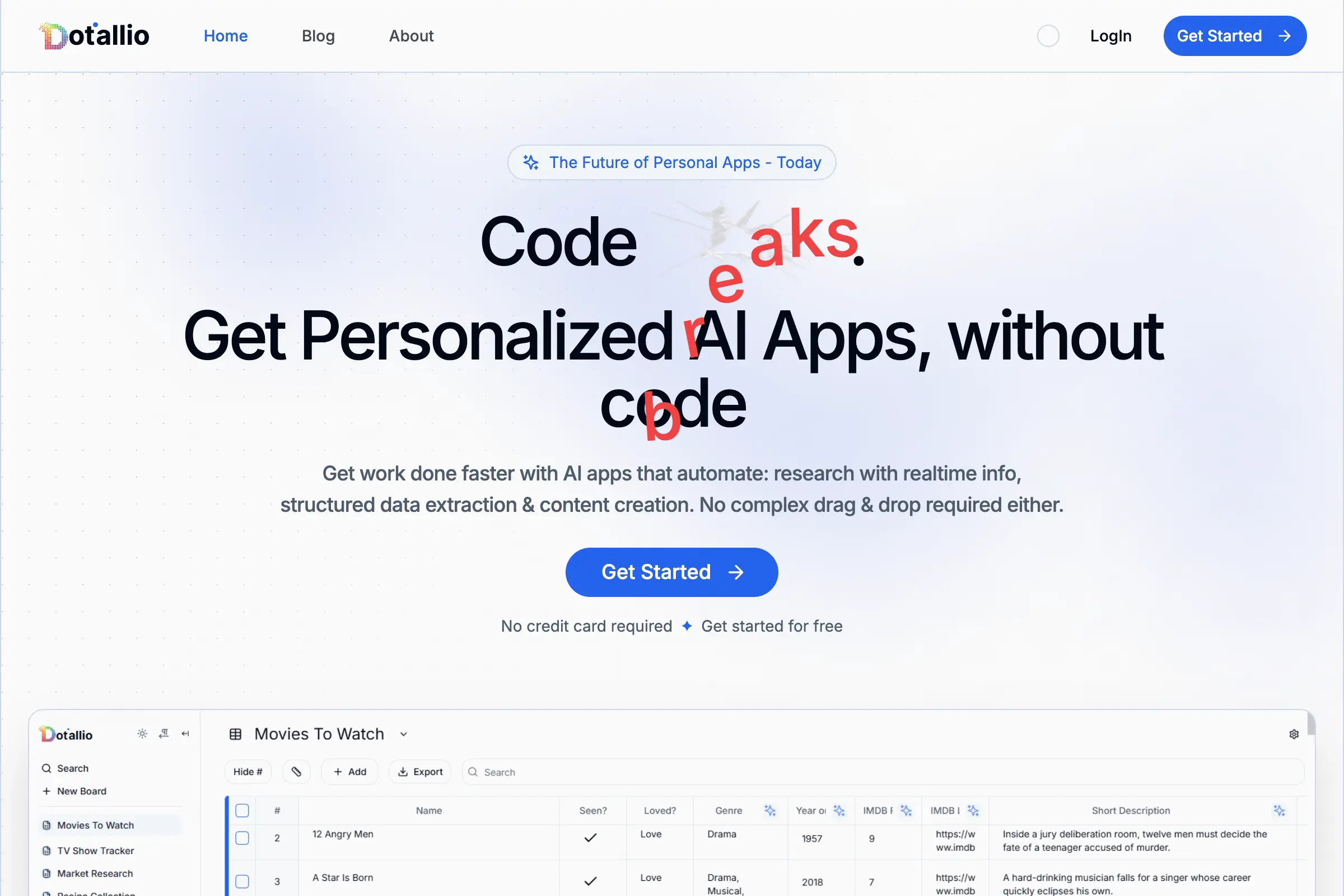
Dotallio
Personalized AI apps that automate research, data extraction, and content creation without code 🤖
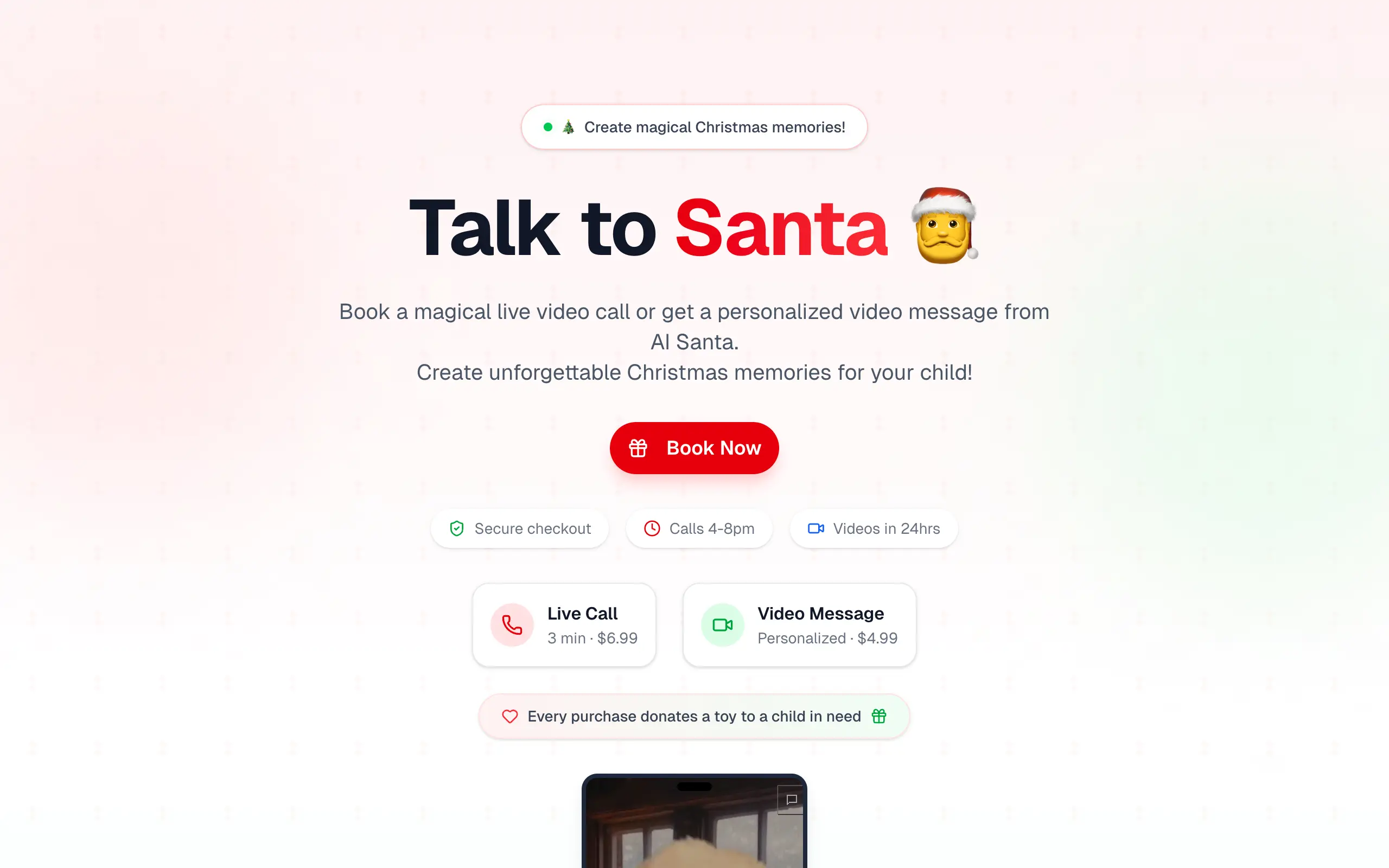
Talk to Santa
Enjoy a magical live video chat or receive a unique AI-generated video greeting from Santa Claus 🎅
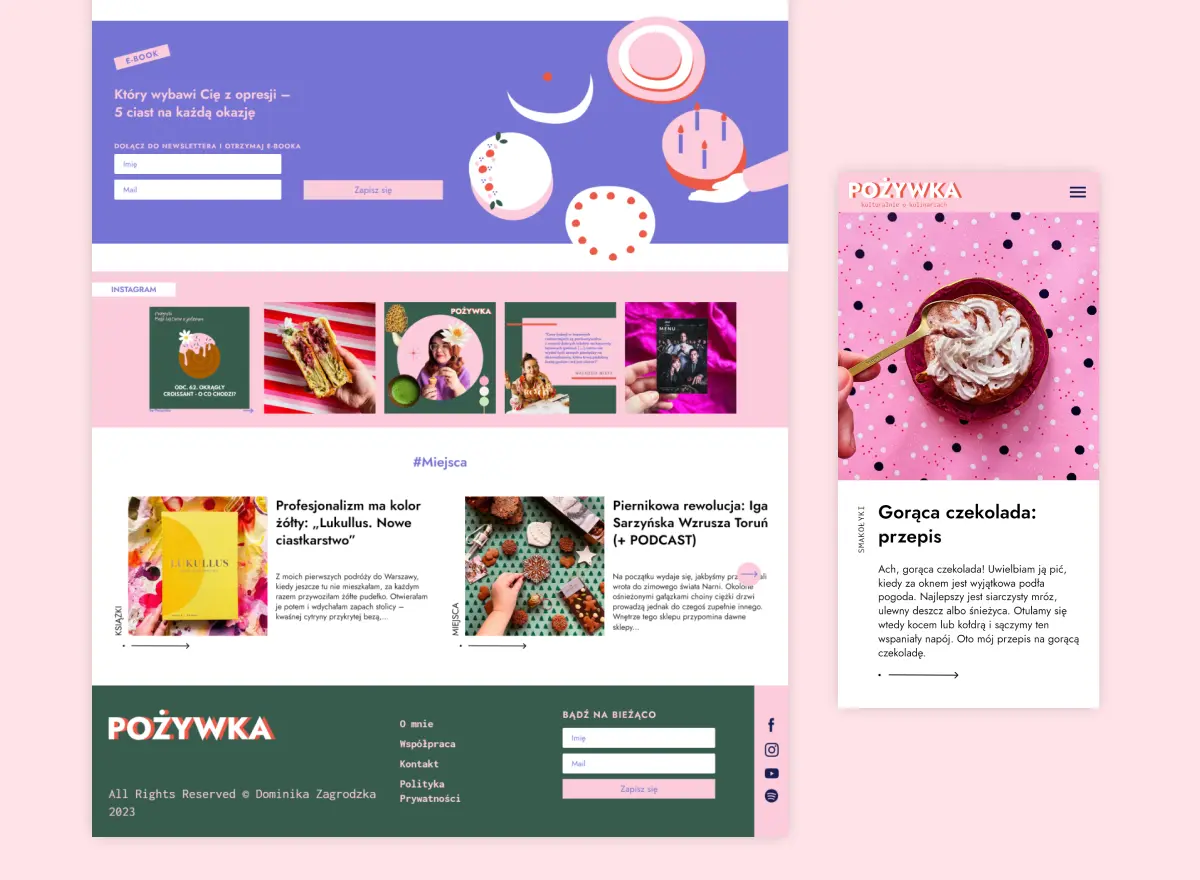
pozywka.pl
Scalable blog for food journalist, focused on performance and user experience 🌭
zagrodzki.me
Personal blog and portfolio of Bart Zagrodzki, where he shares his knowledge and work 💼
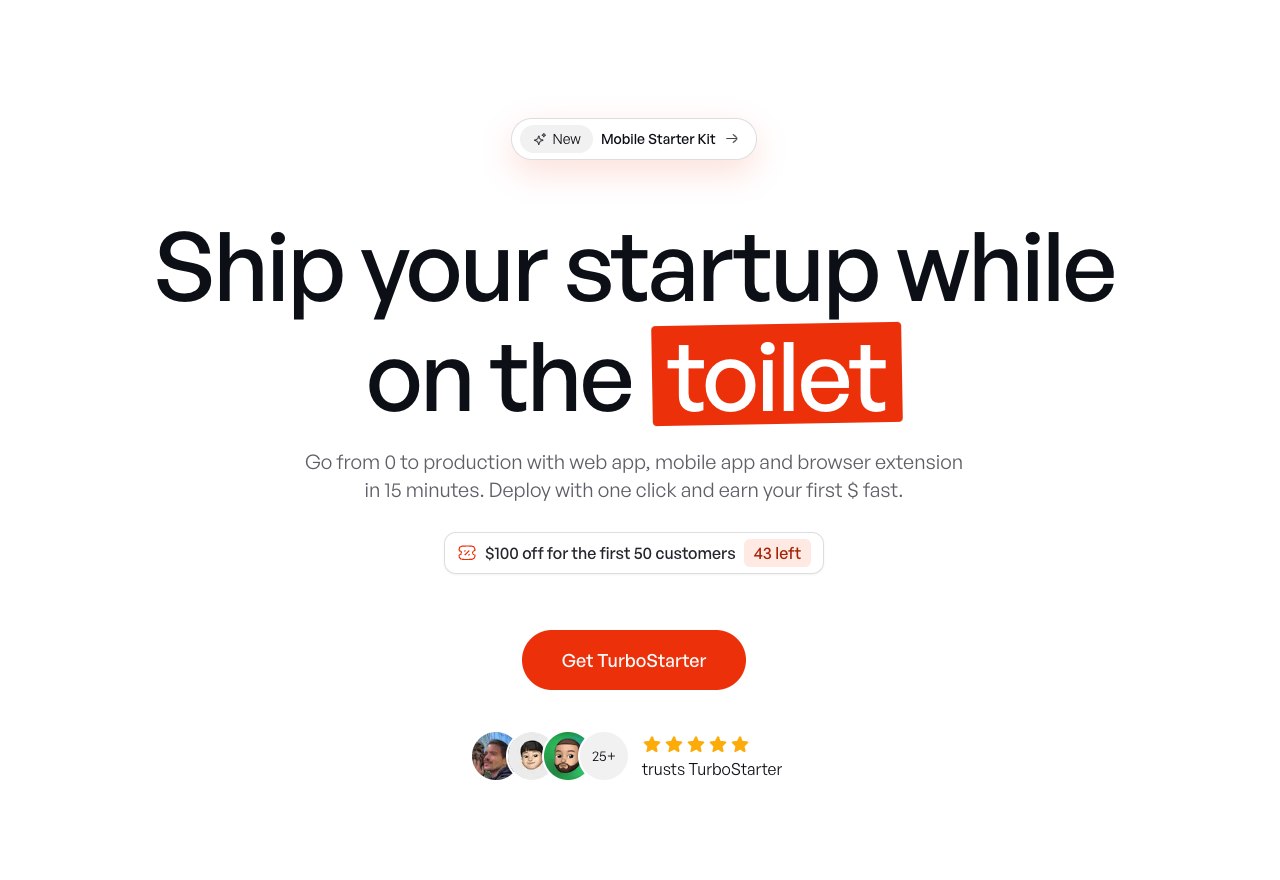
TurboStarter
Ship your startup everywhere. In minutes.
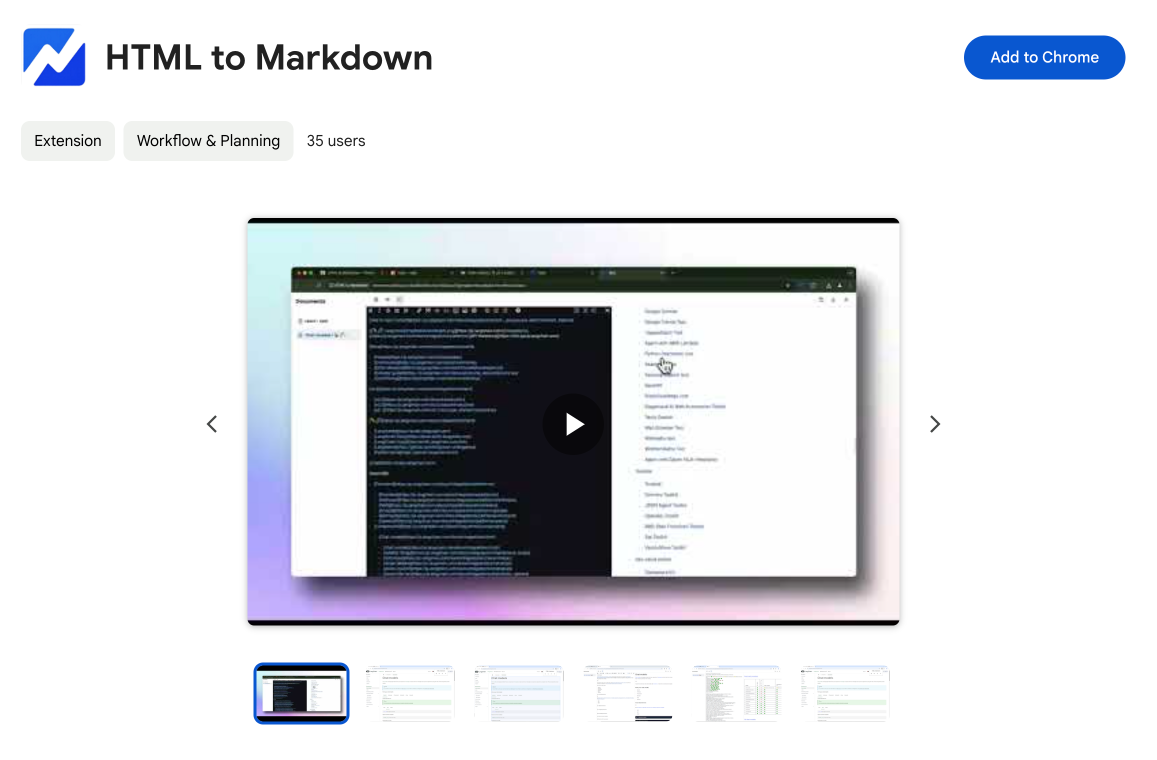
HTML to Markdown
Convert HTML to Markdown with ease, directly in your browser 📄
Dotallio
Personalized AI apps that automate research, data extraction, and content creation without code 🤖
Talk to Santa
Enjoy a magical live video chat or receive a unique AI-generated video greeting from Santa Claus 🎅
pozywka.pl
Scalable blog for food journalist, focused on performance and user experience 🌭
zagrodzki.me
Personal blog and portfolio of Bart Zagrodzki, where he shares his knowledge and work 💼
TurboStarter
Ship your startup everywhere. In minutes.
HTML to Markdown
Convert HTML to Markdown with ease, directly in your browser 📄
Dotallio
Personalized AI apps that automate research, data extraction, and content creation without code 🤖
Talk to Santa
Enjoy a magical live video chat or receive a unique AI-generated video greeting from Santa Claus 🎅
pozywka.pl
Scalable blog for food journalist, focused on performance and user experience 🌭
zagrodzki.me
Personal blog and portfolio of Bart Zagrodzki, where he shares his knowledge and work 💼
TurboStarter
Ship your startup everywhere. In minutes.
HTML to Markdown
Convert HTML to Markdown with ease, directly in your browser 📄
Dotallio
Personalized AI apps that automate research, data extraction, and content creation without code 🤖
Talk to Santa
Enjoy a magical live video chat or receive a unique AI-generated video greeting from Santa Claus 🎅
pozywka.pl
Scalable blog for food journalist, focused on performance and user experience 🌭
zagrodzki.me
Personal blog and portfolio of Bart Zagrodzki, where he shares his knowledge and work 💼
TurboStarter
Ship your startup everywhere. In minutes.
HTML to Markdown
Convert HTML to Markdown with ease, directly in your browser 📄
Omichat
Chat with 50+ AI models, including ChatGPT and Claude, in one place - switch models anytime without losing context 🤖
Claude Fast
Supercharge your Claude Code with 6x effective context window and specialized AI agents 🤖
EmojAI
AI-powered emoji picker with smart, context-aware suggestions 🤖
Solohacker
Autonomous company launcher - AI agents work 24/7, escalate what matters, and you stay in control 🤖
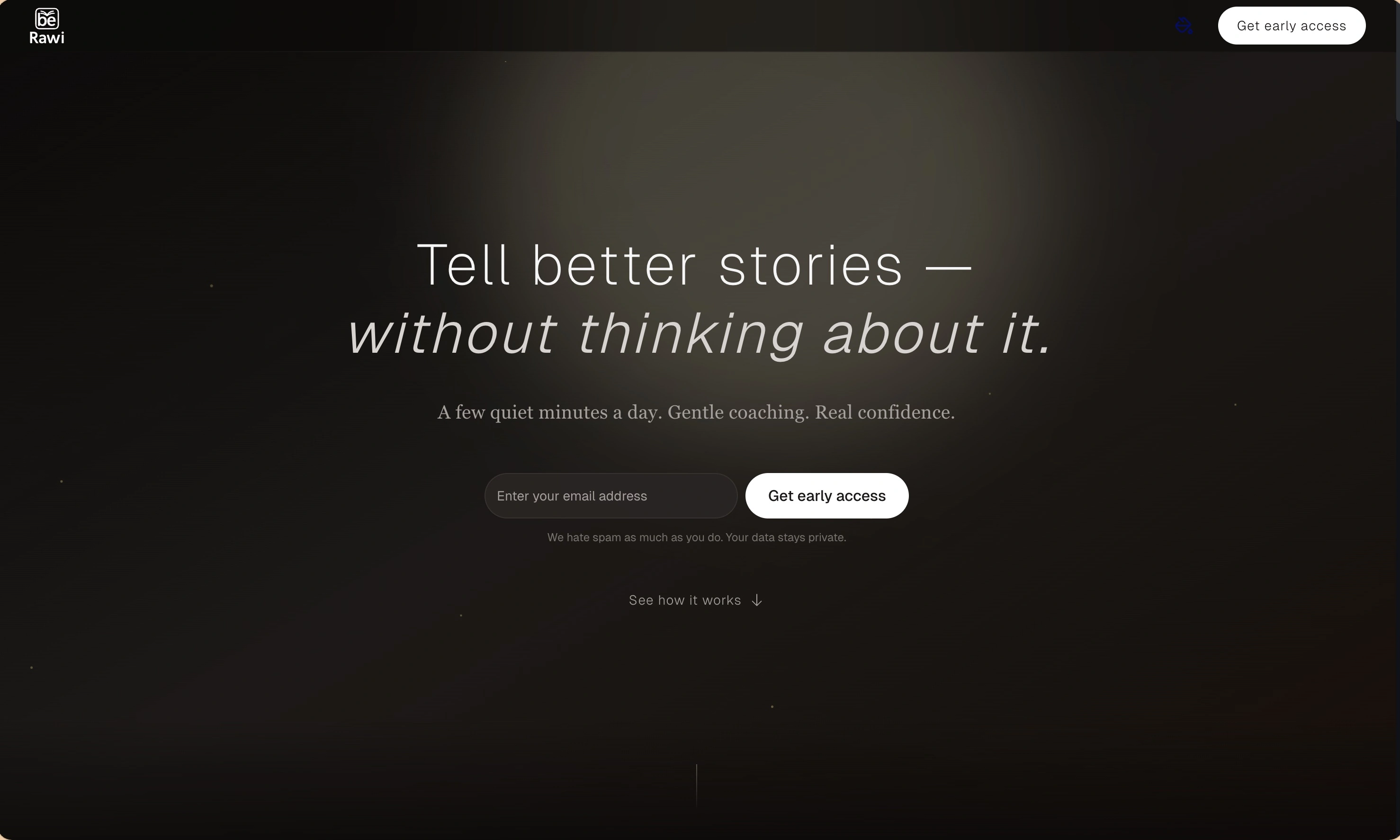
BeRawi: Storytelling Coach
Practice storytelling daily with instant feedback to sound clearer, more engaging, and confident 🎤
Omichat
Chat with 50+ AI models, including ChatGPT and Claude, in one place - switch models anytime without losing context 🤖
Claude Fast
Supercharge your Claude Code with 6x effective context window and specialized AI agents 🤖
EmojAI
AI-powered emoji picker with smart, context-aware suggestions 🤖
Solohacker
Autonomous company launcher - AI agents work 24/7, escalate what matters, and you stay in control 🤖
BeRawi: Storytelling Coach
Practice storytelling daily with instant feedback to sound clearer, more engaging, and confident 🎤
Omichat
Chat with 50+ AI models, including ChatGPT and Claude, in one place - switch models anytime without losing context 🤖
Claude Fast
Supercharge your Claude Code with 6x effective context window and specialized AI agents 🤖
EmojAI
AI-powered emoji picker with smart, context-aware suggestions 🤖
Solohacker
Autonomous company launcher - AI agents work 24/7, escalate what matters, and you stay in control 🤖
BeRawi: Storytelling Coach
Practice storytelling daily with instant feedback to sound clearer, more engaging, and confident 🎤
Omichat
Chat with 50+ AI models, including ChatGPT and Claude, in one place - switch models anytime without losing context 🤖
Claude Fast
Supercharge your Claude Code with 6x effective context window and specialized AI agents 🤖
EmojAI
AI-powered emoji picker with smart, context-aware suggestions 🤖
Solohacker
Autonomous company launcher - AI agents work 24/7, escalate what matters, and you stay in control 🤖
BeRawi: Storytelling Coach
Practice storytelling daily with instant feedback to sound clearer, more engaging, and confident 🎤

Connect with like-minded people
Join our community to get feedback, support, and grow together with 1,000+ builders on board, let's ship it!
Join usShip your startup everywhere. In minutes.
Don't burn tokens on setup and start building features on day one.