ClinicFlow AI
Smart automation suite for aesthetic clinics that optimises bookings, predicts no-shows, and maximises treatment revenue using AI-driven patient behaviour insights.
Understanding the need for AI-powered workflow automation in cosmetic surgery clinics
Cosmetic surgery clinics operate in a highly competitive, service-driven industry where patient experience, operational efficiency, and retention are critical to success. Traditional management systems often fall short in addressing the unique challenges these clinics face—such as complex scheduling, personalized follow-ups, and high-touch communication requirements. This is where ClinicFlow AI, an automated workflow and patient management platform, steps in to transform the landscape.
By leveraging artificial intelligence, ClinicFlow AI optimizes scheduling, automates follow-ups, and streamlines patient communication, directly addressing the pain points that hinder growth and retention in cosmetic surgery practices.
Target audience analysis: Who benefits most from ClinicFlow AI?
Understanding the target audience is essential for any SaaS solution, especially in the healthcare sector. ClinicFlow AI is designed for:
- Cosmetic surgery clinics: Ranging from solo practitioners to multi-location practices.
- Clinic administrators and office managers: Responsible for scheduling, patient communication, and operational efficiency.
- Surgeons and medical staff: Who need seamless coordination and reduced administrative burden.
- Patient coordinators: Focused on delivering a superior patient journey and maximizing retention.
- Clinic owners and executives: Seeking data-driven insights to grow their business and improve profitability.
Key pain points addressed:
- Manual, error-prone scheduling processes
- Missed or delayed follow-ups leading to lost revenue
- Inefficient patient communication channels
- Difficulty tracking patient journeys and retention metrics
- High administrative overhead
Why focus on cosmetic surgery clinics?
Cosmetic surgery clinics have unique workflow and communication needs compared to general medical practices. The elective nature of procedures, high patient expectations, and the importance of post-op care make automation and personalization crucial for success.
Market opportunity and gap analysis
The growing demand for workflow automation in healthcare
The global cosmetic surgery market is projected to reach over $66 billion by 2026 (source: suggest referencing a recent Statista or Grand View Research report). As patient volumes and expectations rise, clinics are under pressure to deliver exceptional experiences while maintaining operational efficiency.
Current gaps in the market:
- Generic practice management tools: Most existing solutions are built for general healthcare and lack features tailored to cosmetic surgery workflows.
- Limited AI integration: Few platforms leverage AI for predictive scheduling, personalized follow-ups, or intelligent communication.
- Fragmented patient engagement: Clinics often juggle multiple tools for reminders, messaging, and feedback, leading to inconsistent experiences.
- Retention challenges: Without automated, data-driven follow-ups, clinics risk losing patients to competitors.
Why now?
- AI adoption in healthcare is accelerating: Clinics are increasingly open to AI-driven solutions that promise measurable ROI.
- Patient expectations are evolving: Modern patients expect timely, personalized communication and seamless digital experiences.
- Staffing shortages: Automation helps clinics do more with less, reducing burnout and administrative costs.
Core features and solution details: How ClinicFlow AI transforms clinic operations
ClinicFlow AI stands out by offering a comprehensive, AI-powered platform purpose-built for cosmetic surgery clinics. Here’s how it addresses the most pressing workflow and patient management challenges:
1. AI-optimized scheduling
- Smart appointment booking: AI analyzes provider availability, procedure types, and patient preferences to suggest optimal slots.
- Automated rescheduling: Proactively identifies conflicts and offers alternative times, reducing no-shows.
- Resource allocation: Ensures rooms, equipment, and staff are efficiently assigned.
2. Automated follow-ups and reminders
- Personalized post-op care: AI schedules and sends tailored follow-up messages based on procedure type and recovery timeline.
- Multi-channel reminders: SMS, email, and in-app notifications to minimize missed appointments.
- Feedback collection: Automated surveys post-visit to gather insights and improve service.
3. Intelligent patient communication
- Unified messaging hub: Centralizes all patient communications for easy tracking and response.
- AI chatbots: Handle common queries, pre-op instructions, and FAQs 24/7.
- Segmentation and targeting: Send relevant updates or promotions to specific patient groups.
4. Retention and analytics dashboard
- Patient journey tracking: Visualize each patient’s lifecycle from inquiry to post-op follow-up.
- Retention metrics: Identify drop-off points and automate re-engagement campaigns.
- Operational insights: Real-time analytics on scheduling efficiency, staff utilization, and patient satisfaction.
5. Seamless integrations
- EHR/EMR compatibility: Syncs with popular electronic health record systems.
- Payment and billing: Integrates with payment gateways for streamlined invoicing.
- Third-party marketing tools: Connects with CRM and email marketing platforms.
AI-powered scheduling
Reduce no-shows and optimize resource allocation with intelligent appointment management.
Automated follow-ups
Boost retention and patient satisfaction with timely, personalized communication.
Unified messaging
Centralize all patient interactions for a seamless experience.
Retention analytics
Gain actionable insights to grow your clinic and improve care.
Recommended tech stack for building ClinicFlow AI
Selecting the right technology stack is crucial for scalability, security, and rapid feature development. Here’s a recommended stack for ClinicFlow AI, along with trade-offs to consider:
Frontend
- React: Modern, component-based UI development. Large ecosystem and community support.
- TailwindCSS: Utility-first CSS framework for rapid, consistent styling.
- TypeScript: Adds type safety and improves maintainability.
Backend
- Node.js with Express: Fast, scalable server-side development.
- Python (for AI modules): Leverage libraries like TensorFlow or PyTorch for machine learning models.
- GraphQL: Flexible API layer for efficient data fetching.
Database
- PostgreSQL: Robust, relational database with strong support for complex queries.
- Redis: For caching and real-time notifications.
AI/ML infrastructure
- TensorFlow or PyTorch: For building and deploying AI models.
- OpenAI API: For advanced natural language processing in chatbots and communication modules.
DevOps & Security
- Docker: Containerization for consistent deployments.
- Kubernetes: Orchestration for scaling and managing microservices.
- AWS or Azure: Cloud hosting, security, and compliance features.
Trade-offs to consider
- Python vs. Node.js for AI: Python excels in AI/ML, but Node.js offers better real-time performance for web APIs. A hybrid approach leverages both strengths.
- GraphQL vs. REST: GraphQL offers flexibility but adds complexity; REST may be simpler for smaller teams.
- Cloud provider choice: AWS has broader healthcare compliance tools, but Azure may integrate better with certain EHR systems.
React enables rapid UI development and a responsive user experience, while TailwindCSS ensures design consistency and speeds up styling.
AI modules, built in Python, handle scheduling optimization, follow-up timing, and chatbot responses, interfacing with the main app via APIs.
Monetization strategy options for ClinicFlow AI
A successful SaaS platform requires a sustainable, scalable monetization model. Here are proven strategies for ClinicFlow AI:
1. Subscription-based pricing
- Tiered plans: Offer Basic, Pro, and Enterprise tiers based on clinic size, feature access, and support level.
- Per-provider pricing: Charge based on the number of active surgeons or staff users.
2. Usage-based add-ons
- AI-powered features: Charge extra for advanced analytics, premium AI scheduling, or chatbot modules.
- SMS/email credits: Bill for communication volume beyond plan limits.
3. Integration and setup fees
- Onboarding packages: Offer white-glove setup, data migration, and staff training for a one-time fee.
4. Marketplace and partnerships
- Third-party integrations: Take a revenue share from partner apps (e.g., marketing tools, payment gateways).
- Referral programs: Incentivize clinics to refer peers.
| Subscription | Usage-based | Setup fees | Marketplace | Referral |
|---|---|---|---|---|
| ✅ | ❌ | ❌ | ✅ | ❌ |
| ✅ | ❌ | ✅ | ✅ | ❌ |
Potential risks and mitigation strategies
Launching and scaling an AI-powered SaaS in healthcare comes with unique risks. Here’s how to address them:
1. Data privacy and compliance
- Risk: Handling sensitive patient data requires strict adherence to HIPAA, GDPR, and other regulations.
- Mitigation: Implement end-to-end encryption, regular security audits, and partner with compliant cloud providers.
2. AI accuracy and bias
- Risk: Inaccurate scheduling or follow-up recommendations could impact patient care.
- Mitigation: Continuously train and validate AI models using diverse, anonymized datasets. Allow human override for critical decisions.
3. Integration challenges
- Risk: Clinics use a variety of EHR/EMR systems, making integration complex.
- Mitigation: Build flexible APIs and offer professional onboarding support.
4. User adoption and change management
- Risk: Staff may resist new workflows or automation.
- Mitigation: Provide intuitive UX, in-app tutorials, and responsive customer support.
5. Market competition
- Risk: Larger practice management vendors may enter the niche.
- Mitigation: Focus on deep AI integration, cosmetic surgery-specific features, and rapid innovation.
Competitive advantage analysis: What makes ClinicFlow AI unique?
ClinicFlow AI’s unique selling proposition (USP) lies in its laser focus on cosmetic surgery clinics and its deep AI integration. Here’s how it stands out:
- Purpose-built for cosmetic surgery: Unlike generic practice management tools, every feature is tailored to the unique workflows, communication needs, and retention challenges of cosmetic clinics.
- End-to-end automation: From scheduling to follow-ups and analytics, ClinicFlow AI automates the entire patient journey.
- AI-driven personalization: Advanced machine learning models optimize every touchpoint, improving both operational efficiency and patient satisfaction.
- Unified platform: Combines scheduling, communication, analytics, and integrations in a single, easy-to-use interface.
- Continuous improvement: AI models learn and adapt over time, ensuring the platform gets smarter with every interaction.
TurboStarter advantage
ClinicFlow AI can accelerate its go-to-market and reduce development overhead by leveraging TurboStarter, a modern SaaS boilerplate that streamlines authentication, billing, and infrastructure setup.
Actionable implementation steps: Bringing ClinicFlow AI to life
Building and launching ClinicFlow AI requires a structured, phased approach. Here’s a step-by-step roadmap:
Conclusion: The future of cosmetic surgery clinic management is AI-driven
ClinicFlow AI is poised to redefine how cosmetic surgery clinics operate, combining the power of AI with deep industry expertise. By automating scheduling, follow-ups, and patient communication, it empowers clinics to deliver exceptional experiences, boost retention, and scale efficiently.
With a clear market need, robust technology foundation, and a unique focus on cosmetic surgery, ClinicFlow AI stands out as the go-to solution for modern clinics ready to embrace the future of patient management.
Ready to build or invest in the next generation of clinic workflow automation?
Leverage the insights above and consider TurboStarter to accelerate your SaaS journey.
More 🤖 AI Startup SaaS ideas
Discover more innovative ai startup SaaS ideas that are trending in 2026. Each idea is AI-generated with market validation and growth potential to help you find your next profitable venture faster than competitors.
Your competitors are building with TurboStarter
Below are some of the SaaS ideas that have been generated and built with our starter kit.
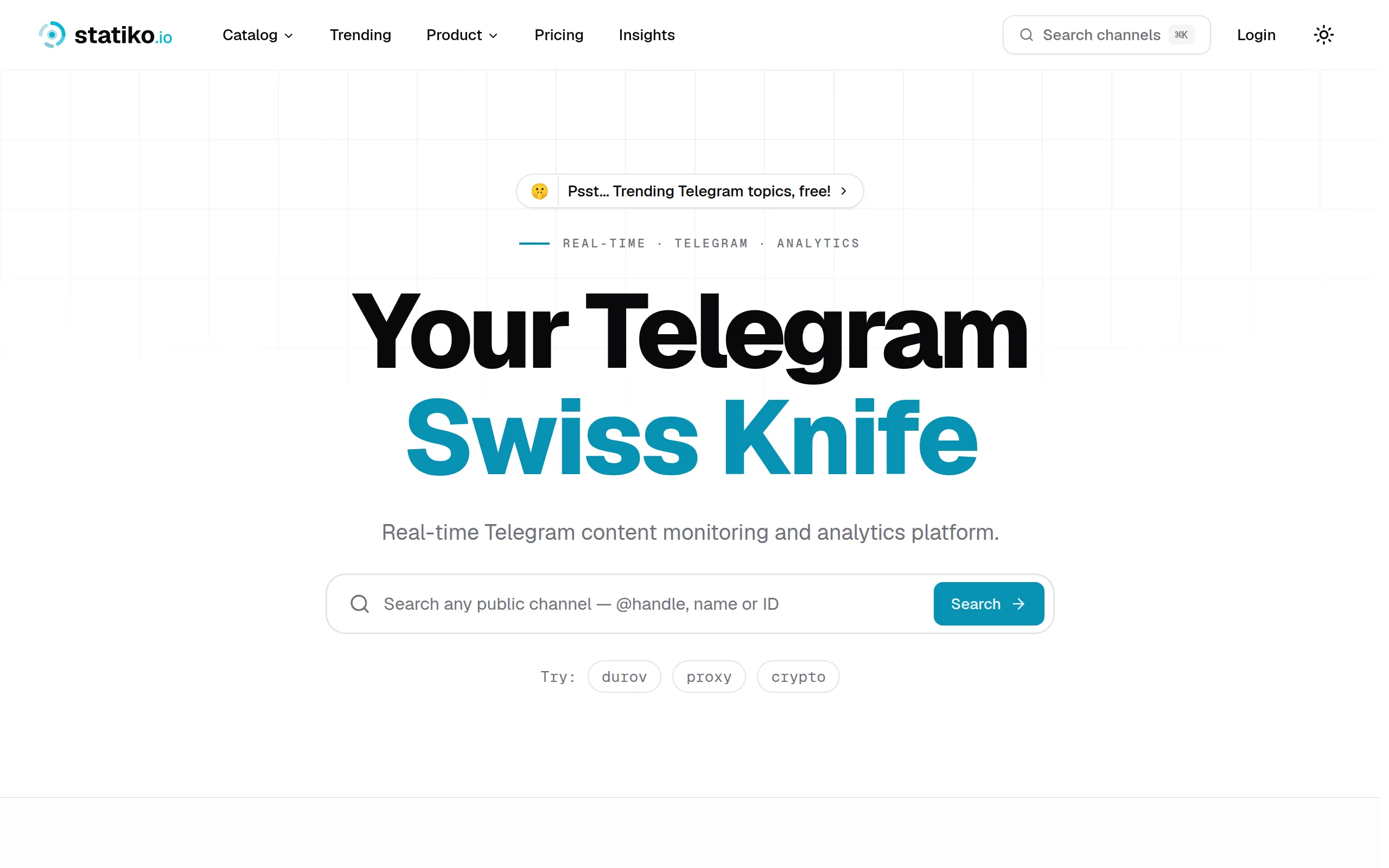
Statiko
Monitor any Telegram channel in real time - track posts, edits, deletions, and growth with AI recaps 📡
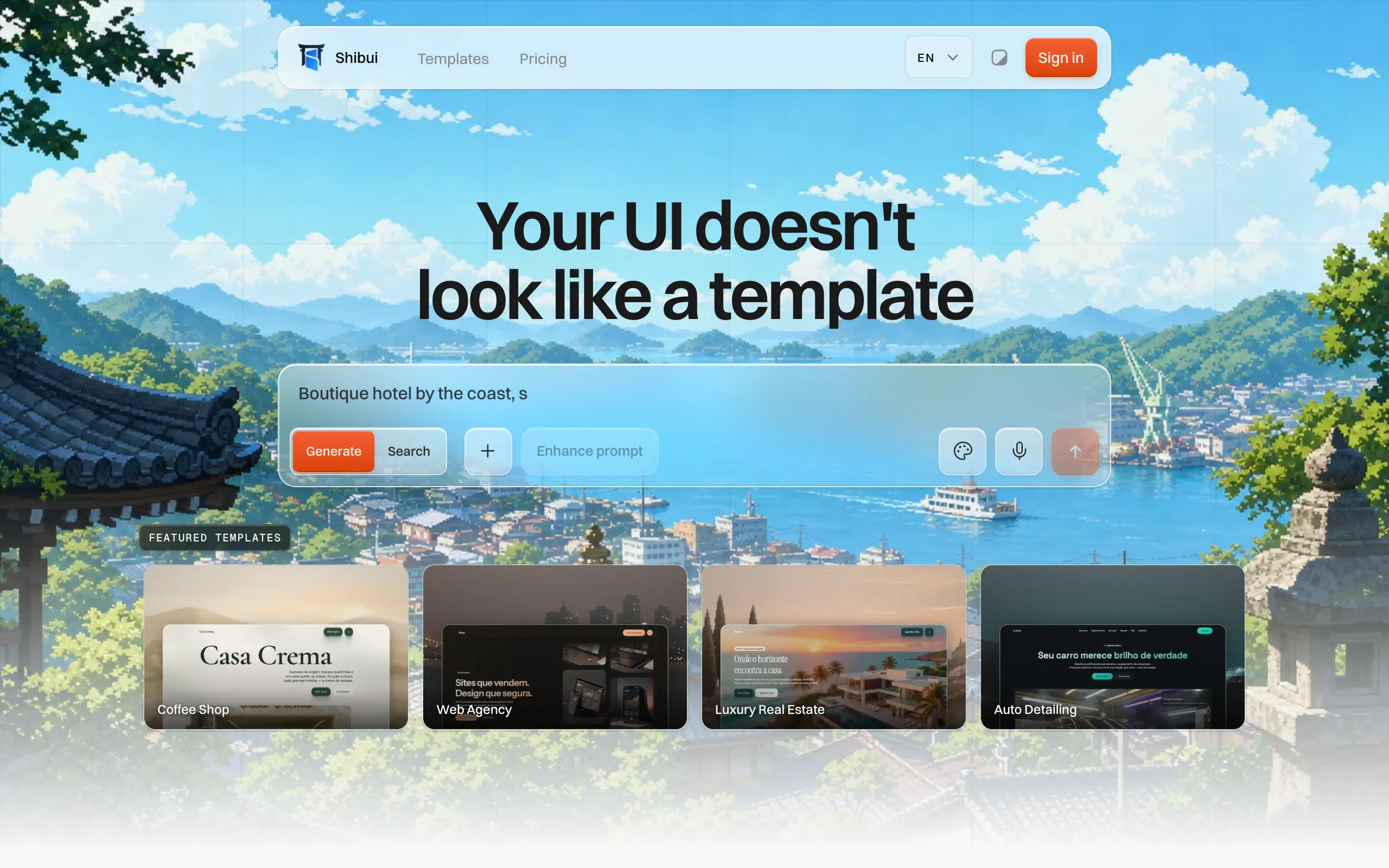
Shibui
AI website builder - describe your business, pick a niche template, edit by chatting, and publish instantly ✨
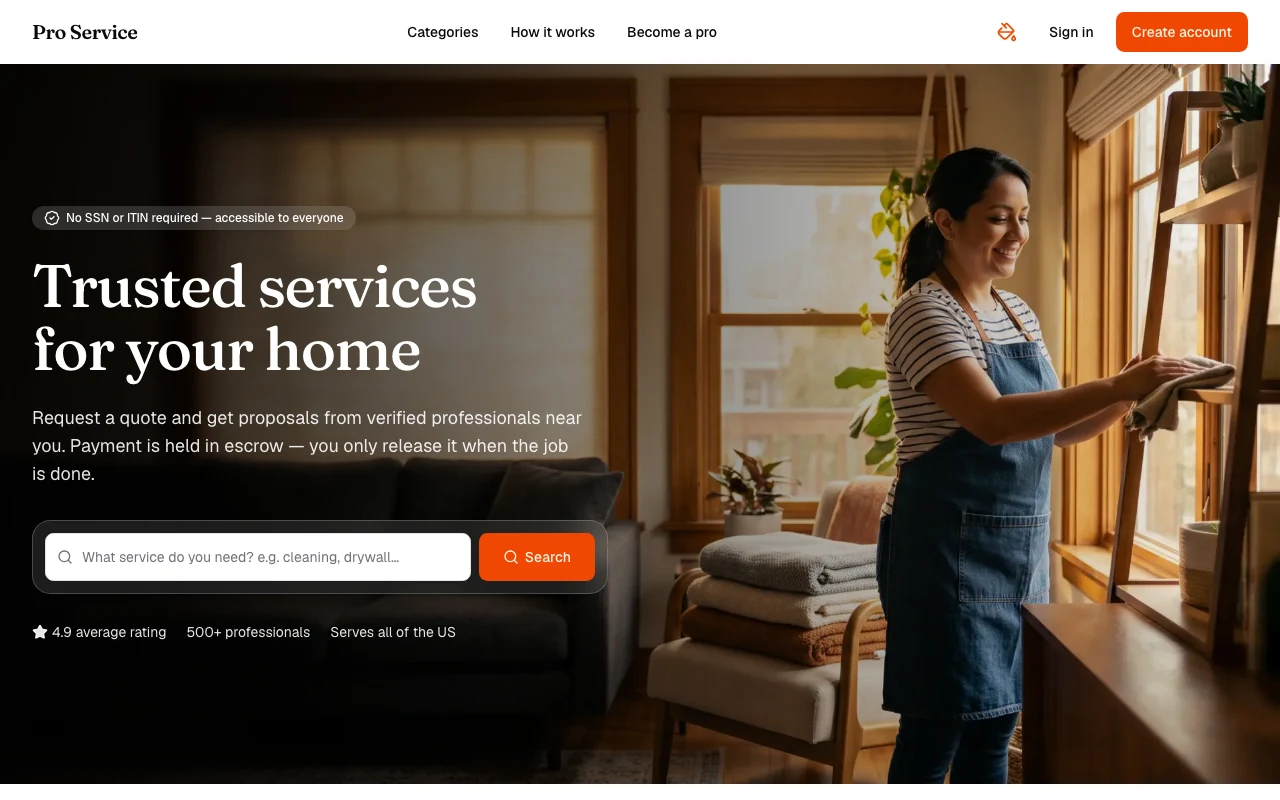
Pro Service
Find verified home service professionals, compare quotes, and pay securely through escrow - built for Brazilians across the US 🏠
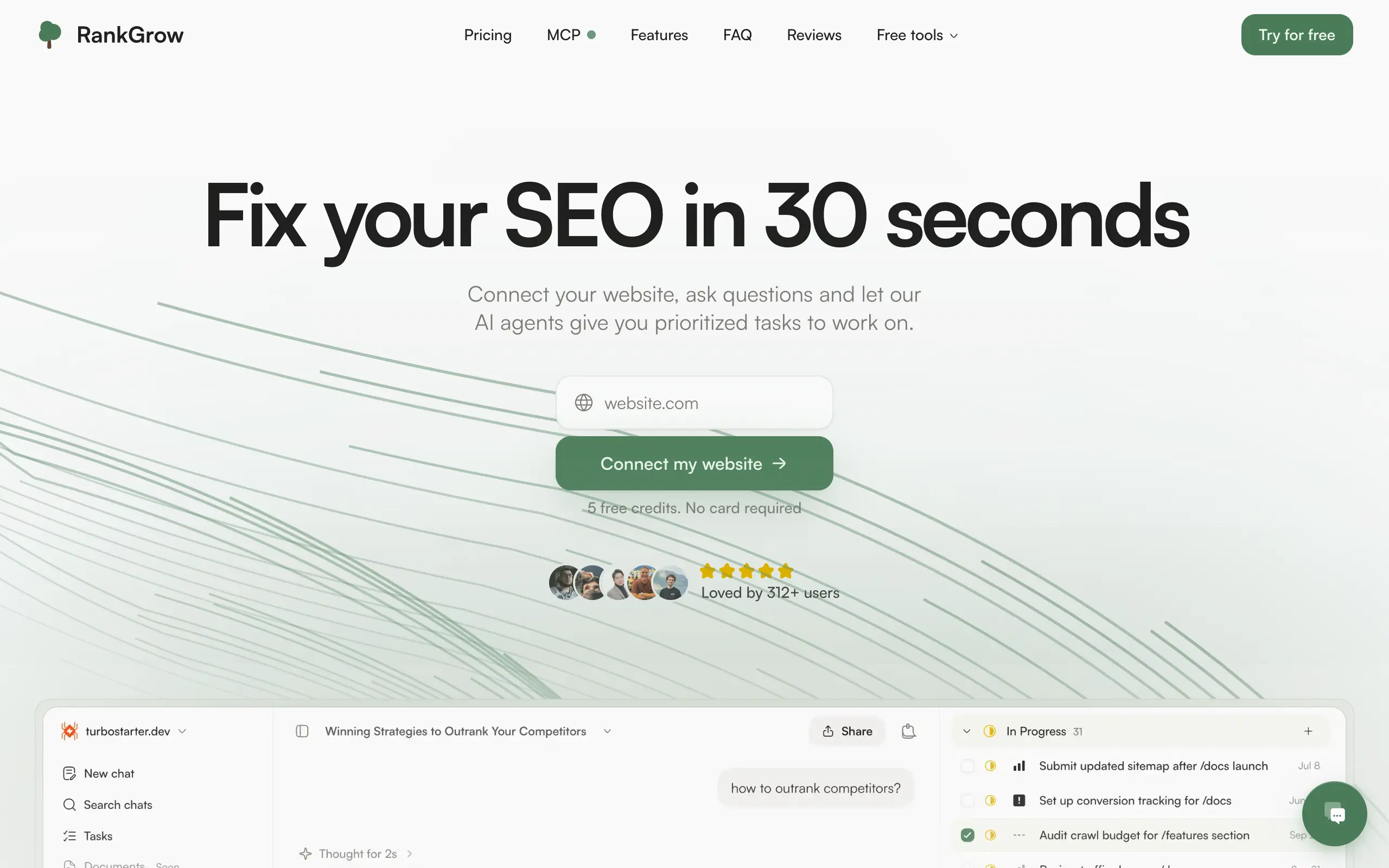
RankGrow
Fix your SEO with AI agents - connect Search Console, get prioritized tasks, and grow organic traffic 📈
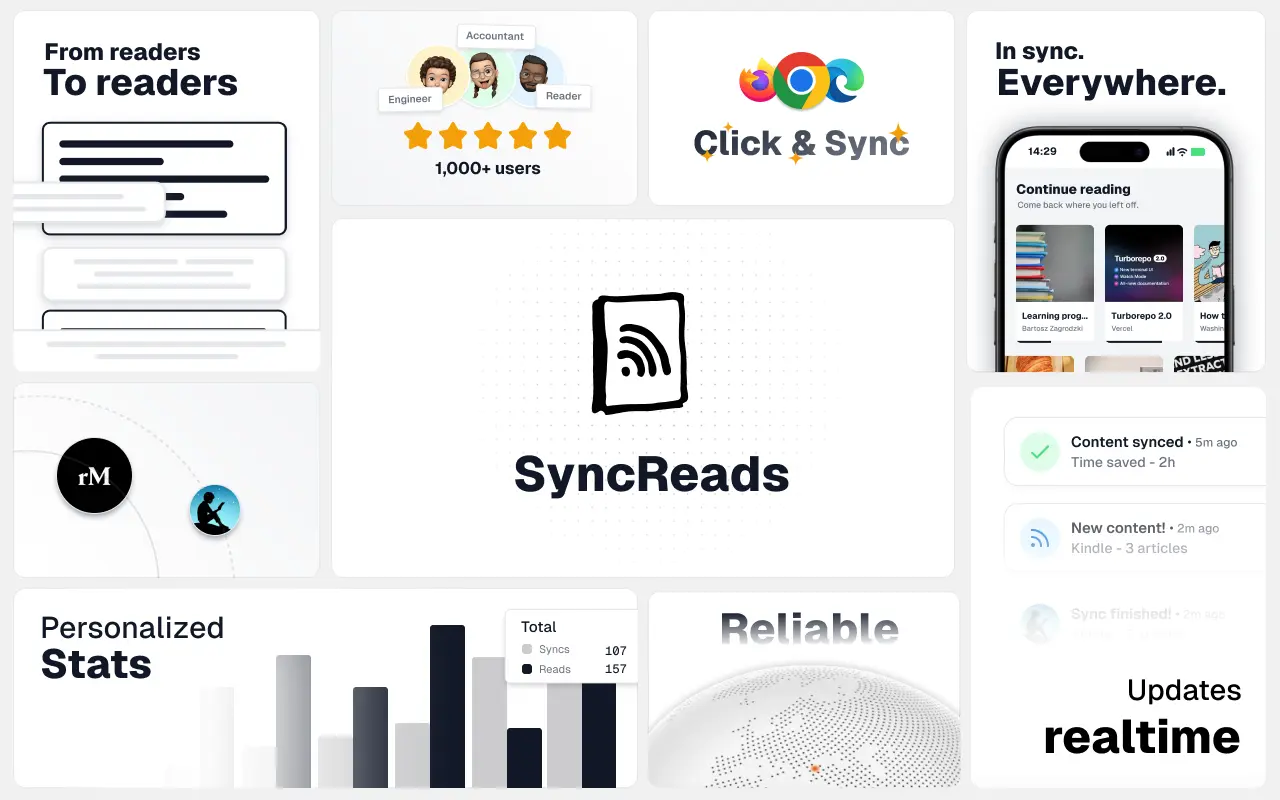
SyncReads
Sync your favorite content for distraction-free reading, save time and replace multiple apps. Anytime, anywhere 🔄
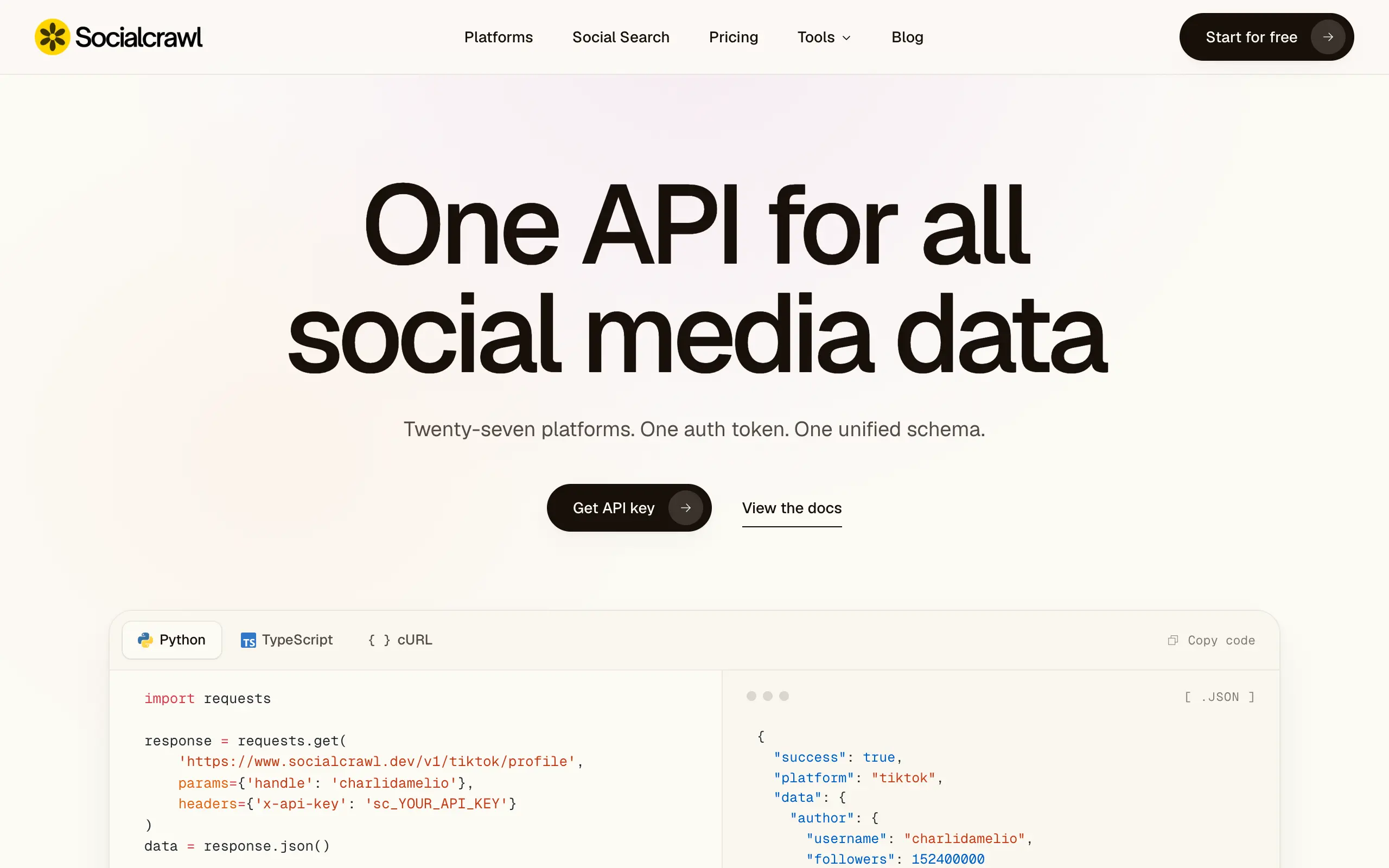
Socialcrawl
Get clean, structured data from 21 platforms like TikTok, Instagram, and YouTube with a single request 📊
Statiko
Monitor any Telegram channel in real time - track posts, edits, deletions, and growth with AI recaps 📡
Shibui
AI website builder - describe your business, pick a niche template, edit by chatting, and publish instantly ✨
Pro Service
Find verified home service professionals, compare quotes, and pay securely through escrow - built for Brazilians across the US 🏠
RankGrow
Fix your SEO with AI agents - connect Search Console, get prioritized tasks, and grow organic traffic 📈
SyncReads
Sync your favorite content for distraction-free reading, save time and replace multiple apps. Anytime, anywhere 🔄
Socialcrawl
Get clean, structured data from 21 platforms like TikTok, Instagram, and YouTube with a single request 📊
Statiko
Monitor any Telegram channel in real time - track posts, edits, deletions, and growth with AI recaps 📡
Shibui
AI website builder - describe your business, pick a niche template, edit by chatting, and publish instantly ✨
Pro Service
Find verified home service professionals, compare quotes, and pay securely through escrow - built for Brazilians across the US 🏠
RankGrow
Fix your SEO with AI agents - connect Search Console, get prioritized tasks, and grow organic traffic 📈
SyncReads
Sync your favorite content for distraction-free reading, save time and replace multiple apps. Anytime, anywhere 🔄
Socialcrawl
Get clean, structured data from 21 platforms like TikTok, Instagram, and YouTube with a single request 📊
Statiko
Monitor any Telegram channel in real time - track posts, edits, deletions, and growth with AI recaps 📡
Shibui
AI website builder - describe your business, pick a niche template, edit by chatting, and publish instantly ✨
Pro Service
Find verified home service professionals, compare quotes, and pay securely through escrow - built for Brazilians across the US 🏠
RankGrow
Fix your SEO with AI agents - connect Search Console, get prioritized tasks, and grow organic traffic 📈
SyncReads
Sync your favorite content for distraction-free reading, save time and replace multiple apps. Anytime, anywhere 🔄
Socialcrawl
Get clean, structured data from 21 platforms like TikTok, Instagram, and YouTube with a single request 📊
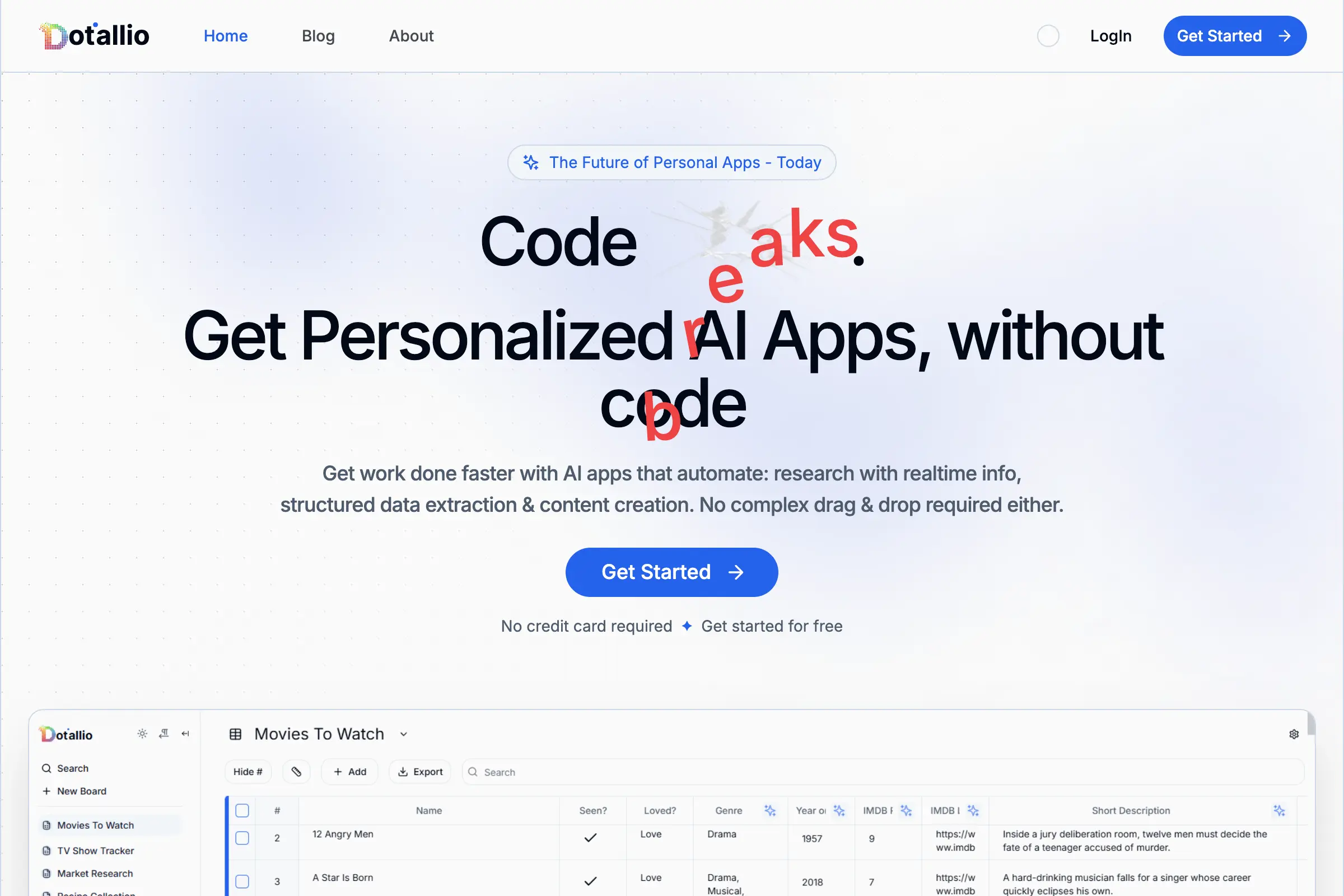
Dotallio
Personalized AI apps that automate research, data extraction, and content creation without code 🤖
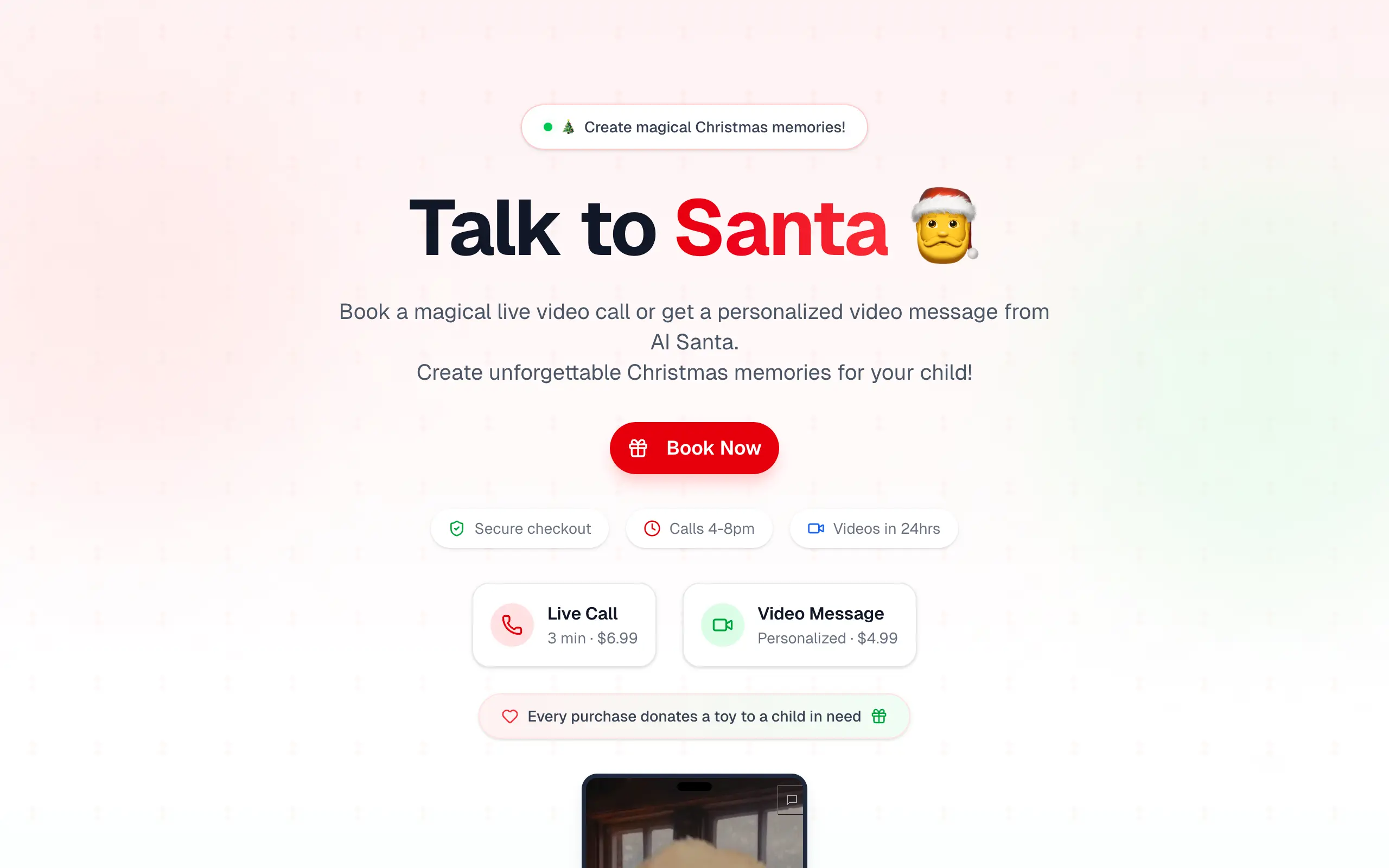
Talk to Santa
Enjoy a magical live video chat or receive a unique AI-generated video greeting from Santa Claus 🎅
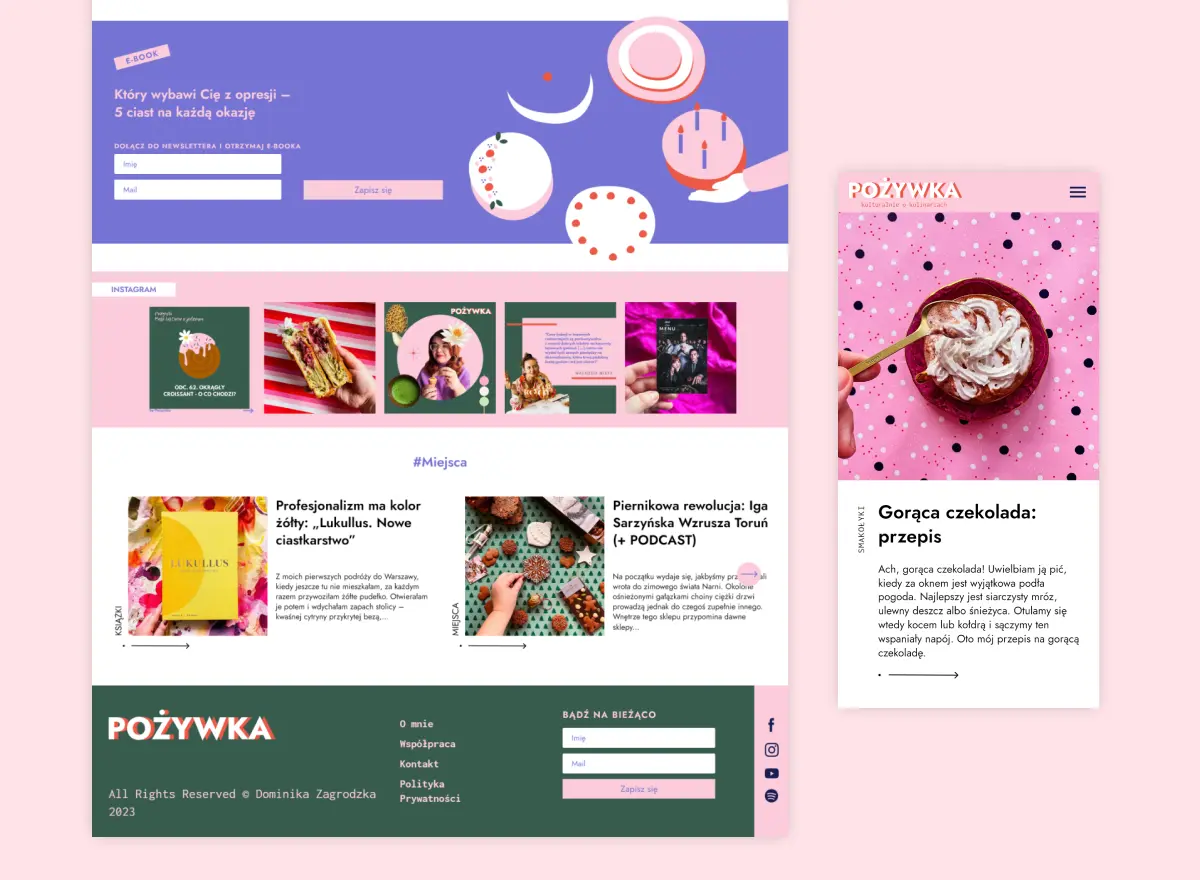
pozywka.pl
Scalable blog for food journalist, focused on performance and user experience 🌭
zagrodzki.me
Personal blog and portfolio of Bart Zagrodzki, where he shares his knowledge and work 💼
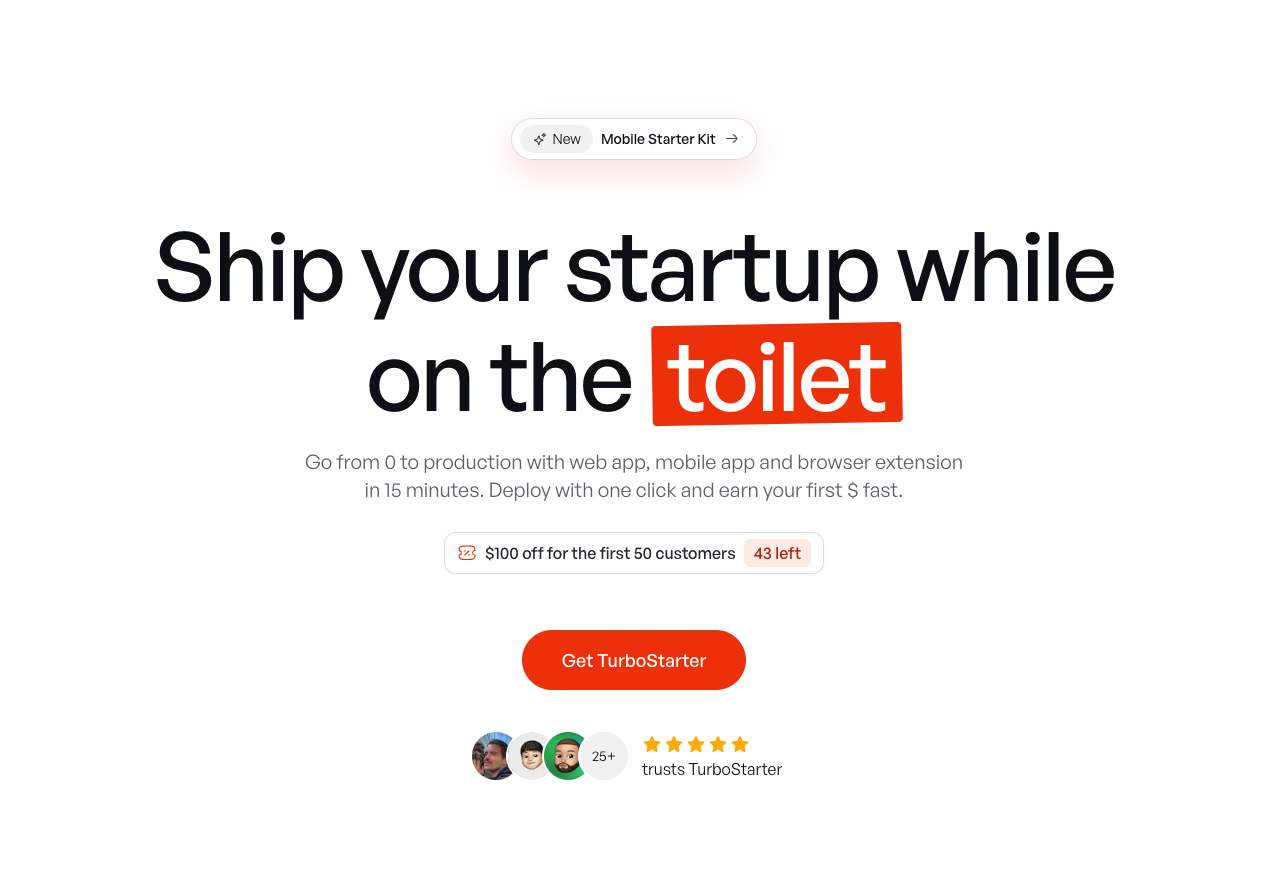
TurboStarter
Ship your startup everywhere. In minutes.
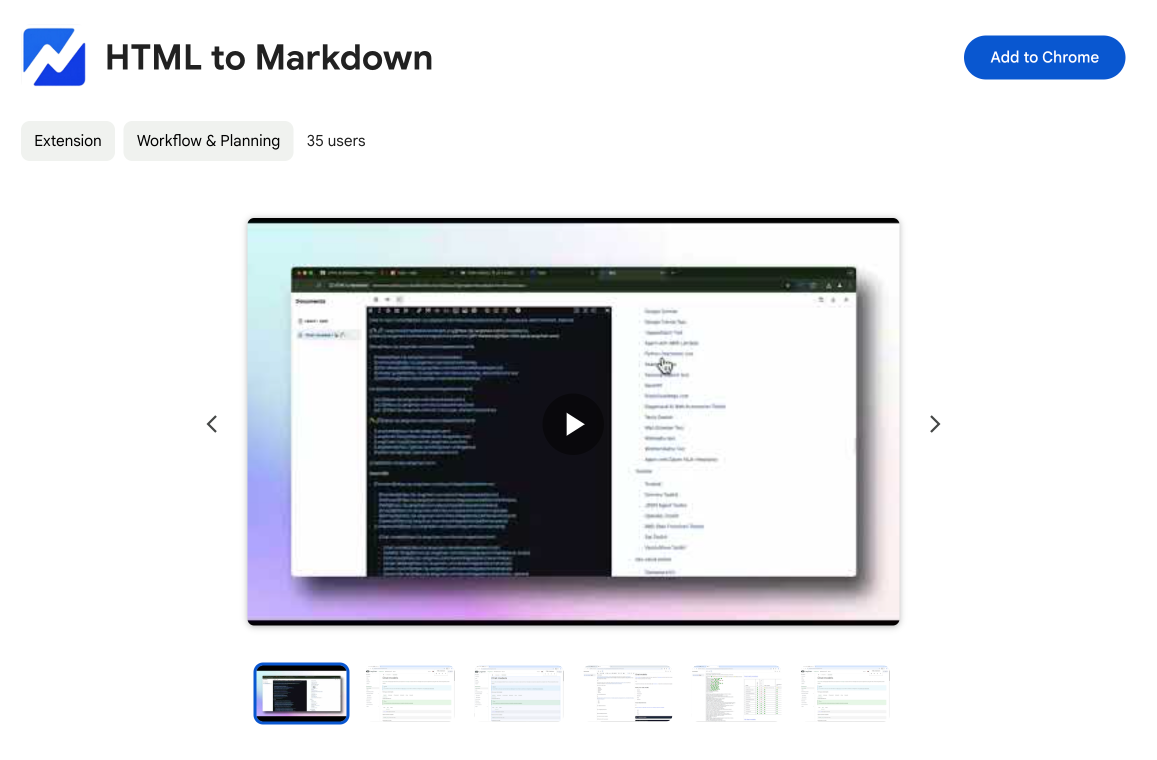
HTML to Markdown
Convert HTML to Markdown with ease, directly in your browser 📄
Dotallio
Personalized AI apps that automate research, data extraction, and content creation without code 🤖
Talk to Santa
Enjoy a magical live video chat or receive a unique AI-generated video greeting from Santa Claus 🎅
pozywka.pl
Scalable blog for food journalist, focused on performance and user experience 🌭
zagrodzki.me
Personal blog and portfolio of Bart Zagrodzki, where he shares his knowledge and work 💼
TurboStarter
Ship your startup everywhere. In minutes.
HTML to Markdown
Convert HTML to Markdown with ease, directly in your browser 📄
Dotallio
Personalized AI apps that automate research, data extraction, and content creation without code 🤖
Talk to Santa
Enjoy a magical live video chat or receive a unique AI-generated video greeting from Santa Claus 🎅
pozywka.pl
Scalable blog for food journalist, focused on performance and user experience 🌭
zagrodzki.me
Personal blog and portfolio of Bart Zagrodzki, where he shares his knowledge and work 💼
TurboStarter
Ship your startup everywhere. In minutes.
HTML to Markdown
Convert HTML to Markdown with ease, directly in your browser 📄
Dotallio
Personalized AI apps that automate research, data extraction, and content creation without code 🤖
Talk to Santa
Enjoy a magical live video chat or receive a unique AI-generated video greeting from Santa Claus 🎅
pozywka.pl
Scalable blog for food journalist, focused on performance and user experience 🌭
zagrodzki.me
Personal blog and portfolio of Bart Zagrodzki, where he shares his knowledge and work 💼
TurboStarter
Ship your startup everywhere. In minutes.
HTML to Markdown
Convert HTML to Markdown with ease, directly in your browser 📄
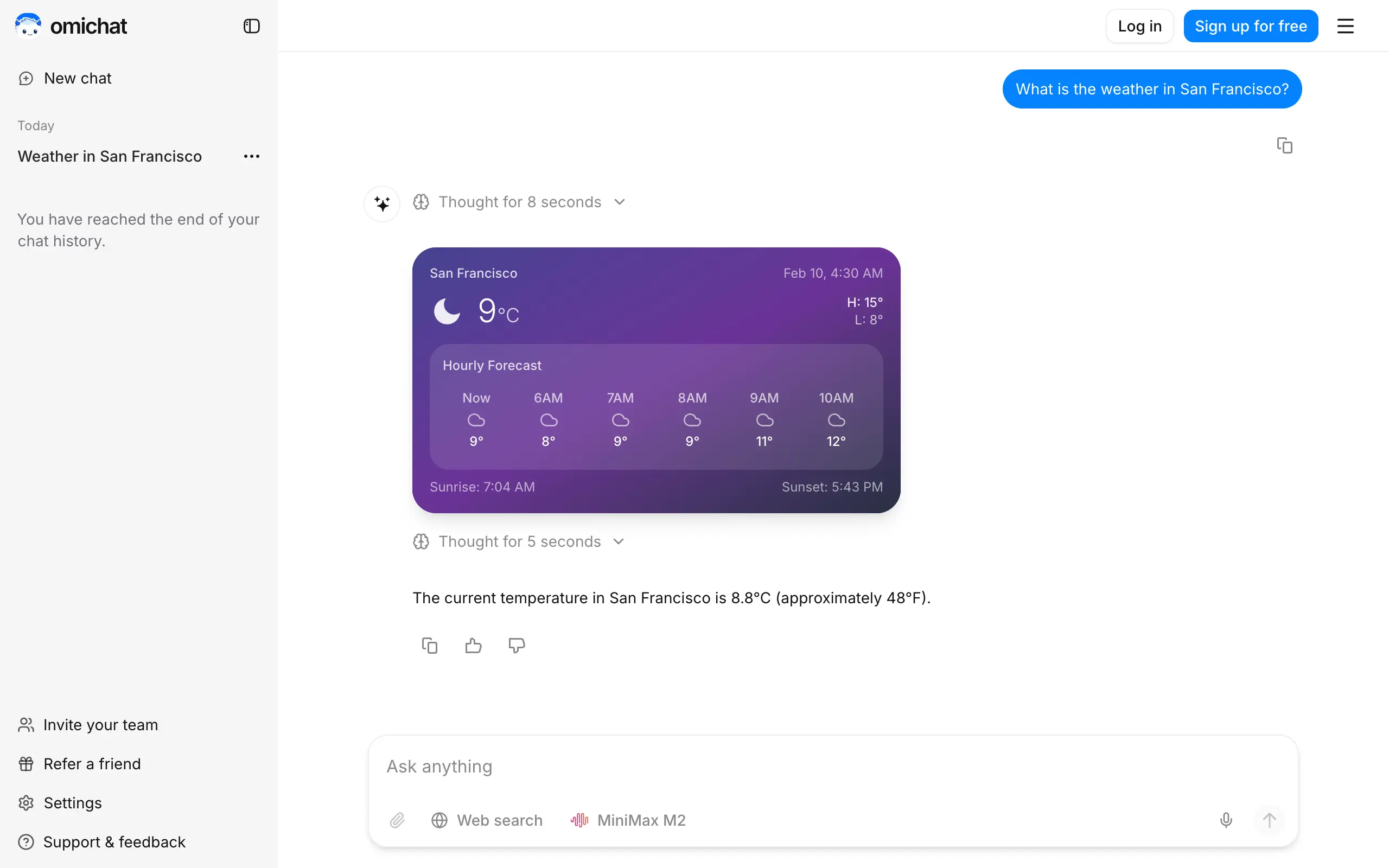
Omichat
Chat with 50+ AI models, including ChatGPT and Claude, in one place - switch models anytime without losing context 🤖
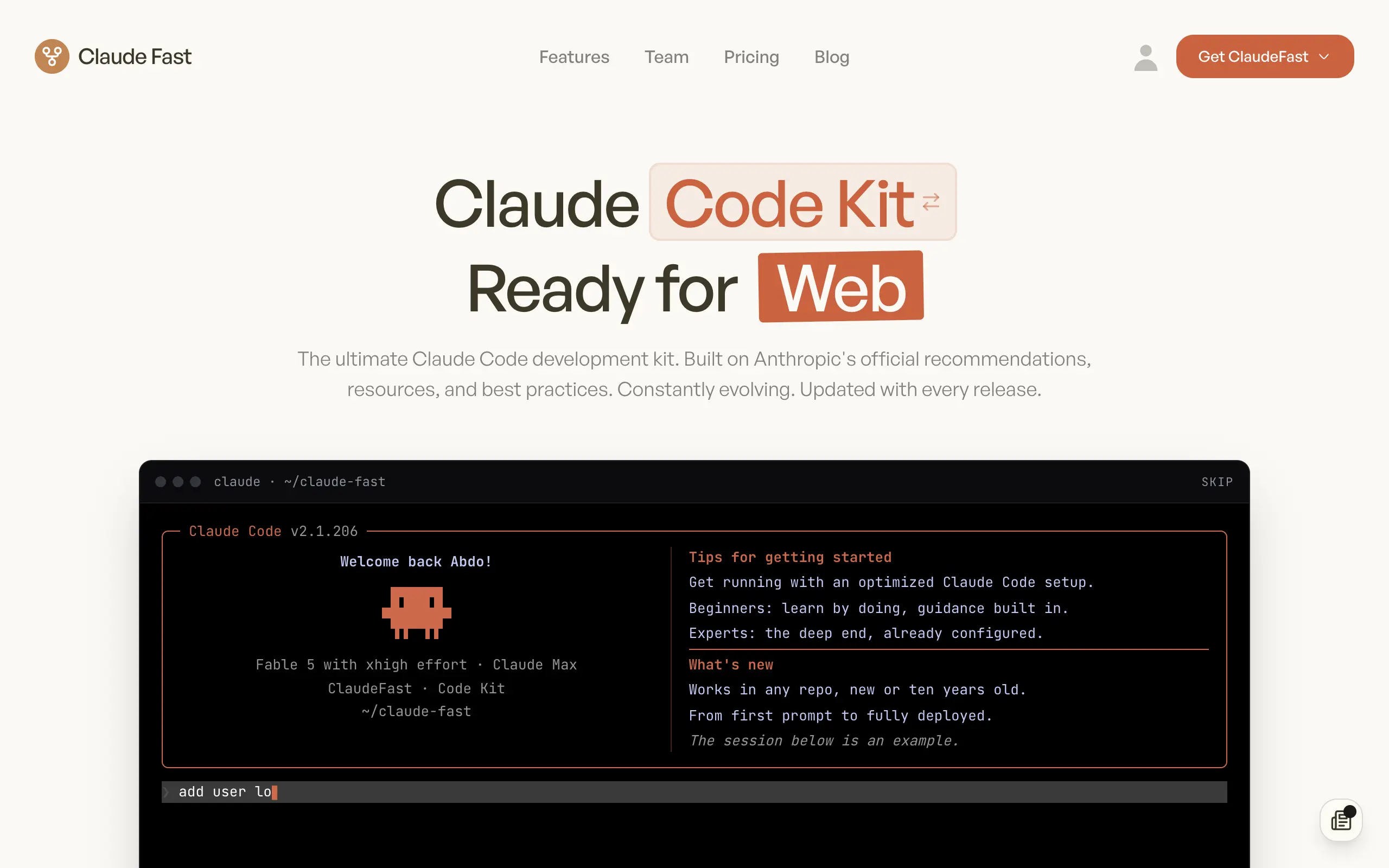
Claude Fast
Supercharge your Claude Code with 6x effective context window and specialized AI agents 🤖
EmojAI
AI-powered emoji picker with smart, context-aware suggestions 🤖
Solohacker
Autonomous company launcher - AI agents work 24/7, escalate what matters, and you stay in control 🤖
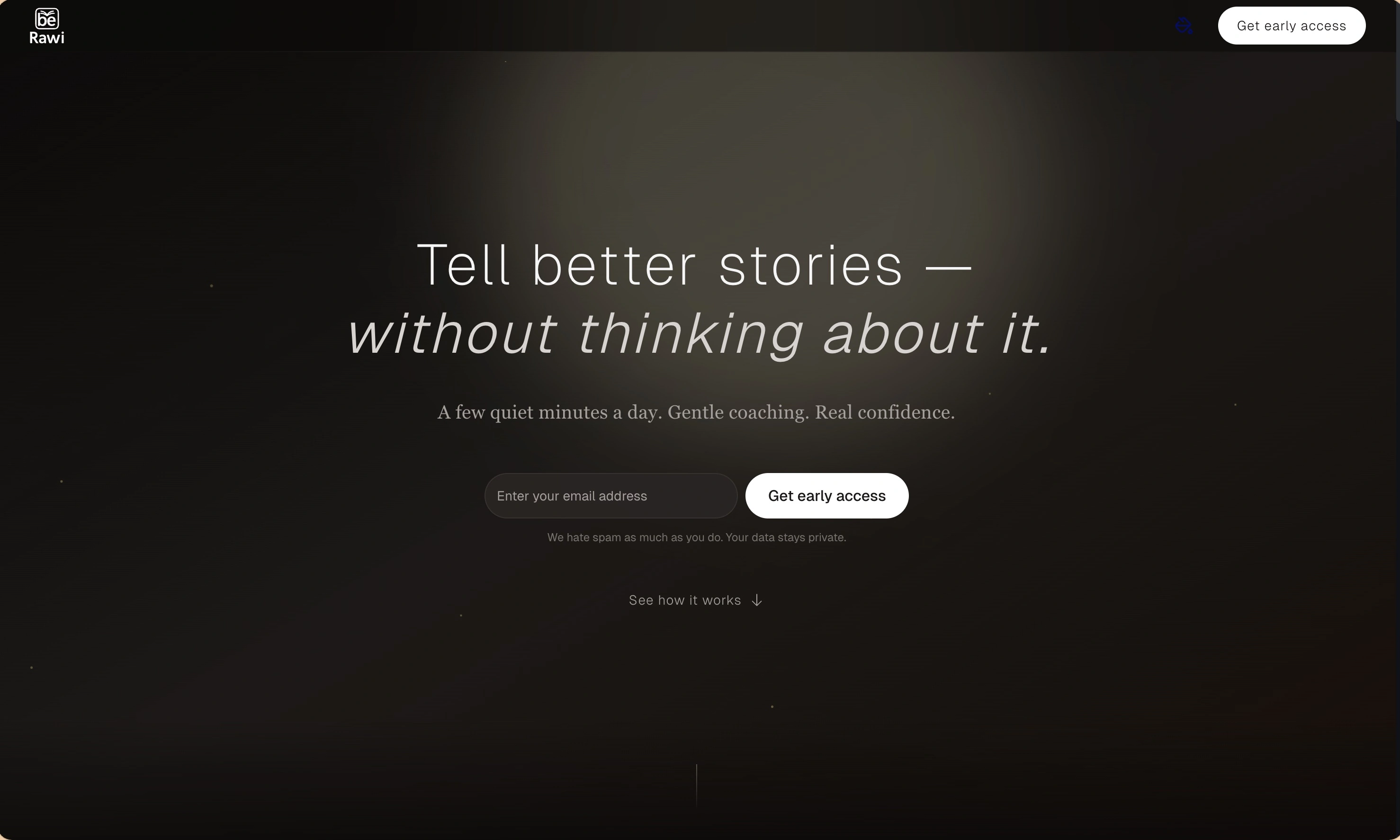
BeRawi: Storytelling Coach
Practice storytelling daily with instant feedback to sound clearer, more engaging, and confident 🎤
Omichat
Chat with 50+ AI models, including ChatGPT and Claude, in one place - switch models anytime without losing context 🤖
Claude Fast
Supercharge your Claude Code with 6x effective context window and specialized AI agents 🤖
EmojAI
AI-powered emoji picker with smart, context-aware suggestions 🤖
Solohacker
Autonomous company launcher - AI agents work 24/7, escalate what matters, and you stay in control 🤖
BeRawi: Storytelling Coach
Practice storytelling daily with instant feedback to sound clearer, more engaging, and confident 🎤
Omichat
Chat with 50+ AI models, including ChatGPT and Claude, in one place - switch models anytime without losing context 🤖
Claude Fast
Supercharge your Claude Code with 6x effective context window and specialized AI agents 🤖
EmojAI
AI-powered emoji picker with smart, context-aware suggestions 🤖
Solohacker
Autonomous company launcher - AI agents work 24/7, escalate what matters, and you stay in control 🤖
BeRawi: Storytelling Coach
Practice storytelling daily with instant feedback to sound clearer, more engaging, and confident 🎤
Omichat
Chat with 50+ AI models, including ChatGPT and Claude, in one place - switch models anytime without losing context 🤖
Claude Fast
Supercharge your Claude Code with 6x effective context window and specialized AI agents 🤖
EmojAI
AI-powered emoji picker with smart, context-aware suggestions 🤖
Solohacker
Autonomous company launcher - AI agents work 24/7, escalate what matters, and you stay in control 🤖
BeRawi: Storytelling Coach
Practice storytelling daily with instant feedback to sound clearer, more engaging, and confident 🎤

Connect with like-minded people
Join our community to get feedback, support, and grow together with 1,000+ builders on board, let's ship it!
Join usShip your startup everywhere. In minutes.
Don't burn tokens on setup and start building features on day one.