ClinScribe
AI documentation copilot for small clinics that drafts structured visit notes, referral letters, and follow-up instructions from consultations.
The opportunity for an AI medical documentation copilot in small clinics
Small clinics face a documentation burden that is disproportionate to their administrative capacity. A solo primary care office, behavioral health practice, physiotherapy clinic, or specialty group may have only a few clinicians and limited support staff, yet still needs to produce complete, timely, defensible clinical records after every encounter.
That creates a clear market opportunity for ClinScribe, an AI documentation copilot for small clinics. The product can transform consultation details into structured visit notes, referral letters, and patient-friendly follow-up instructions while keeping clinicians in control of final approval.
The core value proposition is simple. ClinScribe helps healthcare professionals spend less time typing and more time caring for patients without treating automation as a replacement for clinical judgment.
Unlike generic transcription tools, a focused AI clinical documentation assistant should be built around the actual workflows of outpatient teams:
- Capturing the relevant facts from a consultation
- Organizing those facts into a clinic-approved note structure
- Identifying missing documentation elements for clinician review
- Creating referrals with the right clinical context
- Translating care plans into understandable patient instructions
- Supporting safe review, editing, and sign-off before anything reaches the medical record
This is not merely a productivity application. When designed carefully, an AI scribe for small clinics can improve documentation consistency, reduce after-hours charting, and help practices deliver clearer continuity of care.
Important product positioning
ClinScribe should always be positioned as a documentation support system, not a diagnostic engine, autonomous clinical decision-maker, or replacement for a licensed clinician. Every generated artifact should require human review and approval.
Who ClinScribe should serve first
The broad healthcare documentation market is enormous, but the best early strategy is to focus on a narrow segment with an urgent problem, repeatable workflows, and relatively simple buying decisions.
For ClinScribe, the strongest initial audience is likely small outpatient clinics with one to twenty providers. These organizations often experience the documentation pain of larger health systems but do not have enterprise budgets, internal IT teams, or dedicated informatics departments.
Primary users of an AI documentation copilot
The ideal end users are clinicians who complete documentation themselves or who share it with a small number of assistants and scribes.
Primary care clinicians
Family medicine, internal medicine, and general practice teams need fast, structured notes across a wide variety of common visit types.
Behavioral health practices
Therapists, psychiatrists, and counselors need configurable documentation workflows while handling highly sensitive records.
Physical therapy clinics
PT teams create repetitive progress notes, care-plan updates, home exercise summaries, and referral communications.
Specialist practices
Dermatology, endocrinology, cardiology, and other specialist offices benefit from specialty-specific templates and referral workflows.
These users generally care less about AI novelty than about specific operational outcomes:
- Finishing notes on the same day as the visit
- Reducing documentation fatigue and clinician burnout
- Producing consistently formatted records
- Maintaining control over clinical language and coding details
- Communicating more effectively with referring providers and patients
- Avoiding a difficult implementation process
- Paying a price that makes sense for a small practice
Buyers and influencers in the clinic purchasing process
The end user may love the product, but the buyer is often another person. A successful go-to-market plan must address each stakeholder's concerns.
- "Clinical owner or medical director": wants quality, safety, clinician adoption, and a measurable return on investment.
- "Practice manager": wants predictable pricing, simple onboarding, reduced administrative work, and responsive support.
- "Privacy or compliance lead": wants evidence of data protection, access controls, retention policies, and vendor accountability.
- "Front-office or clinical support staff": wants workflows that do not create more manual cleanup or duplicate data entry.
- "IT consultant": wants interoperability, clear deployment requirements, and low maintenance overhead.
The product messaging should change by audience. A clinician needs to hear that ClinScribe preserves their voice and saves time. A practice manager needs to understand the onboarding path, pricing, and operational impact. A compliance stakeholder needs transparent answers, not vague claims about “secure AI.”
The market gap in AI clinical documentation for small practices
AI medical scribes and ambient documentation solutions have received substantial attention, especially in enterprise health systems. However, smaller clinics remain underserved for several reasons.
Many established platforms are designed for hospital systems. Their sales processes, implementation models, contract requirements, integration dependencies, and pricing can exceed what a small practice can realistically support. Other products are generic meeting transcription tools adapted for medical conversations, which can produce text but fail to offer documentation-specific safety controls and workflows.
ClinScribe can occupy the space between expensive enterprise ambient scribe platforms and general-purpose AI note takers.
Where current solutions often fall short
A small clinic does not necessarily need a multi-year enterprise deployment. It needs a reliable workflow that helps a clinician document today's appointments without creating compliance uncertainty tomorrow.
Common gaps include:
- "Overly broad templates": generic SOAP notes that do not match specialty workflows or a clinic's preferred clinical style.
- "Weak human review flows": generated records that make it too easy to accept unsupported or inaccurate wording.
- "Poor patient communication": systems that create notes but not plain-language after-visit instructions.
- "Enterprise-first complexity": long implementation timelines, complicated integrations, and opaque contracts.
- "Limited referral support": clinicians still manually draft letters that summarize assessments, relevant history, urgency, and the requested specialty action.
- "Inconsistent output quality": transcripts may be accurate enough, while final notes remain disorganized or clinically incomplete.
- "Lack of practice-level controls": small clinic owners need template governance, audit visibility, roles, and standardized output without enterprise bloat.
A powerful differentiator for ClinScribe is a documentation lifecycle approach. The product should not stop at transcription. It should move from consultation capture to structured documentation, clinician verification, patient instructions, and referral communication in one deliberate workspace.
Why timing is favorable
The underlying AI technology has matured enough to support useful language transformation, summarization, structured extraction, and configurable document generation. At the same time, clinicians are becoming more familiar with AI-assisted workflows, though rightly cautious about safety and privacy.
The winning product will not be the one that makes the boldest automation claim. It will be the one that earns trust through transparent controls, dependable outputs, and clear boundaries.
When publishing market claims, cite authoritative reports rather than relying on vague statistics. For example, reference clinician burnout research from a recognized medical association, healthcare workforce reports, or peer-reviewed research on documentation burden. For regulatory requirements, point readers toward the relevant national health privacy authority and legal counsel rather than presenting the product's content as legal advice.
What ClinScribe should do: core product workflows
ClinScribe should be built around repeatable clinical documentation jobs rather than an open-ended chat interface. The AI can be conversational behind the scenes, but the product experience should feel structured, predictable, and reviewable.
Consultation capture and source grounding
The first workflow is capturing consultation content. Clinics may use different modes depending on their clinical environment, privacy policies, patient consent requirements, and appointment formats.
ClinScribe can support several input methods:
- Secure audio capture during an in-person or telehealth consultation
- Uploading an approved recording where the clinic has obtained appropriate consent
- Pasting a dictated summary from the clinician
- Entering shorthand bullet points after a consultation
- Uploading a prior structured note or referral draft for revision
- Combining a transcript with clinician-added context
The key product principle is source grounding. A clinician should be able to see where a generated statement came from, whether it originated in captured consultation content, clinician input, or a template field.
This helps prevent a critical failure mode in generative AI: polished language that sounds plausible but is not supported by the source information.
Structured visit note generation
The main ClinScribe workflow should generate structured visit notes that match the clinic's standards. Early support could include common formats such as SOAP, APSO, DAP, BIRP, and specialty-specific templates.
A high-quality AI clinical note generator should let the user:
- Select a note template before or after consultation capture
- Separate subjective reporting from observed findings
- Flag uncertain, missing, or contradictory details
- Include structured sections for history, assessment, plan, medications, and follow-up
- Preserve the clinician's preferred terminology where appropriate
- Add optional coding prompts without automatically assigning diagnoses or billing codes
- Show a clear draft status until a qualified clinician approves the note
- Export or copy the final note into the clinic's record workflow
The system should avoid silently filling gaps. If a detail is absent, ClinScribe can write a visible prompt such as “Follow-up interval not documented in source material” instead of inventing an interval.
Referral letter generation
Referral letters are a high-value workflow because they are repetitive, time-sensitive, and often vary in quality. A useful AI referral letter generator can assemble the relevant clinical information into a concise, recipient-ready document.
ClinScribe referral workflows should support:
- Recipient and specialty selection
- Reason for referral
- Relevant symptoms, history, and current findings
- Pertinent investigations and treatment history
- Requested action or clinical question
- Urgency category selected by the clinician
- Attachments or supporting document references
- Practice letterhead, signatory, and contact details
- A clinician-controlled final review screen
The product should never infer an urgency level or referral reason without explicit clinician confirmation. In a medical setting, this is a meaningful safety boundary.
Follow-up instructions patients can understand
Patient instructions are often rushed, copied from old templates, or written at a reading level that does not match patient needs. ClinScribe can add exceptional value by turning clinician-approved plans into clear, actionable follow-up instructions.
The output should include:
- What the patient should do next
- Medication or self-care instructions that are explicitly supported by clinician input
- Scheduled tests, referrals, or appointments
- Warning signs that the clinician has selected for escalation
- Contact information and local emergency guidance configured by the practice
- A plain-language format with translation options where operationally appropriate
Safety requirement for patient instructions
ClinScribe should use approved practice language for urgent-care and emergency guidance. It should not generate new triage advice, medication dosing, or safety-net instructions from a general model without a clinician-approved protocol.
Template governance and clinic customization
Template customization is not an optional feature. It is central to adoption.
Clinics have different note styles, specialty requirements, payer expectations, and internal documentation rules. A template system must offer flexibility without allowing uncontrolled prompt changes that create unsafe output.
A practical template model has three layers:
- "System layer": protected rules for privacy, output boundaries, source grounding, and review requirements.
- "Clinic layer": practice-approved templates, phrasing, letterhead, patient instruction language, and standard sections.
- "Clinician layer": personal preferences such as note style, common macros, signature format, and default sections.
Administrators should be able to approve templates and maintain version history. Clinicians should be able to make limited personal adjustments without changing clinic-wide safeguards.
Designing trustworthy AI medical documentation workflows
Trust is the product. If a clinician believes ClinScribe may distort their clinical record, it will not become part of their routine, no matter how impressive the demo appears.
The product design should prioritize reviewability over automation theater.
Human-in-the-loop review is non-negotiable
Every AI-generated note, letter, or instruction sheet needs a visible workflow state. A recommended state model is:
The interface should show the difference between original source content, AI-generated language, clinician edits, and final approved text. This makes accountability clear.
Guardrails against hallucinations and omissions
ClinScribe should treat hallucination prevention as a product architecture challenge, not just a prompt-writing exercise.
Useful safeguards include:
- Generating only from the current encounter source and explicitly selected prior context
- Requiring clinician confirmation for diagnoses, medication changes, referrals, and urgency
- Highlighting unsupported claims before approval
- Using structured fields for high-risk information rather than only free-text generation
- Maintaining a complete edit and approval log
- Running consistency checks between the note, referral letter, and patient instructions
- Preventing exports when required approval fields are incomplete
- Testing outputs against a library of de-identified clinical scenarios
For example, if a note states that a patient denied a symptom but the transcript contains no such denial, the product should flag it. If a generated referral letter mentions an imaging result not present in the selected source material, it should be blocked or marked for review.
Consent and privacy should be part of the workflow
Recording clinical conversations can introduce consent obligations that vary by jurisdiction, care setting, and organizational policy. ClinScribe should not treat consent as a hidden legal checkbox.
Instead, the workflow can include:
- Configurable consent language and acknowledgement methods
- A visible recording indicator during capture
- A quick option to pause or delete a recording
- Documentation of consent status alongside encounter metadata
- Alternative clinician dictation workflows when recording is not appropriate
- Policy controls for audio retention and deletion
A clinic should be able to configure its own consent policy with advice from qualified counsel. ClinScribe can provide product controls, but it should not claim to solve every jurisdiction-specific legal requirement by default.
Competitive advantage: why ClinScribe can stand out
The AI documentation space is competitive, so ClinScribe needs a focused position that is difficult to confuse with generic transcription, enterprise ambient scribing, or generic AI chat tools.
Its strongest USP is:
A clinic-configurable, safety-first AI documentation copilot that turns consultations into reviewable notes, referrals, and patient instructions for small outpatient practices.
This positioning combines three meaningful differentiators.
Small-clinic-first implementation
Enterprise systems may require lengthy procurement and technical projects. ClinScribe should aim for guided self-serve onboarding that lets a clinic reach its first approved document quickly.
That does not mean ignoring security. It means packaging security and operational controls in a way that is understandable to a small practice.
The complete document set, not just the note
A consultation often creates more than one documentation task. The note is one output; referral letters and after-visit instructions are separate work that many tools leave behind.
By generating all three from approved source material, ClinScribe reduces duplicated effort and decreases the chance that different documents tell different stories.
Evidence-aware review and governance
Most generic AI writing tools optimize for speed. ClinScribe should optimize for defensible clinical documentation. Source citations within the product, audit logs, locked templates, uncertainty flags, and sign-off controls can make it more trustworthy than a simple transcription app.
| Capability | Generic AI writer | Basic transcription tool | Enterprise ambient platform | ClinScribe opportunity |
|---|---|---|---|---|
| Structured clinical templates | Limited | Limited | Strong | Strong and configurable |
| Referral and follow-up documents | Manual prompting | Usually absent | Variable | Built into the workflow |
| Small-clinic onboarding | Easy but unmanaged | Easy | Often complex | Guided and governance-ready |
| Source-grounded review | Variable | Transcript only | Variable | Core product requirement |
| Practice-level template controls | Limited | Limited | Strong | Focused, accessible controls |
Recommended tech stack for ClinScribe
An AI healthcare SaaS needs a stack that balances rapid iteration, security, observability, and operational simplicity. The exact choices depend on team experience and target compliance requirements, but the product should avoid unnecessary infrastructure complexity during validation.
For a modern web application, a strong starting point is Next.js with React and TypeScript. This combination supports a fast, responsive clinician interface and gives the team a mature ecosystem for authentication, server-side workflows, and integrations.
Suggested application architecture
- "Frontend": Next.js, React, TypeScript, and Tailwind CSS for a consistent, accessible interface.
- "API and workflow layer": server-side TypeScript services with queue-backed document processing.
- "Database": PostgreSQL for relational clinic, user, template, document, and audit data.
- "ORM": Prisma for type-safe schema access and migration workflows.
- "Authentication": Auth.js or an enterprise-ready identity provider with multi-factor authentication and role-based access control.
- "Object storage": encrypted storage for permitted audio files and generated documents, with configurable retention policies.
- "Background jobs": a durable queue for transcription, document generation, notification, and export tasks.
- "Observability": structured logs, error monitoring, security event monitoring, and workflow-level tracing.
- "AI orchestration": a provider abstraction layer that supports model evaluation, controlled prompts, redaction workflows, and provider changes.
For teams that want to move from idea to a production-oriented SaaS foundation quickly, TurboStarter can reduce time spent on common application scaffolding such as authentication, billing foundations, dashboards, and launch-ready product structure.
Transcription and language model considerations
Audio transcription and text generation are different workloads. The product should evaluate each independently rather than selecting one vendor for convenience.
For transcription, evaluate:
- Medical vocabulary performance across target specialties
- Speaker diarization quality
- Accent and environmental noise tolerance
- Real-time versus asynchronous processing needs
- Data processing location and contractual terms
- Confidence scores and correction tools
For language generation, evaluate:
- Instruction following and structured JSON output reliability
- Context window size for long encounters and prior history
- Ability to run constrained, source-grounded workflows
- Latency and cost at expected usage levels
- Data retention and enterprise privacy options
- Model version stability and evaluation tooling
A multi-provider architecture can reduce vendor lock-in, but it increases engineering and quality-assurance effort. For an MVP, one vetted provider with a clean abstraction boundary is usually a more sensible trade-off.
Interoperability strategy
Electronic health record integration is valuable, but attempting deep integration too early can slow down product validation. Start with the smallest viable workflow that clinics will genuinely use.
A sensible progression is:
- Copy-to-clipboard and downloadable document exports
- Secure email or print-ready referral workflows where permitted
- CSV or structured export for administrative reporting
- Integration with selected practice systems
- Standards-based interoperability using HL7 FHIR where the target systems and contracts support it
FHIR is strategically important because it provides a standardized way to exchange healthcare data. However, support varies considerably between vendors and deployments. ClinScribe should validate integration feasibility with real target clinics before making it a core launch dependency.
Privacy, security, and compliance strategy
Healthcare software buyers will ask hard questions about protected health information, access, retention, vendors, and incident response. ClinScribe needs concrete answers supported by policy, architecture, and operating discipline.
Compliance obligations differ by geography. In the United States, the product may need to support HIPAA-aligned workflows and appropriate contractual arrangements. In other markets, privacy frameworks and health-record rules will differ. Founders should engage qualified healthcare privacy counsel early rather than relying solely on generic SaaS terms.
Baseline security controls
A credible security baseline should include:
- Encryption in transit and at rest
- Strong password standards and multi-factor authentication
- Role-based access control for owners, clinicians, staff, and support users
- Tenant isolation between clinics
- Audit logging for document access, generation, editing, approval, export, and deletion
- Configurable session timeouts
- Secure secret management
- Vulnerability management and dependency monitoring
- Documented incident response procedures
- Regular backups and tested recovery processes
- Data retention and deletion controls aligned with clinic policy
- Vendor due diligence for AI, transcription, storage, and infrastructure providers
A practical compliance roadmap
Do not promise every certification on day one. Instead, build a roadmap that aligns product maturity with buyer expectations.
Focus on the minimum viable safeguards for early design partners. Use encrypted systems, strict internal access controls, clear data flow documentation, consent support, audit logging, and written privacy policies. Limit the pilot scope to clinics whose needs match the product's current safeguards.
Formalize security governance with risk assessments, vendor reviews, penetration testing, staff training, access reviews, and standardized compliance documentation. Add advanced clinic administration and retention controls.
Prepare for more demanding procurement with formal assurance programs, detailed security questionnaires, robust interoperability, contractual processes, documented business continuity, and customer-specific configuration controls.
Monetization options for an AI clinical documentation SaaS
ClinScribe should use pricing that is predictable enough for small practices while protecting margins against transcription and AI inference costs.
A pure per-minute model can create anxiety for clinicians who do not know their future usage. A pure unlimited model can become unprofitable if a small number of heavy users consume expensive audio processing. The best model is usually a hybrid.
Recommended pricing structure
Offer monthly subscriptions priced per active clinician, with included usage and transparent overages.
Possible plan structure:
- "Starter": for solo clinicians, including a monthly pool of generated documents and limited templates.
- "Practice": for multi-provider clinics, with shared usage, referral workflows, clinic templates, and administrative controls.
- "Professional": for higher-volume or specialty teams, adding advanced customization, analytics, priority support, and selected integrations.
- "Custom": for clinic groups requiring dedicated onboarding, advanced security reviews, custom retention settings, or integration work.
Potential add-ons include:
- Additional transcription hours
- Specialty template packs
- Priority implementation support
- Advanced EHR or practice-management integrations
- Custom document branding and referral routing
- Multi-language patient instruction features
- Secure archival or extended retention options
The value metric should remain understandable. Most small clinics can reason about per-clinician pricing more easily than token usage, model calls, or abstract AI credits.
Unit economics to monitor
The business can look healthy at the subscription level while losing money on heavy usage. Track these metrics from the first pilot:
- Average audio minutes per active clinician
- Transcription cost per encounter
- AI generation cost per finalized document set
- Average number of regenerate actions per note
- Support time per onboarding account
- Trial-to-paid conversion rate
- Active clinicians per clinic account
- Weekly note completion rate
- Gross margin by customer segment
- Monthly logo churn and revenue churn
If a particular specialty produces unusually long sessions or requires many document variations, consider a specialized plan rather than allowing that segment to distort base-plan economics.
Risks and mitigation for ClinScribe
The opportunity is compelling, but healthcare documentation is a high-trust category. A strong strategy identifies the risks upfront and designs mitigations into the product.
Use source-grounded generation, visible confidence and uncertainty flags, mandatory clinician review, structured fields for high-risk content, and automated checks for unsupported claims. Never market the product as autonomous clinical decision-making.
Apply encryption, tenant isolation, least-privilege access, audit logs, vetted vendors, data retention controls, and documented incident response. Obtain legal guidance for each target market and data-processing arrangement.
Start with a narrow workflow that saves visible time. Let users control templates, show source evidence, preserve their editing authority, and measure time saved using real pilot feedback rather than marketing assumptions.
Launch with exports and workflow compatibility first. Prioritize integrations based on validated demand from paying clinics, and use standards such as FHIR where feasible rather than building one-off integrations indiscriminately.
Version prompts and models, maintain a de-identified evaluation set, run regression tests before updates, support rollback, and monitor clinician edits for quality signals.
Build a focused distribution advantage through specialty templates, rapid onboarding, pricing clarity, excellent support, and a workflow designed around small-practice realities.
Go-to-market strategy for the first ClinScribe customers
A healthcare AI product should not begin with broad paid acquisition. The first priority is learning whether a defined user group will adopt the workflow repeatedly in real clinical conditions.
Start with design partners
Recruit five to ten design partner clinics in one or two specialties. Good candidates are practices where the clinical owner is engaged, the documentation pain is obvious, and the team is willing to give detailed feedback.
Offer a structured pilot with clear expectations:
- A defined pilot duration
- A limited number of clinicians
- Explicit permitted use cases
- Product training and onboarding
- Weekly feedback sessions
- Safety escalation procedures
- Success metrics agreed upon in advance
- A conversion conversation scheduled before the pilot ends
Avoid free pilots with no boundaries. They often produce low engagement and ambiguous learning.
Choose a beachhead specialty
Primary care offers a large market but broad variability. A narrower specialty can make early templates, messaging, and sales more effective.
Potential beachhead categories include:
- Behavioral health, where structured session documentation is frequent
- Physical therapy, where note patterns and patient instruction needs are repeatable
- Family medicine, where note volume is high and referral workflows are common
- Dermatology or another specialty with concise, repeatable outpatient visits
The best choice depends on access to design partners. Distribution is often more important than theoretical market size in the early stage.
Build proof through measurable outcomes
ClinScribe should collect evidence from pilots while respecting privacy and avoiding unsupported claims. Strong proof points could include:
- Median time from consultation end to finalized note
- Percentage of notes completed on the same day
- Clinician-reported after-hours documentation time
- Percentage of drafts requiring substantial edits
- Referral letter turnaround time
- Patient instruction completion rate
- Weekly active clinician retention
- Net promoter score or structured satisfaction feedback
Publish only claims that are backed by a clear methodology. If using testimonials, obtain written permission and avoid implying clinical outcomes that have not been validated.
A practical implementation plan for ClinScribe
The fastest route to a strong product is not building every feature. It is validating the highest-risk assumptions in a controlled order.
Phase one: define the clinical workflow
Interview clinicians and practice managers before writing substantial code. Ask to observe the documentation process, understand which documents are most painful, and collect de-identified examples of current templates.
Document the answers to these questions:
- Which visit types generate the most charting burden?
- What must a clinician see before approving a note?
- Which note sections are standardized versus clinician-specific?
- What makes a referral letter useful to the receiving provider?
- How are follow-up instructions currently delivered?
- Which systems must ClinScribe coexist with on day one?
- What consent and retention policies already exist?
- What would make the team stop using the product after one week?
Phase two: ship a narrow, review-first MVP
The MVP should focus on a single specialty and one trusted input method. Build the smallest workflow that enables a clinician to create and approve a high-quality draft.
A strong first release might include:
- User authentication and clinic workspaces
- Role-based access for clinicians and administrators
- Manual or dictated consultation summaries
- One configurable structured note template
- Draft generation with source references
- A review and approval screen
- A basic referral letter output
- Audit logging
- Secure document export
- Feedback collection inside the application
Do not start with autonomous coding, expansive patient portals, dozens of templates, or deep integrations. These features can come after evidence of repeated note-generation use.
Phase three: test quality systematically
Create a de-identified test set that reflects real scenarios from the target specialty. Include short visits, long visits, incomplete information, conflicting statements, multiple problems, medication discussions, and referral requests.
Evaluate every release for:
- Factual support from source material
- Template adherence
- Completeness of required sections
- Clarity and clinical usefulness
- Appropriate uncertainty language
- Absence of invented facts
- Correct separation between patient statements and clinician observations
- Consistency across notes, referral letters, and follow-up instructions
This evaluation process is a durable competitive asset. It should become more rigorous as ClinScribe expands into more specialties and integrations.
Phase four: improve retention before scaling acquisition
Once early clinics are onboarded, focus on habit formation. The critical question is not whether someone generated one impressive note. It is whether they return after their next ten consultations.
Improve retention through:
- Faster generation and editing
- Better template defaults
- Specialty-specific language controls
- Feedback-driven quality improvements
- Clinician shortcuts and keyboard-first workflows
- Consistent document formatting
- Clear onboarding for new staff
- Responsive human support
Final perspective on building ClinScribe
ClinScribe can become a meaningful healthcare SaaS business by solving a concrete and expensive problem: the documentation overload that keeps small-clinic clinicians working after the patient visit ends.
The product should not compete on the claim that AI can replace clinicians. It should compete on its ability to help clinicians create accurate, structured, patient-ready documentation with less friction and more confidence.
The most defensible version of an AI documentation copilot combines:
- A focused small-clinic audience
- Specialty-aware templates
- Source-grounded generation
- Mandatory clinician review
- Referral and patient instruction workflows
- Strong privacy and audit controls
- Simple implementation
- Transparent, sustainable pricing
Start with one specialty, one document workflow, and a small group of committed design partners. Prove that ClinScribe saves time without compromising clinician control. Then expand from a trusted note-generation workflow into the broader documentation operating system that small clinics need.
More 🤖 AI Startup SaaS ideas
Discover more innovative ai startup SaaS ideas that are trending in 2026. Each idea is AI-generated with market validation and growth potential to help you find your next profitable venture faster than competitors.
Your competitors are building with TurboStarter
Below are some of the SaaS ideas that have been generated and built with our starter kit.
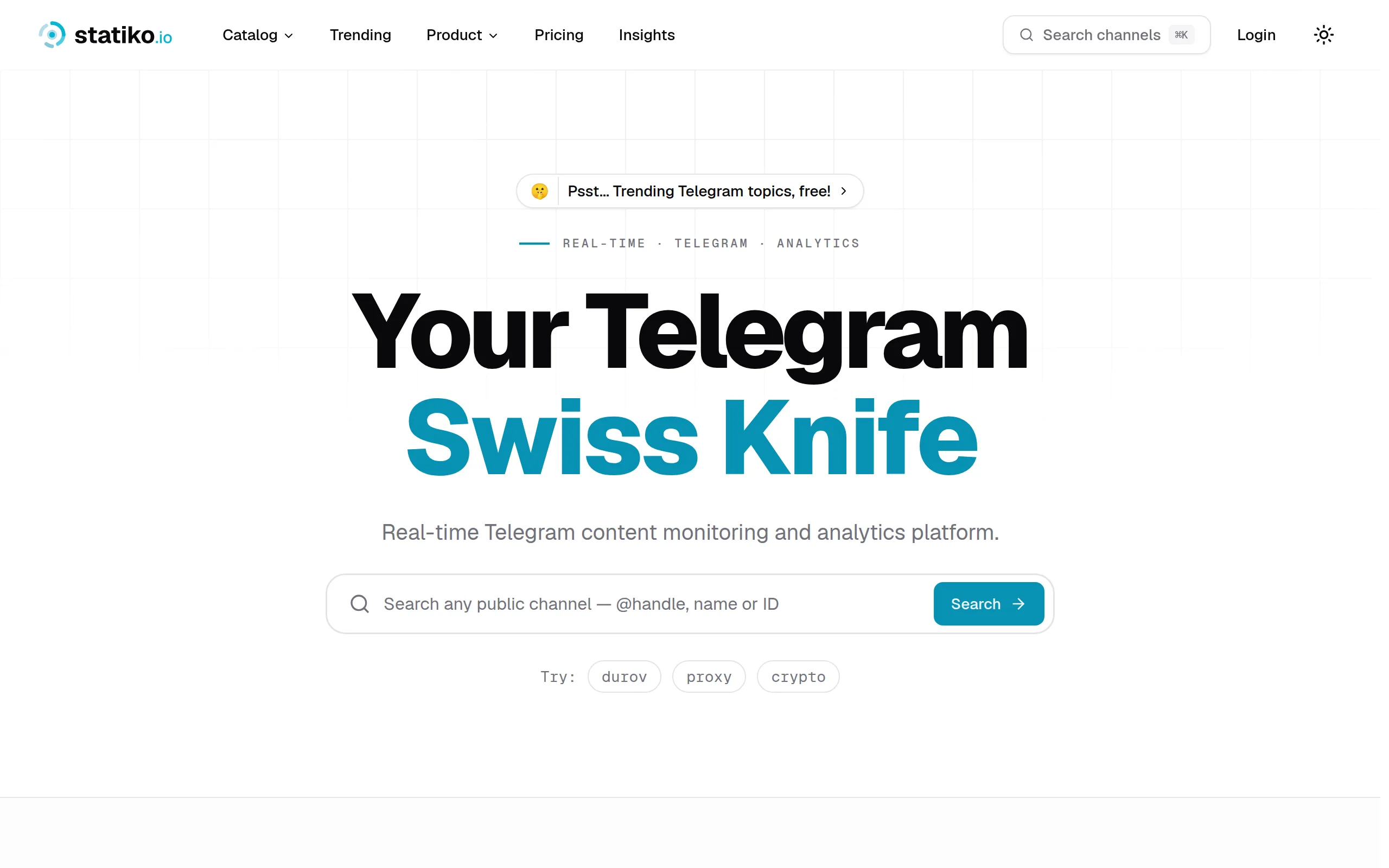
Statiko
Monitor any Telegram channel in real time - track posts, edits, deletions, and growth with AI recaps 📡
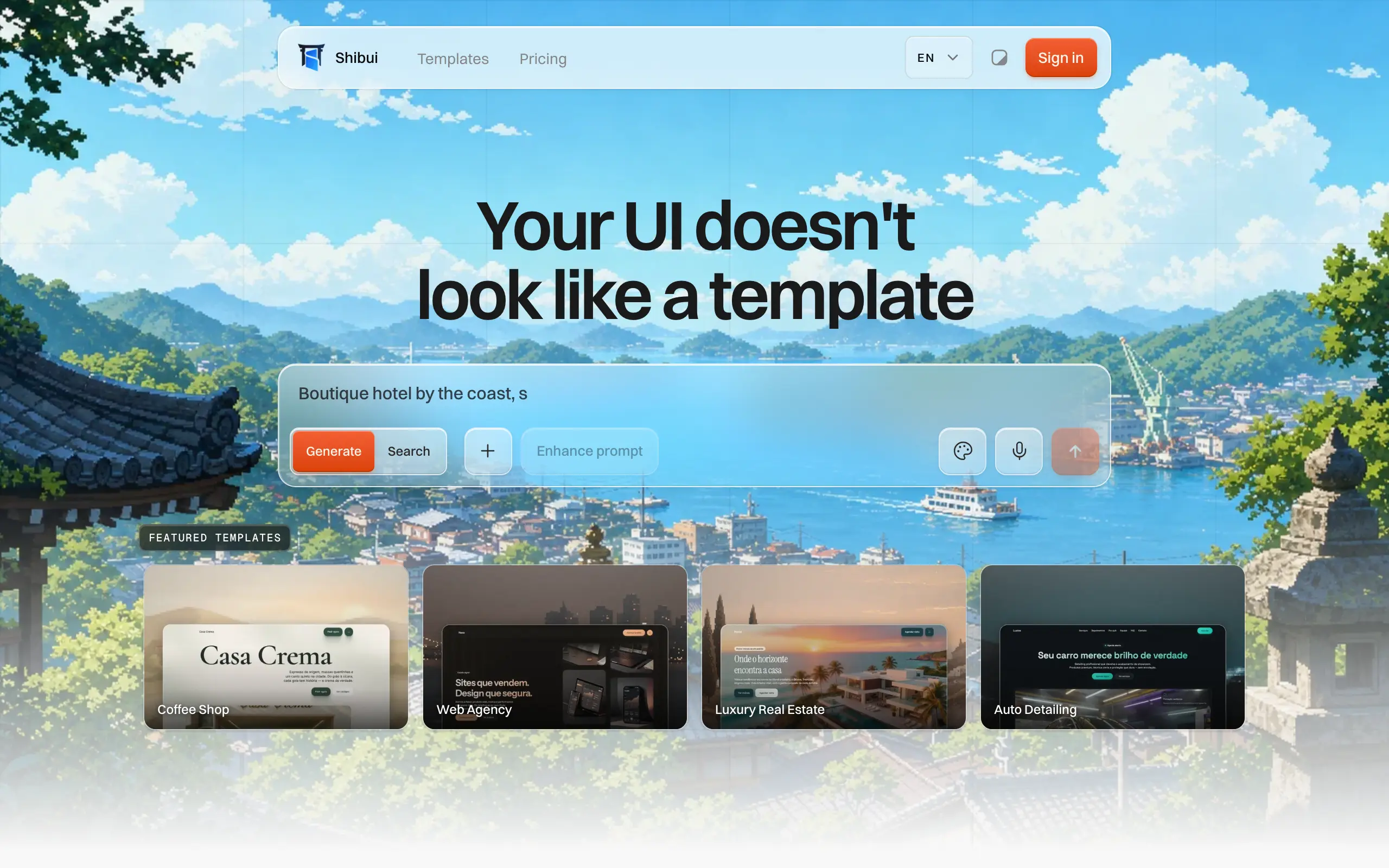
Shibui
AI website builder - describe your business, pick a niche template, edit by chatting, and publish instantly ✨
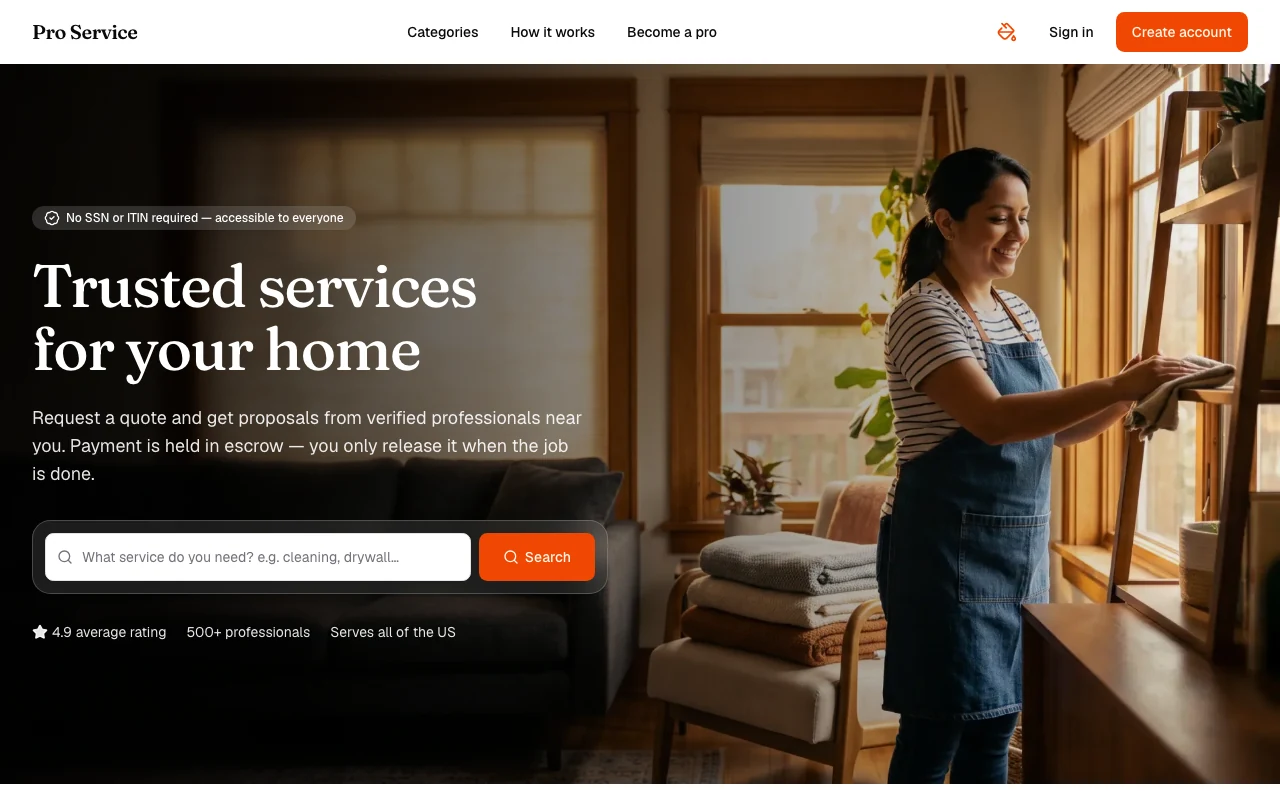
Pro Service
Find verified home service professionals, compare quotes, and pay securely through escrow - built for Brazilians across the US 🏠
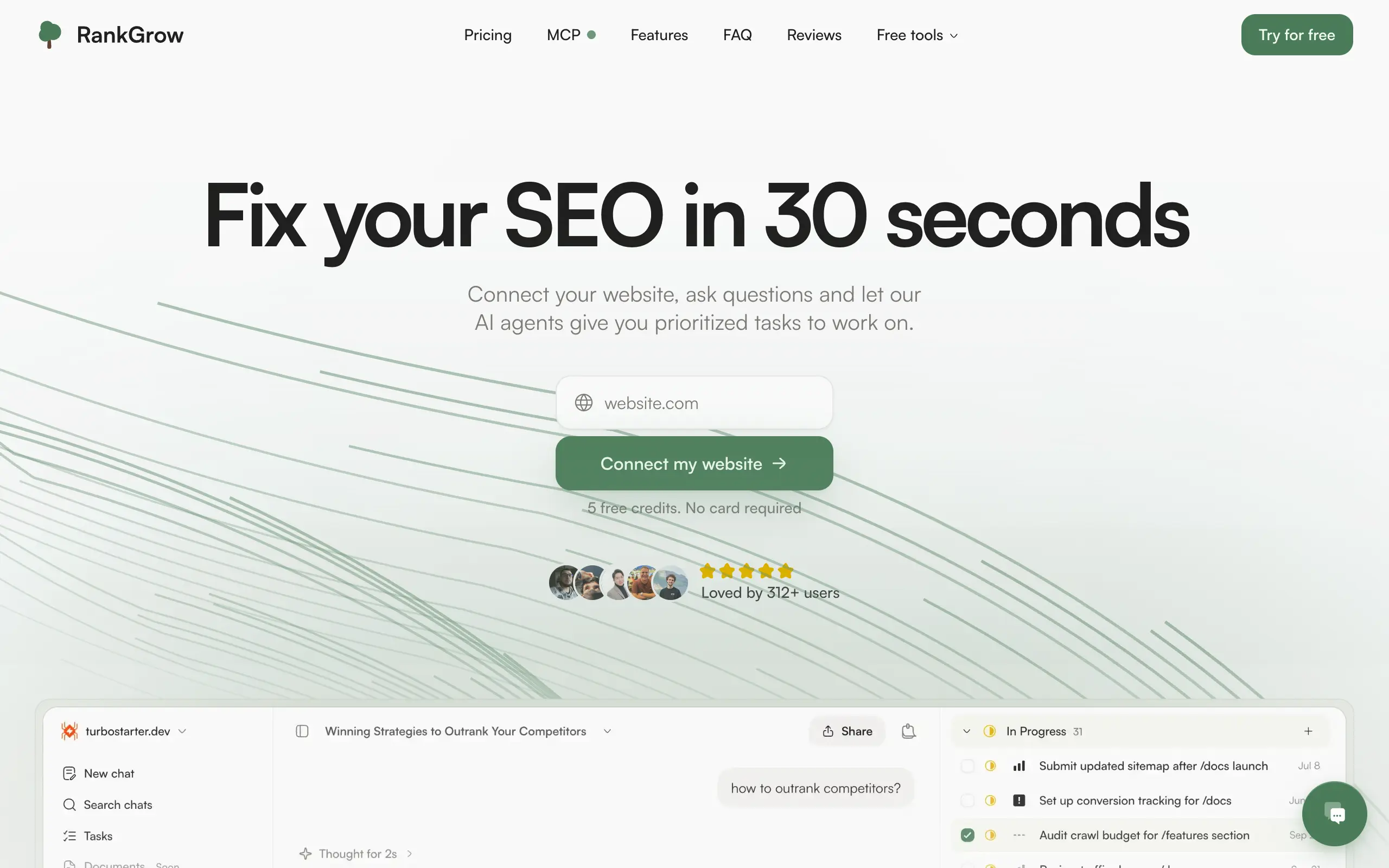
RankGrow
Fix your SEO with AI agents - connect Search Console, get prioritized tasks, and grow organic traffic 📈
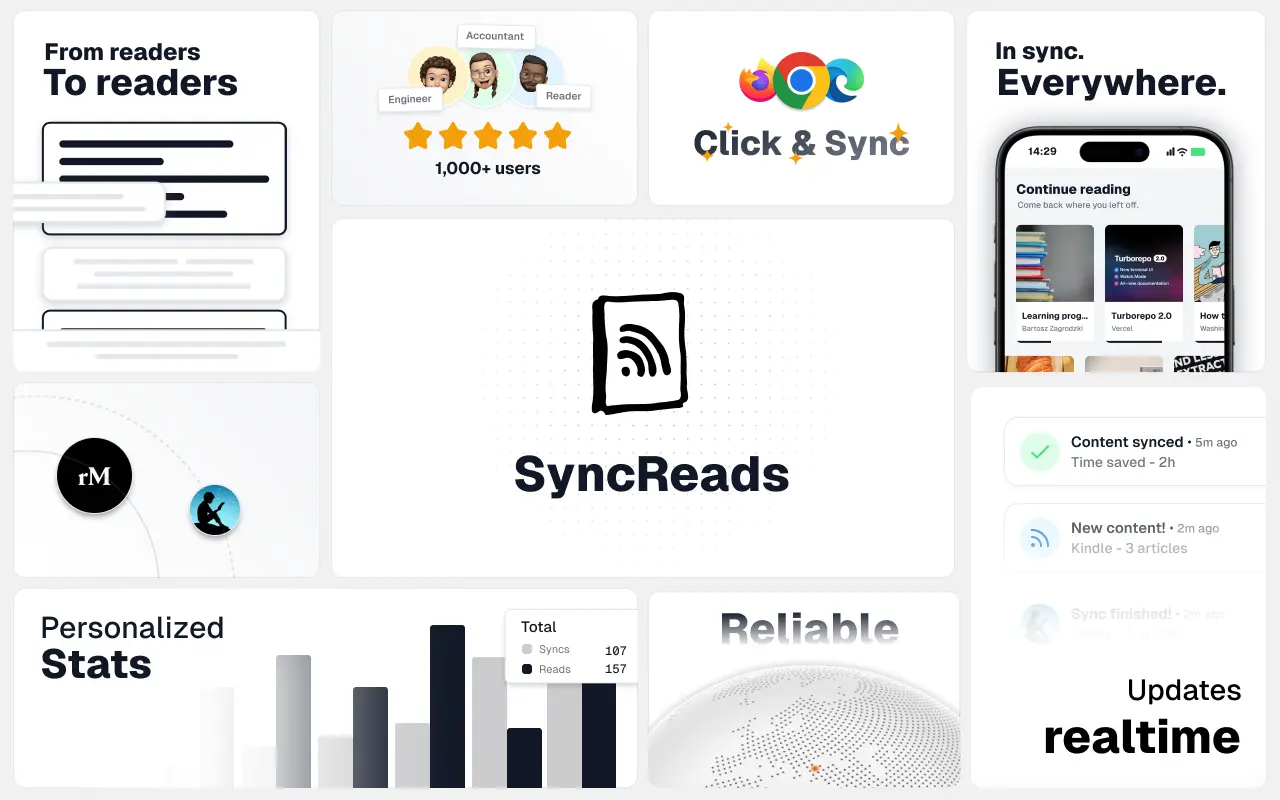
SyncReads
Sync your favorite content for distraction-free reading, save time and replace multiple apps. Anytime, anywhere 🔄
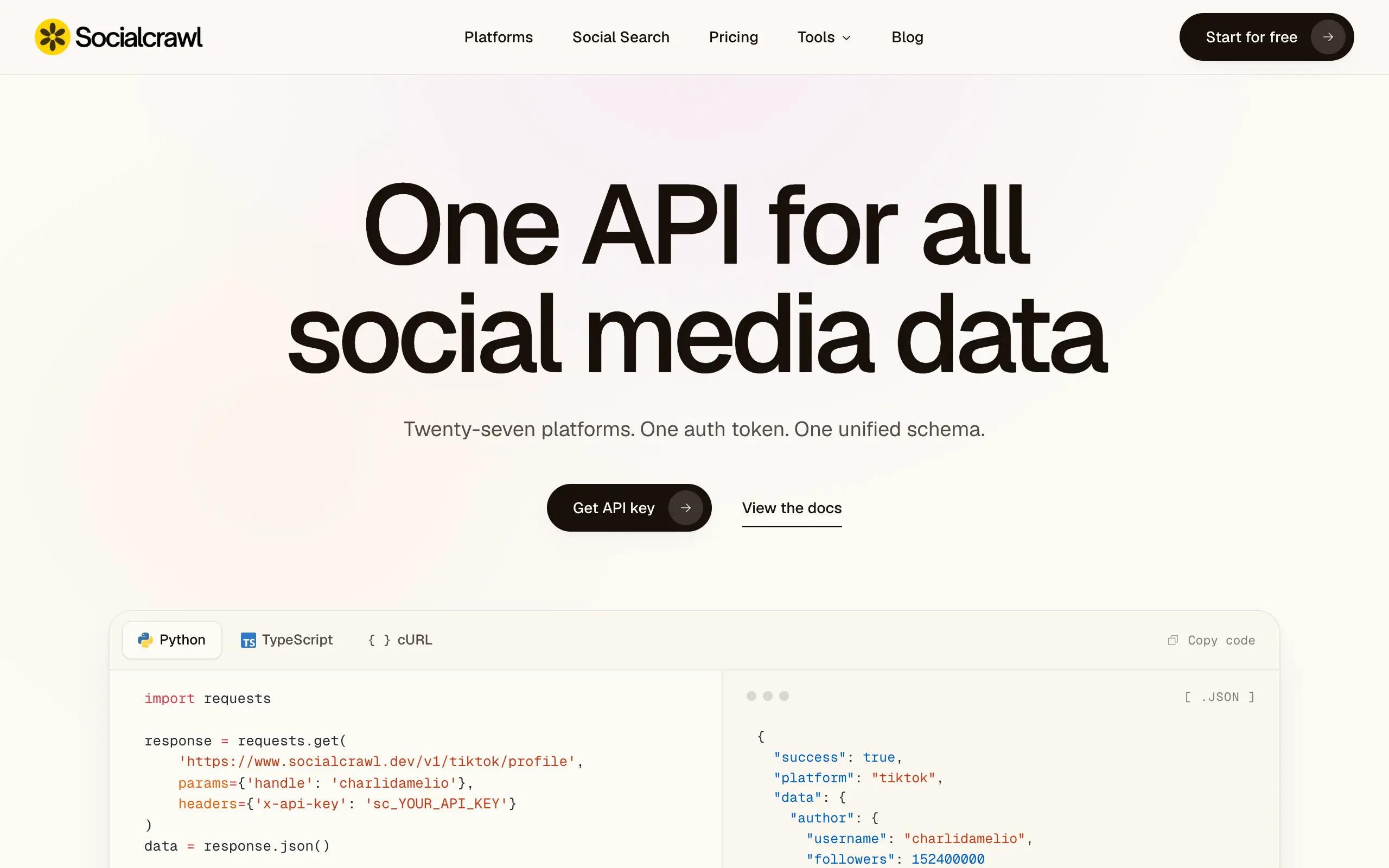
Socialcrawl
Get clean, structured data from 21 platforms like TikTok, Instagram, and YouTube with a single request 📊
Statiko
Monitor any Telegram channel in real time - track posts, edits, deletions, and growth with AI recaps 📡
Shibui
AI website builder - describe your business, pick a niche template, edit by chatting, and publish instantly ✨
Pro Service
Find verified home service professionals, compare quotes, and pay securely through escrow - built for Brazilians across the US 🏠
RankGrow
Fix your SEO with AI agents - connect Search Console, get prioritized tasks, and grow organic traffic 📈
SyncReads
Sync your favorite content for distraction-free reading, save time and replace multiple apps. Anytime, anywhere 🔄
Socialcrawl
Get clean, structured data from 21 platforms like TikTok, Instagram, and YouTube with a single request 📊
Statiko
Monitor any Telegram channel in real time - track posts, edits, deletions, and growth with AI recaps 📡
Shibui
AI website builder - describe your business, pick a niche template, edit by chatting, and publish instantly ✨
Pro Service
Find verified home service professionals, compare quotes, and pay securely through escrow - built for Brazilians across the US 🏠
RankGrow
Fix your SEO with AI agents - connect Search Console, get prioritized tasks, and grow organic traffic 📈
SyncReads
Sync your favorite content for distraction-free reading, save time and replace multiple apps. Anytime, anywhere 🔄
Socialcrawl
Get clean, structured data from 21 platforms like TikTok, Instagram, and YouTube with a single request 📊
Statiko
Monitor any Telegram channel in real time - track posts, edits, deletions, and growth with AI recaps 📡
Shibui
AI website builder - describe your business, pick a niche template, edit by chatting, and publish instantly ✨
Pro Service
Find verified home service professionals, compare quotes, and pay securely through escrow - built for Brazilians across the US 🏠
RankGrow
Fix your SEO with AI agents - connect Search Console, get prioritized tasks, and grow organic traffic 📈
SyncReads
Sync your favorite content for distraction-free reading, save time and replace multiple apps. Anytime, anywhere 🔄
Socialcrawl
Get clean, structured data from 21 platforms like TikTok, Instagram, and YouTube with a single request 📊
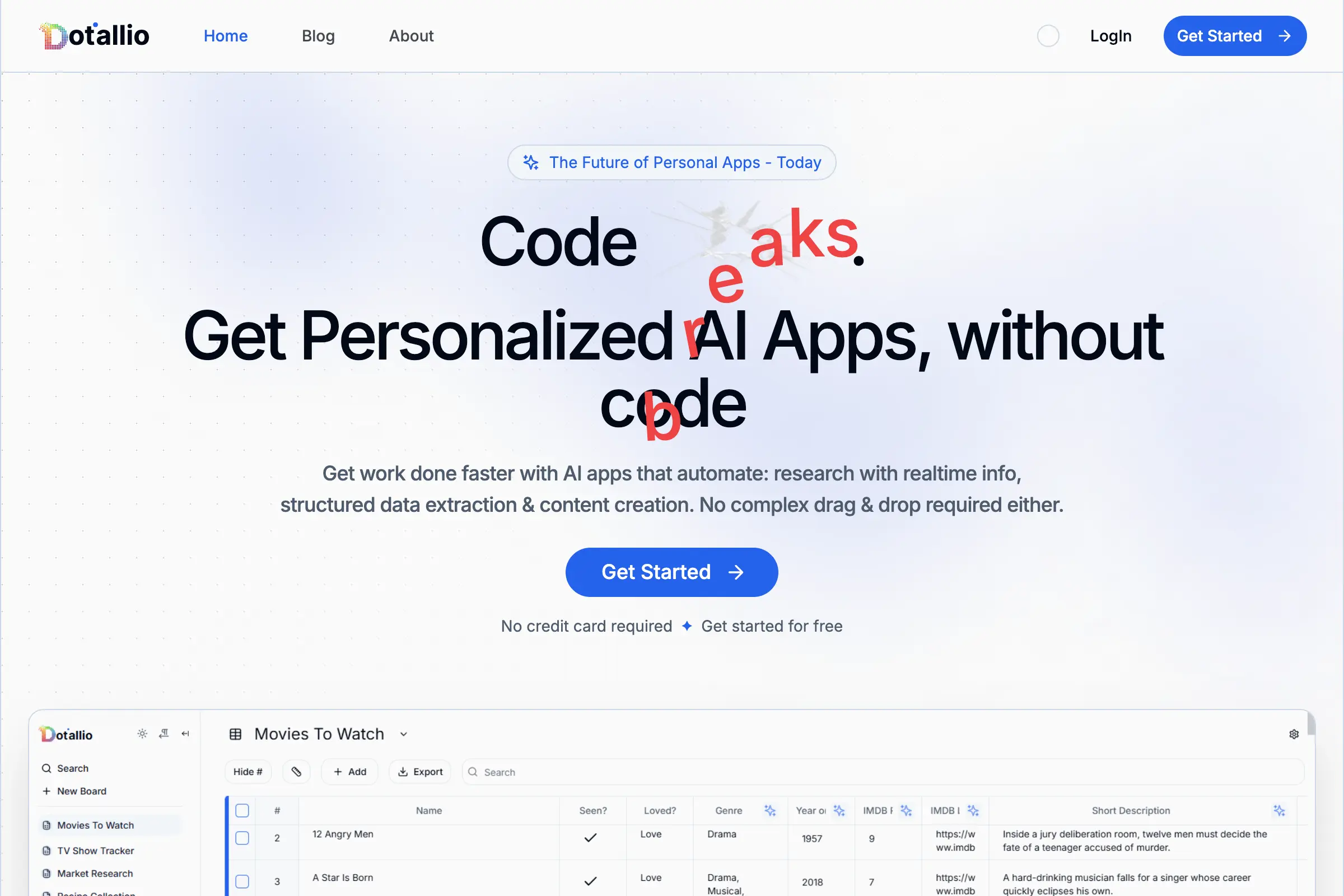
Dotallio
Personalized AI apps that automate research, data extraction, and content creation without code 🤖
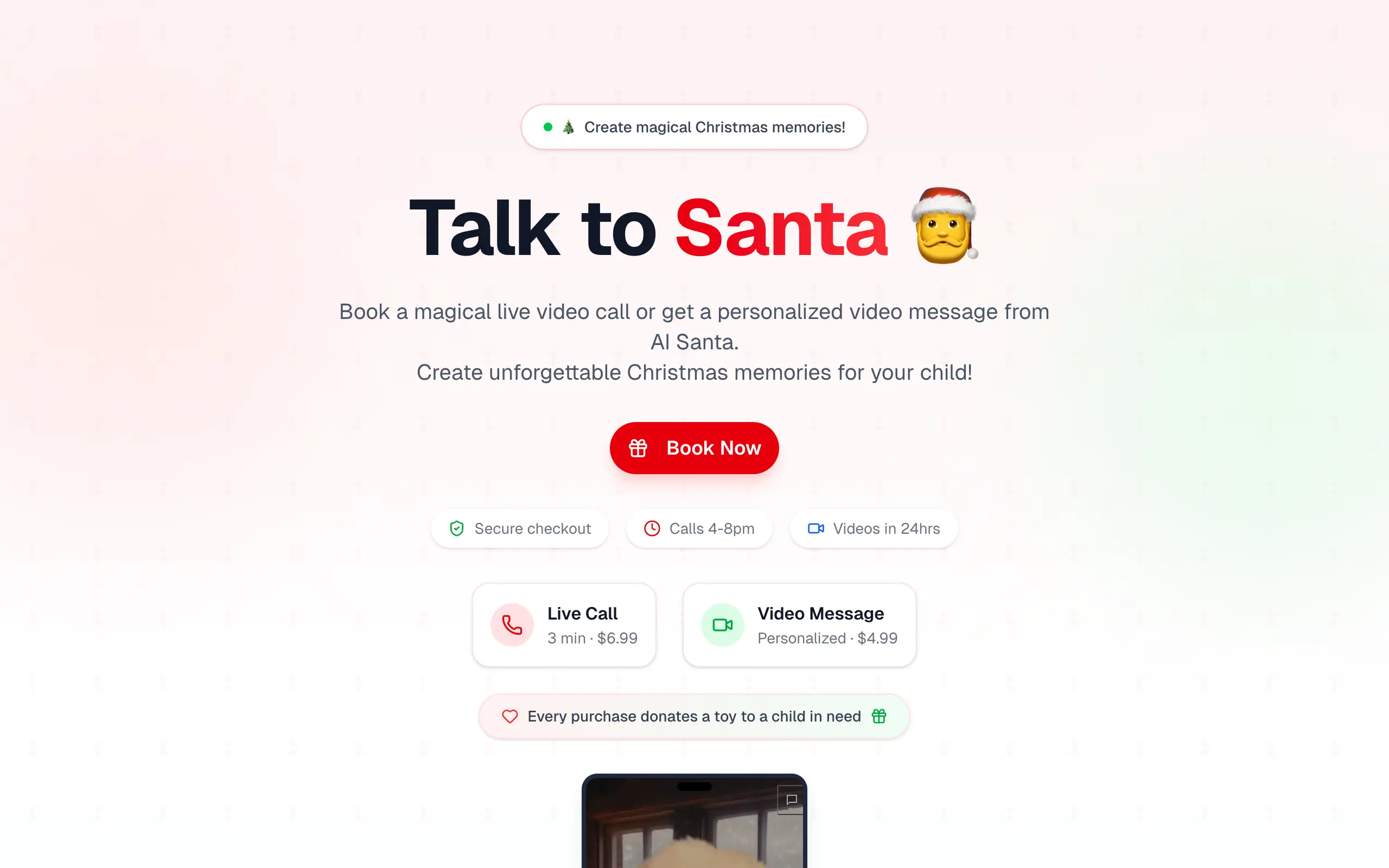
Talk to Santa
Enjoy a magical live video chat or receive a unique AI-generated video greeting from Santa Claus 🎅
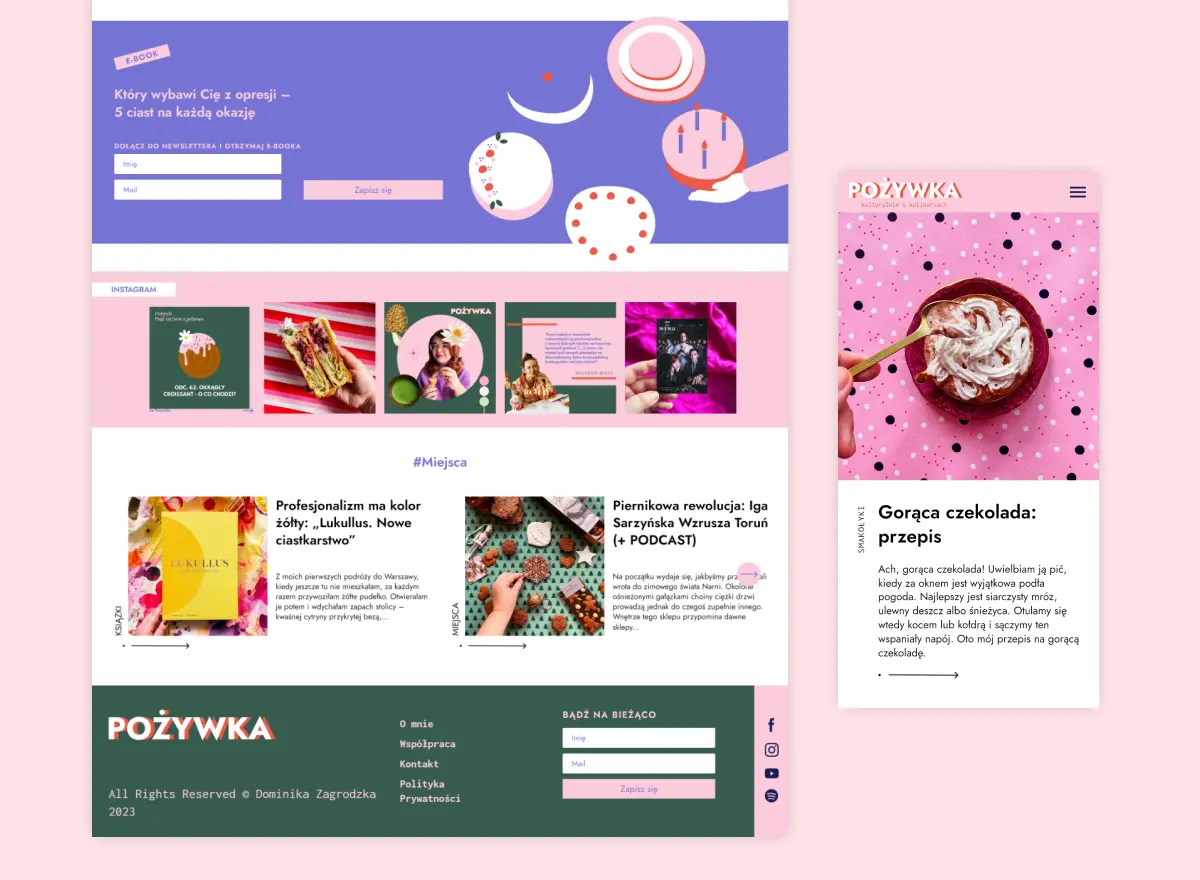
pozywka.pl
Scalable blog for food journalist, focused on performance and user experience 🌭
zagrodzki.me
Personal blog and portfolio of Bart Zagrodzki, where he shares his knowledge and work 💼
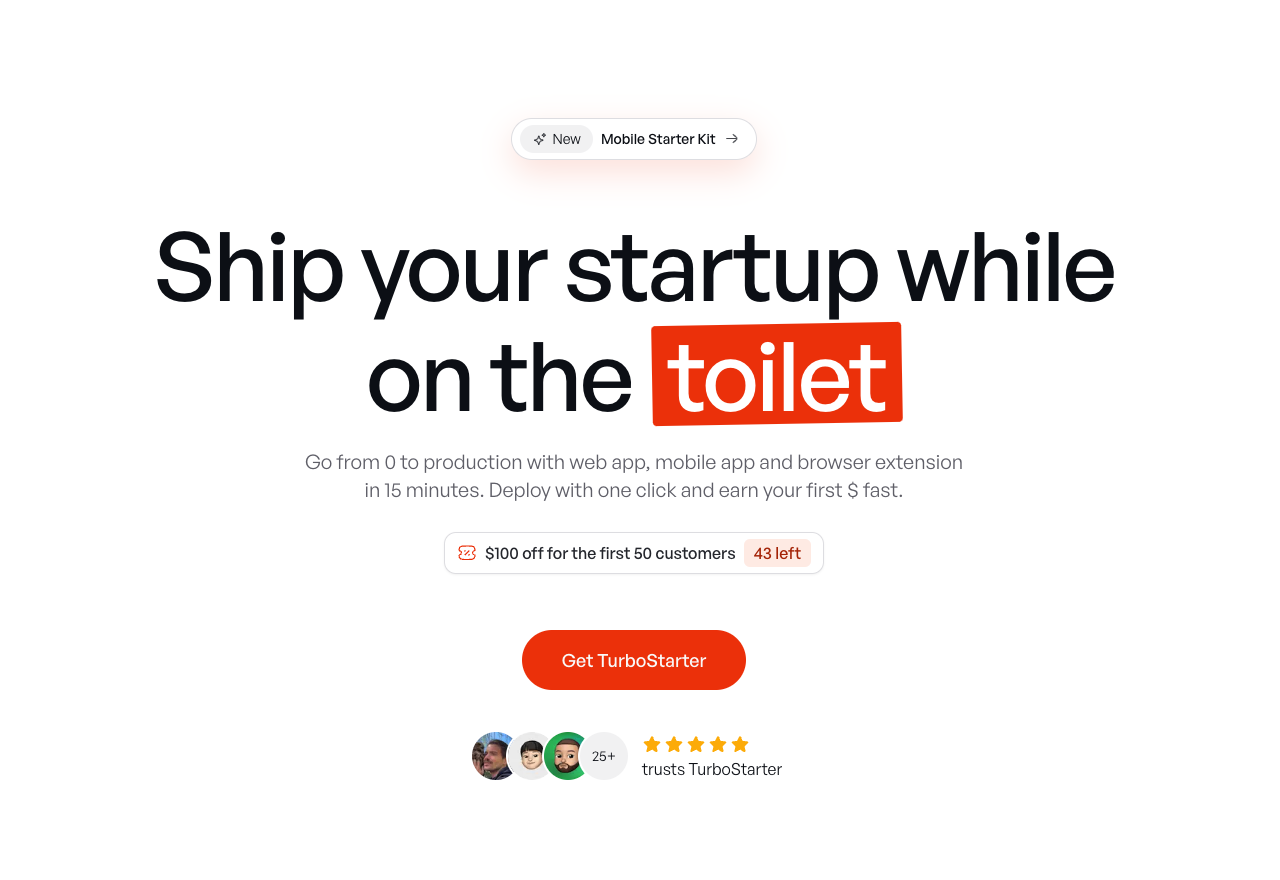
TurboStarter
Ship your startup everywhere. In minutes.
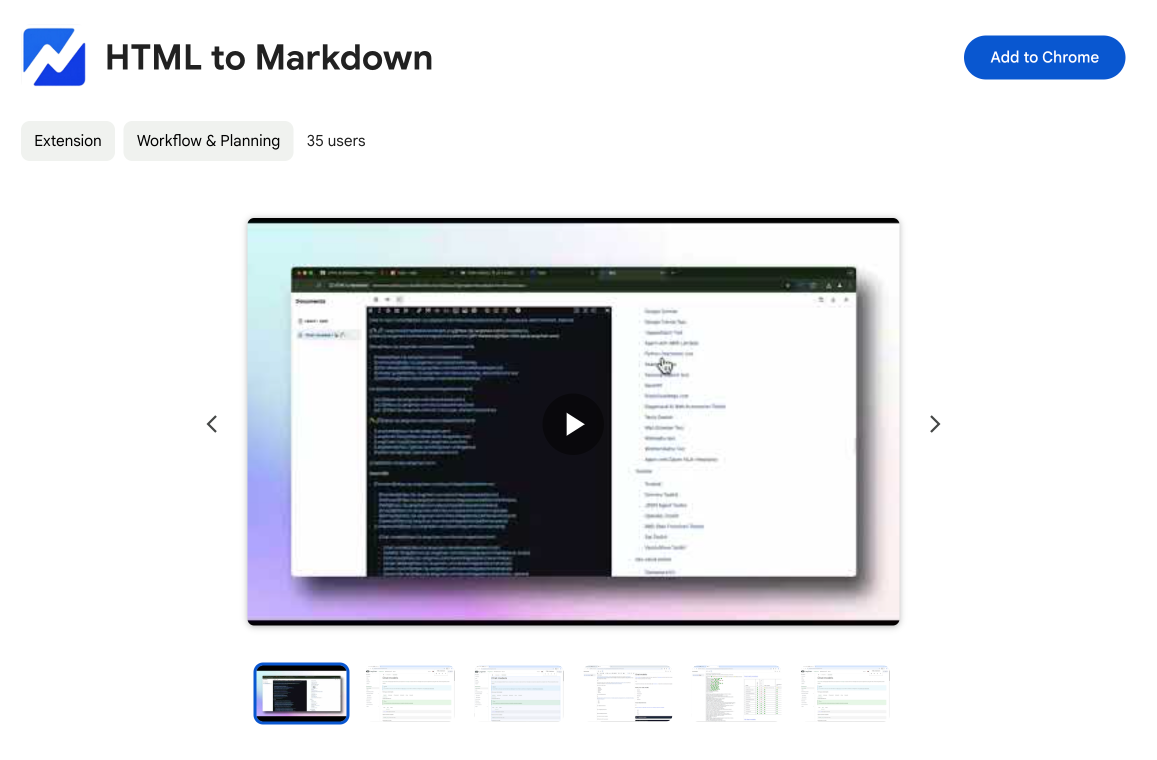
HTML to Markdown
Convert HTML to Markdown with ease, directly in your browser 📄
Dotallio
Personalized AI apps that automate research, data extraction, and content creation without code 🤖
Talk to Santa
Enjoy a magical live video chat or receive a unique AI-generated video greeting from Santa Claus 🎅
pozywka.pl
Scalable blog for food journalist, focused on performance and user experience 🌭
zagrodzki.me
Personal blog and portfolio of Bart Zagrodzki, where he shares his knowledge and work 💼
TurboStarter
Ship your startup everywhere. In minutes.
HTML to Markdown
Convert HTML to Markdown with ease, directly in your browser 📄
Dotallio
Personalized AI apps that automate research, data extraction, and content creation without code 🤖
Talk to Santa
Enjoy a magical live video chat or receive a unique AI-generated video greeting from Santa Claus 🎅
pozywka.pl
Scalable blog for food journalist, focused on performance and user experience 🌭
zagrodzki.me
Personal blog and portfolio of Bart Zagrodzki, where he shares his knowledge and work 💼
TurboStarter
Ship your startup everywhere. In minutes.
HTML to Markdown
Convert HTML to Markdown with ease, directly in your browser 📄
Dotallio
Personalized AI apps that automate research, data extraction, and content creation without code 🤖
Talk to Santa
Enjoy a magical live video chat or receive a unique AI-generated video greeting from Santa Claus 🎅
pozywka.pl
Scalable blog for food journalist, focused on performance and user experience 🌭
zagrodzki.me
Personal blog and portfolio of Bart Zagrodzki, where he shares his knowledge and work 💼
TurboStarter
Ship your startup everywhere. In minutes.
HTML to Markdown
Convert HTML to Markdown with ease, directly in your browser 📄
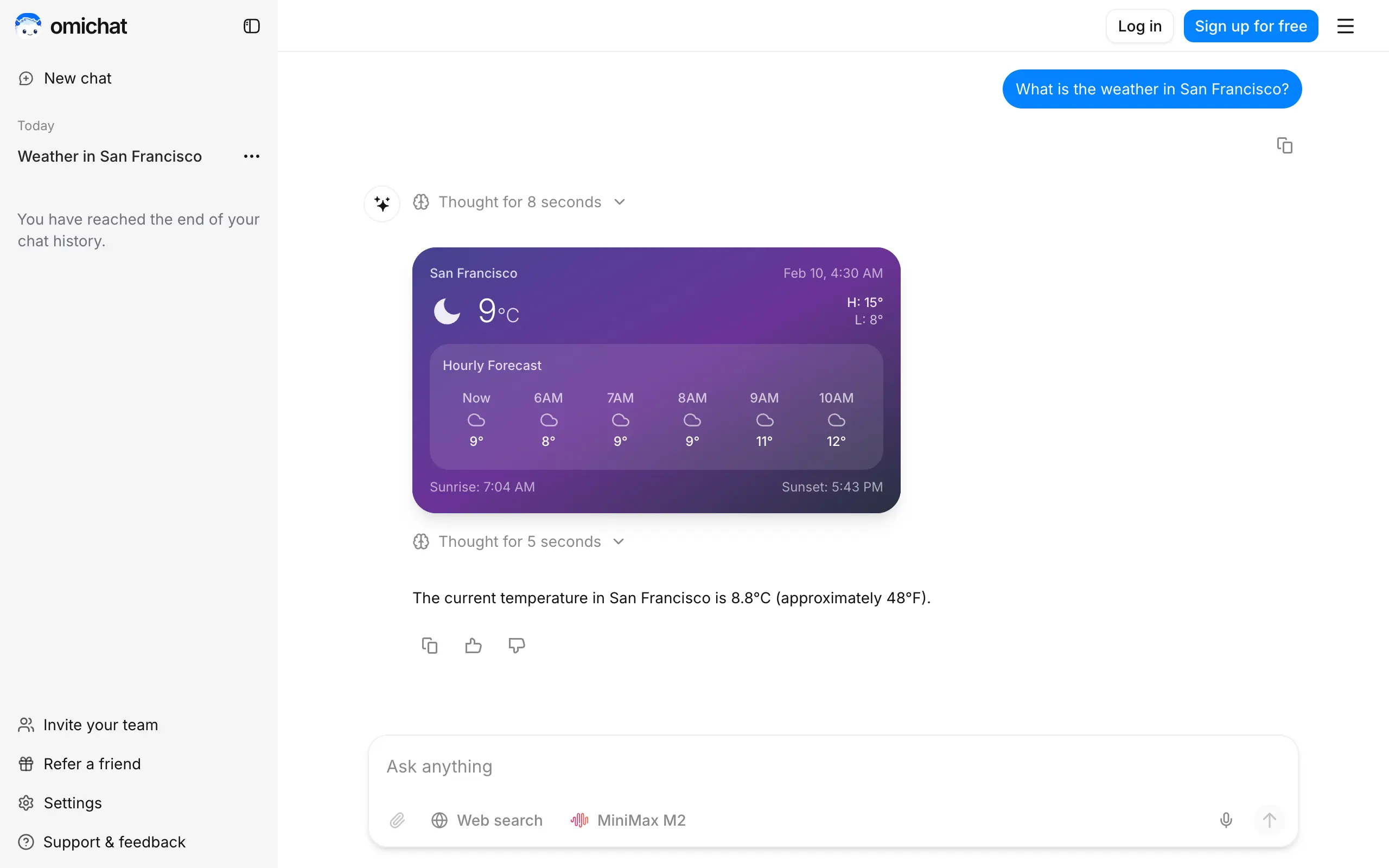
Omichat
Chat with 50+ AI models, including ChatGPT and Claude, in one place - switch models anytime without losing context 🤖
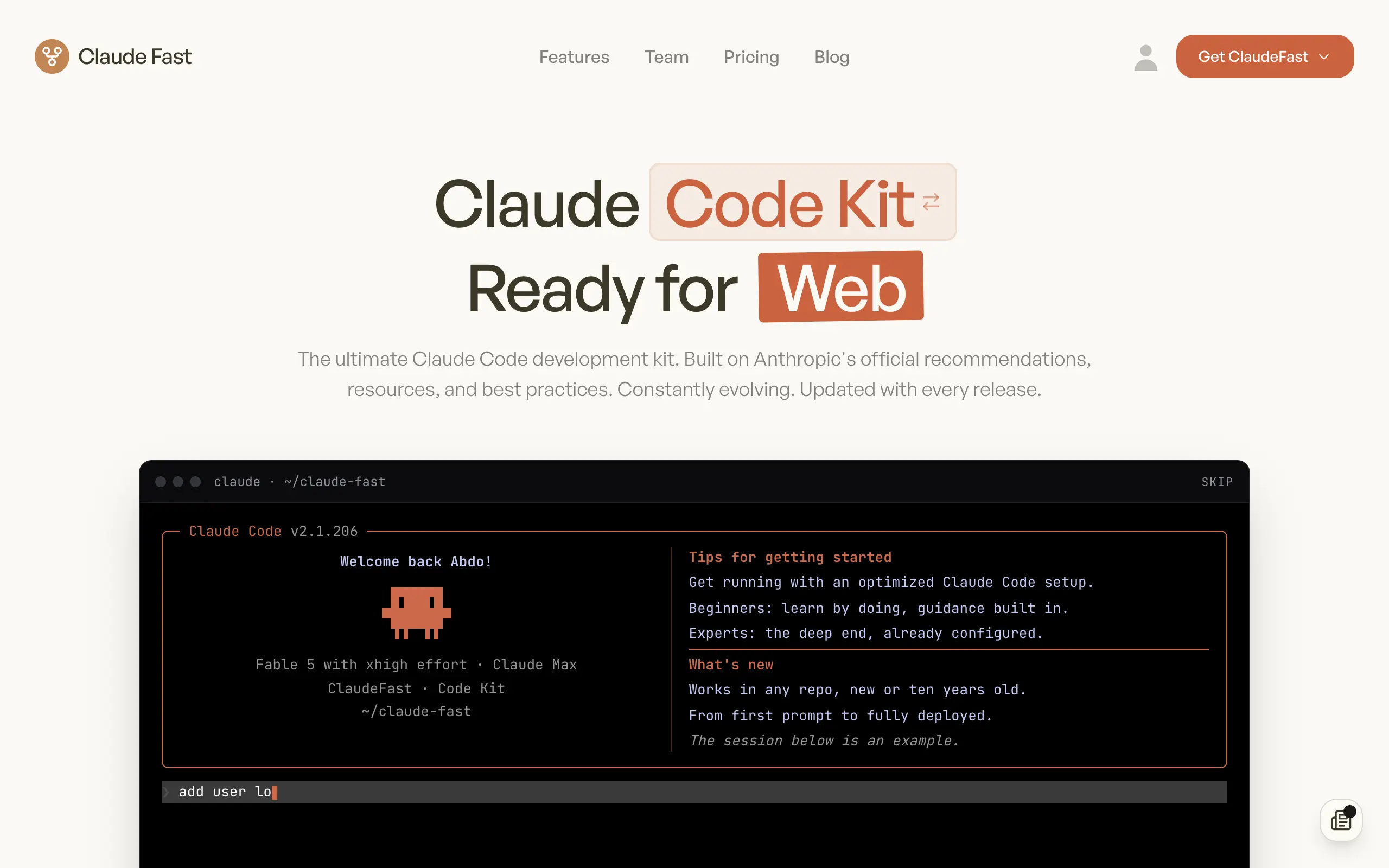
Claude Fast
Supercharge your Claude Code with 6x effective context window and specialized AI agents 🤖
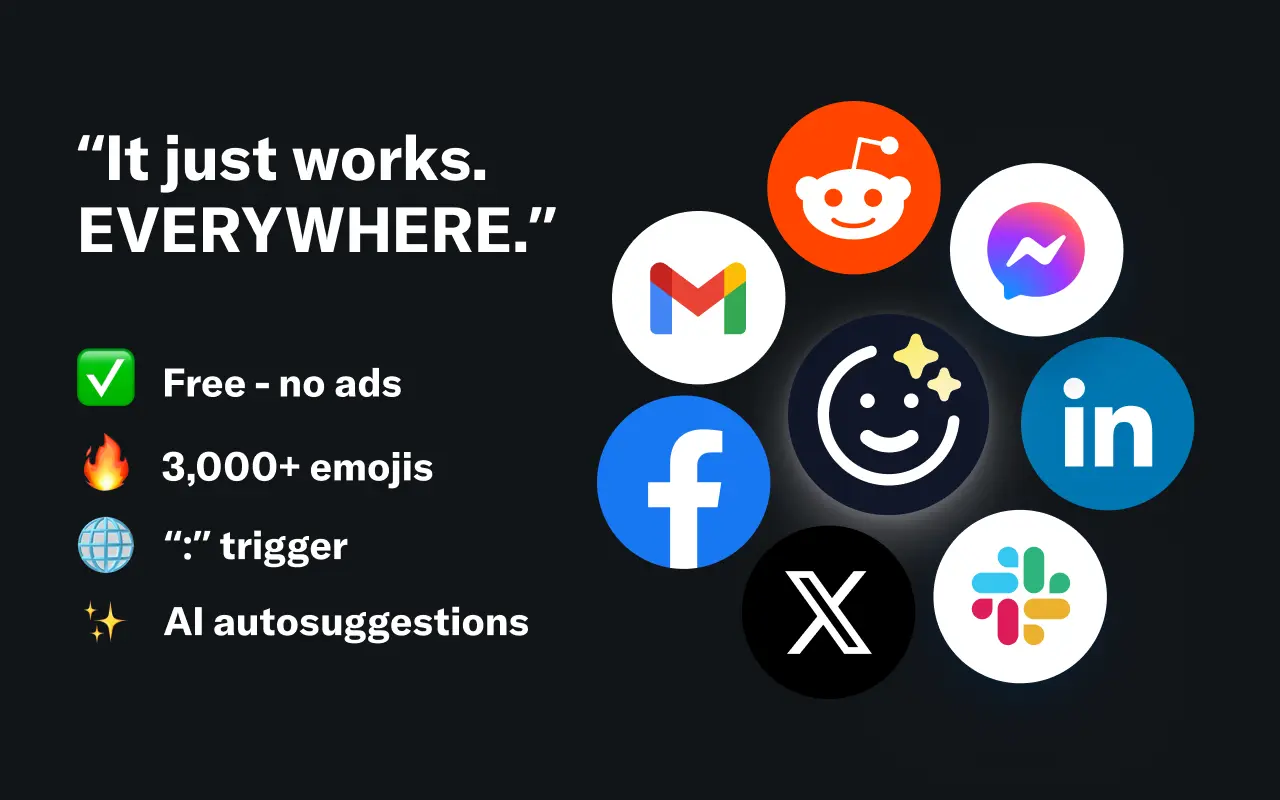
EmojAI
AI-powered emoji picker with smart, context-aware suggestions 🤖
Solohacker
Autonomous company launcher - AI agents work 24/7, escalate what matters, and you stay in control 🤖
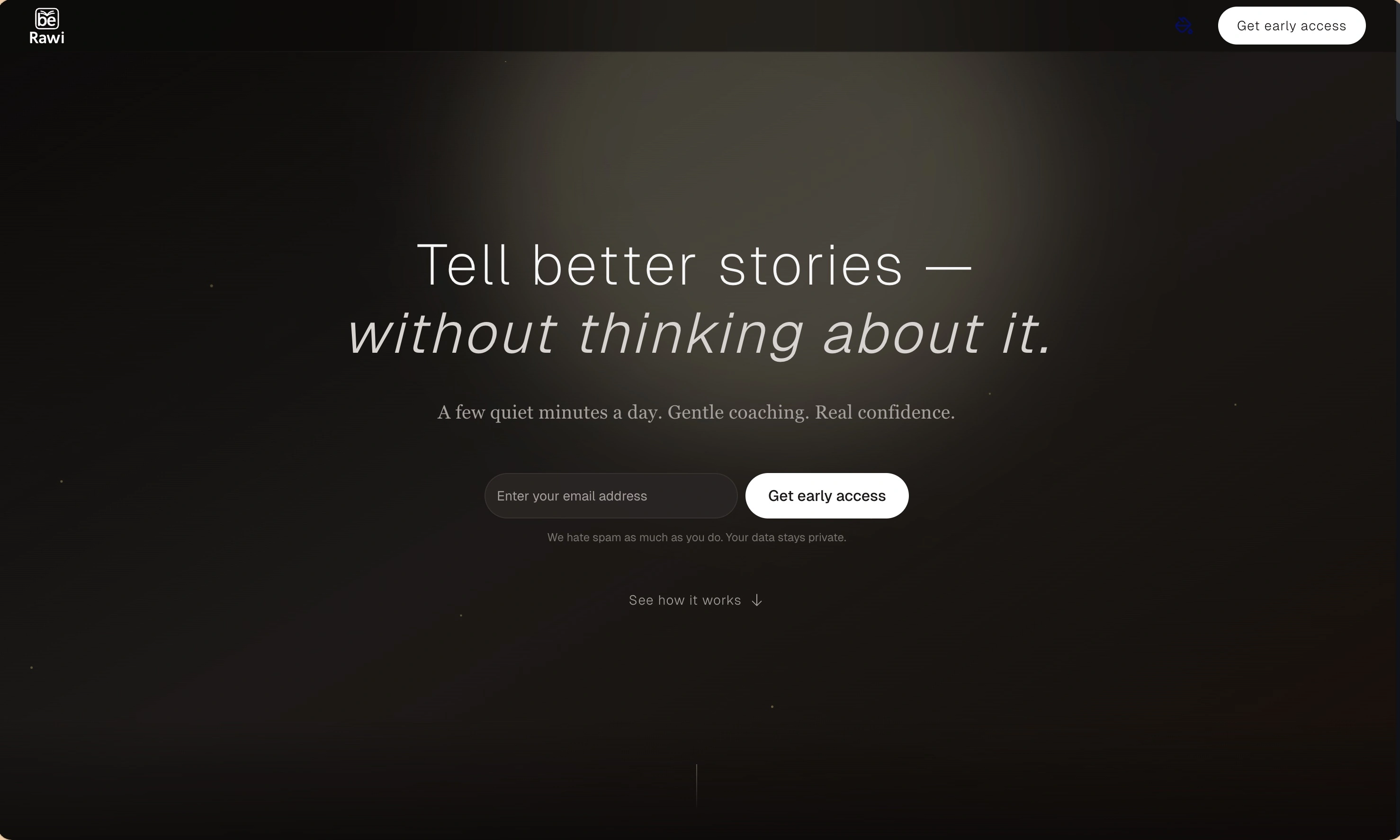
BeRawi: Storytelling Coach
Practice storytelling daily with instant feedback to sound clearer, more engaging, and confident 🎤
Omichat
Chat with 50+ AI models, including ChatGPT and Claude, in one place - switch models anytime without losing context 🤖
Claude Fast
Supercharge your Claude Code with 6x effective context window and specialized AI agents 🤖
EmojAI
AI-powered emoji picker with smart, context-aware suggestions 🤖
Solohacker
Autonomous company launcher - AI agents work 24/7, escalate what matters, and you stay in control 🤖
BeRawi: Storytelling Coach
Practice storytelling daily with instant feedback to sound clearer, more engaging, and confident 🎤
Omichat
Chat with 50+ AI models, including ChatGPT and Claude, in one place - switch models anytime without losing context 🤖
Claude Fast
Supercharge your Claude Code with 6x effective context window and specialized AI agents 🤖
EmojAI
AI-powered emoji picker with smart, context-aware suggestions 🤖
Solohacker
Autonomous company launcher - AI agents work 24/7, escalate what matters, and you stay in control 🤖
BeRawi: Storytelling Coach
Practice storytelling daily with instant feedback to sound clearer, more engaging, and confident 🎤
Omichat
Chat with 50+ AI models, including ChatGPT and Claude, in one place - switch models anytime without losing context 🤖
Claude Fast
Supercharge your Claude Code with 6x effective context window and specialized AI agents 🤖
EmojAI
AI-powered emoji picker with smart, context-aware suggestions 🤖
Solohacker
Autonomous company launcher - AI agents work 24/7, escalate what matters, and you stay in control 🤖
BeRawi: Storytelling Coach
Practice storytelling daily with instant feedback to sound clearer, more engaging, and confident 🎤

Connect with like-minded people
Join our community to get feedback, support, and grow together with 1,000+ builders on board, let's ship it!
Join usShip your startup everywhere. In minutes.
Don't burn tokens on setup and start building features on day one.