ClipCart AI
Turn TikTok Shop videos into conversion-ready product clips with AI hooks, captions, and compliance checks for sellers and affiliates.
What is an AI TikTok Shop video generator?
An AI TikTok Shop video generator helps sellers, affiliate creators, and social commerce teams turn raw product footage into short-form videos designed to earn attention and drive product clicks. ClipCart AI is built around a particularly valuable workflow: transforming existing TikTok Shop videos and product assets into conversion-ready clips with stronger hooks, readable captions, clear calls to action, and compliance-aware messaging.
The opportunity is substantial because TikTok Shop content requires more than generic video editing. A product clip has to work across several dimensions at once:
- It must stop the scroll in the first few seconds.
- It needs to explain why the product matters quickly.
- It should use captions that remain understandable with sound off.
- It must fit the creator’s or seller’s audience and product category.
- It needs messaging that avoids risky claims, misleading language, and platform policy issues.
- It must retain an authentic, native TikTok-style feel rather than looking like a polished but ineffective advertisement.
ClipCart AI addresses this gap by combining AI-powered editing direction, hook generation, caption writing, product-focused scripting, and content compliance checks in one workflow. Instead of asking a seller to learn several editing tools, track changing ad policies, and manually produce dozens of creative variations, the platform can guide them from source footage to ready-to-publish product clips.
For TikTok Shop sellers and affiliates, the product is not merely another AI video editor. It is a social commerce creative engine focused on the content patterns that influence discovery, clicks, add-to-cart behavior, and sales.
The key positioning opportunity
ClipCart AI should position itself as an AI TikTok Shop video generator for performance-driven product content, not as a general-purpose text-to-video tool. That narrower promise is easier to understand, easier to market, and better aligned with buyer intent.
Why TikTok Shop sellers need conversion-ready product clips
Short-form commerce has changed how people discover products. In a traditional ecommerce journey, a shopper may begin with a search query, compare several listings, read reviews, and then decide whether to buy. TikTok Shop compresses that journey. A single video can create awareness, demonstrate a use case, answer an objection, create urgency, and drive a purchase action in under a minute.
That changes the operational requirements for sellers.
A storefront with strong product photography and accurate product descriptions is still important, but it is no longer enough. Sellers need a steady pipeline of video creative. They need multiple angles, hooks, creator styles, product demonstrations, and seasonal variations. The creative that works for one audience segment may not work for another.
For example, a skincare seller may need distinct clips for:
- New customers who need a simple product introduction
- Returning customers who want proof and routine ideas
- Price-conscious buyers looking for bundles or value
- Buyers concerned about ingredients or skin sensitivity
- Gift shoppers during a seasonal sales period
- Affiliate creators who need a ready-made content starting point
Producing this volume manually is expensive. It requires creators, editors, copywriters, product specialists, and sometimes legal or compliance review. Small sellers may not have those resources. Larger brands may have them, but still struggle with production speed and creative testing volume.
An AI product video generator can reduce that friction by automating repeatable work while leaving strategic decisions to the human operator. The AI should not replace product expertise or brand judgment. Instead, it should make the following tasks faster:
- Identifying the strongest visual moments in a product video
- Creating multiple first-three-second hook options
- Producing caption variants based on product benefits
- Detecting weak calls to action
- Suggesting a more native, creator-style pacing structure
- Flagging potentially risky wording before publishing
- Creating editable creative versions for A/B testing
The result is a more practical content workflow for sellers who need speed without sacrificing quality or trust.
Target audience for ClipCart AI
The strongest go-to-market strategy for ClipCart AI begins with clear audience segmentation. “TikTok Shop sellers” is a large category, but the product should prioritize users with immediate content production pain and measurable revenue motivation.
Early-stage TikTok Shop sellers
Early-stage sellers often manage product sourcing, listings, customer service, fulfillment, and content creation themselves. They understand that video matters, but they may lack editing expertise or a reliable creator network.
Their biggest challenges include:
- Limited time to make daily or weekly product clips
- Uncertainty about what makes a TikTok Shop video convert
- Difficulty writing persuasive but natural product hooks
- Inconsistent captions, branding, and calls to action
- Fear of making claims that could create compliance problems
- Limited budget for agencies or professional editing teams
For this audience, ClipCart AI should offer a guided experience. The product should make recommendations in plain language, show why a hook is likely to work, and provide templates by category such as beauty, home goods, fashion, wellness, gadgets, and kitchen products.
TikTok Shop affiliate creators
Affiliate creators need fresh content constantly. Their success depends on finding products with demand, creating authentic reviews or demonstrations, and publishing enough variations to find winning creative.
Unlike direct sellers, affiliates may promote many products at once. They need a system for organizing clips by product, merchant, commission rate, content angle, and performance outcome.
High-value features for affiliates include:
- Bulk clip generation from one source video
- Fast hook and caption variations
- Product-specific disclosure reminders
- Personal creator voice settings
- Saved templates for recurring content styles
- A library of high-performing opening structures
- Export formats optimized for TikTok publishing
Affiliate creators are especially likely to value a “repurpose in minutes” promise. A creator who films one unboxing or product demonstration should be able to turn that source material into several usable clips without re-editing from scratch.
Growth-stage ecommerce brands
Growing brands have more resources, but their needs are more complex. They may already use creators, performance marketers, agencies, and internal social teams. Their challenge is creative throughput and quality control.
They want to answer questions such as:
- Which creative angles produce the best product-page click-through rate?
- Which hooks work for a specific product category?
- Are creators using approved product claims?
- Can the team maintain a consistent brand voice across hundreds of clips?
- How quickly can the business produce creatives for a promotion or inventory push?
- Can winning videos be adapted into new variants without losing authenticity?
For this segment, ClipCart AI should emphasize collaboration, brand controls, analytics, approval workflows, and API or ecommerce integrations.
Agencies and social commerce studios
Agencies can become a high-value customer segment because they manage content at scale for multiple clients. They are likely to care about white labeling, workspaces, client approvals, creator collaboration, templates, and usage reporting.
The agency plan can create strong expansion revenue because a single team may manage dozens of brands, hundreds of SKUs, and recurring production workflows.
Seller workflow
Turn product footage into polished short-form clips without needing a dedicated editor.
Affiliate workflow
Create multiple authentic content angles for products promoted through TikTok Shop.
Brand workflow
Scale creative testing while maintaining brand consistency and claim controls.
The market gap in TikTok Shop content creation
The existing video tool market is crowded. General-purpose editors offer trimming, transitions, templates, and captions. AI video tools may generate avatars, scripts, stock footage, or synthetic scenes. Social scheduling platforms help teams publish and measure content.
However, there is still a meaningful gap between generic editing software and the real operational needs of TikTok Shop sellers.
The gap is conversion-aware, compliance-aware product video optimization.
Most editors can add subtitles. Fewer tools can evaluate whether the opening line clearly communicates a product benefit, whether the clip establishes visual proof quickly, or whether the call to action fits the product’s buying context. Even fewer tools are designed to flag phrases that may be risky for categories like supplements, skincare, health, finance, or products aimed at children.
ClipCart AI can own this position by combining four capabilities:
- Creative intelligence that recommends hooks, edits, text overlays, and content angles.
- Commerce context that understands the product, pricing, offer, category, and customer objection.
- Compliance assistance that flags risky claims and asks the seller to verify sensitive messaging.
- Experimentation support that makes it easy to create, tag, compare, and iterate on variants.
This creates a stronger value proposition than “make videos with AI.” It becomes “create more TikTok Shop clips that are built for product discovery and safer publishing.”
Why compliance can become a major differentiator
Compliance is rarely exciting, but it is a recurring source of anxiety for sellers. A brand may accidentally use absolute language, unverified performance claims, medical-style promises, before-and-after implications, unsupported discount statements, or misleading product comparisons.
ClipCart AI should avoid presenting itself as a legal solution. Instead, it can offer an intelligent pre-publish review layer that helps users spot common risk areas.
Useful compliance checks may include:
- Absolute claims such as “guaranteed” or “works for everyone”
- Unsupported health, safety, or efficacy statements
- Unclear advertising or affiliate disclosure wording
- Price and promotion language that needs verification
- Claims requiring substantiation from the seller
- Restricted category keywords based on configured policy rules
- Missing contextual qualifiers for sensitive product categories
The platform should show the exact phrase that triggered the alert, explain why it may need review, and suggest safer alternatives. This creates trust while keeping the final responsibility with the seller or brand.
Important compliance boundary
ClipCart AI should describe its checks as content guidance and risk flagging, not legal advice or guaranteed policy approval. Platform policies can change, and sensitive claims should receive human review.
Core features for an AI TikTok Shop video generator
The initial product needs to solve a complete workflow, not simply generate captions. A seller should be able to upload a video, add product context, receive usable creative options, review compliance guidance, and export a publish-ready version.
Video ingestion and product context
The first step should be simple. Users upload a raw video, import an existing clip, or select footage from a reusable asset library. They then add structured product context.
Useful fields include:
- Product name
- Category
- Target audience
- Key benefits
- Key ingredients or materials where relevant
- Price range
- Offer details
- Brand voice
- Approved claims
- Restricted claims
- Desired call to action
- Affiliate disclosure requirements
This context improves AI output substantially. A generic caption model may describe what it sees, but a commerce-aware system can align the script with product positioning and seller-approved language.
AI hook generator for TikTok Shop videos
The opening seconds of a short-form video deserve a dedicated workflow. Sellers should be able to generate hooks based on goals such as curiosity, problem-solution, demonstration, social proof, comparison, urgency, or creator story.
Examples of hook frameworks include:
- “I did not expect this to solve my most annoying kitchen problem.”
- “If your makeup disappears by lunchtime, watch this.”
- “Here is why this small organizer is all over my feed.”
- “I tried this for seven days, and this is what changed.”
- “Stop buying another version until you see this feature.”
The system should create options rather than claim that one hook is universally best. It should also explain the strategy behind each variation. For example, one hook may create curiosity, while another identifies a specific audience pain point.
This explanation helps sellers learn what makes high-performing TikTok Shop content different from standard advertising copy.
Automated captions and kinetic text
Captions are essential for accessibility, retention, and clarity. ClipCart AI should transcribe spoken audio, generate synchronized captions, and allow users to apply visual styles that remain readable on mobile screens.
The caption engine should support:
- Accurate transcription with editable text
- Brand font and color settings
- Emphasis for product names and key benefits
- Safe text placement that avoids important on-screen UI areas
- Multiple caption styles for testing
- Auto-generated text overlays when no voiceover is present
- Localization and translation for international sellers
Captions should not overwhelm the screen. A good system recommends concise phrases, highlights important words, and preserves enough visual space for the product demonstration.
Smart clip detection and editing recommendations
Raw product videos often contain pauses, repeated takes, irrelevant setup, weak intros, and lengthy explanation. ClipCart AI can identify likely clip boundaries and propose shorter versions optimized for different goals.
For example, the platform might recommend:
- A 12-second product reveal clip
- A 20-second problem-solution clip
- A 30-second demonstration clip
- A 45-second testimonial-style edit
- A comparison-focused variation
- A feature breakdown designed for high-consideration products
The user should always remain in control. AI-generated edits should be editable in a timeline, with clear before-and-after previews and a straightforward way to restore original footage.
Product claim and compliance review
This feature turns ClipCart AI from a content assistant into a more defensible SaaS product. It should scan captions, voiceover scripts, on-screen text, and suggested descriptions for risk signals.
A strong review screen can classify feedback by severity:
- Low-risk improvements for clarity, tone, or readability
- Review recommended for statements that may need evidence
- High-risk warnings for potentially prohibited or misleading language
- Required user confirmation for product-specific facts such as price, availability, or discount claims
The product can also provide an internal “approved messaging library” so brands can store verified phrases and disallowed wording. This is particularly useful for teams managing multiple creators.
Creative testing and performance feedback
The long-term advantage of ClipCart AI comes from a feedback loop. The platform should help users understand which creative structures work for their own audience rather than offering generic advice only.
Each exported video can be tagged with attributes such as:
- Hook type
- Product category
- Clip duration
- Call to action
- Caption style
- Creator identity
- Offer type
- Content angle
- Campaign or promotion
Once performance data is connected or imported, the system can identify patterns. A brand might discover that demonstration-first clips outperform testimonial-first clips for one product, while the reverse is true for another.
This is the point where ClipCart AI becomes a creative intelligence platform rather than a one-off video generator.
Recommended technology stack for ClipCart AI
A reliable technical stack should support fast iteration, media processing, secure storage, and scalable AI workloads. The stack must also be practical for a SaaS team that needs to ship an initial version quickly.
Frontend and application framework
A strong choice is Next.js with React. This combination supports a fast dashboard experience, server-side capabilities, API routes, authentication integrations, and SEO-friendly public pages.
Tailwind CSS is well suited to an application that needs a polished interface with many reusable UI states, including upload progress, video review, caption editing, and compliance alerts.
For the editing workspace, use a component-driven architecture with a clear separation between:
- Video preview state
- Timeline state
- Caption overlays
- AI suggestion panels
- Compliance review findings
- Export and render status
Video processing architecture
Video processing is resource-intensive, so avoid handling full renders directly in a standard web request. Use background jobs and a dedicated media pipeline.
A practical architecture may include:
- Object storage for source videos and exported clips
- Background queues for transcription, analysis, rendering, and exports
- FFmpeg for video trimming, caption burn-in, formatting, and encoding
- Webhooks or real-time status updates for render progress
- A content delivery network for reliable playback and downloads
The key trade-off is build complexity versus control. Third-party video APIs may accelerate launch but create unit-cost exposure and vendor dependency. A self-managed FFmpeg pipeline can reduce long-term cost and enable custom editing logic, but requires deeper infrastructure expertise.
A hybrid strategy is often best. Use managed media services early for speed, then move the highest-cost or most differentiated processing tasks in-house as usage grows.
AI and language model layer
The AI system should use multiple model types rather than expecting one model to do every job.
Recommended capabilities include:
- Speech-to-text transcription
- Vision analysis for scene and product detection
- Large language models for scripts, hooks, captions, and compliance explanations
- Embeddings for semantic matching against an approved claims library
- Rules engines for deterministic compliance checks
- Ranking models for prioritizing recommended creative variants
For language generation, OpenAI can support early prototyping of structured script, caption, and classification workflows. The important implementation detail is to use schema-constrained outputs and validation, not free-form text alone.
For example, a hook-generation response should return structured fields such as hook text, hook type, intended audience, risk level, product claim references, and confidence notes. This makes the output easier to review, edit, and route through compliance checks.
type HookSuggestion = {
  text: string
  angle: "curiosity" | "problem-solution" | "demo" | "social-proof"
  targetAudience: string
  complianceNotes: string[]
  confidence: "low" | "medium" | "high"
}
Database, authentication, and billing
For an initial SaaS product, Supabase offers a practical combination of PostgreSQL, authentication, storage options, and row-level security. PostgreSQL is a strong fit for structured entities such as organizations, brands, products, creative assets, exports, policy rules, and performance metrics.
Use Stripe for subscriptions, usage-based add-ons, invoicing, and payment management. Video rendering and AI generation have variable costs, so the billing model should track usage precisely from the beginning.
For edge delivery, rate limiting, and application security controls, Cloudflare is a useful option.
| Layer | Recommended option | Why it fits | Main trade-off | Priority |
|---|---|---|---|---|
| Web app | Next.js and React | Fast SaaS development and flexible UI | Requires careful client-state design | High |
| Media pipeline | FFmpeg and background workers | Control over clip creation and exports | Operational complexity | High |
| AI layer | LLM, transcription, and vision APIs | Rapid iteration on creative workflows | Variable inference cost | High |
| Data layer | PostgreSQL and Supabase | Strong relational model and quick setup | May need dedicated analytics systems later | High |
Monetization strategy for ClipCart AI
The best pricing model combines subscription tiers with usage-based limits. AI generation and video rendering costs vary by duration, export quality, language, and processing type. A flat unlimited plan can become unprofitable if heavy users consume expensive media resources.
A credit-based approach is straightforward for users and protects margins.
Suggested pricing tiers
A sensible initial structure could include the following plans.
- Free trial with limited exports, watermarked videos, and a small number of AI credits
- Creator plan for affiliate creators and solo sellers with monthly export and generation limits
- Growth plan for active shops with higher limits, branded templates, compliance checks, and analytics
- Team plan for brands with seats, approval workflows, shared asset libraries, and advanced policy controls
- Agency plan with multi-client workspaces, bulk processing, white-label exports, and priority support
Instead of charging only by seats, combine seats with included usage. This aligns pricing with realized customer value. A team that produces hundreds of product clips per month should pay more than a seller exporting five clips.
High-margin add-ons
Additional revenue can come from premium capabilities that solve specific business problems.
- Extra rendering and AI credit packs
- Multi-language caption and translation packs
- Advanced brand compliance libraries
- White-label agency portals
- Premium template collections by category
- Performance analytics integrations
- Dedicated onboarding and creative strategy sessions
- API access for enterprise customers
The product should avoid pricing complexity early. Users need to understand what they receive and what happens when they exceed their included credits.
Competitive advantage and product moat
ClipCart AI can compete against generic AI video platforms by focusing on proprietary workflows and customer-specific learning.
The durable advantage is not simply generating a video from a prompt. That capability is increasingly commoditized. The moat comes from accumulating structured knowledge about product creative performance.
Over time, ClipCart AI can develop defensible assets:
- A library of TikTok Shop-specific hook frameworks
- Product-category benchmarks for clip length, pacing, and messaging
- Brand-approved claims and restricted language databases
- Creative performance data linked to structured video attributes
- Workflow integrations that make the platform part of a team’s daily production process
- Templates tuned for seller, affiliate, and agency use cases
- Feedback loops that learn from approved edits and published performance
The platform should also prioritize editability. Sellers may distrust fully automated creative, especially when their brand reputation is involved. Every AI output should be easy to inspect, revise, approve, and export.
ClipCart AI versus general AI video tools
General AI video tools tend to optimize for broad creation use cases, such as marketing videos, explainer videos, avatars, or social posts. ClipCart AI should optimize for the questions TikTok Shop sellers ask every day:
- What should I say in the first three seconds?
- Which product benefits should appear on screen?
- Is this claim safe to use?
- How can I turn one product video into five creative angles?
- Which version should I test first?
- Can my team approve this content before creators publish it?
- What made our last winning clip work?
That category-specific experience creates a sharper product story and a more valuable workflow.
Key risks and how to mitigate them
Every AI SaaS product in the social commerce space faces meaningful risk. Identifying these risks early improves product planning and investor credibility.
Platform dependency risk
TikTok Shop policies, APIs, content guidelines, and feature availability may change. A product built around a single distribution platform can be vulnerable to those changes.
Mitigation strategies include:
- Building export formats that work across short-form platforms
- Keeping compliance rules configurable rather than hard-coded
- Supporting product-video workflows that remain useful outside TikTok Shop
- Avoiding product claims that imply official platform partnership without one
- Monitoring policy updates through a documented internal review process
Inaccurate compliance guidance
AI can flag risky language, but it can also miss context or create false positives. Incorrect compliance advice could frustrate users or create misplaced trust.
Mitigation strategies include:
- Labeling guidance clearly as informational rather than legal advice
- Combining deterministic rules with AI classification
- Allowing brands to configure their own approved language
- Showing the evidence behind each flag
- Maintaining audit logs of edits, warnings, and approvals
- Offering human review workflows for enterprise teams
High infrastructure cost
Video rendering, storage, AI transcription, and language model usage can become expensive quickly.
Mitigation strategies include:
- Using short preview renders before full exports
- Limiting trial usage and watermarking free exports
- Compressing and archiving older assets
- Caching transcription and scene analysis results
- Charging for premium resolutions and high-volume rendering
- Monitoring cost per exported clip by customer segment
Low-quality or repetitive AI output
If every generated clip sounds similar, sellers will stop trusting the tool. Generic hooks and overused copy patterns can reduce authenticity.
Mitigation strategies include:
- Offering brand voice and creator voice settings
- Adding controlled variation rather than random generation
- Letting users save high-performing templates
- Learning from user edits and accepted recommendations
- Building category-specific content frameworks
- Requiring source footage and product context for stronger output
A practical MVP roadmap for ClipCart AI
The fastest path to validation is not building a full autonomous video editing suite. It is solving one high-frequency workflow extremely well.
The first version should focus on turning a source product video into several short, editable TikTok Shop clips with generated hooks, captions, and claim-risk flags.
The most important validation metric is not total signups. It is whether a seller repeatedly uses ClipCart AI as part of their publishing workflow. Look for indicators such as exports per active user, clips created per uploaded asset, weekly retention, paid conversion after trial, and the percentage of suggestions accepted or edited.
For early customers, offer hands-on onboarding. Watch how they upload footage, how they decide between hooks, what compliance alerts they ignore, and where they leave the workflow. Those observations will reveal more than broad survey responses.
How to launch and grow ClipCart AI
Start with a narrow wedge. A strong initial positioning statement could be:
Turn product footage into TikTok Shop-ready clips with AI hooks, captions, and claim checks.
This message communicates the input, the output, and the specialized value in one sentence.
Early acquisition channels should include:
- TikTok Shop seller communities
- Affiliate creator newsletters and groups
- Ecommerce creator agencies
- Short-form video editing freelancers
- Shopify-focused consultants and app communities
- Founder-led educational content about product clip optimization
- Free tools such as a TikTok Shop hook generator or caption checker
- Case studies showing before-and-after creative workflows
Content marketing should focus on useful search intent. Potential SEO topics include:
- How to make TikTok Shop videos that convert
- TikTok Shop video hook examples
- How to add captions to product videos
- TikTok Shop affiliate content ideas
- Product video compliance checklist
- How many TikTok Shop videos should sellers post
- TikTok Shop product demo script templates
- AI tools for TikTok Shop sellers
Where statistics are used, cite primary sources or reputable research. For example, performance benchmarks should reference the original platform report, a well-known ecommerce research provider, or a transparent first-party ClipCart AI dataset with methodology clearly explained.
Final recommendation
ClipCart AI has a compelling SaaS opportunity because it addresses a real and growing content bottleneck in social commerce. TikTok Shop sellers and affiliates do not simply need more video editing features. They need a repeatable system for producing product clips that are engaging, informative, conversion-focused, and safer to publish.
The winning product strategy is to stay specialized. Build for the seller who has raw footage but needs strong creative direction. Build for the affiliate who needs multiple content angles quickly. Build for the brand team that wants speed without losing control of product claims and brand voice.
Start with an MVP that creates editable short-form product clips, generates hooks and captions, and flags potentially risky wording. Then expand toward performance feedback, collaboration, category-specific templates, and creative intelligence based on real outcomes.
TurboStarter can help accelerate the SaaS foundation so the team can focus on the differentiated parts of ClipCart AI: the video workflow, commerce context, AI creative engine, and compliance-aware review experience.
More 🤖 AI Startup SaaS ideas
Discover more innovative ai startup SaaS ideas that are trending in 2026. Each idea is AI-generated with market validation and growth potential to help you find your next profitable venture faster than competitors.
Your competitors are building with TurboStarter
Below are some of the SaaS ideas that have been generated and built with our starter kit.

Shibui
AI website builder - describe your business, pick a niche template, edit by chatting, and publish instantly ✨

Pro Service
Find verified home service professionals, compare quotes, and pay securely through escrow - built for Brazilians across the US 🏠
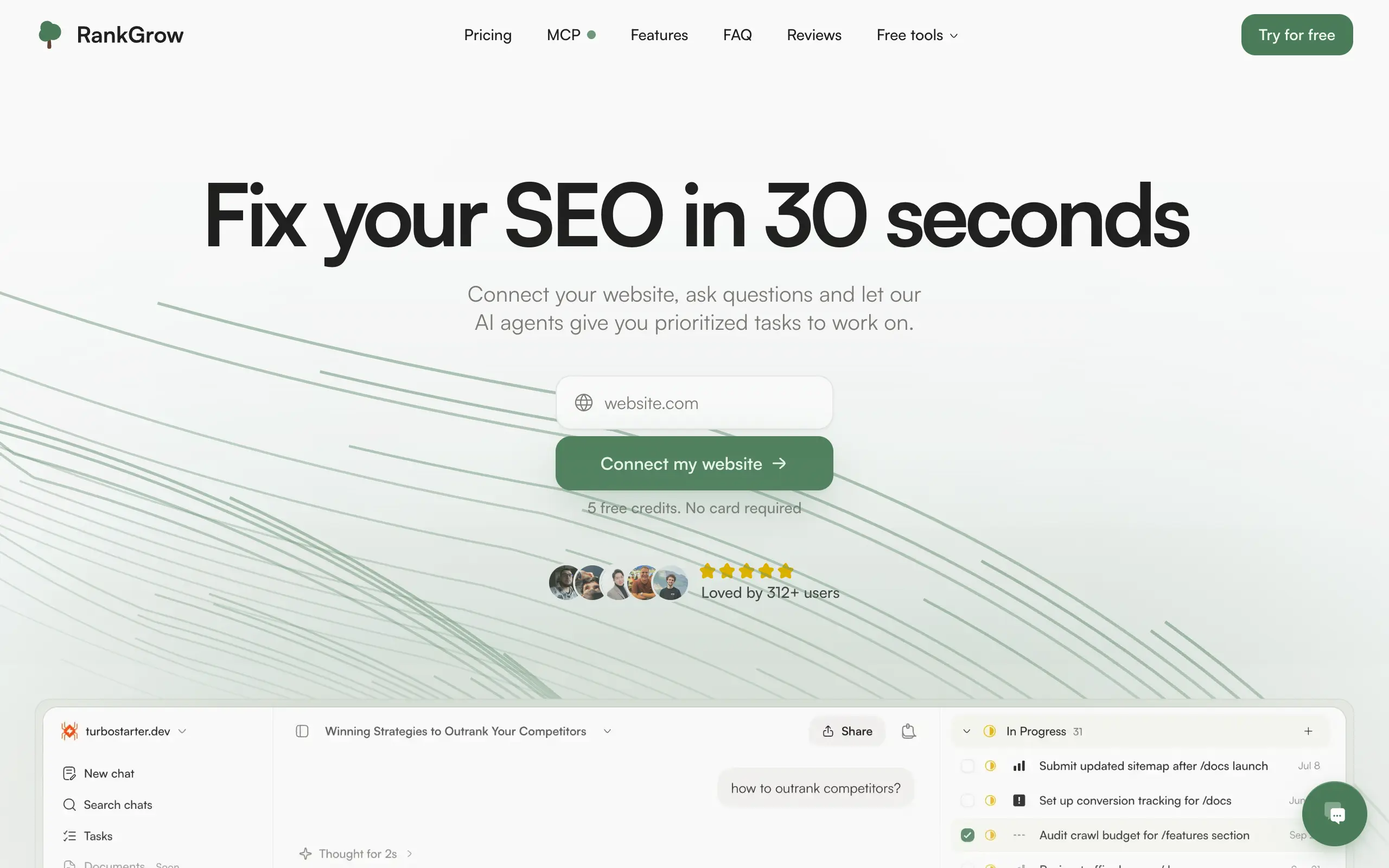
RankGrow
Fix your SEO with AI agents - connect Search Console, get prioritized tasks, and grow organic traffic 📈
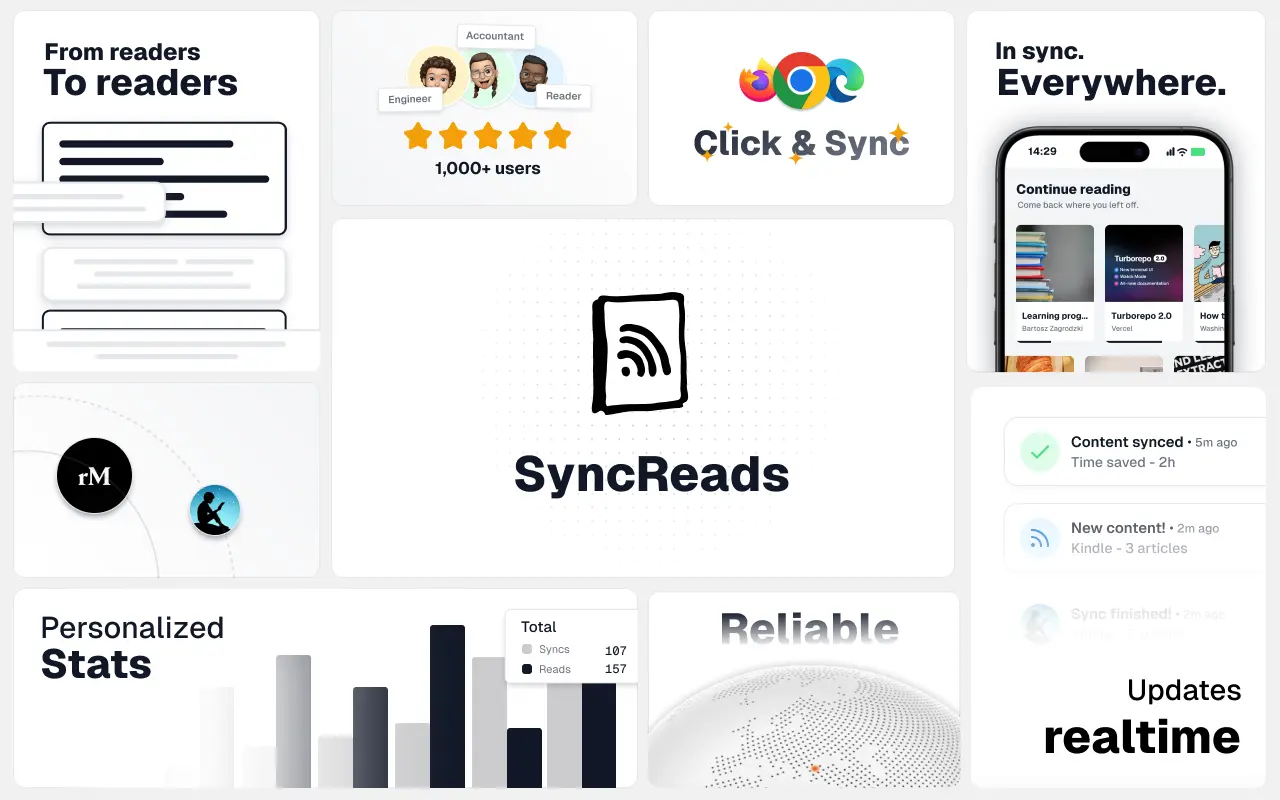
SyncReads
Sync your favorite content for distraction-free reading, save time and replace multiple apps. Anytime, anywhere 🔄
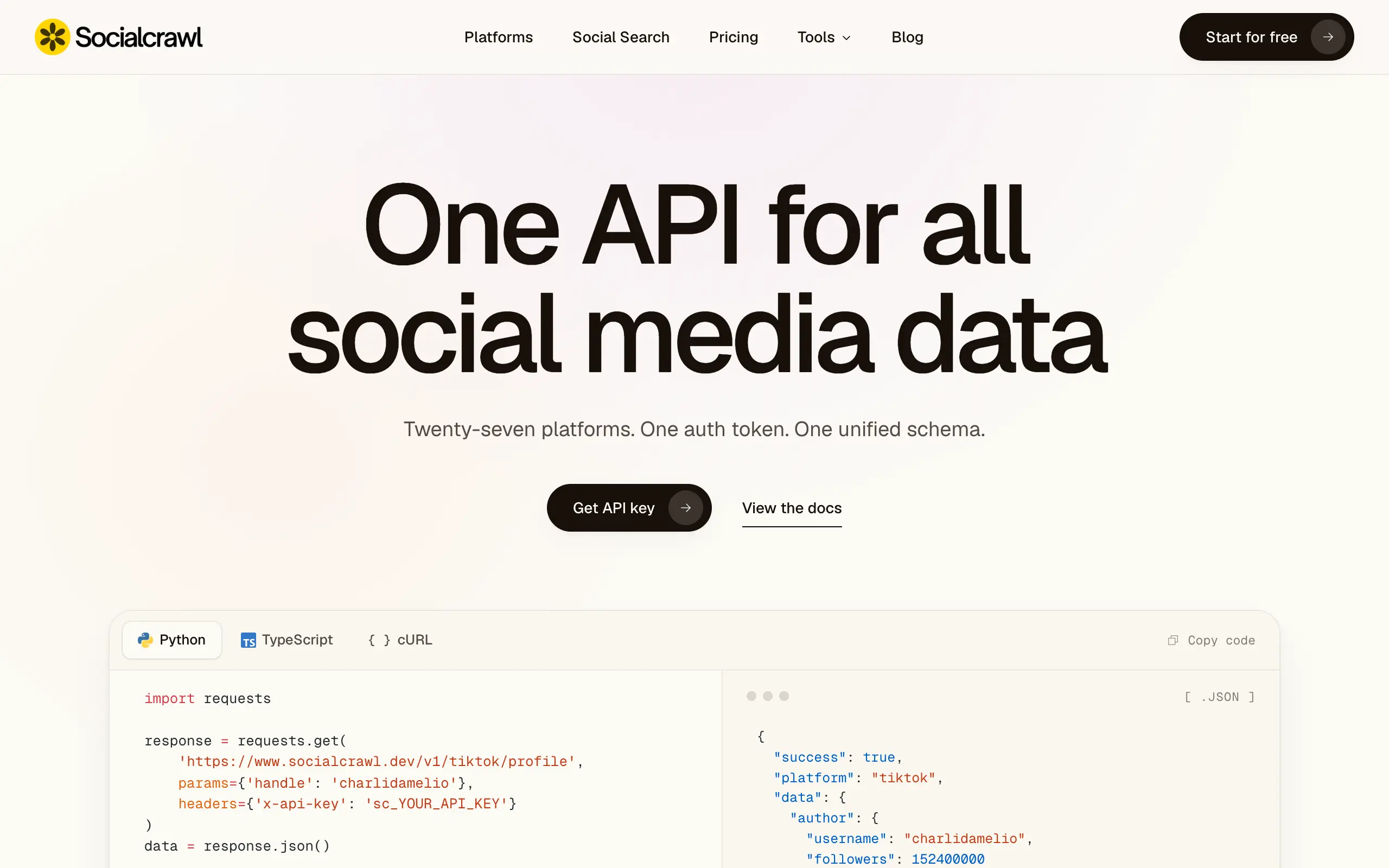
Socialcrawl
Get clean, structured data from 21 platforms like TikTok, Instagram, and YouTube with a single request 📊
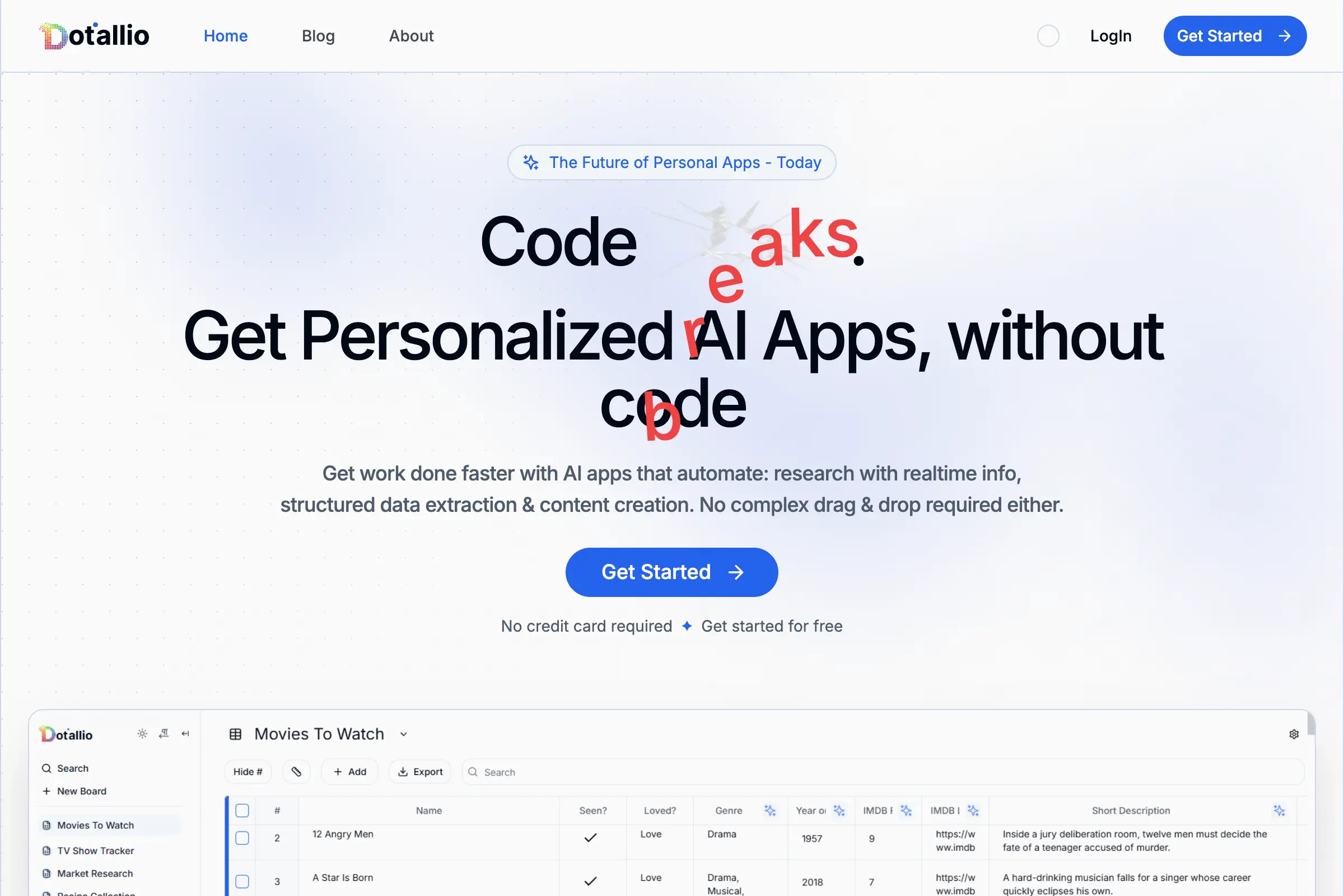
Dotallio
Personalized AI apps that automate research, data extraction, and content creation without code 🤖
Shibui
AI website builder - describe your business, pick a niche template, edit by chatting, and publish instantly ✨
Pro Service
Find verified home service professionals, compare quotes, and pay securely through escrow - built for Brazilians across the US 🏠
RankGrow
Fix your SEO with AI agents - connect Search Console, get prioritized tasks, and grow organic traffic 📈
SyncReads
Sync your favorite content for distraction-free reading, save time and replace multiple apps. Anytime, anywhere 🔄
Socialcrawl
Get clean, structured data from 21 platforms like TikTok, Instagram, and YouTube with a single request 📊
Dotallio
Personalized AI apps that automate research, data extraction, and content creation without code 🤖
Shibui
AI website builder - describe your business, pick a niche template, edit by chatting, and publish instantly ✨
Pro Service
Find verified home service professionals, compare quotes, and pay securely through escrow - built for Brazilians across the US 🏠
RankGrow
Fix your SEO with AI agents - connect Search Console, get prioritized tasks, and grow organic traffic 📈
SyncReads
Sync your favorite content for distraction-free reading, save time and replace multiple apps. Anytime, anywhere 🔄
Socialcrawl
Get clean, structured data from 21 platforms like TikTok, Instagram, and YouTube with a single request 📊
Dotallio
Personalized AI apps that automate research, data extraction, and content creation without code 🤖
Shibui
AI website builder - describe your business, pick a niche template, edit by chatting, and publish instantly ✨
Pro Service
Find verified home service professionals, compare quotes, and pay securely through escrow - built for Brazilians across the US 🏠
RankGrow
Fix your SEO with AI agents - connect Search Console, get prioritized tasks, and grow organic traffic 📈
SyncReads
Sync your favorite content for distraction-free reading, save time and replace multiple apps. Anytime, anywhere 🔄
Socialcrawl
Get clean, structured data from 21 platforms like TikTok, Instagram, and YouTube with a single request 📊
Dotallio
Personalized AI apps that automate research, data extraction, and content creation without code 🤖

Talk to Santa
Enjoy a magical live video chat or receive a unique AI-generated video greeting from Santa Claus 🎅

pozywka.pl
Scalable blog for food journalist, focused on performance and user experience 🌭
zagrodzki.me
Personal blog and portfolio of Bart Zagrodzki, where he shares his knowledge and work 💼
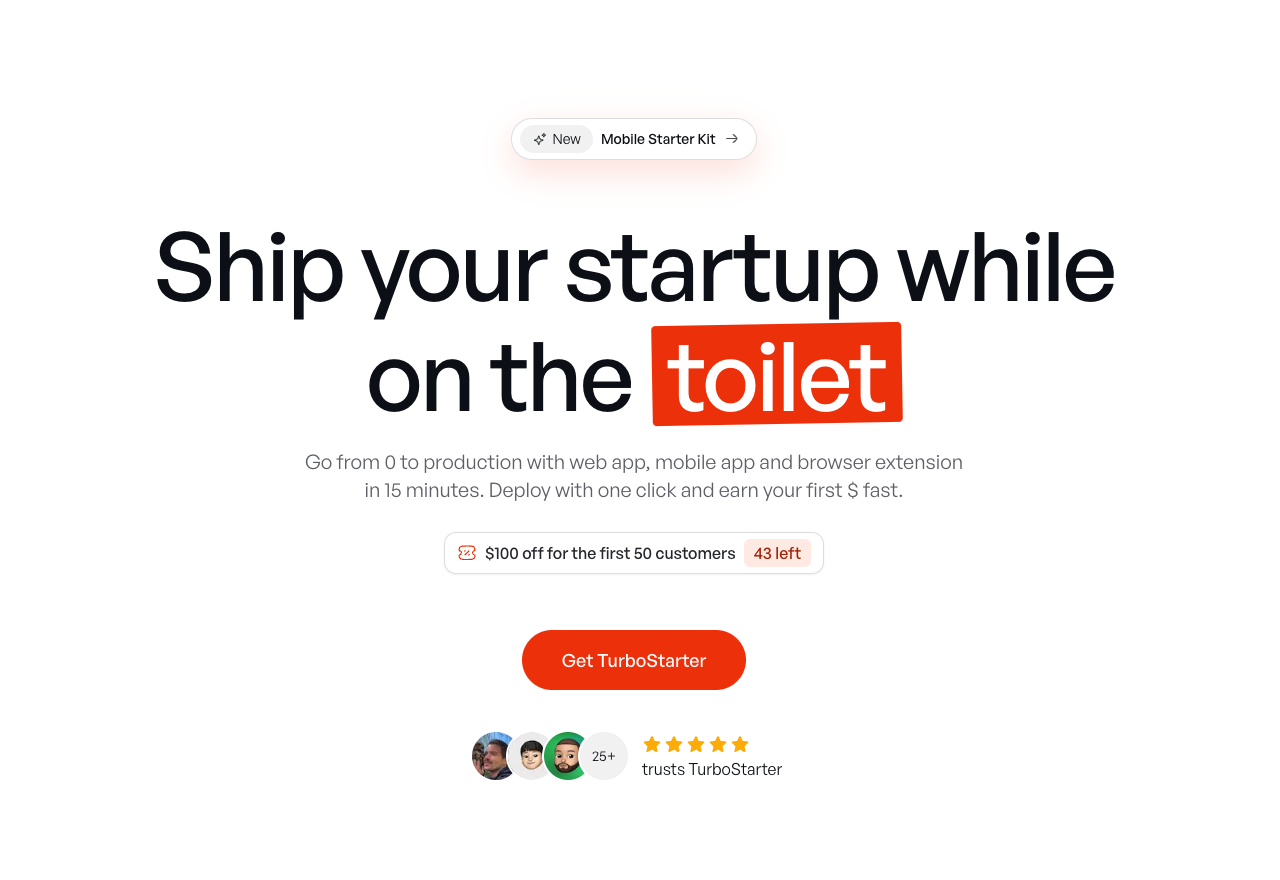
TurboStarter
Ship your startup everywhere. In minutes.
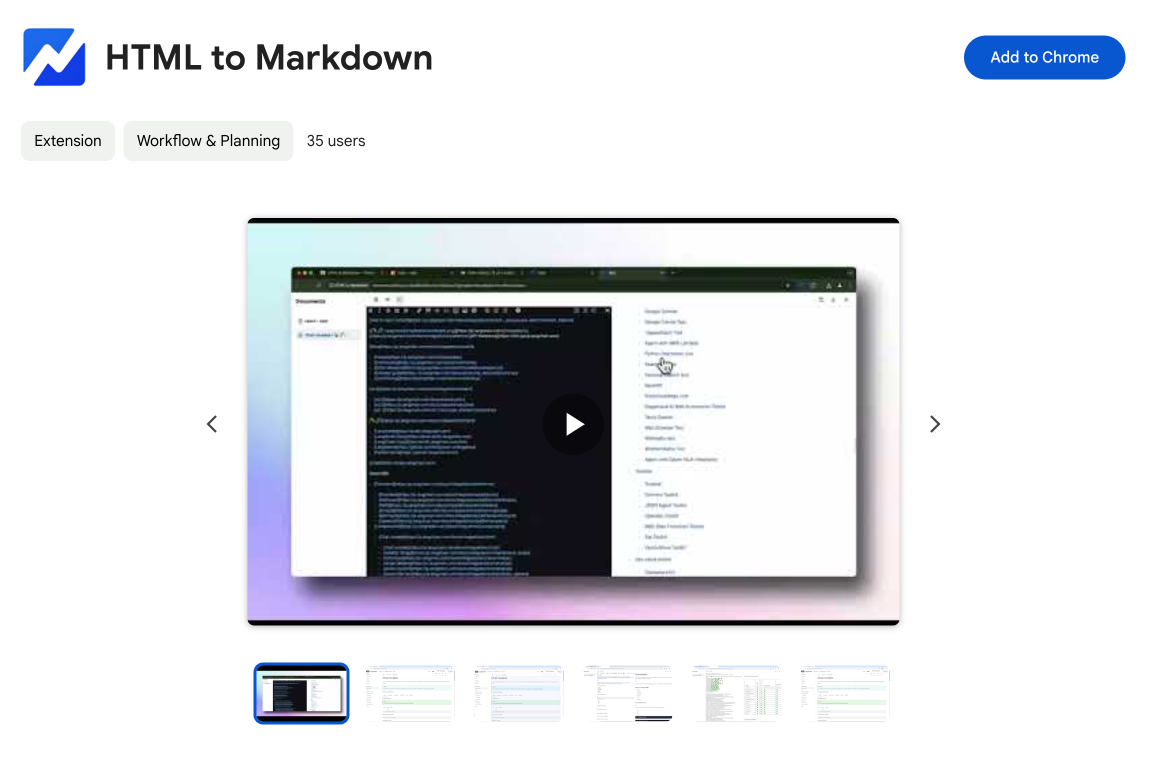
HTML to Markdown
Convert HTML to Markdown with ease, directly in your browser 📄
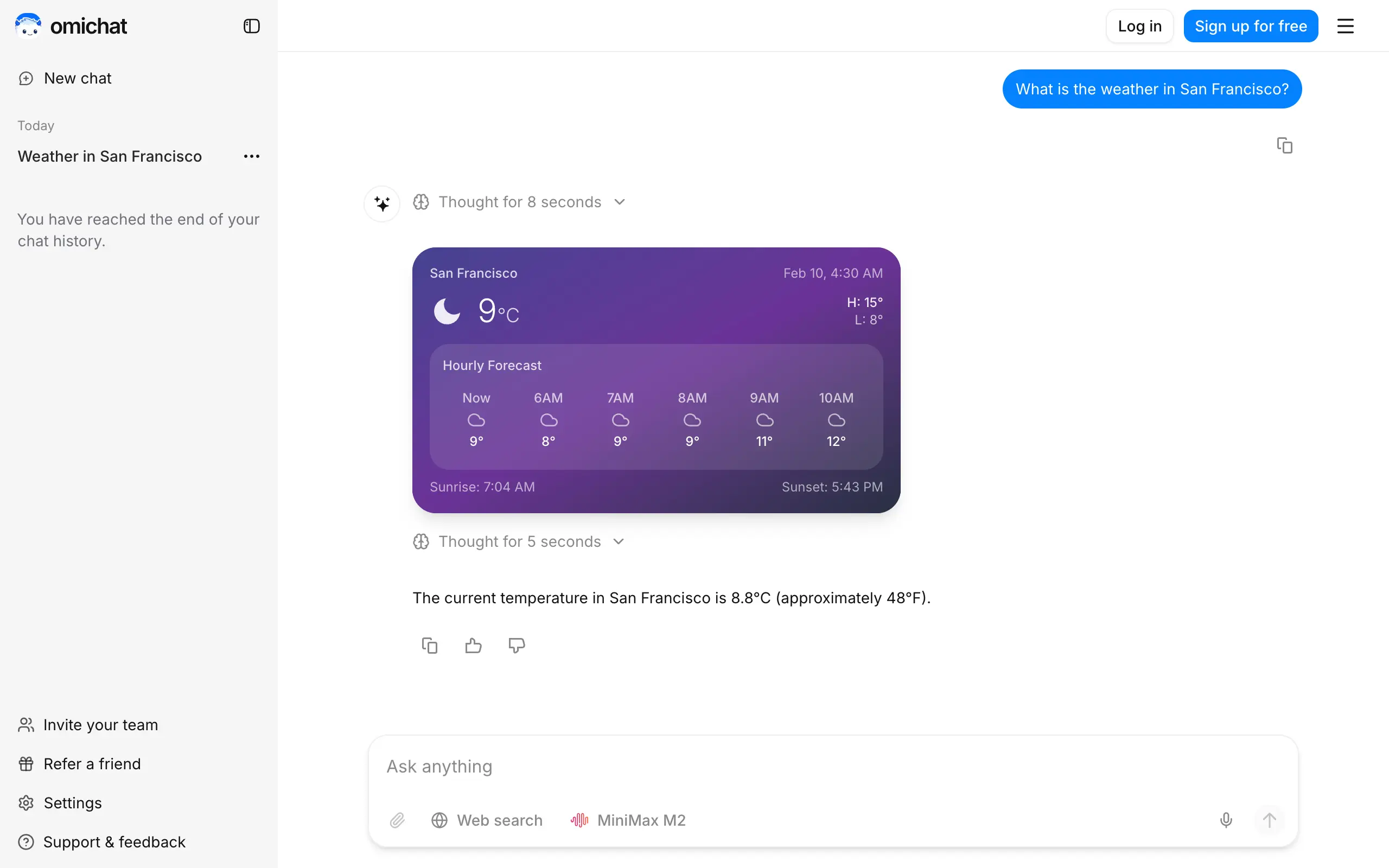
Omichat
Chat with 50+ AI models, including ChatGPT and Claude, in one place - switch models anytime without losing context 🤖
Talk to Santa
Enjoy a magical live video chat or receive a unique AI-generated video greeting from Santa Claus 🎅
pozywka.pl
Scalable blog for food journalist, focused on performance and user experience 🌭
zagrodzki.me
Personal blog and portfolio of Bart Zagrodzki, where he shares his knowledge and work 💼
TurboStarter
Ship your startup everywhere. In minutes.
HTML to Markdown
Convert HTML to Markdown with ease, directly in your browser 📄
Omichat
Chat with 50+ AI models, including ChatGPT and Claude, in one place - switch models anytime without losing context 🤖
Talk to Santa
Enjoy a magical live video chat or receive a unique AI-generated video greeting from Santa Claus 🎅
pozywka.pl
Scalable blog for food journalist, focused on performance and user experience 🌭
zagrodzki.me
Personal blog and portfolio of Bart Zagrodzki, where he shares his knowledge and work 💼
TurboStarter
Ship your startup everywhere. In minutes.
HTML to Markdown
Convert HTML to Markdown with ease, directly in your browser 📄
Omichat
Chat with 50+ AI models, including ChatGPT and Claude, in one place - switch models anytime without losing context 🤖
Talk to Santa
Enjoy a magical live video chat or receive a unique AI-generated video greeting from Santa Claus 🎅
pozywka.pl
Scalable blog for food journalist, focused on performance and user experience 🌭
zagrodzki.me
Personal blog and portfolio of Bart Zagrodzki, where he shares his knowledge and work 💼
TurboStarter
Ship your startup everywhere. In minutes.
HTML to Markdown
Convert HTML to Markdown with ease, directly in your browser 📄
Omichat
Chat with 50+ AI models, including ChatGPT and Claude, in one place - switch models anytime without losing context 🤖
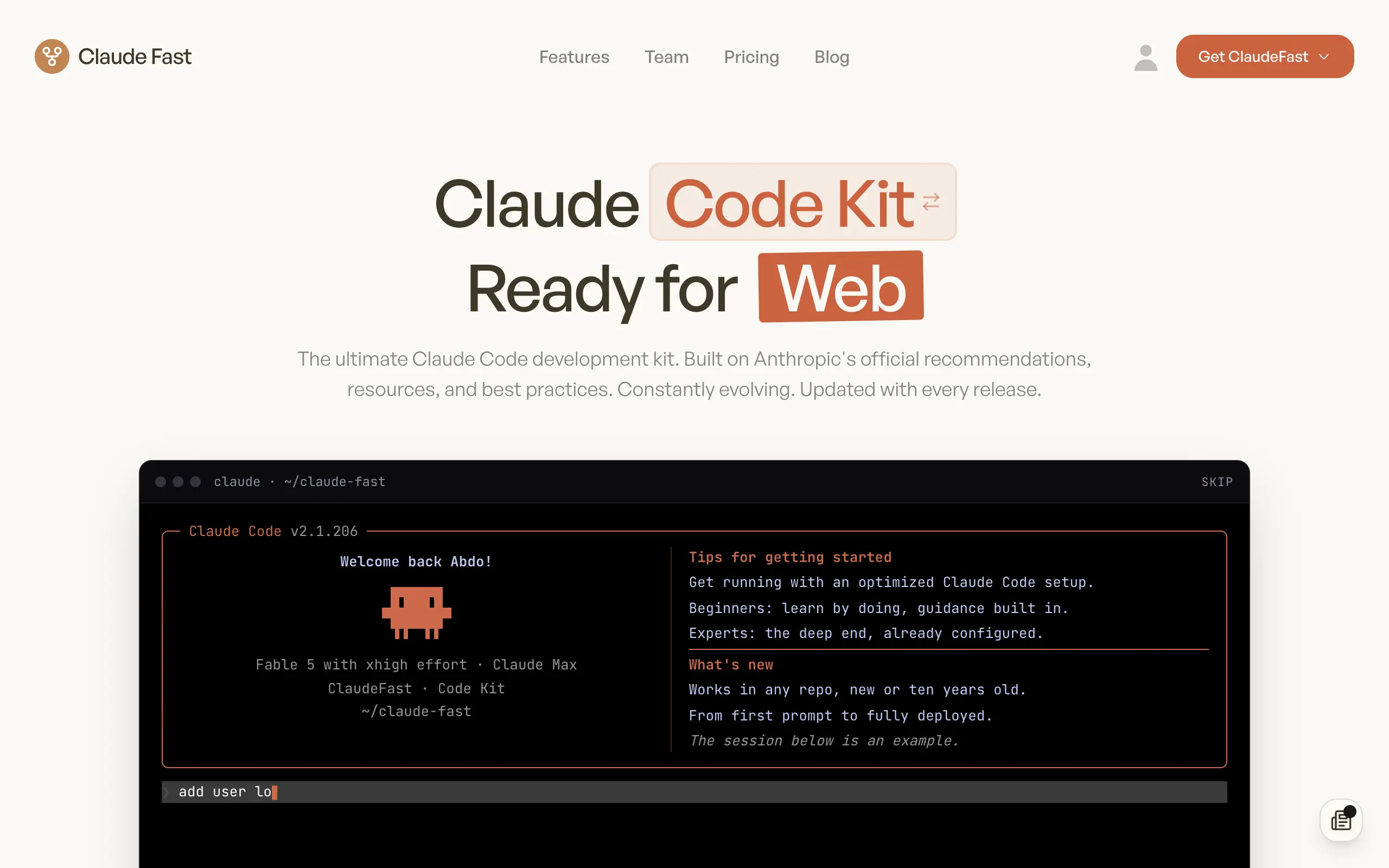
Claude Fast
Supercharge your Claude Code with 6x effective context window and specialized AI agents 🤖
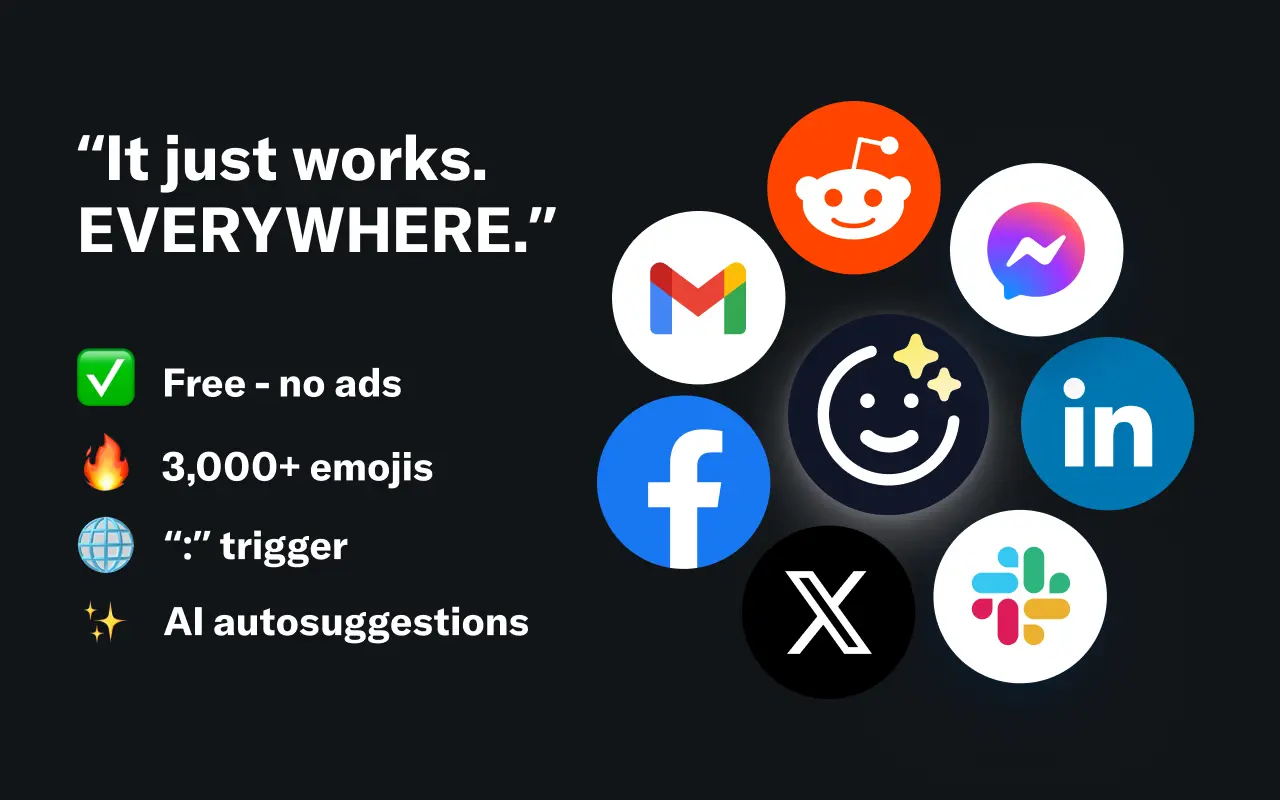
EmojAI
AI-powered emoji picker with smart, context-aware suggestions 🤖

Solohacker
Autonomous company launcher - AI agents work 24/7, escalate what matters, and you stay in control 🤖
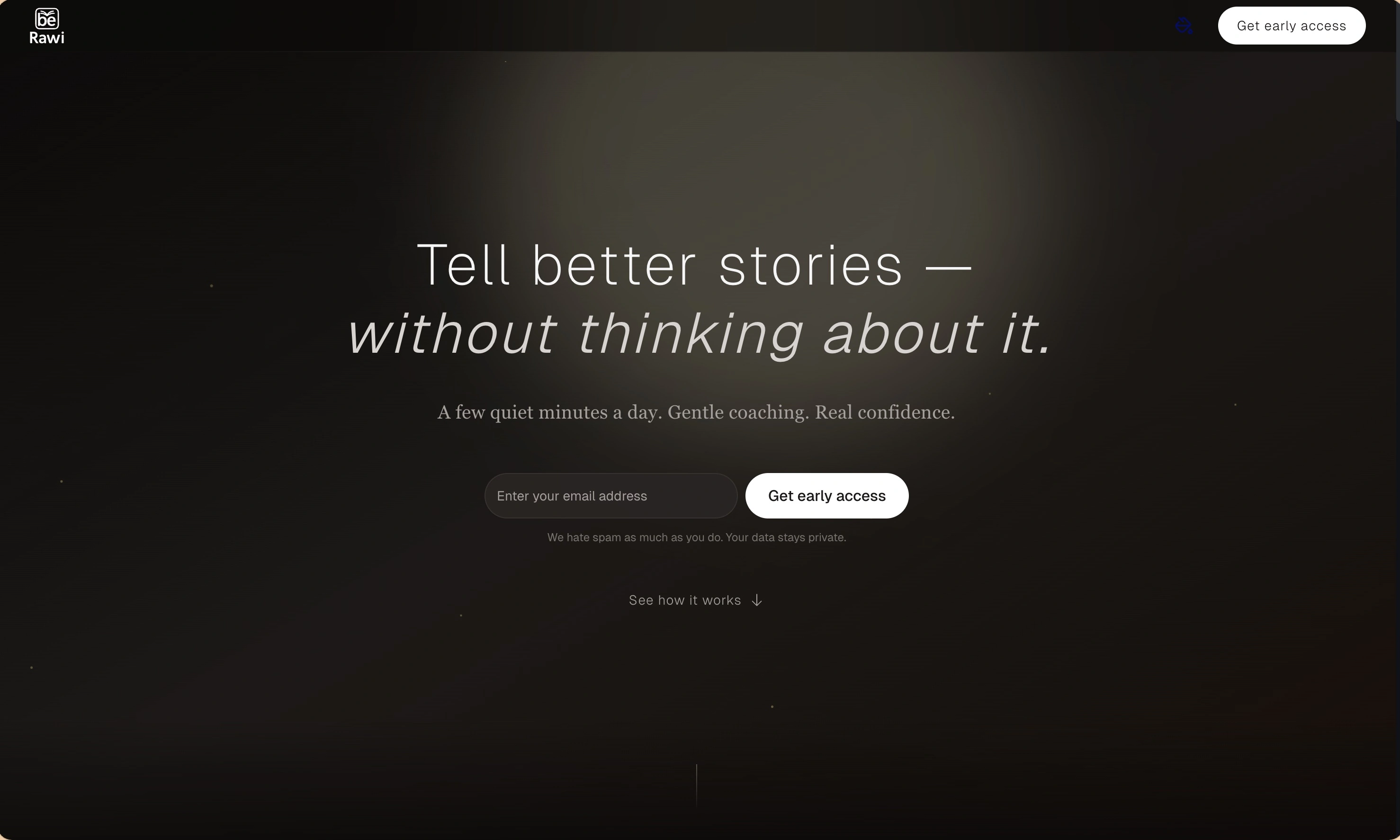
BeRawi: Storytelling Coach
Practice storytelling daily with instant feedback to sound clearer, more engaging, and confident 🎤
Claude Fast
Supercharge your Claude Code with 6x effective context window and specialized AI agents 🤖
EmojAI
AI-powered emoji picker with smart, context-aware suggestions 🤖
Solohacker
Autonomous company launcher - AI agents work 24/7, escalate what matters, and you stay in control 🤖
BeRawi: Storytelling Coach
Practice storytelling daily with instant feedback to sound clearer, more engaging, and confident 🎤
Claude Fast
Supercharge your Claude Code with 6x effective context window and specialized AI agents 🤖
EmojAI
AI-powered emoji picker with smart, context-aware suggestions 🤖
Solohacker
Autonomous company launcher - AI agents work 24/7, escalate what matters, and you stay in control 🤖
BeRawi: Storytelling Coach
Practice storytelling daily with instant feedback to sound clearer, more engaging, and confident 🎤
Claude Fast
Supercharge your Claude Code with 6x effective context window and specialized AI agents 🤖
EmojAI
AI-powered emoji picker with smart, context-aware suggestions 🤖
Solohacker
Autonomous company launcher - AI agents work 24/7, escalate what matters, and you stay in control 🤖
BeRawi: Storytelling Coach
Practice storytelling daily with instant feedback to sound clearer, more engaging, and confident 🎤

Connect with like-minded people
Join our community to get feedback, support, and grow together with 1,000+ builders on board, let's ship it!
Join usShip your startup everywhere. In minutes.
Don't burn tokens on setup and start building features on day one.