ClipCurrent
Turns long news articles and live broadcasts into short, shareable video summaries with captions, optimized for social media teams.
The rise of AI-powered news video summaries for social media teams
The way people consume news has fundamentally changed. Long-form articles and hour-long live broadcasts are still produced daily, but audience attention has shifted toward short-form, mobile-first video on platforms like TikTok, Instagram Reels, YouTube Shorts, and LinkedIn.
For publishers, media companies, and brand content teams, this creates a painful gap:
- Newsrooms produce deep, high-quality content.
- Audiences prefer 30–90 second, captioned, vertical videos.
- Social teams are overwhelmed trying to manually extract clips, write scripts, add subtitles, and format for each platform.
This is where an AI-powered platform like ClipCurrent becomes strategically powerful.
ClipCurrent turns long news articles and live broadcasts into short, shareable video summaries with captions, optimized specifically for social media teams. It combines AI summarization, video clipping, caption generation, and platform-native formatting into a streamlined SaaS workflow.
This article explores the full business and product strategy behind ClipCurrent — including target audience analysis, market opportunity, features, tech stack, monetization, competitive landscape, risks, and implementation roadmap.
Understanding the user intent behind “AI news video summarizer”
When someone searches for:
- “AI tool to turn articles into videos”
- “Automated news video summarizer”
- “AI clipper for live broadcasts”
- “Create social media videos from news articles”
They typically fall into one of these intent buckets:
- Media professionals looking to scale video output.
- Social media managers drowning in manual editing work.
- Publishers exploring automation for digital growth.
- Startup founders validating an AI SaaS opportunity.
ClipCurrent must address all of these intents by offering:
- Efficiency
- Scalability
- Accuracy
- Brand control
- Platform optimization
- Clear ROI
The problem: manual clipping is slow, expensive, and inconsistent
Newsrooms produce long-form content
Traditional journalism outputs:
- 1,000–3,000 word articles
- 30–120 minute live broadcasts
- Panel discussions and interviews
- Breaking news streams
But audiences want:
- 30–60 second vertical clips
- Auto-captioned videos
- Fast summaries
- Platform-native formatting
The current manual workflow is broken
Social teams often:
- Watch long videos to find highlights.
- Manually trim clips in editing software.
- Write short scripts or captions.
- Add subtitles manually.
- Resize to 9:16 format.
- Export separately for TikTok, Reels, Shorts, etc.
This can take 30–90 minutes per clip.
Multiply that by:
- 10 clips per day
- 7 days a week
- Multiple journalists
The cost becomes massive.
Industry context
Short-form video continues to dominate engagement across major platforms. Multiple industry reports from major marketing firms show short-form video generating higher engagement rates than static posts. This macro trend makes automation tools for video repurposing increasingly valuable.
Market opportunity: AI in media workflow automation
1. Explosion of AI summarization
Advancements in:
- Large Language Models (LLMs)
- Automatic Speech Recognition (ASR)
- Text-to-Speech (TTS)
- Multimodal AI (video + text)
Have made it technically feasible to:
- Transcribe live broadcasts
- Identify key segments
- Generate summaries
- Automatically create social-ready scripts
2. Media teams are resource-constrained
Many publishers face:
- Budget cuts
- Reduced headcount
- Higher content output expectations
- Pressure to grow social reach
Automation is no longer optional — it’s strategic.
3. Gap in the current tooling
Existing tools fall into fragmented categories:
- Generic AI summarizers (text only)
- Video editors (manual)
- Clipping tools without summarization
- Caption generators without editorial intelligence
Few tools combine:
- News-specific summarization
- Context-aware clipping
- Social platform optimization
- Editorial control
That gap defines the opportunity for ClipCurrent.
Target audience analysis
ClipCurrent should not try to serve everyone. The highest-value segments are:
1. Digital-first news publishers
Examples:
- Online media outlets
- Niche industry news sites
- Independent investigative teams
Pain points:
- Small teams
- High output expectations
- Need to compete on TikTok/YouTube
2. Broadcast media companies
Examples:
- TV news stations
- Talk shows
- Live panel programs
Pain points:
- Huge archive of unused footage
- Slow manual clipping workflows
- Legacy tech stacks
3. Social media agencies managing media clients
They need:
- Fast turnaround
- Multi-platform formatting
- White-label capability
4. Corporate communications & PR teams
They produce:
- Press conferences
- Earnings calls
- Public statements
ClipCurrent can transform these into:
- Executive highlight clips
- Shareable summary videos
- Crisis-response content
Core value proposition of ClipCurrent
“Turn every long-form news asset into multiple short-form, platform-ready videos in minutes.”
The differentiators:
- AI understands journalistic structure.
- Generates context-aware summaries.
- Produces captioned, vertical videos.
- Optimizes for TikTok, Reels, Shorts.
- Maintains editorial control.
Core features and solution architecture
1. Article-to-video AI summarization
Input:
- URL of news article
- Or raw pasted text
AI process:
- Extract key points
- Identify hook-worthy opening
- Generate 60-second script
- Create caption-friendly structure
Output:
- Script
- Voiceover (optional)
- Video-ready text overlays
2. Live broadcast clipping engine
Input:
- YouTube live stream URL
- Uploaded video file
- RSS stream from broadcaster
AI process:
- Transcribe using ASR
- Detect topic shifts
- Identify high-engagement moments
- Auto-trim relevant segments
Output:
- 30–90 second clips
- Pre-captioned
- Highlighted key quotes
3. Smart caption generation
Modern short-form video requires:
- Burned-in captions
- Highlighted keywords
- Emojis (platform-specific)
- Dynamic word animations
ClipCurrent should include:
- Word-level timestamp alignment
- Keyword emphasis
- Brand color presets
- Font control
4. Platform optimization presets
Each platform has different constraints.
- 9:16 format
- 60–90 seconds
- Strong hook in first 3 seconds
- Trend-aware caption style
- 9:16 format
- Polished aesthetic
- Brand-friendly typography
- Subtle animations
- 9:16 format
- SEO-optimized titles
- Retention-focused pacing
- Thumbnail generation
5. Editorial review dashboard
AI should assist — not replace editors.
Dashboard features:
- Edit summary script
- Adjust clip boundaries
- Modify captions
- Add lower thirds
- Approve before export
This maintains trust and journalistic integrity.
Recommended tech stack for ClipCurrent
Frontend
Why:
- Scalable UI
- Fast iteration
- SSR for SEO pages
- Clean design system
Backend
- Node.js (API orchestration)
- Python microservices (AI processing)
- PostgreSQL (metadata storage)
- Redis (job queues, caching)
AI components
- LLM for summarization (e.g., OpenAI-style models)
- Whisper-like ASR for transcription
- FFmpeg for video processing
- Scene detection libraries
Example job processing flow:
// Pseudo job pipeline
async function processVideoJob(videoUrl: string) {
  const transcript = await transcribe(videoUrl);
  const summary = await summarize(transcript);
  const highlights = await detectHighlights(transcript);
  const clippedVideo = await generateClip(videoUrl, highlights);
  const captioned = await addCaptions(clippedVideo, transcript);

  return captioned;
}
Infrastructure
- Cloud storage (AWS S3 or equivalent)
- CDN for video delivery
- Queue-based architecture for scaling
- Serverless workers for AI bursts
Trade-offs:
- Heavy AI processing increases cost.
- Video rendering is compute-intensive.
- Must balance pricing vs usage.
Competitive analysis
Let’s compare ClipCurrent conceptually against existing tool categories.
| Feature | Generic AI Summarizer | Video Editor | Caption Tool | ClipCurrent |
|---|---|---|---|---|
| News-aware summarization | ✅ | ❌ | ❌ | ✅ |
| Automatic video clipping | ❌ | ❌ | ❌ | ✅ |
| Auto captions | ❌ | ❌ | ✅ | ✅ |
| Social platform presets | ❌ | ❌ | ❌ | ✅ |
Competitive advantage: integrated, news-first workflow.
Monetization strategy for ClipCurrent
Tiered SaaS pricing
Starter
- Limited clips/month
- Watermarked exports
Pro
- Higher clip volume
- Custom branding
- Multi-user
Enterprise
- API access
- On-prem deployment
- SLA guarantees
- Custom AI tuning
Usage-based pricing
Charge based on:
- Minutes processed
- Storage used
- Rendering time
Hybrid pricing often works best.
White-label licensing
Agencies may want:
- Branded dashboard
- Client-specific portals
This unlocks higher ACV deals.
Risks and mitigation strategies
1. AI hallucinations or misrepresentation
Risk:
- AI may misinterpret nuanced journalism.
Mitigation:
- Mandatory human review stage
- Transparent transcript display
- Highlight source timestamps
2. Copyright and content ownership
Risk:
- Clipping third-party content.
Mitigation:
- Require content ownership verification
- Clear ToS agreements
- Enterprise compliance tools
3. Platform dependency
Risk:
- TikTok algorithm shifts
- API restrictions
Mitigation:
- Multi-platform optimization
- Download-first model
- Avoid deep dependency on one API
4. High infrastructure cost
Video AI is expensive.
Mitigation:
- Queue batching
- GPU optimization
- Usage-based billing
Unique selling proposition (USP)
ClipCurrent is not just another AI video tool.
Its uniqueness lies in:
- Journalism-aware summarization
- Live broadcast clipping intelligence
- Platform-native formatting
- Editorial oversight workflow
- Built specifically for social media teams in news
It is vertical AI for media, not horizontal AI for everyone.
Implementation roadmap
If you’re building ClipCurrent as a startup, here’s a strategic rollout.
MVP feature prioritization
Focus first on:
- Article URL → 60-second video
- Clean captions
- Vertical export
- Simple editor review panel
Do NOT start with:
- Full enterprise API
- Complex analytics
- Over-engineered UI
Speed matters more than perfection.
Go-to-market strategy
1. Direct outreach to digital publishers
- LinkedIn outreach to social editors
- Offer free pilot
- Show time saved per clip
2. Content marketing
SEO articles targeting:
- “Turn article into video AI”
- “AI news video summarizer”
- “Automated broadcast clipping tool”
3. Case studies
Demonstrate:
- 80% time reduction
- 3x social output
- Increased engagement
Metrics that matter
Track:
- Time saved per clip
- Clip production per week
- Engagement rate improvement
- Customer retention
- Cost per processed minute
These prove ROI to enterprise buyers.
Future expansion opportunities
Once stable, expand into:
- Multilingual summaries
- AI voice cloning for anchors
- Automated thumbnail generation
- Real-time live clipping
- Analytics insights from engagement data
Long-term vision:
A full AI-powered social newsroom engine.
Building faster with the right foundation
To ship quickly, use a production-ready SaaS foundation like TurboStarter.
It accelerates:
- Authentication
- Payments
- Multi-tenancy
- SaaS boilerplate
- Production-ready architecture
This reduces time-to-market dramatically — critical in AI SaaS.
Final actionable blueprint
If you’re serious about launching ClipCurrent:
- Validate demand with media teams.
- Build a narrow MVP.
- Focus on time-saving ROI.
- Prioritize editorial trust.
- Price based on usage.
- Scale with enterprise pilots.
Then iterate fast.
Conclusion
The demand for AI-powered news video summarization is not speculative — it’s a direct response to changing media consumption patterns.
Publishers are drowning in long-form content while audiences demand short-form video. The friction between those two realities creates a powerful opportunity.
ClipCurrent sits precisely in that gap.
By combining:
- AI summarization
- Smart clipping
- Caption automation
- Social optimization
- Editorial control
It can become an essential tool for modern media teams.
The opportunity is real. The technology is ready. The market is shifting.
Now it’s execution that matters.
More 🤖 AI Startup SaaS ideas
Discover more innovative ai startup SaaS ideas that are trending in 2026. Each idea is AI-generated with market validation and growth potential to help you find your next profitable venture faster than competitors.
Your competitors are building with TurboStarter
Below are some of the SaaS ideas that have been generated and built with our starter kit.

Statiko
Monitor any Telegram channel in real time - track posts, edits, deletions, and growth with AI recaps 📡

Shibui
AI website builder - describe your business, pick a niche template, edit by chatting, and publish instantly ✨

Pro Service
Find verified home service professionals, compare quotes, and pay securely through escrow - built for Brazilians across the US 🏠

RankGrow
Fix your SEO with AI agents - connect Search Console, get prioritized tasks, and grow organic traffic 📈
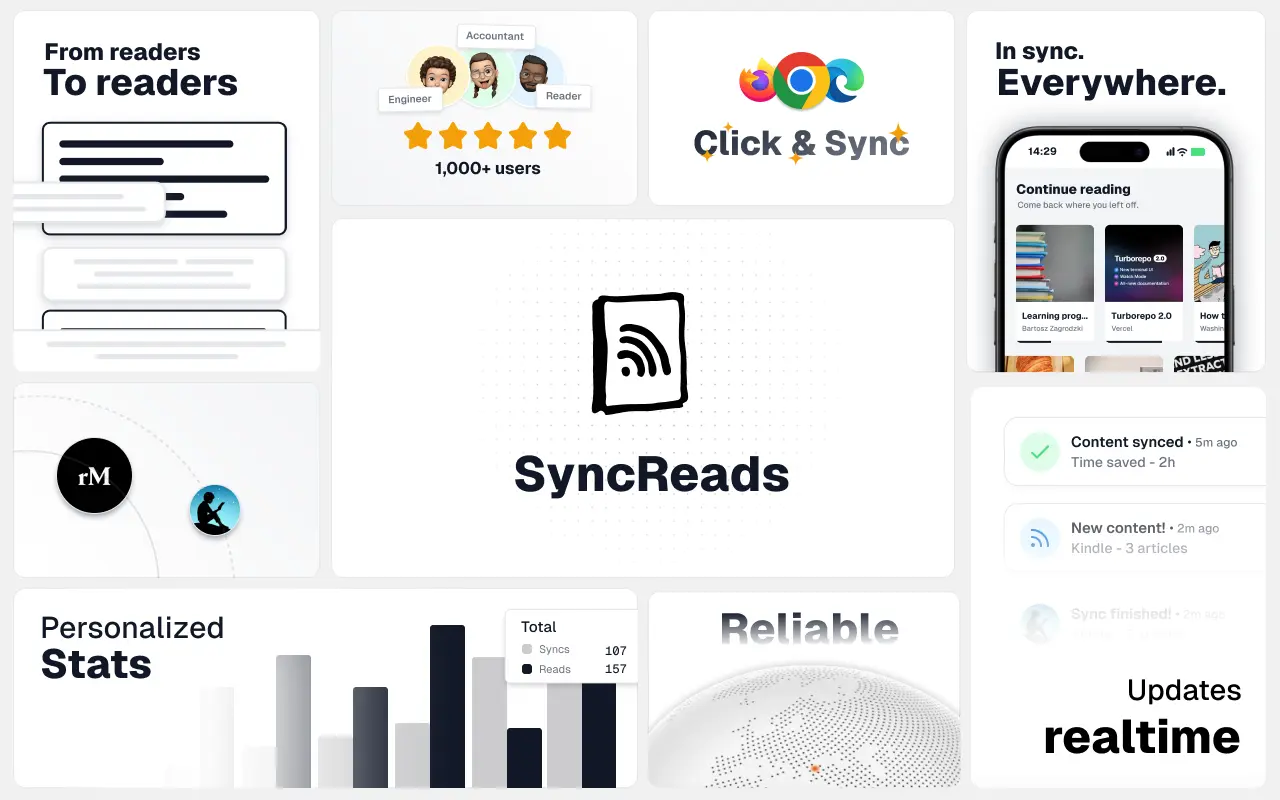
SyncReads
Sync your favorite content for distraction-free reading, save time and replace multiple apps. Anytime, anywhere 🔄
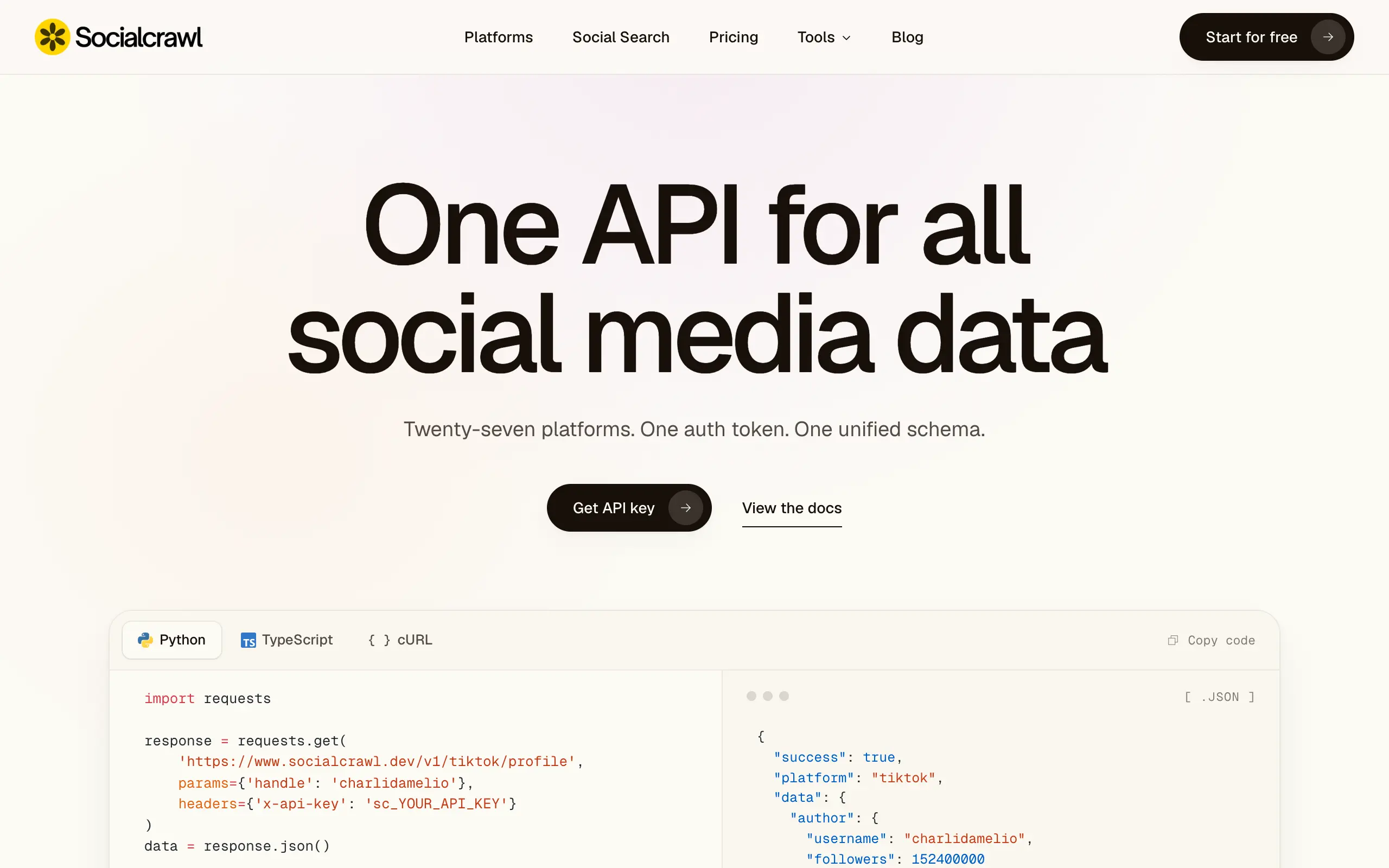
Socialcrawl
Get clean, structured data from 21 platforms like TikTok, Instagram, and YouTube with a single request 📊
Statiko
Monitor any Telegram channel in real time - track posts, edits, deletions, and growth with AI recaps 📡
Shibui
AI website builder - describe your business, pick a niche template, edit by chatting, and publish instantly ✨
Pro Service
Find verified home service professionals, compare quotes, and pay securely through escrow - built for Brazilians across the US 🏠
RankGrow
Fix your SEO with AI agents - connect Search Console, get prioritized tasks, and grow organic traffic 📈
SyncReads
Sync your favorite content for distraction-free reading, save time and replace multiple apps. Anytime, anywhere 🔄
Socialcrawl
Get clean, structured data from 21 platforms like TikTok, Instagram, and YouTube with a single request 📊
Statiko
Monitor any Telegram channel in real time - track posts, edits, deletions, and growth with AI recaps 📡
Shibui
AI website builder - describe your business, pick a niche template, edit by chatting, and publish instantly ✨
Pro Service
Find verified home service professionals, compare quotes, and pay securely through escrow - built for Brazilians across the US 🏠
RankGrow
Fix your SEO with AI agents - connect Search Console, get prioritized tasks, and grow organic traffic 📈
SyncReads
Sync your favorite content for distraction-free reading, save time and replace multiple apps. Anytime, anywhere 🔄
Socialcrawl
Get clean, structured data from 21 platforms like TikTok, Instagram, and YouTube with a single request 📊
Statiko
Monitor any Telegram channel in real time - track posts, edits, deletions, and growth with AI recaps 📡
Shibui
AI website builder - describe your business, pick a niche template, edit by chatting, and publish instantly ✨
Pro Service
Find verified home service professionals, compare quotes, and pay securely through escrow - built for Brazilians across the US 🏠
RankGrow
Fix your SEO with AI agents - connect Search Console, get prioritized tasks, and grow organic traffic 📈
SyncReads
Sync your favorite content for distraction-free reading, save time and replace multiple apps. Anytime, anywhere 🔄
Socialcrawl
Get clean, structured data from 21 platforms like TikTok, Instagram, and YouTube with a single request 📊
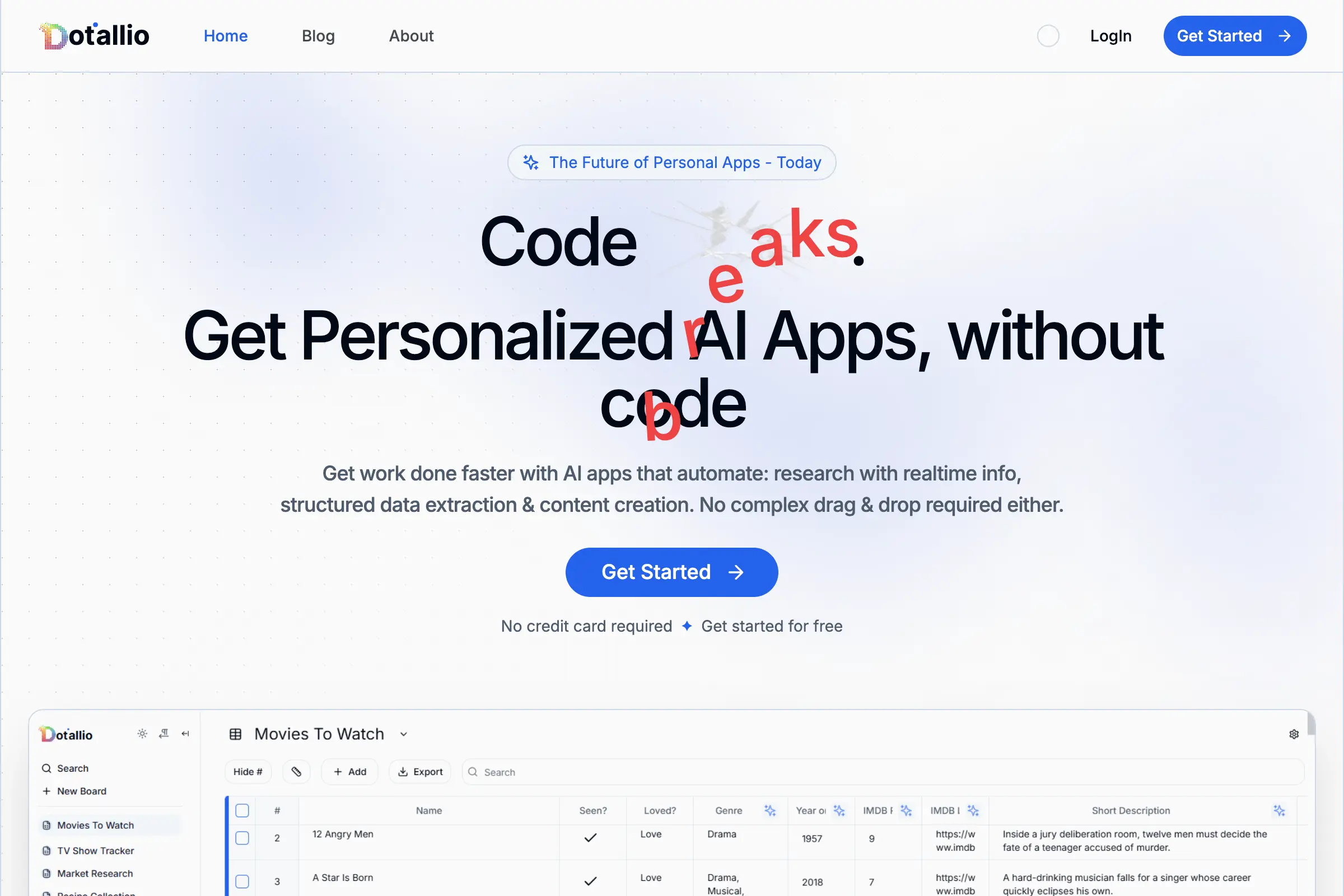
Dotallio
Personalized AI apps that automate research, data extraction, and content creation without code 🤖

Talk to Santa
Enjoy a magical live video chat or receive a unique AI-generated video greeting from Santa Claus 🎅

pozywka.pl
Scalable blog for food journalist, focused on performance and user experience 🌭
zagrodzki.me
Personal blog and portfolio of Bart Zagrodzki, where he shares his knowledge and work 💼
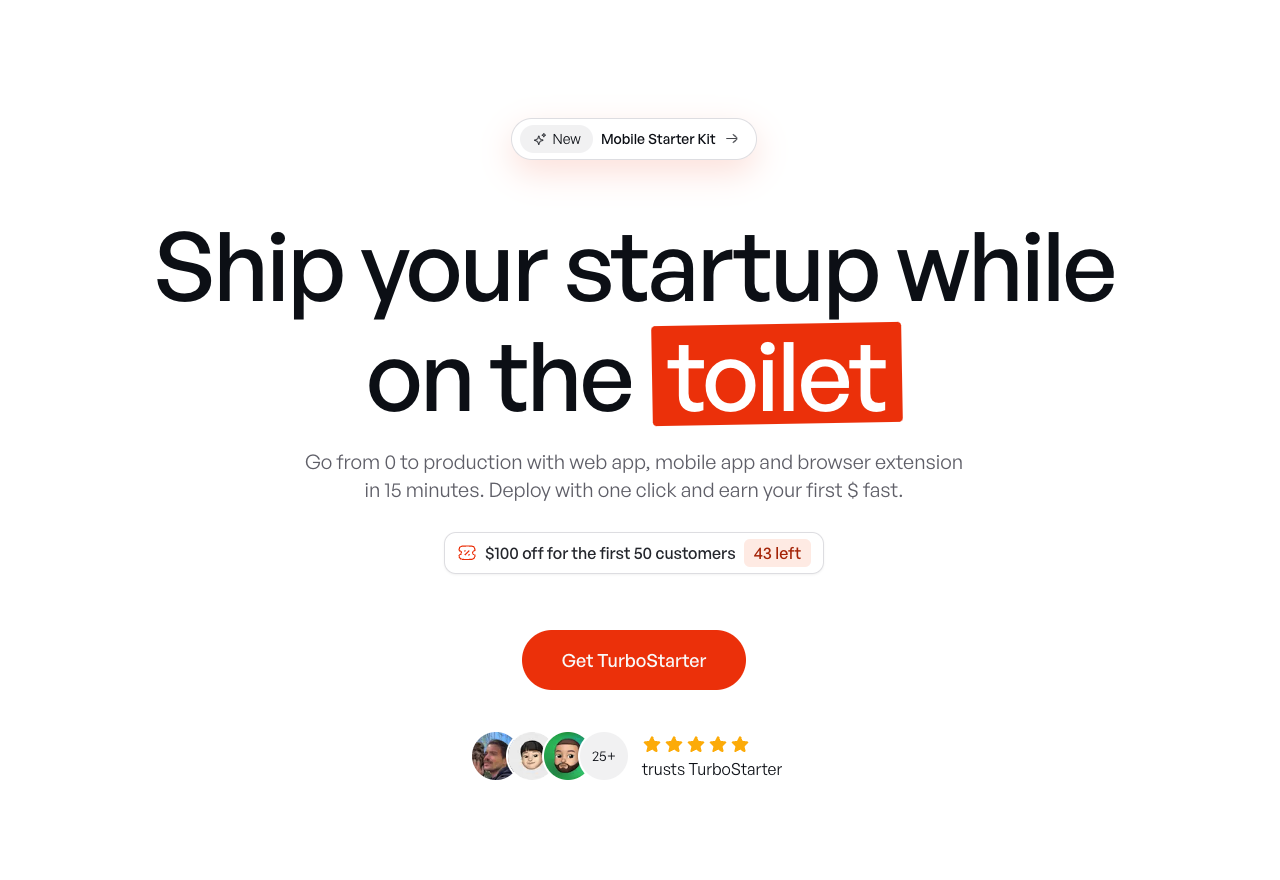
TurboStarter
Ship your startup everywhere. In minutes.
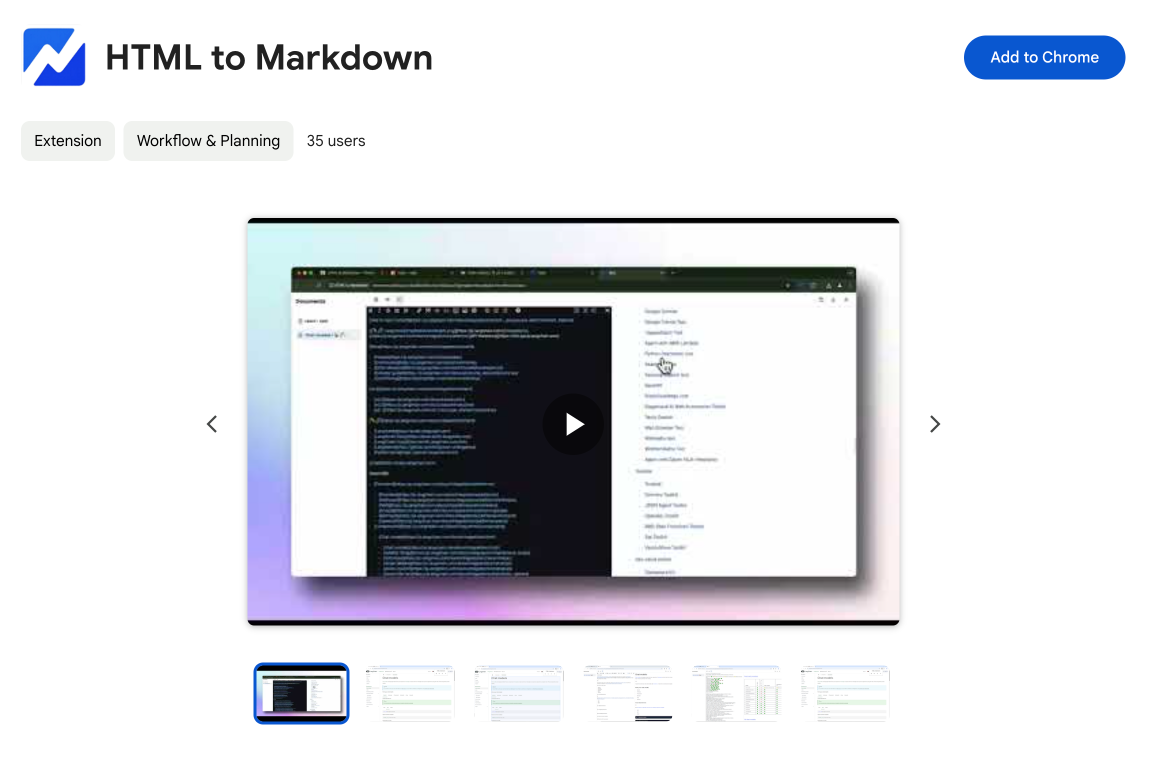
HTML to Markdown
Convert HTML to Markdown with ease, directly in your browser 📄
Dotallio
Personalized AI apps that automate research, data extraction, and content creation without code 🤖
Talk to Santa
Enjoy a magical live video chat or receive a unique AI-generated video greeting from Santa Claus 🎅
pozywka.pl
Scalable blog for food journalist, focused on performance and user experience 🌭
zagrodzki.me
Personal blog and portfolio of Bart Zagrodzki, where he shares his knowledge and work 💼
TurboStarter
Ship your startup everywhere. In minutes.
HTML to Markdown
Convert HTML to Markdown with ease, directly in your browser 📄
Dotallio
Personalized AI apps that automate research, data extraction, and content creation without code 🤖
Talk to Santa
Enjoy a magical live video chat or receive a unique AI-generated video greeting from Santa Claus 🎅
pozywka.pl
Scalable blog for food journalist, focused on performance and user experience 🌭
zagrodzki.me
Personal blog and portfolio of Bart Zagrodzki, where he shares his knowledge and work 💼
TurboStarter
Ship your startup everywhere. In minutes.
HTML to Markdown
Convert HTML to Markdown with ease, directly in your browser 📄
Dotallio
Personalized AI apps that automate research, data extraction, and content creation without code 🤖
Talk to Santa
Enjoy a magical live video chat or receive a unique AI-generated video greeting from Santa Claus 🎅
pozywka.pl
Scalable blog for food journalist, focused on performance and user experience 🌭
zagrodzki.me
Personal blog and portfolio of Bart Zagrodzki, where he shares his knowledge and work 💼
TurboStarter
Ship your startup everywhere. In minutes.
HTML to Markdown
Convert HTML to Markdown with ease, directly in your browser 📄
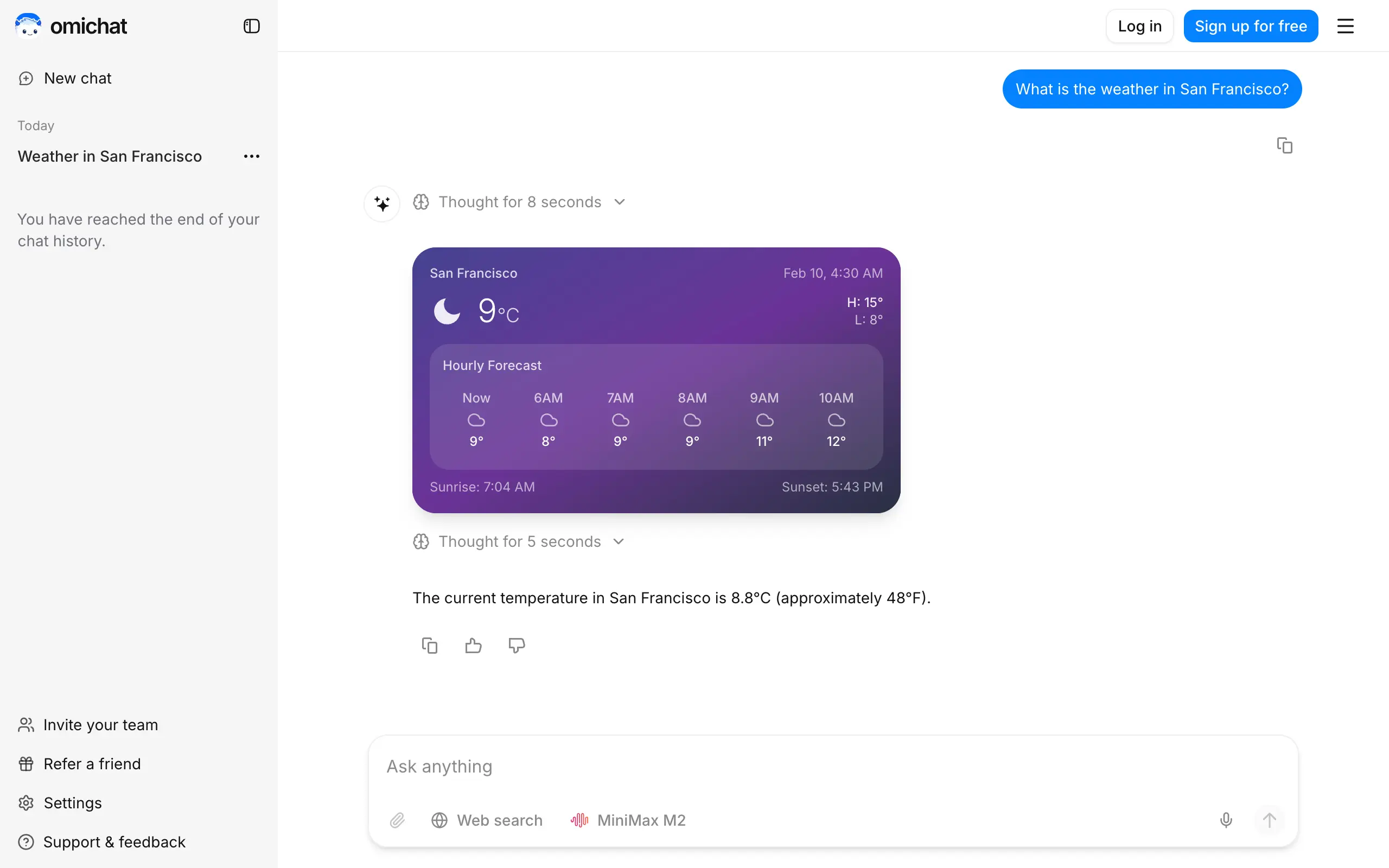
Omichat
Chat with 50+ AI models, including ChatGPT and Claude, in one place - switch models anytime without losing context 🤖
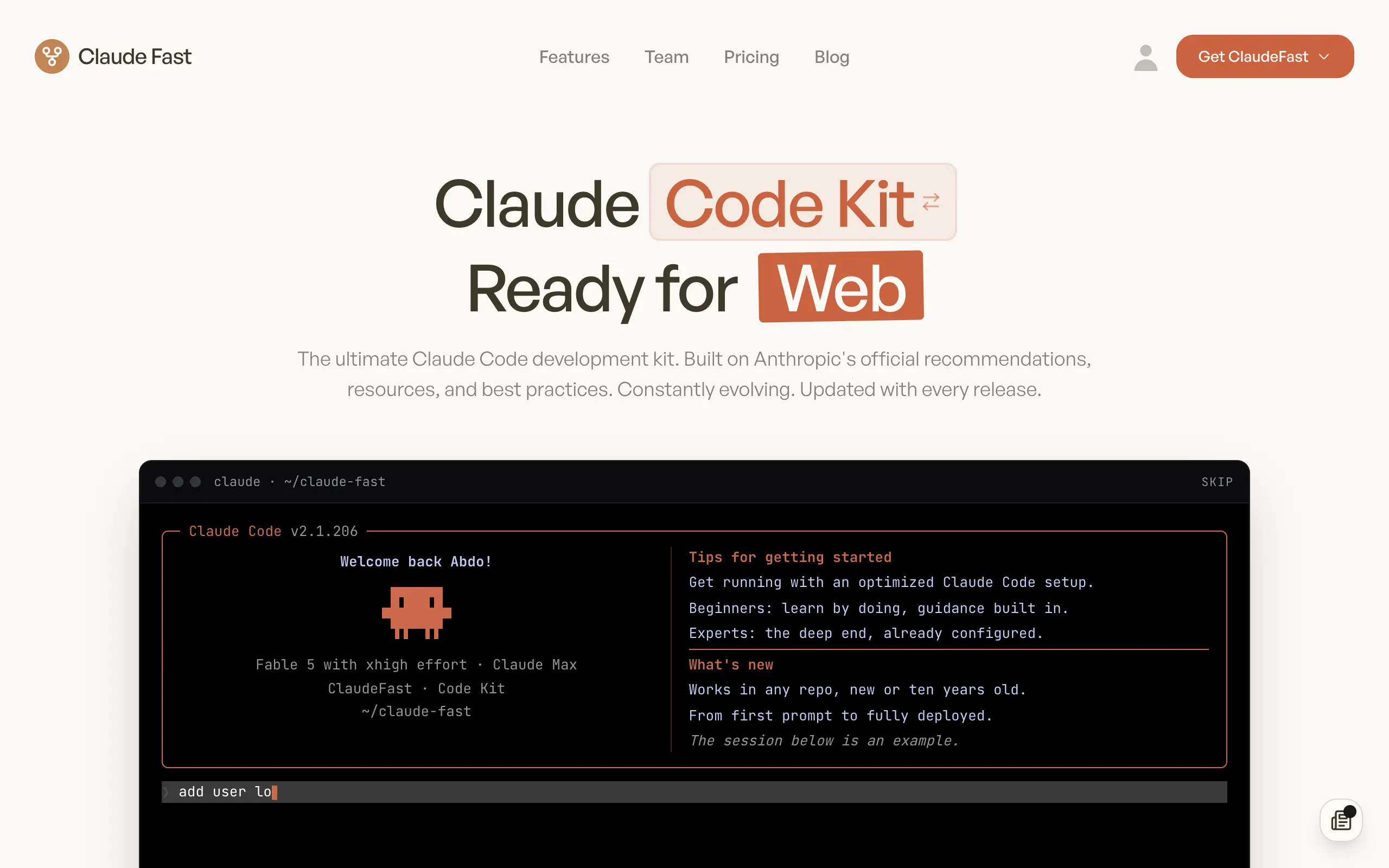
Claude Fast
Supercharge your Claude Code with 6x effective context window and specialized AI agents 🤖
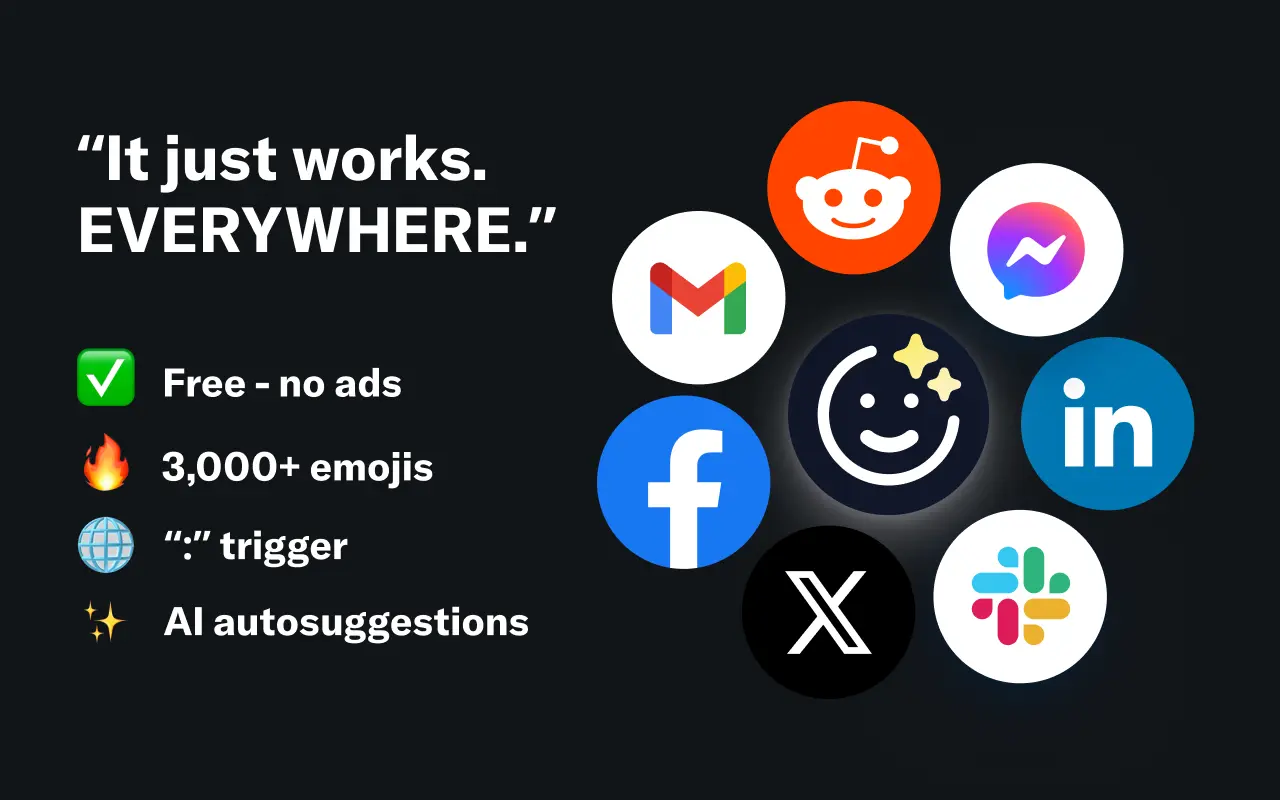
EmojAI
AI-powered emoji picker with smart, context-aware suggestions 🤖
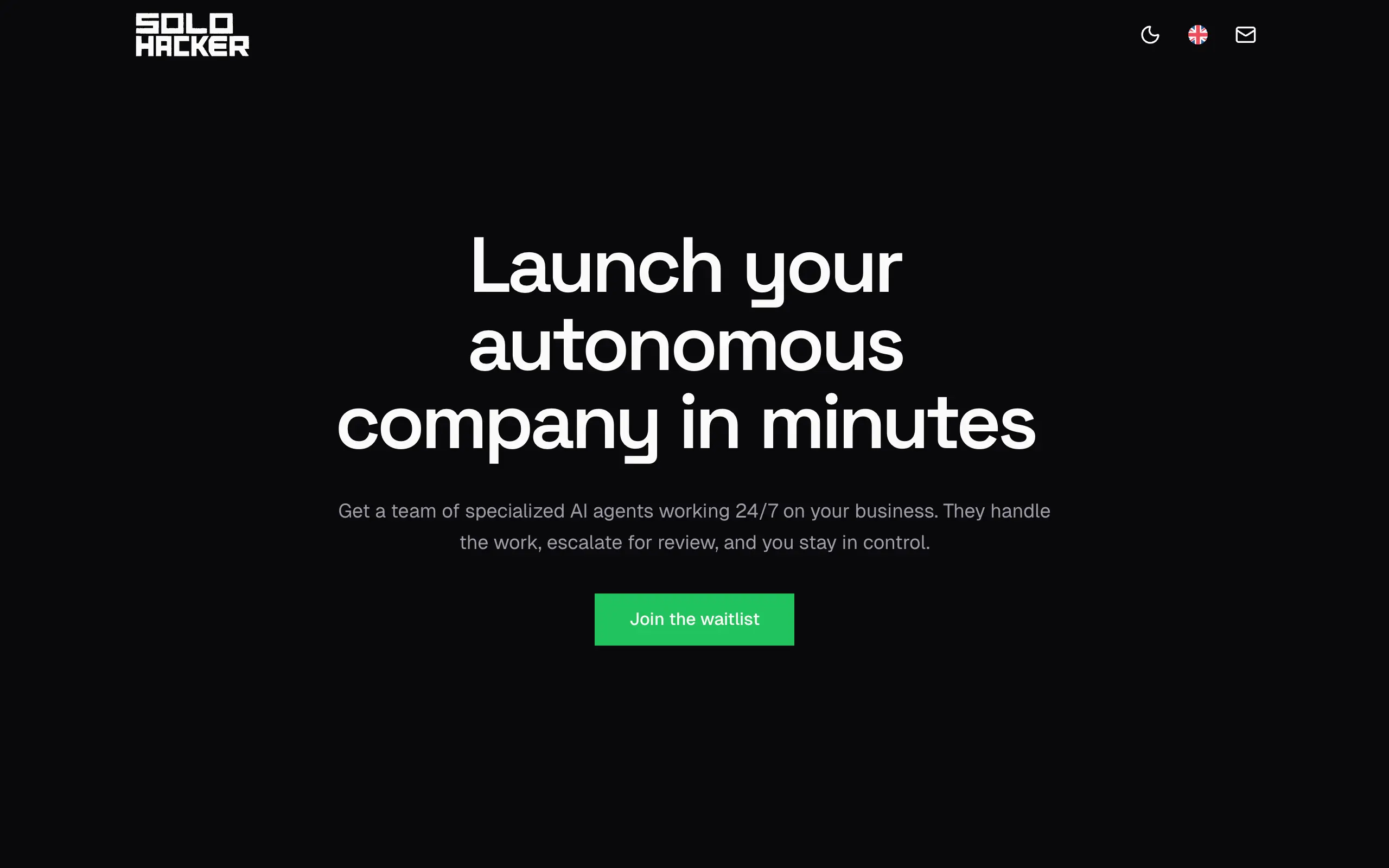
Solohacker
Autonomous company launcher - AI agents work 24/7, escalate what matters, and you stay in control 🤖
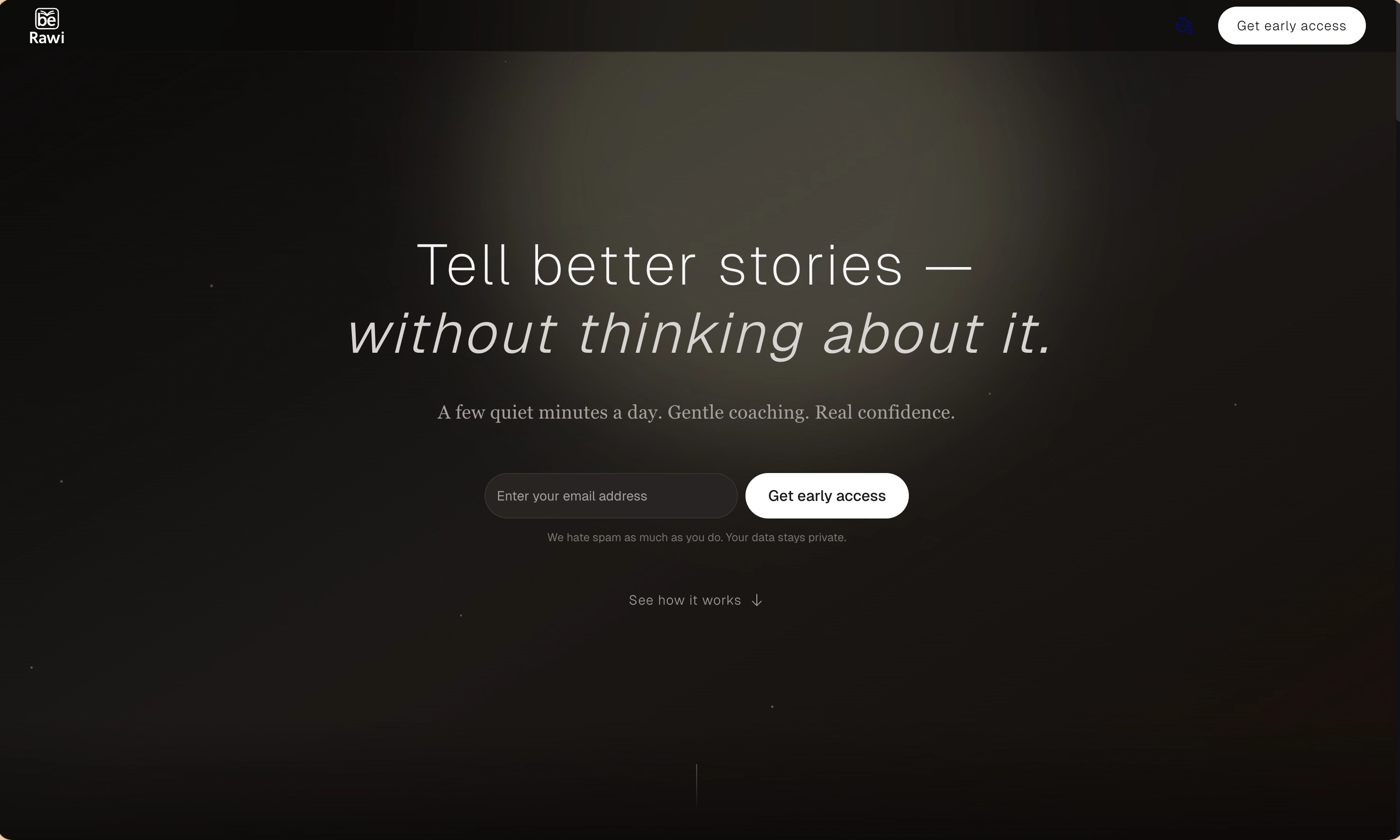
BeRawi: Storytelling Coach
Practice storytelling daily with instant feedback to sound clearer, more engaging, and confident 🎤
Omichat
Chat with 50+ AI models, including ChatGPT and Claude, in one place - switch models anytime without losing context 🤖
Claude Fast
Supercharge your Claude Code with 6x effective context window and specialized AI agents 🤖
EmojAI
AI-powered emoji picker with smart, context-aware suggestions 🤖
Solohacker
Autonomous company launcher - AI agents work 24/7, escalate what matters, and you stay in control 🤖
BeRawi: Storytelling Coach
Practice storytelling daily with instant feedback to sound clearer, more engaging, and confident 🎤
Omichat
Chat with 50+ AI models, including ChatGPT and Claude, in one place - switch models anytime without losing context 🤖
Claude Fast
Supercharge your Claude Code with 6x effective context window and specialized AI agents 🤖
EmojAI
AI-powered emoji picker with smart, context-aware suggestions 🤖
Solohacker
Autonomous company launcher - AI agents work 24/7, escalate what matters, and you stay in control 🤖
BeRawi: Storytelling Coach
Practice storytelling daily with instant feedback to sound clearer, more engaging, and confident 🎤
Omichat
Chat with 50+ AI models, including ChatGPT and Claude, in one place - switch models anytime without losing context 🤖
Claude Fast
Supercharge your Claude Code with 6x effective context window and specialized AI agents 🤖
EmojAI
AI-powered emoji picker with smart, context-aware suggestions 🤖
Solohacker
Autonomous company launcher - AI agents work 24/7, escalate what matters, and you stay in control 🤖
BeRawi: Storytelling Coach
Practice storytelling daily with instant feedback to sound clearer, more engaging, and confident 🎤

Connect with like-minded people
Join our community to get feedback, support, and grow together with 1,000+ builders on board, let's ship it!
Join usShip your startup everywhere. In minutes.
Don't burn tokens on setup and start building features on day one.