CodeCraft
A smart AI assistant for developers that suggests code optimizations, detects bugs, and offers real-time collaboration features. Perfect for software development teams aiming to boost productivity and code quality.
Target Audience & Developer Community Impact
Developers and software development teams are increasingly focusing on solutions that boost productivity while retaining high code quality. This cutting-edge tool is designed to serve those who work in fast-paced, agile environments where real-time collaboration and on-demand code insights are essential. Its intuitive interface and advanced AI capabilities make it a valuable addition to anyone's toolkit—whether you're an individual developer looking for smart code suggestions or part of a larger team aiming to streamline your workflow.
Key aspects of the target audience include:
- Professional Developers: Who need accurate, real-time code optimizations and bug detection.
- Software Development Teams: Collaborating in real time and aiming for improved productivity.
- Tech Startups & Enterprises: Seeking accreditation through enhanced productivity and streamlined code quality assurance.
- Freelancers & Consultants: Who require an integrated platform that speeds up the development cycle.
Developers appreciate solutions that speak directly to their pain points. They want a tool that not only pinpoints opportunities for improving code but also serves as a collaborative partner during brainstorming sessions, code reviews, and debugging processes.
Quick Tip
This tool is perfect for teams looking to reduce technical debt and accelerate development cycles with intelligent, real-time assistance.
Market Opportunity and Growth Potential
The market for developer-focused tools is booming as software development continues to evolve. Decision-makers are foraging for solutions that guarantee not just efficiency, but also quality in their codebases. With the increasing complexity of code and the rapid pace of innovation, an intelligent AI assistant for developers has tremendous market potential. A few critical insights into market opportunities include:
- Rising Demand for AI-Driven Solutions: As companies adopt artificial intelligence at scale, tools that leverage AI to improve code efficiency and reduce errors are more relevant than ever.
- Expansion in Remote & Collaborative Work: With the trend towards distributed teams, real-time collaboration features facilitate seamless development regardless of geographic locations.
- Integration with Popular IDEs and Version Control Systems: There is an evident market need for tools that integrate smoothly with existing development environments.
- Cost Savings & Efficiency Gains: As organizations aim to reduce overhead costs, investments in productivity tools that ensure quality coding practices are vital.
By addressing these market gaps, the solution positions itself as a crucial component in modern software development. This tool is not just a productivity enhancer but also a strategic investment to maintain competitive advantage in today's fast-evolving tech landscape.
Technology Stack & Development Tools
The backbone of this intelligent assistant is a robust technology stack that combines modern programming languages, frameworks, and AI capabilities. Here’s an overview of the technology stack tailored for rapid and reliable implementation:
- Frontend: React, Vue.js, or Angular for building responsive and dynamic user interfaces.
- Backend: Node.js, Python (Django or Flask), or Ruby on Rails to handle server-side operations and data management.
- AI & Machine Learning: TensorFlow, PyTorch, or scikit-learn for powering code optimization and bug detection algorithms.
- Real-Time Collaboration: WebSocket or similar protocols to enable synchronized collaboration across different platforms.
- Cloud Infrastructure: AWS, Azure, or Google Cloud as the backbone for scalability and global reach.
For those looking to hit the ground running, consider leveraging a fast-track approach with the TurboStarter starter kit. It’s designed to accelerate development on web, mobile, and browser extension projects, which means you can integrate smart AI features rapidly without reinventing the wheel.
Below is an example snippet that illustrates how to get started with a simple integration:
const optimizeCode = (code: string) => {
  console.log("Optimizing code snippet:", code);
  // AI-driven optimization logic goes here
}
This snippet represents just a fraction of the overall functionality but highlights the simplicity and directness of the implementation. The integration of such code within a well-structured tech stack fosters a development environment where continuous improvements are a natural part of the programming workflow.
Additionally, the framework should allow for seamless upgrades and integrations, enabling teams to add more features without significant refactoring down the line. This agile approach is crucial for meeting evolving market demands and technological requirements.
Monetization Strategy & Revenue Models
When it comes to monetizing a tool that sits at the confluence of code optimization and collaboration, creative revenue models can drive both growth and sustainability. Here are several monetization strategies to consider:
- Subscription Models:
- Monthly/Annual Plans that allow teams and individual developers to access premium features such as advanced bug detection, detailed code insights, or enhanced collaboration tools.
- Freemium Model:
- A free tier offering basic functionalities that encourage trial and adoption with an easy upgrade path to premium features.
- Enterprise Licensing:
- Custom enterprise solutions that integrate with large-scale development environments, offering tailored support and robust feature sets.
- Pay-As-You-Go:
- Pricing based on usage, where teams pay for the amount of code reviewed or the number of real-time collaborative sessions initiated.
- In-App Purchases:
- Enhancements like advanced optimization modules, additional real-time collaboration rooms, or expanded AI model precision.
This diversified revenue model strategy not only caters to various market segments but also provides multiple streams of revenue. It can also open up partnerships with organizations seeking to enhance their internal development processes.
- Educational Partnerships: Collaborate with educational institutions to provide a discounted or even free version for students, fostering early familiarity.
- SaaS Market Expansion: Engage with broader SaaS platforms by offering integration plugins that extend the product's capabilities into other markets.
- Marketplace Listings: Include the tool in various developer marketplaces to reach a wider audience and provide a trusted channel for purchase.
Risks and Challenges in Implementation
Every innovative solution comes with its fair share of risks and challenges. Identifying and mitigating these early on is critical to long-term success. Some key risks to consider include:
- Data Security and Privacy: Ensuring the security of codebases and user data is paramount. The AI assistant must adhere to robust security protocols to prevent unauthorized access.
- Integration Complexity: Incorporating the tool into diverse development environments without major disruptions can be challenging.
- Scalability Issues: As usage increases, infrastructure must be capable of handling concurrent requests and large-scale data processing without performance degradation.
- AI Model Accuracy: Over-reliance on AI predictions means that any inaccuracies or bugs in the model could lead to erroneous code suggestions that might disrupt development.
- Adoption Hurdles: Developers may resist integrating a new tool into their established workflows if it significantly alters their methodology or introduces a learning curve.
Addressing these issues head-on by investing in security best practices and comprehensive user education can mitigate such risks. Regular updates, thorough testing, and transparency about the tool's limitations are essential for maintaining trust among users.
Security Alert
Always prioritize code security, especially when integrating AI tools that have access to critical code repositories.
Competitive Advantages & Key Differentiators
In a crowded space of development tools, clearly defined competitive advantages set the stage for long-term market leadership. This solution offers unique benefits that resonate deeply with the developer community:
- Real-Time Collaboration: By enabling synchronous coding sessions and instant feedback, the tool significantly reduces delay in problem resolution.
- Advanced AI-Driven Analytics: Unlike traditional static code analyzers, the AI assistant continuously learns from user interactions and enhances its capabilities over time.
- Customizable Workflow Integrations: The ability to integrate with existing IDEs, version control systems, and project management tools means that adoption is smooth and minimally invasive.
- Scalable Cloud Infrastructure: Using cloud-based systems ensures that the tool can grow with your team, providing consistent performance regardless of usage spikes.
- User-Centric Design: Focused on ease of use, the interface is engineered to minimize friction—allowing users to focus on coding rather than managing complex software.
Below is an example of a feature highlight implemented using a Card component to emphasize its benefits:
Real-Time Collaboration
Experience seamless, synchronous coding sessions that keep your team aligned and your project on track.
In addition, the tool can be further customized with fine-tuned AI models that adapt to individual coding styles, offering personalized code optimization tips. This kind of personalization is a key differentiator, as it locally adapts to each developer's needs, increasing the value of every session.
Furthermore, the solution’s flexible architecture ensures that enterprises can quickly integrate new features as they become relevant, rather than being stuck with outdated technology. This forward-thinking approach is a significant competitive advantage over static or legacy tools in the market.
Implementation Strategies & Development Roadmap
Developing an intelligent AI assistant for developers is an ambitious project that requires careful planning and robust execution. Here are the critical phases in the development roadmap:
-
Research and Planning:
- Market Analysis: Understand the critical pain points in current development workflows.
- User Feedback: Conduct surveys and focus groups to identify must-have features.
- Technical Feasibility: Evaluate various AI models and collaboration protocols to establish technical requirements.
-
Development Phase:
- Prototype Creation: Develop a minimal viable product (MVP) that showcases the core functionalities.
- Iterative Development: Use Agile methodologies to continuously refine features based on user feedback.
- Integration Testing: Rigorously test the tool with popular development environments to minimize integration issues.
-
Launch and Monitor:
- Soft Launch: Roll out to select beta testers for real-world usage and performance evaluations.
- Monitoring & Support: Establish a robust support system that gathers user feedback and monitors for performance bottlenecks.
- Feature Scaling: Gradually introduce premium features as user adoption grows.
Leveraging resources like TurboStarter can significantly speed up the development process. The starter kit comes with pre-configured modules for web, mobile, and browser extensions, which means developers can focus on building unique features without getting bogged down by repetitive setup tasks.
Monetizing Innovation: Pathways to Revenue
Successful monetization often stems from a deep understanding of the user base and the environment in which the tool operates. With this tool, there is an opportunity to create a multi-layered revenue strategy that serves both individual developers and large organizations.
Some potential revenue pathways include:
- Direct Subscriptions: Offer specialized subscription plans, ranging from individual licenses to enterprise packages.
- Partnerships & Integrations: Bundle the tool with popular development platforms, offering integration plugins and co-marketing opportunities.
- Additional Modules & Customizations: Generate revenue by offering add-on services that adapt the AI models to specific industries or programming languages.
- Educational Licensing: Provide special pricing for academic institutions, driving early adoption and loyalty among emerging talents.
Each monetization strategy can be tailored to ensure that revenue scales with user success. The idea is to create a product that developers not only use daily but also feel confident investing in because of its tangible impact on their coding efficiency.
Competitive Comparison & Strategic Positioning
Understanding the competitive landscape is essential when positioning any new product. Competitors might offer similar functionalities, but few can combine the interactive user experience, expert AI support, and ease-of-integration that this solution packages.
Here’s a comparative snapshot highlighting strategic advantages:
- Real-Time Assistance vs. Static Analysis: Traditional tools often rely on batch processing of code analysis. In contrast, this solution provides real-time insights which allow for on-the-fly corrections.
- Integrated Collaboration vs. Isolated Usage: Many code suggestion tools operate in isolation. Our offering centralizes collaboration, making it a hub for team-based development needs.
- Adaptive Learning vs. Fixed Algorithms: The AI continuously adapts to user behavior, thus enhancing its suggestions over time—a major advantage over static analysis tools that don’t learn.
- Seamless Integration vs. Disruptive Onboarding: The tool’s design ensures that it fits naturally into existing development environments, minimizing the friction of onboarding.
By offering real-time code analysis and immediate bug detection, developers can promptly resolve issues, thereby cutting down on the many delays often encountered in traditional development workflows.
With a self-improving AI model that evolves based on the user's coding style and project specifics, the tool provides increasingly accurate and personalized insights over time.
This competitive positioning is reinforced by highlighting not only the breadth and depth of functionality but also by ensuring that the product is continuously updated with emerging technologies and development methodologies. As the industry evolves, staying ahead of the curve with frequent updates and user-centric enhancements further differentiates the product from its competitors.
Conclusion: Implementation Roadmap & Next Steps
Bringing this visionary tool into reality requires a blend of robust planning, agile development, and careful market positioning. As you embark on the implementation journey, consider the following essential steps:
The journey from a concept to a fully-implemented product is intricate and challenging, yet the reward lies in transforming how developers approach coding challenges. By uniting state-of-the-art AI with real-time collaboration and scalable design, you’re addressing a pressing need in today’s development ecosystem.
Remember, every successful product starts with understanding your audience, fine-tuning your technical strategy, and systematically rolling out the solution while keeping an eye on feedback and market trends. With a thoughtful implementation roadmap and the right technological tools, your development team can not only create a highly useful product but also redefine coding practices across industries.
Embrace innovation, plan meticulously, and iterate continuously. The convergence of smart AI, real-time collaboration, and modern scalability heralds a new era in software development—one where your tool can lead the charge in elevating productivity and code quality for developers worldwide.
More 🤖 AI Startup SaaS ideas
Discover more innovative ai startup SaaS ideas that are trending in 2026. Each idea is AI-generated with market validation and growth potential to help you find your next profitable venture faster than competitors.
Your competitors are building with TurboStarter
Below are some of the SaaS ideas that have been generated and built with our starter kit.
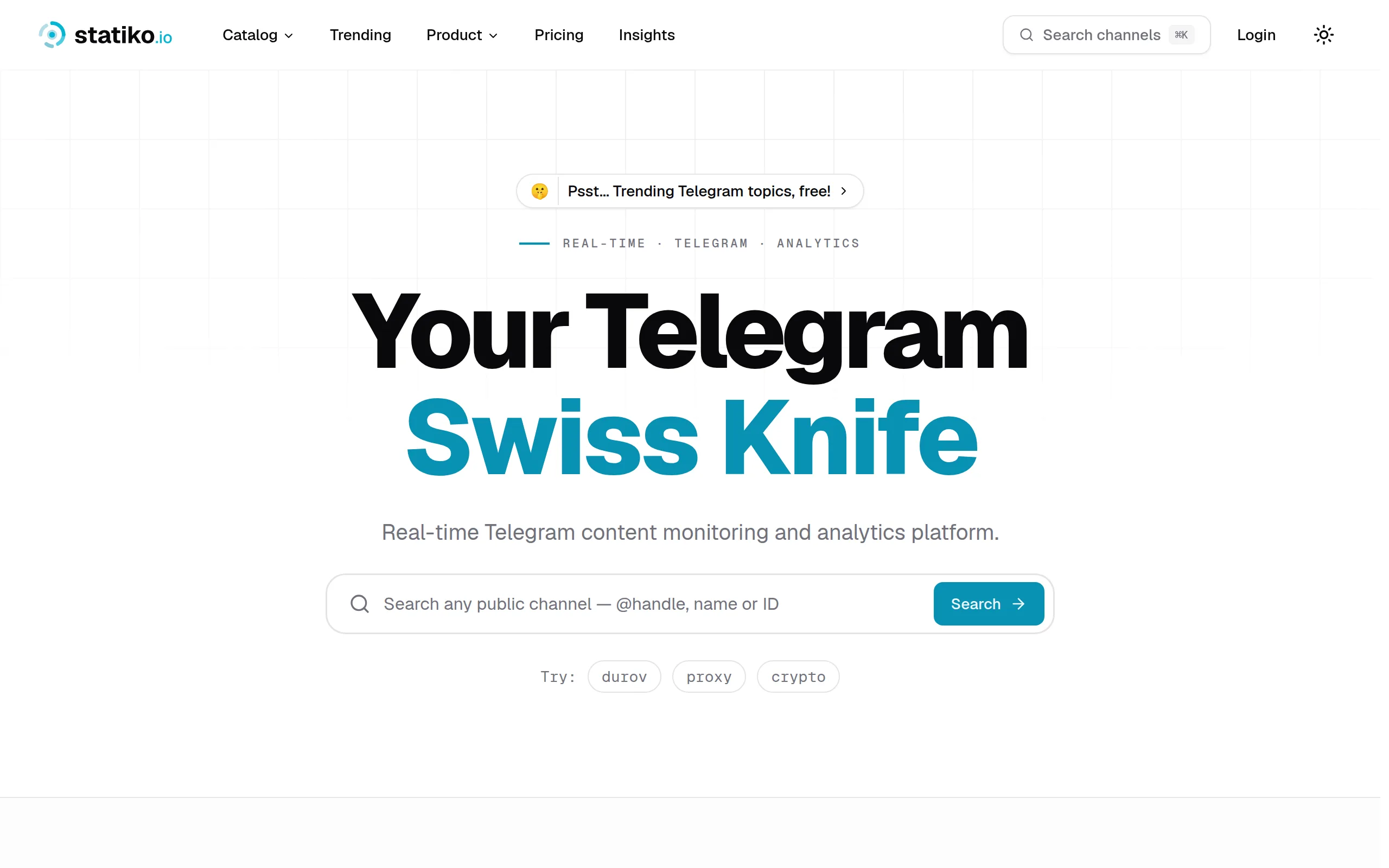
Statiko
Monitor any Telegram channel in real time - track posts, edits, deletions, and growth with AI recaps 📡

Shibui
AI website builder - describe your business, pick a niche template, edit by chatting, and publish instantly ✨

Pro Service
Find verified home service professionals, compare quotes, and pay securely through escrow - built for Brazilians across the US 🏠
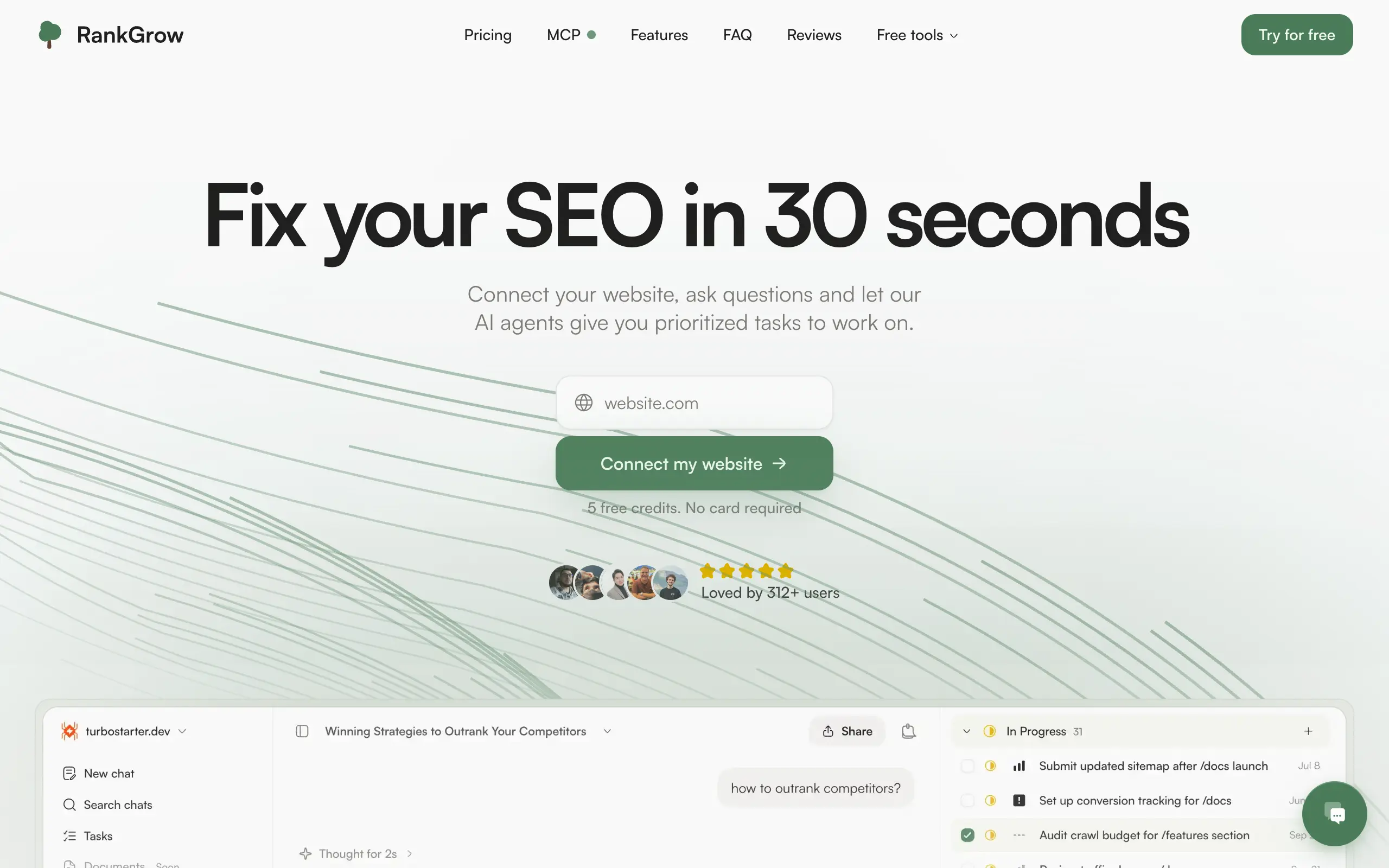
RankGrow
Fix your SEO with AI agents - connect Search Console, get prioritized tasks, and grow organic traffic 📈
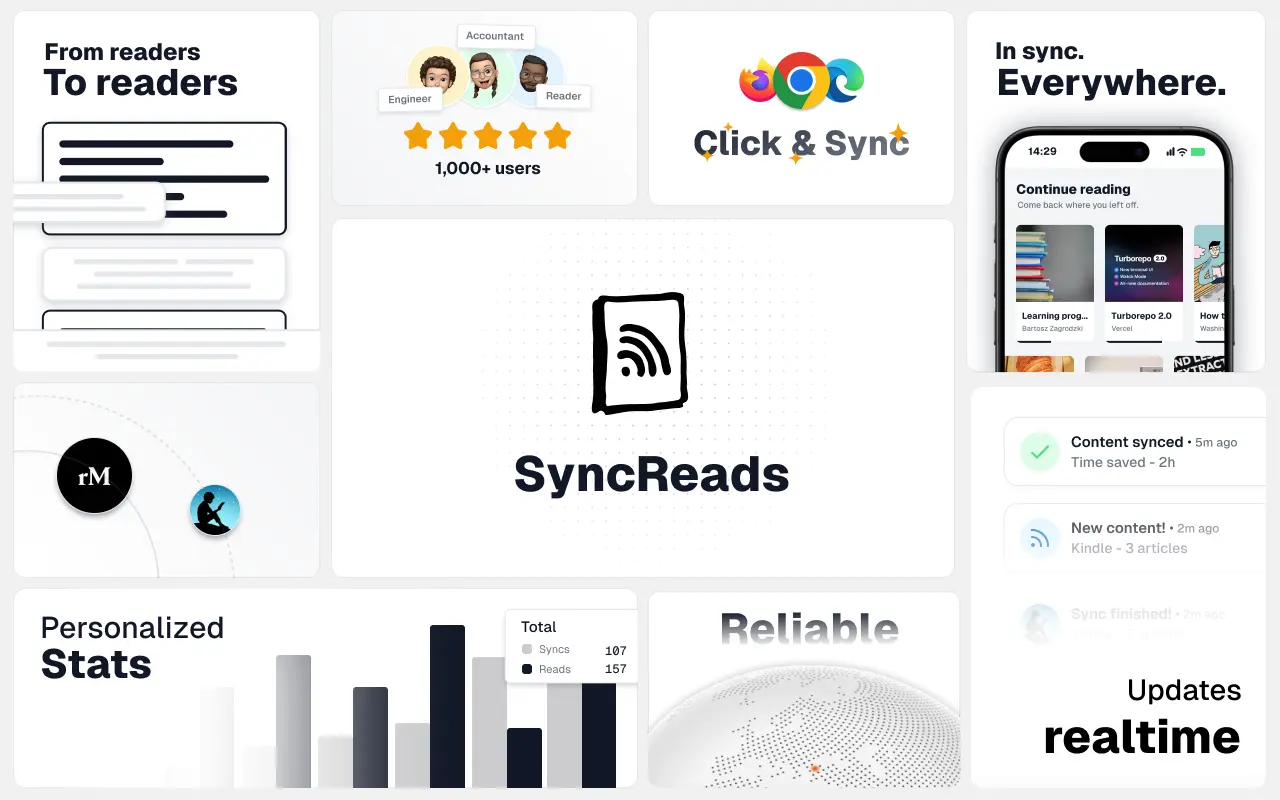
SyncReads
Sync your favorite content for distraction-free reading, save time and replace multiple apps. Anytime, anywhere 🔄
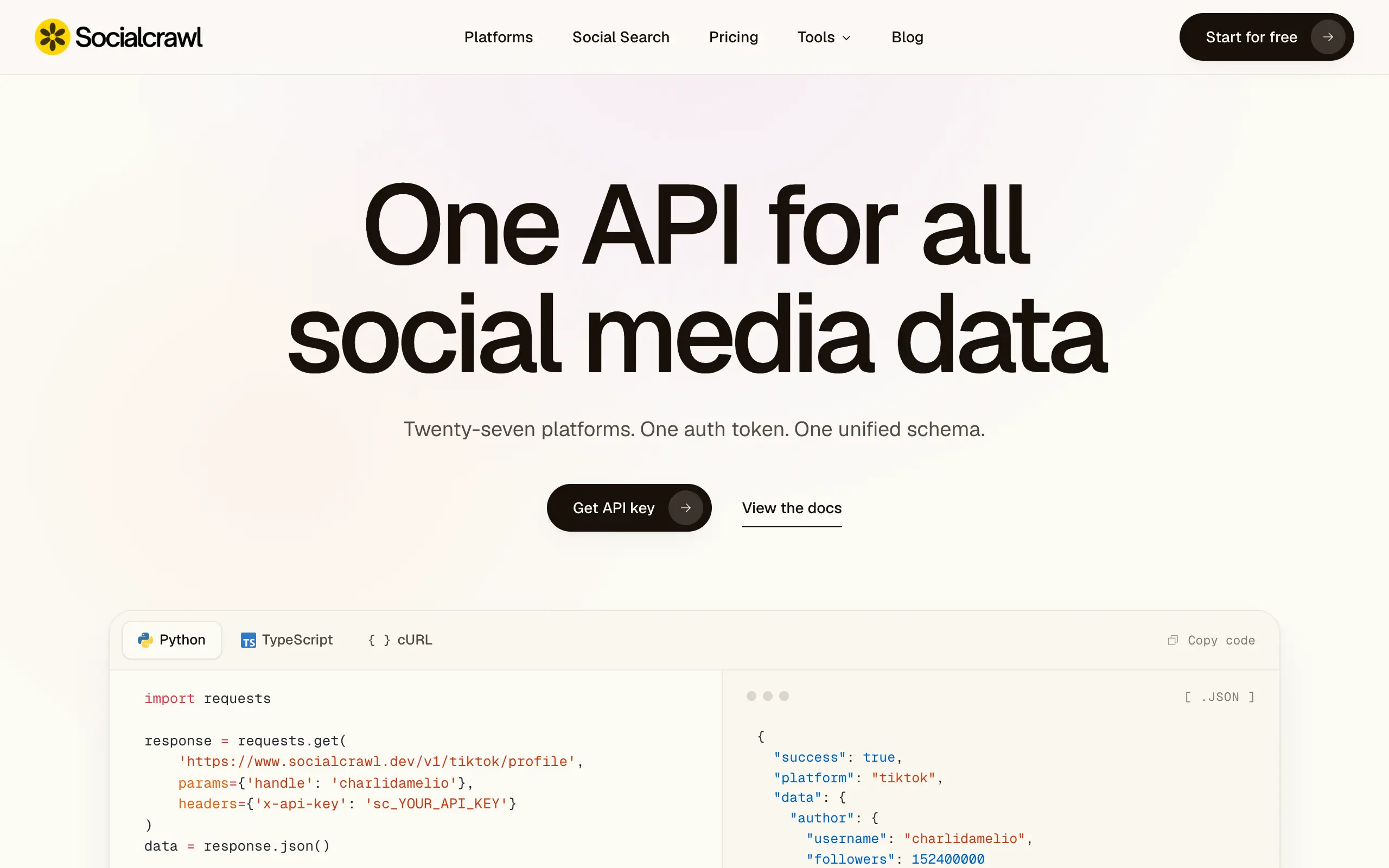
Socialcrawl
Get clean, structured data from 21 platforms like TikTok, Instagram, and YouTube with a single request 📊
Statiko
Monitor any Telegram channel in real time - track posts, edits, deletions, and growth with AI recaps 📡
Shibui
AI website builder - describe your business, pick a niche template, edit by chatting, and publish instantly ✨
Pro Service
Find verified home service professionals, compare quotes, and pay securely through escrow - built for Brazilians across the US 🏠
RankGrow
Fix your SEO with AI agents - connect Search Console, get prioritized tasks, and grow organic traffic 📈
SyncReads
Sync your favorite content for distraction-free reading, save time and replace multiple apps. Anytime, anywhere 🔄
Socialcrawl
Get clean, structured data from 21 platforms like TikTok, Instagram, and YouTube with a single request 📊
Statiko
Monitor any Telegram channel in real time - track posts, edits, deletions, and growth with AI recaps 📡
Shibui
AI website builder - describe your business, pick a niche template, edit by chatting, and publish instantly ✨
Pro Service
Find verified home service professionals, compare quotes, and pay securely through escrow - built for Brazilians across the US 🏠
RankGrow
Fix your SEO with AI agents - connect Search Console, get prioritized tasks, and grow organic traffic 📈
SyncReads
Sync your favorite content for distraction-free reading, save time and replace multiple apps. Anytime, anywhere 🔄
Socialcrawl
Get clean, structured data from 21 platforms like TikTok, Instagram, and YouTube with a single request 📊
Statiko
Monitor any Telegram channel in real time - track posts, edits, deletions, and growth with AI recaps 📡
Shibui
AI website builder - describe your business, pick a niche template, edit by chatting, and publish instantly ✨
Pro Service
Find verified home service professionals, compare quotes, and pay securely through escrow - built for Brazilians across the US 🏠
RankGrow
Fix your SEO with AI agents - connect Search Console, get prioritized tasks, and grow organic traffic 📈
SyncReads
Sync your favorite content for distraction-free reading, save time and replace multiple apps. Anytime, anywhere 🔄
Socialcrawl
Get clean, structured data from 21 platforms like TikTok, Instagram, and YouTube with a single request 📊
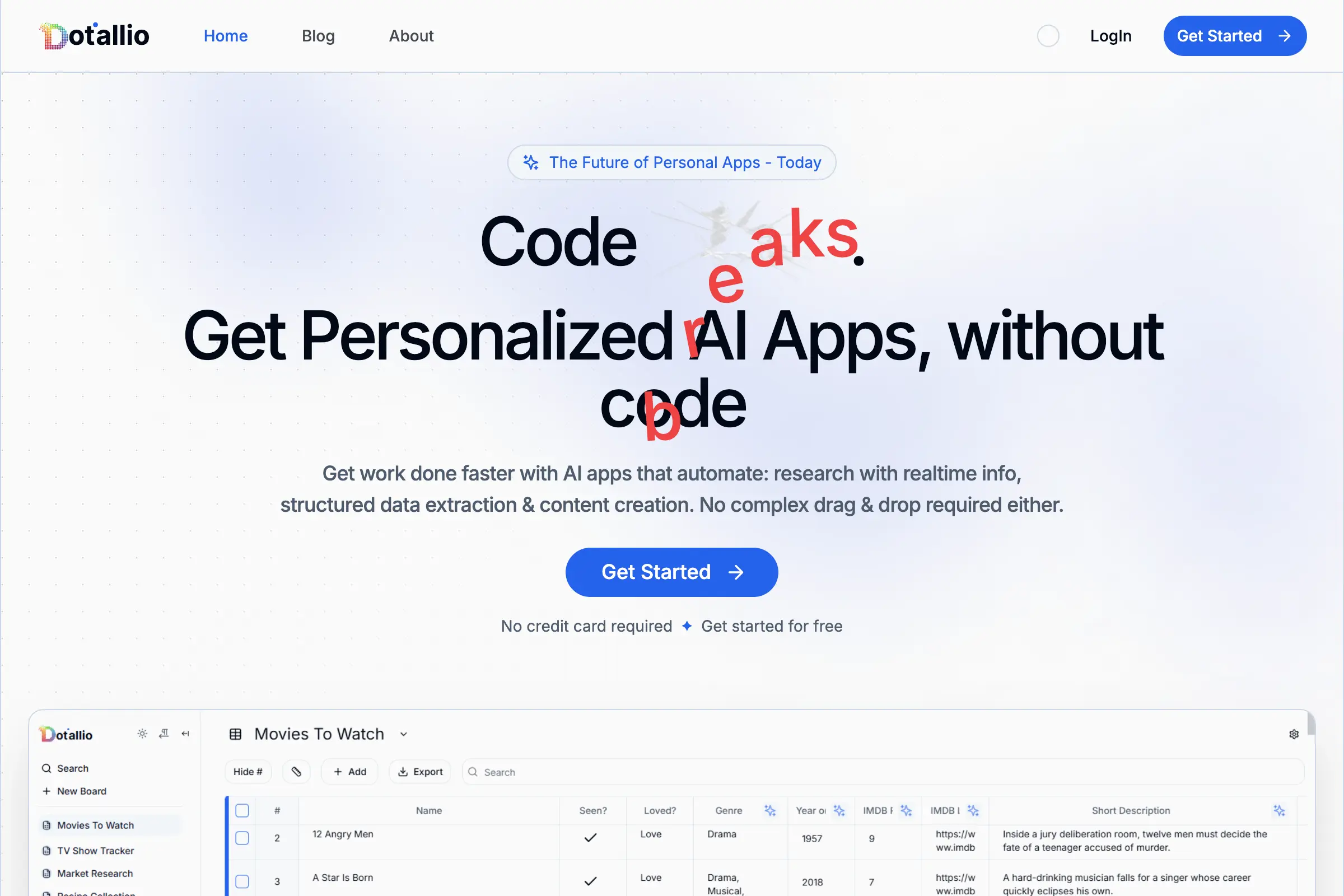
Dotallio
Personalized AI apps that automate research, data extraction, and content creation without code 🤖

Talk to Santa
Enjoy a magical live video chat or receive a unique AI-generated video greeting from Santa Claus 🎅
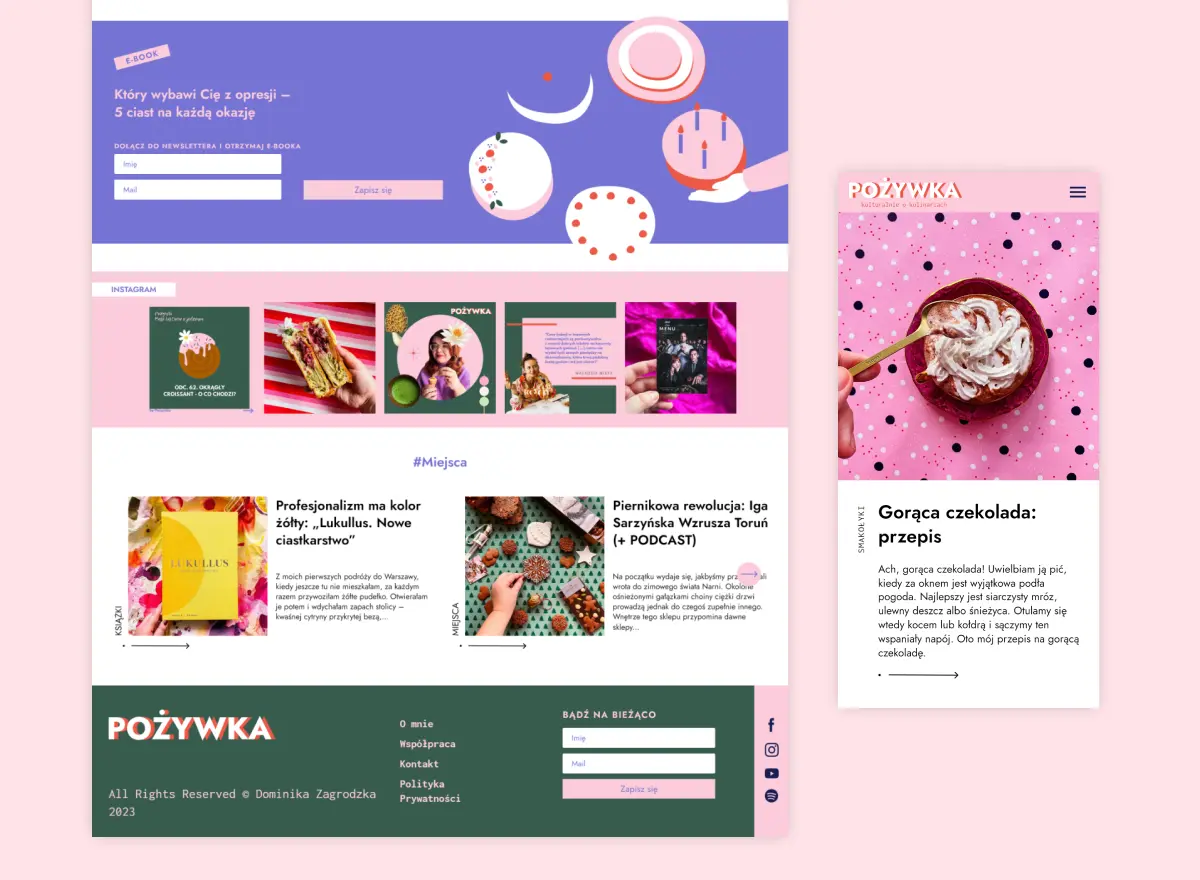
pozywka.pl
Scalable blog for food journalist, focused on performance and user experience 🌭
zagrodzki.me
Personal blog and portfolio of Bart Zagrodzki, where he shares his knowledge and work 💼
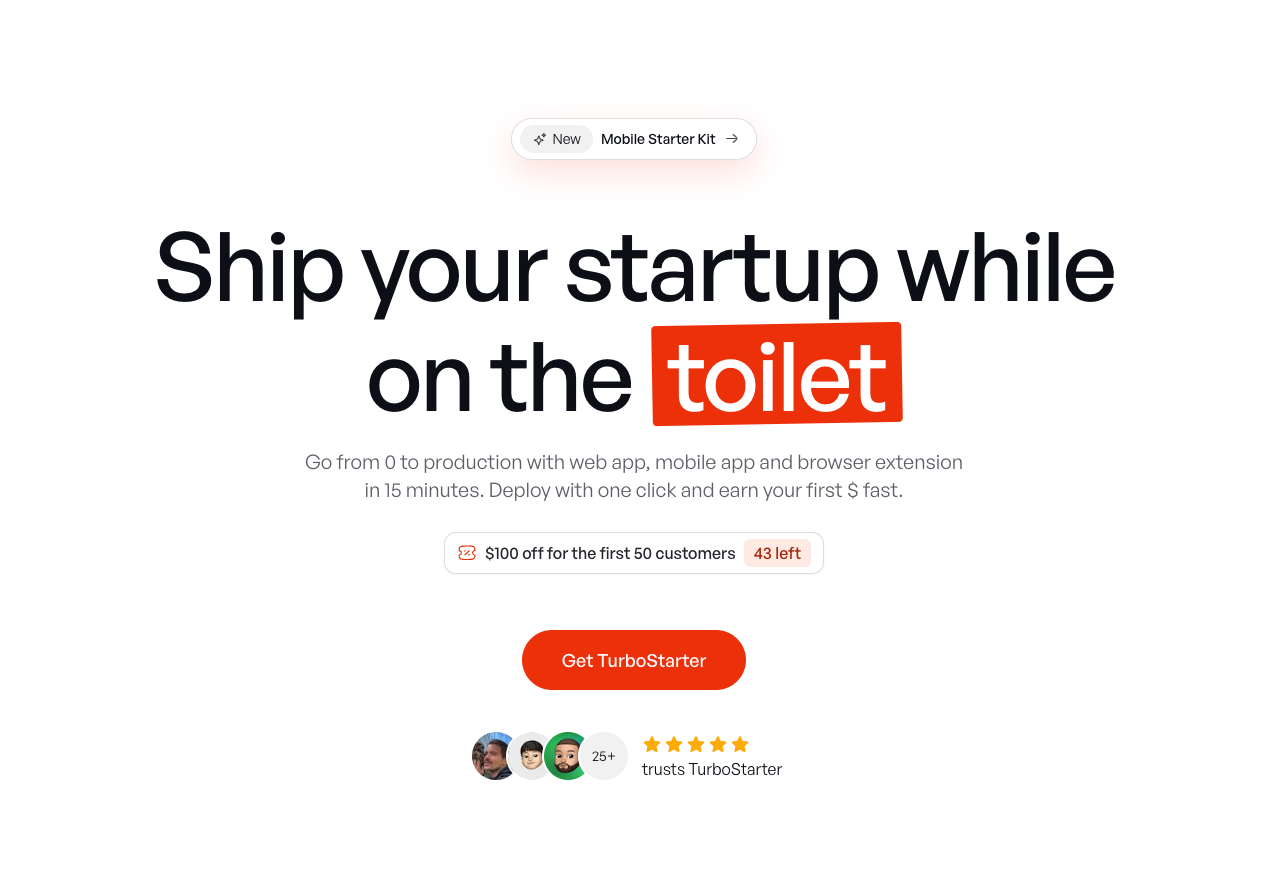
TurboStarter
Ship your startup everywhere. In minutes.
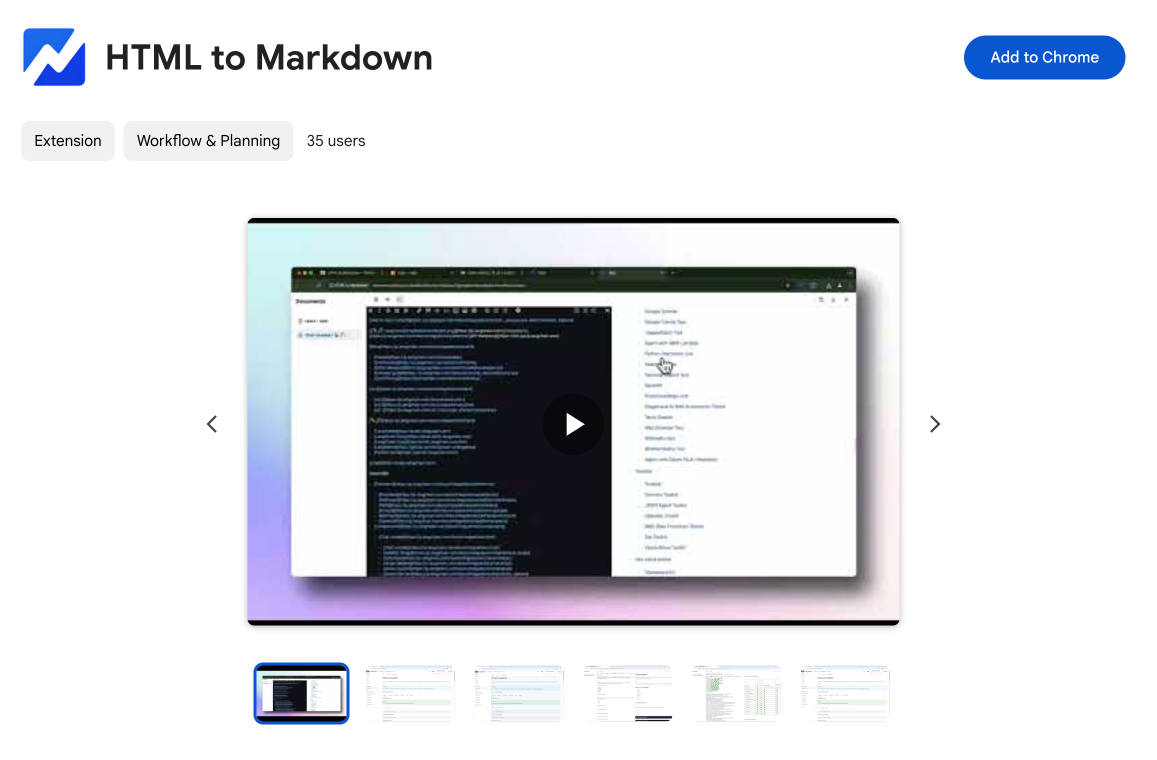
HTML to Markdown
Convert HTML to Markdown with ease, directly in your browser 📄
Dotallio
Personalized AI apps that automate research, data extraction, and content creation without code 🤖
Talk to Santa
Enjoy a magical live video chat or receive a unique AI-generated video greeting from Santa Claus 🎅
pozywka.pl
Scalable blog for food journalist, focused on performance and user experience 🌭
zagrodzki.me
Personal blog and portfolio of Bart Zagrodzki, where he shares his knowledge and work 💼
TurboStarter
Ship your startup everywhere. In minutes.
HTML to Markdown
Convert HTML to Markdown with ease, directly in your browser 📄
Dotallio
Personalized AI apps that automate research, data extraction, and content creation without code 🤖
Talk to Santa
Enjoy a magical live video chat or receive a unique AI-generated video greeting from Santa Claus 🎅
pozywka.pl
Scalable blog for food journalist, focused on performance and user experience 🌭
zagrodzki.me
Personal blog and portfolio of Bart Zagrodzki, where he shares his knowledge and work 💼
TurboStarter
Ship your startup everywhere. In minutes.
HTML to Markdown
Convert HTML to Markdown with ease, directly in your browser 📄
Dotallio
Personalized AI apps that automate research, data extraction, and content creation without code 🤖
Talk to Santa
Enjoy a magical live video chat or receive a unique AI-generated video greeting from Santa Claus 🎅
pozywka.pl
Scalable blog for food journalist, focused on performance and user experience 🌭
zagrodzki.me
Personal blog and portfolio of Bart Zagrodzki, where he shares his knowledge and work 💼
TurboStarter
Ship your startup everywhere. In minutes.
HTML to Markdown
Convert HTML to Markdown with ease, directly in your browser 📄
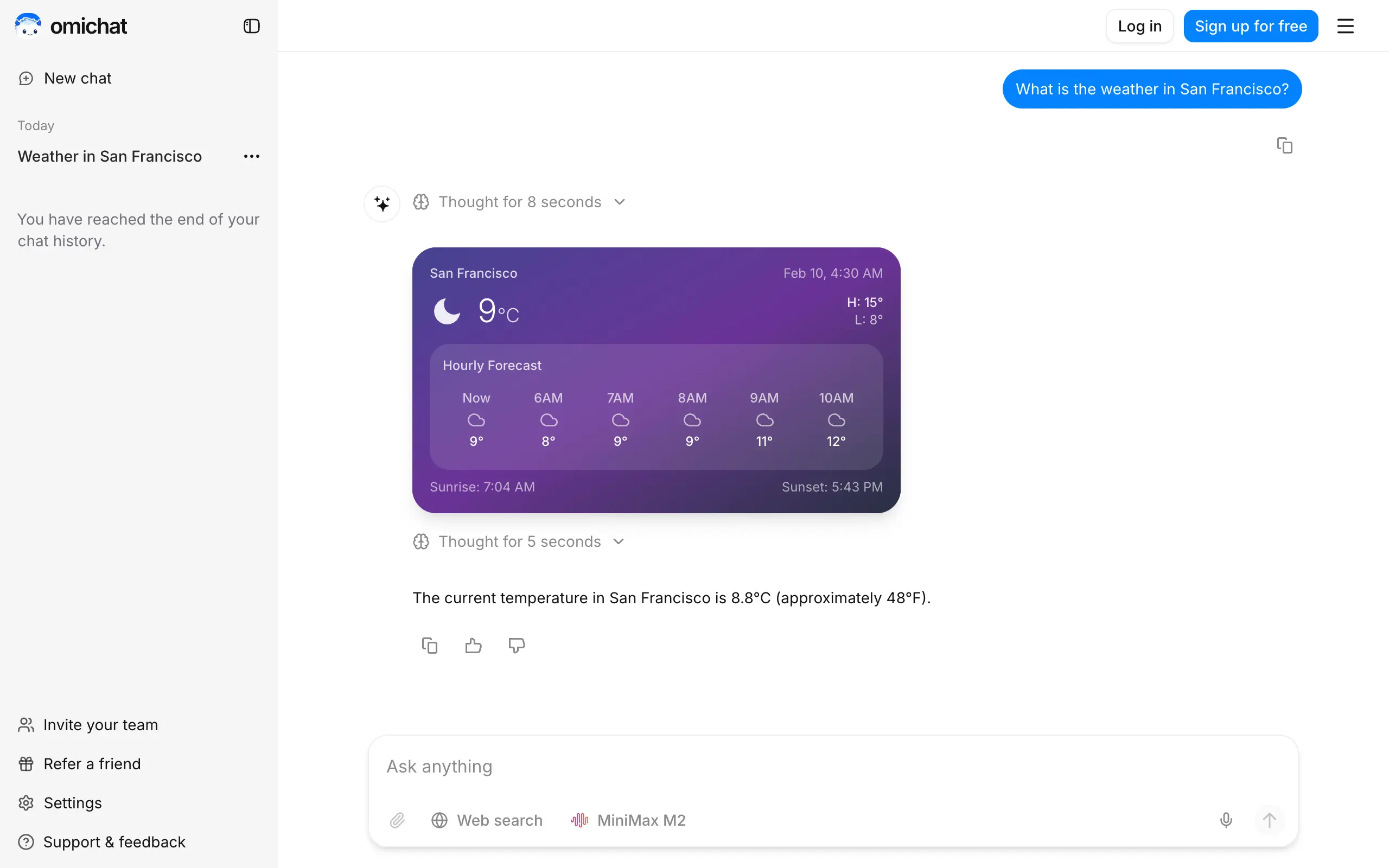
Omichat
Chat with 50+ AI models, including ChatGPT and Claude, in one place - switch models anytime without losing context 🤖
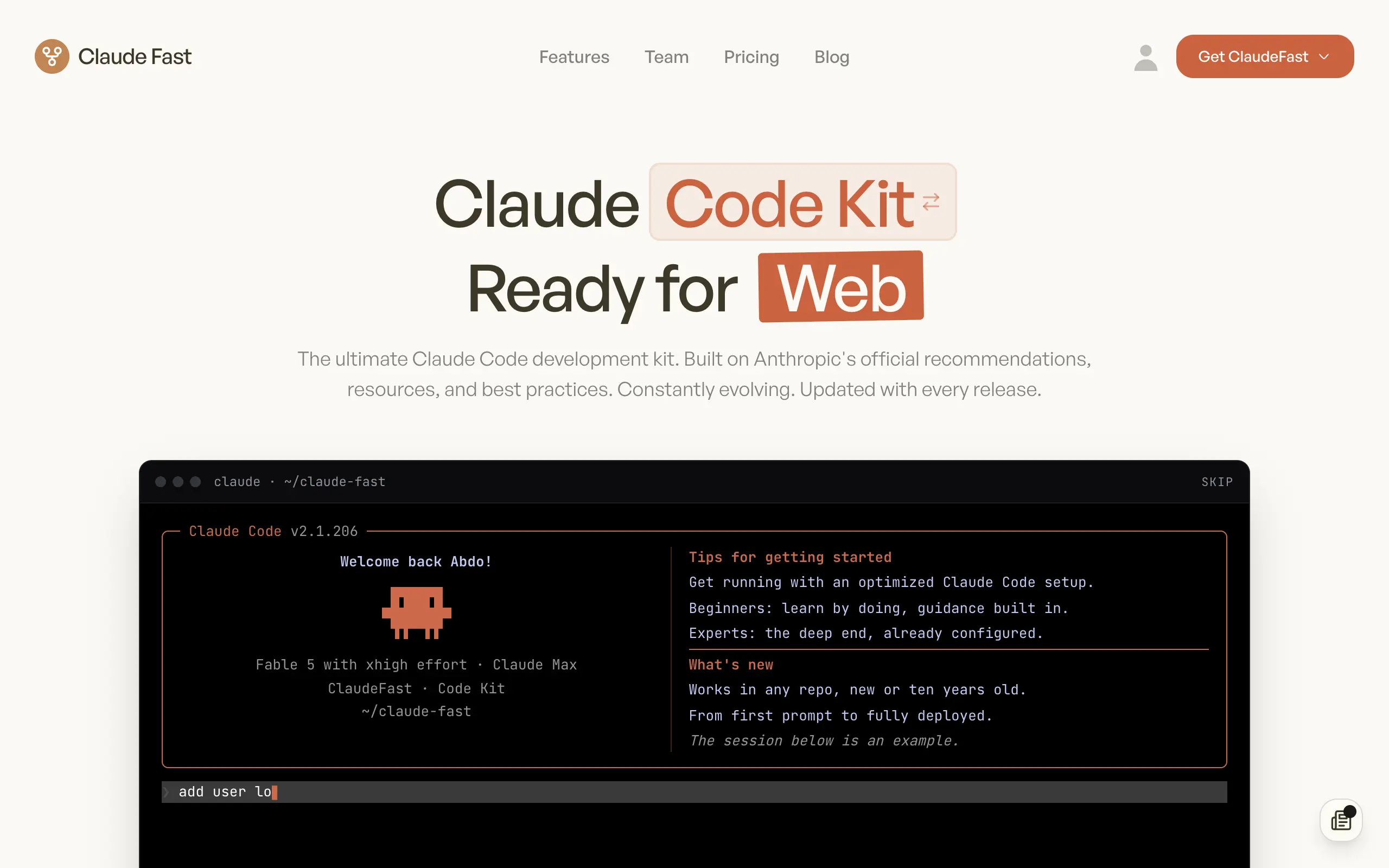
Claude Fast
Supercharge your Claude Code with 6x effective context window and specialized AI agents 🤖
EmojAI
AI-powered emoji picker with smart, context-aware suggestions 🤖
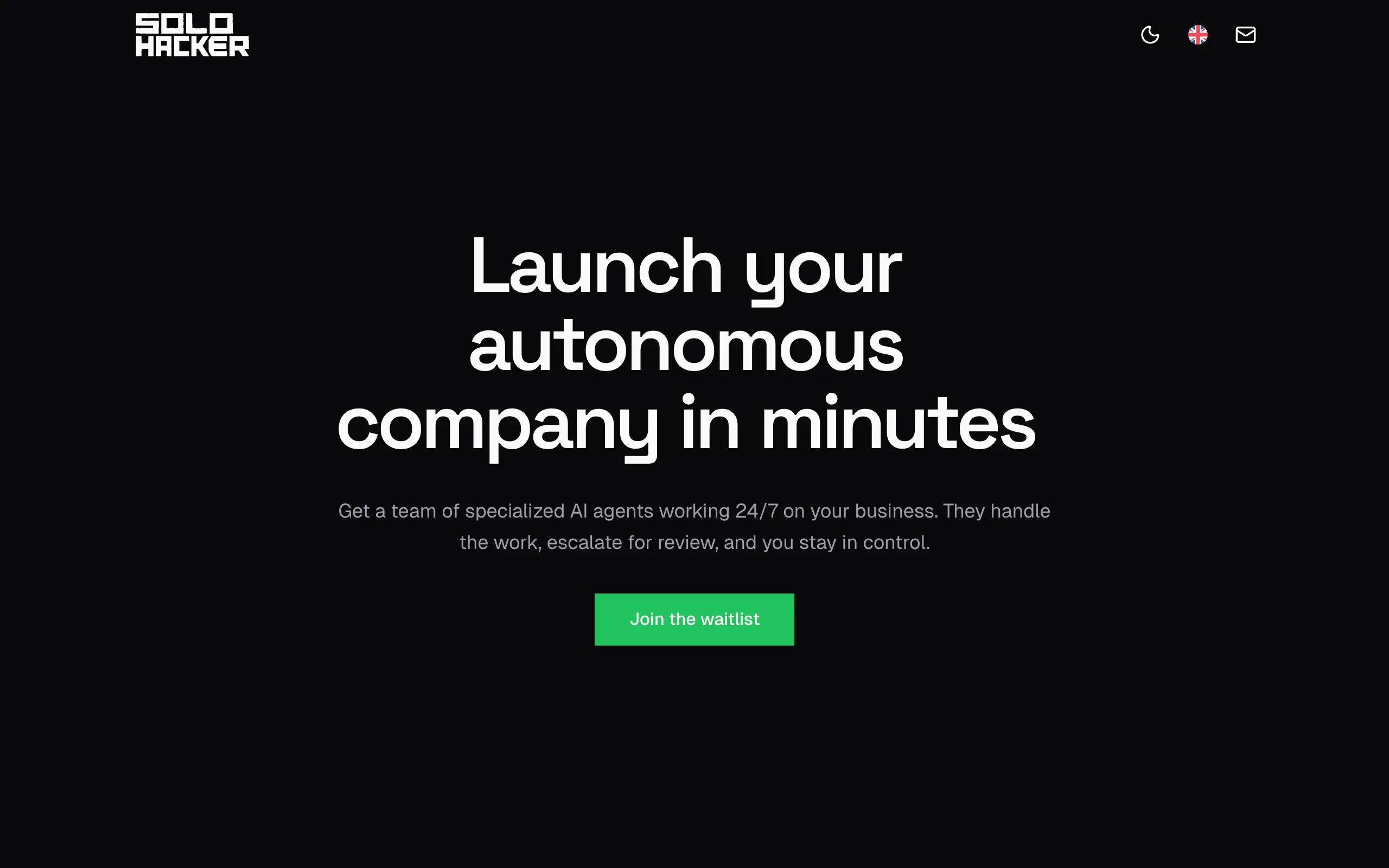
Solohacker
Autonomous company launcher - AI agents work 24/7, escalate what matters, and you stay in control 🤖

BeRawi: Storytelling Coach
Practice storytelling daily with instant feedback to sound clearer, more engaging, and confident 🎤
Omichat
Chat with 50+ AI models, including ChatGPT and Claude, in one place - switch models anytime without losing context 🤖
Claude Fast
Supercharge your Claude Code with 6x effective context window and specialized AI agents 🤖
EmojAI
AI-powered emoji picker with smart, context-aware suggestions 🤖
Solohacker
Autonomous company launcher - AI agents work 24/7, escalate what matters, and you stay in control 🤖
BeRawi: Storytelling Coach
Practice storytelling daily with instant feedback to sound clearer, more engaging, and confident 🎤
Omichat
Chat with 50+ AI models, including ChatGPT and Claude, in one place - switch models anytime without losing context 🤖
Claude Fast
Supercharge your Claude Code with 6x effective context window and specialized AI agents 🤖
EmojAI
AI-powered emoji picker with smart, context-aware suggestions 🤖
Solohacker
Autonomous company launcher - AI agents work 24/7, escalate what matters, and you stay in control 🤖
BeRawi: Storytelling Coach
Practice storytelling daily with instant feedback to sound clearer, more engaging, and confident 🎤
Omichat
Chat with 50+ AI models, including ChatGPT and Claude, in one place - switch models anytime without losing context 🤖
Claude Fast
Supercharge your Claude Code with 6x effective context window and specialized AI agents 🤖
EmojAI
AI-powered emoji picker with smart, context-aware suggestions 🤖
Solohacker
Autonomous company launcher - AI agents work 24/7, escalate what matters, and you stay in control 🤖
BeRawi: Storytelling Coach
Practice storytelling daily with instant feedback to sound clearer, more engaging, and confident 🎤

Connect with like-minded people
Join our community to get feedback, support, and grow together with 1,000+ builders on board, let's ship it!
Join usShip your startup everywhere. In minutes.
Don't burn tokens on setup and start building features on day one.