CodeMentor AI
An AI-powered code review and learning assistant for junior developers that explains mistakes, suggests improvements, and creates personalized learning paths from real commits.
Why an AI-powered code review assistant is the missing layer in modern developer workflows
Junior developers today have unprecedented access to learning resources—online courses, documentation, YouTube tutorials, bootcamps, and AI chatbots. Yet, one critical gap remains: contextual feedback on real-world code inside real projects.
This is where CodeMentor AI, an AI-powered code review and learning assistant for junior developers, creates a transformative opportunity. Instead of generic explanations or surface-level linting, CodeMentor AI analyzes actual commits, explains mistakes in plain language, suggests improvements, and builds personalized learning paths based on recurring patterns.
In this comprehensive guide, we’ll explore:
- The market opportunity for AI-powered code review tools
- Target audience and search intent analysis
- Core features and solution architecture
- Recommended tech stack and trade-offs
- Monetization strategy
- Competitive landscape and unique advantages
- Risks and mitigation strategies
- A step-by-step implementation roadmap
Understanding the target audience: who CodeMentor AI is built for
To build and position CodeMentor AI effectively, we must deeply understand its primary users.
Primary audience: junior developers (0–3 years experience)
These include:
- Bootcamp graduates
- Self-taught developers
- Computer science students
- Career switchers
- Interns and entry-level engineers
Their core pain points:
- ❌ Fear of submitting pull requests
- ❌ Vague or harsh feedback from senior developers
- ❌ Difficulty understanding why something is wrong
- ❌ Struggling to connect theory to production code
- ❌ Lack of personalized learning direction
Their search intent often looks like:
- “How to improve my code as a junior developer”
- “AI code review tool for beginners”
- “How to learn from code reviews”
- “Why did my pull request get rejected?”
- “Best way to learn from GitHub commits”
They’re not just looking for linting. They’re looking for mentorship.
Secondary audience: teams and engineering managers
- Startup founders with small engineering teams
- Tech leads overwhelmed by review load
- Remote-first companies
- Companies hiring junior-heavy teams
Their pain points:
- ⏱ Senior developers spending too much time reviewing basics
- 📉 Inconsistent review quality
- 🧠 Knowledge siloing
- 🚀 Slow onboarding
For them, CodeMentor AI acts as a force multiplier, not a replacement.
Market opportunity: why AI-powered code review is booming
The AI coding tools market has exploded since the release of large language models. Tools like GitHub Copilot and ChatGPT have normalized AI-assisted coding.
However, most tools focus on:
- Code generation
- Autocompletion
- Debugging assistance
Very few focus on structured learning from real commits.
Market gaps CodeMentor AI fills
-
Explanation-first code review
- Not just “this is wrong”
- But “here’s why it’s wrong, here’s the concept behind it”
-
Learning path generation from real mistakes
- Detect patterns across commits
- Suggest specific learning modules
-
Psychologically safe feedback
- No ego.
- No embarrassment.
- Always constructive.
-
Commit-level contextual intelligence
- Understands project structure
- Tracks improvement over time
- Identifies recurring architectural issues
According to publicly available reports from sources like Gartner and McKinsey (recommend citing recent AI market reports for authority), AI developer tooling is one of the fastest-growing verticals in SaaS.
The opportunity is not just technical—it’s educational and psychological.
Core solution: how CodeMentor AI works
At its core, CodeMentor AI is an AI-powered code review and learning assistant integrated into Git workflows.
Let’s break it down.
1. Git-based commit analysis
- Connect GitHub / GitLab / Bitbucket
- Monitor pull requests and commits
- Analyze diffs, not entire codebases (for performance and precision)
2. AI-powered explanation engine
Instead of saying:
“Refactor this.”
It explains:
- What is wrong
- Why it matters
- The underlying principle (e.g., SOLID, DRY, performance, accessibility)
- How to improve it
- An improved example snippet
3. Personalized learning paths
Based on recurring patterns, it builds a learning profile:
Example:
- Frequent async/await misuse → Suggest async fundamentals
- Repeated state management errors → Recommend React state deep dive
- Poor naming conventions → Clean code module
This transforms random mistakes into structured growth.
4. Progress tracking dashboard
- Improvement score over time
- Common issue categories
- Concept mastery map
- Suggested next milestones
5. Tone-adaptive feedback system
Feedback should adapt to:
- Experience level
- Confidence signals
- Past performance
For example:
- Beginner → More explanatory and supportive
- Intermediate → More concise and challenging
Feature architecture overview
Below is a high-level functional breakdown.
| Feature | Junior Dev Value | Team Value | Technical Complexity | Revenue Impact |
|---|---|---|---|---|
| AI commit review | ✅ | ✅ | High | High |
| Learning path generation | ✅ | ❌ | Medium | High |
| Progress analytics | ✅ | ✅ | Medium | Medium |
Technical architecture and recommended tech stack
Building an AI-powered code review platform requires careful design decisions.
Frontend
- React for dynamic UI
- Next.js for SSR and routing
- TailwindCSS for rapid UI styling
Why?
- Developer-focused audience appreciates fast, responsive UIs
- SSR helps with SEO for landing pages
- Component-driven architecture scales well
Backend
Options:
Node.js (TypeScript)
- Express or Fastify
- Prisma ORM
- PostgreSQL
- Redis for caching
Pros:
- Unified language across stack
- Large ecosystem
- Excellent GitHub integrations
Cons:
- Less mature ML tooling natively
Python (FastAPI)
- FastAPI for async APIs
- SQLAlchemy
- PostgreSQL
- Native AI ecosystem advantages
Pros:
- Strong ML ecosystem
- Clean async handling
- Great for AI-heavy workloads
Cons:
- Separate language from frontend
If AI-heavy features dominate, Python may be preferable.
AI layer
- LLM API (OpenAI or similar provider)
- Embeddings for pattern tracking
- Fine-tuned prompt chains
- Retrieval-augmented generation (RAG)
Example AI pipeline:
// Pseudo-code for commit analysis pipeline
async function analyzeCommit(diff: string, userProfile: UserProfile) {
  const patterns = await detectRecurringPatterns(userProfile.history);

  const prompt = buildPrompt({
    diff,
    skillLevel: userProfile.level,
    recurringIssues: patterns
  });

  const review = await llm.generate(prompt);

  return structureFeedback(review);
}
Infrastructure
- Vercel or AWS for hosting
- Docker for containerization
- GitHub App integration
- OAuth for authentication
Security is critical:
- Never store raw repo code long-term
- Process diffs in-memory
- Encrypt all tokens
Competitive analysis: where CodeMentor AI stands
Main competitors:
- GitHub Copilot (code generation)
- Static analyzers (ESLint, SonarQube)
- AI chatbots (ChatGPT)
- Review bots (Danger.js)
But none combine:
- ✅ Real commit-based analysis
- ✅ Explanation-first feedback
- ✅ Learning path generation
- ✅ Progress tracking
- ✅ Junior-focused tone
That’s the unique positioning.
Unique selling proposition (USP)
CodeMentor AI turns every commit into a personalized coding lesson.
This reframes code review as a learning engine, not a gatekeeping mechanism.
Monetization strategy
Multiple monetization layers are possible.
1. Freemium model
Free tier:
- Limited reviews per month
- Basic feedback
Pro tier:
- Unlimited reviews
- Personalized learning paths
- Progress analytics
- Advanced explanations
2. Team plan
- Per-seat pricing
- Admin dashboard
- Review analytics
- Skill heatmaps
3. Education partnerships
- Bootcamps
- Universities
- Coding academies
4. API access
Allow integration into internal dev tools.
Potential risks and mitigation strategies
Mitigation:
- Constrain outputs to diff context
- Use rule-based validation
- Add “confidence score” to explanations
Mitigation:
- Encourage explanation-first mode
- Hide full solution until user attempts fix
Mitigation:
- SOC2 compliance roadmap
- Encrypted token storage
- Clear data retention policy
Implementation roadmap
Here’s a practical path to building MVP → scalable SaaS.
Go-to-market strategy
-
Publish content targeting:
- “How to improve as a junior developer”
- “AI code review tool”
- “Learn from pull request feedback”
-
Partner with:
- Bootcamps
- Dev YouTubers
- Coding communities
-
Offer early free access for testimonials.
Long-term vision
CodeMentor AI can evolve into:
- A skill-based hiring signal
- A developer growth analytics platform
- A mentorship marketplace
- A company-wide engineering intelligence system
The real moat is longitudinal skill data.
Why now is the right time
- AI models are mature enough for contextual code understanding
- Remote work increases async code reviews
- Junior-heavy hiring trends continue
- Developer burnout makes automation valuable
The combination of AI + developer education is still underbuilt.
Final actionable checklist
Before building:
- ✅ Validate user pain deeply
- ✅ Define clear positioning (learning-first AI review)
- ✅ Build lightweight GitHub integration
- ✅ Focus on explanation quality over feature quantity
- ✅ Track measurable improvement
After MVP:
- ✅ Collect qualitative feedback
- ✅ Measure retention weekly
- ✅ Refine tone system
- ✅ Add learning analytics
Build it faster with the right foundation
Launching a sophisticated AI SaaS requires speed and strong architecture. Instead of reinventing authentication, billing, and foundational SaaS patterns, you can bootstrap faster using a production-ready starter kit like TurboStarter.
It provides the essential infrastructure so you can focus on what truly differentiates CodeMentor AI: intelligent, personalized code mentorship.
Conclusion: from code review to continuous mentorship
CodeMentor AI is not just another AI coding tool.
It is:
- A confidence builder
- A scalable mentorship layer
- A growth analytics platform
- A force multiplier for engineering teams
By transforming raw commits into structured learning experiences, it bridges the gap between writing code and truly understanding it.
And in a world flooded with AI-generated code, the real competitive advantage won’t be who can generate code fastest.
It will be who learns the fastest.
More 🤖 AI Startup SaaS ideas
Discover more innovative ai startup SaaS ideas that are trending in 2026. Each idea is AI-generated with market validation and growth potential to help you find your next profitable venture faster than competitors.
Your competitors are building with TurboStarter
Below are some of the SaaS ideas that have been generated and built with our starter kit.

Statiko
Monitor any Telegram channel in real time - track posts, edits, deletions, and growth with AI recaps 📡

Shibui
AI website builder - describe your business, pick a niche template, edit by chatting, and publish instantly ✨

Pro Service
Find verified home service professionals, compare quotes, and pay securely through escrow - built for Brazilians across the US 🏠
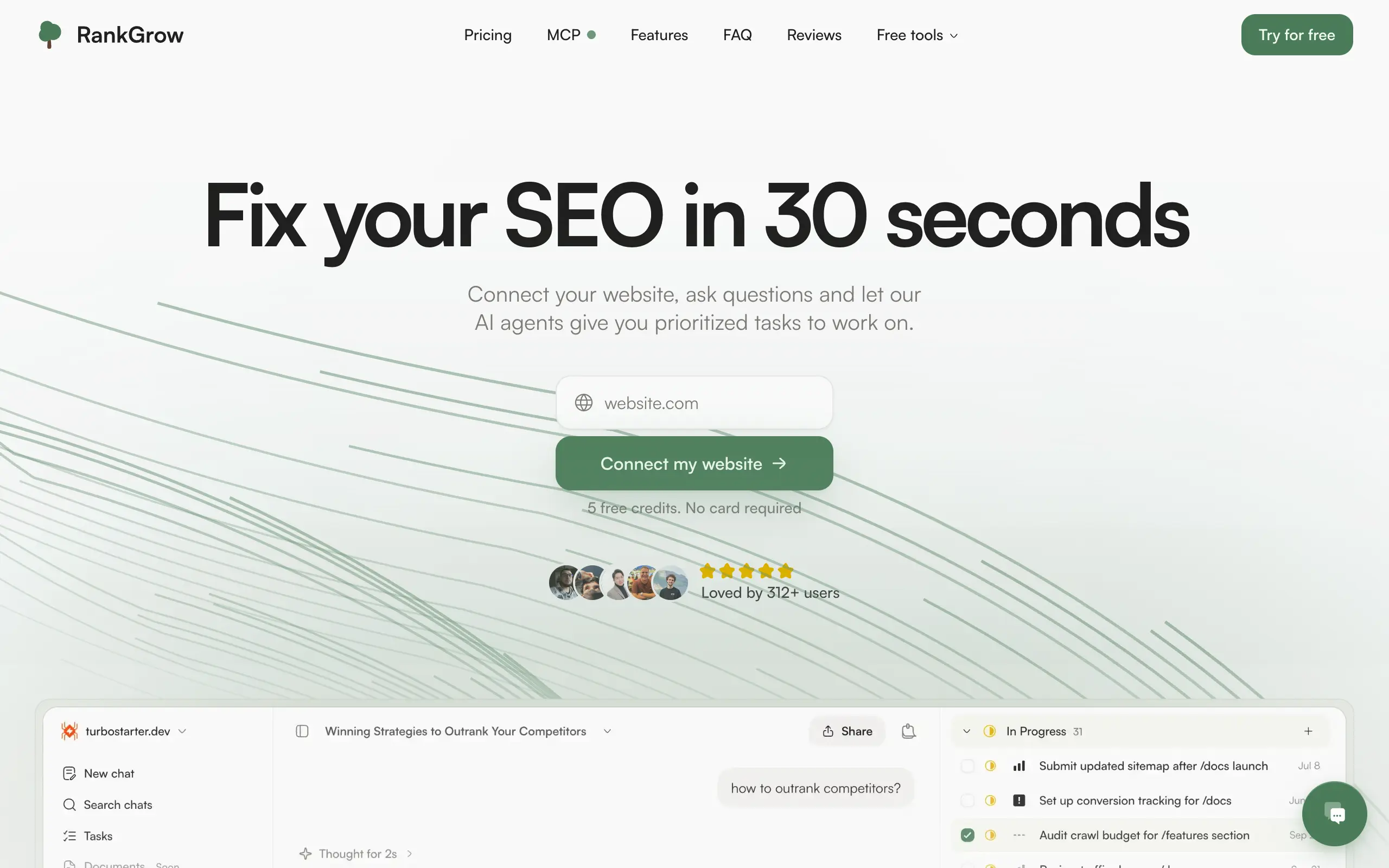
RankGrow
Fix your SEO with AI agents - connect Search Console, get prioritized tasks, and grow organic traffic 📈
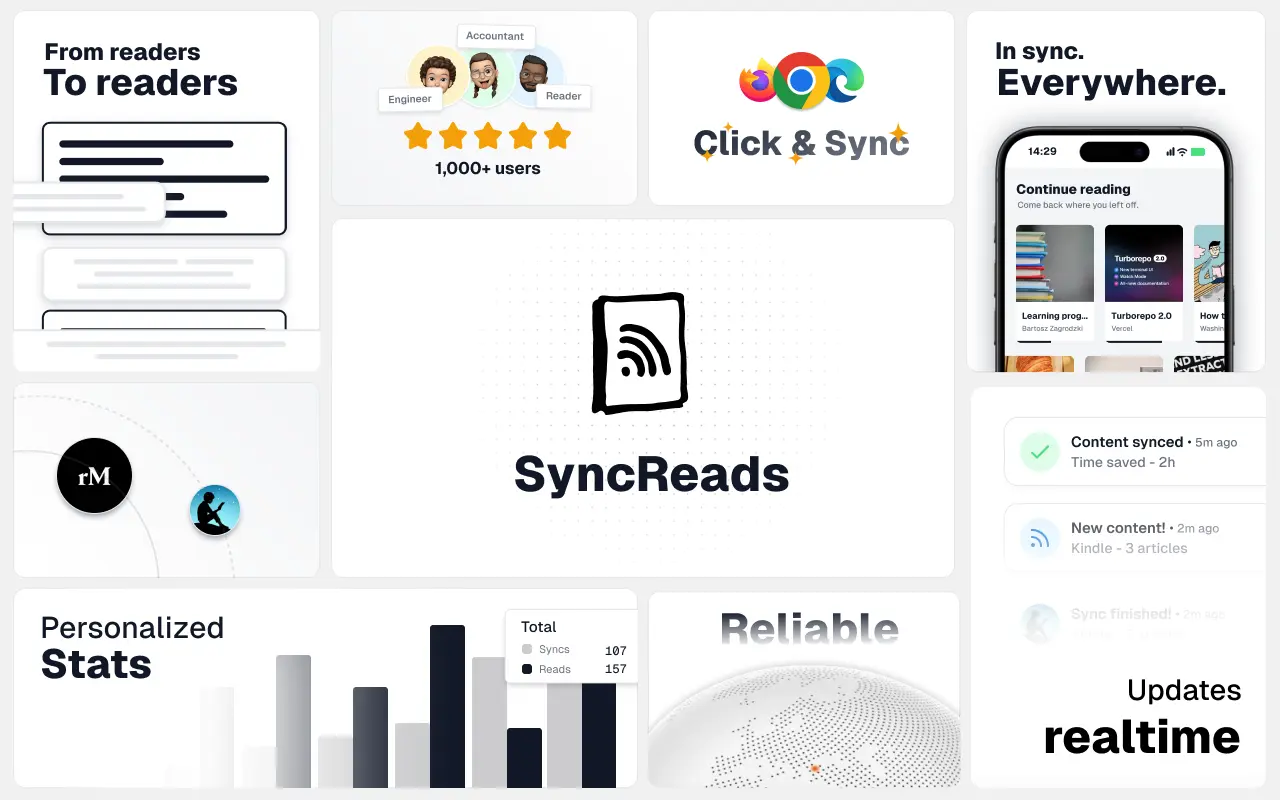
SyncReads
Sync your favorite content for distraction-free reading, save time and replace multiple apps. Anytime, anywhere 🔄
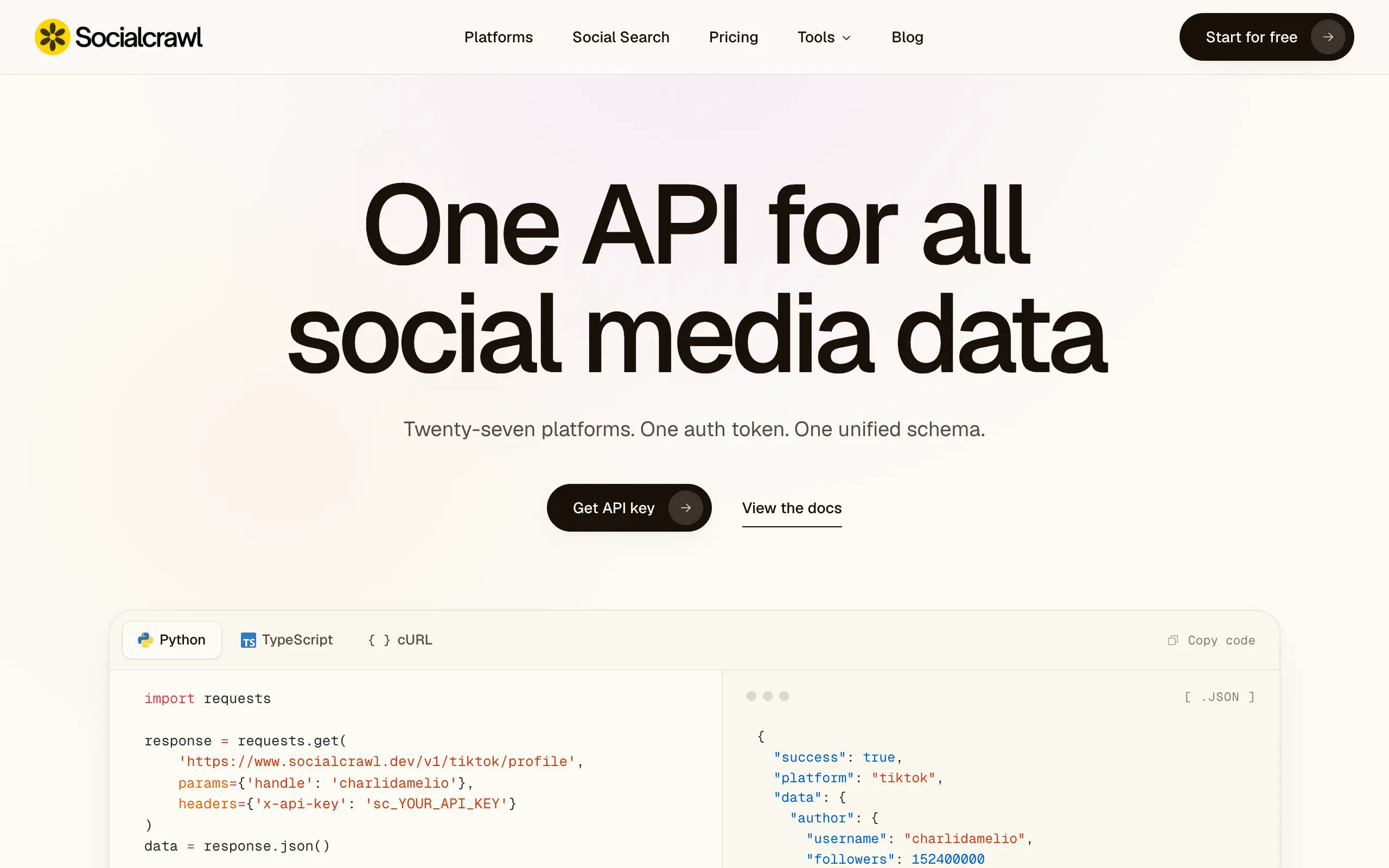
Socialcrawl
Get clean, structured data from 21 platforms like TikTok, Instagram, and YouTube with a single request 📊
Statiko
Monitor any Telegram channel in real time - track posts, edits, deletions, and growth with AI recaps 📡
Shibui
AI website builder - describe your business, pick a niche template, edit by chatting, and publish instantly ✨
Pro Service
Find verified home service professionals, compare quotes, and pay securely through escrow - built for Brazilians across the US 🏠
RankGrow
Fix your SEO with AI agents - connect Search Console, get prioritized tasks, and grow organic traffic 📈
SyncReads
Sync your favorite content for distraction-free reading, save time and replace multiple apps. Anytime, anywhere 🔄
Socialcrawl
Get clean, structured data from 21 platforms like TikTok, Instagram, and YouTube with a single request 📊
Statiko
Monitor any Telegram channel in real time - track posts, edits, deletions, and growth with AI recaps 📡
Shibui
AI website builder - describe your business, pick a niche template, edit by chatting, and publish instantly ✨
Pro Service
Find verified home service professionals, compare quotes, and pay securely through escrow - built for Brazilians across the US 🏠
RankGrow
Fix your SEO with AI agents - connect Search Console, get prioritized tasks, and grow organic traffic 📈
SyncReads
Sync your favorite content for distraction-free reading, save time and replace multiple apps. Anytime, anywhere 🔄
Socialcrawl
Get clean, structured data from 21 platforms like TikTok, Instagram, and YouTube with a single request 📊
Statiko
Monitor any Telegram channel in real time - track posts, edits, deletions, and growth with AI recaps 📡
Shibui
AI website builder - describe your business, pick a niche template, edit by chatting, and publish instantly ✨
Pro Service
Find verified home service professionals, compare quotes, and pay securely through escrow - built for Brazilians across the US 🏠
RankGrow
Fix your SEO with AI agents - connect Search Console, get prioritized tasks, and grow organic traffic 📈
SyncReads
Sync your favorite content for distraction-free reading, save time and replace multiple apps. Anytime, anywhere 🔄
Socialcrawl
Get clean, structured data from 21 platforms like TikTok, Instagram, and YouTube with a single request 📊
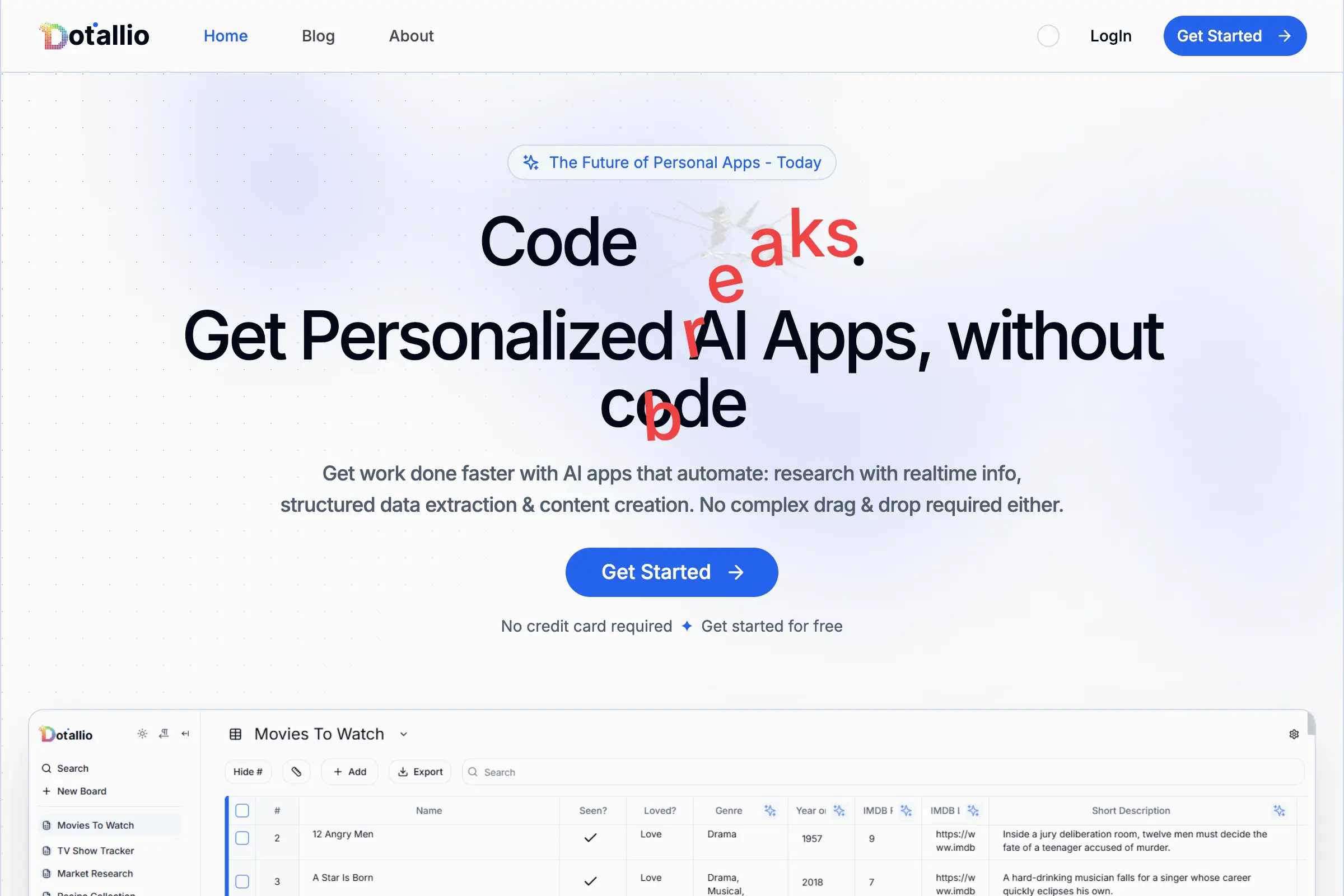
Dotallio
Personalized AI apps that automate research, data extraction, and content creation without code 🤖

Talk to Santa
Enjoy a magical live video chat or receive a unique AI-generated video greeting from Santa Claus 🎅

pozywka.pl
Scalable blog for food journalist, focused on performance and user experience 🌭
zagrodzki.me
Personal blog and portfolio of Bart Zagrodzki, where he shares his knowledge and work 💼
TurboStarter
Ship your startup everywhere. In minutes.
HTML to Markdown
Convert HTML to Markdown with ease, directly in your browser 📄
Dotallio
Personalized AI apps that automate research, data extraction, and content creation without code 🤖
Talk to Santa
Enjoy a magical live video chat or receive a unique AI-generated video greeting from Santa Claus 🎅
pozywka.pl
Scalable blog for food journalist, focused on performance and user experience 🌭
zagrodzki.me
Personal blog and portfolio of Bart Zagrodzki, where he shares his knowledge and work 💼
TurboStarter
Ship your startup everywhere. In minutes.
HTML to Markdown
Convert HTML to Markdown with ease, directly in your browser 📄
Dotallio
Personalized AI apps that automate research, data extraction, and content creation without code 🤖
Talk to Santa
Enjoy a magical live video chat or receive a unique AI-generated video greeting from Santa Claus 🎅
pozywka.pl
Scalable blog for food journalist, focused on performance and user experience 🌭
zagrodzki.me
Personal blog and portfolio of Bart Zagrodzki, where he shares his knowledge and work 💼
TurboStarter
Ship your startup everywhere. In minutes.
HTML to Markdown
Convert HTML to Markdown with ease, directly in your browser 📄
Dotallio
Personalized AI apps that automate research, data extraction, and content creation without code 🤖
Talk to Santa
Enjoy a magical live video chat or receive a unique AI-generated video greeting from Santa Claus 🎅
pozywka.pl
Scalable blog for food journalist, focused on performance and user experience 🌭
zagrodzki.me
Personal blog and portfolio of Bart Zagrodzki, where he shares his knowledge and work 💼
TurboStarter
Ship your startup everywhere. In minutes.
HTML to Markdown
Convert HTML to Markdown with ease, directly in your browser 📄
Omichat
Chat with 50+ AI models, including ChatGPT and Claude, in one place - switch models anytime without losing context 🤖
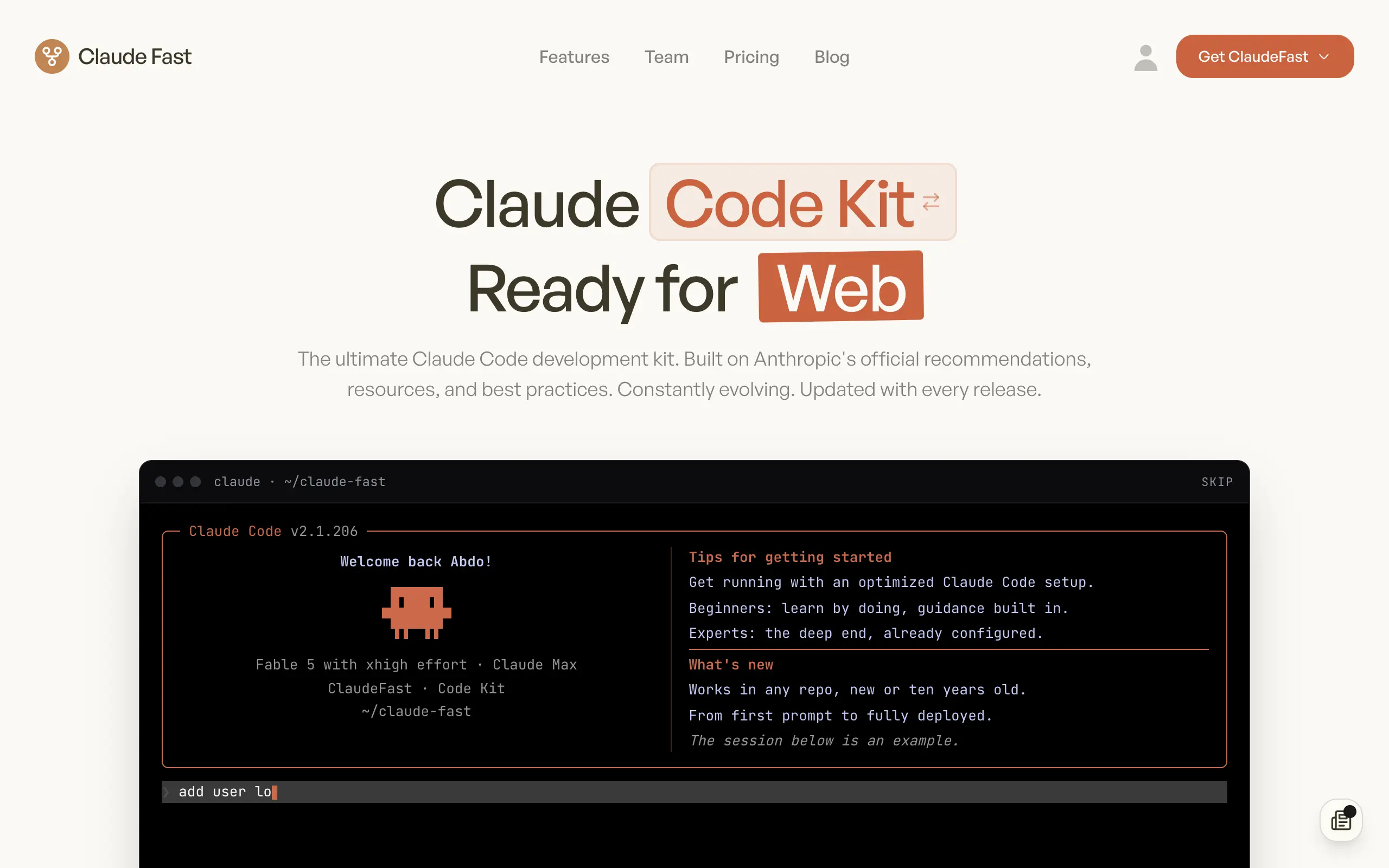
Claude Fast
Supercharge your Claude Code with 6x effective context window and specialized AI agents 🤖
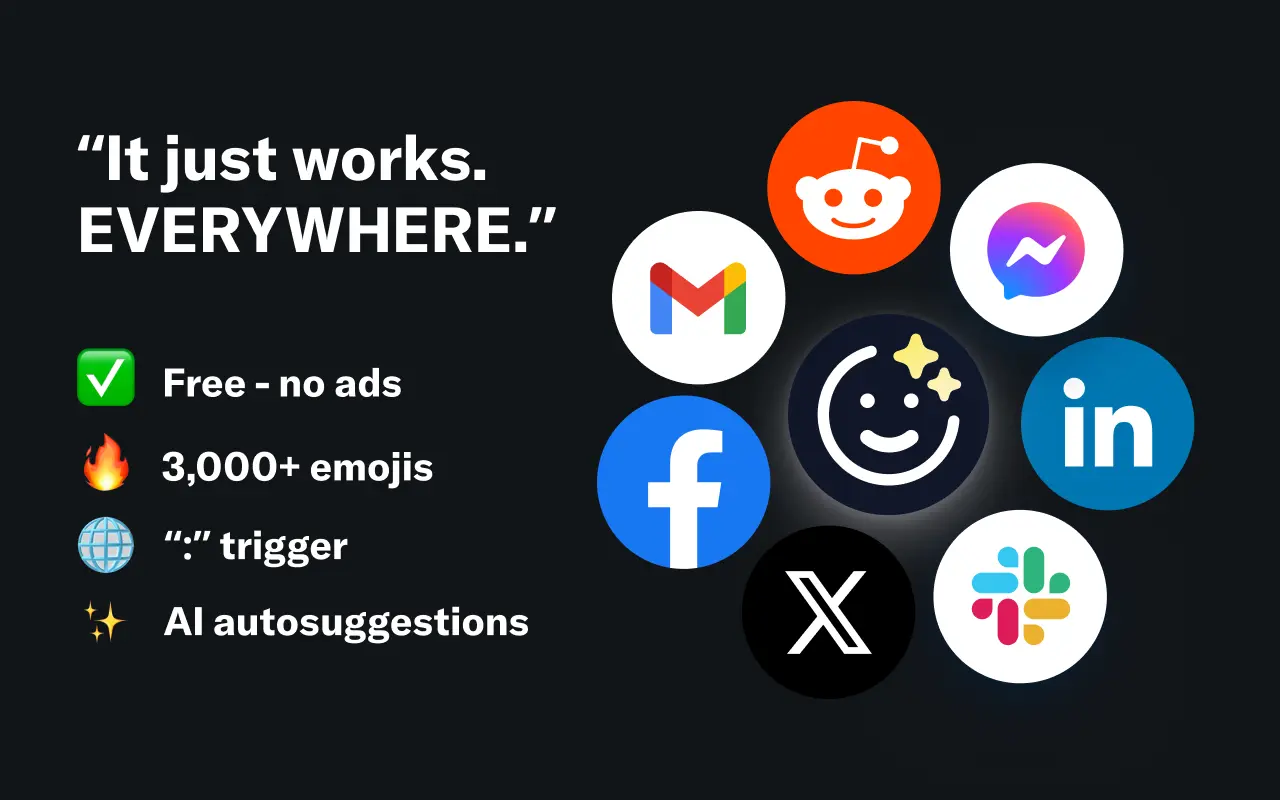
EmojAI
AI-powered emoji picker with smart, context-aware suggestions 🤖
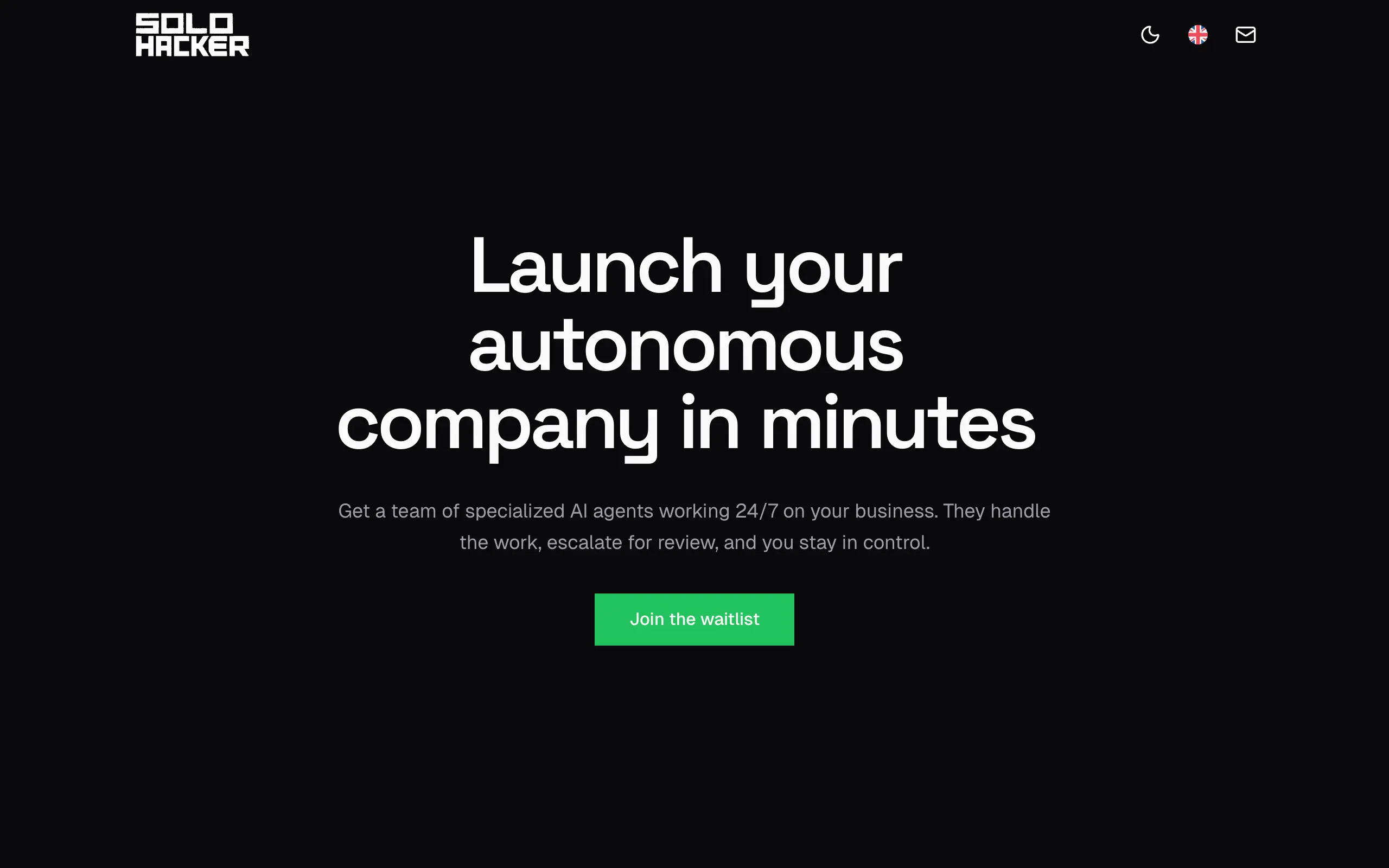
Solohacker
Autonomous company launcher - AI agents work 24/7, escalate what matters, and you stay in control 🤖

BeRawi: Storytelling Coach
Practice storytelling daily with instant feedback to sound clearer, more engaging, and confident 🎤
Omichat
Chat with 50+ AI models, including ChatGPT and Claude, in one place - switch models anytime without losing context 🤖
Claude Fast
Supercharge your Claude Code with 6x effective context window and specialized AI agents 🤖
EmojAI
AI-powered emoji picker with smart, context-aware suggestions 🤖
Solohacker
Autonomous company launcher - AI agents work 24/7, escalate what matters, and you stay in control 🤖
BeRawi: Storytelling Coach
Practice storytelling daily with instant feedback to sound clearer, more engaging, and confident 🎤
Omichat
Chat with 50+ AI models, including ChatGPT and Claude, in one place - switch models anytime without losing context 🤖
Claude Fast
Supercharge your Claude Code with 6x effective context window and specialized AI agents 🤖
EmojAI
AI-powered emoji picker with smart, context-aware suggestions 🤖
Solohacker
Autonomous company launcher - AI agents work 24/7, escalate what matters, and you stay in control 🤖
BeRawi: Storytelling Coach
Practice storytelling daily with instant feedback to sound clearer, more engaging, and confident 🎤
Omichat
Chat with 50+ AI models, including ChatGPT and Claude, in one place - switch models anytime without losing context 🤖
Claude Fast
Supercharge your Claude Code with 6x effective context window and specialized AI agents 🤖
EmojAI
AI-powered emoji picker with smart, context-aware suggestions 🤖
Solohacker
Autonomous company launcher - AI agents work 24/7, escalate what matters, and you stay in control 🤖
BeRawi: Storytelling Coach
Practice storytelling daily with instant feedback to sound clearer, more engaging, and confident 🎤

Connect with like-minded people
Join our community to get feedback, support, and grow together with 1,000+ builders on board, let's ship it!
Join usShip your startup everywhere. In minutes.
Don't burn tokens on setup and start building features on day one.