CodePilot Ops
An AI engineering agent that autonomously handles bug triage, small feature tickets, and pull requests inside your repo with human approval loops.
The rise of AI engineering agents in modern software teams
Software teams are shipping faster than ever — but they’re also drowning in operational overhead. Bug triage queues grow daily. Small feature tickets pile up. Pull requests wait for review while engineers context-switch between roadmap initiatives and maintenance tasks.
This is exactly where an AI engineering agent like CodePilot Ops fits.
CodePilot Ops is an autonomous AI agent embedded directly inside your repository. It handles:
- Bug triage
- Small feature tickets
- Pull request generation
- Automated fixes
- Documentation updates
- And everything in between — with a human approval loop
Unlike generic AI coding tools, this is not just autocomplete or a chat assistant. It’s a repo-aware, workflow-integrated AI operations layer designed to function as a junior-to-mid-level engineering assistant that never sleeps.
In this comprehensive guide, we’ll break down:
- Market opportunity for AI engineering agents
- Target users and buyer personas
- Core features and architecture
- Recommended tech stack
- Monetization strategies
- Risks and mitigation
- Competitive positioning
- Step-by-step implementation roadmap
If you’re evaluating this SaaS idea or planning to build it, this guide is designed to answer every strategic and technical question you’ll face.
Understanding user intent: what teams actually want
When engineering leaders search for solutions like “AI engineering agent,” “automated bug triage,” or “AI for pull requests,” their intent typically falls into one of these categories:
- Reduce engineering overhead
- Improve PR turnaround time
- Speed up backlog resolution
- Lower cost of small-ticket work
- Reduce context switching
- Increase engineering velocity
They are not looking for:
- Another code suggestion tool
- A novelty AI demo
- A risky auto-merge bot with no oversight
They want safe autonomy with control.
That’s the core positioning opportunity for CodePilot Ops.
Market opportunity: why AI DevOps automation is exploding
Engineering bottlenecks are getting worse
Modern teams use:
- GitHub / GitLab
- Linear / Jira
- CI/CD pipelines
- Microservices architectures
- Distributed teams
With complexity rising, maintenance overhead consumes 30–50% of engineering time in many orgs (industry reports from sources like Stack Overflow Developer Survey and Accelerate State of DevOps Report consistently highlight maintenance burden as a top issue).
The opportunity:
Automate the repetitive 20–40% of engineering work that does not require deep architectural thinking.
AI models are now capable enough
Recent advancements in LLMs and code models have made it realistic to:
- Parse full repositories
- Understand file relationships
- Generate syntactically valid code
- Write tests
- Refactor safely with constraints
The missing piece is orchestration — not intelligence.
That’s where an AI engineering operations layer becomes valuable.
Target audience analysis
Primary buyer persona: VP of Engineering / Head of Engineering
Pain points:
- PR review bottlenecks
- Bug backlog accumulation
- Hiring cost pressure
- Burnout from context switching
- Difficulty scaling small-ticket throughput
Decision drivers:
- ROI
- Security and code safety
- Control and auditability
- Integration with GitHub/GitLab
- Compliance compatibility
Secondary persona: Engineering Manager
Pain points:
- Team velocity metrics slipping
- Repetitive bug tickets
- Slow first-time contributor onboarding
- Overloaded senior engineers
Motivation:
- Free up engineers for strategic work
- Reduce time spent on trivial tasks
- Improve sprint predictability
Tertiary persona: Startup Founder
Pain points:
- Small team
- No budget for large engineering headcount
- Need to ship quickly
Use case:
- CodePilot Ops acts as a virtual junior engineer
Core value proposition of CodePilot Ops
“An AI engineering agent that autonomously handles bug triage, small feature tickets, and pull requests inside your repo — with human approval loops.”
This positioning is critical.
What makes it different from GitHub Copilot?
Copilot:
- Suggests code as you type
- Reactive
- Individual developer tool
CodePilot Ops:
- Proactively monitors repo
- Reads issues
- Generates PRs
- Runs tests
- Requests review
- Operates like a team member
It is a workflow-level agent, not an editor plugin.
Core features of CodePilot Ops
Let’s break down the product architecture into capability layers.
1. Autonomous bug triage engine
Functionality:
- Detect new issues
- Classify severity
- Tag by component
- Suggest potential fix areas
- Link related historical issues
Advanced features:
- Duplicate detection
- Log stack trace parsing
- Automatic reproduction attempt
- Confidence scoring
2. Small feature ticket automation
Ideal for:
- UI text changes
- Minor API additions
- Refactors
- Config updates
- Small validation rules
Flow:
- Ticket parsed
- Scope extracted
- Repo context loaded
- Code generated
- Tests created
- PR opened
- Awaiting approval
3. Intelligent pull request generation
Each AI-generated PR includes:
- Summary of changes
- Explanation of reasoning
- Risk assessment
- Files touched
- Test coverage summary
This builds trust.
4. Human approval loop (critical differentiator)
No autonomous merging by default.
Options:
- Require review from specific maintainers
- Risk-based approval (auto-approve low-risk changes)
- Confidence score gating
- Slack notifications
Trust is everything
AI engineering agents fail when they remove human control. CodePilot Ops must be built with “assistive autonomy,” not blind automation.
5. Continuous learning from repository history
The agent should:
- Analyze merged PRs
- Learn coding patterns
- Adapt to style guides
- Recognize architectural constraints
This creates compounding performance over time.
6. Observability and audit logs
Every action should be:
- Logged
- Reproducible
- Explainable
- Versioned
Enterprise buyers demand audit trails.
Competitive landscape analysis
Here’s how CodePilot Ops compares to adjacent tools.
| Capability | GitHub Copilot | ChatGPT | Auto PR Bots | CodePilot Ops |
|---|---|---|---|---|
| Editor suggestions | ✅ | ✅ | ❌ | ✅ |
| Autonomous PR creation | ❌ | ❌ | ✅ | ✅ |
| Repo-wide reasoning | Limited | Manual | Limited | ✅ |
| Human approval loops | ❌ | ❌ | Varies | ✅ |
| Bug triage automation | ❌ | Manual | Partial | ✅ |
The key gap: Full workflow automation with controlled autonomy.
Recommended tech stack for building an AI engineering agent
Backend
Trade-off:
- Node.js better for ecosystem alignment with dev tools
- Python better for ML orchestration
AI layer
- LLM provider APIs
- Embeddings + vector database (e.g., Pinecone or open-source alternative)
- Retrieval-augmented generation (RAG)
Core architecture:
// Simplified AI agent flow
async function processTicket(ticket) {
  const repoContext = await retrieveRelevantFiles(ticket.description);
  const prompt = buildPrompt(ticket, repoContext);
  const codeChanges = await llm.generate(prompt);
  const tests = await generateTests(codeChanges);
  return createPullRequest(codeChanges, tests);
}
Repo integration
- GitHub App (recommended)
- GitHub Webhooks
- GitLab equivalent support
Security considerations:
- Minimal scope permissions
- Encrypted token storage
- Tenant isolation
Frontend
Why?
- Fast iteration
- Familiar to dev teams
- Scalable architecture
Infrastructure
- Serverless functions or containerized services
- CI pipeline to test generated PRs
- Sandboxed execution environment
Security, compliance, and enterprise readiness
This is non-negotiable.
Required safeguards
- SOC 2 roadmap
- Encrypted at rest and in transit
- No model training on customer code without explicit consent
- Data isolation per organization
- Optional on-prem or VPC deployment
Enterprise blocker risk
Without strong data governance, enterprise adoption will stall. Security posture must be designed from day one.
Monetization strategy for CodePilot Ops
Pricing model options
Per Developer Seat
Charge per active engineer in the repository.
Per PR Generated
Usage-based pricing aligned with value delivered.
Per Repository
Flat rate per repo, ideal for startups.
Enterprise Plan
Custom deployment + compliance support.
Recommended approach
Hybrid model:
- Base subscription (per repo)
- Usage overage (per autonomous PR)
- Enterprise tier with advanced controls
Why hybrid?
- Predictable revenue
- Scalable upside
- Aligns cost with delivered automation
Potential risks and mitigation strategies
1. Incorrect code generation
Mitigation:
- Confidence scoring
- Risk-based classification
- Strict approval workflow
- Automated tests before PR
2. Developer distrust
Mitigation:
- Transparent reasoning
- Explainable summaries
- Gradual autonomy
- Allow “observe-only” mode
3. Model hallucination
Mitigation:
- Strict context boundaries
- Repository-only retrieval
- Deterministic generation where possible
4. Competitive pressure
Mitigation:
- Focus on workflow orchestration
- Integrate deeply with CI/CD
- Build switching costs via historical learning
Competitive advantage and defensibility
1. Repository intelligence graph
Build a knowledge graph of:
- File dependencies
- Historical bug patterns
- Frequent change areas
- Contributor habits
This becomes proprietary data.
2. Learning from merged PR feedback
Over time, the agent adapts to:
- Coding style
- Architectural patterns
- Test philosophy
Switching costs increase.
3. Human-in-the-loop framework
Position as:
“The safest AI engineer on your team.”
Trust becomes moat.
Go-to-market strategy
Phase 1: Developer-first adoption
- Launch on GitHub Marketplace
- Offer free tier
- Target startups
Phase 2: Engineering managers
- Case studies
- ROI calculators
- Velocity benchmarks
Phase 3: Enterprise expansion
- SOC 2 compliance
- Security whitepapers
- Dedicated onboarding
Step-by-step implementation roadmap
KPIs to measure success
- PR acceptance rate
- Time to merge
- Bug backlog reduction
- Developer satisfaction
- Tickets automated per week
- False positive rate
Long-term vision: autonomous engineering operations
The future isn’t just code suggestion.
It’s:
- Self-healing systems
- Auto-refactoring
- Continuous security patching
- AI-driven codebase modernization
CodePilot Ops could evolve into:
The AI operations layer for engineering teams.
Why now is the right time
- LLM capability maturity
- Rising engineering costs
- Remote team scaling challenges
- Growing acceptance of AI in workflows
- Increasing need for velocity
Timing is critical — and this category is still forming.
Final implementation advice
If building this product:
- Start narrow (bug triage first)
- Build trust before autonomy
- Overinvest in explainability
- Prioritize security architecture
- Focus on measurable ROI
If launching quickly, consider using a robust SaaS foundation like TurboStarter to accelerate authentication, billing, multi-tenancy, and deployment setup.
Conclusion
CodePilot Ops represents a new class of product: the AI engineering agent.
Not a chatbot.
Not an autocomplete plugin.
Not a blind auto-merge bot.
But a structured, workflow-integrated, human-approved AI operator inside your repository.
The opportunity is massive:
- Reduce engineering overhead
- Improve sprint predictability
- Increase velocity without hiring
- Lower cost of maintenance work
The winning strategy is clear:
- Safe autonomy
- Deep repo intelligence
- Human control loops
- Enterprise-grade security
Teams don’t want AI replacing engineers.
They want AI handling the work engineers shouldn’t have to.
That’s the future CodePilot Ops can own.
More 🤖 AI Startup SaaS ideas
Discover more innovative ai startup SaaS ideas that are trending in 2026. Each idea is AI-generated with market validation and growth potential to help you find your next profitable venture faster than competitors.
Your competitors are building with TurboStarter
Below are some of the SaaS ideas that have been generated and built with our starter kit.

Statiko
Monitor any Telegram channel in real time - track posts, edits, deletions, and growth with AI recaps 📡

Shibui
AI website builder - describe your business, pick a niche template, edit by chatting, and publish instantly ✨

Pro Service
Find verified home service professionals, compare quotes, and pay securely through escrow - built for Brazilians across the US 🏠
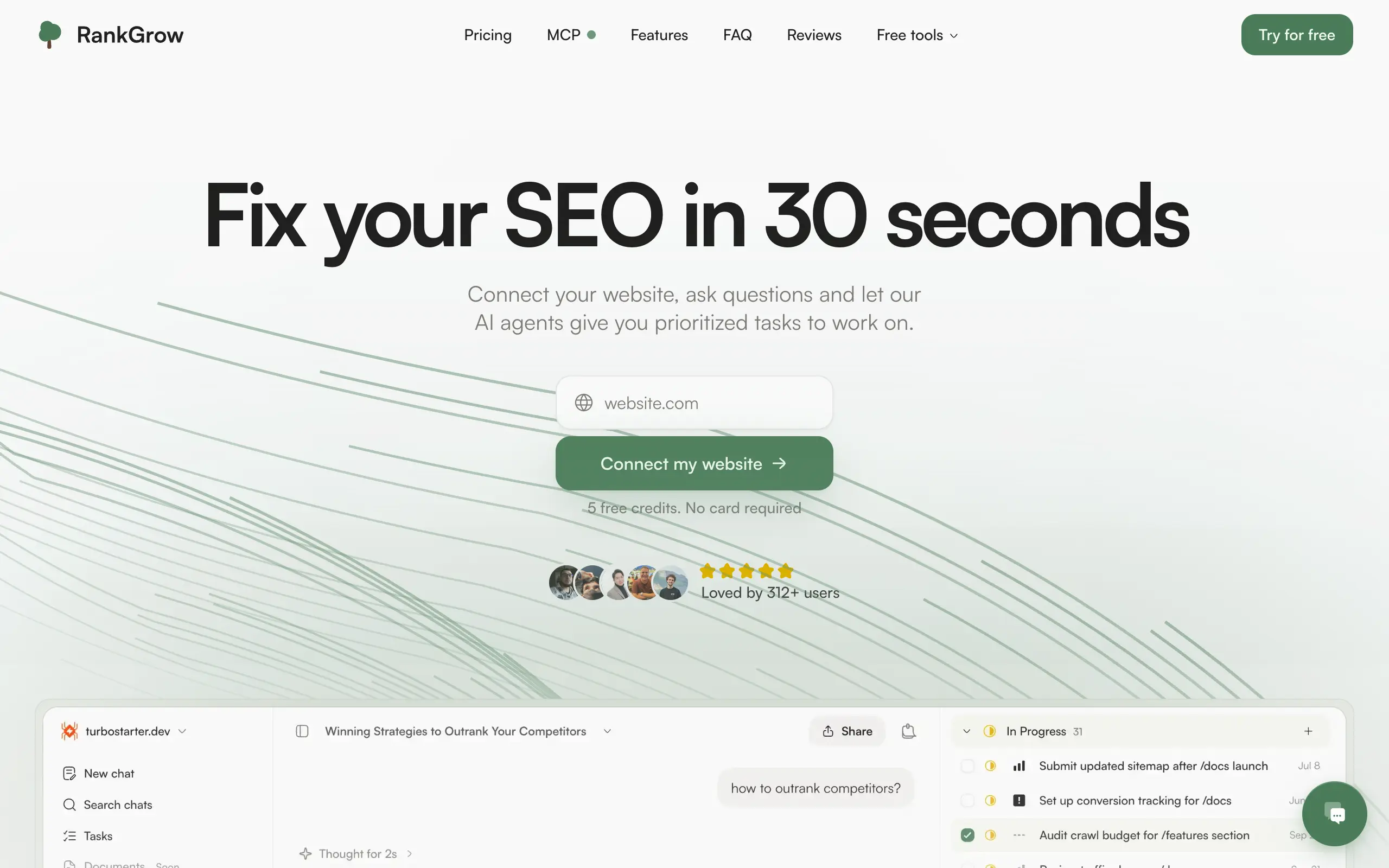
RankGrow
Fix your SEO with AI agents - connect Search Console, get prioritized tasks, and grow organic traffic 📈
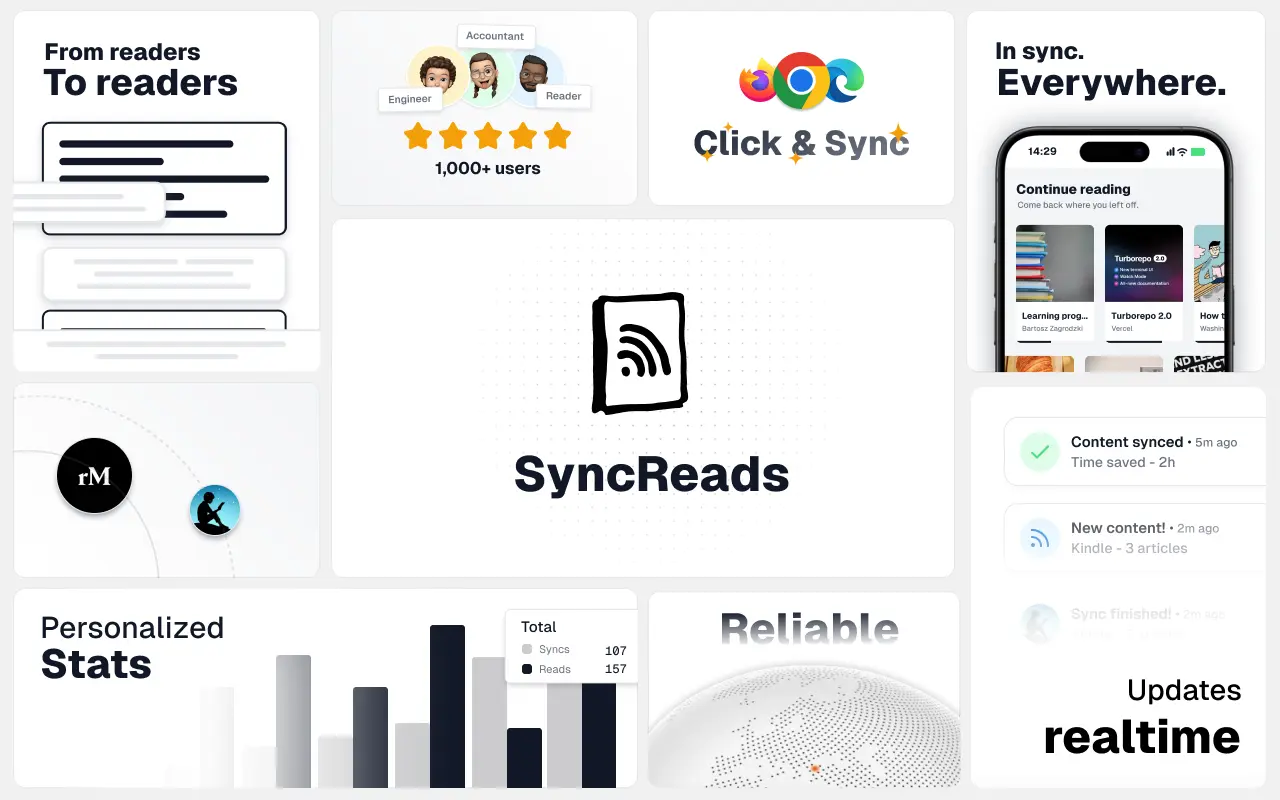
SyncReads
Sync your favorite content for distraction-free reading, save time and replace multiple apps. Anytime, anywhere 🔄
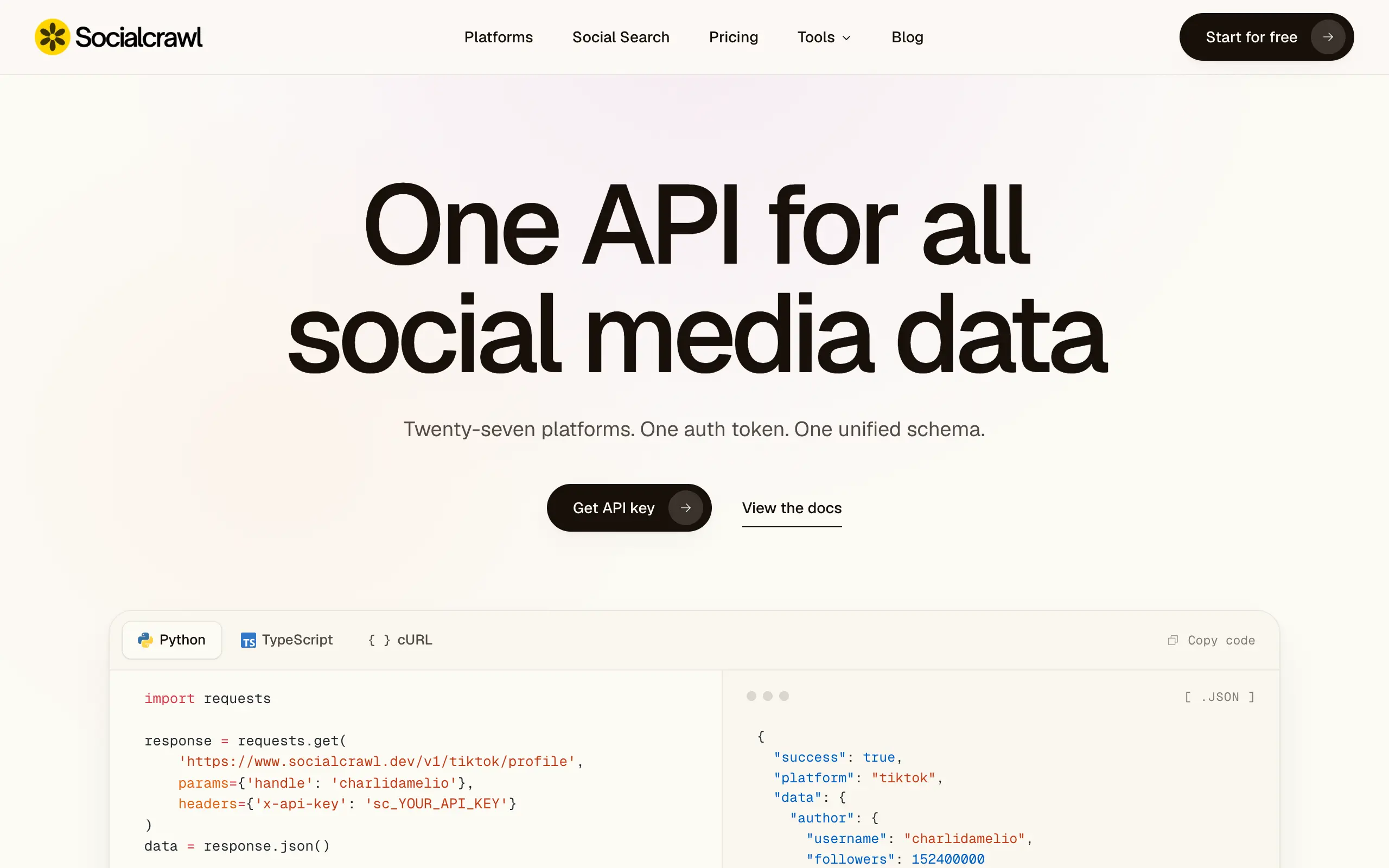
Socialcrawl
Get clean, structured data from 21 platforms like TikTok, Instagram, and YouTube with a single request 📊
Statiko
Monitor any Telegram channel in real time - track posts, edits, deletions, and growth with AI recaps 📡
Shibui
AI website builder - describe your business, pick a niche template, edit by chatting, and publish instantly ✨
Pro Service
Find verified home service professionals, compare quotes, and pay securely through escrow - built for Brazilians across the US 🏠
RankGrow
Fix your SEO with AI agents - connect Search Console, get prioritized tasks, and grow organic traffic 📈
SyncReads
Sync your favorite content for distraction-free reading, save time and replace multiple apps. Anytime, anywhere 🔄
Socialcrawl
Get clean, structured data from 21 platforms like TikTok, Instagram, and YouTube with a single request 📊
Statiko
Monitor any Telegram channel in real time - track posts, edits, deletions, and growth with AI recaps 📡
Shibui
AI website builder - describe your business, pick a niche template, edit by chatting, and publish instantly ✨
Pro Service
Find verified home service professionals, compare quotes, and pay securely through escrow - built for Brazilians across the US 🏠
RankGrow
Fix your SEO with AI agents - connect Search Console, get prioritized tasks, and grow organic traffic 📈
SyncReads
Sync your favorite content for distraction-free reading, save time and replace multiple apps. Anytime, anywhere 🔄
Socialcrawl
Get clean, structured data from 21 platforms like TikTok, Instagram, and YouTube with a single request 📊
Statiko
Monitor any Telegram channel in real time - track posts, edits, deletions, and growth with AI recaps 📡
Shibui
AI website builder - describe your business, pick a niche template, edit by chatting, and publish instantly ✨
Pro Service
Find verified home service professionals, compare quotes, and pay securely through escrow - built for Brazilians across the US 🏠
RankGrow
Fix your SEO with AI agents - connect Search Console, get prioritized tasks, and grow organic traffic 📈
SyncReads
Sync your favorite content for distraction-free reading, save time and replace multiple apps. Anytime, anywhere 🔄
Socialcrawl
Get clean, structured data from 21 platforms like TikTok, Instagram, and YouTube with a single request 📊
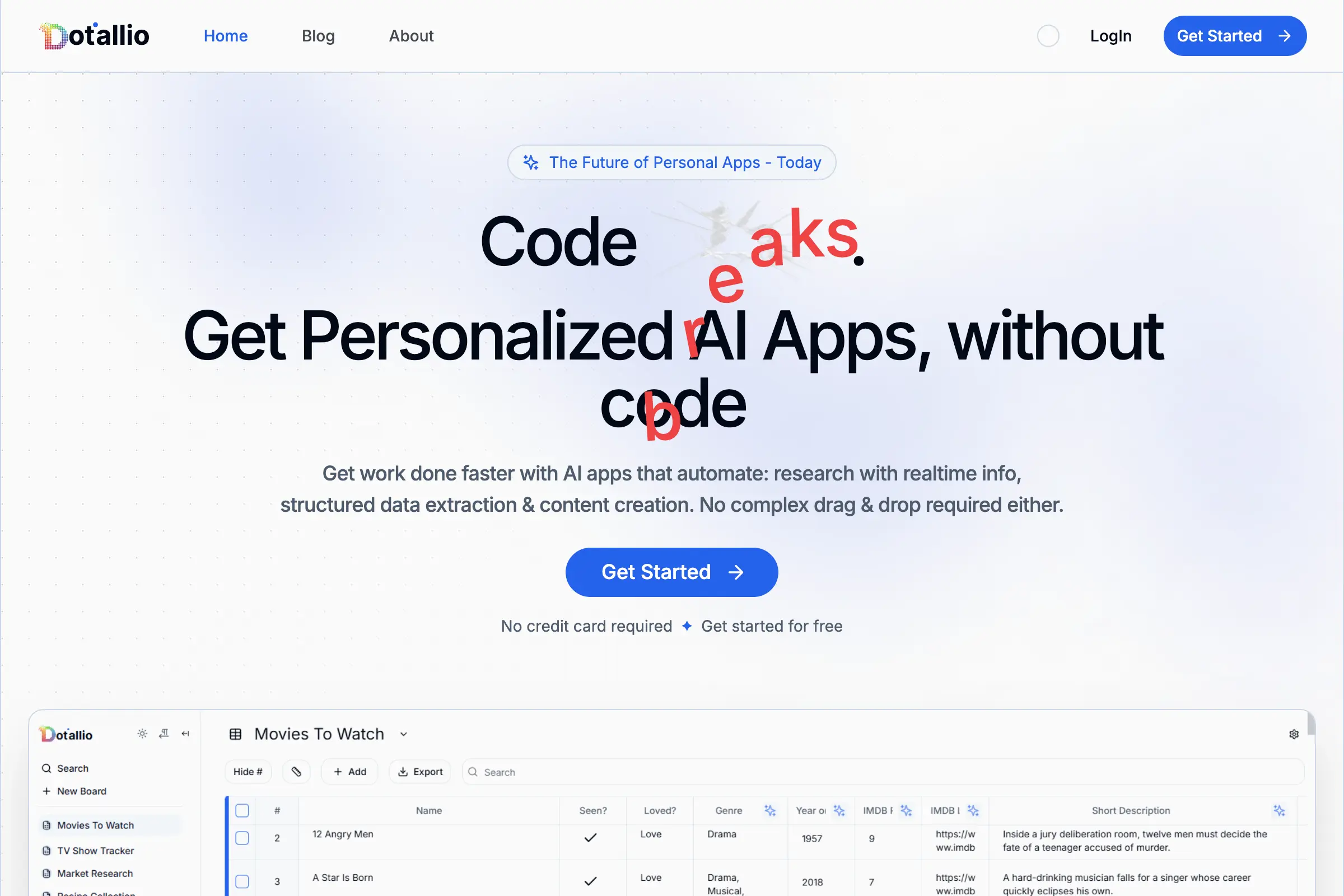
Dotallio
Personalized AI apps that automate research, data extraction, and content creation without code 🤖

Talk to Santa
Enjoy a magical live video chat or receive a unique AI-generated video greeting from Santa Claus 🎅

pozywka.pl
Scalable blog for food journalist, focused on performance and user experience 🌭
zagrodzki.me
Personal blog and portfolio of Bart Zagrodzki, where he shares his knowledge and work 💼
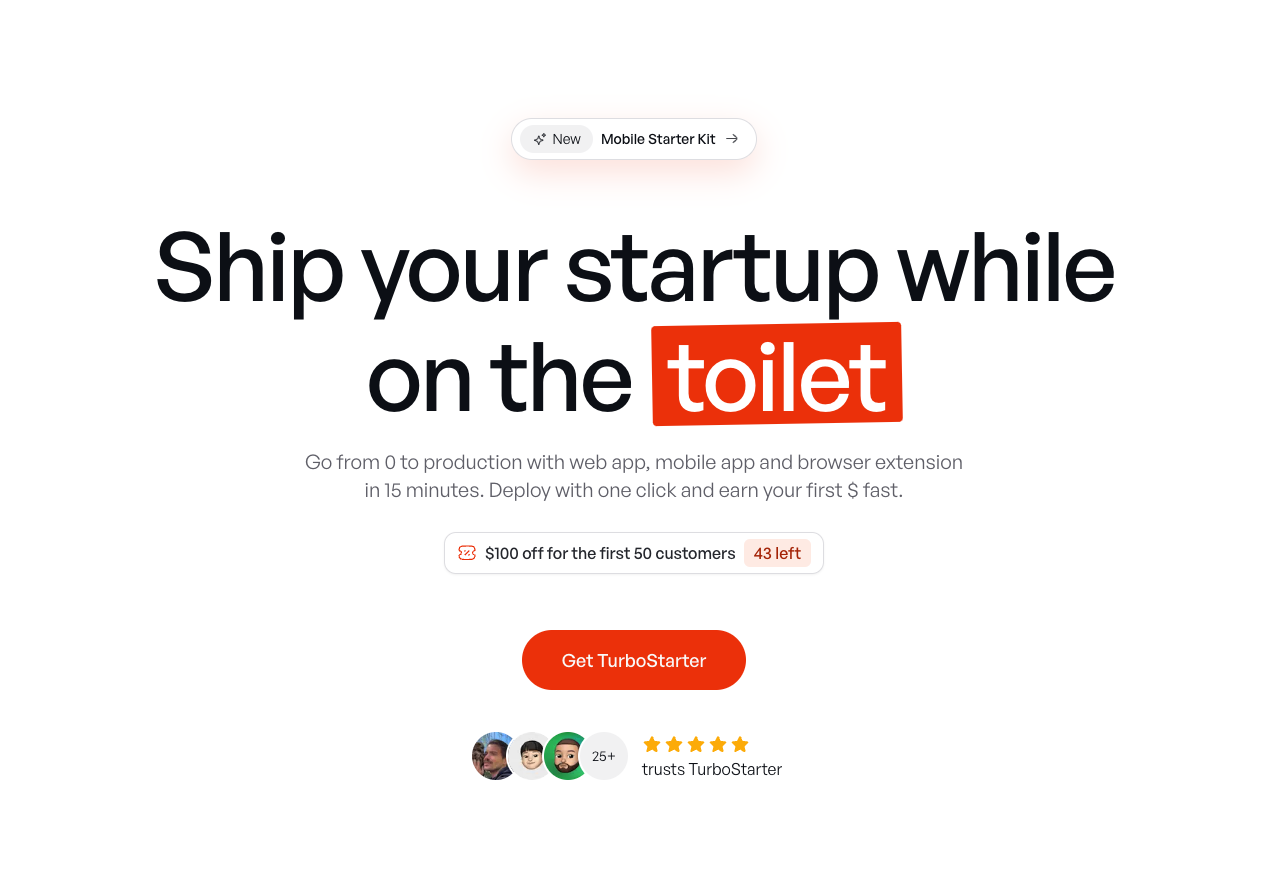
TurboStarter
Ship your startup everywhere. In minutes.
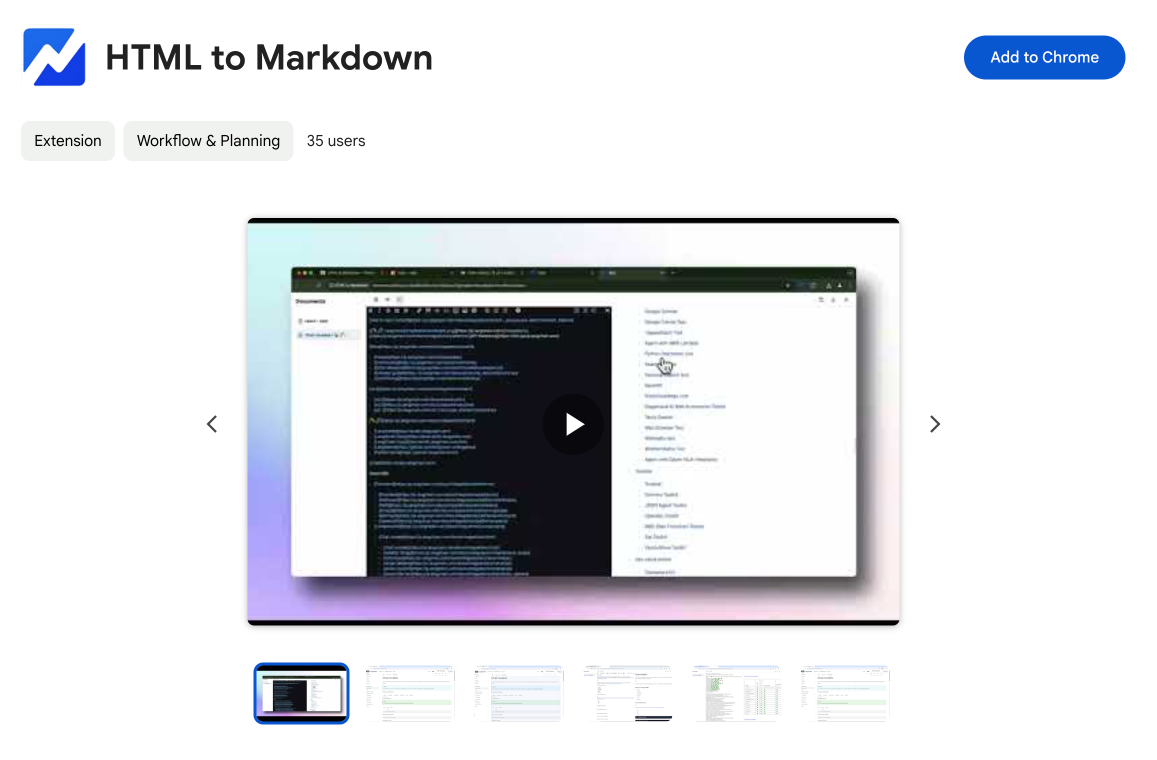
HTML to Markdown
Convert HTML to Markdown with ease, directly in your browser 📄
Dotallio
Personalized AI apps that automate research, data extraction, and content creation without code 🤖
Talk to Santa
Enjoy a magical live video chat or receive a unique AI-generated video greeting from Santa Claus 🎅
pozywka.pl
Scalable blog for food journalist, focused on performance and user experience 🌭
zagrodzki.me
Personal blog and portfolio of Bart Zagrodzki, where he shares his knowledge and work 💼
TurboStarter
Ship your startup everywhere. In minutes.
HTML to Markdown
Convert HTML to Markdown with ease, directly in your browser 📄
Dotallio
Personalized AI apps that automate research, data extraction, and content creation without code 🤖
Talk to Santa
Enjoy a magical live video chat or receive a unique AI-generated video greeting from Santa Claus 🎅
pozywka.pl
Scalable blog for food journalist, focused on performance and user experience 🌭
zagrodzki.me
Personal blog and portfolio of Bart Zagrodzki, where he shares his knowledge and work 💼
TurboStarter
Ship your startup everywhere. In minutes.
HTML to Markdown
Convert HTML to Markdown with ease, directly in your browser 📄
Dotallio
Personalized AI apps that automate research, data extraction, and content creation without code 🤖
Talk to Santa
Enjoy a magical live video chat or receive a unique AI-generated video greeting from Santa Claus 🎅
pozywka.pl
Scalable blog for food journalist, focused on performance and user experience 🌭
zagrodzki.me
Personal blog and portfolio of Bart Zagrodzki, where he shares his knowledge and work 💼
TurboStarter
Ship your startup everywhere. In minutes.
HTML to Markdown
Convert HTML to Markdown with ease, directly in your browser 📄
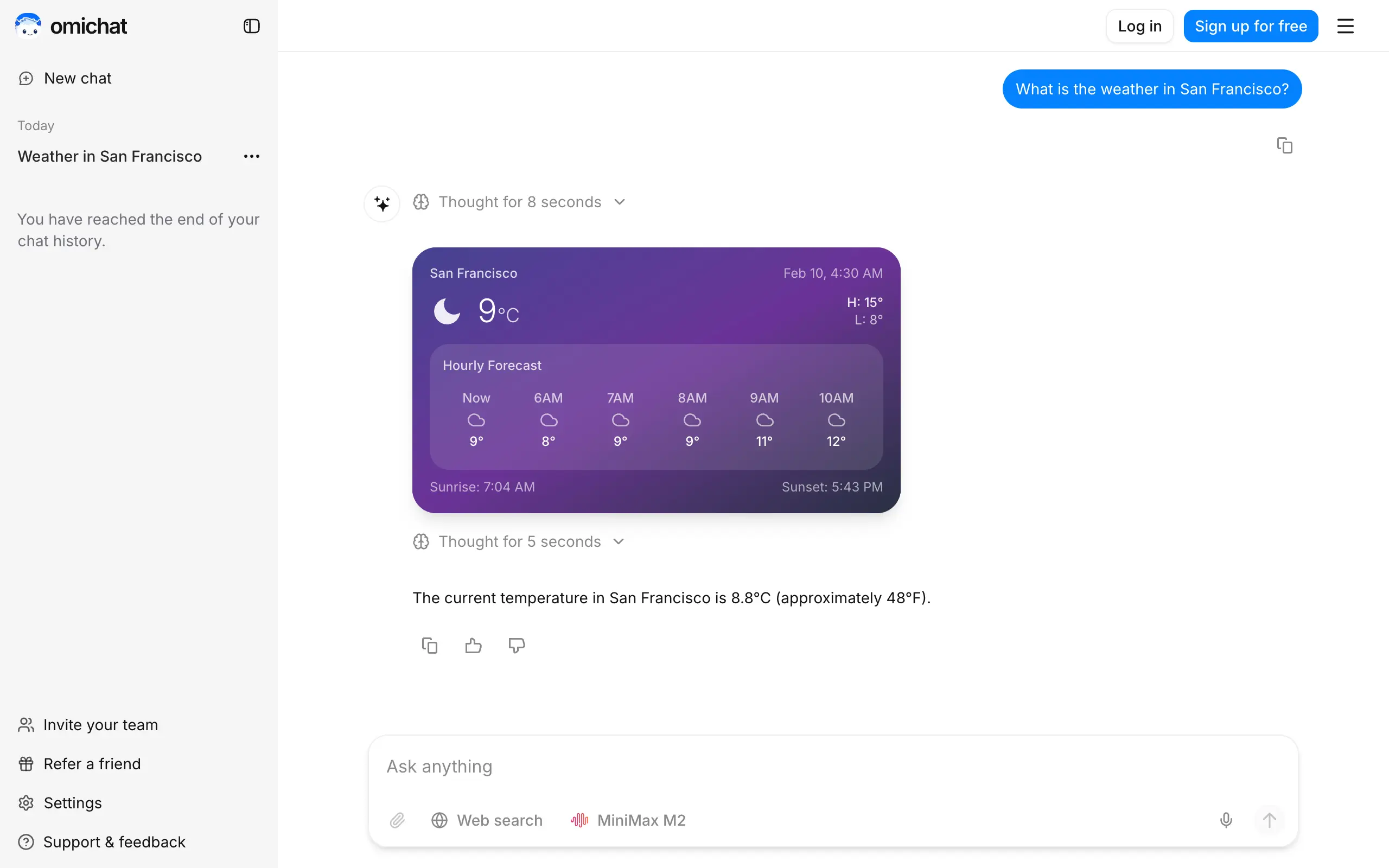
Omichat
Chat with 50+ AI models, including ChatGPT and Claude, in one place - switch models anytime without losing context 🤖
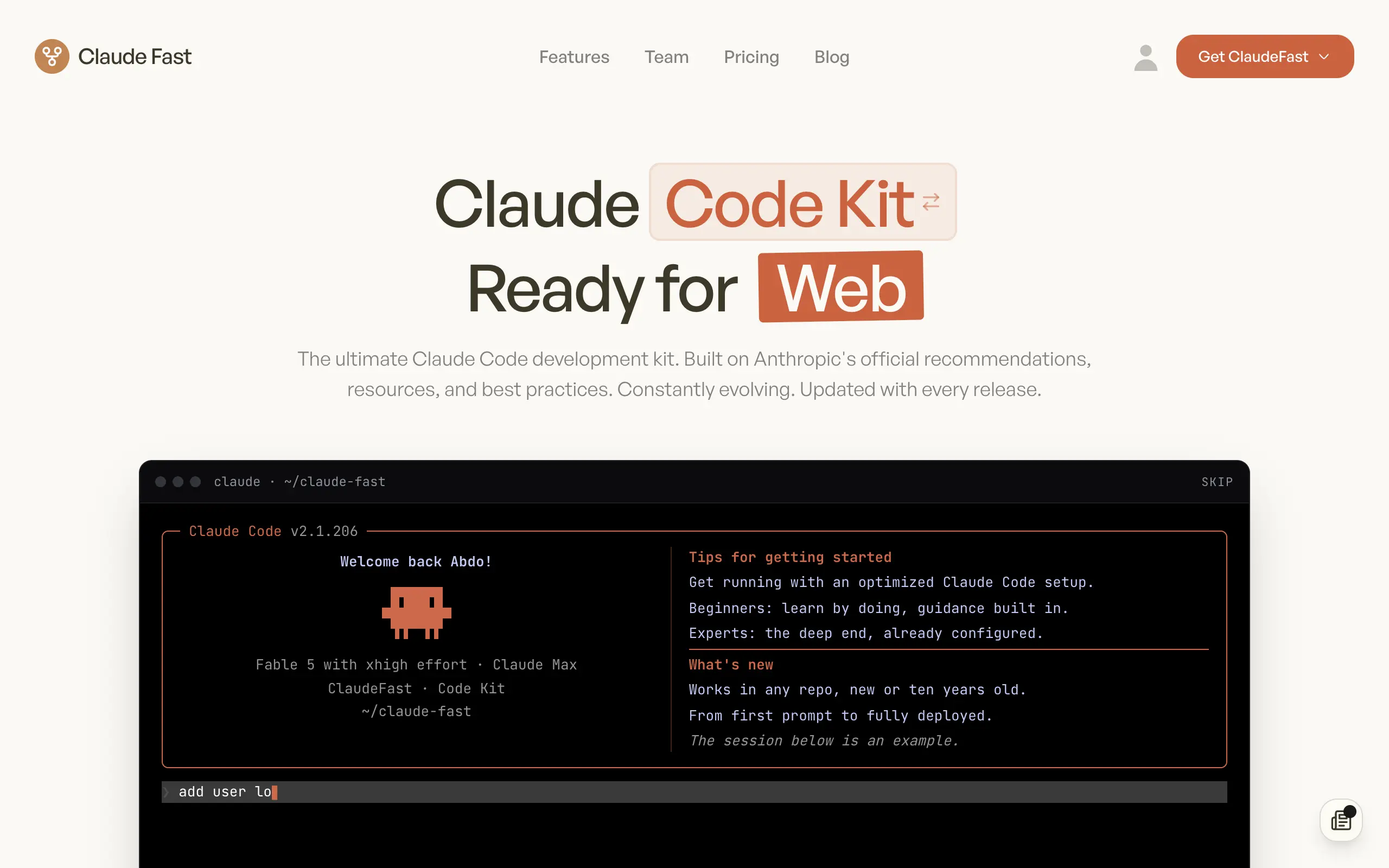
Claude Fast
Supercharge your Claude Code with 6x effective context window and specialized AI agents 🤖
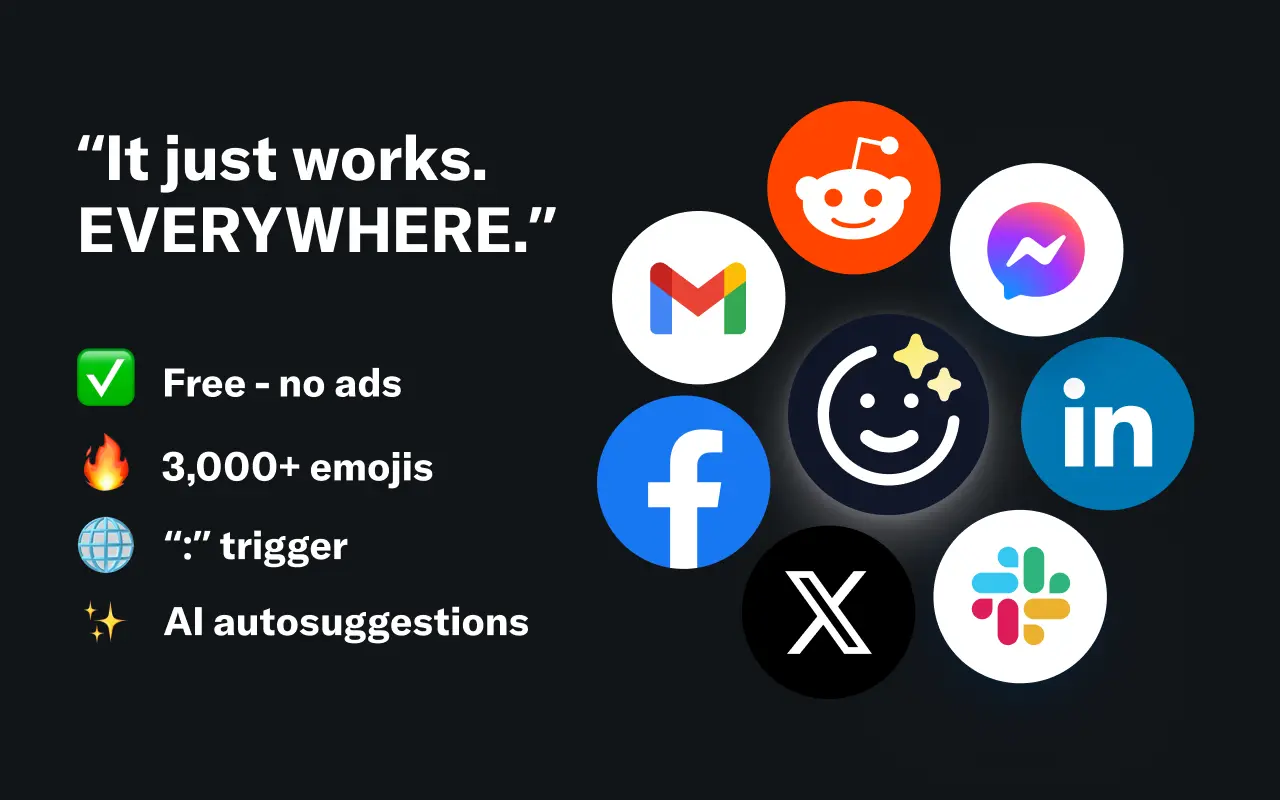
EmojAI
AI-powered emoji picker with smart, context-aware suggestions 🤖

Solohacker
Autonomous company launcher - AI agents work 24/7, escalate what matters, and you stay in control 🤖

BeRawi: Storytelling Coach
Practice storytelling daily with instant feedback to sound clearer, more engaging, and confident 🎤
Omichat
Chat with 50+ AI models, including ChatGPT and Claude, in one place - switch models anytime without losing context 🤖
Claude Fast
Supercharge your Claude Code with 6x effective context window and specialized AI agents 🤖
EmojAI
AI-powered emoji picker with smart, context-aware suggestions 🤖
Solohacker
Autonomous company launcher - AI agents work 24/7, escalate what matters, and you stay in control 🤖
BeRawi: Storytelling Coach
Practice storytelling daily with instant feedback to sound clearer, more engaging, and confident 🎤
Omichat
Chat with 50+ AI models, including ChatGPT and Claude, in one place - switch models anytime without losing context 🤖
Claude Fast
Supercharge your Claude Code with 6x effective context window and specialized AI agents 🤖
EmojAI
AI-powered emoji picker with smart, context-aware suggestions 🤖
Solohacker
Autonomous company launcher - AI agents work 24/7, escalate what matters, and you stay in control 🤖
BeRawi: Storytelling Coach
Practice storytelling daily with instant feedback to sound clearer, more engaging, and confident 🎤
Omichat
Chat with 50+ AI models, including ChatGPT and Claude, in one place - switch models anytime without losing context 🤖
Claude Fast
Supercharge your Claude Code with 6x effective context window and specialized AI agents 🤖
EmojAI
AI-powered emoji picker with smart, context-aware suggestions 🤖
Solohacker
Autonomous company launcher - AI agents work 24/7, escalate what matters, and you stay in control 🤖
BeRawi: Storytelling Coach
Practice storytelling daily with instant feedback to sound clearer, more engaging, and confident 🎤

Connect with like-minded people
Join our community to get feedback, support, and grow together with 1,000+ builders on board, let's ship it!
Join usShip your startup everywhere. In minutes.
Don't burn tokens on setup and start building features on day one.