CodeQuestAI
A personal AI tutor for programming students, offering instant code feedback, bug explanations, and concept walkthroughs tailored to your university courses.
Target Audience
The concept is designed to appeal to a wide variety of learners and developers. Whether you're a beginner exploring programming for the first time, an experienced coder looking to expand your skills in game development, or an educator seeking innovative teaching tools, this gamified coding assistant offers something for everyone.
- Beginners: Easily digestible challenges provide a safe space to experiment and learn fundamental coding concepts.
- Intermediate Developers: Progressive challenges will help reinforce core principles and introduce more complex gaming mechanics.
- Educators and Mentors: An engaging platform that transforms technical lessons into interactive adventures.
- Professional Developers: A fun way to stay sharp and learn new skills outside of daily work routines.
The dynamic and adaptive challenge system means users only face coding puzzles that match their skill level, ensuring a stress-free progression toward mastery.
Market Opportunity
The market for educational technology and gamified learning has seen exponential growth in recent years. With the increasing prevalence of online coding bootcamps, coding academies, and self-directed learning platforms, there's a clear demand for innovative approaches to teach programming. Key market points include:
- Expanding Educational Platforms: Traditional e-learning is being transformed by gamified environments, making learning fun and interactive.
- Rise of AI-Powered Solutions: As artificial intelligence continues to enhance personalized learning, integrating AI into coding assistants offers a disruptive edge over conventional platforms.
- Growing Video Game Industry: With gaming steadily growing as an industry, intertwining game development with coding education taps into two robust markets simultaneously.
- Global Skills Gap: Many industries report a shortage of skilled coding professionals, creating a demand for engaging educational tools that can rapidly upskill users.
Furthermore, trends indicate that learners prefer interactive content over static tutorials. By combining learning with adventure-based challenges, this solution can capture the interest of diverse users, driving both user engagement and long-term retention.
Technology Stack and Implementation
A modern, robust technology stack is paramount to creating an AI-powered platform for coding challenges. Leveraging the power of both traditional web technologies and cutting-edge AI frameworks ensures a seamless user experience. Here are some of the key elements:
- Frontend Development: Utilize frameworks like React.js for building interactive UIs with responsive components. Efficiency and scalability are critical, especially for real-time updates within challenges.
- Backend Infrastructure: Robust systems powered by Node.js or Python-based frameworks (such as Django or Flask) to support the demand of AI-generated challenges in real time.
- Artificial Intelligence: Integrate natural language processing (NLP) and machine learning models to tailor coding tasks to user skill levels.
- Databases: Use NoSQL solutions like MongoDB for flexible data handling alongside SQL databases for structured data.
- Game Development Concepts: Incorporate elements from popular game development libraries and APIs to generate engaging puzzles and simulated game scenarios.
A great option for accelerating the development of this solution is leveraging starter kits such as TurboStarter, which offers out-of-the-box templates for web, mobile, and even browser extensions. This approach not only saves time but provides a solid foundation with well-established patterns for rapid prototyping.
Below is an example of an interactive component that might be used in the codebase to trigger challenges:
const challengeTrigger = () => {
  console.log("Challenge initiated: Let the adventure begin!");
}
Integrating this snippet into your platform could mark the beginning of a seamless user experience where each code submission is instantly evaluated and followed by a new challenge tailored specifically to the user's progress.
Monetization Strategy
Creating a sustainable revenue model is crucial to the long-term success of any SaaS product. For this gamified coding assistant, several monetization approaches are worth considering:
- Freemium Model:
- Offer a free version with a robust set of baseline features.
- Provide premium subscriptions that unlock additional content, advanced challenges, and detailed analytics.
- In-App Purchases:
- Sell special content packs, advanced coding modules, or exclusive AI-generated challenges.
- Enable one-time purchases for specialized learning paths or virtual rewards.
- Ad-Supported Options:
- Display non-intrusive ads within the platform, potentially offering an ad-free experience for premium users.
- Institutional Partnerships:
- Form alliances with educational institutions, coding bootcamps, or game development academies.
- Offer discounted group subscriptions or custom-tailored packages for bulk learners.
Each of these strategies has its merits. The freemium model, in particular, ensures accessibility while enticing users with the prospect of advanced features. This approach not only increases user acquisition due to the low entry barrier but also creates a compelling case for upgrades as learners progress further into their journeys.
- Freemium access: Basic levels available for free
- Subscription upgrades: Monthly/yearly premium access
- Custom enterprise packages: For educational institutions
- Certificate programs: Earn certifications for completed levels
Risks and Mitigation Strategies
Launching an innovative platform comes with inherent risks. It’s important to acknowledge potential challenges and develop strategies to mitigate them:
-
Complexity of AI Integration:
- Risk: The implementation of adaptive AI for personalized challenges may prove technically challenging.
- Mitigation: Invest in robust testing environments and consider phased rollouts. Utilize proven libraries and frameworks to reduce unforeseen complications.
-
User Retention Issues:
- Risk: Gamified experiences need to strike the right balance between fun and learning.
- Mitigation: Continuous user feedback and iterative design help ensure the challenges remain engaging and appropriately difficult.
-
Market Competition:
- Risk: Competitors in the edtech ecosystem might offer similar gamified or AI-powered experiences.
- Mitigation: Maintain a strong focus on unique game development concepts, leveraging our AI to customize challenges that adapt dynamically to each user’s progression. A commitment to ongoing content improvements and periodic feature updates can further secure a competitive edge.
-
Scalability:
- Risk: Rapid user growth could strain the system and reduce performance.
- Mitigation: Use cloud-based architectures, like AWS or Google Cloud Platforms, to scale computing resources on demand.
-
Privacy and Security:
- Risk: Handling user data—especially if integrated with educational institutions—is subject to strict regulatory requirements.
- Mitigation: Implement robust security protocols, data encryption, and clear compliance policies as part of the platform’s infrastructure.
Security Reminder
Always prioritize user data protection and ensure compliance with industry standards such as GDPR.
Competitive Advantages
This gamified coding assistant stands out from other learning platforms through several unique selling points:
- Personalized Challenges: By leveraging AI to gauge each user's skill level, the platform offers a customized learning experience that evolves in complexity as the user improves.
- Gamified Learning: The integration of game development concepts transforms the learning process into an immersive adventure, making it more engaging than standard tutorials.
- Interactive Content: With features like step-by-step guides, instant feedback loops, and real-time challenges, users remain motivated and gain practical experience instantly.
- Community-Driven Updates: User feedback is integral to the platform’s evolution. Frequent updates based on real-world challenges keep content fresh and relevant.
- Scalable and Flexible Tech Stack: Utilizing modern web frameworks and cloud infrastructures ensures both high performance and adaptability.
- Integration with Established Starter Kits: Utilizing tools such as TurboStarter ensures rapid implementation, reducing time to market without compromising on quality.
Additionally, the platform can benefit from community contributions—a vibrant forum where users share tips, tricks, and code snippets, creating a self-sustaining ecosystem that continues to innovate and evolve.
Dynamic Challenge Generation: AI analyzes user performance and tailors each coding challenge to suit individual strengths and weaknesses.
Game Mechanics Integration: As users progress, they unlock special levels, rewards, and badges that align with modern game development principles.
This dual strategy of personalized learning and gamification not only enhances the user experience but also builds an engaged community, thereby driving organic growth and user retention.
Additional Technical Considerations
In the core architecture of the platform, performance and scalability are paramount:
-
Real-time Feedback Loops:
- Design the architecture to support immediate responses to user inputs, ensuring minimal latency.
- Integrate websockets or similar technologies for continuous communication between the client and server.
-
Microservices Architecture:
- Decouple primary functionalities to allow independent scaling and updates.
- Use containerization tools like Docker to streamline deployment and maintain consistent environments.
-
API Customizations:
- Build custom APIs that allow the AI engine to integrate seamlessly with user interfaces, ensuring that challenge generation is fluid and adaptive.
The following code snippet demonstrates one of the potential microservices endpoints for handling new challenge requests:
import express from 'express';

const app = express();
const PORT = 3000;

app.get('/api/challenge', (req, res) => {
  res.json({
    status: 'success',
    challenge: 'Write a function to reverse a string.',
  });
});

app.listen(PORT, () => {
  console.log(`Server running on http://localhost:${PORT}`);
});
By incorporating a microservices-based approach, the platform not only promotes modular development but also simplifies the process of updating and securing individual components. This flexibility is essential for adapting to evolving user needs and market trends.
Implementation Steps and Conclusion
To bring this innovative coding assistant to life, a detailed implementation plan is crucial. The following steps outline the process:
In conclusion, this gamified coding assistant represents a fusion of game development, AI-powered challenge generation, and dynamic learning, all of which combine to form a highly engaging educational platform. By targeting a diverse audience, capitalizing on a significant market opportunity, and deploying a robust and flexible tech stack, the platform is positioned to redefine how coding is learned and practiced today.
With carefully planned monetization strategies, proactive risk mitigation, and definitive competitive advantages, the project is set to impact the edtech ecosystem positively. The scalability of the solution and planned iterative improvements ensure longevity and relevance, maintaining user interest through evolving challenges and rewards.
If you're ready to embark on this exciting journey of merging gamification with advanced coding education, consider taking advantage of starter kits like TurboStarter for an accelerated development cycle.
By following the outlined steps and leveraging modern development tools, you can create a platform that not only teaches coding effectively but also inspires a new generation of game developers to explore the endless possibilities of programming. Enjoy a seamless integration of fun and learning as you carve out a niche in one of today’s most lucrative tech markets.
More 🤖 AI Startup SaaS ideas
Discover more innovative ai startup SaaS ideas that are trending in 2026. Each idea is AI-generated with market validation and growth potential to help you find your next profitable venture faster than competitors.
Your competitors are building with TurboStarter
Below are some of the SaaS ideas that have been generated and built with our starter kit.
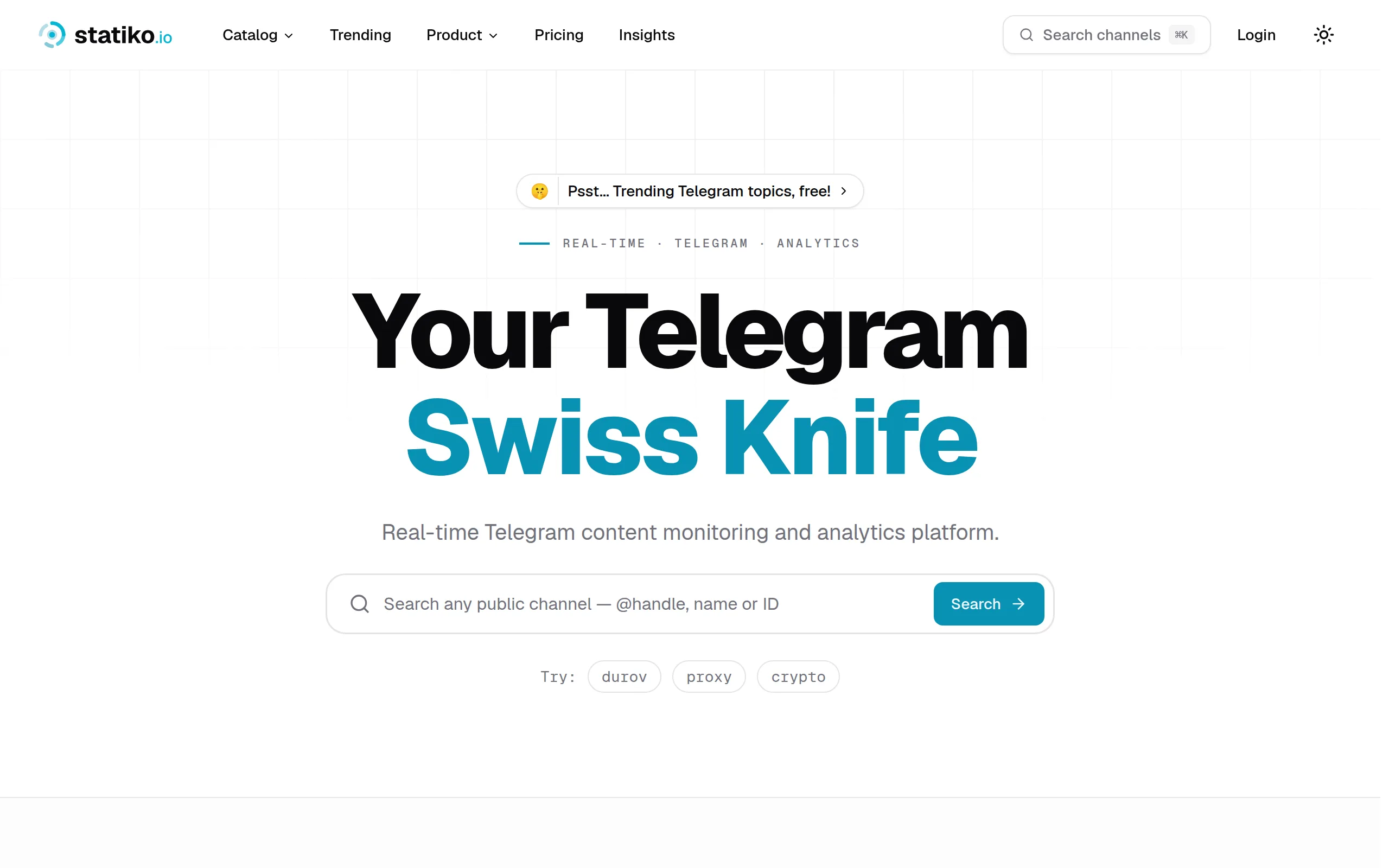
Statiko
Monitor any Telegram channel in real time - track posts, edits, deletions, and growth with AI recaps 📡

Shibui
AI website builder - describe your business, pick a niche template, edit by chatting, and publish instantly ✨

Pro Service
Find verified home service professionals, compare quotes, and pay securely through escrow - built for Brazilians across the US 🏠

RankGrow
Fix your SEO with AI agents - connect Search Console, get prioritized tasks, and grow organic traffic 📈
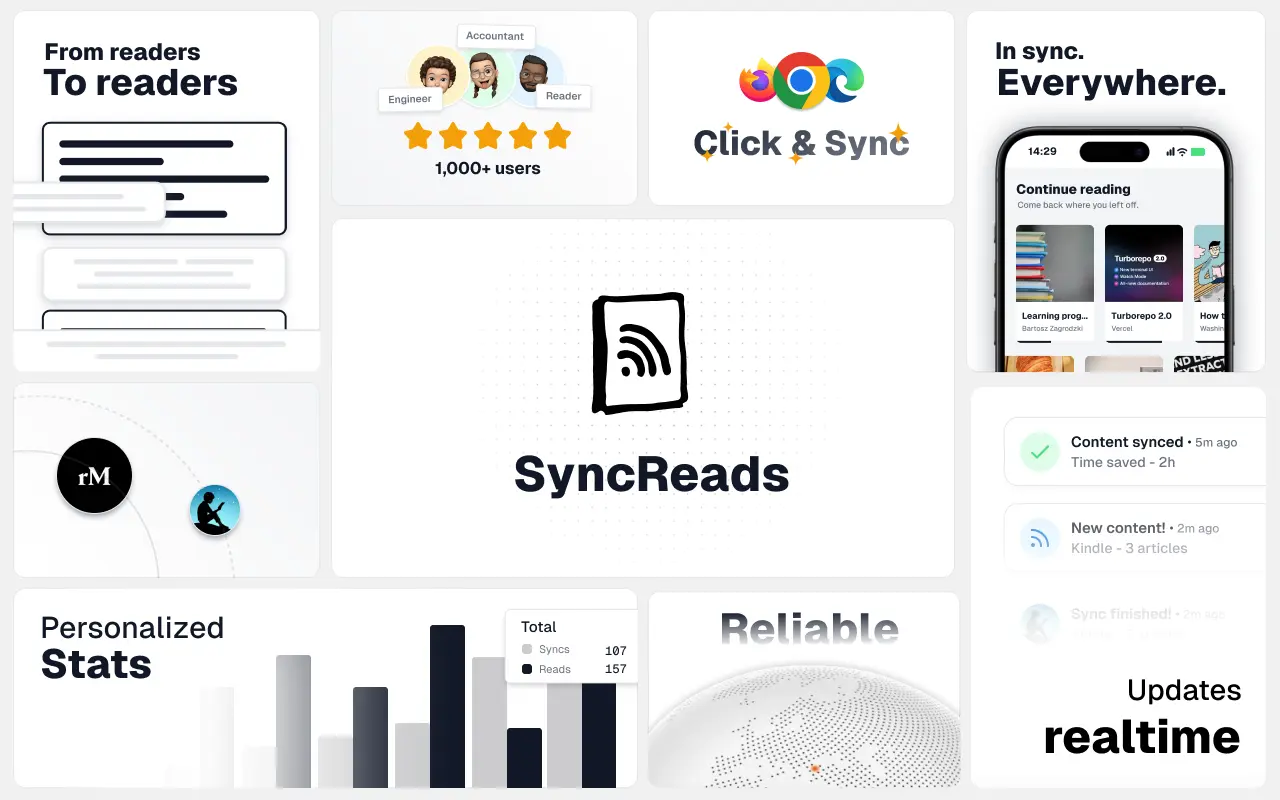
SyncReads
Sync your favorite content for distraction-free reading, save time and replace multiple apps. Anytime, anywhere 🔄
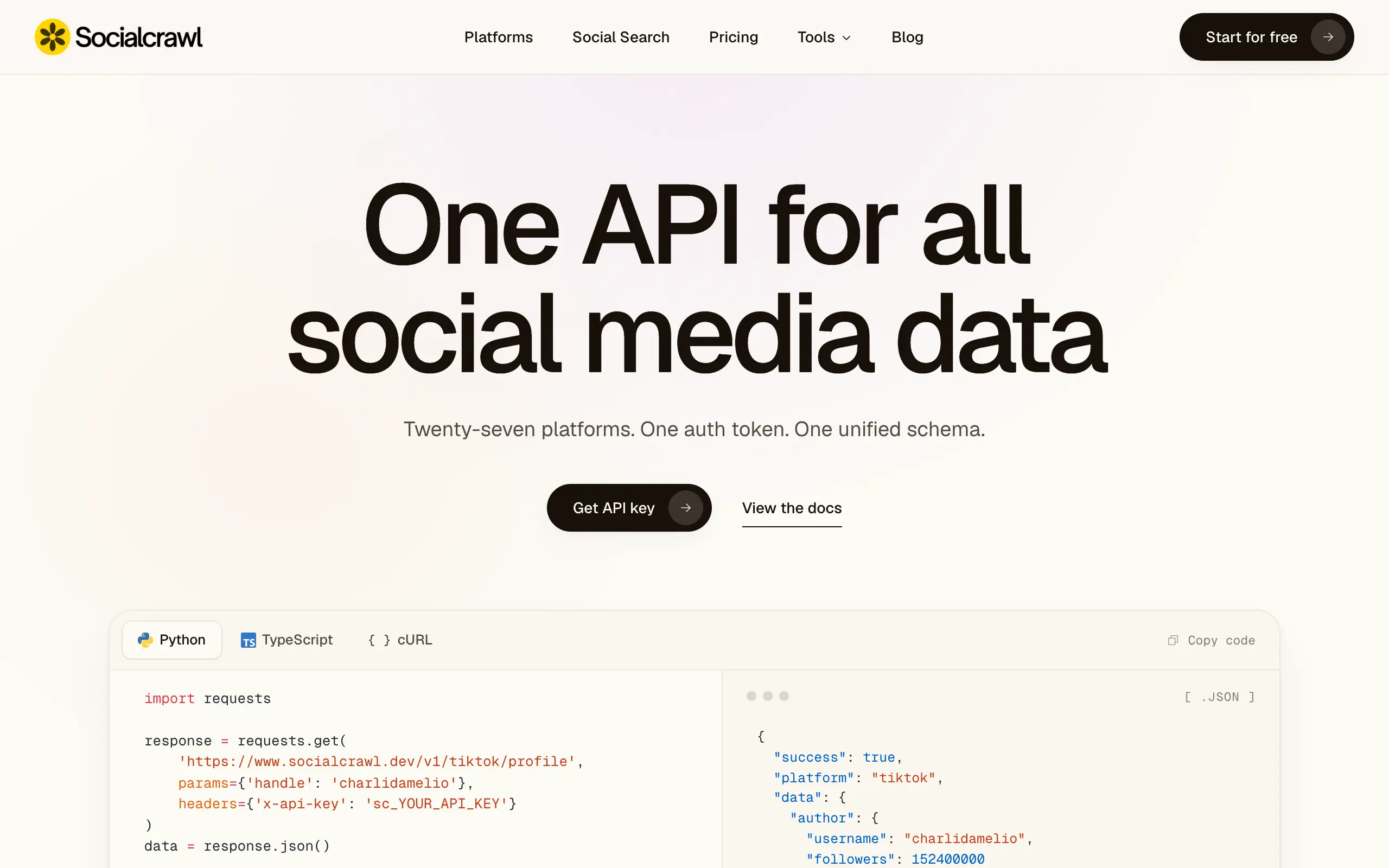
Socialcrawl
Get clean, structured data from 21 platforms like TikTok, Instagram, and YouTube with a single request 📊
Statiko
Monitor any Telegram channel in real time - track posts, edits, deletions, and growth with AI recaps 📡
Shibui
AI website builder - describe your business, pick a niche template, edit by chatting, and publish instantly ✨
Pro Service
Find verified home service professionals, compare quotes, and pay securely through escrow - built for Brazilians across the US 🏠
RankGrow
Fix your SEO with AI agents - connect Search Console, get prioritized tasks, and grow organic traffic 📈
SyncReads
Sync your favorite content for distraction-free reading, save time and replace multiple apps. Anytime, anywhere 🔄
Socialcrawl
Get clean, structured data from 21 platforms like TikTok, Instagram, and YouTube with a single request 📊
Statiko
Monitor any Telegram channel in real time - track posts, edits, deletions, and growth with AI recaps 📡
Shibui
AI website builder - describe your business, pick a niche template, edit by chatting, and publish instantly ✨
Pro Service
Find verified home service professionals, compare quotes, and pay securely through escrow - built for Brazilians across the US 🏠
RankGrow
Fix your SEO with AI agents - connect Search Console, get prioritized tasks, and grow organic traffic 📈
SyncReads
Sync your favorite content for distraction-free reading, save time and replace multiple apps. Anytime, anywhere 🔄
Socialcrawl
Get clean, structured data from 21 platforms like TikTok, Instagram, and YouTube with a single request 📊
Statiko
Monitor any Telegram channel in real time - track posts, edits, deletions, and growth with AI recaps 📡
Shibui
AI website builder - describe your business, pick a niche template, edit by chatting, and publish instantly ✨
Pro Service
Find verified home service professionals, compare quotes, and pay securely through escrow - built for Brazilians across the US 🏠
RankGrow
Fix your SEO with AI agents - connect Search Console, get prioritized tasks, and grow organic traffic 📈
SyncReads
Sync your favorite content for distraction-free reading, save time and replace multiple apps. Anytime, anywhere 🔄
Socialcrawl
Get clean, structured data from 21 platforms like TikTok, Instagram, and YouTube with a single request 📊
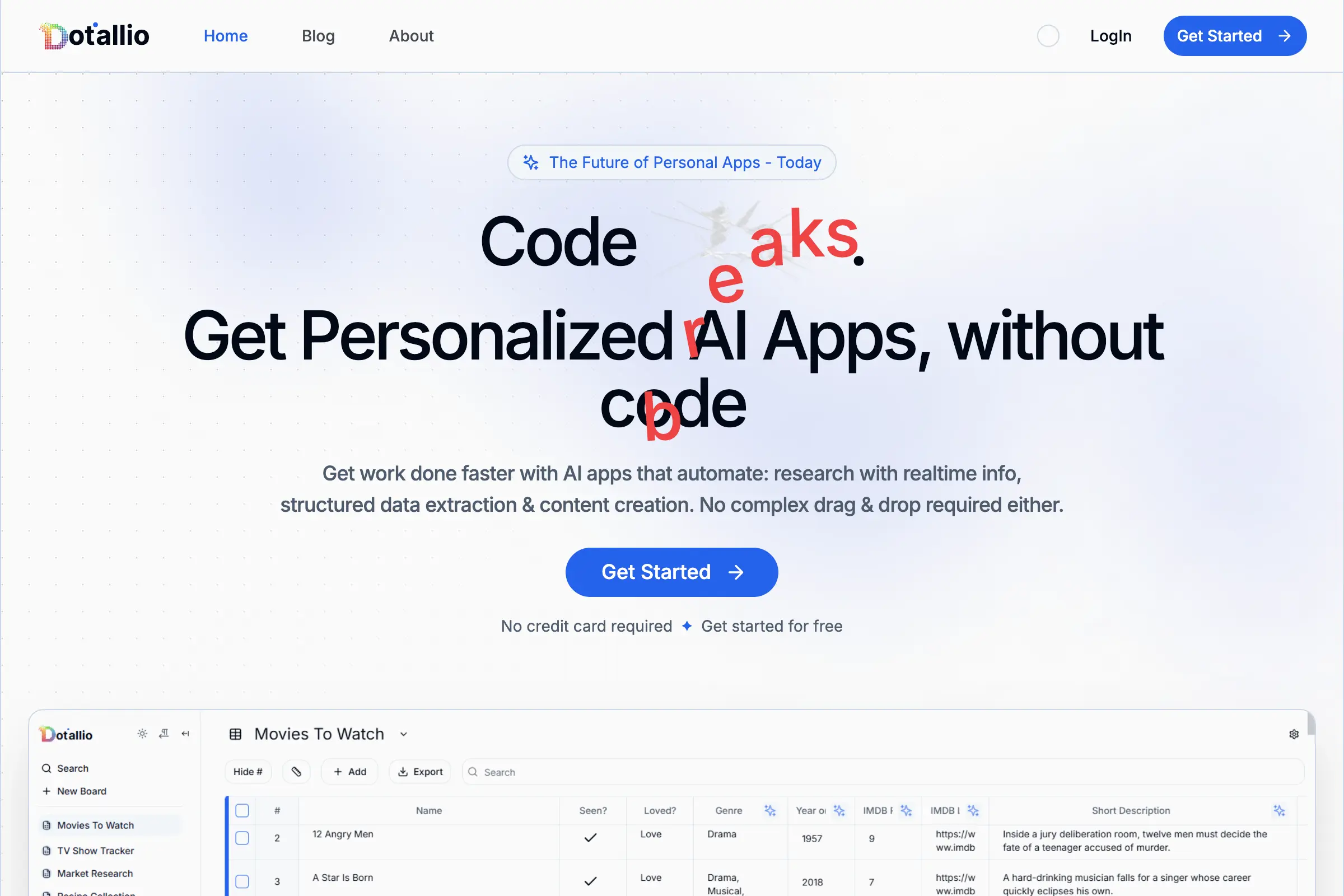
Dotallio
Personalized AI apps that automate research, data extraction, and content creation without code 🤖

Talk to Santa
Enjoy a magical live video chat or receive a unique AI-generated video greeting from Santa Claus 🎅

pozywka.pl
Scalable blog for food journalist, focused on performance and user experience 🌭
zagrodzki.me
Personal blog and portfolio of Bart Zagrodzki, where he shares his knowledge and work 💼
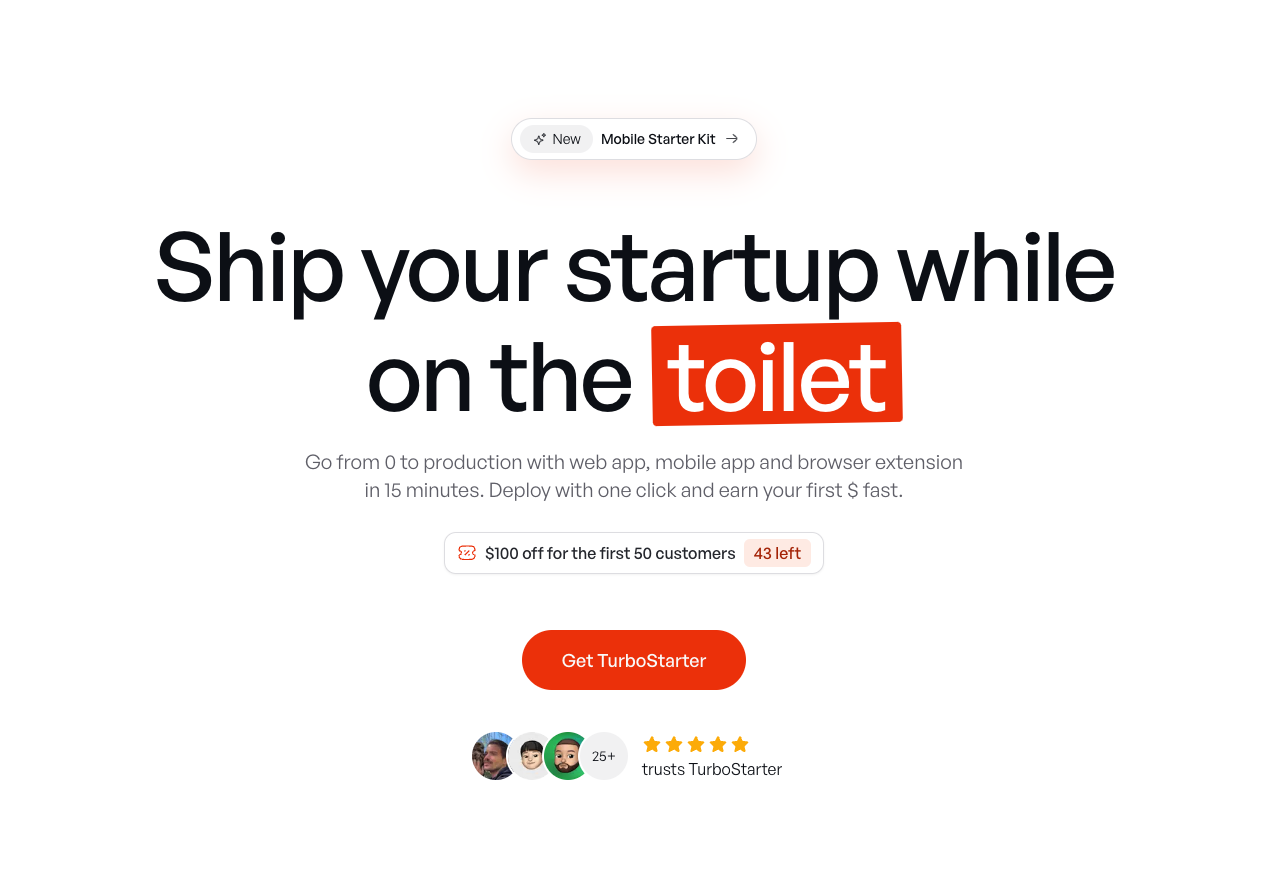
TurboStarter
Ship your startup everywhere. In minutes.
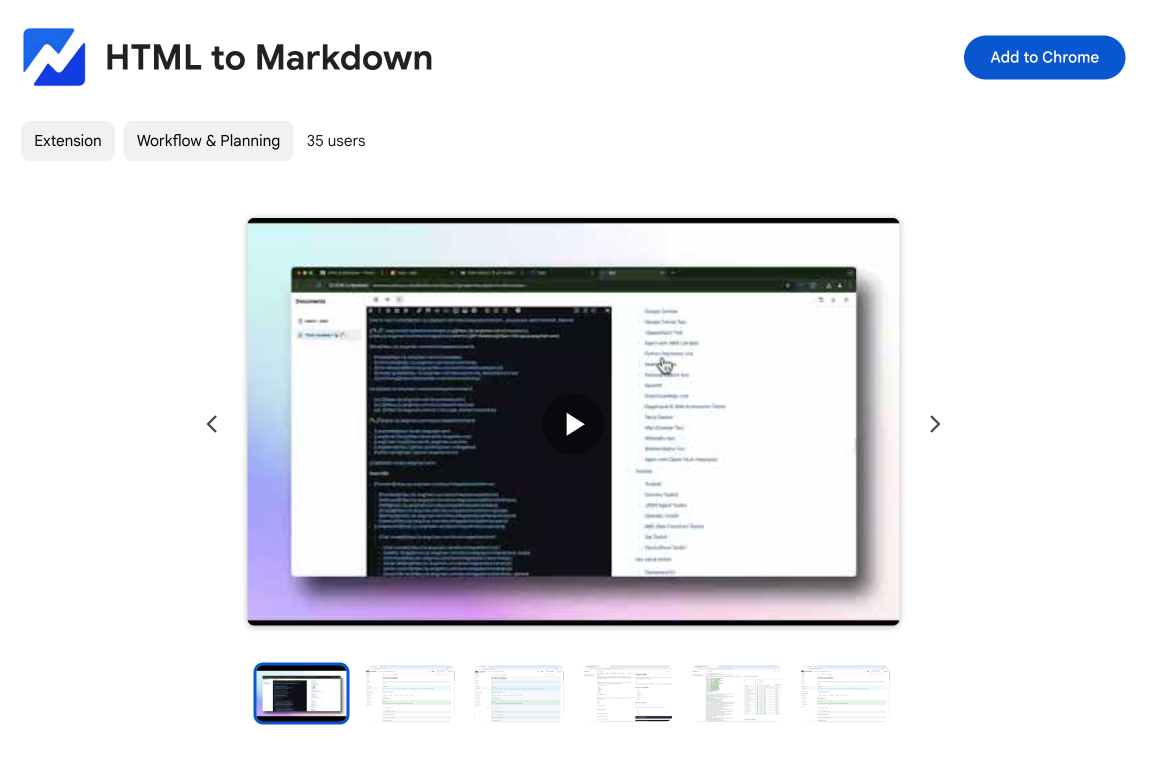
HTML to Markdown
Convert HTML to Markdown with ease, directly in your browser 📄
Dotallio
Personalized AI apps that automate research, data extraction, and content creation without code 🤖
Talk to Santa
Enjoy a magical live video chat or receive a unique AI-generated video greeting from Santa Claus 🎅
pozywka.pl
Scalable blog for food journalist, focused on performance and user experience 🌭
zagrodzki.me
Personal blog and portfolio of Bart Zagrodzki, where he shares his knowledge and work 💼
TurboStarter
Ship your startup everywhere. In minutes.
HTML to Markdown
Convert HTML to Markdown with ease, directly in your browser 📄
Dotallio
Personalized AI apps that automate research, data extraction, and content creation without code 🤖
Talk to Santa
Enjoy a magical live video chat or receive a unique AI-generated video greeting from Santa Claus 🎅
pozywka.pl
Scalable blog for food journalist, focused on performance and user experience 🌭
zagrodzki.me
Personal blog and portfolio of Bart Zagrodzki, where he shares his knowledge and work 💼
TurboStarter
Ship your startup everywhere. In minutes.
HTML to Markdown
Convert HTML to Markdown with ease, directly in your browser 📄
Dotallio
Personalized AI apps that automate research, data extraction, and content creation without code 🤖
Talk to Santa
Enjoy a magical live video chat or receive a unique AI-generated video greeting from Santa Claus 🎅
pozywka.pl
Scalable blog for food journalist, focused on performance and user experience 🌭
zagrodzki.me
Personal blog and portfolio of Bart Zagrodzki, where he shares his knowledge and work 💼
TurboStarter
Ship your startup everywhere. In minutes.
HTML to Markdown
Convert HTML to Markdown with ease, directly in your browser 📄
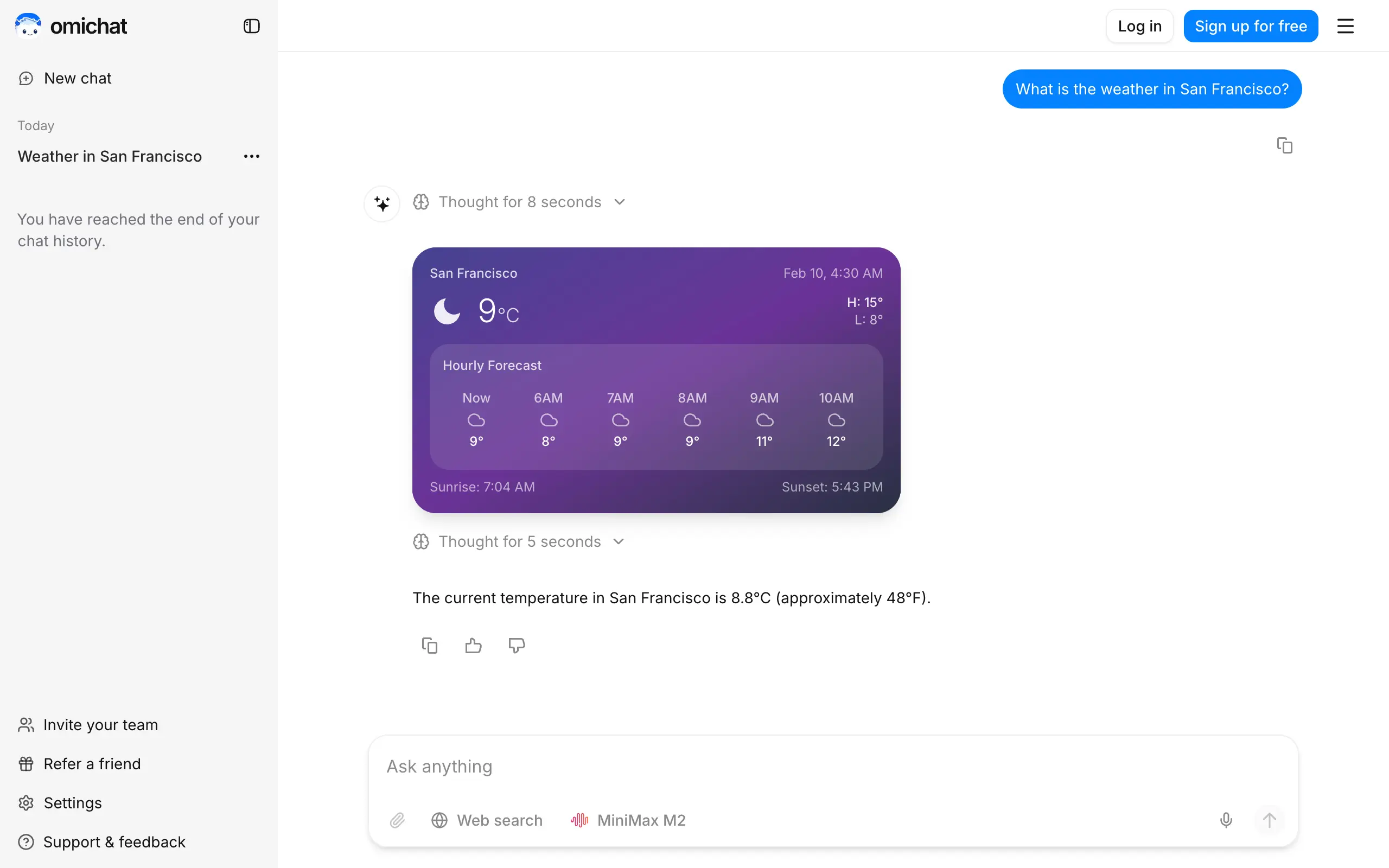
Omichat
Chat with 50+ AI models, including ChatGPT and Claude, in one place - switch models anytime without losing context 🤖
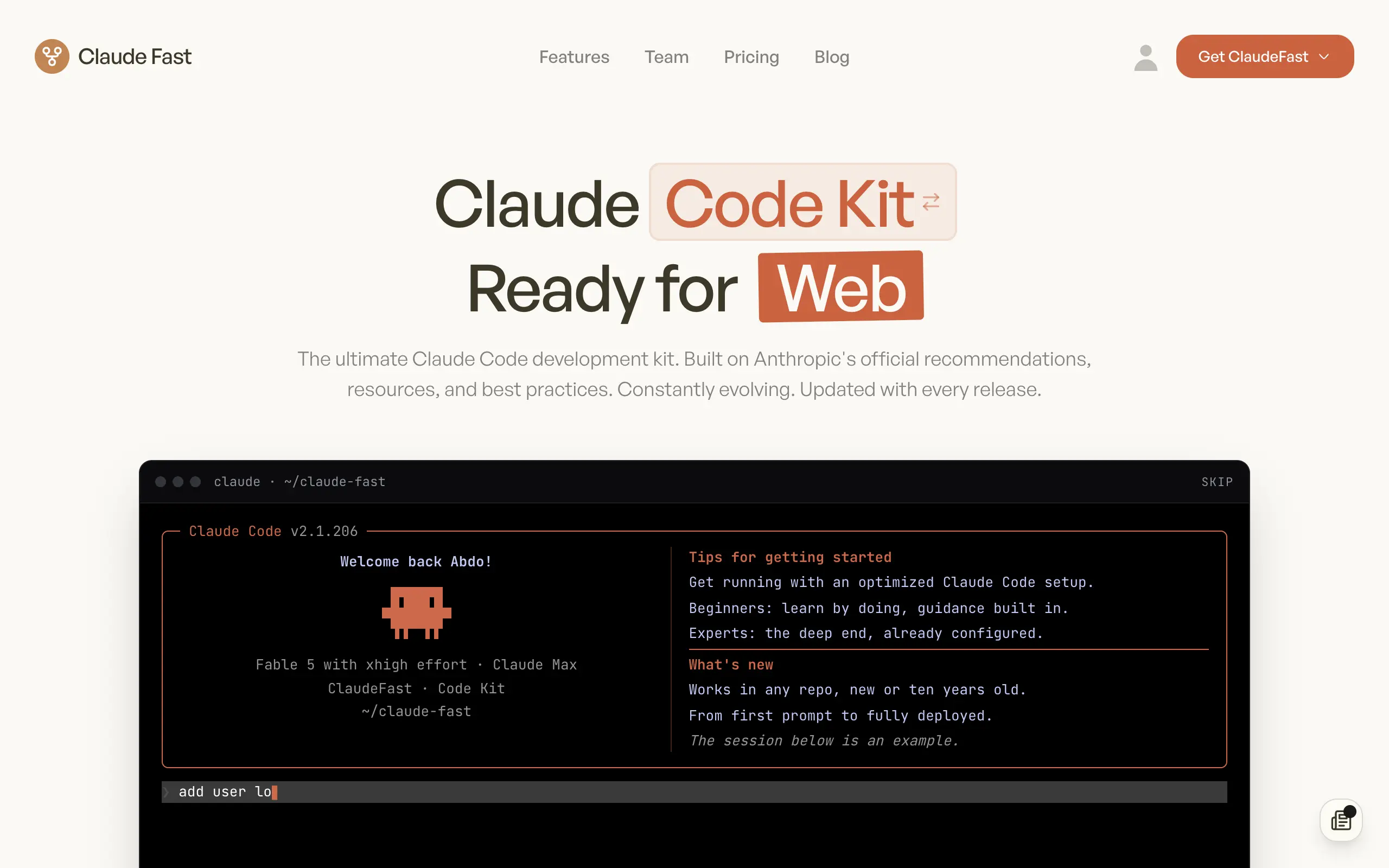
Claude Fast
Supercharge your Claude Code with 6x effective context window and specialized AI agents 🤖
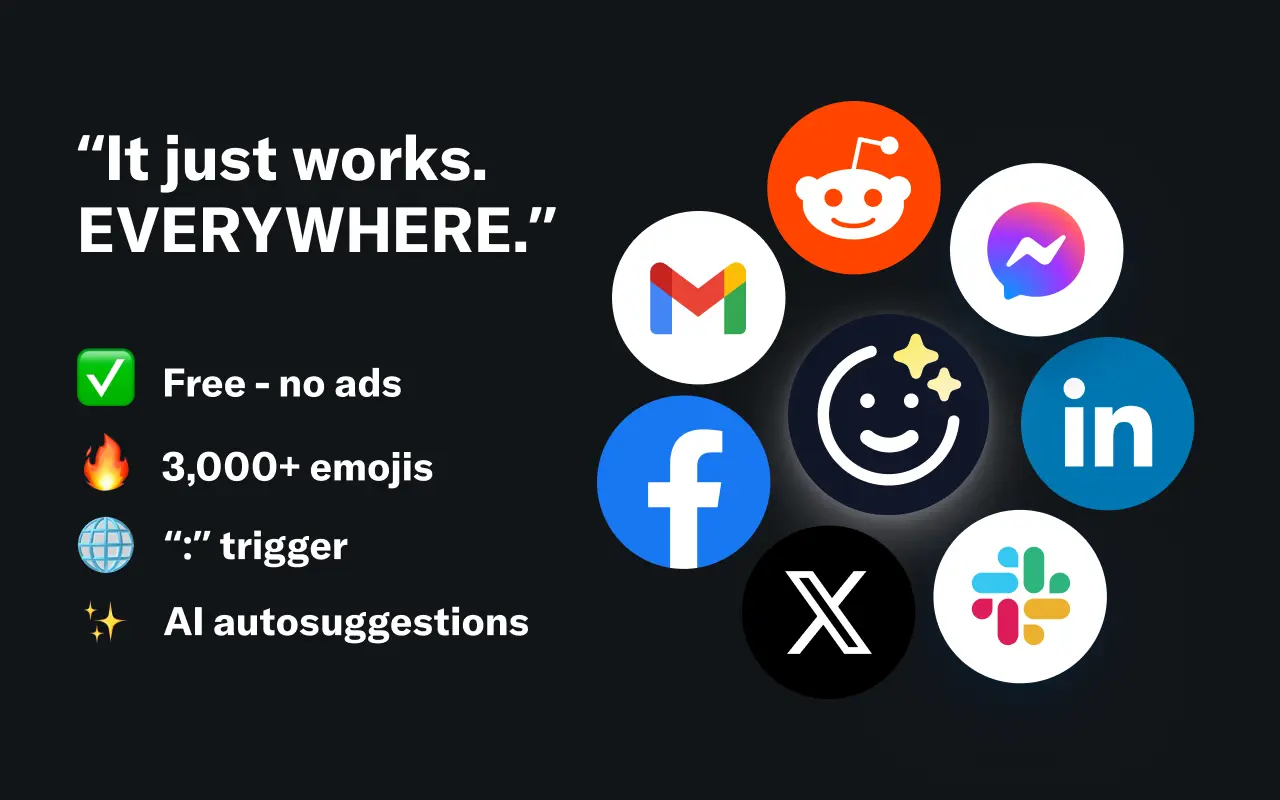
EmojAI
AI-powered emoji picker with smart, context-aware suggestions 🤖
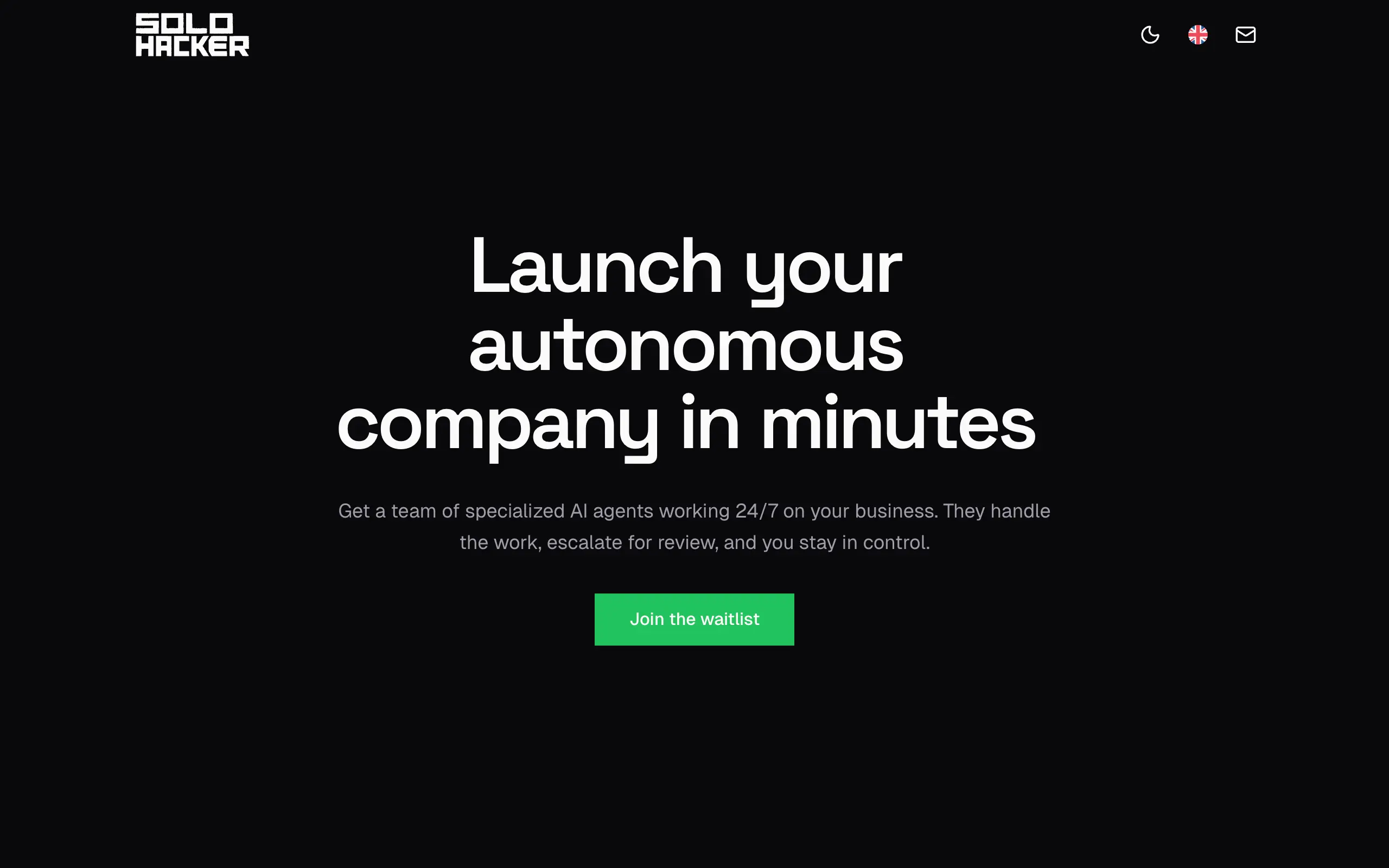
Solohacker
Autonomous company launcher - AI agents work 24/7, escalate what matters, and you stay in control 🤖

BeRawi: Storytelling Coach
Practice storytelling daily with instant feedback to sound clearer, more engaging, and confident 🎤
Omichat
Chat with 50+ AI models, including ChatGPT and Claude, in one place - switch models anytime without losing context 🤖
Claude Fast
Supercharge your Claude Code with 6x effective context window and specialized AI agents 🤖
EmojAI
AI-powered emoji picker with smart, context-aware suggestions 🤖
Solohacker
Autonomous company launcher - AI agents work 24/7, escalate what matters, and you stay in control 🤖
BeRawi: Storytelling Coach
Practice storytelling daily with instant feedback to sound clearer, more engaging, and confident 🎤
Omichat
Chat with 50+ AI models, including ChatGPT and Claude, in one place - switch models anytime without losing context 🤖
Claude Fast
Supercharge your Claude Code with 6x effective context window and specialized AI agents 🤖
EmojAI
AI-powered emoji picker with smart, context-aware suggestions 🤖
Solohacker
Autonomous company launcher - AI agents work 24/7, escalate what matters, and you stay in control 🤖
BeRawi: Storytelling Coach
Practice storytelling daily with instant feedback to sound clearer, more engaging, and confident 🎤
Omichat
Chat with 50+ AI models, including ChatGPT and Claude, in one place - switch models anytime without losing context 🤖
Claude Fast
Supercharge your Claude Code with 6x effective context window and specialized AI agents 🤖
EmojAI
AI-powered emoji picker with smart, context-aware suggestions 🤖
Solohacker
Autonomous company launcher - AI agents work 24/7, escalate what matters, and you stay in control 🤖
BeRawi: Storytelling Coach
Practice storytelling daily with instant feedback to sound clearer, more engaging, and confident 🎤

Connect with like-minded people
Join our community to get feedback, support, and grow together with 1,000+ builders on board, let's ship it!
Join usShip your startup everywhere. In minutes.
Don't burn tokens on setup and start building features on day one.