CodeScoutAI
An AI tool for developers that scans codebases, suggests improvements, and automates documentation, boosting productivity and code quality for teams.
Understanding the need for CodeScoutAI: growing demands in modern software development
The rapid adoption of agile methodologies, continuous integration and deployment pipelines, and cloud-native architectures has accelerated the pace at which software is developed and maintained. With this acceleration comes increased complexity, legacy code challenges, and heightened expectations for both code quality and documentation completeness.
Developers, engineering managers, and CTOs regularly confront issues such as:
- Outdated, missing, or inconsistent documentation
- Technical debt accumulation from code that lacks refactoring or clear improvement suggestions
- Onboarding friction for new team members due to poor code understandability
- Difficulty in maintaining code consistency and best practices across distributed teams
CodeScoutAI tackles these problems using artificial intelligence to scan entire codebases, deliver actionable suggestions for improvement, and automate the generation of high-quality documentation. Let’s explore its impact and capabilities in detail.
Who benefits from CodeScoutAI? Analyzing the target audience
To design and market an effective AI-powered code analysis tool, it’s crucial to clearly understand the intended users and stakeholders.
Primary audiences
- Software development teams: Both startups and enterprise teams aiming to uphold high standards of code quality and documentation in fast-paced environments.
- Tech leads and engineering managers: Individuals responsible for code reviews, enforcing consistency, and ensuring that technical documentation meets organizational standards.
- Freelance developers and consultants: Professionals seeking to quickly assess new codebases, suggest improvements, and impress clients with well-documented deliverables.
- DevOps engineers: Those integrating automated quality checks and documentation into CI/CD pipelines.
Secondary audiences
- Educators and bootcamp instructors: For teaching best practices in real-world environments.
- Open-source maintainers: Spearheading large projects that rely on community contributions, where documentation and consistency are often challenges.
Engineering Managers
Gain insights into technical debt and documentation coverage across projects, improving team output and onboarding speed.
Freelancers & Consultants
Offer rapid code assessments and deliver high-impact documentation to clients, increasing project value.
CTOs
Ensure codebase health, minimize production bugs, and enable easier scaling of dev teams.
The market opportunity: why AI code assistants are rising fast
Pain points in current developer workflows
Despite advanced IDEs and static analysis tools, teams still face recurring issues:
- Manual code review processes, which are time-consuming and depend on expert availability
- Documentation often treated as an afterthought, leading to high onboarding overhead
- Inconsistent code quality, worsening as teams scale or outsource
Market trends and data
According to industry reports, developer tools—especially those incorporating AI—are among the fastest-growing investment areas in SaaS (see: State of Developer Ecosystem 2023). Adoption of AI-based code assistants has surged, driven by benefits such as time savings, improved accuracy, and lower maintenance costs.
AI-powered SaaS solutions are projected to exceed $29B by 2025 in the developer tool space (source: suggested data from Gartner or Forrester). The gap lies in creating tools that go beyond code completion and offer deep codebase augmentation—covering documentation, best-practice adherence, and maintainability.
Tip
Teams investing in automated code and documentation improvement typically reduce technical debt and onboarding time by up to 30%, according to several productivity studies. Always validate such statistics with up-to-date research.
Key features & the CodeScoutAI solution
The core of CodeScoutAI is to elevate both productivity and code quality by harnessing artificial intelligence in a way that complements (not replaces) human expertise.
Codebase scanning and improvement
- Deep semantic analysis: Uses modern NLP and AI/ML models to understand design patterns, detect code smells, and identify opportunities for abstraction or refactoring.
- Actionable suggestions: Presents context-aware recommendations for improvement, ranked by potential impact and clarity.
Automated, context-rich documentation
- Intelligent doc generation: Automatically creates (and updates) documentation at function, class, module, and API levels, tailoring output to the detected programming language and framework.
- Customizable templates: Supports internal styles and conventions, making generated docs seamlessly fit team or company branding.
- Change tracking: Highlights discrepancies when documentation becomes outdated due to recent code changes.
Seamless team workflows
- Pull request comments: Integrates with popular version control systems, providing direct feedback in code reviews.
- Continuous integration pipeline hooks: Automatically triggers scans on merges, PRs, or deployments.
- Dashboards: Visualize code quality, documentation coverage, and improvement history over time.
Privacy and security
- On-premise and cloud options: Sensitive code never leaves your environment if required.
- Compliance features: Enables audit trails and privacy-aware scans for regulated industries.
The CodeScoutAI workflow at a glance
Deep dive: technological foundation & recommended stack
Choosing the right tech stack is pivotal for scalability, performance, and maintainability of an AI developer tool like CodeScoutAI.
Backend
- Python: Primary for AI/ML analysis, rich ecosystem of NLP, code parsing (e.g., OpenAI API, Hugging Face Transformers), and static analysis libraries.
- Node.js: For orchestration, plugin system, and rapid handling of repository events.
- PostgreSQL: Reliable, scalable open-source database for storing analysis results, usage data, and audit trails.
Frontend
- React: Robust UI with reusable components and deep integration possibilities.
- TailwindCSS: For rapid, responsive, and maintainable UI styling.
- Typescript: Ensures code quality, type safety, and easier onboarding for contributors.
DevOps & pipeline integration
- Docker: Packaging and isolated deployment, whether cloud-based or on-premise.
- GitHub Actions, GitLab CI: Automated triggers for scans, making CodeScoutAI accessible at every commit or merge.
Trade-offs
- Python’s AI dominance ensures rapid prototyping and best-in-class ML support, but may require bridging with faster stacks for low-latency API responses.
- Monolith vs. microservices: Start with a modular monolith for rapid iteration; migrate to microservices as scale or team size demands.
- Self-hosting: Attracts privacy-conscious enterprises but adds deployment complexity compared to pure-SaaS.
Example: plugin system for extensibility
// Example of a Node.js-based plugin loader
import { loadPlugins } from './plugins';

export function scanRepository(repoPath: string) {
  const plugins = loadPlugins();
  plugins.forEach(plugin => plugin.analyze(repoPath));
}
Learn more
Explore TurboStarter for rapid scaffolding of SaaS projects—ideal for building modern AI tools like CodeScoutAI with best practices out-of-the-box.
Monetization strategy: balancing value and accessibility
A successful AI SaaS tool appeals to a range of users—from individual developers to large enterprises. Monetization should reflect this diversity.
Potential pricing models
- Freemium: Offer limited free scans per month to attract users, with premium tiers unlocking unlimited projects, advanced documentation, and security features.
- Per-seat/Per-developer pricing: Charge teams based on the number of active users or code repositories connected.
- Enterprise plans: Custom pricing for dedicated support, on-premise deployment, compliance, and advanced integration.
- Pay-per-scan: Allow occasional users (consultants, small agencies) to purchase scan credits as needed.
Add-on revenue streams
- Marketplace for plugins: Enable third-parties to offer custom rules, integrations, and documentation templates.
- Premium onboarding or consulting: Help enterprise customers integrate CodeScoutAI seamlessly into their workflows.
Competitive landscape: what sets CodeScoutAI apart?
There is no shortage of developer tools, but few combine AI-driven code improvement with automated, context-rich documentation—and even fewer do so with deep integration into team workflows.
Comparative feature table
| Code analysis | Automated documentation | CI/CD integration | Security & privacy | Plugin system |
|---|---|---|---|---|
| ✅ | ❌ | ❌ | ✅ | ❌ |
| ✅ | ❌ | ✅ | ✅ | ❌ |
Many traditional static analysis tools offer good code checks but lack automated documentation and seamless workflow integration.
Unique value proposition
- AI-powered documentation that evolves with code: Not just generating docs initially but keeping them updated as code changes.
- Multi-layered suggestions: Supports not only bug detection or optimization, but improvements to readability, maintainability, and even team-specific style guidelines.
- Flexible deployment: SaaS for ease, on-premise for privacy.
- Team-centered workflows: Integrates tightly with PRs, CI/CD, and dashboards—improving adoption and real-world impact.
- Extensible and customizable: Open plugin framework means teams can extend CodeScoutAI to suit any language, framework, or internal process.
Addressing risks and mitigation strategies
Every SaaS, especially in the AI and developer tooling space, faces potential obstacles. Here’s a look at major risks and how to address them.
Technical risks
- False positives in suggestions or documentation: Continuous refinement and leveraging user feedback to improve AI models.
- Performance on large repositories: Optimize with async scans, distributed processing, and resource caching.
Security & privacy risks
- Sensitive code exposure: Offer on-premise deployment and robust data-handling policies. Never train AI models on private data without explicit opt-in.
- Third-party integration risks: Rigorously vet plugins and enforce sandboxing for community-created extensions.
Market risks
- Competitive incumbents: Maintain rapid iteration and maintain a strong core USP. Engage early adopters and capture developer mindshare with educational content and open APIs.
- AI regulation compliance: Stay ahead of potential privacy or AI transparency regulations by logging all actions, keeping detailed audit trails, and offering explainability for AI-driven recommendations.
Implementation roadmap: steps to launch CodeScoutAI
A well-defined launch plan ensures swift validation and user adoption for a SaaS tool like CodeScoutAI.
Launch a landing page and invite early adopters. Offer pilots to dev teams. Use surveys and interviews to refine feature priorities and UX.
Focus on repository scanning, improvement suggestions, and basic doc generation. Ensure integration with at least one major VCS (like GitHub).
Develop dashboards, refine PR comments, and support CI/CD workflows. Early plugin system proof-of-concept.
Invite early users, gather real-world results, and rapidly iterate on issues and feature requests.
Harden security, enable on-premise deploys, and formalize enterprise pricing and support structures.
Actionable steps for getting started
Ready to turn the CodeScoutAI vision into reality? Here’s how to move forward:
- Market research: Deep-dive into developer forums, interview prospective customers, and benchmark competition.
- Rapid prototype: Use platforms like TurboStarter for fast MVP development.
- Build trust from day one: Prioritize transparency in AI decision-making, robust documentation, and developer-centric onboarding.
- Integrate with core workflows: Focus on seamless GitHub/CI/CD integration and clear documentation coverage metrics.
- Iterate and engage: Foster community around plugins, templates, and workflow add-ons to drive long-term adoption and retention.
Why CodeScoutAI is poised for success
CodeScoutAI stands out as a next-generation AI SaaS for developers by combining precise code analysis, actionable improvement suggestions, and sophisticated documentation automation—all deeply integrated into the team workflow. With a strong technical foundation, extensibility, and developer-first positioning, it is uniquely equipped to address persistent pain points in modern software development.
By investing in seamless user experience, privacy-first architecture, and ongoing innovation, CodeScoutAI doesn’t just scan code—it scouts the future of collaborative, high-quality engineering.
Summary of key benefits:
- Dramatically reduces time spent on manual code review and documentation
- Boosts onboarding efficiency for new developers
- Enables consistent codebase quality across fast-growing or distributed teams
- Provides flexible deployment, from SaaS to on-premise
- Scales from individual consultants to enterprise organizations
Join the AI revolution in developer productivity—CodeScoutAI is your team's next strategic ally for better code and documentation.
More 🤖 AI Startup SaaS ideas
Discover more innovative ai startup SaaS ideas that are trending in 2026. Each idea is AI-generated with market validation and growth potential to help you find your next profitable venture faster than competitors.
Your competitors are building with TurboStarter
Below are some of the SaaS ideas that have been generated and built with our starter kit.
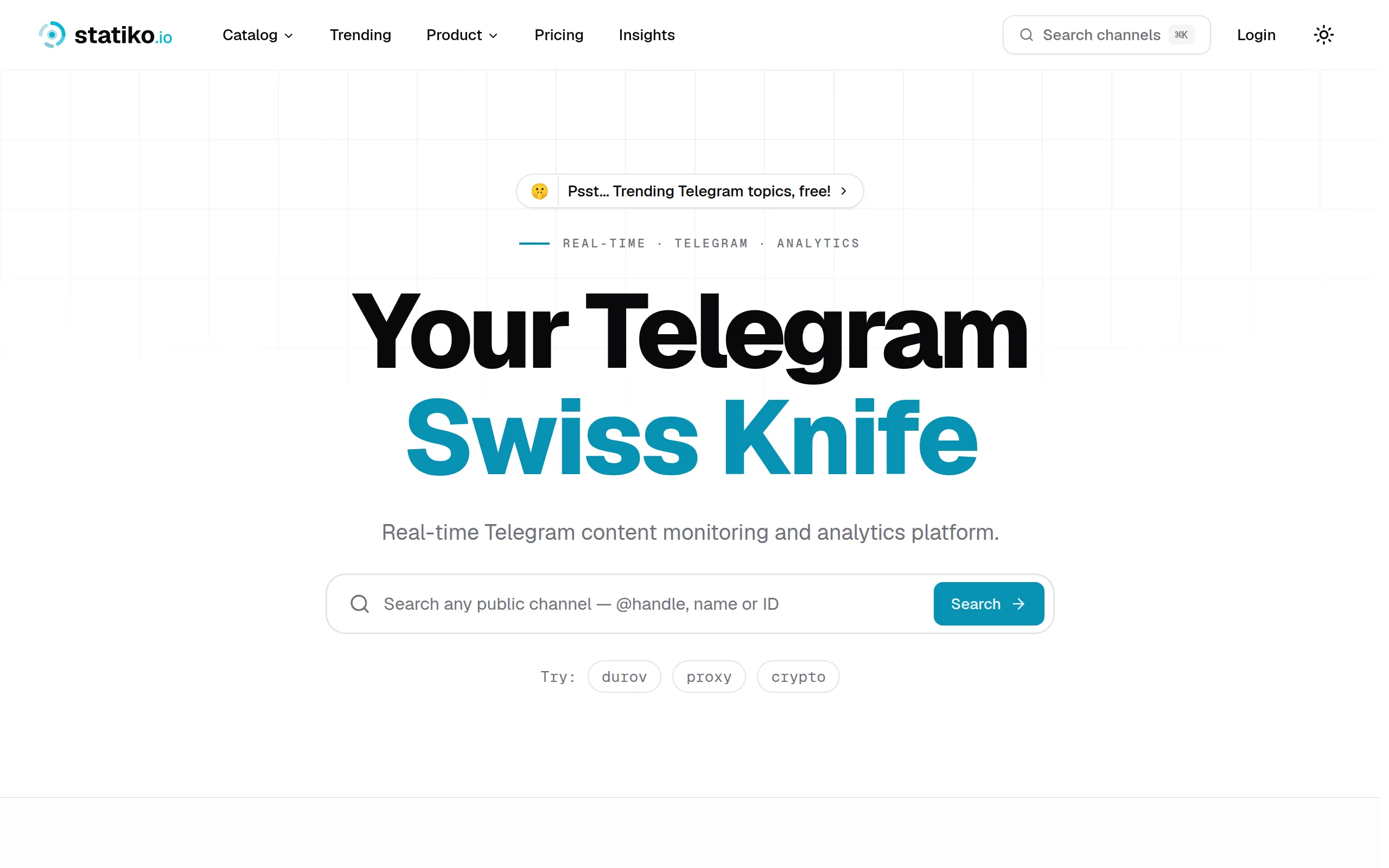
Statiko
Monitor any Telegram channel in real time - track posts, edits, deletions, and growth with AI recaps 📡

Shibui
AI website builder - describe your business, pick a niche template, edit by chatting, and publish instantly ✨

Pro Service
Find verified home service professionals, compare quotes, and pay securely through escrow - built for Brazilians across the US 🏠
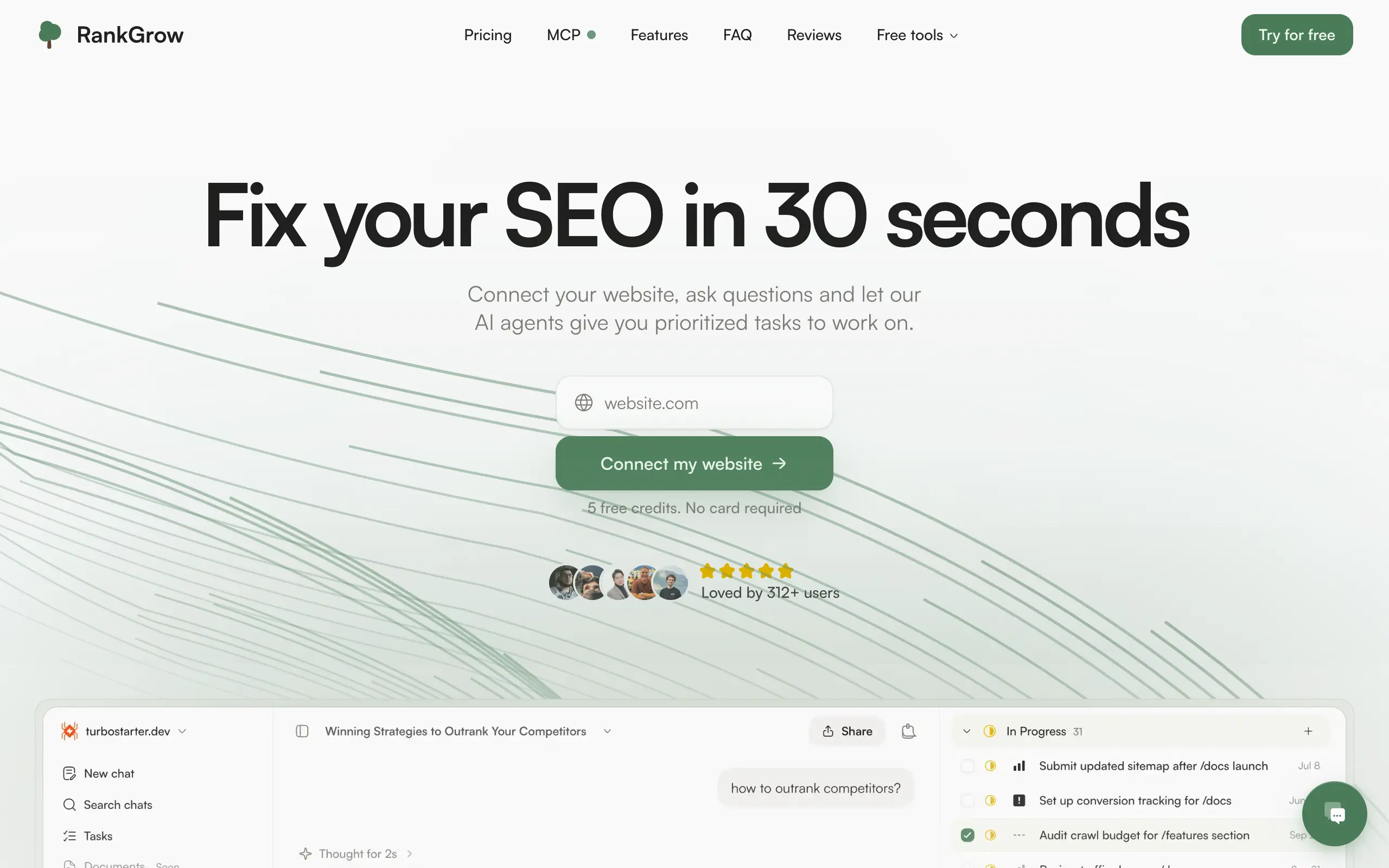
RankGrow
Fix your SEO with AI agents - connect Search Console, get prioritized tasks, and grow organic traffic 📈
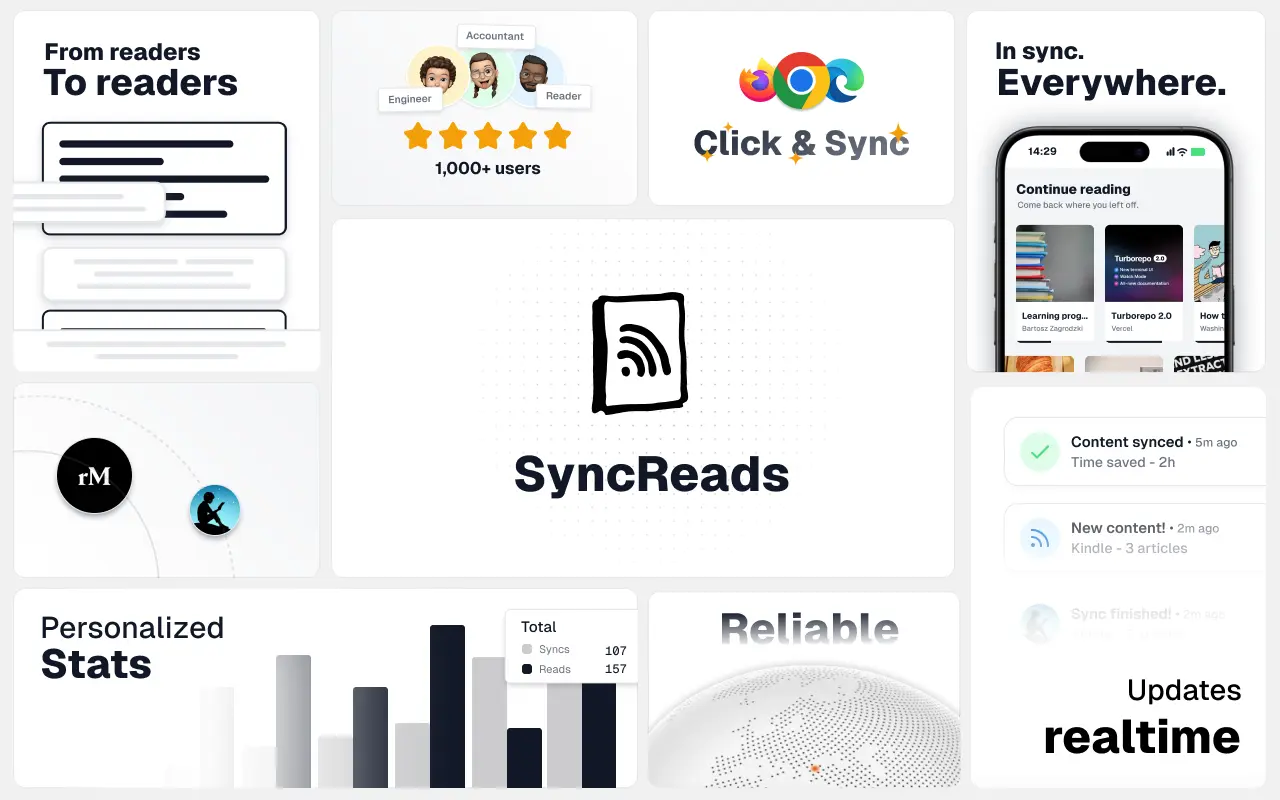
SyncReads
Sync your favorite content for distraction-free reading, save time and replace multiple apps. Anytime, anywhere 🔄
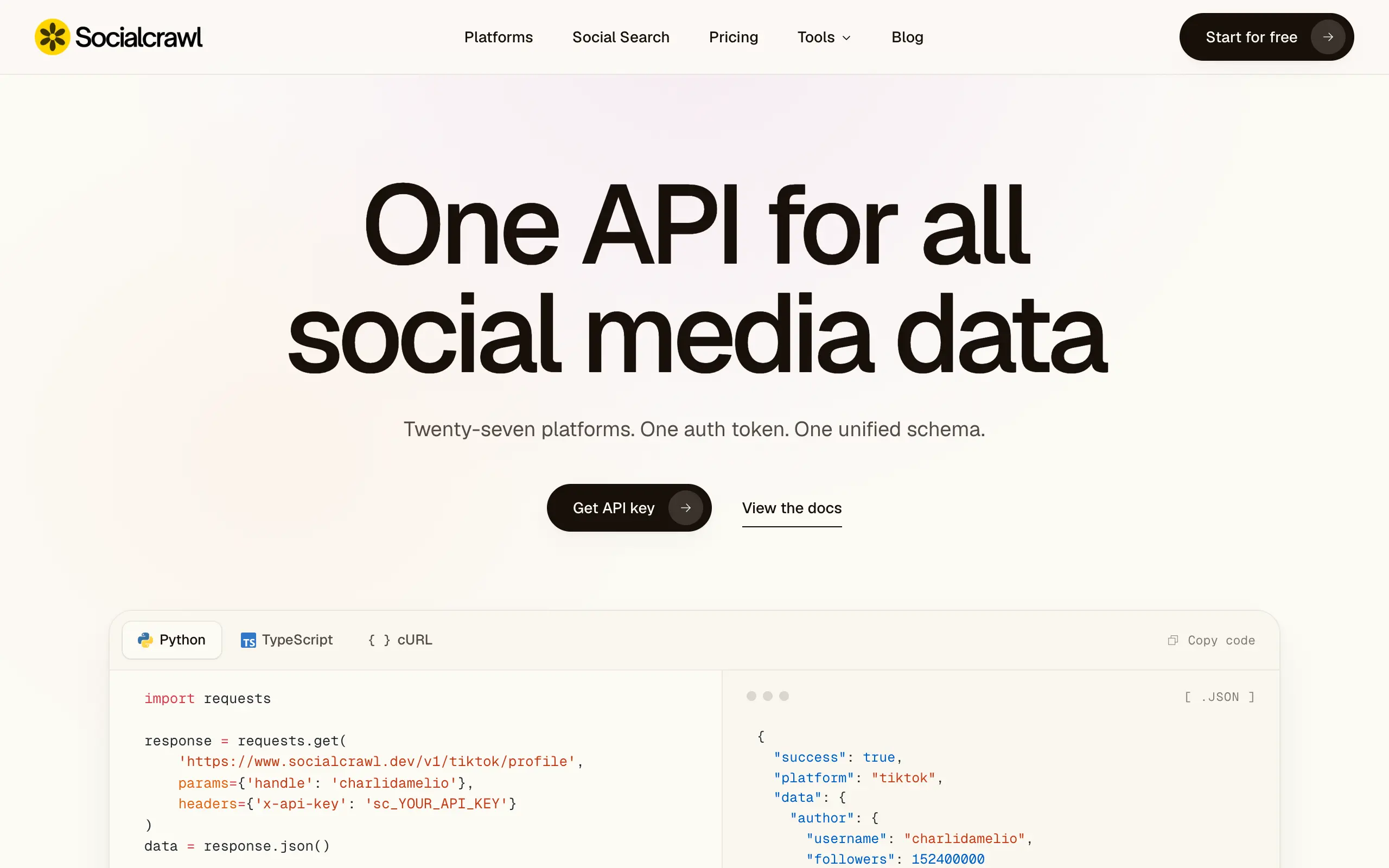
Socialcrawl
Get clean, structured data from 21 platforms like TikTok, Instagram, and YouTube with a single request 📊
Statiko
Monitor any Telegram channel in real time - track posts, edits, deletions, and growth with AI recaps 📡
Shibui
AI website builder - describe your business, pick a niche template, edit by chatting, and publish instantly ✨
Pro Service
Find verified home service professionals, compare quotes, and pay securely through escrow - built for Brazilians across the US 🏠
RankGrow
Fix your SEO with AI agents - connect Search Console, get prioritized tasks, and grow organic traffic 📈
SyncReads
Sync your favorite content for distraction-free reading, save time and replace multiple apps. Anytime, anywhere 🔄
Socialcrawl
Get clean, structured data from 21 platforms like TikTok, Instagram, and YouTube with a single request 📊
Statiko
Monitor any Telegram channel in real time - track posts, edits, deletions, and growth with AI recaps 📡
Shibui
AI website builder - describe your business, pick a niche template, edit by chatting, and publish instantly ✨
Pro Service
Find verified home service professionals, compare quotes, and pay securely through escrow - built for Brazilians across the US 🏠
RankGrow
Fix your SEO with AI agents - connect Search Console, get prioritized tasks, and grow organic traffic 📈
SyncReads
Sync your favorite content for distraction-free reading, save time and replace multiple apps. Anytime, anywhere 🔄
Socialcrawl
Get clean, structured data from 21 platforms like TikTok, Instagram, and YouTube with a single request 📊
Statiko
Monitor any Telegram channel in real time - track posts, edits, deletions, and growth with AI recaps 📡
Shibui
AI website builder - describe your business, pick a niche template, edit by chatting, and publish instantly ✨
Pro Service
Find verified home service professionals, compare quotes, and pay securely through escrow - built for Brazilians across the US 🏠
RankGrow
Fix your SEO with AI agents - connect Search Console, get prioritized tasks, and grow organic traffic 📈
SyncReads
Sync your favorite content for distraction-free reading, save time and replace multiple apps. Anytime, anywhere 🔄
Socialcrawl
Get clean, structured data from 21 platforms like TikTok, Instagram, and YouTube with a single request 📊
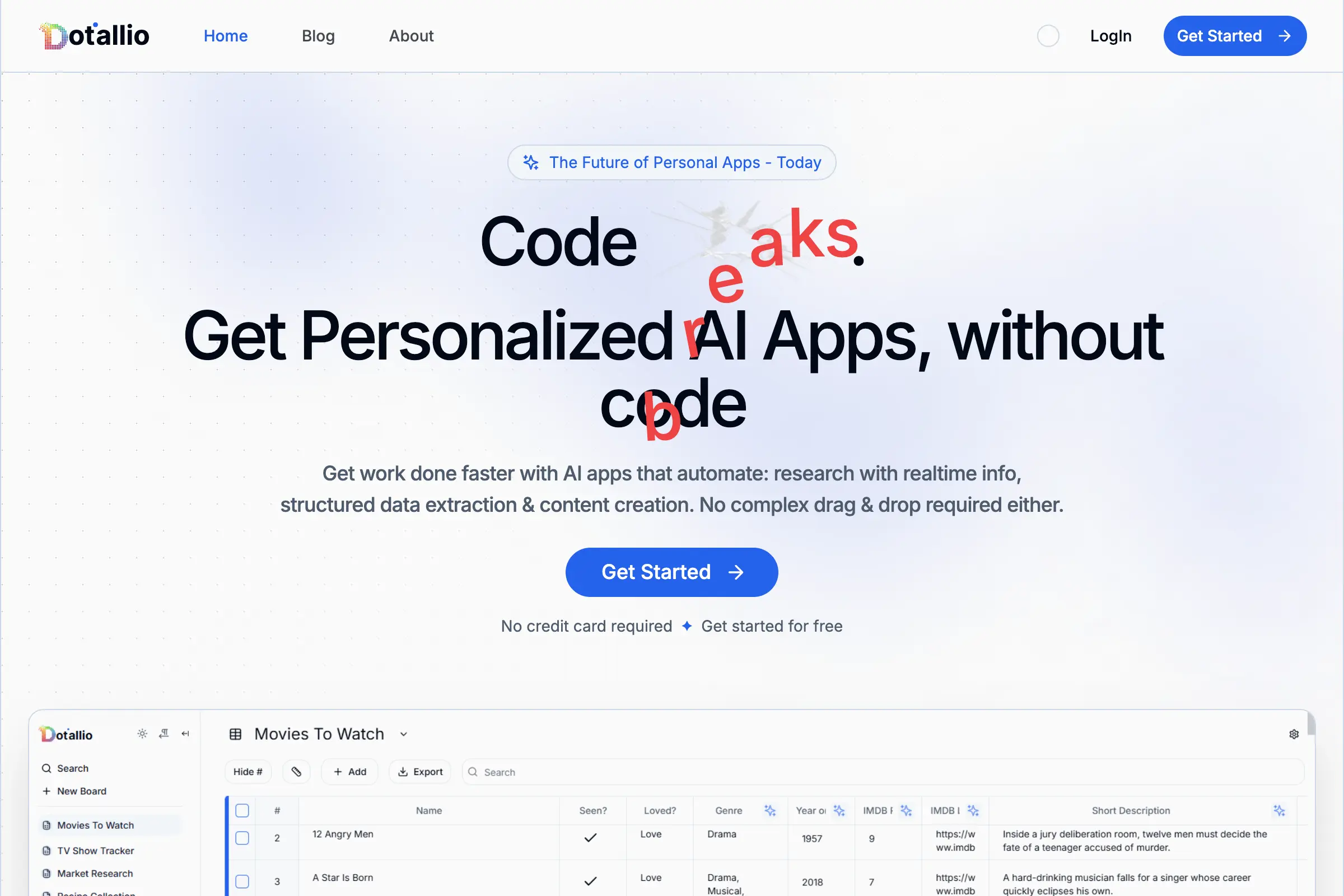
Dotallio
Personalized AI apps that automate research, data extraction, and content creation without code 🤖

Talk to Santa
Enjoy a magical live video chat or receive a unique AI-generated video greeting from Santa Claus 🎅

pozywka.pl
Scalable blog for food journalist, focused on performance and user experience 🌭
zagrodzki.me
Personal blog and portfolio of Bart Zagrodzki, where he shares his knowledge and work 💼
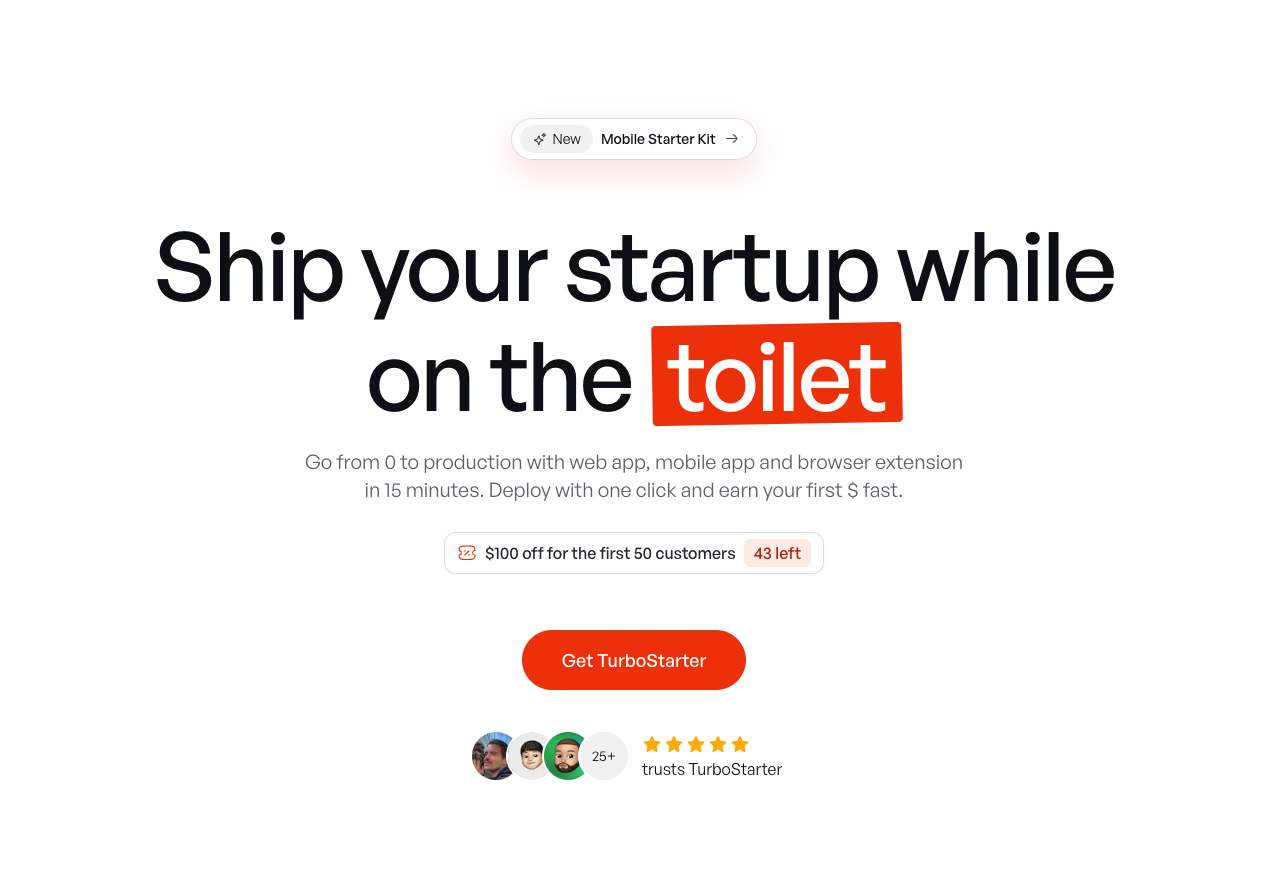
TurboStarter
Ship your startup everywhere. In minutes.
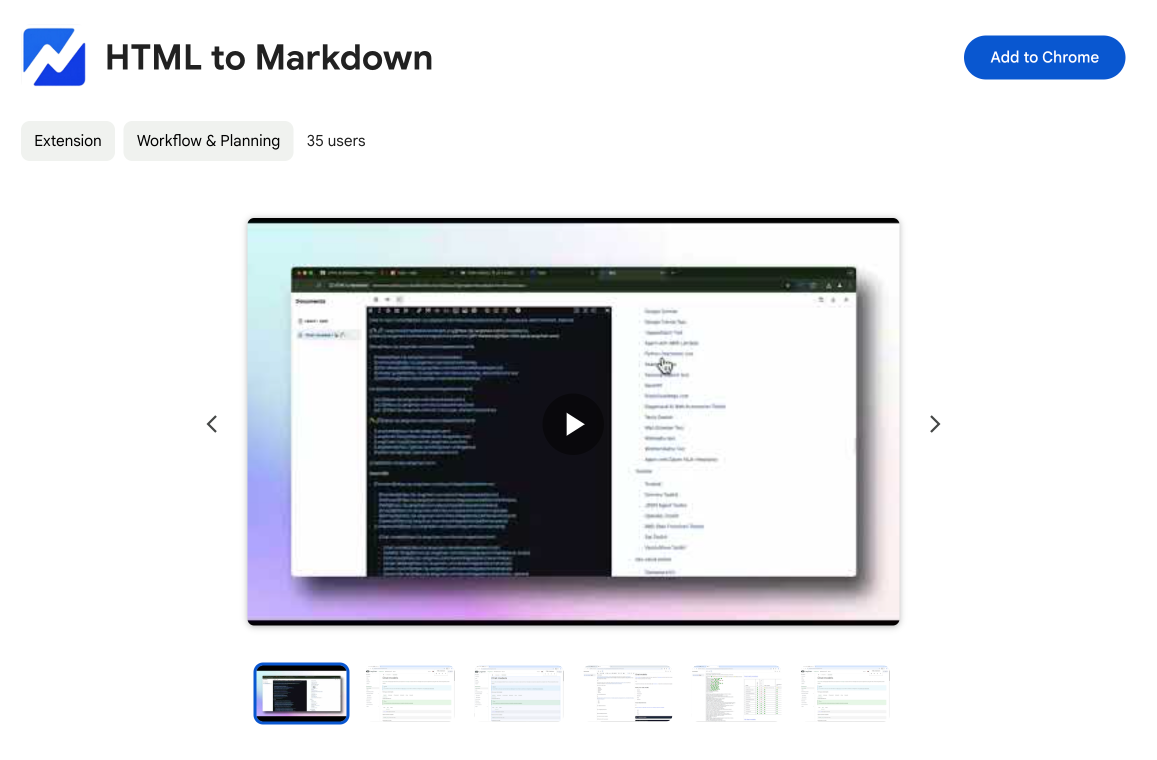
HTML to Markdown
Convert HTML to Markdown with ease, directly in your browser 📄
Dotallio
Personalized AI apps that automate research, data extraction, and content creation without code 🤖
Talk to Santa
Enjoy a magical live video chat or receive a unique AI-generated video greeting from Santa Claus 🎅
pozywka.pl
Scalable blog for food journalist, focused on performance and user experience 🌭
zagrodzki.me
Personal blog and portfolio of Bart Zagrodzki, where he shares his knowledge and work 💼
TurboStarter
Ship your startup everywhere. In minutes.
HTML to Markdown
Convert HTML to Markdown with ease, directly in your browser 📄
Dotallio
Personalized AI apps that automate research, data extraction, and content creation without code 🤖
Talk to Santa
Enjoy a magical live video chat or receive a unique AI-generated video greeting from Santa Claus 🎅
pozywka.pl
Scalable blog for food journalist, focused on performance and user experience 🌭
zagrodzki.me
Personal blog and portfolio of Bart Zagrodzki, where he shares his knowledge and work 💼
TurboStarter
Ship your startup everywhere. In minutes.
HTML to Markdown
Convert HTML to Markdown with ease, directly in your browser 📄
Dotallio
Personalized AI apps that automate research, data extraction, and content creation without code 🤖
Talk to Santa
Enjoy a magical live video chat or receive a unique AI-generated video greeting from Santa Claus 🎅
pozywka.pl
Scalable blog for food journalist, focused on performance and user experience 🌭
zagrodzki.me
Personal blog and portfolio of Bart Zagrodzki, where he shares his knowledge and work 💼
TurboStarter
Ship your startup everywhere. In minutes.
HTML to Markdown
Convert HTML to Markdown with ease, directly in your browser 📄
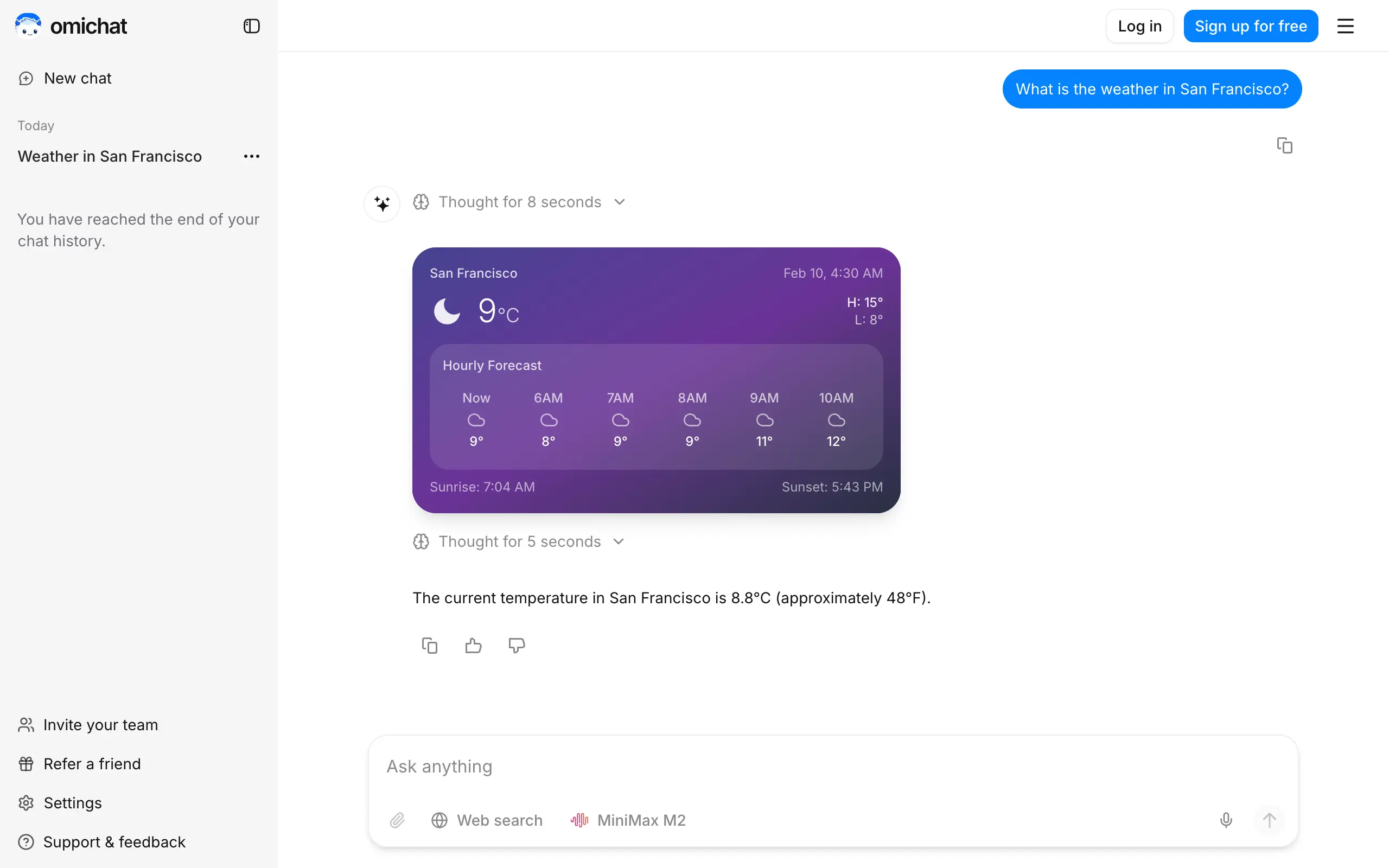
Omichat
Chat with 50+ AI models, including ChatGPT and Claude, in one place - switch models anytime without losing context 🤖
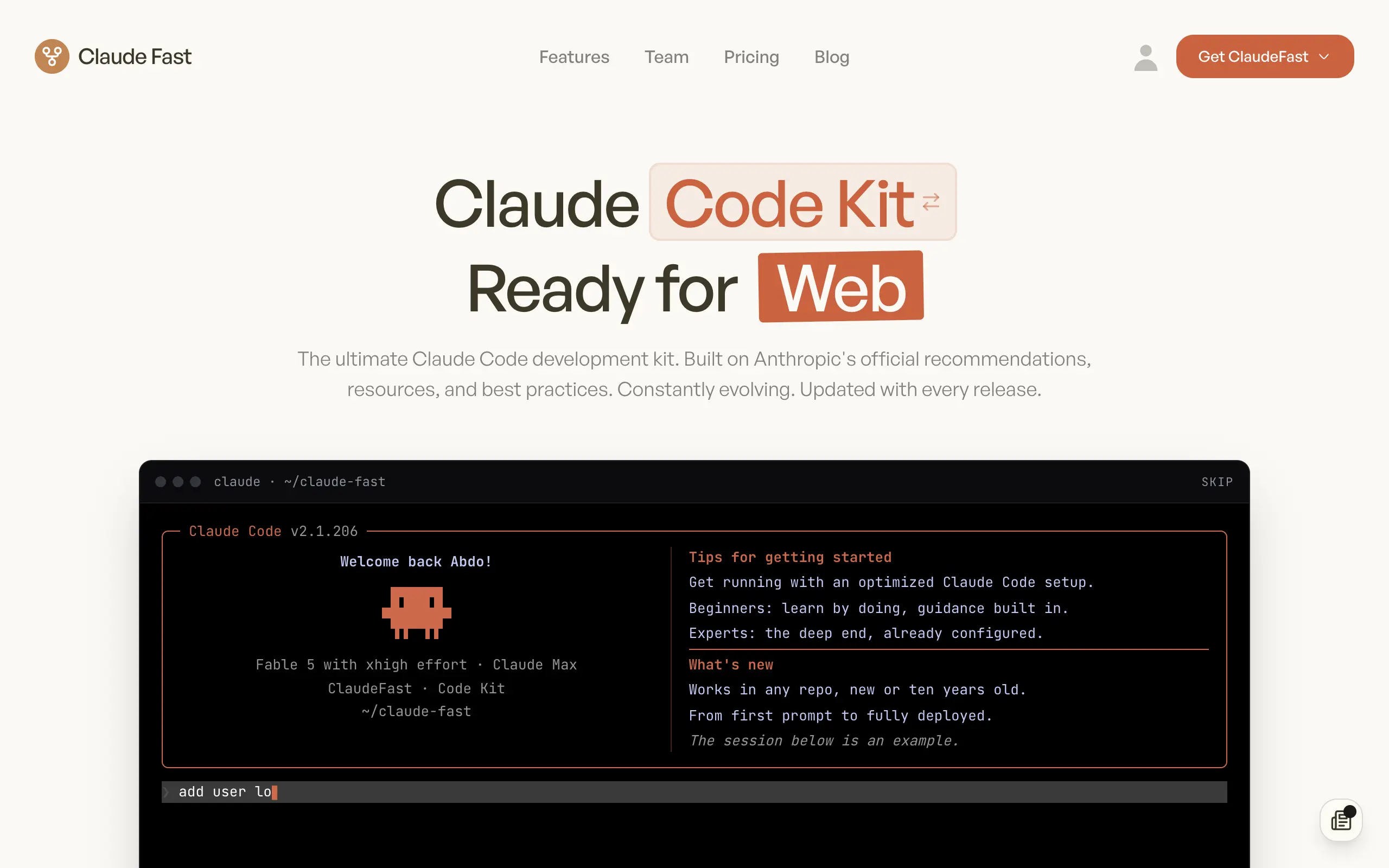
Claude Fast
Supercharge your Claude Code with 6x effective context window and specialized AI agents 🤖
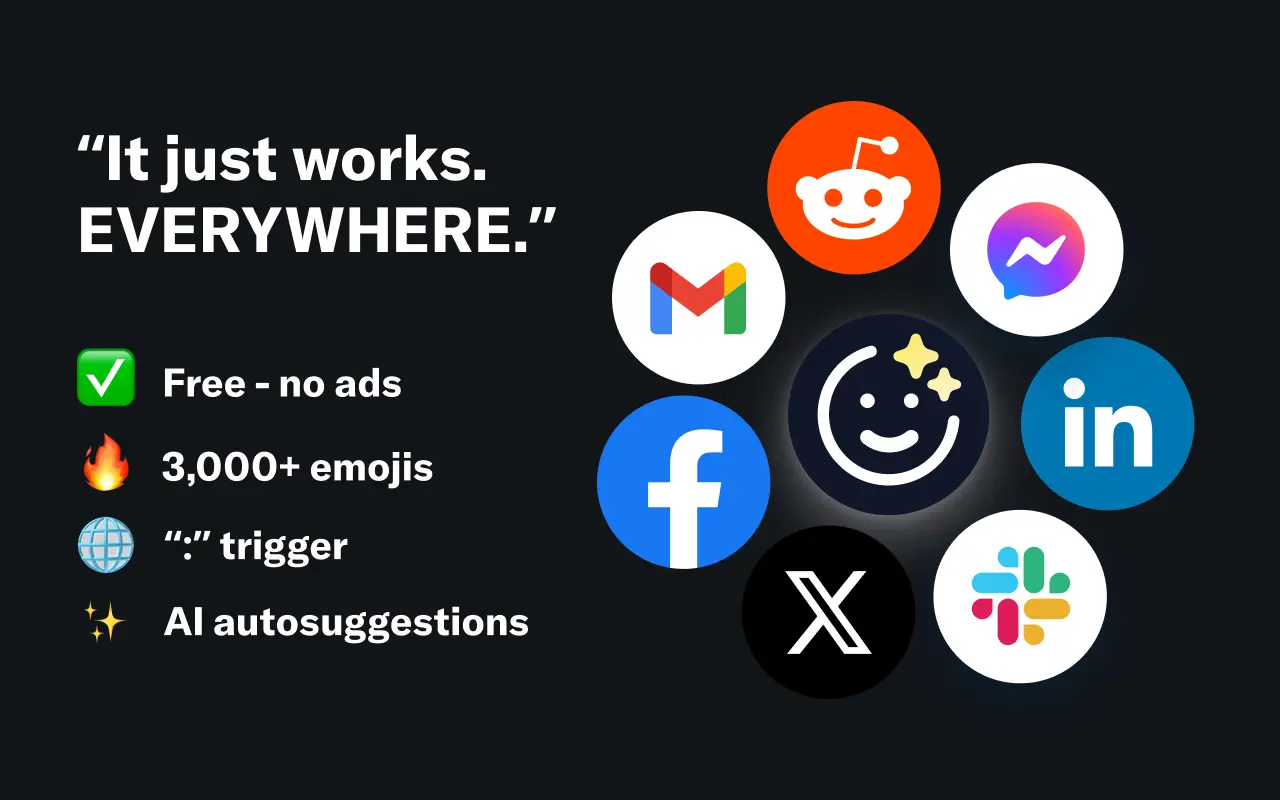
EmojAI
AI-powered emoji picker with smart, context-aware suggestions 🤖
Solohacker
Autonomous company launcher - AI agents work 24/7, escalate what matters, and you stay in control 🤖

BeRawi: Storytelling Coach
Practice storytelling daily with instant feedback to sound clearer, more engaging, and confident 🎤
Omichat
Chat with 50+ AI models, including ChatGPT and Claude, in one place - switch models anytime without losing context 🤖
Claude Fast
Supercharge your Claude Code with 6x effective context window and specialized AI agents 🤖
EmojAI
AI-powered emoji picker with smart, context-aware suggestions 🤖
Solohacker
Autonomous company launcher - AI agents work 24/7, escalate what matters, and you stay in control 🤖
BeRawi: Storytelling Coach
Practice storytelling daily with instant feedback to sound clearer, more engaging, and confident 🎤
Omichat
Chat with 50+ AI models, including ChatGPT and Claude, in one place - switch models anytime without losing context 🤖
Claude Fast
Supercharge your Claude Code with 6x effective context window and specialized AI agents 🤖
EmojAI
AI-powered emoji picker with smart, context-aware suggestions 🤖
Solohacker
Autonomous company launcher - AI agents work 24/7, escalate what matters, and you stay in control 🤖
BeRawi: Storytelling Coach
Practice storytelling daily with instant feedback to sound clearer, more engaging, and confident 🎤
Omichat
Chat with 50+ AI models, including ChatGPT and Claude, in one place - switch models anytime without losing context 🤖
Claude Fast
Supercharge your Claude Code with 6x effective context window and specialized AI agents 🤖
EmojAI
AI-powered emoji picker with smart, context-aware suggestions 🤖
Solohacker
Autonomous company launcher - AI agents work 24/7, escalate what matters, and you stay in control 🤖
BeRawi: Storytelling Coach
Practice storytelling daily with instant feedback to sound clearer, more engaging, and confident 🎤

Connect with like-minded people
Join our community to get feedback, support, and grow together with 1,000+ builders on board, let's ship it!
Join usShip your startup everywhere. In minutes.
Don't burn tokens on setup and start building features on day one.