CogniLoop
AI-powered cognitive behavioral journaling that detects thought patterns and gently guides users through personalized CBT exercises in real time.
Introduction to AI-powered CBT journaling and why it matters
Mental health support is undergoing a profound shift. With increasing global awareness of anxiety, stress, and depression, millions of people are actively searching for tools that are accessible, affordable, and effective. Traditional therapy remains essential, but it is often limited by cost, availability, and stigma.
This is where AI-powered cognitive behavioral journaling platforms like CogniLoop step in.
CogniLoop represents a new generation of mental wellness SaaS products that combine cognitive behavioral therapy (CBT) principles with real-time AI analysis. Instead of static journaling, users receive intelligent feedback, pattern recognition, and guided interventions as they write.
The primary keyword here—AI CBT journaling app—captures a rapidly growing category. Users are no longer satisfied with passive journaling tools; they want interactive mental health companions that can help them reflect, reframe, and improve their thinking patterns in real time.
This article explores CogniLoop in depth: its market opportunity, target audience, core features, tech stack, monetization strategies, and how to build it into a defensible SaaS product.
Understanding the core problem CogniLoop solves
Most people who journal do so with good intentions—but without structure or feedback, journaling often becomes:
- Repetitive venting
- Emotionally reinforcing negative loops
- Lacking actionable insights
CBT, on the other hand, is one of the most evidence-based psychological approaches. It focuses on identifying and restructuring cognitive distortions, such as:
- Catastrophizing
- Black-and-white thinking
- Personalization
- Overgeneralization
The problem is that CBT requires guidance, typically from a trained therapist.
CogniLoop bridges this gap by offering:
- Real-time detection of thought patterns
- Guided CBT exercises during journaling
- Personalized feedback loops
Why this matters
The global mental health apps market is projected to grow significantly through 2030 (source: suggest citing Statista or McKinsey reports). AI-assisted therapy tools are one of the fastest-growing segments within this space.
Target audience analysis for an AI CBT journaling app
CogniLoop’s success depends on identifying high-intent user segments who actively seek mental clarity and self-improvement.
Primary audience segments
Young professionals (20–35)
High stress, career pressure, and openness to digital self-improvement tools.
Students
Dealing with anxiety, identity challenges, and academic stress.
Therapy-adjacent users
People already familiar with CBT concepts who want daily reinforcement.
Self-improvement enthusiasts
Users interested in journaling, mindfulness, and personal growth.
Secondary audiences
- Remote workers experiencing isolation
- Founders and entrepreneurs under pressure
- Individuals on therapy waitlists
- People seeking affordable mental health tools
Key user motivations
- “I want to understand my thoughts better”
- “I need a structured journaling method”
- “I can’t afford regular therapy”
- “I want immediate feedback when I feel overwhelmed”
Market gap and opportunity
Despite the rise of mental wellness apps like Headspace and Calm, most tools fall into two categories:
- Meditation-first apps (passive consumption)
- Basic journaling apps (no intelligence)
There is a clear gap for interactive, CBT-based journaling powered by AI.
Competitive landscape comparison
| Feature | Traditional Journaling Apps | Meditation Apps | Therapy Platforms | CogniLoop |
|---|---|---|---|---|
| Real-time feedback | ❌ | ❌ | ✅ (human) | ✅ (AI) |
| CBT framework | ❌ | ❌ | ✅ | ✅ |
| Affordability | ✅ | ✅ | ❌ | ✅ |
| 24/7 availability | ✅ | ✅ | ❌ | ✅ |
Key opportunity
CogniLoop sits at the intersection of:
- AI personalization
- Mental health accessibility
- Behavior change frameworks
This positioning creates a strong product-market fit opportunity.
Core features of CogniLoop
To stand out in the AI mental health space, CogniLoop must go beyond basic journaling.
1. real-time cognitive distortion detection
As users type, the AI analyzes text for patterns such as:
- Negative self-talk
- Emotional reasoning
- Catastrophic thinking
Example output:
“It sounds like you might be engaging in all-or-nothing thinking. Would you like to explore this?”
2. guided CBT interventions
The system offers structured exercises like:
- Thought records
- Evidence for/against beliefs
- Reframing prompts
3. adaptive journaling prompts
Prompts evolve based on user behavior:
- “What evidence supports this thought?”
- “What would you say to a friend in this situation?”
4. emotional trend tracking
Visual dashboards showing:
- Mood patterns over time
- Recurring triggers
- Cognitive distortions frequency
5. privacy-first design
Mental health data is highly sensitive. Key features:
- End-to-end encryption
- Local-first storage options
- Transparent AI usage policies
6. personalized growth insights
Weekly summaries:
- “You reduced catastrophic thinking by 15% this week”
- “You tend to feel anxious on Sunday evenings”
How the AI engine works (high-level architecture)
CogniLoop relies on natural language processing (NLP) and behavioral modeling.
Core components
- LLM-based text analysis for understanding user input
- Classification models for detecting cognitive distortions
- Prompt engineering layer for CBT responses
- User memory system for personalization
Example interaction logic
function analyzeJournalEntry(entry: string) {
  const distortions = detectDistortions(entry);
  const sentiment = analyzeEmotion(entry);

  if (distortions.includes("catastrophizing")) {
    return generateCBTResponse("catastrophizing", entry);
  }

  return generateReflectivePrompt(entry, sentiment);
}
Recommended tech stack (with trade-offs)
Building an AI CBT journaling app requires careful stack decisions.
Frontend
- React – flexible UI
- TailwindCSS – fast styling
- Mobile: React Native or Expo
Trade-off: React offers flexibility but requires optimization for performance.
Backend
- Node.js (NestJS or Express)
- Python microservices for AI models
Trade-off: Splitting backend increases complexity but improves scalability.
AI layer
- OpenAI API or similar LLM providers
- Fine-tuned models for CBT classification
Database
- PostgreSQL (structured data)
- Vector DB (e.g., Pinecone) for semantic memory
Infrastructure
- Vercel (frontend)
- AWS or GCP (backend + AI)
Starter framework
Using something like TurboStarter can significantly reduce development time by providing:
- Auth systems
- Billing integration
- Scalable architecture
Monetization strategy
A strong SaaS monetization model is critical.
subscription tiers
Free plan
Basic journaling with limited AI feedback.
Pro ($10–15/month)
Full CBT guidance, insights, and analytics.
Premium ($25/month)
Advanced personalization and deeper insights.
additional revenue streams
- B2B partnerships (HR wellness programs)
- Therapist dashboards
- White-label solutions
- API access for mental health platforms
pricing psychology
Mental health pricing must balance:
- Accessibility
- Perceived value
- Ethical considerations
Competitive advantage and unique selling proposition
CogniLoop’s USP is not just “AI journaling”—it is:
Real-time CBT intervention powered by adaptive AI
defensibility factors
- Proprietary behavioral datasets
- Personalization over time
- Habit formation loops
- Emotional trust and retention
network effects (soft)
While not traditional, data improves:
- Better recommendations
- More accurate pattern detection
Risks and mitigation strategies
1. ethical and regulatory concerns
Risk:
- Misuse as a therapy replacement
Mitigation:
- Clear disclaimers
- Crisis escalation pathways
2. AI inaccuracies
Risk:
- Incorrect emotional interpretation
Mitigation:
- Human-reviewed training data
- Conservative response design
3. user trust and privacy
Risk:
- Data breaches
Mitigation:
- Strong encryption
- Transparent policies
4. retention challenges
Risk:
- Users abandoning journaling habit
Mitigation:
- Gamification
- Streaks and insights
- Personalized nudges
go-to-market strategy
organic growth channels
- SEO content targeting:
- “CBT journaling app”
- “AI mental health tools”
- “how to reframe negative thoughts”
social platforms
- TikTok mental health creators
- YouTube explainers
- Reddit communities (r/selfimprovement, r/anxiety)
partnerships
- Therapists
- Universities
- Wellness influencers
implementation roadmap
future trends shaping AI mental health SaaS
hyper-personalization
AI will move toward:
- Personality-aware responses
- Contextual emotional intelligence
multimodal journaling
- Voice journaling
- Video reflection
- Wearable integration
clinical integration
- Therapist dashboards
- Insurance partnerships
Staying aligned with clinical standards (like DSM frameworks or CBT protocols) will be critical for long-term credibility.
actionable steps to build CogniLoop today
If you're serious about launching an AI CBT journaling app, here’s a practical approach:
- Define a narrow use case (e.g., anxiety journaling)
- Build a lightweight journaling interface
- Integrate LLM-based analysis
- Add 3–5 CBT interventions
- Test with real users
- Iterate rapidly
Avoid overbuilding early—behavioral insight quality matters more than feature quantity.
conclusion: why CogniLoop has breakout potential
CogniLoop is positioned at a powerful intersection:
- Rising mental health awareness
- Advances in AI
- Demand for personalized self-help tools
Unlike generic wellness apps, it delivers structured, actionable, and intelligent support.
If executed correctly—with ethical care, strong UX, and reliable AI—it can become a category leader in AI-powered CBT journaling.
The biggest opportunity lies in building trust and habit. Users don’t just want a tool—they want a system that helps them think better.
ready to start building?
Turning an idea like CogniLoop into a production-ready SaaS can be complex, but you don’t have to start from scratch.
Using a modern SaaS starter kit can accelerate your timeline significantly—handling authentication, payments, and infrastructure so you can focus on the core AI experience.
frequently asked questions about AI CBT journaling apps
AI CBT journaling can be effective for self-reflection and early-stage mental health support. However, it should complement—not replace—professional therapy.
Traditional apps are passive. CogniLoop actively analyzes your thoughts and provides structured CBT-based feedback in real time.
A well-built app should prioritize encryption, transparency, and user control over data. Privacy is a core requirement in this space.
No. It is best used as a supplement to therapy or a self-help tool for daily mental fitness.
More 🤖 AI Startup SaaS ideas
Discover more innovative ai startup SaaS ideas that are trending in 2026. Each idea is AI-generated with market validation and growth potential to help you find your next profitable venture faster than competitors.
Your competitors are building with TurboStarter
Below are some of the SaaS ideas that have been generated and built with our starter kit.
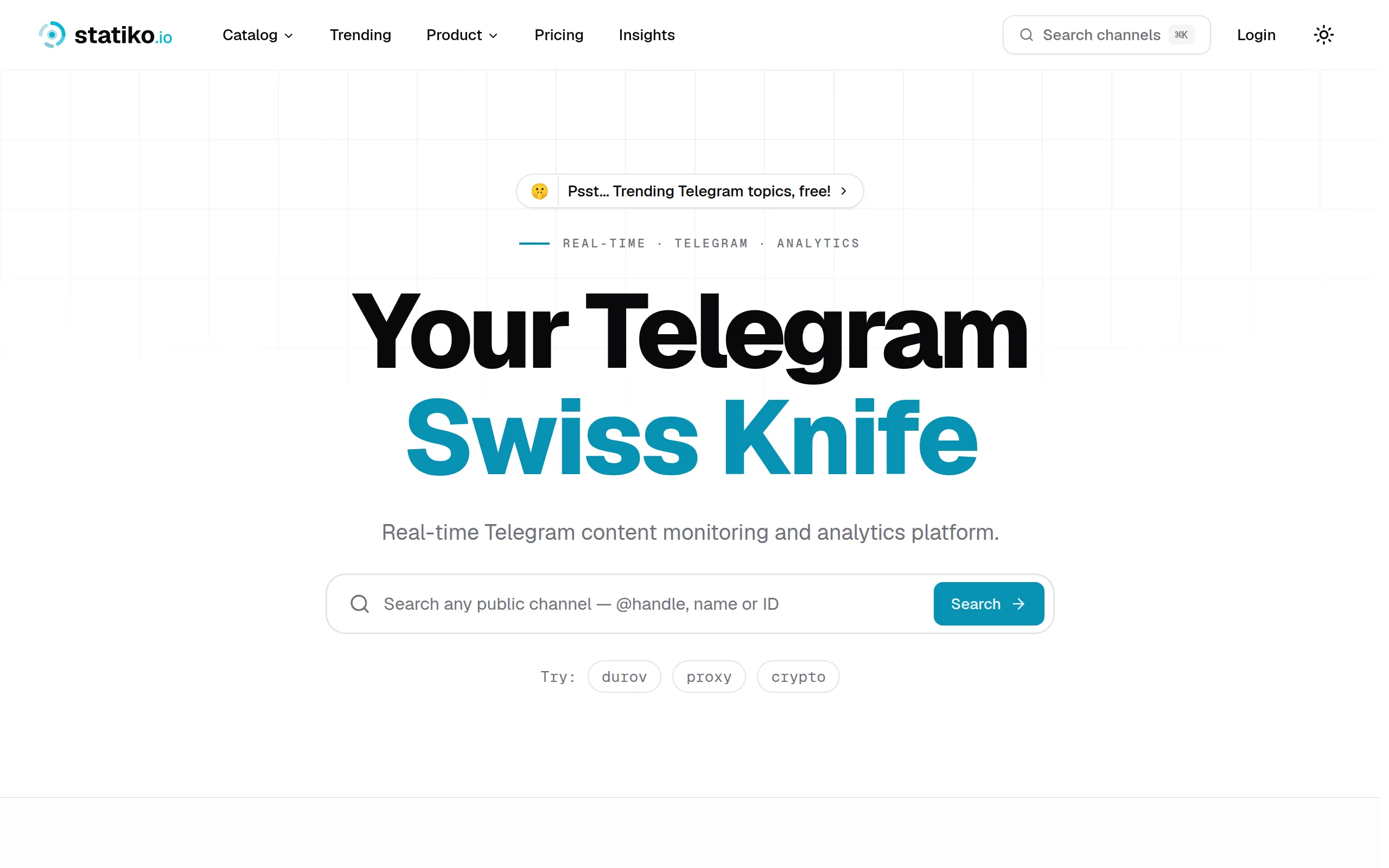
Statiko
Monitor any Telegram channel in real time - track posts, edits, deletions, and growth with AI recaps 📡

Shibui
AI website builder - describe your business, pick a niche template, edit by chatting, and publish instantly ✨

Pro Service
Find verified home service professionals, compare quotes, and pay securely through escrow - built for Brazilians across the US 🏠
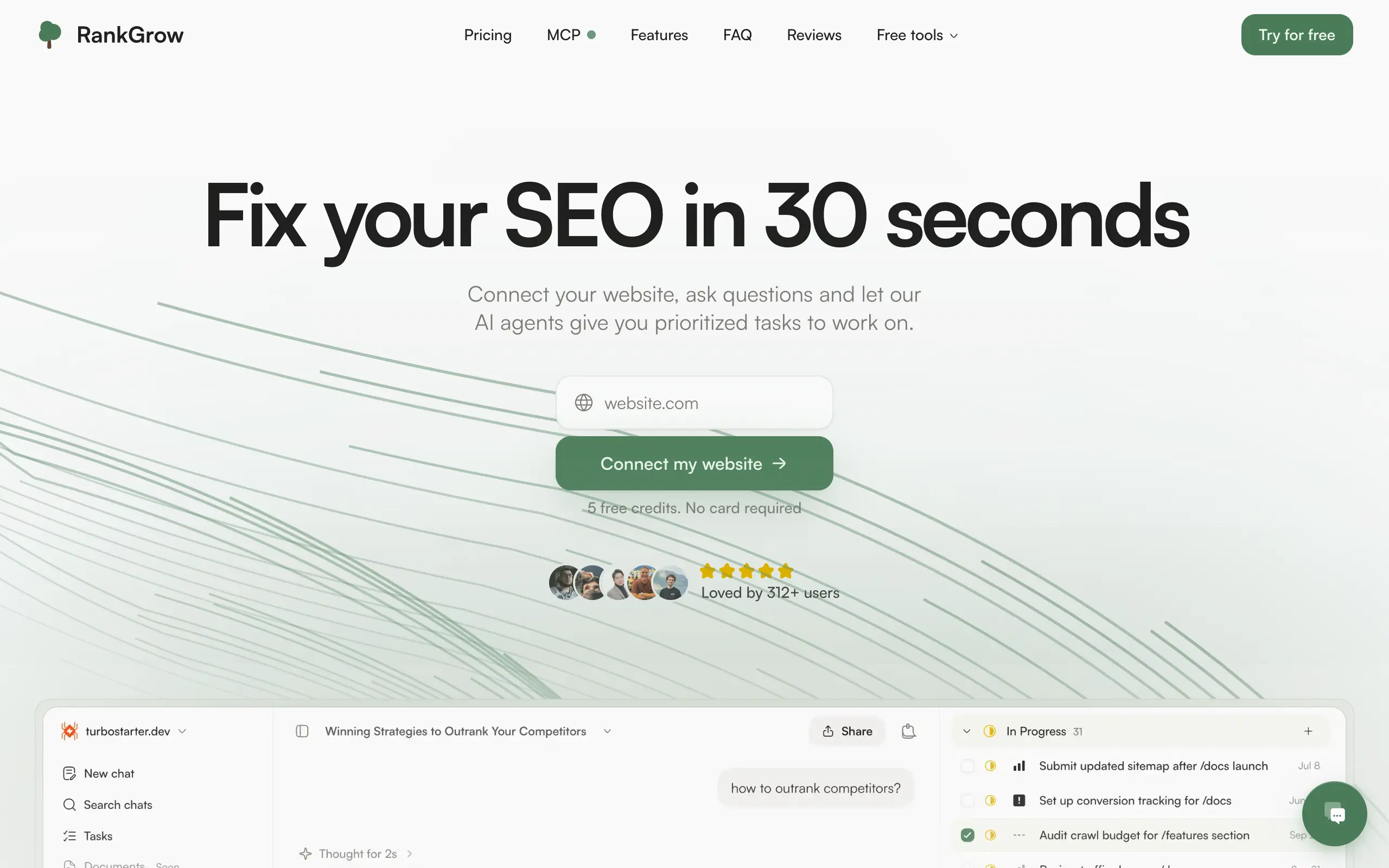
RankGrow
Fix your SEO with AI agents - connect Search Console, get prioritized tasks, and grow organic traffic 📈
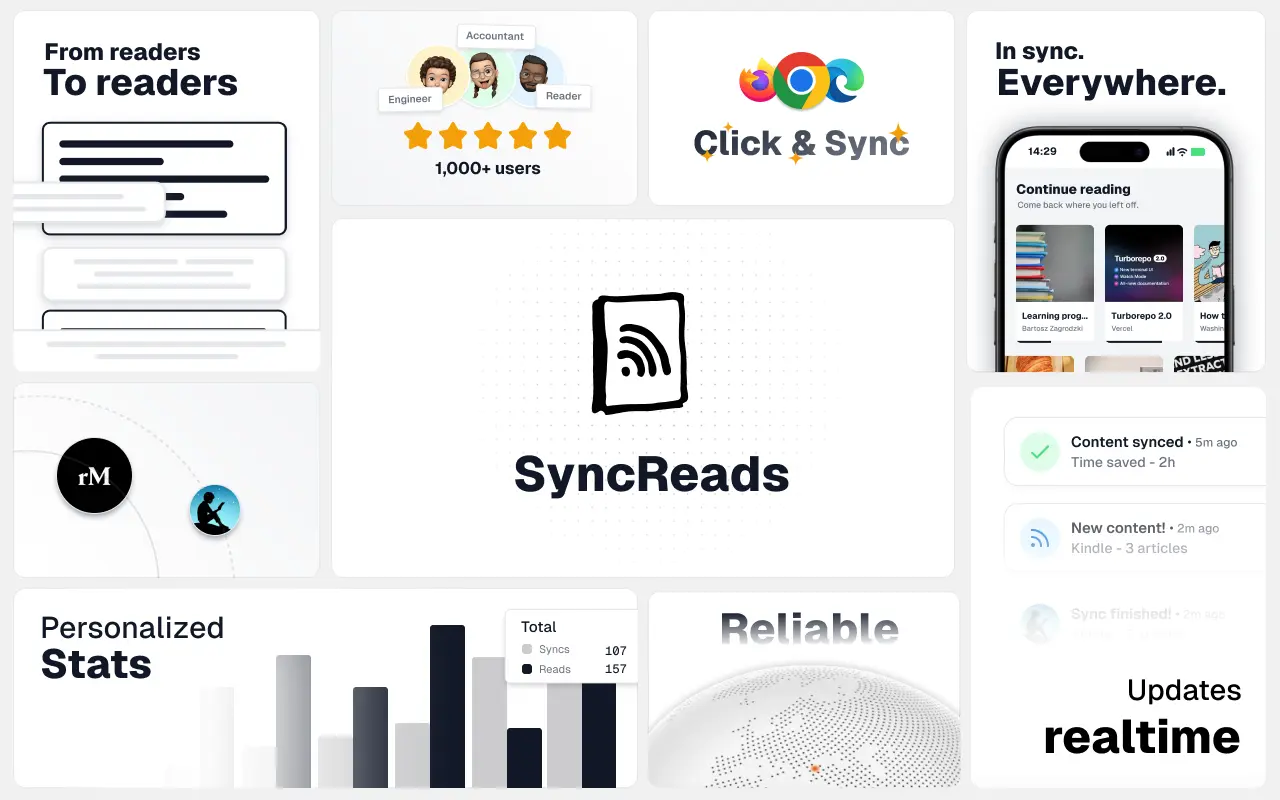
SyncReads
Sync your favorite content for distraction-free reading, save time and replace multiple apps. Anytime, anywhere 🔄
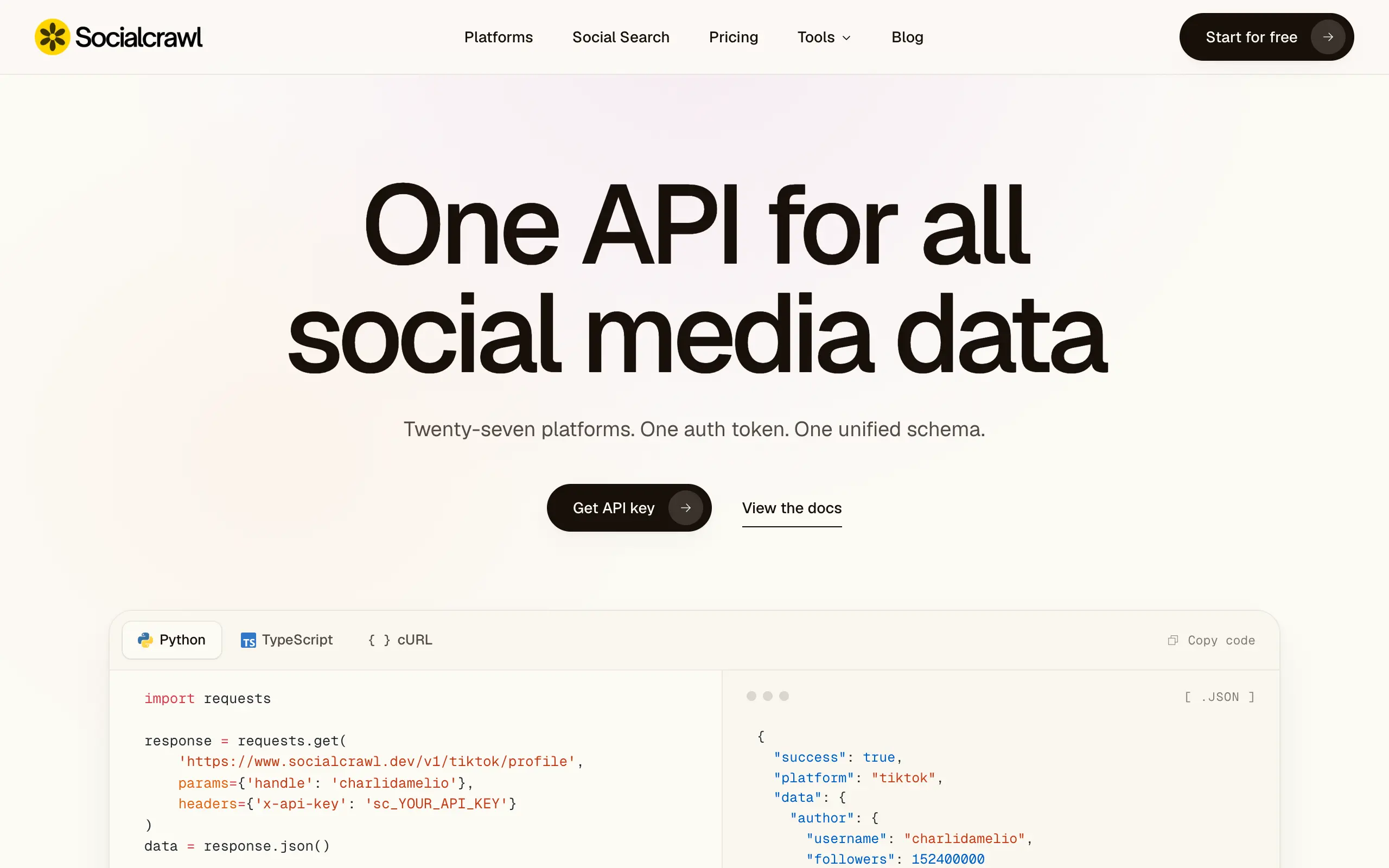
Socialcrawl
Get clean, structured data from 21 platforms like TikTok, Instagram, and YouTube with a single request 📊
Statiko
Monitor any Telegram channel in real time - track posts, edits, deletions, and growth with AI recaps 📡
Shibui
AI website builder - describe your business, pick a niche template, edit by chatting, and publish instantly ✨
Pro Service
Find verified home service professionals, compare quotes, and pay securely through escrow - built for Brazilians across the US 🏠
RankGrow
Fix your SEO with AI agents - connect Search Console, get prioritized tasks, and grow organic traffic 📈
SyncReads
Sync your favorite content for distraction-free reading, save time and replace multiple apps. Anytime, anywhere 🔄
Socialcrawl
Get clean, structured data from 21 platforms like TikTok, Instagram, and YouTube with a single request 📊
Statiko
Monitor any Telegram channel in real time - track posts, edits, deletions, and growth with AI recaps 📡
Shibui
AI website builder - describe your business, pick a niche template, edit by chatting, and publish instantly ✨
Pro Service
Find verified home service professionals, compare quotes, and pay securely through escrow - built for Brazilians across the US 🏠
RankGrow
Fix your SEO with AI agents - connect Search Console, get prioritized tasks, and grow organic traffic 📈
SyncReads
Sync your favorite content for distraction-free reading, save time and replace multiple apps. Anytime, anywhere 🔄
Socialcrawl
Get clean, structured data from 21 platforms like TikTok, Instagram, and YouTube with a single request 📊
Statiko
Monitor any Telegram channel in real time - track posts, edits, deletions, and growth with AI recaps 📡
Shibui
AI website builder - describe your business, pick a niche template, edit by chatting, and publish instantly ✨
Pro Service
Find verified home service professionals, compare quotes, and pay securely through escrow - built for Brazilians across the US 🏠
RankGrow
Fix your SEO with AI agents - connect Search Console, get prioritized tasks, and grow organic traffic 📈
SyncReads
Sync your favorite content for distraction-free reading, save time and replace multiple apps. Anytime, anywhere 🔄
Socialcrawl
Get clean, structured data from 21 platforms like TikTok, Instagram, and YouTube with a single request 📊
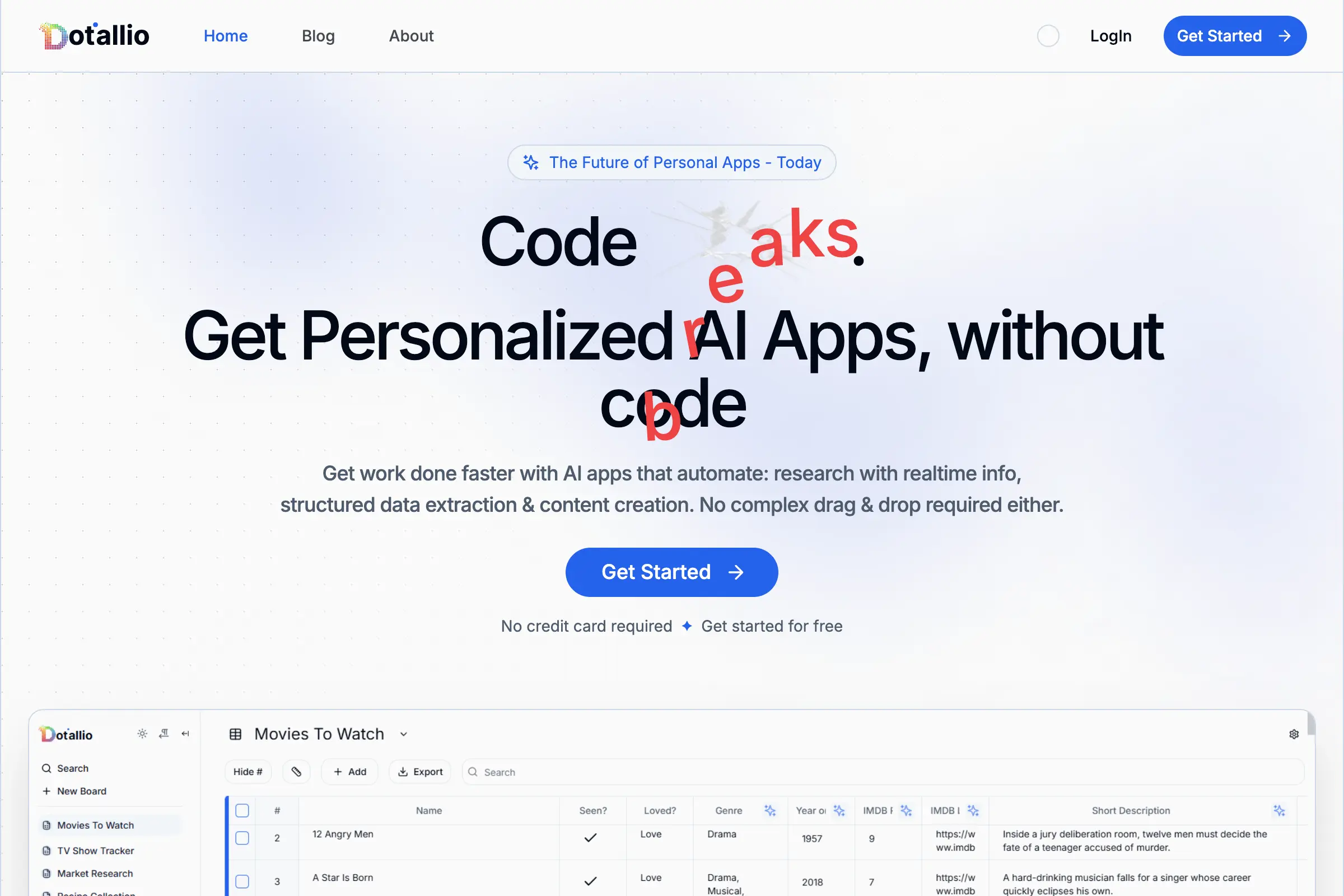
Dotallio
Personalized AI apps that automate research, data extraction, and content creation without code 🤖

Talk to Santa
Enjoy a magical live video chat or receive a unique AI-generated video greeting from Santa Claus 🎅

pozywka.pl
Scalable blog for food journalist, focused on performance and user experience 🌭
zagrodzki.me
Personal blog and portfolio of Bart Zagrodzki, where he shares his knowledge and work 💼
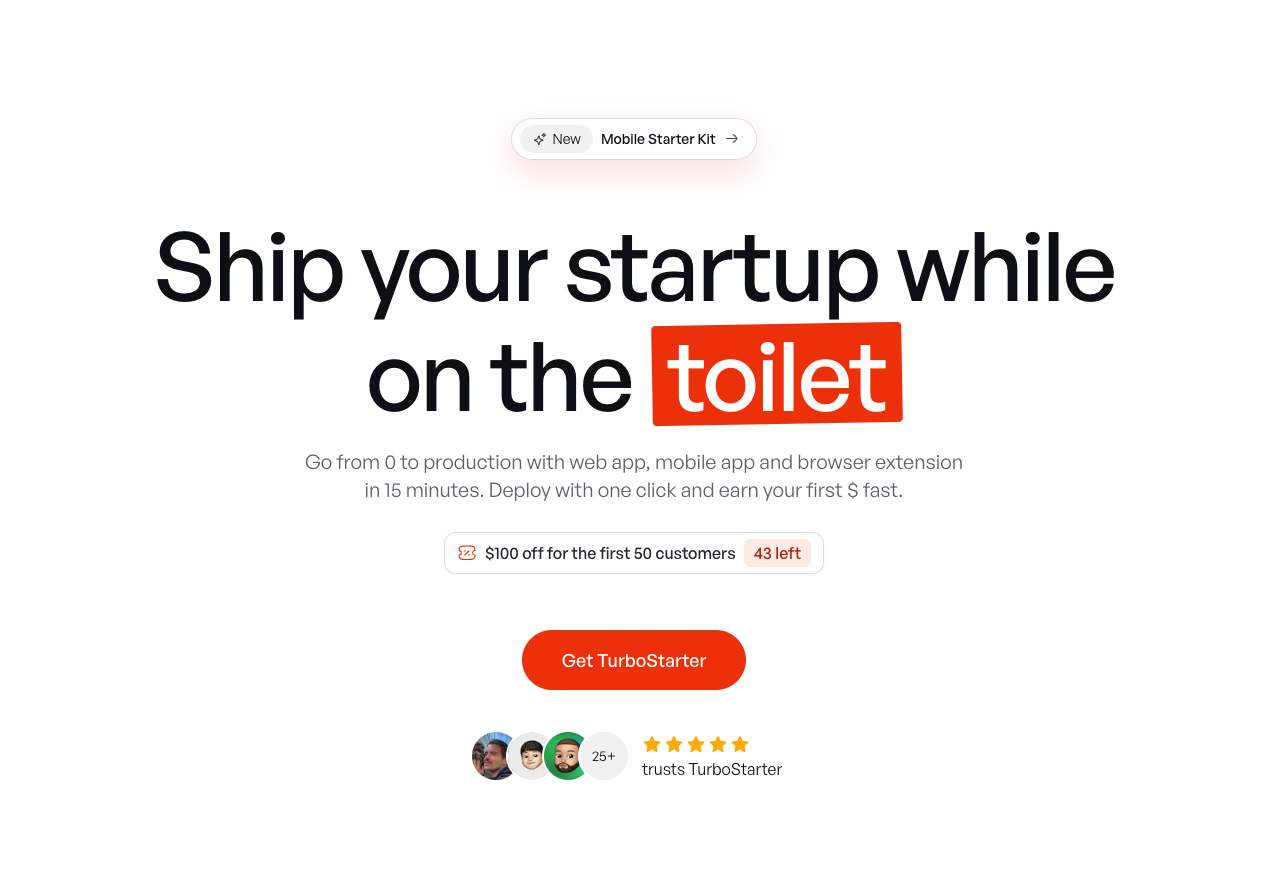
TurboStarter
Ship your startup everywhere. In minutes.
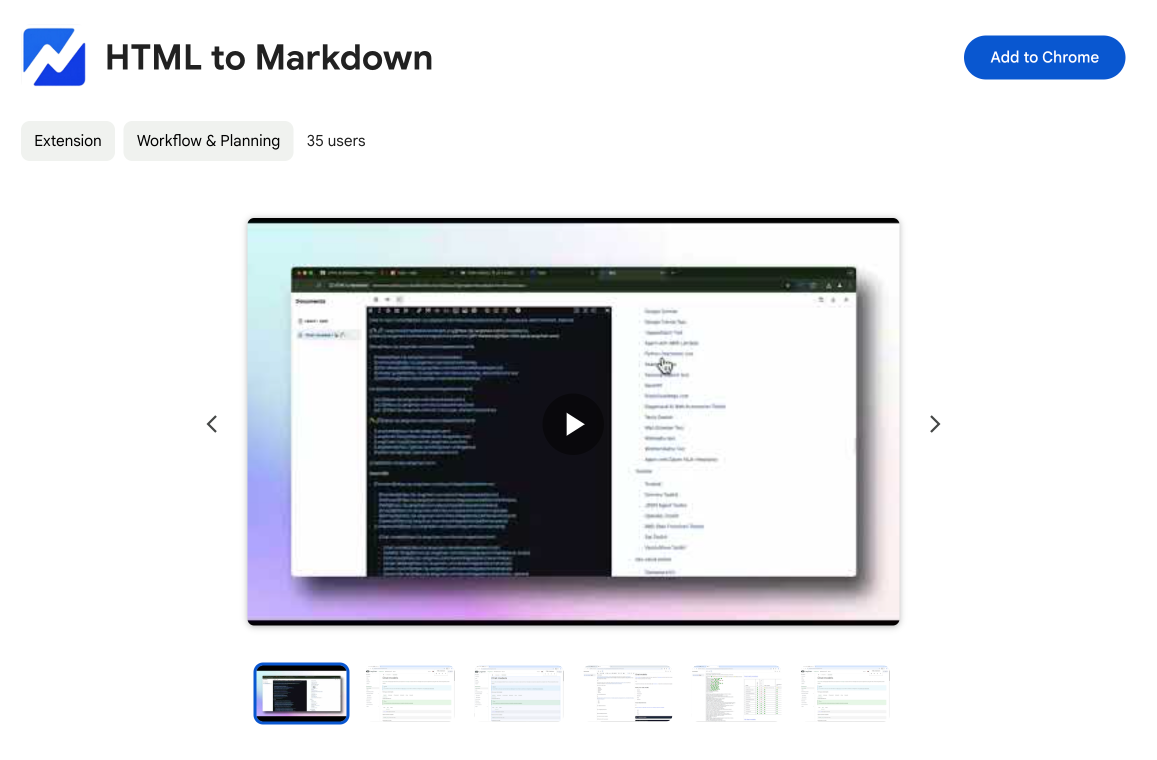
HTML to Markdown
Convert HTML to Markdown with ease, directly in your browser 📄
Dotallio
Personalized AI apps that automate research, data extraction, and content creation without code 🤖
Talk to Santa
Enjoy a magical live video chat or receive a unique AI-generated video greeting from Santa Claus 🎅
pozywka.pl
Scalable blog for food journalist, focused on performance and user experience 🌭
zagrodzki.me
Personal blog and portfolio of Bart Zagrodzki, where he shares his knowledge and work 💼
TurboStarter
Ship your startup everywhere. In minutes.
HTML to Markdown
Convert HTML to Markdown with ease, directly in your browser 📄
Dotallio
Personalized AI apps that automate research, data extraction, and content creation without code 🤖
Talk to Santa
Enjoy a magical live video chat or receive a unique AI-generated video greeting from Santa Claus 🎅
pozywka.pl
Scalable blog for food journalist, focused on performance and user experience 🌭
zagrodzki.me
Personal blog and portfolio of Bart Zagrodzki, where he shares his knowledge and work 💼
TurboStarter
Ship your startup everywhere. In minutes.
HTML to Markdown
Convert HTML to Markdown with ease, directly in your browser 📄
Dotallio
Personalized AI apps that automate research, data extraction, and content creation without code 🤖
Talk to Santa
Enjoy a magical live video chat or receive a unique AI-generated video greeting from Santa Claus 🎅
pozywka.pl
Scalable blog for food journalist, focused on performance and user experience 🌭
zagrodzki.me
Personal blog and portfolio of Bart Zagrodzki, where he shares his knowledge and work 💼
TurboStarter
Ship your startup everywhere. In minutes.
HTML to Markdown
Convert HTML to Markdown with ease, directly in your browser 📄
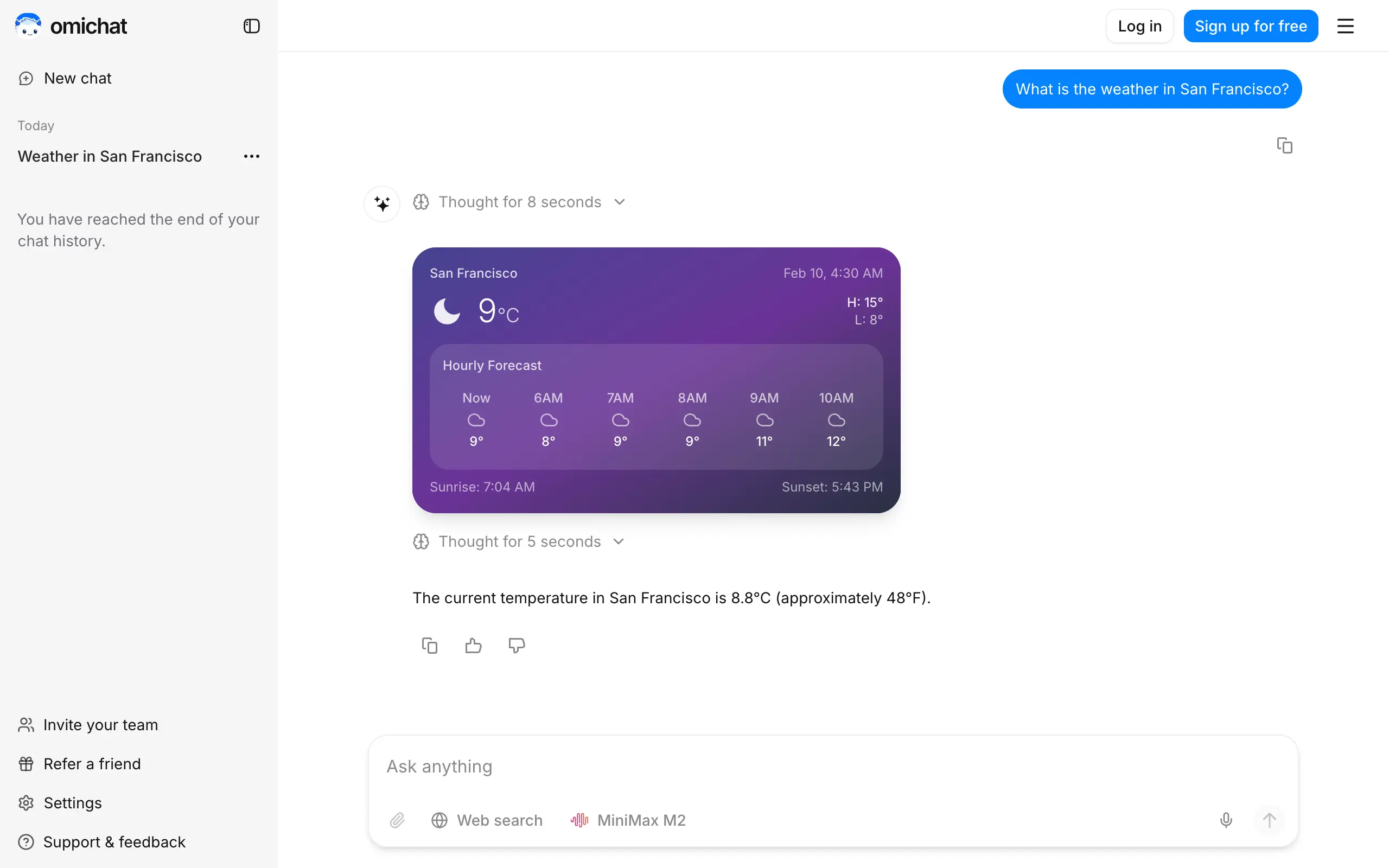
Omichat
Chat with 50+ AI models, including ChatGPT and Claude, in one place - switch models anytime without losing context 🤖
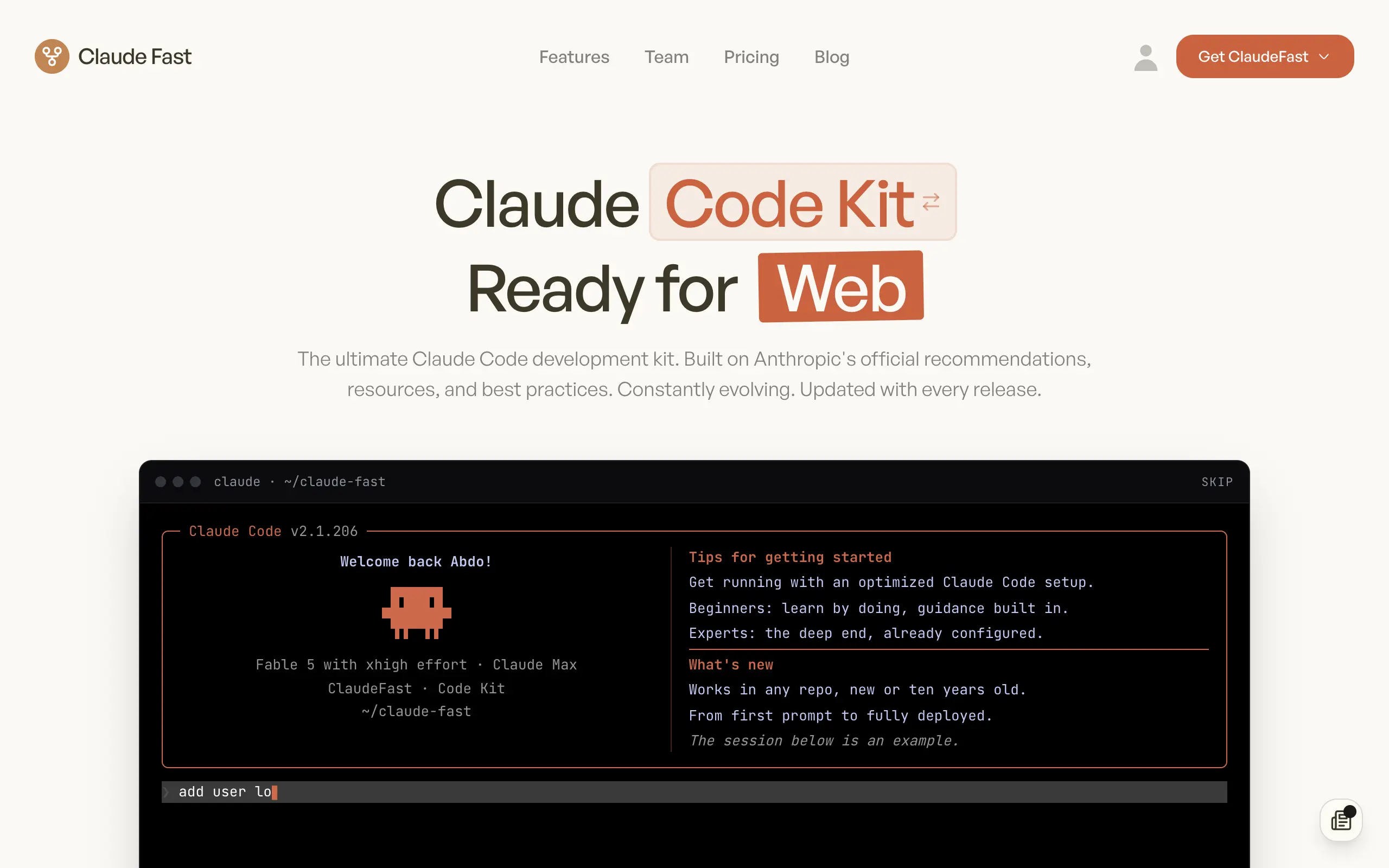
Claude Fast
Supercharge your Claude Code with 6x effective context window and specialized AI agents 🤖
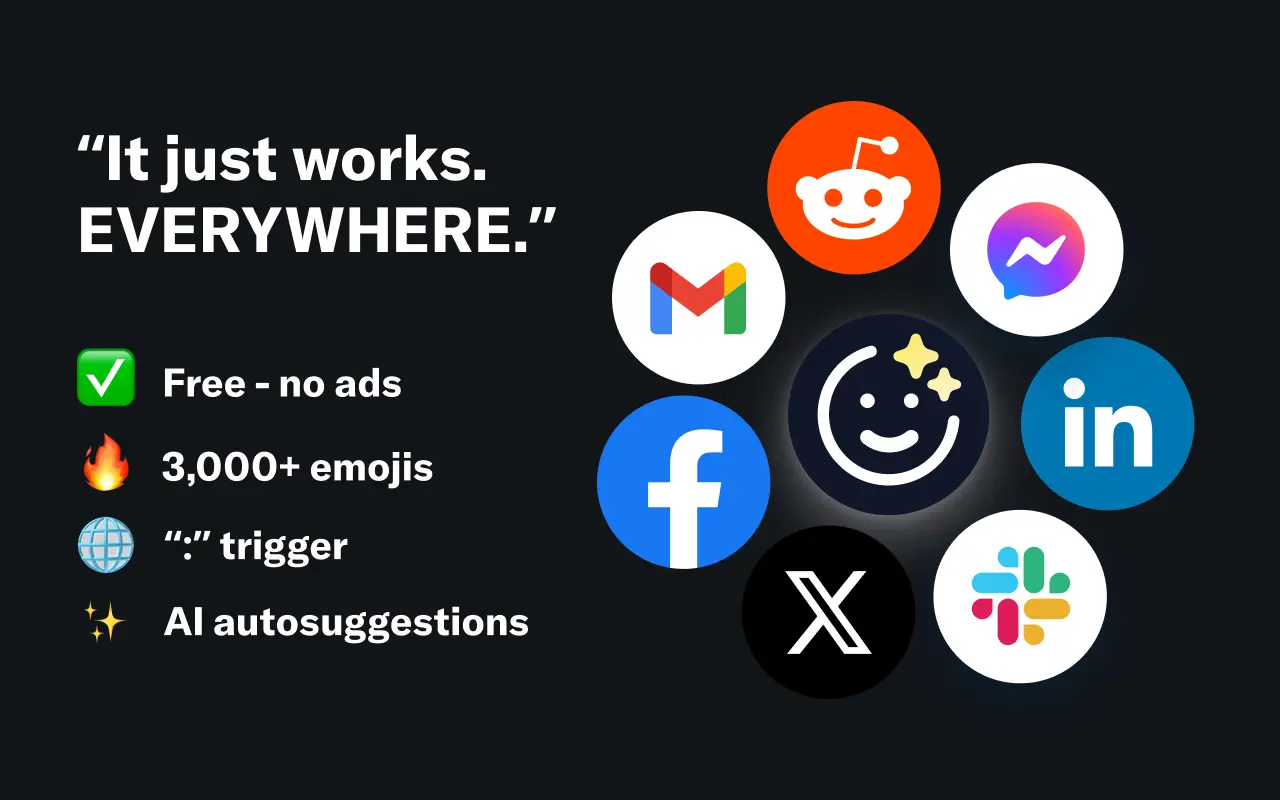
EmojAI
AI-powered emoji picker with smart, context-aware suggestions 🤖

Solohacker
Autonomous company launcher - AI agents work 24/7, escalate what matters, and you stay in control 🤖

BeRawi: Storytelling Coach
Practice storytelling daily with instant feedback to sound clearer, more engaging, and confident 🎤
Omichat
Chat with 50+ AI models, including ChatGPT and Claude, in one place - switch models anytime without losing context 🤖
Claude Fast
Supercharge your Claude Code with 6x effective context window and specialized AI agents 🤖
EmojAI
AI-powered emoji picker with smart, context-aware suggestions 🤖
Solohacker
Autonomous company launcher - AI agents work 24/7, escalate what matters, and you stay in control 🤖
BeRawi: Storytelling Coach
Practice storytelling daily with instant feedback to sound clearer, more engaging, and confident 🎤
Omichat
Chat with 50+ AI models, including ChatGPT and Claude, in one place - switch models anytime without losing context 🤖
Claude Fast
Supercharge your Claude Code with 6x effective context window and specialized AI agents 🤖
EmojAI
AI-powered emoji picker with smart, context-aware suggestions 🤖
Solohacker
Autonomous company launcher - AI agents work 24/7, escalate what matters, and you stay in control 🤖
BeRawi: Storytelling Coach
Practice storytelling daily with instant feedback to sound clearer, more engaging, and confident 🎤
Omichat
Chat with 50+ AI models, including ChatGPT and Claude, in one place - switch models anytime without losing context 🤖
Claude Fast
Supercharge your Claude Code with 6x effective context window and specialized AI agents 🤖
EmojAI
AI-powered emoji picker with smart, context-aware suggestions 🤖
Solohacker
Autonomous company launcher - AI agents work 24/7, escalate what matters, and you stay in control 🤖
BeRawi: Storytelling Coach
Practice storytelling daily with instant feedback to sound clearer, more engaging, and confident 🎤

Connect with like-minded people
Join our community to get feedback, support, and grow together with 1,000+ builders on board, let's ship it!
Join usShip your startup everywhere. In minutes.
Don't burn tokens on setup and start building features on day one.