CollabCrit
Collaborative coding assistant that uses AI to review group project code, track contributions, and generate peer feedback reports for BCS student teams.
slug: collabcrit description: Collaborative coding assistant using AI for group code reviews, contribution tracking, and automated peer feedback in BCS student teams.
Understanding the need for CollabCrit: Addressing key pain points in student group coding projects
Group programming projects, especially in undergraduate computer science (BCS) programs, are both a crucial learning tool and a common source of frustration. Project teams often struggle with:
- Fairness in task distribution and contribution recognition.
- Effective, timely, and constructive code reviews.
- Generating honest and actionable peer feedback without bias or discomfort.
- Visualizing participation and workflow bottlenecks.
CollabCrit, an AI-powered collaborative coding assistant, is designed to directly tackle these challenges for BCS student teams. It serves as a real-time project companion, not only reviewing code but also tracking each member’s work and facilitating transparent, data-driven peer evaluation.
Let’s dive deep into the solution, its market landscape, technical implementation, and competitive advantages.
Who benefits most from CollabCrit? Detailed target audience analysis
Understanding the needs and motivations of the primary user base is essential for building a product that delivers real value. CollabCrit’s primary and secondary audiences include:
Primary audience
- Undergraduate computer science students: Especially those required to complete collaborative coding assignments as part of group-focused modules and capstone projects.
- Educators and teaching assistants: Responsible for supervising, assessing, and supporting team-based coding coursework.
Secondary audience
- Software bootcamp students: Who frequently participate in pair or group programming.
- Student project coordinators and peer mentors: Overseeing multiple teams and seeking better management insights.
- University departments: Interested in scalable, fair assessment of group-based technical assignments.
User goals and key challenges
- Students want fair recognition, clear improvement feedback, and less friction in collaborating and code reviewing.
- Educators want greater transparency into individual student contributions and unbiased tools for assessment.
- Institutions value scalable, automated processes to ensure academic integrity and learning outcomes.
Market opportunity and why a collaborative coding AI is needed
The rise of remote, distributed, and online-first education has further complicated group work:
- Academic research consistently finds group programming projects are hampered by “free riding” (some members not contributing), subjective peer reviews, and opaque evaluation metrics (example reference: ACM Digital Library—research on group project assessment).
- Existing platforms like GitHub and GitLab provide basic commit history but lack:
- AI-powered peer feedback.
- Automated, objective contribution analytics.
- Tools customizing their workflow to academic settings.
- Instructors increasingly demand innovation for academic honesty and scalable grading—existing tools are optimized for industry, not for education.
Opportunity gap
CollabCrit positions itself as the essential bridge between industry-standard tools and academic needs, leveraging AI for accountability and actionable feedback. This directly addresses:
- Educator pain point: Manual evaluation of group dynamics is time-intensive.
- Student pain point: Fear of peer bias or poor communication.
- Systemic pain point: Lack of scalable, context-aware coding project evaluation.
Core features of CollabCrit: What sets it apart
CollabCrit stands out by offering a feature set meticulously crafted for academic group projects:
1. AI-driven group code review
- Analyzes pull requests and merged changes from each contributor.
- Offers actionable, personalized review comments for both individuals and the group.
- Detects anti-patterns, code style inconsistencies, and test coverage gaps.
2. Contribution analysis dashboard
- Visualizes individual member activity: lines contributed, files touched, commits per week.
- Surfaces code review participation, merges, bug fixes, and documentation work.
- Allows educators and students to easily see who contributed what, and when.
3. Automated peer feedback generation
- Uses natural language processing to craft constructive, context-specific feedback for each team member.
- Highlights both strengths and areas for improvement, reducing awkward or biased “manual” review.
4. Academic integrity tools
- Flags potential “free riding” or imbalances in workload.
- Detects plagiarism or suspicious code-copying.
- Supports exporting reports for grading or inclusion in academic records.
5. Seamless integration
- Connects directly to GitHub repositories and popular learning management systems.
- Option to sync with university Single Sign-On (SSO).
6. Exportable, educator-focused reporting
- One-click generation of feedback and participation reports.
- Configurable exports to PDF, CSV, or system integrations.
Sample dashboard functionality
AI-powered code review
Automated, context-aware suggestions and bug identification for every team member.
Contribution analytics
Visual breakdown of code, documentation, reviews, and project engagement.
Peer feedback generator
Objective, AI-generated comments and improvement tips for each contributor.
Academic integrity reports
Plagiarism and free-riding detection built specifically for student projects.
Unpacking the CollabCrit technical solution
Designing a robust, scalable, and cost-effective SaaS product for student code reviews requires careful technical decisions.
Recommended tech stack and rationale
- React: Highly flexible, rich interactivity, and rapid prototyping for real-time dashboards.
- TailwindCSS: Streamlines styling with utility-first classes, ensuring quick, consistent UI designs.
- Node.js or Python (FastAPI): Both efficiently handle API requests for repositories, user authentication, and report generation.
- Python is preferred for heavy AI/ML inference (with frameworks like PyTorch or TensorFlow).
- Node.js is optimal if seamless TypeScript sharing is desired, but for deep AI, Python is recommended.
- OpenAI GPT-4 or open-source large language models (LLMs) for peer feedback and code review text generation.
- scikit-learn or spaCy for contribution pattern detection and NLP.
- PostgreSQL: Robust relational database suitable for transactional records and analytics.
- Redis (optional): For caching and real-time leaderboard stats.
Trade-offs explained
- AI model hosting: Custom (self-hosted) LLMs reduce inference costs vs. relying exclusively on paid APIs like OpenAI.
- Python vs. Node.js: Python is the industry standard for ML/AI work, while Node.js may offer team familiarity and ease of full-stack JS development.
- Frontend choices: React is widely adopted in education and industry, making onboarding and hiring easier.
Example code: Detecting contribution imbalances
import pandas as pd

def flag_free_riding(contribution_log, threshold=0.15):
    total = sum(contribution_log.values())
    flagged = []
    for user, count in contribution_log.items():
        if (count / total) < threshold:
            flagged.append(user)
    return flagged

# Usage: flag_free_riding({'alice': 80, 'bob': 100, 'charlie': 20})
This simple snippet demonstrates how CollabCrit could flag contributors whose total edits are far below average—a common source of academic friction.
Monetization strategies for CollabCrit
Given its academic focus and the requirement for affordability, the best revenue models include:
1. Freemium for students
- Free tier: Basic code review, reports, and contribution tracking for individuals and small teams.
- Premium tier: Advanced insights, AI-driven peer feedback, export functionality, and additional integrations.
2. Institutional licensing
- Annual department/university subscriptions: Bulk access for courses, with dedicated educator dashboards and advanced reporting.
3. Pay-as-you-go for bootcamps and non-profits
- Flexible monthly usage pricing to support broader accessibility.
4. Partnership with universities
- Revenue-share or licensing for integrations with campus Single Sign-On and learning management systems.
Example monetization structure
| Student Free | Student Premium | Instructor Free | Institutional | Bootcamp Plan |
|---|---|---|---|---|
| ✅ | ❌ | ❌ | ✅ | ❌ |
| ✅ | ❌ | ✅ | ✅ | ❌ |
Key insight: Many student SaaS tools find success offering extensive free features to build adoption, with advanced reporting and educator tools under paid tiers.
Assessing risks and mitigating strategies
Launching an AI-driven code review tool for academic use introduces several challenges:
Potential risks
- Plagiarism false positives: Automated detection systems could misattribute code similarity, leading to unfair marks.
- Overdependence on AI feedback: Students might not learn how to conduct manual code reviews.
- Privacy and data protection: Handling student code, feedback, and participation data is highly sensitive.
- Resistance to new tools: Institutional inertia and reluctance to integrate new assessment platforms.
Mitigation strategies
Best practice
For maximum trust, CollabCrit should offer complete transparency into how peer feedback is generated and maintain clear data deletion/export policies.
Competitive landscape and CollabCrit’s unique selling proposition
Who (and what) are the key competitors?
- GitHub Classroom: Integrates GitHub repositories with assignments, but offers limited analytics and no AI-powered feedback.
- CodeGrade: Focused on automated grading; some analytics, but less about peer participation and feedback dynamics.
- Moss: Code plagiarism detection, not focused on contribution stats or feedback.
- General code review bots: Target open source or enterprise teams, not tailored for academic peer assessment.
Why CollabCrit stands out
- Purpose-built for education: Not retrofitted from industry tools; designed from the ground up for student-group programming.
- Actionable, explainable AI: Feedback is contextualized, explainable, and actionable—students learn why something is suggested.
- Transparent, defensible reporting: Crucial when grades and academic standing are at stake.
- Seamless integration: Simple onboarding with GitHub and campus SSO; little friction for users or admins.
- Focus on fairness and growth: Balances skill development with peer accountability—key for meaningful, formative assessment.
CollabCrit
AI-powered reviews, contribution tracking, peer feedback tailored for students and educators.
GitHub Classroom
Assignment and repo management, but limited group analytics or AI feedback.
CodeGrade
Automated code testing and grading, less emphasis on group dynamics.
Recommended implementation steps: From idea to launch
Bringing CollabCrit to market involves more than code—it requires validating with users, building trust, and iterating quickly.
How CollabCrit leverages latest trends: AI, transparency, and student empowerment
- GenAI for education: Instructor and student adoption of tools like ChatGPT show a shift towards trust in AI (see OpenAI’s education case studies). CollabCrit rides this wave by making AI explainable, actionable, and educational—not just automated.
- Data-driven fairness: Universities increasingly seek defensible, data-backed reports for both assessment and academic integrity purposes.
- Remote-friendly collaboration: With global classrooms and distributed coding teams becoming the norm, CollabCrit’s cloud-first approach meets students and educators where they are.
Actionable conclusion: Why CollabCrit is the next must-have student SaaS
In a world where collaborative programming is both a key skill and a significant academic pain point, CollabCrit fills a critical gap.
- For students: It fosters fair, honest, and supportive teamwork—making group assignments opportunities for real learning.
- For educators: It delivers transparency, objectivity, and scalable assessment—all backed by AI that is purpose-built for academic use.
- For institutions: It automates what can be automated, letting faculty and students focus on what matters most: learning and collaboration.
If you’re developing SaaS for education, CollabCrit is the perfect example of leveraging AI not just for automation, but for empowerment, transparency, and fairness. For teams looking to build and iterate quickly, consider using TurboStarter to accelerate your launch.
Additional resources and further reading
- GitHub Official Documentation
- OpenAI GPT-4 Overview
- PyTorch Documentation
- Best practices for code contribution analytics
- FERPA guidelines on student data
For educators and students committed to more effective, accountable group programming work, CollabCrit is not just an assistant—it’s your new collaborative edge.
More 🤖 AI Startup SaaS ideas
Discover more innovative ai startup SaaS ideas that are trending in 2026. Each idea is AI-generated with market validation and growth potential to help you find your next profitable venture faster than competitors.
Your competitors are building with TurboStarter
Below are some of the SaaS ideas that have been generated and built with our starter kit.
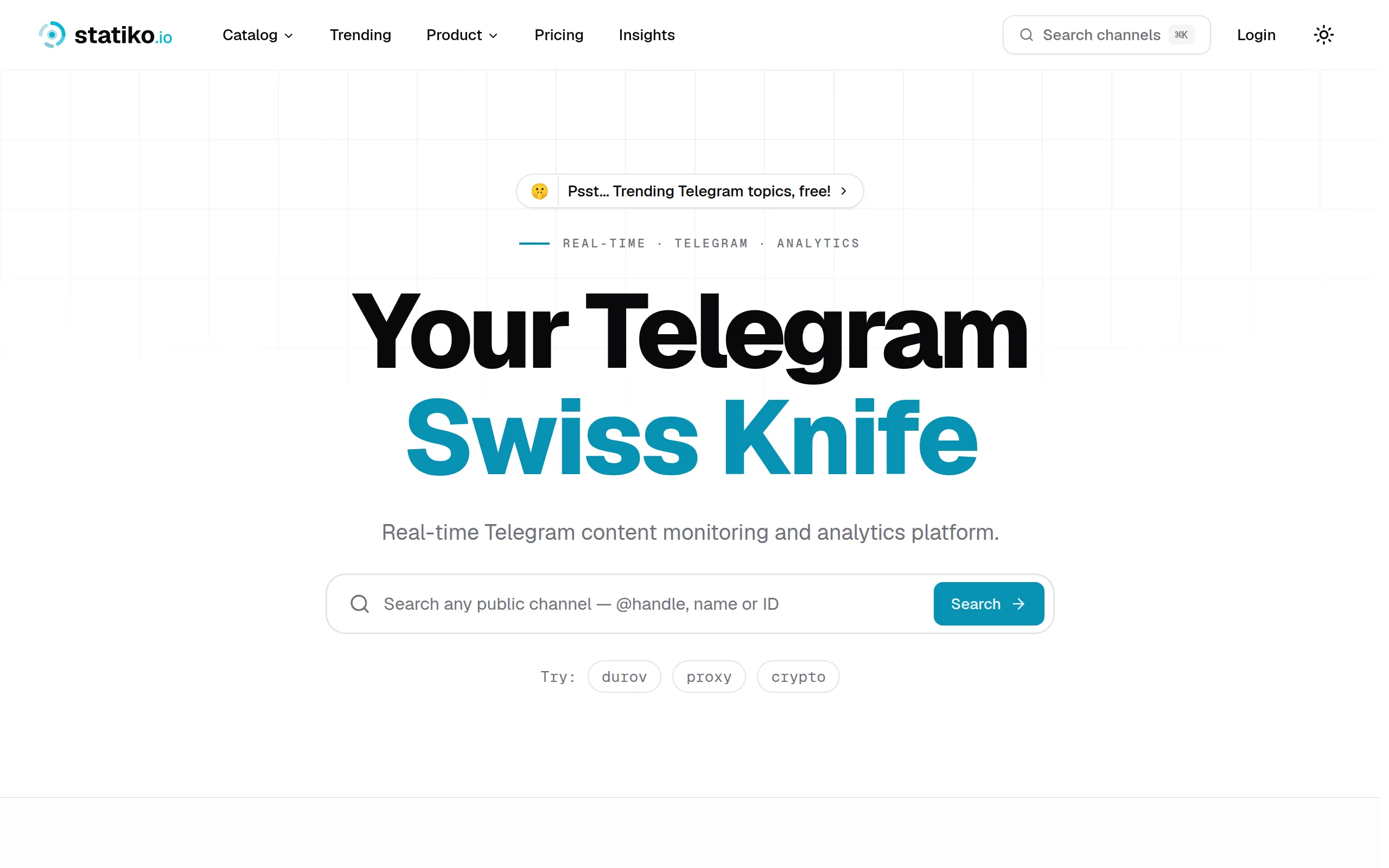
Statiko
Monitor any Telegram channel in real time - track posts, edits, deletions, and growth with AI recaps 📡

Shibui
AI website builder - describe your business, pick a niche template, edit by chatting, and publish instantly ✨

Pro Service
Find verified home service professionals, compare quotes, and pay securely through escrow - built for Brazilians across the US 🏠
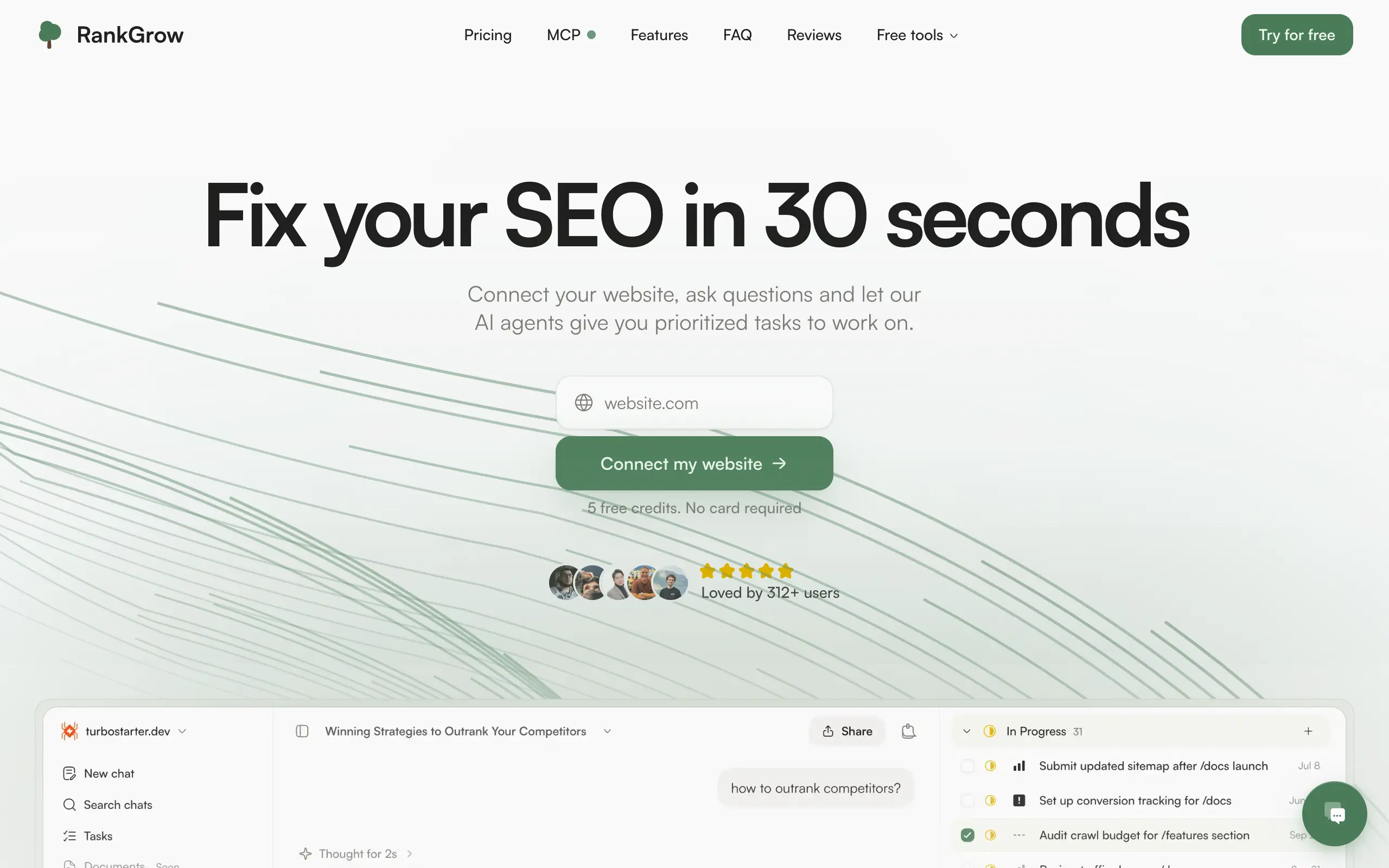
RankGrow
Fix your SEO with AI agents - connect Search Console, get prioritized tasks, and grow organic traffic 📈
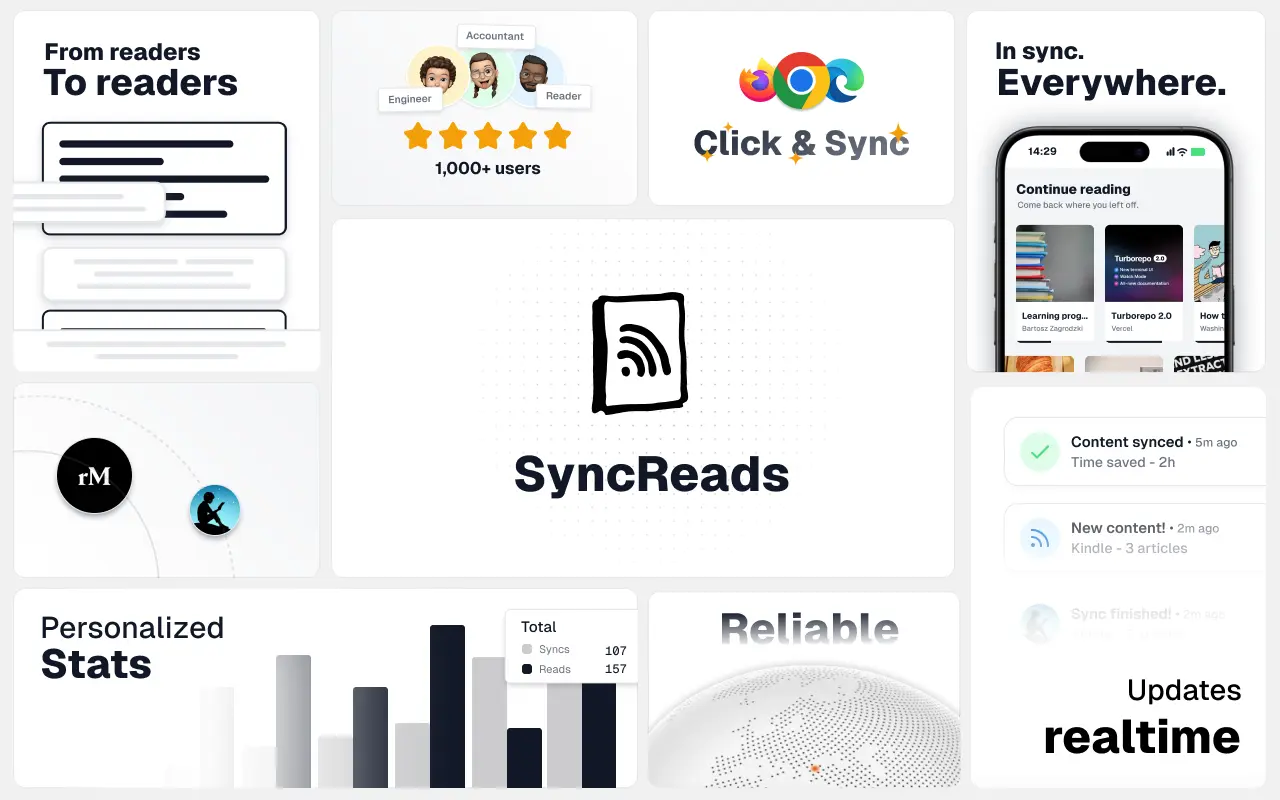
SyncReads
Sync your favorite content for distraction-free reading, save time and replace multiple apps. Anytime, anywhere 🔄
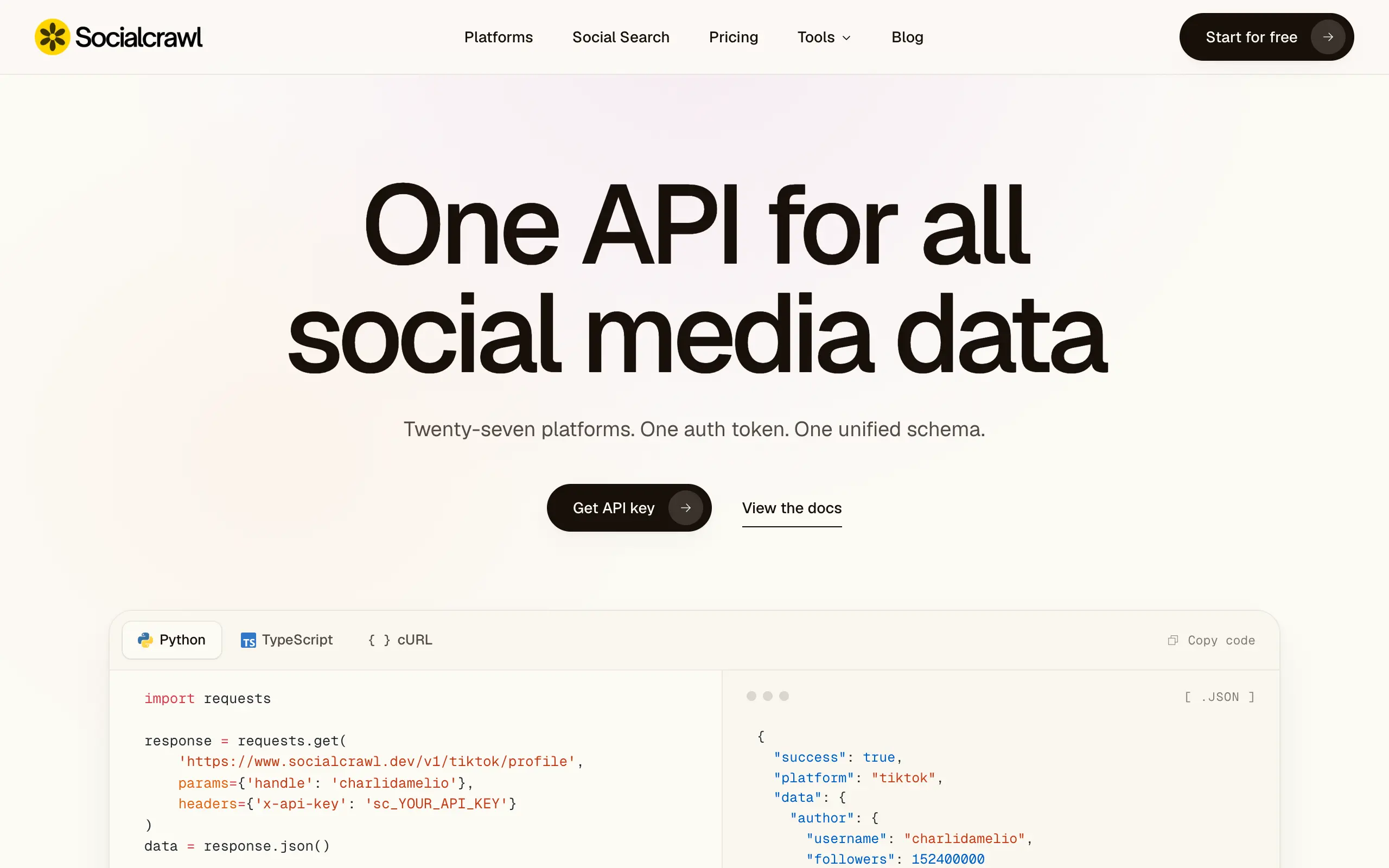
Socialcrawl
Get clean, structured data from 21 platforms like TikTok, Instagram, and YouTube with a single request 📊
Statiko
Monitor any Telegram channel in real time - track posts, edits, deletions, and growth with AI recaps 📡
Shibui
AI website builder - describe your business, pick a niche template, edit by chatting, and publish instantly ✨
Pro Service
Find verified home service professionals, compare quotes, and pay securely through escrow - built for Brazilians across the US 🏠
RankGrow
Fix your SEO with AI agents - connect Search Console, get prioritized tasks, and grow organic traffic 📈
SyncReads
Sync your favorite content for distraction-free reading, save time and replace multiple apps. Anytime, anywhere 🔄
Socialcrawl
Get clean, structured data from 21 platforms like TikTok, Instagram, and YouTube with a single request 📊
Statiko
Monitor any Telegram channel in real time - track posts, edits, deletions, and growth with AI recaps 📡
Shibui
AI website builder - describe your business, pick a niche template, edit by chatting, and publish instantly ✨
Pro Service
Find verified home service professionals, compare quotes, and pay securely through escrow - built for Brazilians across the US 🏠
RankGrow
Fix your SEO with AI agents - connect Search Console, get prioritized tasks, and grow organic traffic 📈
SyncReads
Sync your favorite content for distraction-free reading, save time and replace multiple apps. Anytime, anywhere 🔄
Socialcrawl
Get clean, structured data from 21 platforms like TikTok, Instagram, and YouTube with a single request 📊
Statiko
Monitor any Telegram channel in real time - track posts, edits, deletions, and growth with AI recaps 📡
Shibui
AI website builder - describe your business, pick a niche template, edit by chatting, and publish instantly ✨
Pro Service
Find verified home service professionals, compare quotes, and pay securely through escrow - built for Brazilians across the US 🏠
RankGrow
Fix your SEO with AI agents - connect Search Console, get prioritized tasks, and grow organic traffic 📈
SyncReads
Sync your favorite content for distraction-free reading, save time and replace multiple apps. Anytime, anywhere 🔄
Socialcrawl
Get clean, structured data from 21 platforms like TikTok, Instagram, and YouTube with a single request 📊
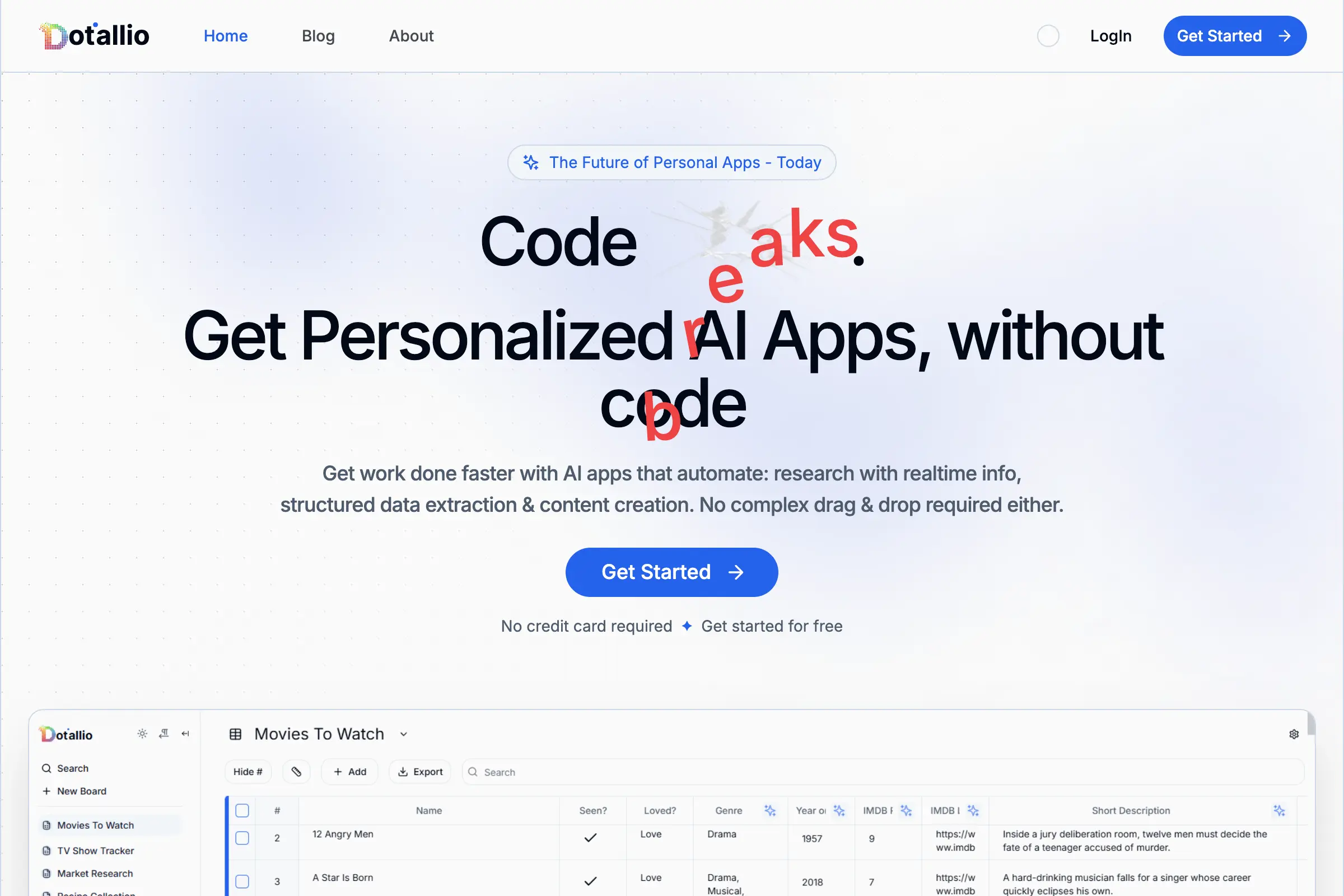
Dotallio
Personalized AI apps that automate research, data extraction, and content creation without code 🤖

Talk to Santa
Enjoy a magical live video chat or receive a unique AI-generated video greeting from Santa Claus 🎅

pozywka.pl
Scalable blog for food journalist, focused on performance and user experience 🌭
zagrodzki.me
Personal blog and portfolio of Bart Zagrodzki, where he shares his knowledge and work 💼
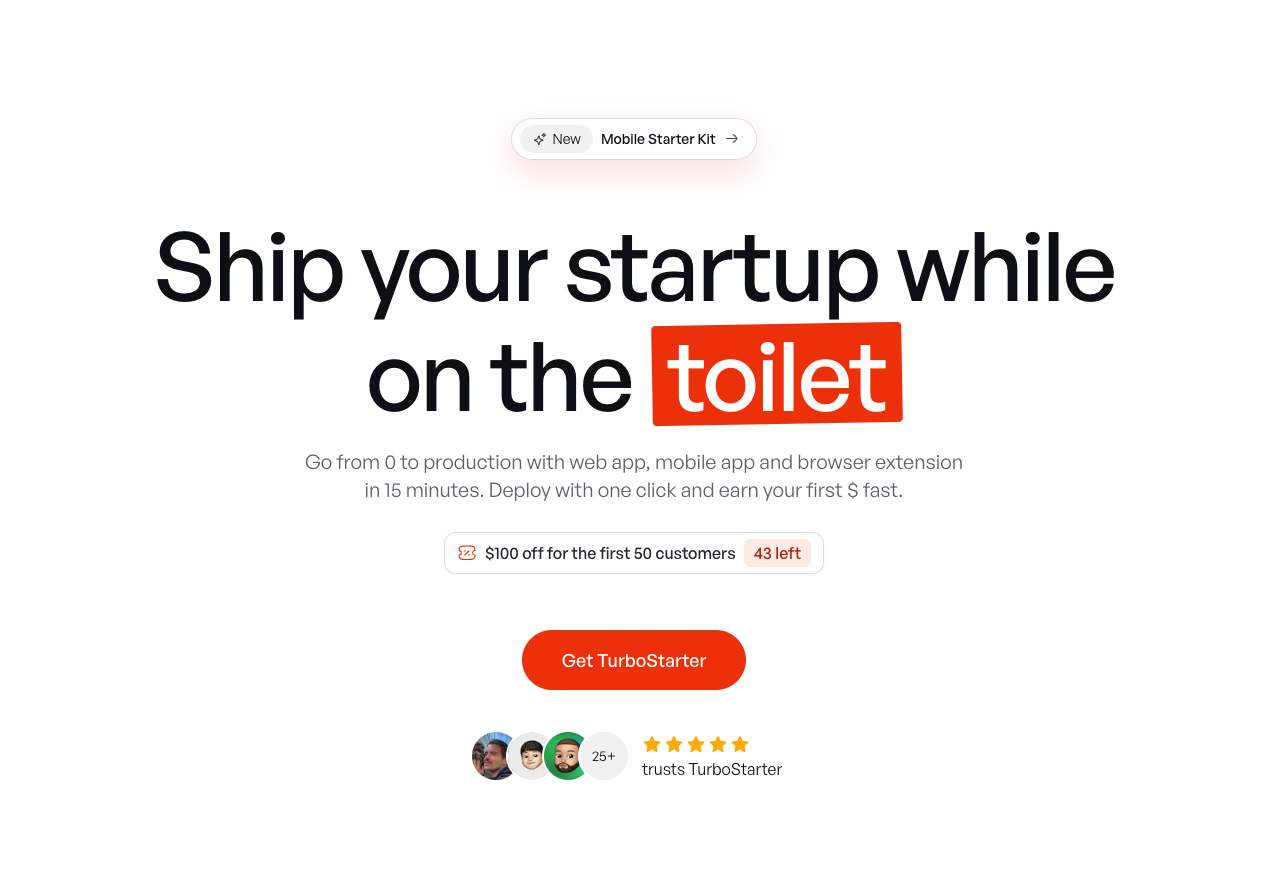
TurboStarter
Ship your startup everywhere. In minutes.
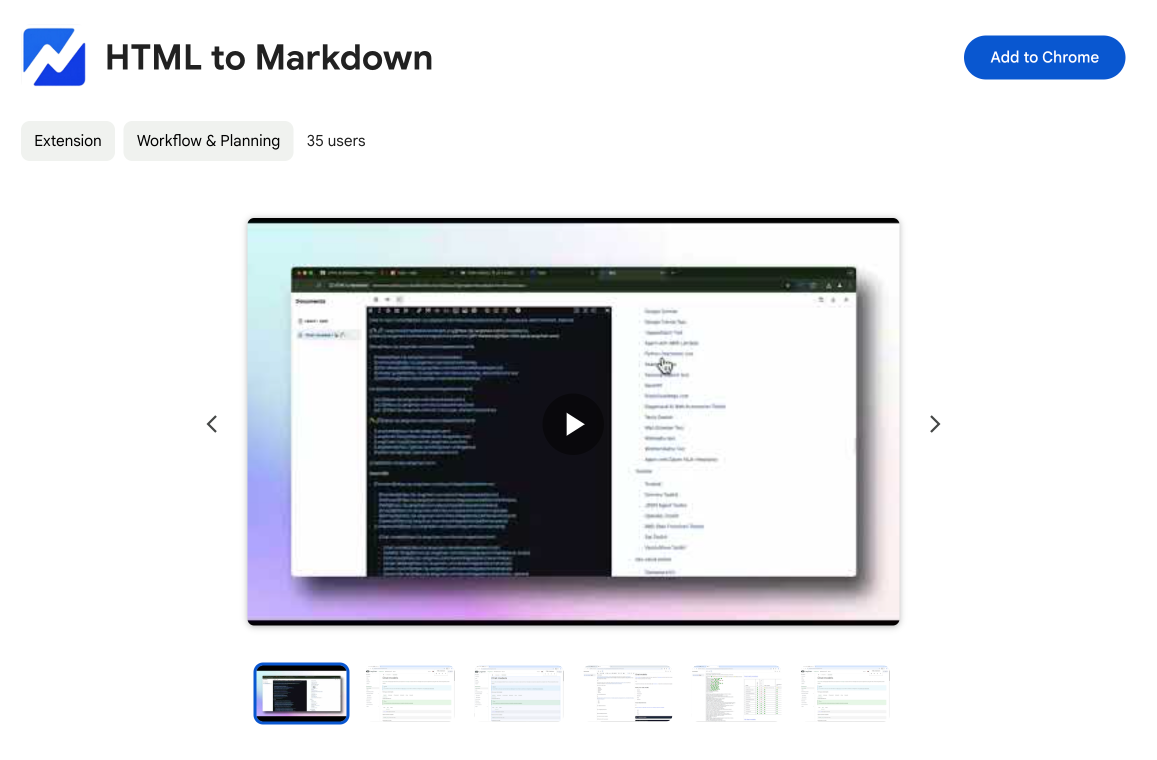
HTML to Markdown
Convert HTML to Markdown with ease, directly in your browser 📄
Dotallio
Personalized AI apps that automate research, data extraction, and content creation without code 🤖
Talk to Santa
Enjoy a magical live video chat or receive a unique AI-generated video greeting from Santa Claus 🎅
pozywka.pl
Scalable blog for food journalist, focused on performance and user experience 🌭
zagrodzki.me
Personal blog and portfolio of Bart Zagrodzki, where he shares his knowledge and work 💼
TurboStarter
Ship your startup everywhere. In minutes.
HTML to Markdown
Convert HTML to Markdown with ease, directly in your browser 📄
Dotallio
Personalized AI apps that automate research, data extraction, and content creation without code 🤖
Talk to Santa
Enjoy a magical live video chat or receive a unique AI-generated video greeting from Santa Claus 🎅
pozywka.pl
Scalable blog for food journalist, focused on performance and user experience 🌭
zagrodzki.me
Personal blog and portfolio of Bart Zagrodzki, where he shares his knowledge and work 💼
TurboStarter
Ship your startup everywhere. In minutes.
HTML to Markdown
Convert HTML to Markdown with ease, directly in your browser 📄
Dotallio
Personalized AI apps that automate research, data extraction, and content creation without code 🤖
Talk to Santa
Enjoy a magical live video chat or receive a unique AI-generated video greeting from Santa Claus 🎅
pozywka.pl
Scalable blog for food journalist, focused on performance and user experience 🌭
zagrodzki.me
Personal blog and portfolio of Bart Zagrodzki, where he shares his knowledge and work 💼
TurboStarter
Ship your startup everywhere. In minutes.
HTML to Markdown
Convert HTML to Markdown with ease, directly in your browser 📄
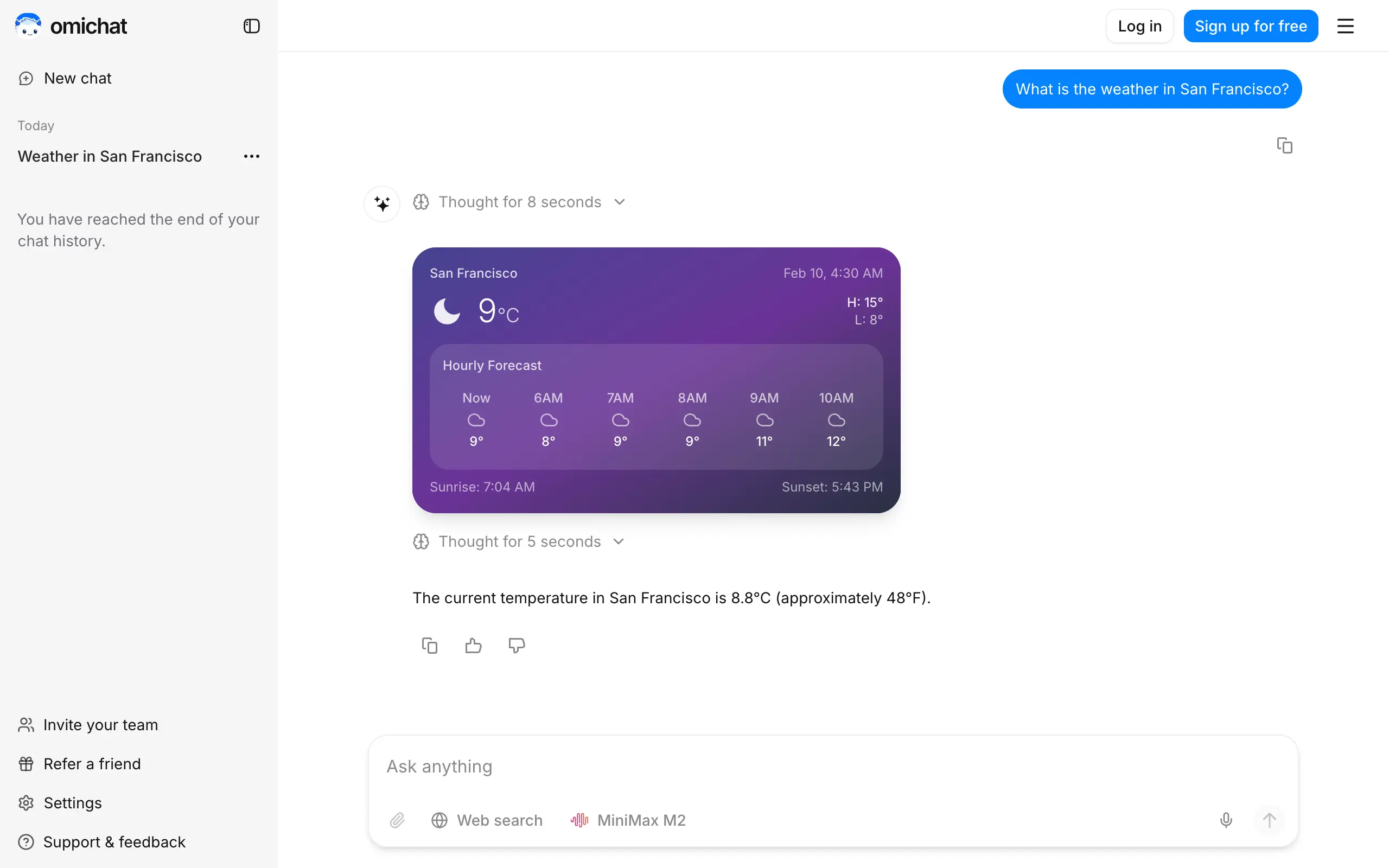
Omichat
Chat with 50+ AI models, including ChatGPT and Claude, in one place - switch models anytime without losing context 🤖
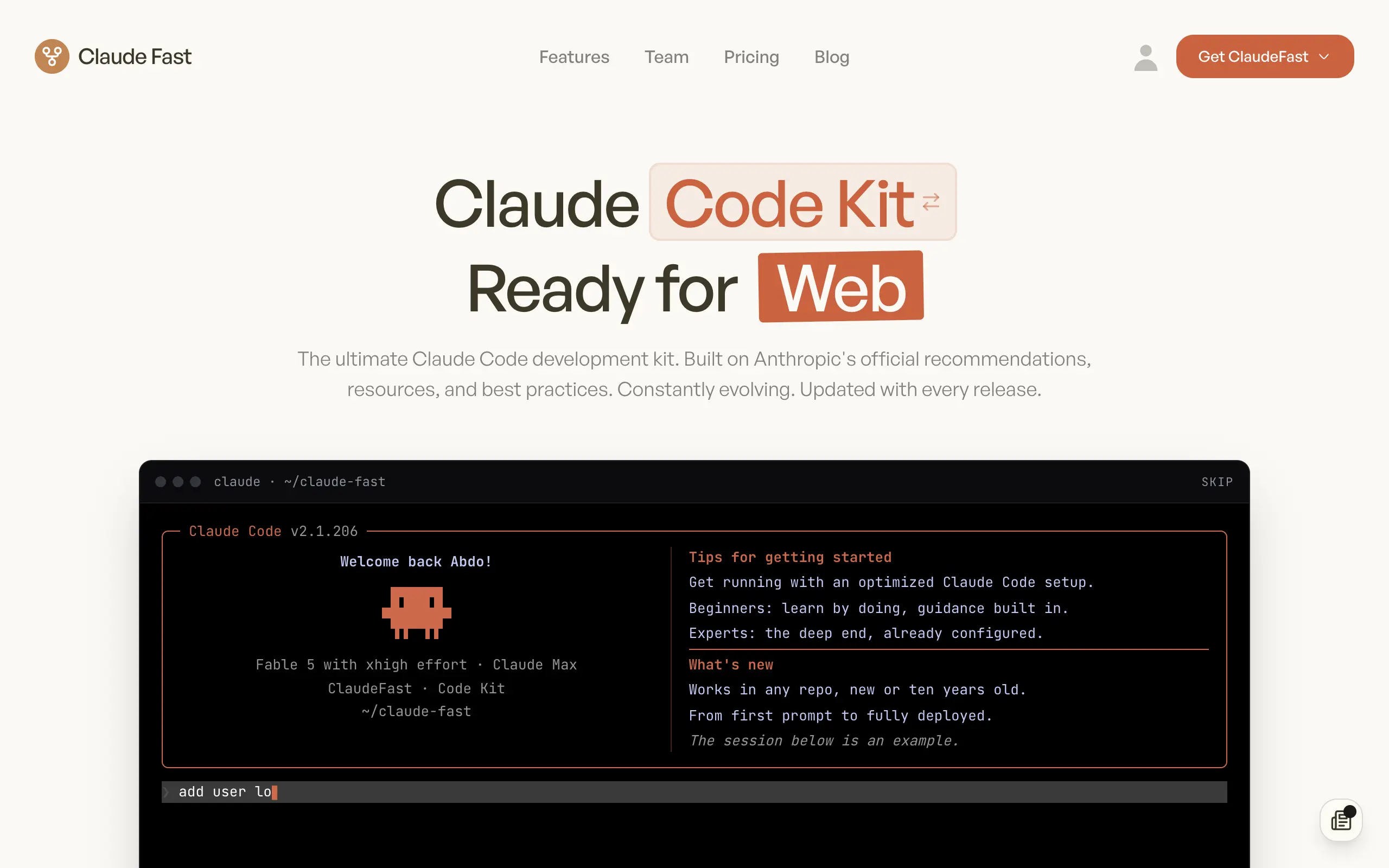
Claude Fast
Supercharge your Claude Code with 6x effective context window and specialized AI agents 🤖
EmojAI
AI-powered emoji picker with smart, context-aware suggestions 🤖
Solohacker
Autonomous company launcher - AI agents work 24/7, escalate what matters, and you stay in control 🤖
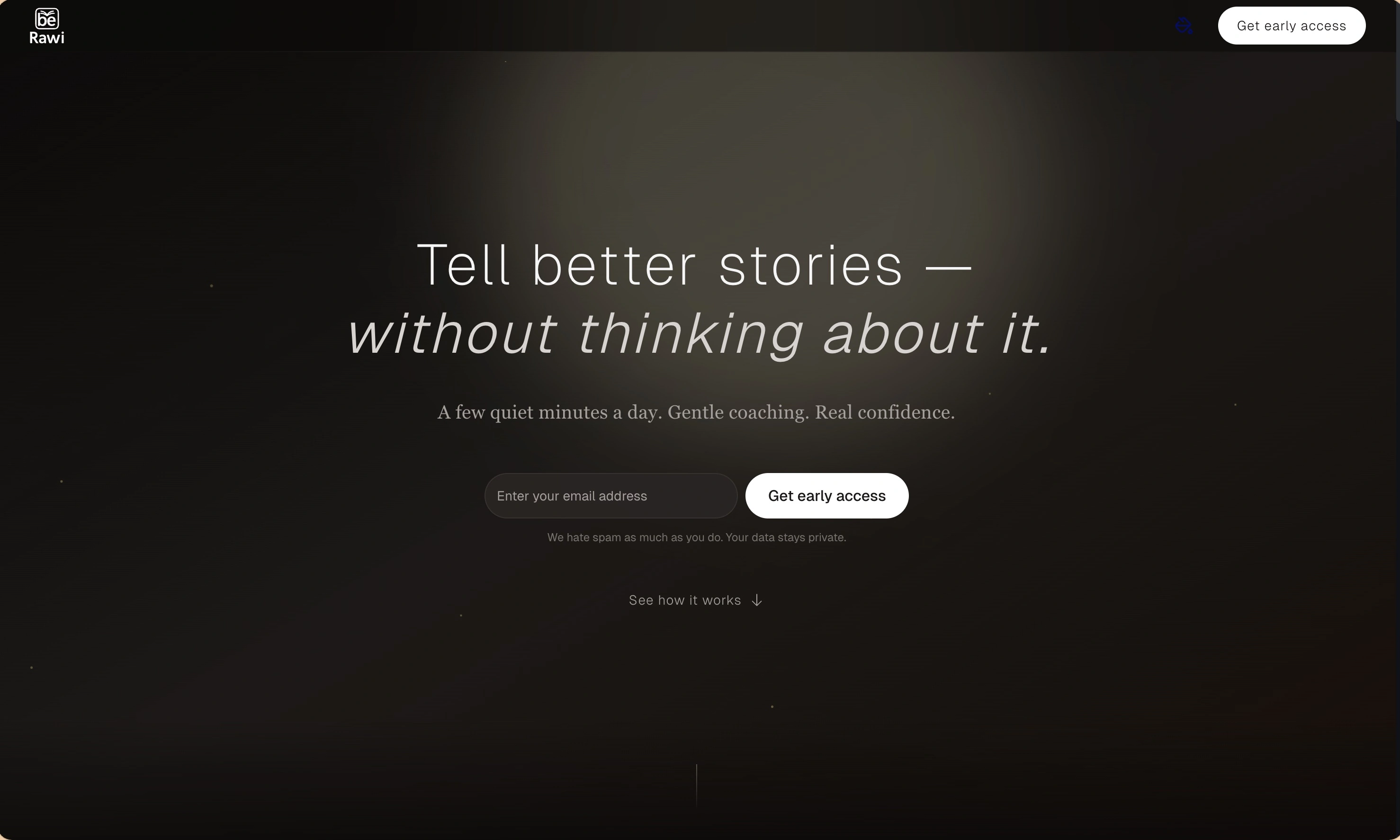
BeRawi: Storytelling Coach
Practice storytelling daily with instant feedback to sound clearer, more engaging, and confident 🎤
Omichat
Chat with 50+ AI models, including ChatGPT and Claude, in one place - switch models anytime without losing context 🤖
Claude Fast
Supercharge your Claude Code with 6x effective context window and specialized AI agents 🤖
EmojAI
AI-powered emoji picker with smart, context-aware suggestions 🤖
Solohacker
Autonomous company launcher - AI agents work 24/7, escalate what matters, and you stay in control 🤖
BeRawi: Storytelling Coach
Practice storytelling daily with instant feedback to sound clearer, more engaging, and confident 🎤
Omichat
Chat with 50+ AI models, including ChatGPT and Claude, in one place - switch models anytime without losing context 🤖
Claude Fast
Supercharge your Claude Code with 6x effective context window and specialized AI agents 🤖
EmojAI
AI-powered emoji picker with smart, context-aware suggestions 🤖
Solohacker
Autonomous company launcher - AI agents work 24/7, escalate what matters, and you stay in control 🤖
BeRawi: Storytelling Coach
Practice storytelling daily with instant feedback to sound clearer, more engaging, and confident 🎤
Omichat
Chat with 50+ AI models, including ChatGPT and Claude, in one place - switch models anytime without losing context 🤖
Claude Fast
Supercharge your Claude Code with 6x effective context window and specialized AI agents 🤖
EmojAI
AI-powered emoji picker with smart, context-aware suggestions 🤖
Solohacker
Autonomous company launcher - AI agents work 24/7, escalate what matters, and you stay in control 🤖
BeRawi: Storytelling Coach
Practice storytelling daily with instant feedback to sound clearer, more engaging, and confident 🎤

Connect with like-minded people
Join our community to get feedback, support, and grow together with 1,000+ builders on board, let's ship it!
Join usShip your startup everywhere. In minutes.
Don't burn tokens on setup and start building features on day one.