CommitPulse
Visualize and benchmark engineering performance by linking GitHub activity to Jira progress, using AI to surface patterns, risks, and improvement opportunities.
Understanding the need for CommitPulse: Why engineering teams crave actionable insights
Modern software engineering teams are under constant pressure to deliver high-quality products faster, while maintaining transparency and accountability. Engineering leaders, product managers, and CTOs often struggle to answer critical questions:
- Are we making steady progress on our Jira tickets?
- Is our GitHub activity aligned with business priorities?
- Where are the bottlenecks, risks, or hidden inefficiencies in our development process?
- How do we benchmark our team's performance against industry standards or our own historical data?
CommitPulse addresses these pain points by providing a unified, AI-powered platform that visualizes and benchmarks engineering performance. By linking GitHub activity to Jira progress, CommitPulse surfaces actionable patterns, risks, and improvement opportunities—empowering teams to make data-driven decisions.
Target audience analysis: Who benefits most from CommitPulse?
Understanding the target audience is crucial for product-market fit and effective go-to-market strategies. CommitPulse is designed for:
- Engineering managers & team leads: Seeking to optimize team productivity, identify blockers, and report on progress with confidence.
- CTOs & VPs of Engineering: Needing high-level visibility into engineering health, resource allocation, and risk management.
- Product managers: Wanting to ensure that development efforts align with product roadmaps and business goals.
- Agile coaches & process improvement specialists: Looking for data-driven insights to refine workflows and drive continuous improvement.
- Startup founders & scale-up leaders: Who require transparency and accountability as teams grow and processes become more complex.
Key user needs:
- Real-time visibility into engineering activity and progress
- Early detection of risks, bottlenecks, and inefficiencies
- Benchmarking against industry standards or internal baselines
- Actionable recommendations for process improvement
- Seamless integration with existing tools (GitHub, Jira, Slack, etc.)
Market opportunity and gap analysis: Why now is the time for CommitPulse
The software development analytics market is rapidly expanding, driven by the rise of remote work, DevOps, and data-driven engineering management. However, several gaps persist:
- Fragmented data silos: Most teams use separate tools for code (GitHub) and project management (Jira), making it hard to correlate activity with outcomes.
- Manual, error-prone reporting: Engineering leaders often rely on spreadsheets or basic dashboards, which are time-consuming and lack actionable insights.
- Lack of AI-driven analysis: Existing solutions rarely leverage AI to surface patterns, predict risks, or recommend improvements.
- Benchmarking challenges: Teams struggle to compare their performance against peers or industry standards in a meaningful way.
CommitPulse fills these gaps by offering:
- Unified data model: Seamlessly links GitHub and Jira data for holistic visibility.
- AI-powered insights: Surfaces trends, risks, and opportunities that manual analysis would miss.
- Benchmarking engine: Enables teams to measure themselves against anonymized industry data or their own historical performance.
- Actionable recommendations: Goes beyond reporting to suggest concrete next steps.
Industry trend
According to recent surveys, over 70% of engineering leaders cite "lack of actionable metrics" as a top challenge in managing distributed teams. (Reference: Suggest linking to a reputable industry report, e.g., State of DevOps)
Core features and solution details: How CommitPulse delivers value
CommitPulse stands out by combining advanced AI analytics with seamless integrations and intuitive visualizations. Here’s a breakdown of its core features:
1. GitHub-Jira integration
- Automatic mapping: Links commits, pull requests, and branches to Jira tickets using smart parsing and AI-based matching.
- Real-time sync: Keeps data up-to-date without manual intervention.
- Customizable rules: Supports various branching and ticket-naming conventions.
2. AI-powered performance analytics
- Pattern detection: Identifies trends in commit frequency, code review cycles, and ticket progress.
- Risk prediction: Flags tickets or sprints at risk of delay based on historical patterns.
- Bottleneck analysis: Surfaces areas where work is stalling or blocked.
3. Benchmarking and goal tracking
- Industry benchmarks: Compares team performance to anonymized data from similar organizations.
- Historical baselines: Tracks improvement over time within your own team.
- Custom goals: Allows teams to set and monitor KPIs (e.g., cycle time, PR review time).
4. Actionable recommendations
- AI-driven suggestions: Recommends process improvements, such as optimizing code review workflows or balancing workload.
- Automated alerts: Notifies stakeholders of emerging risks or deviations from goals.
5. Intuitive dashboards and reporting
- Visualizations: Interactive charts and heatmaps for quick insights.
- Custom reports: Exportable summaries for leadership or board meetings.
- Drill-downs: Explore data by team, project, sprint, or individual contributor.
6. Seamless integrations
- Slack & email notifications: Keep teams informed in their preferred channels.
- API access: For custom workflows and advanced analytics.
- SSO & security: Enterprise-grade authentication and data protection.
Unified visibility
See the full picture by connecting code and project data in one place.
AI-powered insights
Let machine learning surface patterns and risks you might miss.
Benchmarking engine
Measure your team against industry standards or your own history.
Actionable recommendations
Get concrete suggestions to improve engineering performance.
Recommended tech stack for CommitPulse: Balancing scalability, speed, and AI
Choosing the right technology stack is critical for building a robust, scalable, and maintainable SaaS platform like CommitPulse. Here’s a recommended stack, with trade-offs considered:
Frontend
- React: Modern, component-based UI development; large ecosystem and community.
- TailwindCSS: Utility-first CSS for rapid, consistent styling.
- TypeScript: Type safety and improved developer experience.
Trade-off: React offers flexibility and performance, but requires careful state management for complex dashboards.
Backend
- Node.js: Non-blocking, event-driven server for handling real-time data sync.
- Express: Minimalist web framework for APIs.
- Python (for AI/ML): Leverage mature libraries (e.g., scikit-learn, TensorFlow) for analytics and machine learning.
Trade-off: Combining Node.js and Python allows leveraging the best of both worlds, but requires robust inter-process communication (e.g., via REST or message queues).
Database
- PostgreSQL: Reliable, scalable relational database for structured data.
- Redis: In-memory caching for fast analytics and real-time updates.
Integrations & DevOps
- GitHub API: For code activity data.
- Jira API: For project management data.
- Docker: Containerization for consistent deployments.
- Kubernetes: Orchestration for scaling and reliability.
AI/ML
- scikit-learn: For classical ML models.
- TensorFlow: For deep learning and advanced analytics.
- OpenAI API: For natural language processing (e.g., parsing commit messages).
Pro tip
Start with a monorepo architecture to streamline development and deployment, then modularize as the platform scales.
Monetization strategy options: Turning insights into revenue
A successful SaaS like CommitPulse needs a sustainable, scalable monetization model. Here are proven strategies:
1. Subscription-based pricing
- Tiered plans: Offer Free, Pro, and Enterprise tiers based on features, integrations, and user seats.
- Usage-based add-ons: Charge for advanced analytics, benchmarking, or API access.
2. Per-seat or per-team pricing
- Aligns with value: Larger teams pay more, reflecting the increased value and resource usage.
3. Enterprise licensing
- Custom contracts: For large organizations needing advanced security, compliance, or on-premise deployment.
4. Marketplace integrations
- Revenue sharing: Partner with platforms like Atlassian Marketplace or GitHub Marketplace for distribution and co-marketing.
5. Professional services
- Onboarding, training, and consulting: Offer value-added services for enterprise customers.
Start with a simple, transparent subscription model to reduce friction. As you gain traction, introduce advanced tiers and enterprise options based on customer feedback and usage patterns.
Potential risks and mitigation strategies
Launching and scaling CommitPulse comes with challenges. Here’s how to anticipate and address them:
1. Data privacy and security
- Risk: Handling sensitive code and project data requires robust security.
- Mitigation: Implement end-to-end encryption, SOC2 compliance, and regular security audits.
2. Integration complexity
- Risk: Supporting diverse GitHub/Jira setups and custom workflows.
- Mitigation: Build flexible, configurable integration layers and provide excellent documentation.
3. AI accuracy and trust
- Risk: Users may distrust AI-driven insights if they seem opaque or inaccurate.
- Mitigation: Offer transparent explanations for AI recommendations and allow users to provide feedback.
4. Market competition
- Risk: Competing with established analytics tools.
- Mitigation: Focus on unique AI capabilities, seamless integrations, and superior user experience.
5. Change management
- Risk: Teams may resist adopting new tools or changing workflows.
- Mitigation: Provide easy onboarding, in-app guidance, and clear ROI demonstrations.
| Data privacy | Integration | AI trust | Competition | Adoption |
|---|---|---|---|---|
| ✅ | ❌ | ❌ | ✅ | ❌ |
| ✅ | ❌ | ✅ | ✅ | ❌ |
Competitive advantage analysis: What makes CommitPulse unique?
While several tools offer engineering analytics, CommitPulse stands out in key ways:
- True GitHub-Jira linkage: Most competitors focus on code or project data in isolation. CommitPulse unifies both for holistic insights.
- AI-first approach: Advanced machine learning surfaces patterns, risks, and recommendations—not just raw metrics.
- Benchmarking engine: Enables teams to compare themselves to industry standards, a feature rarely found in existing solutions.
- Actionable, not just descriptive: Goes beyond dashboards to provide concrete, prioritized improvement suggestions.
- Seamless, secure integrations: Enterprise-grade security and flexible APIs ensure CommitPulse fits into any workflow.
Holistic visibility
Connects code and project data for a complete picture.
AI-driven recommendations
Not just metrics—actionable next steps.
Benchmarking
See how you stack up against the best.
Enterprise-ready
Security, compliance, and scalability from day one.
Actionable implementation steps: How to build and launch CommitPulse
Building a robust, AI-powered SaaS like CommitPulse requires a structured approach. Here’s a step-by-step roadmap:
Conclusion: CommitPulse as the future of engineering performance analytics
CommitPulse is uniquely positioned to transform how engineering teams visualize, benchmark, and improve their performance. By unifying GitHub and Jira data, leveraging AI for actionable insights, and enabling benchmarking against industry standards, CommitPulse empowers teams to move from reactive reporting to proactive improvement.
Whether you’re an engineering leader seeking transparency, a product manager aligning development with business goals, or a CTO driving organizational excellence, CommitPulse delivers the clarity and confidence you need.
Ready to accelerate your engineering team's performance? Explore how CommitPulse can fit into your workflow and drive measurable results.
Frequently asked questions about CommitPulse
CommitPulse uses smart parsing and AI-based matching to automatically associate commits, pull requests, and branches with Jira tickets, even across custom workflows.
Yes. CommitPulse implements end-to-end encryption, follows industry best practices, and is designed for enterprise-grade security and compliance.
Absolutely. CommitPulse's benchmarking engine uses anonymized, aggregated data to provide meaningful comparisons while protecting privacy.
CommitPulse uniquely combines unified GitHub-Jira data, AI-powered insights, and actionable recommendations—not just dashboards or raw metrics.
Visit TurboStarter for more information and to join the waitlist.
More 🤖 AI Startup SaaS ideas
Discover more innovative ai startup SaaS ideas that are trending in 2026. Each idea is AI-generated with market validation and growth potential to help you find your next profitable venture faster than competitors.
Your competitors are building with TurboStarter
Below are some of the SaaS ideas that have been generated and built with our starter kit.
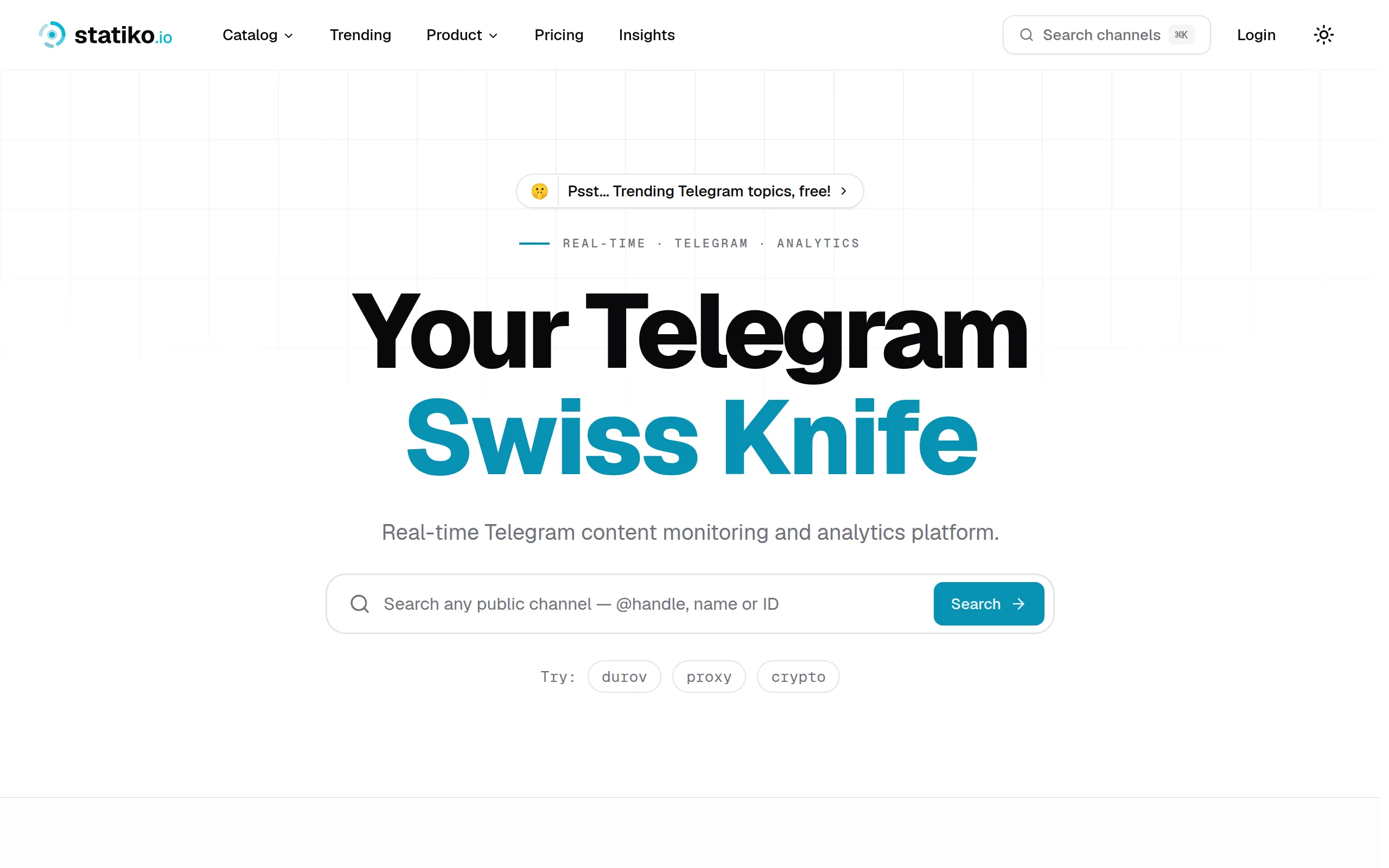
Statiko
Monitor any Telegram channel in real time - track posts, edits, deletions, and growth with AI recaps 📡

Shibui
AI website builder - describe your business, pick a niche template, edit by chatting, and publish instantly ✨

Pro Service
Find verified home service professionals, compare quotes, and pay securely through escrow - built for Brazilians across the US 🏠
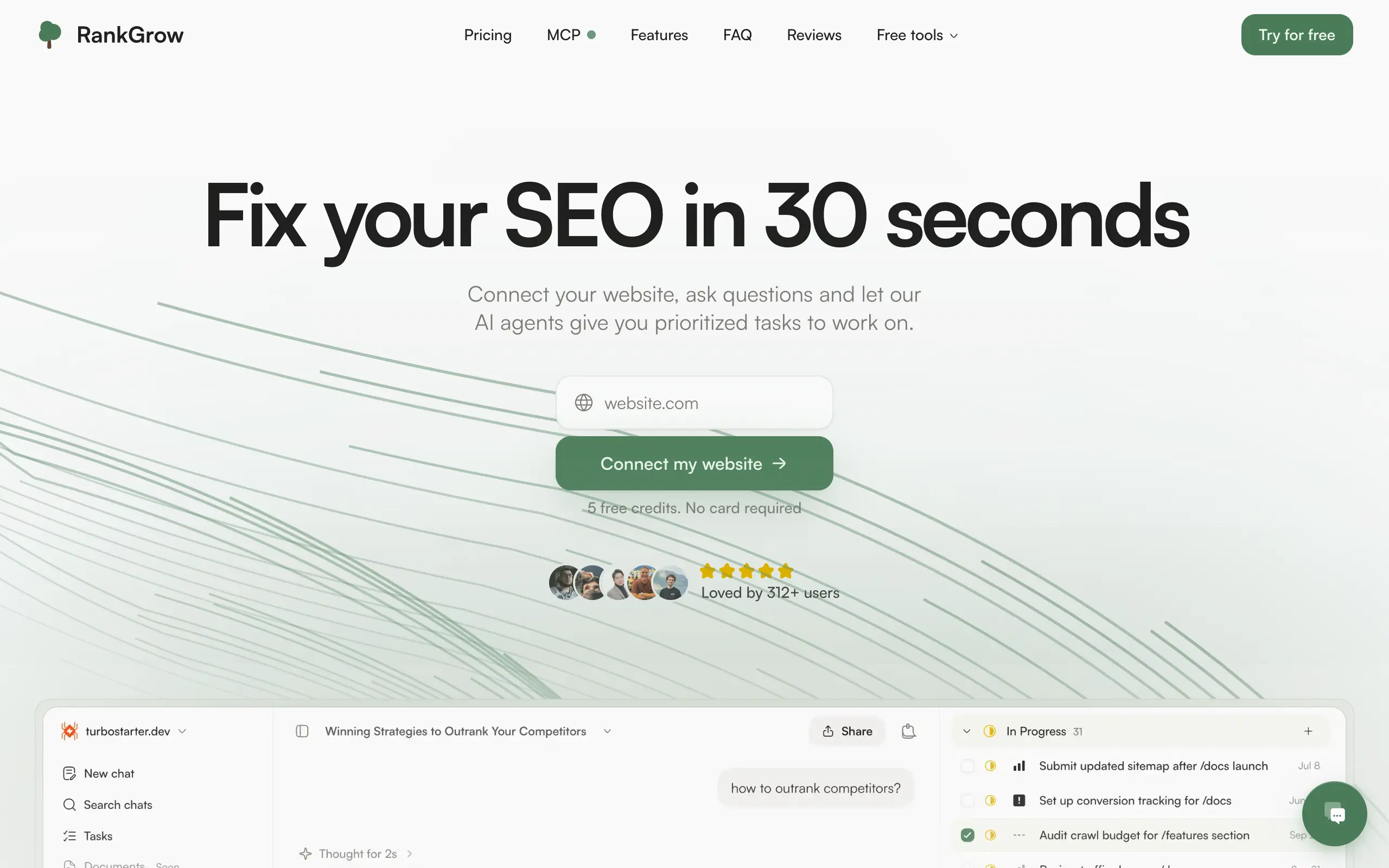
RankGrow
Fix your SEO with AI agents - connect Search Console, get prioritized tasks, and grow organic traffic 📈
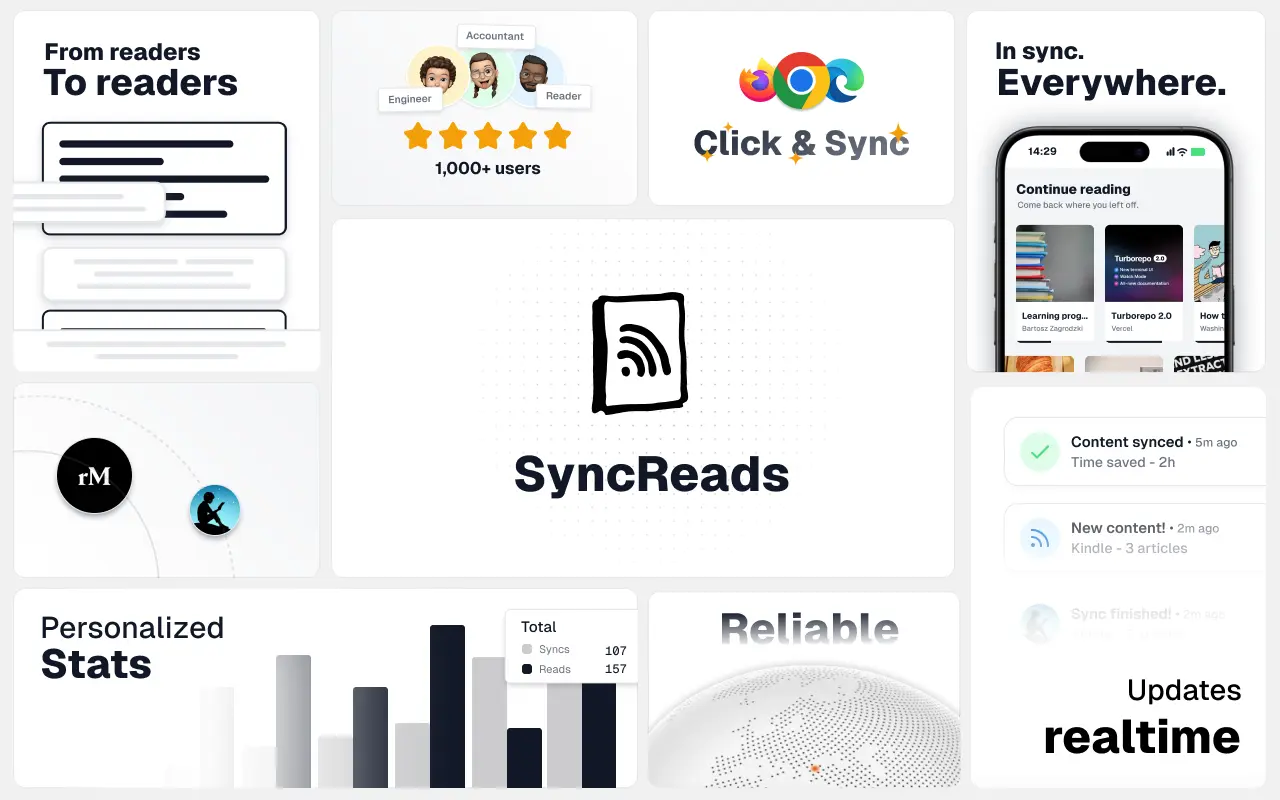
SyncReads
Sync your favorite content for distraction-free reading, save time and replace multiple apps. Anytime, anywhere 🔄
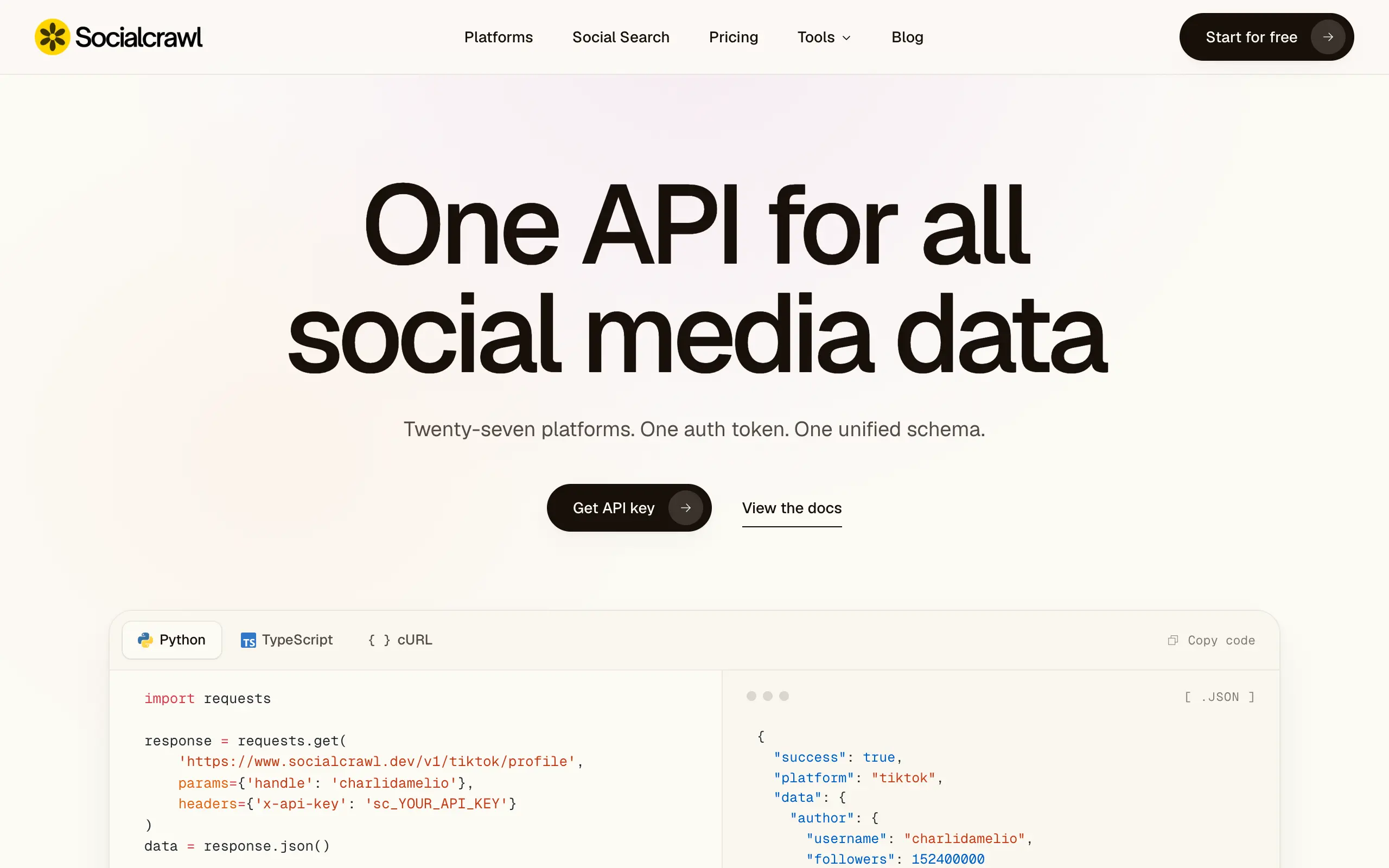
Socialcrawl
Get clean, structured data from 21 platforms like TikTok, Instagram, and YouTube with a single request 📊
Statiko
Monitor any Telegram channel in real time - track posts, edits, deletions, and growth with AI recaps 📡
Shibui
AI website builder - describe your business, pick a niche template, edit by chatting, and publish instantly ✨
Pro Service
Find verified home service professionals, compare quotes, and pay securely through escrow - built for Brazilians across the US 🏠
RankGrow
Fix your SEO with AI agents - connect Search Console, get prioritized tasks, and grow organic traffic 📈
SyncReads
Sync your favorite content for distraction-free reading, save time and replace multiple apps. Anytime, anywhere 🔄
Socialcrawl
Get clean, structured data from 21 platforms like TikTok, Instagram, and YouTube with a single request 📊
Statiko
Monitor any Telegram channel in real time - track posts, edits, deletions, and growth with AI recaps 📡
Shibui
AI website builder - describe your business, pick a niche template, edit by chatting, and publish instantly ✨
Pro Service
Find verified home service professionals, compare quotes, and pay securely through escrow - built for Brazilians across the US 🏠
RankGrow
Fix your SEO with AI agents - connect Search Console, get prioritized tasks, and grow organic traffic 📈
SyncReads
Sync your favorite content for distraction-free reading, save time and replace multiple apps. Anytime, anywhere 🔄
Socialcrawl
Get clean, structured data from 21 platforms like TikTok, Instagram, and YouTube with a single request 📊
Statiko
Monitor any Telegram channel in real time - track posts, edits, deletions, and growth with AI recaps 📡
Shibui
AI website builder - describe your business, pick a niche template, edit by chatting, and publish instantly ✨
Pro Service
Find verified home service professionals, compare quotes, and pay securely through escrow - built for Brazilians across the US 🏠
RankGrow
Fix your SEO with AI agents - connect Search Console, get prioritized tasks, and grow organic traffic 📈
SyncReads
Sync your favorite content for distraction-free reading, save time and replace multiple apps. Anytime, anywhere 🔄
Socialcrawl
Get clean, structured data from 21 platforms like TikTok, Instagram, and YouTube with a single request 📊
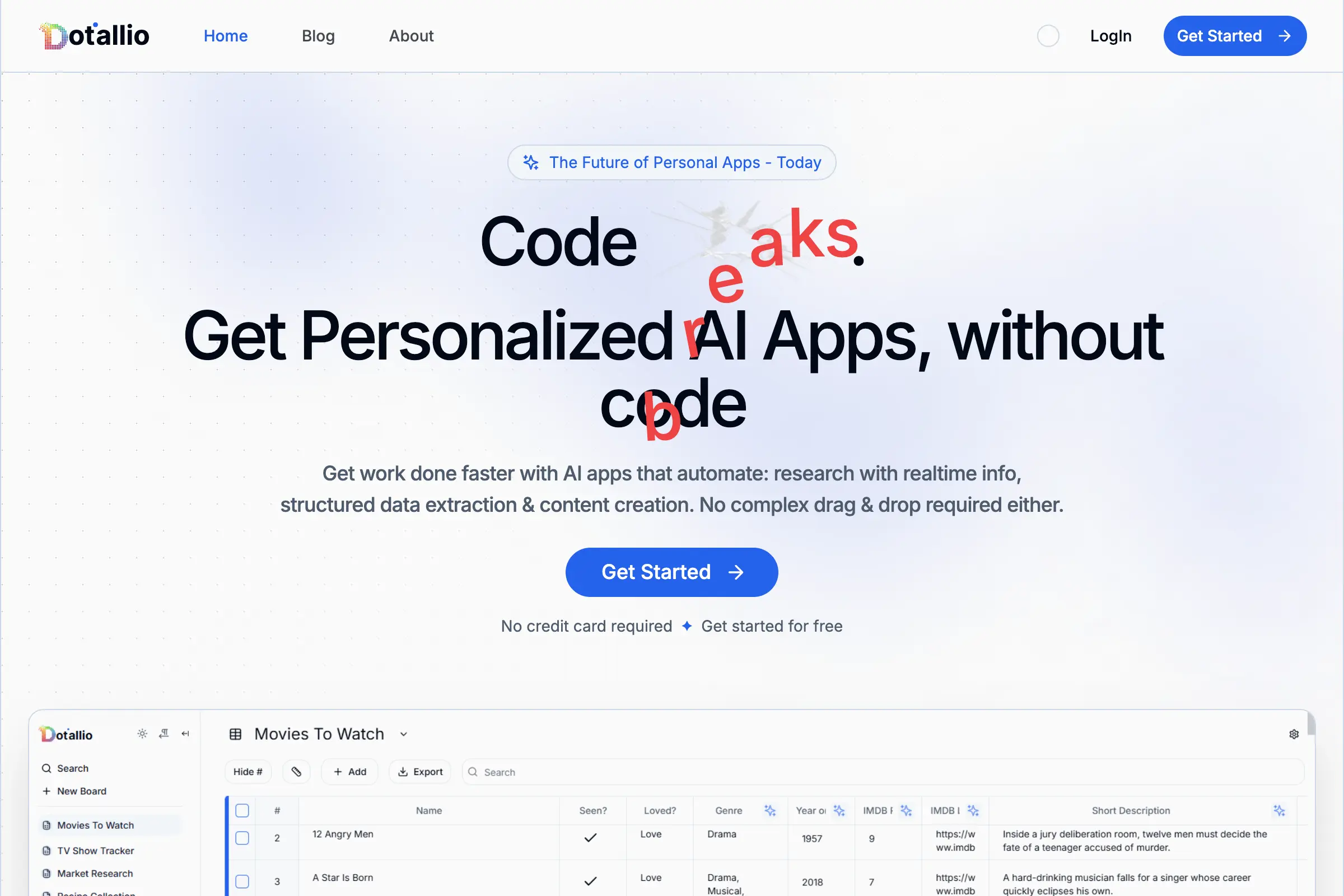
Dotallio
Personalized AI apps that automate research, data extraction, and content creation without code 🤖

Talk to Santa
Enjoy a magical live video chat or receive a unique AI-generated video greeting from Santa Claus 🎅

pozywka.pl
Scalable blog for food journalist, focused on performance and user experience 🌭
zagrodzki.me
Personal blog and portfolio of Bart Zagrodzki, where he shares his knowledge and work 💼
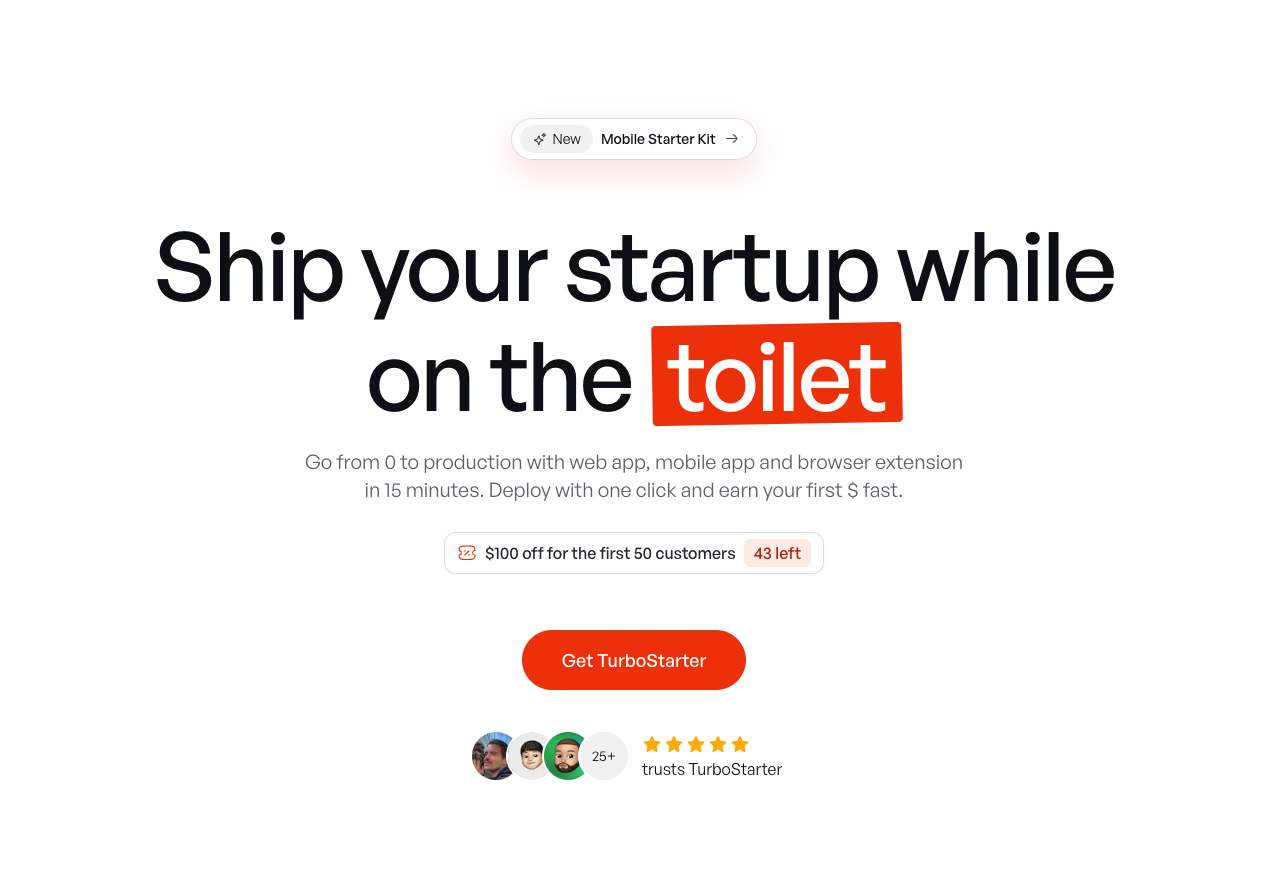
TurboStarter
Ship your startup everywhere. In minutes.
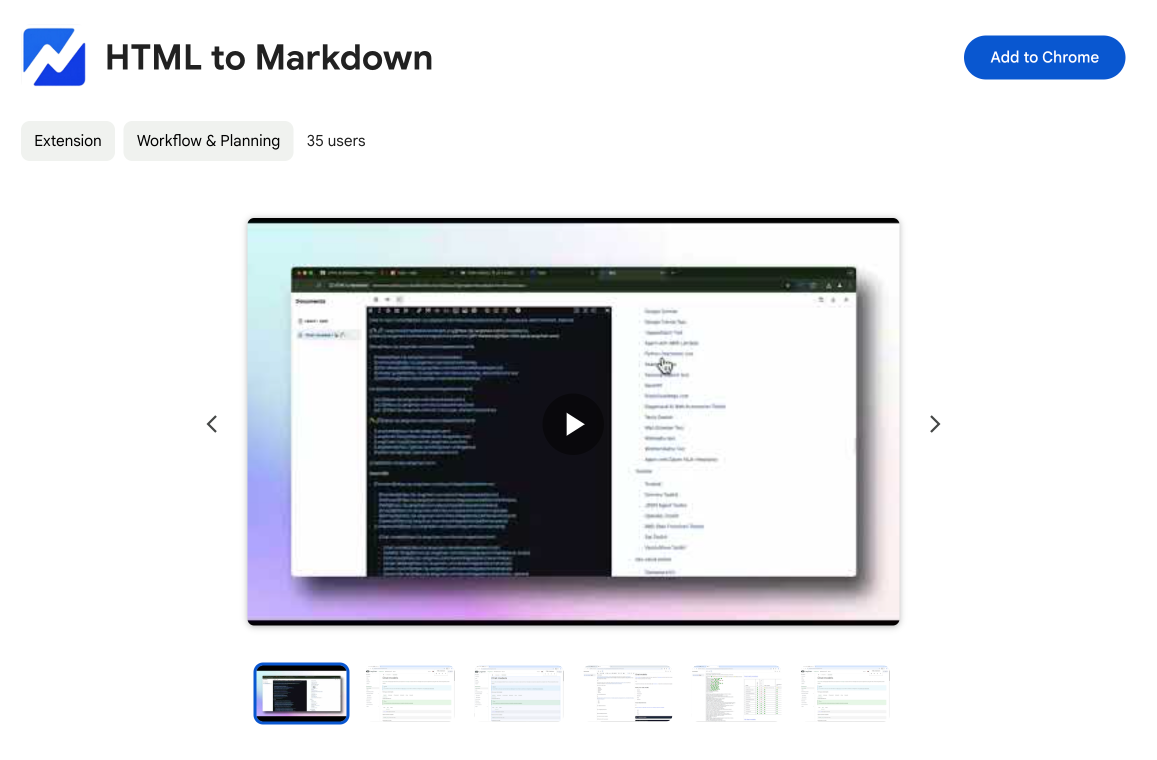
HTML to Markdown
Convert HTML to Markdown with ease, directly in your browser 📄
Dotallio
Personalized AI apps that automate research, data extraction, and content creation without code 🤖
Talk to Santa
Enjoy a magical live video chat or receive a unique AI-generated video greeting from Santa Claus 🎅
pozywka.pl
Scalable blog for food journalist, focused on performance and user experience 🌭
zagrodzki.me
Personal blog and portfolio of Bart Zagrodzki, where he shares his knowledge and work 💼
TurboStarter
Ship your startup everywhere. In minutes.
HTML to Markdown
Convert HTML to Markdown with ease, directly in your browser 📄
Dotallio
Personalized AI apps that automate research, data extraction, and content creation without code 🤖
Talk to Santa
Enjoy a magical live video chat or receive a unique AI-generated video greeting from Santa Claus 🎅
pozywka.pl
Scalable blog for food journalist, focused on performance and user experience 🌭
zagrodzki.me
Personal blog and portfolio of Bart Zagrodzki, where he shares his knowledge and work 💼
TurboStarter
Ship your startup everywhere. In minutes.
HTML to Markdown
Convert HTML to Markdown with ease, directly in your browser 📄
Dotallio
Personalized AI apps that automate research, data extraction, and content creation without code 🤖
Talk to Santa
Enjoy a magical live video chat or receive a unique AI-generated video greeting from Santa Claus 🎅
pozywka.pl
Scalable blog for food journalist, focused on performance and user experience 🌭
zagrodzki.me
Personal blog and portfolio of Bart Zagrodzki, where he shares his knowledge and work 💼
TurboStarter
Ship your startup everywhere. In minutes.
HTML to Markdown
Convert HTML to Markdown with ease, directly in your browser 📄
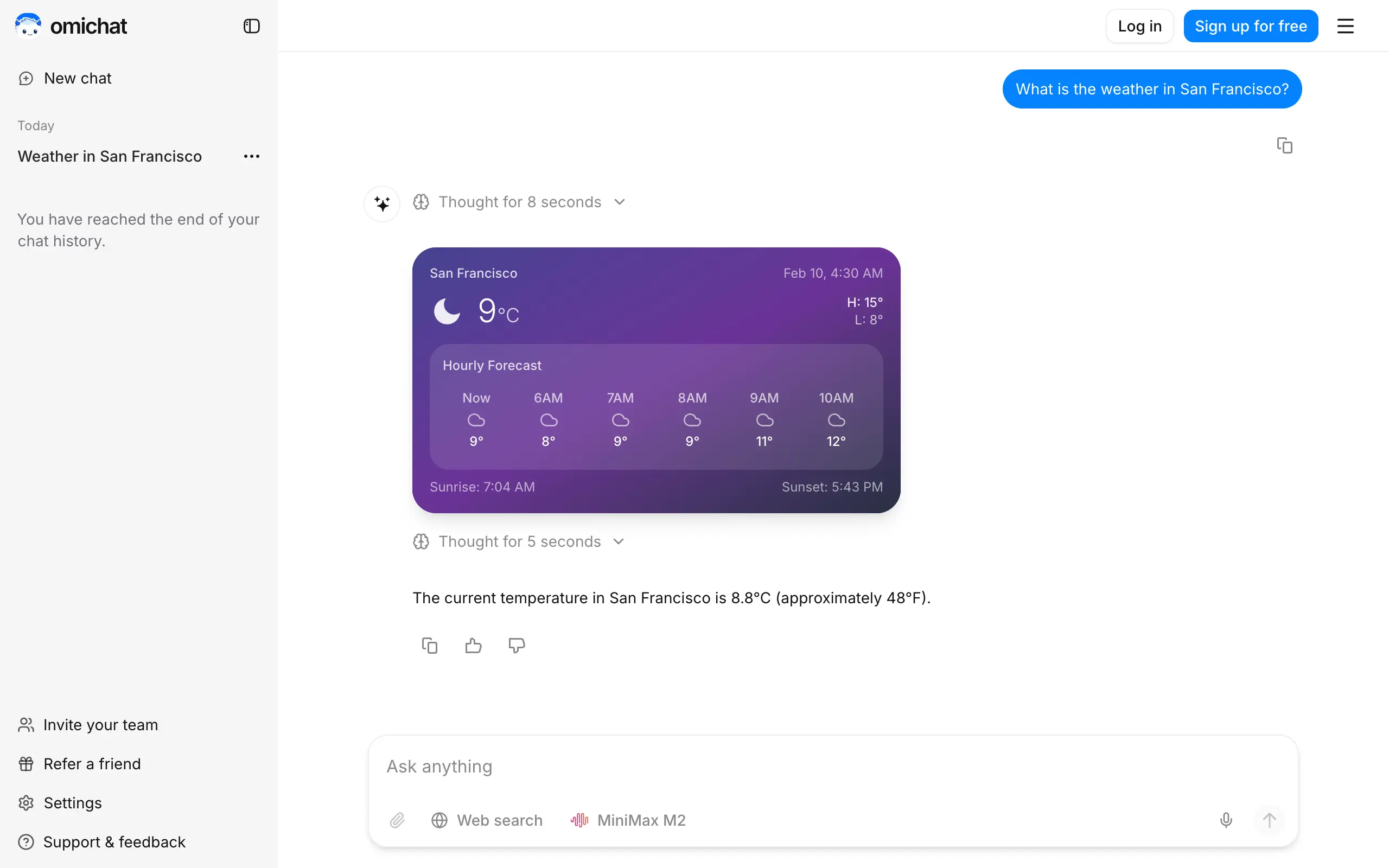
Omichat
Chat with 50+ AI models, including ChatGPT and Claude, in one place - switch models anytime without losing context 🤖
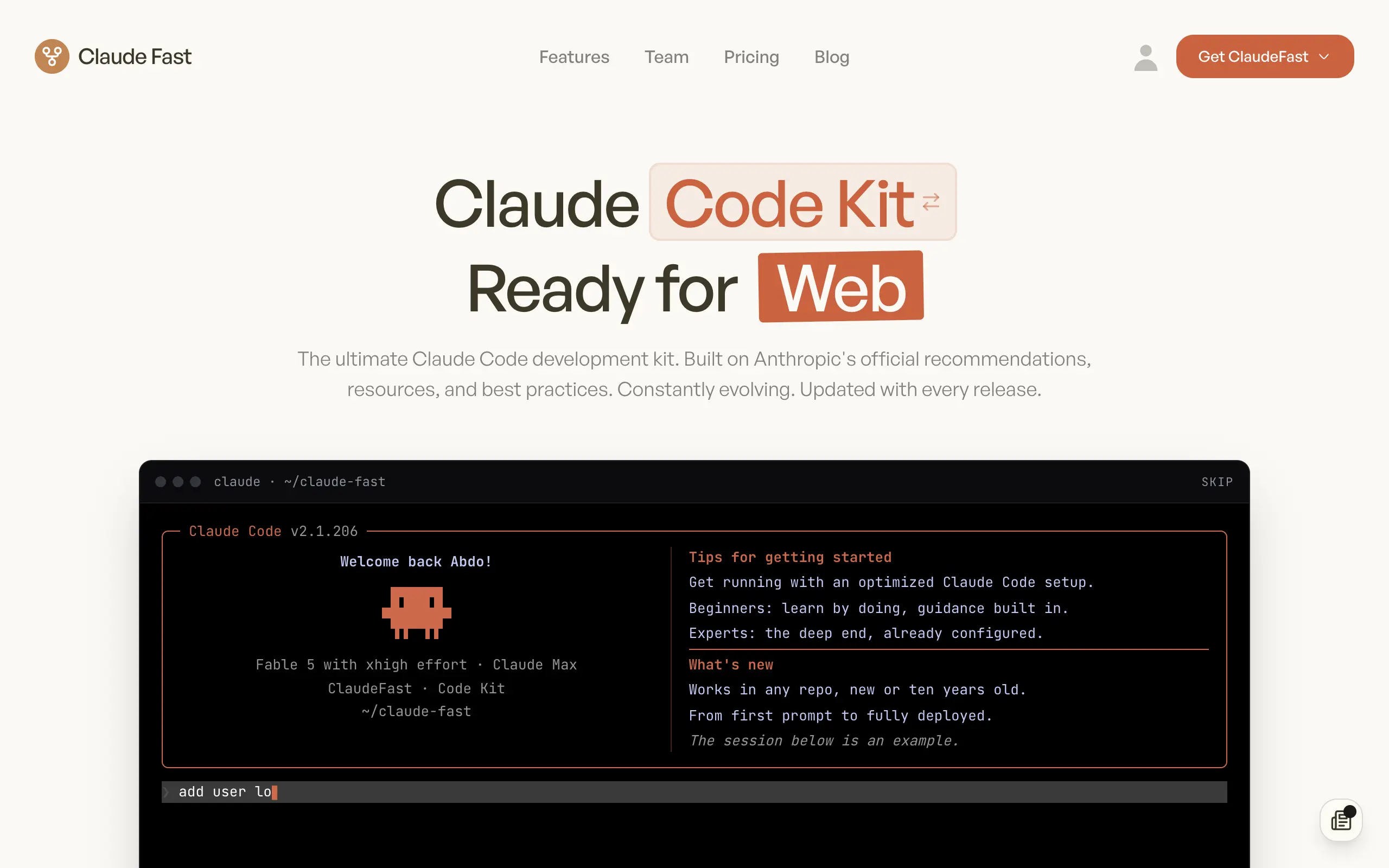
Claude Fast
Supercharge your Claude Code with 6x effective context window and specialized AI agents 🤖
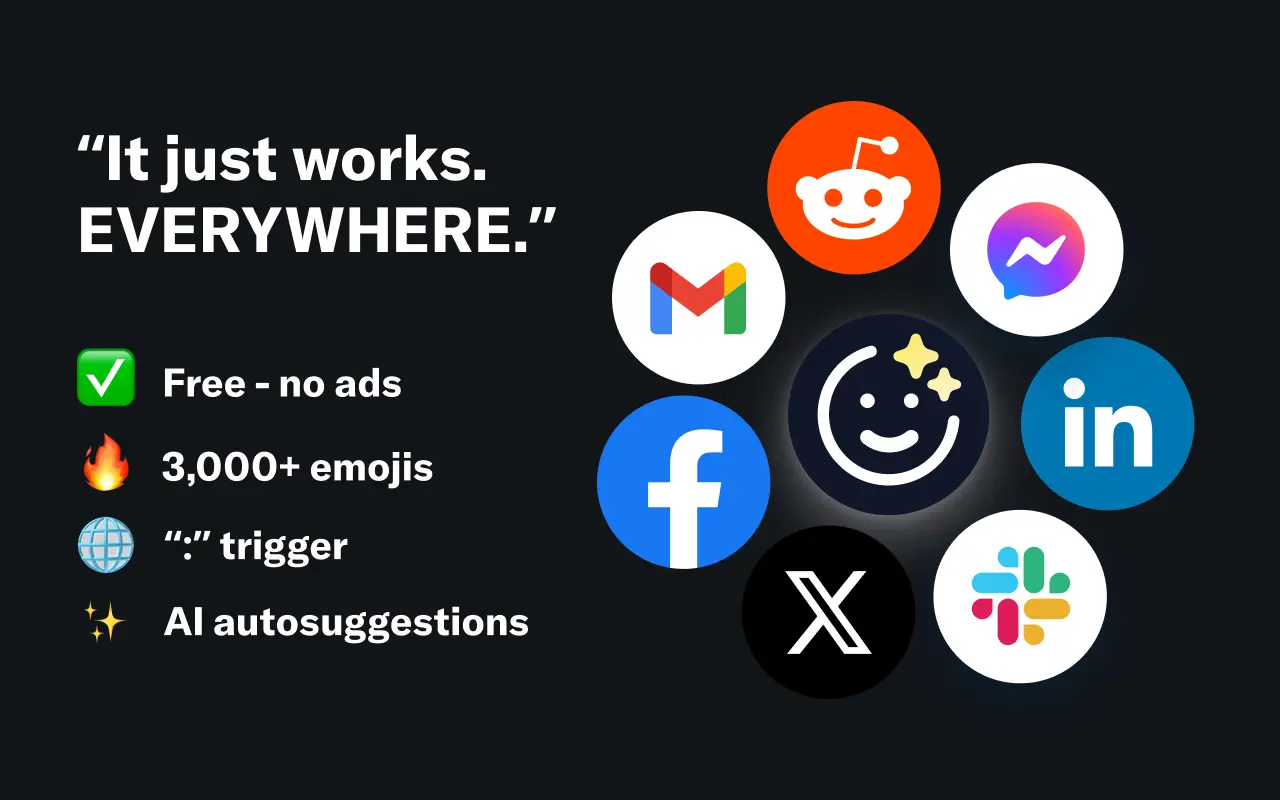
EmojAI
AI-powered emoji picker with smart, context-aware suggestions 🤖
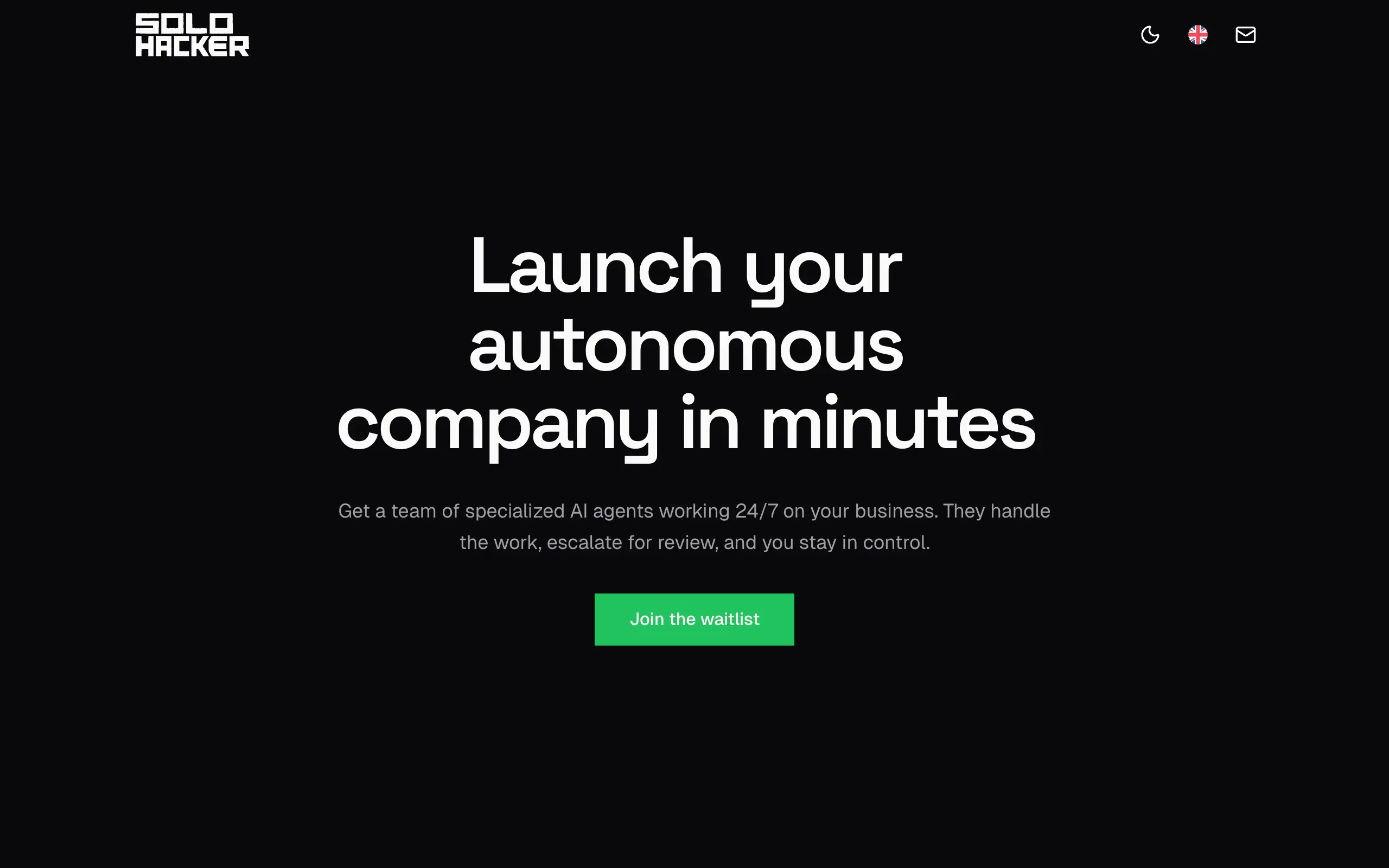
Solohacker
Autonomous company launcher - AI agents work 24/7, escalate what matters, and you stay in control 🤖
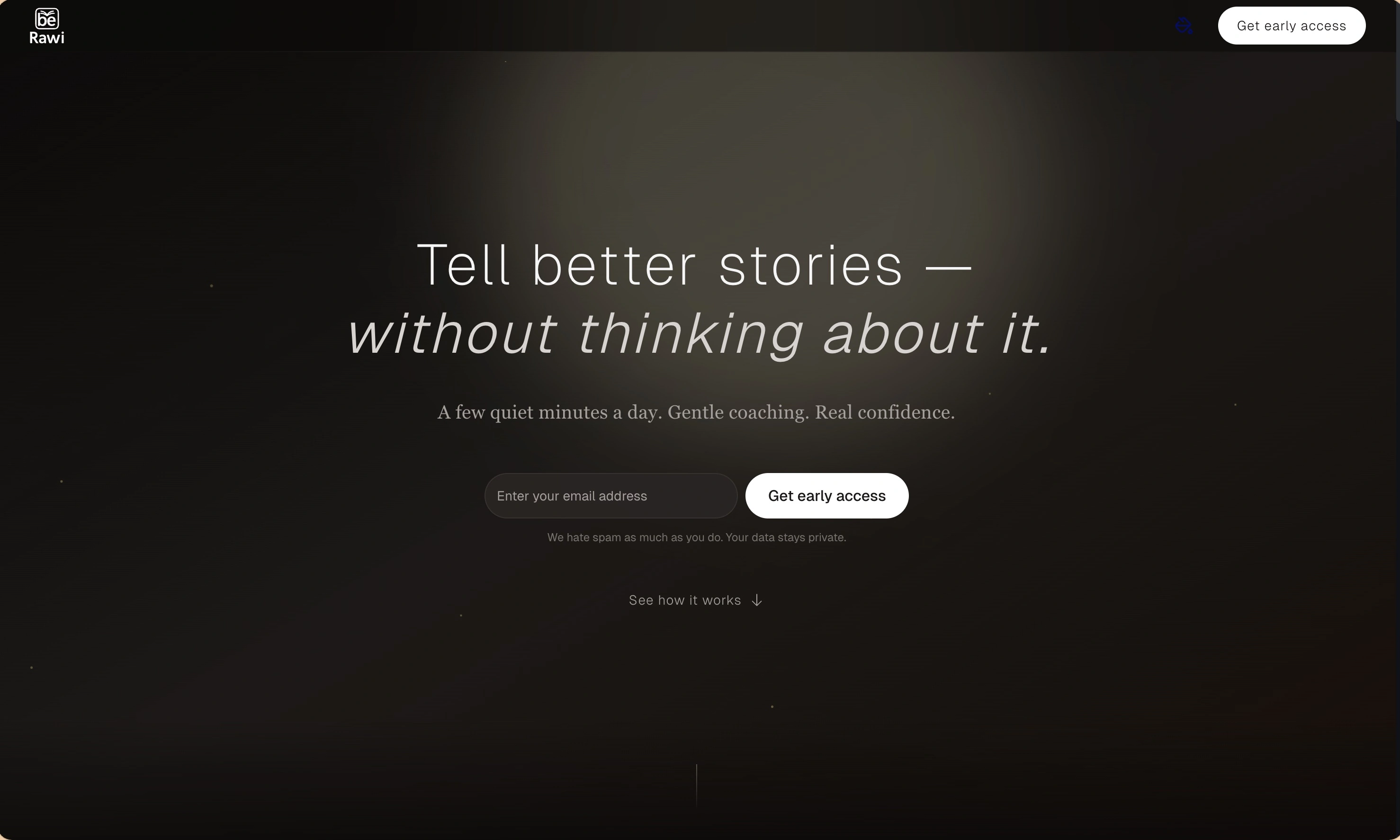
BeRawi: Storytelling Coach
Practice storytelling daily with instant feedback to sound clearer, more engaging, and confident 🎤
Omichat
Chat with 50+ AI models, including ChatGPT and Claude, in one place - switch models anytime without losing context 🤖
Claude Fast
Supercharge your Claude Code with 6x effective context window and specialized AI agents 🤖
EmojAI
AI-powered emoji picker with smart, context-aware suggestions 🤖
Solohacker
Autonomous company launcher - AI agents work 24/7, escalate what matters, and you stay in control 🤖
BeRawi: Storytelling Coach
Practice storytelling daily with instant feedback to sound clearer, more engaging, and confident 🎤
Omichat
Chat with 50+ AI models, including ChatGPT and Claude, in one place - switch models anytime without losing context 🤖
Claude Fast
Supercharge your Claude Code with 6x effective context window and specialized AI agents 🤖
EmojAI
AI-powered emoji picker with smart, context-aware suggestions 🤖
Solohacker
Autonomous company launcher - AI agents work 24/7, escalate what matters, and you stay in control 🤖
BeRawi: Storytelling Coach
Practice storytelling daily with instant feedback to sound clearer, more engaging, and confident 🎤
Omichat
Chat with 50+ AI models, including ChatGPT and Claude, in one place - switch models anytime without losing context 🤖
Claude Fast
Supercharge your Claude Code with 6x effective context window and specialized AI agents 🤖
EmojAI
AI-powered emoji picker with smart, context-aware suggestions 🤖
Solohacker
Autonomous company launcher - AI agents work 24/7, escalate what matters, and you stay in control 🤖
BeRawi: Storytelling Coach
Practice storytelling daily with instant feedback to sound clearer, more engaging, and confident 🎤

Connect with like-minded people
Join our community to get feedback, support, and grow together with 1,000+ builders on board, let's ship it!
Join usShip your startup everywhere. In minutes.
Don't burn tokens on setup and start building features on day one.