CompliancePilot Agents
AI compliance agents that continuously monitor policies, contracts, and regulations, flagging risks and auto-generating remediation steps.
The new era of AI compliance agents for continuous regulatory monitoring
Regulatory compliance is no longer a periodic checklist exercise. For modern businesses—especially in fintech, healthtech, SaaS, and e-commerce—compliance is a continuous, high-stakes operational function. Regulations change frequently. Contracts evolve. Internal policies drift. And a single oversight can result in six- or seven-figure fines, reputational damage, or operational shutdowns.
This is where AI compliance agents like CompliancePilot Agents enter the picture: intelligent systems that continuously monitor policies, contracts, and regulations, flag risks in real time, and auto-generate remediation steps.
If you're searching for:
- A scalable way to manage regulatory compliance
- An AI-driven compliance monitoring solution
- A SaaS opportunity in regulatory tech (RegTech)
- Or validation for building an AI compliance automation platform
This deep-dive will walk you through the market opportunity, product architecture, monetization strategy, risks, and implementation roadmap—with an expert lens on E‑E‑A‑T and long-term defensibility.
Why continuous AI compliance monitoring is a massive market opportunity
The regulatory burden is increasing—not decreasing
Across industries:
- GDPR and data protection frameworks continue to evolve.
- Financial services face expanding KYC/AML regulations.
- Healthcare organizations must comply with HIPAA and global privacy equivalents.
- AI companies must now consider emerging AI governance frameworks (e.g., EU AI Act).
Regulatory change velocity is accelerating.
According to widely cited industry research (e.g., from Deloitte and Thomson Reuters), large enterprises spend millions annually on compliance operations, and regulatory change events number in the hundreds per year in certain sectors.
Yet most compliance teams still rely on:
- Manual policy reviews
- Static document audits
- Periodic risk assessments
- Email-based change tracking
This creates a gap between regulatory change and operational response.
The shift toward AI-native compliance
The rise of large language models (LLMs) and retrieval-augmented generation (RAG) has unlocked new possibilities:
- Automated document parsing at scale
- Clause-level risk analysis
- Continuous cross-referencing of regulatory updates
- Intelligent remediation drafting
Instead of humans reviewing thousands of pages, AI compliance agents can monitor continuously and escalate only meaningful risks.
That’s the core opportunity behind CompliancePilot Agents.
What are AI compliance agents?
An AI compliance agent is an autonomous or semi-autonomous system that:
- Ingests policies, contracts, and regulatory updates
- Analyzes them against compliance frameworks
- Detects potential risks or inconsistencies
- Generates recommended remediation steps
- Escalates to compliance officers when necessary
Unlike traditional compliance software (which acts as a repository or workflow tool), AI compliance agents function as:
Continuous, intelligent watchdogs embedded into your organization’s regulatory fabric.
Core capabilities of CompliancePilot Agents
Continuous monitoring
Track changes in regulations, policies, and contracts in real time rather than during periodic audits.
Risk flagging
Automatically identify non-compliant clauses, missing controls, and regulatory gaps.
Remediation generation
Auto-generate suggested policy updates, contract amendments, and internal control improvements.
Audit-ready reporting
Create structured compliance logs for internal and external auditors.
Target audience analysis
To build and position CompliancePilot Agents effectively, you must understand who feels the pain most acutely.
1. Regulated SaaS companies (50–1000 employees)
Pain points:
- Preparing for SOC 2, ISO 27001, GDPR, HIPAA
- Vendor contract risk reviews
- Policy drift across departments
- Manual compliance documentation
Decision-makers:
- Head of Compliance
- CTO
- VP Security
- General Counsel
2. Fintech and financial institutions
Pain points:
- AML/KYC compliance
- Regulatory reporting
- Contractual exposure to counterparties
- Regulatory updates across jurisdictions
These organizations face constant regulatory change and high penalties for non-compliance.
3. Healthcare and healthtech
Pain points:
- HIPAA compliance
- Data handling policies
- Business associate agreements
- Cross-border data regulations
4. Legal and compliance consultancies
A white-label or partner model allows consultancies to:
- Use AI compliance agents to scale audits
- Deliver faster client reports
- Increase margins without hiring more analysts
User search intent breakdown
When someone searches for:
- “AI compliance monitoring software”
- “Automated regulatory compliance SaaS”
- “AI contract compliance analysis”
- “Continuous compliance automation”
They typically want:
- ✅ Risk reduction
- ✅ Efficiency gains
- ✅ Cost savings
- ✅ Audit readiness
- ✅ Competitive differentiation
Your product and content must address these outcomes directly—not just the technology.
Core product architecture of CompliancePilot Agents
A robust AI compliance platform requires more than just plugging into an LLM API.
1. Data ingestion layer
- Document upload (PDF, DOCX, HTML)
- API ingestion from:
- Google Drive
- Notion
- Internal policy repositories
- Contract management systems
- Regulatory feeds (public regulatory databases, structured feeds)
2. Processing and normalization
- OCR for scanned documents
- Clause segmentation
- Metadata tagging (jurisdiction, domain, document type)
- Version tracking
3. AI analysis engine
This is where the core value lies:
- Retrieval-augmented generation (RAG)
- Regulatory cross-referencing
- Risk classification models
- Clause deviation detection
4. Remediation generation module
When risk is detected:
- Suggest clause rewrites
- Recommend policy updates
- Generate compliance checklists
- Create internal action tasks
5. Reporting and dashboard
- Risk heatmaps
- Change logs
- Compliance score
- Exportable audit-ready reports
Recommended tech stack (with trade-offs)
Building AI compliance agents requires careful technology decisions.
Frontend
- React – scalable UI ecosystem
- TailwindCSS – rapid design consistency
Why: Fast iteration, mature ecosystem, enterprise-ready UX.
Backend
- Node.js or Python (FastAPI)
- PostgreSQL for structured data
- Vector database (e.g., Pinecone or open-source alternative)
AI layer
- LLM provider (e.g., OpenAI API or equivalent)
- Embedding models for semantic search
- RAG pipeline
Infrastructure
- Cloud: AWS, GCP, or Azure
- Encryption at rest and in transit
- Role-based access control
Trade-offs to consider
| Decision | Option A | Option B | Trade-off |
|---|---|---|---|
| LLM | Hosted API | Self-hosted | Hosted = faster; Self-hosted = more control |
| Vector DB | Managed | Self-managed | Managed = less ops; Self-managed = cost savings at scale |
| Multi-tenant | Shared DB | Isolated per tenant | Shared = cheaper; Isolated = stronger enterprise appeal |
Feature comparison: traditional compliance software vs AI compliance agents
| Capability | Manual Compliance | Traditional SaaS | AI Compliance Agents | Continuous Monitoring |
|---|---|---|---|---|
| Policy review | ✅ | ✅ | ✅ | ❌ |
| Contract risk detection | ❌ | Limited | ✅ | ✅ |
| Auto remediation | ❌ | ❌ | ✅ | ✅ |
| Real-time regulatory updates | ❌ | Limited | ✅ | ✅ |
Monetization strategy for CompliancePilot Agents
A strong AI compliance SaaS needs a defensible pricing model.
1. Tiered subscription (recommended)
- Starter – limited documents + core monitoring
- Growth – multi-department, API access
- Enterprise – custom integrations, dedicated compliance models
Pricing drivers:
- Number of documents
- Number of regulatory frameworks
- Number of monitored jurisdictions
- AI processing volume
2. Usage-based pricing
Charge per:
- Document analyzed
- Risk event detected
- AI-generated remediation
Best for high-scale clients.
3. Enterprise contracts
- Annual contracts
- SLA guarantees
- On-prem deployment options
High-margin opportunity.
Competitive landscape and differentiation
Key competitors may include:
- Contract lifecycle management platforms
- GRC (governance, risk, compliance) software
- AI legal tech startups
- Document analysis AI tools
Competitive advantage of CompliancePilot Agents
- Continuous monitoring instead of static analysis
- Auto-generated remediation steps
- Regulatory change detection built-in
- AI-native architecture from day one
Most compliance platforms were built pre-LLM era. Retrofitting AI into legacy systems creates friction. An AI-native compliance agent platform has structural advantage.
Risks and mitigation strategies
High-stakes domain
Compliance is mission-critical. Errors can have legal consequences. Your AI must be designed with guardrails and human-in-the-loop oversight.
Risk 1: AI hallucinations
Mitigation:
- Retrieval-augmented generation
- Structured citation requirements
- Confidence scoring
Risk 2: Data security concerns
Mitigation:
- Encryption
- SOC 2 compliance
- Private deployment options
Risk 3: Regulatory liability
Position the product as:
“Decision support for compliance teams,” not a legal replacement.
Include clear disclaimers and human review workflows.
Implementation roadmap
If you're building CompliancePilot Agents, here’s a pragmatic execution plan:
Sample AI risk detection flow (technical illustration)
// Simplified pseudo-flow for clause compliance check

const analyzeClause = async (clause, regulatoryContext) => {
  const embedding = await embed(clause);
  const relatedRegs = await vectorSearch(regulatoryContext, embedding);

  const analysis = await llm.generate({
    prompt: `
    Clause: ${clause}
    Relevant Regulations: ${relatedRegs}
    Identify compliance risks and suggest remediation steps.
    Provide structured output.
    `
  });

  return analysis;
};
This structure ensures traceability and contextual grounding.
Go-to-market strategy
Phase 1: Niche dominance
Start with:
- A specific industry (e.g., fintech SaaS)
- A single regulation cluster
- A focused compliance persona
Phase 2: Content-led authority
Publish:
- Regulatory change breakdowns
- AI compliance best practices
- Case studies
SEO keywords to target:
- AI compliance monitoring software
- Automated regulatory compliance tools
- AI contract compliance analysis
- Continuous compliance automation
- RegTech AI solutions
Phase 3: Enterprise sales
- Webinars
- Industry partnerships
- Compliance consulting alliances
Long-term defensibility
To become category-defining:
- Build proprietary compliance knowledge graphs
- Develop feedback loops from human reviewers
- Create jurisdiction-specific fine-tuned models
- Invest in explainability features
Defensibility will not come from the LLM—it will come from:
- Data
- Domain expertise
- Trust
Building faster with a SaaS foundation
Instead of spending months on authentication, billing, and infrastructure, you can launch faster using a production-ready SaaS boilerplate like TurboStarter.
This lets you focus on:
- AI compliance logic
- Domain-specific workflows
- Enterprise integrations
Rather than rebuilding foundational components.
Final thoughts: why AI compliance agents are inevitable
Regulation complexity is growing. Manual compliance does not scale. Periodic audits are insufficient. AI is now capable of deep document reasoning.
AI compliance agents represent the natural evolution of regulatory operations.
For founders, this is a high-value SaaS category with:
- Strong enterprise budgets
- Recurring revenue potential
- High switching costs
- Expanding regulatory pressure
For companies, it's a shift from reactive compliance to proactive risk intelligence.
If built with precision, transparency, and domain expertise, CompliancePilot Agents can redefine how organizations approach regulatory safety—transforming compliance from a burden into a strategic advantage.
More 🤖 AI Startup SaaS ideas
Discover more innovative ai startup SaaS ideas that are trending in 2026. Each idea is AI-generated with market validation and growth potential to help you find your next profitable venture faster than competitors.
Your competitors are building with TurboStarter
Below are some of the SaaS ideas that have been generated and built with our starter kit.
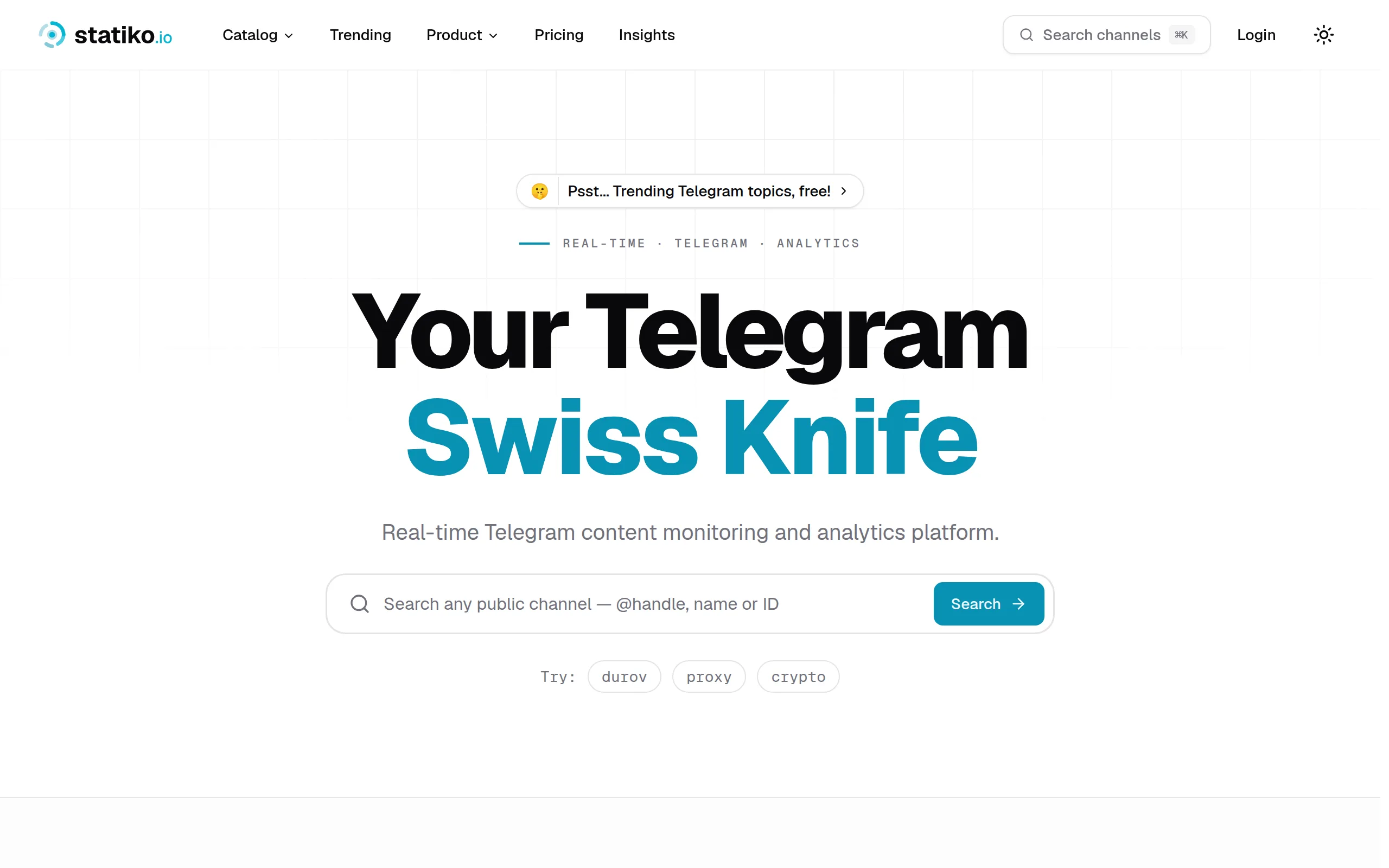
Statiko
Monitor any Telegram channel in real time - track posts, edits, deletions, and growth with AI recaps 📡

Shibui
AI website builder - describe your business, pick a niche template, edit by chatting, and publish instantly ✨

Pro Service
Find verified home service professionals, compare quotes, and pay securely through escrow - built for Brazilians across the US 🏠
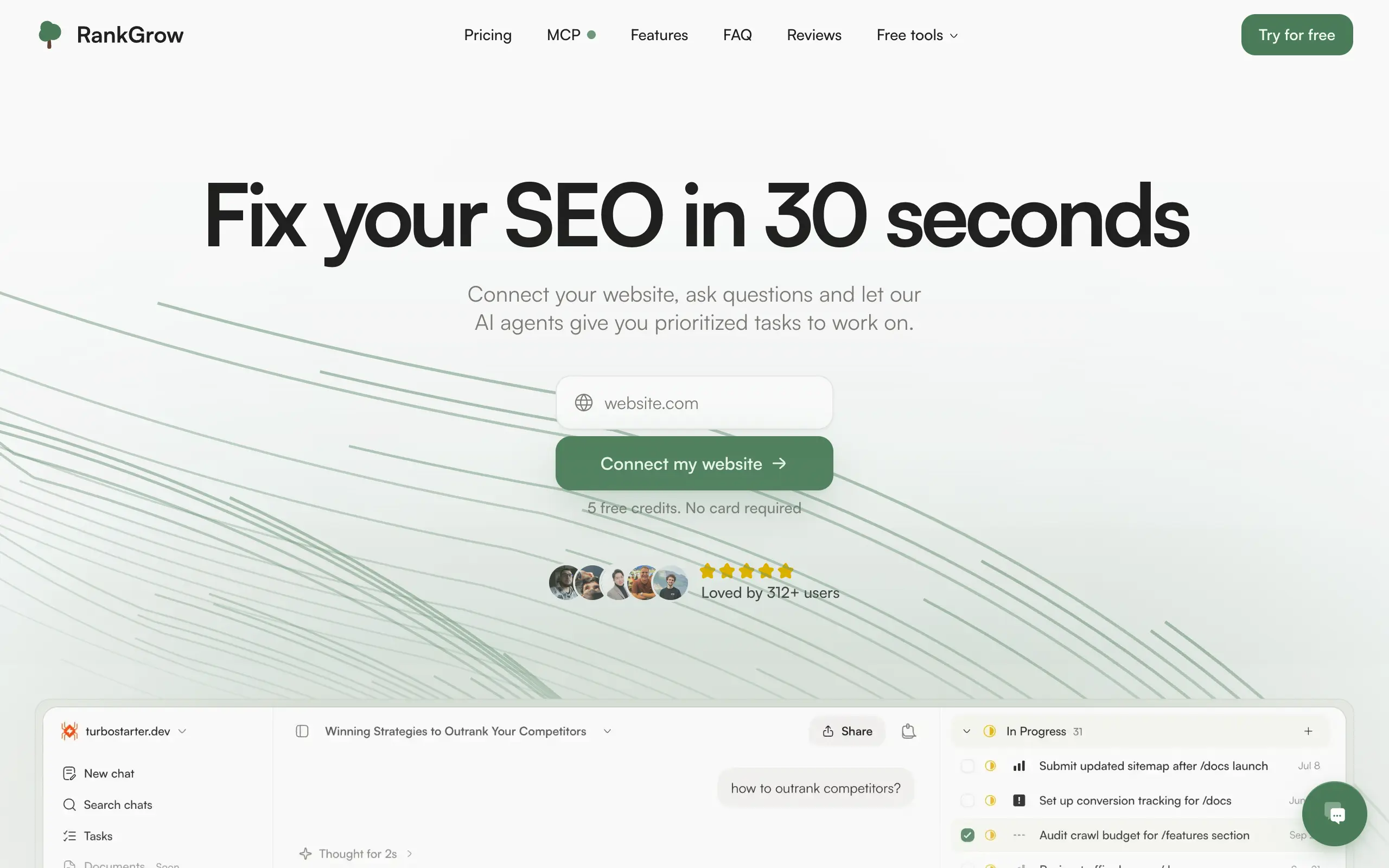
RankGrow
Fix your SEO with AI agents - connect Search Console, get prioritized tasks, and grow organic traffic 📈
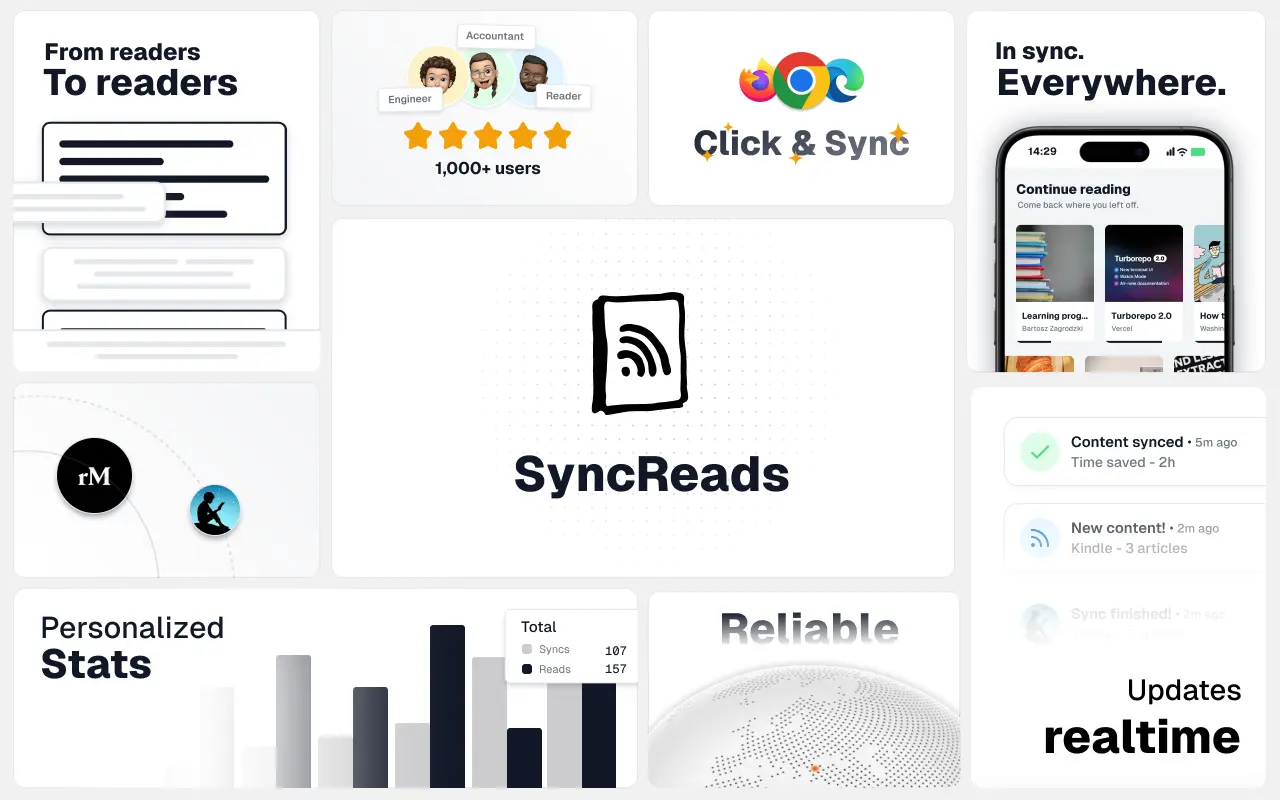
SyncReads
Sync your favorite content for distraction-free reading, save time and replace multiple apps. Anytime, anywhere 🔄
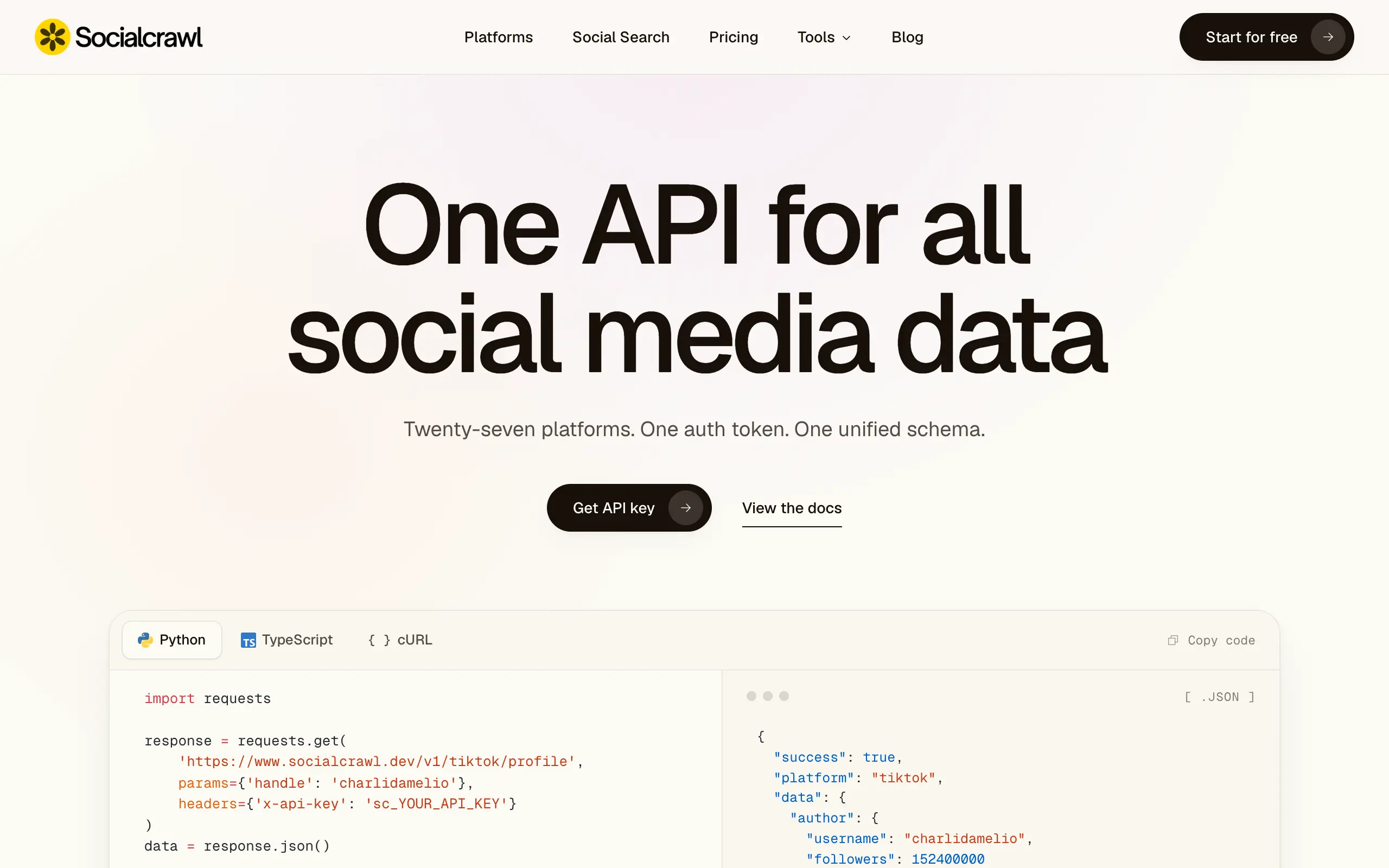
Socialcrawl
Get clean, structured data from 21 platforms like TikTok, Instagram, and YouTube with a single request 📊
Statiko
Monitor any Telegram channel in real time - track posts, edits, deletions, and growth with AI recaps 📡
Shibui
AI website builder - describe your business, pick a niche template, edit by chatting, and publish instantly ✨
Pro Service
Find verified home service professionals, compare quotes, and pay securely through escrow - built for Brazilians across the US 🏠
RankGrow
Fix your SEO with AI agents - connect Search Console, get prioritized tasks, and grow organic traffic 📈
SyncReads
Sync your favorite content for distraction-free reading, save time and replace multiple apps. Anytime, anywhere 🔄
Socialcrawl
Get clean, structured data from 21 platforms like TikTok, Instagram, and YouTube with a single request 📊
Statiko
Monitor any Telegram channel in real time - track posts, edits, deletions, and growth with AI recaps 📡
Shibui
AI website builder - describe your business, pick a niche template, edit by chatting, and publish instantly ✨
Pro Service
Find verified home service professionals, compare quotes, and pay securely through escrow - built for Brazilians across the US 🏠
RankGrow
Fix your SEO with AI agents - connect Search Console, get prioritized tasks, and grow organic traffic 📈
SyncReads
Sync your favorite content for distraction-free reading, save time and replace multiple apps. Anytime, anywhere 🔄
Socialcrawl
Get clean, structured data from 21 platforms like TikTok, Instagram, and YouTube with a single request 📊
Statiko
Monitor any Telegram channel in real time - track posts, edits, deletions, and growth with AI recaps 📡
Shibui
AI website builder - describe your business, pick a niche template, edit by chatting, and publish instantly ✨
Pro Service
Find verified home service professionals, compare quotes, and pay securely through escrow - built for Brazilians across the US 🏠
RankGrow
Fix your SEO with AI agents - connect Search Console, get prioritized tasks, and grow organic traffic 📈
SyncReads
Sync your favorite content for distraction-free reading, save time and replace multiple apps. Anytime, anywhere 🔄
Socialcrawl
Get clean, structured data from 21 platforms like TikTok, Instagram, and YouTube with a single request 📊
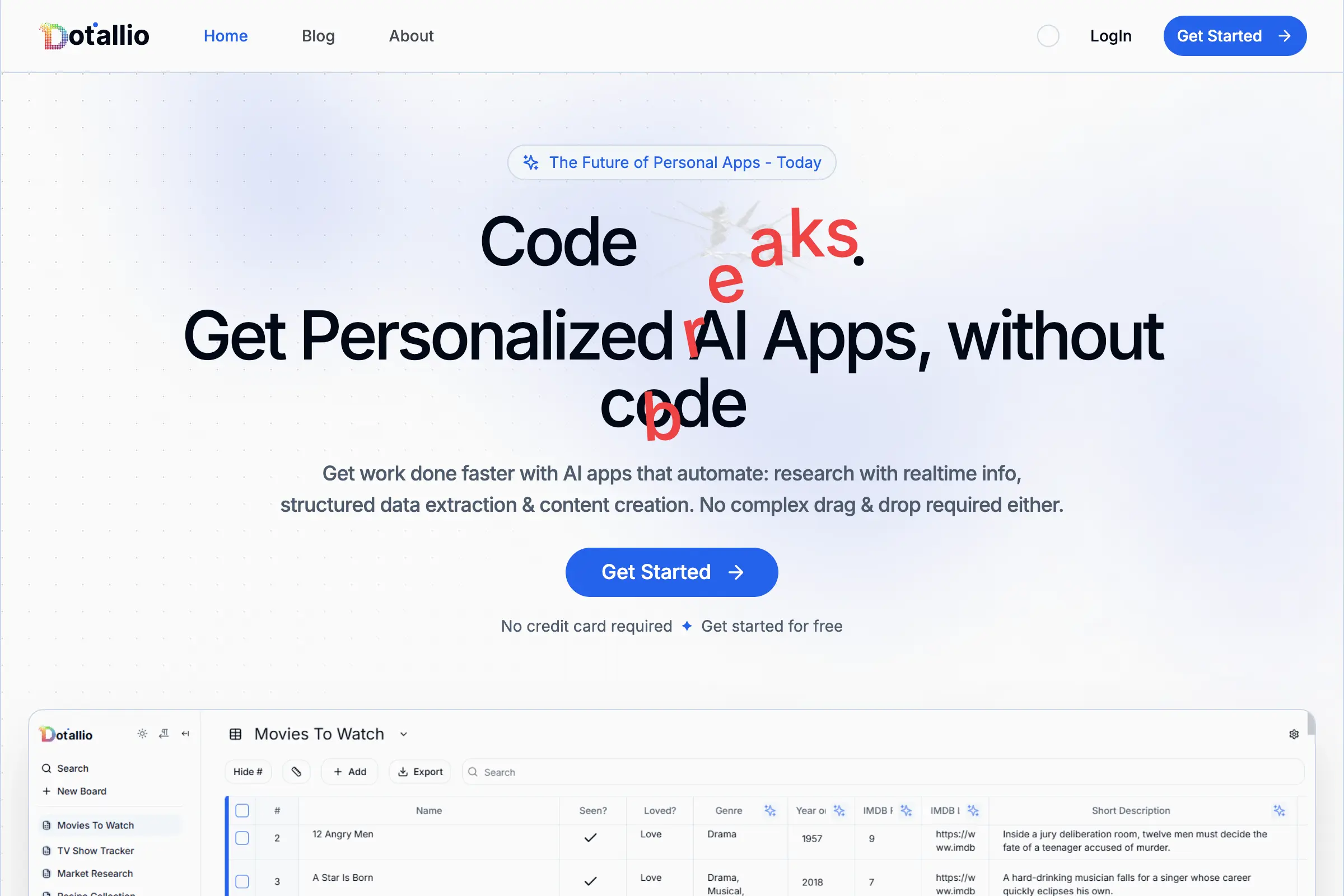
Dotallio
Personalized AI apps that automate research, data extraction, and content creation without code 🤖

Talk to Santa
Enjoy a magical live video chat or receive a unique AI-generated video greeting from Santa Claus 🎅

pozywka.pl
Scalable blog for food journalist, focused on performance and user experience 🌭
zagrodzki.me
Personal blog and portfolio of Bart Zagrodzki, where he shares his knowledge and work 💼
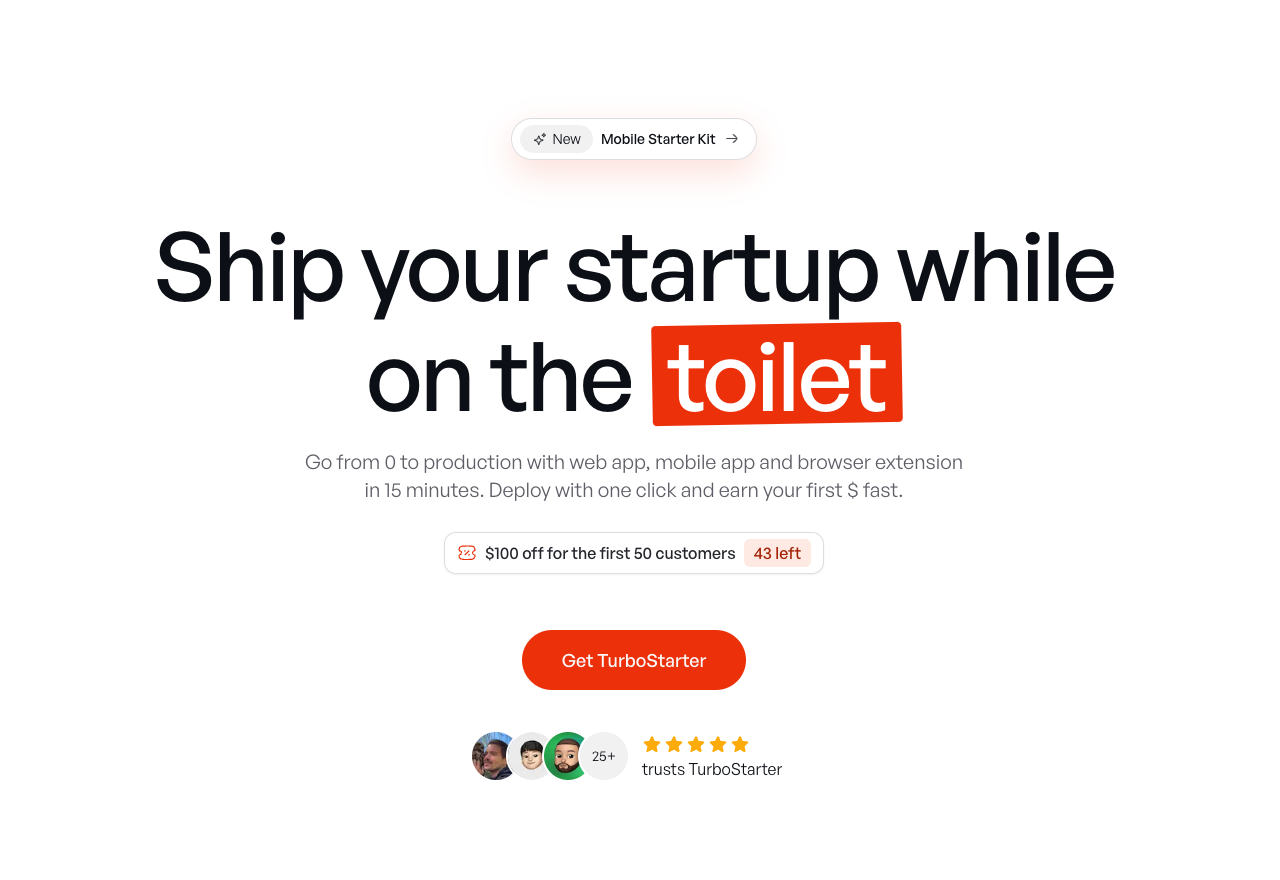
TurboStarter
Ship your startup everywhere. In minutes.
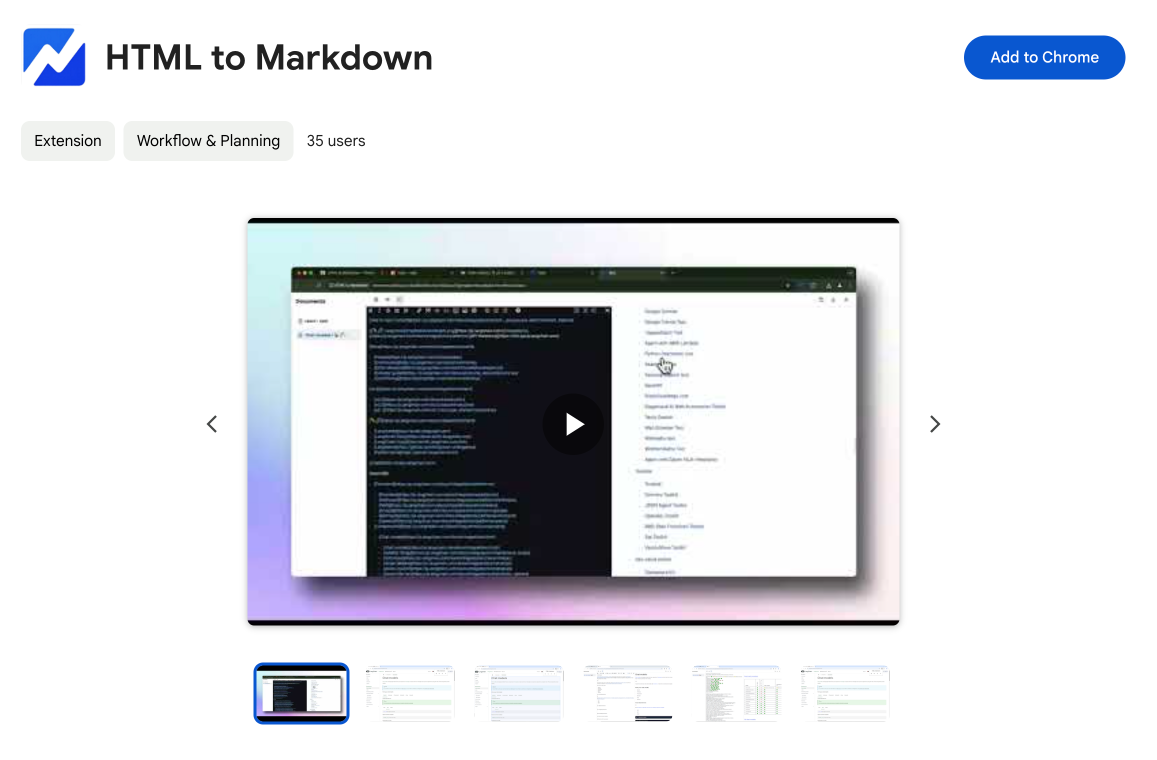
HTML to Markdown
Convert HTML to Markdown with ease, directly in your browser 📄
Dotallio
Personalized AI apps that automate research, data extraction, and content creation without code 🤖
Talk to Santa
Enjoy a magical live video chat or receive a unique AI-generated video greeting from Santa Claus 🎅
pozywka.pl
Scalable blog for food journalist, focused on performance and user experience 🌭
zagrodzki.me
Personal blog and portfolio of Bart Zagrodzki, where he shares his knowledge and work 💼
TurboStarter
Ship your startup everywhere. In minutes.
HTML to Markdown
Convert HTML to Markdown with ease, directly in your browser 📄
Dotallio
Personalized AI apps that automate research, data extraction, and content creation without code 🤖
Talk to Santa
Enjoy a magical live video chat or receive a unique AI-generated video greeting from Santa Claus 🎅
pozywka.pl
Scalable blog for food journalist, focused on performance and user experience 🌭
zagrodzki.me
Personal blog and portfolio of Bart Zagrodzki, where he shares his knowledge and work 💼
TurboStarter
Ship your startup everywhere. In minutes.
HTML to Markdown
Convert HTML to Markdown with ease, directly in your browser 📄
Dotallio
Personalized AI apps that automate research, data extraction, and content creation without code 🤖
Talk to Santa
Enjoy a magical live video chat or receive a unique AI-generated video greeting from Santa Claus 🎅
pozywka.pl
Scalable blog for food journalist, focused on performance and user experience 🌭
zagrodzki.me
Personal blog and portfolio of Bart Zagrodzki, where he shares his knowledge and work 💼
TurboStarter
Ship your startup everywhere. In minutes.
HTML to Markdown
Convert HTML to Markdown with ease, directly in your browser 📄
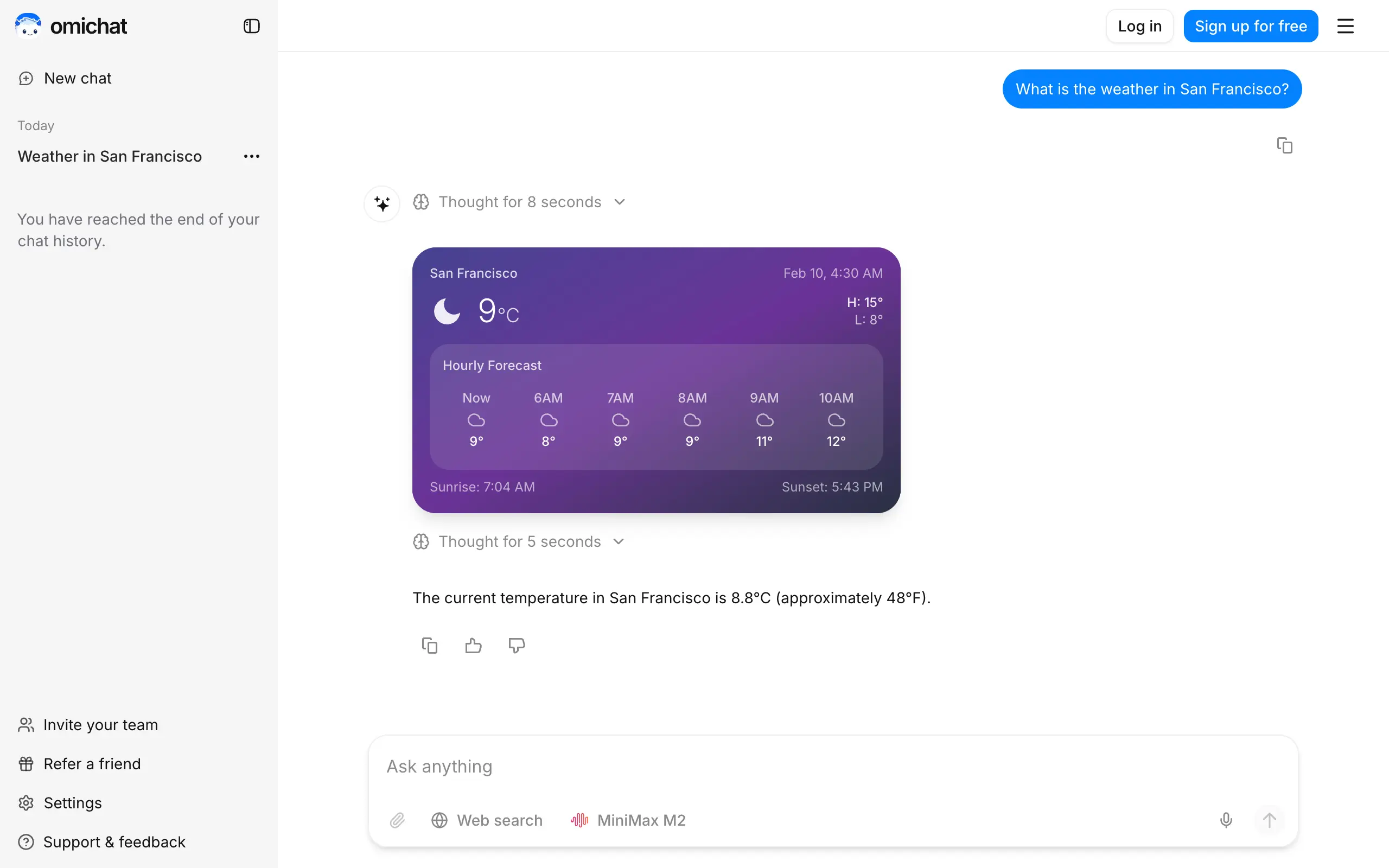
Omichat
Chat with 50+ AI models, including ChatGPT and Claude, in one place - switch models anytime without losing context 🤖
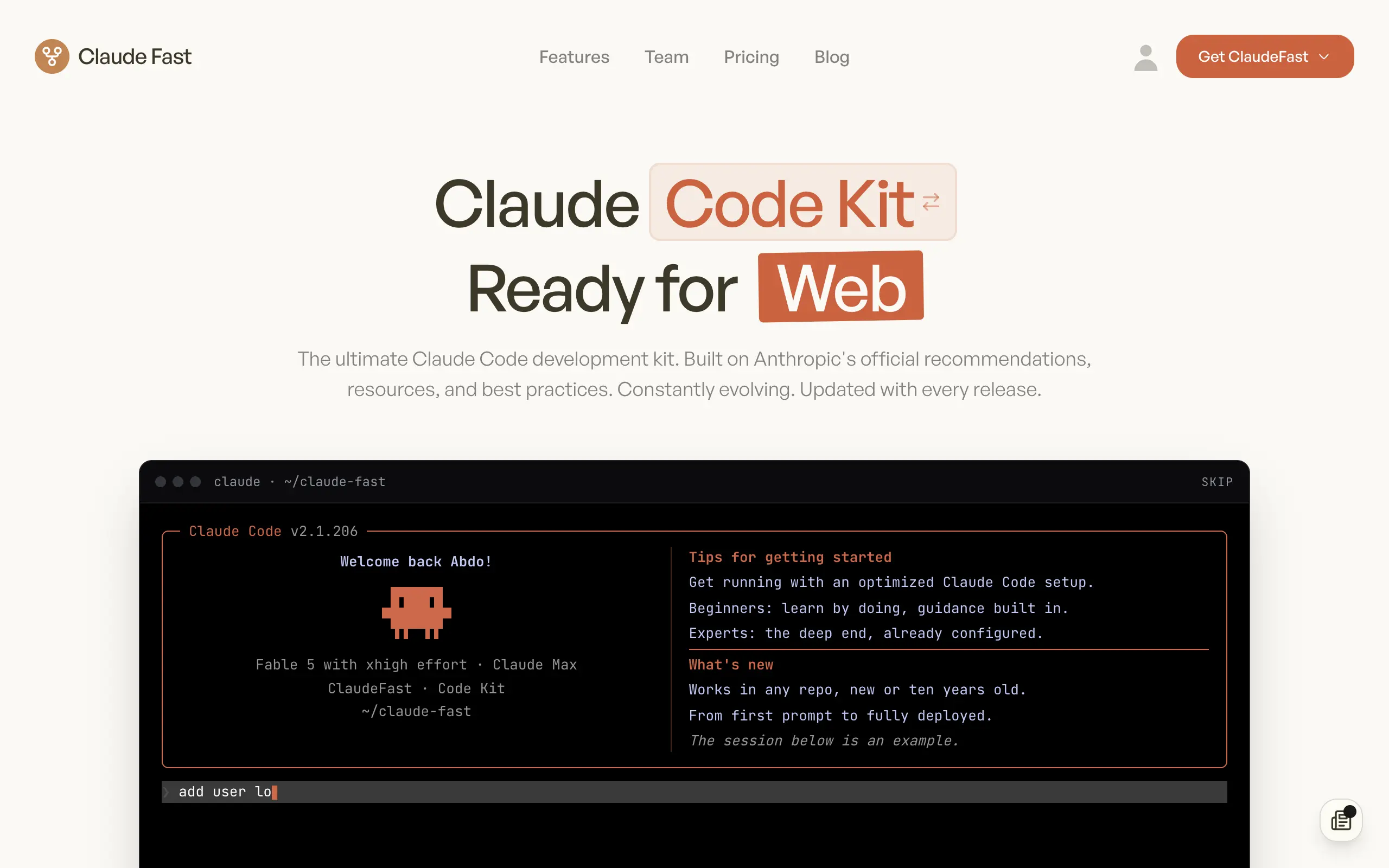
Claude Fast
Supercharge your Claude Code with 6x effective context window and specialized AI agents 🤖
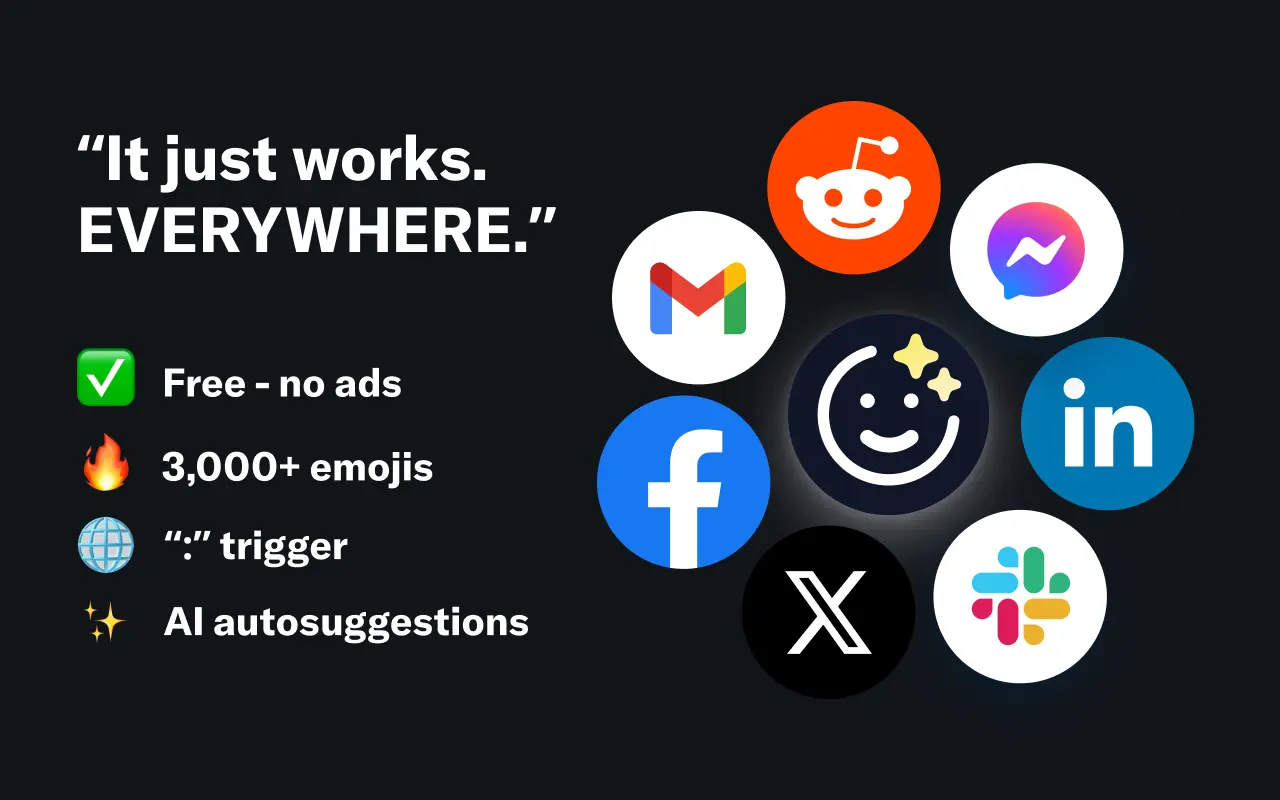
EmojAI
AI-powered emoji picker with smart, context-aware suggestions 🤖
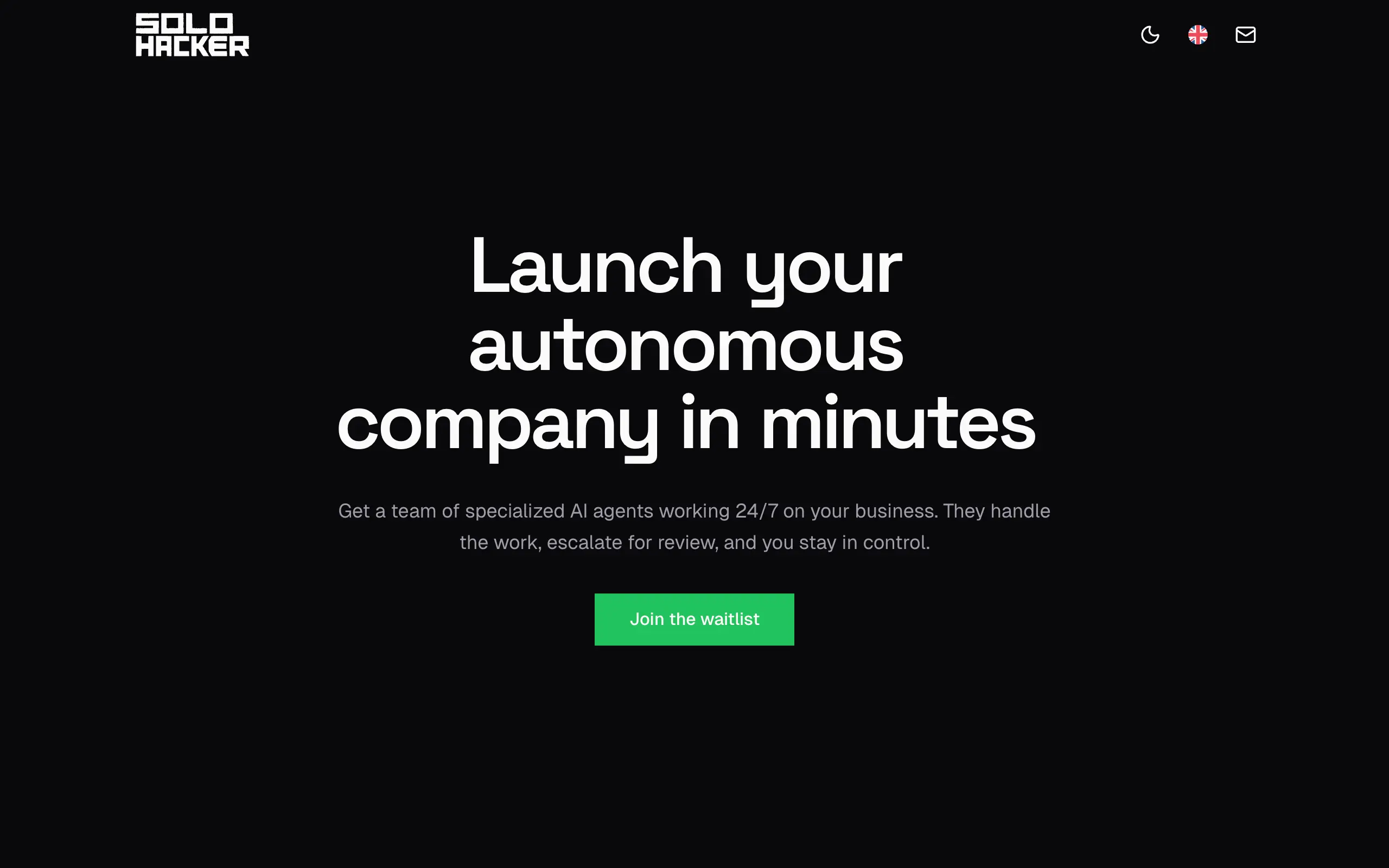
Solohacker
Autonomous company launcher - AI agents work 24/7, escalate what matters, and you stay in control 🤖
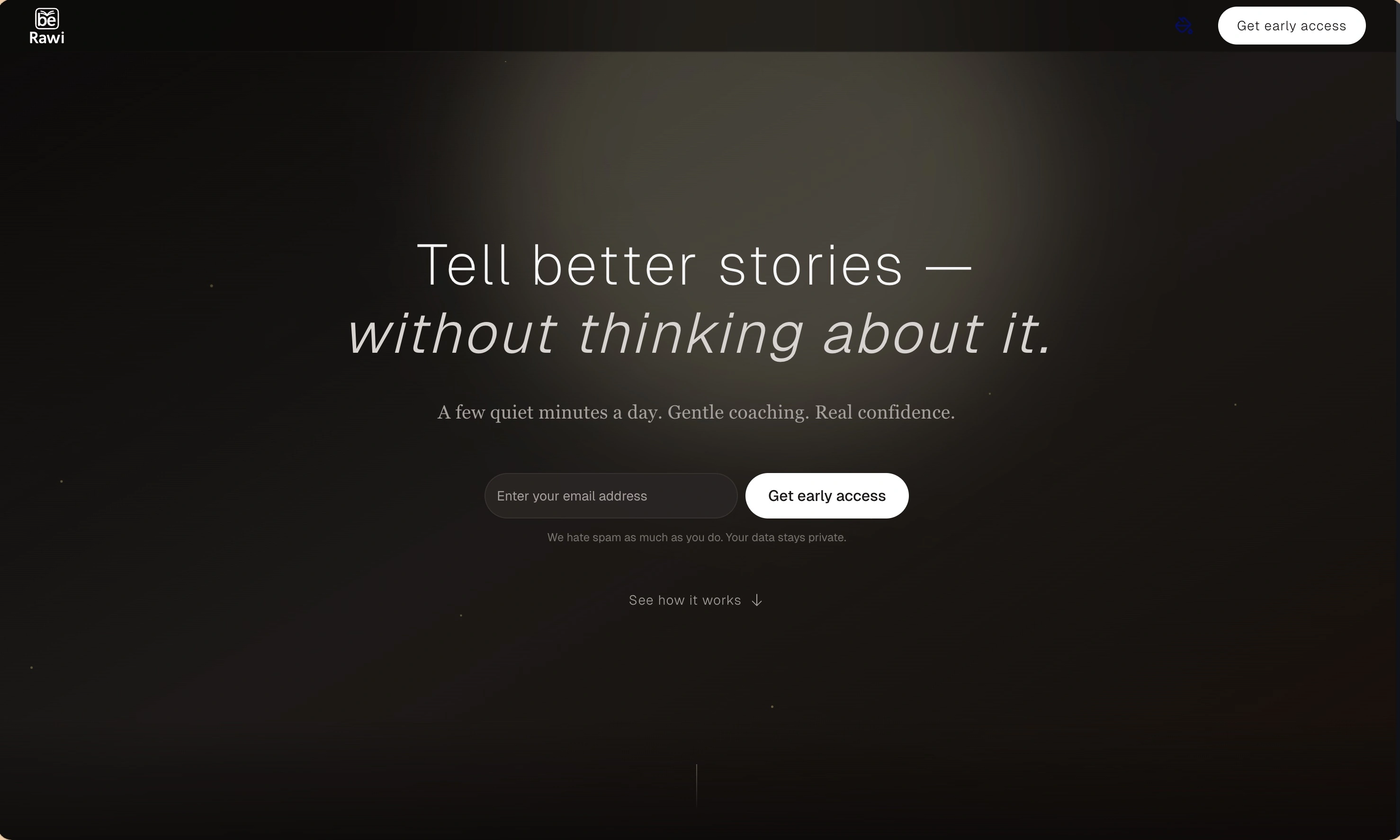
BeRawi: Storytelling Coach
Practice storytelling daily with instant feedback to sound clearer, more engaging, and confident 🎤
Omichat
Chat with 50+ AI models, including ChatGPT and Claude, in one place - switch models anytime without losing context 🤖
Claude Fast
Supercharge your Claude Code with 6x effective context window and specialized AI agents 🤖
EmojAI
AI-powered emoji picker with smart, context-aware suggestions 🤖
Solohacker
Autonomous company launcher - AI agents work 24/7, escalate what matters, and you stay in control 🤖
BeRawi: Storytelling Coach
Practice storytelling daily with instant feedback to sound clearer, more engaging, and confident 🎤
Omichat
Chat with 50+ AI models, including ChatGPT and Claude, in one place - switch models anytime without losing context 🤖
Claude Fast
Supercharge your Claude Code with 6x effective context window and specialized AI agents 🤖
EmojAI
AI-powered emoji picker with smart, context-aware suggestions 🤖
Solohacker
Autonomous company launcher - AI agents work 24/7, escalate what matters, and you stay in control 🤖
BeRawi: Storytelling Coach
Practice storytelling daily with instant feedback to sound clearer, more engaging, and confident 🎤
Omichat
Chat with 50+ AI models, including ChatGPT and Claude, in one place - switch models anytime without losing context 🤖
Claude Fast
Supercharge your Claude Code with 6x effective context window and specialized AI agents 🤖
EmojAI
AI-powered emoji picker with smart, context-aware suggestions 🤖
Solohacker
Autonomous company launcher - AI agents work 24/7, escalate what matters, and you stay in control 🤖
BeRawi: Storytelling Coach
Practice storytelling daily with instant feedback to sound clearer, more engaging, and confident 🎤

Connect with like-minded people
Join our community to get feedback, support, and grow together with 1,000+ builders on board, let's ship it!
Join usShip your startup everywhere. In minutes.
Don't burn tokens on setup and start building features on day one.