ContextualizeMe
AI app that teaches English words in real-life contexts, generating custom stories and dialogues with definitions and translations from WordReference.
Understanding the user need: Why contextual English learning matters
Learning English vocabulary is a challenge for millions of language learners worldwide. Traditional methods—rote memorization, flashcards, and isolated word lists—often fail to help learners retain and use new words effectively. The real gap lies in contextual learning: understanding how words are used in real-life situations, conversations, and stories.
ContextualizeMe addresses this gap by leveraging AI to generate custom stories and dialogues that embed target vocabulary, complete with definitions and translations sourced from trusted resources like WordReference. This approach not only boosts retention but also empowers learners to use new words confidently in authentic scenarios.
What are users searching for?
- How to learn English vocabulary in context
- Best AI apps for English language learning
- Tools for generating custom English dialogues and stories
- English word definitions and translations with examples
- Contextual vocabulary learning platforms
By directly addressing these queries, ContextualizeMe positions itself as a solution tailored to modern language learners’ needs.
Target audience analysis: Who benefits from ContextualizeMe?
Understanding the target audience is crucial for product success and SEO. ContextualizeMe is designed for:
- ESL/EFL learners: Students at all proficiency levels seeking to expand their vocabulary and improve fluency.
- Teachers and tutors: Educators looking for engaging, personalized content to supplement lessons.
- Self-learners: Individuals using digital tools to master English independently.
- Test preppers: Learners preparing for exams like TOEFL, IELTS, or Cambridge English.
- Parents of young learners: Those seeking interactive, story-based vocabulary learning for children.
Pain points addressed:
- Difficulty remembering and using new words
- Lack of engaging, personalized content
- Need for reliable definitions and translations
- Desire for real-life usage examples
Personalized learning
AI tailors stories and dialogues to each learner’s interests and level.
Real-life context
Words are embedded in authentic scenarios, not just lists.
Trusted references
Definitions and translations are sourced from WordReference.
Market opportunity and gap analysis
The current landscape
The global market for English language learning is projected to surpass $55 billion by 2025 (source: HolonIQ, 2023). While there are numerous vocabulary apps and flashcard tools, few platforms focus on contextual learning powered by AI.
Existing solutions:
- Duolingo, Memrise, Babbel: Offer gamified vocabulary practice, but often lack deep contextualization.
- Quizlet, Anki: Rely on spaced repetition and user-generated content, with limited real-life usage.
- LingQ, FluentU: Provide some context via videos or texts, but customization is limited and AI-driven story/dialogue generation is rare.
The gap ContextualizeMe fills
- AI-powered personalization: Most competitors offer static or semi-customized content. ContextualizeMe dynamically generates stories and dialogues tailored to each user.
- Integrated definitions and translations: Direct integration with WordReference ensures accuracy and trust.
- Focus on real-life usage: Every word is presented in meaningful, memorable contexts.
Market insight
The demand for contextual, AI-driven language learning is rising, especially among digital-native learners seeking engaging, adaptive experiences.
Core features and solution details
ContextualizeMe’s unique value lies in its feature set, designed to maximize vocabulary acquisition and retention.
1. AI-generated stories and dialogues
- Users input target words or select from curated lists.
- The AI crafts custom stories or dialogues embedding these words in natural, relevant contexts.
- Scenarios can be tailored to user interests (e.g., travel, business, daily life).
2. Integrated definitions and translations
- Each target word is accompanied by a concise definition and translation, sourced directly from WordReference.
- Users can tap/click words for pop-up explanations.
3. Adaptive difficulty and personalization
- The system adjusts story complexity and vocabulary based on user proficiency.
- Learners can set preferences for story themes, dialogue tone, and length.
4. Interactive learning tools
- Quizzes and fill-in-the-blank exercises based on generated content.
- Audio playback for pronunciation practice.
- Progress tracking and spaced repetition reminders.
5. Multilingual support
- Definitions and translations available in multiple languages, supporting a global user base.
The AI uses advanced natural language processing models (such as GPT-4 or similar) to craft coherent, engaging narratives that naturally incorporate the target vocabulary. It ensures that each word is used in a contextually appropriate way, enhancing understanding and recall.
WordReference is a trusted, widely-used resource for language learners, offering accurate definitions and high-quality translations. Integrating it ensures reliability and user trust.
Recommended tech stack: Building ContextualizeMe
Choosing the right technology stack is essential for scalability, performance, and user experience.
Frontend
- React: For building a responsive, interactive user interface.
- Next.js: Enables server-side rendering and SEO optimization.
- TailwindCSS: For rapid, consistent UI styling.
- Redux or Recoil: For state management.
Backend
- Node.js with Express: For API development.
- Python (optional): For AI model integration and NLP tasks.
- PostgreSQL: Reliable, scalable relational database.
- Redis: For caching and session management.
AI and NLP
- OpenAI API or similar LLM providers: For story/dialogue generation.
- Custom NLP pipelines: For word extraction, context analysis, and adaptive difficulty.
Integrations
- WordReference API: For definitions and translations.
- TurboStarter: For rapid SaaS prototyping and deployment.
Trade-offs and considerations
- OpenAI API vs. self-hosted models: OpenAI offers state-of-the-art language generation but incurs ongoing costs and potential rate limits. Self-hosted models (e.g., Llama 2) offer more control but require significant infrastructure and expertise.
- Next.js vs. traditional React: Next.js provides better SEO and performance out of the box, crucial for discoverability.
- TailwindCSS vs. custom CSS: Tailwind accelerates development but may require a learning curve for teams new to utility-first CSS.
| Tech | Pros | Cons | SEO-friendly | Scalable |
|---|---|---|---|---|
| Next.js | ✅ | ❌ | ✅ | ✅ |
| OpenAI API | ✅ | ❌ | ✅ | ✅ |
Monetization strategy options
A sustainable SaaS business model is key for long-term growth. ContextualizeMe can explore several monetization avenues:
1. Freemium model
- Free tier: Limited daily story/dialogue generations, basic features.
- Premium tier: Unlimited content, advanced personalization, audio features, and progress analytics.
2. Subscription plans
- Monthly/annual subscriptions: For individuals, families, or educational institutions.
- Discounts for long-term commitments.
3. B2B and educational licensing
- Bulk licenses: For schools, language institutes, and corporate training programs.
- Custom integrations: White-label solutions for partners.
4. In-app purchases
- Thematic content packs: Specialized stories (e.g., business English, travel, exam prep).
- Pronunciation coaching: AI-powered feedback as a premium add-on.
5. Affiliate partnerships
- Language learning resources: Partner with publishers or test prep companies for cross-promotion.
Potential risks and mitigation strategies
Launching an AI-powered SaaS in the language learning space comes with challenges. Here’s how to address them:
1. AI content accuracy and appropriateness
- Risk: AI-generated stories may contain errors or inappropriate content.
- Mitigation: Implement content moderation, human-in-the-loop review, and user reporting features.
2. API dependency
- Risk: Reliance on third-party APIs (OpenAI, WordReference) could lead to service disruptions or cost increases.
- Mitigation: Develop fallback mechanisms, cache frequently used data, and explore alternative providers.
3. Data privacy and security
- Risk: Handling user data, especially for minors, requires strict compliance.
- Mitigation: Adhere to GDPR, COPPA, and other relevant regulations. Use secure authentication and encrypted storage.
4. Market competition
- Risk: Established players may introduce similar features.
- Mitigation: Focus on continuous innovation, user feedback, and a superior contextual learning experience.
Important
Regularly audit AI outputs and user data handling processes to maintain trust and compliance.
Competitive advantage analysis
What sets ContextualizeMe apart in a crowded market?
- True contextual learning: Unlike flashcard apps, every word is learned in a meaningful, memorable context.
- AI-driven personalization: Stories and dialogues are unique to each user, increasing engagement and retention.
- Trusted definitions and translations: Direct integration with WordReference ensures accuracy.
- Scalable, adaptive platform: The tech stack supports rapid iteration and global reach.
- User-centric design: Features like audio playback, quizzes, and progress tracking enhance the learning journey.
Actionable implementation steps
Ready to bring ContextualizeMe to life? Here’s a step-by-step roadmap:
Conclusion: Why ContextualizeMe is the future of English vocabulary learning
ContextualizeMe is more than just another vocabulary app—it’s a transformative AI-powered platform that teaches English words in real-life contexts, making learning engaging, memorable, and effective. By combining personalized story/dialogue generation, trusted definitions from WordReference, and a user-centric design, it fills a critical gap in the language learning market.
Whether you’re an individual learner, educator, or institution, ContextualizeMe offers a scalable, adaptive solution that stands out for its contextual approach and technological sophistication.
Frequently asked questions
While the initial focus is on English, the platform’s architecture supports expansion to other languages in the future.
Yes, content moderation and parental controls are built in to ensure age-appropriate learning experiences.
Unlike traditional apps, ContextualizeMe generates personalized stories and dialogues, embedding vocabulary in real-life contexts for deeper learning.
Further reading and resources
- WordReference: Trusted dictionary and translation resource.
- OpenAI API documentation: For understanding AI-powered content generation.
- TurboStarter: For rapid SaaS prototyping and deployment.
- For statistics and market data, refer to reputable sources such as HolonIQ or Statista.
By focusing on contextual, AI-driven learning, ContextualizeMe is poised to redefine how English vocabulary is taught and mastered in the digital age.
More 🤖 AI Startup SaaS ideas
Discover more innovative ai startup SaaS ideas that are trending in 2026. Each idea is AI-generated with market validation and growth potential to help you find your next profitable venture faster than competitors.
Your competitors are building with TurboStarter
Below are some of the SaaS ideas that have been generated and built with our starter kit.

Statiko
Monitor any Telegram channel in real time - track posts, edits, deletions, and growth with AI recaps 📡

Shibui
AI website builder - describe your business, pick a niche template, edit by chatting, and publish instantly ✨

Pro Service
Find verified home service professionals, compare quotes, and pay securely through escrow - built for Brazilians across the US 🏠
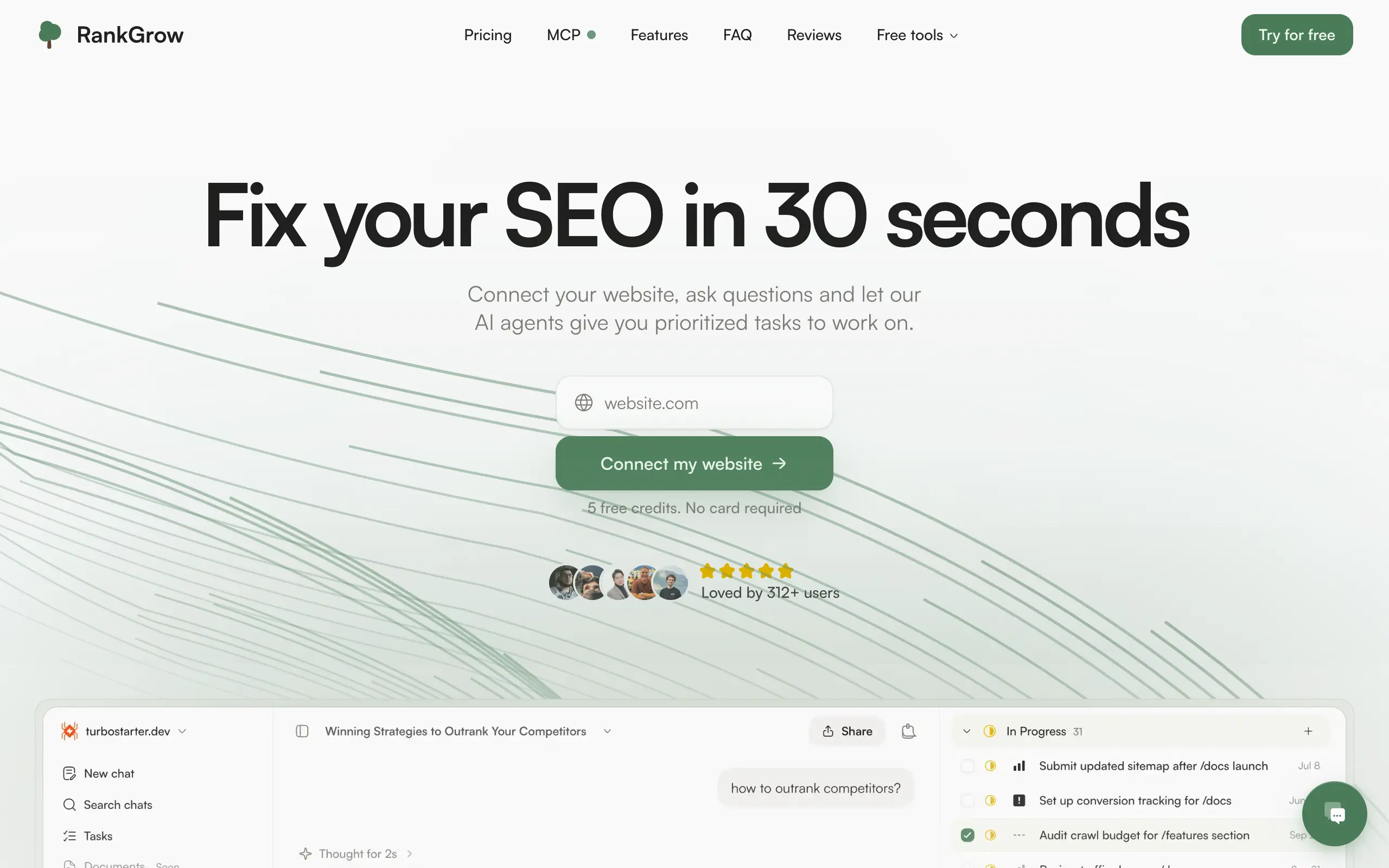
RankGrow
Fix your SEO with AI agents - connect Search Console, get prioritized tasks, and grow organic traffic 📈
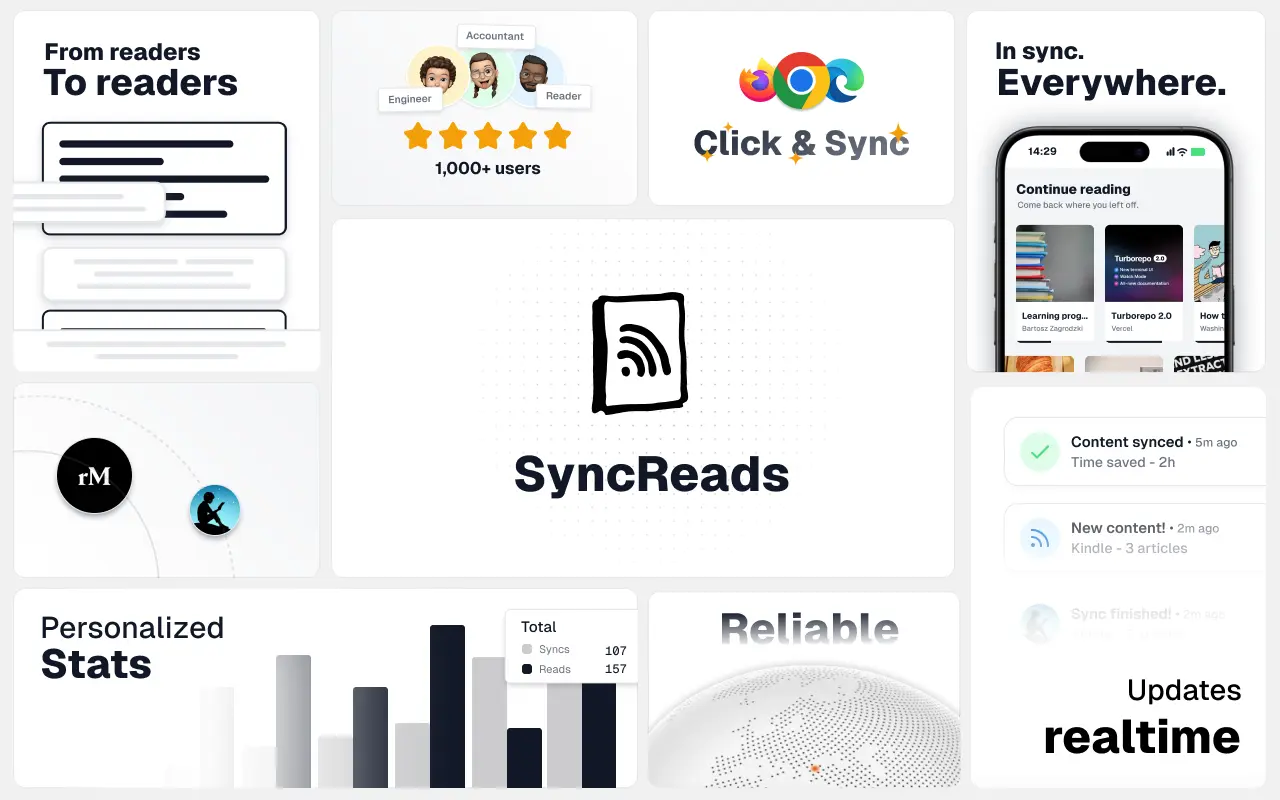
SyncReads
Sync your favorite content for distraction-free reading, save time and replace multiple apps. Anytime, anywhere 🔄
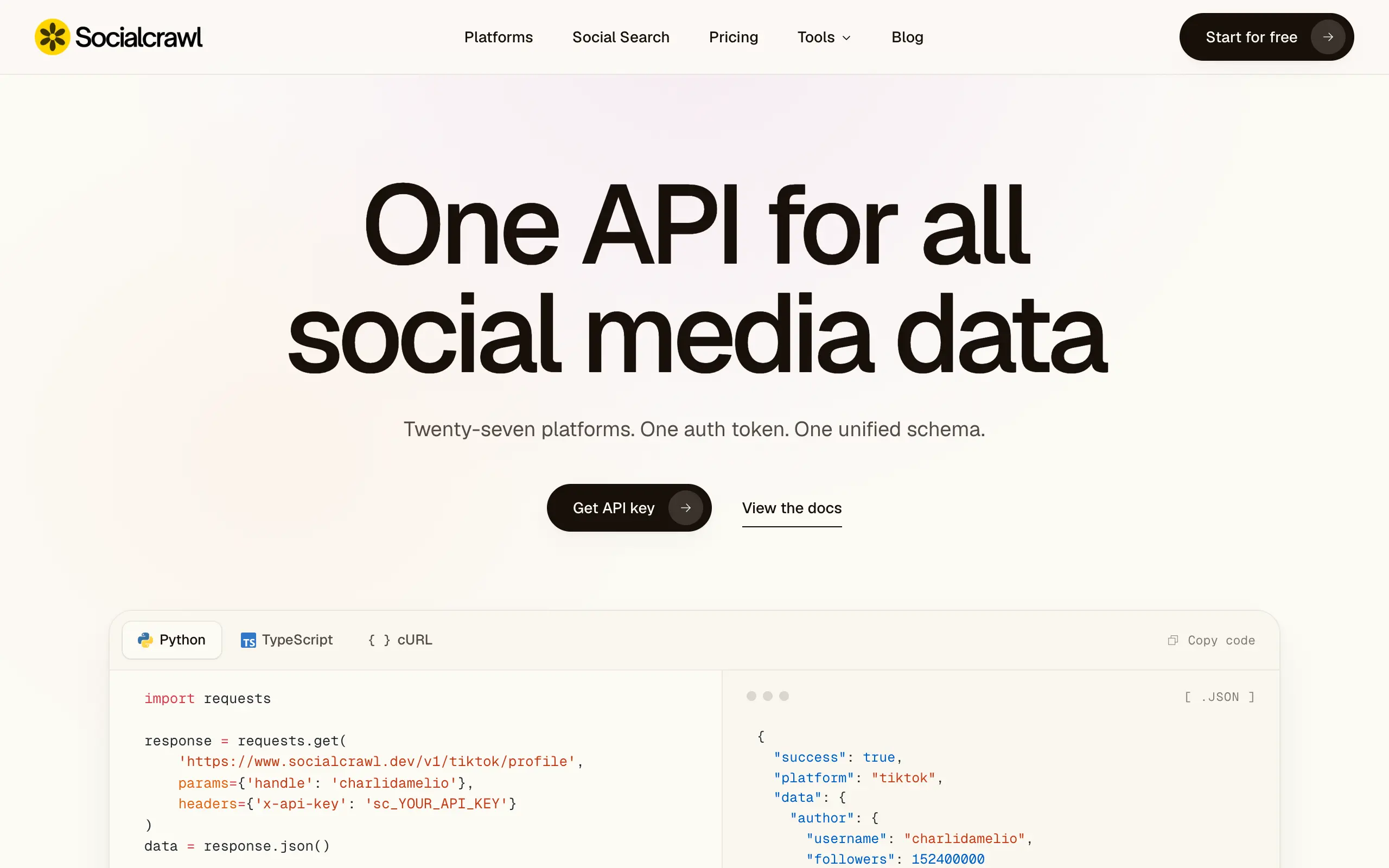
Socialcrawl
Get clean, structured data from 21 platforms like TikTok, Instagram, and YouTube with a single request 📊
Statiko
Monitor any Telegram channel in real time - track posts, edits, deletions, and growth with AI recaps 📡
Shibui
AI website builder - describe your business, pick a niche template, edit by chatting, and publish instantly ✨
Pro Service
Find verified home service professionals, compare quotes, and pay securely through escrow - built for Brazilians across the US 🏠
RankGrow
Fix your SEO with AI agents - connect Search Console, get prioritized tasks, and grow organic traffic 📈
SyncReads
Sync your favorite content for distraction-free reading, save time and replace multiple apps. Anytime, anywhere 🔄
Socialcrawl
Get clean, structured data from 21 platforms like TikTok, Instagram, and YouTube with a single request 📊
Statiko
Monitor any Telegram channel in real time - track posts, edits, deletions, and growth with AI recaps 📡
Shibui
AI website builder - describe your business, pick a niche template, edit by chatting, and publish instantly ✨
Pro Service
Find verified home service professionals, compare quotes, and pay securely through escrow - built for Brazilians across the US 🏠
RankGrow
Fix your SEO with AI agents - connect Search Console, get prioritized tasks, and grow organic traffic 📈
SyncReads
Sync your favorite content for distraction-free reading, save time and replace multiple apps. Anytime, anywhere 🔄
Socialcrawl
Get clean, structured data from 21 platforms like TikTok, Instagram, and YouTube with a single request 📊
Statiko
Monitor any Telegram channel in real time - track posts, edits, deletions, and growth with AI recaps 📡
Shibui
AI website builder - describe your business, pick a niche template, edit by chatting, and publish instantly ✨
Pro Service
Find verified home service professionals, compare quotes, and pay securely through escrow - built for Brazilians across the US 🏠
RankGrow
Fix your SEO with AI agents - connect Search Console, get prioritized tasks, and grow organic traffic 📈
SyncReads
Sync your favorite content for distraction-free reading, save time and replace multiple apps. Anytime, anywhere 🔄
Socialcrawl
Get clean, structured data from 21 platforms like TikTok, Instagram, and YouTube with a single request 📊
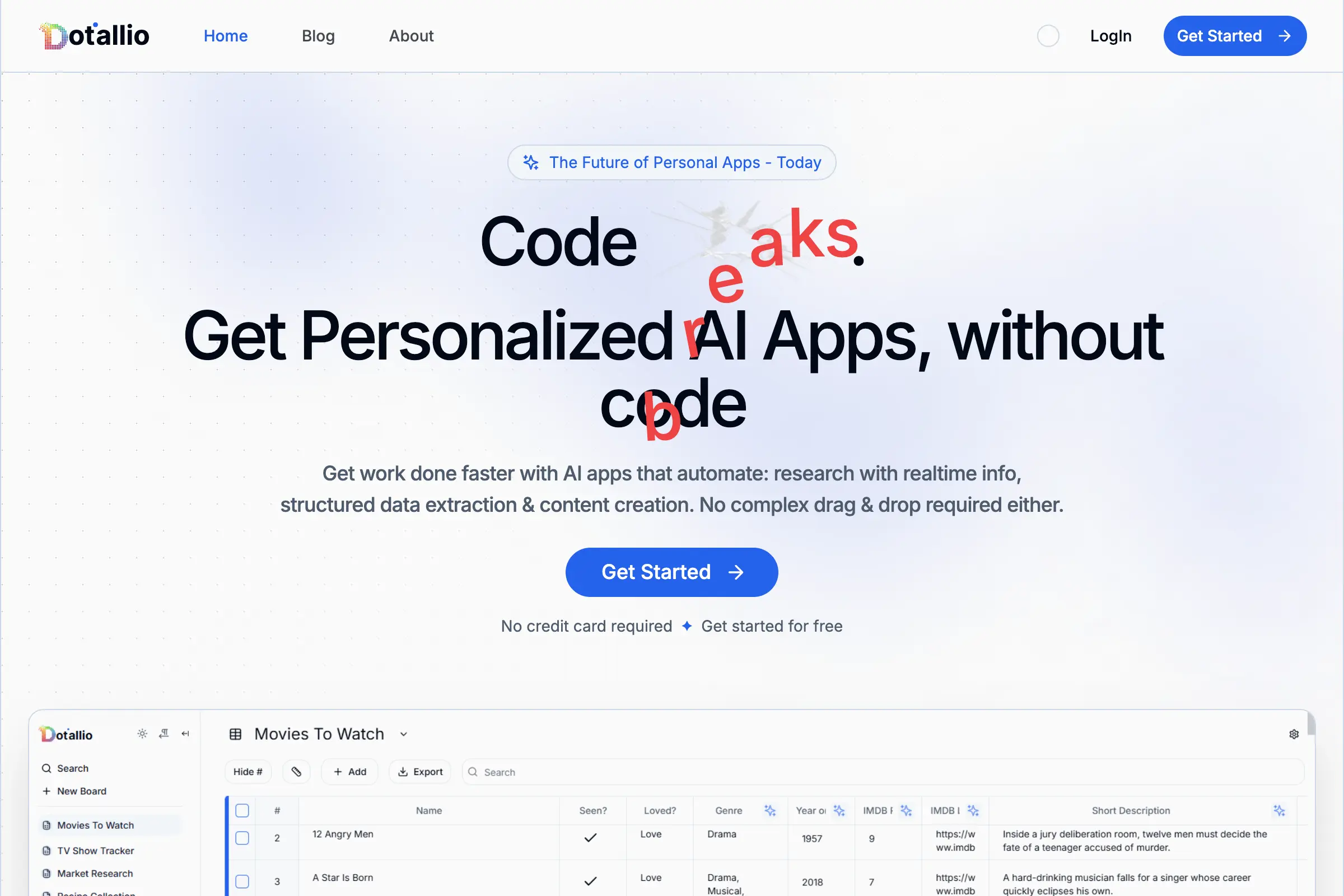
Dotallio
Personalized AI apps that automate research, data extraction, and content creation without code 🤖
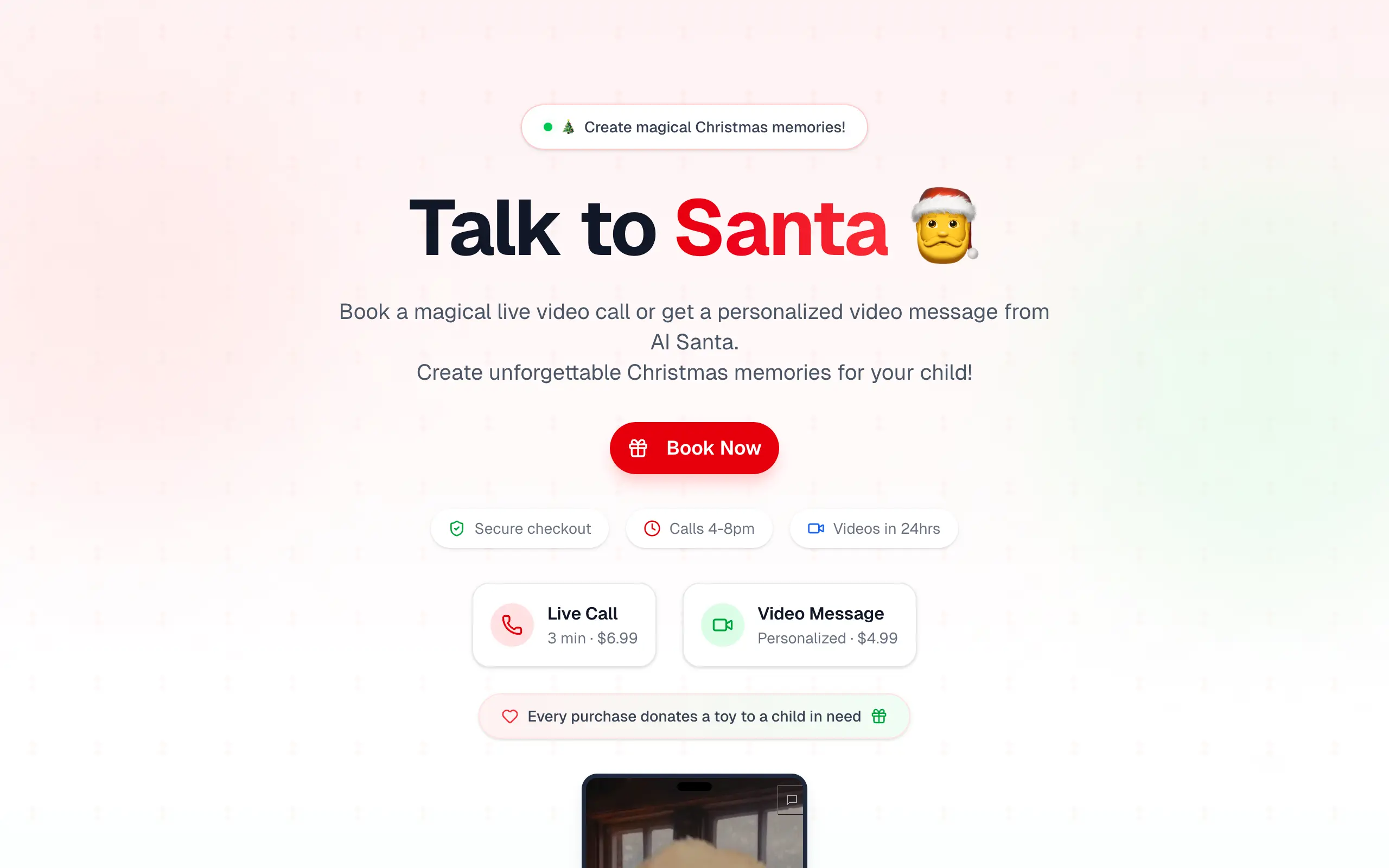
Talk to Santa
Enjoy a magical live video chat or receive a unique AI-generated video greeting from Santa Claus 🎅
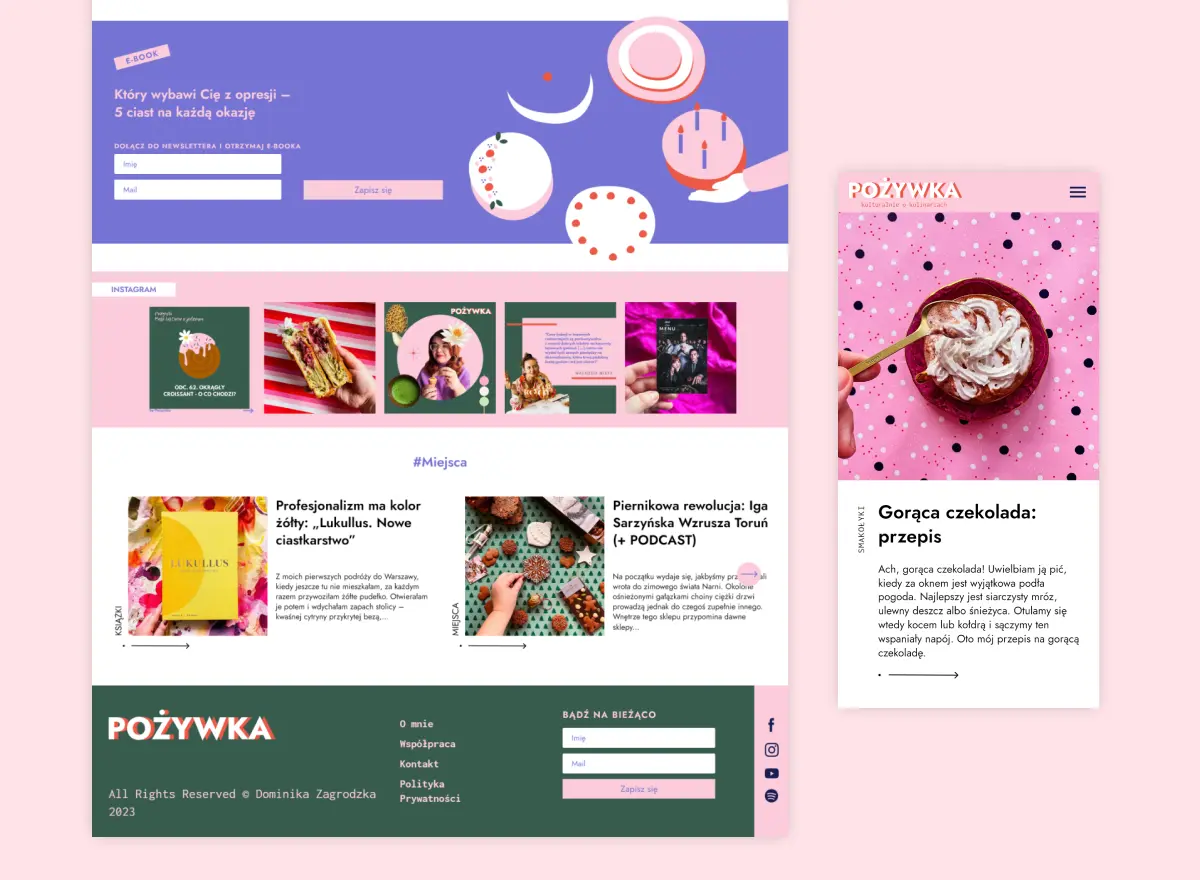
pozywka.pl
Scalable blog for food journalist, focused on performance and user experience 🌭
zagrodzki.me
Personal blog and portfolio of Bart Zagrodzki, where he shares his knowledge and work 💼
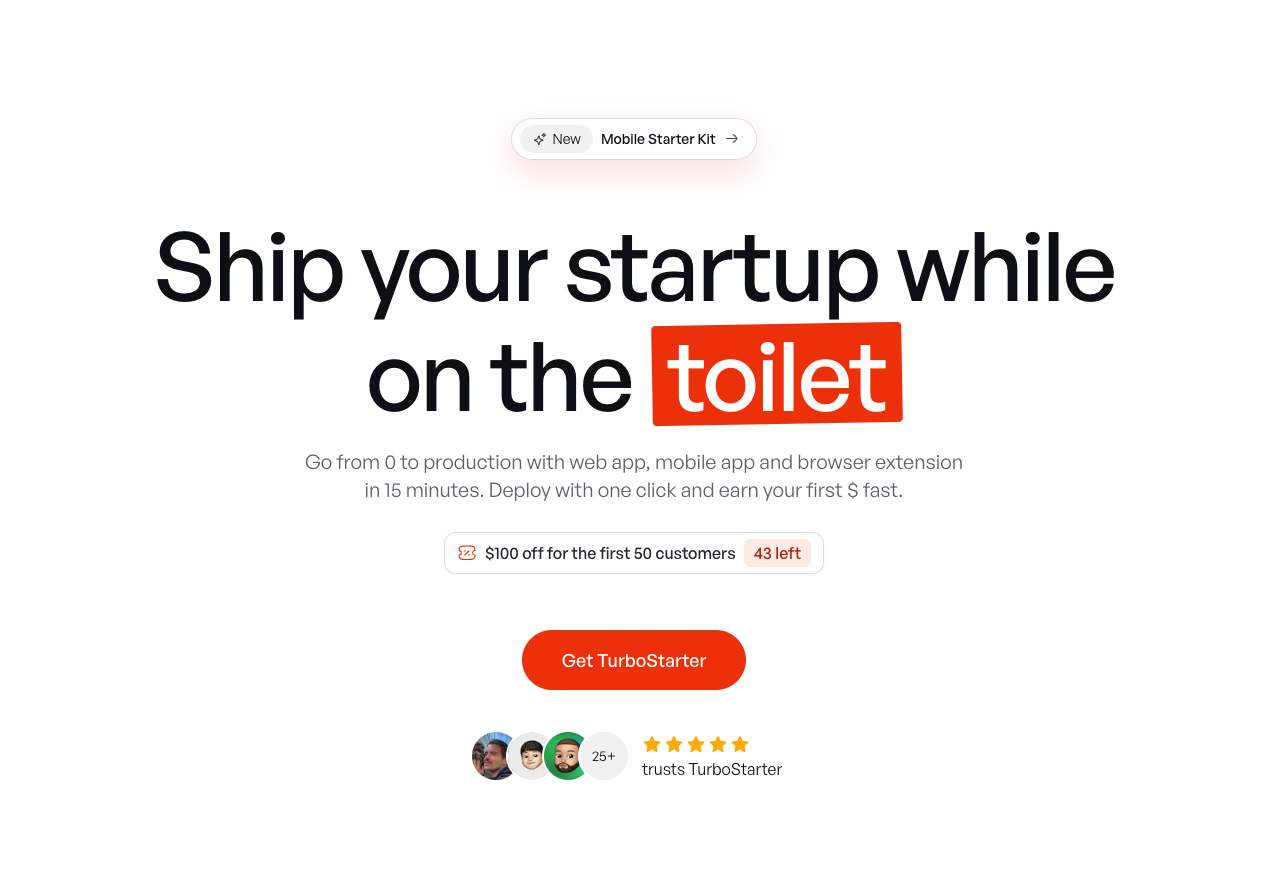
TurboStarter
Ship your startup everywhere. In minutes.
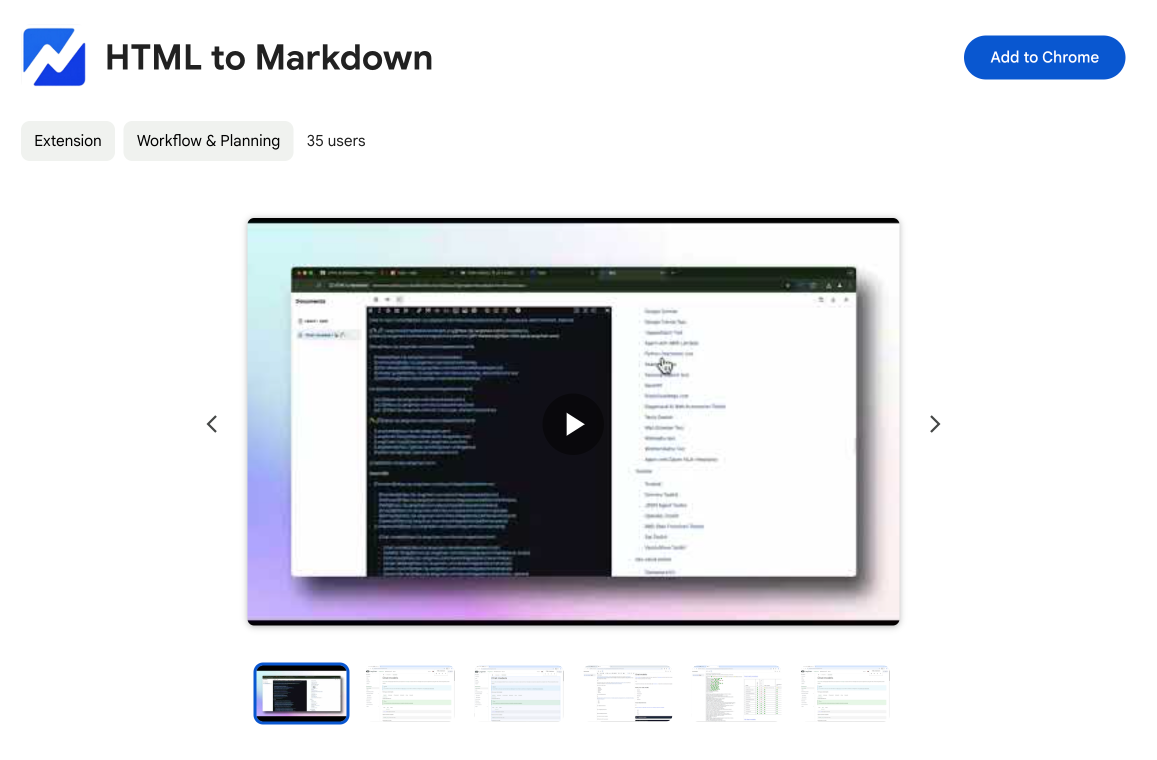
HTML to Markdown
Convert HTML to Markdown with ease, directly in your browser 📄
Dotallio
Personalized AI apps that automate research, data extraction, and content creation without code 🤖
Talk to Santa
Enjoy a magical live video chat or receive a unique AI-generated video greeting from Santa Claus 🎅
pozywka.pl
Scalable blog for food journalist, focused on performance and user experience 🌭
zagrodzki.me
Personal blog and portfolio of Bart Zagrodzki, where he shares his knowledge and work 💼
TurboStarter
Ship your startup everywhere. In minutes.
HTML to Markdown
Convert HTML to Markdown with ease, directly in your browser 📄
Dotallio
Personalized AI apps that automate research, data extraction, and content creation without code 🤖
Talk to Santa
Enjoy a magical live video chat or receive a unique AI-generated video greeting from Santa Claus 🎅
pozywka.pl
Scalable blog for food journalist, focused on performance and user experience 🌭
zagrodzki.me
Personal blog and portfolio of Bart Zagrodzki, where he shares his knowledge and work 💼
TurboStarter
Ship your startup everywhere. In minutes.
HTML to Markdown
Convert HTML to Markdown with ease, directly in your browser 📄
Dotallio
Personalized AI apps that automate research, data extraction, and content creation without code 🤖
Talk to Santa
Enjoy a magical live video chat or receive a unique AI-generated video greeting from Santa Claus 🎅
pozywka.pl
Scalable blog for food journalist, focused on performance and user experience 🌭
zagrodzki.me
Personal blog and portfolio of Bart Zagrodzki, where he shares his knowledge and work 💼
TurboStarter
Ship your startup everywhere. In minutes.
HTML to Markdown
Convert HTML to Markdown with ease, directly in your browser 📄
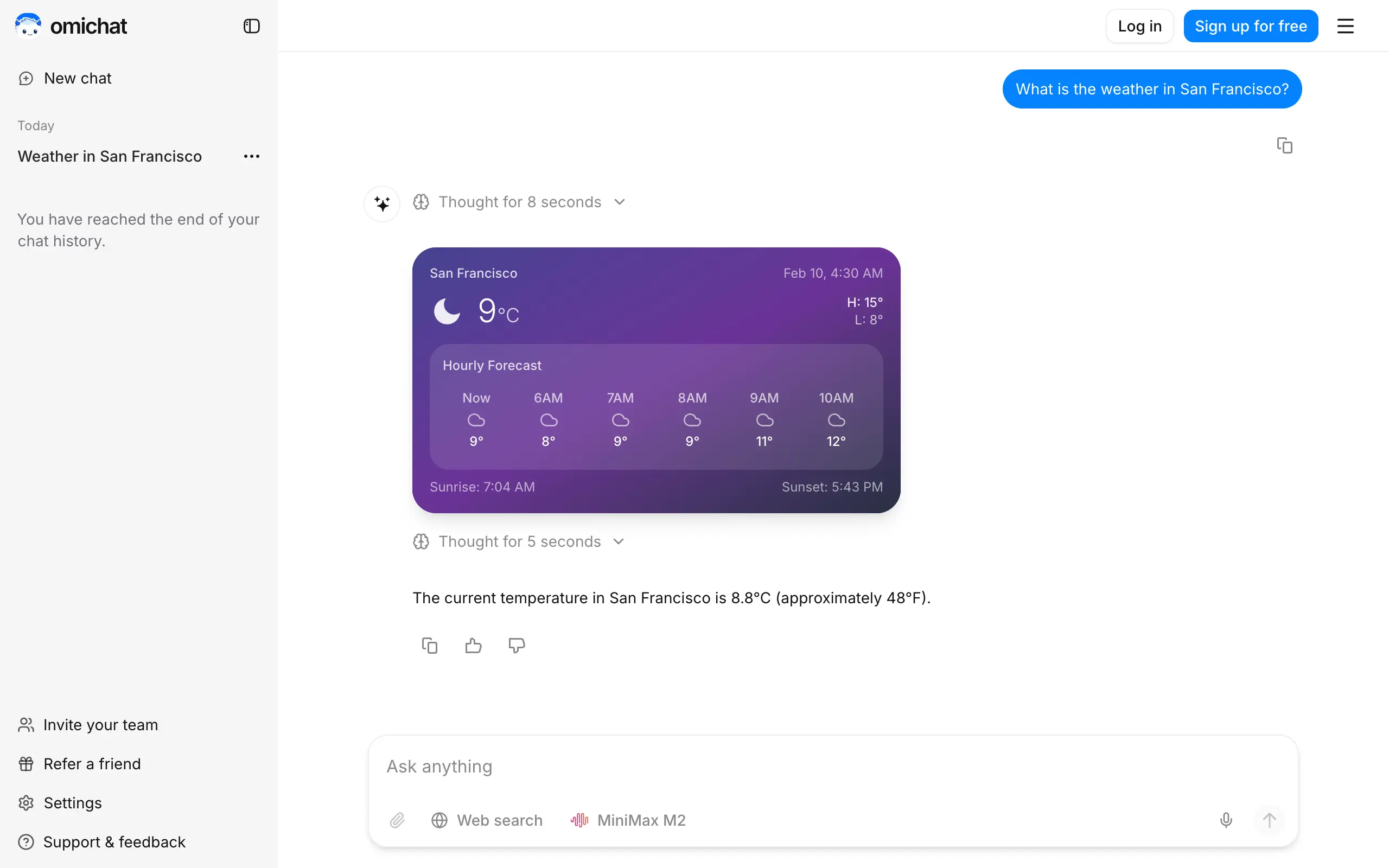
Omichat
Chat with 50+ AI models, including ChatGPT and Claude, in one place - switch models anytime without losing context 🤖
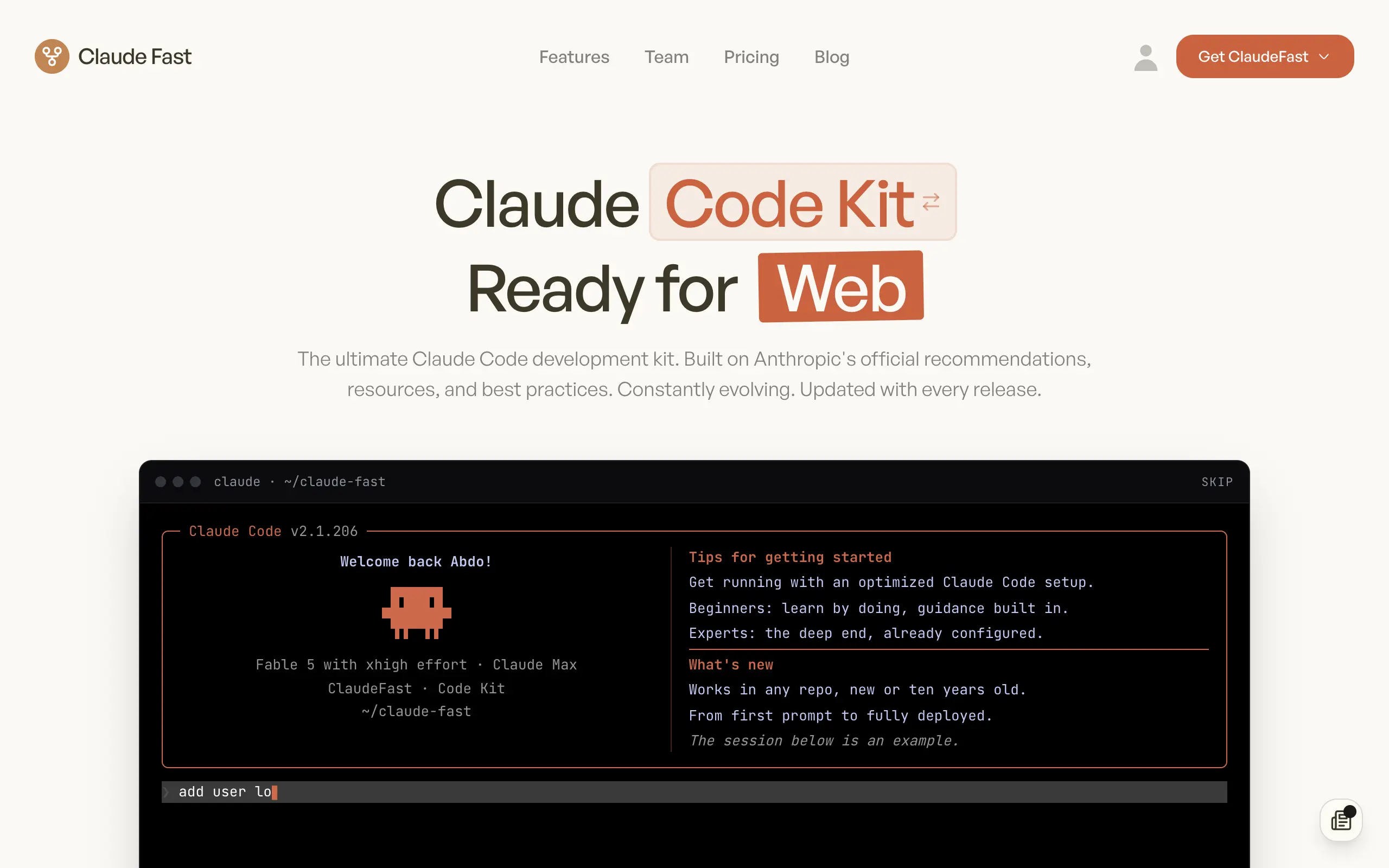
Claude Fast
Supercharge your Claude Code with 6x effective context window and specialized AI agents 🤖
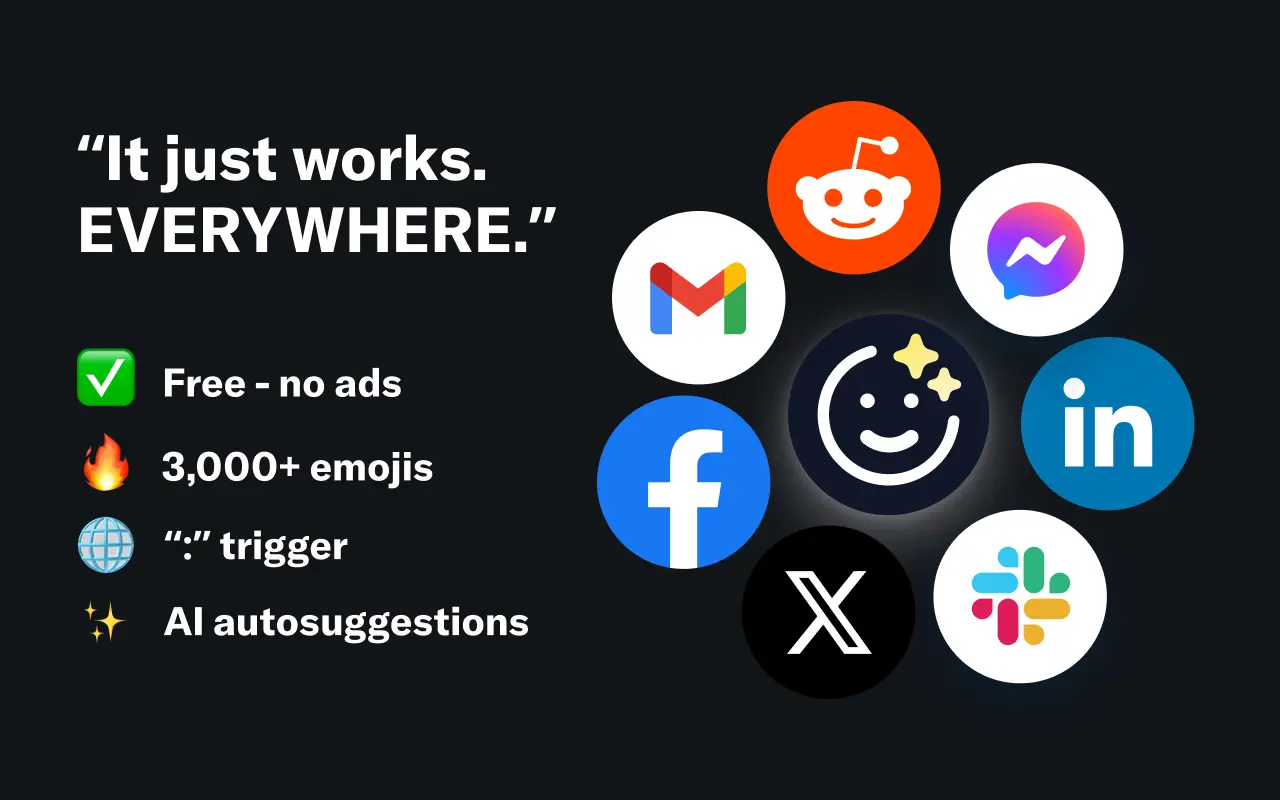
EmojAI
AI-powered emoji picker with smart, context-aware suggestions 🤖
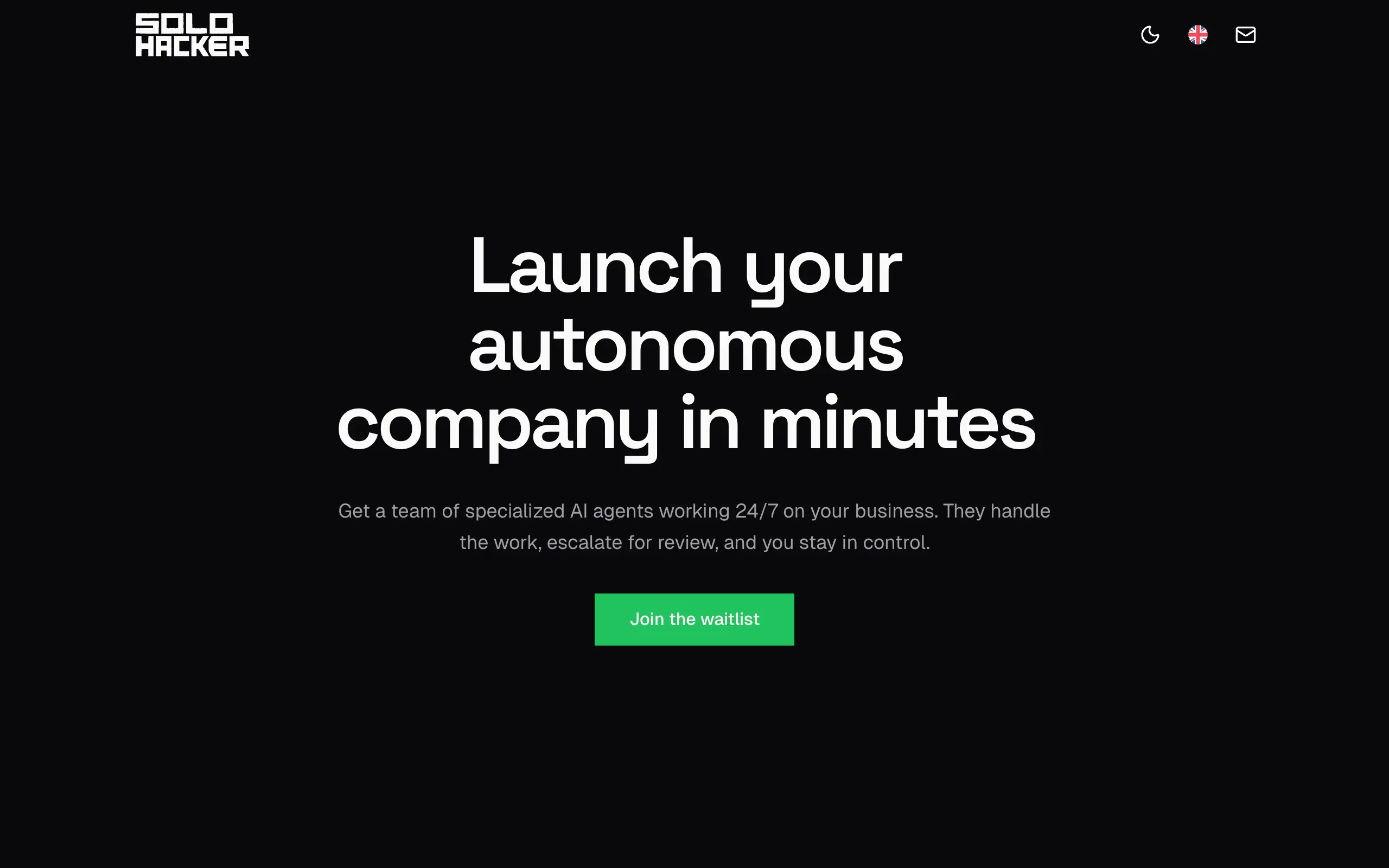
Solohacker
Autonomous company launcher - AI agents work 24/7, escalate what matters, and you stay in control 🤖
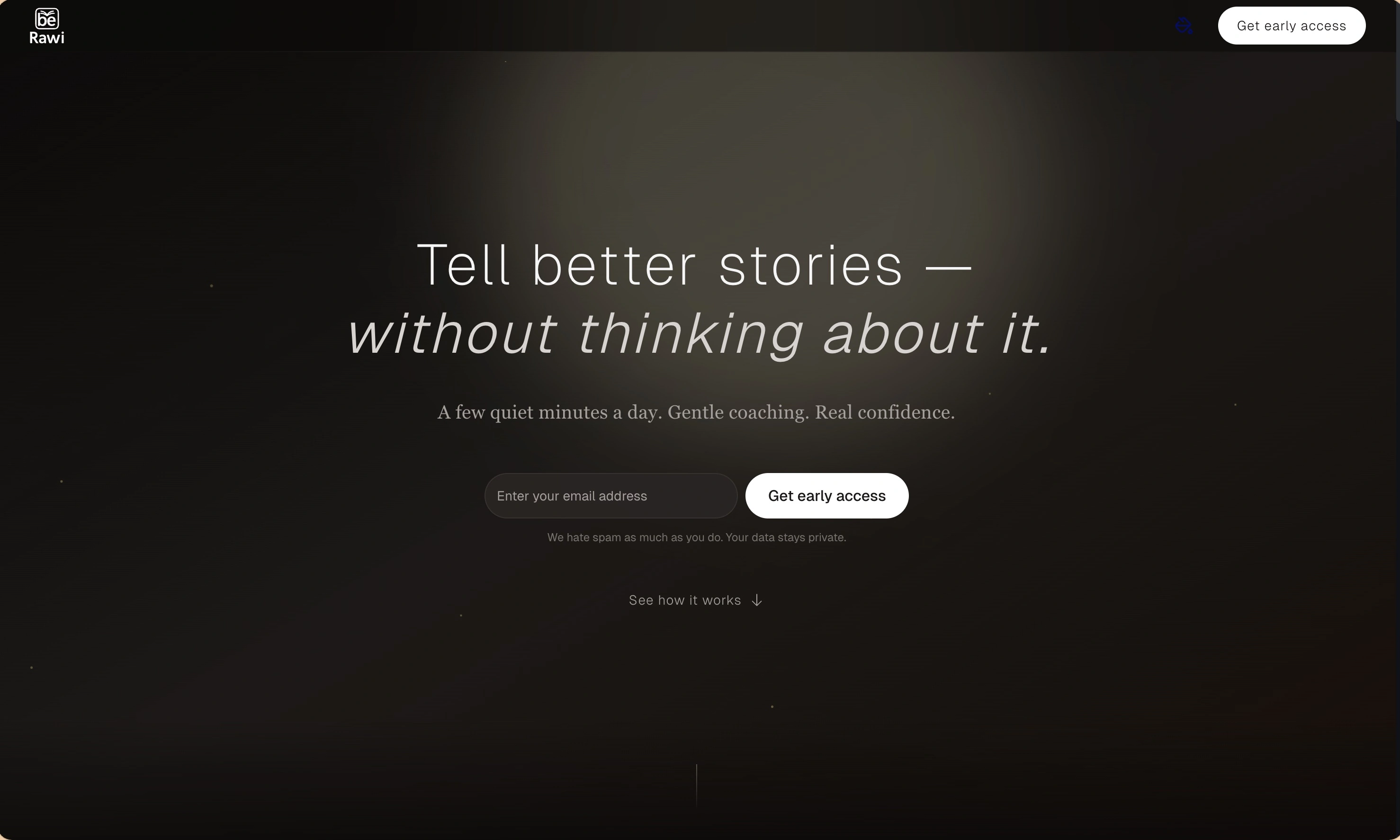
BeRawi: Storytelling Coach
Practice storytelling daily with instant feedback to sound clearer, more engaging, and confident 🎤
Omichat
Chat with 50+ AI models, including ChatGPT and Claude, in one place - switch models anytime without losing context 🤖
Claude Fast
Supercharge your Claude Code with 6x effective context window and specialized AI agents 🤖
EmojAI
AI-powered emoji picker with smart, context-aware suggestions 🤖
Solohacker
Autonomous company launcher - AI agents work 24/7, escalate what matters, and you stay in control 🤖
BeRawi: Storytelling Coach
Practice storytelling daily with instant feedback to sound clearer, more engaging, and confident 🎤
Omichat
Chat with 50+ AI models, including ChatGPT and Claude, in one place - switch models anytime without losing context 🤖
Claude Fast
Supercharge your Claude Code with 6x effective context window and specialized AI agents 🤖
EmojAI
AI-powered emoji picker with smart, context-aware suggestions 🤖
Solohacker
Autonomous company launcher - AI agents work 24/7, escalate what matters, and you stay in control 🤖
BeRawi: Storytelling Coach
Practice storytelling daily with instant feedback to sound clearer, more engaging, and confident 🎤
Omichat
Chat with 50+ AI models, including ChatGPT and Claude, in one place - switch models anytime without losing context 🤖
Claude Fast
Supercharge your Claude Code with 6x effective context window and specialized AI agents 🤖
EmojAI
AI-powered emoji picker with smart, context-aware suggestions 🤖
Solohacker
Autonomous company launcher - AI agents work 24/7, escalate what matters, and you stay in control 🤖
BeRawi: Storytelling Coach
Practice storytelling daily with instant feedback to sound clearer, more engaging, and confident 🎤

Connect with like-minded people
Join our community to get feedback, support, and grow together with 1,000+ builders on board, let's ship it!
Join usShip your startup everywhere. In minutes.
Don't burn tokens on setup and start building features on day one.