ControlSpec
LLM-powered tool that converts requirements and block diagrams into verifiable control code, tests edge cases, and generates cert-ready docs.
Understanding the problem ControlSpec solves in modern control engineering
Across industries like industrial automation, robotics, automotive, aerospace, and medical devices, control software sits at the heart of safety‑critical systems. Yet despite decades of tooling improvements, the process of turning requirements and block diagrams into verifiable control code is still:
- Manual and error‑prone
- Poorly traceable from requirement → code → test → documentation
- Costly to certify under standards like IEC 61508, ISO 26262, DO‑178C, or ISO 62304
Engineering teams often rely on a fragile chain of tools: requirement management software, modeling environments (e.g., Simulink‑style diagrams), handwritten control logic, separate testing frameworks, and manually assembled certification documents. Every handoff introduces risk.
ControlSpec, an LLM‑powered control software generation and verification platform, addresses this exact gap. It converts structured requirements and block diagrams directly into:
- Deterministic, verifiable control code
- Automatically generated edge‑case tests
- Certification‑ready documentation with full traceability
This article explores the market opportunity, technical architecture, target users, monetization strategies, and competitive advantages behind ControlSpec—and why AI‑assisted control code generation is becoming inevitable.
Who ControlSpec is for (target audience analysis)
The primary keyword driving this space is AI control code generation software, but the real buyers are people with very specific pain points.
Primary users
1. Control systems engineers
Engineers designing PID loops, state machines, and safety interlocks for embedded or industrial systems.
- Work with block diagrams and requirements documents daily
- Accountable for correctness and stability
- Often skeptical of “black box AI” unless outputs are verifiable
2. Safety & compliance engineers
Professionals responsible for ensuring adherence to functional safety standards.
- Need traceability, repeatability, and documentation
- Care less about “fast code” and more about provable correctness
- Frequently involved late in the development cycle (too late)
3. Engineering managers & technical leads
- Own delivery timelines and certification budgets
- Struggle with rework caused by requirement changes
- Looking to reduce cycle time without increasing risk
Secondary users
- Robotics startups trying to reach compliance faster
- OEMs modernizing legacy control stacks
- Consultancies delivering certified systems to clients
User intent insight
People searching for tools like ControlSpec are not looking for generic AI coding assistants. Their intent is risk reduction, traceability, and certification acceleration, not just productivity.
Market opportunity and gap analysis
Why the timing is right for AI in control software
Several converging trends create a strong opportunity:
-
Increasing system complexity
Modern control systems integrate software, electronics, sensors, and AI‑driven perception layers. -
Regulatory pressure is rising, not falling
Safety standards are becoming stricter, not more permissive. -
LLMs are now capable of structured reasoning
Recent advances allow LLMs to handle:- Formal specifications
- Constraint‑based logic
- Test case generation
-
Engineering talent shortages
Experienced control engineers are expensive and scarce.
The current tooling gap
Most existing solutions fall into one of three categories:
| Category | Strength | Weakness |
|---|---|---|
| Modeling tools | Visual clarity | Poor traceability & manual code handoff |
| Code generators | Speed | Limited verification & documentation |
| Requirements tools | Compliance | Detached from implementation |
ControlSpec sits across all three layers, using AI to maintain continuity from requirement to certification artifact.
What ControlSpec actually does (core solution overview)
At its core, ControlSpec is an LLM‑powered control engineering workflow engine.
High-level workflow
Supported inputs
- Natural language requirements (structured templates encouraged)
- Block diagrams (via DSLs or diagram metadata)
- Safety constraints and operating bounds
Supported outputs
- Control code (e.g., C, C++, structured text, or model‑based code)
- Unit and integration tests
- Traceability matrices
- Verification and validation (V&V) documentation
How ControlSpec uses LLMs safely and deterministically
One of the biggest objections to AI in safety‑critical systems is non‑determinism. ControlSpec addresses this head‑on.
Controlled LLM usage model
Instead of “prompt → code”, ControlSpec uses:
- Structured intermediate representations (IRs)
- Constrained generation rules
- Deterministic post‑processing and validation
Specification parsing
Requirements are converted into formal, machine-verifiable representations before any code is generated.
Constrained code synthesis
The LLM operates within a restricted grammar aligned with control logic patterns.
Formal validation
Generated code is checked against requirements and safety constraints automatically.
Why this matters for certification
Certification bodies care about:
- Repeatability
- Traceability
- Explainability
ControlSpec’s architecture ensures that every output can be:
- Regenerated identically
- Mapped back to an explicit requirement
- Reviewed by a human engineer
Edge-case testing as a first-class feature
One of ControlSpec’s strongest differentiators is automatic edge‑case test generation.
Why edge cases are critical in control systems
Most failures happen not in nominal operation, but when:
- Sensors return invalid values
- Actuators saturate
- Timing constraints are violated
- State machines receive unexpected transitions
How ControlSpec generates tests
Using the same requirement and constraint model, ControlSpec:
- Identifies boundary conditions
- Explores invalid and extreme inputs
- Generates expected behavior assertions
// Example: auto-generated boundary test
describe("Throttle control saturation", () => {
  it("limits output when input exceeds max range", () => {
    const result = throttleController(1.5); // 150% input
    expect(result).toBe(MAX_THROTTLE_OUTPUT);
  });
});
Important note
ControlSpec does not replace human testing judgment—it amplifies it by ensuring critical edge cases are never forgotten.
Certification-ready documentation without the manual pain
Documentation is often the most time‑consuming part of certified control software delivery.
Typical documentation burdens
- Requirements traceability matrices
- Design descriptions
- Verification reports
- Change impact analyses
ControlSpec’s documentation engine
ControlSpec automatically generates:
- Requirement → code → test traceability
- Design rationale explanations
- Test coverage summaries
Certification delays often cost more than engineering delays. Automating documentation can reduce total project timelines by months.
Competitive landscape and ControlSpec’s advantage
How ControlSpec compares to alternatives
| Feature | Traditional modeling tools | Generic AI coding tools | ControlSpec | Manual workflows |
|---|---|---|---|---|
| Requirement traceability | ❌ | ❌ | ✅ | ❌ |
| Edge-case test generation | ❌ | ❌ | ✅ | ❌ |
| Cert-ready documentation | ❌ | ❌ | ✅ | ❌ |
Unique selling proposition (USP)
ControlSpec is not just AI code generation. It is:
A full lifecycle control software system that treats verification and certification as first‑class outputs.
Recommended technical architecture and stack
Frontend
- React – proven ecosystem and component reuse (React)
- Diagram visualization using custom SVG or canvas rendering
Backend
- TypeScript / Node.js for orchestration
- LLM orchestration layer with versioned prompts and schemas
- Deterministic code validation services
AI layer
- LLMs used only behind constrained interfaces
- Structured output schemas (JSON / DSLs)
- Prompt versioning for auditability
Trade-offs to consider
- Performance vs. explainability: More constraints may reduce creativity but increase trust
- Cloud vs. on-prem: Regulated industries often require on-prem or VPC deployments
Monetization strategies for ControlSpec
Primary revenue models
Monthly or annual SaaS pricing based on:
- Number of projects
- Supported certification standards
- Test generation depth
Custom pricing for:
- On-prem deployment
- Extended compliance support
- Dedicated validation workflows
Expansion opportunities
- Paid certification templates (ISO 26262, DO‑178C, etc.)
- Usage‑based pricing for large test generation workloads
- Consulting and integration services
Risks and how ControlSpec mitigates them
Risk: mistrust of AI-generated control logic
Mitigation:
- Deterministic outputs
- Human‑reviewable intermediate representations
- Explicit traceability
Risk: regulatory resistance
Mitigation:
- Position ControlSpec as an engineering aid, not an autonomous system
- Align outputs with existing certification processes
Risk: overgeneralization across domains
Mitigation:
- Domain‑specific control patterns
- Configurable constraint libraries
Implementation roadmap for building ControlSpec
Many teams accelerate this process by starting with a production‑ready SaaS foundation like TurboStarter, which reduces boilerplate and lets you focus on core IP.
Why ControlSpec has long-term defensibility
- Deep domain knowledge required
- High switching costs once embedded in workflows
- Accumulating proprietary datasets of control patterns and tests
- Trust built through consistent, auditable outputs
Unlike generic AI tools, ControlSpec becomes part of the certification record, making it hard to replace once adopted.
Final thoughts: the future of AI-assisted control engineering
ControlSpec represents a broader shift: AI moving upstream into system design and verification, not just code completion.
By focusing on:
- Verifiability over novelty
- Certification over convenience
- Trust over raw speed
ControlSpec aligns with how safety‑critical engineering actually works. For teams building regulated control systems, this approach isn’t just appealing—it’s increasingly necessary.
More 🤖 AI Startup SaaS ideas
Discover more innovative ai startup SaaS ideas that are trending in 2026. Each idea is AI-generated with market validation and growth potential to help you find your next profitable venture faster than competitors.
Your competitors are building with TurboStarter
Below are some of the SaaS ideas that have been generated and built with our starter kit.

Statiko
Monitor any Telegram channel in real time - track posts, edits, deletions, and growth with AI recaps 📡

Shibui
AI website builder - describe your business, pick a niche template, edit by chatting, and publish instantly ✨

Pro Service
Find verified home service professionals, compare quotes, and pay securely through escrow - built for Brazilians across the US 🏠
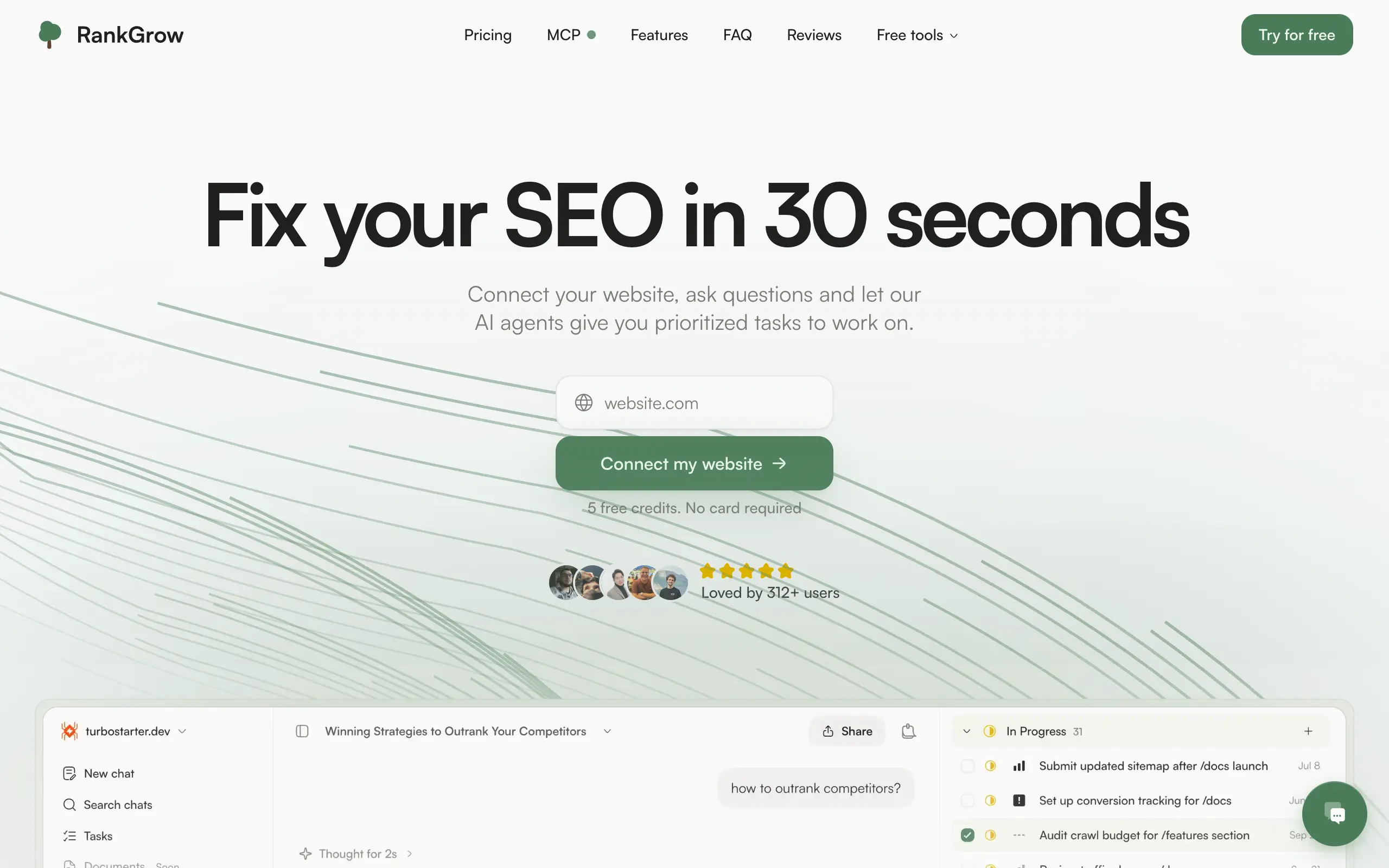
RankGrow
Fix your SEO with AI agents - connect Search Console, get prioritized tasks, and grow organic traffic 📈
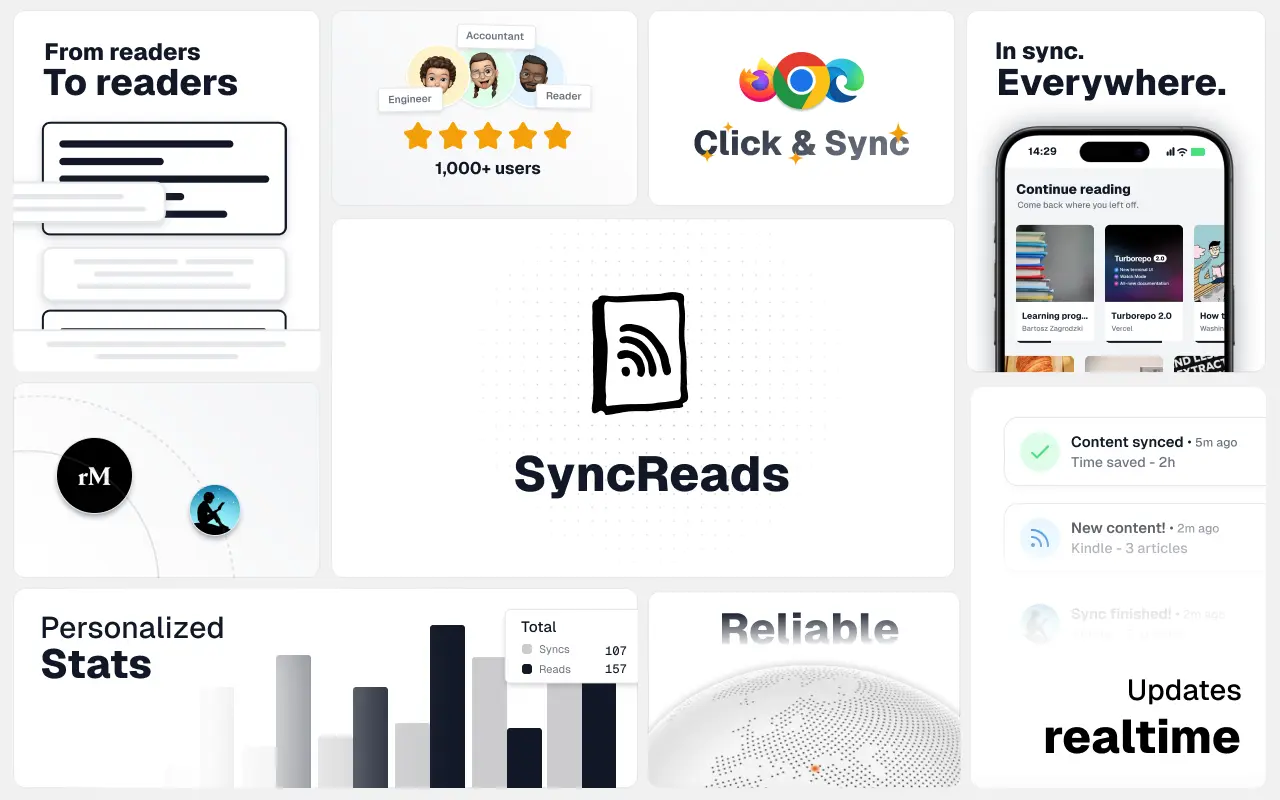
SyncReads
Sync your favorite content for distraction-free reading, save time and replace multiple apps. Anytime, anywhere 🔄
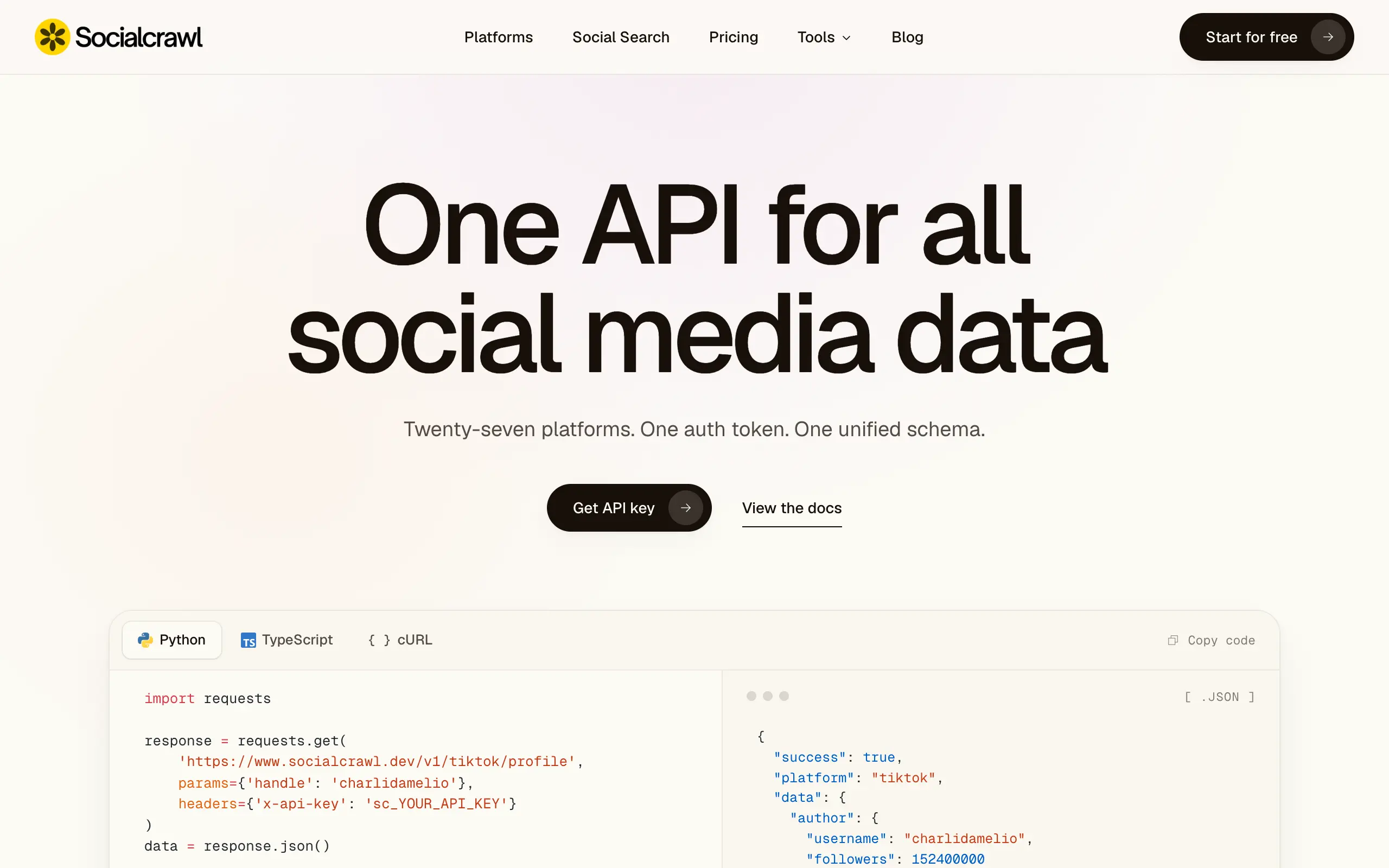
Socialcrawl
Get clean, structured data from 21 platforms like TikTok, Instagram, and YouTube with a single request 📊
Statiko
Monitor any Telegram channel in real time - track posts, edits, deletions, and growth with AI recaps 📡
Shibui
AI website builder - describe your business, pick a niche template, edit by chatting, and publish instantly ✨
Pro Service
Find verified home service professionals, compare quotes, and pay securely through escrow - built for Brazilians across the US 🏠
RankGrow
Fix your SEO with AI agents - connect Search Console, get prioritized tasks, and grow organic traffic 📈
SyncReads
Sync your favorite content for distraction-free reading, save time and replace multiple apps. Anytime, anywhere 🔄
Socialcrawl
Get clean, structured data from 21 platforms like TikTok, Instagram, and YouTube with a single request 📊
Statiko
Monitor any Telegram channel in real time - track posts, edits, deletions, and growth with AI recaps 📡
Shibui
AI website builder - describe your business, pick a niche template, edit by chatting, and publish instantly ✨
Pro Service
Find verified home service professionals, compare quotes, and pay securely through escrow - built for Brazilians across the US 🏠
RankGrow
Fix your SEO with AI agents - connect Search Console, get prioritized tasks, and grow organic traffic 📈
SyncReads
Sync your favorite content for distraction-free reading, save time and replace multiple apps. Anytime, anywhere 🔄
Socialcrawl
Get clean, structured data from 21 platforms like TikTok, Instagram, and YouTube with a single request 📊
Statiko
Monitor any Telegram channel in real time - track posts, edits, deletions, and growth with AI recaps 📡
Shibui
AI website builder - describe your business, pick a niche template, edit by chatting, and publish instantly ✨
Pro Service
Find verified home service professionals, compare quotes, and pay securely through escrow - built for Brazilians across the US 🏠
RankGrow
Fix your SEO with AI agents - connect Search Console, get prioritized tasks, and grow organic traffic 📈
SyncReads
Sync your favorite content for distraction-free reading, save time and replace multiple apps. Anytime, anywhere 🔄
Socialcrawl
Get clean, structured data from 21 platforms like TikTok, Instagram, and YouTube with a single request 📊
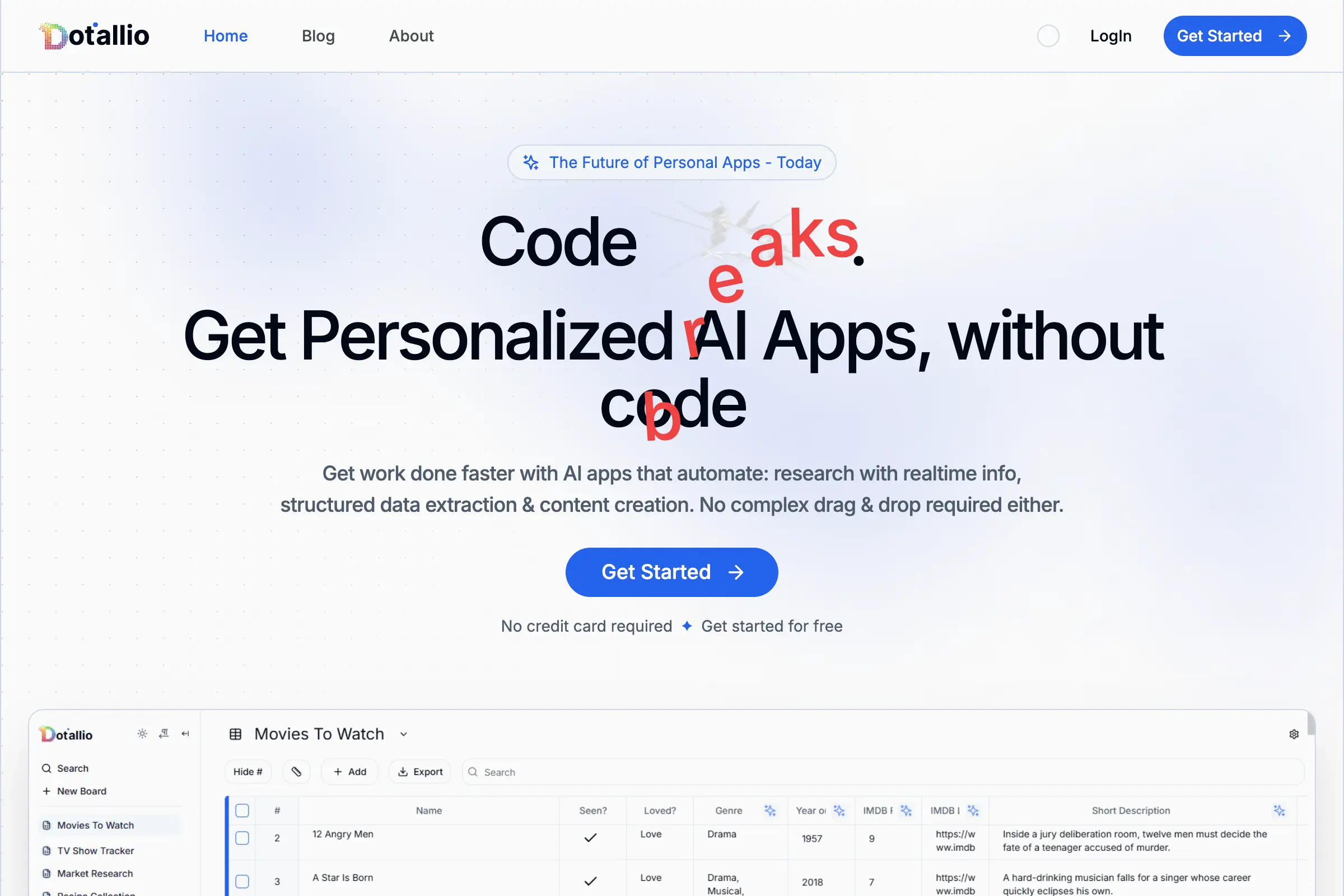
Dotallio
Personalized AI apps that automate research, data extraction, and content creation without code 🤖

Talk to Santa
Enjoy a magical live video chat or receive a unique AI-generated video greeting from Santa Claus 🎅

pozywka.pl
Scalable blog for food journalist, focused on performance and user experience 🌭
zagrodzki.me
Personal blog and portfolio of Bart Zagrodzki, where he shares his knowledge and work 💼
TurboStarter
Ship your startup everywhere. In minutes.
HTML to Markdown
Convert HTML to Markdown with ease, directly in your browser 📄
Dotallio
Personalized AI apps that automate research, data extraction, and content creation without code 🤖
Talk to Santa
Enjoy a magical live video chat or receive a unique AI-generated video greeting from Santa Claus 🎅
pozywka.pl
Scalable blog for food journalist, focused on performance and user experience 🌭
zagrodzki.me
Personal blog and portfolio of Bart Zagrodzki, where he shares his knowledge and work 💼
TurboStarter
Ship your startup everywhere. In minutes.
HTML to Markdown
Convert HTML to Markdown with ease, directly in your browser 📄
Dotallio
Personalized AI apps that automate research, data extraction, and content creation without code 🤖
Talk to Santa
Enjoy a magical live video chat or receive a unique AI-generated video greeting from Santa Claus 🎅
pozywka.pl
Scalable blog for food journalist, focused on performance and user experience 🌭
zagrodzki.me
Personal blog and portfolio of Bart Zagrodzki, where he shares his knowledge and work 💼
TurboStarter
Ship your startup everywhere. In minutes.
HTML to Markdown
Convert HTML to Markdown with ease, directly in your browser 📄
Dotallio
Personalized AI apps that automate research, data extraction, and content creation without code 🤖
Talk to Santa
Enjoy a magical live video chat or receive a unique AI-generated video greeting from Santa Claus 🎅
pozywka.pl
Scalable blog for food journalist, focused on performance and user experience 🌭
zagrodzki.me
Personal blog and portfolio of Bart Zagrodzki, where he shares his knowledge and work 💼
TurboStarter
Ship your startup everywhere. In minutes.
HTML to Markdown
Convert HTML to Markdown with ease, directly in your browser 📄
Omichat
Chat with 50+ AI models, including ChatGPT and Claude, in one place - switch models anytime without losing context 🤖
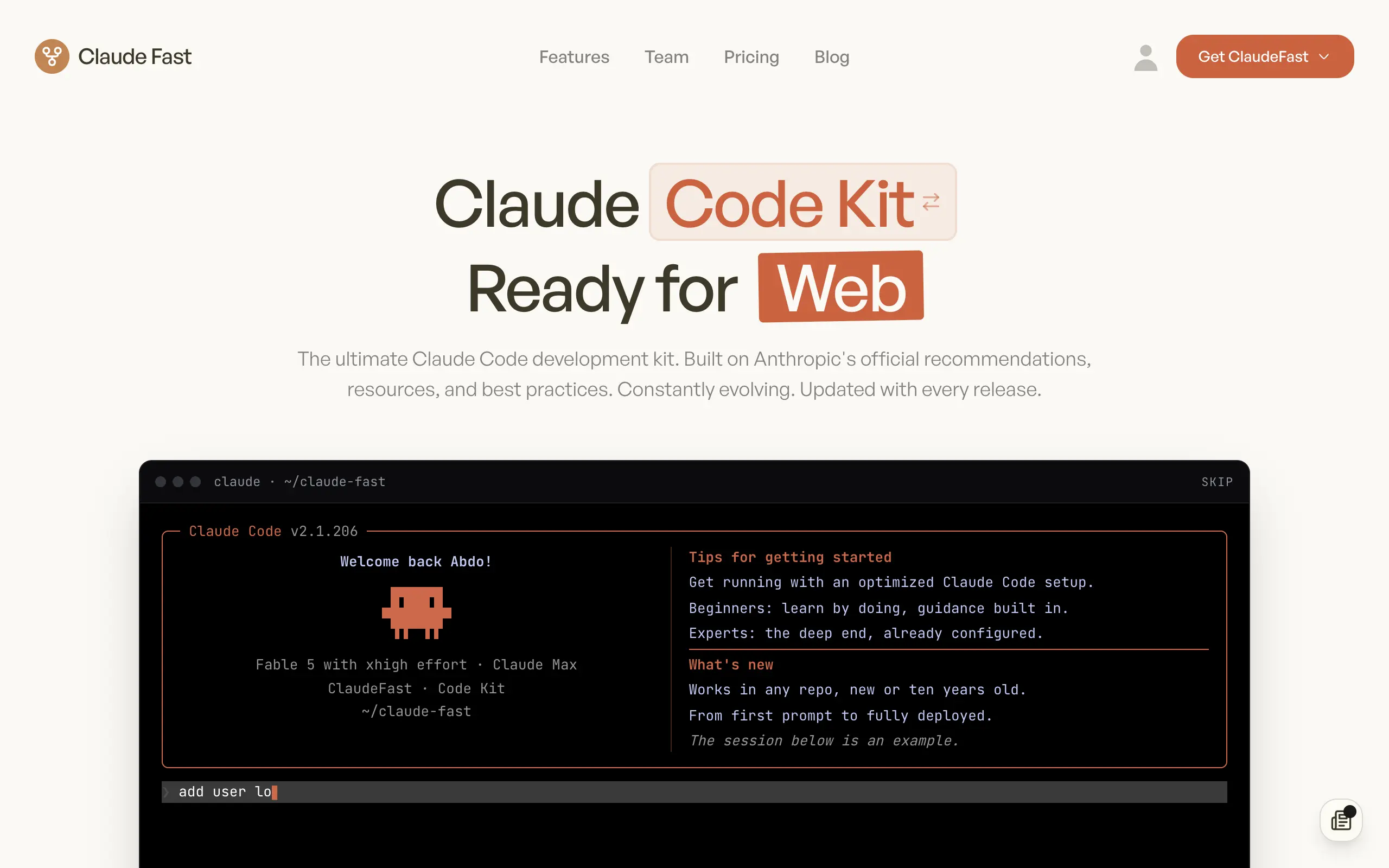
Claude Fast
Supercharge your Claude Code with 6x effective context window and specialized AI agents 🤖
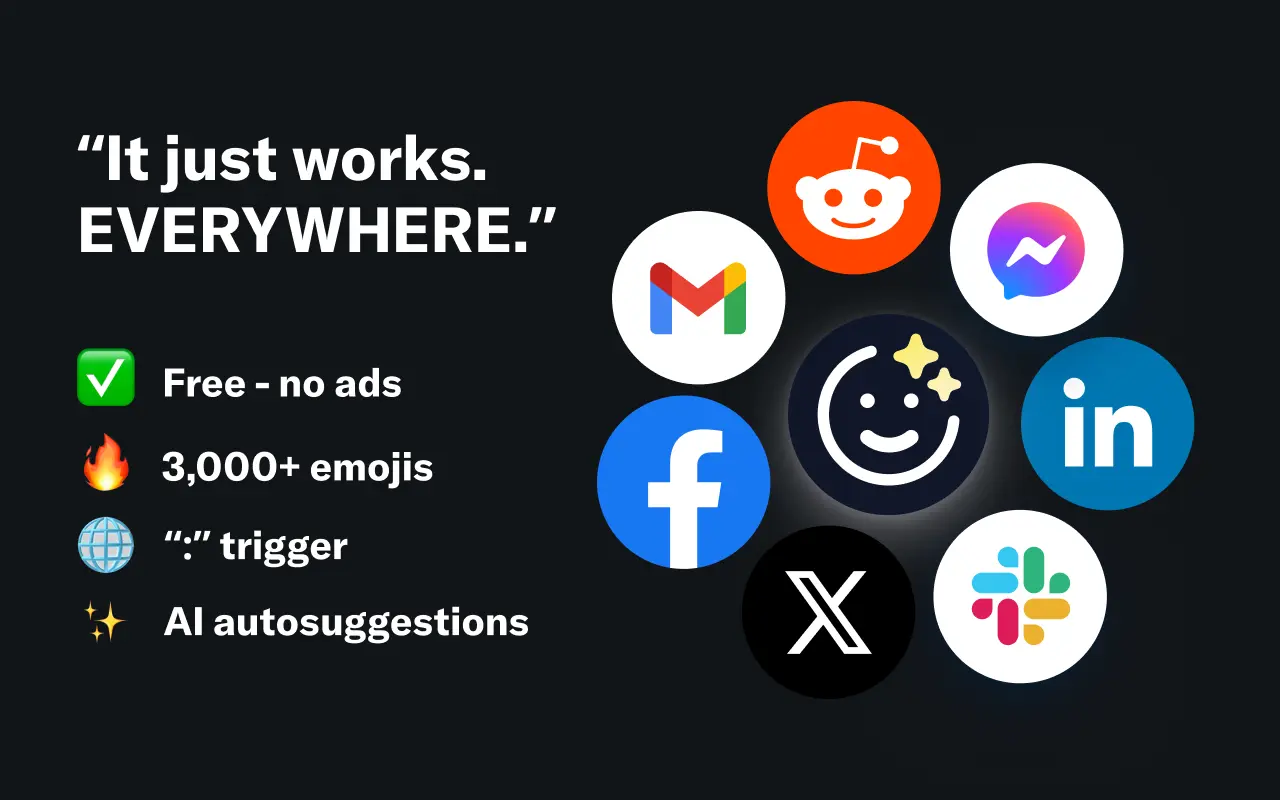
EmojAI
AI-powered emoji picker with smart, context-aware suggestions 🤖
Solohacker
Autonomous company launcher - AI agents work 24/7, escalate what matters, and you stay in control 🤖

BeRawi: Storytelling Coach
Practice storytelling daily with instant feedback to sound clearer, more engaging, and confident 🎤
Omichat
Chat with 50+ AI models, including ChatGPT and Claude, in one place - switch models anytime without losing context 🤖
Claude Fast
Supercharge your Claude Code with 6x effective context window and specialized AI agents 🤖
EmojAI
AI-powered emoji picker with smart, context-aware suggestions 🤖
Solohacker
Autonomous company launcher - AI agents work 24/7, escalate what matters, and you stay in control 🤖
BeRawi: Storytelling Coach
Practice storytelling daily with instant feedback to sound clearer, more engaging, and confident 🎤
Omichat
Chat with 50+ AI models, including ChatGPT and Claude, in one place - switch models anytime without losing context 🤖
Claude Fast
Supercharge your Claude Code with 6x effective context window and specialized AI agents 🤖
EmojAI
AI-powered emoji picker with smart, context-aware suggestions 🤖
Solohacker
Autonomous company launcher - AI agents work 24/7, escalate what matters, and you stay in control 🤖
BeRawi: Storytelling Coach
Practice storytelling daily with instant feedback to sound clearer, more engaging, and confident 🎤
Omichat
Chat with 50+ AI models, including ChatGPT and Claude, in one place - switch models anytime without losing context 🤖
Claude Fast
Supercharge your Claude Code with 6x effective context window and specialized AI agents 🤖
EmojAI
AI-powered emoji picker with smart, context-aware suggestions 🤖
Solohacker
Autonomous company launcher - AI agents work 24/7, escalate what matters, and you stay in control 🤖
BeRawi: Storytelling Coach
Practice storytelling daily with instant feedback to sound clearer, more engaging, and confident 🎤

Connect with like-minded people
Join our community to get feedback, support, and grow together with 1,000+ builders on board, let's ship it!
Join usShip your startup everywhere. In minutes.
Don't burn tokens on setup and start building features on day one.