CorpCompass AI
An AI work coach for corporate newcomers that turns unclear tasks, meeting notes, and feedback into simple daily action plans.
Why an AI work coach is becoming essential for corporate newcomers
Starting a corporate role is rarely difficult because a new employee lacks intelligence or motivation. The harder problem is ambiguity.
New hires must quickly learn unwritten rules, understand unfamiliar acronyms, interpret vague requests, follow shifting priorities, and turn fragmented feedback into useful behavior. They may receive instructions in meetings, chat threads, project management tools, email, documents, and one-on-one conversations. Even highly capable professionals can struggle when the operating system of the organization is unclear.
CorpCompass AI is an AI work coach designed for that transition. It helps corporate newcomers convert unclear tasks, meeting notes, and manager feedback into simple daily action plans. Rather than acting as another knowledge repository or generic chatbot, it focuses on the practical question employees ask every morning.
What exactly should I do next, why does it matter, and how do I know I am doing it well?
The core primary keyword for this product category is AI work coach. Related search terms include:
- AI onboarding assistant
- employee onboarding software
- corporate newcomer support
- AI career coach
- workplace productivity assistant
- meeting notes action plan generator
- employee feedback assistant
- new hire enablement platform
- AI task prioritization tool
- manager feedback analyzer
This is a promising SaaS opportunity because it addresses a costly and persistent organizational gap. Most companies invest heavily in recruiting and onboarding materials, but far fewer help employees translate that information into confident day-to-day execution.
The central product insight
Corporate newcomers do not only need more information. They need contextual interpretation, prioritization, and a safe way to ask basic questions without feeling exposed.
The problem CorpCompass AI solves for new employees
Corporate work often depends on context that is difficult to document. A manager may say, “Take ownership of the client update,” while assuming the employee understands the preferred format, review process, stakeholder expectations, deadlines, and political sensitivities.
A new employee may leave a meeting with pages of notes but no confidence about what is actionable. They may receive feedback such as “be more strategic,” “communicate more proactively,” or “build stronger relationships,” yet have no clear behavioral steps to take.
This creates several recurring problems.
New hires face ambiguous tasks
Corporate tasks are frequently expressed as outcomes instead of instructions. That is appropriate for experienced employees who understand the environment, but challenging for newcomers.
Examples of ambiguous requests include:
- “Prepare the QBR materials for next week.”
- “Get alignment before we move forward.”
- “Can you socialize this with the right people?”
- “Please tighten the narrative.”
- “Own the follow-up.”
- “Think through the risks.”
Each request can contain multiple hidden decisions. A new hire needs to know:
- What deliverable is expected.
- Who needs to be involved.
- What good work looks like.
- Which deadline matters most.
- What assumptions need confirmation.
- When to ask for help instead of proceeding independently.
An AI work coach can turn vague language into a structured plan while identifying what remains uncertain.
Meeting notes become a source of overload
Meetings generate information, commitments, decisions, and implied responsibilities. Yet new hires often struggle to distinguish between:
- Decisions that require action
- General discussion
- Their own assigned tasks
- Tasks owned by others
- Open questions
- Risks that should be escalated
- Context that will matter later
Traditional note-taking apps capture information, but they do not reliably coach someone through the implications. CorpCompass AI can bridge that gap by converting raw meeting notes into prioritized next steps, clarification questions, and follow-up drafts.
Feedback is often too abstract to be useful
Feedback is critical to employee development, but corporate feedback commonly lacks operational detail. A manager might tell an employee to “be more visible” or “bring stronger points of view.” Those comments can be useful only when translated into observable actions.
For example, “be more proactive” could become:
- Send a short progress update before the weekly check-in.
- Surface one potential blocker alongside a proposed solution.
- Confirm decision owners after cross-functional meetings.
- Prepare two options when escalating a problem.
- Schedule introductory conversations with key partners during the first month.
The product opportunity is not simply to summarize feedback. It is to help employees practice the next useful behavior.
Psychological safety affects onboarding performance
New employees may hesitate to ask questions they believe they “should already know.” This hesitation is especially common in high-performing, fast-moving, or highly political environments.
An AI onboarding assistant can provide a private first layer of support. It should not replace managers, mentors, or HR teams. Instead, it can help employees formulate better questions, prepare for conversations, and decide when escalation is necessary.
That positioning matters. The strongest version of CorpCompass AI is not a substitute for human leadership. It is a practical execution layer that helps employees use human guidance more effectively.
Target audience for an AI work coach
CorpCompass AI should begin with a focused audience rather than attempting to serve every employee type immediately. The best early users experience frequent ambiguity, have knowledge-intensive work, and benefit from faster ramp-up.
Primary users: corporate newcomers in knowledge work
The ideal individual user is a professional in their first 90 to 180 days at a company. They may be entering a new role, team, function, or corporate environment.
High-potential early segments include:
- New hires at mid-market and enterprise companies
- First-time corporate employees transitioning from startups, agencies, academia, or freelance work
- Internal transfers moving into an unfamiliar department
- New managers who need to navigate broader stakeholder complexity
- Early-career analysts, associates, project managers, and operations professionals
- Consultants, account managers, customer success managers, and product roles
- Employees joining distributed or remote-first organizations
These users generally have access to large volumes of information but limited context. They are motivated to perform, anxious about missing expectations, and receptive to tools that save time without making them appear dependent.
Economic buyers: HR, people operations, and team leaders
The economic buyer is often different from the end user. Likely buyers include:
- Human resources leaders responsible for onboarding quality
- People operations teams managing employee experience
- Learning and development teams building scalable enablement programs
- Department leaders with recurring hiring needs
- Chief of staff and operations leaders focused on execution consistency
- Talent leaders seeking to reduce early attrition
- IT and security teams evaluating AI tools for workplace adoption
For these buyers, the business case is tied to ramp time, retention, manager bandwidth, employee engagement, and onboarding consistency.
Secondary users: managers and mentors
Managers are not the core daily user at launch, but they are crucial stakeholders. They need visibility without creating surveillance concerns.
A manager-facing experience could help them:
- See common onboarding blockers across new hires
- Review employee-generated goals before one-on-ones
- Share team-specific expectations and templates
- Identify recurring unclear processes
- Provide clearer feedback prompts
- Reduce repetitive “how do I do this here?” questions
The product should preserve employee trust. Managers should not receive a private transcript of every thought, question, or coaching interaction. Permission design and clear data boundaries are central to adoption.
Employee value
Turn uncertainty into a focused plan, clearer questions, and visible progress without needing to expose every gap in knowledge.
Manager value
Reduce repetitive onboarding explanations while helping new hires arrive at one-on-ones with better context and stronger questions.
Company value
Create a repeatable onboarding support system that improves clarity, confidence, retention, and time to productivity.
Market gap in employee onboarding software
The employee onboarding software market is established, but most products solve only part of the problem.
HR information systems manage paperwork, profiles, policies, and workflows. Learning platforms provide courses and assessments. Knowledge bases store documentation. Project management tools track tasks. Meeting assistants transcribe calls. General AI assistants answer questions.
The gap is the connective layer between information and daily execution.
Where existing tools fall short
A new employee often has access to many systems but still does not know what to do next. The issue is not absence of software. It is the lack of contextual synthesis.
| Tool category | Primary purpose | Common limitation | CorpCompass AI opportunity | User outcome |
|---|---|---|---|---|
| HRIS | Employee records and workflows | Weak daily task guidance | Connect onboarding milestones to practical actions | Clearer first weeks |
| Learning platform | Training content delivery | Limited real-work application | Translate learning into role-specific practice | Faster skill application |
| Meeting assistant | Transcription and summaries | Does not coach execution | Extract ownership, priorities, and follow-ups | Actionable meetings |
| Project management tool | Task tracking | Assumes tasks are already clear | Clarify ambiguous work before it enters the system | Higher-quality execution |
The unique opportunity is to build an AI work coach that is aware of the employee’s role, onboarding stage, priorities, manager expectations, and approved company context.
Why the timing is strong
AI adoption in knowledge work has changed employee expectations. Workers increasingly expect assistance with drafting, summarization, research, planning, and routine coordination. At the same time, organizations are becoming more cautious about unapproved AI usage, confidential data exposure, and inconsistent outputs.
This creates room for a secure, role-aware enterprise product.
Several current trends reinforce the opportunity:
- Hybrid work reduces informal learning through observation.
- Distributed teams make access to context more uneven.
- Managers often have wider spans of control and less onboarding capacity.
- Employees use more tools, creating fragmented information.
- Companies are under pressure to improve retention and internal mobility.
- Generative AI makes personalized coaching economically viable at scale.
- Security teams increasingly prefer governed AI tools over unsanctioned consumer usage.
When presenting market sizing or retention-related ROI in sales materials, use cited evidence from reputable sources such as company workforce reports, peer-reviewed research, analyst publications, or government labor data. Avoid relying on unsourced benchmark claims.
Core features for CorpCompass AI
The first product should prioritize an exceptionally useful daily workflow. Avoid trying to become an HRIS, learning management system, meeting recorder, project manager, and enterprise search platform simultaneously.
The best MVP delivers a reliable loop:
- Capture work context.
- Interpret ambiguity.
- Recommend a practical action plan.
- Help the employee communicate and execute.
- Learn from corrections and outcomes.
Daily action plan generator
The flagship feature should convert multiple inputs into a manageable plan for the day.
Inputs can include:
- A pasted task or request
- Meeting notes or a transcript summary
- Manager feedback
- Calendar context
- Existing project tasks
- User-selected priorities
- A role onboarding plan
- Company-approved templates and playbooks
Outputs should include:
- The top three priorities for the day
- Suggested time estimates
- Task dependencies
- A plain-language definition of done
- Questions to clarify before starting
- Suggested stakeholders
- Risks and escalation triggers
- A brief end-of-day reflection prompt
The experience should feel like a coach, not a generic list generator. For every recommendation, CorpCompass AI should explain the reasoning in concise language.
For example:
This task is prioritized because your manager requested it, it is due before tomorrow’s stakeholder meeting, and it blocks the client update.
That explanation builds trust and lets the user correct wrong assumptions.
Ambiguous task interpreter
This feature turns a vague corporate request into an action framework. The product can use a structured output model that identifies:
- Intended outcome
- Expected deliverable
- Likely audience
- Deadline or decision point
- Dependencies
- Missing details
- Recommended first action
- Suggested clarification message
A useful interaction might begin with a user pasting:
“Can you take the lead on the launch readiness workstream?”
CorpCompass AI should not pretend it has all the answers. Instead, it could say:
“Taking the lead likely involves coordinating owners, defining readiness criteria, tracking risks, and reporting status. Before proceeding, confirm the launch date, decision-maker, scope, required workstreams, and reporting cadence.”
This behavior is more trustworthy than confident hallucination.
Meeting notes to next steps
Meeting intelligence is valuable only when it changes what someone does afterward.
CorpCompass AI can process user-provided notes or approved integrations and produce:
- Decisions made
- Open questions
- Action items by owner
- Items assigned to the user
- Implied commitments
- Follow-up message drafts
- Risks requiring escalation
- Updates for a project tracker
The differentiator is personalization. A standard meeting summary says what happened. An AI work coach says what you should do next, based on your responsibilities and onboarding goals.
Feedback translator and growth coach
This feature transforms manager feedback into a development plan without oversimplifying it.
For every feedback item, the system should offer:
- A neutral interpretation
- Observable behaviors to practice
- A relevant workplace scenario
- A small action for the coming week
- A self-reflection question
- A draft question for the manager
- A way to track evidence of improvement
For example, feedback about “executive presence” could be broken into concise updates, clearer recommendations, audience-aware communication, and stronger meeting preparation.
It should also encourage employees to validate interpretations with their manager. Feedback is contextual, and an AI system should never present one interpretation as definitive.
Corporate language and acronym decoder
Corporate newcomers spend substantial mental energy decoding terms that experienced colleagues use casually. This includes acronyms, project names, business metrics, role labels, and informal phrases.
A secure company glossary can provide:
- Definitions from approved sources
- Team-specific meaning where available
- Related documents
- Examples of appropriate usage
- Confidence levels
- A prompt to ask a human when the context is uncertain
This feature becomes significantly more valuable when paired with retrieval-augmented generation rather than relying solely on model memory.
Safe question builder
Employees often know they need clarification but do not know how to ask without sounding unprepared. CorpCompass AI can help them create concise, thoughtful messages.
Useful templates include:
- Scope clarification
- Deadline confirmation
- Stakeholder alignment
- Prioritization trade-off
- Feedback follow-up
- Status update
- Risk escalation
- Decision request
The tool should generate messages that are editable, appropriately concise, and matched to the company’s communication norms.
Personal onboarding progress workspace
A lightweight workspace can help users see progression over time. It should track meaningful outcomes rather than encourage excessive self-monitoring.
Relevant views include:
- First 30, 60, and 90 day goals
- Relationships to build
- Core workflows to learn
- Repeated feedback themes
- Accomplishments and evidence
- Questions to revisit
- Personal confidence check-ins
This creates a useful artifact for one-on-ones, probation reviews, and career conversations.
Designing trustworthy AI coaching
Trust is the product, not merely a legal requirement. Employees will not share meaningful work context if they believe the system is monitoring them or forwarding private conversations to management.
Set clear data boundaries
CorpCompass AI should explicitly communicate:
- What data is stored
- How long it is retained
- Who can access it
- Whether conversations are visible to managers
- Which integrations are connected
- How customers can delete data
- Whether customer content is used for model training
- How users can flag incorrect or unsafe output
For enterprise plans, the platform should support strong administrative controls, audit logs, role-based permissions, and configurable retention policies.
Use grounded answers rather than unsupported certainty
When the product answers company-specific questions, it should cite or reference its approved source material in the interface. If no source exists, it should state that uncertainty clearly.
A strong response pattern is:
- State what the available context indicates.
- Identify what is unknown.
- Recommend a sensible next action.
- Offer a clarification question.
This approach reduces hallucination risk and models healthy workplace behavior.
Avoid surveillance-oriented product decisions
The product should not become a hidden performance scoring system. That would damage adoption and create legal, ethical, and cultural risk.
Avoid early features such as:
- Secret productivity scores
- Sentiment-based employee ranking
- Monitoring private coaching conversations
- Automated performance recommendations without human review
- Inferences about employee health, personality, or protected characteristics
A better model is employee-controlled coaching with aggregated, privacy-preserving organizational insights.
Do not confuse coaching with employee surveillance
If CorpCompass AI feels like a management monitoring tool, employees will limit what they share. Make personal coaching private by default and make any shared data explicit, minimal, and purpose-specific.
Recommended AI work coach tech stack
The technical architecture should support fast iteration, enterprise security, explainable outputs, and reliable integrations. A modern TypeScript-based stack is a practical starting point.
Product application stack
For the web application, consider:
- Next.js for a full-stack React framework
- React for interactive user interfaces
- TypeScript for safer application development
- Tailwind CSS for rapid, maintainable styling
- PostgreSQL for relational application data
- Prisma for type-safe database access
- Auth.js or enterprise SSO support for authentication
- Stripe for subscription billing where appropriate
For teams that want to accelerate SaaS foundations such as authentication, billing, organizations, dashboard patterns, and production-ready scaffolding, TurboStarter can reduce time spent rebuilding standard infrastructure.
AI and retrieval architecture
The AI layer should separate generation from company knowledge retrieval.
A recommended flow looks like this:
type CoachingRequest = {
  userId: string;
  organizationId: string;
  input: string;
  context: "task" | "meeting_notes" | "feedback";
};

async function createActionPlan(request: CoachingRequest) {
  const approvedSources = await searchOrganizationKnowledge({
    organizationId: request.organizationId,
    query: request.input,
  });

  const response = await generateStructuredCoachingPlan({
    input: request.input,
    context: request.context,
    sources: approvedSources,
    requireUncertaintyFlags: true,
  });

  return validateActionPlan(response);
}
The system should use structured outputs with validation. A coaching plan should not be free-form text alone. Store fields such as task title, priority, due date confidence, assumptions, action items, risks, and clarification questions in a validated schema.
Trade-offs between model providers
A multi-model strategy can be valuable, but it increases operational complexity.
- Hosted large language model APIs offer fast time to market and strong baseline performance.
- Enterprise AI platforms can simplify procurement, data controls, and regional requirements.
- Open-weight models can offer more deployment flexibility but require more infrastructure, evaluation, and operational expertise.
- Smaller models can reduce latency and cost for classification, extraction, and routine rewriting tasks.
- Larger models may be reserved for complex reasoning, long-context synthesis, and nuanced coaching.
Do not choose a model provider only on benchmark performance. Evaluate:
- Data processing terms
- Regional availability
- Latency
- Cost predictability
- Function calling and structured output support
- Safety features
- Enterprise identity controls
- Observability
- Ability to evaluate regressions
Integrations to prioritize
Start with low-risk, high-value workflows.
A practical sequence is:
Potential ecosystem integrations include Slack, Microsoft Teams, Notion, Jira, and Google Workspace. Each integration should be evaluated for data minimization, permission scope, and user consent.
Monetization strategy for CorpCompass AI
The most credible revenue model is B2B SaaS with a product-led entry point and enterprise expansion path.
Individual and team pricing options
A self-serve plan can help validate demand among individual professionals and small teams.
Possible packaging includes:
- "Free plan" with a limited number of task interpretations and daily plans
- "Pro plan" for individual users who want unlimited coaching, feedback tracking, and advanced templates
- "Team plan" with shared onboarding templates, manager resources, and basic analytics
- "Enterprise plan" with SSO, SCIM, data retention settings, security review support, custom integrations, and dedicated success services
The free tier should demonstrate value quickly. A user should be able to paste one confusing task and receive a practical, credible action plan within minutes.
Enterprise pricing model
For larger organizations, per-seat pricing is straightforward but may not align with onboarding cycles. Consider flexible options:
- Per active employee seat
- Per new-hire cohort
- Department-based annual contracts
- Platform fee plus active-seat usage
- Premium implementation and knowledge-base setup services
A cohort-based model may resonate with organizations that hire in waves, such as graduate programs, sales onboarding teams, consulting firms, support organizations, and seasonal operations groups.
Expansion opportunities
Once the new-hire use case is proven, CorpCompass AI can expand into adjacent markets:
- Internal mobility support
- New manager coaching
- Employee performance development
- Role transition assistance
- Leadership onboarding
- Career development planning
- Team operating system documentation
- Change management support during reorganizations
The company should resist expanding too early. A strong initial wedge is more valuable than a broad but shallow platform.
Competitive advantage and product positioning
CorpCompass AI should not position itself as “ChatGPT for employees.” That framing is too broad, easy to copy, and weakly connected to buyer outcomes.
Its competitive advantage comes from specialization.
The CorpCompass AI USP
CorpCompass AI turns the hidden complexity of corporate work into private, role-aware daily guidance for new employees.
That positioning combines several defensible elements:
- It is built for corporate newcomers rather than generic productivity users.
- It focuses on execution after meetings, feedback, and unclear requests.
- It creates daily action plans instead of only summaries.
- It helps users ask better questions rather than pretending certainty.
- It can incorporate approved company context through secure retrieval.
- It protects employee trust with privacy-first coaching boundaries.
- It generates value for employees, managers, and HR without becoming surveillance software.
What competitors are likely to do
Generic AI assistants will continue to improve at writing, summarizing, and brainstorming. Meeting tools will improve their action item extraction. HR platforms will add AI features. Learning platforms will generate more personalized course recommendations.
CorpCompass AI should win by owning the moment between “I received information” and “I know what to do.”
That means product quality depends on:
- Better task decomposition
- Better uncertainty handling
- Better company-context grounding
- Better user experience for anxious or overloaded newcomers
- Better privacy design
- Better manager conversation preparation
- Better action-plan quality over time
Building a data moat responsibly
A useful long-term advantage can emerge from anonymized product learning, but only with appropriate customer agreements and privacy protections.
The platform can learn which coaching patterns are effective by analyzing non-sensitive signals such as:
- Which action plans users complete
- Which clarification prompts resolve ambiguity
- Which templates are frequently edited
- Which onboarding topics repeatedly cause confusion
- Which feedback-to-action plans users find helpful
The goal should not be to collect more employee data. The goal should be to improve guidance with the minimum data required.
Risks and mitigation strategies
An AI work coach operates in a sensitive domain. Product leaders should address risk in the design phase, not after enterprise customers raise concerns.
Use retrieval from approved sources, show source references, communicate confidence, validate structured outputs, and encourage clarification when key facts are unknown.
Frame recommendations as coaching, not commands. Include reasoning, trade-offs, and prompts to consult a manager when decisions have meaningful impact.
Implement data classification guidance, redaction options, encryption, role-based access, retention controls, and clear employee education on appropriate use.
Embed into daily workflows, deliver a useful result in under five minutes, and focus on high-frequency pain points rather than broad dashboards.
Start with smaller teams, offer security documentation early, support SSO and data processing requirements, and build a clear trust center as the product matures.
Measuring whether the product works
Avoid vanity metrics such as prompt count alone. The best metrics reflect clarity, adoption, and business outcomes.
Track product metrics such as:
- Weekly active users during the first 90 days
- Percentage of action plans marked useful
- Time from input to completed plan
- Number of clarification questions generated and used
- Repeat usage after feedback or meetings
- Manager satisfaction with employee preparedness
- New hire confidence trends
- Onboarding milestone completion
- Retention signals where customers can measure them responsibly
For enterprise ROI claims, distinguish correlation from causation. A company may see better onboarding outcomes after adoption, but controlled pilots and customer-specific analysis provide more credible evidence than broad claims.
Go-to-market strategy for the first year
The strongest early go-to-market motion is likely a combination of targeted content, design partnerships, and focused outbound.
Start with a narrow vertical or role cluster
Instead of marketing to “all corporate employees,” begin with a segment that has repeatable onboarding pain.
Potential initial segments include:
- Consulting and professional services firms
- B2B SaaS companies hiring customer success teams
- Financial services analyst programs
- Large technology companies with internal transfer programs
- Remote-first scale-ups
- Operations and project management teams
- Sales development and account management onboarding cohorts
A focused segment creates sharper messaging, more relevant templates, and clearer case studies.
Content strategy for organic search
SEO content should target practical, high-intent searches around onboarding uncertainty and workplace execution.
Examples of content themes include:
- How to ask for clarification at work
- How to prioritize tasks as a new employee
- What to do after receiving vague feedback from a manager
- How to write a professional meeting follow-up
- First 30 days in a corporate job checklist
- How to understand corporate acronyms and workplace jargon
- How to prepare for a first one-on-one meeting
- How to become proactive at work without overstepping
Each article should provide genuine standalone value, then naturally explain how an AI work coach can support the workflow. This builds trust more effectively than publishing thin product-led pages.
Design partner program
Recruit a small number of design partners who have meaningful onboarding volume and a willingness to shape the product.
Offer:
- Hands-on implementation support
- A defined pilot period
- Custom onboarding templates
- Product roadmap influence
- Privacy and security transparency
- Clear success metrics agreed before launch
In return, seek structured feedback, usage insight, permission to develop anonymized learnings, and potential case-study participation after measurable value is established.
A practical implementation roadmap
The first release should aim for usefulness, safety, and speed. Do not wait for every integration or enterprise feature before learning from real users.
Phase one: validate the core workflow
Build a focused MVP with:
- Secure authentication
- User profile with role, team, and onboarding stage
- Task interpretation
- Meeting notes to action plan conversion
- Feedback translation
- Daily priority view
- Editable action plans
- Simple feedback controls
- Basic usage analytics
At this stage, users can manually paste content. This reduces technical complexity and makes it easier to validate whether the coaching quality is compelling.
Phase two: add organizational context
Once users repeatedly return for daily guidance, add:
- Company glossary
- Approved onboarding resources
- Role-specific templates
- Knowledge retrieval
- Manager-shared playbooks
- Team-level onboarding tracks
- More sophisticated action-plan personalization
This phase is where CorpCompass AI begins to become difficult to replace with a generic chatbot.
Phase three: prepare for enterprise scale
Expand the platform with:
- SSO and identity provisioning
- Audit logs
- Granular permissions
- Data retention controls
- Integration management
- Security documentation
- Organization analytics based on aggregated data
- Admin controls for approved knowledge sources
Launch checklist
Before inviting the first pilot users, verify the following:
- The AI clearly communicates uncertainty.
- Employees can edit every action plan.
- Sensitive data handling is explained in plain language.
- The product does not expose private coaching content by default.
- Feedback mechanisms capture both helpful and harmful outputs.
- The first-use experience produces value quickly.
- The product has guardrails for inappropriate or high-stakes requests.
- Every company-specific answer can be traced to approved context where possible.
Final takeaways for building CorpCompass AI
CorpCompass AI addresses a real and under-served problem in corporate onboarding. New employees do not fail because they lack access to information. They struggle because workplace expectations are often implicit, distributed, and difficult to translate into immediate action.
The opportunity is to build an AI work coach that makes corporate work more navigable. By turning vague tasks, meeting notes, and feedback into practical daily plans, CorpCompass AI can help employees build confidence while reducing the burden on managers and onboarding teams.
The product will stand out if it remains disciplined about its purpose:
- Help people understand what to do next.
- Make ambiguity visible instead of hiding it.
- Encourage thoughtful clarification.
- Ground guidance in approved company context.
- Protect employee privacy.
- Support managers without turning coaching into surveillance.
- Deliver a useful daily outcome, not just another AI conversation.
For founders and product teams, the most important next step is simple. Build the smallest workflow that reliably turns one confusing piece of workplace input into one trustworthy, useful plan. If employees return because that plan helps them navigate their day with more confidence, CorpCompass AI will have found its foundation.
More 🤖 AI Startup SaaS ideas
Discover more innovative ai startup SaaS ideas that are trending in 2026. Each idea is AI-generated with market validation and growth potential to help you find your next profitable venture faster than competitors.
Your competitors are building with TurboStarter
Below are some of the SaaS ideas that have been generated and built with our starter kit.
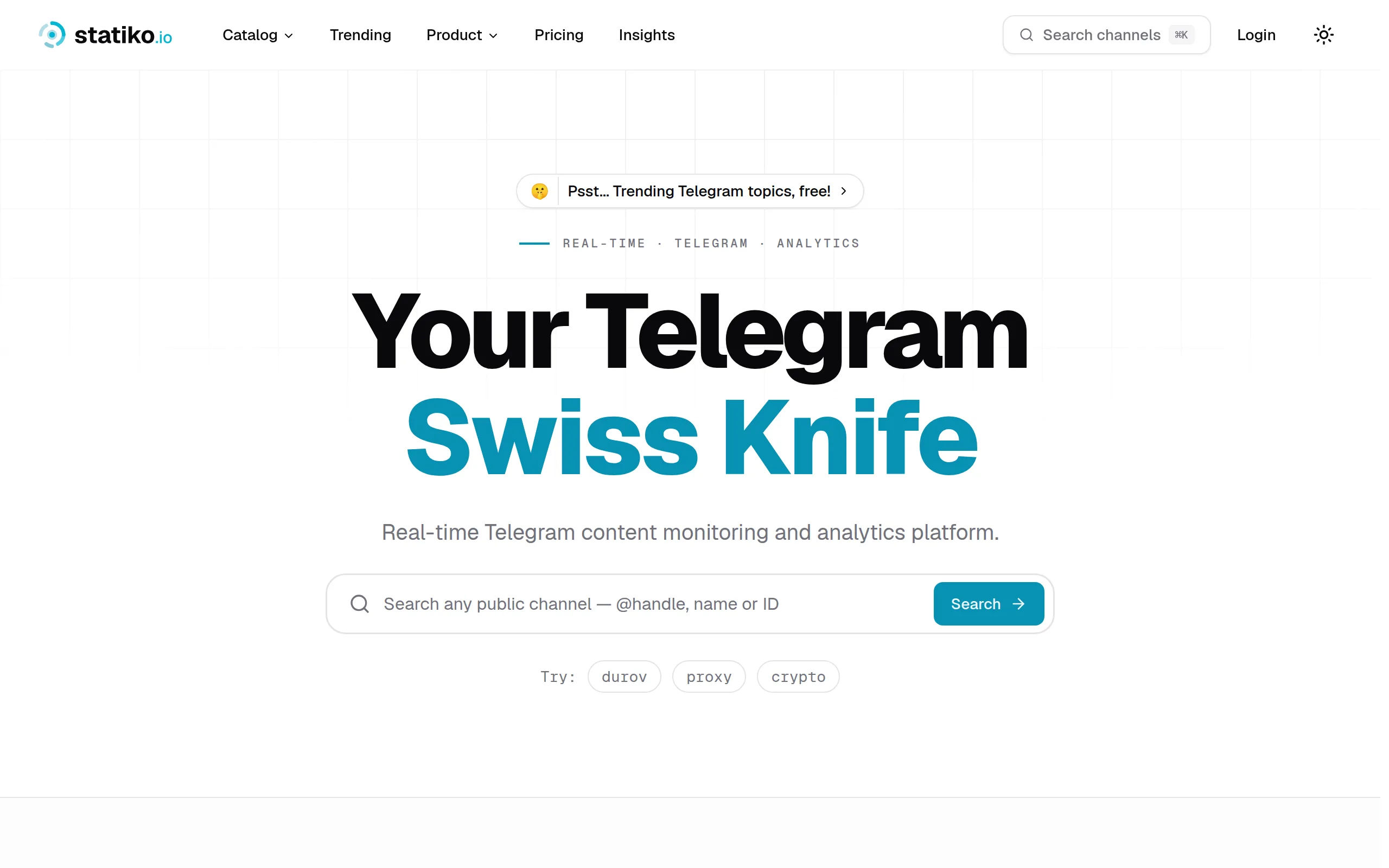
Statiko
Monitor any Telegram channel in real time - track posts, edits, deletions, and growth with AI recaps 📡
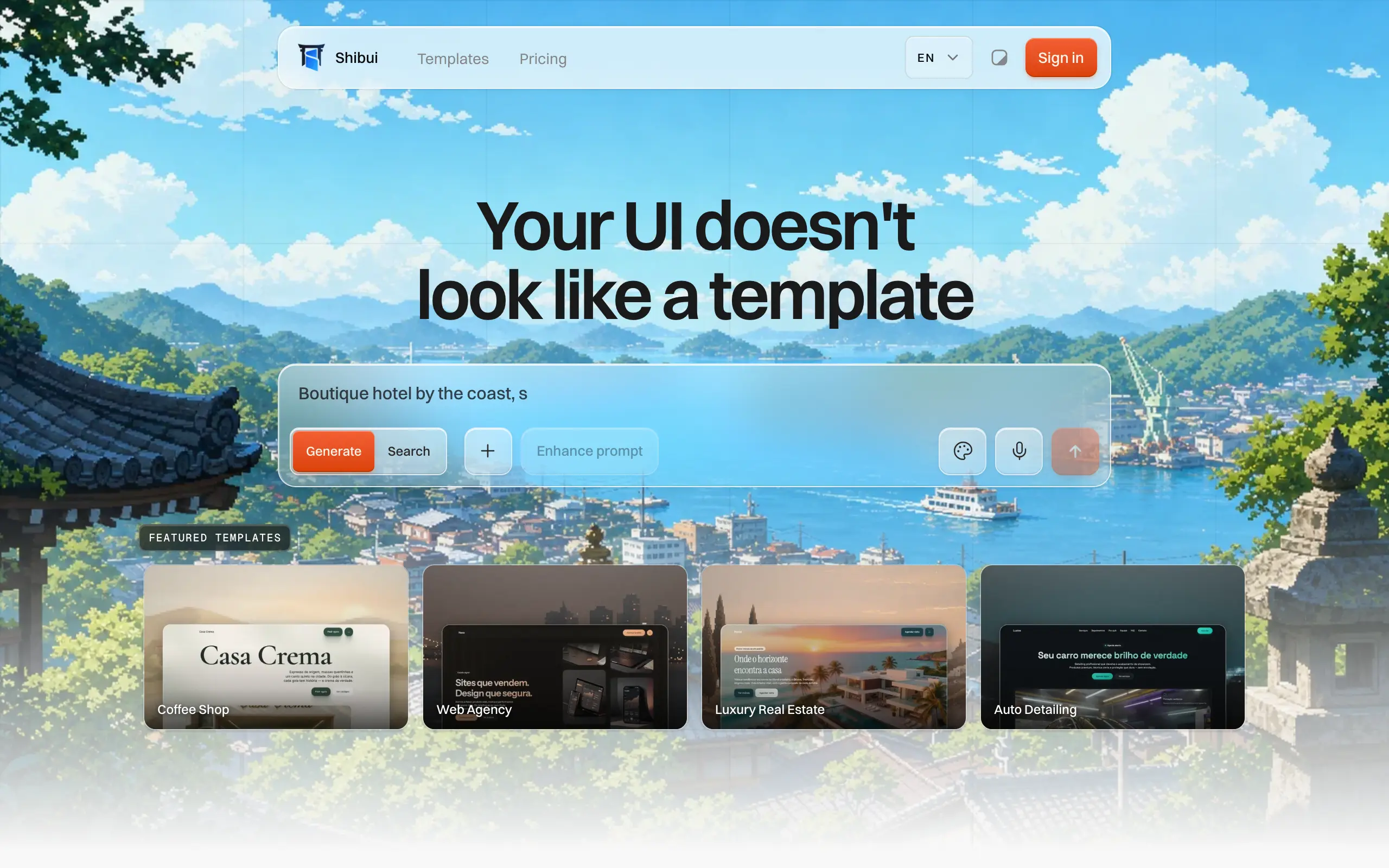
Shibui
AI website builder - describe your business, pick a niche template, edit by chatting, and publish instantly ✨

Pro Service
Find verified home service professionals, compare quotes, and pay securely through escrow - built for Brazilians across the US 🏠
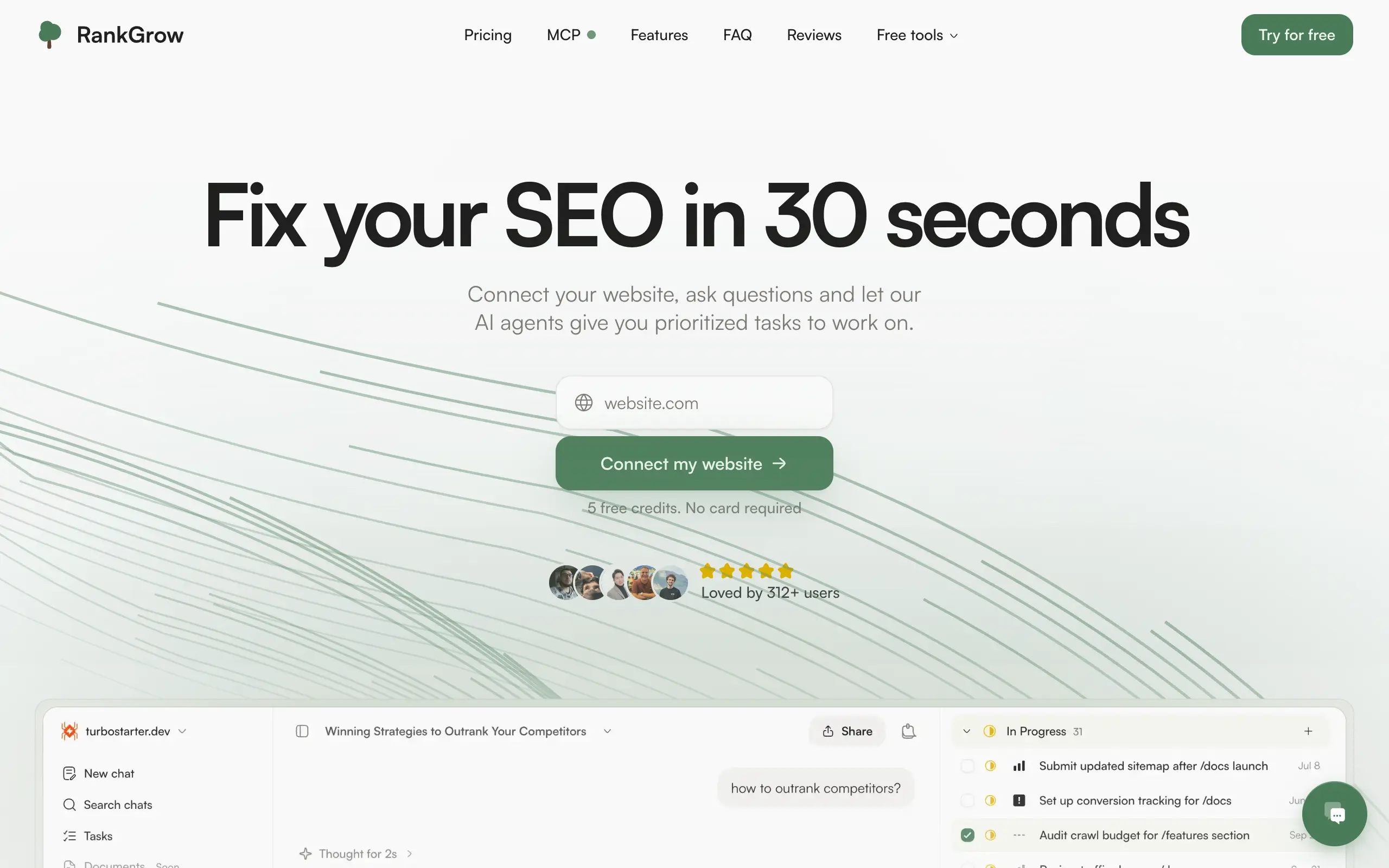
RankGrow
Fix your SEO with AI agents - connect Search Console, get prioritized tasks, and grow organic traffic 📈
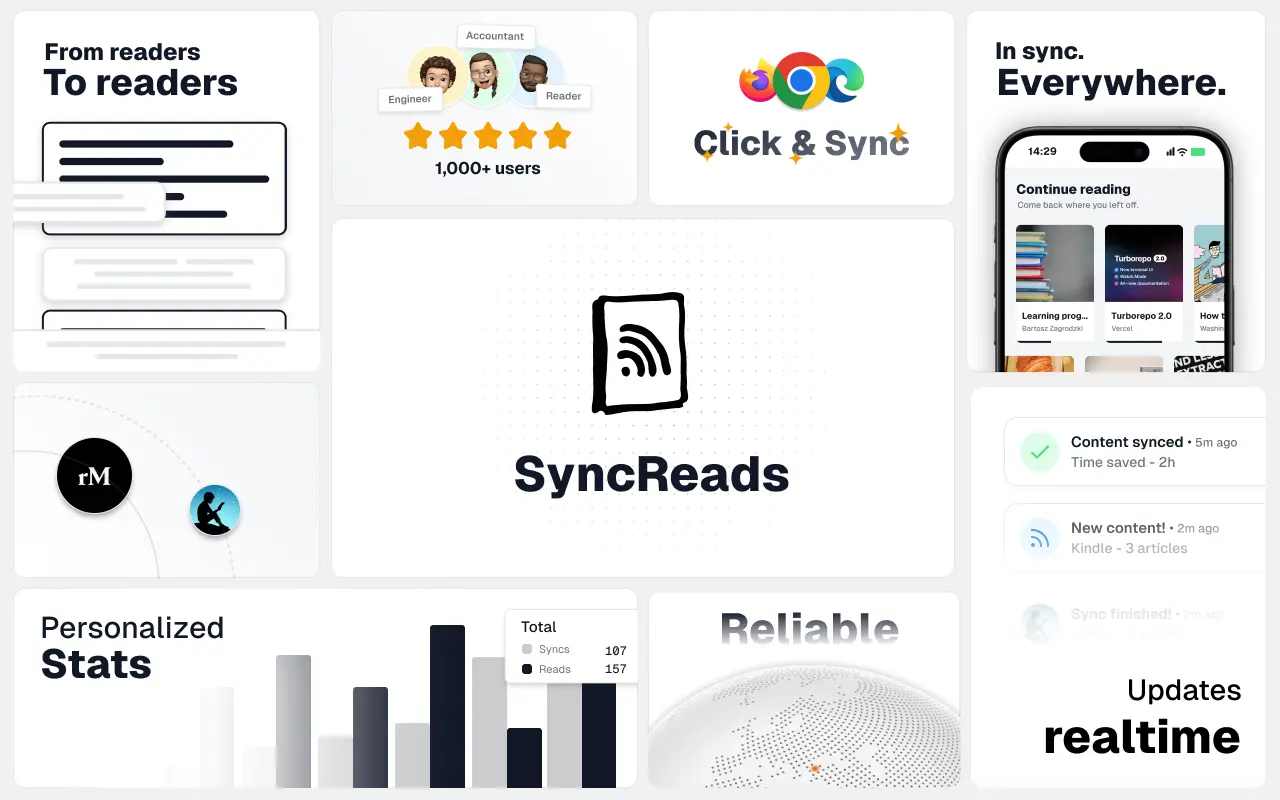
SyncReads
Sync your favorite content for distraction-free reading, save time and replace multiple apps. Anytime, anywhere 🔄
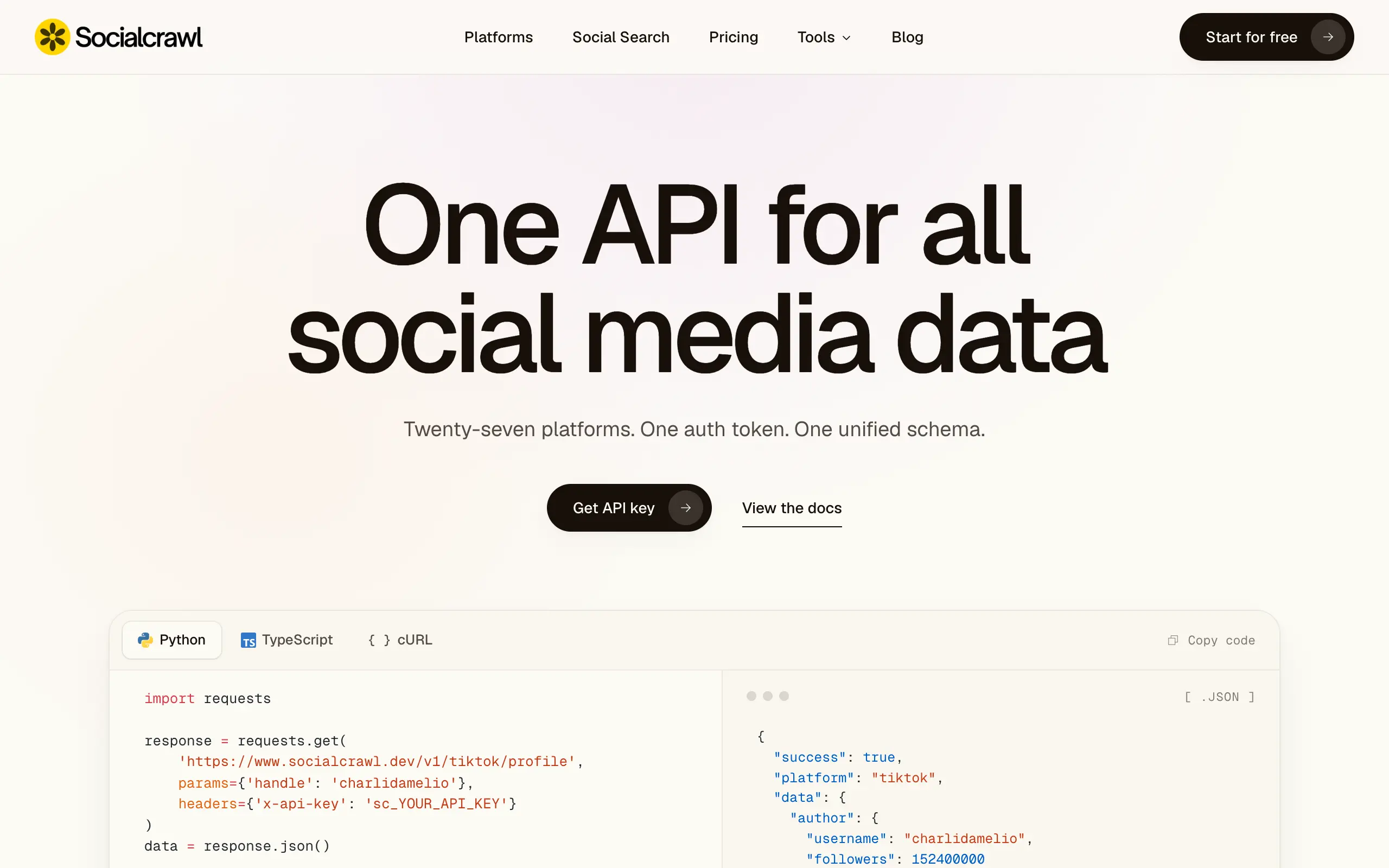
Socialcrawl
Get clean, structured data from 21 platforms like TikTok, Instagram, and YouTube with a single request 📊
Statiko
Monitor any Telegram channel in real time - track posts, edits, deletions, and growth with AI recaps 📡
Shibui
AI website builder - describe your business, pick a niche template, edit by chatting, and publish instantly ✨
Pro Service
Find verified home service professionals, compare quotes, and pay securely through escrow - built for Brazilians across the US 🏠
RankGrow
Fix your SEO with AI agents - connect Search Console, get prioritized tasks, and grow organic traffic 📈
SyncReads
Sync your favorite content for distraction-free reading, save time and replace multiple apps. Anytime, anywhere 🔄
Socialcrawl
Get clean, structured data from 21 platforms like TikTok, Instagram, and YouTube with a single request 📊
Statiko
Monitor any Telegram channel in real time - track posts, edits, deletions, and growth with AI recaps 📡
Shibui
AI website builder - describe your business, pick a niche template, edit by chatting, and publish instantly ✨
Pro Service
Find verified home service professionals, compare quotes, and pay securely through escrow - built for Brazilians across the US 🏠
RankGrow
Fix your SEO with AI agents - connect Search Console, get prioritized tasks, and grow organic traffic 📈
SyncReads
Sync your favorite content for distraction-free reading, save time and replace multiple apps. Anytime, anywhere 🔄
Socialcrawl
Get clean, structured data from 21 platforms like TikTok, Instagram, and YouTube with a single request 📊
Statiko
Monitor any Telegram channel in real time - track posts, edits, deletions, and growth with AI recaps 📡
Shibui
AI website builder - describe your business, pick a niche template, edit by chatting, and publish instantly ✨
Pro Service
Find verified home service professionals, compare quotes, and pay securely through escrow - built for Brazilians across the US 🏠
RankGrow
Fix your SEO with AI agents - connect Search Console, get prioritized tasks, and grow organic traffic 📈
SyncReads
Sync your favorite content for distraction-free reading, save time and replace multiple apps. Anytime, anywhere 🔄
Socialcrawl
Get clean, structured data from 21 platforms like TikTok, Instagram, and YouTube with a single request 📊
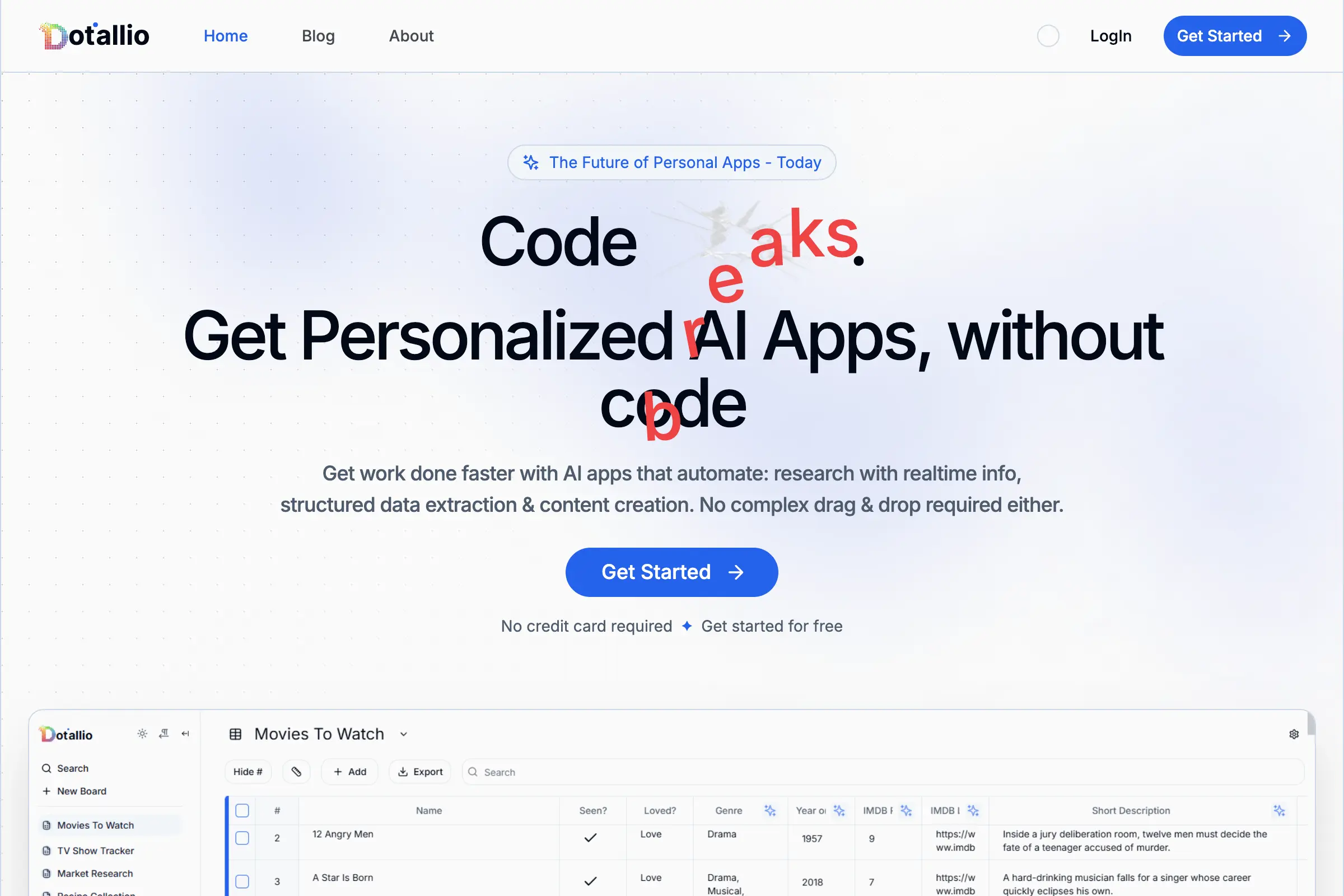
Dotallio
Personalized AI apps that automate research, data extraction, and content creation without code 🤖
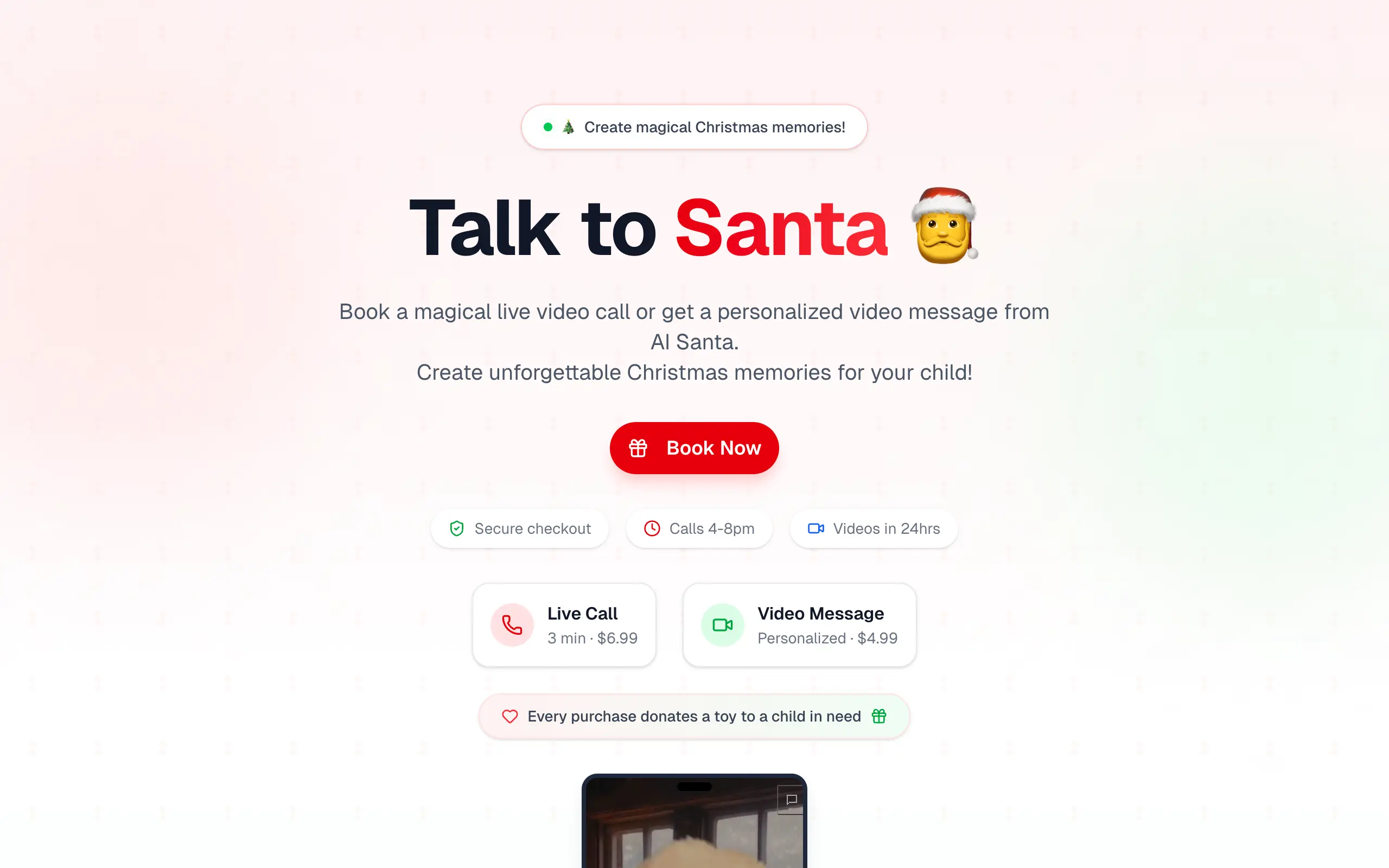
Talk to Santa
Enjoy a magical live video chat or receive a unique AI-generated video greeting from Santa Claus 🎅
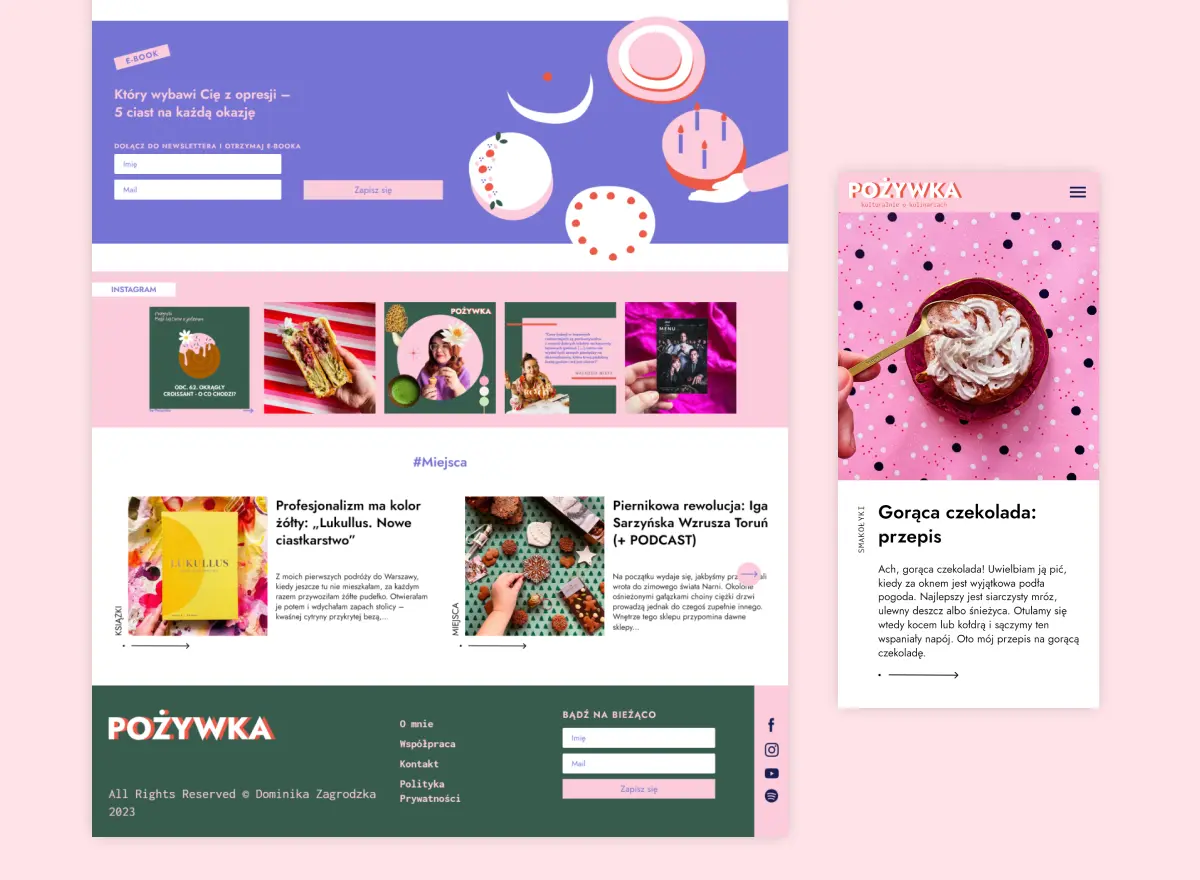
pozywka.pl
Scalable blog for food journalist, focused on performance and user experience 🌭
zagrodzki.me
Personal blog and portfolio of Bart Zagrodzki, where he shares his knowledge and work 💼
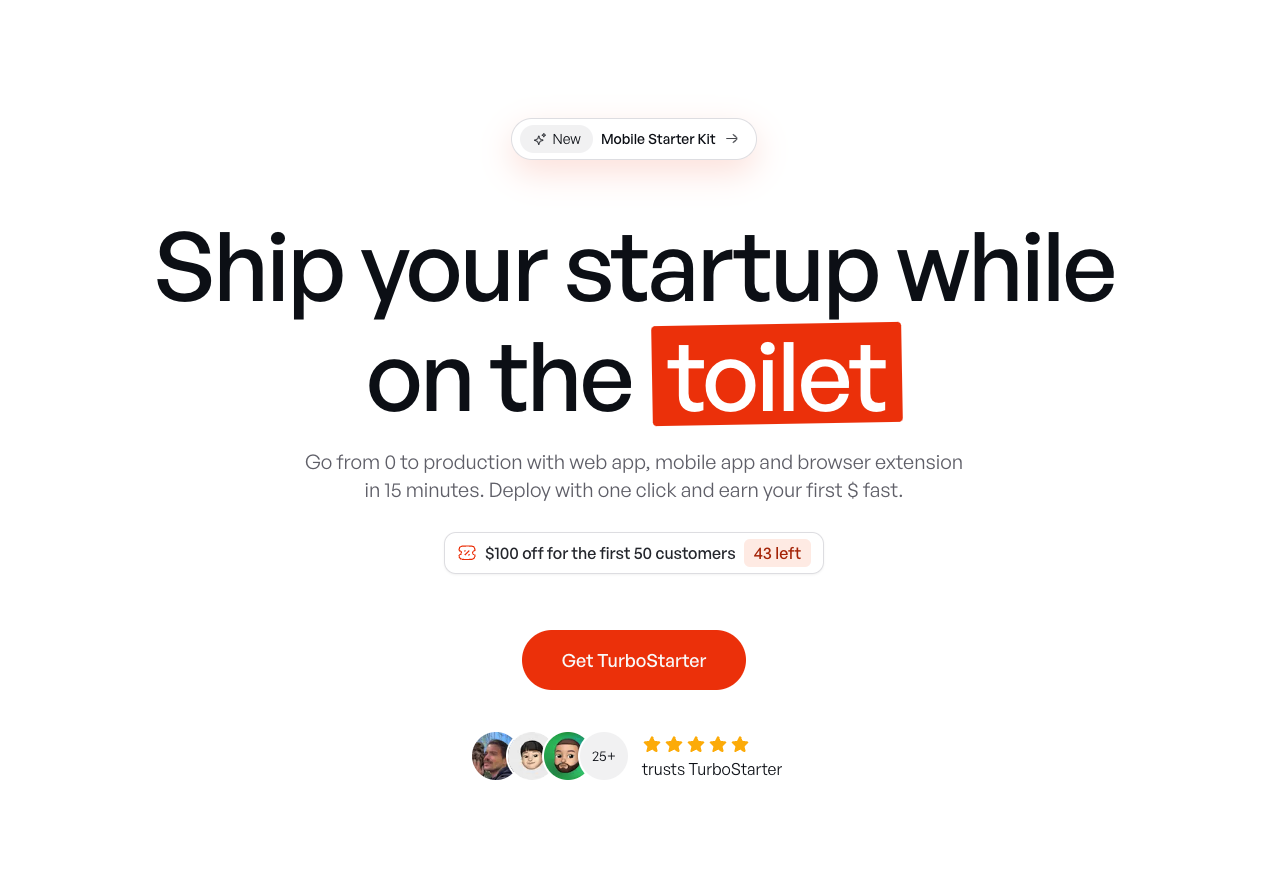
TurboStarter
Ship your startup everywhere. In minutes.
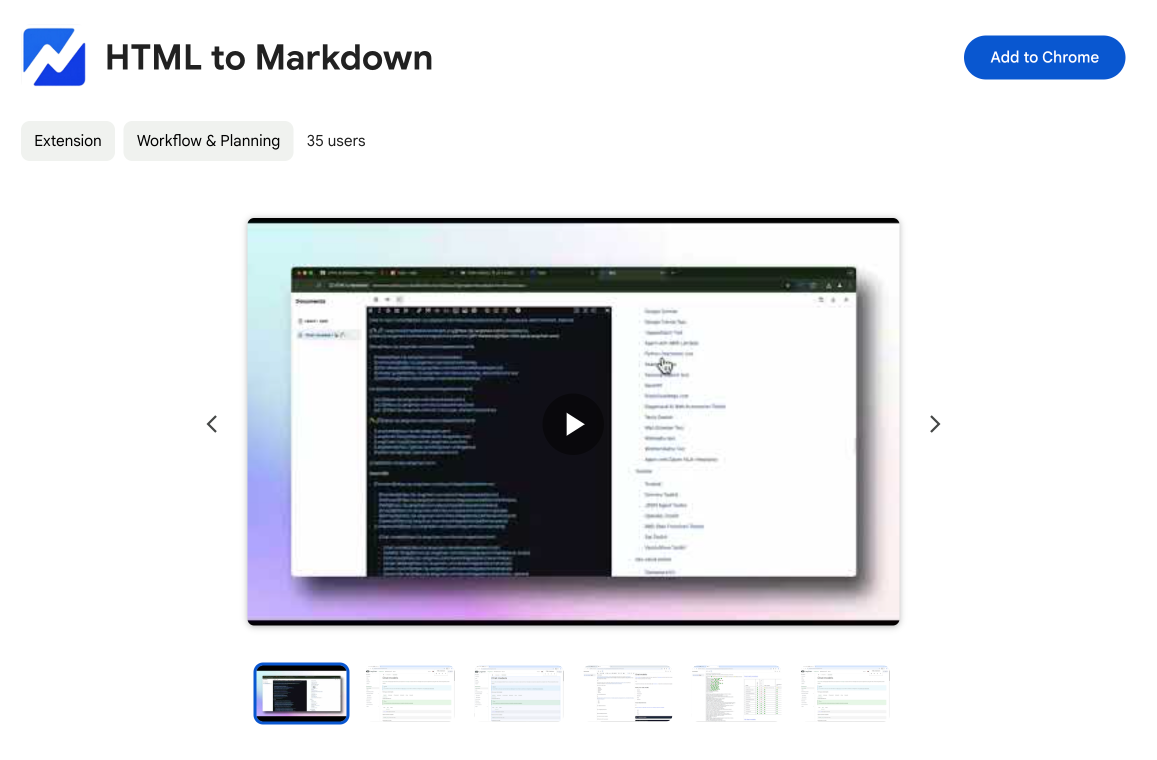
HTML to Markdown
Convert HTML to Markdown with ease, directly in your browser 📄
Dotallio
Personalized AI apps that automate research, data extraction, and content creation without code 🤖
Talk to Santa
Enjoy a magical live video chat or receive a unique AI-generated video greeting from Santa Claus 🎅
pozywka.pl
Scalable blog for food journalist, focused on performance and user experience 🌭
zagrodzki.me
Personal blog and portfolio of Bart Zagrodzki, where he shares his knowledge and work 💼
TurboStarter
Ship your startup everywhere. In minutes.
HTML to Markdown
Convert HTML to Markdown with ease, directly in your browser 📄
Dotallio
Personalized AI apps that automate research, data extraction, and content creation without code 🤖
Talk to Santa
Enjoy a magical live video chat or receive a unique AI-generated video greeting from Santa Claus 🎅
pozywka.pl
Scalable blog for food journalist, focused on performance and user experience 🌭
zagrodzki.me
Personal blog and portfolio of Bart Zagrodzki, where he shares his knowledge and work 💼
TurboStarter
Ship your startup everywhere. In minutes.
HTML to Markdown
Convert HTML to Markdown with ease, directly in your browser 📄
Dotallio
Personalized AI apps that automate research, data extraction, and content creation without code 🤖
Talk to Santa
Enjoy a magical live video chat or receive a unique AI-generated video greeting from Santa Claus 🎅
pozywka.pl
Scalable blog for food journalist, focused on performance and user experience 🌭
zagrodzki.me
Personal blog and portfolio of Bart Zagrodzki, where he shares his knowledge and work 💼
TurboStarter
Ship your startup everywhere. In minutes.
HTML to Markdown
Convert HTML to Markdown with ease, directly in your browser 📄
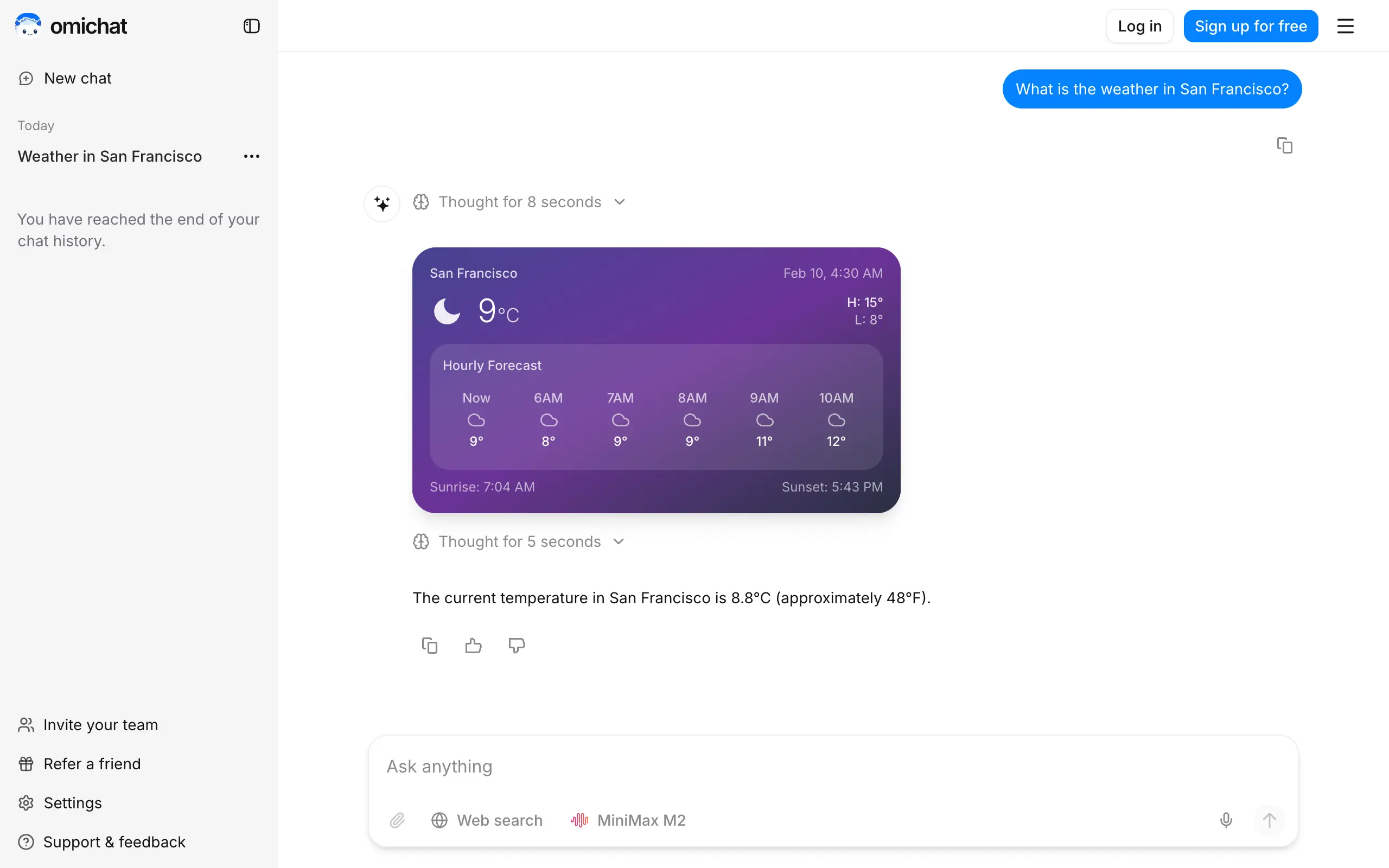
Omichat
Chat with 50+ AI models, including ChatGPT and Claude, in one place - switch models anytime without losing context 🤖
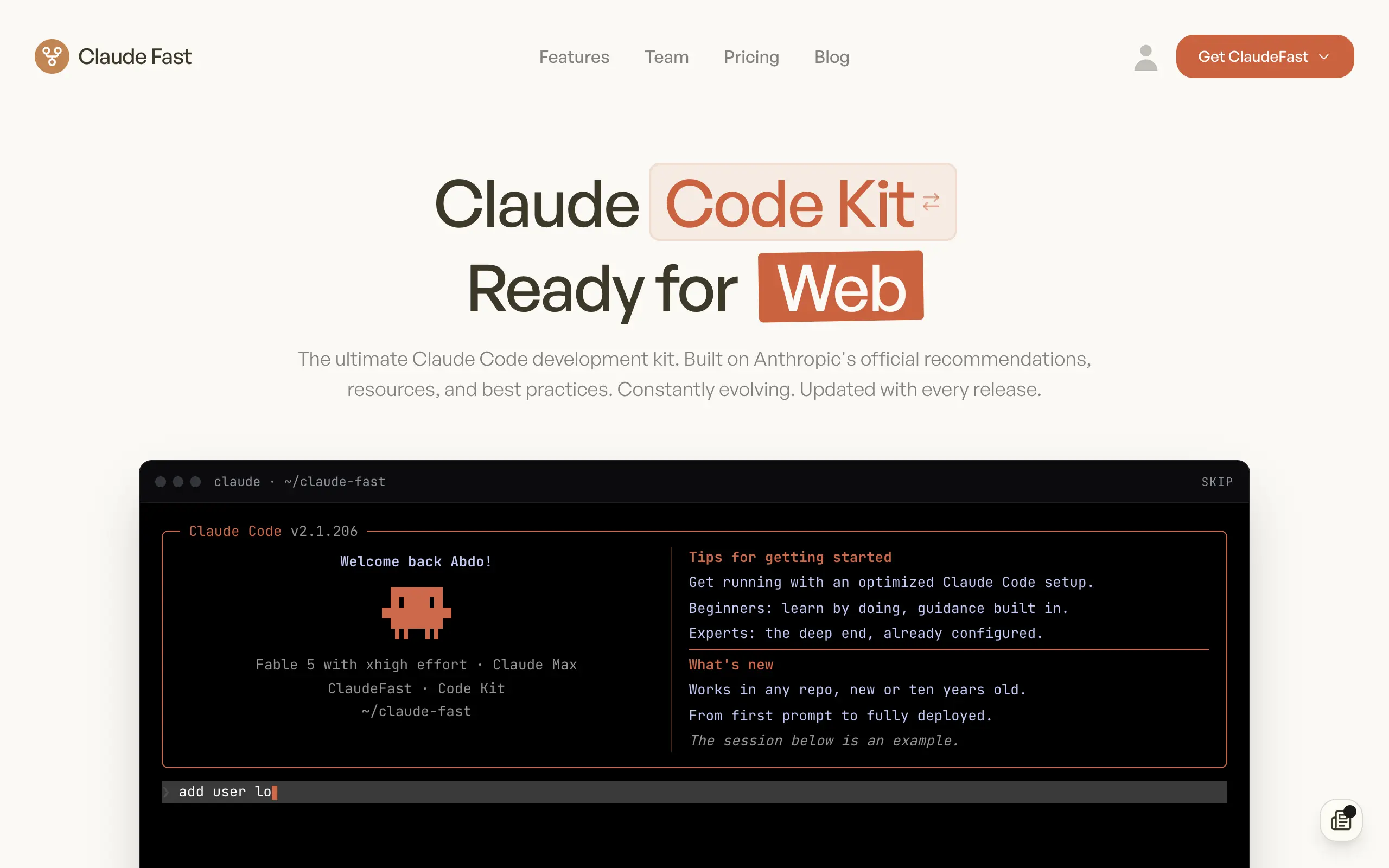
Claude Fast
Supercharge your Claude Code with 6x effective context window and specialized AI agents 🤖
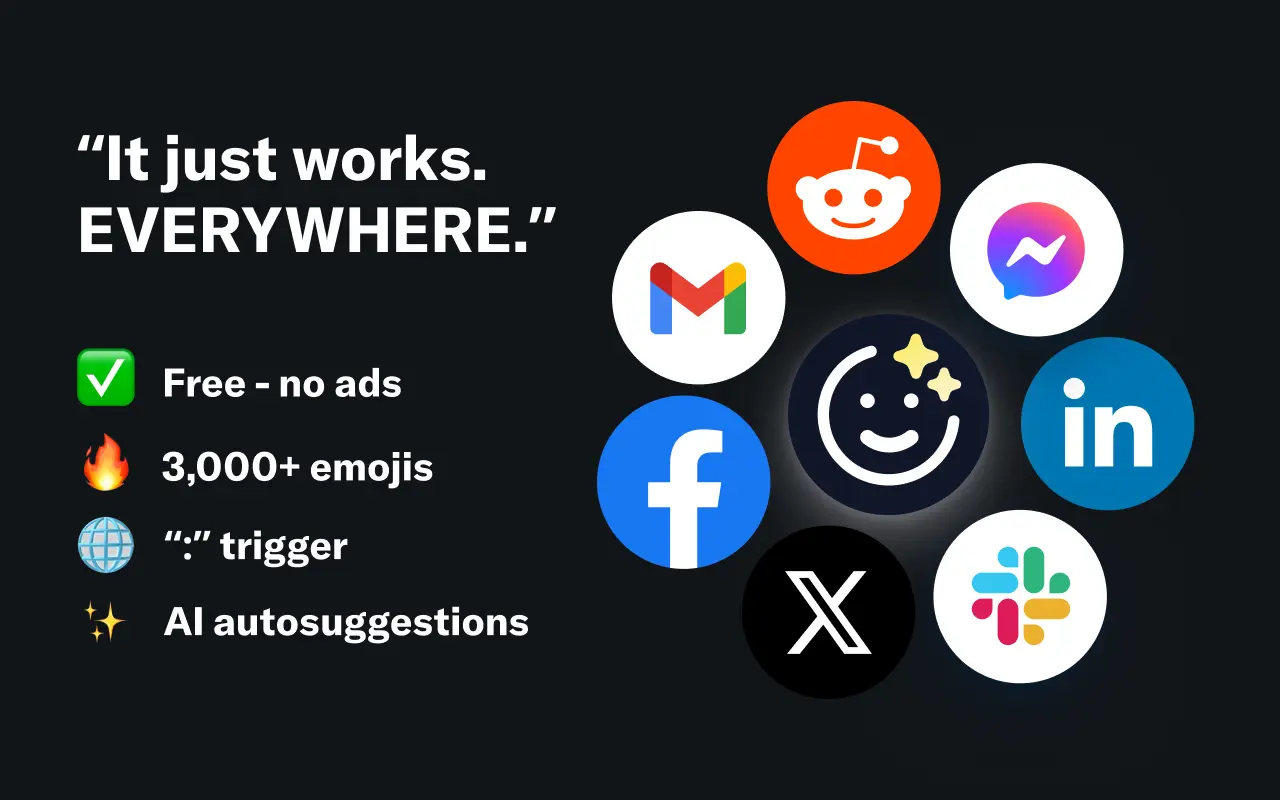
EmojAI
AI-powered emoji picker with smart, context-aware suggestions 🤖
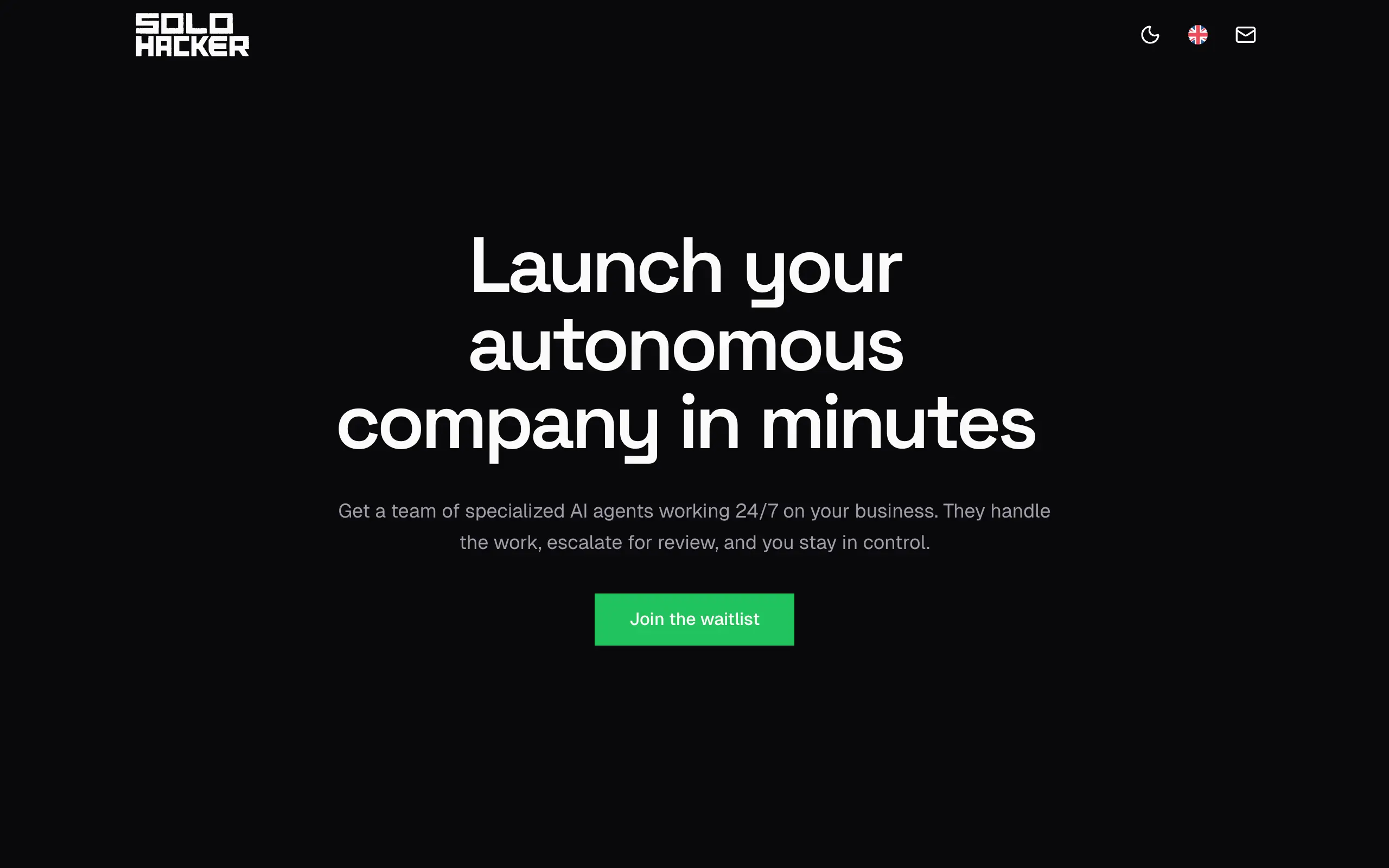
Solohacker
Autonomous company launcher - AI agents work 24/7, escalate what matters, and you stay in control 🤖
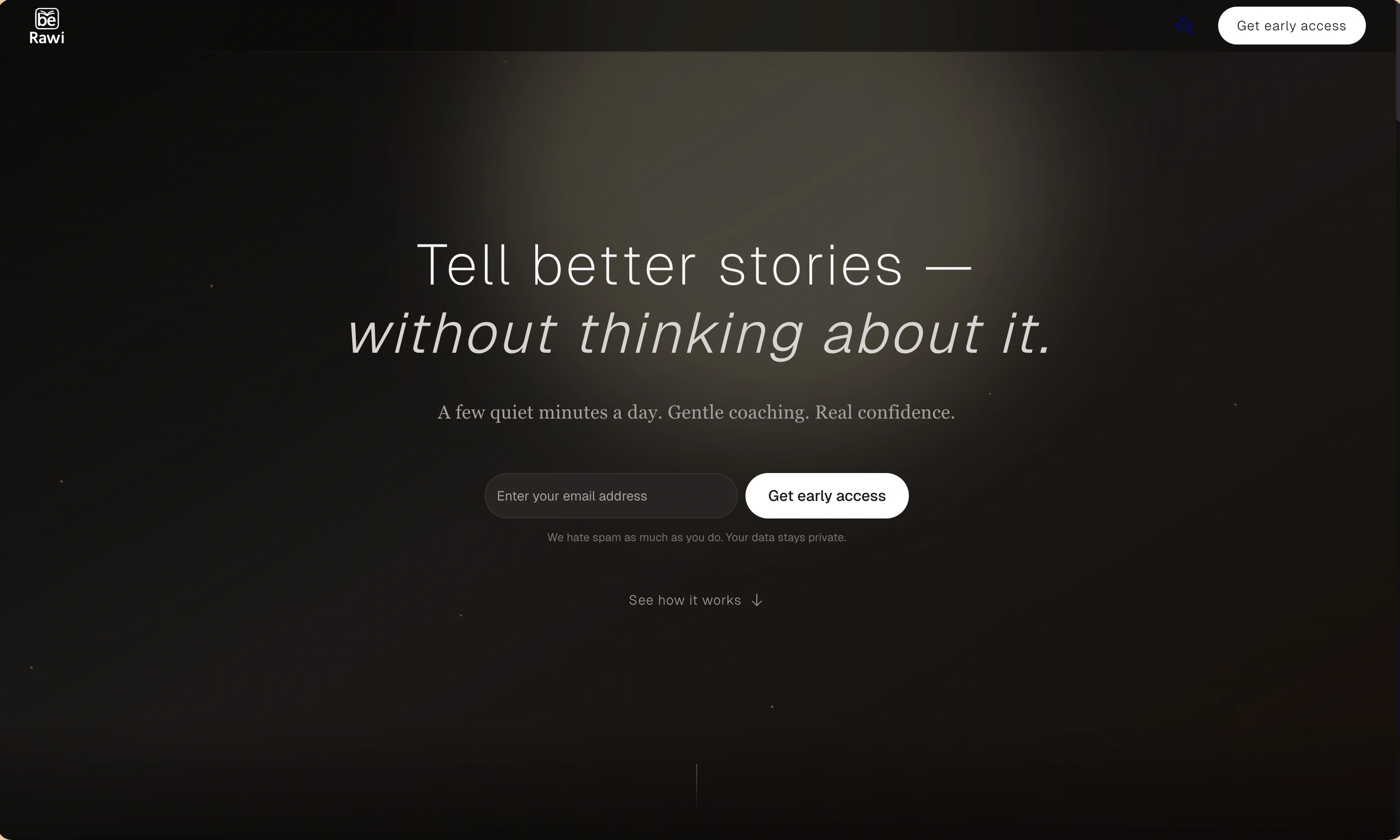
BeRawi: Storytelling Coach
Practice storytelling daily with instant feedback to sound clearer, more engaging, and confident 🎤
Omichat
Chat with 50+ AI models, including ChatGPT and Claude, in one place - switch models anytime without losing context 🤖
Claude Fast
Supercharge your Claude Code with 6x effective context window and specialized AI agents 🤖
EmojAI
AI-powered emoji picker with smart, context-aware suggestions 🤖
Solohacker
Autonomous company launcher - AI agents work 24/7, escalate what matters, and you stay in control 🤖
BeRawi: Storytelling Coach
Practice storytelling daily with instant feedback to sound clearer, more engaging, and confident 🎤
Omichat
Chat with 50+ AI models, including ChatGPT and Claude, in one place - switch models anytime without losing context 🤖
Claude Fast
Supercharge your Claude Code with 6x effective context window and specialized AI agents 🤖
EmojAI
AI-powered emoji picker with smart, context-aware suggestions 🤖
Solohacker
Autonomous company launcher - AI agents work 24/7, escalate what matters, and you stay in control 🤖
BeRawi: Storytelling Coach
Practice storytelling daily with instant feedback to sound clearer, more engaging, and confident 🎤
Omichat
Chat with 50+ AI models, including ChatGPT and Claude, in one place - switch models anytime without losing context 🤖
Claude Fast
Supercharge your Claude Code with 6x effective context window and specialized AI agents 🤖
EmojAI
AI-powered emoji picker with smart, context-aware suggestions 🤖
Solohacker
Autonomous company launcher - AI agents work 24/7, escalate what matters, and you stay in control 🤖
BeRawi: Storytelling Coach
Practice storytelling daily with instant feedback to sound clearer, more engaging, and confident 🎤

Connect with like-minded people
Join our community to get feedback, support, and grow together with 1,000+ builders on board, let's ship it!
Join usShip your startup everywhere. In minutes.
Don't burn tokens on setup and start building features on day one.