CosplayCraft
Turn an anime or game character into a budget-friendly cosplay plan with AI outfit breakdowns, materials lists, and step-by-step guides. Earn through premium tools and shopping links.
CosplayCraft is an AI-powered cosplay planner that turns an anime, game, or other fictional character into a practical costume plan. Instead of leaving a fan with a reference image and a long list of unanswered questions, it can break down the outfit, suggest materials, estimate costs, and organize the work into manageable steps.
The idea addresses a real planning challenge: cosplay projects combine research, crafting, budgeting, and shopping, but those activities are often scattered across images, tutorials, forums, and product pages. A useful cosplay planning app could bring that work together while keeping the maker—not the AI—in control.
For founders evaluating the opportunity, the central question is not simply whether AI can describe a costume. It is whether CosplayCraft can make cosplay planning meaningfully easier, more affordable, and more reliable for people with different budgets and skill levels.
What is CosplayCraft?
CosplayCraft is an AI cosplay planner for turning a character reference into an actionable costume-building plan. A user could enter a character name or upload a reference image, then receive an outfit breakdown, materials list, budget estimate, and step-by-step guide.
The product’s core promise is practical translation. Rather than producing another generic description of a character, it should help answer questions such as:
- Which visible parts of the costume are essential to its recognizable silhouette?
- What materials could recreate those parts affordably?
- Which techniques are suitable for a beginner?
- What can be reused, thrifted, or substituted?
- How much time and money should a maker plan for?
- Which tasks should happen first?
This distinction matters. A general-purpose chatbot can suggest costume ideas, but a dedicated cosplay tool can structure those suggestions around the way makers actually work: reference research, material sourcing, construction, fitting, revisions, and event deadlines.
CosplayCraft’s potential business model combines premium planning features with relevant shopping links. That combination can be useful when it supports the project rather than turning every recommendation into an advertisement. Trust should come first: users need to know whether a product link is sponsored or generates a commission, and they should still have access to alternatives.
The search intent behind an AI cosplay planner
People searching for an AI cosplay planner or a cosplay costume maker are likely looking for one of several things:
- Inspiration: They want to choose a character or adapt a look to suit their style.
- A starting plan: They have a character in mind but do not know what to make, buy, or learn first.
- Budget guidance: They need to estimate costs before committing to a project.
- Crafting help: They want instructions for a specific garment, prop, accessory, or material.
- Shopping support: They need to find suitable supplies without spending hours comparing products.
- Validation: They want to know whether an idea is achievable with their current skills, tools, and timeline.
A strong product and its marketing should address these intents directly. A landing page that only says “AI makes cosplay easy” is not enough. Users need to see what they get, how the plan is generated, what limitations to expect, and whether the results can be adapted to their constraints.
The most compelling initial promise is likely: get from character reference to a realistic, personalized cosplay plan in less time. The product can then prove that promise with a sample plan, transparent assumptions, and an easy way to revise the result.
Target audience for CosplayCraft
Cosplay is not a single audience with one budget, skill level, or reason for making costumes. CosplayCraft should identify a primary segment for its first release while designing the product so it can expand to adjacent groups.
Beginner cosplayers
Beginners often face the largest gap between wanting to cosplay a character and knowing how to start. They may not know the names of fabrics, how to interpret a costume reference, or which construction methods are realistic for someone with limited tools.
For this group, the most valuable features are:
- Plain-language instructions with unfamiliar terms explained
- A clear distinction between essential and optional costume details
- Low-cost substitutions and thrift-friendly suggestions
- Small, ordered tasks that prevent the project from feeling overwhelming
- Warnings about steps that require specialized tools or experience
The product should avoid implying that every project is beginner-friendly. Honest difficulty labels build more trust than an overly optimistic plan that fails when a novice reaches a complex prop or fitted garment.
Budget-conscious makers
Many cosplayers make decisions based on the total cost of a project, not just the price of a single material. A budget-conscious planner should help users compare options: buying a finished garment, modifying thrifted clothing, sewing from a pattern, or building a piece from scratch.
Useful budget controls include:
- A total spending limit
- Separate estimates for clothing, props, tools, and finishing materials
- Low-cost, standard, and premium material paths
- Reuse-first recommendations
- A clear indication of which estimates are approximate
Cost estimates should be presented as planning aids, not guarantees. Prices vary by location, retailer, product availability, and shipping. CosplayCraft can make those assumptions visible and let users replace estimates with their own prices.
Experienced cosplayers
Experienced makers may already know how to sew, sculpt, paint, or work with foam. They are less likely to value basic instructions and more likely to want a faster way to organize references, compare construction approaches, and keep a large project on schedule.
Potential features for this segment include:
- Editable component breakdowns
- Multiple construction options for the same costume element
- Detailed material properties and compatibility notes
- Custom project checklists
- Progress tracking and revision history
- Exportable plans for workshop or team use
The interface should let advanced users move quickly without forcing them through beginner explanations. Helpful defaults can serve newcomers, while expandable detail supports experienced builders.
Parents, friends, and gift-givers
Some people planning a costume are not cosplayers themselves. They may be helping a child, supporting a partner, or putting together a themed outfit for an event. They need clear, safe, and practical guidance, often on a deadline.
For this audience, CosplayCraft could prioritize simple shopping lists, age-appropriate project suggestions, and clear notices when an item involves tools, heat, adhesives, or other safety considerations. Recommendations should not assume that the person has a dedicated craft space or specialist equipment.
Cosplay groups and creators
Groups, clubs, and content creators can use shared plans to coordinate builds, workshops, or themed projects. Their needs may include collaboration, task assignment, shared budgets, and reusable project templates.
This could become a later expansion rather than a first-release requirement. A focused individual workflow will make it easier to validate whether makers return to the product before building more complex collaboration features.
The market opportunity and product gap
CosplayCraft sits at the intersection of several established behaviors: fans search for character references, makers learn from tutorials and communities, and shoppers source materials from retailers. The opportunity is to make the transition between these activities smoother.
The gap is not that cosplay information does not exist. It is that it is often distributed across many formats and sources. A maker might save screenshots, watch videos, ask for advice, browse product listings, and maintain a separate checklist. That process can be creative and community-driven, but it also creates friction—especially for a first-time cosplayer.
A dedicated AI cosplay planner can address this gap by organizing the process around a single project:
- From reference to components: Identify clothing, accessories, props, and distinctive details.
- From components to techniques: Suggest plausible construction approaches for each part.
- From techniques to materials: Map those approaches to supplies and tools.
- From materials to budget: Estimate costs and offer substitutions.
- From plan to progress: Convert the work into tasks that can be completed and revised.
The opportunity is strongest if the product is more than an AI text generator. A generic response can be produced in many tools; a structured plan that adapts to budget, skill, tools, body measurements, event date, and chosen construction style is more defensible.
Founders should validate demand rather than assume that broad interest in cosplay automatically translates into willingness to pay. Useful research includes interviews with beginner and experienced cosplayers, observation of how people currently plan projects, and testing whether users return to revise or track a generated plan. The key evidence is behavior: do makers save the output, use it during a build, and recommend it to others?
For market sizing, avoid presenting unsupported market figures as proof of demand. A more credible analysis can combine a clearly defined target segment, observable community activity, competitor research, and customer interviews. If the article or future investor materials include market statistics, cite the original research organization, publication title, release date, and relevant methodology.
Core CosplayCraft features
The product should begin with a coherent workflow rather than a long list of loosely connected AI features. Each capability should help users make a decision or complete a task.
Character input and project constraints
Users should be able to start with a character name, a text description, or an uploaded reference image. Before generating a plan, the app can ask a few focused questions:
- What is your approximate budget?
- How much time do you have before the event?
- What is your experience level?
- Which tools and materials do you already own?
- Do you want to sew, craft, modify existing clothes, or combine methods?
- Are there mobility, comfort, fit, or accessibility needs the plan should account for?
These details make the output more useful and reduce generic recommendations. The app should also make it easy to change answers later. A user who discovers a sewing machine is unavailable should be able to request no-sew alternatives without rebuilding the entire project.
AI outfit breakdown
The outfit breakdown is the foundation of the plan. It should separate a character’s appearance into understandable components, such as:
- Base clothing
- Outer layers
- Footwear
- Headwear and accessories
- Armor or costume props
- Surface details, patterns, and finishing
For each component, CosplayCraft can describe the visual cues that make it recognizable and distinguish essential features from details that can be simplified. That helps users adapt a look without feeling that every small detail must be reproduced exactly.
Image analysis should be treated as an aid, not an authority. Reference images may be incomplete, stylized, low-resolution, or inconsistent across official artwork. Users should be able to correct the component list, add missing details, and mark an interpretation as uncertain.
Materials list with alternatives
A useful materials list includes more than product names. It should explain what each material is for, how much may be needed, what tools are involved, and what alternatives are available.
For example, a plan might show a preferred material for durability, a lower-cost substitute, and a simpler option for a first-time maker. Recommendations should account for the build method: a fabric choice that works for a flowing garment may not be suitable for a structured prop.
To avoid creating misleading precision, the first version can use approximate quantity ranges and ask users to confirm measurements before buying. As the product gains reliable data, it can improve estimates with project templates and user feedback.
Step-by-step cosplay guide
A good guide should be organized in the order a person can act on it. It can start with reference review and measurements, continue through material preparation and construction, and end with fitting, finishing, and packing.
Each step should include:
- The task to complete
- The materials and tools required
- A realistic difficulty label
- Any prerequisite steps
- A quality check or definition of done
- A safety note when relevant
The instructions should not conceal uncertainty. If there are multiple ways to make a component, present the options and explain their trade-offs. A beginner might choose a simpler finish; an advanced maker may choose a more durable or screen-accurate technique.
Budget and timeline planner
A budget-friendly cosplay plan should show how choices affect the whole project. A user might reduce costs by reusing clothing but spend more time altering it. Another option may save time but increase the materials budget.
A useful planner can organize expenses into categories and let users mark supplies they already own. The timeline can work backward from an event date, identifying tasks that must happen early, such as ordering materials or testing a technique.
Avoid promising that a project can be completed by a particular date unless the estimate is clearly based on user-provided assumptions. Let users add buffer time for shipping delays, failed tests, fitting changes, and last-minute repairs.
Shopping links and affiliate transparency
Shopping links can help users find relevant materials, but they also create a trust risk. CosplayCraft should prioritize fit for purpose, not commission rate.
A responsible shopping experience should:
- Disclose affiliate relationships clearly near relevant links
- Offer more than one suitable option where possible
- Explain why a product is recommended
- Avoid treating a sponsored listing as the only solution
- Allow users to mark an item as already owned or source it elsewhere
Shopping recommendations will be more valuable when the app can match products to a user’s constraints, such as budget, location, shipping time, material properties, or preferred retailer. Even without comprehensive retailer integrations at launch, the product can make the shopping list easy to edit and export.
Project workspace and progress tracking
Plans become more valuable when users can return to them. A project workspace might include saved references, materials, budget, tasks, notes, and completion status.
Progress tracking also creates an opportunity for the AI to help at the point of need. If a user marks a task as blocked, the system could suggest a simpler method, an alternative material, or a prerequisite they may have missed. This is more useful than generating a complete plan once and leaving the user to interpret it alone.
The competitive advantage and USP
CosplayCraft’s strongest possible USP is personalized, budget-aware cosplay planning from character reference to build checklist. The value does not come from AI alone. It comes from combining character understanding with practical constraints and a workflow that makers can revise.
Potential alternatives include general AI assistants, search engines, video tutorials, pattern marketplaces, crafting communities, and retailer product pages. Each can provide useful information, but users may need to connect that information themselves.
| Planning need | General AI assistant | Search and tutorials | CosplayCraft opportunity |
|---|---|---|---|
| Character-specific breakdown | Can generate a description, but may be inconsistent | Often requires manual research | Organize the look into editable components |
| Budget awareness | Depends on prompt detail | Prices must be compared manually | Build the plan around a spending limit |
| Skill-level adaptation | May provide uneven detail | Tutorials vary in difficulty | Match instructions to user experience |
| Shopping organization | Usually not a complete project list | Products and advice are spread across sources | Connect supplies to specific build tasks |
| Ongoing project tracking | Not always tied to a persistent build | Often managed in separate tools | Keep tasks, notes, and changes in one workspace |
The table describes product positioning rather than a universal feature audit of every competitor. Founders should verify current capabilities before publishing direct comparisons.
CosplayCraft can strengthen its advantage by building a reliable library of construction knowledge, reusable project structures, and feedback about which plans were useful. A growing set of structured examples can help the product produce more consistent recommendations than an unstructured prompt alone.
Community input may also become a differentiator. Makers could share adaptations, material substitutions, or difficulty notes, subject to moderation and clear attribution. Community content should complement expert-reviewed guidance rather than being presented as universally safe or correct.
Recommended technology stack for an AI cosplay planner
The technology choices should support fast experimentation, reliable project data, and careful handling of user images. The team should choose tools based on its engineering experience and expected product scale, not because a stack is fashionable.
Web application and user interface
A modern React-based application can support an interactive planning workspace, project dashboards, and responsive forms. React is a widely used library for building user interfaces. A team that wants a structured full-stack framework could evaluate Next.js, which provides capabilities for building web applications alongside React.
For styling, Tailwind CSS can help teams build and iterate on consistent interface patterns. The trade-off is that utility-heavy styles require conventions and component discipline as a product grows. Regardless of framework, prioritize keyboard access, mobile usability, and clear loading states; image analysis and AI generation may take longer than a standard page interaction.
Backend, database, and file storage
CosplayCraft will need to store user accounts, projects, plans, tasks, and preferences. A relational database is a sensible starting point because these records have clear relationships and need consistent access controls.
Supabase is one option for a managed backend built around PostgreSQL, with authentication and storage capabilities. It can reduce infrastructure work for a small team, though the team should understand its pricing, access-control model, backup approach, and migration considerations before depending on it in production.
Uploaded reference images should be stored separately from ordinary project text where appropriate. Use access controls, establish retention policies, and avoid making private images publicly accessible by default.
AI orchestration and output validation
A language model can help interpret user constraints, draft component descriptions, and generate structured instructions. Image-capable models may support analysis of uploaded references, but the product should not assume that image interpretation is consistently accurate.
Treat model output as data that must be validated. A robust pipeline should:
- Gather the user’s character reference and project constraints.
- Request a structured plan with defined fields.
- Validate the response against a schema.
- Check for missing, contradictory, or unsafe guidance.
- Show uncertainty and ask for clarification where needed.
- Let the user edit or reject any recommendation.
For example, the backend might require components to include a name, construction approach, estimated difficulty, required supplies, and confidence or notes. This makes the result easier to display and revise than a large block of unstructured text.
Do not rely on a model to provide exact product availability or current prices unless the application verifies that information through a trusted data source. If prices are manually estimated, label them as estimates and provide a way for users to update them.
Payments and subscriptions
For premium plans, saved projects, or advanced tools, a payment provider can handle recurring billing and checkout. Stripe is a common option for online payments. The team should review supported countries, fees, tax obligations, subscription-management needs, and the user experience for cancellation before launch.
A payment provider does not remove the need for clear pricing terms. Users should understand what is included in free and paid plans and how to manage a subscription.
A practical architecture
A first version does not need a sprawling microservice architecture. A simpler system can include:
- A responsive web application
- An authenticated backend
- A relational database for project and plan data
- Private object storage for uploaded images
- A server-side AI orchestration layer
- A payment integration if paid features are validated
- Logging and monitoring for errors, latency, and model quality
This architecture keeps the product understandable while leaving room to separate services if usage or operational needs justify it. Build privacy, security, and observability into the initial implementation instead of treating them as later add-ons.
Monetization strategies
CosplayCraft can monetize through premium tools and shopping links, but it should test which users value enough to pay for rather than assuming that every feature belongs behind a subscription.
Freemium with a paid plan
A free tier can let users create a limited number of plans or try basic outfit breakdowns. A paid plan could add features such as:
- More saved projects
- Detailed budget and timeline planning
- Advanced construction alternatives
- Project exports
- Longer-term progress tracking
- Higher usage limits
The free experience should be useful enough to demonstrate the product’s value. If the core plan is too restricted, users may not understand why they should pay.
One-time project purchase
Some users only need help with a single costume. A one-time purchase for a detailed project plan may suit occasional makers better than a monthly subscription. The challenge is that ongoing AI costs, revisions, or retailer data may make a flat price difficult to sustain. Test the economics before promising unlimited updates.
Affiliate revenue
Affiliate links can earn revenue when users purchase recommended supplies. This model works best as an additional revenue stream, not the foundation of the product’s trust.
Clearly disclose commissions and design recommendations around user needs. If affiliate availability varies by region, show alternatives and make the list usable without a purchase through CosplayCraft.
Creator, club, and workshop plans
A later team plan could support cosplay clubs, educators, conventions, or workshop organizers. Shared project templates and group checklists may create value for these customers, but this segment should be validated separately. Organizations may have different requirements around administration, privacy, and support.
A sustainable strategy may combine a free entry point, a paid individual plan, and transparent affiliate income. The right mix depends on customer behavior, AI operating costs, conversion rates, and whether users return for multiple builds.
Risks and how to mitigate them
Inaccurate or impractical instructions
AI-generated plans can misunderstand a reference, suggest incompatible materials, or omit a critical step. This can waste money and damage trust.
Mitigation: Use structured outputs, include user-editable assumptions, label uncertain interpretations, and test common workflows with experienced cosplayers. For safety-sensitive instructions, avoid presenting unverified guidance as expert instruction. Where appropriate, recommend that users consult product labels or qualified craft professionals.
Budget estimates that create false confidence
Prices, material quantities, and shipping times vary. A precise-looking total can mislead a user even when it is based on incomplete information.
Mitigation: Use ranges, explain assumptions, distinguish estimated from confirmed prices, and let users record actual costs. Include a contingency buffer in planning guidance without pretending that it guarantees a successful budget.
Copyright and character references
Cosplay is closely connected to copyrighted characters, artwork, and entertainment properties. A tool that processes user-provided images or generates character-inspired plans should be designed with respect for rights holders and platform policies.
Mitigation: Avoid implying official affiliation or endorsement unless it exists. Make clear that users are responsible for the images they upload and how they use generated content. Establish a process for handling rights-holder concerns and get qualified legal advice for the product’s specific markets and features. This is a risk area that should not be reduced to a generic disclaimer.
Privacy and image handling
Uploaded references may include personal photos, custom designs, or other sensitive material. Users should know how their images and project data are stored and processed.
Mitigation: Collect only what the product needs, explain retention and deletion options, restrict access, and review the terms of any AI providers that process user data. Do not use uploaded images for model training unless the user has clearly consented and the practice is accurately disclosed.
Unsafe construction advice
Cosplay projects can involve blades, heat, adhesives, paints, electrical components, or heavy props. Bad advice could create real harm.
Mitigation: Add context-specific safety reminders, avoid overconfident instructions for high-risk work, and distinguish general planning support from professional training. Review safety content with appropriate subject-matter experts before expanding into advanced techniques.
Affiliate incentives undermining trust
If shopping suggestions appear biased toward commission-generating products, users may stop trusting the plan.
Mitigation: Clearly label affiliate links, provide non-affiliate alternatives where possible, and measure recommendation quality through user feedback—not just clicks or sales. Keep the materials list useful even when a user buys elsewhere.
Seasonal or inconsistent engagement
Some customers may work on costumes only before conventions, holidays, or special events. That can make subscription retention challenging.
Mitigation: Explore project-based pricing, annual options, reusable templates, and features that support multiple creative projects. Measure repeat usage across seasons before relying on monthly recurring revenue assumptions.
How to validate CosplayCraft before scaling
Before investing in a large AI pipeline or extensive retailer integrations, test whether the planning workflow solves a problem users already experience.
Start with a small set of interviews across experience levels. Ask participants to describe their last cosplay project, how they planned it, where they got stuck, what they spent, and what they would change next time. Avoid asking only whether they “like” the idea; people often express enthusiasm without adopting a product.
Then test a lightweight prototype with realistic examples. Give users a character reference and ask them to create a plan using the prototype. Observe whether they understand the output, trust the estimates, and know what to do next. Record where they correct the AI, which details they ignore, and whether they save or export the plan.
Useful validation signals include:
- Users completing a plan rather than abandoning generation
- Users editing and saving recommendations
- Users returning to the project after the first session
- Users reporting that the plan reduced research or planning effort
- Users willing to pay for a specific premium feature
- Users using material links while understanding the affiliate disclosure
These signals are more informative than raw sign-ups or a high volume of generated plans. The goal is to learn whether CosplayCraft is part of the actual making process.
Actionable implementation steps
A focused launch can begin with a narrow audience and a complete end-to-end workflow. The first release should be useful without pretending to solve every part of cosplay.
Define the first customer and use case
Choose a segment, such as beginner cosplayers planning a first convention outfit. Document the specific constraints the initial product will support, including budget range, experience level, project deadline, and preferred build method.
Interview makers and map their workflow
Speak with beginners and experienced cosplayers. Ask them to walk through a recent project from character selection to event day. Identify where they lose time, make costly mistakes, or need advice that is hard to find.
Prototype the core plan
Build a prototype that accepts a character name or reference, collects user constraints, and produces an editable outfit breakdown, materials list, and ordered task plan. Keep the first version focused on planning instead of adding social features or a large marketplace.
Test output quality with real projects
Ask makers to review plans for recognizable characters and explain what is missing, impractical, or misleading. Track corrections by category, such as reference interpretation, material choice, cost, and sequence of work. Use the findings to improve prompts, schemas, and interface controls.
Add persistence, privacy, and safety
Let users save and revise projects. Make uploaded images private by default, document data handling, and add appropriate safety notes. Establish error monitoring and a process for reviewing low-quality or harmful outputs.
Test monetization and shopping carefully
Compare a free plan with one or more paid options, such as advanced project planning or one-time detailed guides. Add shopping links only when they are relevant, disclose affiliate relationships, and ensure recommendations remain useful without a purchase.
Improve based on project outcomes
Ask users whether they completed the project, which suggestions they followed, and where the plan fell short. Use that feedback to improve future recommendations and prioritize features that support real builds.
Build the first version with the right foundation
A small team can move faster by starting from a reliable application foundation instead of spending its first months rebuilding common SaaS infrastructure. TurboStarter can help teams get a SaaS product started with a reusable foundation, leaving more time to focus on CosplayCraft’s planning experience, AI output quality, and user validation.
The right foundation should still be evaluated against the product’s needs. Confirm that the chosen setup supports the required authentication, payments, database, deployment workflow, and privacy controls. A starter kit can accelerate implementation, but it does not replace product discovery, security review, or testing with actual cosplayers.
A useful launch principle
Prioritize a trustworthy plan over a flashy generation demo. A smaller set of accurate, editable recommendations is more valuable than a long AI response that users cannot confidently act on.
The opportunity for CosplayCraft
CosplayCraft has a clear product opportunity: help fans turn character inspiration into a cosplay plan that fits their budget, skills, tools, and timeline. Its strongest differentiation will come from practical structure and thoughtful personalization—not simply adding AI to costume descriptions.
The concept is promising if the team validates three things early: makers experience meaningful planning friction, the generated plans improve the process, and a defined customer segment is willing to pay for the value. Keep the output editable, be transparent about uncertainty and affiliate links, and treat privacy and safety as core product requirements.
Start with one complete workflow, learn from real projects, and expand only when users show what they need next. That approach gives CosplayCraft the best chance to become a dependable AI cosplay planner rather than another tool that generates ideas but leaves the hard work to the user.
More 🤖 AI Startup SaaS ideas
Discover more innovative ai startup SaaS ideas that are trending in 2026. Each idea is AI-generated with market validation and growth potential to help you find your next profitable venture faster than competitors.
Your competitors are building with TurboStarter
Below are some of the SaaS ideas that have been generated and built with our starter kit.
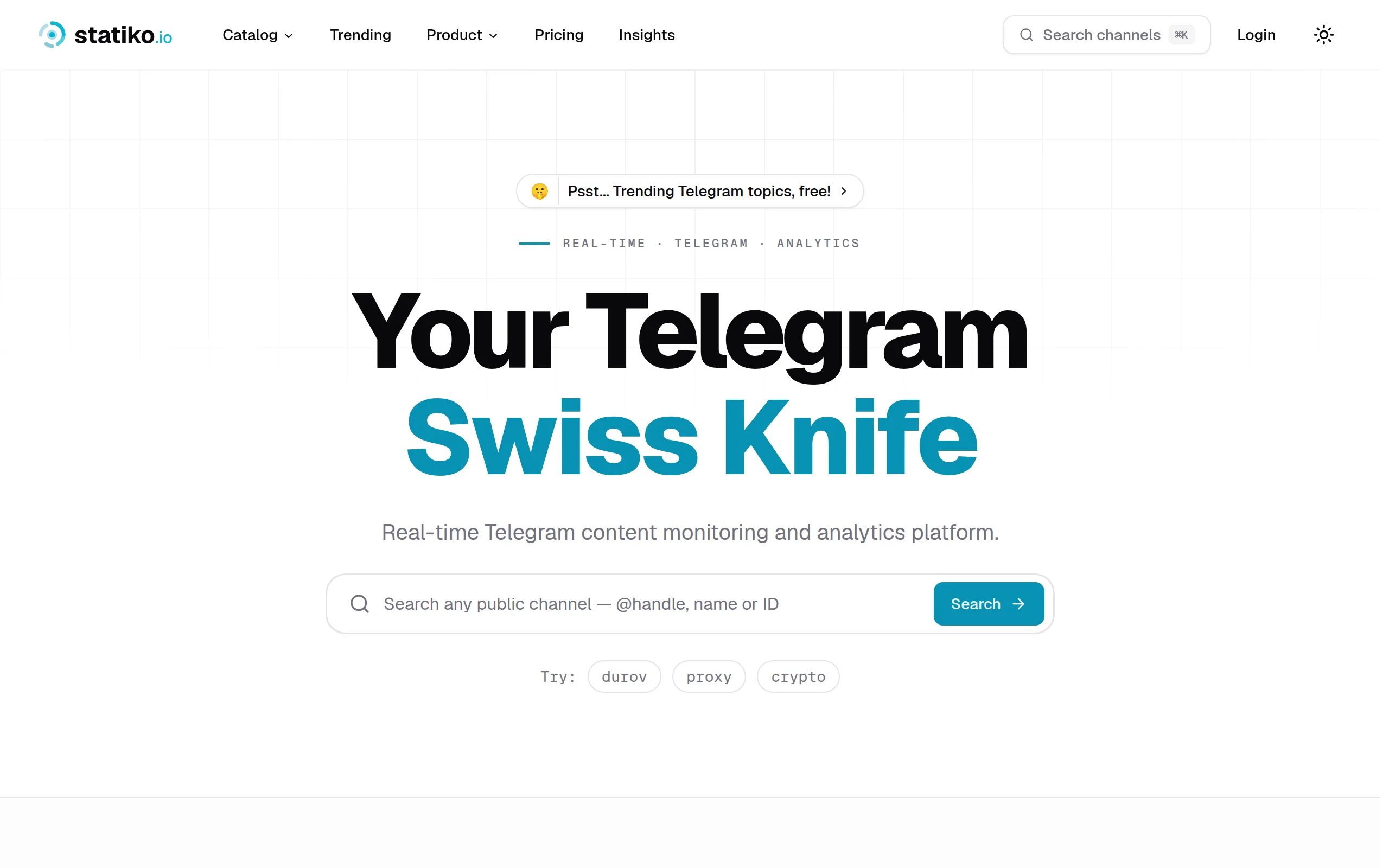
Statiko
Monitor any Telegram channel in real time - track posts, edits, deletions, and growth with AI recaps 📡

Shibui
AI website builder - describe your business, pick a niche template, edit by chatting, and publish instantly ✨

Pro Service
Find verified home service professionals, compare quotes, and pay securely through escrow - built for Brazilians across the US 🏠
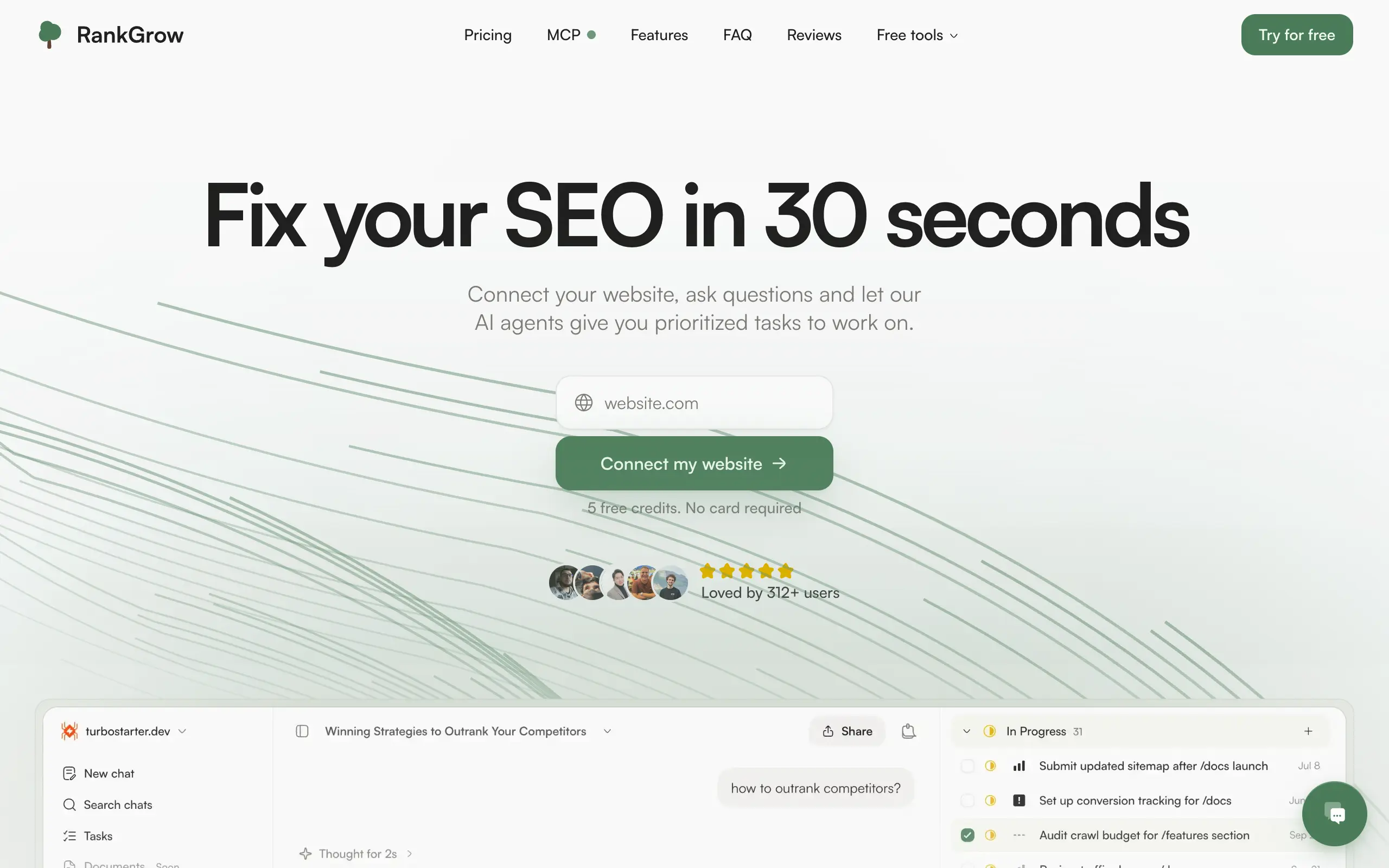
RankGrow
Fix your SEO with AI agents - connect Search Console, get prioritized tasks, and grow organic traffic 📈
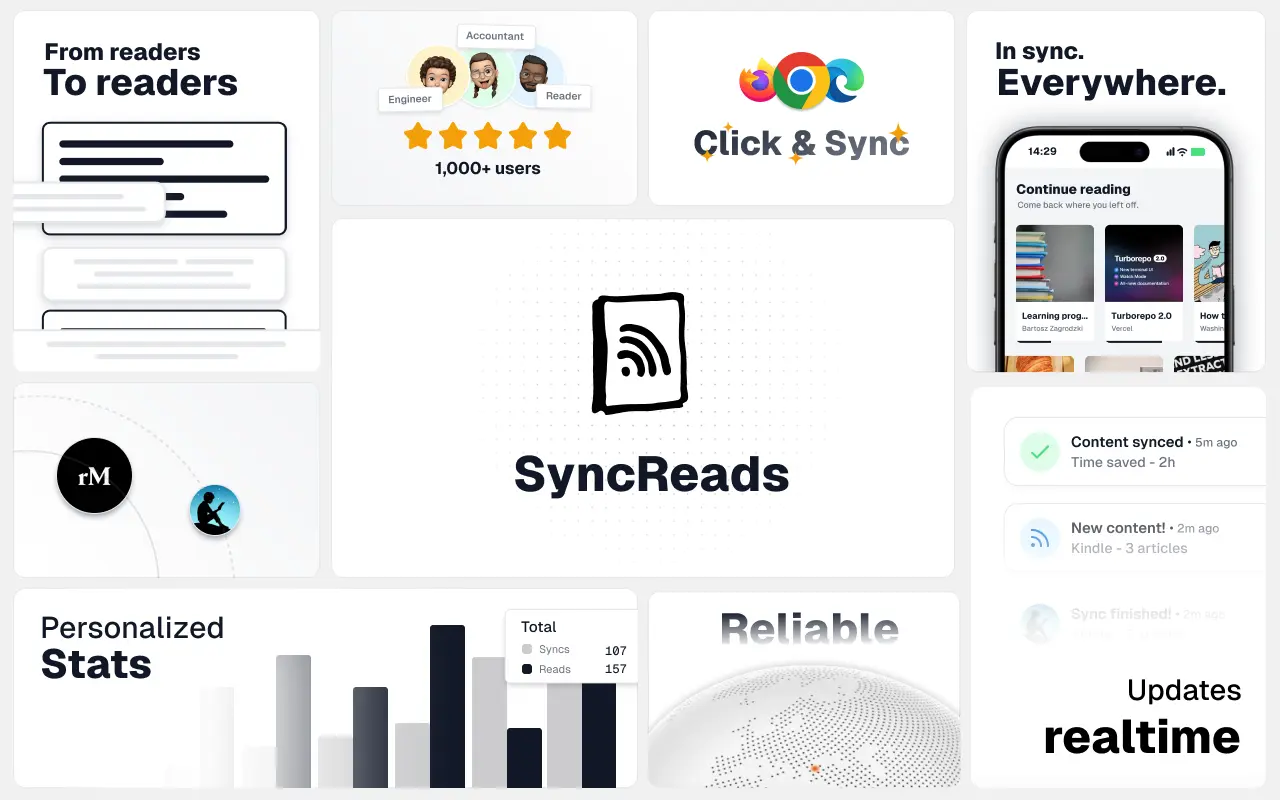
SyncReads
Sync your favorite content for distraction-free reading, save time and replace multiple apps. Anytime, anywhere 🔄
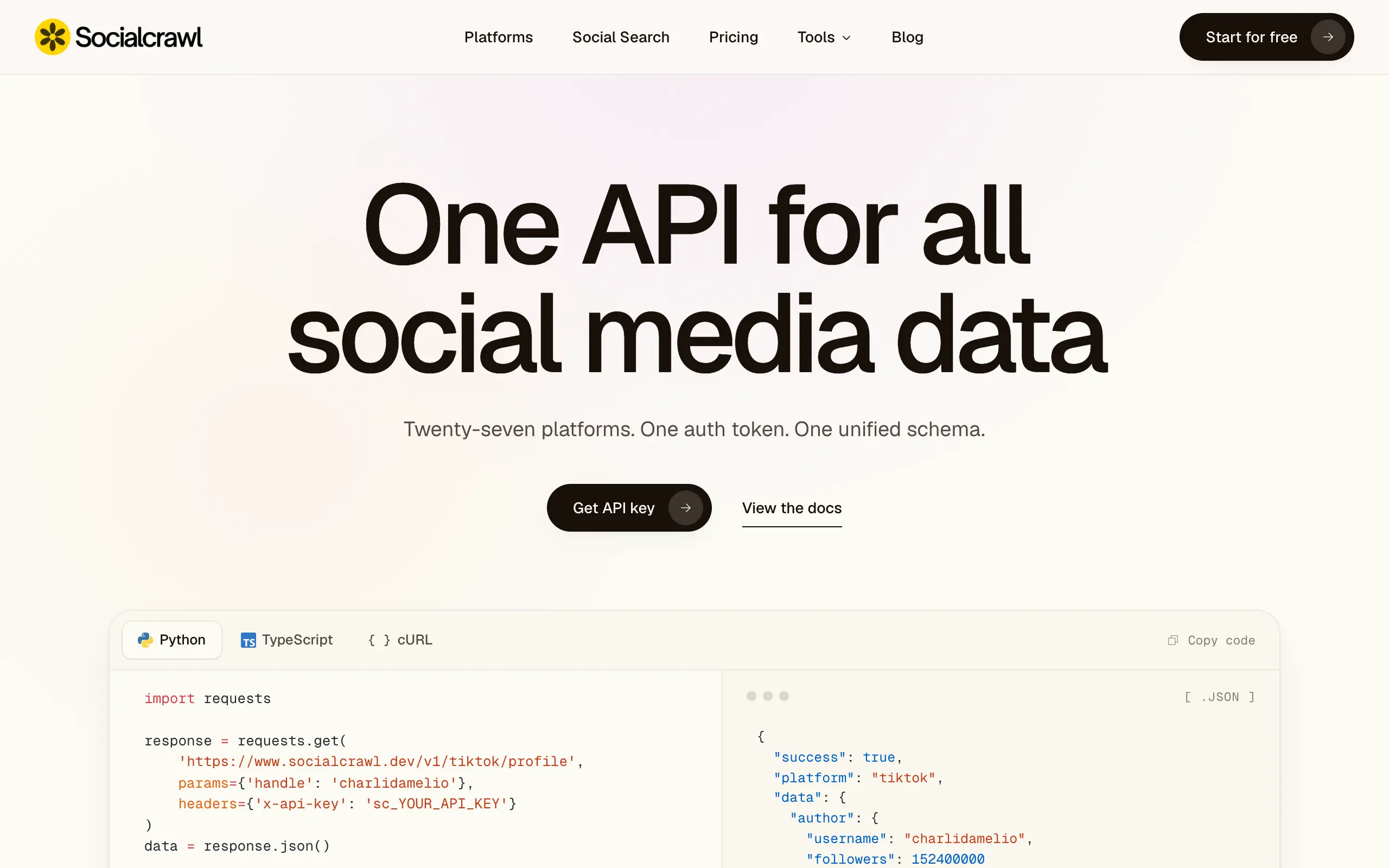
Socialcrawl
Get clean, structured data from 21 platforms like TikTok, Instagram, and YouTube with a single request 📊
Statiko
Monitor any Telegram channel in real time - track posts, edits, deletions, and growth with AI recaps 📡
Shibui
AI website builder - describe your business, pick a niche template, edit by chatting, and publish instantly ✨
Pro Service
Find verified home service professionals, compare quotes, and pay securely through escrow - built for Brazilians across the US 🏠
RankGrow
Fix your SEO with AI agents - connect Search Console, get prioritized tasks, and grow organic traffic 📈
SyncReads
Sync your favorite content for distraction-free reading, save time and replace multiple apps. Anytime, anywhere 🔄
Socialcrawl
Get clean, structured data from 21 platforms like TikTok, Instagram, and YouTube with a single request 📊
Statiko
Monitor any Telegram channel in real time - track posts, edits, deletions, and growth with AI recaps 📡
Shibui
AI website builder - describe your business, pick a niche template, edit by chatting, and publish instantly ✨
Pro Service
Find verified home service professionals, compare quotes, and pay securely through escrow - built for Brazilians across the US 🏠
RankGrow
Fix your SEO with AI agents - connect Search Console, get prioritized tasks, and grow organic traffic 📈
SyncReads
Sync your favorite content for distraction-free reading, save time and replace multiple apps. Anytime, anywhere 🔄
Socialcrawl
Get clean, structured data from 21 platforms like TikTok, Instagram, and YouTube with a single request 📊
Statiko
Monitor any Telegram channel in real time - track posts, edits, deletions, and growth with AI recaps 📡
Shibui
AI website builder - describe your business, pick a niche template, edit by chatting, and publish instantly ✨
Pro Service
Find verified home service professionals, compare quotes, and pay securely through escrow - built for Brazilians across the US 🏠
RankGrow
Fix your SEO with AI agents - connect Search Console, get prioritized tasks, and grow organic traffic 📈
SyncReads
Sync your favorite content for distraction-free reading, save time and replace multiple apps. Anytime, anywhere 🔄
Socialcrawl
Get clean, structured data from 21 platforms like TikTok, Instagram, and YouTube with a single request 📊
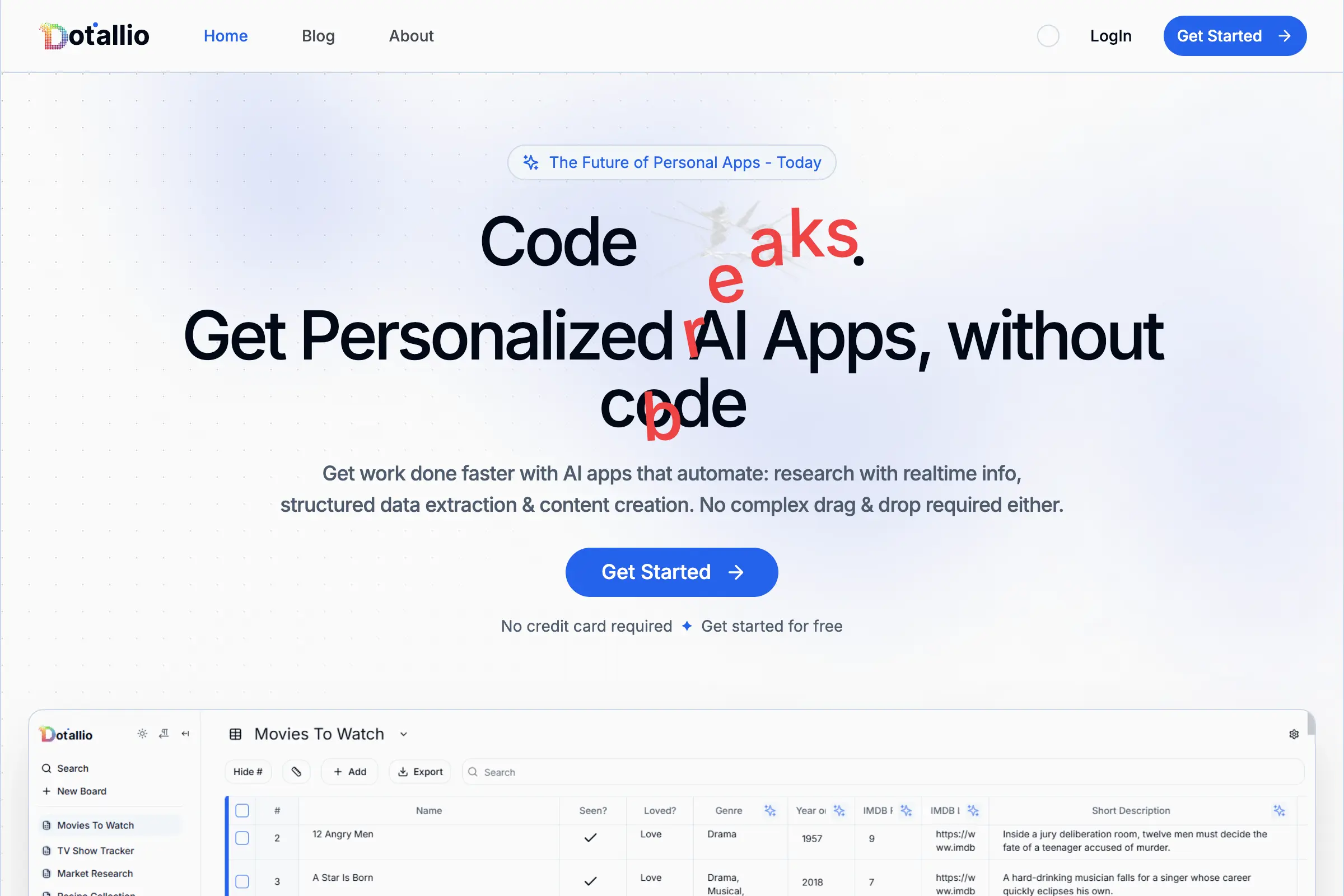
Dotallio
Personalized AI apps that automate research, data extraction, and content creation without code 🤖
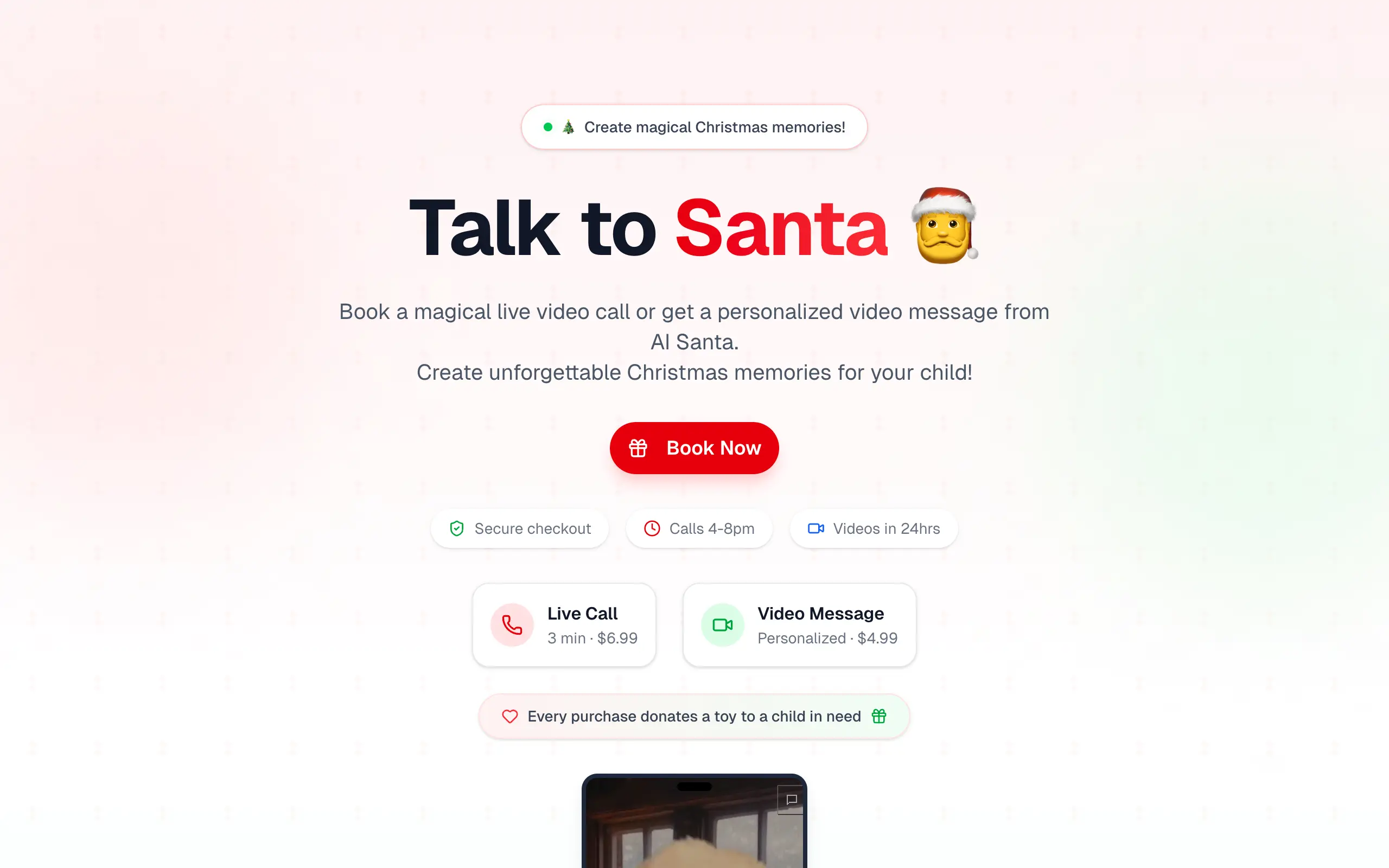
Talk to Santa
Enjoy a magical live video chat or receive a unique AI-generated video greeting from Santa Claus 🎅
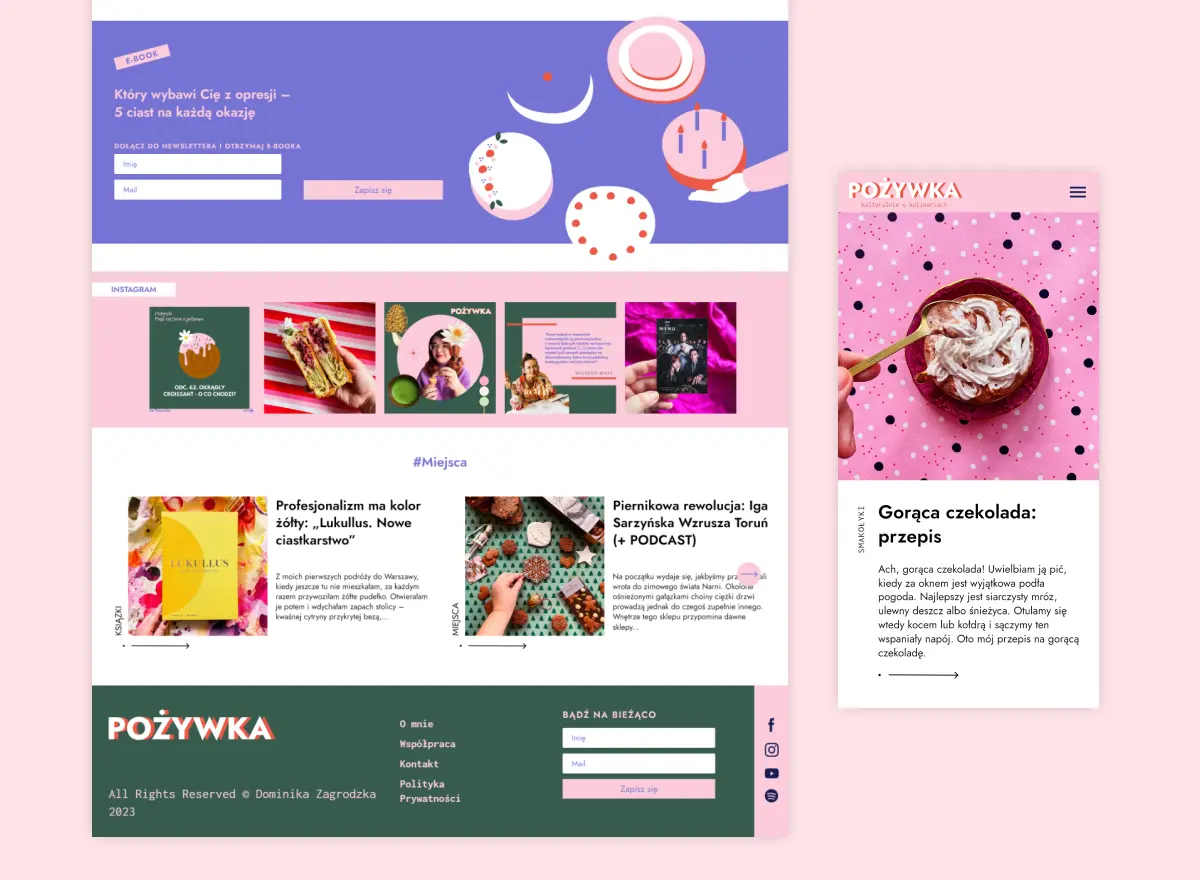
pozywka.pl
Scalable blog for food journalist, focused on performance and user experience 🌭
zagrodzki.me
Personal blog and portfolio of Bart Zagrodzki, where he shares his knowledge and work 💼
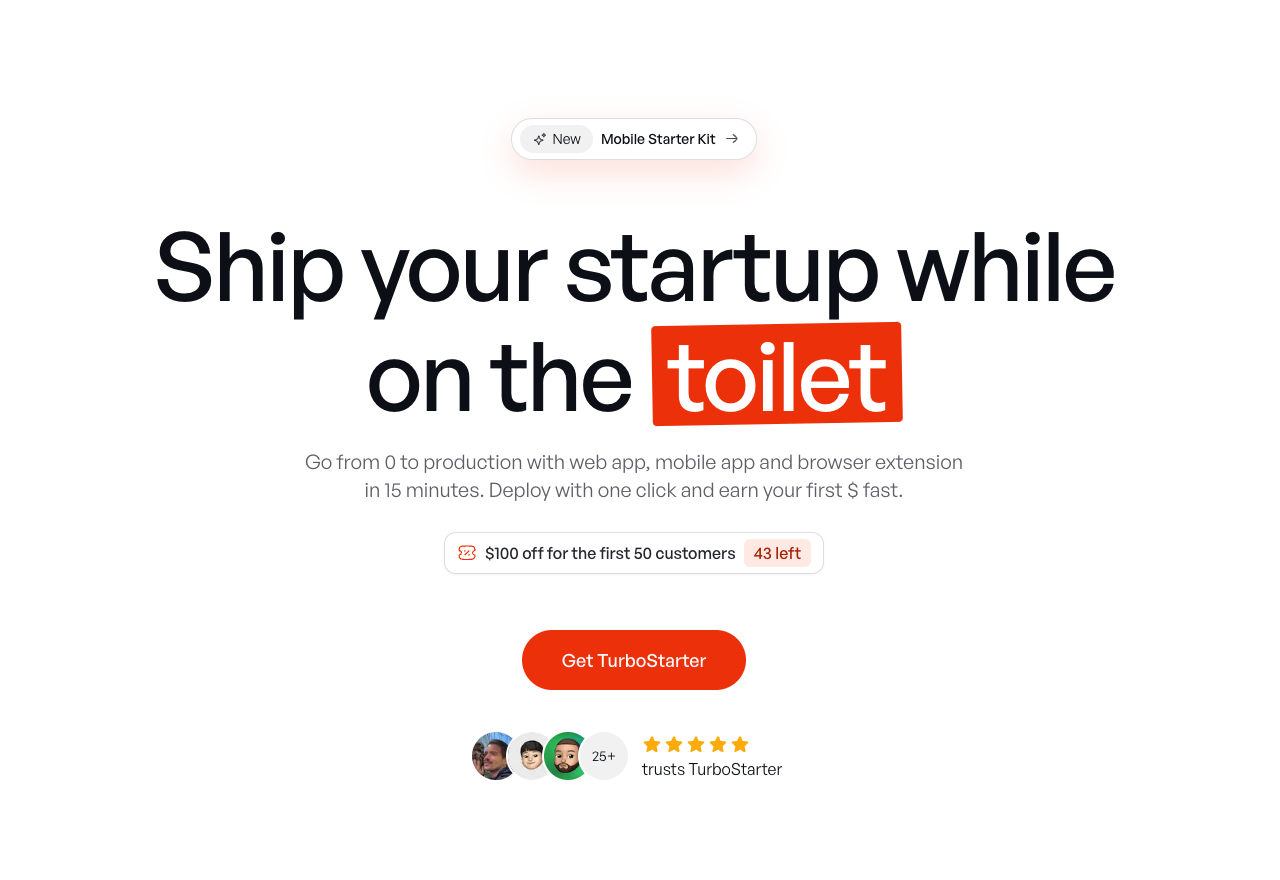
TurboStarter
Ship your startup everywhere. In minutes.
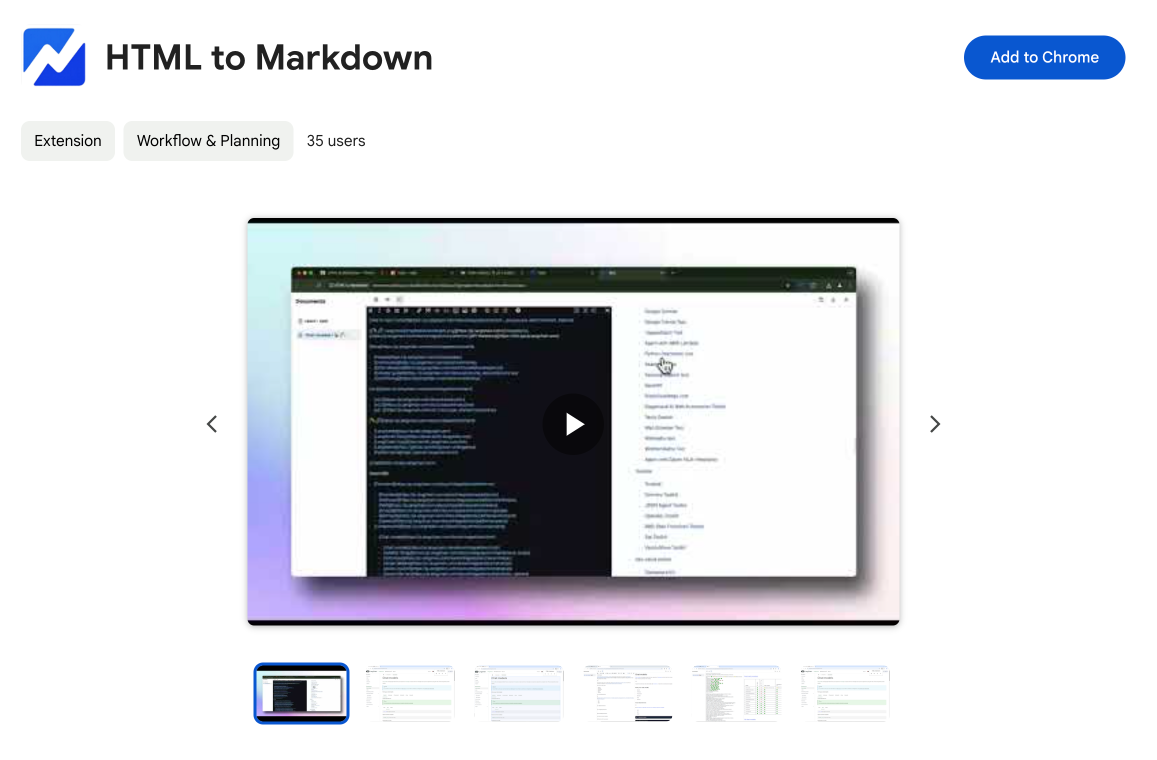
HTML to Markdown
Convert HTML to Markdown with ease, directly in your browser 📄
Dotallio
Personalized AI apps that automate research, data extraction, and content creation without code 🤖
Talk to Santa
Enjoy a magical live video chat or receive a unique AI-generated video greeting from Santa Claus 🎅
pozywka.pl
Scalable blog for food journalist, focused on performance and user experience 🌭
zagrodzki.me
Personal blog and portfolio of Bart Zagrodzki, where he shares his knowledge and work 💼
TurboStarter
Ship your startup everywhere. In minutes.
HTML to Markdown
Convert HTML to Markdown with ease, directly in your browser 📄
Dotallio
Personalized AI apps that automate research, data extraction, and content creation without code 🤖
Talk to Santa
Enjoy a magical live video chat or receive a unique AI-generated video greeting from Santa Claus 🎅
pozywka.pl
Scalable blog for food journalist, focused on performance and user experience 🌭
zagrodzki.me
Personal blog and portfolio of Bart Zagrodzki, where he shares his knowledge and work 💼
TurboStarter
Ship your startup everywhere. In minutes.
HTML to Markdown
Convert HTML to Markdown with ease, directly in your browser 📄
Dotallio
Personalized AI apps that automate research, data extraction, and content creation without code 🤖
Talk to Santa
Enjoy a magical live video chat or receive a unique AI-generated video greeting from Santa Claus 🎅
pozywka.pl
Scalable blog for food journalist, focused on performance and user experience 🌭
zagrodzki.me
Personal blog and portfolio of Bart Zagrodzki, where he shares his knowledge and work 💼
TurboStarter
Ship your startup everywhere. In minutes.
HTML to Markdown
Convert HTML to Markdown with ease, directly in your browser 📄
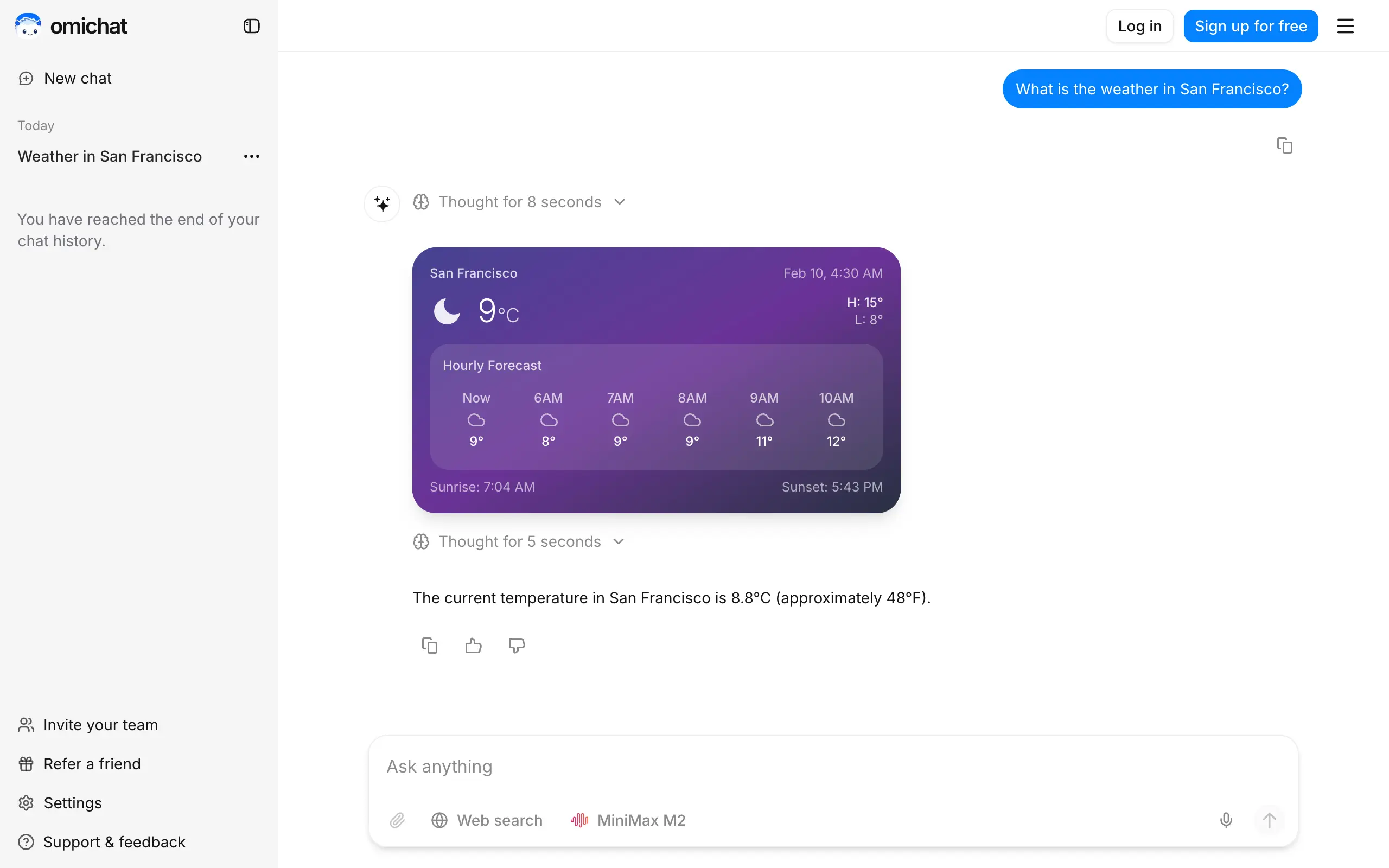
Omichat
Chat with 50+ AI models, including ChatGPT and Claude, in one place - switch models anytime without losing context 🤖
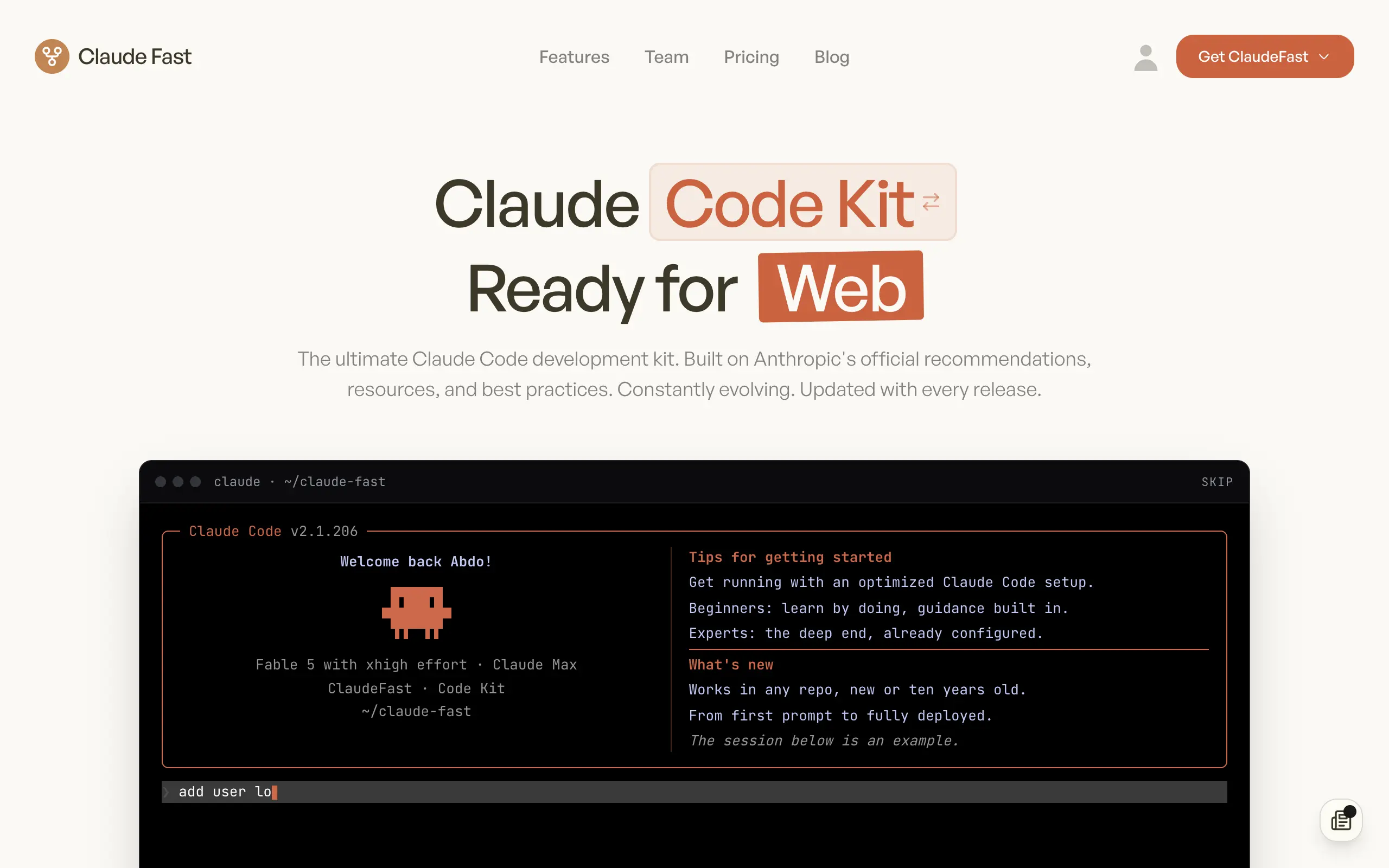
Claude Fast
Supercharge your Claude Code with 6x effective context window and specialized AI agents 🤖
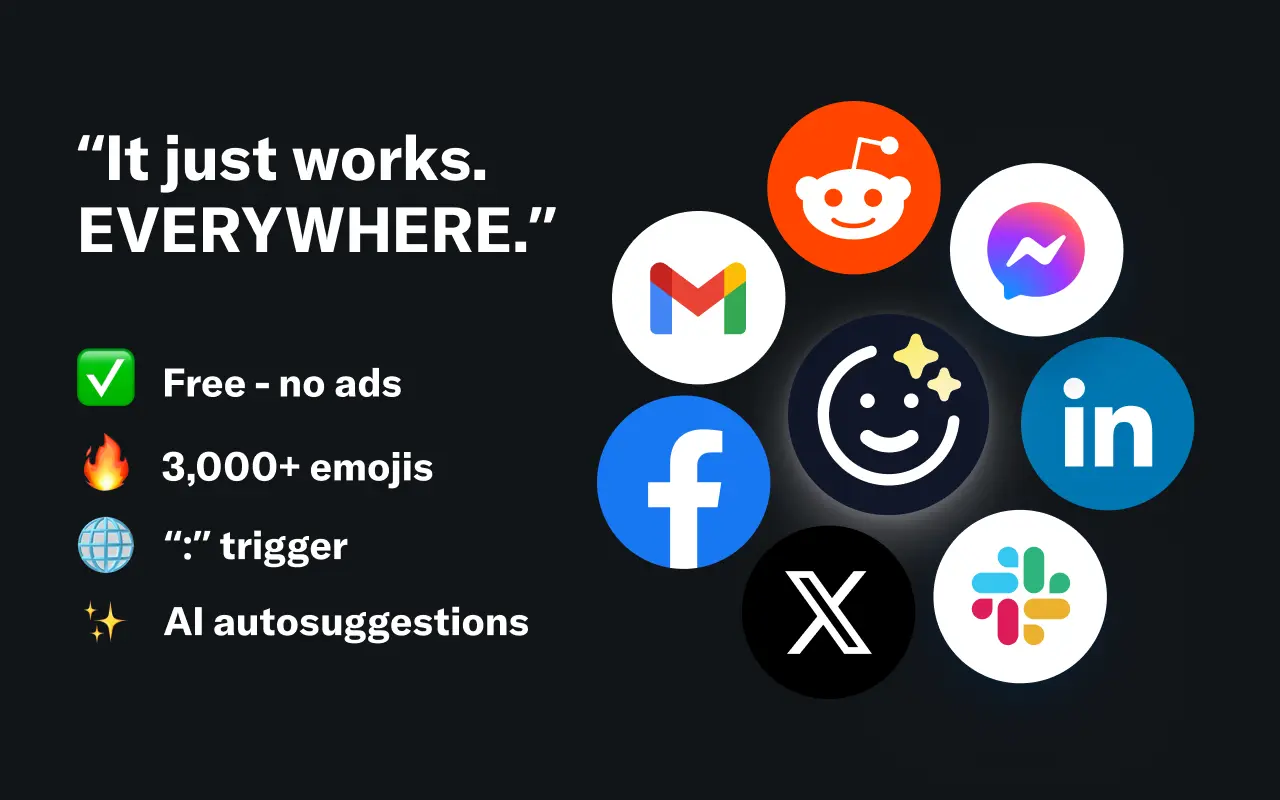
EmojAI
AI-powered emoji picker with smart, context-aware suggestions 🤖
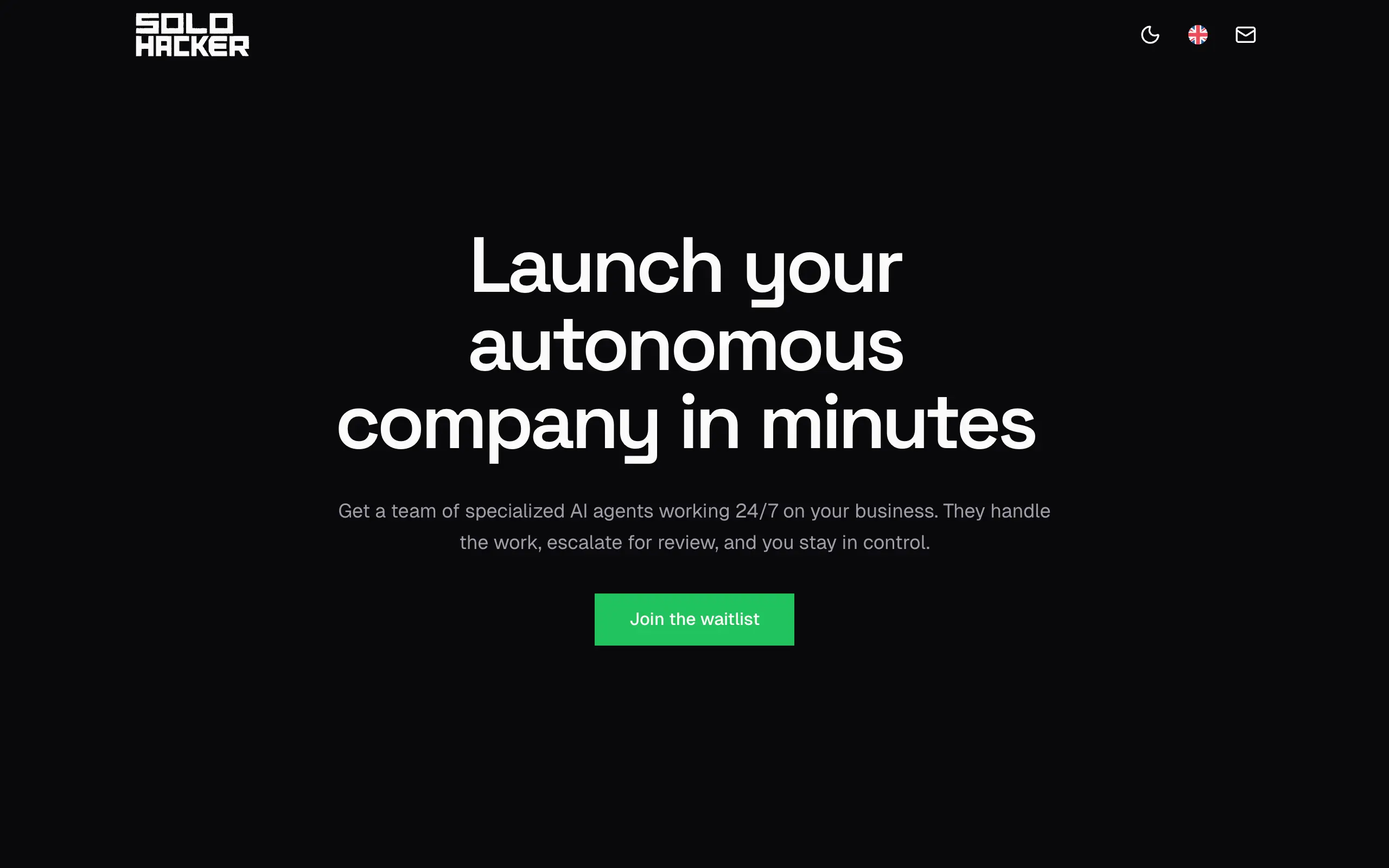
Solohacker
Autonomous company launcher - AI agents work 24/7, escalate what matters, and you stay in control 🤖
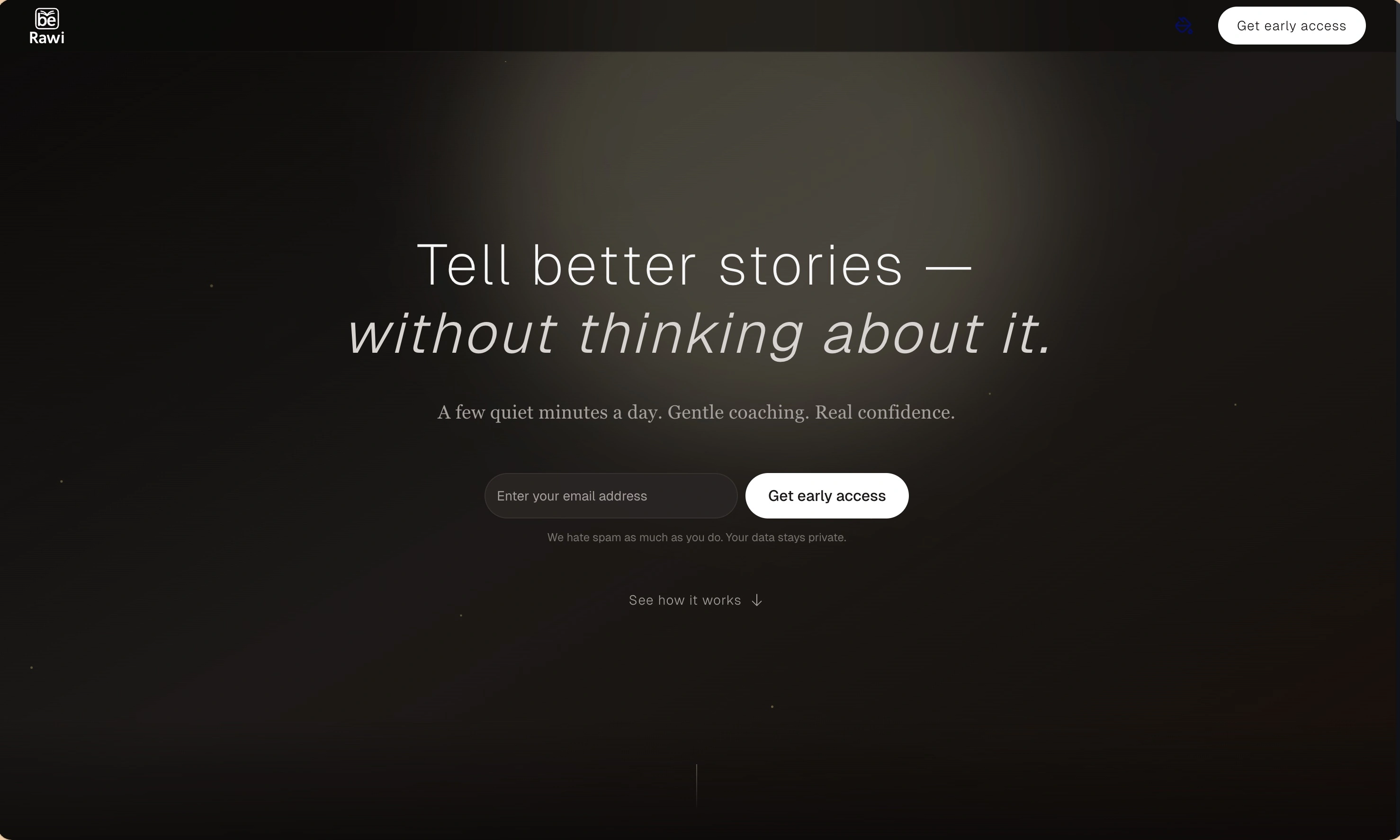
BeRawi: Storytelling Coach
Practice storytelling daily with instant feedback to sound clearer, more engaging, and confident 🎤
Omichat
Chat with 50+ AI models, including ChatGPT and Claude, in one place - switch models anytime without losing context 🤖
Claude Fast
Supercharge your Claude Code with 6x effective context window and specialized AI agents 🤖
EmojAI
AI-powered emoji picker with smart, context-aware suggestions 🤖
Solohacker
Autonomous company launcher - AI agents work 24/7, escalate what matters, and you stay in control 🤖
BeRawi: Storytelling Coach
Practice storytelling daily with instant feedback to sound clearer, more engaging, and confident 🎤
Omichat
Chat with 50+ AI models, including ChatGPT and Claude, in one place - switch models anytime without losing context 🤖
Claude Fast
Supercharge your Claude Code with 6x effective context window and specialized AI agents 🤖
EmojAI
AI-powered emoji picker with smart, context-aware suggestions 🤖
Solohacker
Autonomous company launcher - AI agents work 24/7, escalate what matters, and you stay in control 🤖
BeRawi: Storytelling Coach
Practice storytelling daily with instant feedback to sound clearer, more engaging, and confident 🎤
Omichat
Chat with 50+ AI models, including ChatGPT and Claude, in one place - switch models anytime without losing context 🤖
Claude Fast
Supercharge your Claude Code with 6x effective context window and specialized AI agents 🤖
EmojAI
AI-powered emoji picker with smart, context-aware suggestions 🤖
Solohacker
Autonomous company launcher - AI agents work 24/7, escalate what matters, and you stay in control 🤖
BeRawi: Storytelling Coach
Practice storytelling daily with instant feedback to sound clearer, more engaging, and confident 🎤

Connect with like-minded people
Join our community to get feedback, support, and grow together with 1,000+ builders on board, let's ship it!
Join usShip your startup everywhere. In minutes.
Don't burn tokens on setup and start building features on day one.