CourtScribe Pro
Advanced transcription and content automation for legal teams—timestamped transcripts, topic summaries, and shareable client-ready briefs instantly.
The growing demand for AI legal transcription software in modern law firms
The legal industry is under pressure. Court proceedings, depositions, client interviews, arbitration hearings, and internal strategy meetings generate massive volumes of spoken content. Traditionally, law firms rely on court reporters, paralegals, and manual transcription services to convert that speech into usable records.
But this model is:
- Expensive
- Time-consuming
- Prone to human error
- Difficult to scale
This is where AI legal transcription software like CourtScribe Pro changes the game.
CourtScribe Pro is an advanced AI-powered transcription and content automation platform designed specifically for legal teams. It transforms audio and video recordings into:
- Accurate, timestamped transcripts
- Topic-based summaries
- Searchable legal records
- Client-ready briefs
- Shareable case documentation
In this article, we’ll break down:
- The market opportunity for AI transcription in the legal sector
- Target users and their pain points
- Core features and technical architecture
- Monetization strategies
- Competitive landscape and differentiation
- Risks and mitigation strategies
- Actionable implementation steps
If you're evaluating this SaaS idea for validation, development, or investment, this guide provides a complete strategic analysis.
Understanding user intent: who is searching for legal transcription automation?
Users searching for:
- “AI legal transcription software”
- “automated court transcript generator”
- “AI deposition summary tool”
- “legal meeting transcription software”
- “AI for law firms documentation”
are typically looking for one of the following:
- Efficiency gains in law firm workflows
- Cost reduction compared to traditional transcription
- Improved accuracy and compliance
- Automation of summaries and briefs
- Searchable archives of legal proceedings
CourtScribe Pro must directly address these needs.
Target audience analysis
Primary audience: mid-sized to large law firms
These firms:
- Conduct frequent depositions
- Manage multiple litigation cases
- Need detailed transcripts for court filings
- Bill clients based on documented work
Pain points:
- Delays in receiving transcripts
- High court reporter costs
- Manual summarization workload
- Difficulty locating specific statements in long recordings
Secondary audience: in-house legal teams
Corporate legal departments:
- Handle compliance investigations
- Record internal interviews
- Manage arbitration and mediation
They require:
- Confidential handling of sensitive data
- Searchable records
- Quick summaries for executives
Tertiary audience: solo attorneys and small firms
Smaller firms want:
- Affordable transcription tools
- Easy-to-use platforms
- Client-ready summaries without hiring extra staff
Market opportunity and gap analysis
The legal transcription market
The global transcription market continues to grow due to:
- Increased remote proceedings
- Digital court adoption
- Hybrid work environments
- AI speech recognition advances
Legal transcription is one of the most premium segments due to:
- Specialized terminology
- Compliance requirements
- High billing value per transcript
Traditional court reporting services are expensive and often slow. Meanwhile, generic AI transcription tools:
- Lack legal vocabulary optimization
- Don’t provide structured legal summaries
- Are not compliance-ready
This creates a clear market gap.
The core problem CourtScribe Pro solves
Legal professionals spend hours:
- Reviewing transcripts
- Extracting key arguments
- Highlighting contradictions
- Preparing summaries for clients
- Searching through thousands of lines of text
CourtScribe Pro reduces this workload by combining:
- AI speech-to-text
- Natural language processing (NLP)
- Legal-specific language modeling
- Structured content automation
Core features of CourtScribe Pro
1. AI-powered legal transcription
- High-accuracy speech recognition trained on legal terminology
- Speaker identification (judge, attorney, witness)
- Automatic punctuation and formatting
- Multi-language support (where jurisdiction requires)
2. Timestamped transcripts
Every statement includes precise timestamps:
- Jump directly to key moments
- Cite exact points during case preparation
- Sync audio with transcript for review
3. Topic segmentation and issue tagging
Using NLP, the system:
- Detects major themes (liability, damages, timeline disputes)
- Groups related discussions
- Creates structured sections
This turns a 200-page transcript into a navigable document.
4. Automated legal summaries
CourtScribe Pro generates:
- Executive summaries
- Key argument highlights
- Witness credibility notes
- Contradiction detection (where possible via NLP comparison)
Strategic Advantage
Unlike generic AI summarizers, CourtScribe Pro is designed to preserve legal nuance, citations, and context—critical for litigation workflows.
5. Client-ready briefs
From transcript to deliverable:
- Cleanly formatted summaries
- Case timeline extraction
- Highlighted key testimony
- Export to PDF, Word, or secure share link
6. Secure collaboration tools
- Role-based access control
- End-to-end encryption
- Audit logs
- Commenting and annotation
Feature comparison vs traditional methods
| Capability | Traditional Court Reporter | Generic AI Tool | CourtScribe Pro | Manual Notes |
|---|---|---|---|---|
| Legal terminology accuracy | ✅ | ❌ | ✅ | ❌ |
| Instant delivery | ❌ | ✅ | ✅ | ❌ |
| Automated summaries | ❌ | ✅ | ✅ | ❌ |
| Compliance-ready workflow | ✅ | ❌ | ✅ | ❌ |
Technical architecture and recommended tech stack
Building AI legal transcription software requires a robust and secure architecture.
Frontend
- React for dynamic UI
- TailwindCSS for scalable styling
- Real-time transcript streaming interface
Backend
- Node.js with secure API layer
- Scalable cloud infrastructure (AWS/GCP/Azure)
- Encrypted file storage
AI layer
- Speech-to-text engine (fine-tuned for legal vocabulary)
- LLM-based summarization engine
- Custom NLP tagging pipelines
Example transcript processing flow
// Simplified transcript processing pipeline
async function processRecording(file: AudioFile) {
  const transcript = await speechToText(file);
  const taggedTranscript = await topicSegmentation(transcript);
  const summary = await generateLegalSummary(taggedTranscript);

  return {
    transcript: taggedTranscript,
    summary,
    timestamps: extractTimestamps(transcript)
  };
}
Security considerations
- SOC 2 readiness
- GDPR compliance
- Data residency options
- End-to-end encryption
Legal data sensitivity
Legal recordings often contain privileged information. Encryption at rest and in transit is non-negotiable.
Monetization strategy for CourtScribe Pro
1. Subscription tiers
Starter Plan
- Limited transcription hours
- Basic summaries
Professional Plan
- Unlimited transcripts
- Advanced AI briefs
- Collaboration tools
Enterprise Plan
- Custom integrations
- Dedicated compliance features
- Private model hosting
2. Usage-based pricing
Charge per:
- Transcription hour
- AI summary generation
- Exported legal brief
Hybrid pricing often works best.
3. Add-on services
- Custom legal vocabulary training
- On-premise deployment
- White-label solutions
Competitive landscape analysis
Direct competitors
- Traditional court reporting services
- Legal transcription agencies
Indirect competitors
- General AI transcription tools
- Manual note-taking software
Competitive advantage (USP)
CourtScribe Pro differentiates by:
- Being legal-specific, not generic
- Combining transcription + summarization + brief generation
- Offering structured, case-ready outputs
- Prioritizing compliance and security
Potential risks and mitigation strategies
1. Accuracy concerns
Risk: AI misinterprets legal terminology.
Mitigation:
- Continuous fine-tuning
- Human review option
- Custom vocabulary training
2. Regulatory and compliance barriers
Risk: Data privacy violations.
Mitigation:
- Compliance audits
- Clear data processing agreements
- Region-specific hosting
3. Resistance from traditional court reporters
Risk: Market pushback.
Mitigation:
- Position as augmentation tool
- Offer hybrid workflows
Implementation roadmap
Go-to-market strategy
1. Niche-first approach
Start with:
- Litigation firms
- Personal injury law firms
- Corporate compliance teams
2. Content marketing
Create SEO content targeting:
- “AI legal transcription software”
- “Automated deposition summary tool”
- “Legal transcript generator”
3. Strategic partnerships
- Legal tech consultants
- Bar associations
- Practice management software vendors
Scaling efficiently with modern SaaS infrastructure
To accelerate development, leveraging a production-ready SaaS foundation like TurboStarter can significantly reduce:
- Authentication setup time
- Billing integration complexity
- Multi-tenant architecture challenges
This allows the team to focus on AI and legal-specific innovation instead of boilerplate infrastructure.
Long-term expansion opportunities
CourtScribe Pro can expand into:
- Predictive litigation insights
- Cross-case contradiction detection
- AI-powered deposition coaching
- Courtroom real-time transcription
Why CourtScribe Pro has strong product-market fit
- Legal teams are documentation-heavy
- AI speech recognition has matured significantly
- Law firms are adopting digital tools faster
- Cost pressures are increasing
This combination creates a powerful opportunity for AI-driven legal transcription automation.
Final actionable steps to bring CourtScribe Pro to life
- Conduct deep legal workflow research
- Secure pilot customers early
- Build secure AI infrastructure
- Prioritize compliance from day one
- Focus on legal-specific differentiation
- Use targeted SEO and thought leadership
- Scale via enterprise partnerships
Conclusion
AI legal transcription software is no longer optional—it’s inevitable.
CourtScribe Pro stands at the intersection of:
- Artificial intelligence
- Legal documentation
- Workflow automation
- Compliance-first SaaS
By delivering timestamped transcripts, structured summaries, and client-ready briefs instantly, it transforms how legal teams capture and use spoken information.
For founders and product teams, this is a high-value, high-barrier-to-entry SaaS opportunity with strong monetization potential and defensible differentiation.
The future of legal documentation is automated, structured, and intelligent—and CourtScribe Pro is positioned to lead that transformation.
More 🤖 AI Startup SaaS ideas
Discover more innovative ai startup SaaS ideas that are trending in 2026. Each idea is AI-generated with market validation and growth potential to help you find your next profitable venture faster than competitors.
Your competitors are building with TurboStarter
Below are some of the SaaS ideas that have been generated and built with our starter kit.
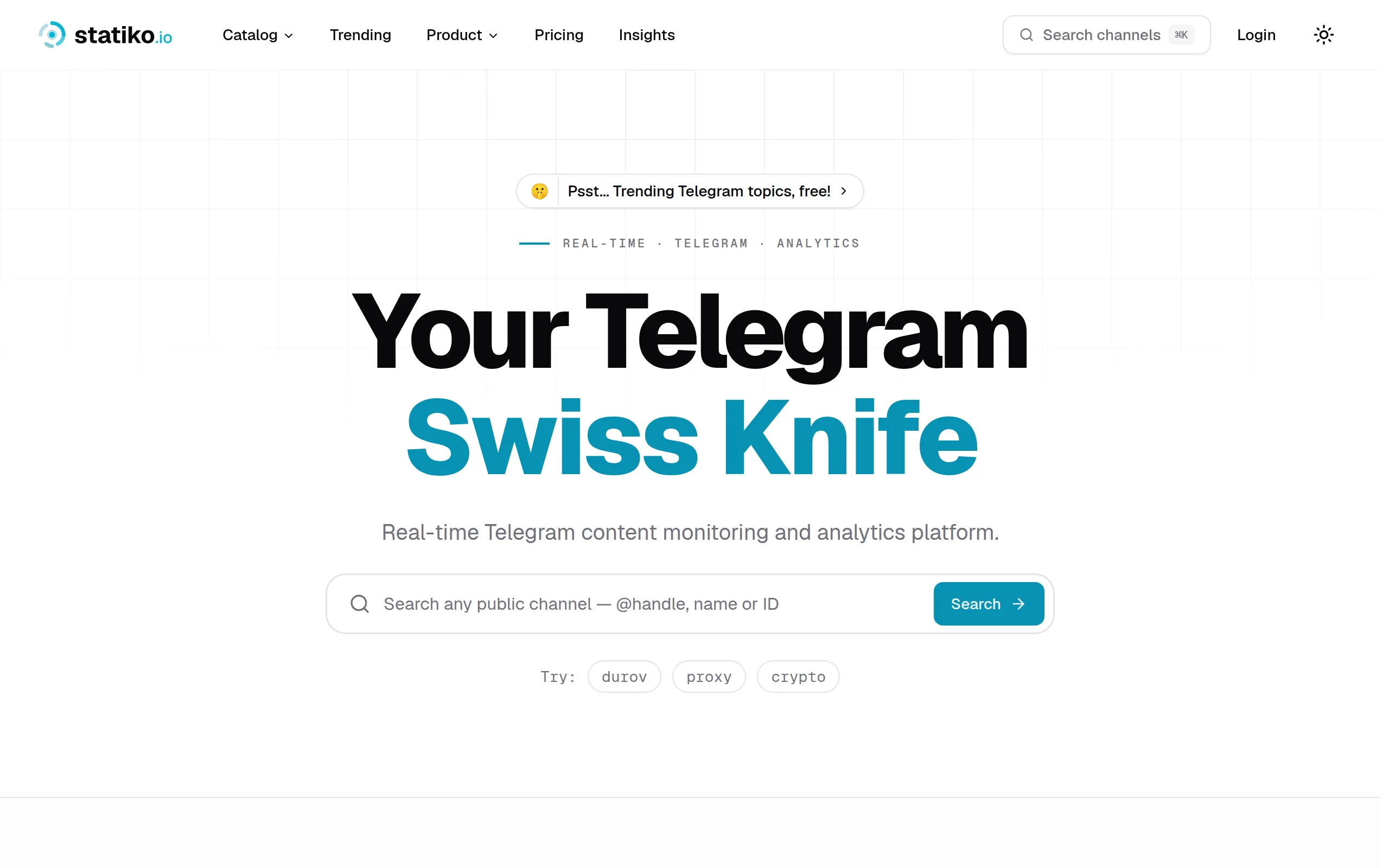
Statiko
Monitor any Telegram channel in real time - track posts, edits, deletions, and growth with AI recaps 📡

Shibui
AI website builder - describe your business, pick a niche template, edit by chatting, and publish instantly ✨

Pro Service
Find verified home service professionals, compare quotes, and pay securely through escrow - built for Brazilians across the US 🏠
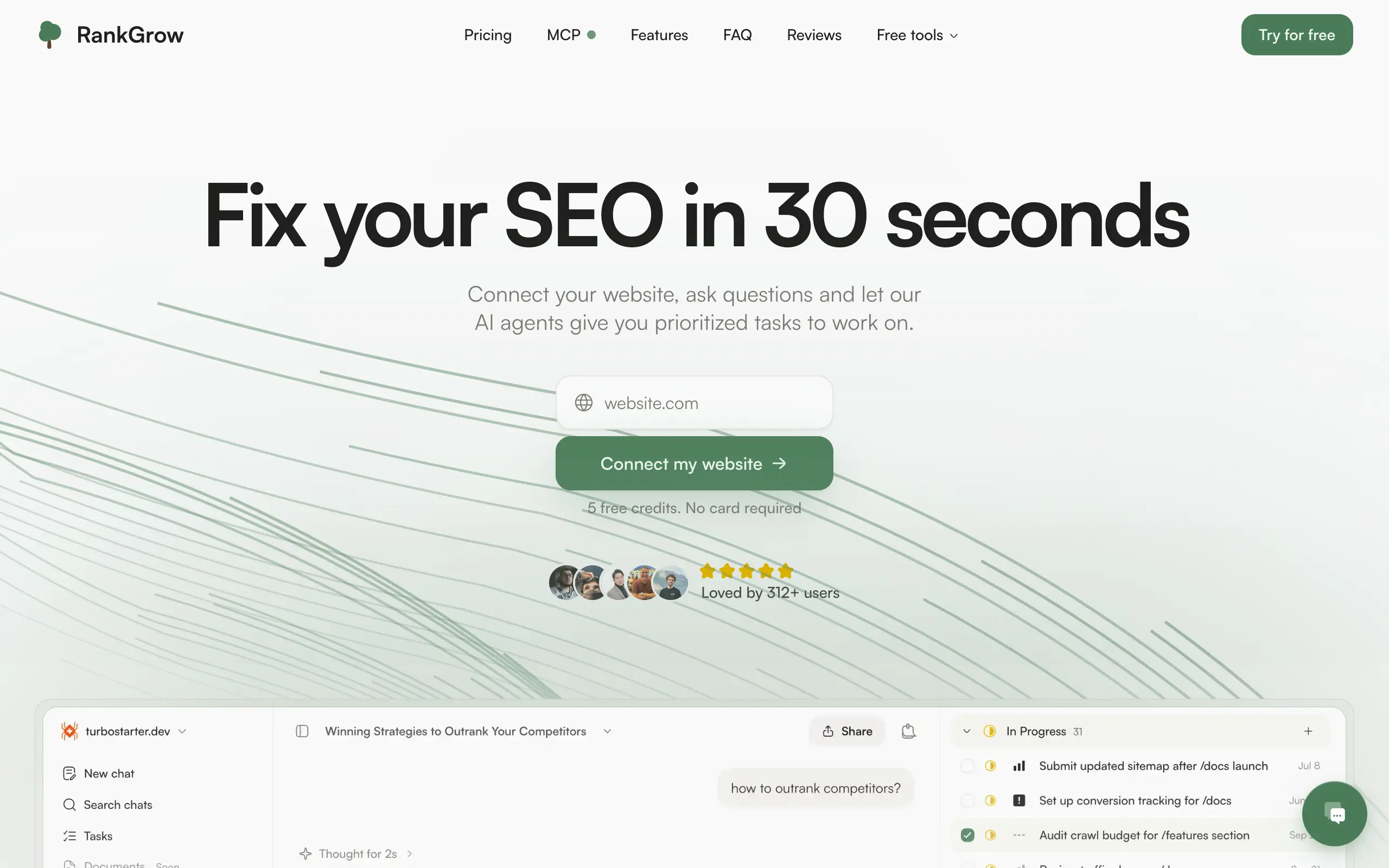
RankGrow
Fix your SEO with AI agents - connect Search Console, get prioritized tasks, and grow organic traffic 📈
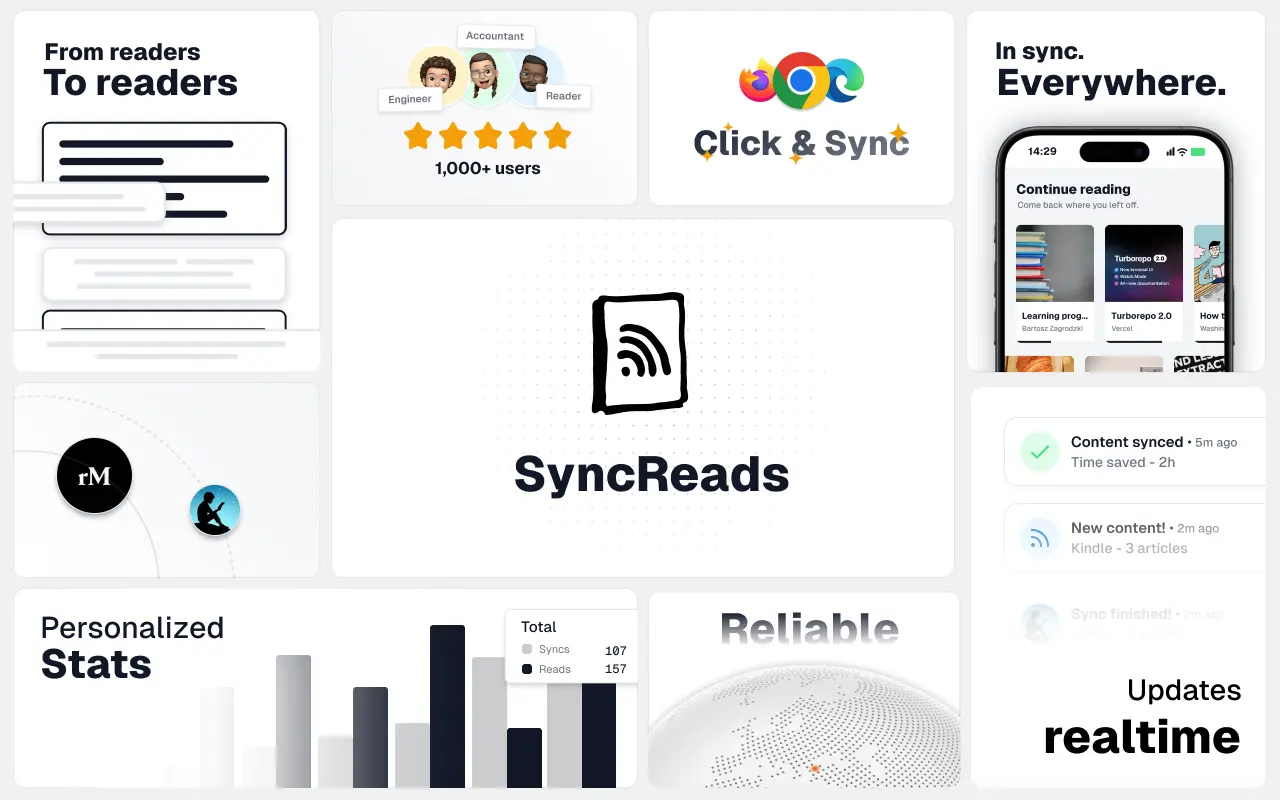
SyncReads
Sync your favorite content for distraction-free reading, save time and replace multiple apps. Anytime, anywhere 🔄
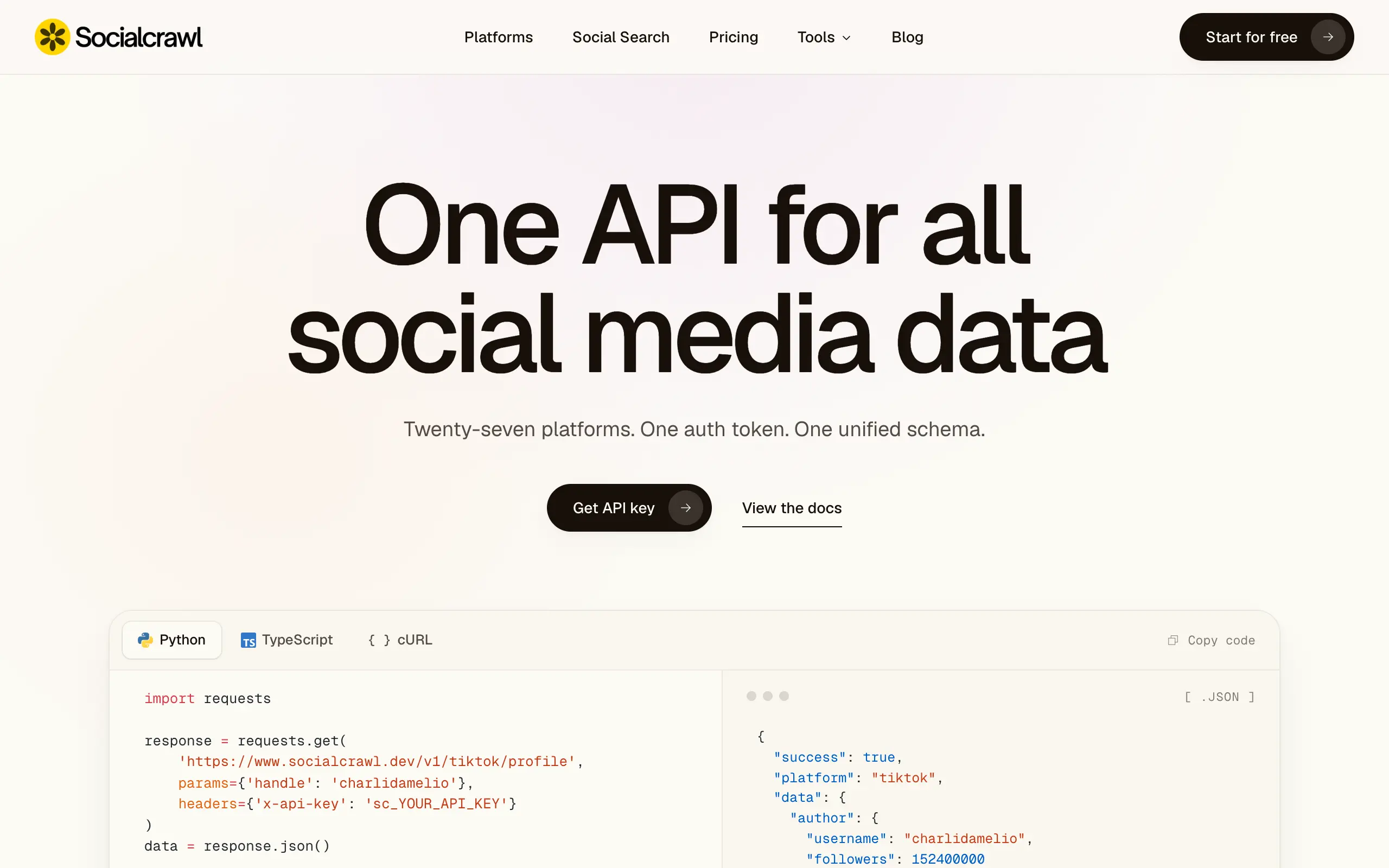
Socialcrawl
Get clean, structured data from 21 platforms like TikTok, Instagram, and YouTube with a single request 📊
Statiko
Monitor any Telegram channel in real time - track posts, edits, deletions, and growth with AI recaps 📡
Shibui
AI website builder - describe your business, pick a niche template, edit by chatting, and publish instantly ✨
Pro Service
Find verified home service professionals, compare quotes, and pay securely through escrow - built for Brazilians across the US 🏠
RankGrow
Fix your SEO with AI agents - connect Search Console, get prioritized tasks, and grow organic traffic 📈
SyncReads
Sync your favorite content for distraction-free reading, save time and replace multiple apps. Anytime, anywhere 🔄
Socialcrawl
Get clean, structured data from 21 platforms like TikTok, Instagram, and YouTube with a single request 📊
Statiko
Monitor any Telegram channel in real time - track posts, edits, deletions, and growth with AI recaps 📡
Shibui
AI website builder - describe your business, pick a niche template, edit by chatting, and publish instantly ✨
Pro Service
Find verified home service professionals, compare quotes, and pay securely through escrow - built for Brazilians across the US 🏠
RankGrow
Fix your SEO with AI agents - connect Search Console, get prioritized tasks, and grow organic traffic 📈
SyncReads
Sync your favorite content for distraction-free reading, save time and replace multiple apps. Anytime, anywhere 🔄
Socialcrawl
Get clean, structured data from 21 platforms like TikTok, Instagram, and YouTube with a single request 📊
Statiko
Monitor any Telegram channel in real time - track posts, edits, deletions, and growth with AI recaps 📡
Shibui
AI website builder - describe your business, pick a niche template, edit by chatting, and publish instantly ✨
Pro Service
Find verified home service professionals, compare quotes, and pay securely through escrow - built for Brazilians across the US 🏠
RankGrow
Fix your SEO with AI agents - connect Search Console, get prioritized tasks, and grow organic traffic 📈
SyncReads
Sync your favorite content for distraction-free reading, save time and replace multiple apps. Anytime, anywhere 🔄
Socialcrawl
Get clean, structured data from 21 platforms like TikTok, Instagram, and YouTube with a single request 📊
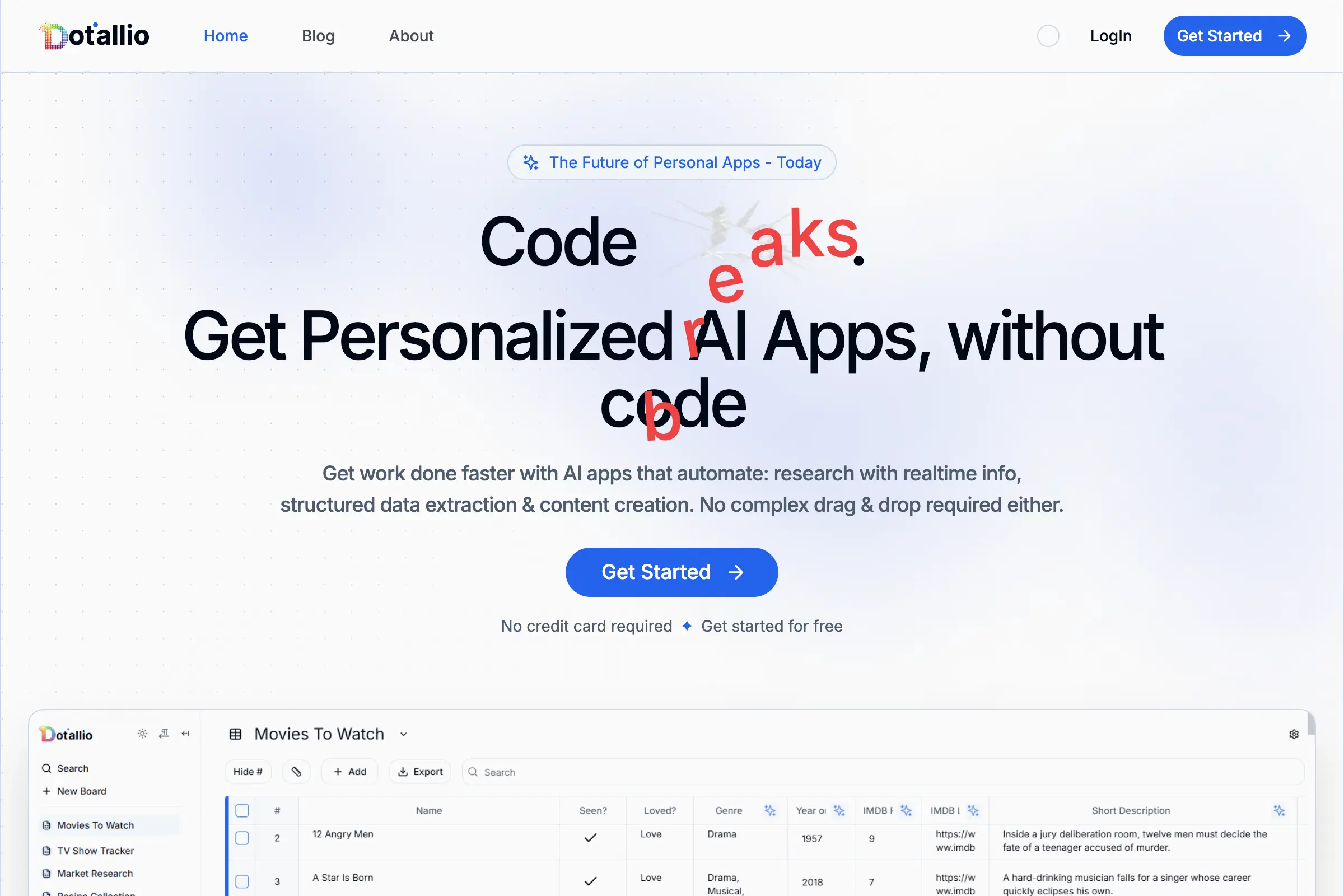
Dotallio
Personalized AI apps that automate research, data extraction, and content creation without code 🤖
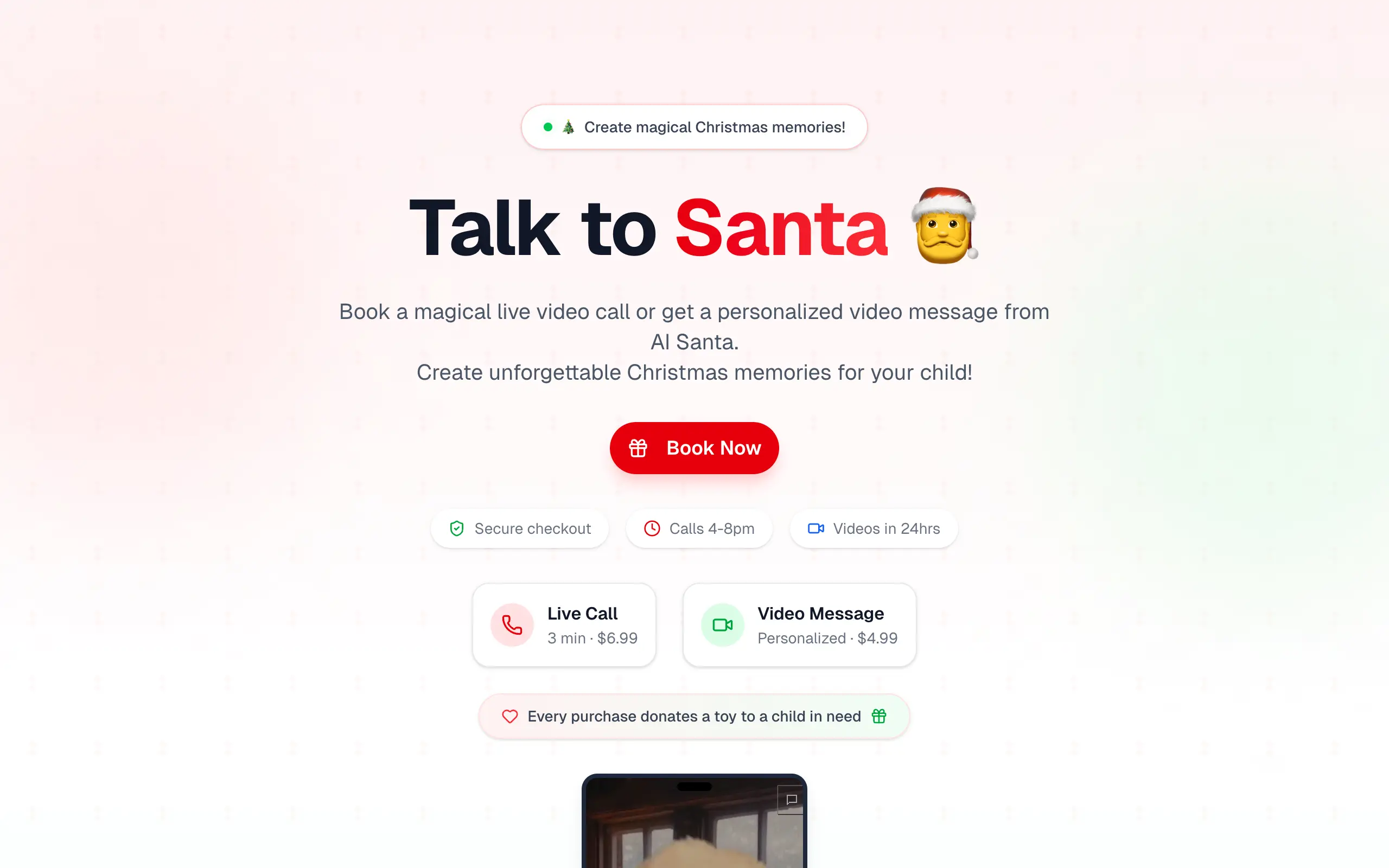
Talk to Santa
Enjoy a magical live video chat or receive a unique AI-generated video greeting from Santa Claus 🎅

pozywka.pl
Scalable blog for food journalist, focused on performance and user experience 🌭
zagrodzki.me
Personal blog and portfolio of Bart Zagrodzki, where he shares his knowledge and work 💼
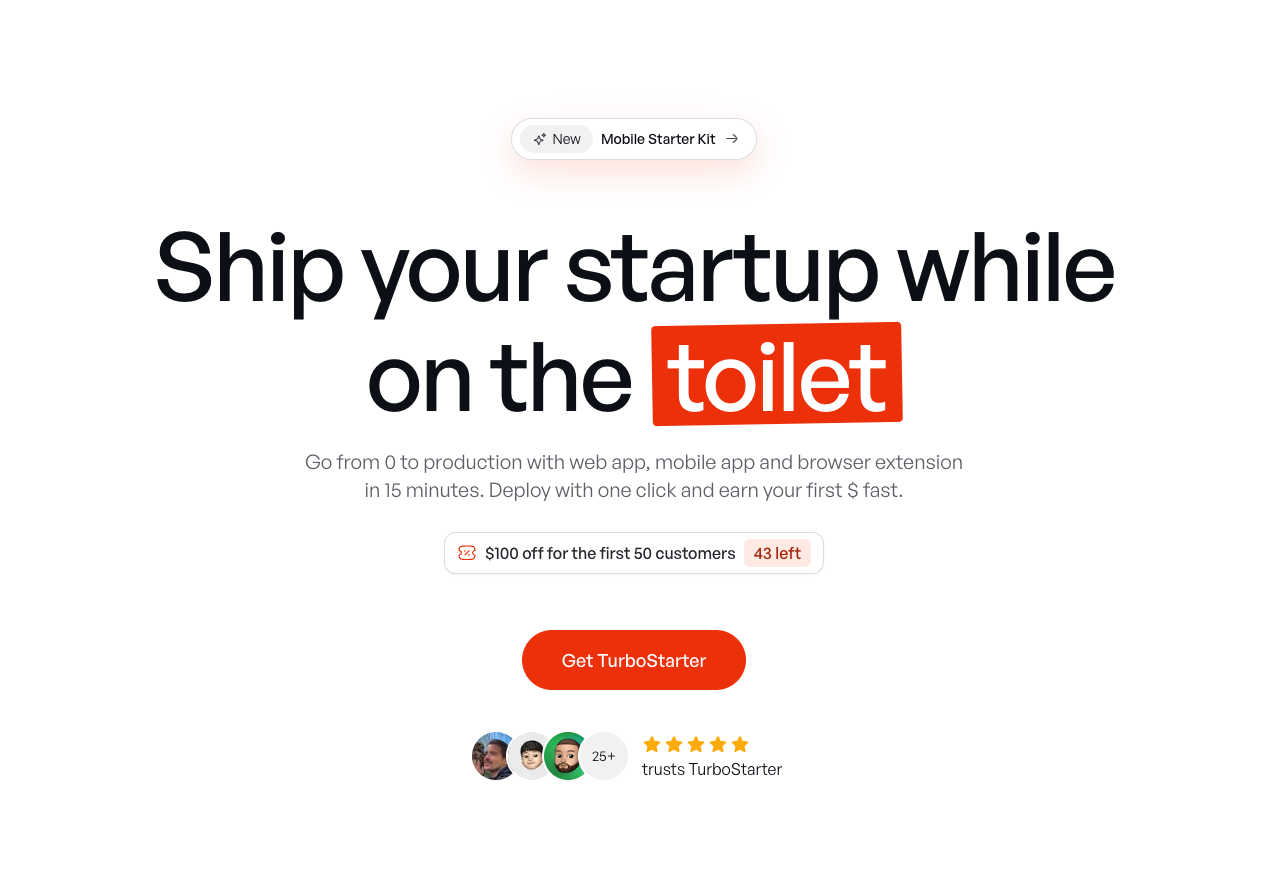
TurboStarter
Ship your startup everywhere. In minutes.
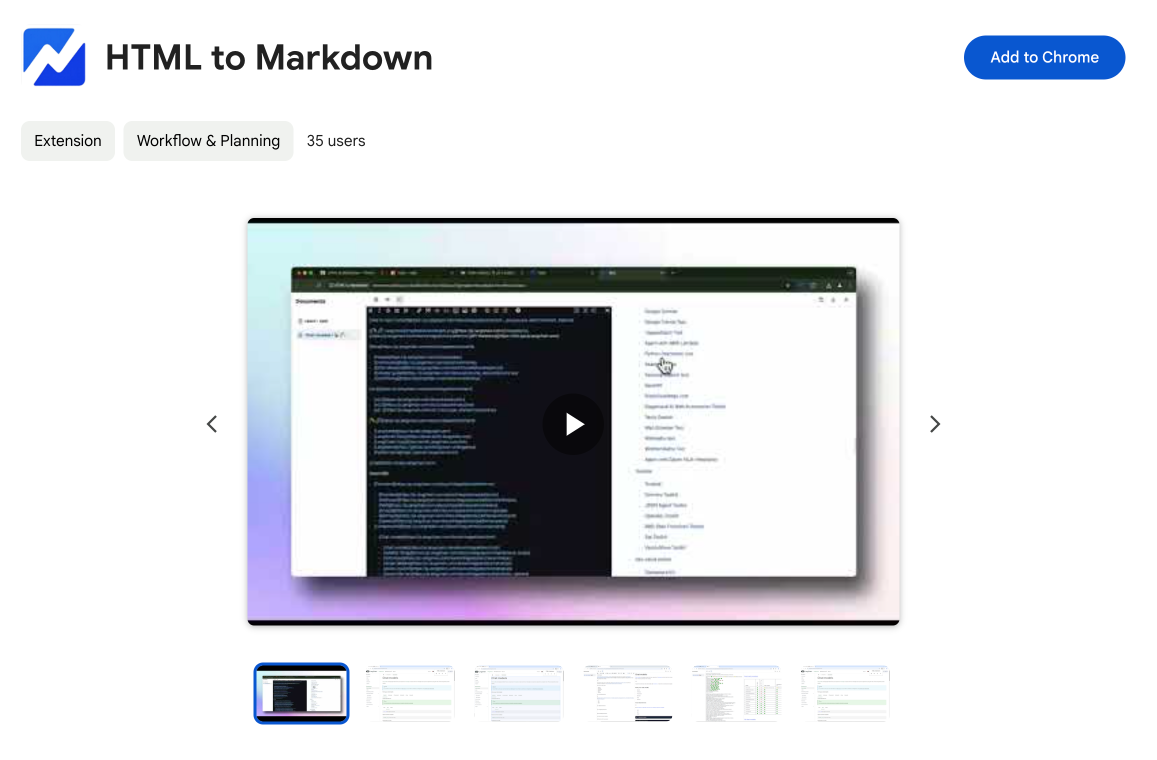
HTML to Markdown
Convert HTML to Markdown with ease, directly in your browser 📄
Dotallio
Personalized AI apps that automate research, data extraction, and content creation without code 🤖
Talk to Santa
Enjoy a magical live video chat or receive a unique AI-generated video greeting from Santa Claus 🎅
pozywka.pl
Scalable blog for food journalist, focused on performance and user experience 🌭
zagrodzki.me
Personal blog and portfolio of Bart Zagrodzki, where he shares his knowledge and work 💼
TurboStarter
Ship your startup everywhere. In minutes.
HTML to Markdown
Convert HTML to Markdown with ease, directly in your browser 📄
Dotallio
Personalized AI apps that automate research, data extraction, and content creation without code 🤖
Talk to Santa
Enjoy a magical live video chat or receive a unique AI-generated video greeting from Santa Claus 🎅
pozywka.pl
Scalable blog for food journalist, focused on performance and user experience 🌭
zagrodzki.me
Personal blog and portfolio of Bart Zagrodzki, where he shares his knowledge and work 💼
TurboStarter
Ship your startup everywhere. In minutes.
HTML to Markdown
Convert HTML to Markdown with ease, directly in your browser 📄
Dotallio
Personalized AI apps that automate research, data extraction, and content creation without code 🤖
Talk to Santa
Enjoy a magical live video chat or receive a unique AI-generated video greeting from Santa Claus 🎅
pozywka.pl
Scalable blog for food journalist, focused on performance and user experience 🌭
zagrodzki.me
Personal blog and portfolio of Bart Zagrodzki, where he shares his knowledge and work 💼
TurboStarter
Ship your startup everywhere. In minutes.
HTML to Markdown
Convert HTML to Markdown with ease, directly in your browser 📄
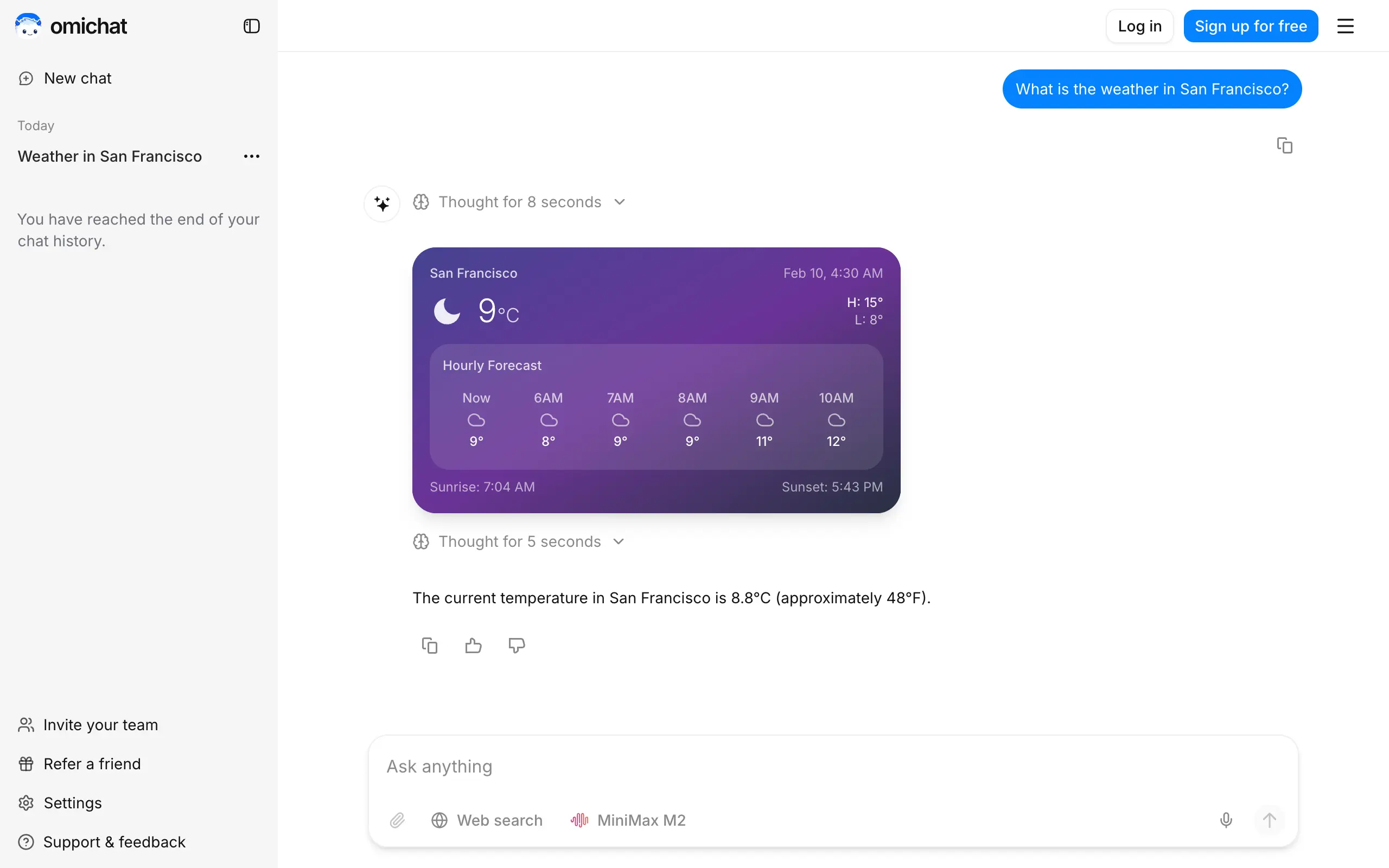
Omichat
Chat with 50+ AI models, including ChatGPT and Claude, in one place - switch models anytime without losing context 🤖
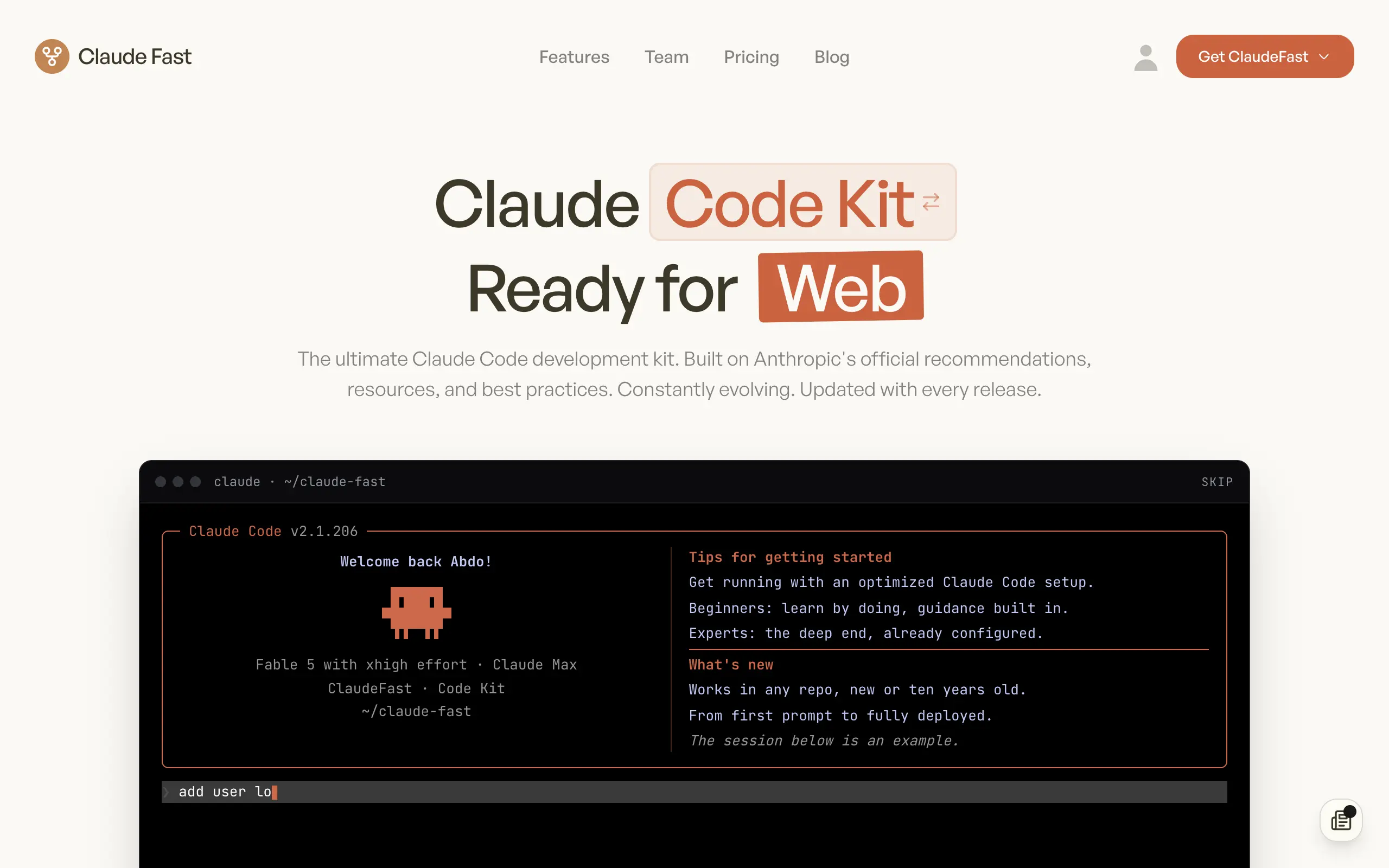
Claude Fast
Supercharge your Claude Code with 6x effective context window and specialized AI agents 🤖
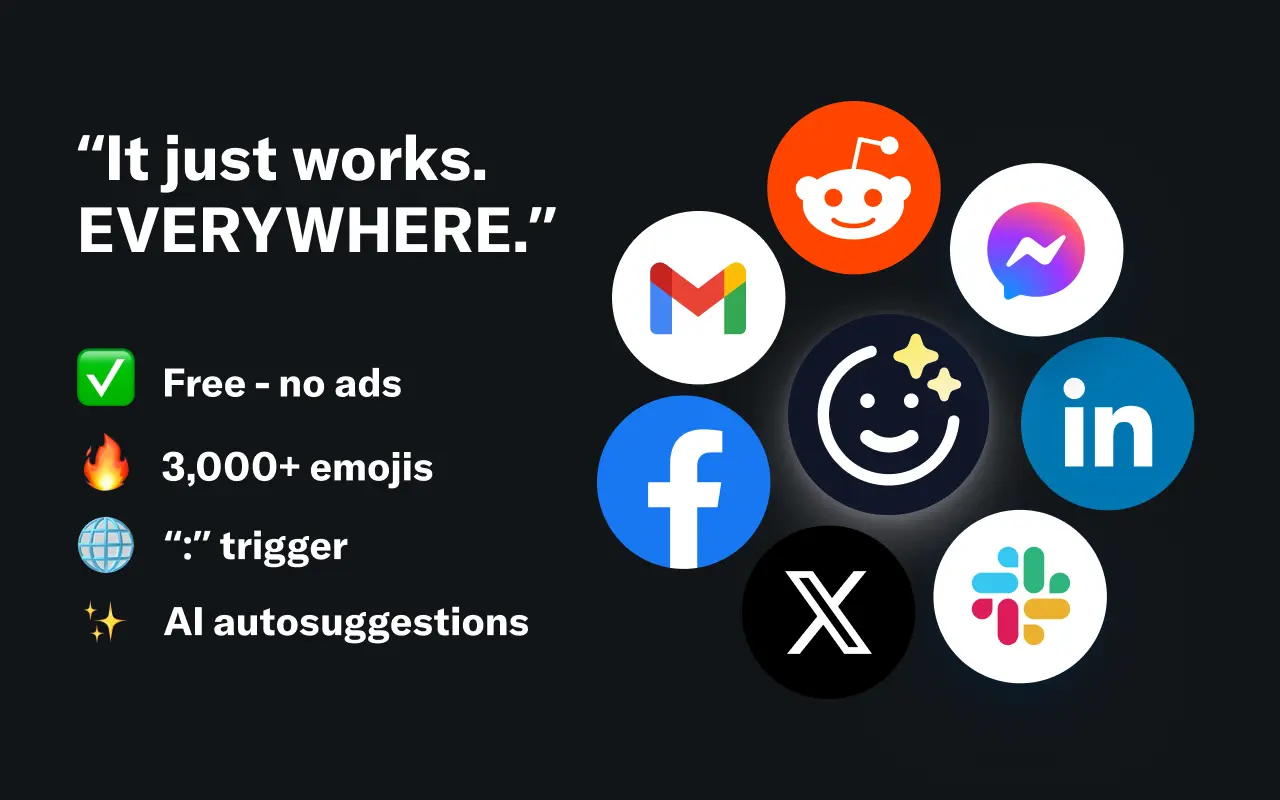
EmojAI
AI-powered emoji picker with smart, context-aware suggestions 🤖
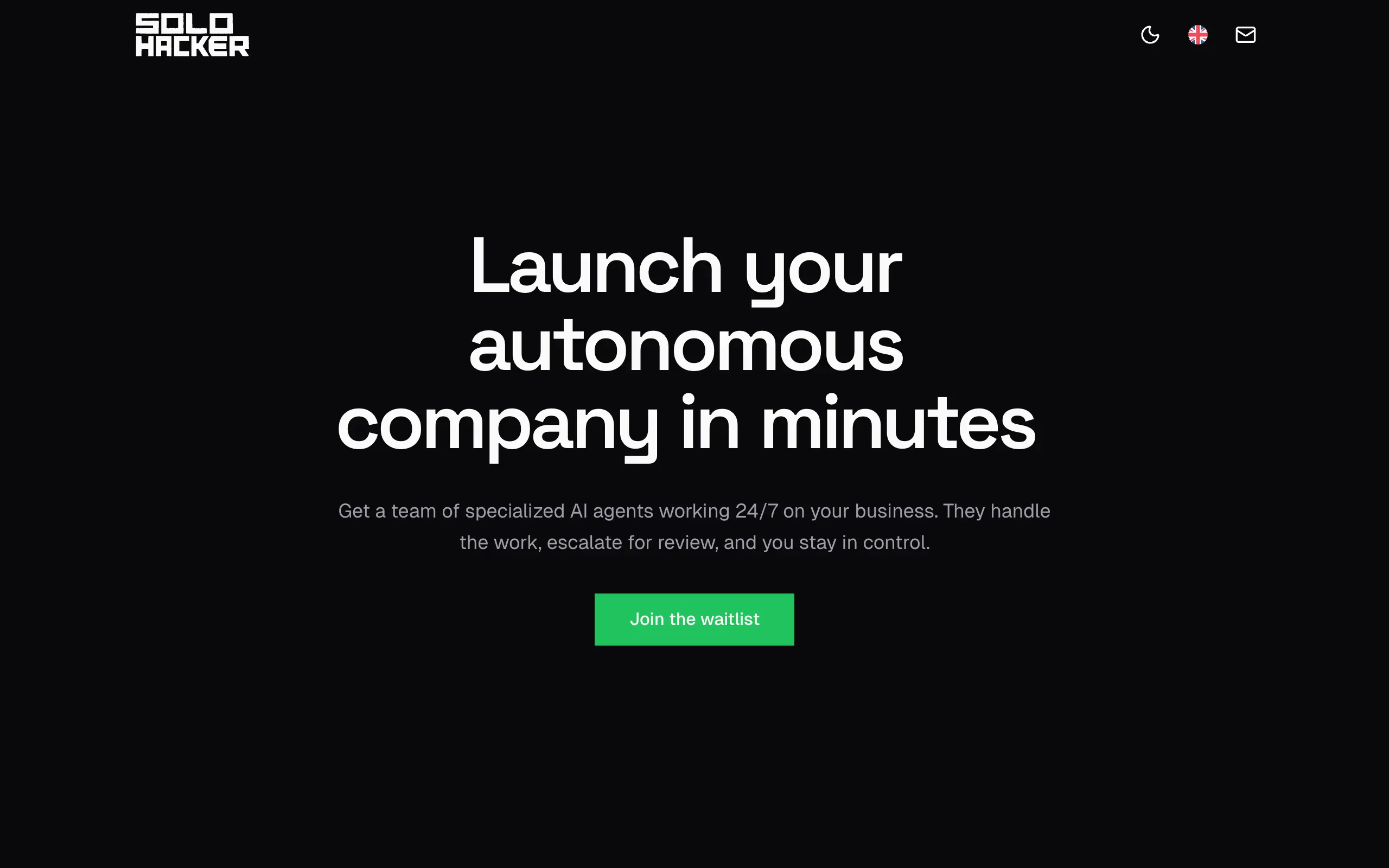
Solohacker
Autonomous company launcher - AI agents work 24/7, escalate what matters, and you stay in control 🤖
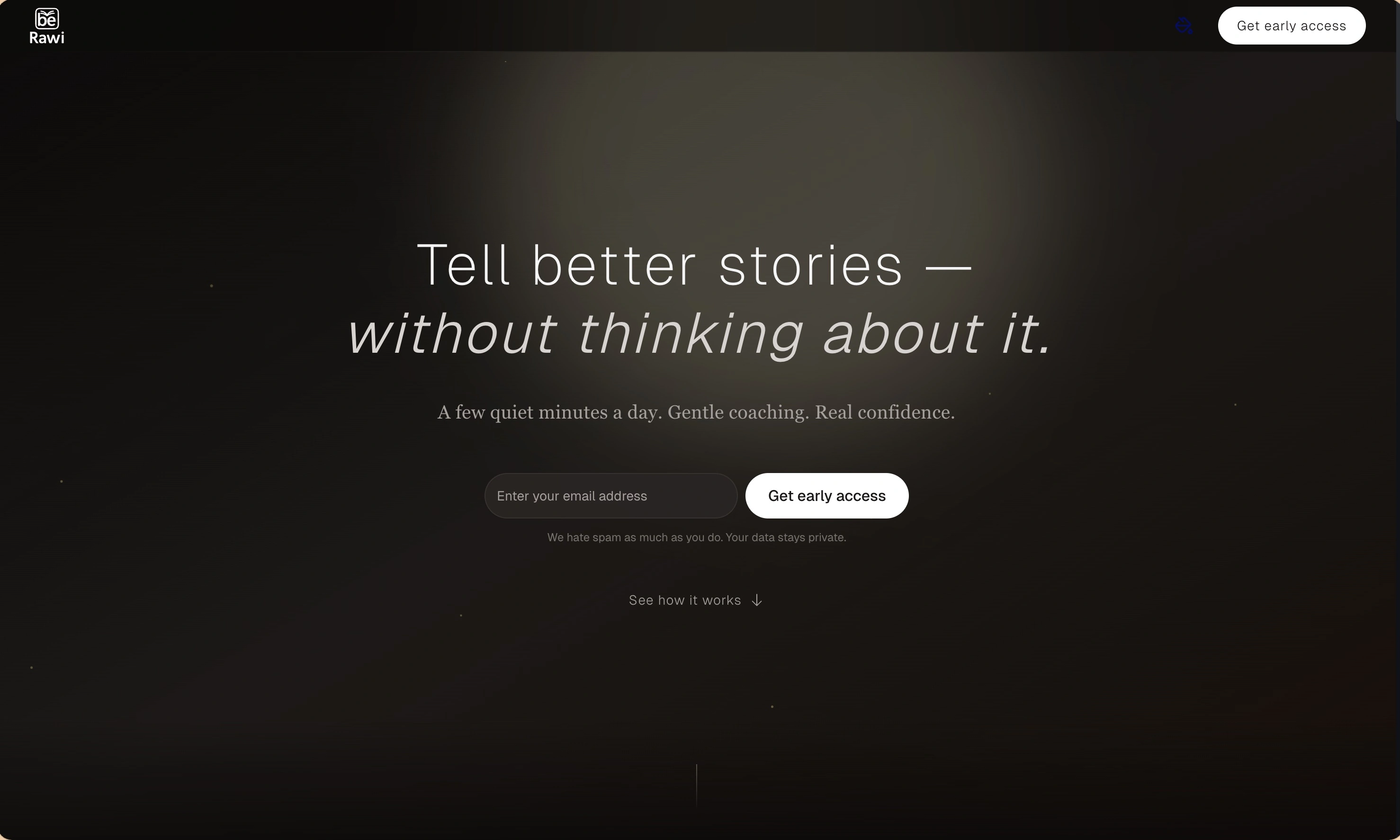
BeRawi: Storytelling Coach
Practice storytelling daily with instant feedback to sound clearer, more engaging, and confident 🎤
Omichat
Chat with 50+ AI models, including ChatGPT and Claude, in one place - switch models anytime without losing context 🤖
Claude Fast
Supercharge your Claude Code with 6x effective context window and specialized AI agents 🤖
EmojAI
AI-powered emoji picker with smart, context-aware suggestions 🤖
Solohacker
Autonomous company launcher - AI agents work 24/7, escalate what matters, and you stay in control 🤖
BeRawi: Storytelling Coach
Practice storytelling daily with instant feedback to sound clearer, more engaging, and confident 🎤
Omichat
Chat with 50+ AI models, including ChatGPT and Claude, in one place - switch models anytime without losing context 🤖
Claude Fast
Supercharge your Claude Code with 6x effective context window and specialized AI agents 🤖
EmojAI
AI-powered emoji picker with smart, context-aware suggestions 🤖
Solohacker
Autonomous company launcher - AI agents work 24/7, escalate what matters, and you stay in control 🤖
BeRawi: Storytelling Coach
Practice storytelling daily with instant feedback to sound clearer, more engaging, and confident 🎤
Omichat
Chat with 50+ AI models, including ChatGPT and Claude, in one place - switch models anytime without losing context 🤖
Claude Fast
Supercharge your Claude Code with 6x effective context window and specialized AI agents 🤖
EmojAI
AI-powered emoji picker with smart, context-aware suggestions 🤖
Solohacker
Autonomous company launcher - AI agents work 24/7, escalate what matters, and you stay in control 🤖
BeRawi: Storytelling Coach
Practice storytelling daily with instant feedback to sound clearer, more engaging, and confident 🎤

Connect with like-minded people
Join our community to get feedback, support, and grow together with 1,000+ builders on board, let's ship it!
Join usShip your startup everywhere. In minutes.
Don't burn tokens on setup and start building features on day one.