CoverMuse AI
Turn outfit photos into premium 3:4 Pinterest and TikTok fashion covers with editorial poses, shoppable piece cards, and doodle styling.
Fashion creators do not need another generic image generator. They need a fast, repeatable way to turn a simple outfit photo into a polished piece of vertical content that looks intentional on Pinterest, TikTok, Instagram, and storefront landing pages.
CoverMuse AI is an AI fashion cover generator built around that practical workflow. A user uploads an outfit photo, selects an editorial direction, and receives premium 3:4 fashion covers with refined poses, shoppable garment cards, and hand-drawn doodle styling. The result is designed to feel like a magazine-inspired fashion asset rather than an unedited product photo or a random AI image.
The opportunity is especially strong because fashion discovery has become increasingly visual, creator-led, and commerce-adjacent. Buyers often discover looks through outfit inspiration before they search for a specific product. Creators, affiliate marketers, stylists, boutiques, and fashion brands need a reliable way to make every outfit post feel editorial while retaining the actual garments people can buy.
Core positioning
CoverMuse AI should position itself as the AI fashion cover generator for creators and brands that want scroll-stopping outfit content without a photoshoot, designer, or complex editing workflow.
Why an AI fashion cover generator solves a real content problem
Fashion content is judged within seconds. A creator may have an excellent outfit, a compelling product recommendation, or a strong affiliate strategy, yet still struggle to earn clicks because their cover image is inconsistent, poorly cropped, or visually indistinguishable from thousands of similar posts.
Traditional production methods are expensive and slow. A polished fashion cover can require:
- A photographer or high-quality camera setup
- Lighting, retouching, and color correction
- A graphic designer for typography and visual layout
- Manual garment tagging or link management
- Multiple export formats for different social platforms
- Revisions for each campaign, season, or content theme
For independent creators and lean ecommerce teams, that workflow is rarely sustainable. Most content is created quickly on a phone, often in a bedroom, fitting room, studio corner, or sidewalk. The input quality varies, while audience expectations remain high.
An AI fashion cover generator closes the gap between casual outfit photography and editorial fashion presentation. Instead of asking users to learn Photoshop, pose for a new shoot, or coordinate multiple tools, CoverMuse AI can provide a focused transformation workflow.
The central promise is simple:
Upload an outfit photo, preserve the clothes that matter, and generate a fashion-forward vertical cover that is ready to publish and ready to shop.
This is more valuable than image generation alone because the output has a clear commercial and distribution purpose. It is not just “beautiful AI art.” It is a content asset that helps users build a recognizable visual identity, increase saves, encourage product clicks, and publish more consistently.
Target audience for CoverMuse AI
The strongest early market is not every fashion consumer. It is the group of people who repeatedly produce fashion content and have a direct incentive to make that content look better.
Fashion creators and outfit influencers
Fashion creators are likely the highest-intent audience. They routinely publish “get ready with me” content, outfit inspiration, seasonal edits, capsule wardrobes, try-ons, and styling videos. A strong cover can influence whether a viewer taps into a video or saves a Pinterest pin.
Their main needs include:
- More visually distinctive covers without extra production time
- A consistent aesthetic across series and platforms
- Better-looking outfit photos taken in imperfect environments
- Visual hooks that communicate a theme immediately
- Product cards that support affiliate links and shopping content
- Batch creation for regular posting schedules
For this group, CoverMuse AI should emphasize speed, recognizable style, and conversion-ready fashion storytelling.
Affiliate fashion publishers
Affiliate marketers depend on product discovery and click-throughs. Their content often includes linked outfits, “shop the look” breakdowns, budget alternatives, and seasonal buying guides.
They need a tool that helps them connect inspiration with product information. A shoppable piece card can identify a blazer, jean, shoe, bag, or jewelry item directly within the visual composition. This is useful even when the final platform does not support native product tags, because the cover can guide viewers toward a linked storefront, bio link, or newsletter.
The product value for affiliate publishers is clear:
- Better pin and thumbnail design
- Faster content repurposing
- Higher perceived production quality
- Easier visual product categorization
- Clearer pathways from inspiration to purchase intent
Personal stylists and wardrobe consultants
Stylists create lookbooks, client outfit plans, packing lists, and seasonal wardrobe recommendations. Their work often has a premium service component, which means visual presentation matters.
CoverMuse AI can help a stylist convert a client-approved outfit photo into a branded style card with an editorial pose, item notes, and a signature doodle treatment. Rather than sending a plain collage, the stylist can deliver a shareable asset that feels more bespoke.
This audience may value white-label exports, brand color controls, client folders, and private galleries more than viral social templates.
Small fashion brands and boutiques
Small brands have strong product knowledge but often limited creative resources. They may have product photography, user-generated content, and in-store outfit photos, but not a dedicated art director for every post.
For boutiques and direct-to-consumer brands, CoverMuse AI can support:
- New-arrival announcements
- Outfit bundles and “complete the look” posts
- Product launch covers
- Creator collaboration assets
- Styling guides for email and social media
- Pinterest-friendly product inspiration content
The most important requirement is garment fidelity. If the tool alters a print, logo, fabric texture, or silhouette too aggressively, it becomes unusable for ecommerce. CoverMuse AI should therefore offer a clear “preserve garment details” mode for commercial users.
Fashion resellers and vintage sellers
Vintage shops, resale sellers, and curated marketplaces regularly work with one-of-a-kind inventory. They need to create urgency and distinctiveness around individual pieces.
An editorial cover can make a secondhand outfit feel curated rather than merely listed. Shoppable piece cards can also help sellers label the item, size, condition, era, and availability without overcrowding a caption.
Creator workflow
Turn daily outfit photos into consistent covers for recurring content series and affiliate posts.
Stylist workflow
Deliver polished, branded outfit concepts that clients can save and reference.
Commerce workflow
Create product-led fashion visuals that connect an outfit idea to purchasable pieces.
Market opportunity and the content gap
The fashion creator economy is crowded, but the tools available to fashion creators are fragmented. General design platforms handle layouts. Photo editors handle retouching. AI image tools create moodboards and conceptual imagery. Link-in-bio platforms organize destinations. Product-tagging platforms help with commerce.
What is missing is a workflow specifically designed for the moment between outfit capture and fashion cover publishing.
A user should not have to combine a background remover, an AI pose tool, a collage editor, a font library, a link management tool, and a social crop utility just to produce one cover. That fragmented process creates friction, inconsistent results, and a high likelihood that a creator will settle for a rushed post.
The market gap is defined by five connected needs:
- Fashion-aware editing that recognizes garments, styling layers, accessories, and silhouettes.
- Editorial composition that makes a personal outfit photo feel deliberate and aspirational.
- Platform-native sizing for vertical social and discovery channels.
- Commerce-aware overlays that can turn an outfit into a shoppable concept.
- Repeatable style systems that let creators build a visual signature over time.
The 3:4 aspect ratio is strategically useful because it offers a premium editorial feel while giving the outfit more room to breathe than a square crop. It is also well suited to Pinterest-style visual discovery. CoverMuse AI can support 3:4 as the hero export while offering additional crops for TikTok previews, Instagram posts, Stories, and storefront placements.
When presenting market-size claims to investors or customers, avoid unsupported figures. Instead, reference recent reports from trusted organizations such as Pinterest business resources, social platform investor reports, ecommerce research firms, or creator economy studies. Cite the report title, publisher, publication year, and access date in the final published article or pitch deck.
The CoverMuse AI product experience
A successful product should make a creator feel that the system understands fashion, not merely images. The workflow needs to be opinionated enough to produce strong results quickly, while still giving experienced users meaningful control.
Upload and garment understanding
The first product moment is upload. CoverMuse AI should accept a full-body outfit image, mirror selfie, street-style shot, flat lay, or editorial reference photo. The application should provide clear guidance before processing:
- Use a well-lit image when possible
- Keep major garments visible
- Avoid heavy motion blur
- Include shoes and accessories if they should appear in the final cover
- Mention whether the user wants the original face preserved, softened, or excluded
- Flag logos, copyrighted artwork, or text that may need review
The AI pipeline should detect fashion-relevant regions rather than treating the photo as one undifferentiated object. It should identify likely categories such as outerwear, tops, bottoms, shoes, bags, eyewear, jewelry, and hats.
The user should have an opportunity to correct the detected regions. This prevents a jacket from being labeled as a shirt or a handbag from being merged with the background. Manual correction is not a failure of automation. It is a trust-building feature for creators who need exact outputs.
Editorial pose and composition generation
The defining feature is editorial pose generation. Users can select a pose family that matches their content goal while the platform maintains recognizable garment details.
Useful pose directions may include:
- Front-facing street style
- Walking candid
- Seated café editorial
- Studio lean
- Mirror-selfie refinement
- Detail-focused accessory pose
- Minimal catalog pose
- Magazine cover stance
- Playful creator pose
- Close crop with layered styling emphasis
The product should explain the expected trade-off. More dramatic pose transformations can produce a more aspirational image, but they may introduce greater risk of garment distortion. A “fidelity” slider or mode makes this decision explicit.
Prioritizes accurate garments, colors, patterns, and accessories. This mode is best for product-linked posts, boutique inventory, and affiliate content.
Balances outfit accuracy with posture cleanup, background enhancement, and magazine-style composition. This mode is ideal for everyday creator covers.
Prioritizes a bold visual concept, expressive pose direction, and stylized environment. This mode works best for mood-driven content where exact product representation is less important.
Shoppable piece cards
Shoppable piece cards are where CoverMuse AI becomes more than a visual editing tool. Each card can identify a clothing item and attach useful metadata, including:
- Item name
- Brand
- Category
- Price or price range
- Affiliate destination
- Similar-item option
- Availability status
- Styling note
- Material or fit detail
The visual design should remain restrained. A cover should not become a cluttered product catalog. Let users choose between a compact card, numbered item markers, a swipeable companion export, or an expanded “shop the look” landing page.
For the first release, CoverMuse AI can allow users to paste product URLs manually and generate clean item cards. Later versions can add retailer integrations, CSV imports, affiliate-network feeds, and automatic link parsing where licensing and platform permissions allow.
Doodle styling and branded details
Doodle styling gives creators an accessible way to build personality into a cover. It can include hand-drawn arrows, stars, underlines, circles, scribbled notes, mini stickers, or stylized garment callouts.
The key is to treat doodles as a design system, not a novelty filter. Users should be able to save a preset that includes:
- Brand colors
- Stroke thickness
- Doodle library
- Typography preferences
- Card style
- Cover spacing
- Favorite poses
- Export settings
This makes it possible for a creator’s weekly “Sunday outfits” series to look recognizable without looking repetitive.
Batch creation and campaign templates
Content creators rarely need a single asset. They need five covers for a week, a Pinterest batch for a seasonal guide, or multiple variations for A/B testing.
Batch functionality can support:
- Multiple uploads in one session
- Shared template selection
- Variation generation
- Campaign folders
- Bulk export
- Product-link reuse
- Naming conventions
- Approval status for teams
A boutique might upload ten new outfits, apply the same brand styling, review the generated visuals, and export a cohesive launch set. This is a major workflow advantage over one-off AI tools.
Core feature roadmap for CoverMuse AI
A thoughtful roadmap prevents the team from overbuilding too early. The first version should focus on the transformation that users will pay for, then add commerce and collaboration depth once image quality is trusted.
| Feature area | MVP priority | User value | Complexity | Expansion path |
|---|---|---|---|---|
| 3:4 cover generation | High | Immediate publish-ready output | Medium | More platform ratios |
| Editorial pose presets | High | Distinctive fashion look | High | Custom pose libraries |
| Doodle styling | High | Recognizable creator identity | Low | Brand kits and premium packs |
| Piece cards and links | Medium | Commerce-ready storytelling | Medium | Retail and affiliate integrations |
| Team approvals | Later | Agency and brand workflows | Medium | Roles, comments, and asset libraries |
Recommended tech stack for an AI fashion cover generator
CoverMuse AI needs a stack that supports a polished consumer-facing experience, asynchronous AI workloads, secure asset storage, and practical iteration speed. The application should not be built as a collection of disconnected AI APIs. Its durable value comes from the product workflow, fashion-specific controls, style system, asset management, and output reliability.
Frontend and application layer
A strong option is Next.js with React. This combination supports fast user interfaces, server-side capabilities, API routes or route handlers, and a mature ecosystem for SaaS development.
Tailwind CSS is well suited to a visual product because it supports rapid design-system implementation and consistent responsive layouts. The editor should feel like a creative workspace, with a canvas, settings panel, version history, and export controls.
Recommended frontend capabilities include:
- Drag-and-drop image upload
- In-browser crop and region editing
- Layered canvas previews
- Optimistic job status updates
- Before-and-after comparisons
- Keyboard shortcuts for frequent users
- Saved templates and brand kits
- Accessible color and text controls
For a startup that wants to reduce boilerplate and move quickly, TurboStarter can provide a practical SaaS foundation for authentication, billing, dashboards, and production-ready application structure.
Backend, jobs, and data storage
Image generation is asynchronous and computationally expensive. The backend should isolate user-facing requests from longer AI tasks.
A sensible architecture includes:
- A relational database for users, projects, templates, products, subscriptions, and generation metadata
- Object storage for original uploads, masks, generated outputs, and exports
- A queue system for image-generation jobs
- Webhooks or real-time status updates for job completion
- Usage metering for credits and plan limits
- Audit logs for moderation and support investigations
PostgreSQL is a reliable choice for relational product data. Object storage should support signed upload and download URLs so private fashion images are not exposed through predictable public paths.
The team should store generation inputs separately from final exports. This makes it easier to reproduce an output, investigate quality issues, and let users delete source images without breaking their saved project history.
AI pipeline and model strategy
The AI layer should be modular. Image models improve rapidly, and a startup should avoid deeply coupling the entire product to one provider or one model checkpoint.
The pipeline may include:
- Image quality assessment
- Person and garment segmentation
- Pose estimation or guided pose conditioning
- Garment-preservation controls
- Background or lighting enhancement
- Image generation or transformation
- Face and hand quality checks
- Upscaling and export optimization
- Safety and policy review
- Composition of cards, text, and doodles
The most important technical challenge is garment fidelity. General-purpose image generation can alter patterns, buttons, labels, textures, and silhouettes. That is acceptable for inspiration imagery but risky for shoppable content.
To mitigate this, CoverMuse AI should use a combination of segmentation masks, reference-image conditioning, visual similarity checks, and user-selectable fidelity modes. It should also identify low-confidence results and invite users to regenerate specific regions rather than redoing the entire cover.
A human-centered quality loop is essential. Let users flag “wrong garment,” “bad hands,” “face changed,” “incorrect shoe,” or “link card mismatch.” These labels become valuable product intelligence and, where appropriate, can inform future model evaluation.
Product analytics and evaluation
A fashion AI product should not measure success only by generations completed. Better metrics include:
- Upload-to-export conversion rate
- Median time from upload to published asset
- Regeneration rate by template and pose
- Garment-fidelity complaint rate
- Saved preset usage
- Product-card click-through rate
- Weekly active creators
- Cohort retention after the first campaign
- Cost per successful export
- Percentage of outputs accepted without manual revision
Quality evaluation should include a curated benchmark set of diverse outfit photos. Test across body types, skin tones, lighting conditions, garment patterns, accessories, backgrounds, and cultural styles. This is both a product-quality requirement and an E-E-A-T requirement. A tool that claims to serve fashion creators must demonstrate care across the diversity of real fashion audiences.
Monetization strategy for CoverMuse AI
A credit-based freemium model is likely the best starting point because AI image processing has variable costs. Users understand credits when they correspond to visible value, such as a generated cover, a high-resolution export, or a set of variations.
Recommended pricing structure
- Free plan with a limited number of watermarked previews or low-resolution exports
- Creator plan with monthly credits, saved presets, standard exports, and basic product cards
- Pro plan with higher credit limits, high-resolution exports, batch generation, custom brand kits, and commercial-use terms
- Studio plan for stylists, agencies, and teams with shared workspaces, approval workflows, multiple seats, and priority processing
- Credit packs for occasional users who do not want a recurring subscription
The pricing page should explain exactly what consumes credits. Confusing AI pricing causes churn. A user should know whether one generation, one variation, one upscale, and one export are separate actions.
Commerce and partnership revenue
Over time, CoverMuse AI can develop secondary revenue streams:
- Affiliate-network referral revenue where permitted
- Retailer integrations for item matching
- Paid template packs from established stylists or creators
- White-label tools for agencies and fashion education programs
- API access for commerce platforms
- Sponsored seasonal style collections
Do not make affiliate commissions the core business model at launch. Attribution, retailer relationships, availability accuracy, and compliance can create unnecessary complexity. Start by solving the creator’s visual workflow exceptionally well.
Competitive advantage and unique selling proposition
CoverMuse AI’s USP is not simply “AI-generated fashion images.” Many tools can make an image look stylized. The defensible position is:
CoverMuse AI turns real outfit photos into commerce-ready editorial fashion covers while preserving the style details that make the look worth shopping.
That positioning combines four elements that are often separated in competing products:
- Input realism through real user outfit photos
- Editorial transformation through pose, composition, and styling direction
- Creator identity through doodles, templates, and brand kits
- Commercial utility through shoppable piece cards and structured item data
Generic design tools offer flexibility but require manual creative decisions. General AI image generators may deliver visual novelty but often lack predictable garment accuracy. Social scheduling tools help distribute content but do not improve the content asset itself. Ecommerce photo tools may optimize product shots but do not create aspirational outfit narratives.
CoverMuse AI should own the space between a mirror selfie and a fashion campaign cover.
The company can strengthen this advantage through proprietary workflow data rather than relying on a proprietary base model alone. Over time, the most valuable dataset may be anonymized signals about which templates users export, which edits they accept, which garment categories cause failures, which cards drive clicks, and which visual patterns correlate with saves or publishing frequency.
Risks and mitigation strategies
AI fashion content has meaningful risks. Addressing them openly will build more trust than pretending the technology is flawless.
Generated images can alter a print, material, logo, or silhouette. Use high-fidelity modes, segmentation controls, visual-difference checks, and an explicit review step before publishing a shoppable asset. Clearly label AI-enhanced images when appropriate.
Users may upload copyrighted images, visible brand marks, or third-party campaign photography. Publish clear user terms, provide reporting and takedown processes, and avoid presenting generated work as an official brand asset unless the user has rights.
Model quality may vary across skin tones, body types, ages, mobility aids, cultural garments, and hairstyles. Build a diverse evaluation dataset, measure outcomes regularly, and give users controls that avoid forcing a narrow beauty standard.
Image inference can become expensive when users regenerate repeatedly. Use preview resolution, queue prioritization, caching, credit limits, quality gates, and targeted partial regenerations to improve unit economics.
Social networks can change labeling, affiliate, or synthetic-media policies. Maintain export metadata, provide optional AI disclosure labels, and avoid product claims that depend entirely on one platform integration.
Privacy is another critical concern. Outfit photos can reveal a user’s home, location, identity, or body. CoverMuse AI should provide clear deletion controls, private-by-default project settings, and transparent data retention policies. Users should be able to remove original uploads and generated assets without contacting support.
The platform should also avoid making deceptive promises. It should not imply that a generated pose is a real photograph, that an item is available when inventory is unknown, or that a specific cover will guarantee views or sales.
Go-to-market strategy for CoverMuse AI
The best launch strategy is community-led and visually demonstrable. Fashion creators do not need a long technical explanation before they understand value. They need to see a believable before-and-after transformation.
Start with a focused niche such as Pinterest fashion creators, thrift stylists, or affordable outfit affiliate publishers. Each niche has a clear content cadence and can generate valuable feedback about what makes a cover useful.
A practical early acquisition plan includes:
- Publish transformation examples with permission
- Create seasonal cover packs around common search themes
- Partner with micro-creators who already post outfit links
- Offer a “five covers in five minutes” onboarding experience
- Build SEO landing pages for terms such as “AI fashion cover generator,” “outfit photo editor,” “Pinterest fashion pin maker,” and “shoppable outfit creator”
- Share template-led tutorials for seasonal capsules, travel outfits, wedding guest looks, and workwear edits
- Create a referral program that rewards exported covers or credits rather than only signups
SEO content should target both commercial and informational intent. Potential article topics include:
- How to create Pinterest fashion covers that earn saves
- How to turn outfit photos into shoppable content
- Fashion content ideas for affiliate creators
- Best aspect ratios for outfit inspiration posts
- How stylists can create digital outfit lookbooks
- AI fashion photography ethics and disclosure practices
These articles should include real examples, original product screenshots, expert commentary from stylists or creators, and source notes for any industry statistics. That approach strengthens topical authority and makes the site more useful than a thin feature page.
Actionable implementation steps
The fastest path is to validate whether users value the finished cover enough to pay, before building complex retailer integrations or a large marketplace.
The MVP should prioritize a reliable result over a large feature list. If users cannot trust the clothing to remain recognizable, they will not use the output for shoppable fashion content. If the cover looks good but takes too long, they will return to existing editing habits. If the styling is too generic, they will not build a relationship with the product.
A successful first version should make a user say, “This looks like my outfit, but like it belongs on a fashion moodboard I would actually save.”
Final recommendation
CoverMuse AI has a compelling opportunity because it addresses a specific, recurring, and commercially meaningful content problem. It is not trying to replace photographers, fashion editors, or stylists. It is giving creators and small teams an editorial production layer they can use every day.
The strongest product strategy is to lead with an exceptional AI fashion cover generator experience, particularly 3:4 editorial covers that preserve outfit details and feel native to visual discovery platforms. Shoppable piece cards and doodle styling then make the product more useful, more personal, and harder to replace with a generic AI tool.
Build the initial experience around speed, garment fidelity, visual taste, and repeatable templates. Earn trust through transparent controls, privacy protections, inclusive quality testing, and honest AI disclosure options. Once creators use CoverMuse AI as part of their regular publishing habit, the platform can expand into richer commerce workflows, team collaboration, and a creator-driven fashion template ecosystem.
More 🤖 AI Startup SaaS ideas
Discover more innovative ai startup SaaS ideas that are trending in 2026. Each idea is AI-generated with market validation and growth potential to help you find your next profitable venture faster than competitors.
Your competitors are building with TurboStarter
Below are some of the SaaS ideas that have been generated and built with our starter kit.
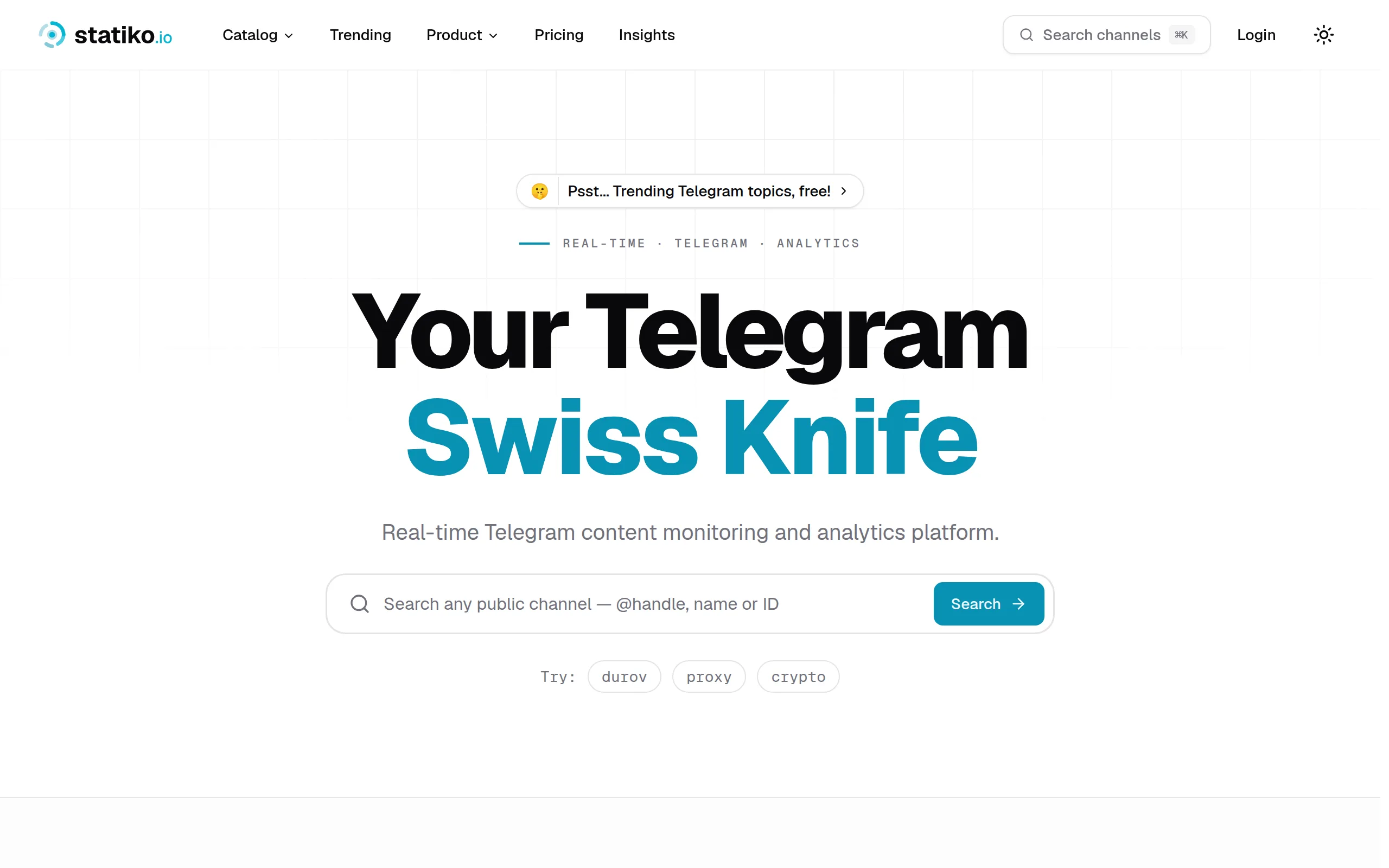
Statiko
Monitor any Telegram channel in real time - track posts, edits, deletions, and growth with AI recaps 📡

Shibui
AI website builder - describe your business, pick a niche template, edit by chatting, and publish instantly ✨

Pro Service
Find verified home service professionals, compare quotes, and pay securely through escrow - built for Brazilians across the US 🏠

RankGrow
Fix your SEO with AI agents - connect Search Console, get prioritized tasks, and grow organic traffic 📈

SyncReads
Sync your favorite content for distraction-free reading, save time and replace multiple apps. Anytime, anywhere 🔄
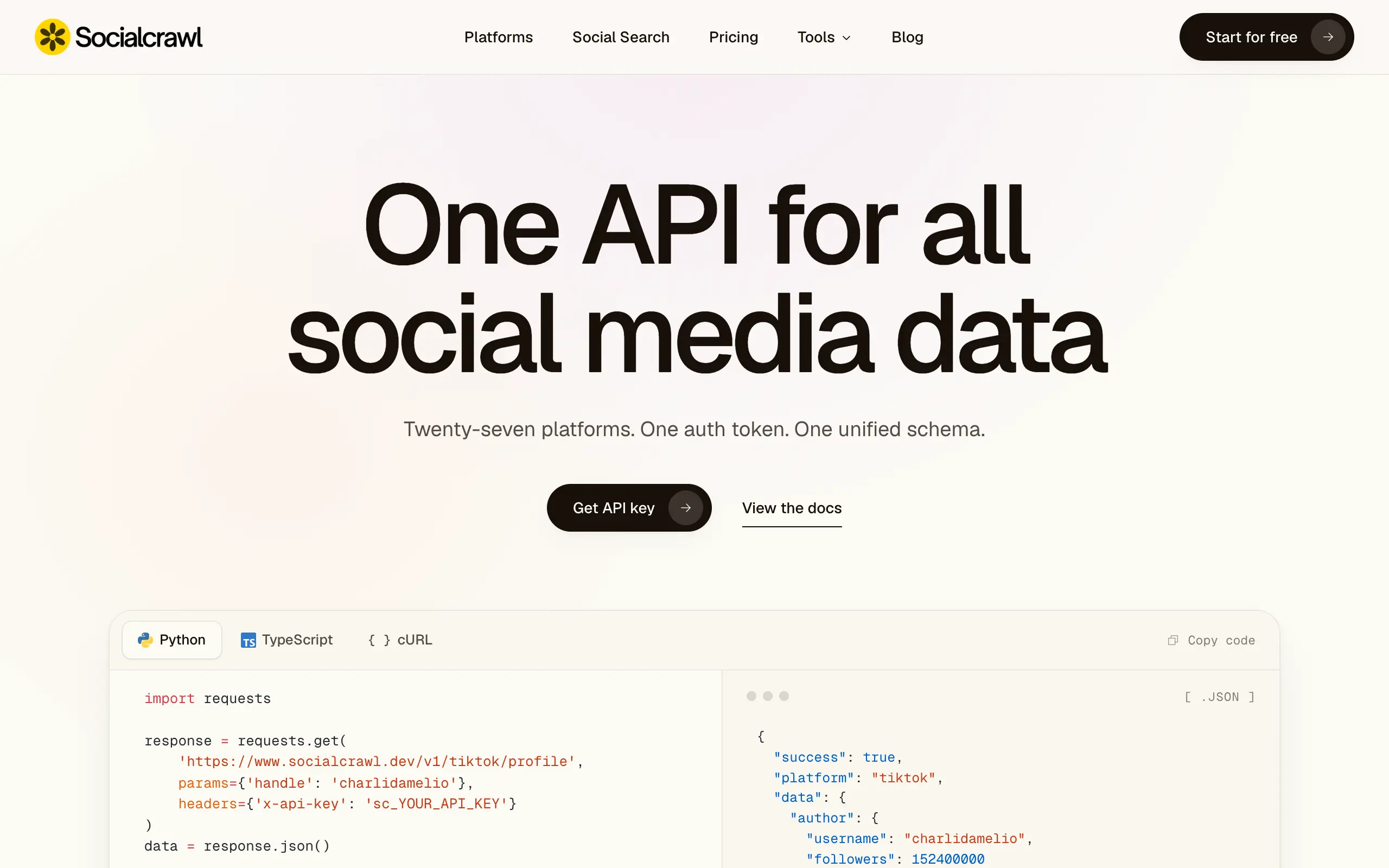
Socialcrawl
Get clean, structured data from 21 platforms like TikTok, Instagram, and YouTube with a single request 📊
Statiko
Monitor any Telegram channel in real time - track posts, edits, deletions, and growth with AI recaps 📡
Shibui
AI website builder - describe your business, pick a niche template, edit by chatting, and publish instantly ✨
Pro Service
Find verified home service professionals, compare quotes, and pay securely through escrow - built for Brazilians across the US 🏠
RankGrow
Fix your SEO with AI agents - connect Search Console, get prioritized tasks, and grow organic traffic 📈
SyncReads
Sync your favorite content for distraction-free reading, save time and replace multiple apps. Anytime, anywhere 🔄
Socialcrawl
Get clean, structured data from 21 platforms like TikTok, Instagram, and YouTube with a single request 📊
Statiko
Monitor any Telegram channel in real time - track posts, edits, deletions, and growth with AI recaps 📡
Shibui
AI website builder - describe your business, pick a niche template, edit by chatting, and publish instantly ✨
Pro Service
Find verified home service professionals, compare quotes, and pay securely through escrow - built for Brazilians across the US 🏠
RankGrow
Fix your SEO with AI agents - connect Search Console, get prioritized tasks, and grow organic traffic 📈
SyncReads
Sync your favorite content for distraction-free reading, save time and replace multiple apps. Anytime, anywhere 🔄
Socialcrawl
Get clean, structured data from 21 platforms like TikTok, Instagram, and YouTube with a single request 📊
Statiko
Monitor any Telegram channel in real time - track posts, edits, deletions, and growth with AI recaps 📡
Shibui
AI website builder - describe your business, pick a niche template, edit by chatting, and publish instantly ✨
Pro Service
Find verified home service professionals, compare quotes, and pay securely through escrow - built for Brazilians across the US 🏠
RankGrow
Fix your SEO with AI agents - connect Search Console, get prioritized tasks, and grow organic traffic 📈
SyncReads
Sync your favorite content for distraction-free reading, save time and replace multiple apps. Anytime, anywhere 🔄
Socialcrawl
Get clean, structured data from 21 platforms like TikTok, Instagram, and YouTube with a single request 📊
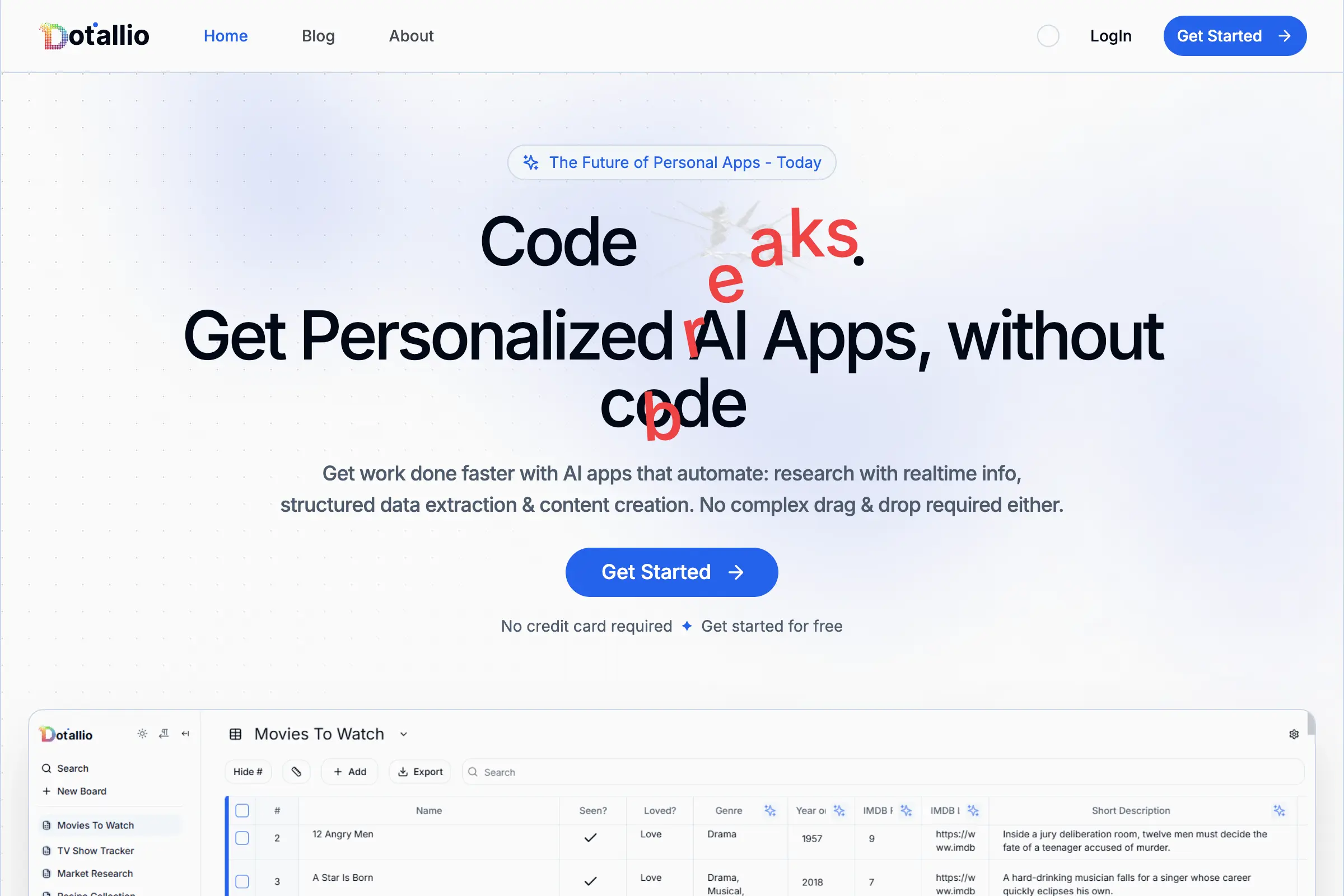
Dotallio
Personalized AI apps that automate research, data extraction, and content creation without code 🤖

Talk to Santa
Enjoy a magical live video chat or receive a unique AI-generated video greeting from Santa Claus 🎅
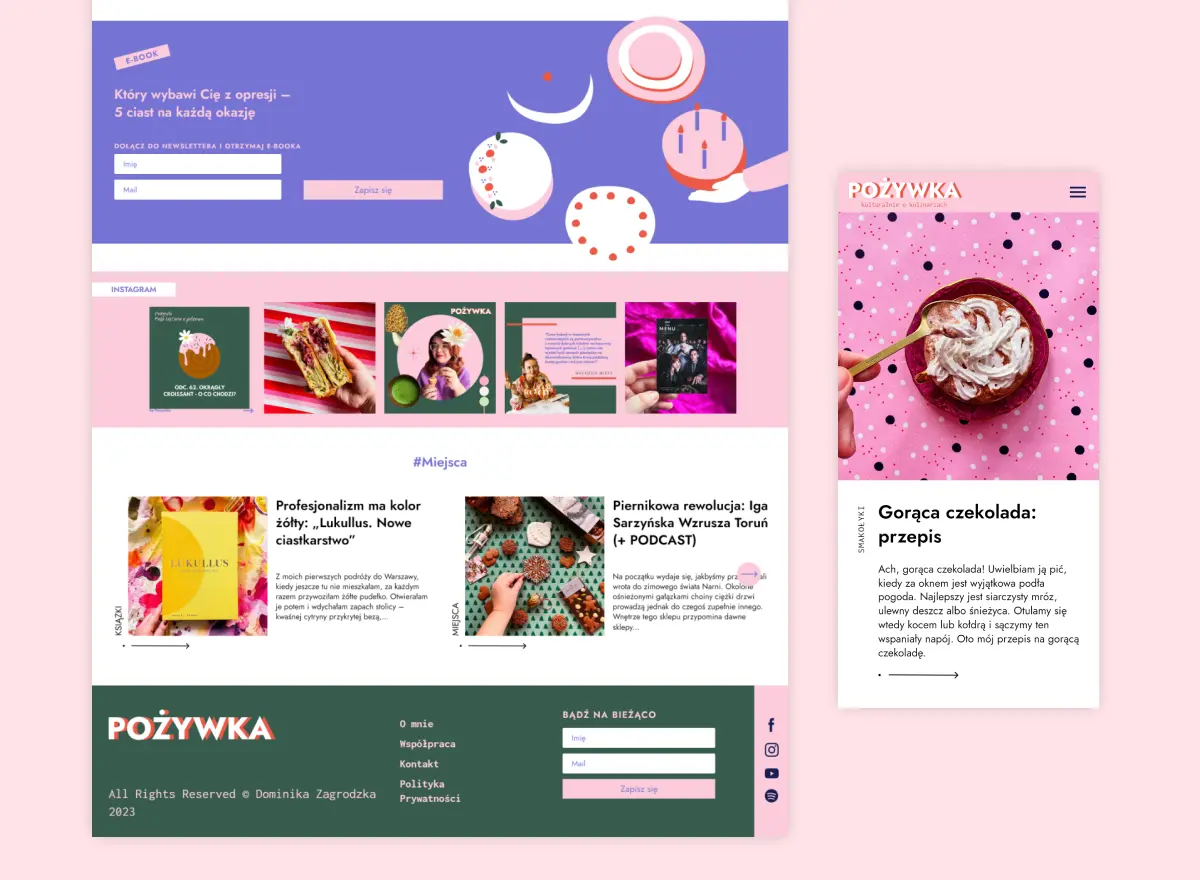
pozywka.pl
Scalable blog for food journalist, focused on performance and user experience 🌭
zagrodzki.me
Personal blog and portfolio of Bart Zagrodzki, where he shares his knowledge and work 💼

TurboStarter
Ship your startup everywhere. In minutes.
HTML to Markdown
Convert HTML to Markdown with ease, directly in your browser 📄
Dotallio
Personalized AI apps that automate research, data extraction, and content creation without code 🤖
Talk to Santa
Enjoy a magical live video chat or receive a unique AI-generated video greeting from Santa Claus 🎅
pozywka.pl
Scalable blog for food journalist, focused on performance and user experience 🌭
zagrodzki.me
Personal blog and portfolio of Bart Zagrodzki, where he shares his knowledge and work 💼
TurboStarter
Ship your startup everywhere. In minutes.
HTML to Markdown
Convert HTML to Markdown with ease, directly in your browser 📄
Dotallio
Personalized AI apps that automate research, data extraction, and content creation without code 🤖
Talk to Santa
Enjoy a magical live video chat or receive a unique AI-generated video greeting from Santa Claus 🎅
pozywka.pl
Scalable blog for food journalist, focused on performance and user experience 🌭
zagrodzki.me
Personal blog and portfolio of Bart Zagrodzki, where he shares his knowledge and work 💼
TurboStarter
Ship your startup everywhere. In minutes.
HTML to Markdown
Convert HTML to Markdown with ease, directly in your browser 📄
Dotallio
Personalized AI apps that automate research, data extraction, and content creation without code 🤖
Talk to Santa
Enjoy a magical live video chat or receive a unique AI-generated video greeting from Santa Claus 🎅
pozywka.pl
Scalable blog for food journalist, focused on performance and user experience 🌭
zagrodzki.me
Personal blog and portfolio of Bart Zagrodzki, where he shares his knowledge and work 💼
TurboStarter
Ship your startup everywhere. In minutes.
HTML to Markdown
Convert HTML to Markdown with ease, directly in your browser 📄
Omichat
Chat with 50+ AI models, including ChatGPT and Claude, in one place - switch models anytime without losing context 🤖
Claude Fast
Supercharge your Claude Code with 6x effective context window and specialized AI agents 🤖
EmojAI
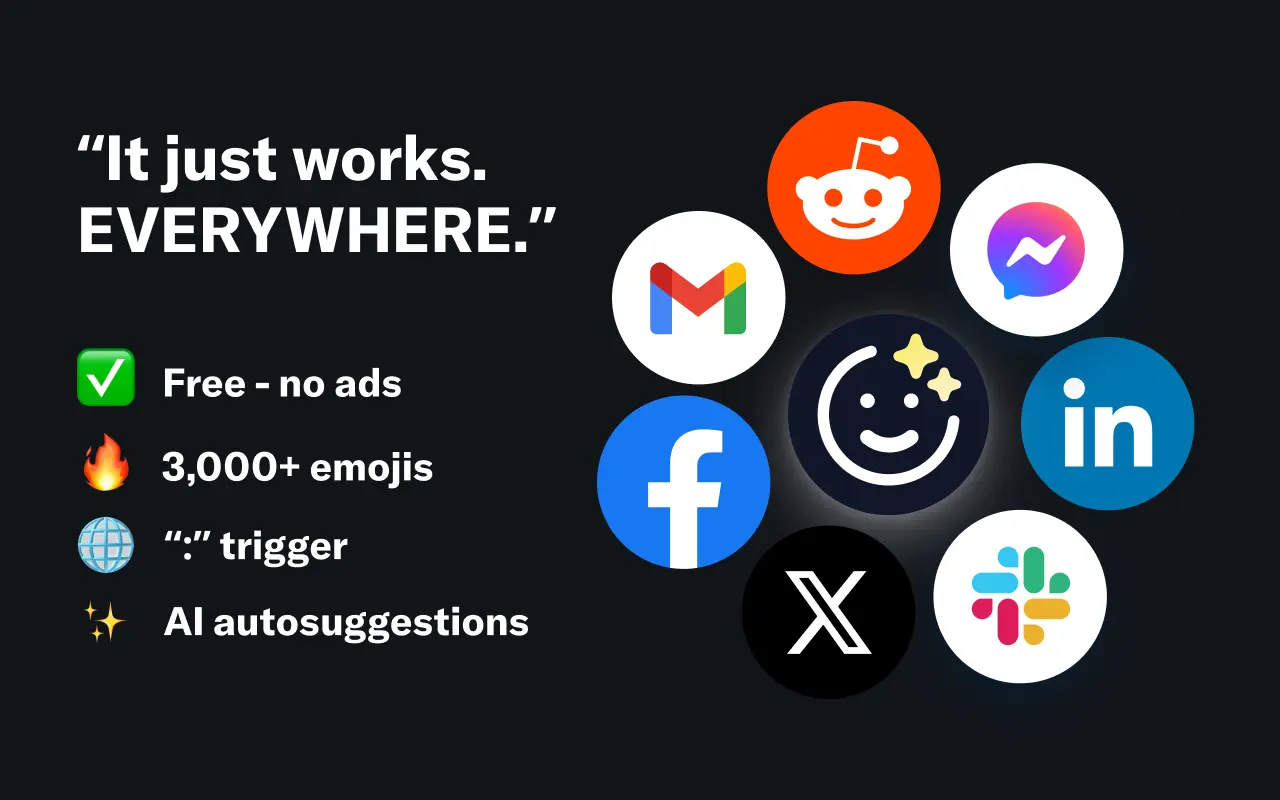
AI-powered emoji picker with smart, context-aware suggestions 🤖

Solohacker
Autonomous company launcher - AI agents work 24/7, escalate what matters, and you stay in control 🤖
BeRawi: Storytelling Coach
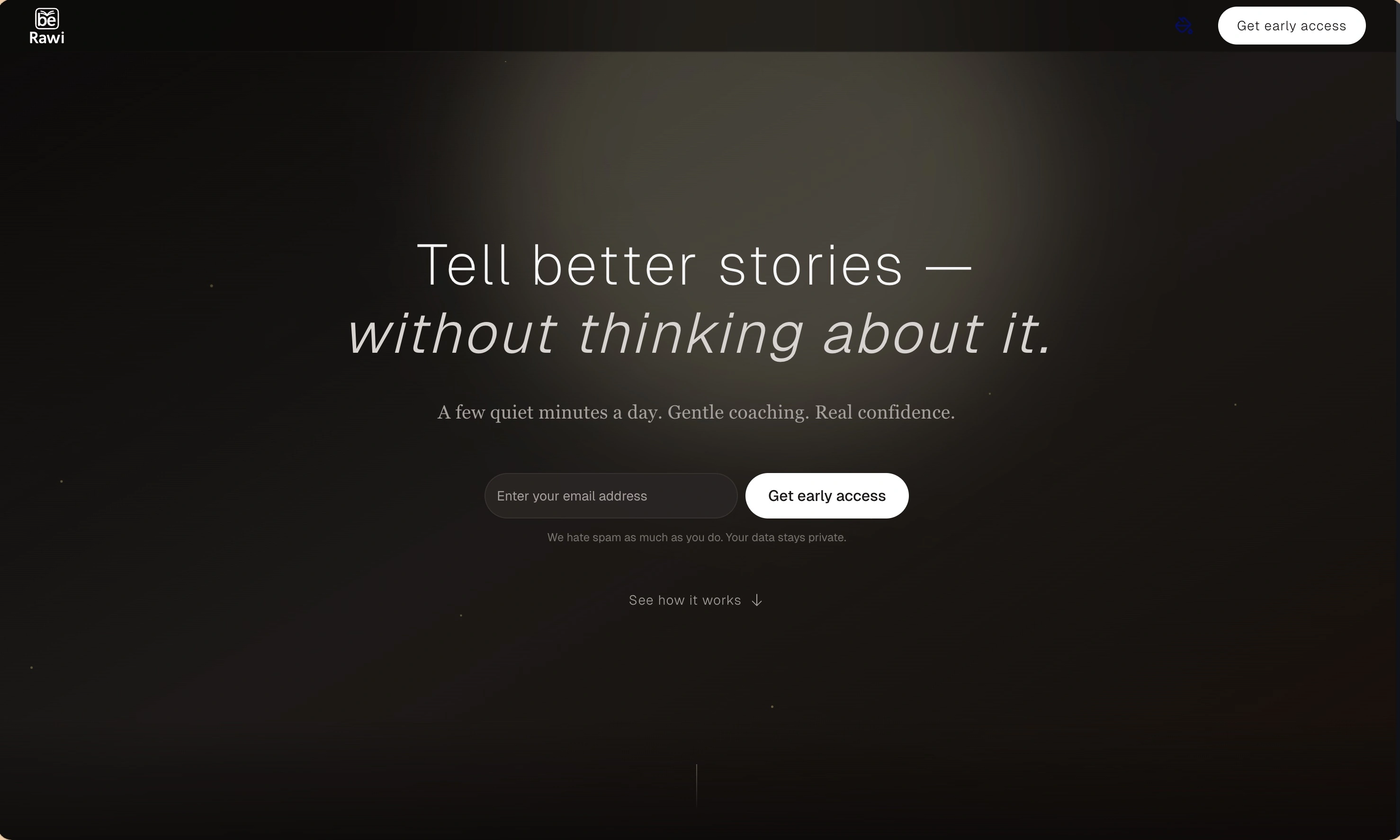
Practice storytelling daily with instant feedback to sound clearer, more engaging, and confident 🎤
Omichat
Chat with 50+ AI models, including ChatGPT and Claude, in one place - switch models anytime without losing context 🤖
Claude Fast
Supercharge your Claude Code with 6x effective context window and specialized AI agents 🤖
EmojAI
AI-powered emoji picker with smart, context-aware suggestions 🤖
Solohacker
Autonomous company launcher - AI agents work 24/7, escalate what matters, and you stay in control 🤖
BeRawi: Storytelling Coach
Practice storytelling daily with instant feedback to sound clearer, more engaging, and confident 🎤
Omichat
Chat with 50+ AI models, including ChatGPT and Claude, in one place - switch models anytime without losing context 🤖
Claude Fast
Supercharge your Claude Code with 6x effective context window and specialized AI agents 🤖
EmojAI
AI-powered emoji picker with smart, context-aware suggestions 🤖
Solohacker
Autonomous company launcher - AI agents work 24/7, escalate what matters, and you stay in control 🤖
BeRawi: Storytelling Coach
Practice storytelling daily with instant feedback to sound clearer, more engaging, and confident 🎤
Omichat
Chat with 50+ AI models, including ChatGPT and Claude, in one place - switch models anytime without losing context 🤖
Claude Fast
Supercharge your Claude Code with 6x effective context window and specialized AI agents 🤖
EmojAI
AI-powered emoji picker with smart, context-aware suggestions 🤖
Solohacker
Autonomous company launcher - AI agents work 24/7, escalate what matters, and you stay in control 🤖
BeRawi: Storytelling Coach
Practice storytelling daily with instant feedback to sound clearer, more engaging, and confident 🎤

Connect with like-minded people
Join our community to get feedback, support, and grow together with 1,000+ builders on board, let's ship it!
Join usShip your startup everywhere. In minutes.
Don't burn tokens on setup and start building features on day one.