CrediLift AI
An AI-powered credit optimization platform that simulates financial moves and shows users how to boost their credit score before applying for loans.
Why an AI-powered credit optimization platform is a massive opportunity
Millions of consumers apply for loans, credit cards, or mortgages without truly understanding how their financial actions impact their credit score. They often rely on generic advice like “keep utilization below 30%” or “don’t miss payments,” without knowing how specific moves—like paying down one card versus another—will affect their unique profile.
This is where CrediLift AI, an AI-powered credit optimization platform, enters the market.
Instead of offering static tips, CrediLift AI simulates financial moves and shows users how to boost their credit score before applying for loans. It combines predictive modeling, real-time financial data analysis, and personalized simulations to answer a high-intent question:
“If I do X, how much will my credit score increase—and how fast?”
This article explores the market opportunity, target audience, core features, tech stack, monetization strategy, competitive positioning, and a practical roadmap to build and scale CrediLift AI.
Understanding the user search intent behind credit optimization
Before building or marketing a credit optimization SaaS, we must understand search intent. Users searching for terms like:
- “how to increase credit score fast”
- “how much will paying off debt raise my score”
- “credit score simulator”
- “best way to boost credit before mortgage”
- “credit utilization impact calculator”
…are not just browsing. They are:
- Planning a financial milestone (mortgage, car loan, personal loan, credit card approval).
- Looking for specific, actionable guidance.
- Concerned about timing and measurable outcomes.
Most existing tools provide:
- A free credit score
- Basic monitoring
- Static educational articles
Very few provide dynamic, AI-driven scenario simulation tailored to an individual’s profile.
That’s the core gap CrediLift AI fills.
Market opportunity: why credit optimization is a high-value niche
Massive total addressable market
In the U.S. alone:
- Over 200 million adults have a credit file.
- Tens of millions apply for mortgages, auto loans, or credit cards annually.
- Credit score differences can affect loan rates by thousands of dollars over time.
According to publicly available consumer finance reports (e.g., from the Consumer Financial Protection Bureau and major credit bureaus), even a 20–40 point increase in credit score can significantly reduce interest rates for mortgages and auto loans.
This means:
- The value per user is extremely high.
- The willingness to pay for score improvement tools is strong.
- Timing-based use cases (pre-mortgage, pre-refinance) are ideal for premium conversion.
Existing players and their gaps
Major players include:
- Credit Karma
- Experian
- NerdWallet
- Mint-style financial apps
However, these platforms focus on:
- Monitoring
- Credit reports
- Loan comparisons
- Educational content
They lack:
- Real-time personalized simulations
- AI-driven scenario forecasting
- Optimization paths based on financial constraints
CrediLift AI can position itself as:
“The credit score simulator that shows you exactly what to do before you apply.”
Target audience analysis
Primary segments
Pre-mortgage buyers
Individuals planning to apply for a home loan within 3–12 months who want to qualify for the best interest rates.
Auto loan applicants
Consumers preparing to finance a car who need quick credit score improvements.
Credit rebuilders
Users recovering from missed payments, high utilization, or collections.
Financial advisors & loan officers
Professionals who want to help clients improve credit outcomes.
Behavioral traits
- High urgency (upcoming loan)
- Moderate financial literacy
- Fear of rejection or high interest rates
- Strong ROI mindset (“Will this save me money?”)
Pain points
- Uncertainty about which actions matter most
- Conflicting advice online
- No visibility into short-term score impact
- Fear of making things worse
CrediLift AI should communicate clearly:
“No guessing. See the projected impact before you act.”
Core solution: how CrediLift AI works
At its core, CrediLift AI is a credit score simulation engine powered by machine learning and financial modeling.
Key features
1. AI-powered credit score simulator
Users can simulate actions such as:
- Paying off a specific credit card
- Reducing overall utilization
- Removing a collection account
- Adding an authorized user
- Opening a new account
- Waiting 3–6 months with no changes
The system outputs:
- Projected credit score range
- Confidence level
- Estimated time to impact
- Risk factors
2. Optimization path generator
Instead of isolated simulations, the platform provides:
- A prioritized action roadmap
- Estimated score progression over time
- Cost-benefit analysis (e.g., pay $2,000 now to gain 35 points)
Example output:
3. Timing-based loan readiness score
A proprietary “Loan Readiness Index” can show:
- Approval likelihood tier
- Estimated interest bracket
- Best time to apply
4. Risk alerts
AI can detect:
- Over-optimization risk (closing old accounts)
- Potential score drop from new credit lines
- Thin file vulnerabilities
How the AI engine can be built
Data inputs
To build accurate simulations, the system would require:
- User credit report data (via bureau APIs or financial aggregators)
- Historical anonymized score-impact datasets
- Public scoring model insights (e.g., FICO factor weight approximations)
Key credit factors typically include:
- Payment history
- Credit utilization
- Length of credit history
- Credit mix
- New inquiries
Modeling approach
A hybrid architecture works best:
- Encodes known credit factor weightings
- Applies deterministic score approximations
- Handles edge-case safety constraints
- Trained on anonymized historical outcome data
- Learns nonlinear relationships between variables
- Predicts probabilistic score ranges
This improves:
- Accuracy
- Explainability
- Regulatory defensibility
Example simulation logic (simplified)
function simulateUtilizationImpact(currentScore, currentUtilization, targetUtilization) {
  const utilizationDrop = currentUtilization - targetUtilization;

  let projectedIncrease = 0;

  if (utilizationDrop >= 20) {
    projectedIncrease = 25;
  } else if (utilizationDrop >= 10) {
    projectedIncrease = 12;
  } else {
    projectedIncrease = 5;
  }

  return {
    projectedScore: currentScore + projectedIncrease,
    confidence: "medium"
  };
}
In production, this would be far more complex and data-driven, but it illustrates the concept.
Recommended tech stack for CrediLift AI
Frontend
- React for UI
- TailwindCSS for styling
- Real-time simulation visualizations (charts & sliders)
Backend
- Node.js or Python (FastAPI) for API layer
- PostgreSQL for structured financial data
- Redis for caching simulations
AI/ML layer
- Python with scikit-learn or TensorFlow
- Model training pipelines
- Secure data anonymization
Infrastructure
- Cloud provider (AWS, GCP, or Azure)
- SOC 2 compliance roadmap
- End-to-end encryption
Compliance is critical
Handling credit data requires strong security, encryption, and potentially compliance with financial data regulations. Legal consultation and strict data governance are non-negotiable.
Monetization strategy
Because credit improvement directly affects loan rates, pricing can be value-based.
Tiered subscription model
| Feature | Free | Pro ($19/mo) | Premium ($49/mo) | Advisor |
|---|---|---|---|---|
| Basic simulation | ✅ | ✅ | ✅ | ✅ |
| Optimization roadmap | ❌ | ✅ | ✅ | ✅ |
| Advanced forecasting | ❌ | ❌ | ✅ | ✅ |
| Client management | ❌ | ❌ | ❌ | ✅ |
Additional revenue streams
- Affiliate commissions (loan marketplaces)
- White-label for mortgage brokers
- Enterprise API access
- Credit-building product partnerships
Competitive advantage and USP
CrediLift AI stands out through:
- Simulation-first approach
- Personalized AI forecasting
- Action sequencing
- Time-based optimization modeling
Most competitors show your score.
CrediLift AI shows:
“Here’s what happens if you do this.”
That psychological shift—from passive monitoring to active control—is powerful.
Risks and mitigation strategies
Mitigation: Legal consultation, transparent disclaimers, no guarantee claims, strong data governance.
Mitigation: Use score ranges instead of exact numbers, include confidence scores.
Mitigation: Provide clear explanations for each recommendation.
Mitigation: Encryption, regular audits, SOC 2 compliance roadmap.
Go-to-market strategy
Phase 1: SEO-driven growth
Target high-intent keywords:
- credit score simulator
- how to boost credit before mortgage
- credit optimization tool
- improve credit score fast AI
Build long-form educational content and interactive calculators.
Phase 2: Partnerships
- Mortgage brokers
- Credit unions
- Financial advisors
Phase 3: B2B expansion
Offer API-based credit simulation for fintech apps.
Step-by-step implementation roadmap
For rapid SaaS development, you can accelerate the build using a production-ready foundation like TurboStarter, which provides authentication, payments, and scalable architecture out of the box.
Why CrediLift AI can win
The future of fintech is predictive and proactive.
Consumers no longer want:
- Static dashboards
- Generic advice
- Reactive alerts
They want:
- Forecasting
- Simulations
- Optimization plans
CrediLift AI turns credit management into a strategic planning tool.
When positioned correctly—with authority, transparency, and strong AI modeling—it can become the go-to credit score optimization platform for individuals and financial professionals alike.
If built with precision, compliance, and user trust at its core, CrediLift AI has the potential to redefine how people prepare for major financial decisions—transforming credit scores from a mystery into a controllable asset.
More 🤖 AI Startup SaaS ideas
Discover more innovative ai startup SaaS ideas that are trending in 2026. Each idea is AI-generated with market validation and growth potential to help you find your next profitable venture faster than competitors.
Your competitors are building with TurboStarter
Below are some of the SaaS ideas that have been generated and built with our starter kit.

Statiko
Monitor any Telegram channel in real time - track posts, edits, deletions, and growth with AI recaps 📡

Shibui
AI website builder - describe your business, pick a niche template, edit by chatting, and publish instantly ✨

Pro Service
Find verified home service professionals, compare quotes, and pay securely through escrow - built for Brazilians across the US 🏠
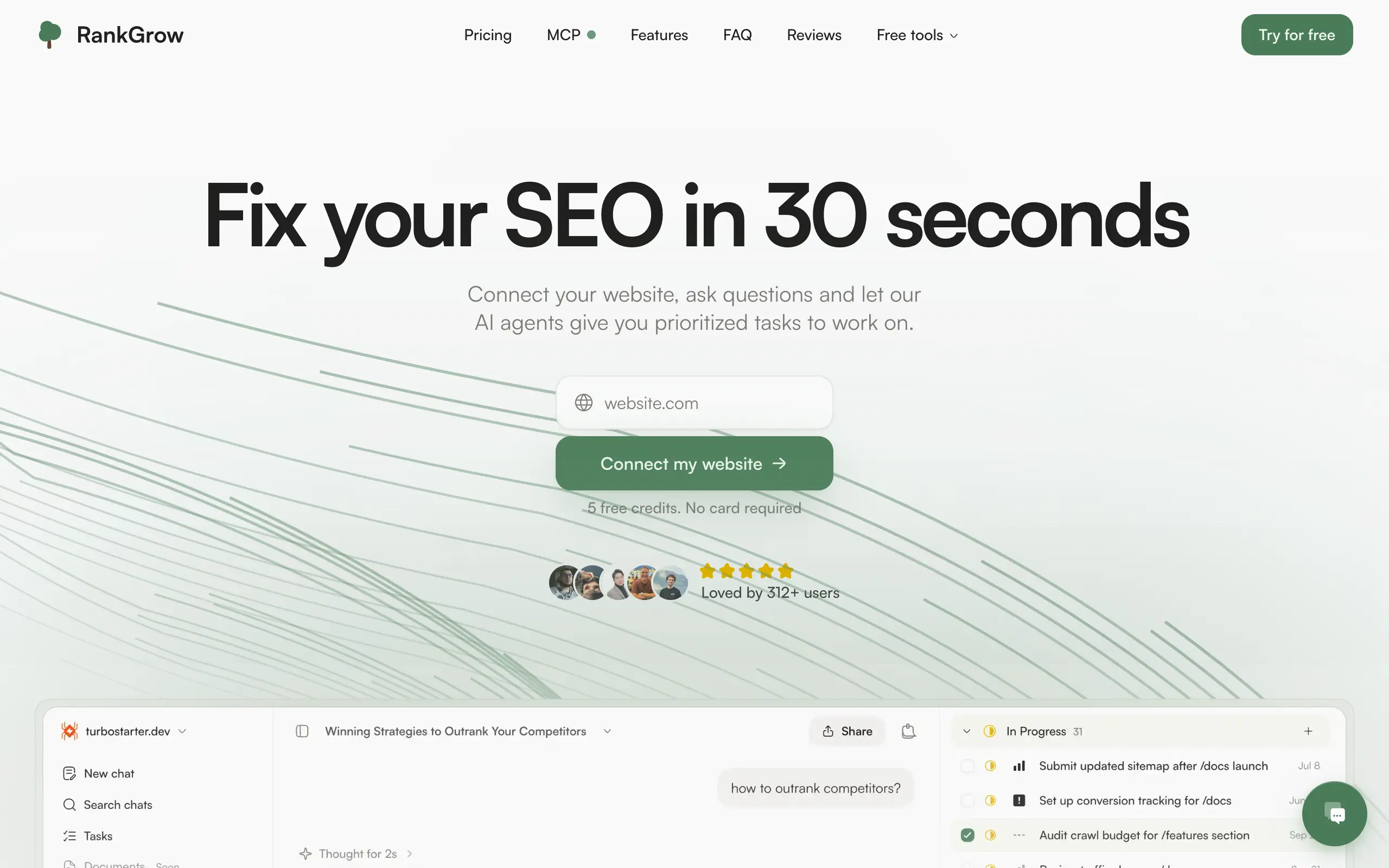
RankGrow
Fix your SEO with AI agents - connect Search Console, get prioritized tasks, and grow organic traffic 📈
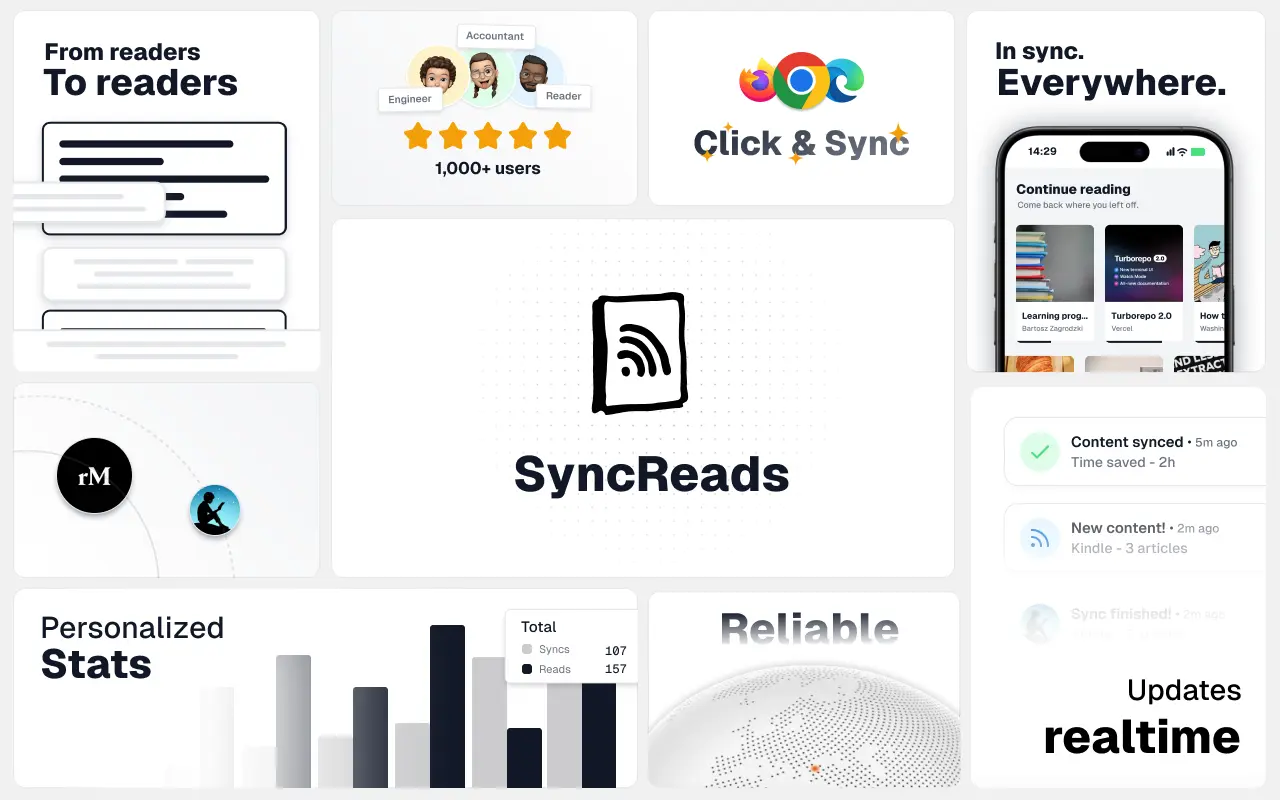
SyncReads
Sync your favorite content for distraction-free reading, save time and replace multiple apps. Anytime, anywhere 🔄
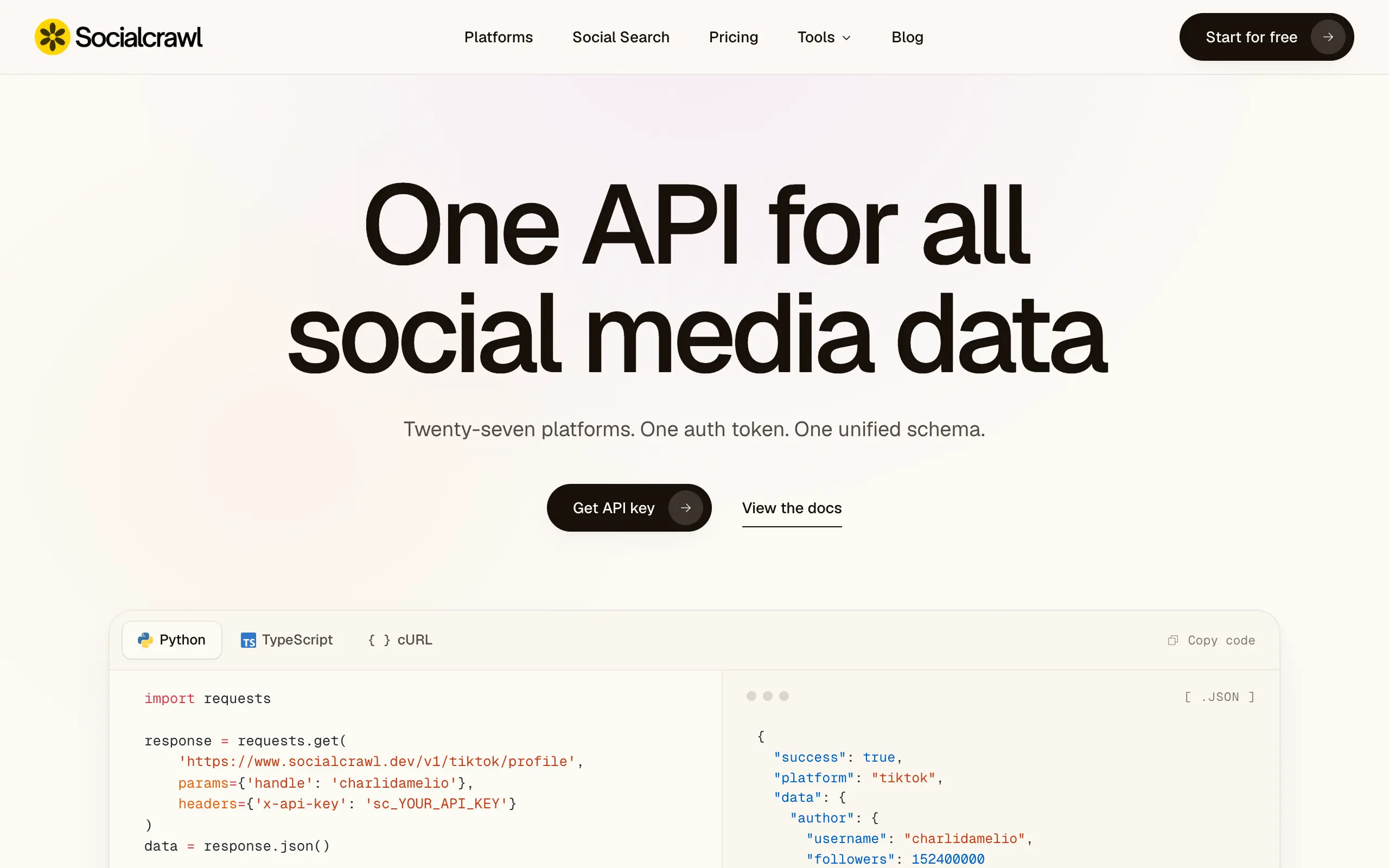
Socialcrawl
Get clean, structured data from 21 platforms like TikTok, Instagram, and YouTube with a single request 📊
Statiko
Monitor any Telegram channel in real time - track posts, edits, deletions, and growth with AI recaps 📡
Shibui
AI website builder - describe your business, pick a niche template, edit by chatting, and publish instantly ✨
Pro Service
Find verified home service professionals, compare quotes, and pay securely through escrow - built for Brazilians across the US 🏠
RankGrow
Fix your SEO with AI agents - connect Search Console, get prioritized tasks, and grow organic traffic 📈
SyncReads
Sync your favorite content for distraction-free reading, save time and replace multiple apps. Anytime, anywhere 🔄
Socialcrawl
Get clean, structured data from 21 platforms like TikTok, Instagram, and YouTube with a single request 📊
Statiko
Monitor any Telegram channel in real time - track posts, edits, deletions, and growth with AI recaps 📡
Shibui
AI website builder - describe your business, pick a niche template, edit by chatting, and publish instantly ✨
Pro Service
Find verified home service professionals, compare quotes, and pay securely through escrow - built for Brazilians across the US 🏠
RankGrow
Fix your SEO with AI agents - connect Search Console, get prioritized tasks, and grow organic traffic 📈
SyncReads
Sync your favorite content for distraction-free reading, save time and replace multiple apps. Anytime, anywhere 🔄
Socialcrawl
Get clean, structured data from 21 platforms like TikTok, Instagram, and YouTube with a single request 📊
Statiko
Monitor any Telegram channel in real time - track posts, edits, deletions, and growth with AI recaps 📡
Shibui
AI website builder - describe your business, pick a niche template, edit by chatting, and publish instantly ✨
Pro Service
Find verified home service professionals, compare quotes, and pay securely through escrow - built for Brazilians across the US 🏠
RankGrow
Fix your SEO with AI agents - connect Search Console, get prioritized tasks, and grow organic traffic 📈
SyncReads
Sync your favorite content for distraction-free reading, save time and replace multiple apps. Anytime, anywhere 🔄
Socialcrawl
Get clean, structured data from 21 platforms like TikTok, Instagram, and YouTube with a single request 📊
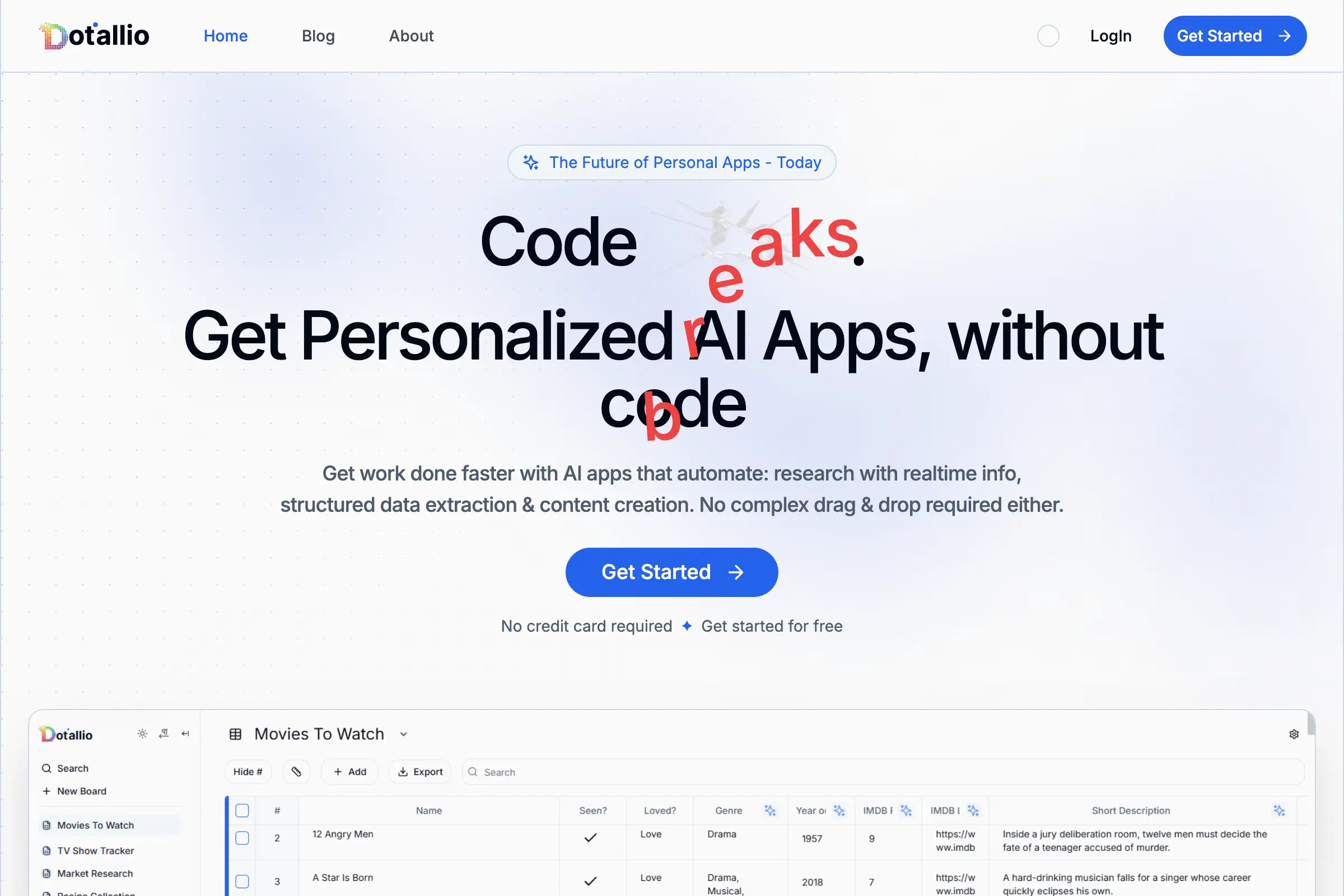
Dotallio
Personalized AI apps that automate research, data extraction, and content creation without code 🤖

Talk to Santa
Enjoy a magical live video chat or receive a unique AI-generated video greeting from Santa Claus 🎅

pozywka.pl
Scalable blog for food journalist, focused on performance and user experience 🌭
zagrodzki.me
Personal blog and portfolio of Bart Zagrodzki, where he shares his knowledge and work 💼
TurboStarter
Ship your startup everywhere. In minutes.
HTML to Markdown
Convert HTML to Markdown with ease, directly in your browser 📄
Dotallio
Personalized AI apps that automate research, data extraction, and content creation without code 🤖
Talk to Santa
Enjoy a magical live video chat or receive a unique AI-generated video greeting from Santa Claus 🎅
pozywka.pl
Scalable blog for food journalist, focused on performance and user experience 🌭
zagrodzki.me
Personal blog and portfolio of Bart Zagrodzki, where he shares his knowledge and work 💼
TurboStarter
Ship your startup everywhere. In minutes.
HTML to Markdown
Convert HTML to Markdown with ease, directly in your browser 📄
Dotallio
Personalized AI apps that automate research, data extraction, and content creation without code 🤖
Talk to Santa
Enjoy a magical live video chat or receive a unique AI-generated video greeting from Santa Claus 🎅
pozywka.pl
Scalable blog for food journalist, focused on performance and user experience 🌭
zagrodzki.me
Personal blog and portfolio of Bart Zagrodzki, where he shares his knowledge and work 💼
TurboStarter
Ship your startup everywhere. In minutes.
HTML to Markdown
Convert HTML to Markdown with ease, directly in your browser 📄
Dotallio
Personalized AI apps that automate research, data extraction, and content creation without code 🤖
Talk to Santa
Enjoy a magical live video chat or receive a unique AI-generated video greeting from Santa Claus 🎅
pozywka.pl
Scalable blog for food journalist, focused on performance and user experience 🌭
zagrodzki.me
Personal blog and portfolio of Bart Zagrodzki, where he shares his knowledge and work 💼
TurboStarter
Ship your startup everywhere. In minutes.
HTML to Markdown
Convert HTML to Markdown with ease, directly in your browser 📄
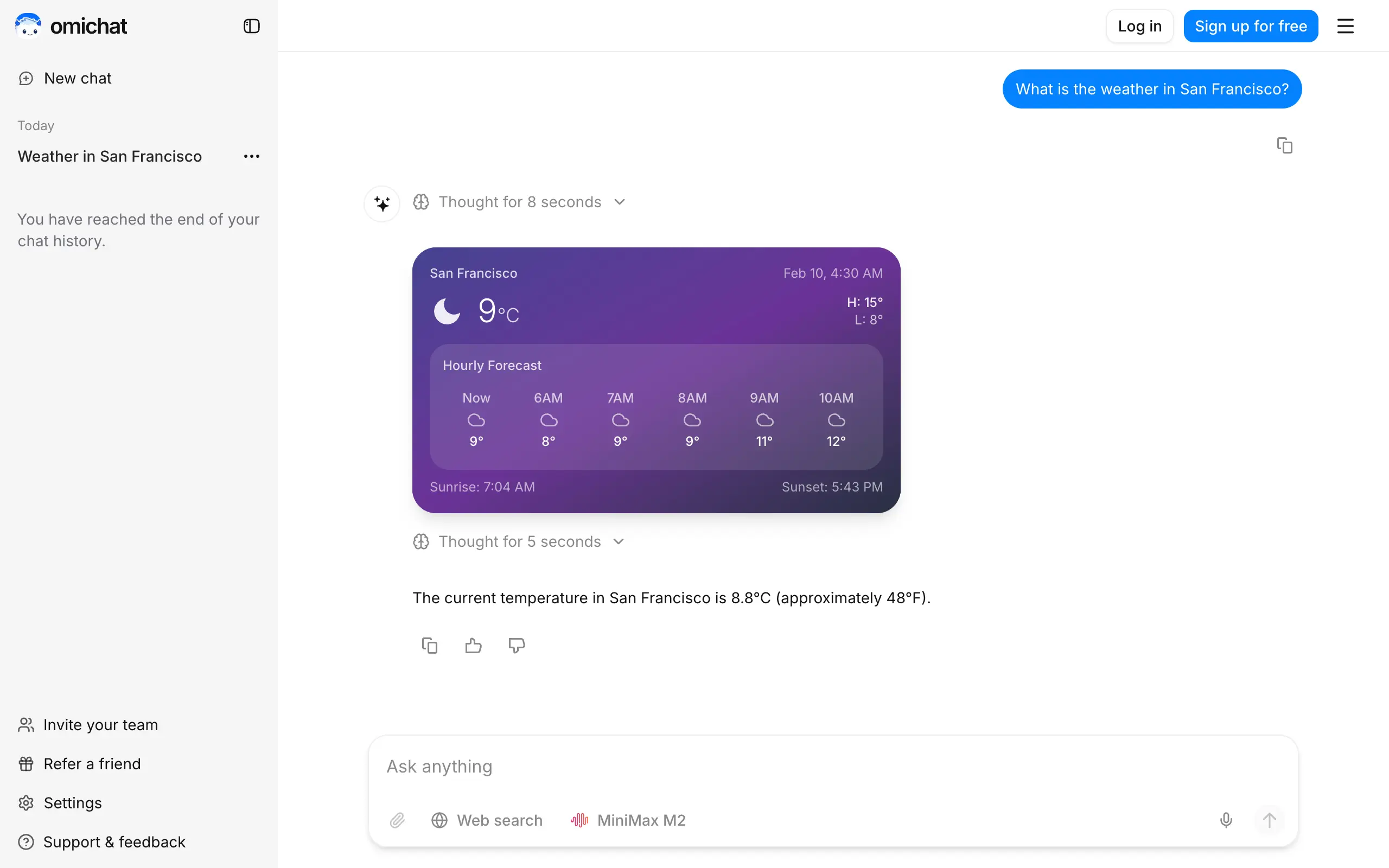
Omichat
Chat with 50+ AI models, including ChatGPT and Claude, in one place - switch models anytime without losing context 🤖
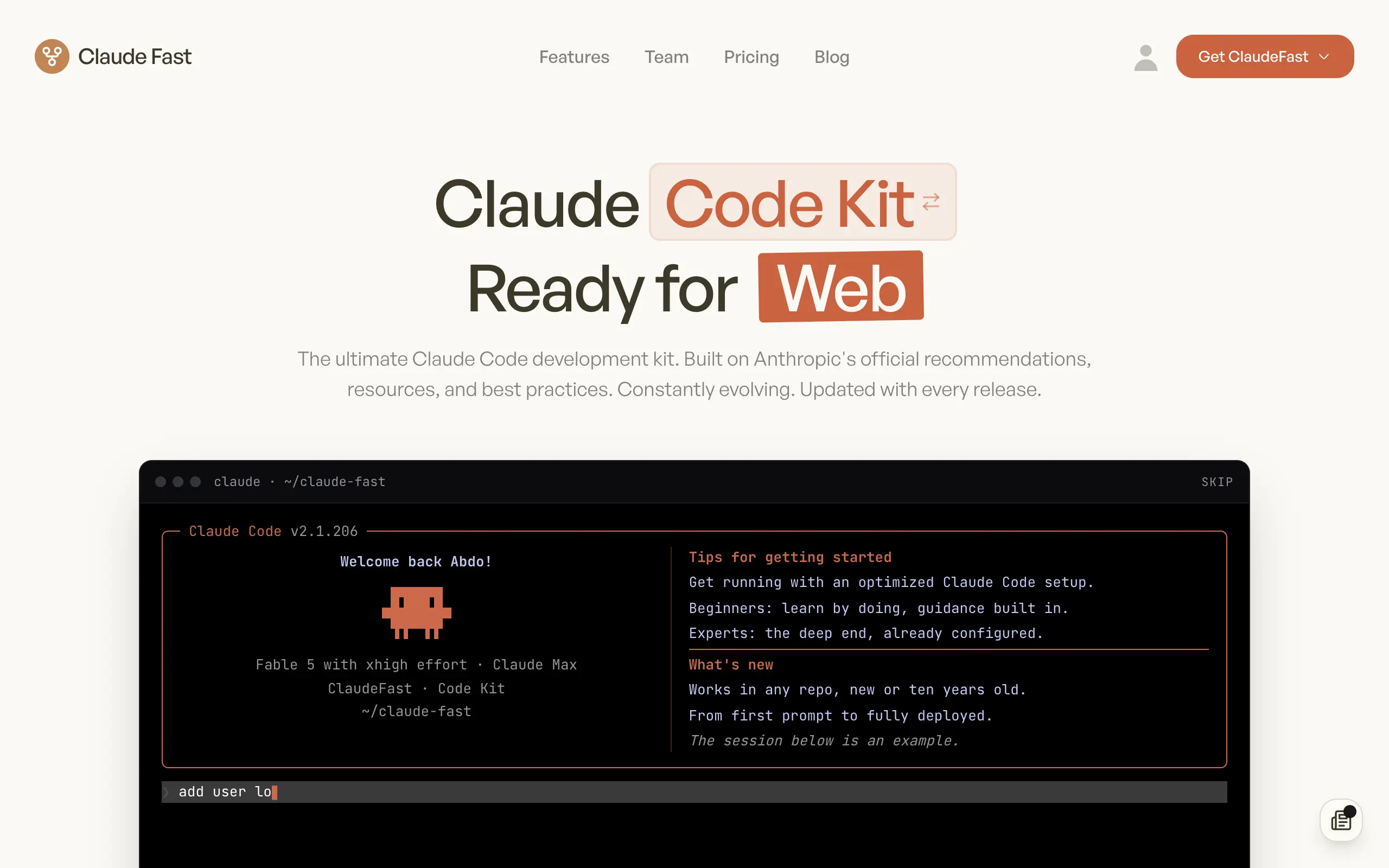
Claude Fast
Supercharge your Claude Code with 6x effective context window and specialized AI agents 🤖
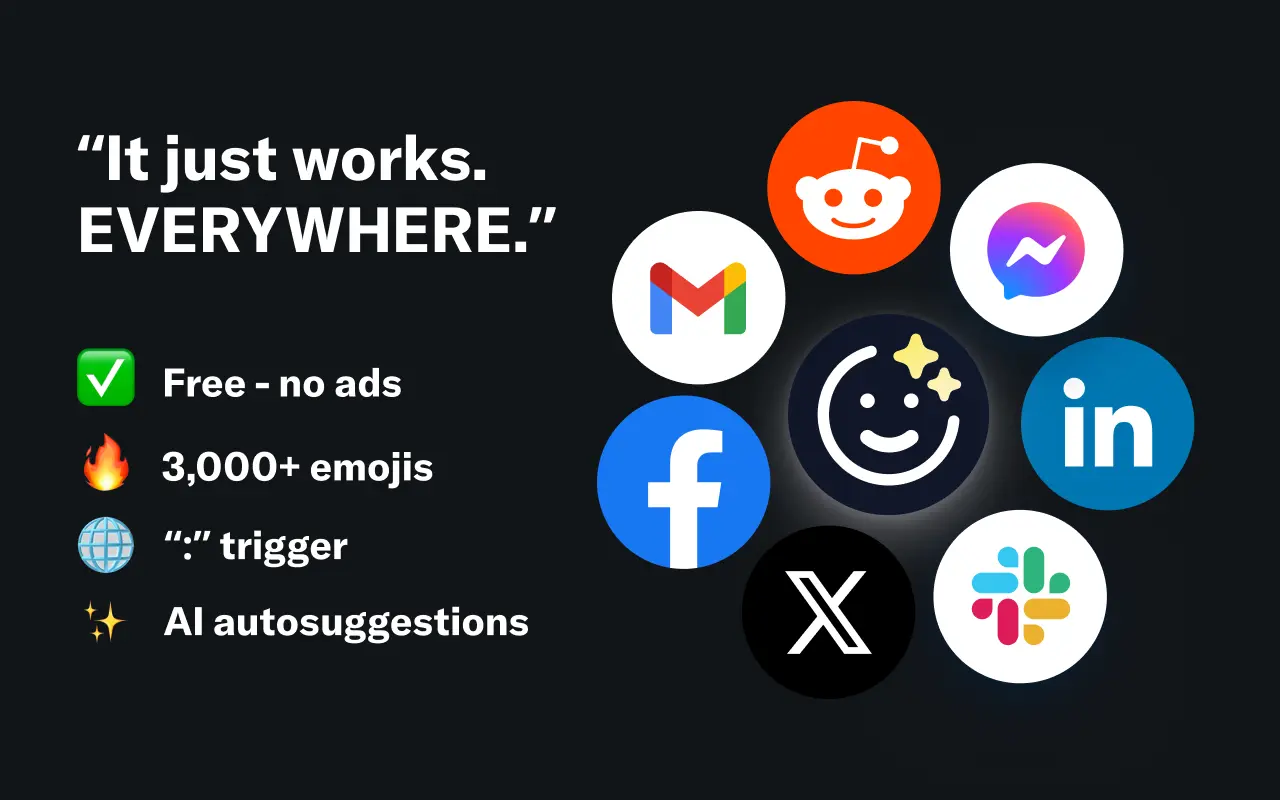
EmojAI
AI-powered emoji picker with smart, context-aware suggestions 🤖
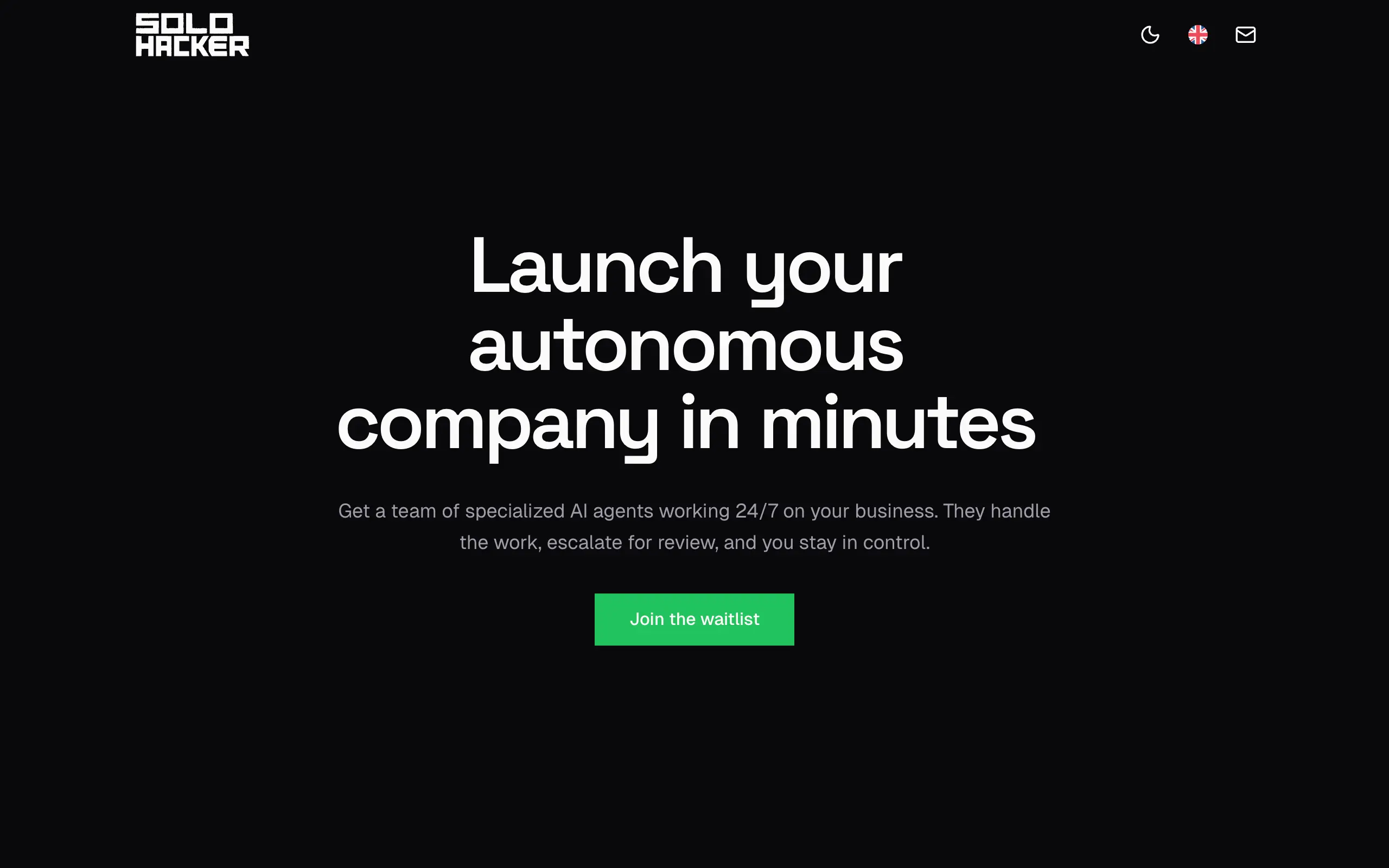
Solohacker
Autonomous company launcher - AI agents work 24/7, escalate what matters, and you stay in control 🤖

BeRawi: Storytelling Coach
Practice storytelling daily with instant feedback to sound clearer, more engaging, and confident 🎤
Omichat
Chat with 50+ AI models, including ChatGPT and Claude, in one place - switch models anytime without losing context 🤖
Claude Fast
Supercharge your Claude Code with 6x effective context window and specialized AI agents 🤖
EmojAI
AI-powered emoji picker with smart, context-aware suggestions 🤖
Solohacker
Autonomous company launcher - AI agents work 24/7, escalate what matters, and you stay in control 🤖
BeRawi: Storytelling Coach
Practice storytelling daily with instant feedback to sound clearer, more engaging, and confident 🎤
Omichat
Chat with 50+ AI models, including ChatGPT and Claude, in one place - switch models anytime without losing context 🤖
Claude Fast
Supercharge your Claude Code with 6x effective context window and specialized AI agents 🤖
EmojAI
AI-powered emoji picker with smart, context-aware suggestions 🤖
Solohacker
Autonomous company launcher - AI agents work 24/7, escalate what matters, and you stay in control 🤖
BeRawi: Storytelling Coach
Practice storytelling daily with instant feedback to sound clearer, more engaging, and confident 🎤
Omichat
Chat with 50+ AI models, including ChatGPT and Claude, in one place - switch models anytime without losing context 🤖
Claude Fast
Supercharge your Claude Code with 6x effective context window and specialized AI agents 🤖
EmojAI
AI-powered emoji picker with smart, context-aware suggestions 🤖
Solohacker
Autonomous company launcher - AI agents work 24/7, escalate what matters, and you stay in control 🤖
BeRawi: Storytelling Coach
Practice storytelling daily with instant feedback to sound clearer, more engaging, and confident 🎤

Connect with like-minded people
Join our community to get feedback, support, and grow together with 1,000+ builders on board, let's ship it!
Join usShip your startup everywhere. In minutes.
Don't burn tokens on setup and start building features on day one.