CreditCraft AI
Alternative credit scoring platform using AI to analyze cash flow, invoices, and behavioral data to help lenders underwrite thin-file borrowers confidently.
The rise of AI-powered alternative credit scoring
Traditional credit scoring models were built for a different era—an era where salaried employment, long-term banking relationships, and extensive borrowing histories were the norm. Today, millions of freelancers, gig workers, immigrants, and small business owners are “thin-file” or “no-file” borrowers. They generate income, pay bills, and run viable operations—but they don’t fit neatly into legacy underwriting systems.
This gap represents a massive opportunity.
CreditCraft AI is an alternative credit scoring platform that leverages artificial intelligence to analyze cash flow, invoices, and behavioral data to help lenders underwrite thin-file borrowers with confidence. It combines machine learning, financial analytics, and explainable AI to unlock access to capital while managing risk responsibly.
This article explores the full strategic blueprint behind an AI-powered alternative credit scoring platform—from market opportunity to tech stack, monetization, risk mitigation, and competitive positioning.
Understanding the user search intent
Anyone researching an AI alternative credit scoring platform is typically looking for one or more of the following:
- ✅ Market validation for an alternative credit underwriting SaaS
- ✅ A technical breakdown of how AI-driven credit scoring works
- ✅ Monetization and GTM strategy for fintech infrastructure
- ✅ Regulatory and compliance considerations
- ✅ Competitive landscape analysis
- ✅ Implementation roadmap
This guide addresses all of these areas in depth.
The problem: thin-file borrowers and outdated underwriting
Who are thin-file borrowers?
Thin-file borrowers are individuals or businesses with limited traditional credit history. They may include:
- Gig economy workers (Uber, DoorDash, Fiverr)
- Freelancers and consultants
- Immigrants without domestic credit history
- Young adults with minimal borrowing
- Micro-SMBs operating without formal loans
- Cash-based or invoice-based businesses
Traditional FICO-style scoring models rely heavily on:
- Revolving credit usage
- Installment loan history
- Credit age
- Payment history on formal credit lines
But modern economic behavior includes:
- Stripe and PayPal transactions
- Shopify revenue
- Bank cash flow patterns
- BNPL usage
- Invoice payment cycles
- Subscription spending patterns
The disconnect creates false negatives—creditworthy borrowers who are denied.
Market opportunity and gap analysis
Size of the opportunity
Consider these market forces:
- The global fintech market is projected to exceed $300B+ by 2030 (source: major industry research firms such as McKinsey & Company).
- Over 1.4 billion adults globally remain unbanked (World Bank Global Findex).
- Gig economy participation continues to grow year-over-year.
- Alternative lending platforms are expanding rapidly in both consumer and SMB sectors.
Traditional lenders face pressure to:
- Increase approval rates
- Expand to underserved segments
- Reduce default rates
- Meet financial inclusion mandates
An AI alternative credit scoring platform sits at the intersection of:
- Financial inclusion
- Risk analytics
- Embedded finance
- Open banking
- Regulatory innovation
The core market gap
Existing credit bureaus:
- Move slowly
- Use legacy infrastructure
- Offer limited dynamic behavioral analysis
- Often lack real-time data ingestion
CreditCraft AI fills the gap by:
- Analyzing real-time cash flow
- Incorporating invoice and transaction-level insights
- Using behavioral and operational signals
- Providing explainable AI outputs for compliance
Target audience analysis
CreditCraft AI is not a direct-to-consumer product. It is B2B fintech infrastructure.
Primary customers
Digital lenders
Neobanks, fintech lenders, BNPL providers, and embedded finance platforms needing advanced underwriting.
Community banks & credit unions
Institutions seeking risk expansion without increasing default rates.
SMB financing platforms
Invoice factoring, revenue-based financing, and merchant cash advance providers.
Secondary customers
- Microfinance institutions
- Emerging market lenders
- Credit builders
- Alternative lending marketplaces
Buyer personas
Chief Risk Officer (CRO)
- Goal: Reduce default rate while increasing approval rate
- Concern: Regulatory exposure
- KPI: Portfolio loss ratio
Head of Product (Fintech Lender)
- Goal: Improve onboarding conversion
- Concern: Latency and UX friction
- KPI: Approval lift
Chief Data Officer
- Goal: Model transparency and integration ease
- Concern: Data security
- KPI: Model performance metrics
How CreditCraft AI works: core solution architecture
At its core, CreditCraft AI is an AI-driven alternative credit scoring engine powered by multiple data streams.
Data ingestion layer
- Open banking APIs (e.g., Plaid-like integrations)
- Accounting software APIs (QuickBooks, Xero)
- Payment processors (Stripe, PayPal)
- Invoicing platforms
- POS systems
- Behavioral interaction data
Feature engineering layer
Extract meaningful signals such as:
- Revenue stability index
- Cash flow volatility
- Invoice payment regularity
- Expense consistency patterns
- Behavioral engagement metrics
- Fraud anomaly detection signals
Machine learning layer
- Gradient boosting models (e.g., XGBoost-style architectures)
- Neural networks for behavioral sequence modeling
- Time-series analysis models
- Ensemble risk scoring
Explainability layer
Regulatory compliance requires interpretability.
- SHAP value analysis
- Feature contribution breakdown
- Adverse action reason generation
- Bias detection modules
Example scoring logic (simplified)
type CashFlowMetrics = {
  monthlyRevenue: number
  volatilityIndex: number
  avgInvoiceDays: number
  expenseConsistency: number
  overdraftFrequency: number
}

function calculateRiskScore(data: CashFlowMetrics): number {
  const revenueWeight = 0.30
  const volatilityWeight = -0.25
  const invoiceWeight = -0.15
  const consistencyWeight = 0.20
  const overdraftWeight = -0.10

  const score =
    data.monthlyRevenue * revenueWeight +
    data.volatilityIndex * volatilityWeight +
    data.avgInvoiceDays * invoiceWeight +
    data.expenseConsistency * consistencyWeight +
    data.overdraftFrequency * overdraftWeight

  return Math.max(0, Math.min(100, score))
}
In production, the model would include:
- Thousands of engineered features
- Regular retraining cycles
- Drift monitoring
- Regulatory validation
Key features that create competitive advantage
1. Cash flow-based underwriting engine
Instead of relying solely on historical credit lines, the platform:
- Assesses liquidity sustainability
- Evaluates operational resilience
- Identifies seasonal revenue patterns
2. Invoice intelligence scoring
For SMB borrowers:
- Average payment delays
- Concentration risk (single large client?)
- Recurring invoice stability
3. Behavioral risk modeling
- App usage consistency
- Payment interaction patterns
- Spending category stability
- Micro-behavioral risk indicators
4. Explainable AI dashboard
Lenders receive:
- Risk band classification
- Top positive drivers
- Top negative drivers
- Suggested credit limits
5. API-first integration
RESTful endpoints for:
- Score retrieval
- Feature breakdown
- Monitoring alerts
- Decisioning hooks
Competitive landscape analysis
The alternative credit scoring space includes:
- Traditional credit bureaus
- Alternative data aggregators
- Embedded fintech risk engines
- In-house lender ML teams
Comparative analysis
| Capability | Traditional Bureaus | Alt Data Providers | In-house ML | CreditCraft AI |
|---|---|---|---|---|
| Real-time cash flow | ❌ | ✅ | ✅ | ✅ |
| Explainable AI | Limited | Limited | Depends | ✅ |
| SMB invoice scoring | ❌ | ❌ | Rare | ✅ |
| API-first design | Partial | ✅ | ✅ | ✅ |
Unique selling proposition:
CreditCraft AI integrates real-time cash flow, invoice intelligence, and behavioral analytics into a single explainable AI underwriting score purpose-built for thin-file borrowers.
Recommended tech stack
A scalable fintech infrastructure stack might include:
Frontend
- React
- TailwindCSS
- Next.js for SSR and performance
Backend
- Node.js or Python (FastAPI)
- Microservices architecture
- REST + GraphQL hybrid
AI/ML stack
- Python
- TensorFlow or PyTorch
- XGBoost
- MLflow for experiment tracking
Infrastructure
- AWS or GCP
- Kubernetes
- SOC 2 compliant hosting
- Encrypted data storage (AES-256)
Data pipeline
- Apache Kafka
- Snowflake or BigQuery
- Real-time streaming analytics
Regulatory and compliance considerations
Fintech AI must address:
- Fair lending laws
- Bias mitigation
- Model explainability
- GDPR / CCPA compliance
- Data consent management
Critical compliance note
Alternative credit scoring models must be regularly audited for bias and disparate impact. Explainability is not optional—it's a regulatory requirement in many jurisdictions.
Mitigation strategies:
- Model fairness audits
- Feature exclusion analysis
- Documentation transparency
- Versioned model governance
Monetization strategy options
1. Per-score pricing
- $0.50–$3 per credit score pull
- Tiered enterprise pricing
2. SaaS subscription model
- Base platform access fee
- Volume-based API pricing
3. Revenue share model
- Percentage of originated loan revenue
- Attractive for early-stage lenders
4. Hybrid enterprise model
- Setup fee
- Ongoing subscription
- SLA-based pricing
Risks and mitigation strategies
Model bias risk
Mitigation:
- Continuous fairness testing
- Diverse training datasets
- Independent audits
Data breach risk
Mitigation:
- SOC 2 compliance
- Encryption
- Role-based access controls
Regulatory shift risk
Mitigation:
- Legal advisory partnerships
- Modular scoring framework
- Geographic deployment flexibility
Market competition risk
Mitigation:
- Strong API-first developer focus
- Explainability-first positioning
- Vertical-specific models (e.g., gig worker model, SMB model)
Implementation roadmap
Go-to-market strategy
Phase 1: Niche dominance
Focus on:
- Gig worker lenders
- SMB invoice financing platforms
Phase 2: Partnerships
- Open banking providers
- Accounting software ecosystems
- Embedded finance platforms
Phase 3: Enterprise expansion
Target:
- Regional banks
- Credit unions
- International microfinance institutions
Building the platform efficiently
Speed matters in fintech infrastructure.
Using a robust SaaS starter kit like TurboStarter can significantly accelerate:
- Authentication setup
- Multi-tenant architecture
- Subscription billing
- Role-based access control
- API scaffolding
This allows the founding team to focus on:
- Model performance
- Data partnerships
- Regulatory readiness
Instead of reinventing infrastructure.
Long-term strategic moat
CreditCraft AI builds defensibility through:
- Proprietary risk datasets
- Model refinement from live portfolio performance
- Vertical specialization
- Explainability-first trust positioning
- Deep lender integrations
Over time, model performance improves as:
- More repayment data flows in
- Risk segmentation becomes more precise
- Behavioral modeling strengthens
Future expansion opportunities
- Embedded credit decisioning APIs
- Credit limit optimization engine
- Cross-border scoring for immigrants
- Consumer credit builder tools
- Risk-as-a-Service marketplace
Why CreditCraft AI wins
The future of credit underwriting is:
- Real-time
- Behavioral
- Cash flow-based
- Explainable
- Inclusive
Traditional credit systems were built for static economies. Modern economies are dynamic.
CreditCraft AI combines AI-powered alternative credit scoring with compliance-ready explainability and API-first delivery—creating a scalable infrastructure layer for inclusive finance.
Final actionable checklist
If you’re building or validating this SaaS idea:
- Conduct structured interviews with 15+ lenders.
- Define a thin-file borrower niche.
- Build a cash flow-based MVP scoring model.
- Prioritize explainability from day one.
- Secure compliance advisory early.
- Launch pilot partnerships quickly.
- Iterate based on default and approval metrics.
The alternative credit scoring revolution is not speculative—it’s already underway. The question is whether you will build the infrastructure that powers it.
More 🤖 AI Startup SaaS ideas
Discover more innovative ai startup SaaS ideas that are trending in 2026. Each idea is AI-generated with market validation and growth potential to help you find your next profitable venture faster than competitors.
Your competitors are building with TurboStarter
Below are some of the SaaS ideas that have been generated and built with our starter kit.

Statiko
Monitor any Telegram channel in real time - track posts, edits, deletions, and growth with AI recaps 📡

Shibui
AI website builder - describe your business, pick a niche template, edit by chatting, and publish instantly ✨

Pro Service
Find verified home service professionals, compare quotes, and pay securely through escrow - built for Brazilians across the US 🏠
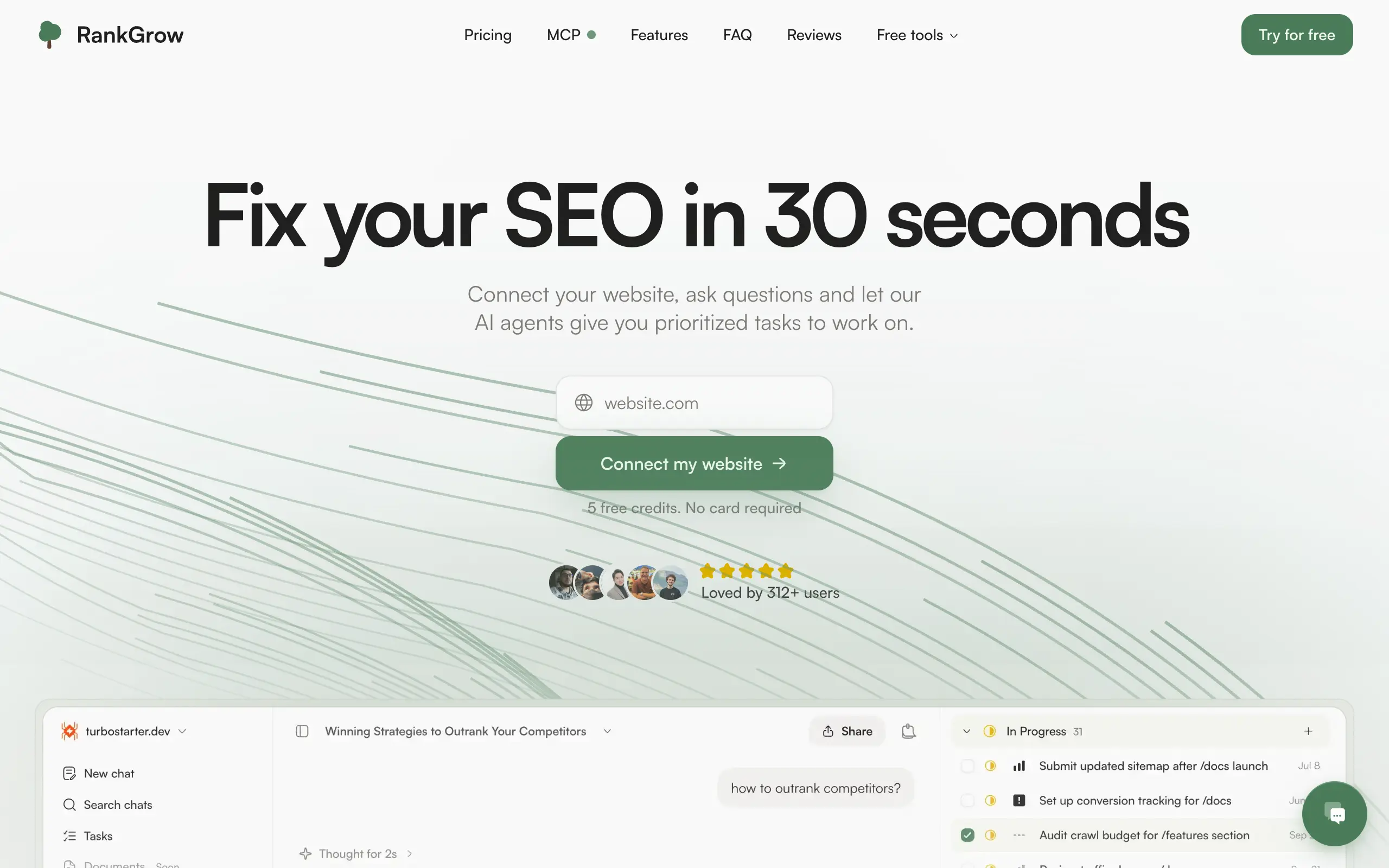
RankGrow
Fix your SEO with AI agents - connect Search Console, get prioritized tasks, and grow organic traffic 📈
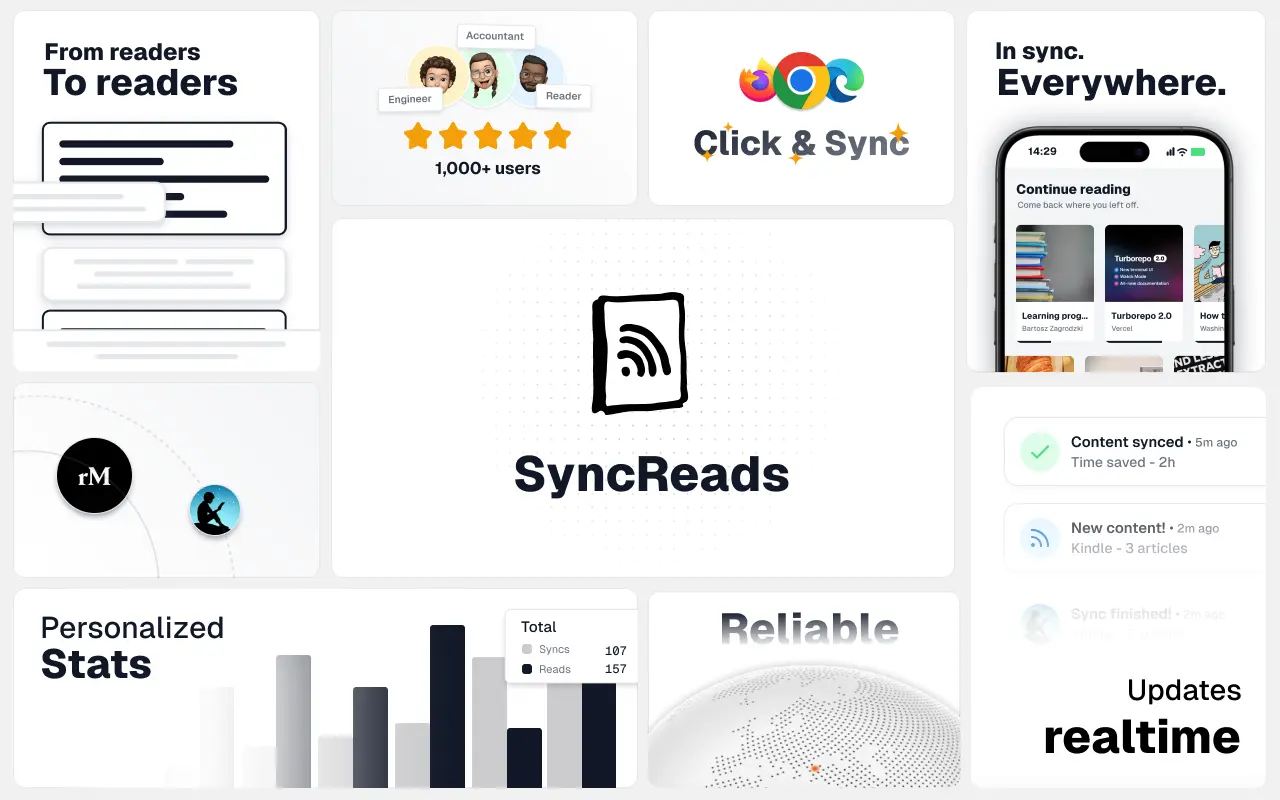
SyncReads
Sync your favorite content for distraction-free reading, save time and replace multiple apps. Anytime, anywhere 🔄
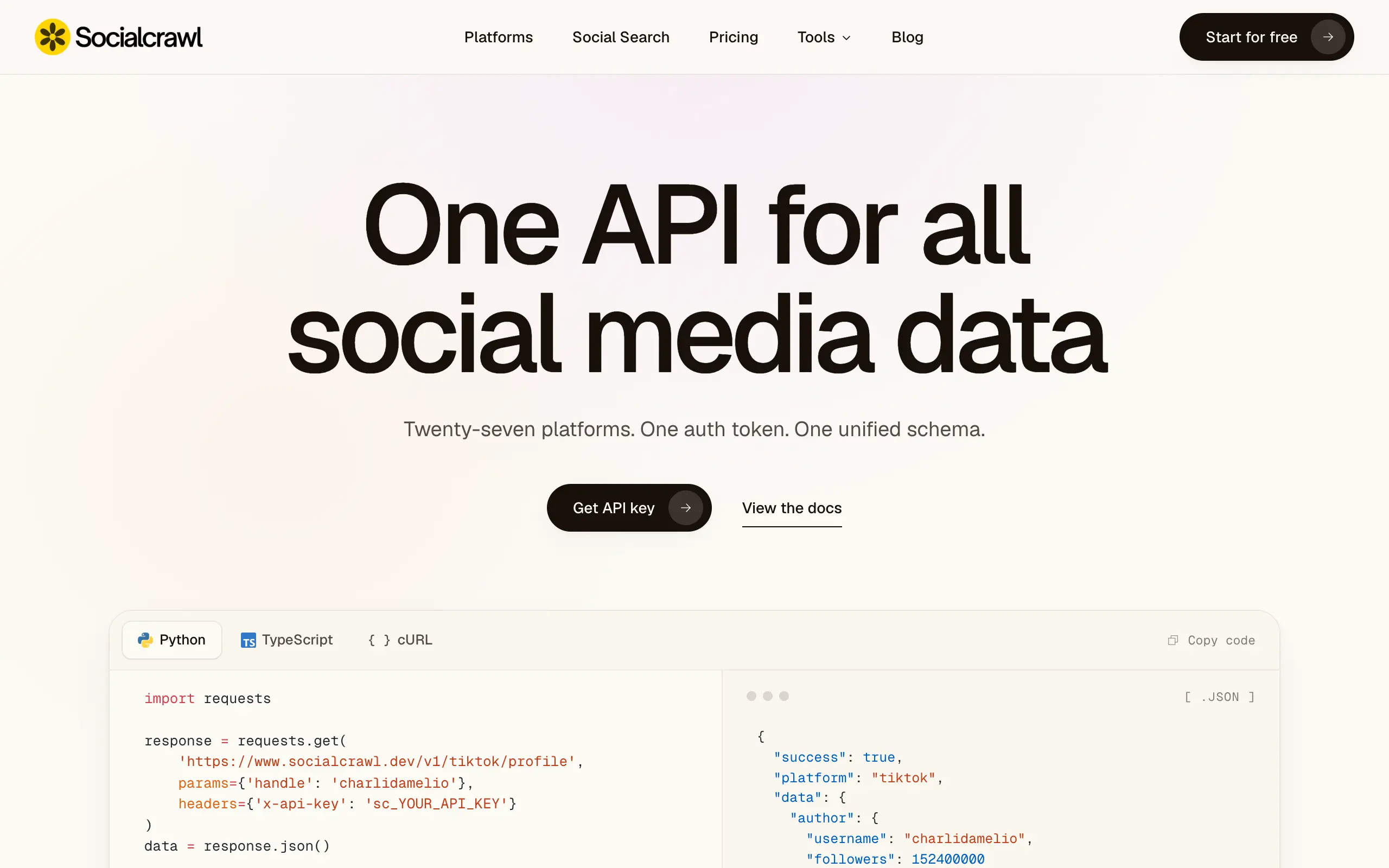
Socialcrawl
Get clean, structured data from 21 platforms like TikTok, Instagram, and YouTube with a single request 📊
Statiko
Monitor any Telegram channel in real time - track posts, edits, deletions, and growth with AI recaps 📡
Shibui
AI website builder - describe your business, pick a niche template, edit by chatting, and publish instantly ✨
Pro Service
Find verified home service professionals, compare quotes, and pay securely through escrow - built for Brazilians across the US 🏠
RankGrow
Fix your SEO with AI agents - connect Search Console, get prioritized tasks, and grow organic traffic 📈
SyncReads
Sync your favorite content for distraction-free reading, save time and replace multiple apps. Anytime, anywhere 🔄
Socialcrawl
Get clean, structured data from 21 platforms like TikTok, Instagram, and YouTube with a single request 📊
Statiko
Monitor any Telegram channel in real time - track posts, edits, deletions, and growth with AI recaps 📡
Shibui
AI website builder - describe your business, pick a niche template, edit by chatting, and publish instantly ✨
Pro Service
Find verified home service professionals, compare quotes, and pay securely through escrow - built for Brazilians across the US 🏠
RankGrow
Fix your SEO with AI agents - connect Search Console, get prioritized tasks, and grow organic traffic 📈
SyncReads
Sync your favorite content for distraction-free reading, save time and replace multiple apps. Anytime, anywhere 🔄
Socialcrawl
Get clean, structured data from 21 platforms like TikTok, Instagram, and YouTube with a single request 📊
Statiko
Monitor any Telegram channel in real time - track posts, edits, deletions, and growth with AI recaps 📡
Shibui
AI website builder - describe your business, pick a niche template, edit by chatting, and publish instantly ✨
Pro Service
Find verified home service professionals, compare quotes, and pay securely through escrow - built for Brazilians across the US 🏠
RankGrow
Fix your SEO with AI agents - connect Search Console, get prioritized tasks, and grow organic traffic 📈
SyncReads
Sync your favorite content for distraction-free reading, save time and replace multiple apps. Anytime, anywhere 🔄
Socialcrawl
Get clean, structured data from 21 platforms like TikTok, Instagram, and YouTube with a single request 📊
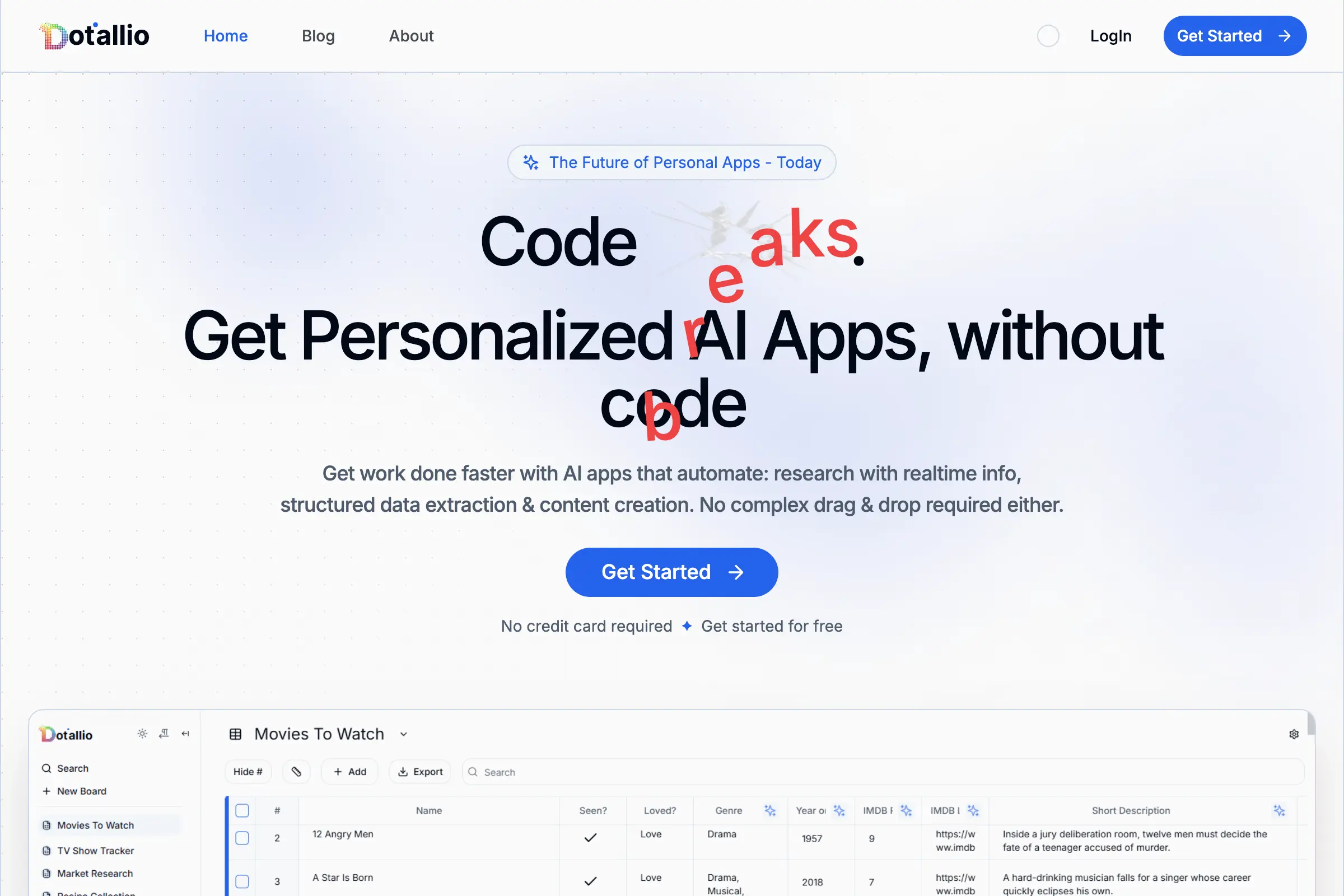
Dotallio
Personalized AI apps that automate research, data extraction, and content creation without code 🤖

Talk to Santa
Enjoy a magical live video chat or receive a unique AI-generated video greeting from Santa Claus 🎅

pozywka.pl
Scalable blog for food journalist, focused on performance and user experience 🌭
zagrodzki.me
Personal blog and portfolio of Bart Zagrodzki, where he shares his knowledge and work 💼
TurboStarter
Ship your startup everywhere. In minutes.
HTML to Markdown
Convert HTML to Markdown with ease, directly in your browser 📄
Dotallio
Personalized AI apps that automate research, data extraction, and content creation without code 🤖
Talk to Santa
Enjoy a magical live video chat or receive a unique AI-generated video greeting from Santa Claus 🎅
pozywka.pl
Scalable blog for food journalist, focused on performance and user experience 🌭
zagrodzki.me
Personal blog and portfolio of Bart Zagrodzki, where he shares his knowledge and work 💼
TurboStarter
Ship your startup everywhere. In minutes.
HTML to Markdown
Convert HTML to Markdown with ease, directly in your browser 📄
Dotallio
Personalized AI apps that automate research, data extraction, and content creation without code 🤖
Talk to Santa
Enjoy a magical live video chat or receive a unique AI-generated video greeting from Santa Claus 🎅
pozywka.pl
Scalable blog for food journalist, focused on performance and user experience 🌭
zagrodzki.me
Personal blog and portfolio of Bart Zagrodzki, where he shares his knowledge and work 💼
TurboStarter
Ship your startup everywhere. In minutes.
HTML to Markdown
Convert HTML to Markdown with ease, directly in your browser 📄
Dotallio
Personalized AI apps that automate research, data extraction, and content creation without code 🤖
Talk to Santa
Enjoy a magical live video chat or receive a unique AI-generated video greeting from Santa Claus 🎅
pozywka.pl
Scalable blog for food journalist, focused on performance and user experience 🌭
zagrodzki.me
Personal blog and portfolio of Bart Zagrodzki, where he shares his knowledge and work 💼
TurboStarter
Ship your startup everywhere. In minutes.
HTML to Markdown
Convert HTML to Markdown with ease, directly in your browser 📄
Omichat
Chat with 50+ AI models, including ChatGPT and Claude, in one place - switch models anytime without losing context 🤖
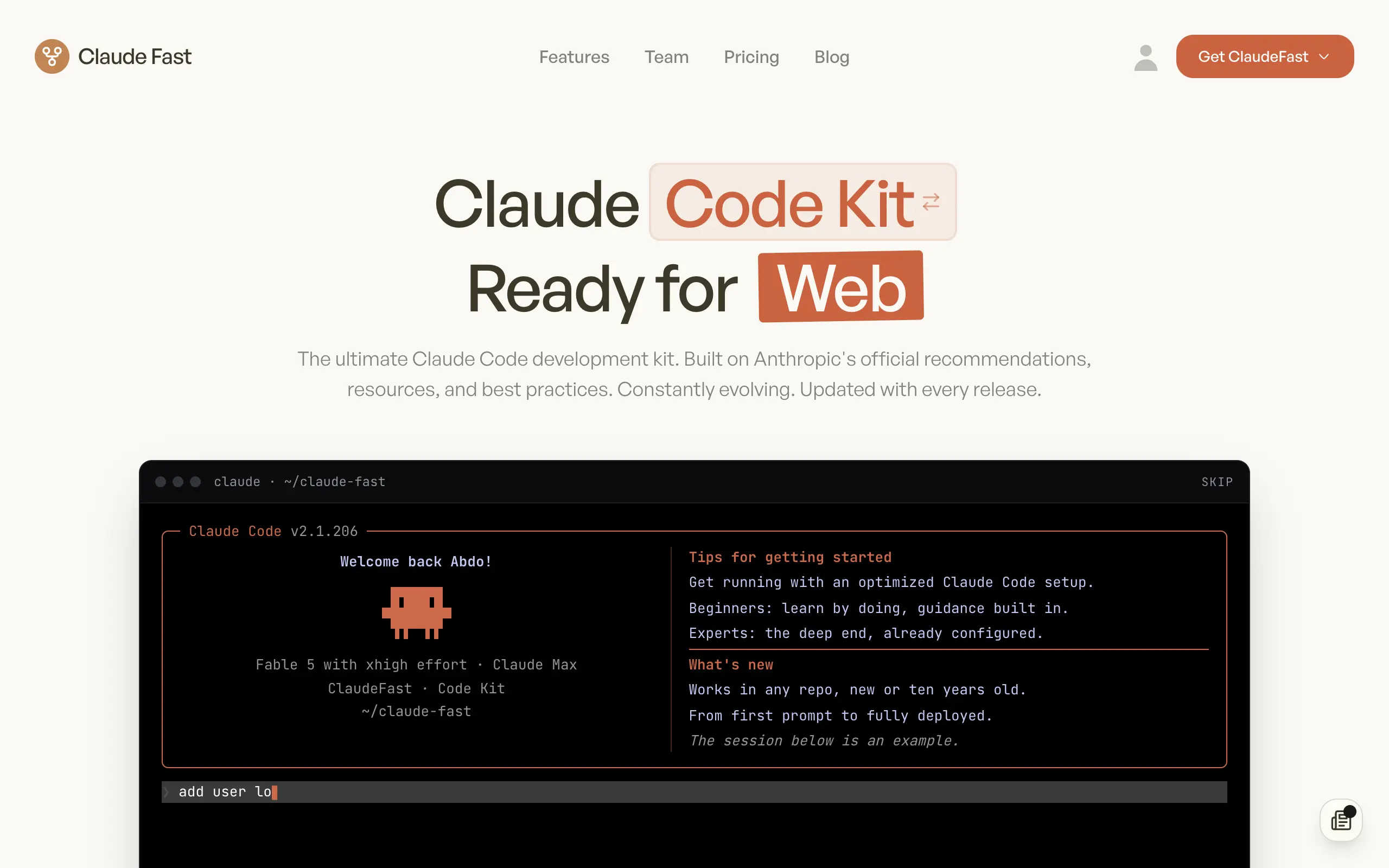
Claude Fast
Supercharge your Claude Code with 6x effective context window and specialized AI agents 🤖
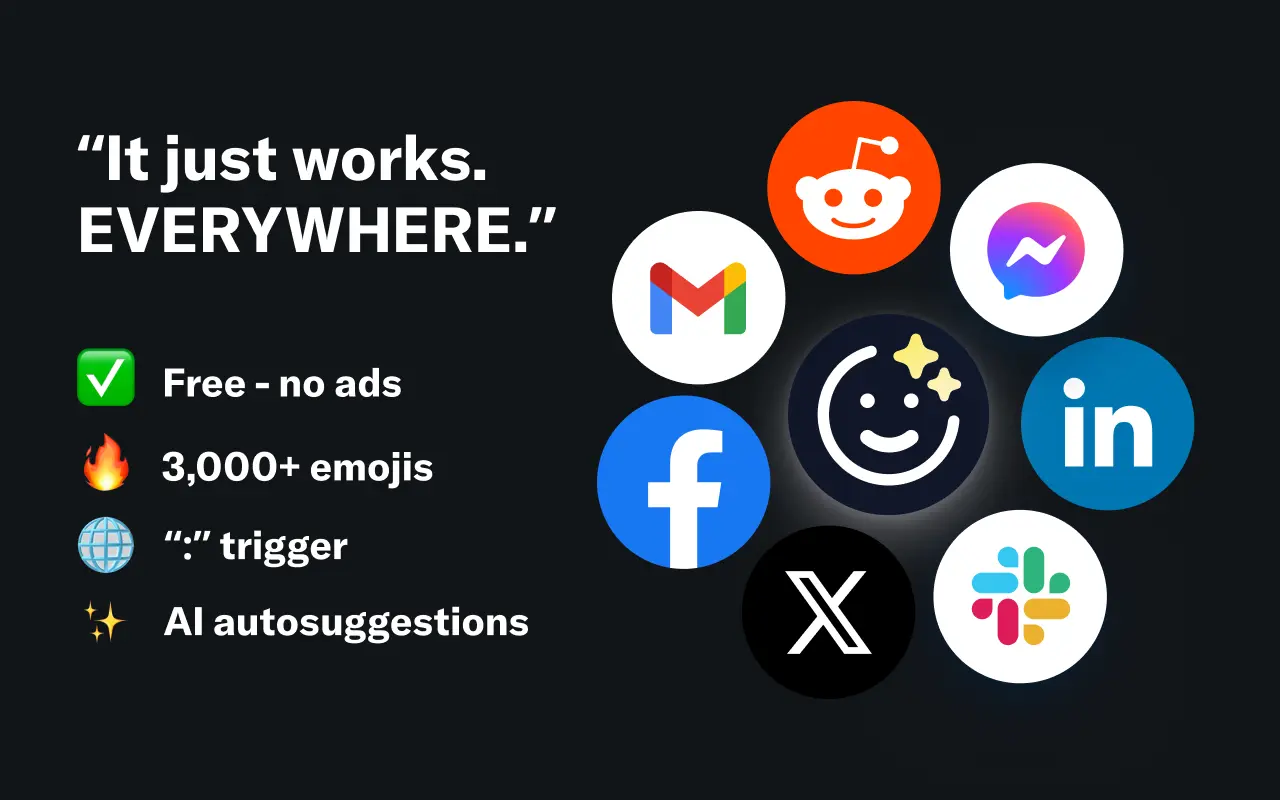
EmojAI
AI-powered emoji picker with smart, context-aware suggestions 🤖
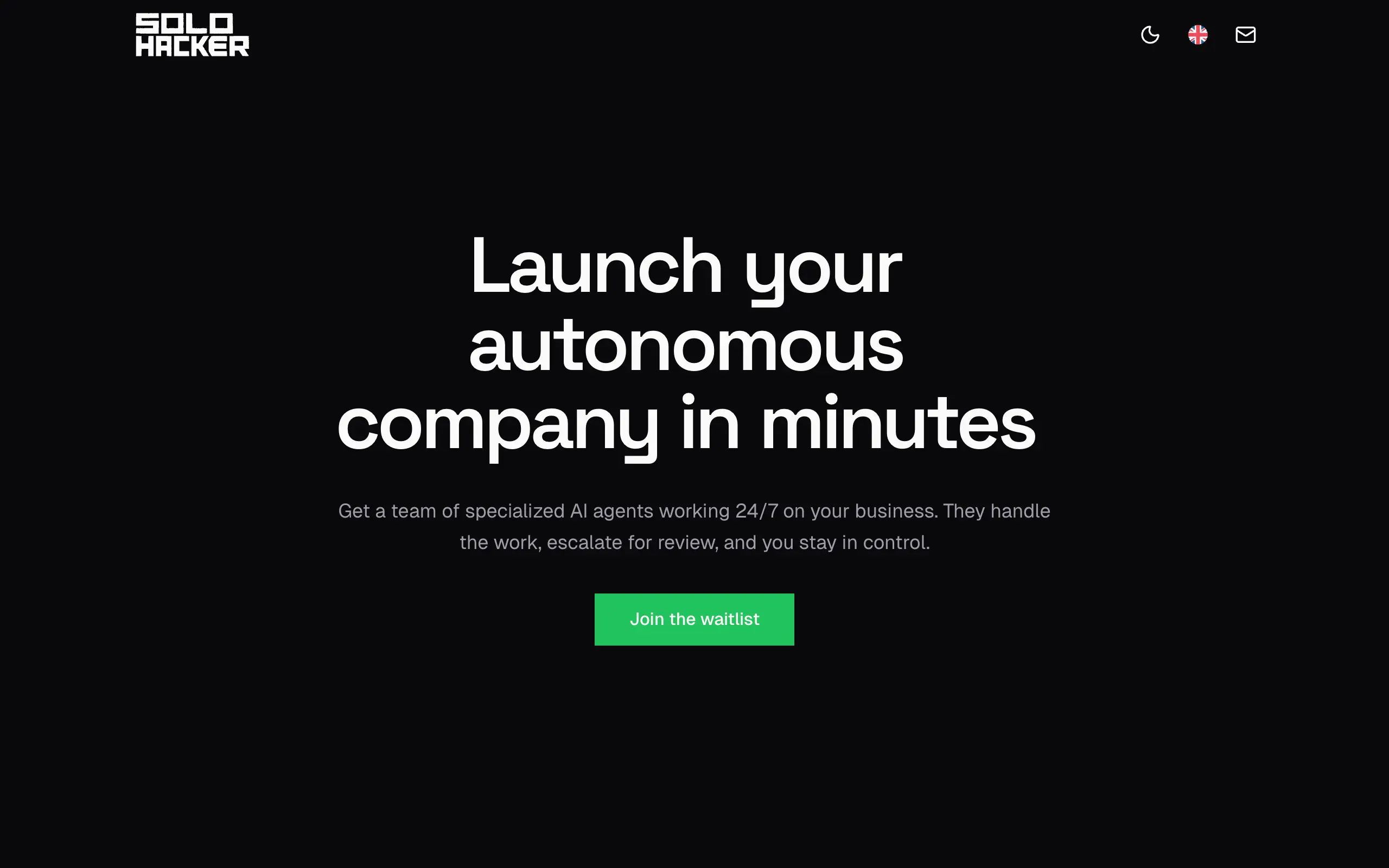
Solohacker
Autonomous company launcher - AI agents work 24/7, escalate what matters, and you stay in control 🤖
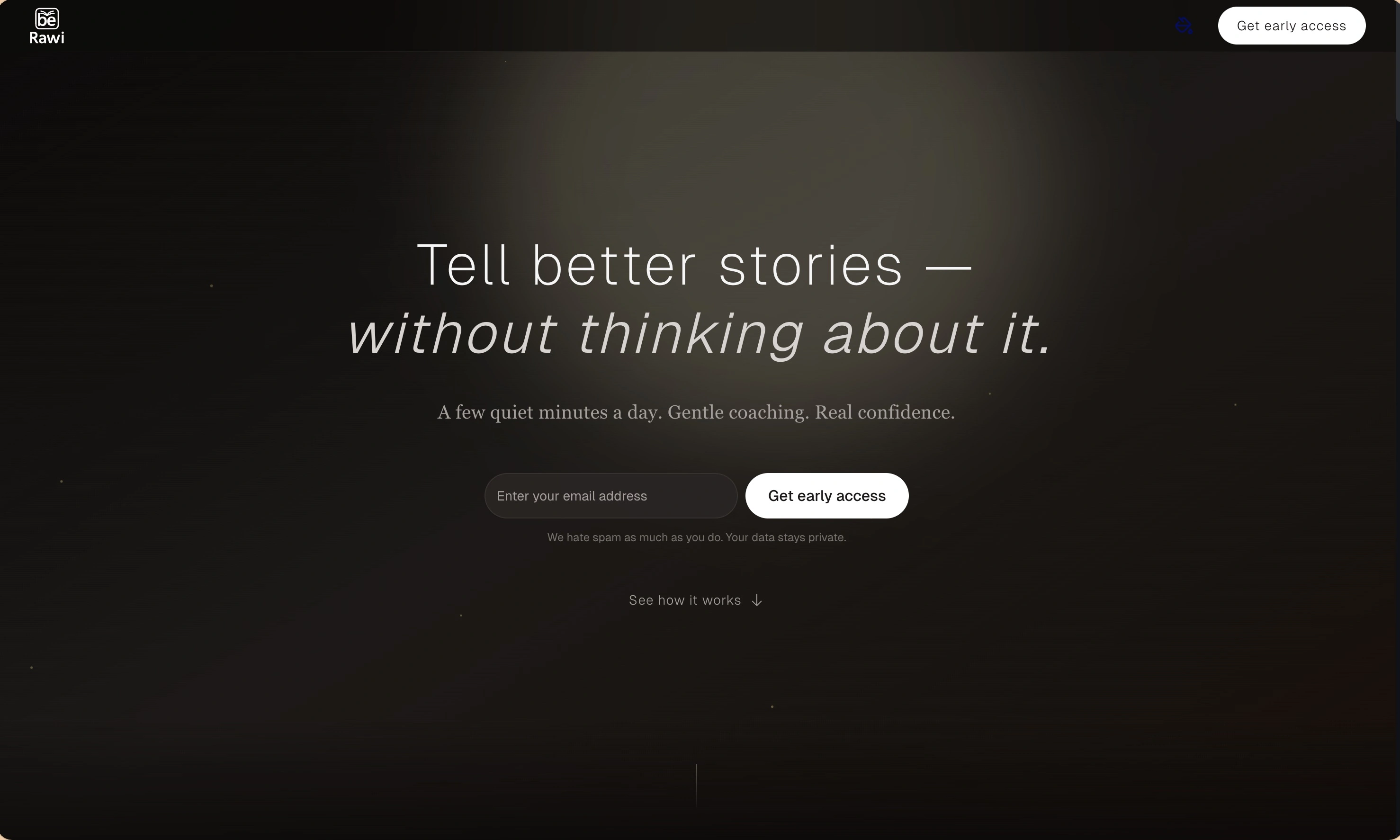
BeRawi: Storytelling Coach
Practice storytelling daily with instant feedback to sound clearer, more engaging, and confident 🎤
Omichat
Chat with 50+ AI models, including ChatGPT and Claude, in one place - switch models anytime without losing context 🤖
Claude Fast
Supercharge your Claude Code with 6x effective context window and specialized AI agents 🤖
EmojAI
AI-powered emoji picker with smart, context-aware suggestions 🤖
Solohacker
Autonomous company launcher - AI agents work 24/7, escalate what matters, and you stay in control 🤖
BeRawi: Storytelling Coach
Practice storytelling daily with instant feedback to sound clearer, more engaging, and confident 🎤
Omichat
Chat with 50+ AI models, including ChatGPT and Claude, in one place - switch models anytime without losing context 🤖
Claude Fast
Supercharge your Claude Code with 6x effective context window and specialized AI agents 🤖
EmojAI
AI-powered emoji picker with smart, context-aware suggestions 🤖
Solohacker
Autonomous company launcher - AI agents work 24/7, escalate what matters, and you stay in control 🤖
BeRawi: Storytelling Coach
Practice storytelling daily with instant feedback to sound clearer, more engaging, and confident 🎤
Omichat
Chat with 50+ AI models, including ChatGPT and Claude, in one place - switch models anytime without losing context 🤖
Claude Fast
Supercharge your Claude Code with 6x effective context window and specialized AI agents 🤖
EmojAI
AI-powered emoji picker with smart, context-aware suggestions 🤖
Solohacker
Autonomous company launcher - AI agents work 24/7, escalate what matters, and you stay in control 🤖
BeRawi: Storytelling Coach
Practice storytelling daily with instant feedback to sound clearer, more engaging, and confident 🎤

Connect with like-minded people
Join our community to get feedback, support, and grow together with 1,000+ builders on board, let's ship it!
Join usShip your startup everywhere. In minutes.
Don't burn tokens on setup and start building features on day one.