CustodyLens
AI-powered platform that logs, timestamps, and verifies co-parent interactions to create court-ready timelines with unbiased summaries and evidence tracking.
what is an AI co-parenting documentation platform?
CustodyLens represents a new category of AI-powered co-parenting documentation platforms designed to remove ambiguity, bias, and emotional distortion from custody-related interactions. At its core, it logs, timestamps, verifies, and summarizes communications between co-parents, transforming scattered messages and verbal exchanges into structured, court-ready timelines.
In high-conflict custody situations, documentation often becomes fragmented, subjective, or disputed. Judges, attorneys, and mediators rely heavily on clear, chronological, and verifiable records. However, most parents rely on screenshots, handwritten notes, or memory—none of which are reliable at scale.
CustodyLens addresses this gap by leveraging AI to:
- Automatically capture and organize interactions
- Generate unbiased summaries
- Track behavioral patterns over time
- Produce legally usable documentation
This positions it at the intersection of legal tech, AI documentation systems, and family law SaaS tools.
understanding the target audience
A successful SaaS product starts with deep clarity on who it serves. CustodyLens targets multiple overlapping user groups, each with distinct motivations and pain points.
primary users: co-parents in high-conflict situations
These are individuals navigating:
- Divorce or separation
- Custody disputes
- Court-mandated communication tracking
- Emotional or hostile communication dynamics
Their needs include:
- Proof of communication attempts
- Evidence of compliance (or non-compliance)
- Protection against false claims
- Simplified documentation for court
secondary users: family law professionals
Attorneys, mediators, and custody evaluators benefit from:
- Clean timelines instead of messy message threads
- AI-generated summaries that save hours of review
- Pattern recognition (e.g., missed visits, aggressive language)
tertiary users: courts and legal systems
While not direct customers, courts are critical stakeholders. Their implicit needs:
- Verifiable timestamps
- Immutable logs
- Neutral summaries
- Reduced case ambiguity
Key insight
The product succeeds when it earns trust not just from users, but from courts. Legal credibility is more important than feature count.
the market opportunity and gap
growing demand for legal tech in family law
The legal tech market continues to expand rapidly, especially in areas where automation reduces administrative burden. Family law, however, remains underserved compared to corporate or contract law.
Drivers of growth include:
- Increasing divorce rates globally
- Rising awareness of parental rights
- Digital-first communication habits
- Courts demanding better documentation
According to widely cited industry reports (e.g., Statista, Deloitte), legal tech adoption is accelerating, but family law tools remain fragmented and outdated.
existing solutions and their limitations
There are already co-parenting apps like OurFamilyWizard and TalkingParents. However, they typically:
- Focus on communication channels, not analysis
- Lack AI-driven insights
- Provide limited summarization capabilities
- Require manual interpretation of logs
Here’s where CustodyLens differentiates:
| Feature | Traditional Apps | CustodyLens | Value | Impact |
|---|---|---|---|---|
| Message logging | ✅ | ✅ | Baseline | Low differentiation |
| AI summaries | ❌ | ✅ | Time-saving | High |
| Behavior analysis | ❌ | ✅ | Insight generation | Very high |
| Court-ready exports | Limited | ✅ | Legal usability | Critical |
| Bias detection | ❌ | ✅ | Trust factor | Game-changing |
the core market gap
The real opportunity lies in transforming raw communication into legally meaningful insight.
CustodyLens fills this gap by:
- Acting as a neutral third-party observer
- Structuring messy human interactions into data
- Reducing interpretation burden for legal professionals
core features and product architecture
CustodyLens must balance usability, legal reliability, and AI sophistication. Below is a breakdown of its essential features.
1. multi-channel interaction logging
Users should be able to:
- Sync SMS, email, and app-based messages
- Manually log in-person interactions or calls
- Attach supporting evidence (photos, documents, audio)
2. tamper-proof timestamping
Every entry should include:
- Cryptographic timestamps
- Immutable storage records
- Audit trails for edits or additions
This is critical for court admissibility.
3. AI-generated summaries
The platform uses natural language processing to:
- Summarize conversations objectively
- Remove emotional tone
- Highlight key events (missed pickups, disputes, agreements)
Example output:
const summary = {
  date: "2026-03-12",
  event: "Missed pickup",
  details: "Parent A arrived 25 minutes late. Parent B left with the child after waiting 15 minutes.",
  tone: "Neutral",
};
4. behavioral pattern detection
AI models can identify:
- Repeated lateness
- Escalating language patterns
- Compliance trends
- Communication frequency anomalies
5. court-ready timeline generator
This feature compiles:
- Chronological events
- Supporting evidence
- AI summaries
- Verified timestamps
Export formats:
- PDF (for court submission)
- Structured reports for attorneys
6. bias and sentiment analysis
Unlike generic sentiment tools, this system should:
- Detect hostility or manipulation patterns
- Avoid subjective labeling
- Provide explainable outputs
7. privacy and security framework
Given the sensitivity, the platform must include:
- End-to-end encryption
- Role-based access controls
- GDPR/CCPA compliance
- Secure evidence storage
recommended tech stack and trade-offs
Building CustodyLens requires a modern, scalable stack that supports AI workloads and legal-grade reliability.
frontend
Pros:
- Fast UI development
- Scalable component system
Trade-off:
- Requires careful state management for complex timelines
backend
- Node.js with TypeScript
- PostgreSQL for structured data
- Object storage (e.g., AWS S3) for evidence files
AI layer
- LLM APIs for summarization
- Custom fine-tuned models for legal tone neutrality
Trade-offs:
- API-based AI is faster to launch
- Custom models improve accuracy but require data
infrastructure
- AWS or GCP
- Serverless functions for scalability
- Event-driven architecture for logging
audit and verification layer
- Blockchain or hash-based verification system
Trade-off:
- Blockchain adds credibility but increases complexity
Important consideration
Legal tech products must prioritize reliability over experimentation. AI outputs must be explainable and consistent to gain court acceptance.
monetization strategies
CustodyLens can adopt multiple revenue streams depending on its growth stage.
subscription model (primary)
- Monthly or annual plans
- Tiered pricing based on features
Example tiers:
- Basic: logging + storage
- Pro: AI summaries + exports
- Premium: legal-grade reporting + analytics
B2B licensing
Sell to:
- Law firms
- Mediation services
- Family law platforms
pay-per-report model
Users pay for:
- Court-ready document generation
- Advanced analysis reports
enterprise integrations
Integrate with legal software platforms and charge:
- API access fees
- Usage-based pricing
competitive advantage and differentiation
CustodyLens is not just another co-parenting app—it’s a legal intelligence platform.
unique selling proposition (USP)
"Turn co-parenting chaos into court-ready clarity with unbiased AI."
defensibility factors
- Proprietary AI models trained on custody scenarios
- Data network effects (better summaries over time)
- Legal credibility and partnerships
emotional differentiation
Most tools focus on communication. CustodyLens focuses on:
- Protection
- Clarity
- Peace of mind
Trust-first design
Built for legal credibility, not just convenience.
AI with accountability
Explainable summaries instead of black-box outputs.
Court alignment
Designed around what judges actually need.
potential risks and mitigation strategies
1. legal admissibility concerns
Risk: Courts may reject AI-generated summaries.
Mitigation:
- Include raw logs alongside summaries
- Provide explainability reports
- Collaborate with legal experts
2. privacy and data security
Risk: Sensitive family data exposure
Mitigation:
- End-to-end encryption
- Zero-knowledge architecture where possible
- Regular security audits
3. AI bias or inaccuracies
Risk: Misrepresentation of events
Mitigation:
- Human override options
- Confidence scoring for summaries
- Continuous model validation
4. user trust barrier
Risk: Users may distrust AI in legal matters
Mitigation:
- Transparent processing
- Clear audit trails
- Educational onboarding
step-by-step implementation roadmap
go-to-market strategy
early traction channels
- Family law attorneys
- Divorce support communities
- Online parenting forums
content strategy
Create SEO-driven content targeting:
- "how to document co-parenting for court"
- "best co-parenting apps for custody disputes"
- "how to prove missed visitation"
partnerships
- Legal tech platforms
- Mediation services
- Therapist networks
future trends and expansion opportunities
CustodyLens can evolve beyond documentation into a full co-parenting intelligence system.
future features
- Predictive conflict alerts
- AI mediation assistance
- Real-time tone coaching
- Court outcome simulations
adjacent markets
- Workplace dispute documentation
- Tenant-landlord conflict tracking
- Elder care accountability systems
building faster with the right foundation
Launching a SaaS like CustodyLens requires speed without sacrificing quality. Instead of building everything from scratch, using a production-ready starter kit can significantly reduce development time.
One such option is TurboStarter, which provides:
- Authentication systems
- Payment integrations
- Scalable architecture
- Prebuilt SaaS components
This allows you to focus on your core differentiator: AI-powered legal insights.
final thoughts
CustodyLens sits at a powerful intersection of AI, legal tech, and human emotion. Its success depends not just on technical execution, but on trust, neutrality, and real-world utility.
The opportunity is substantial:
- A clear market gap
- High emotional and financial stakes
- Increasing demand for structured legal documentation
But the bar is equally high. This is not a typical SaaS product—it’s a system that may influence legal outcomes and family dynamics.
If executed well, CustodyLens can become:
- A trusted digital witness
- A time-saving tool for legal professionals
- A stabilizing force in high-conflict co-parenting situations
And ultimately, a category-defining product in AI-powered legal documentation.
More 🤖 AI Startup SaaS ideas
Discover more innovative ai startup SaaS ideas that are trending in 2026. Each idea is AI-generated with market validation and growth potential to help you find your next profitable venture faster than competitors.
Your competitors are building with TurboStarter
Below are some of the SaaS ideas that have been generated and built with our starter kit.
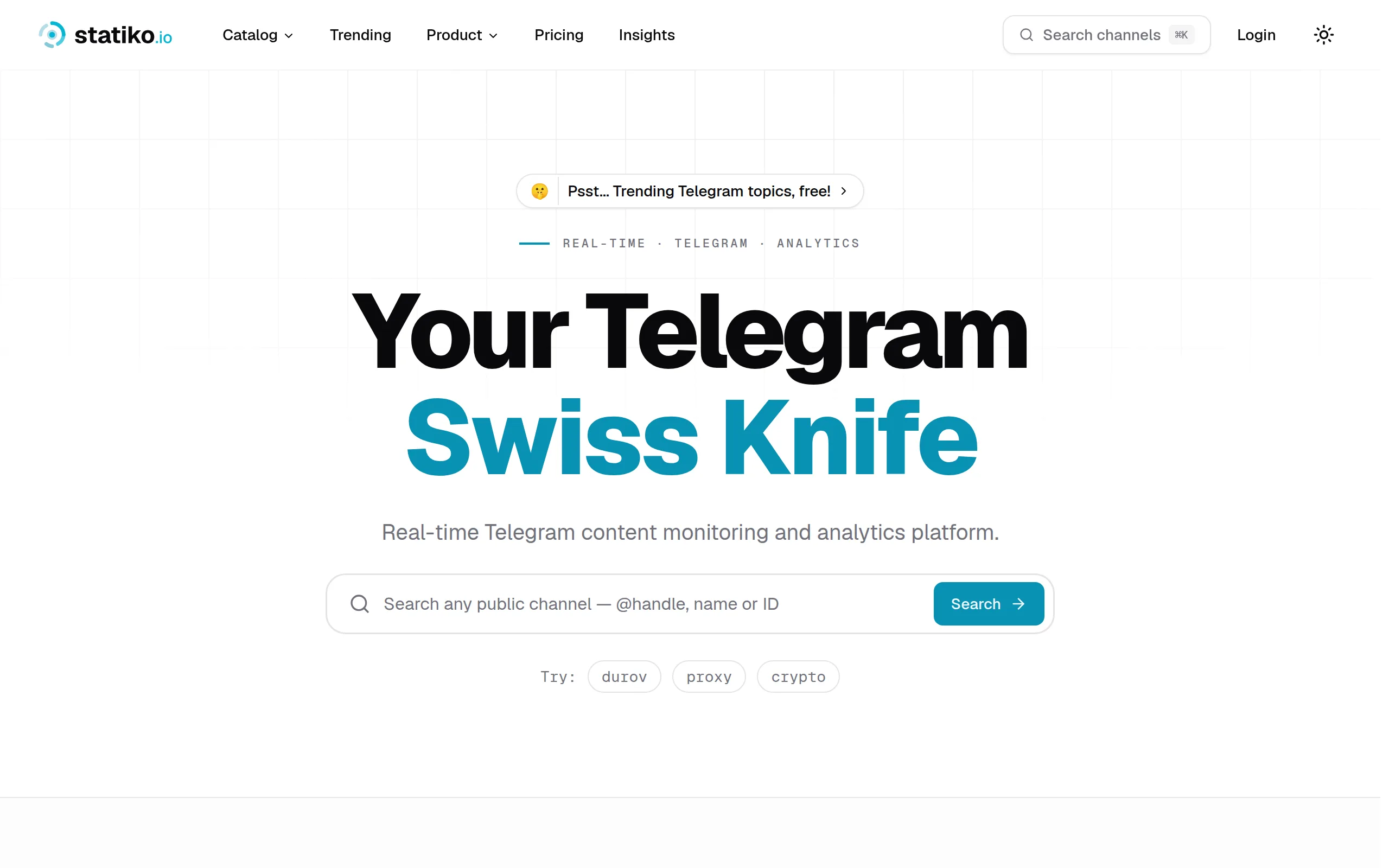
Statiko
Monitor any Telegram channel in real time - track posts, edits, deletions, and growth with AI recaps 📡

Shibui
AI website builder - describe your business, pick a niche template, edit by chatting, and publish instantly ✨

Pro Service
Find verified home service professionals, compare quotes, and pay securely through escrow - built for Brazilians across the US 🏠
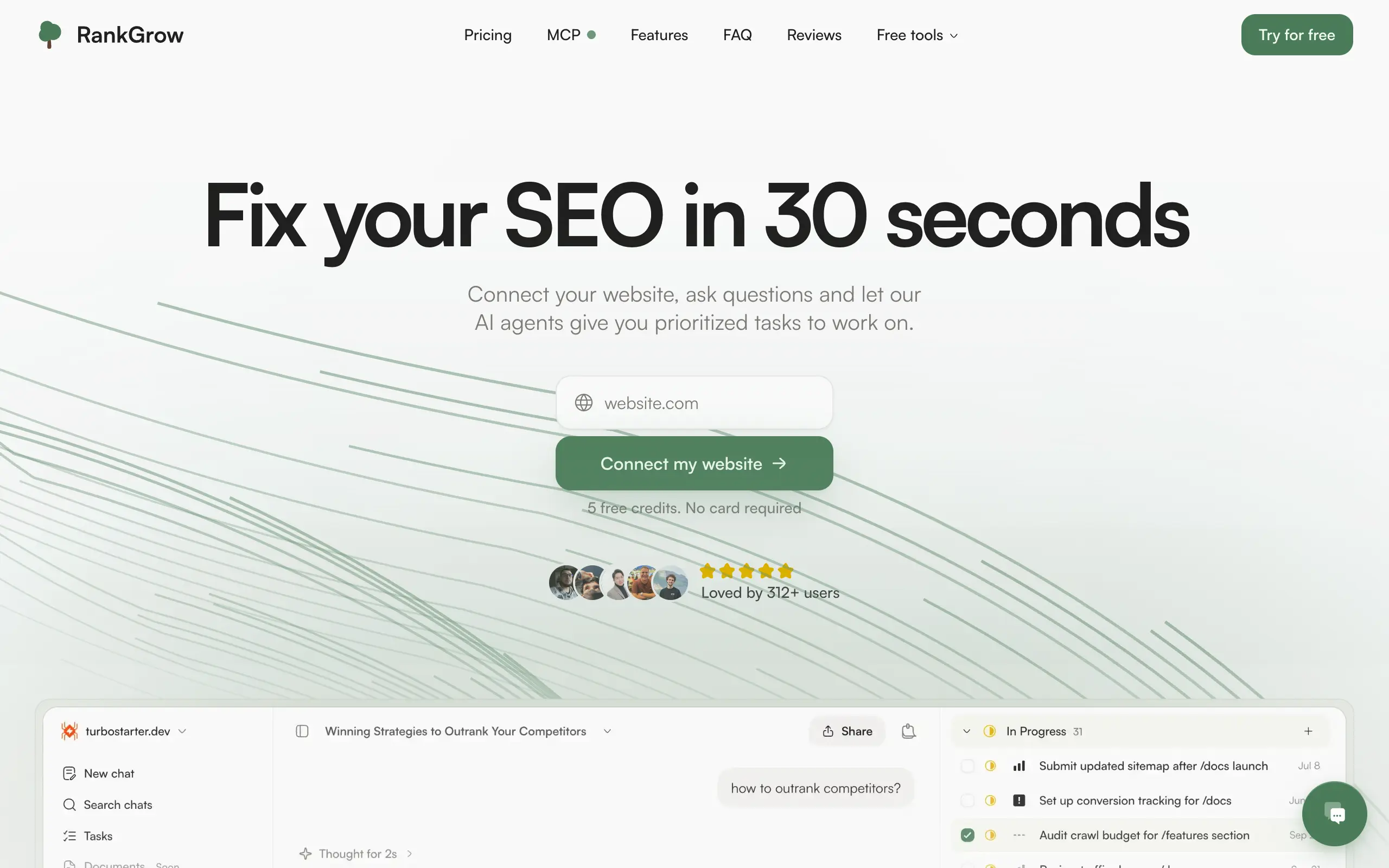
RankGrow
Fix your SEO with AI agents - connect Search Console, get prioritized tasks, and grow organic traffic 📈
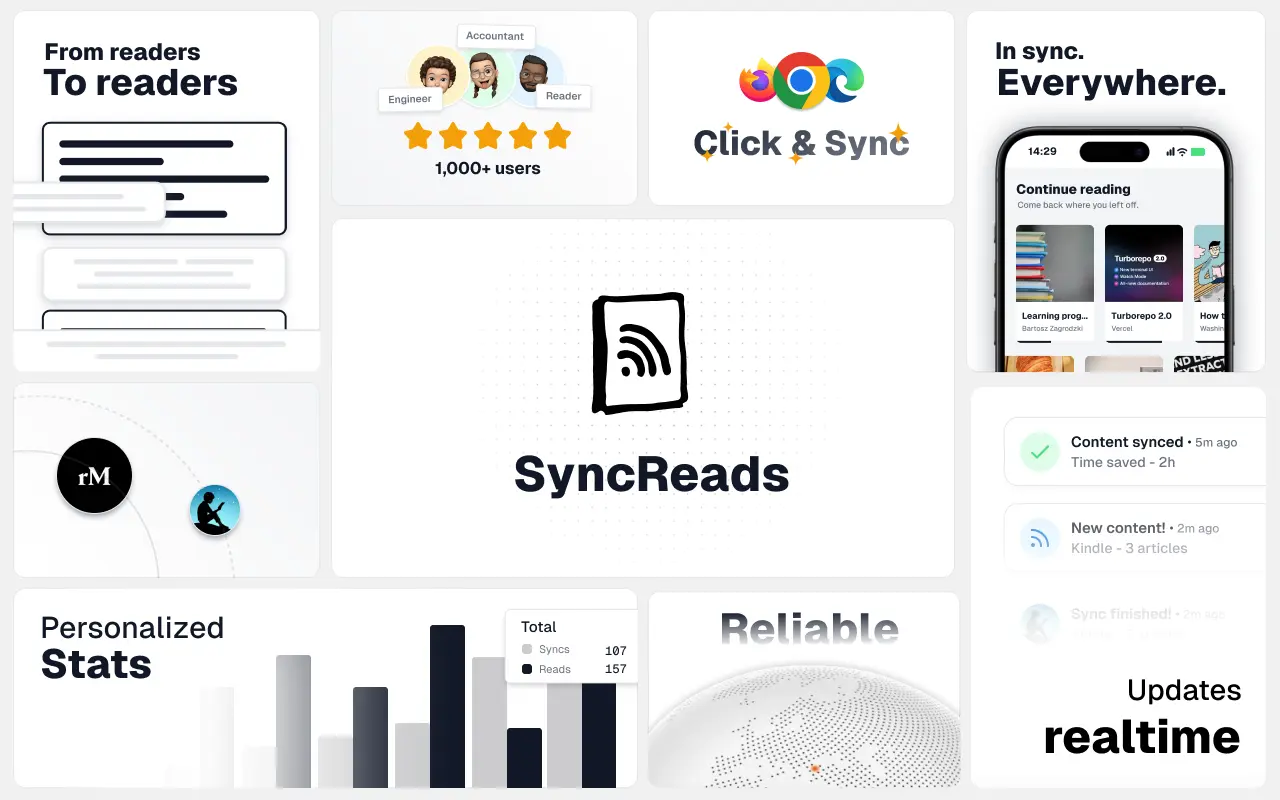
SyncReads
Sync your favorite content for distraction-free reading, save time and replace multiple apps. Anytime, anywhere 🔄
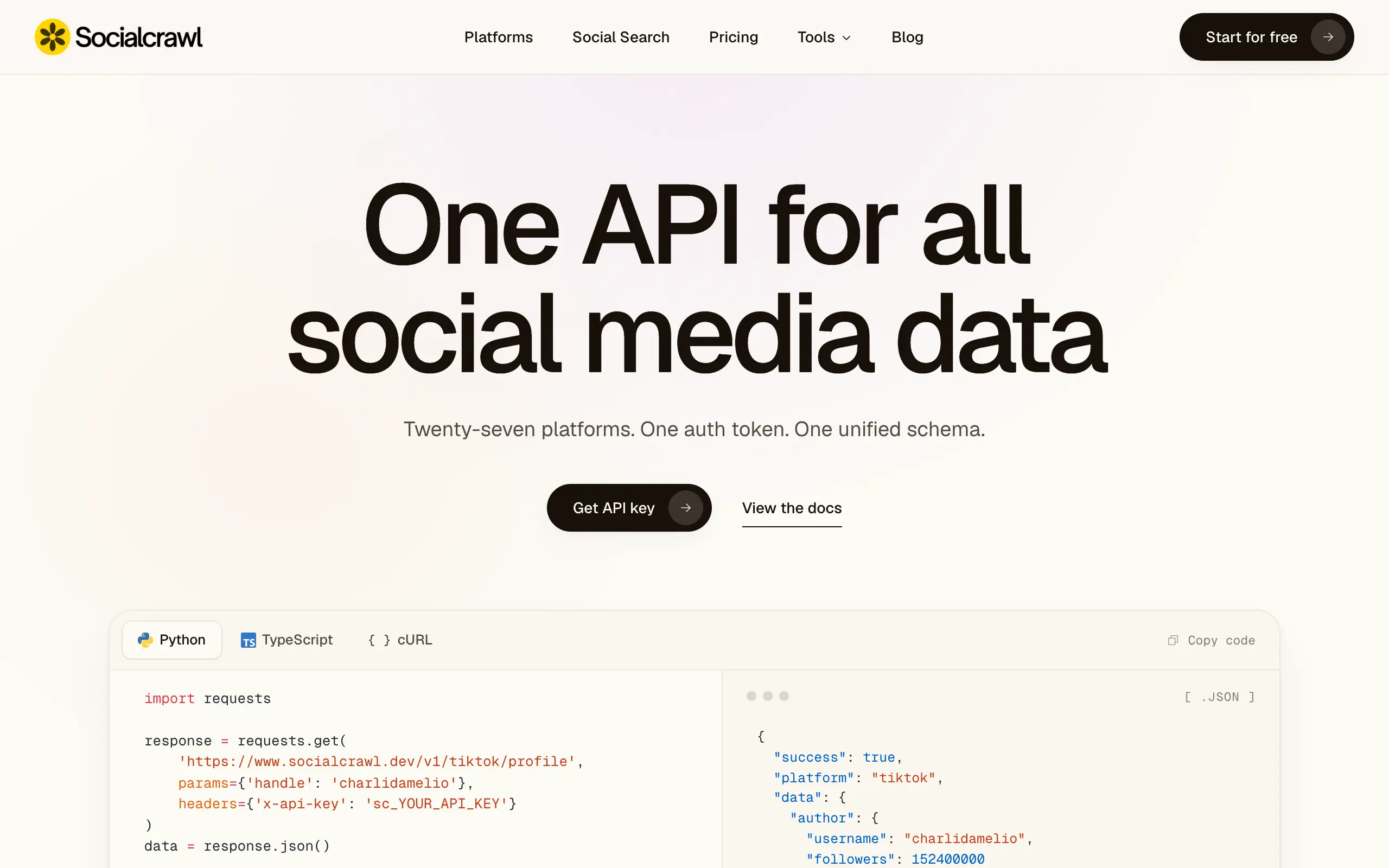
Socialcrawl
Get clean, structured data from 21 platforms like TikTok, Instagram, and YouTube with a single request 📊
Statiko
Monitor any Telegram channel in real time - track posts, edits, deletions, and growth with AI recaps 📡
Shibui
AI website builder - describe your business, pick a niche template, edit by chatting, and publish instantly ✨
Pro Service
Find verified home service professionals, compare quotes, and pay securely through escrow - built for Brazilians across the US 🏠
RankGrow
Fix your SEO with AI agents - connect Search Console, get prioritized tasks, and grow organic traffic 📈
SyncReads
Sync your favorite content for distraction-free reading, save time and replace multiple apps. Anytime, anywhere 🔄
Socialcrawl
Get clean, structured data from 21 platforms like TikTok, Instagram, and YouTube with a single request 📊
Statiko
Monitor any Telegram channel in real time - track posts, edits, deletions, and growth with AI recaps 📡
Shibui
AI website builder - describe your business, pick a niche template, edit by chatting, and publish instantly ✨
Pro Service
Find verified home service professionals, compare quotes, and pay securely through escrow - built for Brazilians across the US 🏠
RankGrow
Fix your SEO with AI agents - connect Search Console, get prioritized tasks, and grow organic traffic 📈
SyncReads
Sync your favorite content for distraction-free reading, save time and replace multiple apps. Anytime, anywhere 🔄
Socialcrawl
Get clean, structured data from 21 platforms like TikTok, Instagram, and YouTube with a single request 📊
Statiko
Monitor any Telegram channel in real time - track posts, edits, deletions, and growth with AI recaps 📡
Shibui
AI website builder - describe your business, pick a niche template, edit by chatting, and publish instantly ✨
Pro Service
Find verified home service professionals, compare quotes, and pay securely through escrow - built for Brazilians across the US 🏠
RankGrow
Fix your SEO with AI agents - connect Search Console, get prioritized tasks, and grow organic traffic 📈
SyncReads
Sync your favorite content for distraction-free reading, save time and replace multiple apps. Anytime, anywhere 🔄
Socialcrawl
Get clean, structured data from 21 platforms like TikTok, Instagram, and YouTube with a single request 📊
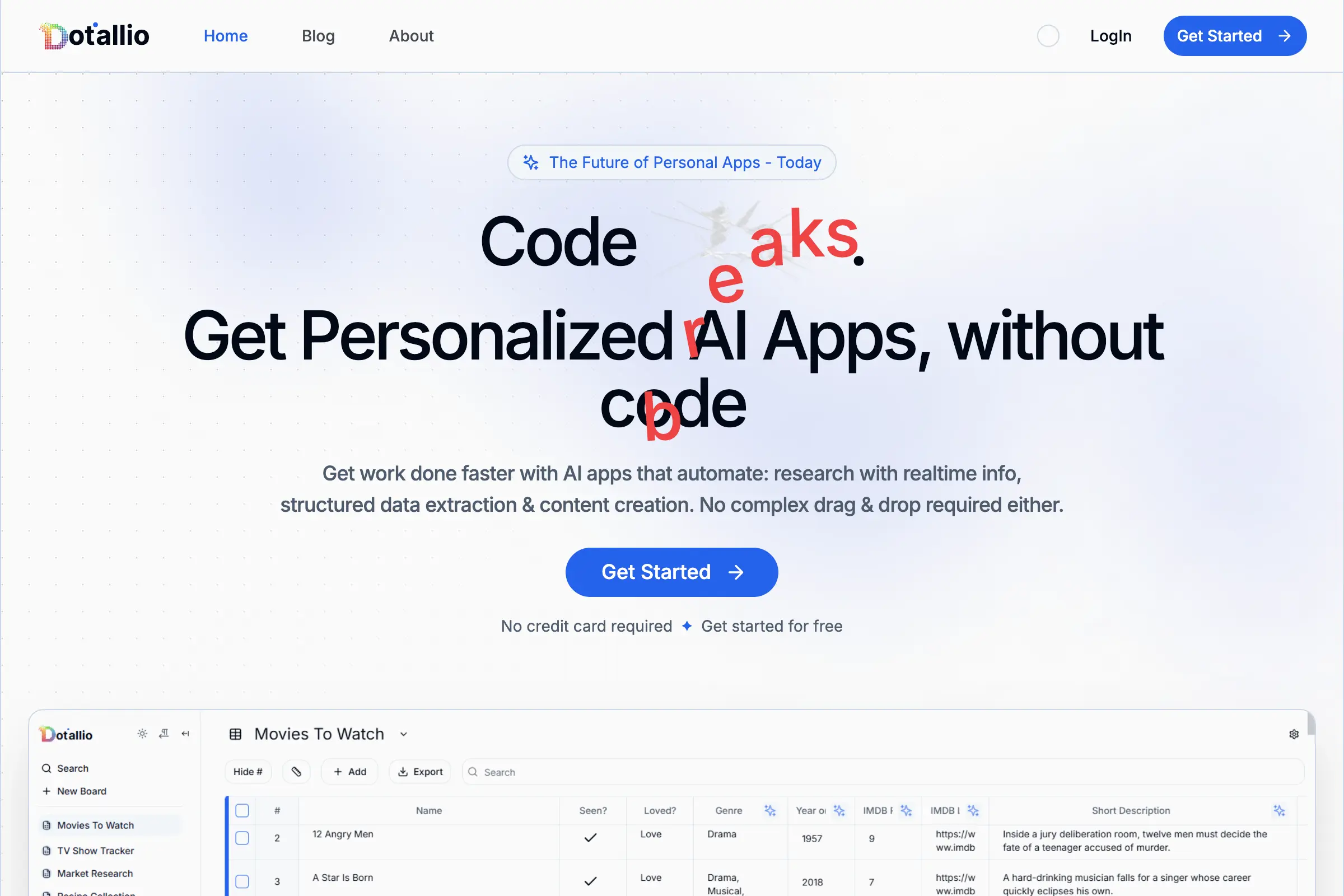
Dotallio
Personalized AI apps that automate research, data extraction, and content creation without code 🤖

Talk to Santa
Enjoy a magical live video chat or receive a unique AI-generated video greeting from Santa Claus 🎅

pozywka.pl
Scalable blog for food journalist, focused on performance and user experience 🌭
zagrodzki.me
Personal blog and portfolio of Bart Zagrodzki, where he shares his knowledge and work 💼
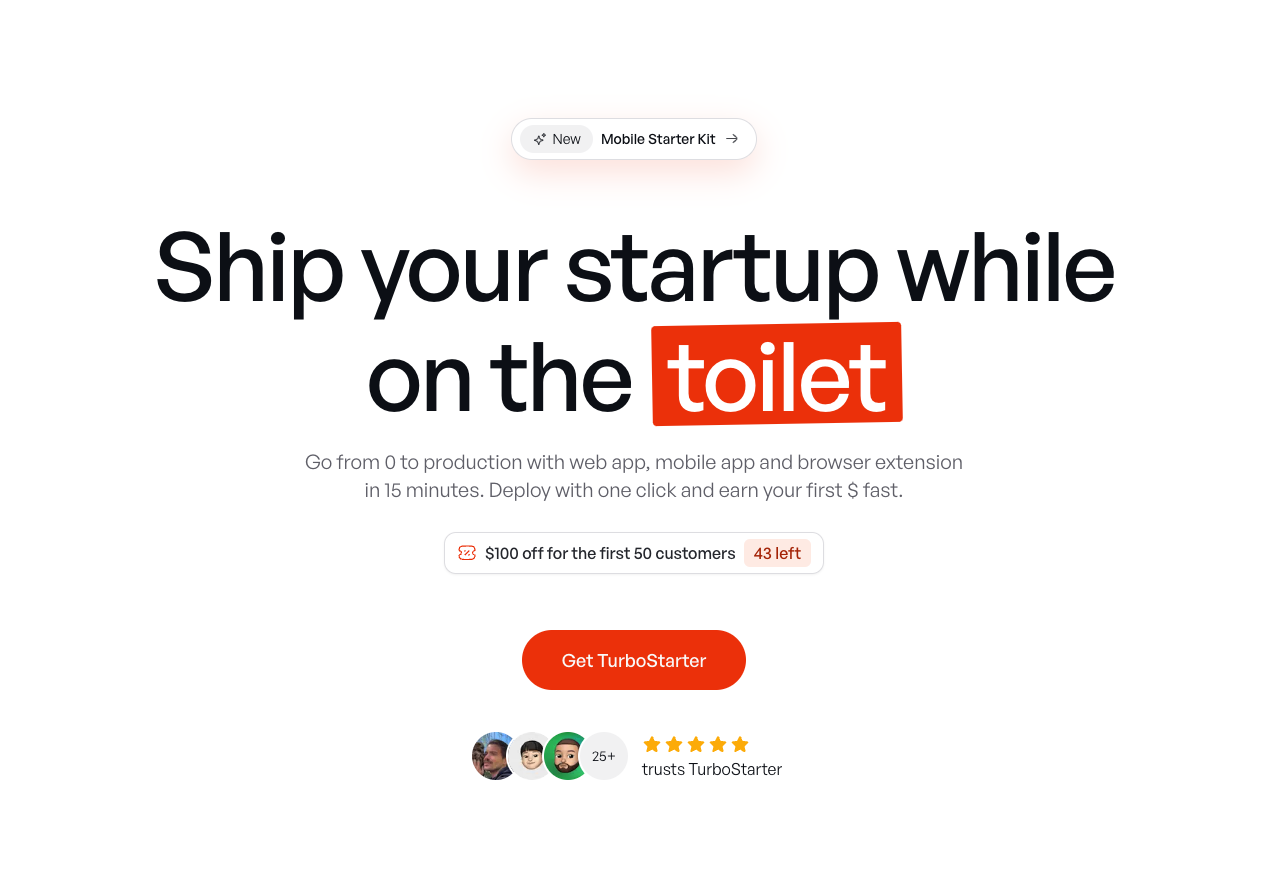
TurboStarter
Ship your startup everywhere. In minutes.
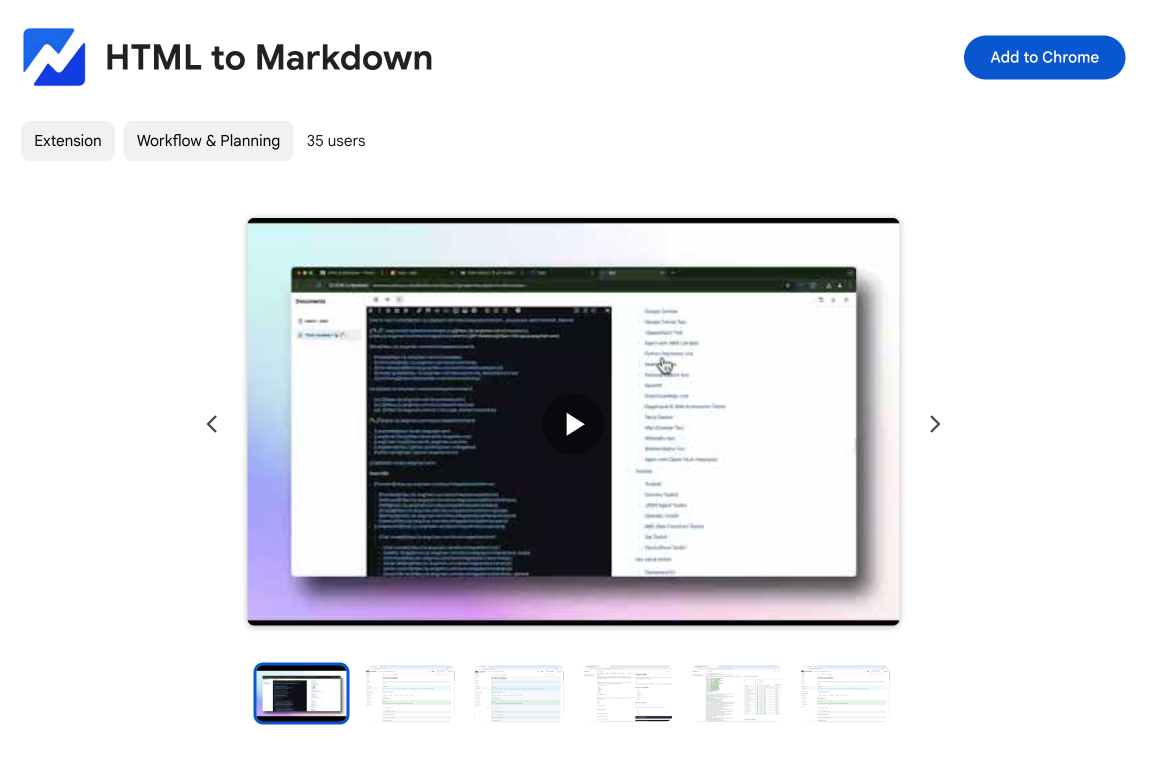
HTML to Markdown
Convert HTML to Markdown with ease, directly in your browser 📄
Dotallio
Personalized AI apps that automate research, data extraction, and content creation without code 🤖
Talk to Santa
Enjoy a magical live video chat or receive a unique AI-generated video greeting from Santa Claus 🎅
pozywka.pl
Scalable blog for food journalist, focused on performance and user experience 🌭
zagrodzki.me
Personal blog and portfolio of Bart Zagrodzki, where he shares his knowledge and work 💼
TurboStarter
Ship your startup everywhere. In minutes.
HTML to Markdown
Convert HTML to Markdown with ease, directly in your browser 📄
Dotallio
Personalized AI apps that automate research, data extraction, and content creation without code 🤖
Talk to Santa
Enjoy a magical live video chat or receive a unique AI-generated video greeting from Santa Claus 🎅
pozywka.pl
Scalable blog for food journalist, focused on performance and user experience 🌭
zagrodzki.me
Personal blog and portfolio of Bart Zagrodzki, where he shares his knowledge and work 💼
TurboStarter
Ship your startup everywhere. In minutes.
HTML to Markdown
Convert HTML to Markdown with ease, directly in your browser 📄
Dotallio
Personalized AI apps that automate research, data extraction, and content creation without code 🤖
Talk to Santa
Enjoy a magical live video chat or receive a unique AI-generated video greeting from Santa Claus 🎅
pozywka.pl
Scalable blog for food journalist, focused on performance and user experience 🌭
zagrodzki.me
Personal blog and portfolio of Bart Zagrodzki, where he shares his knowledge and work 💼
TurboStarter
Ship your startup everywhere. In minutes.
HTML to Markdown
Convert HTML to Markdown with ease, directly in your browser 📄
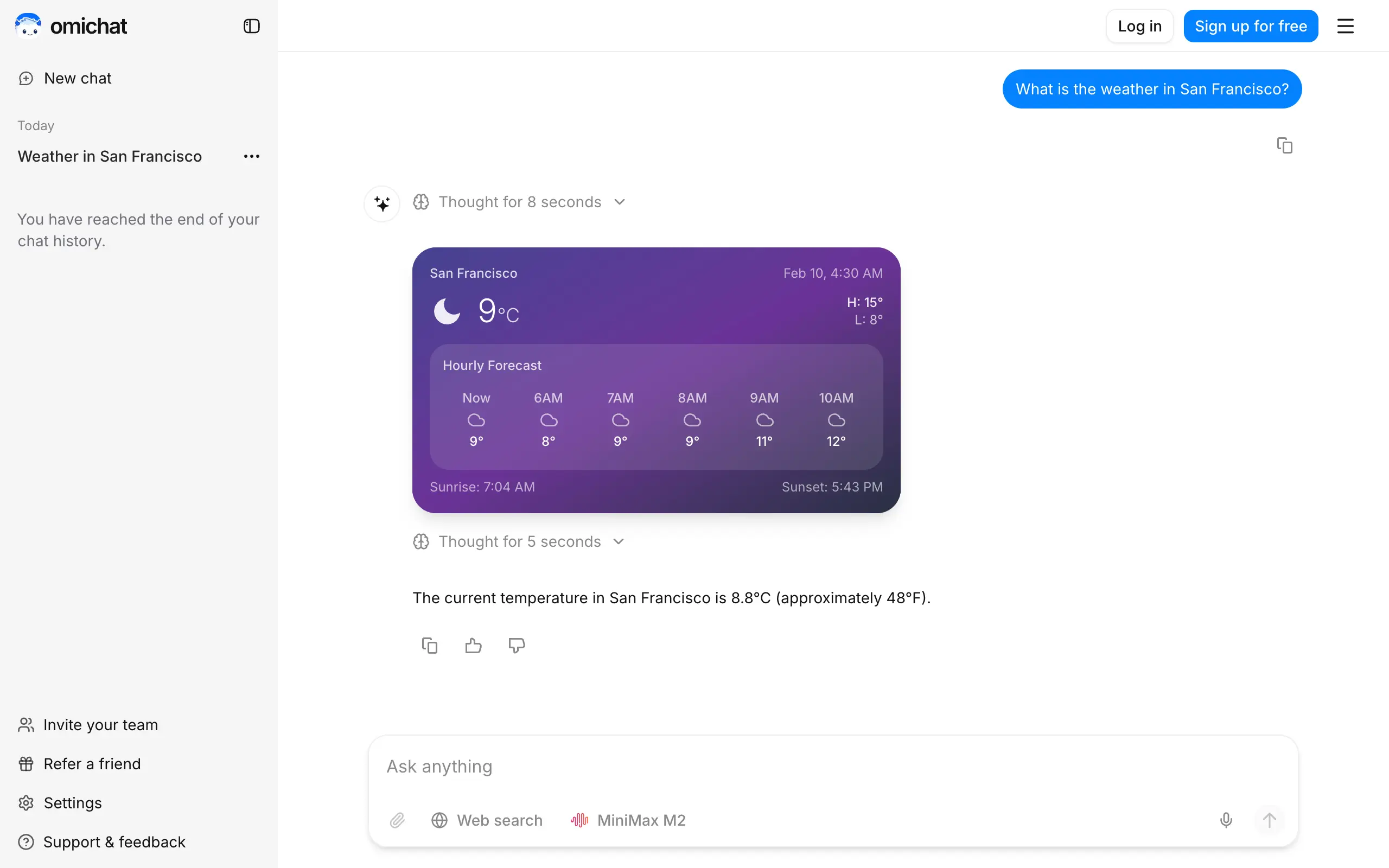
Omichat
Chat with 50+ AI models, including ChatGPT and Claude, in one place - switch models anytime without losing context 🤖
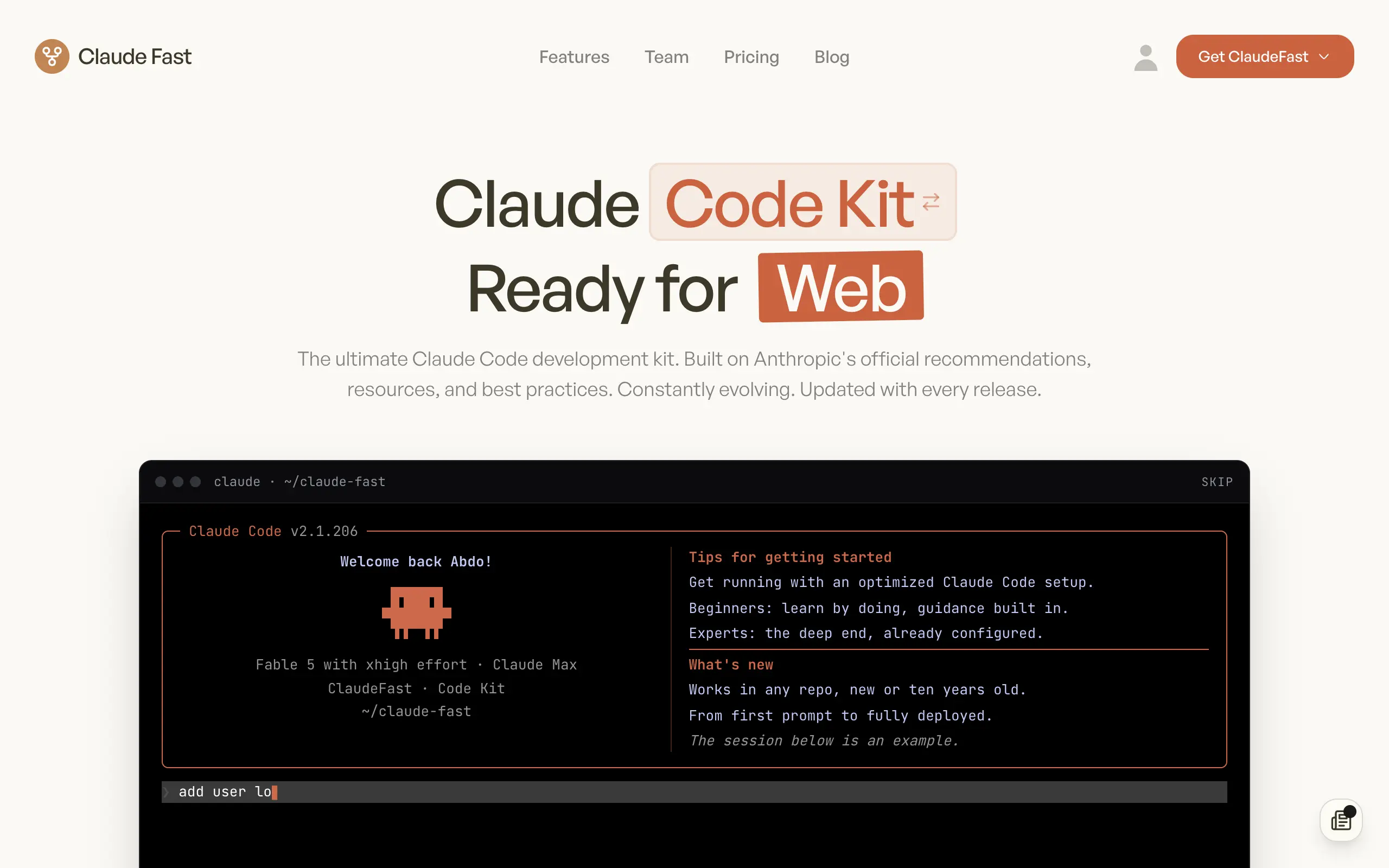
Claude Fast
Supercharge your Claude Code with 6x effective context window and specialized AI agents 🤖
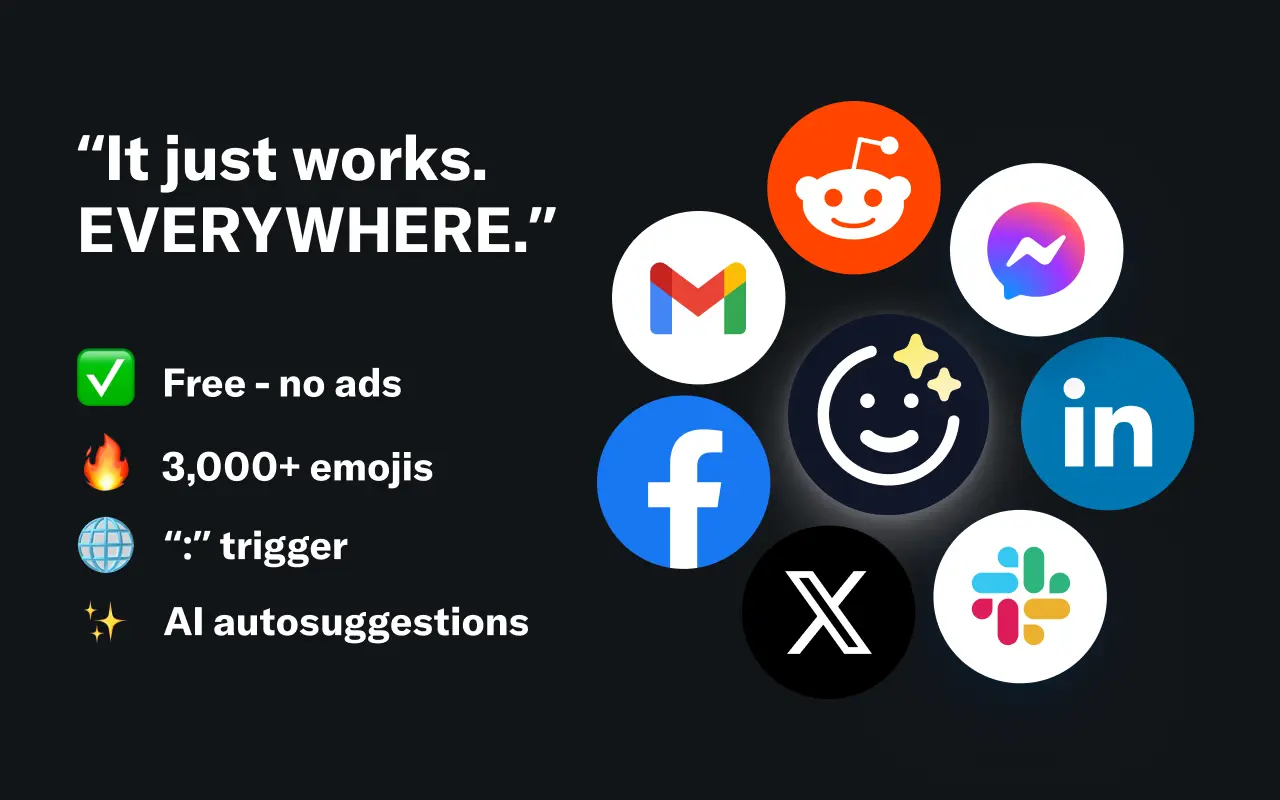
EmojAI
AI-powered emoji picker with smart, context-aware suggestions 🤖
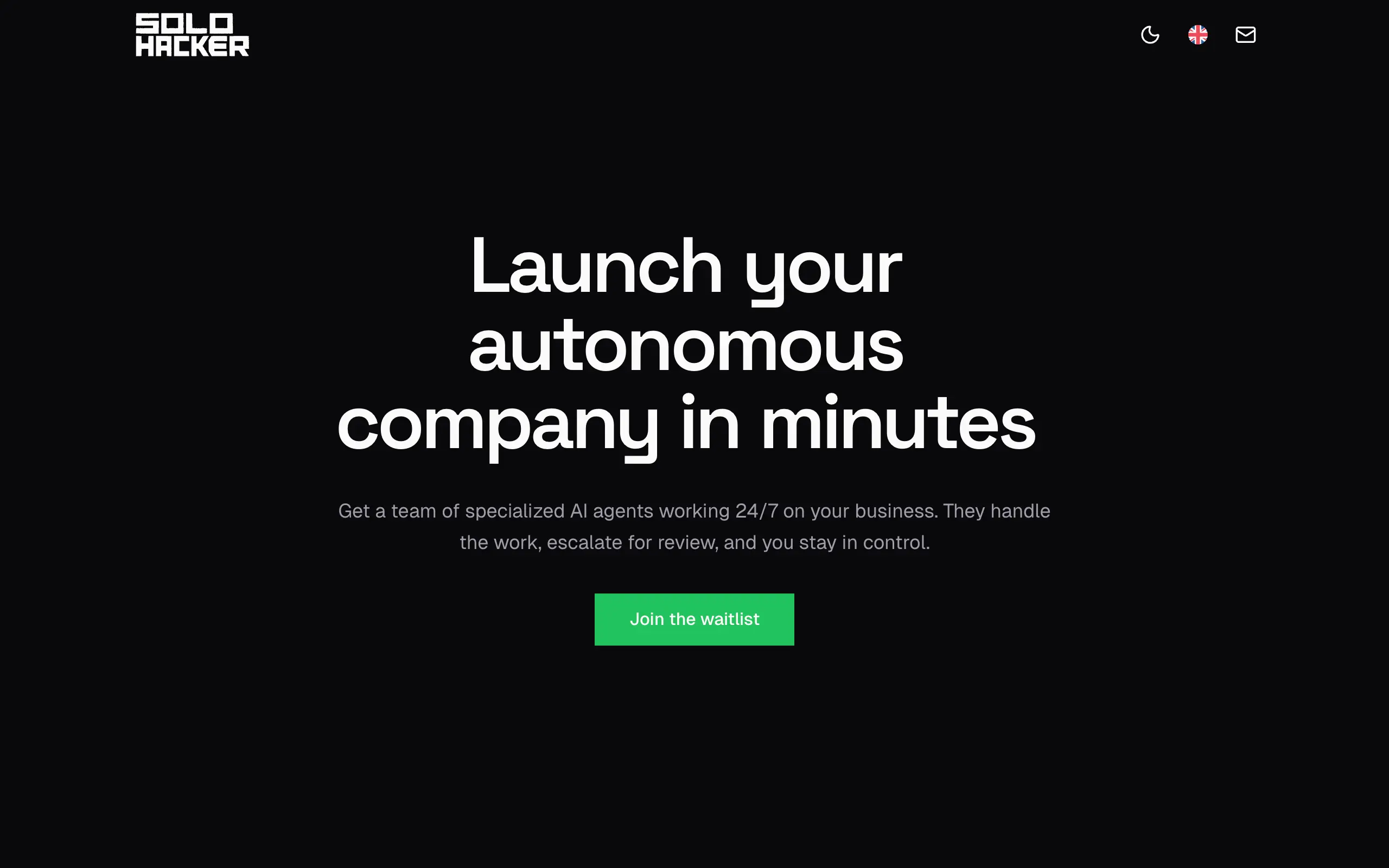
Solohacker
Autonomous company launcher - AI agents work 24/7, escalate what matters, and you stay in control 🤖
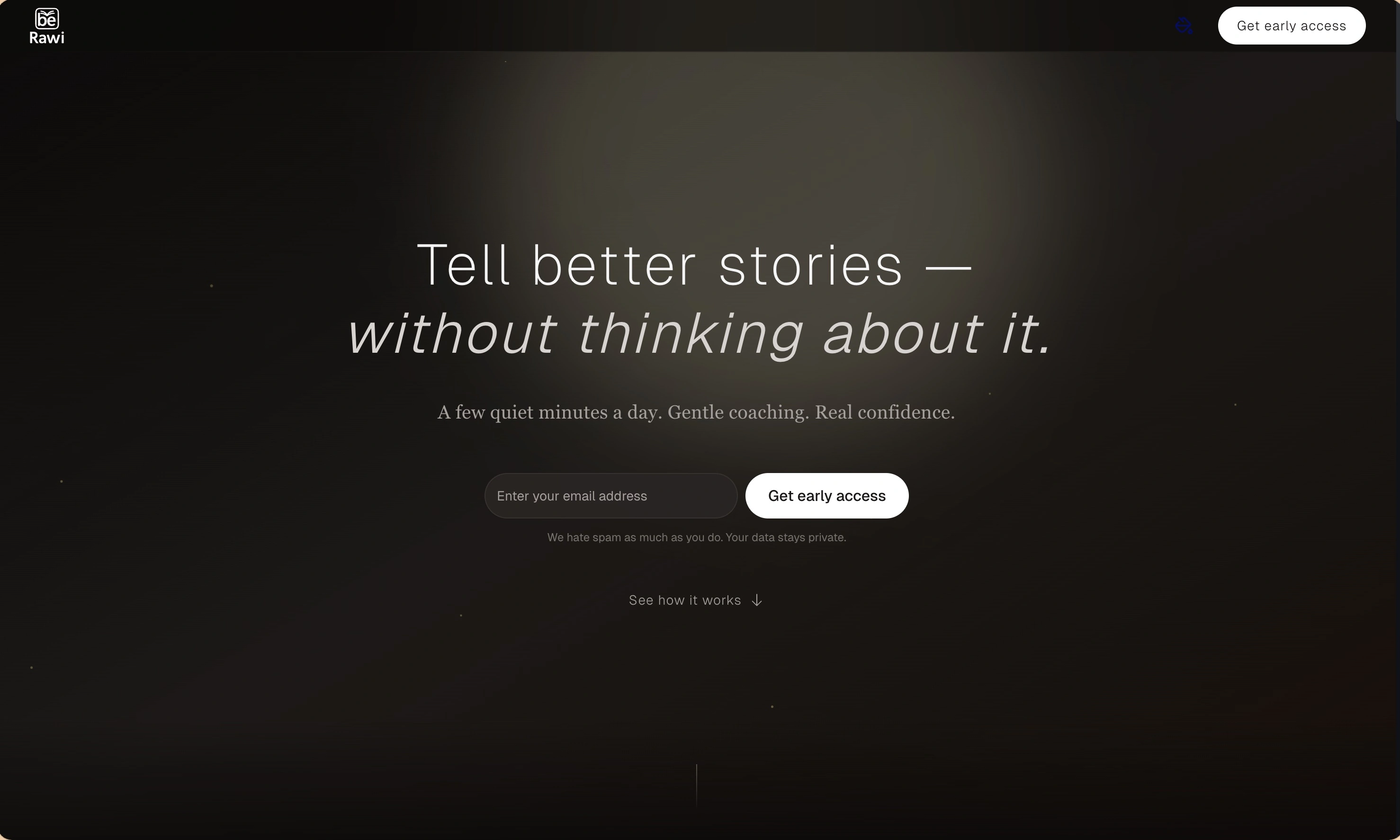
BeRawi: Storytelling Coach
Practice storytelling daily with instant feedback to sound clearer, more engaging, and confident 🎤
Omichat
Chat with 50+ AI models, including ChatGPT and Claude, in one place - switch models anytime without losing context 🤖
Claude Fast
Supercharge your Claude Code with 6x effective context window and specialized AI agents 🤖
EmojAI
AI-powered emoji picker with smart, context-aware suggestions 🤖
Solohacker
Autonomous company launcher - AI agents work 24/7, escalate what matters, and you stay in control 🤖
BeRawi: Storytelling Coach
Practice storytelling daily with instant feedback to sound clearer, more engaging, and confident 🎤
Omichat
Chat with 50+ AI models, including ChatGPT and Claude, in one place - switch models anytime without losing context 🤖
Claude Fast
Supercharge your Claude Code with 6x effective context window and specialized AI agents 🤖
EmojAI
AI-powered emoji picker with smart, context-aware suggestions 🤖
Solohacker
Autonomous company launcher - AI agents work 24/7, escalate what matters, and you stay in control 🤖
BeRawi: Storytelling Coach
Practice storytelling daily with instant feedback to sound clearer, more engaging, and confident 🎤
Omichat
Chat with 50+ AI models, including ChatGPT and Claude, in one place - switch models anytime without losing context 🤖
Claude Fast
Supercharge your Claude Code with 6x effective context window and specialized AI agents 🤖
EmojAI
AI-powered emoji picker with smart, context-aware suggestions 🤖
Solohacker
Autonomous company launcher - AI agents work 24/7, escalate what matters, and you stay in control 🤖
BeRawi: Storytelling Coach
Practice storytelling daily with instant feedback to sound clearer, more engaging, and confident 🎤

Connect with like-minded people
Join our community to get feedback, support, and grow together with 1,000+ builders on board, let's ship it!
Join usShip your startup everywhere. In minutes.
Don't burn tokens on setup and start building features on day one.