CycleSignal
AI symptom and cycle tracker for women with PCOS, turning daily patterns into personalized questions, insights, and care-ready reports.
For people living with polycystic ovary syndrome, tracking symptoms is rarely as simple as logging a period date. PCOS can involve irregular cycles, acne, hair changes, energy shifts, mood changes, sleep disruption, weight fluctuations, medication effects, and fertility concerns. The practical challenge is not a lack of data. It is turning scattered daily observations into patterns that are useful during a short clinical appointment.
CycleSignal is an AI PCOS symptom and cycle tracker designed to help women capture relevant daily signals, understand possible correlations over time, and create care-ready reports that support better conversations with clinicians. Rather than positioning itself as a diagnostic tool, CycleSignal can become the structured layer between everyday experience and professional care.
The opportunity is meaningful because PCOS management is long-term, highly individual, and often fragmented across gynecology, endocrinology, dermatology, nutrition, mental health, and fertility care. A privacy-first AI symptom tracker can make that experience more organized, more visible, and less overwhelming.
Important health-product positioning
CycleSignal should clearly state that it does not diagnose PCOS, replace medical advice, or recommend medication changes. Its value is helping users observe, organize, and discuss symptoms with qualified healthcare professionals.
Why an AI PCOS symptom and cycle tracker solves a real problem
PCOS is a complex endocrine and metabolic condition. Symptoms vary widely between people, and the same person's symptoms may change over time. Many users do not have predictable menstrual cycles, which makes conventional period-tracking apps feel incomplete or even frustrating.
A standard cycle app may let someone record bleeding, mood, and ovulation predictions. But an effective PCOS tracker app needs to account for uncertainty. It should help users track irregularity without assuming a 28-day cycle, capture a broader range of symptoms, and avoid making confident fertility predictions from incomplete information.
CycleSignal addresses the central information problem in PCOS care:
- "Daily experience": symptoms occur between appointments and are easy to forget.
- "Clinical conversations": appointments are short and require clear, relevant summaries.
- "Pattern recognition": users may notice a change but struggle to identify what changed around it.
- "Care coordination": different clinicians may see different parts of the same story.
- "Emotional burden": manual tracking can become repetitive, confusing, or anxiety-inducing.
An AI-powered approach is useful when it is designed to ask better follow-up questions, detect changes worth reviewing, and summarize observations in plain language. The product should never claim that a pattern proves causation. Instead, it can say that two tracked factors appeared together often enough to discuss with a clinician.
For example, CycleSignal could identify that a user has repeatedly logged poor sleep, increased cravings, low energy, and skin flare-ups during the same two-week periods. The platform can then ask whether there were medication, stress, dietary, travel, or illness changes during those windows. This moves the experience from passive journaling toward guided reflection.
Target audience for CycleSignal
The best early users are not simply “women with PCOS.” CycleSignal needs clear audience segments with distinct motivations, workflows, and willingness to pay.
Primary audience: women managing diagnosed or suspected PCOS
The core audience includes adults who have received a PCOS diagnosis or are currently pursuing evaluation. They may be dealing with irregular periods, hormonal acne, hirsutism, changes in weight, fatigue, fertility concerns, or emotional strain.
Their primary jobs to be done include:
- Remembering symptoms accurately between appointments
- Seeing whether routines or treatments coincide with changes
- Preparing for gynecology or endocrinology visits
- Feeling more in control of a complex condition
- Sharing a concise history without manually building spreadsheets
- Understanding what questions may be useful to ask a clinician
This group values clarity, empathy, privacy, and practical guidance over generic wellness content.
Secondary audience: fertility-focused PCOS users
People trying to conceive often need more detailed symptom, bleeding, medication, test, and appointment records. However, CycleSignal should be especially cautious in this segment. PCOS can make cycle-based ovulation estimates unreliable, so the product must not overstate fertility prediction accuracy.
A fertility-oriented experience can focus on:
- Recording bleeding and spotting
- Tracking clinician-directed fertility plans
- Logging ovulation test results when users choose to add them
- Organizing medication timing and appointment notes
- Generating questions for fertility specialists
- Documenting relevant symptoms and cycle history
The product should distinguish clearly between recording fertility-related data and predicting conception outcomes.
Secondary audience: clinicians and care teams
Clinicians are not the initial buyer in every business model, but they are critical stakeholders. A clinician does not need another patient app with noisy charts. They need a concise, interpretable, and trustworthy summary.
A care-ready report should help a clinician quickly understand:
- Cycle dates and bleeding patterns
- Most frequently reported symptoms
- Material symptom changes since the last visit
- Current medications and supplements as entered by the patient
- User-selected goals and concerns
- Questions the user wants to discuss
- Important data gaps or uncertainty
The report should not overwhelm a provider with hundreds of raw entries. The goal is better visit preparation, not automated clinical decision-making.
Tertiary audience: digital health and employer wellness partners
Once the consumer product has strong engagement and privacy controls, CycleSignal could be valuable to digital health providers, employer wellness programs, health coaches, or specialty care networks. This is a later-stage opportunity because business-to-business healthcare sales require stronger security, procurement readiness, clinical governance, and evidence of engagement.
Individual users
Need a compassionate way to capture symptoms, understand changes, and arrive prepared for care.
Fertility-focused users
Need organized cycle history and treatment context without overconfident ovulation or pregnancy claims.
Clinicians
Need concise, patient-controlled summaries that reduce recall gaps and improve appointment efficiency.
The market gap in PCOS tracking software
The health tracking market is crowded, but the gap is specific. Many products sit at one of two extremes.
At one end are general period tracker apps. They are often excellent at cycle visualization but may assume regular cycles, prioritize pregnancy prediction, or lack PCOS-specific symptom depth.
At the other end are broad health journals and wearable dashboards. These can collect enormous amounts of information, but they often require users to interpret the data themselves. A person may see sleep, steps, heart rate, mood, and meal logs without knowing which observations matter enough to bring to a medical appointment.
CycleSignal can occupy the middle ground: a PCOS-specific symptom tracker with AI-guided reflection and care-ready reporting.
The product’s market gap is not “more tracking.” It is better translation.
What existing tools often miss
Common weaknesses in current symptom tracking experiences include:
- Cycle projections that do not communicate uncertainty for irregular cycles
- Too few PCOS-relevant symptom fields
- Generic wellness recommendations that feel disconnected from the user’s context
- No clear distinction between observation and medical inference
- Reports that are visually attractive but clinically unhelpful
- Insufficient support for medication and treatment context
- Poor onboarding for people who are unsure which symptoms matter
- Limited privacy explanation around sensitive reproductive and health data
CycleSignal can differentiate by making its AI useful in a restrained and transparent way. The system should surface observations, explain why they were surfaced, and invite the user to verify context before adding anything to a report.
A strong product thesis
A compelling CycleSignal thesis is:
People with PCOS do not need an app that tells them what is wrong. They need a trustworthy system that helps them notice what is changing, remember what happened, and communicate more effectively with their care team.
That framing keeps the product grounded in user agency and avoids the risky promise of algorithmic diagnosis.
Core CycleSignal features and how they work
The most successful MVP will not include every possible tracker. It will make a small number of flows exceptionally easy and clinically sensible.
Adaptive daily symptom check-ins
The daily check-in should take less than one minute for a typical user. Instead of presenting a long fixed form every day, CycleSignal can use adaptive prompts based on the person’s previous entries, goals, and current cycle state.
Relevant symptom categories may include:
- Bleeding, spotting, and cycle events
- Pelvic discomfort and cramps
- Acne and skin changes
- Hair growth or hair shedding observations
- Mood, anxiety, irritability, and concentration
- Energy, fatigue, and sleep quality
- Hunger, cravings, and digestive symptoms
- Exercise and movement
- Medication, supplement, and treatment adherence
- Stress, travel, illness, and major routine changes
Users should always be able to skip categories. A symptom tracker must not turn self-care into homework.
AI-guided follow-up questions
This is where CycleSignal becomes more valuable than a static PCOS journal. When the system detects a meaningful change in a user’s logs, it can ask a short, optional question.
Examples include:
- “You have logged lower energy for several days. Would you like to note any recent sleep, stress, illness, or medication changes?”
- “Your acne severity has been higher than your usual baseline this month. Is there anything you would like to add for your next appointment?”
- “You recorded spotting after a long gap without bleeding. Would you like to mark whether this is a new pattern for you?”
These questions should use careful language. They should not say that one factor caused another. They should not imply urgency except in predefined safety flows that direct the user to appropriate medical support.
Personalized pattern summaries
Users should receive a weekly or monthly summary that is easy to understand. A useful summary separates fact, pattern, and uncertainty.
For example:
- “You logged fatigue on 12 of the last 14 days.”
- “Fatigue entries were more common on days when sleep was rated below your usual level.”
- “This is an observed overlap, not evidence that poor sleep caused fatigue.”
- “Consider adding this pattern to your next care discussion if it continues.”
The best pattern engine is explainable. Every insight should have a “Why am I seeing this?” view that identifies the entries and time window used to create it.
Care-ready clinician reports
The report is CycleSignal’s most defensible workflow. Users should be able to select a date range, choose what to include, review the wording, and export a concise PDF or shareable summary.
A report might include:
- The user’s stated reason for the visit
- Cycle and bleeding timeline
- Symptom frequency and severity trends
- Treatments and medications logged by the user
- Recent routine or life changes
- Observed patterns with confidence labels
- User-approved questions for the clinician
- A clear disclaimer that data is self-reported
The report should be designed with real clinician input. A one-page overview followed by optional detail pages is generally more useful than a long document full of charts.
User-owned health timeline
A longitudinal timeline can become a key retention feature. Users can add events such as diagnosis dates, medication starts or stops, lab appointments, imaging, lifestyle changes, pregnancies, or major stress periods.
The value is context. If symptoms change, the user can review what else happened around that time. This is not proof of causality, but it provides a more complete story.
Safety and escalation guidance
Because CycleSignal operates in a sensitive health domain, it needs a clear safety layer. The app should recognize phrases or combinations of inputs that may require urgent medical attention and provide immediate guidance to seek professional or emergency help as appropriate.
This should be developed with qualified clinical review and localized by region. The app should avoid presenting itself as a triage service unless it has the validated infrastructure, medical oversight, and regulatory posture to do so.
It should describe the observation, identify the data range, acknowledge uncertainty, and offer a next step such as adding context or saving a question for a clinician. It should not diagnose a condition, promise a health outcome, or tell the user to start or stop a treatment.
Brevity, clear dates, patient-selected priorities, and a distinction between raw observations and automated summaries. The report should make a visit easier to start, not create a new chart-review burden.
Not necessarily. Wearables can add sleep and activity context, but manual symptom tracking and a high-quality reporting workflow should come first. Integrations add consent, data normalization, support, and privacy complexity.
A responsible AI framework for PCOS insights
AI is a product capability, not the product’s clinical authority. CycleSignal should use a layered approach that combines deterministic rules, statistical analysis, and language models only where each is appropriate.
Use rules for safety and consistency
Rules are suitable for predictable tasks, such as showing a reminder after missed check-ins, flagging incomplete report fields, or displaying a reviewed safety message after a concerning user input.
Rules are auditable. They should be versioned, clinically reviewed, and tested across edge cases.
Use analytics for longitudinal trends
Statistical methods can identify changes from an individual user’s baseline, symptom frequency patterns, and co-occurrence. For example, the system can calculate whether a symptom appeared more frequently in the recent 30 days than in the preceding 90 days.
The language presented to users should reflect uncertainty. “More frequent than your usual pattern” is more defensible than “worsening because of hormones.”
Use language models for summarization, not diagnosis
Large language models can help convert approved, structured data into readable report drafts and personalized reflection questions. They should not independently infer diagnoses or offer individualized treatment recommendations.
A safe generation pipeline should include:
- Structured input schemas rather than unrestricted health-note ingestion
- Prompt templates with prohibited medical advice categories
- Retrieval from a clinician-reviewed content library when educational context is needed
- Output moderation and safety checks
- Human review workflows for high-risk content changes
- Clear logging, evaluation, and rollback procedures
The user should be able to see and edit AI-generated report language before sharing it. This preserves control and reduces the risk of misrepresenting a person’s experience.
Recommended tech stack for CycleSignal
A health-focused SaaS product needs a stack that supports fast iteration without treating privacy and security as afterthoughts. The following architecture is pragmatic for an early-stage product.
Frontend and product experience
Use React and Next.js for a responsive web application with strong server-rendering capabilities and a mature ecosystem. A mobile-first interface is essential because daily logging happens in small moments throughout the day.
Tailwind CSS can support a consistent and accessible design system while keeping development fast. Use semantic HTML, keyboard navigation, visible focus states, high-contrast color options, and plain-language labels from the first release.
For mobile distribution, a responsive web app can validate demand before committing to native apps. If native push notifications and offline behavior become central to retention, evaluate React Native later.
Backend, database, and data model
A TypeScript backend keeps frontend and backend validation consistent. Node.js is a productive option for the API layer, especially for teams already using TypeScript.
PostgreSQL is a strong core database for structured, relational health data. It supports transactions, strong constraints, and flexible JSON fields where needed. Use a carefully designed schema for users, consents, symptoms, observations, reports, audit events, and data exports.
An event-oriented model is especially useful. Instead of overwriting a symptom state, store timestamped observations with source and confidence metadata. This preserves a transparent record of how summaries were created.
| Layer | Recommended choice | Why it fits | Main trade-off | MVP priority |
|---|---|---|---|---|
| Web app | Next.js and React | Fast iteration and strong UX ecosystem | Native mobile features need extra work | High |
| Database | PostgreSQL | Reliable relational health-data model | Requires disciplined schema design | High |
| AI layer | Structured pipelines plus LLM summaries | Useful for readable report drafts | Needs strict evaluation and safeguards | Medium |
| Mobile app | React Native | Push notifications and mobile retention | Higher product maintenance cost | Later |
Authentication, consent, and security
Health-related data requires an unusually high standard of trust. The implementation should include encryption in transit and at rest, role-based access controls, secure secrets management, audit logging, secure deletion workflows, and routine dependency monitoring.
Consent cannot be a buried checkbox. Users should understand:
- What information is collected
- Why it is collected
- How AI uses it
- Whether data is used to improve models
- How to export or delete data
- Who can access a shared report
- How long shared access lasts
Legal requirements vary by jurisdiction. The company should work with specialist counsel to determine applicable privacy, consumer health data, medical device, and health-information rules before launch. If CycleSignal serves regulated healthcare organizations, the required controls and contractual obligations may be substantially higher.
Building the MVP efficiently
An opinionated SaaS foundation can reduce time spent rebuilding authentication, billing, dashboards, and account management. TurboStarter can be a useful starting point for the non-clinical product infrastructure, allowing the team to focus development effort on the tracking experience, consent architecture, reporting workflow, and AI safety evaluation.
Monetization strategy for a PCOS tracker app
CycleSignal should monetize in a way that does not create pressure to overstate health benefits. The most appropriate initial model is usually a freemium consumer subscription, followed by carefully selected care partnerships.
Freemium subscription model
A free tier builds trust and lets users experience the core habit loop.
A free plan could include:
- Daily symptom and cycle logging
- Basic timeline history
- A limited number of symptom summaries
- One standard report export
- Privacy controls and data export
A premium plan could include:
- Advanced longitudinal insights
- Unlimited care-ready reports
- Personalized check-in flows
- Deeper symptom trend views
- Visit-preparation tools
- Secure report sharing controls
- Optional wearable or calendar integrations
Pricing should be tested by region and audience. Avoid making essential safety, account deletion, data portability, or baseline access to personal records dependent on payment.
Clinician-sponsored access
A clinic could offer CycleSignal to patients as part of a PCOS program. The clinic benefits from better prepared visits, while patients receive a structured tool between appointments.
This approach requires high-quality clinician workflows, secure report delivery, support processes, and evidence that the tool improves visit efficiency or patient-reported experience.
Employer and health-plan partnerships
This is a longer-term model. It can create meaningful distribution, but sales cycles are slower and privacy expectations are strict. CycleSignal should never give employers access to identifiable reproductive or symptom data.
Aggregate, de-identified program reporting may be possible only with strong legal, ethical, and statistical safeguards. In many cases, avoiding this data-sharing model entirely may be the most trust-building choice.
Competitive advantage and defensible positioning
CycleSignal’s competitive advantage should not be “we use AI.” AI features are easy to copy at the surface level. Durable differentiation comes from the product system around the AI.
The CycleSignal USP
CycleSignal turns daily PCOS symptom tracking into transparent, user-controlled insights and clinician-ready reports.
That USP combines three things that are often separate:
- A PCOS-aware symptom model
- Explainable AI-guided reflection
- A care communication workflow
A generic symptom journal can copy a check-in screen. A general period tracker can add a PCOS category. But building trusted, clinically useful reports and safe insight behavior requires deeper domain design, clinical input, privacy discipline, and ongoing evaluation.
Sources of defensibility
- "Structured longitudinal data": consented, user-generated symptom histories create product learning opportunities.
- "Clinical workflow fit": reports designed with real clinicians are harder to replicate than visual dashboards.
- "Trust architecture": transparent AI explanations, edit controls, and strong privacy practices improve retention.
- "Personalization quality": adaptive questions become more relevant as users build history.
- "Domain-specific content": reviewed language for PCOS symptom reflection is more valuable than generic AI prompts.
The company should avoid treating sensitive health data as an advertising asset. Trust is not only an ethical requirement in this category; it is a strategic moat.
Risks and mitigation for CycleSignal
The opportunity is strong, but the risks are real. Health-adjacent AI products must earn trust through product choices, not marketing claims.
Risk: accidental medical-device positioning
If CycleSignal claims to diagnose, treat, predict, or prevent a condition, it may trigger a significantly different regulatory analysis. Even a seemingly harmless phrase such as “detect hormonal imbalance” can create risk.
"Mitigation"
- Use observation-focused language
- Require clinical and legal review of marketing claims
- Keep educational content separate from personalized clinical guidance
- Document intended use and product boundaries
- Reassess regulatory posture whenever features change
Risk: unsafe AI responses
A language model may produce overly confident, incorrect, or inappropriate health guidance.
"Mitigation"
- Limit AI to approved tasks such as summarization and reflection
- Use structured data inputs and constrained templates
- Test outputs with adversarial health scenarios
- Maintain escalation paths for concerning user entries
- Show users the source observations behind insights
- Require human approval for high-risk content updates
Risk: privacy failures
Reproductive and symptom data is deeply sensitive. A breach, opaque policy, or secondary data use can irreparably damage the company.
"Mitigation"
- Apply data minimization from the start
- Make consent granular and understandable
- Encrypt data and enforce least-privilege access
- Build export and deletion workflows early
- Conduct regular security reviews and incident-response exercises
- Avoid selling identifiable health data
Risk: low tracking adherence
Daily health logging can fade quickly if users do not see value.
"Mitigation"
- Keep the default check-in under one minute
- Let users customize what they track
- Provide useful weekly reflection without demanding perfect data
- Use reminders sparingly and respectfully
- Make report generation a meaningful reward for continued use
Risk: biased or misleading patterns
Patterns may be less reliable for users with sparse data, inconsistent logging, or experiences not well represented in design and testing data.
"Mitigation"
- Display confidence and data-completeness indicators
- Avoid insights when evidence is too weak
- Test with diverse PCOS communities
- Include user feedback controls for irrelevant insights
- Continuously monitor insight quality and complaint signals
Actionable implementation roadmap
CycleSignal should launch with a narrow, high-trust MVP rather than a broad health platform. The first version only needs to prove that users will log meaningful data and use reports to prepare for care.
Phase one: validate the reporting workflow
The earliest version should answer one question: will users consistently use CycleSignal to prepare for appointments?
Build:
- Account creation and consent
- Custom symptom tracking
- Cycle and bleeding events
- Medication and note logging
- Trend visualization
- Editable PDF report export
- Data deletion and export controls
Success metrics should include weekly active trackers, check-in completion, report creation rate, report sharing intent, and qualitative feedback about appointment usefulness.
Phase two: add high-confidence AI assistance
Once the core workflow is validated, add AI-supported weekly summaries and follow-up questions. Start with only a few insight types that can be evaluated rigorously.
Useful evaluation criteria include:
- Is the insight factually grounded in user-entered data?
- Is the language understandable?
- Does it avoid implying diagnosis or causation?
- Do users mark it as relevant?
- Does it lead to more useful report preparation?
- Do clinicians find the resulting summary easier to review?
Phase three: build partnerships and evidence
With engagement data and a stable privacy foundation, CycleSignal can test clinician pilots. The strongest evidence will come from real-world measures such as improved visit preparation, reduced recall burden, patient satisfaction, and clinician-reported usefulness.
Any public health or outcome claims should be supported by appropriately designed research and reviewed carefully. If the company cites prevalence, treatment, or care-access statistics in marketing, it should reference authoritative medical organizations, peer-reviewed literature, or government health agencies and include publication dates.
The strategic path forward
CycleSignal can stand out in the crowded women’s health market by respecting the reality of PCOS: symptoms are personal, cycles may be irregular, and users need support without false certainty.
The winning product is not the one that generates the most AI text. It is the one that helps a user say, “This is what has been happening, this is what changed, and these are the questions I want to ask at my appointment.”
By prioritizing fast symptom logging, explainable patterns, editable care-ready reports, privacy-first design, and disciplined medical boundaries, CycleSignal can create a trusted category leader in AI-assisted PCOS tracking. The next practical move is to validate the report workflow with real users and clinicians, then expand AI capabilities only where they make that workflow clearer, safer, and more useful.
More 🤖 AI Startup SaaS ideas
Discover more innovative ai startup SaaS ideas that are trending in 2026. Each idea is AI-generated with market validation and growth potential to help you find your next profitable venture faster than competitors.
Your competitors are building with TurboStarter
Below are some of the SaaS ideas that have been generated and built with our starter kit.
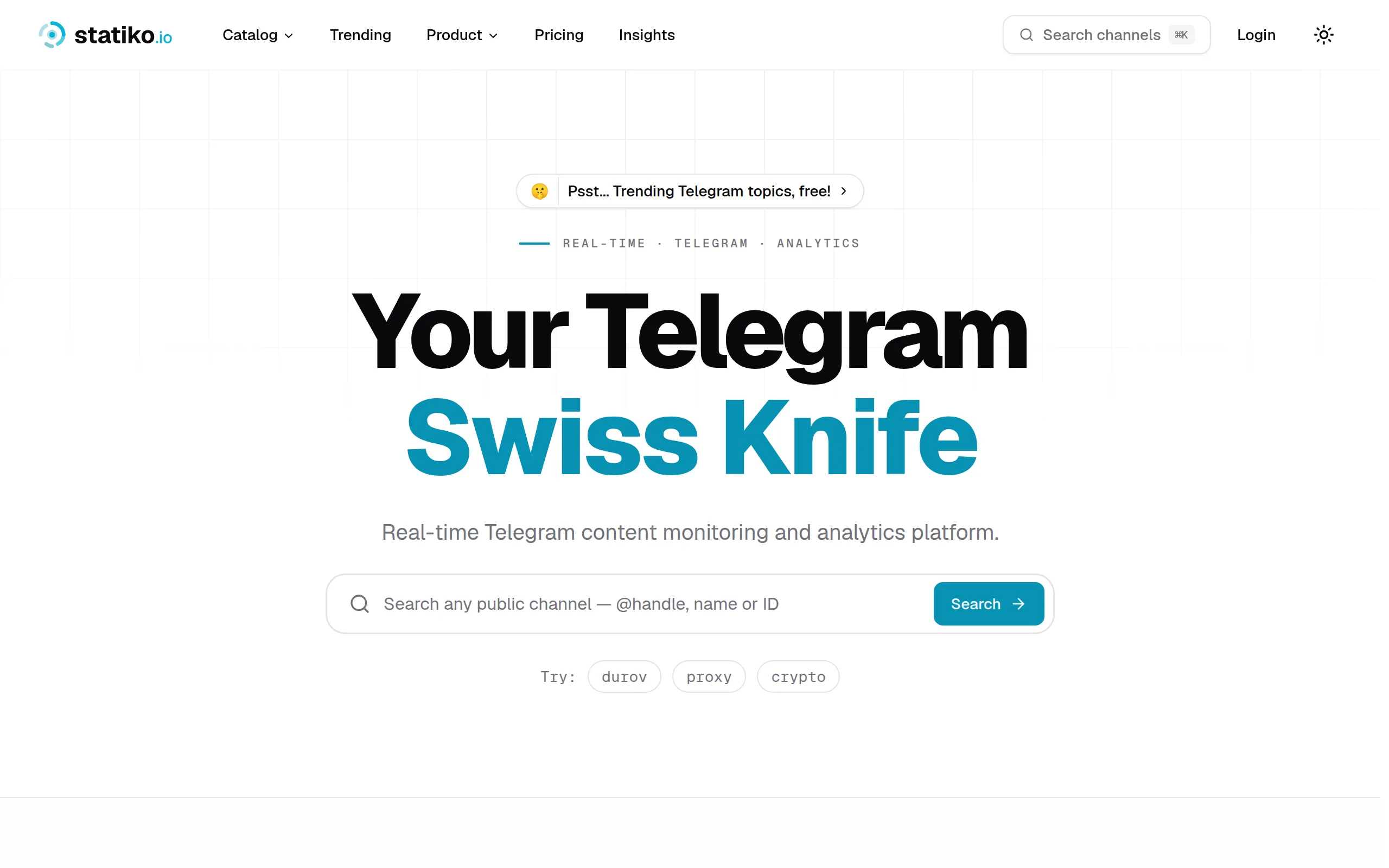
Statiko
Monitor any Telegram channel in real time - track posts, edits, deletions, and growth with AI recaps 📡

Shibui
AI website builder - describe your business, pick a niche template, edit by chatting, and publish instantly ✨
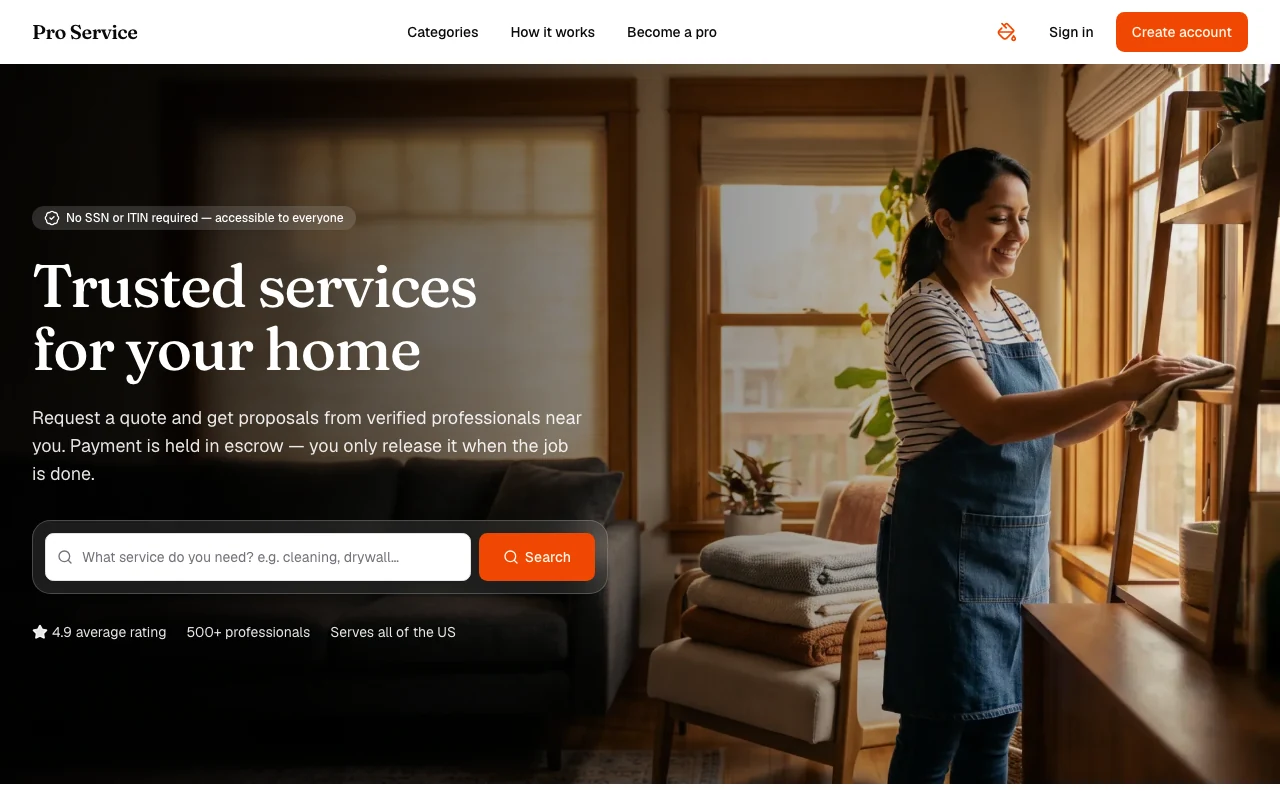
Pro Service
Find verified home service professionals, compare quotes, and pay securely through escrow - built for Brazilians across the US 🏠
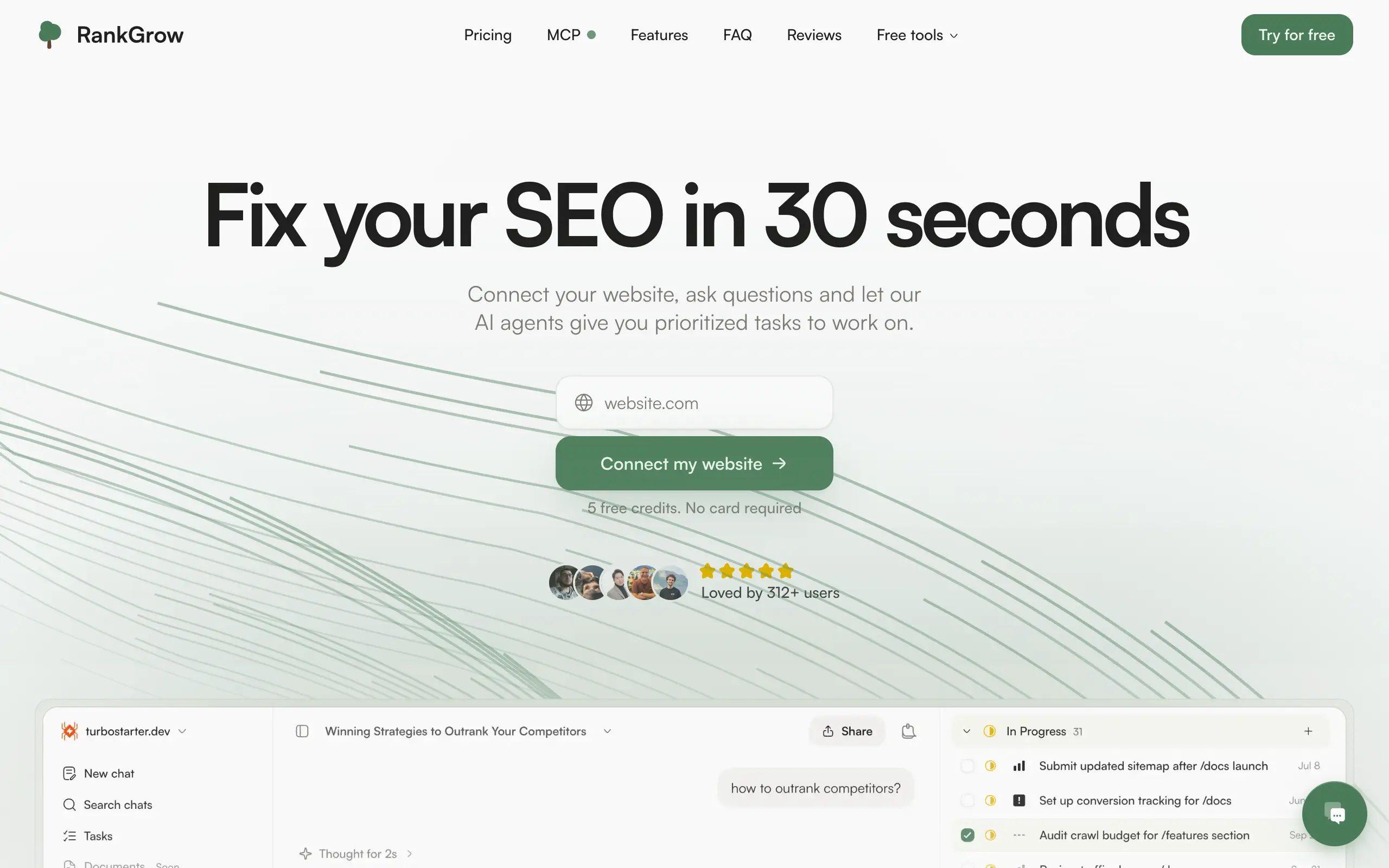
RankGrow
Fix your SEO with AI agents - connect Search Console, get prioritized tasks, and grow organic traffic 📈
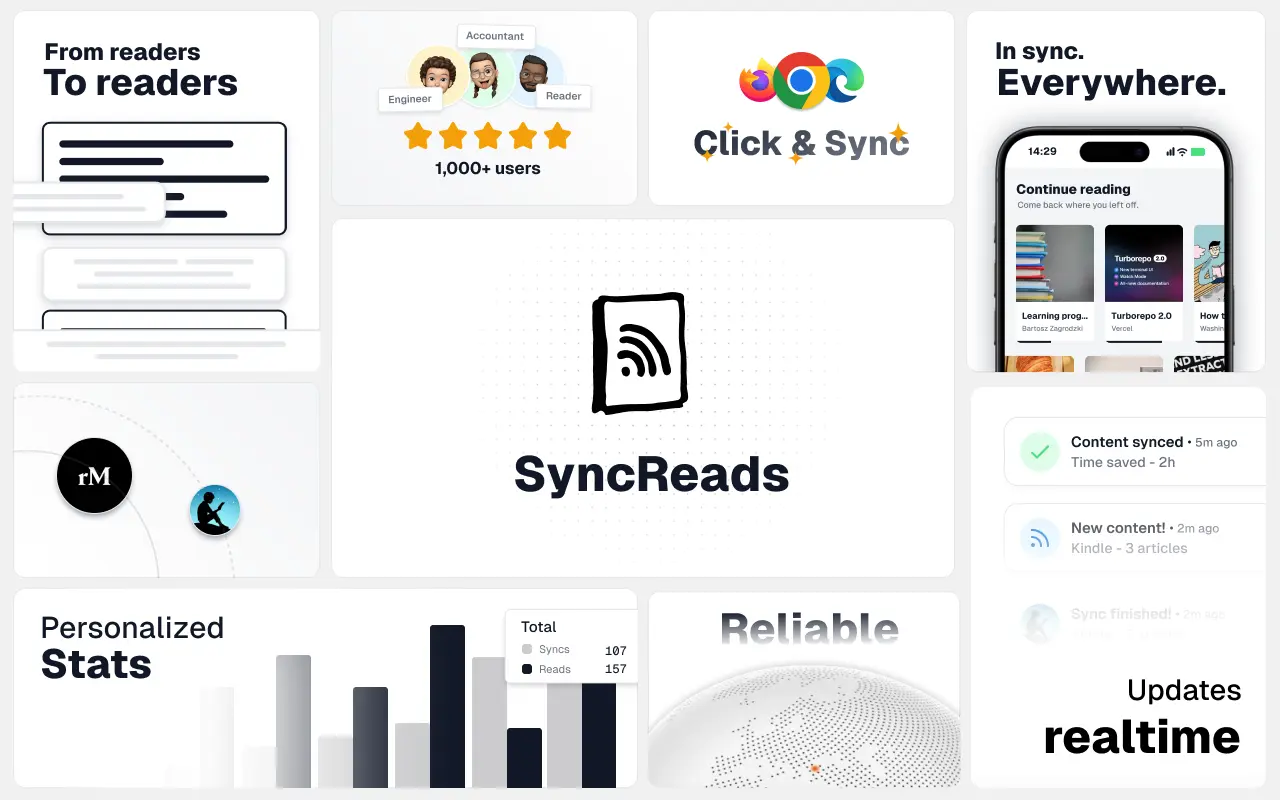
SyncReads
Sync your favorite content for distraction-free reading, save time and replace multiple apps. Anytime, anywhere 🔄
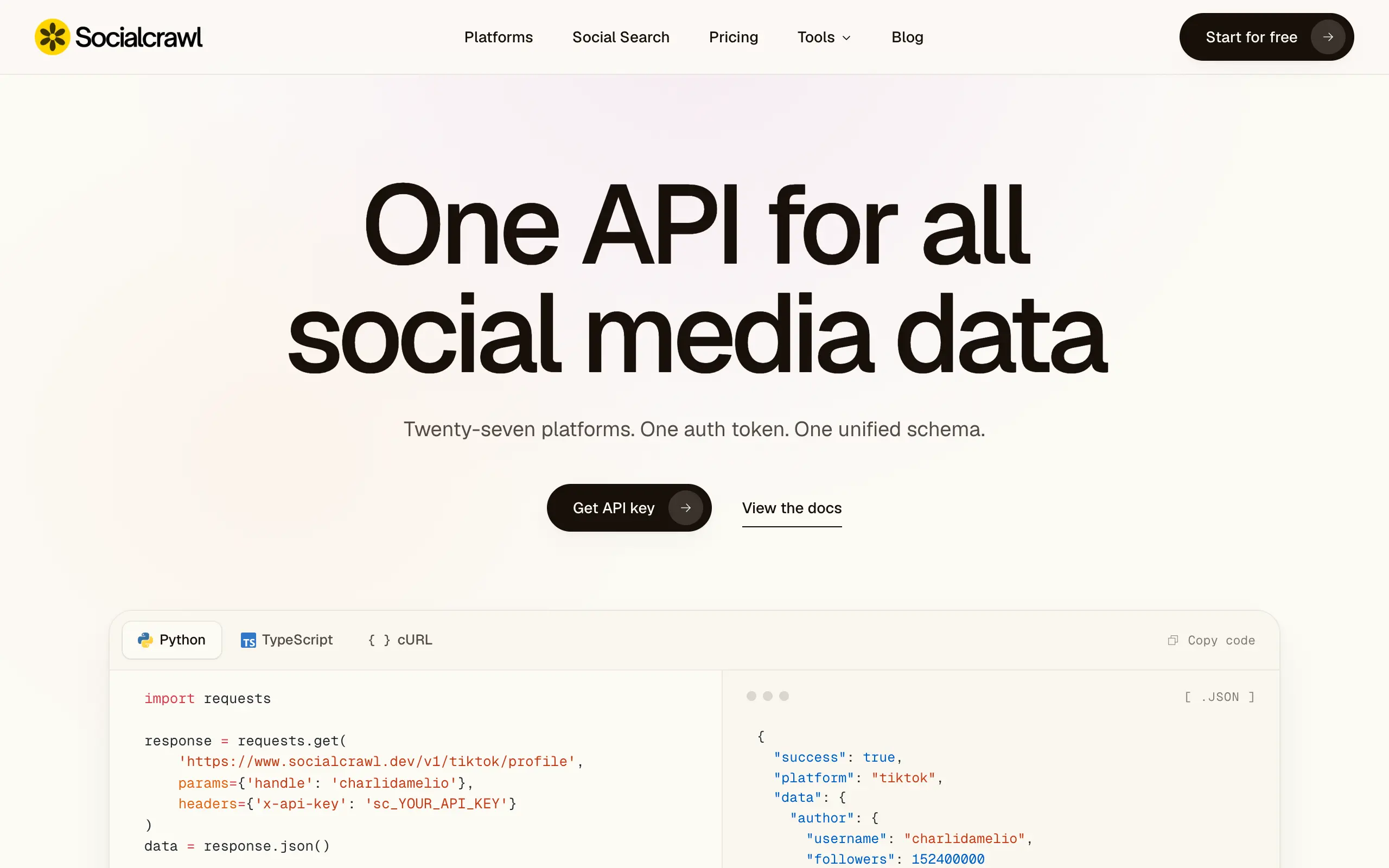
Socialcrawl
Get clean, structured data from 21 platforms like TikTok, Instagram, and YouTube with a single request 📊
Statiko
Monitor any Telegram channel in real time - track posts, edits, deletions, and growth with AI recaps 📡
Shibui
AI website builder - describe your business, pick a niche template, edit by chatting, and publish instantly ✨
Pro Service
Find verified home service professionals, compare quotes, and pay securely through escrow - built for Brazilians across the US 🏠
RankGrow
Fix your SEO with AI agents - connect Search Console, get prioritized tasks, and grow organic traffic 📈
SyncReads
Sync your favorite content for distraction-free reading, save time and replace multiple apps. Anytime, anywhere 🔄
Socialcrawl
Get clean, structured data from 21 platforms like TikTok, Instagram, and YouTube with a single request 📊
Statiko
Monitor any Telegram channel in real time - track posts, edits, deletions, and growth with AI recaps 📡
Shibui
AI website builder - describe your business, pick a niche template, edit by chatting, and publish instantly ✨
Pro Service
Find verified home service professionals, compare quotes, and pay securely through escrow - built for Brazilians across the US 🏠
RankGrow
Fix your SEO with AI agents - connect Search Console, get prioritized tasks, and grow organic traffic 📈
SyncReads
Sync your favorite content for distraction-free reading, save time and replace multiple apps. Anytime, anywhere 🔄
Socialcrawl
Get clean, structured data from 21 platforms like TikTok, Instagram, and YouTube with a single request 📊
Statiko
Monitor any Telegram channel in real time - track posts, edits, deletions, and growth with AI recaps 📡
Shibui
AI website builder - describe your business, pick a niche template, edit by chatting, and publish instantly ✨
Pro Service
Find verified home service professionals, compare quotes, and pay securely through escrow - built for Brazilians across the US 🏠
RankGrow
Fix your SEO with AI agents - connect Search Console, get prioritized tasks, and grow organic traffic 📈
SyncReads
Sync your favorite content for distraction-free reading, save time and replace multiple apps. Anytime, anywhere 🔄
Socialcrawl
Get clean, structured data from 21 platforms like TikTok, Instagram, and YouTube with a single request 📊
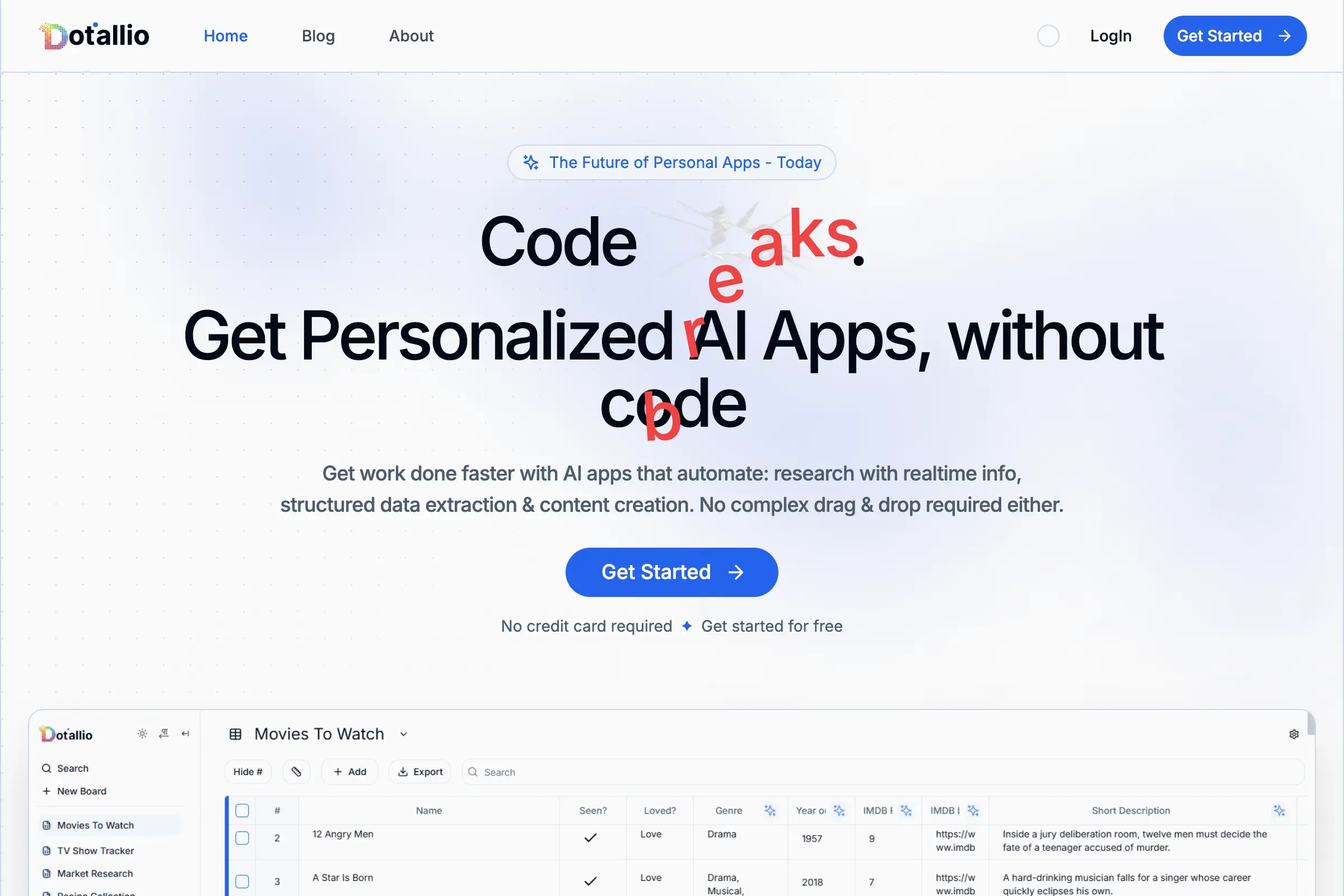
Dotallio
Personalized AI apps that automate research, data extraction, and content creation without code 🤖
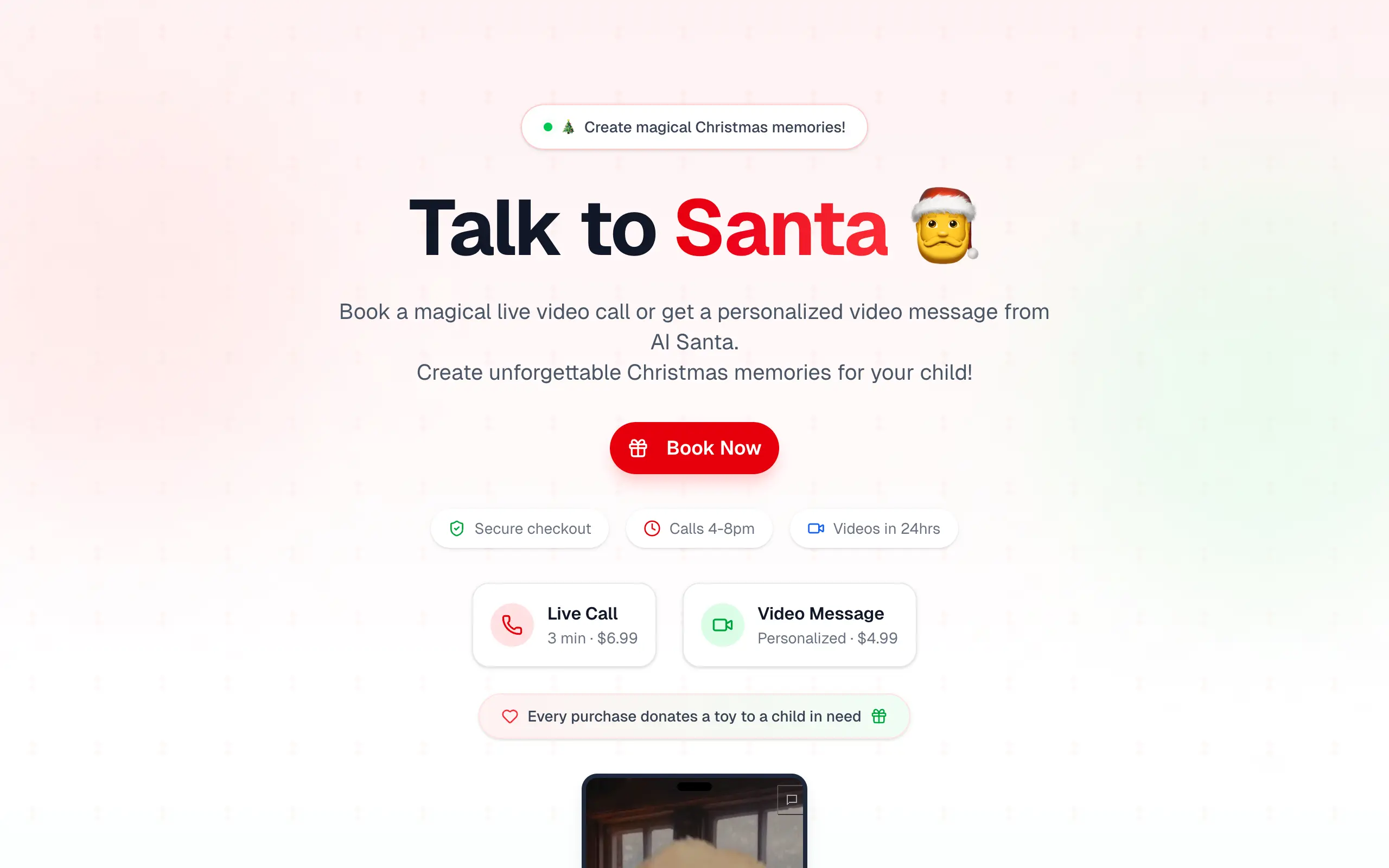
Talk to Santa
Enjoy a magical live video chat or receive a unique AI-generated video greeting from Santa Claus 🎅
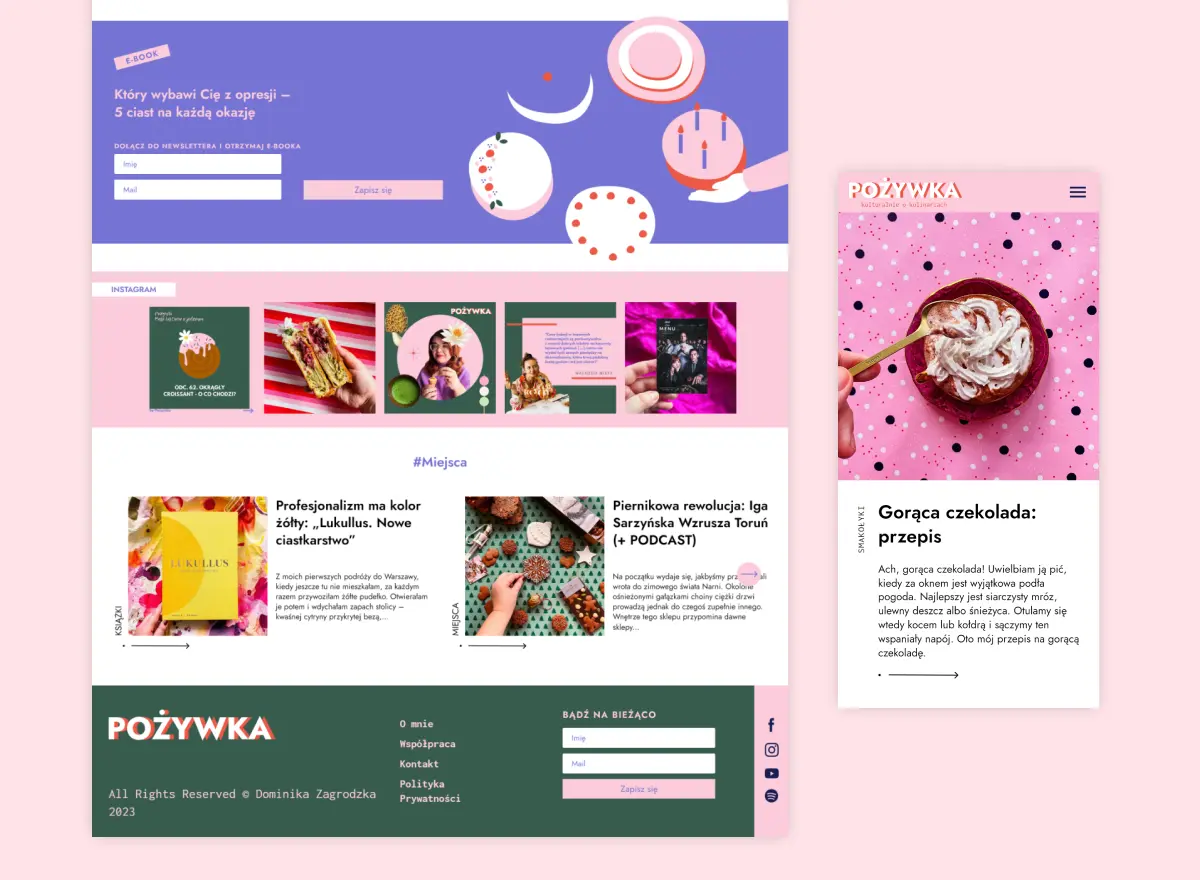
pozywka.pl
Scalable blog for food journalist, focused on performance and user experience 🌭
zagrodzki.me
Personal blog and portfolio of Bart Zagrodzki, where he shares his knowledge and work 💼
TurboStarter
Ship your startup everywhere. In minutes.
HTML to Markdown
Convert HTML to Markdown with ease, directly in your browser 📄
Dotallio
Personalized AI apps that automate research, data extraction, and content creation without code 🤖
Talk to Santa
Enjoy a magical live video chat or receive a unique AI-generated video greeting from Santa Claus 🎅
pozywka.pl
Scalable blog for food journalist, focused on performance and user experience 🌭
zagrodzki.me
Personal blog and portfolio of Bart Zagrodzki, where he shares his knowledge and work 💼
TurboStarter
Ship your startup everywhere. In minutes.
HTML to Markdown
Convert HTML to Markdown with ease, directly in your browser 📄
Dotallio
Personalized AI apps that automate research, data extraction, and content creation without code 🤖
Talk to Santa
Enjoy a magical live video chat or receive a unique AI-generated video greeting from Santa Claus 🎅
pozywka.pl
Scalable blog for food journalist, focused on performance and user experience 🌭
zagrodzki.me
Personal blog and portfolio of Bart Zagrodzki, where he shares his knowledge and work 💼
TurboStarter
Ship your startup everywhere. In minutes.
HTML to Markdown
Convert HTML to Markdown with ease, directly in your browser 📄
Dotallio
Personalized AI apps that automate research, data extraction, and content creation without code 🤖
Talk to Santa
Enjoy a magical live video chat or receive a unique AI-generated video greeting from Santa Claus 🎅
pozywka.pl
Scalable blog for food journalist, focused on performance and user experience 🌭
zagrodzki.me
Personal blog and portfolio of Bart Zagrodzki, where he shares his knowledge and work 💼
TurboStarter
Ship your startup everywhere. In minutes.
HTML to Markdown
Convert HTML to Markdown with ease, directly in your browser 📄
Omichat
Chat with 50+ AI models, including ChatGPT and Claude, in one place - switch models anytime without losing context 🤖
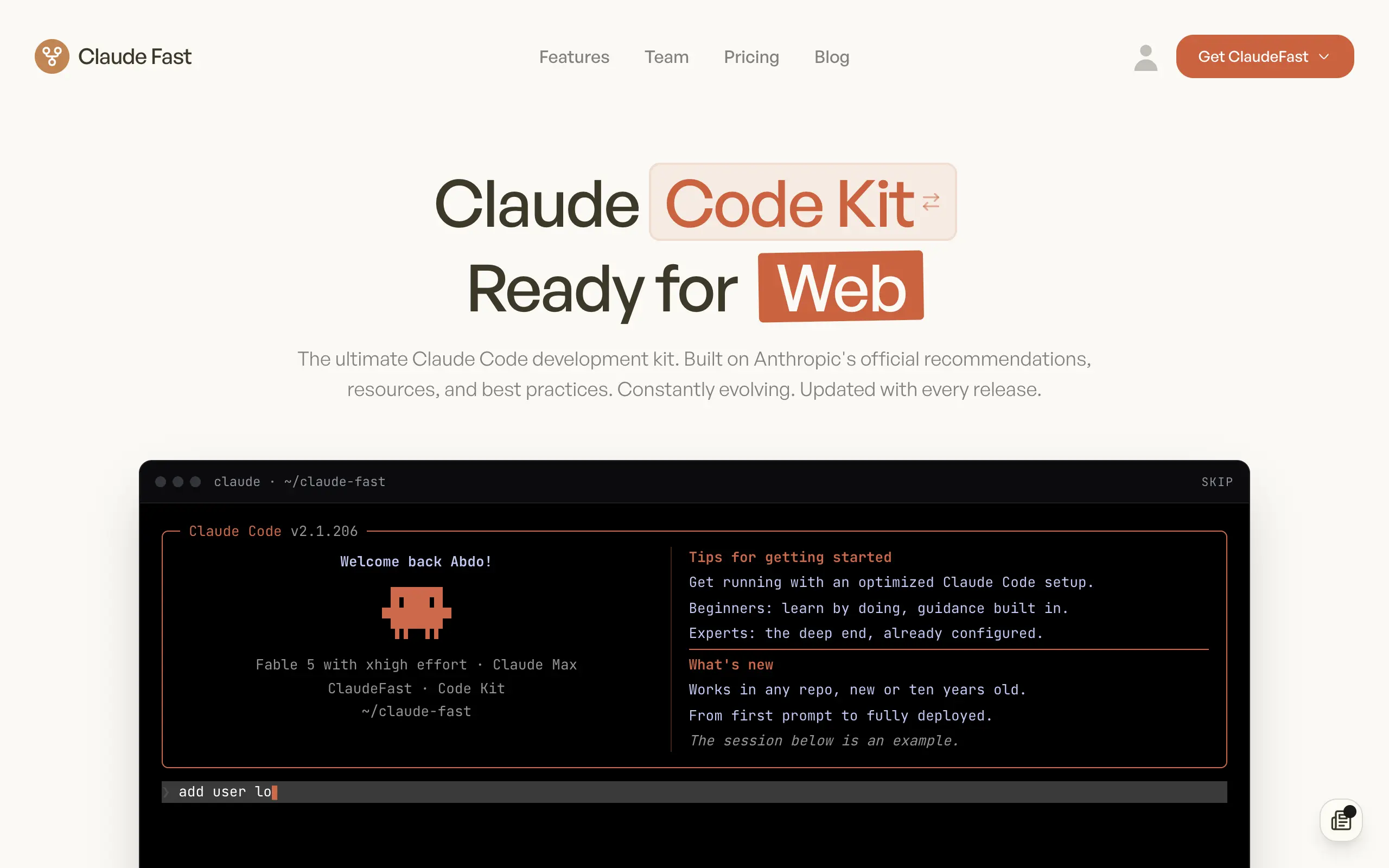
Claude Fast
Supercharge your Claude Code with 6x effective context window and specialized AI agents 🤖
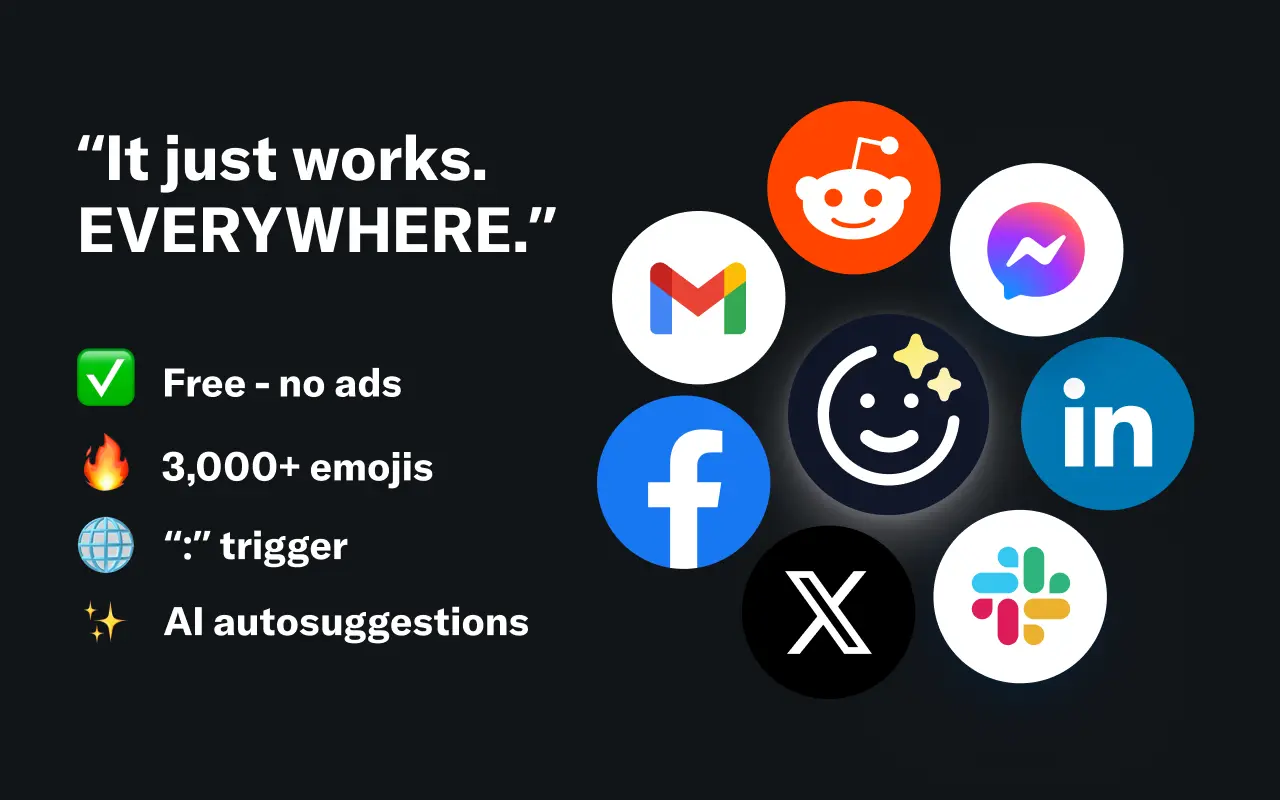
EmojAI
AI-powered emoji picker with smart, context-aware suggestions 🤖
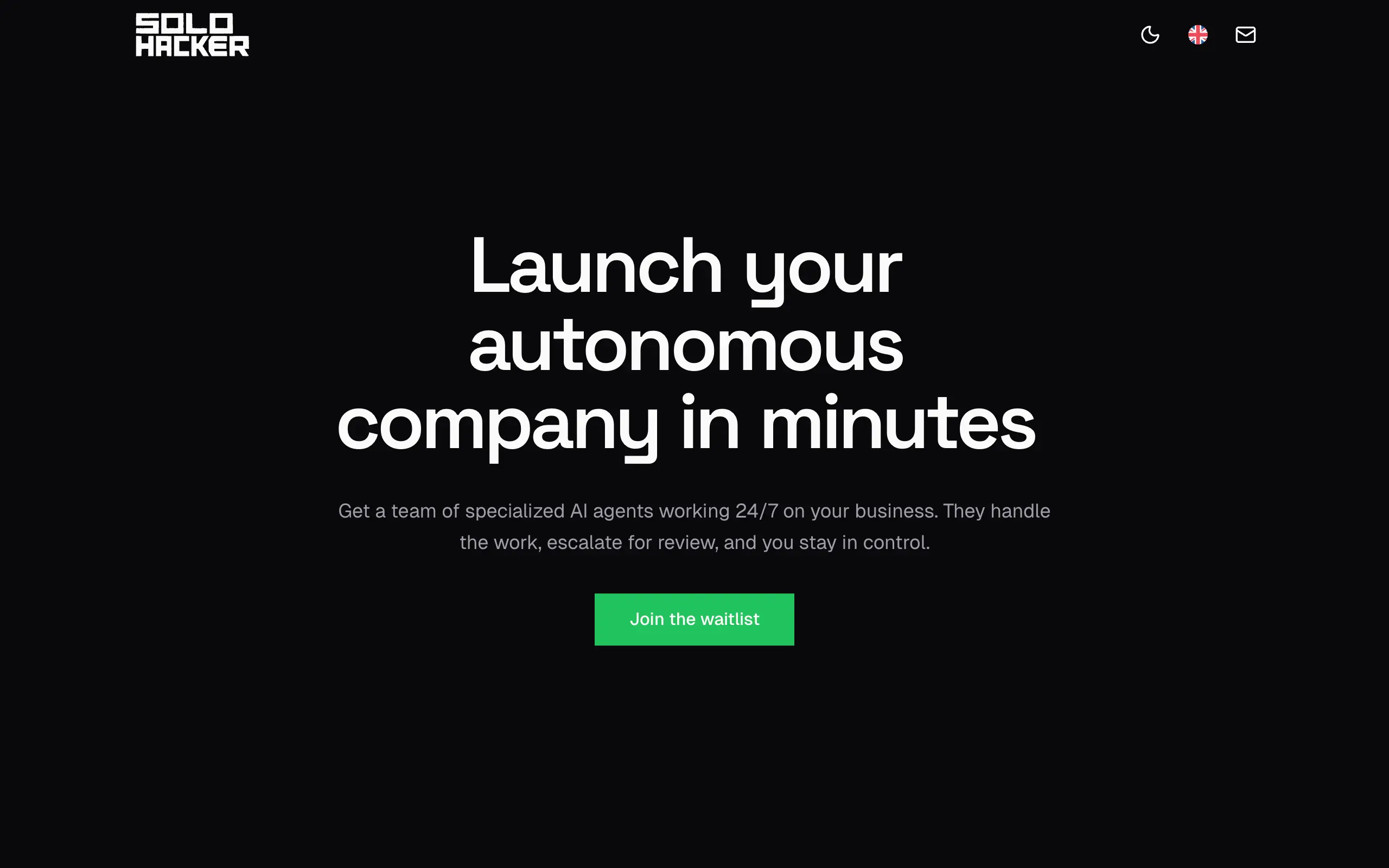
Solohacker
Autonomous company launcher - AI agents work 24/7, escalate what matters, and you stay in control 🤖
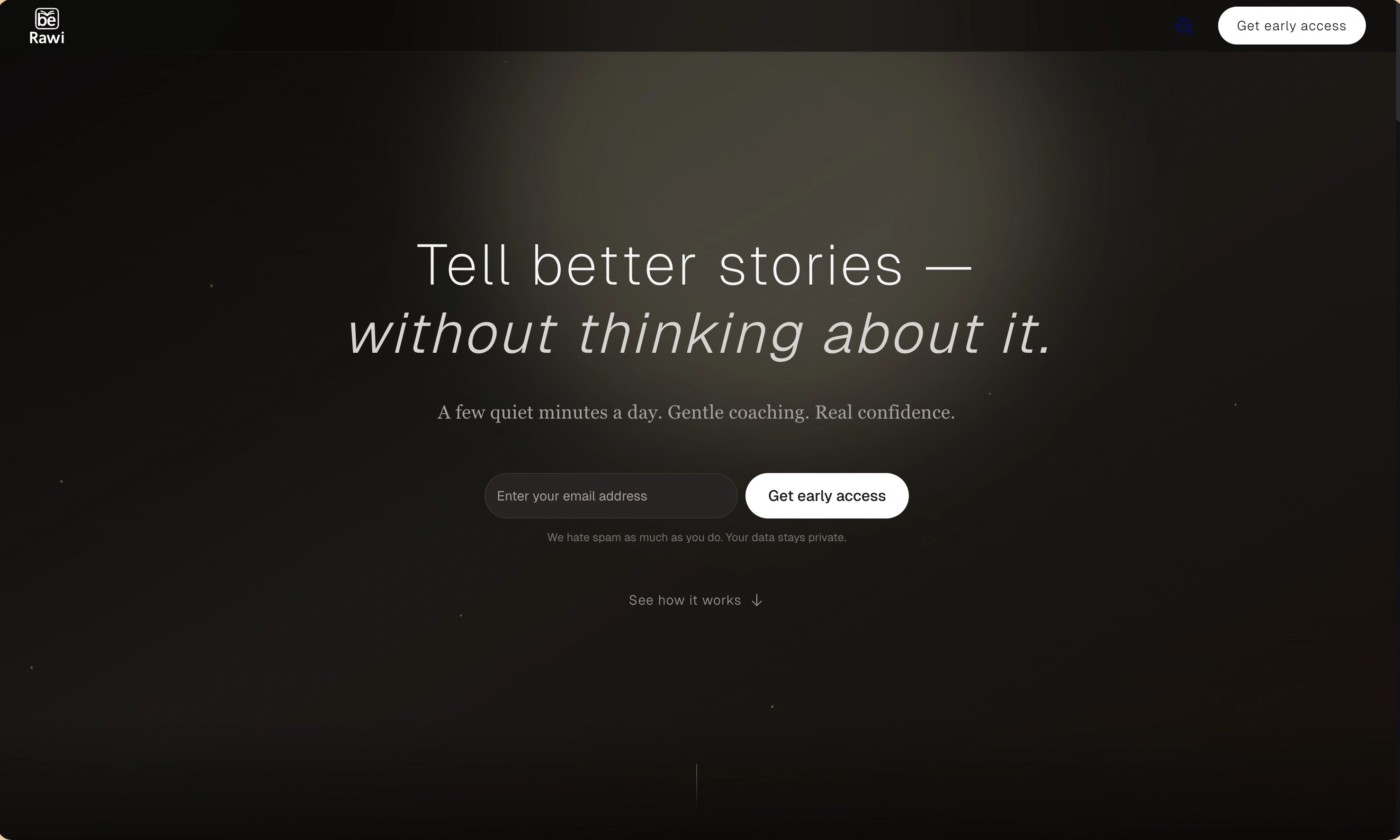
BeRawi: Storytelling Coach
Practice storytelling daily with instant feedback to sound clearer, more engaging, and confident 🎤
Omichat
Chat with 50+ AI models, including ChatGPT and Claude, in one place - switch models anytime without losing context 🤖
Claude Fast
Supercharge your Claude Code with 6x effective context window and specialized AI agents 🤖
EmojAI
AI-powered emoji picker with smart, context-aware suggestions 🤖
Solohacker
Autonomous company launcher - AI agents work 24/7, escalate what matters, and you stay in control 🤖
BeRawi: Storytelling Coach
Practice storytelling daily with instant feedback to sound clearer, more engaging, and confident 🎤
Omichat
Chat with 50+ AI models, including ChatGPT and Claude, in one place - switch models anytime without losing context 🤖
Claude Fast
Supercharge your Claude Code with 6x effective context window and specialized AI agents 🤖
EmojAI
AI-powered emoji picker with smart, context-aware suggestions 🤖
Solohacker
Autonomous company launcher - AI agents work 24/7, escalate what matters, and you stay in control 🤖
BeRawi: Storytelling Coach
Practice storytelling daily with instant feedback to sound clearer, more engaging, and confident 🎤
Omichat
Chat with 50+ AI models, including ChatGPT and Claude, in one place - switch models anytime without losing context 🤖
Claude Fast
Supercharge your Claude Code with 6x effective context window and specialized AI agents 🤖
EmojAI
AI-powered emoji picker with smart, context-aware suggestions 🤖
Solohacker
Autonomous company launcher - AI agents work 24/7, escalate what matters, and you stay in control 🤖
BeRawi: Storytelling Coach
Practice storytelling daily with instant feedback to sound clearer, more engaging, and confident 🎤

Connect with like-minded people
Join our community to get feedback, support, and grow together with 1,000+ builders on board, let's ship it!
Join usShip your startup everywhere. In minutes.
Don't burn tokens on setup and start building features on day one.