DalaDaromad
Mobile AI crop advisor for Central Asian farms, turning field photos, weather, and crop logs into irrigation and input guidance. Lower costs while protecting yields.
DalaDaromad is an AI crop advisor concept for farms in Central Asia. It combines field photos, local weather, and crop records to offer practical guidance on irrigation and agricultural inputs. Its promise is straightforward: help farmers make better-informed decisions, reduce avoidable costs, and protect yields.
The opportunity is promising, but building a useful agricultural advisory product requires more than adding a chatbot to a weather app. The product must work in local languages, account for regional growing conditions, and communicate uncertainty clearly. It also needs to earn farmers’ trust through advice that is practical, explainable, and validated with local expertise.
What is DalaDaromad?
DalaDaromad is a mobile AI crop advisor for Central Asian farms. A farmer could photograph a crop, record an irrigation or input activity, and receive guidance informed by the field’s crop stage, recent weather, and previous observations.
The product is best understood as a decision-support tool, not an autonomous agronomist. Its recommendations should help farmers identify issues and consider next steps, while making clear when an in-person inspection or local expert is needed.
A strong experience might answer questions such as:
- Does this crop appear stressed, and what should I check next?
- Is irrigation advisable today, given the field’s crop stage and recent weather?
- What information should I record after applying fertilizer or another input?
- Could a visible symptom have several possible causes?
- When should I contact an agronomist or extension officer?
The product’s value depends on how well it connects those answers to a specific farm and decision. Generic crop tips are easy to find. Timely, locally relevant guidance that accounts for a farmer’s own field history is potentially much more useful.
Who is the target audience?
“Central Asian farms” is a useful starting point, but it is too broad to define a product roadmap. Countries, crops, farm sizes, water access, language preferences, and access to agricultural services vary. DalaDaromad should identify a narrow initial audience, learn its workflows, and expand after validating that the product works in real conditions.
Start with a focused farmer segment
A promising first segment could be small and midsize farms growing one or two crops in a specific region. The exact choice should come from interviews and field research, not assumptions about which crop is most important.
Evaluate potential segments based on:
- Frequency of decisions: How often do farmers need to make irrigation or input decisions?
- Cost of mistakes: What is the financial or operational impact of acting too early, too late, or unnecessarily?
- Access to trusted advice: Are local agronomists, extension services, or experienced crop advisors readily available?
- Data feasibility: Can the product access useful weather data and collect crop observations reliably?
- Ability to test: Can the team work with farmers and agricultural partners throughout a growing season?
A narrow launch allows the team to build a reliable advisory workflow before supporting many crops, languages, and local conditions.
Design for the people who influence farm decisions
The app’s primary user may not be the only person involved in a decision. A farmer might consult family members, workers, a cooperative, a supplier, or an agronomist. In some settings, one person may own the phone while another performs field work.
That means the product should consider:
- Shared devices and multiple people contributing to a farm record.
- Simple ways to save and revisit recommendations.
- Clear explanations that can be shared with a family member or advisor.
- Practical instructions that work for people with different levels of digital literacy.
- Flexible onboarding that does not require a long form before a farmer sees value.
The product should also test whether farmers prefer text, audio, images, or a combination. A polished dashboard is not necessarily the best interface for a farmer checking a field in bright sunlight or with limited connectivity.
Include agricultural partners in discovery
Farmers are essential research partners, but they are not the only source of product insight. Local agronomists, agricultural extension officers, cooperatives, research institutions, and input suppliers can help the team understand terminology, crop calendars, and established advisory practices.
Partnerships should be designed with care. An input supplier may have valuable field knowledge, but a recommendation to purchase a product could create a conflict of interest. DalaDaromad should disclose commercial relationships and keep its agronomic guidance independent of sales incentives.
The market opportunity and product gap
The market opportunity is not simply “AI for agriculture.” It is the potential to make reliable, timely farm guidance more accessible through a mobile workflow that combines field observations, weather, and farm history.
Farmers may already use weather apps, messaging groups, online resources, or advice from people they trust. Those tools can be useful, but they may not connect the current field situation to the farmer’s crop stage, prior observations, or previous actions. DalaDaromad can aim to fill that gap.
Where existing approaches can fall short
Common alternatives include:
- General weather apps, which show forecasts but typically do not translate them into field-specific crop guidance.
- Search engines and social groups, which offer quick access to advice but may return recommendations that are incomplete, outdated, or poorly matched to local conditions.
- One-off consultations, which provide human expertise but may not be available at the moment a farmer needs to decide.
- Farm management software, which can organize records but may be too complex or costly for a farmer seeking a quick answer.
- Generic AI assistants, which can explain agricultural topics but may lack reliable local context and should not be treated as a source of validated agronomic recommendations.
These alternatives are not necessarily competitors in every situation. Some could become partners or useful inputs. The important product question is whether DalaDaromad can make a farmer’s specific decision easier and more dependable than the existing workflow.
Define the gap through field research
Avoid claiming that farmers lack a particular service until the team has tested that assumption. During discovery, ask farmers to describe a recent decision rather than asking whether they would use an AI app.
Useful questions include:
- What problem were you trying to solve?
- What information did you use?
- Whom did you ask for help?
- What did you do next?
- What made the decision difficult?
- How did you know whether the action worked?
- What would have made the process faster or more trustworthy?
Where possible, observe the actual workflow. Farmers may describe a process differently from how they use it in the field. Research should include different farm sizes, connectivity conditions, languages, and levels of access to agricultural support.
Research market claims before publishing them
The market case can be strengthened with credible evidence, but it should not rely on unattributed statistics. When preparing an investor deck or public landing page, verify any figures against authoritative, current sources.
A useful research set could include:
- National agricultural statistics, with the reporting year and definition of each measure.
- FAO publications on crops, water, and agricultural systems.
- World Bank materials on agriculture, rural development, and climate resilience.
- Regional research or government publications relevant to the selected country and crop.
- Interviews and pilot data that show how farmers currently make the decisions DalaDaromad intends to support.
When citing figures, identify the source, publication date, geography, and methodology. A number about agriculture in one country or year should not be presented as a current estimate for all of Central Asia.
The core product experience
The first version should help a farmer complete one valuable task reliably. It should not try to diagnose every crop problem or automate every farm decision.
A practical core workflow could be:
- The farmer creates a farm or field profile.
- The farmer selects a crop and records its planting date or current growth stage.
- The farmer captures a field photo or enters a short observation.
- The product combines that information with available weather data and relevant farm records.
- The farmer receives a concise recommendation, the reasoning behind it, and a clear statement of uncertainty.
- The farmer records what action they took and can later review the outcome.
That final step matters. Without follow-up, the product cannot easily learn whether its guidance was useful, whether the farmer acted on it, or what happened afterward.
Field photos and crop observations
A photo-based feature can make the app approachable, but an image alone rarely contains enough context to justify a confident recommendation. Photo quality, lighting, camera differences, crop variety, growth stage, and local conditions can all affect interpretation.
The product should therefore gather useful context alongside a photo, such as:
- Crop and, when known, variety.
- Field or approximate location.
- Growth stage or planting date.
- When the symptom first appeared.
- Whether the issue affects one plant, one area, or much of the field.
- Recent irrigation, rainfall, or input applications.
Instead of presenting a single diagnosis as certain, the system can show a short list of possible explanations and suggest low-risk checks. If the photo is unclear or the consequences of a mistaken recommendation could be significant, the product should ask for more information or recommend consulting a qualified local expert.
Weather-aware irrigation guidance
Weather can help frame irrigation decisions, but it does not replace field-specific information. A useful recommendation may need to account for the crop, growth stage, recent rainfall, soil conditions, irrigation method, and the reliability of the forecast.
The first product version should be conservative. It might highlight conditions that warrant a check rather than issue a precise instruction that implies certainty the product does not have. For example, it can explain which factors are driving a recommendation and state what information is missing.
A trustworthy irrigation feature should:
- Show when the underlying weather data was updated.
- Make the location used for the forecast visible.
- Distinguish forecast information from product interpretation.
- Avoid implying a level of precision that the data cannot support.
- Allow farmers to report whether the guidance matched field conditions.
Crop and input logs
A lightweight farm record can make future guidance more relevant. The first log should be quick to add and easy to understand. Relevant entries may include planting, irrigation, fertilizer, crop symptoms, and other farm actions.
The product should avoid collecting information simply because it might be useful someday. Every requested field should have a clear purpose, such as improving a recommendation, helping the farmer review past actions, or enabling an opt-in agronomic follow-up.
Clear, actionable recommendations
Good advisory content should help a farmer understand what to do and why. A useful recommendation can include:
- Observation: What the farmer reported or what the system detected.
- Interpretation: The most plausible explanation, with uncertainty stated.
- Next step: A practical action or check.
- Reasoning: The key information behind the recommendation.
- Escalation: When to seek local professional support.
Avoid vague instructions such as “improve crop health.” Give farmers a specific, understandable next step, and explain when the product does not have enough information to advise confidently.
Features to prioritize
A focused minimum viable product should deliver one dependable workflow before adding a large feature set.
Minimum viable product
A sensible first release could include:
- Farm and field profiles with crop and planting information.
- A localized weather view for the selected field.
- Photo-based observations with follow-up questions.
- A small, reviewed knowledge base for the launch crop and region.
- Simple crop and action logs.
- Recommendations that explain their basis and uncertainty.
- A way to contact or refer to a local expert where available.
- Offline-friendly capture so the farmer can save an observation when connectivity is poor.
The product should be tested through a pilot with participating farmers and agricultural experts. A pilot is not proof that an AI feature works everywhere; it is a way to find where it works, where it fails, and what must change before wider use.
Features to consider later
After the core workflow has demonstrated value, the team could test:
- Voice input or audio responses in locally preferred languages.
- Shared farm access for family members or workers.
- Crop calendars and seasonal reminders.
- Cooperative or agronomist dashboards, with farmer consent.
- More crops, regions, and localized advisory content.
- Exportable farm records.
- Optional integrations with agricultural services or devices.
Prioritization should be based on observed farmer needs and pilot outcomes, not on feature novelty.
Recommended technology stack
The technical architecture should support a mobile-first experience, dependable data handling, multilingual content, and safe deployment of AI features. The right stack depends on the team’s skills and operational constraints, so treat these recommendations as a starting point rather than a fixed prescription.
Mobile application
React Native is a reasonable option for building iOS and Android apps with a shared codebase. It can help a small team reach both platforms without maintaining two fully separate applications.
Expo can simplify development and release workflows for a React Native app. Its trade-offs should be assessed against the app’s needs, especially if the product depends on specialized native device features or complex offline behavior.
The app should be designed for:
- Fast photo capture and upload.
- Graceful behavior when a connection drops.
- Local storage for draft observations.
- Clear status indicators for pending uploads.
- Accessible text size and high-contrast layouts.
- Language selection that does not depend on device defaults alone.
Backend and data storage
A conventional API backed by a relational database is a strong foundation for farm profiles, crop records, recommendations, and audit history. PostgreSQL provides a mature relational database. If the product needs geographic queries, PostGIS can extend PostgreSQL with spatial capabilities.
The backend should keep separate records for:
- Farmer-provided observations.
- External weather data and its timestamp.
- Model outputs.
- Human-reviewed advisory content.
- Recommendations shown to the farmer.
- Farmer actions and later outcomes.
This separation makes it easier to investigate an incorrect recommendation and understand which data influenced it.
AI and advisory services
AI should support the advisory workflow, not silently determine high-impact farm actions. A layered approach is safer and easier to improve:
- Validate the farmer’s input and ask for missing context.
- Retrieve relevant, reviewed content for the crop and region.
- Use models to help interpret text or images where appropriate.
- Apply product rules to limit unsupported or risky recommendations.
- Present a clear answer with uncertainty and escalation guidance.
- Log the information used so the team can review outcomes.
A language model can help explain reviewed information in accessible language, but it should not invent pesticide instructions, dosing, or region-specific advice. Any high-risk recommendations should be governed by locally reviewed content and explicit product safeguards.
Weather and mapping data
Choose data providers based on the launch region, update frequency, licensing, coverage, and the meaning of their measurements. A provider’s global availability does not guarantee that its forecasts are accurate enough for every local use case.
Before adopting a provider, test:
- Coverage in the target farming areas.
- Data freshness and historical availability.
- Permitted uses and attribution requirements.
- Reliability when a field location is approximate.
- How missing or conflicting data will be handled.
Location data should be collected only when needed, and users should understand why the app requests it. If farmers prefer not to share precise coordinates, consider whether a less precise location is sufficient for the feature.
Security and privacy
Farm data can be commercially sensitive. The architecture should use access controls, encrypted connections, secure secrets management, backups, and a documented retention policy. The team should also decide how a farmer can export or delete their data.
A practical technology foundation may include React Native, Expo, and PostgreSQL, with the final choices guided by the team’s experience and the product’s regional requirements. Teams seeking a faster starting point for a SaaS application can also evaluate TurboStarter.
Competitive advantage and unique selling proposition
DalaDaromad’s strongest potential advantage is not that it uses AI. AI features are increasingly accessible, and competitors can add them. A durable advantage would come from building a trusted, locally relevant advisory workflow that improves through real farmer use and expert review.
What could make the product stand out
- Regional focus: Advice can be tailored to a specific launch area rather than presented as universal guidance.
- Context across inputs: The product can connect photos, weather, crop stages, and action logs instead of treating each question in isolation.
- Practical recommendations: Guidance can be designed around real field decisions, not just general agricultural information.
- Local language and workflow: The experience can reflect how farmers actually communicate and record information.
- Human oversight: Local agronomic review can help the product identify where automated guidance is insufficient.
- Outcome learning: With permission, the product can compare recommendations with farmer actions and reported outcomes.
A concise positioning statement could be:
DalaDaromad helps farmers make more informed crop and irrigation decisions by connecting field observations, local weather, and farm history in one mobile advisory experience.
This promise should be refined after discovery. If farmers value a different benefit more, the positioning should reflect what they actually use and trust.
Build an evidence-based advantage
The product should measure whether recommendations are useful, not simply how many AI responses it generates. A feedback loop can track whether a farmer understood the advice, took action, and found the result helpful. That information needs careful interpretation: a crop outcome can be affected by many factors beyond the recommendation.
A trustworthy data advantage depends on consent, transparent use, and good-quality records. Farmers should not be expected to share sensitive farm information without a clear benefit and understandable choices.
Monetization strategy options
Pricing should reflect the customer’s ability and willingness to pay, the value the product delivers, and who receives that value. Test pricing with real users instead of assuming that a particular subscription model will work.
Freemium subscription
A free tier could support basic farm records and limited advisory use. A paid plan might include multiple fields, more detailed history, shared access, or additional crop guidance.
This model is familiar to software businesses, but it can be difficult if advisory costs rise with every image or AI request. The team should model infrastructure and support costs before offering unlimited usage.
Seasonal or per-farm plans
A seasonal plan may match how farmers think about crop cycles better than a standard monthly subscription. It could be offered per farm or per growing season, with the exact packaging validated through interviews.
The product should explain what is included and what happens to records at the end of a season. Predictable pricing is especially important when farm income is seasonal or variable.
Cooperative and agribusiness partnerships
Cooperatives, agricultural organizations, or other partners may pay for access to tools that support their members. This can lower the burden on individual farmers and make expert support easier to coordinate.
Partnerships must preserve farmer trust. The product should not share identifiable farm data with a partner without a clear, informed basis and appropriate permission.
Expert services
DalaDaromad could offer access to a local agronomist for cases that need human review. This could be part of a paid plan or a separate service, depending on the availability and cost of qualified experts.
Human review should have transparent service expectations. Do not imply that every question will receive immediate professional attention unless the team can reliably provide it.
Avoid incentives that undermine advice
Revenue from selling agricultural inputs can create conflicts if the platform recommends products from which it earns a commission. If such a model is considered, disclosures and controls should be clear, and recommendations should be based on suitability rather than sales targets.
Risks and how to reduce them
Agricultural advice can affect costs, labor, and crop outcomes. The product must treat reliability and trust as core product requirements.
Incorrect or overconfident guidance
An image model may misclassify a symptom, while a language model may produce plausible but unsupported advice.
Mitigation: Use reviewed content, request missing context, communicate confidence carefully, and restrict high-risk recommendations. Provide clear escalation paths when the product cannot safely answer.
Poor fit for local conditions
Advice that works in one region may not fit another crop variety, soil, climate, or farming practice.
Mitigation: Launch in a limited geography, work with local experts, and label which crops and regions are supported. Expand only after the team has evidence for the new setting.
Unreliable connectivity
A product that only works with a strong connection may fail at the point of use.
Mitigation: Let farmers save observations offline, queue uploads, and access essential previously loaded information. Tell users when a recommendation relies on old or incomplete data.
Low trust and unclear accountability
Farmers may be reluctant to follow advice from an unfamiliar app, especially if they cannot see why it made a recommendation.
Mitigation: Show the reasoning and sources behind guidance in plain language. Offer a way to ask for human help. Be clear about product limitations and make it easy to report a problem.
Privacy and data misuse
Field locations, crop performance, and input records can be sensitive.
Mitigation: Collect only necessary data, explain its use, secure it, limit internal access, and give farmers meaningful control over sharing and deletion.
Overreliance on weak success metrics
Downloads and daily active users may not show whether farmers made better decisions.
Mitigation: Measure task completion, comprehension, recommendation usefulness, return use, and reported outcomes. Treat crop yield or cost changes cautiously because they are influenced by many external variables.
Unclear regulatory and liability boundaries
Rules for agricultural recommendations, data protection, and input guidance can vary by jurisdiction.
Mitigation: Obtain local legal and agronomic advice before launching in each market. Review any guidance involving regulated products and define how the service handles emergencies or potentially harmful recommendations.
How to validate the idea before building too much
The fastest path to learning is not necessarily a full mobile application. Begin by testing the problem, advisory workflow, and trust assumptions with farmers and experts.
Discovery interviews
Interview farmers in the intended launch region about recent decisions. Ask them to show how they currently get information, where that process breaks down, and what they would need to trust a digital recommendation.
Also interview local agronomists and agricultural organizations. Look for recurring problems, not merely enthusiastic reactions to an AI concept.
Concierge prototype
Before automating the entire experience, create a simple prototype where a farmer submits an observation and a human-reviewed workflow returns guidance. This can test whether the information collected is sufficient, what farmers expect from an answer, and which cases require expert review.
Keep participants informed about how the prototype works. Do not present manually reviewed advice as fully automated AI.
Small, carefully designed pilot
Pilot with a limited number of farmers in one crop and region. Define in advance what success means. Useful measures could include:
- Whether farmers can complete the observation workflow.
- Whether they understand the recommendation and its uncertainty.
- Whether the advice is considered relevant and timely.
- How often the system asks for more information or escalates.
- How frequently weather or connectivity data are unavailable.
- Whether farmers return to review logs or recommendations.
A pilot should include a way to report incorrect, confusing, or potentially harmful guidance. Review those reports promptly and use them to update product rules and content.
Actionable implementation steps
A focused build plan helps the team move from concept to evidence without overcommitting to complex AI features.
Choose one launch segment
Select a specific geography, crop, and farmer profile. Document why that segment is suitable for a pilot, including the availability of local expertise and the ability to reach participating farms.
Interview farmers and local experts
Study recent irrigation and crop-management decisions. Record existing tools, information sources, constraints, and points of uncertainty. Use the findings to define one high-value initial task.
Create a reviewed advisory foundation
Work with qualified local experts to assemble a small set of crop-specific guidance and escalation rules. Identify which questions the product can answer, which require more context, and which should be referred to a human.
Prototype the end-to-end workflow
Test field setup, photo capture, weather context, recommendations, and logging with real users. Check the experience in local languages and under realistic connectivity and device conditions.
Build the minimum viable product
Implement the smallest reliable version of the chosen workflow. Add privacy controls, audit records, offline-friendly input capture, and clear explanations of the recommendation’s basis.
Run a monitored pilot
Measure usability, trust, data quality, escalation rates, and farmer-reported usefulness. Review failures with local experts before expanding the supported crop, region, or recommendation types.
Refine pricing and distribution
Test individual subscriptions, seasonal plans, and partnership models with the intended customers. Confirm that the model supports ongoing expert review, customer support, and infrastructure costs.
A useful launch principle
Start with a narrow advisory promise that the team can validate. In agriculture, a smaller feature that is transparent and dependable is more valuable than a broad AI assistant that sounds confident but cannot reliably account for local conditions.
The outlook for DalaDaromad
DalaDaromad has a clear product direction: use mobile AI to connect field photos, weather, and crop records with practical farm guidance. Its opportunity lies in making agricultural decisions easier to navigate, not in replacing the judgment of farmers or local experts.
The most defensible version of the product will be built around regional knowledge, careful handling of uncertainty, accessible design, and evidence from real farm use. Start with one crop, one region, and one recurring decision. Validate the experience with farmers and agronomists, measure whether the advice is understood and useful, and expand only when the product can support the next use case responsibly.
More 🤖 AI Startup SaaS ideas
Discover more innovative ai startup SaaS ideas that are trending in 2026. Each idea is AI-generated with market validation and growth potential to help you find your next profitable venture faster than competitors.
Your competitors are building with TurboStarter
Below are some of the SaaS ideas that have been generated and built with our starter kit.
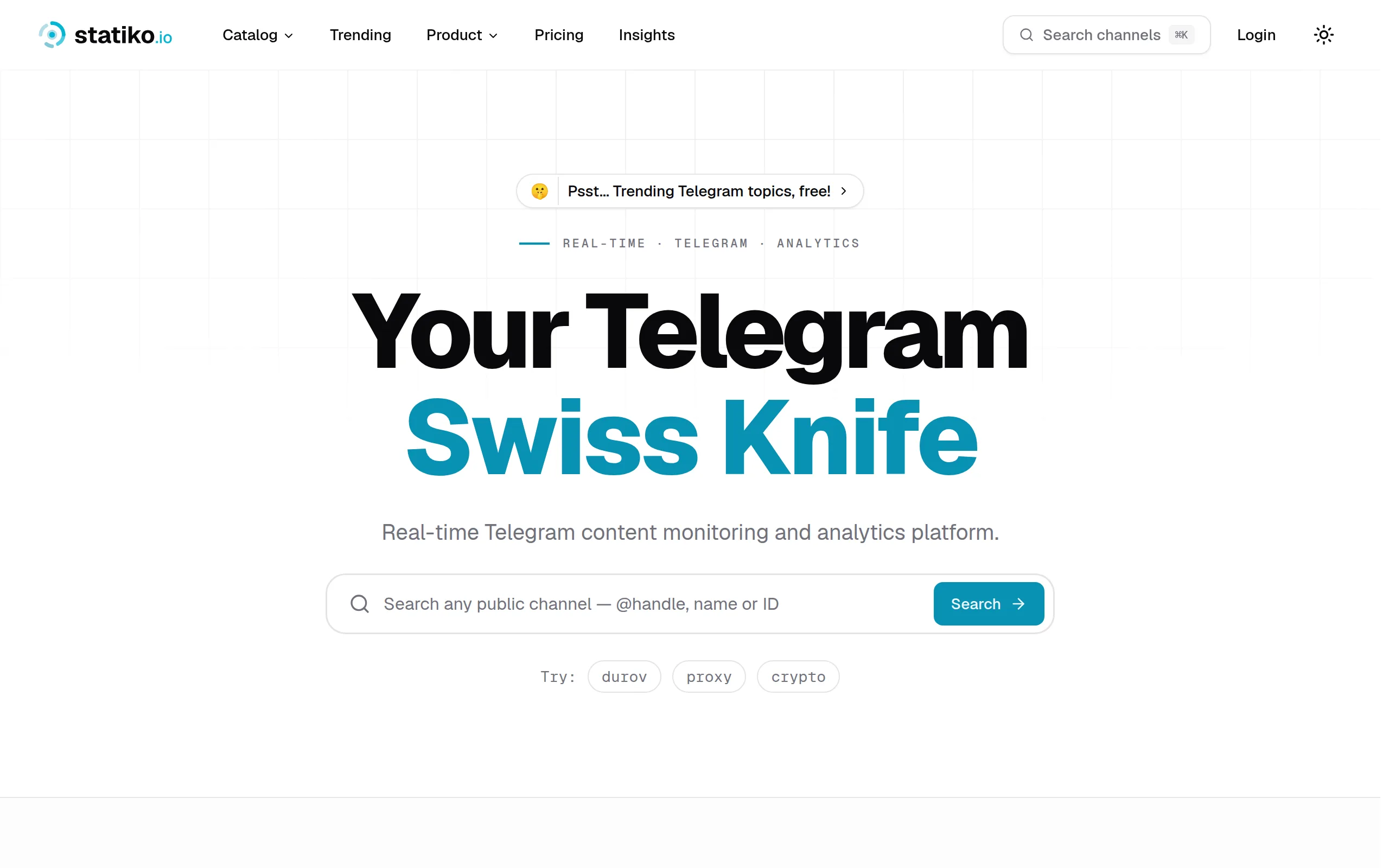
Statiko
Monitor any Telegram channel in real time - track posts, edits, deletions, and growth with AI recaps 📡

Shibui
AI website builder - describe your business, pick a niche template, edit by chatting, and publish instantly ✨

Pro Service
Find verified home service professionals, compare quotes, and pay securely through escrow - built for Brazilians across the US 🏠
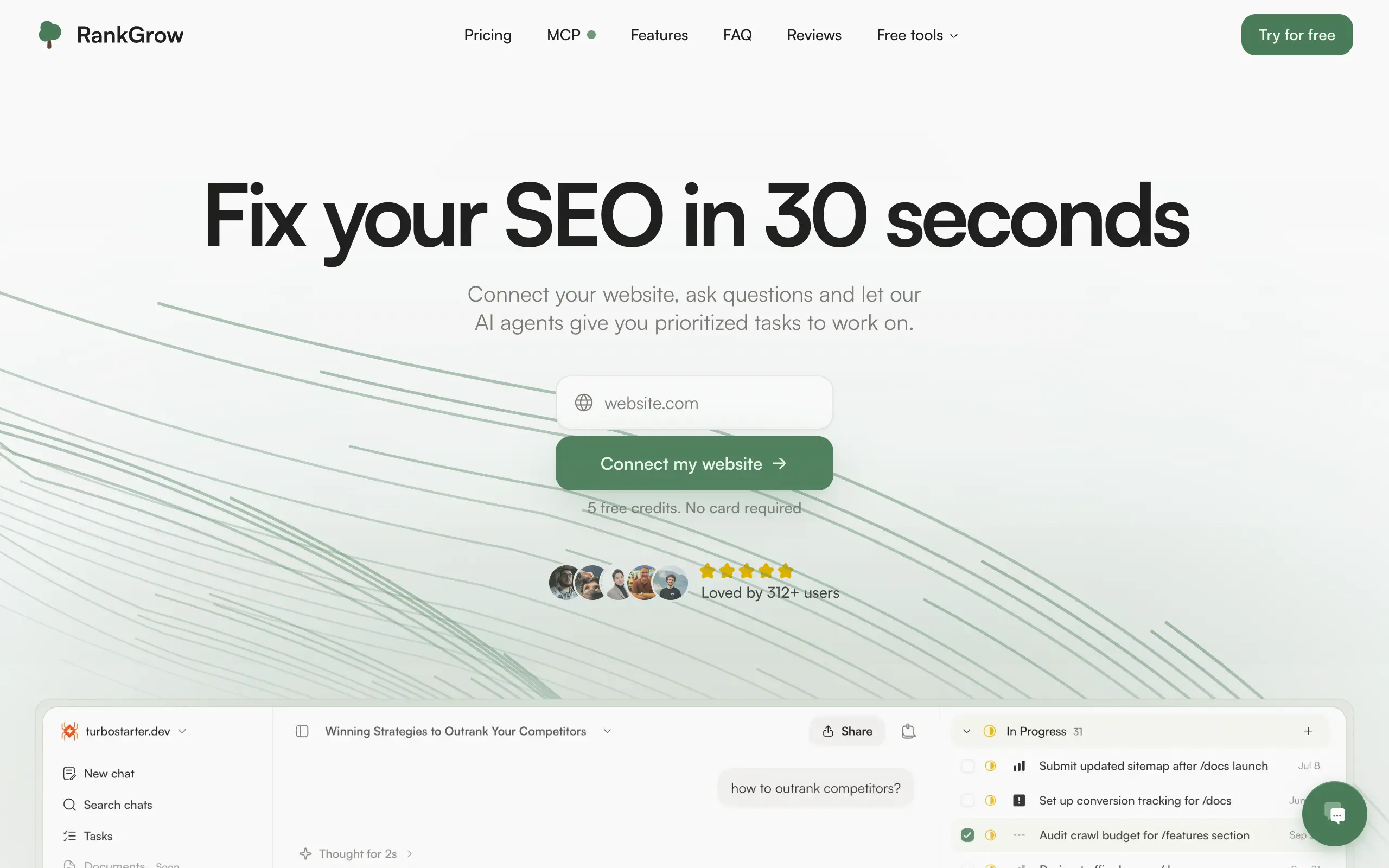
RankGrow
Fix your SEO with AI agents - connect Search Console, get prioritized tasks, and grow organic traffic 📈
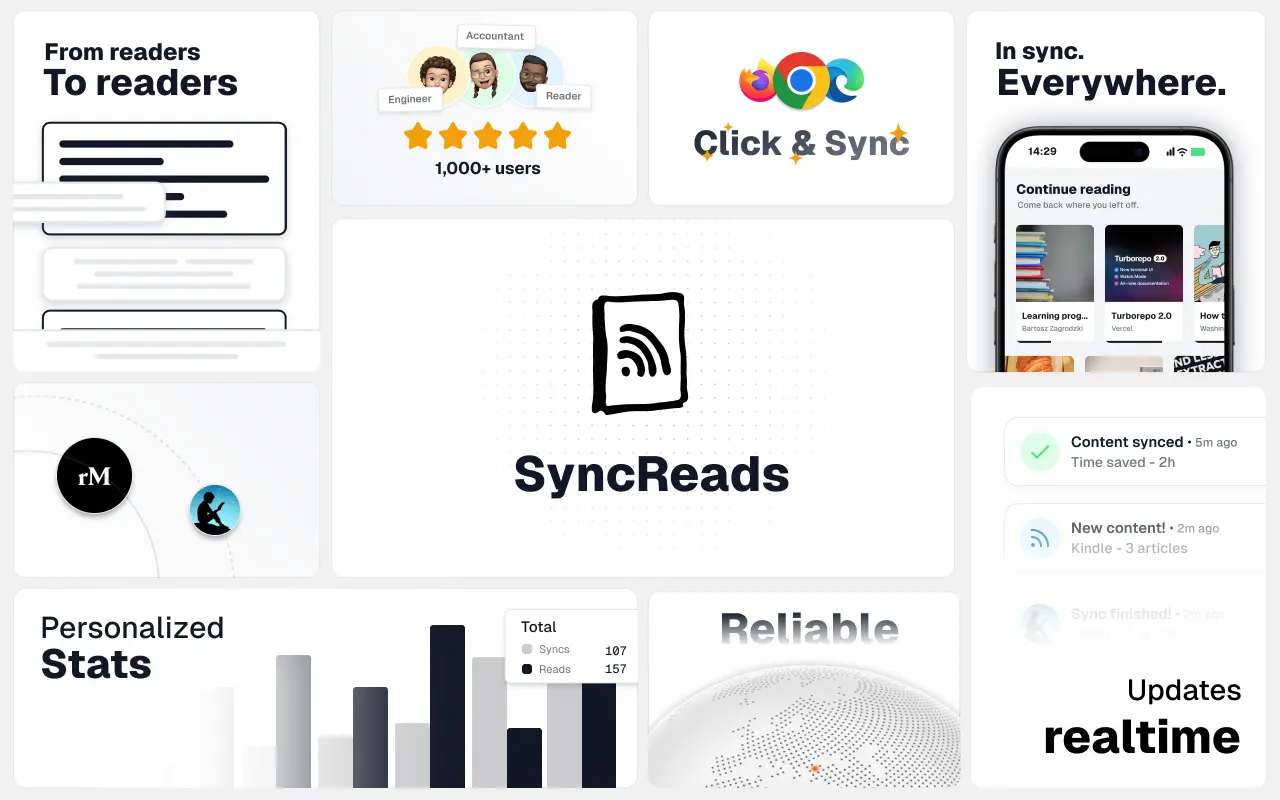
SyncReads
Sync your favorite content for distraction-free reading, save time and replace multiple apps. Anytime, anywhere 🔄
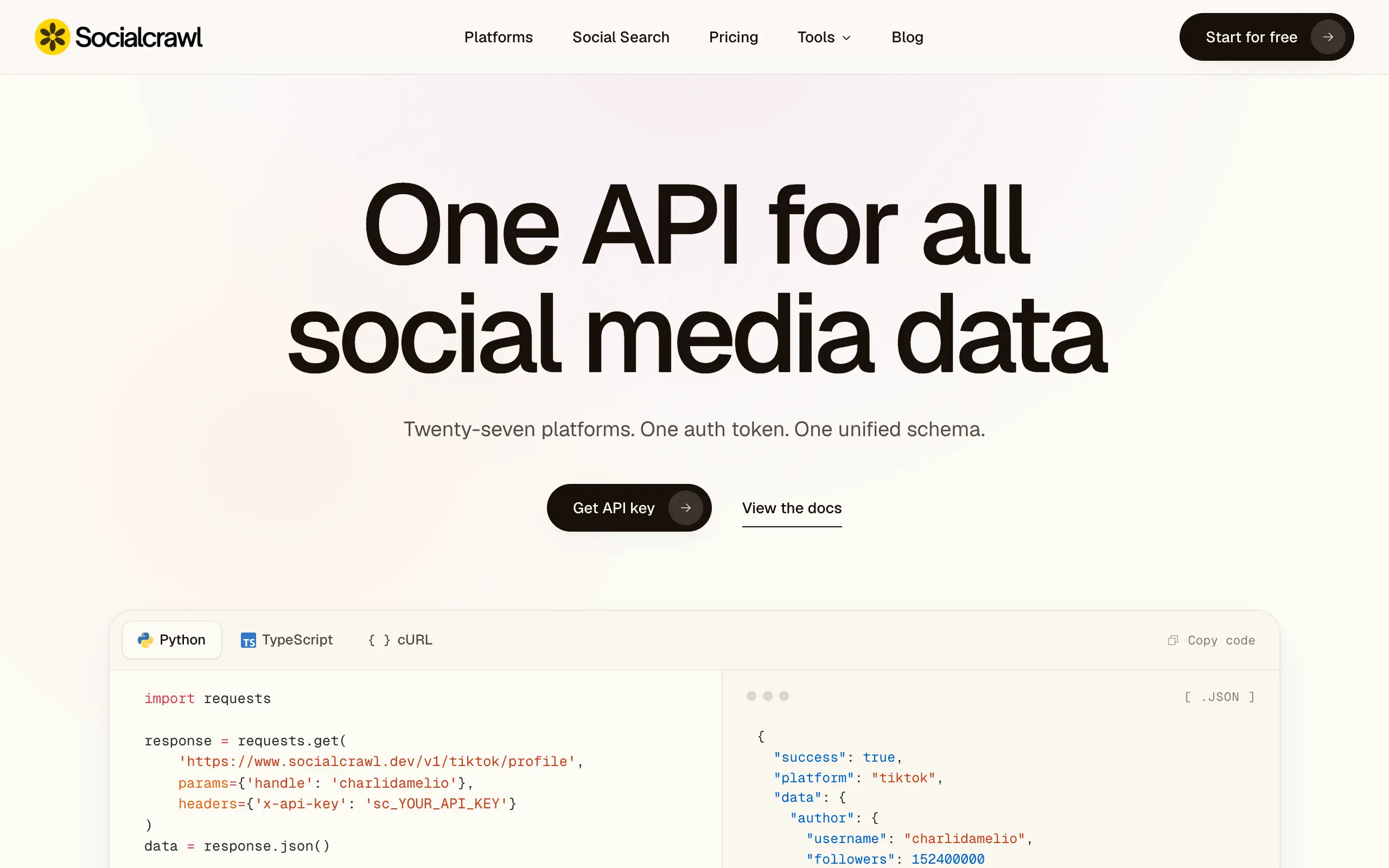
Socialcrawl
Get clean, structured data from 21 platforms like TikTok, Instagram, and YouTube with a single request 📊
Statiko
Monitor any Telegram channel in real time - track posts, edits, deletions, and growth with AI recaps 📡
Shibui
AI website builder - describe your business, pick a niche template, edit by chatting, and publish instantly ✨
Pro Service
Find verified home service professionals, compare quotes, and pay securely through escrow - built for Brazilians across the US 🏠
RankGrow
Fix your SEO with AI agents - connect Search Console, get prioritized tasks, and grow organic traffic 📈
SyncReads
Sync your favorite content for distraction-free reading, save time and replace multiple apps. Anytime, anywhere 🔄
Socialcrawl
Get clean, structured data from 21 platforms like TikTok, Instagram, and YouTube with a single request 📊
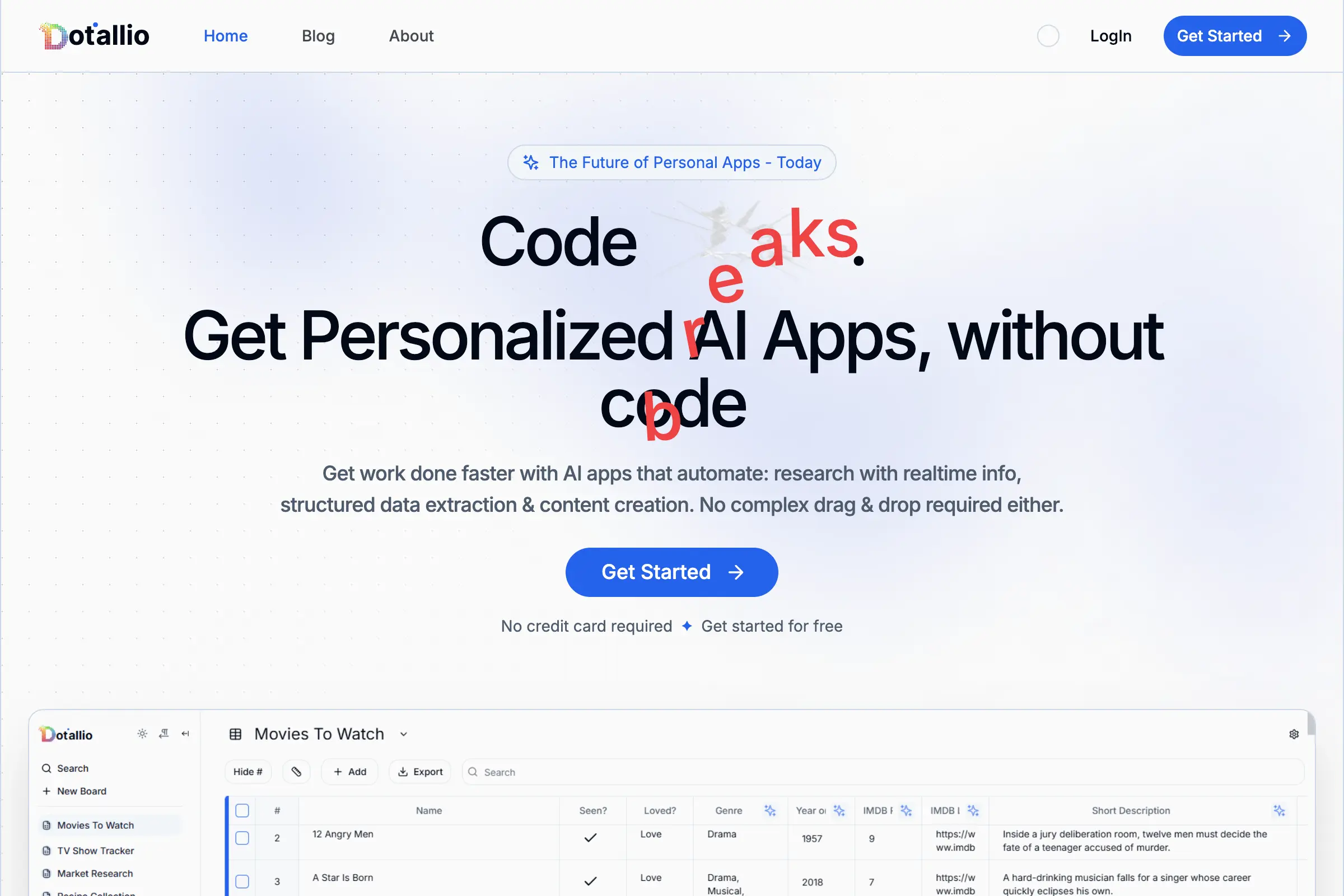
Dotallio
Personalized AI apps that automate research, data extraction, and content creation without code 🤖

Talk to Santa
Enjoy a magical live video chat or receive a unique AI-generated video greeting from Santa Claus 🎅
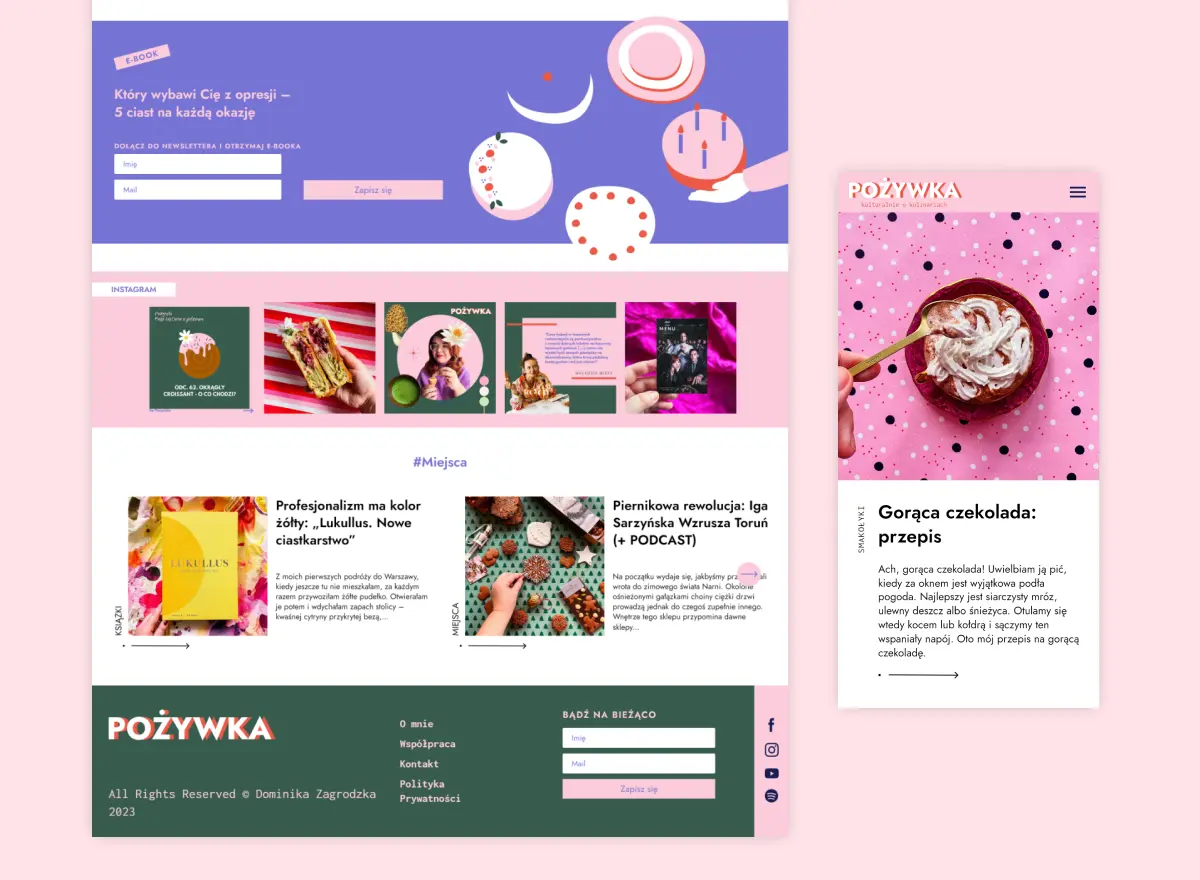
pozywka.pl
Scalable blog for food journalist, focused on performance and user experience 🌭
zagrodzki.me
Personal blog and portfolio of Bart Zagrodzki, where he shares his knowledge and work 💼
TurboStarter
Ship your startup everywhere. In minutes.
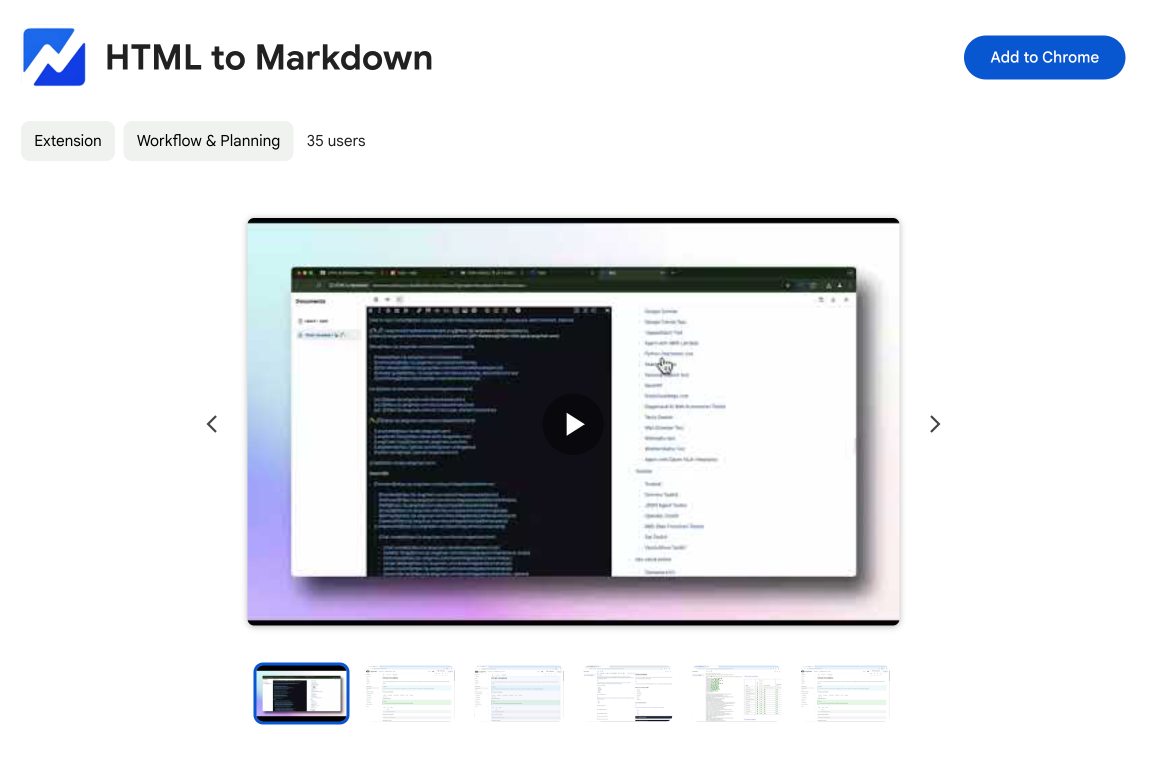
HTML to Markdown
Convert HTML to Markdown with ease, directly in your browser 📄
Dotallio
Personalized AI apps that automate research, data extraction, and content creation without code 🤖
Talk to Santa
Enjoy a magical live video chat or receive a unique AI-generated video greeting from Santa Claus 🎅
pozywka.pl
Scalable blog for food journalist, focused on performance and user experience 🌭
zagrodzki.me
Personal blog and portfolio of Bart Zagrodzki, where he shares his knowledge and work 💼
TurboStarter
Ship your startup everywhere. In minutes.
HTML to Markdown
Convert HTML to Markdown with ease, directly in your browser 📄
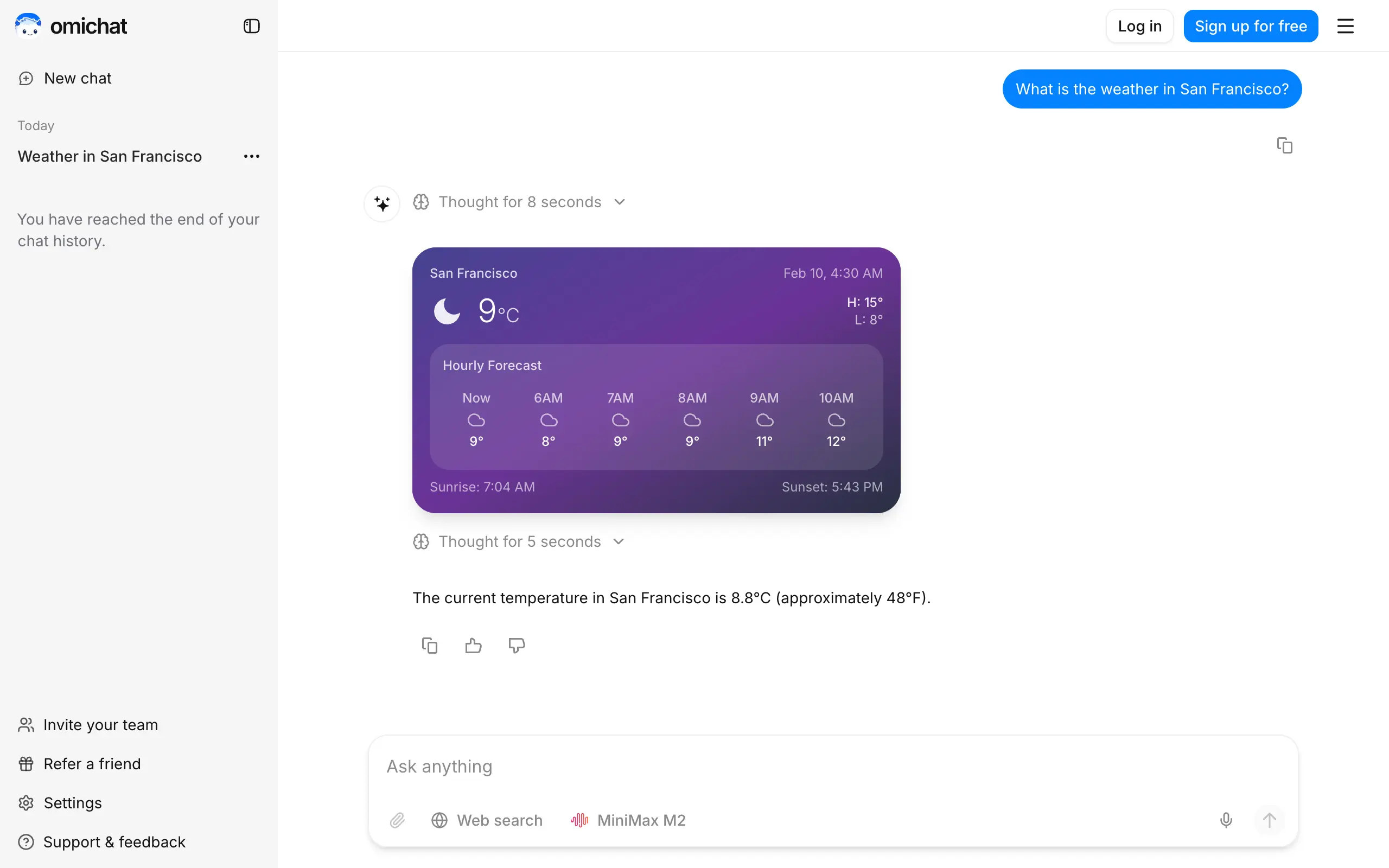
Omichat
Chat with 50+ AI models, including ChatGPT and Claude, in one place - switch models anytime without losing context 🤖
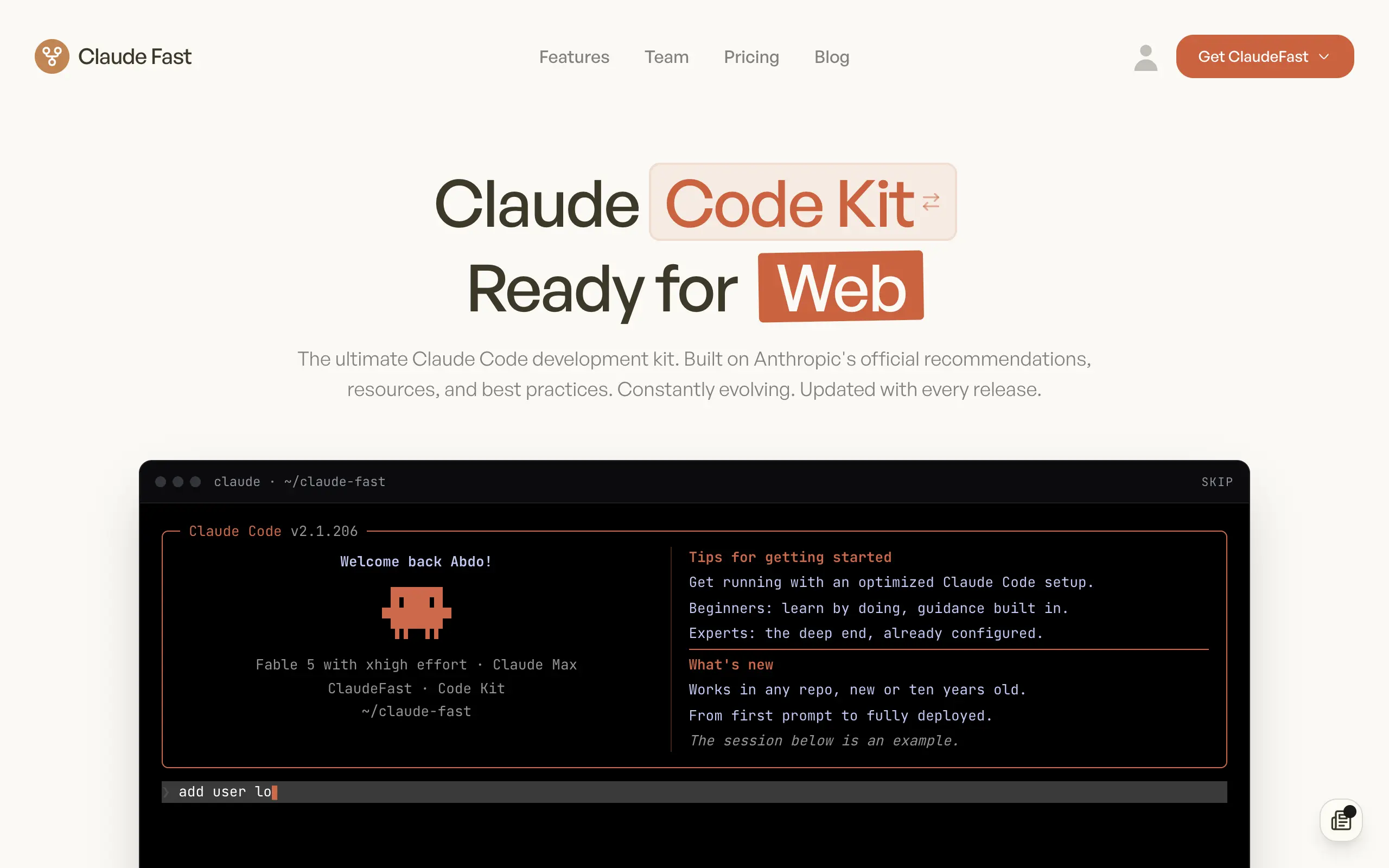
Claude Fast
Supercharge your Claude Code with 6x effective context window and specialized AI agents 🤖
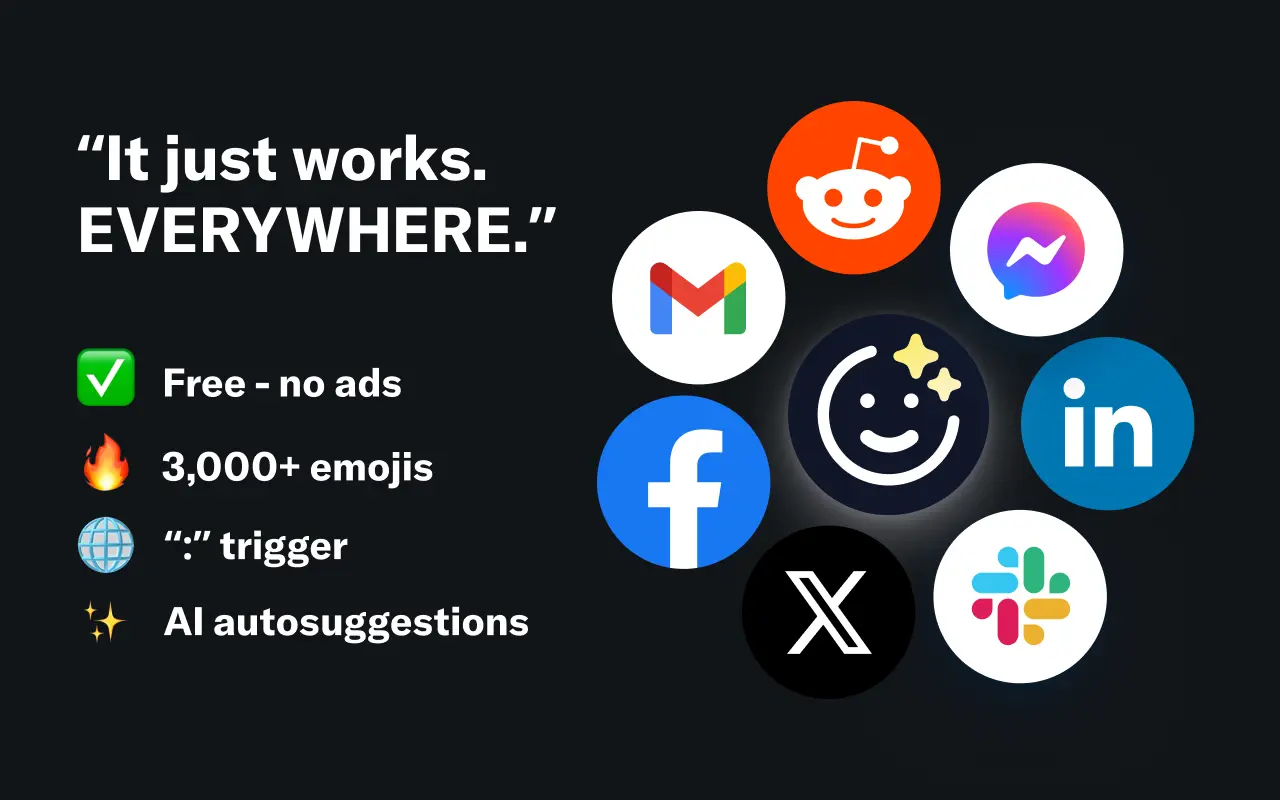
EmojAI
AI-powered emoji picker with smart, context-aware suggestions 🤖
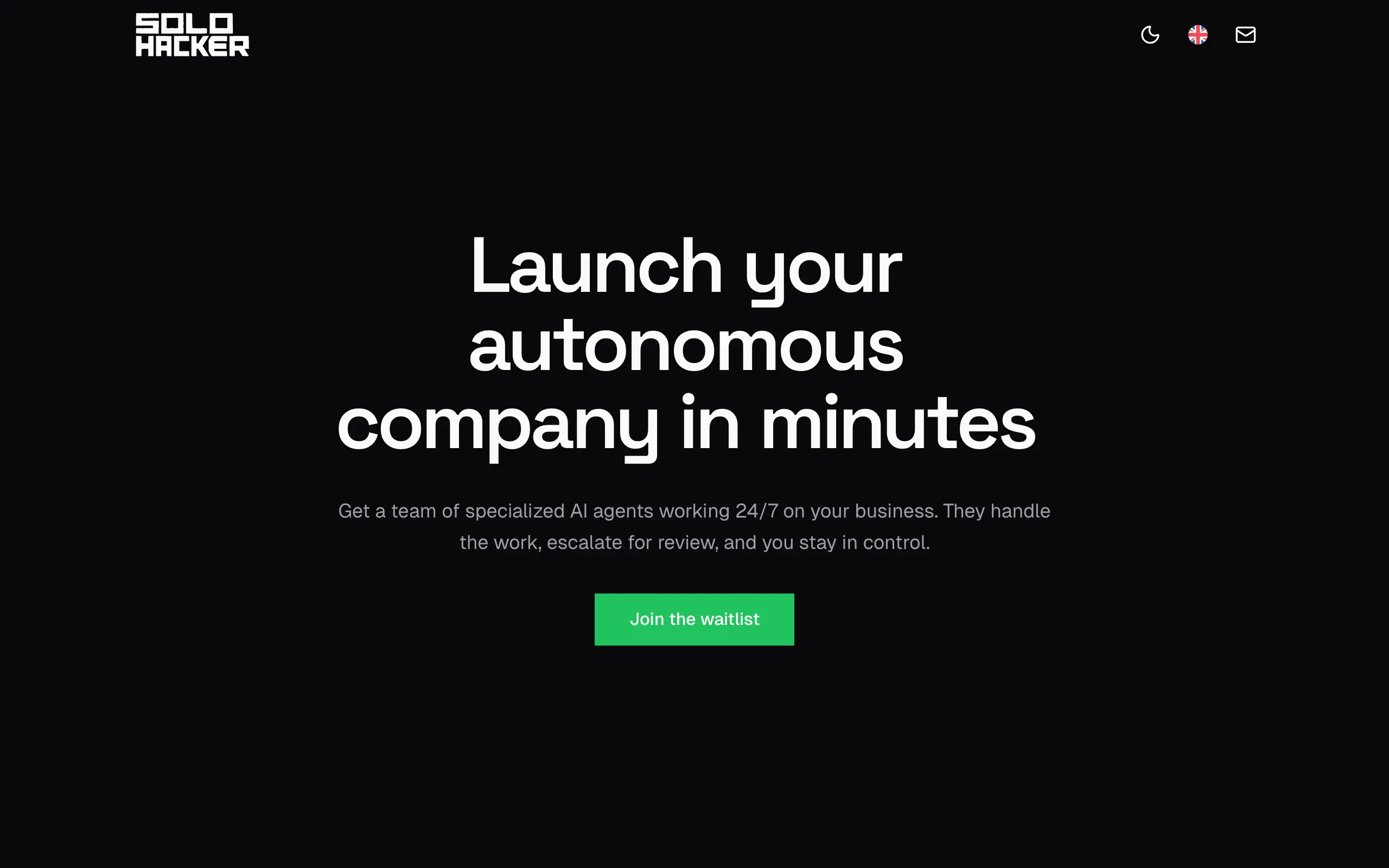
Solohacker
Autonomous company launcher - AI agents work 24/7, escalate what matters, and you stay in control 🤖
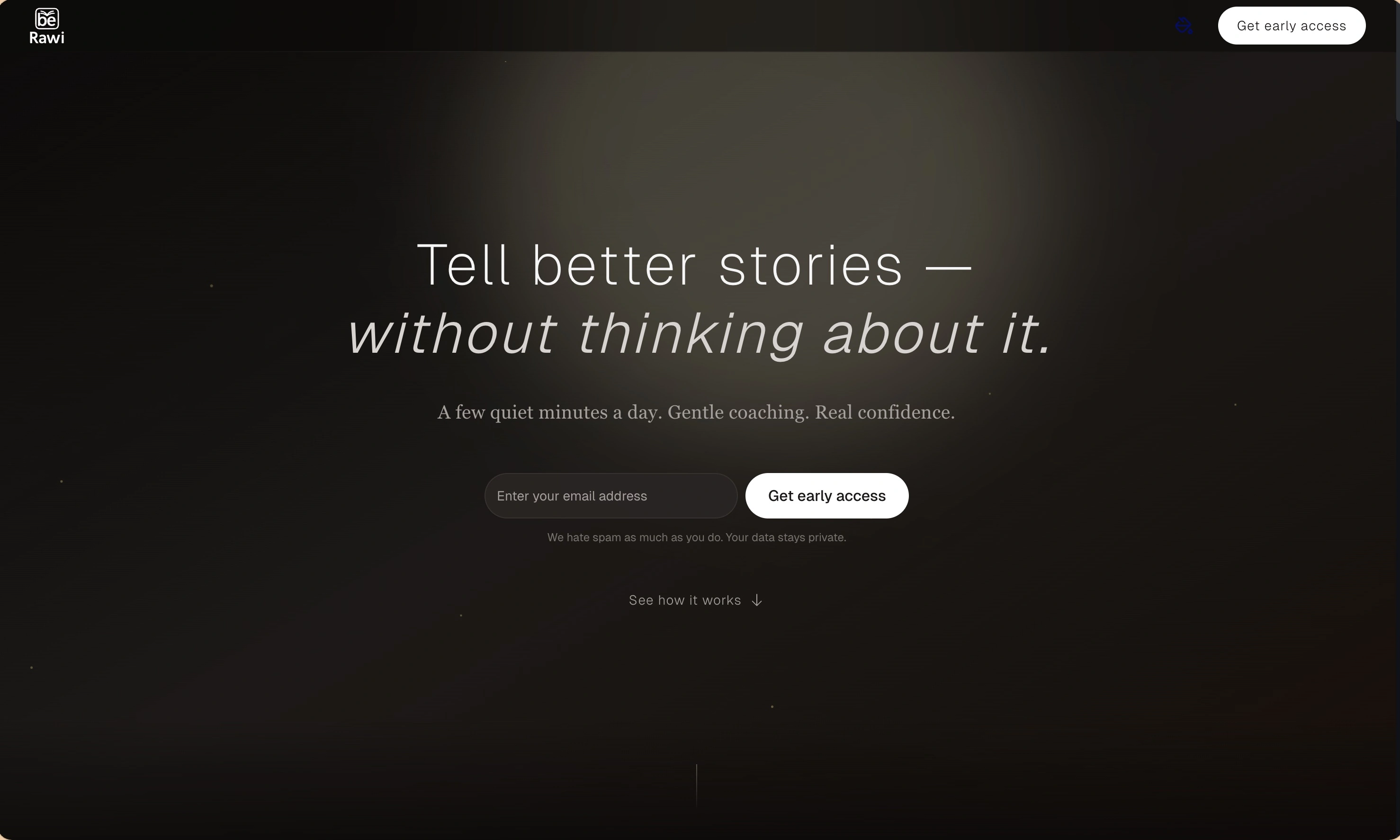
BeRawi: Storytelling Coach
Practice storytelling daily with instant feedback to sound clearer, more engaging, and confident 🎤
Omichat
Chat with 50+ AI models, including ChatGPT and Claude, in one place - switch models anytime without losing context 🤖
Claude Fast
Supercharge your Claude Code with 6x effective context window and specialized AI agents 🤖
EmojAI
AI-powered emoji picker with smart, context-aware suggestions 🤖
Solohacker
Autonomous company launcher - AI agents work 24/7, escalate what matters, and you stay in control 🤖
BeRawi: Storytelling Coach
Practice storytelling daily with instant feedback to sound clearer, more engaging, and confident 🎤

Connect with like-minded people
Join our community to get feedback, support, and grow together with 1,000+ builders on board, let's ship it!
Join usShip your startup everywhere. In minutes.
Don't burn tokens on setup and start building features on day one.