DeepRecall
Turns lectures, notes, and textbooks into active recall drills, scenario challenges, and memory anchors using cognitive science-backed learning models.
Why active recall software is reshaping modern learning
Students don’t struggle because they lack information. They struggle because they can’t retain and retrieve it under pressure.
Traditional study tools—highlighting PDFs, re-reading notes, watching lecture replays—create the illusion of competence. But decades of cognitive science research show that active recall and spaced repetition outperform passive review by a significant margin. Retrieval practice strengthens neural pathways. Testing yourself improves long-term retention more than re-reading.
This is where DeepRecall, an AI-powered active recall software, creates a transformative shift.
DeepRecall turns:
- Lectures
- Textbooks
- Study notes
- PDFs
- Slides
- Recorded classes
into:
- Active recall drills
- Scenario-based challenges
- Adaptive quizzes
- Memory anchors
- Spaced repetition schedules
It bridges cognitive science and modern AI to help students learn faster, retain longer, and perform better.
This article provides a comprehensive breakdown of:
- The market opportunity for AI learning tools
- The target audience and user psychology
- Core features and differentiation
- Technology stack recommendations
- Monetization strategy
- Competitive advantage analysis
- Risk mitigation
- Clear implementation roadmap
Understanding the user search intent behind AI study tools
Users searching for terms like:
- “best active recall app”
- “AI study tool”
- “how to use active recall effectively”
- “turn notes into flashcards automatically”
- “AI spaced repetition software”
are typically looking for one of three things:
- Better academic performance
- Efficiency (study less, retain more)
- Smarter automation of study materials
DeepRecall must directly address these intents:
✅ Improve grades
✅ Reduce study time
✅ Eliminate manual flashcard creation
✅ Provide structured learning
The cognitive science foundation behind DeepRecall
To establish E‑E‑A‑T, we ground DeepRecall in validated learning science principles.
1. Retrieval practice (active recall)
Studies in cognitive psychology show that testing yourself improves long-term retention more than passive review. Retrieval strengthens memory traces.
Instead of re-reading notes:
Close the book and try to reconstruct the concept.
DeepRecall automates this process.
2. Spaced repetition
The forgetting curve (Hermann Ebbinghaus) demonstrates that information decays over time unless reviewed strategically.
Spaced repetition systems:
- Increase intervals between reviews
- Focus on weak areas
- Reduce redundant repetition
DeepRecall integrates AI-powered spaced scheduling instead of static intervals.
3. Interleaving and scenario application
Application-based learning improves transfer.
Instead of:
Define mitosis.
Ask:
A patient presents with rapid cell growth. Which phase of the cell cycle is likely dysregulated?
DeepRecall automatically converts static knowledge into contextual challenges.
4. Dual coding and memory anchors
Memory anchors connect concepts with:
- Visual metaphors
- Stories
- Associations
DeepRecall can generate metaphorical anchors like:
“Think of the Krebs cycle as a circular factory assembly line…”
This enhances retention.
Target audience analysis
DeepRecall serves multiple high-intent segments.
🎓 University students
- Medical students
- Law students
- Engineering majors
- Pre-med / pre-law
- STEM-heavy disciplines
Pain points:
- Massive content volume
- High-stakes exams
- Burnout from passive studying
🏫 Competitive exam takers
- MCAT
- USMLE
- LSAT
- GRE
- Civil service exams
- CFA
These users are already aware of spaced repetition and often use flashcard tools. They want:
- Smarter automation
- Scenario-based questions
- Weakness tracking
👩💼 Professionals upskilling
- Tech certifications
- Product management
- Finance exams
- Language learners
They value:
- Time efficiency
- Structured review
- Mobile-first learning
Market size opportunity
The global e-learning market is projected to exceed hundreds of billions of dollars by the end of the decade (reference sources such as Statista or HolonIQ).
The sub-market for:
- AI education tools
- Test prep software
- Study apps
is expanding rapidly due to:
- Remote education growth
- Generative AI adoption
- Increased competition in exams
DeepRecall sits at the intersection of:
✅ AI-powered education
✅ Cognitive science learning
✅ Productivity optimization
Market gap identification
Current study tools fall into categories:
- Flashcard apps
- Note-taking apps
- LMS systems
- AI chat tutors
But few deeply integrate:
- Cognitive science modeling
- Automated retrieval conversion
- Scenario generation
- Adaptive difficulty modeling
- Memory anchoring techniques
Competitive landscape overview
| Feature | Manual Flashcard Apps | AI Chat Tutors | Note Apps | DeepRecall |
|---|---|---|---|---|
| Auto-generate recall drills | ❌ | ✅ (limited) | ❌ | ✅ |
| Spaced repetition engine | ✅ | ❌ | ❌ | ✅ (adaptive AI) |
| Scenario-based application | ❌ | ✅ | ❌ | ✅ |
| Memory anchors & metaphors | ❌ | ❌ | ❌ | ✅ |
Gap identified: No dominant tool combines AI + cognitive science + application-based learning in one streamlined workflow.
Core features of DeepRecall
1. AI content ingestion
Users upload:
- PDF textbooks
- Lecture transcripts
- Notes
- Slides
- Recorded audio
AI processes and:
- Extracts key concepts
- Identifies knowledge structures
- Builds learning maps
2. Automatic active recall generation
Instead of summaries, DeepRecall produces:
- Open-ended recall prompts
- Fill-in-the-blank drills
- Case-based challenges
- MCQs with reasoning
- Short answer generation
Example transformation:
Input note:
“The nephron regulates blood filtration through glomerular filtration and tubular reabsorption.”
Output drill:
“Explain how glomerular filtration differs from tubular reabsorption in function and location.”
3. Scenario-based challenges
DeepRecall generates applied questions:
A patient presents with edema and proteinuria. Which nephron process is compromised?
This enhances transfer learning.
4. AI-powered spaced repetition engine
Unlike static intervals, DeepRecall:
- Tracks recall confidence
- Measures latency
- Evaluates explanation depth
- Adjusts intervals dynamically
5. Memory anchor generator
DeepRecall creates:
- Analogies
- Stories
- Mnemonics
- Concept maps
This differentiates it from standard flashcard systems.
6. Weakness heatmap dashboard
Students see:
- Concept-level mastery
- Retrieval failure patterns
- Topic decay risk
- Time-to-mastery projections
7. Cross-device optimization
Mobile-first learning for micro-recall sessions:
- 5-minute drills
- Commute-based revision
- Pre-exam rapid recall
Unique selling proposition (USP)
DeepRecall is not:
- A note-taking app
- A chatbot tutor
- A static flashcard system
It is:
An AI-driven cognitive learning engine that converts passive information into scientifically optimized retrieval practice automatically.
The USP pillars:
- Automation of active recall
- Scenario-driven application
- AI adaptive spacing
- Built-in memory anchors
Recommended technology stack
A scalable AI SaaS architecture should prioritize:
- Performance
- AI integration
- Secure data handling
- Fast iteration
Frontend
Benefits:
- Fast UI iteration
- SEO-friendly server-side rendering
- Component modularity
Backend
Options:
Option A: Node.js + Express
- Fast for MVP
- Unified JavaScript stack
Option B: Python + FastAPI
- Better AI ecosystem integration
- Clean async performance
Tradeoff:
- Python integrates better with AI libraries.
- Node may simplify full-stack development.
AI layer
- LLM APIs (OpenAI or similar)
- Embedding models for semantic clustering
- Vector database (e.g., Pinecone, Weaviate)
Core AI functions:
- Concept extraction
- Question generation
- Scenario simulation
- Difficulty scaling
- Spaced interval prediction
Database
- PostgreSQL for structured data
- Redis for session + spaced scheduling cache
Infrastructure
- Vercel (frontend hosting)
- AWS / GCP (backend + storage)
- Cloud storage for document uploads
Example spaced repetition algorithm logic
function calculateNextInterval(confidenceScore: number, difficulty: number) {
  const baseInterval = 1; // days
  const performanceMultiplier = confidenceScore * 2;
  const difficultyAdjustment = 1 / difficulty;

  return baseInterval * performanceMultiplier * difficultyAdjustment;
}
In production, this should incorporate:
- Historical recall streaks
- Concept decay modeling
- Retrieval latency
Monetization strategy for DeepRecall
1. Freemium model
Free tier:
- Limited uploads
- Limited AI generations
- Basic spaced repetition
Pro tier:
- Unlimited uploads
- Advanced scenario generation
- Weakness analytics
- Memory anchors
2. Subscription pricing tiers
- Student plan
- Exam prep plan
- Professional plan
Monthly recurring revenue (MRR) model.
3. Institutional licensing
- Universities
- Bootcamps
- Test prep centers
Bulk dashboard analytics for instructors.
4. B2B API licensing
Allow LMS platforms to integrate:
- AI recall generation
- Scenario engine
Pricing psychology
Students are price sensitive.
Effective range:
- $9–$29/month
Higher tiers justified by:
- AI compute cost
- Competitive exam advantage
- Time savings value
Potential risks and mitigation strategies
Risk 1: Over-reliance on generative AI accuracy
Mitigation:
- Human validation mode
- “Flag incorrect question” feedback loop
- Continuous improvement dataset
Risk 2: Competition from large AI platforms
Mitigation:
- Niche specialization in active recall
- Deep cognitive science branding
- Community-driven improvement
Risk 3: User overwhelm
Mitigation:
- Guided onboarding
- Progressive feature exposure
- Default study plan builder
Growth strategy
SEO strategy
Target keywords:
- AI active recall app
- Best spaced repetition software
- Turn notes into flashcards AI
- AI study tool for exams
- Cognitive science learning app
Long-form educational blog content:
- “How to use active recall effectively”
- “Spaced repetition vs re-reading”
- “AI study tools comparison”
Influencer strategy
Partner with:
- Medical YouTubers
- Study productivity creators
- Exam prep influencers
Community strategy
- Discord study groups
- Competitive exam cohorts
- Leaderboards
Clear competitive advantage analysis
DeepRecall differentiates on:
- Scientific rigor
- Automation depth
- Scenario intelligence
- Adaptive memory modeling
While other tools offer flashcards, DeepRecall offers:
A full cognitive optimization system.
Step-by-step implementation roadmap
MVP build acceleration
Using a production-ready SaaS starter kit like TurboStarter significantly reduces:
- Auth implementation time
- Payment integration setup
- Dashboard scaffolding
- Deployment complexity
This allows founders to focus on:
- AI logic
- Cognitive modeling
- Learning experience design
Instead of reinventing infrastructure.
Long-term product vision
DeepRecall could evolve into:
- AI-powered adaptive curriculum builder
- Institutional analytics engine
- Personal knowledge mastery tracker
- Career-long learning assistant
Eventually integrating:
- Voice-based recall
- AR-based memory anchors
- Real-time lecture transformation
Why DeepRecall can win
The education market does not need another note app.
It needs:
- Better retention
- Faster mastery
- Reduced burnout
- Smarter automation
DeepRecall aligns with:
- AI adoption trends
- Cognitive science research
- Exam competitiveness
- Productivity culture
The convergence of generative AI and retrieval science creates a rare opportunity.
Final actionable advice for founders
- Start narrow (e.g., med students).
- Focus on recall quality, not summary quality.
- Measure retention improvement as a KPI.
- Build a strong scientific credibility brand.
- Prioritize habit-forming UX.
DeepRecall is not just an AI study app.
It’s a cognitive performance engine.
If executed correctly—with scientific rigor, AI precision, and user-first design—DeepRecall has the potential to become the go-to active recall software for serious learners worldwide.
More 🤖 AI Startup SaaS ideas
Discover more innovative ai startup SaaS ideas that are trending in 2026. Each idea is AI-generated with market validation and growth potential to help you find your next profitable venture faster than competitors.
Your competitors are building with TurboStarter
Below are some of the SaaS ideas that have been generated and built with our starter kit.
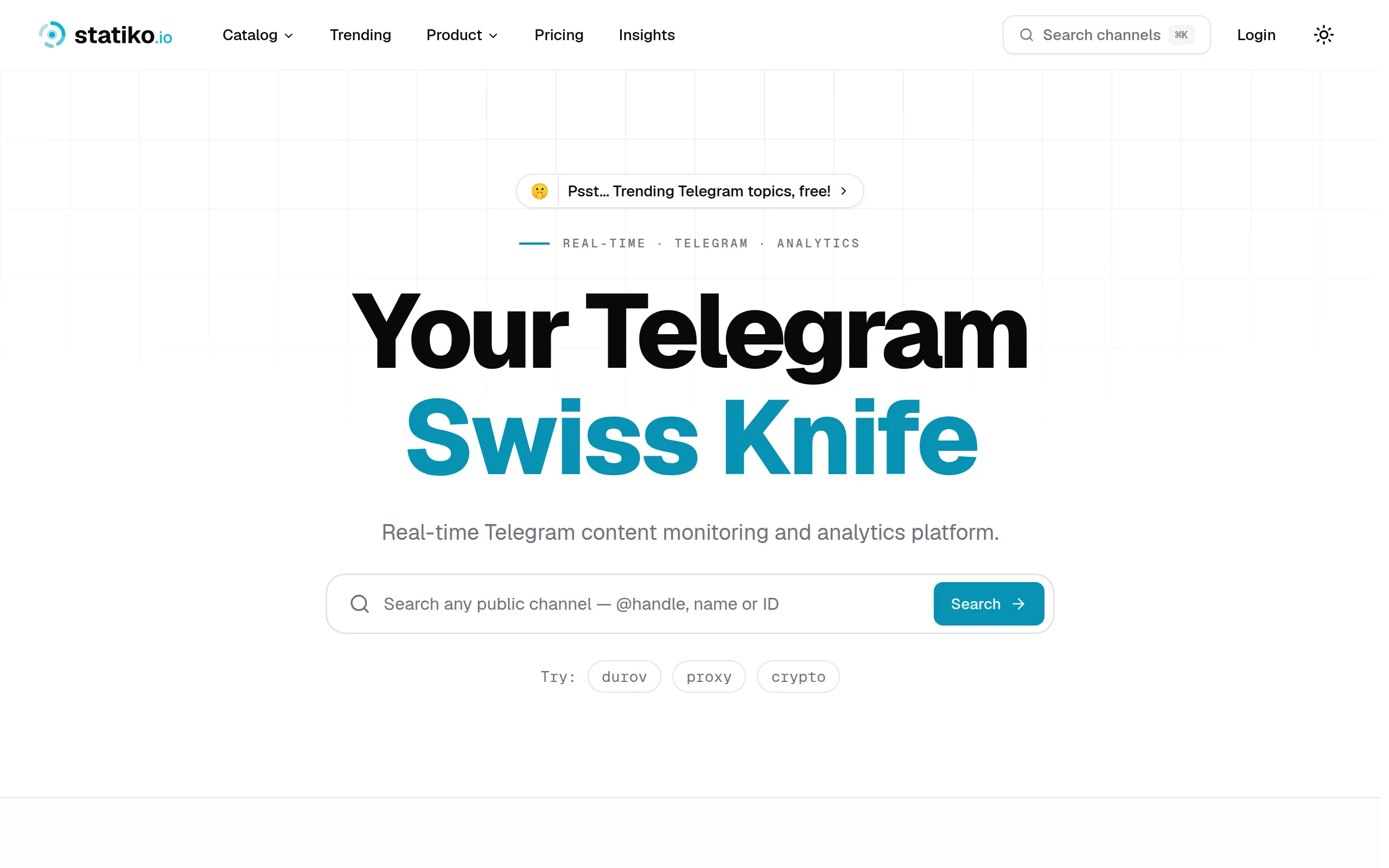
Statiko
Monitor any Telegram channel in real time - track posts, edits, deletions, and growth with AI recaps 📡
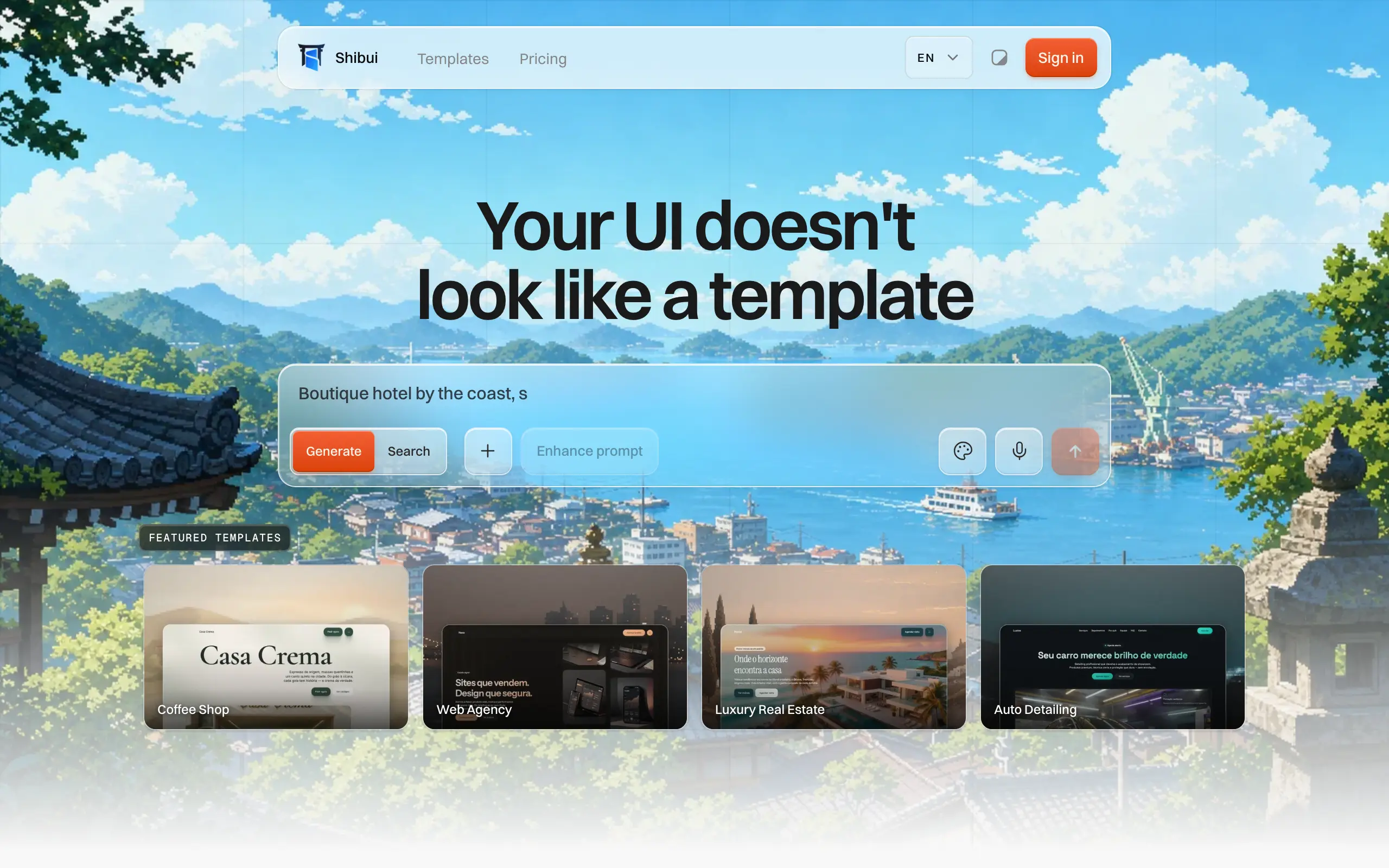
Shibui
AI website builder - describe your business, pick a niche template, edit by chatting, and publish instantly ✨

Pro Service
Find verified home service professionals, compare quotes, and pay securely through escrow - built for Brazilians across the US 🏠
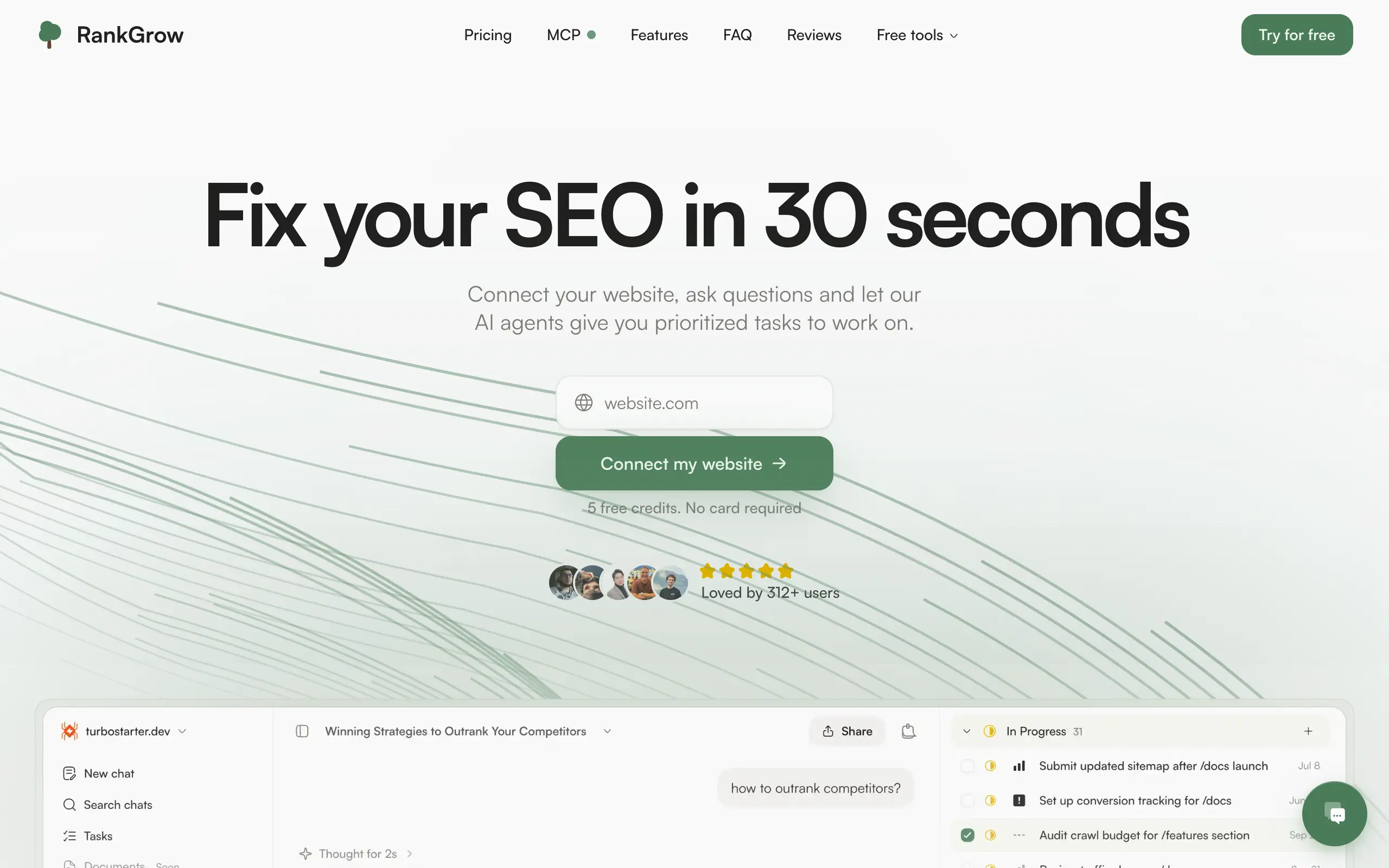
RankGrow
Fix your SEO with AI agents - connect Search Console, get prioritized tasks, and grow organic traffic 📈
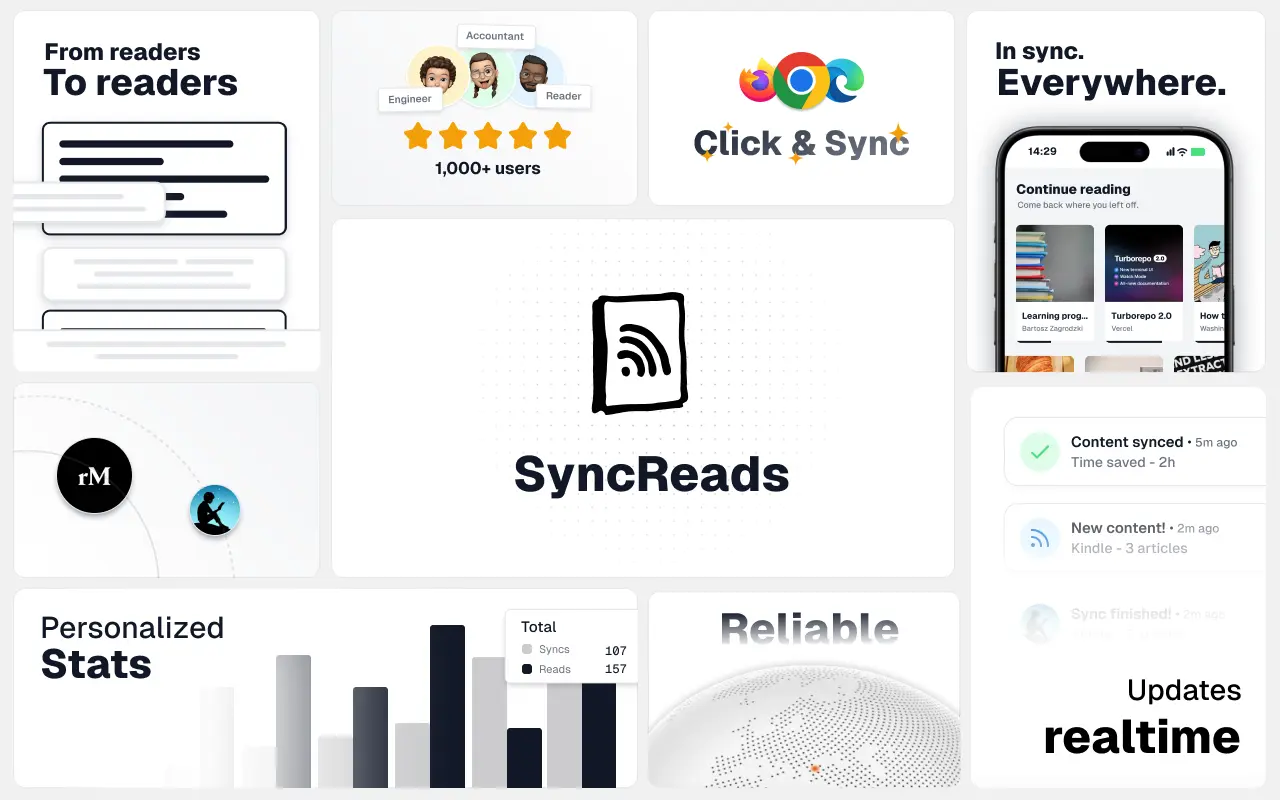
SyncReads
Sync your favorite content for distraction-free reading, save time and replace multiple apps. Anytime, anywhere 🔄
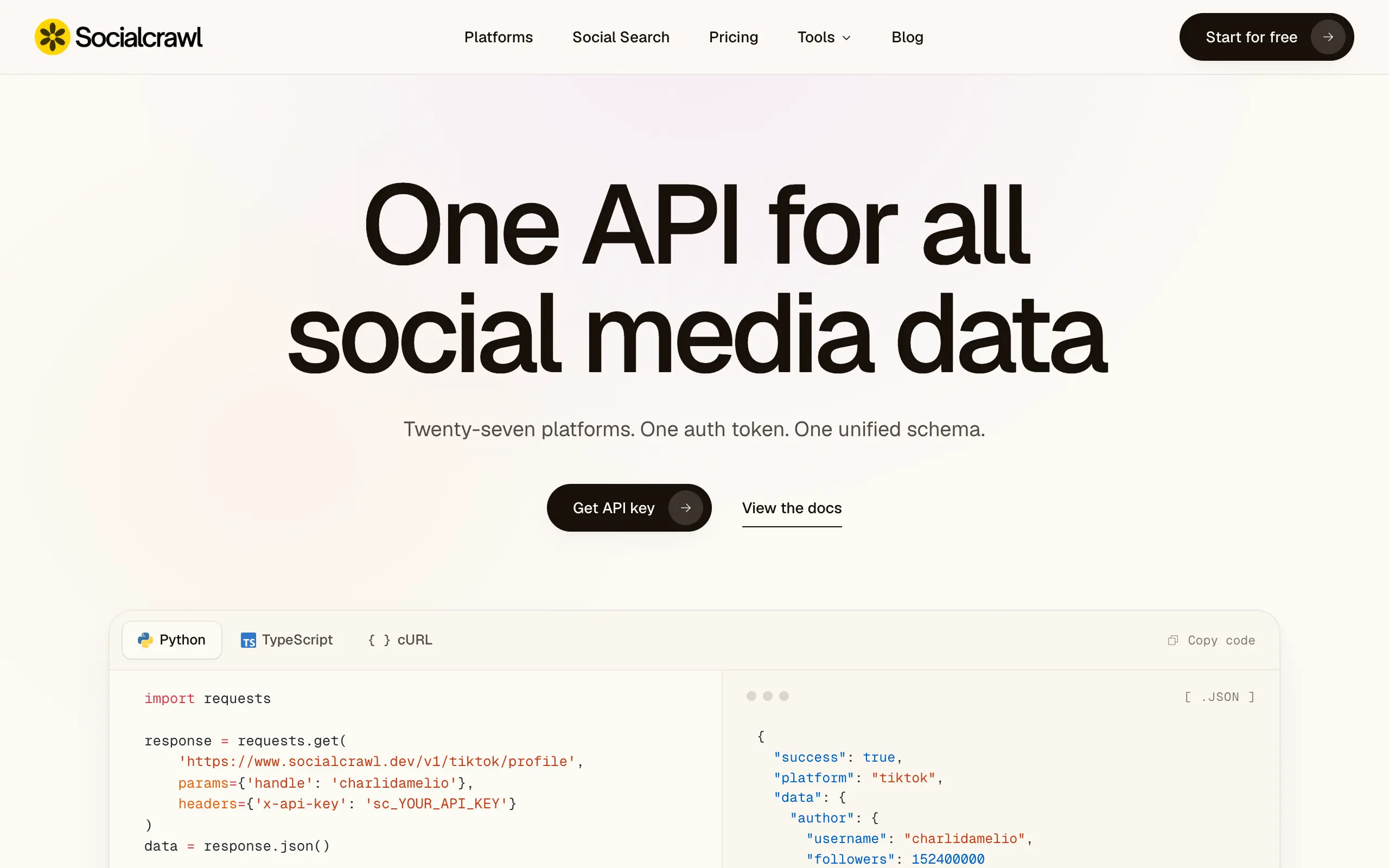
Socialcrawl
Get clean, structured data from 21 platforms like TikTok, Instagram, and YouTube with a single request 📊
Statiko
Monitor any Telegram channel in real time - track posts, edits, deletions, and growth with AI recaps 📡
Shibui
AI website builder - describe your business, pick a niche template, edit by chatting, and publish instantly ✨
Pro Service
Find verified home service professionals, compare quotes, and pay securely through escrow - built for Brazilians across the US 🏠
RankGrow
Fix your SEO with AI agents - connect Search Console, get prioritized tasks, and grow organic traffic 📈
SyncReads
Sync your favorite content for distraction-free reading, save time and replace multiple apps. Anytime, anywhere 🔄
Socialcrawl
Get clean, structured data from 21 platforms like TikTok, Instagram, and YouTube with a single request 📊
Statiko
Monitor any Telegram channel in real time - track posts, edits, deletions, and growth with AI recaps 📡
Shibui
AI website builder - describe your business, pick a niche template, edit by chatting, and publish instantly ✨
Pro Service
Find verified home service professionals, compare quotes, and pay securely through escrow - built for Brazilians across the US 🏠
RankGrow
Fix your SEO with AI agents - connect Search Console, get prioritized tasks, and grow organic traffic 📈
SyncReads
Sync your favorite content for distraction-free reading, save time and replace multiple apps. Anytime, anywhere 🔄
Socialcrawl
Get clean, structured data from 21 platforms like TikTok, Instagram, and YouTube with a single request 📊
Statiko
Monitor any Telegram channel in real time - track posts, edits, deletions, and growth with AI recaps 📡
Shibui
AI website builder - describe your business, pick a niche template, edit by chatting, and publish instantly ✨
Pro Service
Find verified home service professionals, compare quotes, and pay securely through escrow - built for Brazilians across the US 🏠
RankGrow
Fix your SEO with AI agents - connect Search Console, get prioritized tasks, and grow organic traffic 📈
SyncReads
Sync your favorite content for distraction-free reading, save time and replace multiple apps. Anytime, anywhere 🔄
Socialcrawl
Get clean, structured data from 21 platforms like TikTok, Instagram, and YouTube with a single request 📊
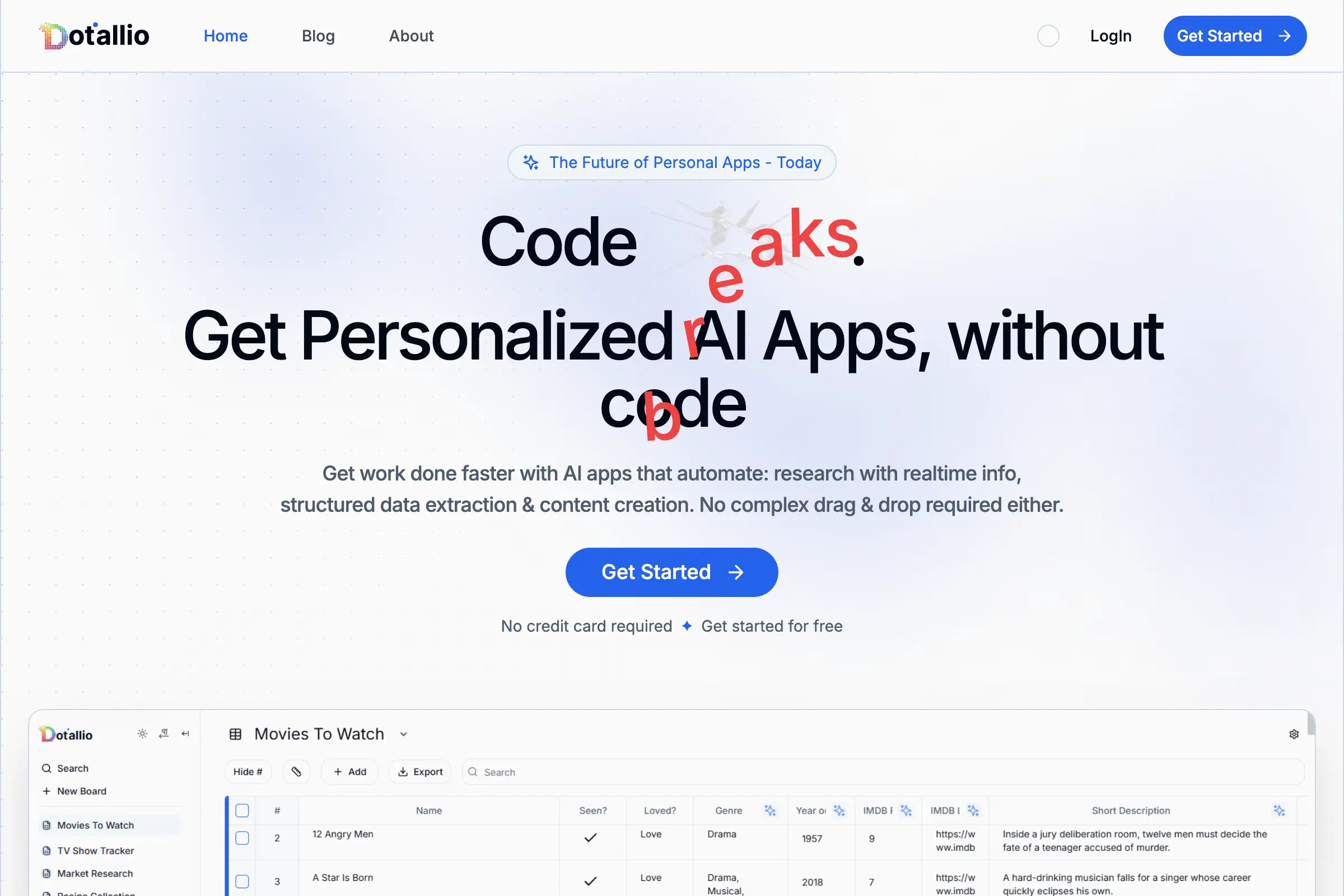
Dotallio
Personalized AI apps that automate research, data extraction, and content creation without code 🤖
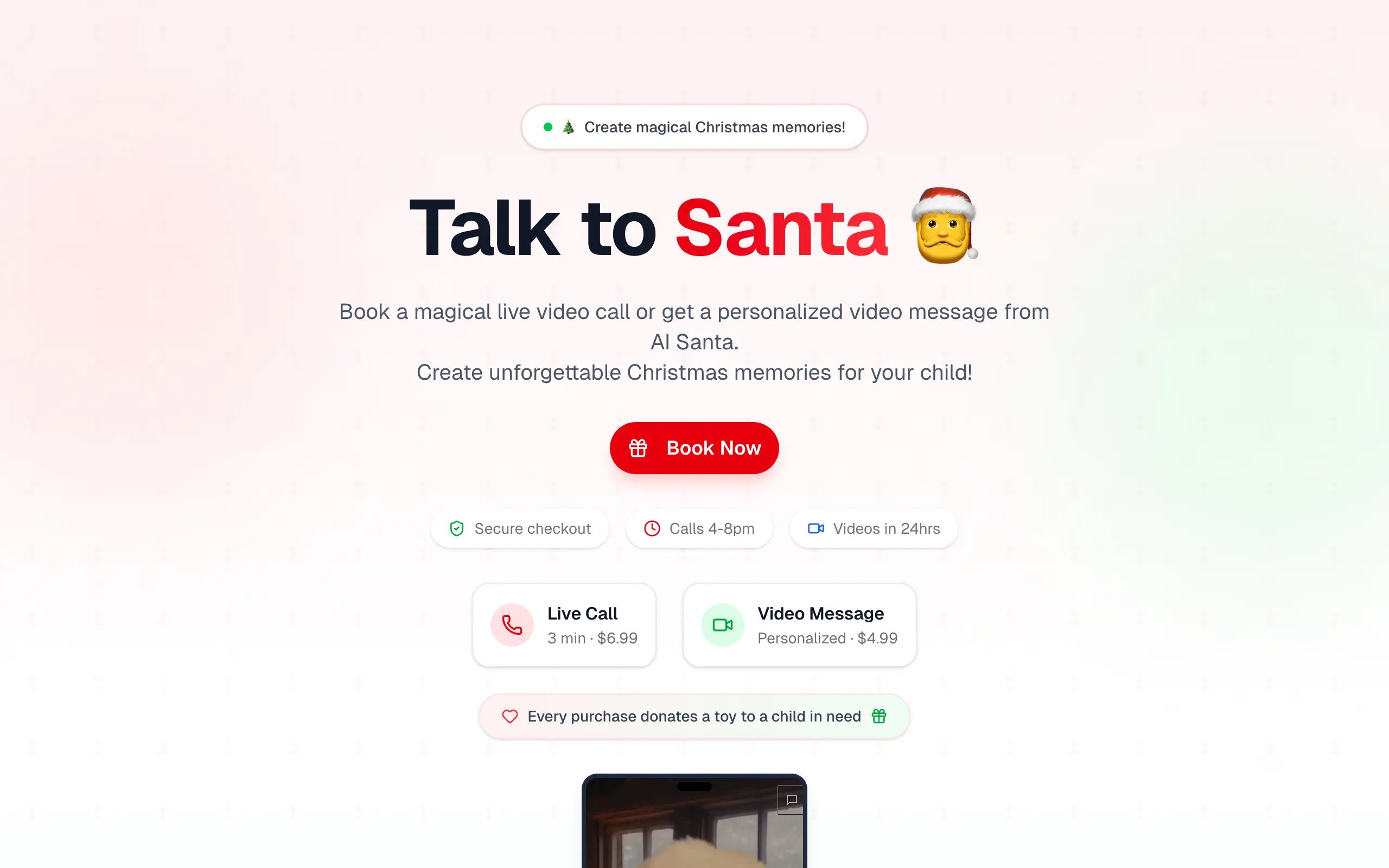
Talk to Santa
Enjoy a magical live video chat or receive a unique AI-generated video greeting from Santa Claus 🎅

pozywka.pl
Scalable blog for food journalist, focused on performance and user experience 🌭
zagrodzki.me
Personal blog and portfolio of Bart Zagrodzki, where he shares his knowledge and work 💼
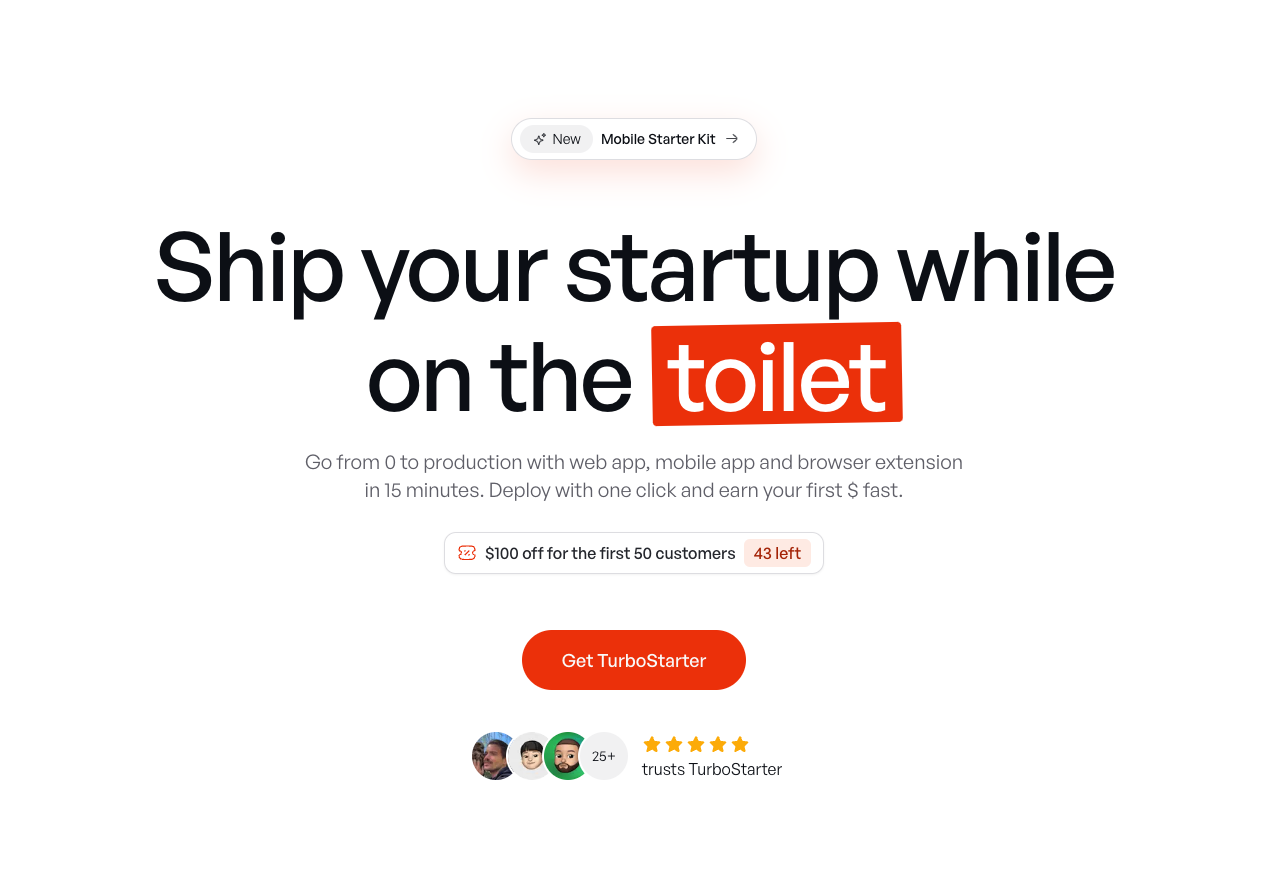
TurboStarter
Ship your startup everywhere. In minutes.
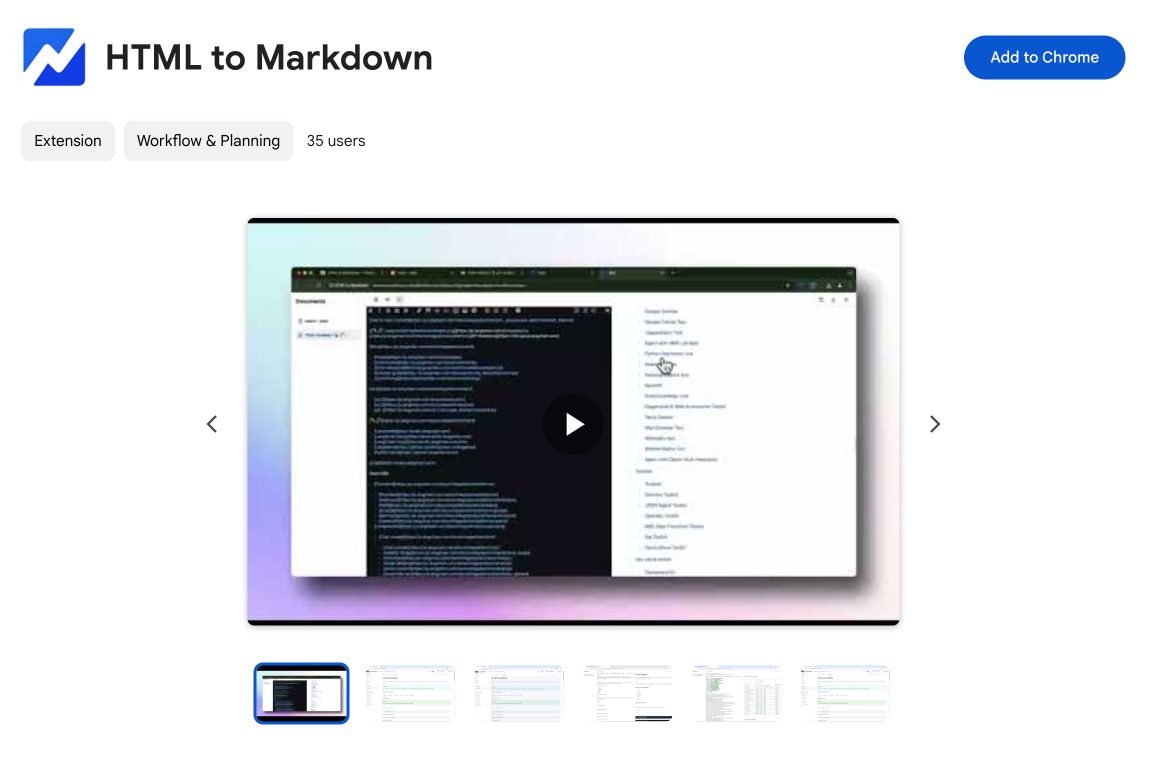
HTML to Markdown
Convert HTML to Markdown with ease, directly in your browser 📄
Dotallio
Personalized AI apps that automate research, data extraction, and content creation without code 🤖
Talk to Santa
Enjoy a magical live video chat or receive a unique AI-generated video greeting from Santa Claus 🎅
pozywka.pl
Scalable blog for food journalist, focused on performance and user experience 🌭
zagrodzki.me
Personal blog and portfolio of Bart Zagrodzki, where he shares his knowledge and work 💼
TurboStarter
Ship your startup everywhere. In minutes.
HTML to Markdown
Convert HTML to Markdown with ease, directly in your browser 📄
Dotallio
Personalized AI apps that automate research, data extraction, and content creation without code 🤖
Talk to Santa
Enjoy a magical live video chat or receive a unique AI-generated video greeting from Santa Claus 🎅
pozywka.pl
Scalable blog for food journalist, focused on performance and user experience 🌭
zagrodzki.me
Personal blog and portfolio of Bart Zagrodzki, where he shares his knowledge and work 💼
TurboStarter
Ship your startup everywhere. In minutes.
HTML to Markdown
Convert HTML to Markdown with ease, directly in your browser 📄
Dotallio
Personalized AI apps that automate research, data extraction, and content creation without code 🤖
Talk to Santa
Enjoy a magical live video chat or receive a unique AI-generated video greeting from Santa Claus 🎅
pozywka.pl
Scalable blog for food journalist, focused on performance and user experience 🌭
zagrodzki.me
Personal blog and portfolio of Bart Zagrodzki, where he shares his knowledge and work 💼
TurboStarter
Ship your startup everywhere. In minutes.
HTML to Markdown
Convert HTML to Markdown with ease, directly in your browser 📄
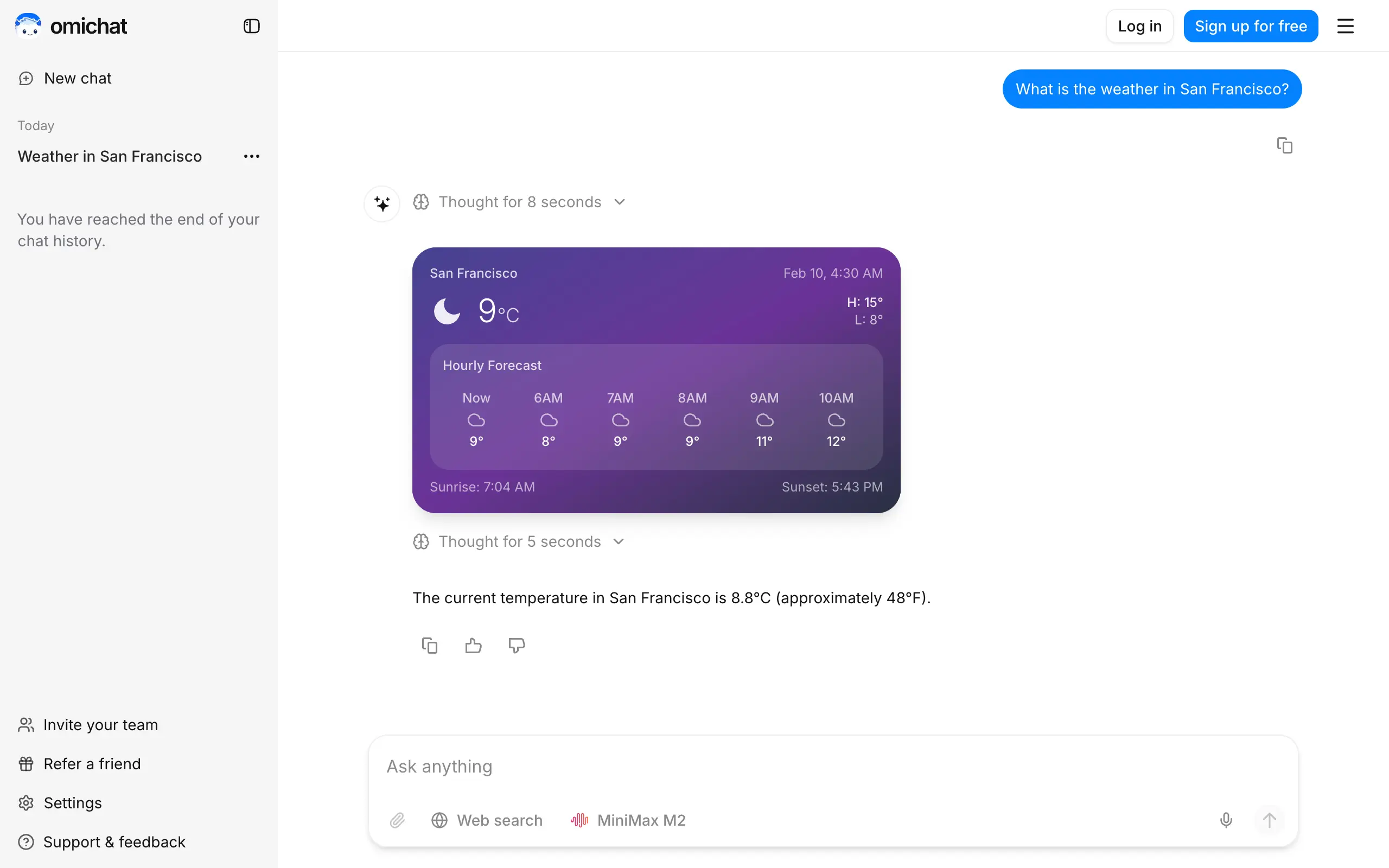
Omichat
Chat with 50+ AI models, including ChatGPT and Claude, in one place - switch models anytime without losing context 🤖
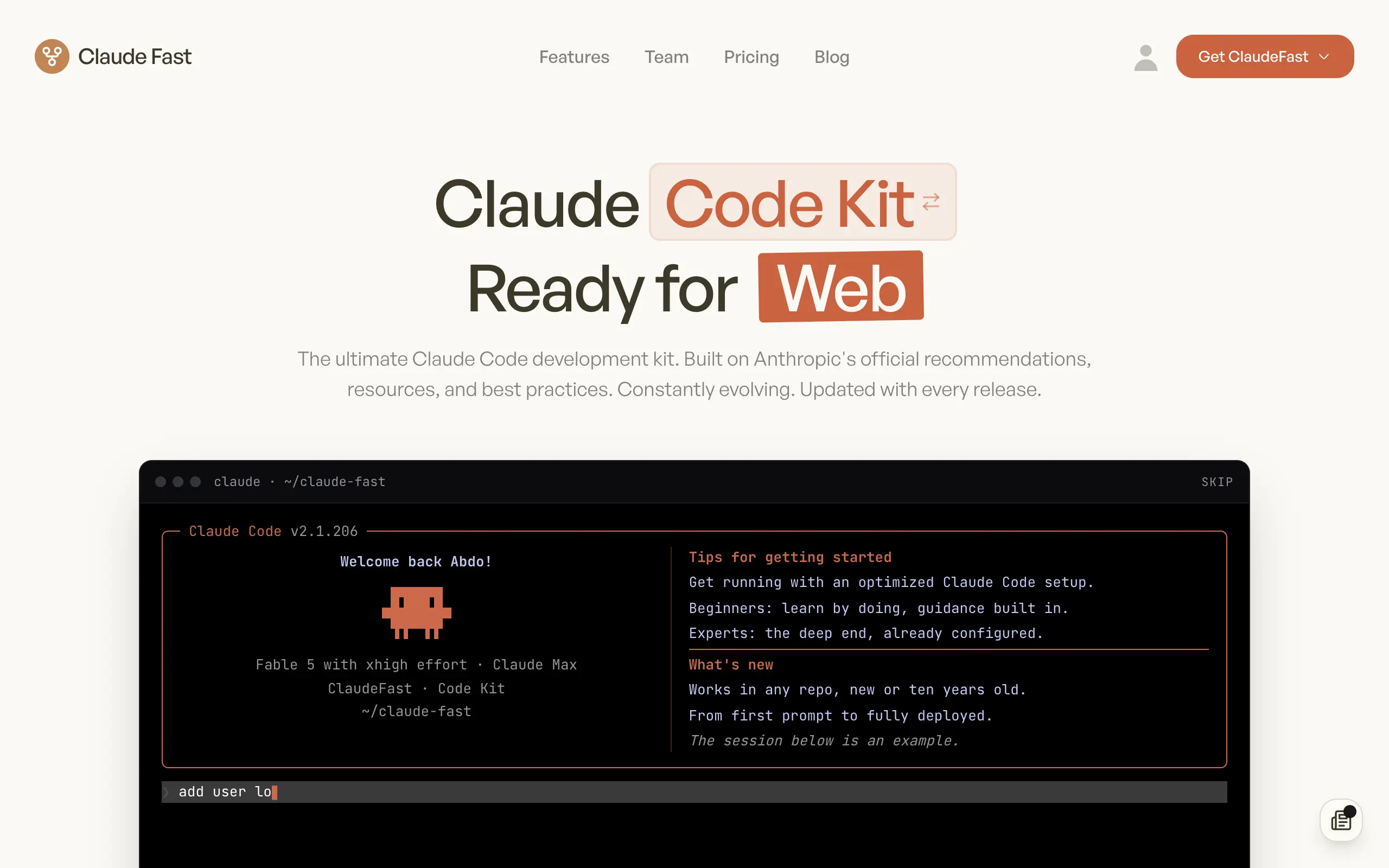
Claude Fast
Supercharge your Claude Code with 6x effective context window and specialized AI agents 🤖
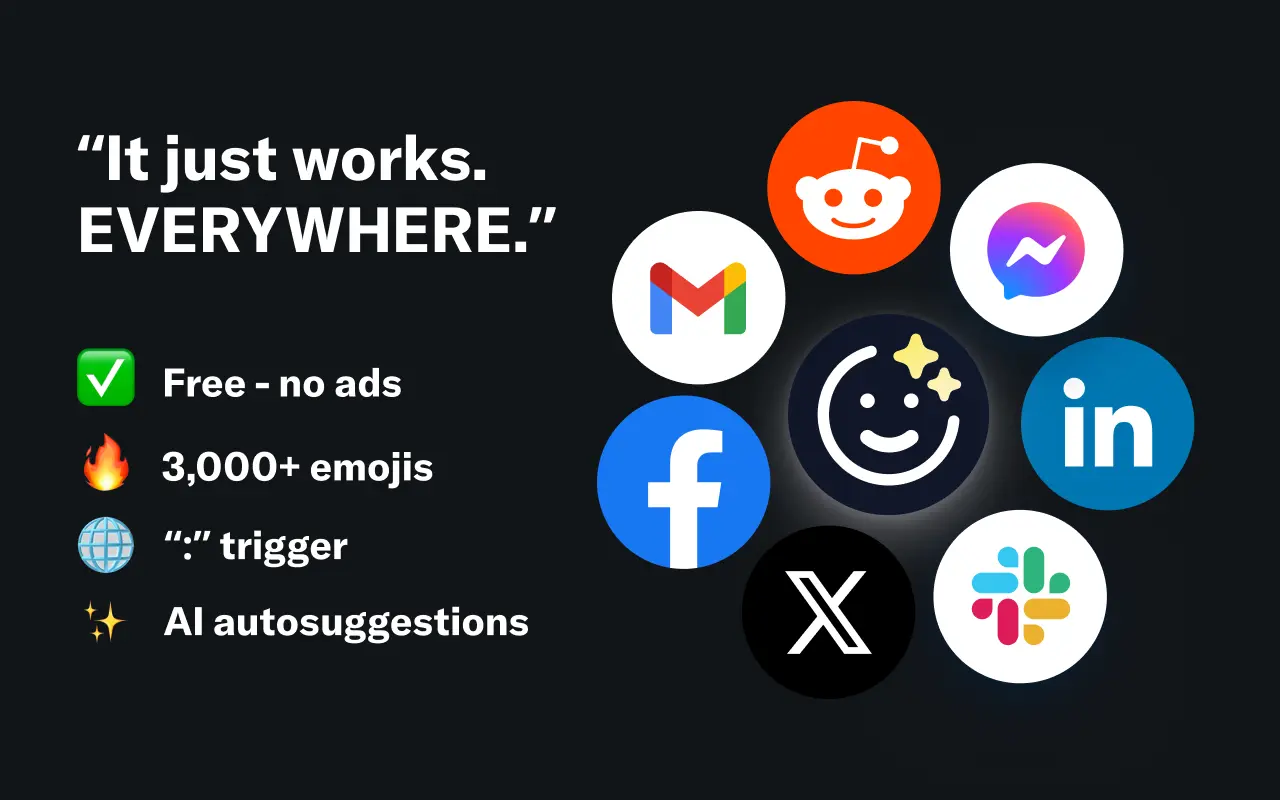
EmojAI
AI-powered emoji picker with smart, context-aware suggestions 🤖
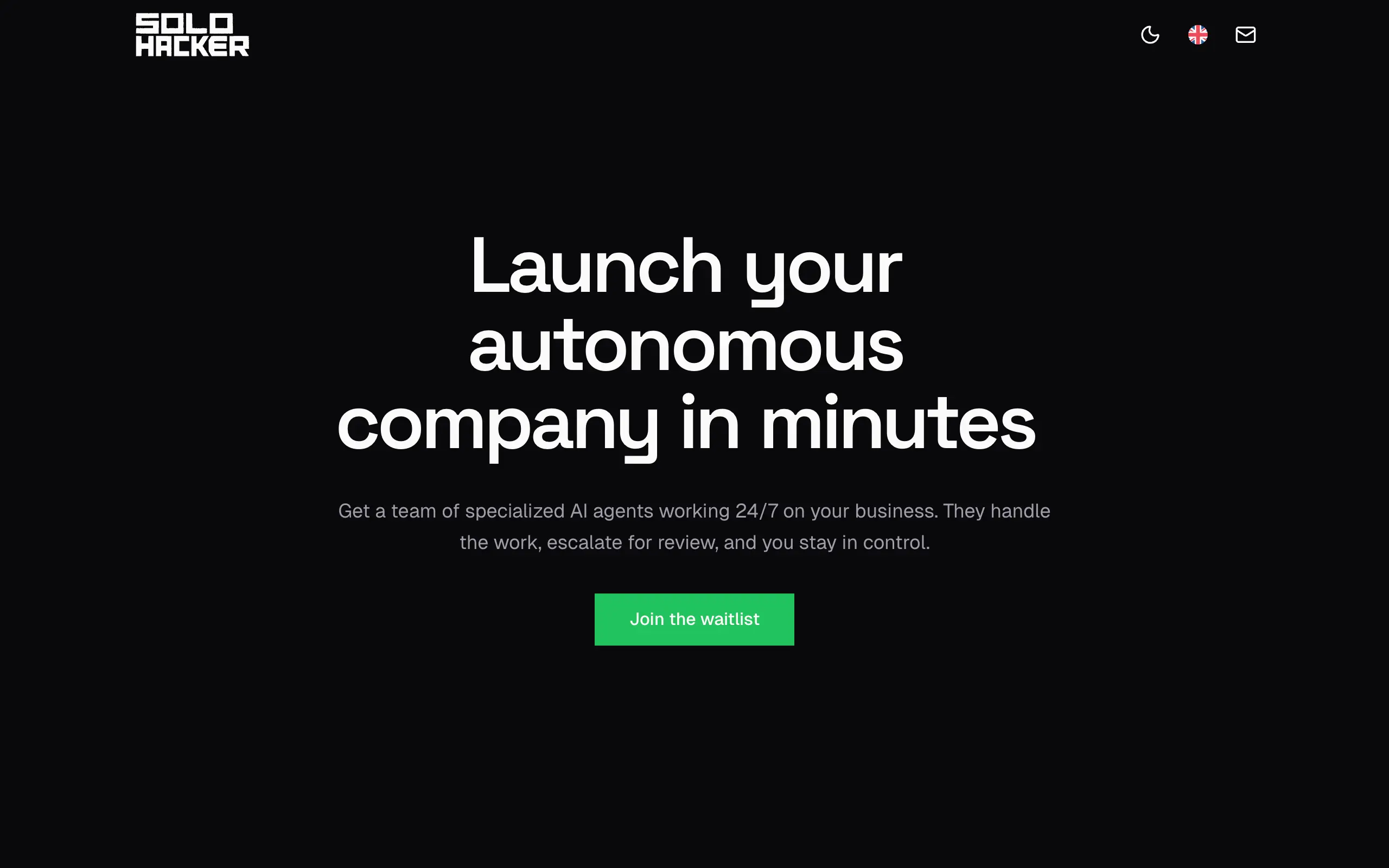
Solohacker
Autonomous company launcher - AI agents work 24/7, escalate what matters, and you stay in control 🤖
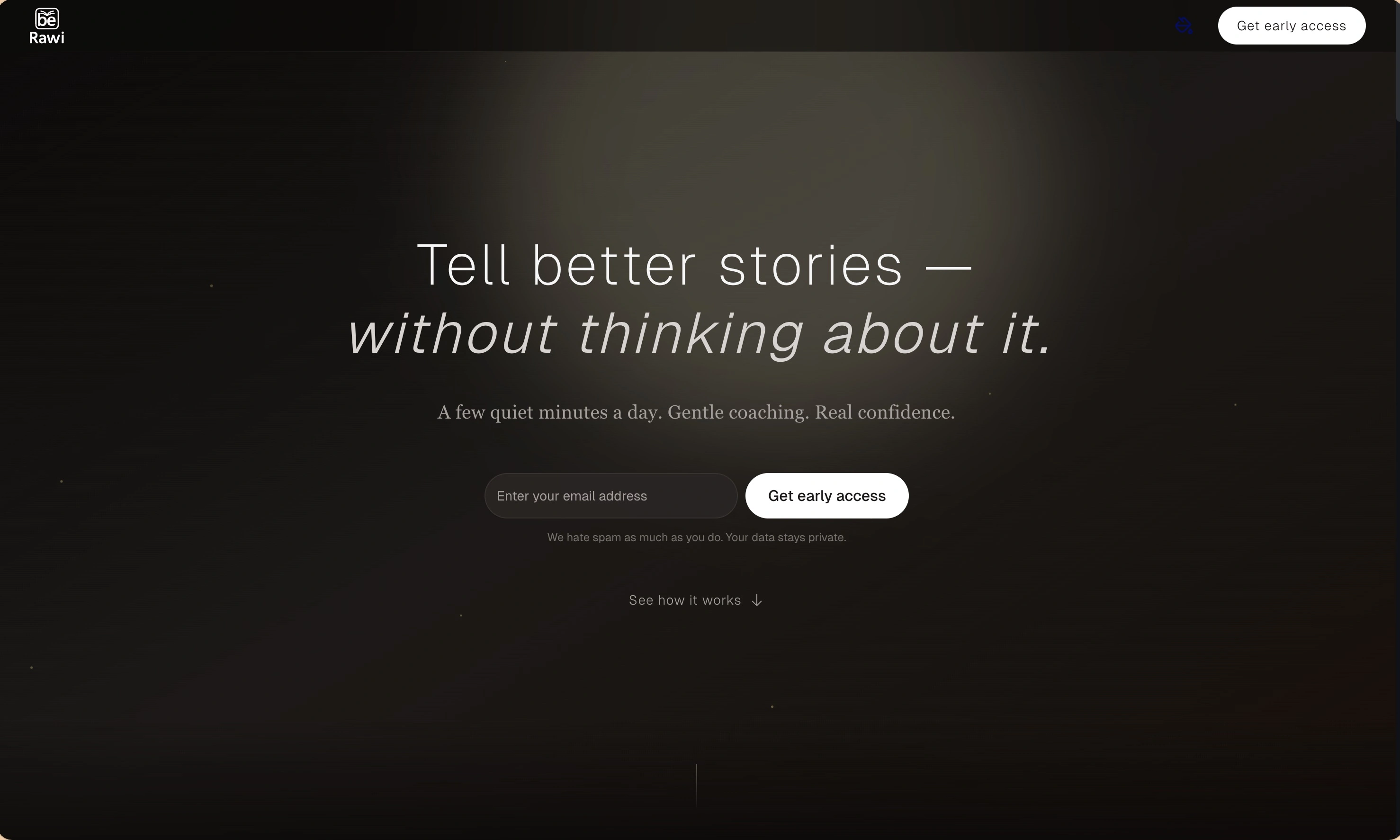
BeRawi: Storytelling Coach
Practice storytelling daily with instant feedback to sound clearer, more engaging, and confident 🎤
Omichat
Chat with 50+ AI models, including ChatGPT and Claude, in one place - switch models anytime without losing context 🤖
Claude Fast
Supercharge your Claude Code with 6x effective context window and specialized AI agents 🤖
EmojAI
AI-powered emoji picker with smart, context-aware suggestions 🤖
Solohacker
Autonomous company launcher - AI agents work 24/7, escalate what matters, and you stay in control 🤖
BeRawi: Storytelling Coach
Practice storytelling daily with instant feedback to sound clearer, more engaging, and confident 🎤
Omichat
Chat with 50+ AI models, including ChatGPT and Claude, in one place - switch models anytime without losing context 🤖
Claude Fast
Supercharge your Claude Code with 6x effective context window and specialized AI agents 🤖
EmojAI
AI-powered emoji picker with smart, context-aware suggestions 🤖
Solohacker
Autonomous company launcher - AI agents work 24/7, escalate what matters, and you stay in control 🤖
BeRawi: Storytelling Coach
Practice storytelling daily with instant feedback to sound clearer, more engaging, and confident 🎤
Omichat
Chat with 50+ AI models, including ChatGPT and Claude, in one place - switch models anytime without losing context 🤖
Claude Fast
Supercharge your Claude Code with 6x effective context window and specialized AI agents 🤖
EmojAI
AI-powered emoji picker with smart, context-aware suggestions 🤖
Solohacker
Autonomous company launcher - AI agents work 24/7, escalate what matters, and you stay in control 🤖
BeRawi: Storytelling Coach
Practice storytelling daily with instant feedback to sound clearer, more engaging, and confident 🎤

Connect with like-minded people
Join our community to get feedback, support, and grow together with 1,000+ builders on board, let's ship it!
Join usShip your startup everywhere. In minutes.
Don't burn tokens on setup and start building features on day one.