DegreeGate AI Tutor Mesh
On-demand AI tutors trained on specific university courses, delivering personalized explanations, practice problems, and exam prep aligned to each syllabus.
The rise of AI-powered course-specific tutoring platforms
The concept of an AI tutor mesh tailored to university courses is no longer futuristic—it’s quickly becoming a necessary evolution in education technology. Students today are overwhelmed by dense syllabi, inconsistent teaching quality, and limited access to personalized support. A platform like DegreeGate AI Tutor Mesh directly addresses this gap by offering on-demand AI tutors trained on specific university courses, delivering highly contextualized help.
Unlike generic AI tools, this model focuses on syllabus-aligned intelligence, ensuring every explanation, practice problem, and revision guide is relevant to a student’s exact course.
This article explores the full strategic, technical, and business breakdown of building and scaling such a platform.
understanding the target audience
A strong SaaS product begins with a precise understanding of who it serves. DegreeGate’s audience is both broad and deeply segmented.
primary users
-
Undergraduate students
- Struggling with foundational subjects like calculus, physics, computer science, and economics
- Need step-by-step explanations and exam preparation
-
Graduate students
- Require deeper conceptual clarity and research-oriented support
- Often need help interpreting complex papers and theories
-
International students
- Face language barriers and unfamiliar academic systems
- Benefit heavily from simplified explanations and contextual tutoring
-
Online learners and bootcamp students
- Often lack access to instructors
- Need instant, reliable academic support
secondary stakeholders
- Universities (for licensing and integration)
- Professors (content validation and co-creation)
- EdTech platforms (API partnerships)
Key insight
Students don’t just want answers—they want explanations tailored to how their professor teaches and how their exams are structured.
identifying the market gap
current solutions fall short
Most existing tools fall into one of three categories:
-
Generic AI tools (e.g., ChatGPT-like systems)
- Not aligned with specific syllabi
- Can produce irrelevant or overly broad answers
-
Static learning platforms (e.g., Coursera, Khan Academy)
- High-quality but not personalized
- Lack real-time interaction
-
Human tutoring marketplaces
- Expensive and inconsistent
- Limited availability
the gap DegreeGate fills
DegreeGate introduces a course-specific AI tutoring layer, solving three critical issues:
- Context mismatch → AI trained on exact course materials
- Time constraints → Instant 24/7 availability
- Personalization deficit → Adaptive explanations based on student behavior
the core product: how the AI tutor mesh works
The defining innovation is the “tutor mesh” architecture—a network of AI tutors, each specialized in a specific course.
what is a tutor mesh?
Instead of one generalized AI, DegreeGate uses:
- Multiple course-specific AI agents
- Each trained on:
- Syllabus
- Lecture notes
- Past exams
- Textbooks
- Assignments
These agents can:
- Collaborate (cross-topic reasoning)
- Adapt to individual student progress
- Deliver contextual learning experiences
core features and capabilities
1. syllabus-aligned tutoring
Students select:
- University
- Course
- Instructor (optional)
The AI then aligns responses to:
- Course pacing
- Exam format
- Key topics emphasized by the instructor
2. personalized explanation engine
The system adapts explanations based on:
- Student comprehension level
- Previous mistakes
- Learning preferences (visual, textual, step-by-step)
Example:
- A struggling student gets simplified breakdowns
- An advanced student gets deeper theoretical insights
3. dynamic practice generation
The platform generates:
- Practice problems matching exam difficulty
- Adaptive quizzes based on weak areas
- Timed mock exams
function generatePracticeSet(studentProfile, topic) {
  return {
    difficulty: adjustDifficulty(studentProfile.performance),
    format: matchExamStyle(topic),
    questions: createQuestions(topic, studentProfile.weakAreas)
  };
}
4. exam preparation mode
- Summarized revision sheets
- Predicted question patterns
- Time-based practice sessions
5. conversational learning interface
Students interact naturally:
- “Explain this like I’m new to it”
- “Give me a harder version of this problem”
- “What did I misunderstand here?”
6. multi-agent collaboration
Example:
- A physics tutor collaborates with a math tutor to explain calculus-heavy problems
product differentiation and competitive advantage
| Feature | Generic AI | Online Courses | Human Tutors | DegreeGate |
|---|---|---|---|---|
| Syllabus alignment | ❌ | ❌ | ✅ | ✅ |
| 24/7 availability | ✅ | ✅ | ❌ | ✅ |
| Personalization | ⚠️ | ❌ | ✅ | ✅✅ |
| Cost efficiency | ✅ | ✅ | ❌ | ✅ |
unique selling proposition (USP)
DegreeGate isn’t just an AI tutor—it’s a course-aware academic companion that mirrors how students are actually evaluated.
recommended tech stack
frontend
backend
- Node.js (scalable API layer)
- Python (AI orchestration)
AI infrastructure
- LLM providers (OpenAI, Anthropic, etc.)
- Retrieval-Augmented Generation (RAG)
- Vector databases (e.g., Pinecone, Weaviate)
data layer
- PostgreSQL (structured data)
- Redis (caching and session state)
orchestration layer
- Multi-agent system design
- Prompt routing based on course context
Important trade-off
Highly specialized tutors increase accuracy but require more data ingestion and maintenance per course.
system architecture overview
- Single AI model
- Basic RAG system
- Limited personalization
- Faster to build MVP
- Multi-agent tutor mesh
- Course-specific embeddings
- Adaptive learning models
- Cross-agent collaboration
monetization strategy
1. subscription model
- Free tier (limited questions per day)
- Premium tier ($10–$30/month)
- Unlimited tutoring
- Exam prep mode
- Advanced analytics
2. course-based pricing
- Pay per course access
- Ideal for semester-based usage
3. institutional licensing
- Universities pay for campus-wide access
- Integration with LMS platforms
4. API access
- Sell tutoring infrastructure to:
- EdTech companies
- Online learning platforms
growth and distribution strategy
organic channels
- SEO content targeting:
- “AI tutor for calculus”
- “help with university exams”
- “personalized study tools”
campus ambassador programs
- Student reps promoting within universities
viral loops
- Shareable:
- Practice tests
- Study summaries
- Performance insights
potential risks and mitigation
1. hallucinations and incorrect answers
Mitigation:
- RAG-based grounding
- Source citation system
- Confidence scoring
2. academic integrity concerns
Mitigation:
- Focus on learning support, not answer generation
- Include “explain-only” modes
3. content licensing issues
Mitigation:
- Partner with universities
- Use publicly available materials initially
4. scalability challenges
Mitigation:
- Modular tutor architecture
- On-demand model loading
implementation roadmap
building the MVP efficiently
Speed matters. Instead of overengineering early, focus on:
- One university
- One subject category
- One clear use case (exam prep)
Using a starter framework like TurboStarter can significantly reduce development time by providing:
- Prebuilt SaaS infrastructure
- Authentication and billing
- Scalable architecture patterns
future opportunities and expansion
AI-powered academic profiles
- Track student strengths and weaknesses across courses
career alignment
- Suggest career paths based on performance
collaborative learning
- Group tutoring sessions powered by AI
why this idea matters now
Several trends make this idea especially timely:
- Explosion of LLM capabilities
- Rising demand for personalized education
- Increasing cost of traditional tutoring
- Growth of remote and hybrid learning
According to reports from sources like McKinsey and HolonIQ (suggest referencing their latest education market analyses), the EdTech sector is rapidly expanding, with AI-driven personalization as a key driver.
final thoughts: from idea to execution
DegreeGate AI Tutor Mesh isn’t just another AI tool—it represents a shift toward context-aware, personalized education at scale.
The real power lies in:
- Deep syllabus alignment
- Multi-agent intelligence
- Adaptive learning systems
If executed well, this platform could redefine how students interact with knowledge itself.
ready to build your AI tutor SaaS?
If you're serious about turning this idea into a production-ready SaaS, the fastest path is leveraging a robust starter infrastructure.
Start small, validate quickly, and iterate aggressively. The demand is already there—what matters now is execution.
More 🤖 AI Startup SaaS ideas
Discover more innovative ai startup SaaS ideas that are trending in 2026. Each idea is AI-generated with market validation and growth potential to help you find your next profitable venture faster than competitors.
Your competitors are building with TurboStarter
Below are some of the SaaS ideas that have been generated and built with our starter kit.
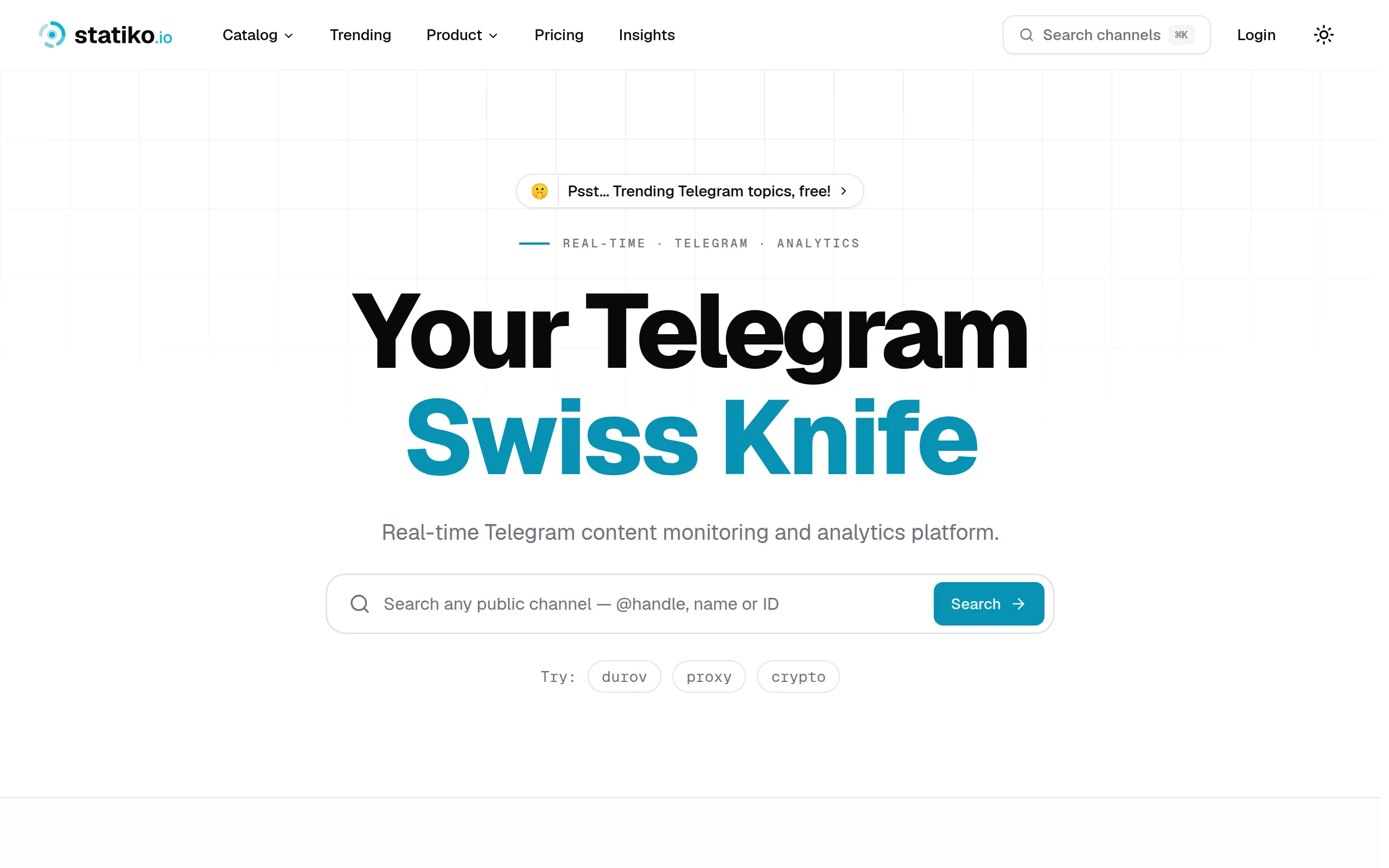
Statiko
Monitor any Telegram channel in real time - track posts, edits, deletions, and growth with AI recaps 📡

Shibui
AI website builder - describe your business, pick a niche template, edit by chatting, and publish instantly ✨

Pro Service
Find verified home service professionals, compare quotes, and pay securely through escrow - built for Brazilians across the US 🏠
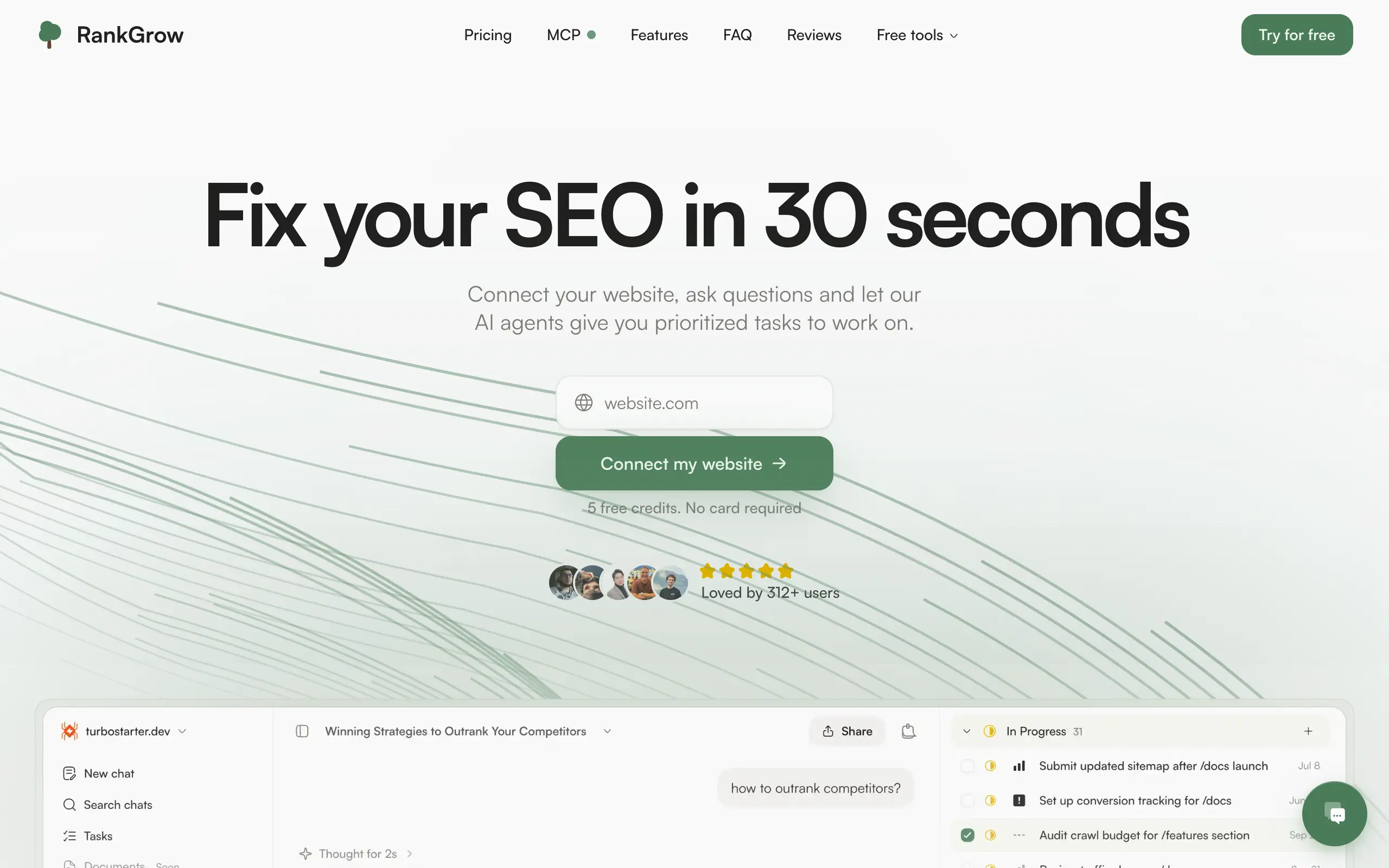
RankGrow
Fix your SEO with AI agents - connect Search Console, get prioritized tasks, and grow organic traffic 📈
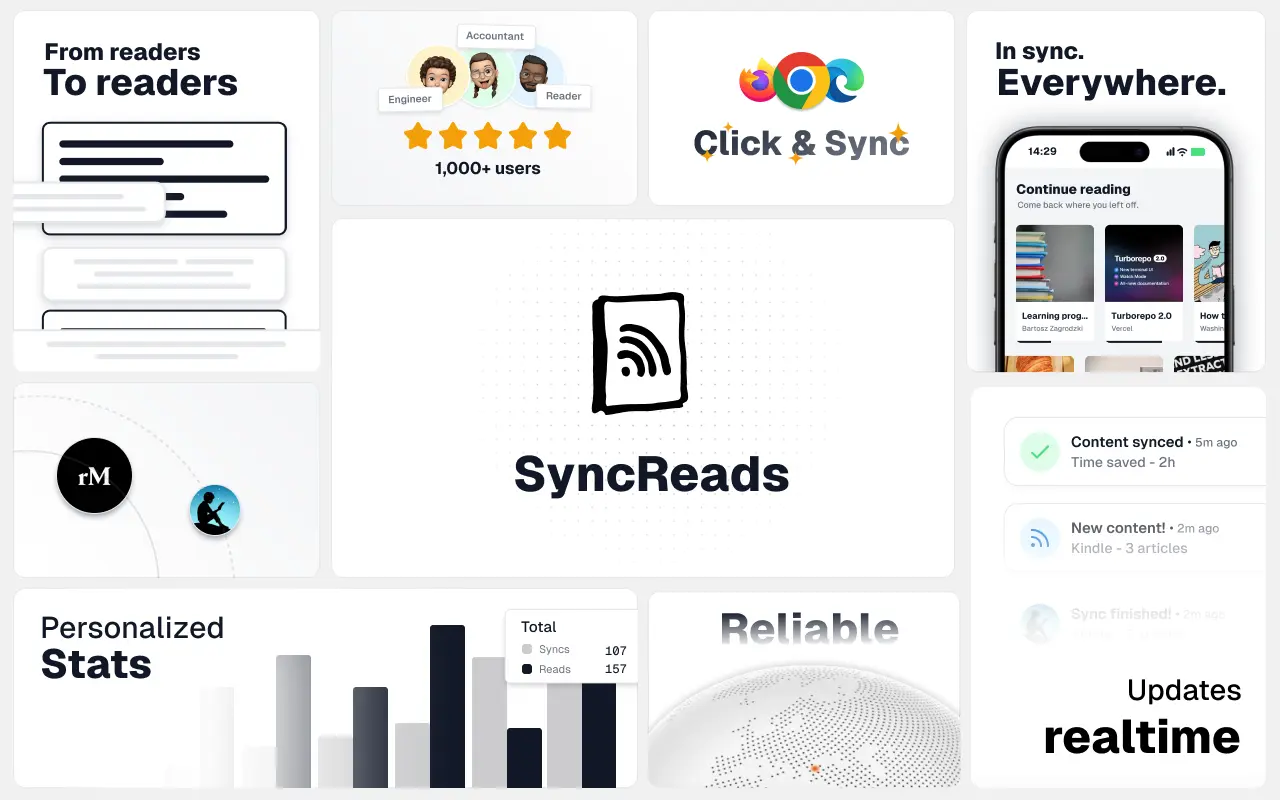
SyncReads
Sync your favorite content for distraction-free reading, save time and replace multiple apps. Anytime, anywhere 🔄
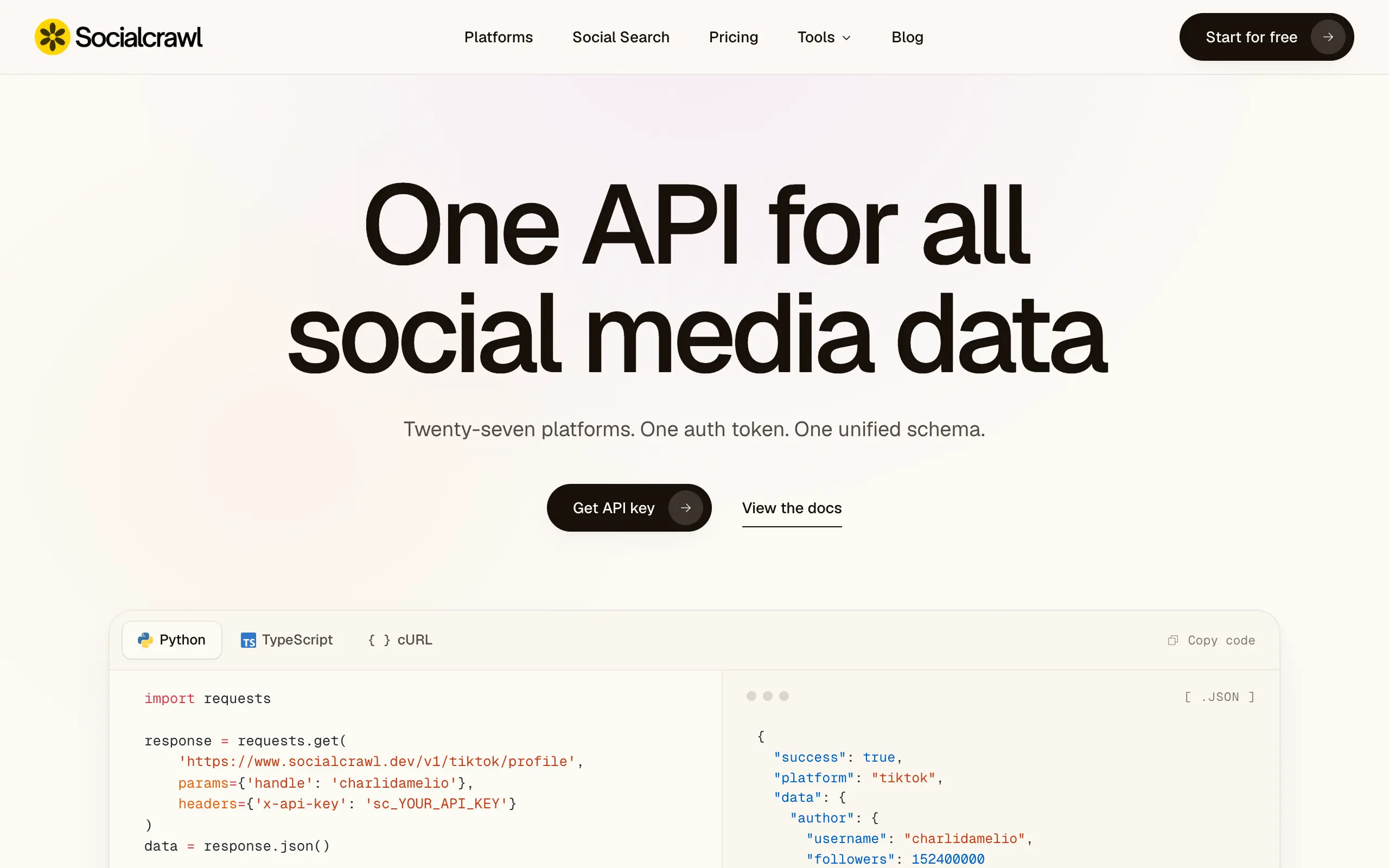
Socialcrawl
Get clean, structured data from 21 platforms like TikTok, Instagram, and YouTube with a single request 📊
Statiko
Monitor any Telegram channel in real time - track posts, edits, deletions, and growth with AI recaps 📡
Shibui
AI website builder - describe your business, pick a niche template, edit by chatting, and publish instantly ✨
Pro Service
Find verified home service professionals, compare quotes, and pay securely through escrow - built for Brazilians across the US 🏠
RankGrow
Fix your SEO with AI agents - connect Search Console, get prioritized tasks, and grow organic traffic 📈
SyncReads
Sync your favorite content for distraction-free reading, save time and replace multiple apps. Anytime, anywhere 🔄
Socialcrawl
Get clean, structured data from 21 platforms like TikTok, Instagram, and YouTube with a single request 📊
Statiko
Monitor any Telegram channel in real time - track posts, edits, deletions, and growth with AI recaps 📡
Shibui
AI website builder - describe your business, pick a niche template, edit by chatting, and publish instantly ✨
Pro Service
Find verified home service professionals, compare quotes, and pay securely through escrow - built for Brazilians across the US 🏠
RankGrow
Fix your SEO with AI agents - connect Search Console, get prioritized tasks, and grow organic traffic 📈
SyncReads
Sync your favorite content for distraction-free reading, save time and replace multiple apps. Anytime, anywhere 🔄
Socialcrawl
Get clean, structured data from 21 platforms like TikTok, Instagram, and YouTube with a single request 📊
Statiko
Monitor any Telegram channel in real time - track posts, edits, deletions, and growth with AI recaps 📡
Shibui
AI website builder - describe your business, pick a niche template, edit by chatting, and publish instantly ✨
Pro Service
Find verified home service professionals, compare quotes, and pay securely through escrow - built for Brazilians across the US 🏠
RankGrow
Fix your SEO with AI agents - connect Search Console, get prioritized tasks, and grow organic traffic 📈
SyncReads
Sync your favorite content for distraction-free reading, save time and replace multiple apps. Anytime, anywhere 🔄
Socialcrawl
Get clean, structured data from 21 platforms like TikTok, Instagram, and YouTube with a single request 📊
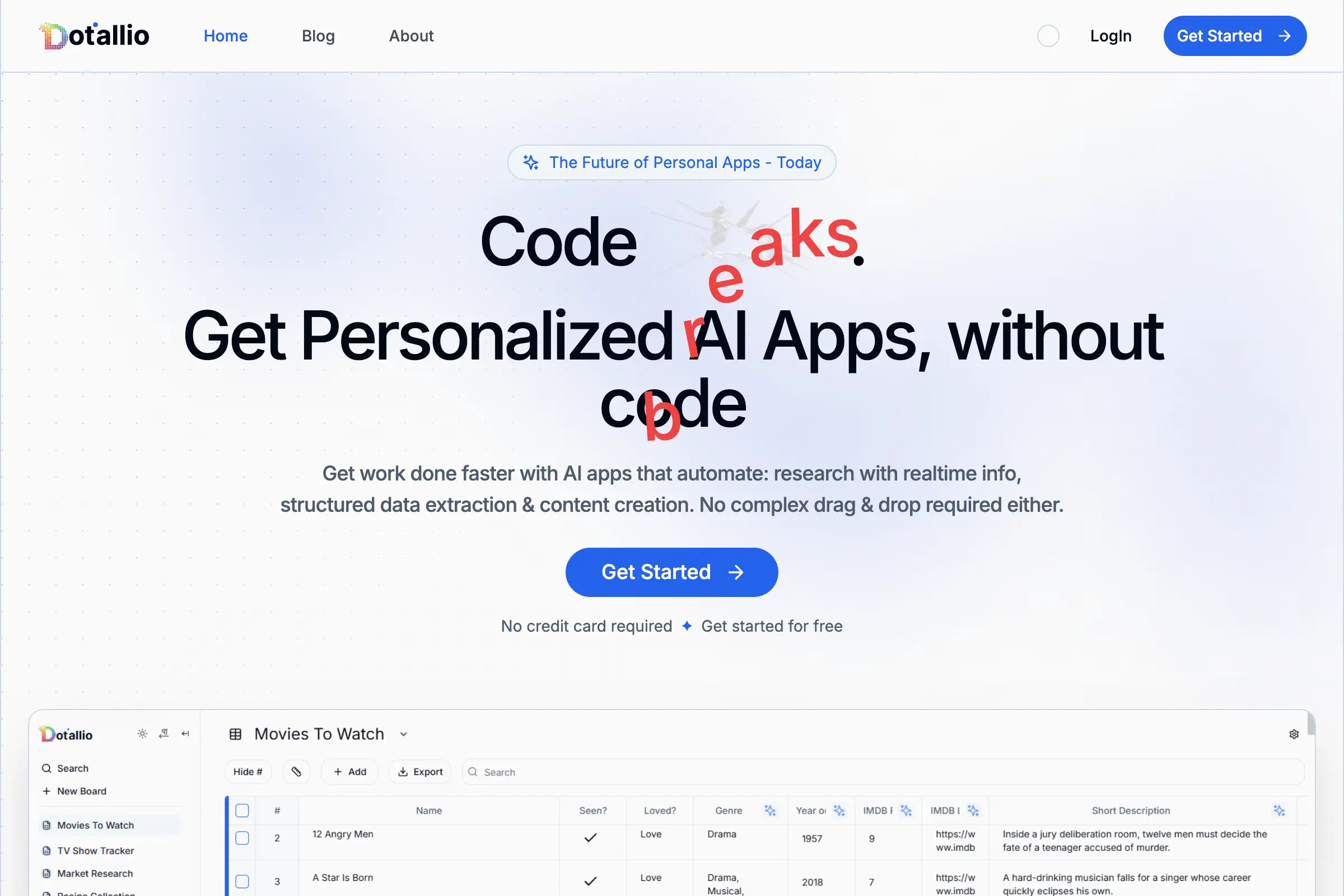
Dotallio
Personalized AI apps that automate research, data extraction, and content creation without code 🤖

Talk to Santa
Enjoy a magical live video chat or receive a unique AI-generated video greeting from Santa Claus 🎅
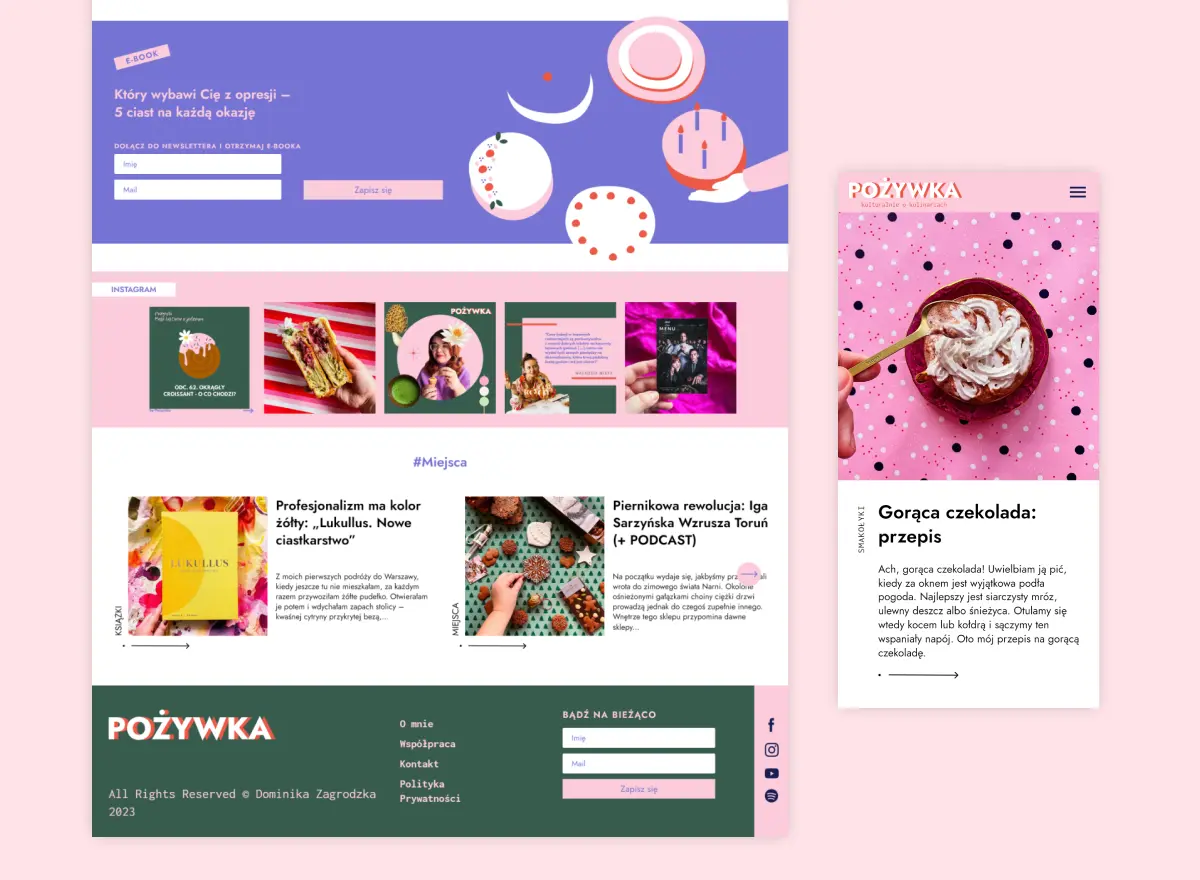
pozywka.pl
Scalable blog for food journalist, focused on performance and user experience 🌭
zagrodzki.me
Personal blog and portfolio of Bart Zagrodzki, where he shares his knowledge and work 💼
TurboStarter
Ship your startup everywhere. In minutes.
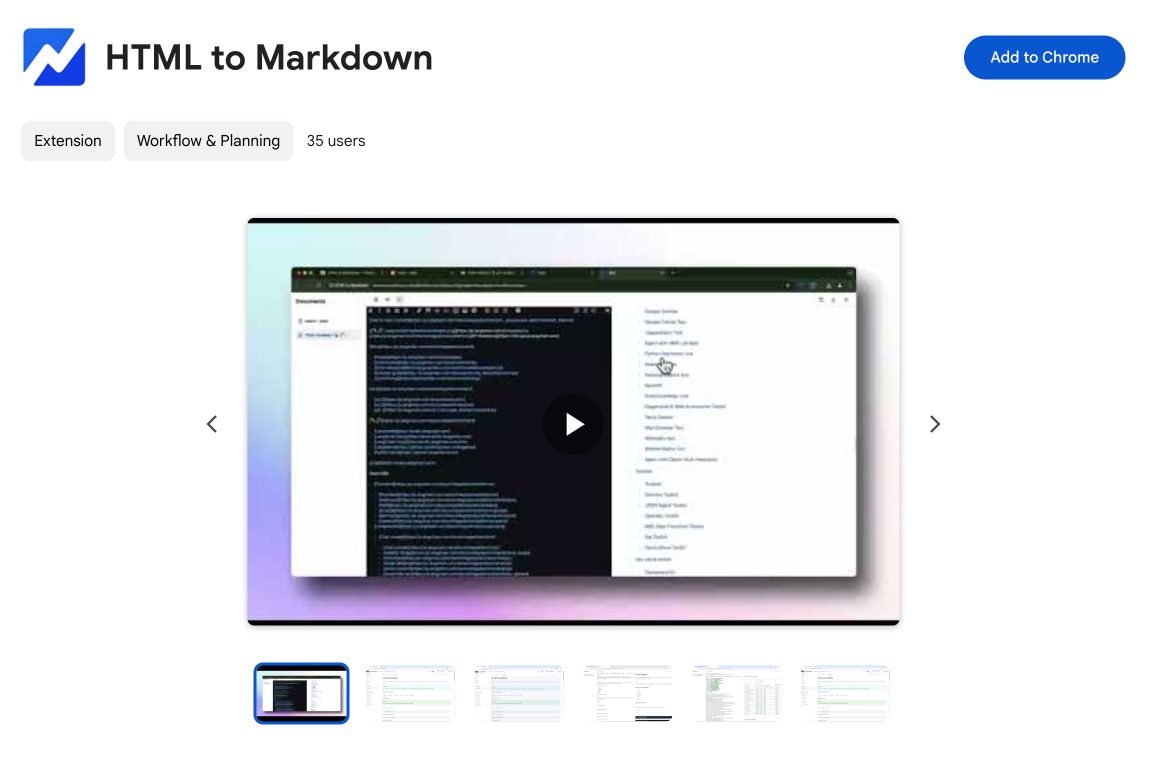
HTML to Markdown
Convert HTML to Markdown with ease, directly in your browser 📄
Dotallio
Personalized AI apps that automate research, data extraction, and content creation without code 🤖
Talk to Santa
Enjoy a magical live video chat or receive a unique AI-generated video greeting from Santa Claus 🎅
pozywka.pl
Scalable blog for food journalist, focused on performance and user experience 🌭
zagrodzki.me
Personal blog and portfolio of Bart Zagrodzki, where he shares his knowledge and work 💼
TurboStarter
Ship your startup everywhere. In minutes.
HTML to Markdown
Convert HTML to Markdown with ease, directly in your browser 📄
Dotallio
Personalized AI apps that automate research, data extraction, and content creation without code 🤖
Talk to Santa
Enjoy a magical live video chat or receive a unique AI-generated video greeting from Santa Claus 🎅
pozywka.pl
Scalable blog for food journalist, focused on performance and user experience 🌭
zagrodzki.me
Personal blog and portfolio of Bart Zagrodzki, where he shares his knowledge and work 💼
TurboStarter
Ship your startup everywhere. In minutes.
HTML to Markdown
Convert HTML to Markdown with ease, directly in your browser 📄
Dotallio
Personalized AI apps that automate research, data extraction, and content creation without code 🤖
Talk to Santa
Enjoy a magical live video chat or receive a unique AI-generated video greeting from Santa Claus 🎅
pozywka.pl
Scalable blog for food journalist, focused on performance and user experience 🌭
zagrodzki.me
Personal blog and portfolio of Bart Zagrodzki, where he shares his knowledge and work 💼
TurboStarter
Ship your startup everywhere. In minutes.
HTML to Markdown
Convert HTML to Markdown with ease, directly in your browser 📄
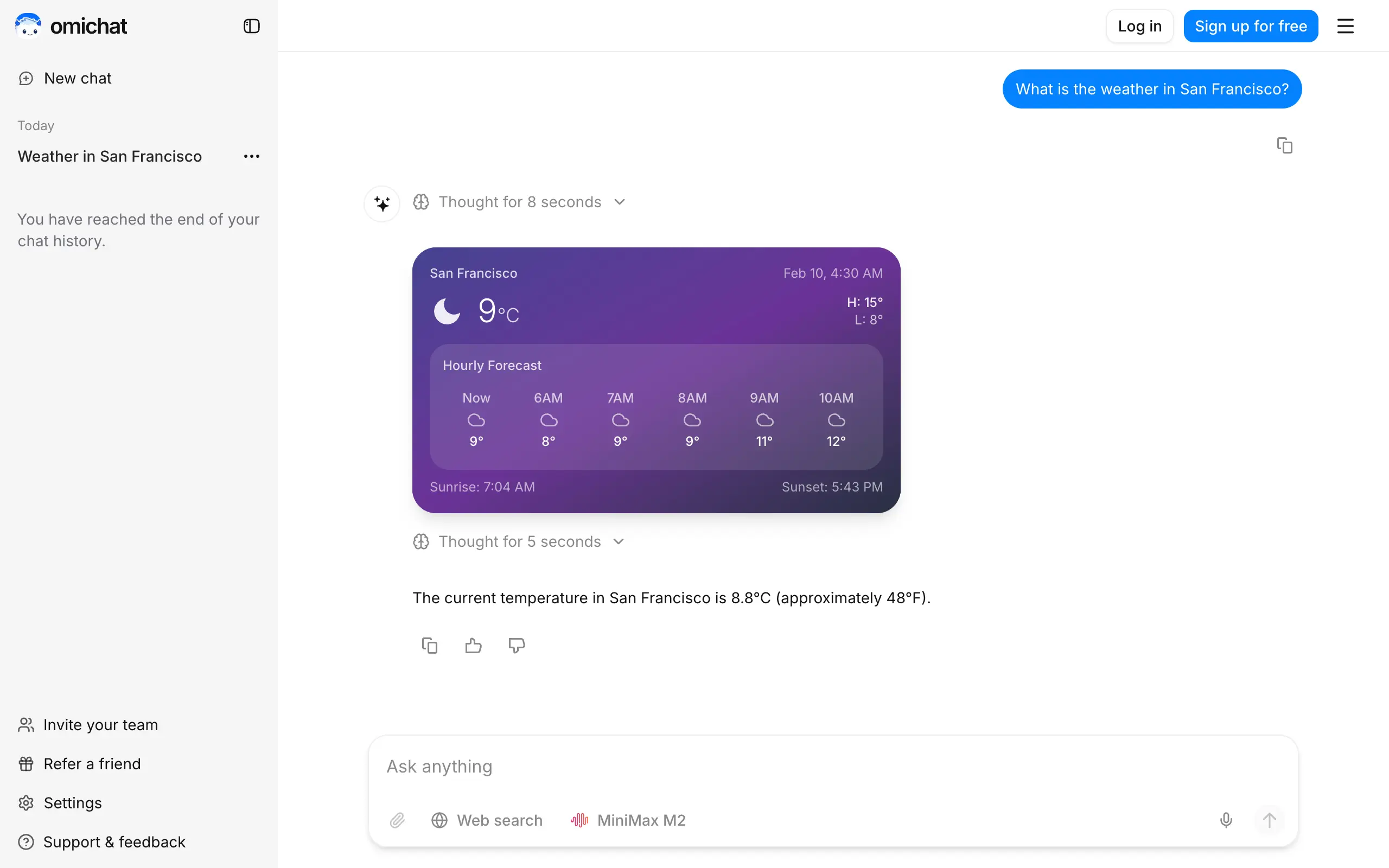
Omichat
Chat with 50+ AI models, including ChatGPT and Claude, in one place - switch models anytime without losing context 🤖
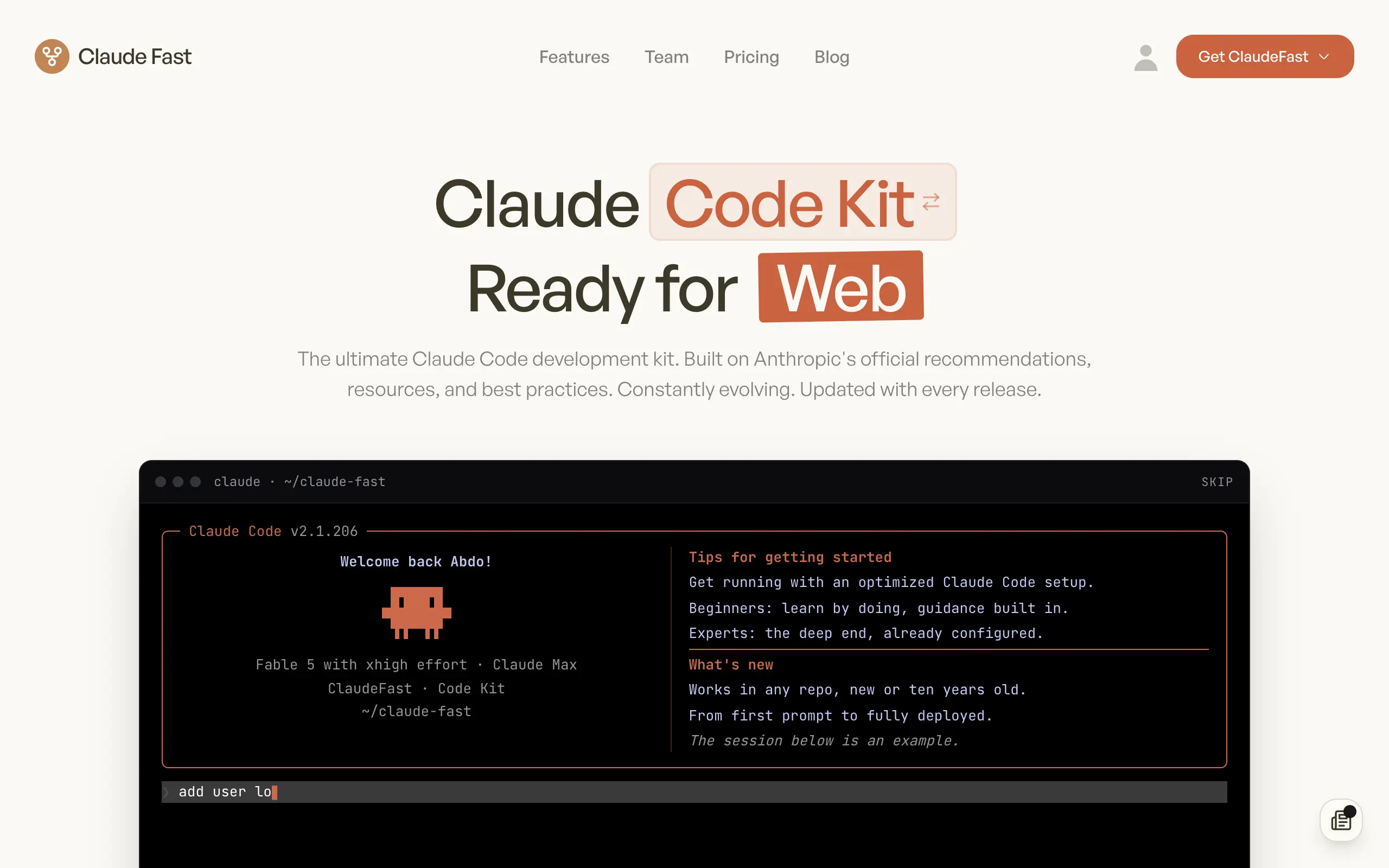
Claude Fast
Supercharge your Claude Code with 6x effective context window and specialized AI agents 🤖
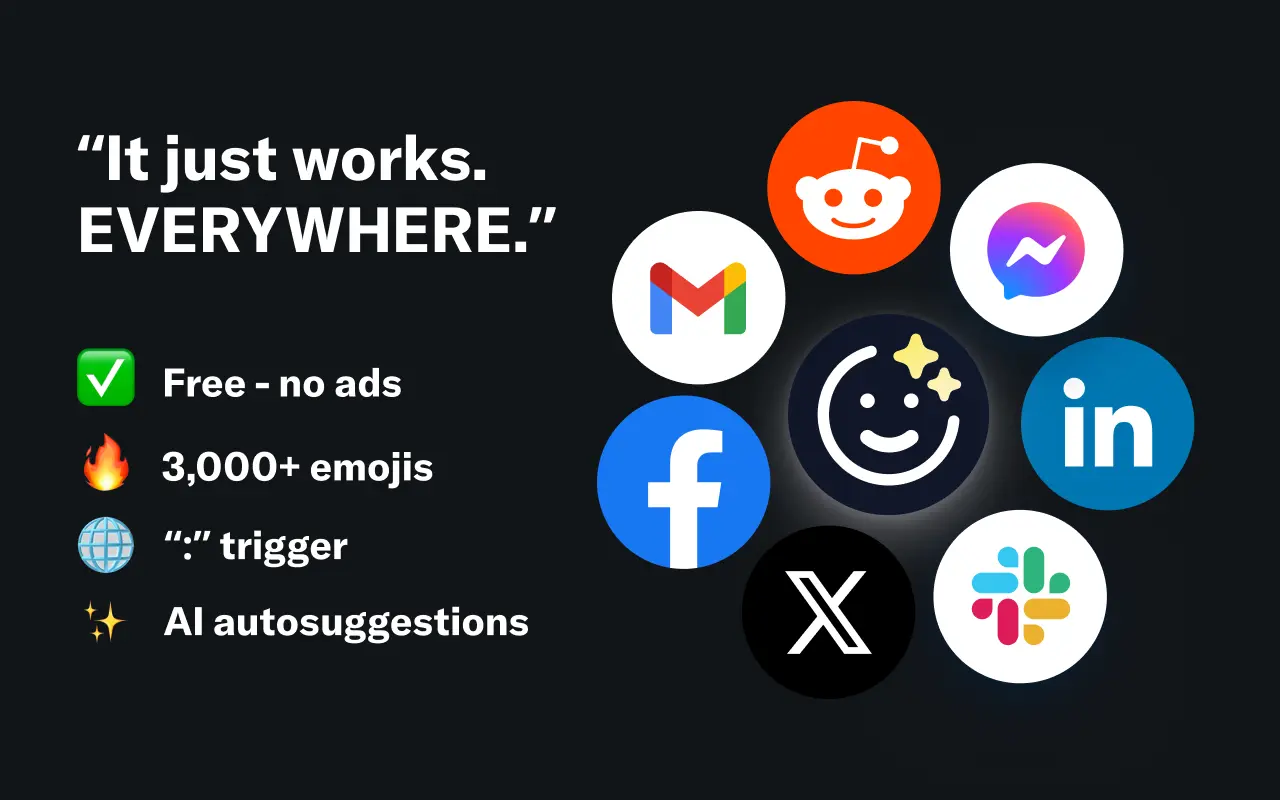
EmojAI
AI-powered emoji picker with smart, context-aware suggestions 🤖
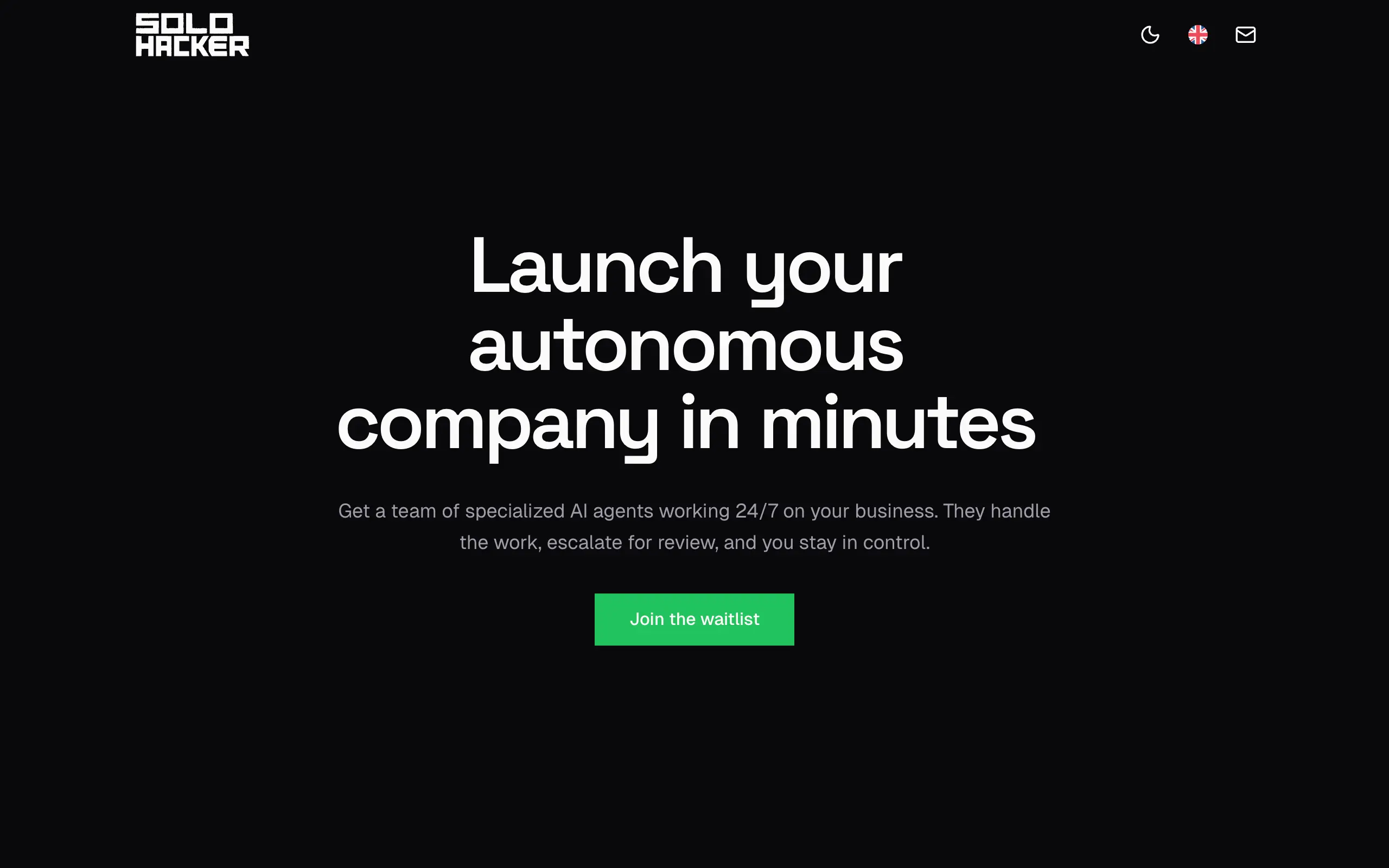
Solohacker
Autonomous company launcher - AI agents work 24/7, escalate what matters, and you stay in control 🤖
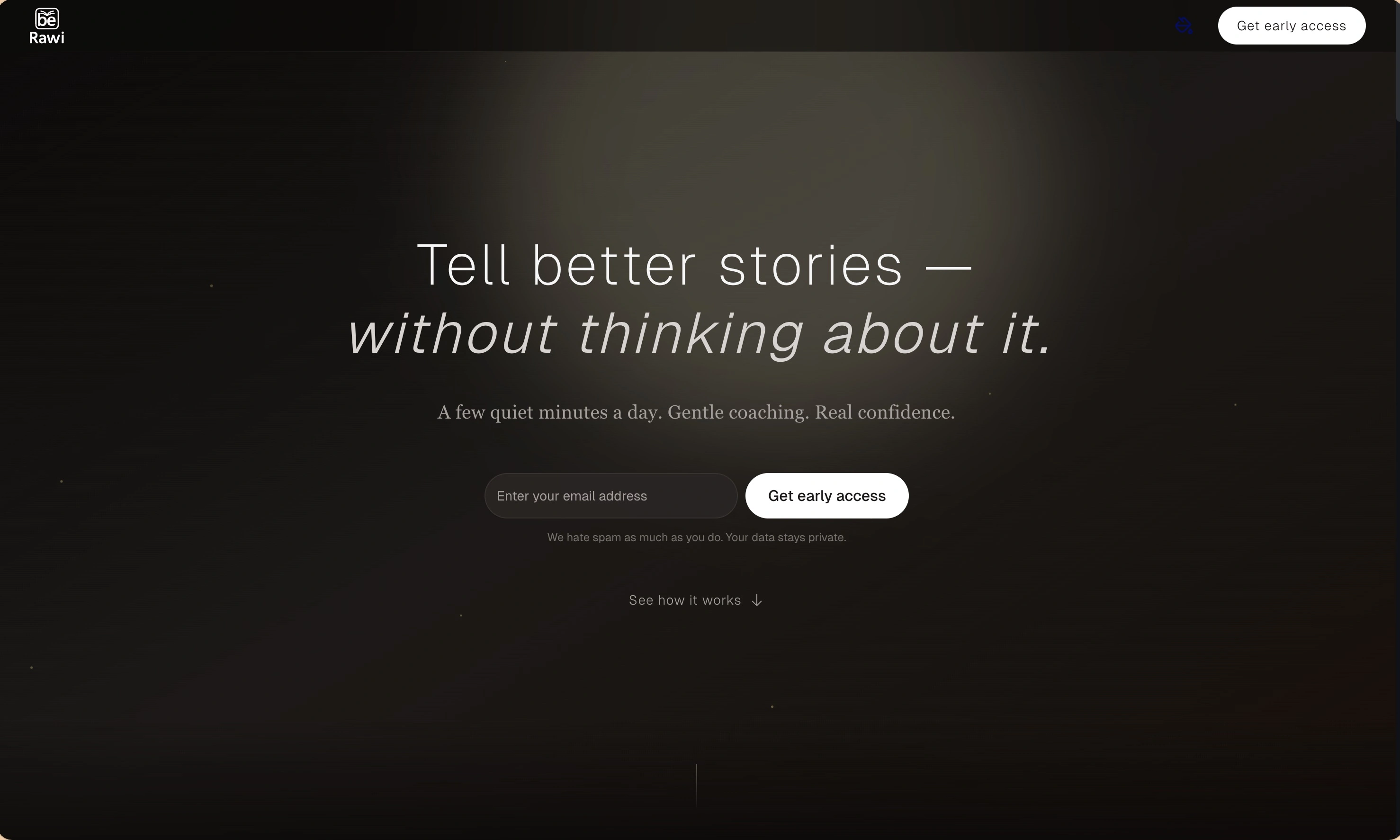
BeRawi: Storytelling Coach
Practice storytelling daily with instant feedback to sound clearer, more engaging, and confident 🎤
Omichat
Chat with 50+ AI models, including ChatGPT and Claude, in one place - switch models anytime without losing context 🤖
Claude Fast
Supercharge your Claude Code with 6x effective context window and specialized AI agents 🤖
EmojAI
AI-powered emoji picker with smart, context-aware suggestions 🤖
Solohacker
Autonomous company launcher - AI agents work 24/7, escalate what matters, and you stay in control 🤖
BeRawi: Storytelling Coach
Practice storytelling daily with instant feedback to sound clearer, more engaging, and confident 🎤
Omichat
Chat with 50+ AI models, including ChatGPT and Claude, in one place - switch models anytime without losing context 🤖
Claude Fast
Supercharge your Claude Code with 6x effective context window and specialized AI agents 🤖
EmojAI
AI-powered emoji picker with smart, context-aware suggestions 🤖
Solohacker
Autonomous company launcher - AI agents work 24/7, escalate what matters, and you stay in control 🤖
BeRawi: Storytelling Coach
Practice storytelling daily with instant feedback to sound clearer, more engaging, and confident 🎤
Omichat
Chat with 50+ AI models, including ChatGPT and Claude, in one place - switch models anytime without losing context 🤖
Claude Fast
Supercharge your Claude Code with 6x effective context window and specialized AI agents 🤖
EmojAI
AI-powered emoji picker with smart, context-aware suggestions 🤖
Solohacker
Autonomous company launcher - AI agents work 24/7, escalate what matters, and you stay in control 🤖
BeRawi: Storytelling Coach
Practice storytelling daily with instant feedback to sound clearer, more engaging, and confident 🎤

Connect with like-minded people
Join our community to get feedback, support, and grow together with 1,000+ builders on board, let's ship it!
Join usShip your startup everywhere. In minutes.
Don't burn tokens on setup and start building features on day one.