DegreeGate Assignment Copilot API
An AI API that guides students through assignments step-by-step with feedback, citations, and structure suggestions while preserving academic integrity.
what is an assignment copilot API and why it matters now
The rise of generative AI has fundamentally reshaped how students approach learning, research, and assignments. While tools like ChatGPT and other AI assistants can generate essays instantly, they’ve also triggered serious concerns around academic integrity, originality, and critical thinking.
This is exactly where an assignment copilot API like DegreeGate Assignment Copilot comes in.
Instead of replacing the student, it guides them.
Rather than generating a finished essay, it:
- Breaks assignments into structured steps
- Provides contextual feedback
- Suggests improvements and citations
- Encourages original thinking
- Helps students learn how to think, not what to submit
This distinction is crucial—and it’s the core differentiator driving demand for this type of SaaS solution.
The primary keyword here is assignment copilot API, supported by semantic variations like:
- AI academic assistant
- assignment guidance tool
- AI for academic integrity
- step-by-step learning AI
- AI feedback system for students
Search intent for this topic is a mix of:
- EdTech founders validating an idea
- Developers exploring API-based AI tools
- Universities seeking ethical AI solutions
- Product builders looking for differentiation in the AI space
This article addresses all of those angles with a deep, expert-level breakdown.
the growing market demand for ethical AI in education
AI adoption in education is exploding—but so is resistance.
key trends shaping this opportunity
- Universities are tightening policies around AI-generated content
- Tools like Turnitin are integrating AI detection features
- Educators are demanding “process over output” solutions
- Students still want AI—but in a way that doesn't get them penalized
According to reports from organizations like UNESCO and OECD (recommended for citation), there's a clear push toward responsible AI in education, not outright bans.
the gap in the market
Most AI tools fall into two categories:
- Content generators (high risk of misuse)
- Static tools (grammar checkers, plagiarism scanners)
What’s missing is a guided learning system that:
- Walks students through assignments
- Offers real-time coaching
- Ensures academic integrity
- Integrates into existing platforms via API
That’s the exact gap DegreeGate Assignment Copilot API fills.
target audience breakdown
Understanding the target audience is critical for both product design and go-to-market strategy.
primary users
1. EdTech platforms
- LMS platforms (Learning Management Systems)
- Online course providers
- Bootcamps and certification platforms
They want:
- API-first solutions
- Scalable student engagement tools
- Differentiation through AI
2. Universities and institutions
- Academic integrity compliance
- Student success tools
- Integration with internal systems
3. Developers and SaaS builders
- Building education tools
- Integrating AI responsibly
- Looking for structured APIs instead of raw LLM outputs
secondary users
- Tutors and coaching platforms
- Corporate training programs
- Study apps targeting high school and college students
user personas
The EdTech Founder
Needs an AI feature that enhances learning without risking academic misconduct.
The University Admin
Wants to adopt AI while maintaining strict integrity standards.
The Student
Needs help understanding assignments, not just completing them.
core product vision: guided intelligence, not generative shortcuts
The DegreeGate Assignment Copilot API isn’t just another AI wrapper.
It introduces a fundamentally different paradigm:
AI as a mentor, not a ghostwriter.
core principles
- Guidance over generation
- Transparency over black-box outputs
- Learning over shortcuts
- Structure over chaos
key features of an assignment copilot API
1. step-by-step assignment breakdown
Instead of generating an entire response, the API:
- Parses assignment prompts
- Breaks them into logical steps
- Guides users through each phase
Example:
- Understand the question
- Outline key arguments
- Draft sections
- Add citations
- Review and refine
2. contextual feedback engine
Students receive feedback like:
- “This argument lacks supporting evidence”
- “Consider adding a counterpoint here”
- “Your thesis could be more specific”
This mimics real instructor feedback.
3. citation assistance
The API can:
- Suggest credible sources
- Format citations (APA, MLA, Chicago)
- Encourage proper attribution
Why this matters
Citation guidance is one of the strongest differentiators from generic AI tools, which often fabricate or omit sources entirely.
4. structure suggestions
For different assignment types:
- Essays
- Research papers
- Case studies
- Reports
The system provides:
- Recommended outlines
- Section-by-section guidance
- Logical flow improvements
5. academic integrity safeguards
This is the USP.
Features include:
- No full essay generation mode
- “Hint-based” assistance instead of answers
- Plagiarism-aware suggestions
- Explainability of outputs
6. API-first architecture
Designed for developers:
- REST or GraphQL endpoints
- Modular feature calls (feedback, outline, citation, etc.)
- Easy LMS integration
product architecture and tech stack
Building an assignment copilot API requires balancing performance, scalability, and ethical constraints.
recommended stack
Frontend (for demo or dashboard)
Backend
- Node.js or Python (FastAPI recommended for AI workloads)
- REST or GraphQL API layer
AI layer
- LLM providers (OpenAI, Anthropic, or open-source models)
- Prompt orchestration layer
- Guardrails system
Database
- PostgreSQL (structured data)
- Vector database (e.g., Pinecone, Weaviate)
Infrastructure
- AWS / GCP / Vercel for deployment
- Serverless functions for scalability
example API endpoint
POST /api/assignment/feedback

{
  "prompt": "Discuss the impact of climate change on agriculture",
  "student_draft": "...",
  "level": "undergraduate",
  "citation_style": "APA"
}
Response:
{
  "feedback": [
    "Your thesis is clear but could be more specific.",
    "Consider adding data on crop yield changes.",
    "Include at least one peer-reviewed source."
  ],
  "suggested_improvements": [...],
  "citation_hints": [...]
}
competitive analysis
Let’s position this against existing solutions.
| Feature | ChatGPT | Grammarly | Turnitin | Assignment Copilot API | Quillbot |
|---|---|---|---|---|---|
| Guided learning | ❌ | ❌ | ❌ | ✅ | ❌ |
| Academic integrity focus | ❌ | ✅ | ✅ | ✅ | ❌ |
unique selling proposition (USP)
The strongest differentiator is:
“AI that helps you learn, not cheat.”
More specifically:
- Step-by-step guidance instead of full answers
- Built-in integrity constraints
- API-first for platform integration
- Feedback-driven learning loop
This positions the product as:
- Institution-friendly
- Developer-friendly
- Ethically aligned
monetization strategies
1. API usage pricing
- Pay-per-request model
- Tiered pricing based on volume
2. SaaS subscriptions
For platforms:
- Starter (small LMS)
- Growth (mid-size EdTech)
- Enterprise (universities)
3. enterprise licensing
- Custom deployments
- SLA guarantees
- Dedicated support
4. white-label solutions
Allow platforms to:
- Brand the copilot as their own
- Integrate deeply into UX
potential risks and mitigation strategies
risk 1: misuse as a workaround for cheating
Even with guardrails, users may try to exploit the system.
mitigation:
- Limit output verbosity
- Focus on hints instead of answers
- Track usage patterns
risk 2: hallucinated citations
AI models can fabricate sources.
mitigation:
- Use retrieval-based systems
- Integrate academic databases
- Validate sources before suggesting
risk 3: institutional resistance
Some schools may still reject AI tools.
mitigation:
- Provide transparency reports
- Offer instructor dashboards
- Align with policy frameworks
risk 4: dependency on LLM providers
Vendor lock-in is a real concern.
mitigation:
- Abstract AI layer
- Support multiple providers
- Explore open-source models
go-to-market strategy
phase 1: developer adoption
- Launch API with documentation
- Target indie hackers and EdTech builders
- Offer free tier
phase 2: EdTech partnerships
- Integrate into LMS platforms
- Offer co-marketing opportunities
phase 3: institutional sales
- Target universities
- Provide pilot programs
- Showcase compliance benefits
implementation roadmap
building faster with modern SaaS tooling
Instead of building everything from scratch, using a starter kit can significantly accelerate development.
One strong option is TurboStarter, which provides:
- Prebuilt SaaS architecture
- Authentication and billing
- API scaffolding
- Modern frontend stack
This lets you focus on:
- AI logic
- Differentiation
- User experience
Rather than reinventing infrastructure.
future opportunities and expansion
1. adaptive learning systems
- Personalized feedback based on student history
- Skill-level adjustments
2. instructor dashboards
- View student progress
- Identify weak areas
- Provide targeted support
3. multilingual academic support
- Expand globally
- Support non-English students
4. integration with research databases
- JSTOR, PubMed, Google Scholar (via compliant methods)
- Verified citation pipelines
5. real-time writing assistants
- Google Docs plugin
- Notion integration
- Browser extensions
frequently asked questions
No. The assignment copilot API focuses on guidance and feedback rather than generating full assignments, making it fundamentally different from typical AI writing tools.
No. It complements educators by scaling feedback and helping students improve independently.
Through controlled outputs, structured guidance, and by avoiding full-content generation.
final thoughts: why this idea has real staying power
The AI-in-education space is crowded—but also immature.
Most tools optimize for convenience.
Very few optimize for learning outcomes and integrity.
That’s why the DegreeGate Assignment Copilot API stands out:
- It aligns with institutional needs
- It addresses real concerns around misuse
- It offers a scalable, API-first solution
- It redefines how AI supports education
This isn’t just a feature—it’s a new category.
If executed well, it has the potential to become foundational infrastructure for the next generation of EdTech platforms.
what to do next
If you're serious about building this:
- Start with a narrow, high-quality MVP
- Focus heavily on guardrails and UX
- Partner early with educators
- Iterate based on real student behavior
And most importantly:
Build something that teaches, not just something that writes.
More 🤖 AI Startup SaaS ideas
Discover more innovative ai startup SaaS ideas that are trending in 2026. Each idea is AI-generated with market validation and growth potential to help you find your next profitable venture faster than competitors.
Your competitors are building with TurboStarter
Below are some of the SaaS ideas that have been generated and built with our starter kit.
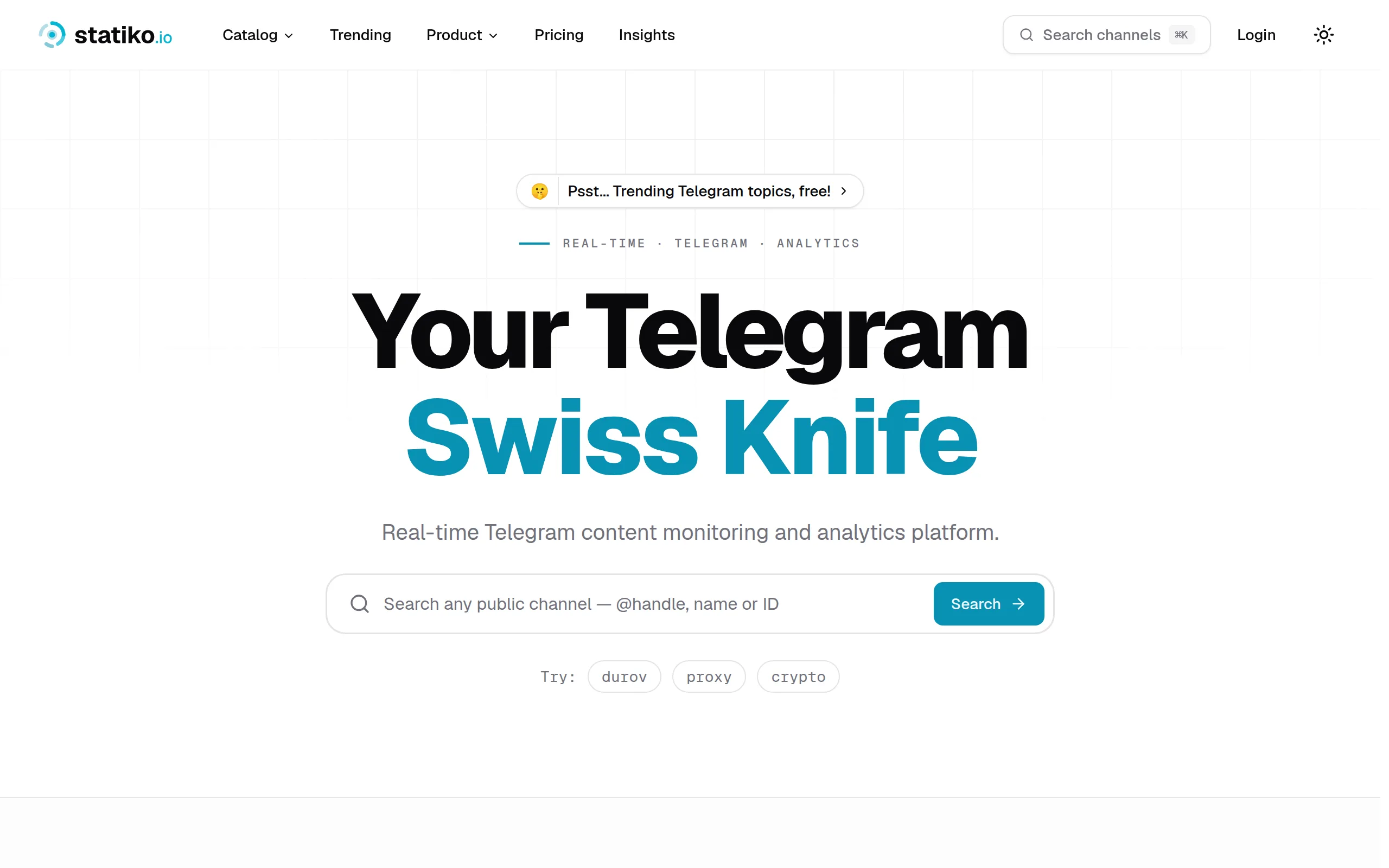
Statiko
Monitor any Telegram channel in real time - track posts, edits, deletions, and growth with AI recaps 📡

Shibui
AI website builder - describe your business, pick a niche template, edit by chatting, and publish instantly ✨

Pro Service
Find verified home service professionals, compare quotes, and pay securely through escrow - built for Brazilians across the US 🏠
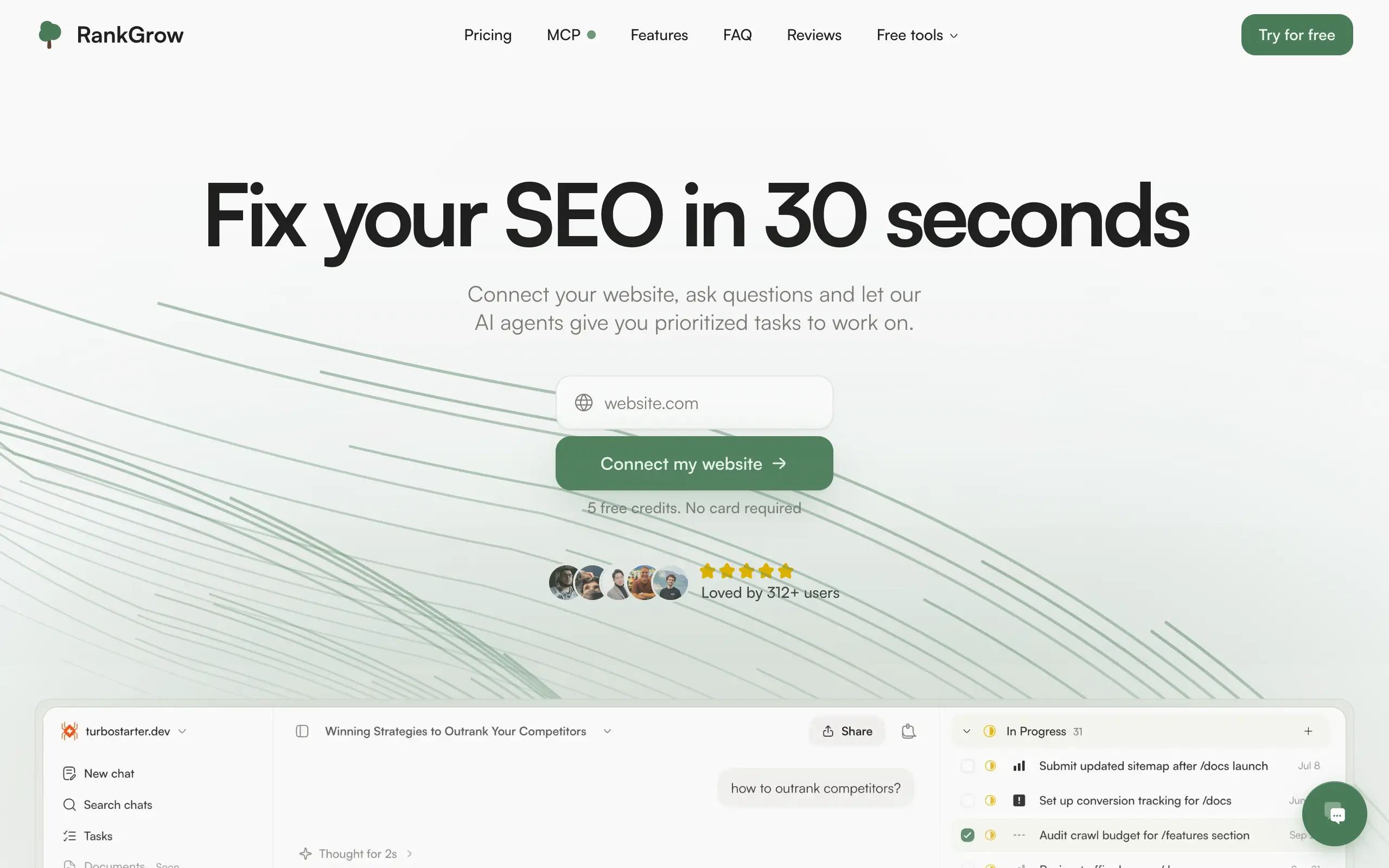
RankGrow
Fix your SEO with AI agents - connect Search Console, get prioritized tasks, and grow organic traffic 📈
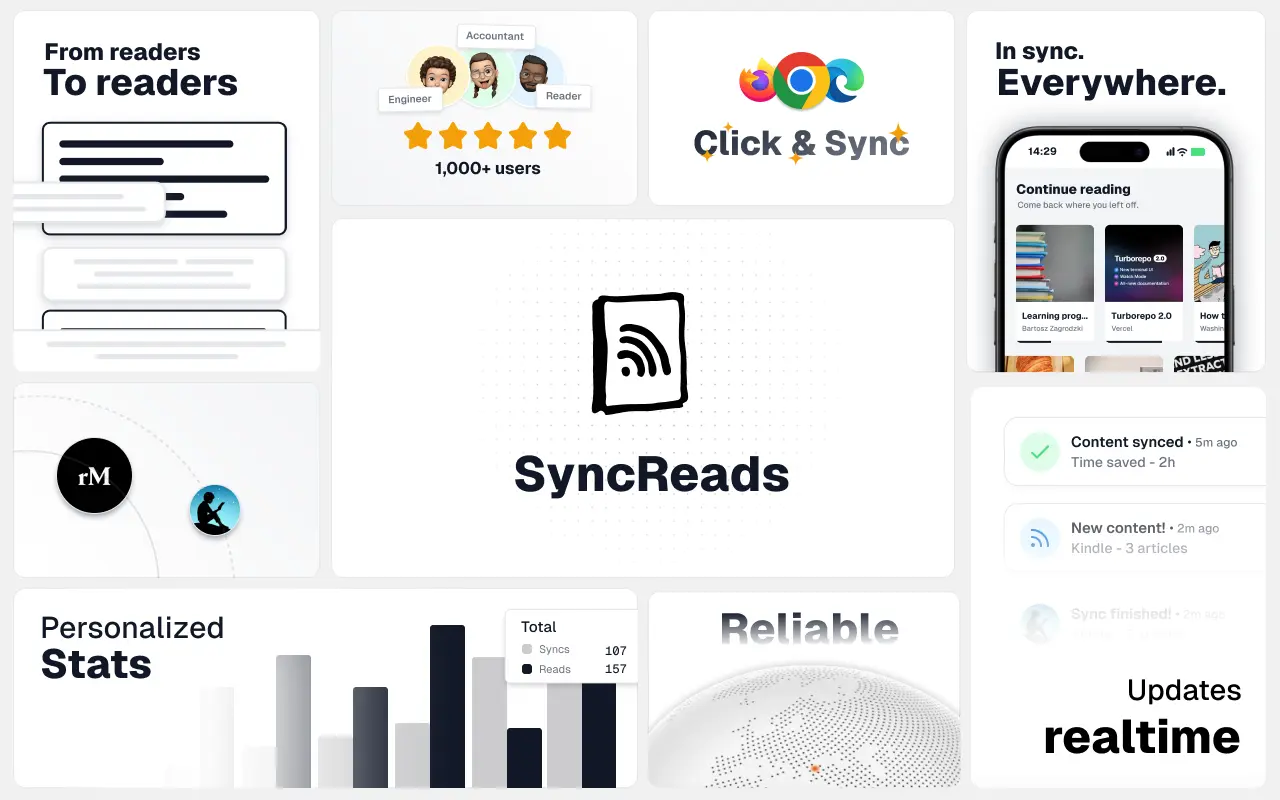
SyncReads
Sync your favorite content for distraction-free reading, save time and replace multiple apps. Anytime, anywhere 🔄
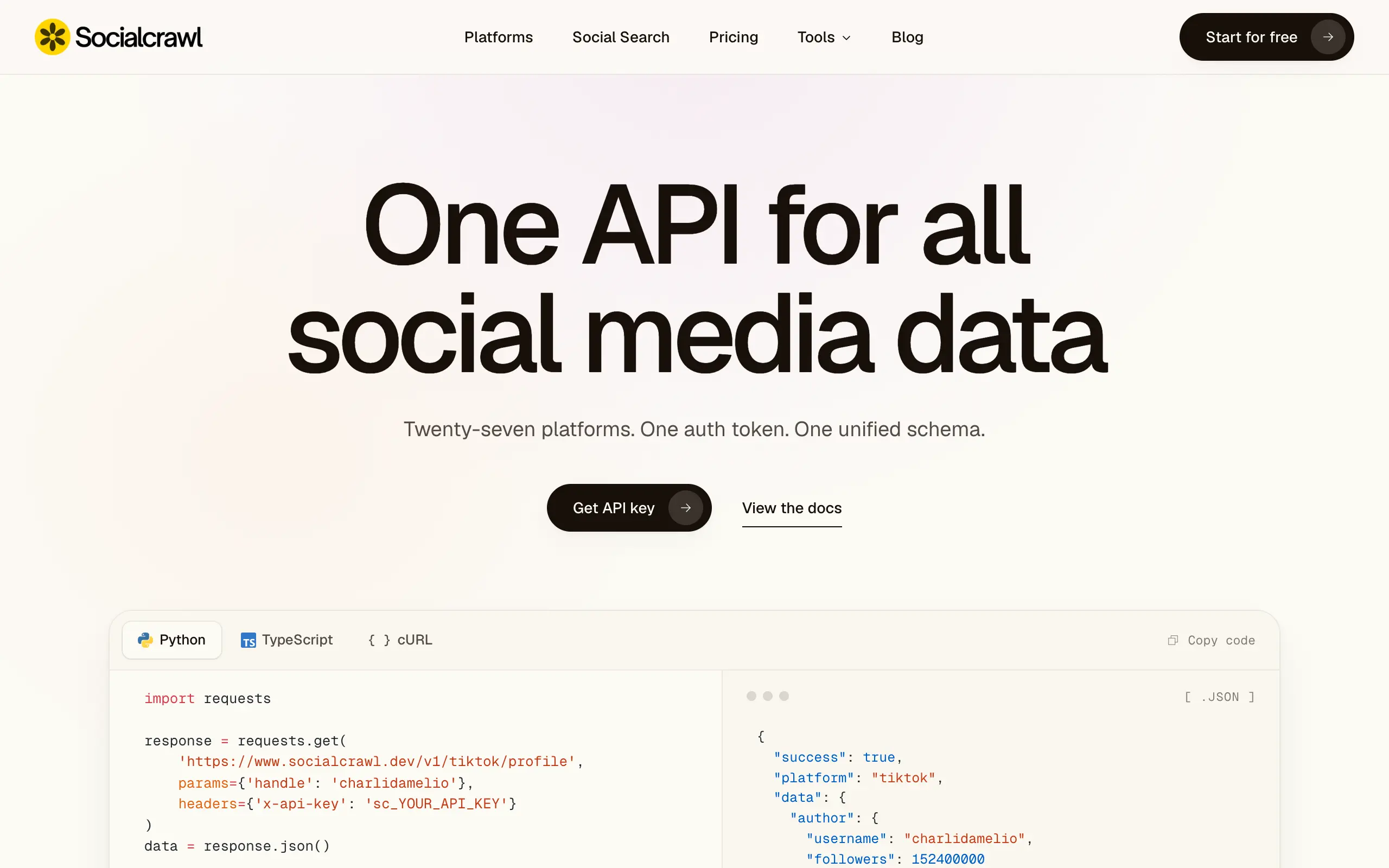
Socialcrawl
Get clean, structured data from 21 platforms like TikTok, Instagram, and YouTube with a single request 📊
Statiko
Monitor any Telegram channel in real time - track posts, edits, deletions, and growth with AI recaps 📡
Shibui
AI website builder - describe your business, pick a niche template, edit by chatting, and publish instantly ✨
Pro Service
Find verified home service professionals, compare quotes, and pay securely through escrow - built for Brazilians across the US 🏠
RankGrow
Fix your SEO with AI agents - connect Search Console, get prioritized tasks, and grow organic traffic 📈
SyncReads
Sync your favorite content for distraction-free reading, save time and replace multiple apps. Anytime, anywhere 🔄
Socialcrawl
Get clean, structured data from 21 platforms like TikTok, Instagram, and YouTube with a single request 📊
Statiko
Monitor any Telegram channel in real time - track posts, edits, deletions, and growth with AI recaps 📡
Shibui
AI website builder - describe your business, pick a niche template, edit by chatting, and publish instantly ✨
Pro Service
Find verified home service professionals, compare quotes, and pay securely through escrow - built for Brazilians across the US 🏠
RankGrow
Fix your SEO with AI agents - connect Search Console, get prioritized tasks, and grow organic traffic 📈
SyncReads
Sync your favorite content for distraction-free reading, save time and replace multiple apps. Anytime, anywhere 🔄
Socialcrawl
Get clean, structured data from 21 platforms like TikTok, Instagram, and YouTube with a single request 📊
Statiko
Monitor any Telegram channel in real time - track posts, edits, deletions, and growth with AI recaps 📡
Shibui
AI website builder - describe your business, pick a niche template, edit by chatting, and publish instantly ✨
Pro Service
Find verified home service professionals, compare quotes, and pay securely through escrow - built for Brazilians across the US 🏠
RankGrow
Fix your SEO with AI agents - connect Search Console, get prioritized tasks, and grow organic traffic 📈
SyncReads
Sync your favorite content for distraction-free reading, save time and replace multiple apps. Anytime, anywhere 🔄
Socialcrawl
Get clean, structured data from 21 platforms like TikTok, Instagram, and YouTube with a single request 📊
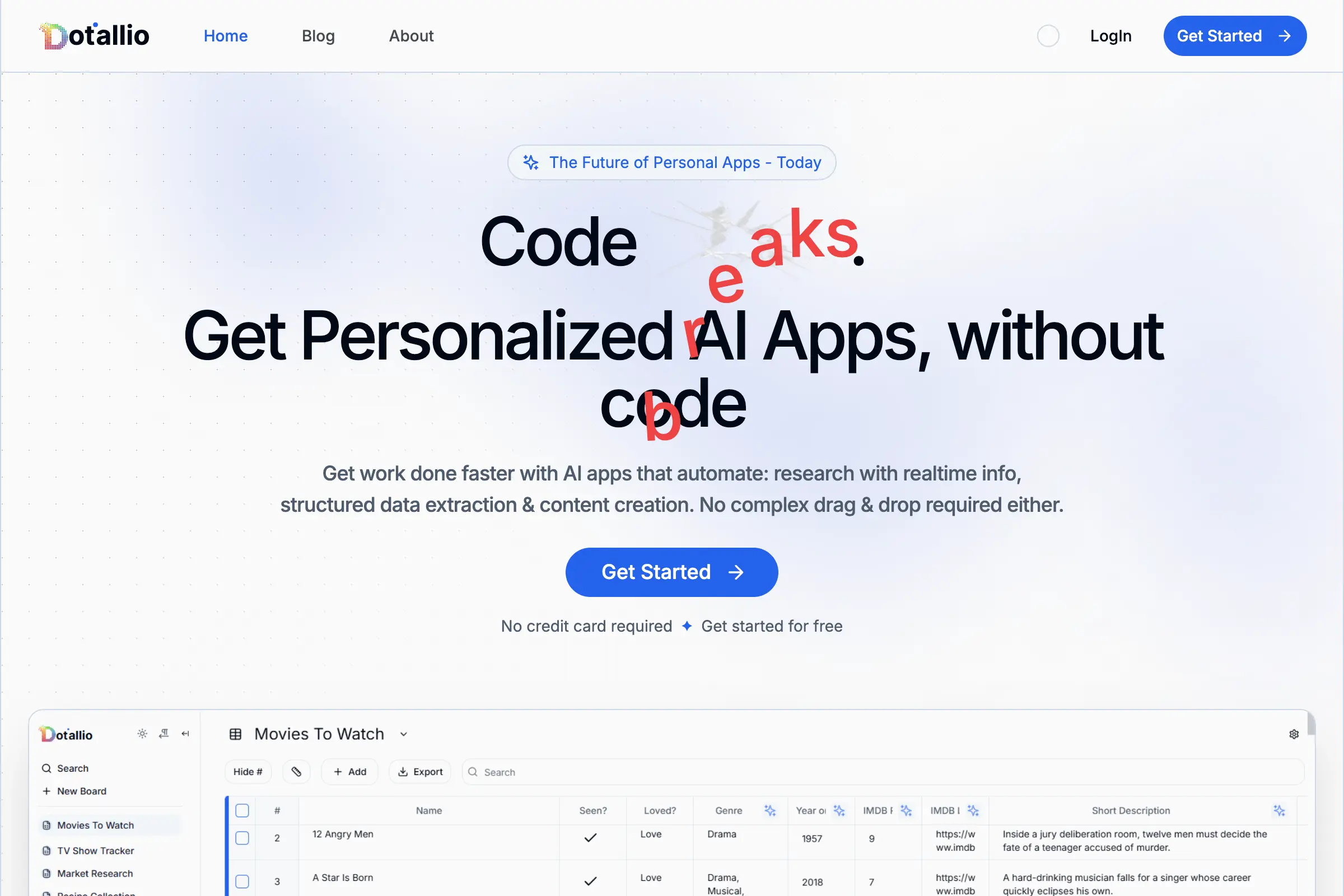
Dotallio
Personalized AI apps that automate research, data extraction, and content creation without code 🤖
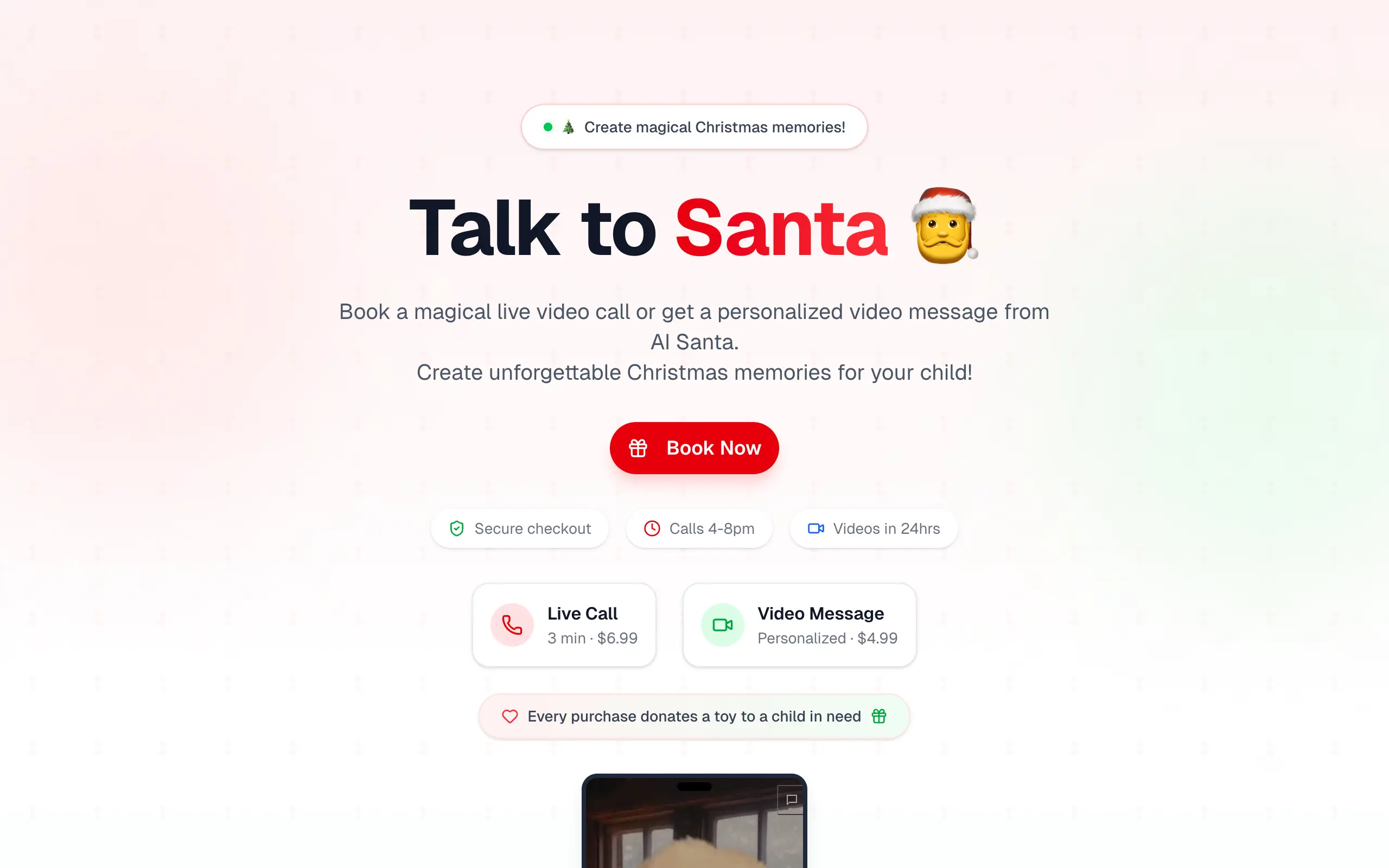
Talk to Santa
Enjoy a magical live video chat or receive a unique AI-generated video greeting from Santa Claus 🎅
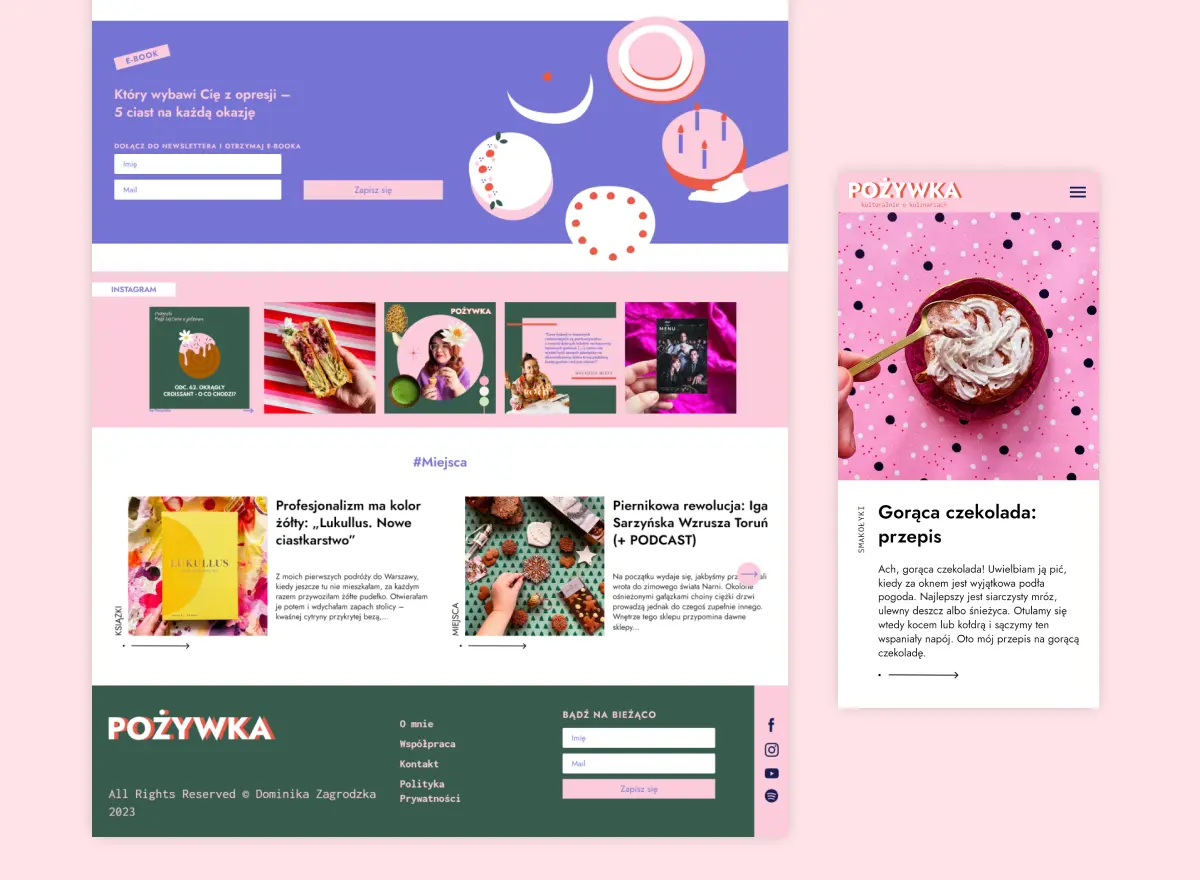
pozywka.pl
Scalable blog for food journalist, focused on performance and user experience 🌭
zagrodzki.me
Personal blog and portfolio of Bart Zagrodzki, where he shares his knowledge and work 💼
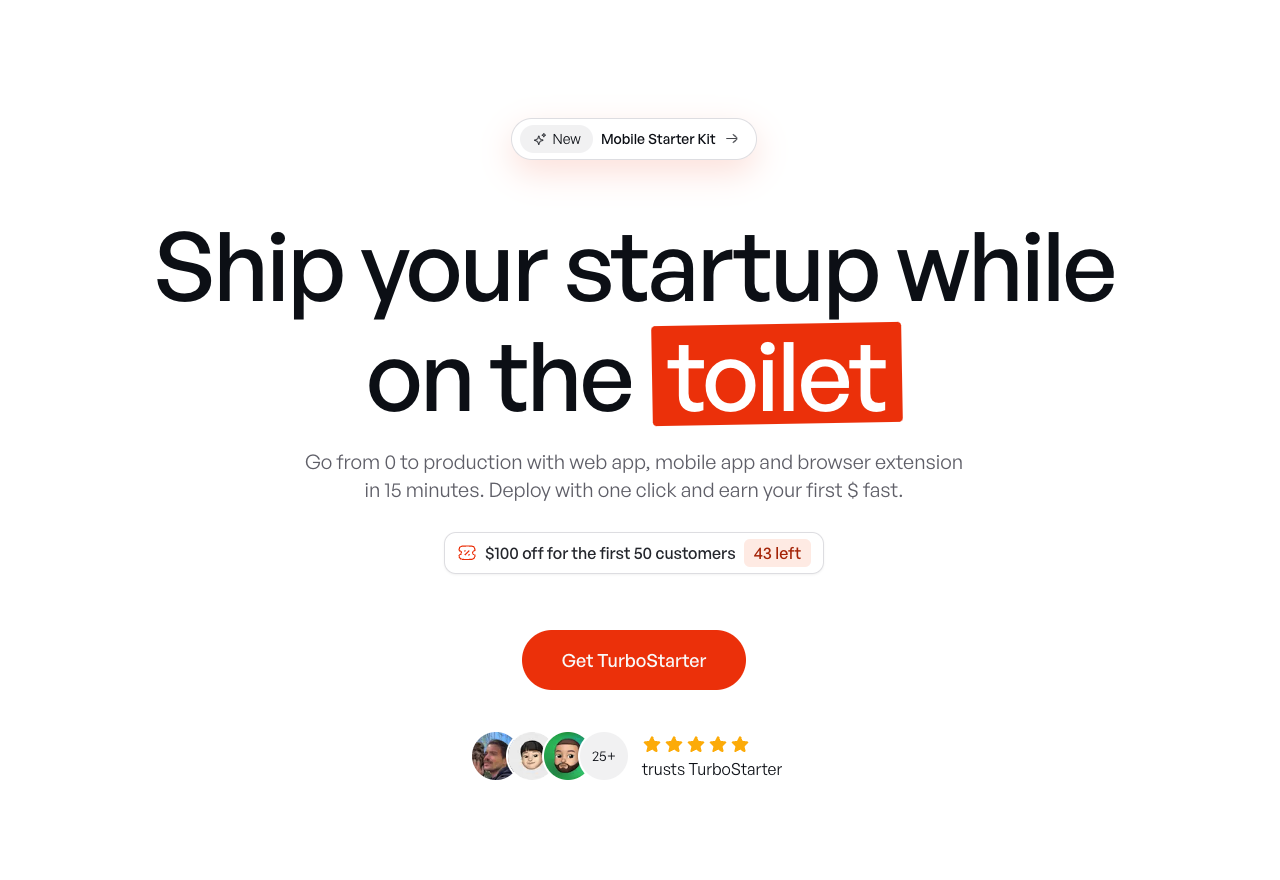
TurboStarter
Ship your startup everywhere. In minutes.
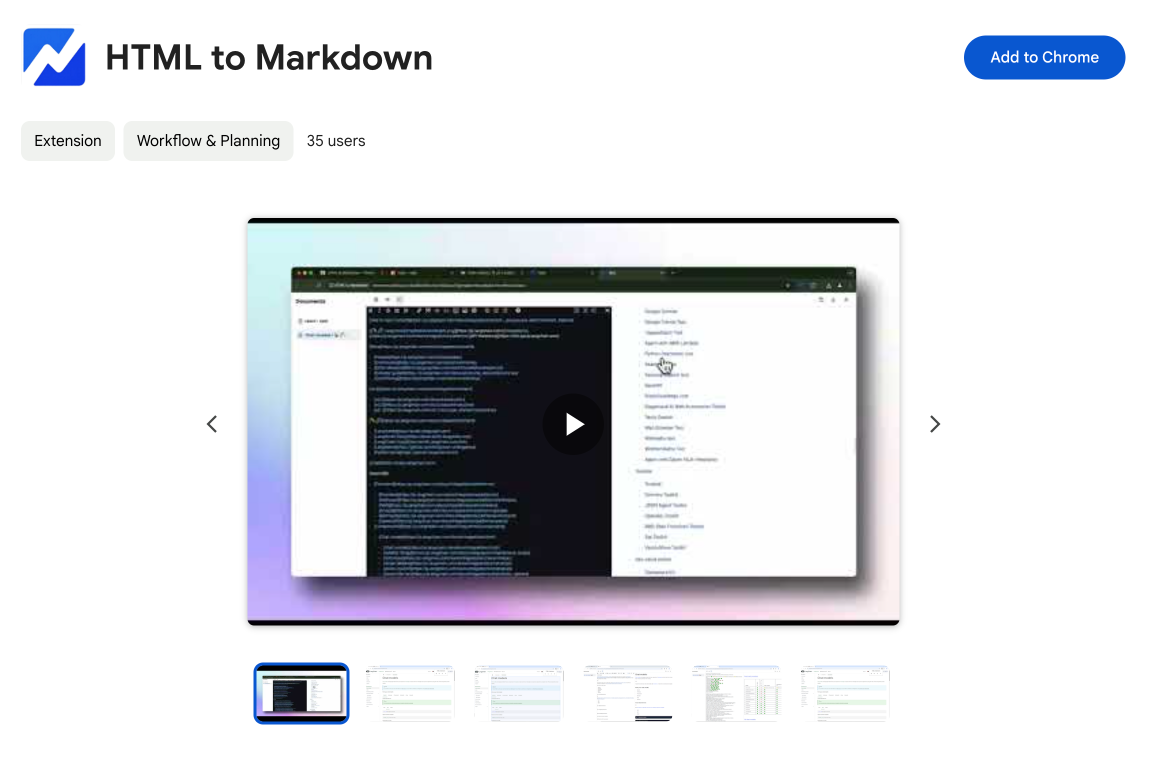
HTML to Markdown
Convert HTML to Markdown with ease, directly in your browser 📄
Dotallio
Personalized AI apps that automate research, data extraction, and content creation without code 🤖
Talk to Santa
Enjoy a magical live video chat or receive a unique AI-generated video greeting from Santa Claus 🎅
pozywka.pl
Scalable blog for food journalist, focused on performance and user experience 🌭
zagrodzki.me
Personal blog and portfolio of Bart Zagrodzki, where he shares his knowledge and work 💼
TurboStarter
Ship your startup everywhere. In minutes.
HTML to Markdown
Convert HTML to Markdown with ease, directly in your browser 📄
Dotallio
Personalized AI apps that automate research, data extraction, and content creation without code 🤖
Talk to Santa
Enjoy a magical live video chat or receive a unique AI-generated video greeting from Santa Claus 🎅
pozywka.pl
Scalable blog for food journalist, focused on performance and user experience 🌭
zagrodzki.me
Personal blog and portfolio of Bart Zagrodzki, where he shares his knowledge and work 💼
TurboStarter
Ship your startup everywhere. In minutes.
HTML to Markdown
Convert HTML to Markdown with ease, directly in your browser 📄
Dotallio
Personalized AI apps that automate research, data extraction, and content creation without code 🤖
Talk to Santa
Enjoy a magical live video chat or receive a unique AI-generated video greeting from Santa Claus 🎅
pozywka.pl
Scalable blog for food journalist, focused on performance and user experience 🌭
zagrodzki.me
Personal blog and portfolio of Bart Zagrodzki, where he shares his knowledge and work 💼
TurboStarter
Ship your startup everywhere. In minutes.
HTML to Markdown
Convert HTML to Markdown with ease, directly in your browser 📄
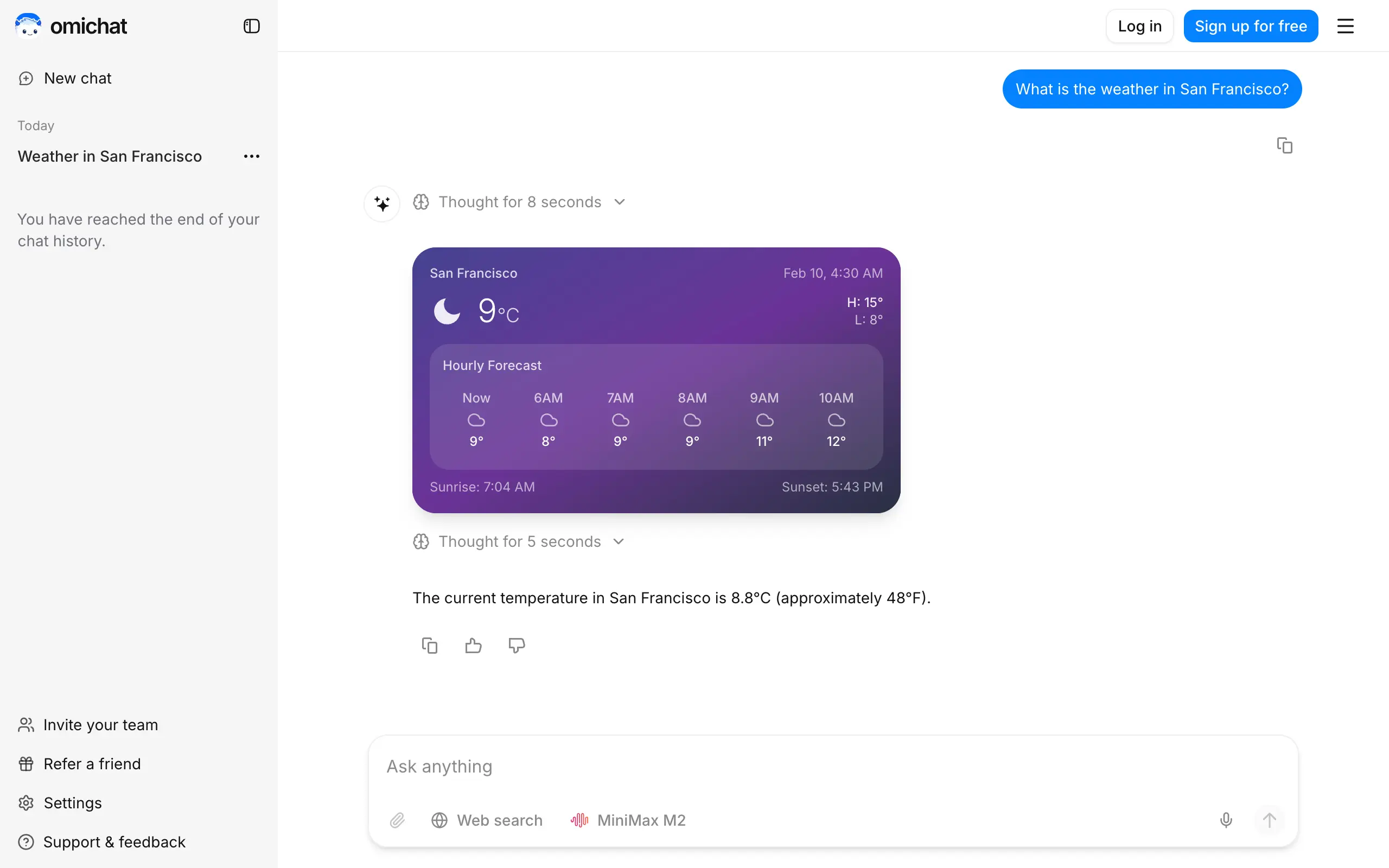
Omichat
Chat with 50+ AI models, including ChatGPT and Claude, in one place - switch models anytime without losing context 🤖
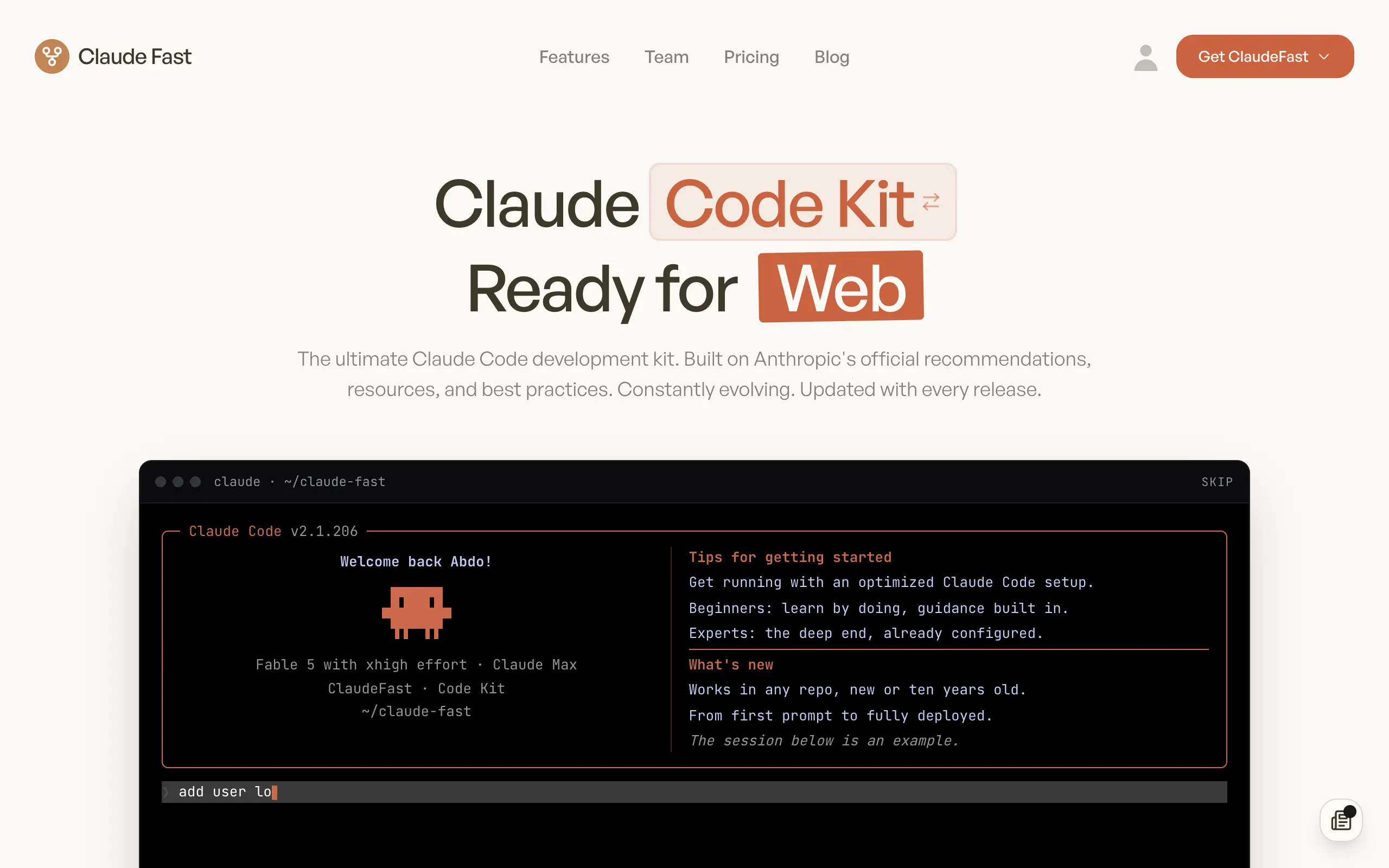
Claude Fast
Supercharge your Claude Code with 6x effective context window and specialized AI agents 🤖
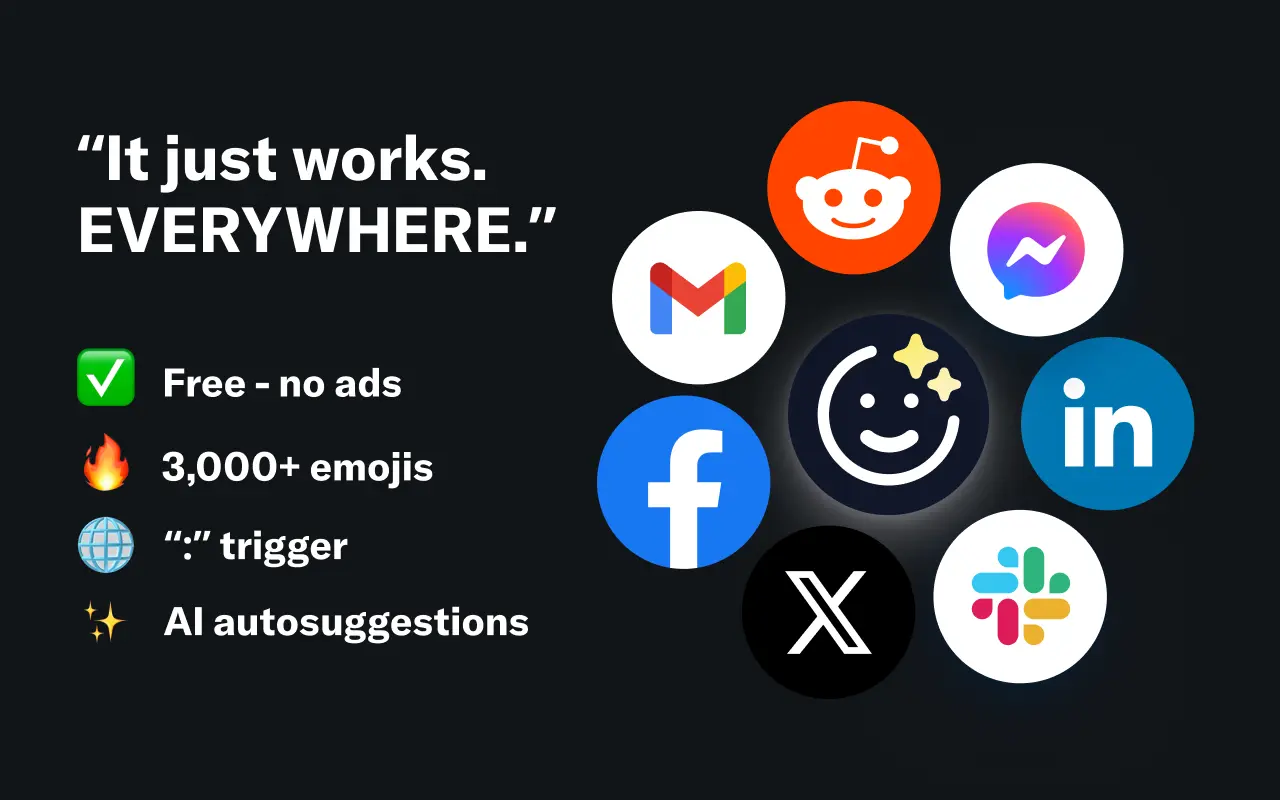
EmojAI
AI-powered emoji picker with smart, context-aware suggestions 🤖
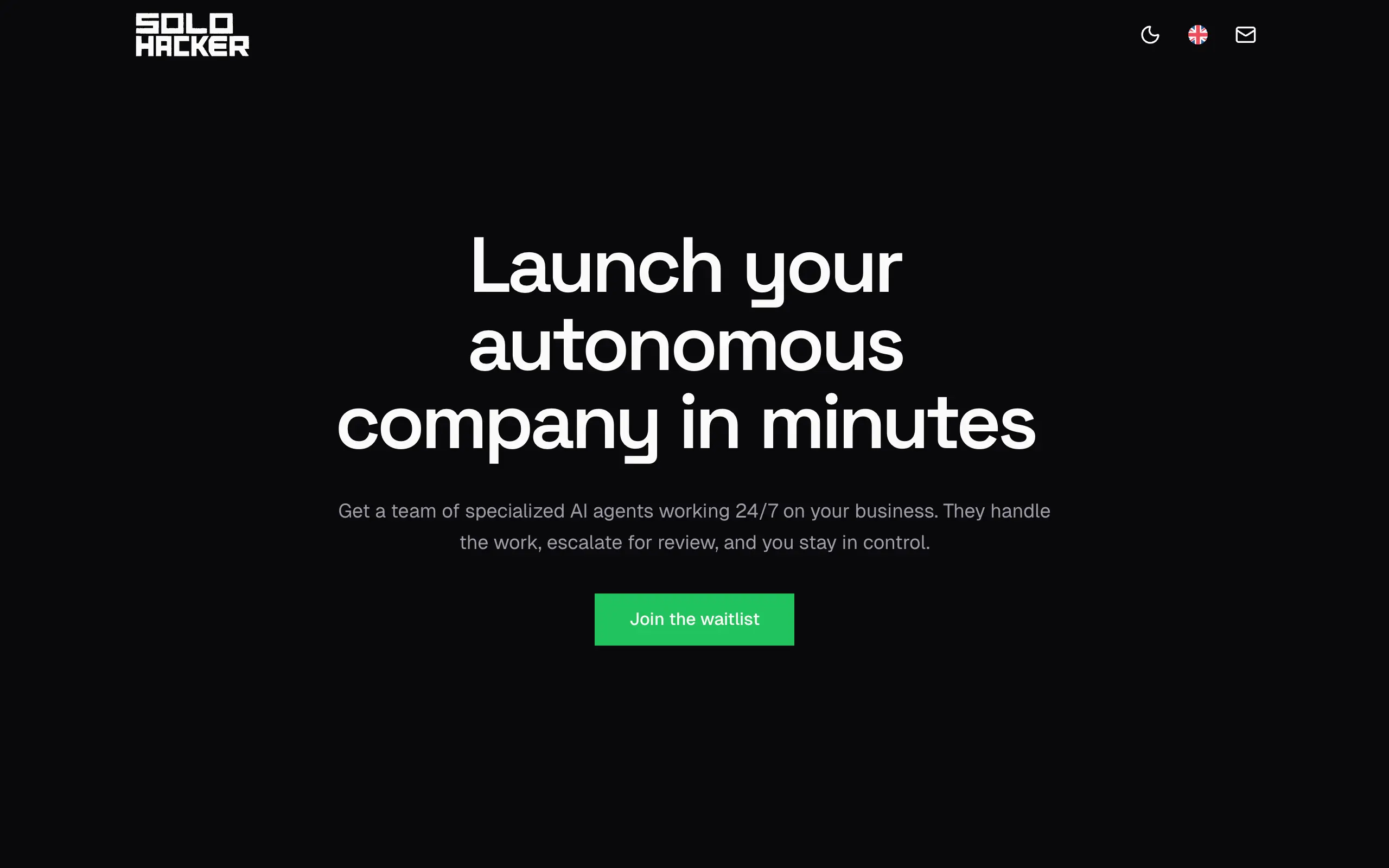
Solohacker
Autonomous company launcher - AI agents work 24/7, escalate what matters, and you stay in control 🤖
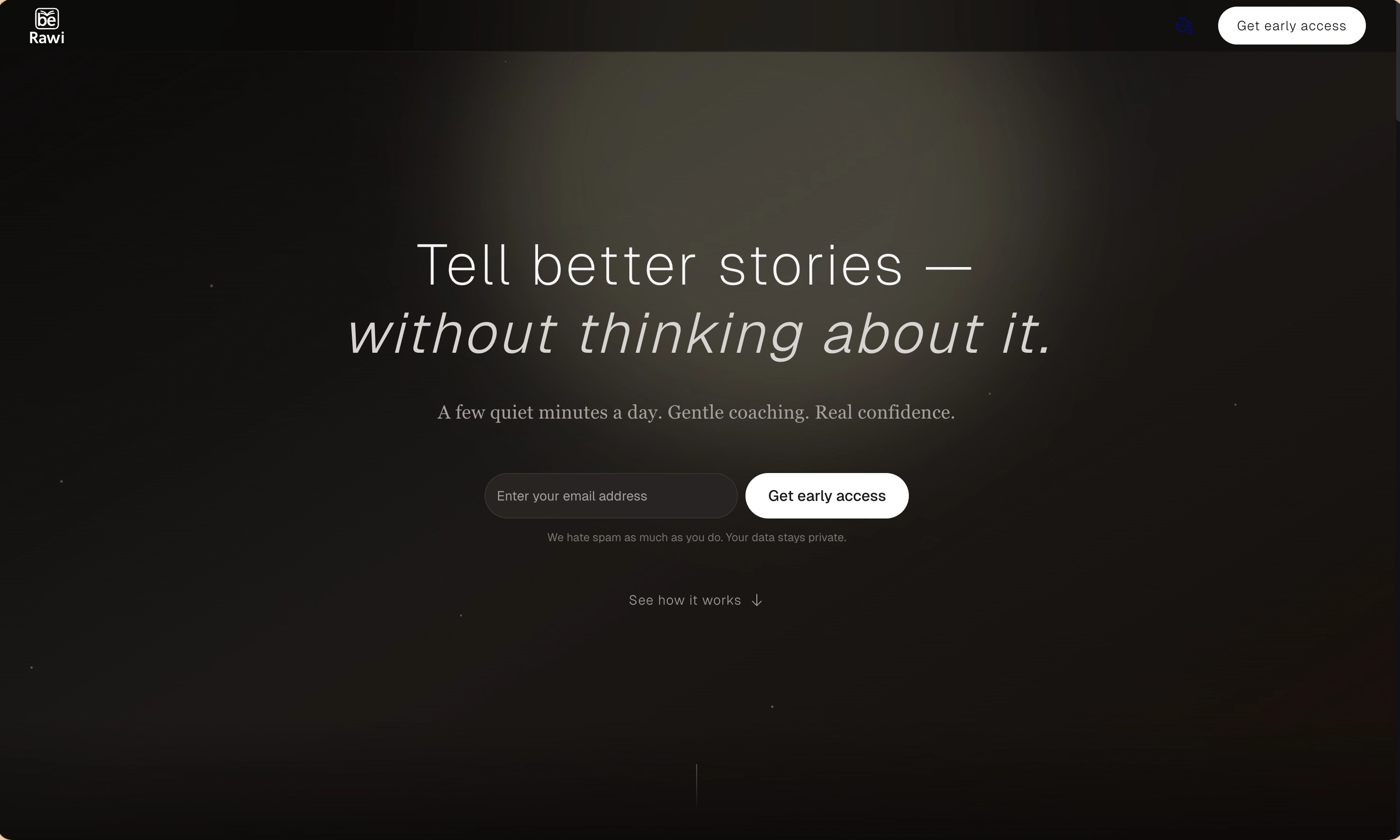
BeRawi: Storytelling Coach
Practice storytelling daily with instant feedback to sound clearer, more engaging, and confident 🎤
Omichat
Chat with 50+ AI models, including ChatGPT and Claude, in one place - switch models anytime without losing context 🤖
Claude Fast
Supercharge your Claude Code with 6x effective context window and specialized AI agents 🤖
EmojAI
AI-powered emoji picker with smart, context-aware suggestions 🤖
Solohacker
Autonomous company launcher - AI agents work 24/7, escalate what matters, and you stay in control 🤖
BeRawi: Storytelling Coach
Practice storytelling daily with instant feedback to sound clearer, more engaging, and confident 🎤
Omichat
Chat with 50+ AI models, including ChatGPT and Claude, in one place - switch models anytime without losing context 🤖
Claude Fast
Supercharge your Claude Code with 6x effective context window and specialized AI agents 🤖
EmojAI
AI-powered emoji picker with smart, context-aware suggestions 🤖
Solohacker
Autonomous company launcher - AI agents work 24/7, escalate what matters, and you stay in control 🤖
BeRawi: Storytelling Coach
Practice storytelling daily with instant feedback to sound clearer, more engaging, and confident 🎤
Omichat
Chat with 50+ AI models, including ChatGPT and Claude, in one place - switch models anytime without losing context 🤖
Claude Fast
Supercharge your Claude Code with 6x effective context window and specialized AI agents 🤖
EmojAI
AI-powered emoji picker with smart, context-aware suggestions 🤖
Solohacker
Autonomous company launcher - AI agents work 24/7, escalate what matters, and you stay in control 🤖
BeRawi: Storytelling Coach
Practice storytelling daily with instant feedback to sound clearer, more engaging, and confident 🎤

Connect with like-minded people
Join our community to get feedback, support, and grow together with 1,000+ builders on board, let's ship it!
Join usShip your startup everywhere. In minutes.
Don't burn tokens on setup and start building features on day one.