DegreeGate Deadline Guardian
Smart AI planner that tracks assignments, predicts workload spikes, and auto-generates study schedules to help students avoid missed deadlines.
the rise of AI-powered deadline management for students
The modern student is overwhelmed. Between assignments, quizzes, group projects, exams, extracurriculars, and part-time jobs, managing academic responsibilities has become a full-time job in itself. Traditional tools like calendars and to-do lists help—but they don’t think. They don’t anticipate workload spikes, adjust priorities dynamically, or warn students before they fall behind.
This gap creates a powerful opportunity for an intelligent system like an AI deadline planner for students—specifically, a solution like DegreeGate Deadline Guardian. It goes beyond static planning and becomes an adaptive academic assistant.
In this article, we’ll break down the full business, product, and technical strategy behind building a platform like this—from market demand and features to monetization and implementation.
understanding the target audience
To build a successful AI student planner, you need a deep understanding of who actually needs it—and why.
primary audience segments
1. undergraduate students
- Struggle with time management due to newfound independence
- Often juggle multiple deadlines across different courses
- High demand for simple, automated planning tools
2. graduate students
- Deal with complex, long-term research projects
- Require predictive scheduling and workload forecasting
- Value deeper insights over simplicity
3. online learners
- Use platforms like Coursera, edX, and university LMS systems
- Often lack structured schedules
- Need self-discipline tools with automation
4. working students
- Balance academics with part-time or full-time jobs
- Require flexible and adaptive scheduling
behavioral insights
Students don’t just need reminders—they need:
- Prioritization guidance
- Workload prediction
- Motivation triggers
- Automatic schedule adjustments
Key insight
Students rarely fail because they forget deadlines—they fail because they underestimate time requirements and don’t adapt to changing workloads.
market opportunity and gap analysis
The productivity and EdTech market is saturated—but still fragmented.
existing tools and limitations
| Feature | Google Calendar | Notion | Trello | DegreeGate |
|---|---|---|---|---|
| Manual task entry | ✅ | ✅ | ✅ | ✅ |
| AI scheduling | ❌ | ❌ | ❌ | ✅ |
| Workload prediction | ❌ | ❌ | ❌ | ✅ |
| Academic-focused UX | ❌ | ⚠️ | ❌ | ✅ |
gap in the market
There is currently no dominant platform that:
- Predicts academic workload spikes
- Automatically generates adaptive study schedules
- Integrates deeply with student workflows
market validation signals
- Growth in AI productivity tools (Notion AI, Motion, Reclaim.ai)
- Increasing student stress levels (cite WHO or APA reports for credibility)
- Expansion of remote and hybrid learning environments
core product vision: AI deadline guardian
DegreeGate Deadline Guardian isn’t just a planner—it’s a predictive academic intelligence system.
core value proposition
“Never miss a deadline again—because your schedule adapts before you fall behind.”
key features and functionality
1. intelligent deadline tracking
- Sync with LMS platforms (Canvas, Blackboard, Moodle)
- Extract deadlines automatically
- Normalize data into a unified timeline
2. AI-generated study schedules
- Break assignments into manageable tasks
- Allocate time based on:
- Difficulty level
- Estimated duration
- Student availability
3. workload spike prediction
- Analyze upcoming deadlines across all courses
- Identify “danger zones” (e.g., multiple deadlines within 48 hours)
- Suggest proactive adjustments
4. adaptive rescheduling
If a student:
- Misses a session
- Falls behind
- Adds new tasks
The system automatically:
- Recalculates priorities
- Updates the schedule in real-time
5. behavioral insights dashboard
- Track productivity patterns
- Identify procrastination trends
- Provide actionable recommendations
6. smart reminders and nudges
- Context-aware notifications
- “You’re at risk of falling behind” alerts
- Motivation nudges based on behavior
Predictive intelligence
Anticipates workload before it becomes overwhelming.
Automation-first UX
Minimizes manual planning effort for students.
Academic-specific design
Built specifically for student workflows, not generic productivity.
how the AI works under the hood
data inputs
- Assignment deadlines
- Course difficulty levels
- Historical completion times
- Student availability
AI models used
- Time estimation models (regression-based or fine-tuned LLMs)
- Scheduling optimization algorithms (constraint satisfaction)
- Behavior prediction models (pattern recognition)
simplified scheduling logic
function generateSchedule(tasks, availability) {
  return tasks
    .sort((a, b) => a.deadline - b.deadline)
    .map(task => allocateTimeSlot(task, availability));
}
In production, this becomes far more complex with:
- Weighted priorities
- Dynamic constraints
- Real-time adjustments
recommended tech stack
Choosing the right stack is critical for scalability and speed.
frontend
- React – component-based UI
- TailwindCSS – fast styling
- Zustand or Redux – state management
backend
- Node.js (Express or NestJS)
- Python microservices for AI models
AI layer
- OpenAI APIs or fine-tuned LLMs
- Time-series forecasting models
database
- PostgreSQL – structured data
- Redis – caching and real-time updates
integrations
- LMS APIs (Canvas, Moodle)
- Google Calendar API
deployment
- Vercel (frontend)
- AWS or GCP (backend + AI workloads)
Trade-off consideration
Using heavy AI models increases accuracy but also latency and cost. A hybrid approach (rules + AI) often delivers better performance early on.
monetization strategy
freemium model (recommended)
Free tier
- Basic scheduling
- Limited AI predictions
Pro tier ($5–$15/month)
- Advanced workload forecasting
- Unlimited schedule adjustments
- Deep analytics
additional revenue streams
- University partnerships (B2B)
- Affiliate integrations (study tools, tutoring services)
- Premium coaching insights
pricing psychology
Students are price-sensitive, so:
- Offer student discounts
- Provide annual plans with savings
- Use urgency-based upgrades during exam periods
competitive advantage and differentiation
DegreeGate’s edge comes from specialization + intelligence.
key differentiators
- Academic-first design (not generic productivity)
- Predictive scheduling (not reactive)
- Automated workload balancing
defensibility
- Data network effects (more users = better predictions)
- Behavioral insights engine
- LMS integrations (high switching cost)
potential risks and mitigation strategies
risk 1: inaccurate AI predictions
Mitigation:
- Allow manual overrides
- Continuously retrain models
- Use feedback loops
risk 2: integration limitations
Mitigation:
- Start with manual input fallback
- Prioritize most-used LMS platforms
risk 3: user churn
Students may abandon the tool if:
- Setup is too complex
- Value isn’t immediate
Mitigation:
- Instant onboarding value
- Pre-built templates
- Guided setup
go-to-market strategy
phase 1: niche domination
- Target a single university or region
- Build campus ambassadors
- Leverage student communities
phase 2: viral loops
- Shareable schedules
- “Stress score” comparisons
- Referral incentives
phase 3: institutional expansion
- Partner with universities
- Offer white-label solutions
implementation roadmap
building the MVP efficiently
Speed matters. You don’t need a perfect AI system on day one.
MVP feature set
- Task input (manual)
- Deadline tracking
- Basic schedule generator
- Simple reminders
what to skip initially
- Advanced AI predictions
- Full LMS integrations
- Deep analytics dashboards
Your first version should solve one problem extremely well: helping students plan their time without overwhelm.
future expansion opportunities
AI tutoring integration
- Suggest study resources
- Provide explanations for topics
mental health insights
- Detect burnout patterns
- Recommend breaks
cross-platform ecosystem
- Mobile apps
- Browser extensions
- Wearable integrations
why this idea stands out
The combination of:
- AI-driven scheduling
- Academic-specific focus
- Predictive workload management
…creates a product that isn’t just helpful—it’s transformational.
Most tools help students track tasks.
DegreeGate helps them survive and succeed academically.
actionable next steps
If you’re serious about building an AI deadline planner for students, here’s how to start:
- Interview at least 20 students about their workflow
- Identify the most painful scheduling problem
- Build a simple prototype (no AI needed yet)
- Test with real users
- Gradually layer in AI capabilities
launch faster with the right foundation
Building a SaaS product like DegreeGate from scratch can be time-consuming. Using a pre-built foundation can dramatically accelerate development.
That’s where tools like TurboStarter come in—helping you skip boilerplate and focus on building your core differentiator: the AI engine.
final thoughts
The demand for smarter academic tools is only growing. Students don’t need more reminders—they need systems that think ahead for them.
An AI-powered deadline planner like DegreeGate Deadline Guardian sits at the intersection of:
- EdTech
- Productivity
- Artificial intelligence
That intersection is where the biggest opportunities are emerging right now.
If executed well, this isn’t just a SaaS product—it’s a category-defining platform.
More 🤖 AI Startup SaaS ideas
Discover more innovative ai startup SaaS ideas that are trending in 2026. Each idea is AI-generated with market validation and growth potential to help you find your next profitable venture faster than competitors.
Your competitors are building with TurboStarter
Below are some of the SaaS ideas that have been generated and built with our starter kit.
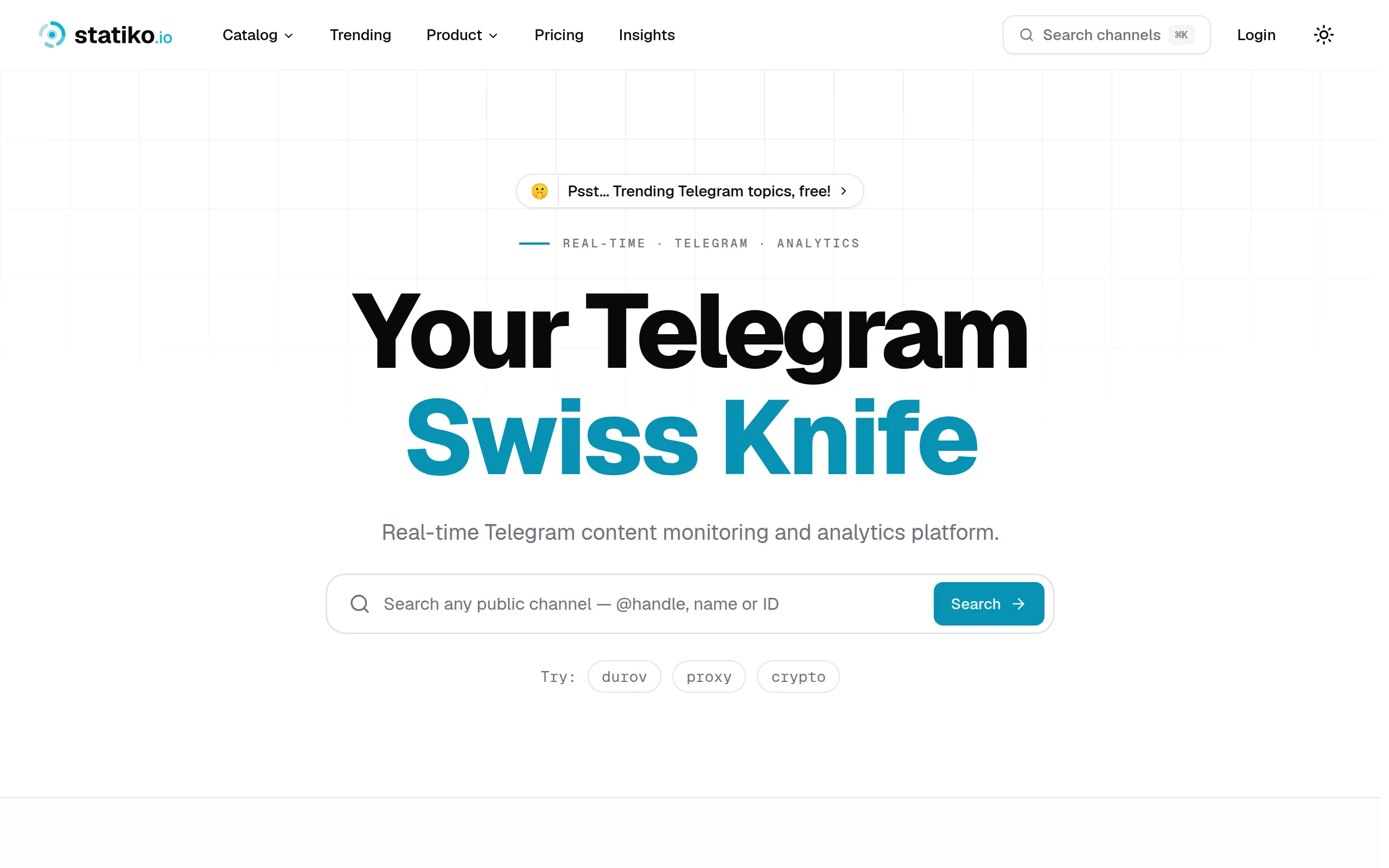
Statiko
Monitor any Telegram channel in real time - track posts, edits, deletions, and growth with AI recaps 📡

Shibui
AI website builder - describe your business, pick a niche template, edit by chatting, and publish instantly ✨

Pro Service
Find verified home service professionals, compare quotes, and pay securely through escrow - built for Brazilians across the US 🏠
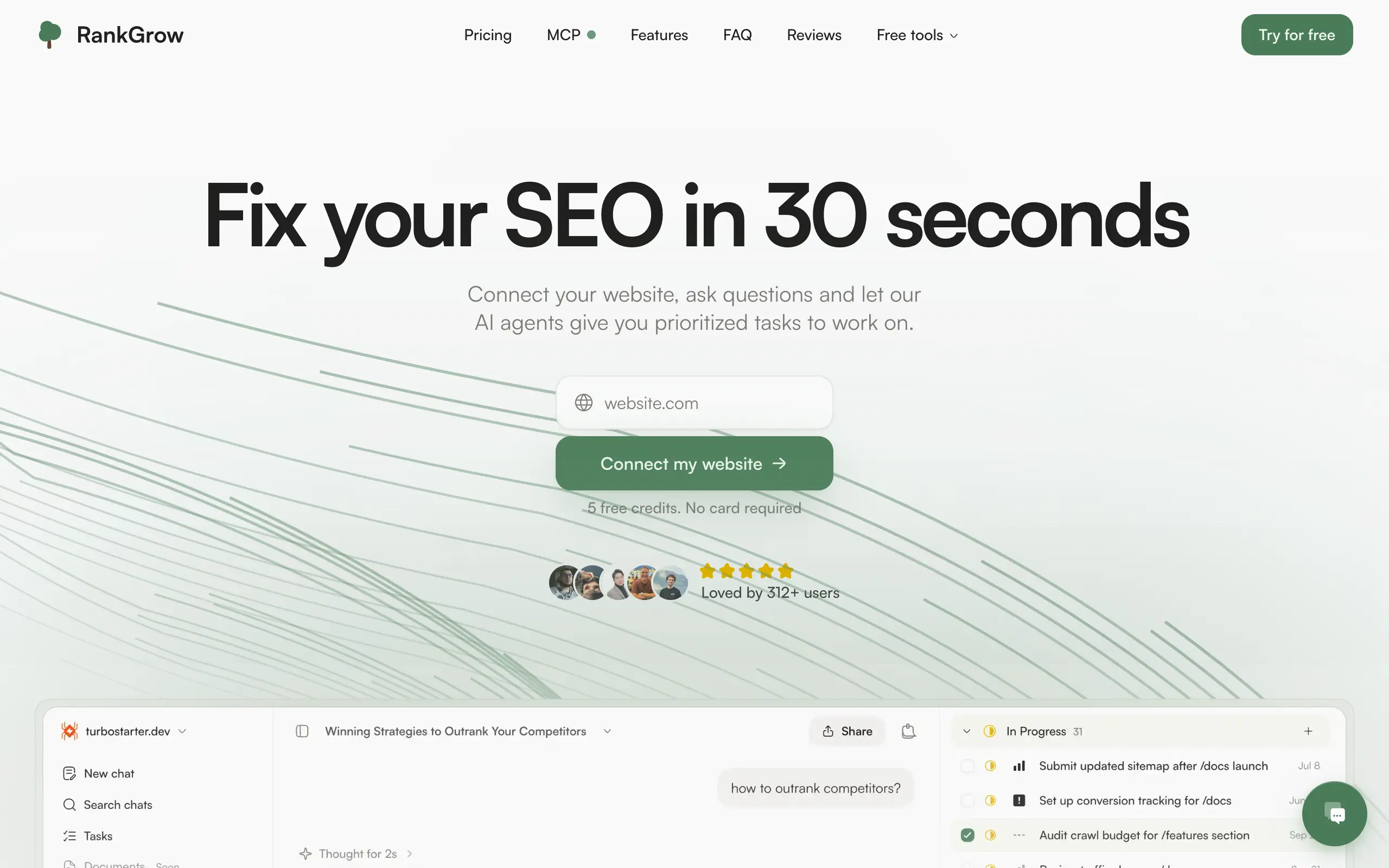
RankGrow
Fix your SEO with AI agents - connect Search Console, get prioritized tasks, and grow organic traffic 📈
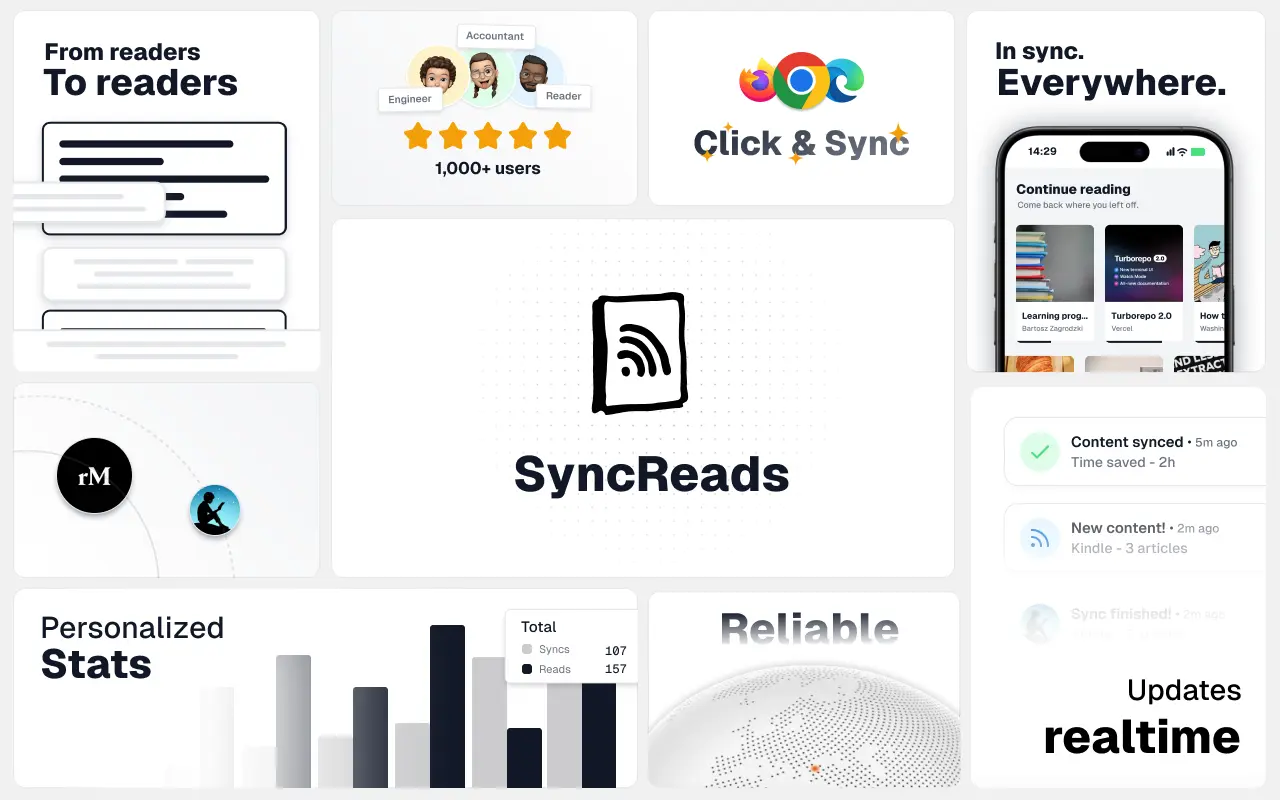
SyncReads
Sync your favorite content for distraction-free reading, save time and replace multiple apps. Anytime, anywhere 🔄
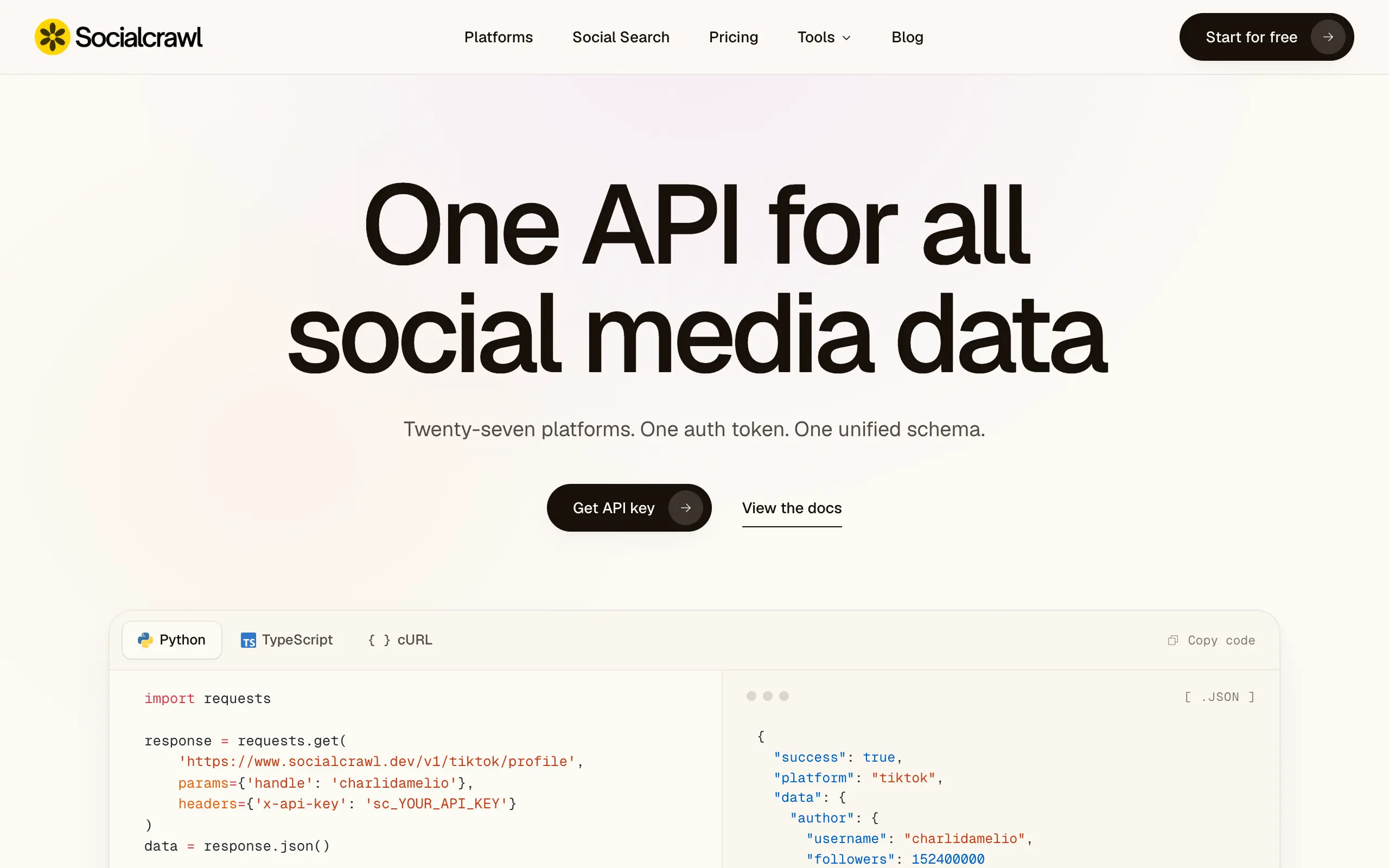
Socialcrawl
Get clean, structured data from 21 platforms like TikTok, Instagram, and YouTube with a single request 📊
Statiko
Monitor any Telegram channel in real time - track posts, edits, deletions, and growth with AI recaps 📡
Shibui
AI website builder - describe your business, pick a niche template, edit by chatting, and publish instantly ✨
Pro Service
Find verified home service professionals, compare quotes, and pay securely through escrow - built for Brazilians across the US 🏠
RankGrow
Fix your SEO with AI agents - connect Search Console, get prioritized tasks, and grow organic traffic 📈
SyncReads
Sync your favorite content for distraction-free reading, save time and replace multiple apps. Anytime, anywhere 🔄
Socialcrawl
Get clean, structured data from 21 platforms like TikTok, Instagram, and YouTube with a single request 📊
Statiko
Monitor any Telegram channel in real time - track posts, edits, deletions, and growth with AI recaps 📡
Shibui
AI website builder - describe your business, pick a niche template, edit by chatting, and publish instantly ✨
Pro Service
Find verified home service professionals, compare quotes, and pay securely through escrow - built for Brazilians across the US 🏠
RankGrow
Fix your SEO with AI agents - connect Search Console, get prioritized tasks, and grow organic traffic 📈
SyncReads
Sync your favorite content for distraction-free reading, save time and replace multiple apps. Anytime, anywhere 🔄
Socialcrawl
Get clean, structured data from 21 platforms like TikTok, Instagram, and YouTube with a single request 📊
Statiko
Monitor any Telegram channel in real time - track posts, edits, deletions, and growth with AI recaps 📡
Shibui
AI website builder - describe your business, pick a niche template, edit by chatting, and publish instantly ✨
Pro Service
Find verified home service professionals, compare quotes, and pay securely through escrow - built for Brazilians across the US 🏠
RankGrow
Fix your SEO with AI agents - connect Search Console, get prioritized tasks, and grow organic traffic 📈
SyncReads
Sync your favorite content for distraction-free reading, save time and replace multiple apps. Anytime, anywhere 🔄
Socialcrawl
Get clean, structured data from 21 platforms like TikTok, Instagram, and YouTube with a single request 📊
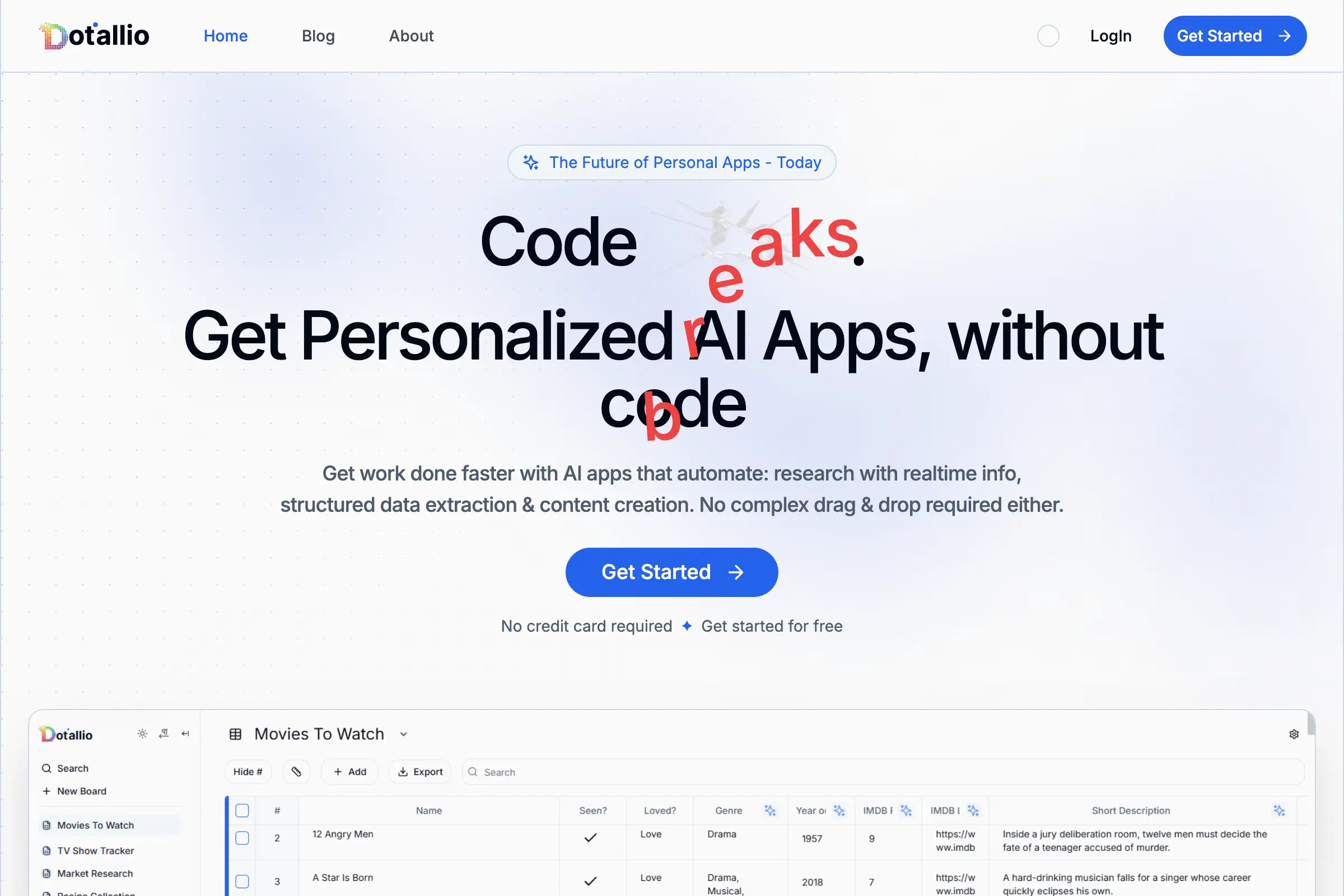
Dotallio
Personalized AI apps that automate research, data extraction, and content creation without code 🤖
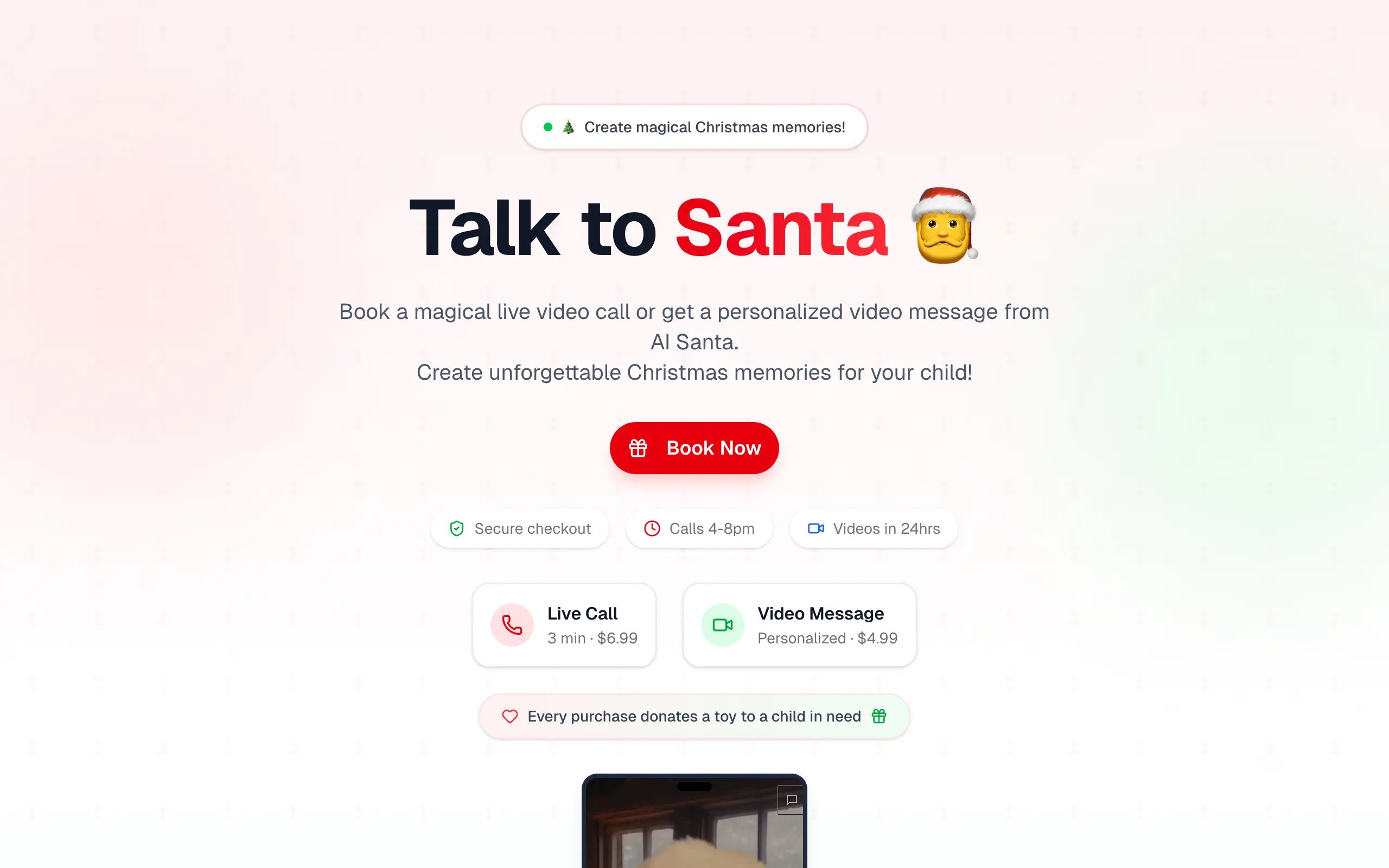
Talk to Santa
Enjoy a magical live video chat or receive a unique AI-generated video greeting from Santa Claus 🎅
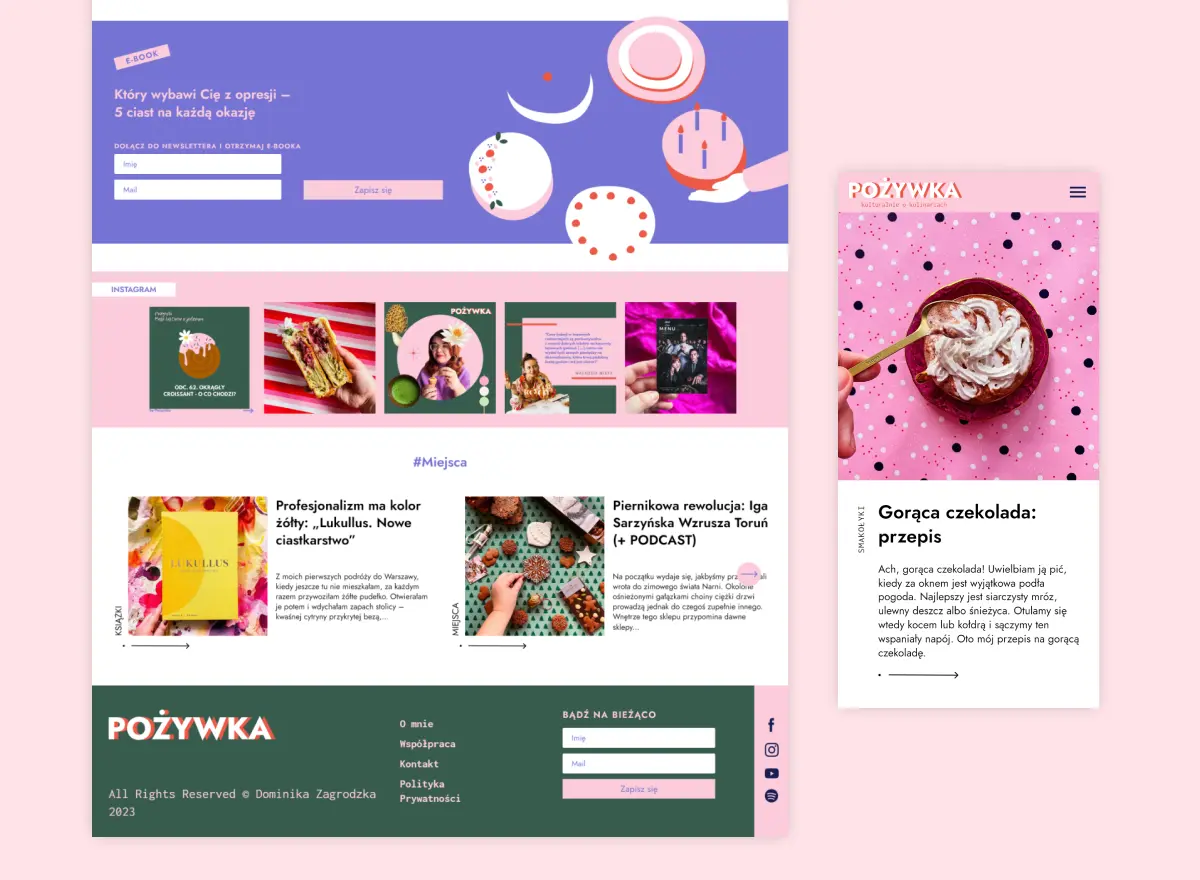
pozywka.pl
Scalable blog for food journalist, focused on performance and user experience 🌭
zagrodzki.me
Personal blog and portfolio of Bart Zagrodzki, where he shares his knowledge and work 💼
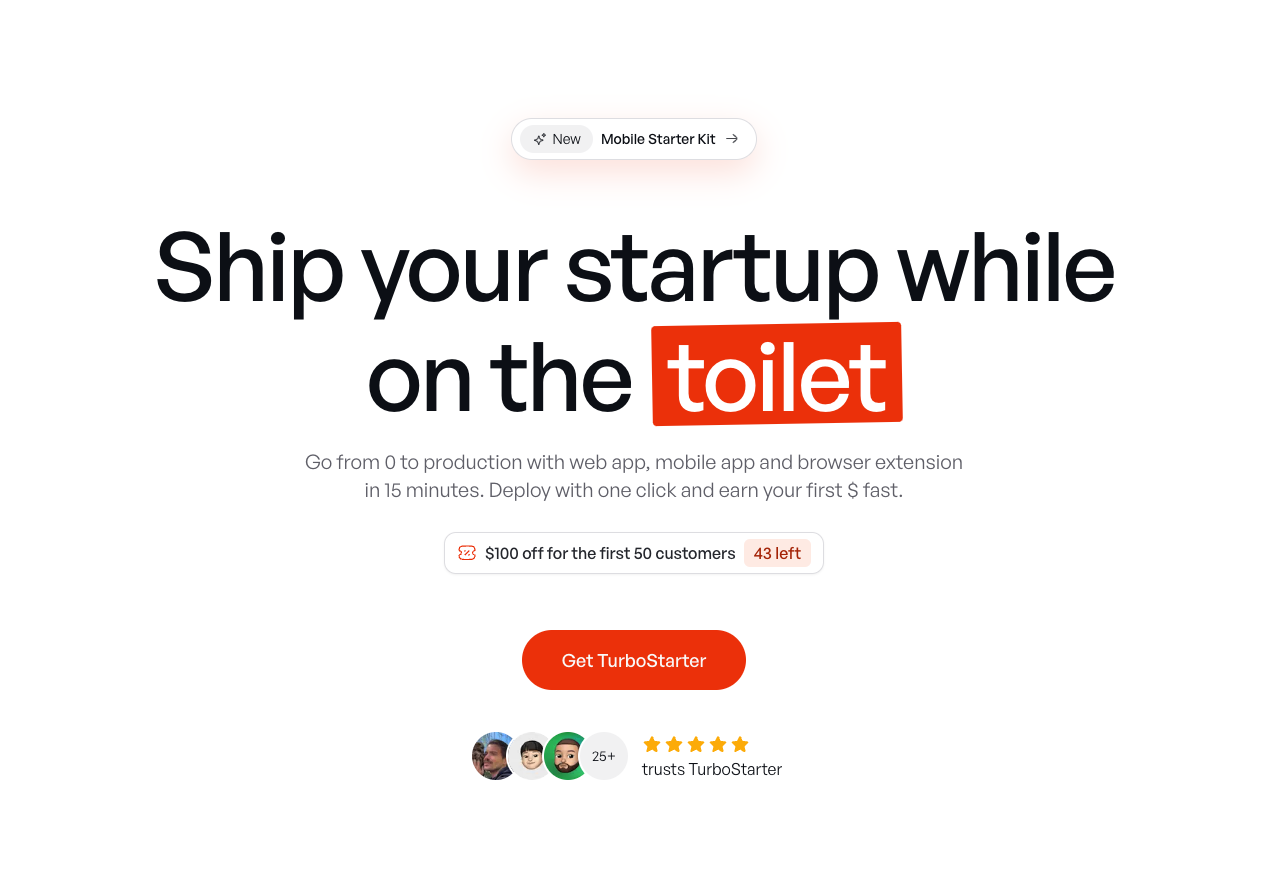
TurboStarter
Ship your startup everywhere. In minutes.
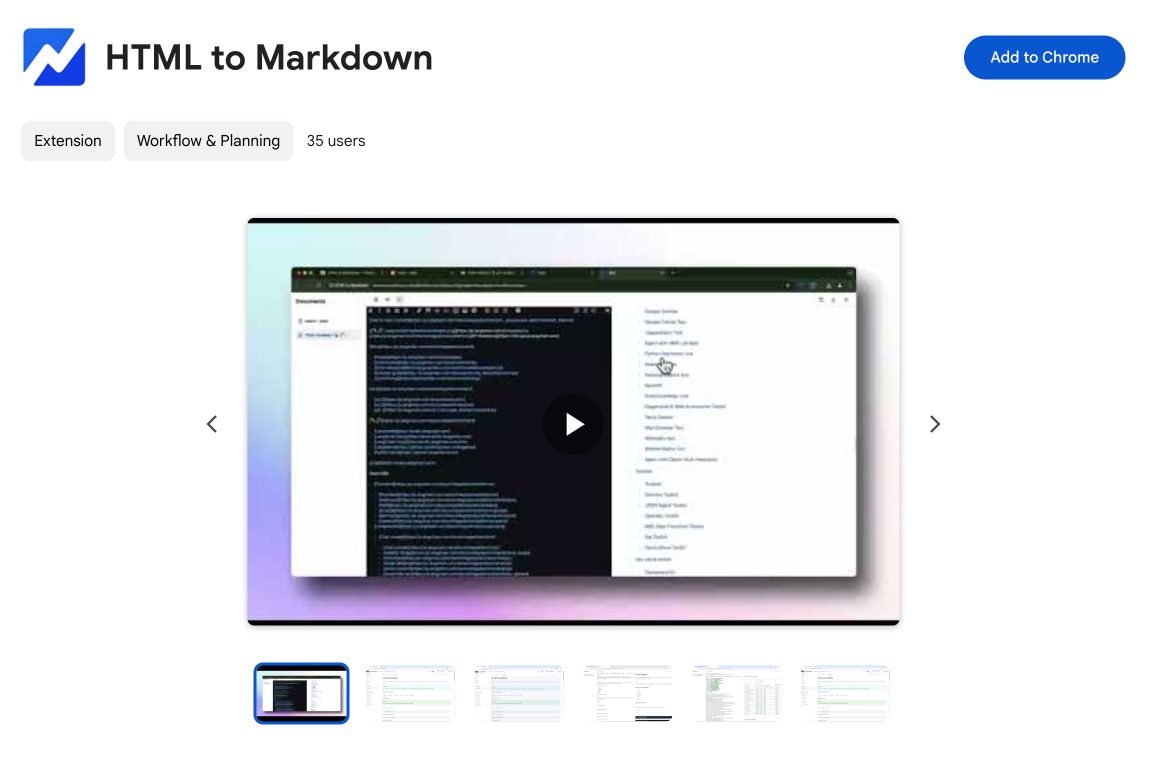
HTML to Markdown
Convert HTML to Markdown with ease, directly in your browser 📄
Dotallio
Personalized AI apps that automate research, data extraction, and content creation without code 🤖
Talk to Santa
Enjoy a magical live video chat or receive a unique AI-generated video greeting from Santa Claus 🎅
pozywka.pl
Scalable blog for food journalist, focused on performance and user experience 🌭
zagrodzki.me
Personal blog and portfolio of Bart Zagrodzki, where he shares his knowledge and work 💼
TurboStarter
Ship your startup everywhere. In minutes.
HTML to Markdown
Convert HTML to Markdown with ease, directly in your browser 📄
Dotallio
Personalized AI apps that automate research, data extraction, and content creation without code 🤖
Talk to Santa
Enjoy a magical live video chat or receive a unique AI-generated video greeting from Santa Claus 🎅
pozywka.pl
Scalable blog for food journalist, focused on performance and user experience 🌭
zagrodzki.me
Personal blog and portfolio of Bart Zagrodzki, where he shares his knowledge and work 💼
TurboStarter
Ship your startup everywhere. In minutes.
HTML to Markdown
Convert HTML to Markdown with ease, directly in your browser 📄
Dotallio
Personalized AI apps that automate research, data extraction, and content creation without code 🤖
Talk to Santa
Enjoy a magical live video chat or receive a unique AI-generated video greeting from Santa Claus 🎅
pozywka.pl
Scalable blog for food journalist, focused on performance and user experience 🌭
zagrodzki.me
Personal blog and portfolio of Bart Zagrodzki, where he shares his knowledge and work 💼
TurboStarter
Ship your startup everywhere. In minutes.
HTML to Markdown
Convert HTML to Markdown with ease, directly in your browser 📄
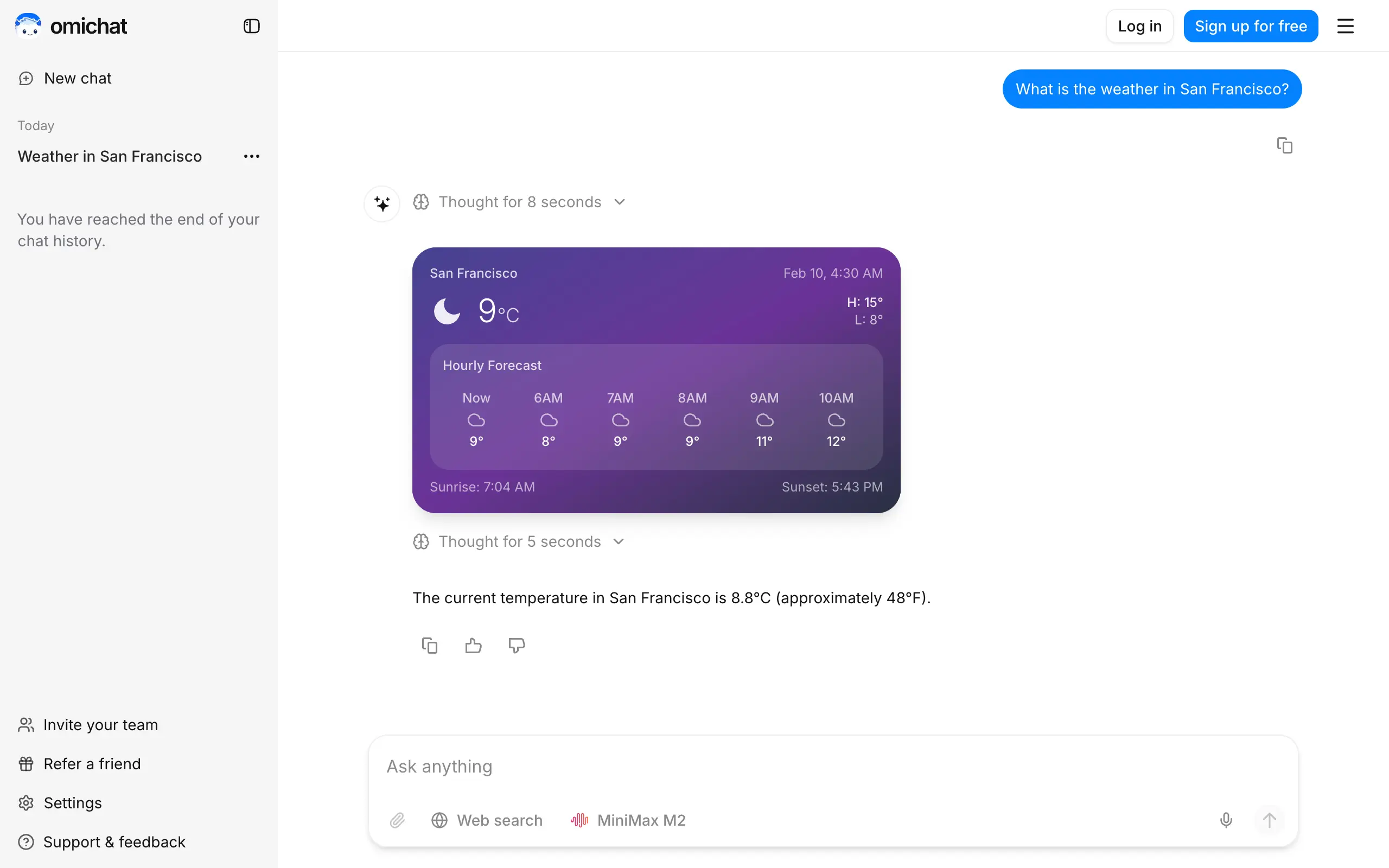
Omichat
Chat with 50+ AI models, including ChatGPT and Claude, in one place - switch models anytime without losing context 🤖
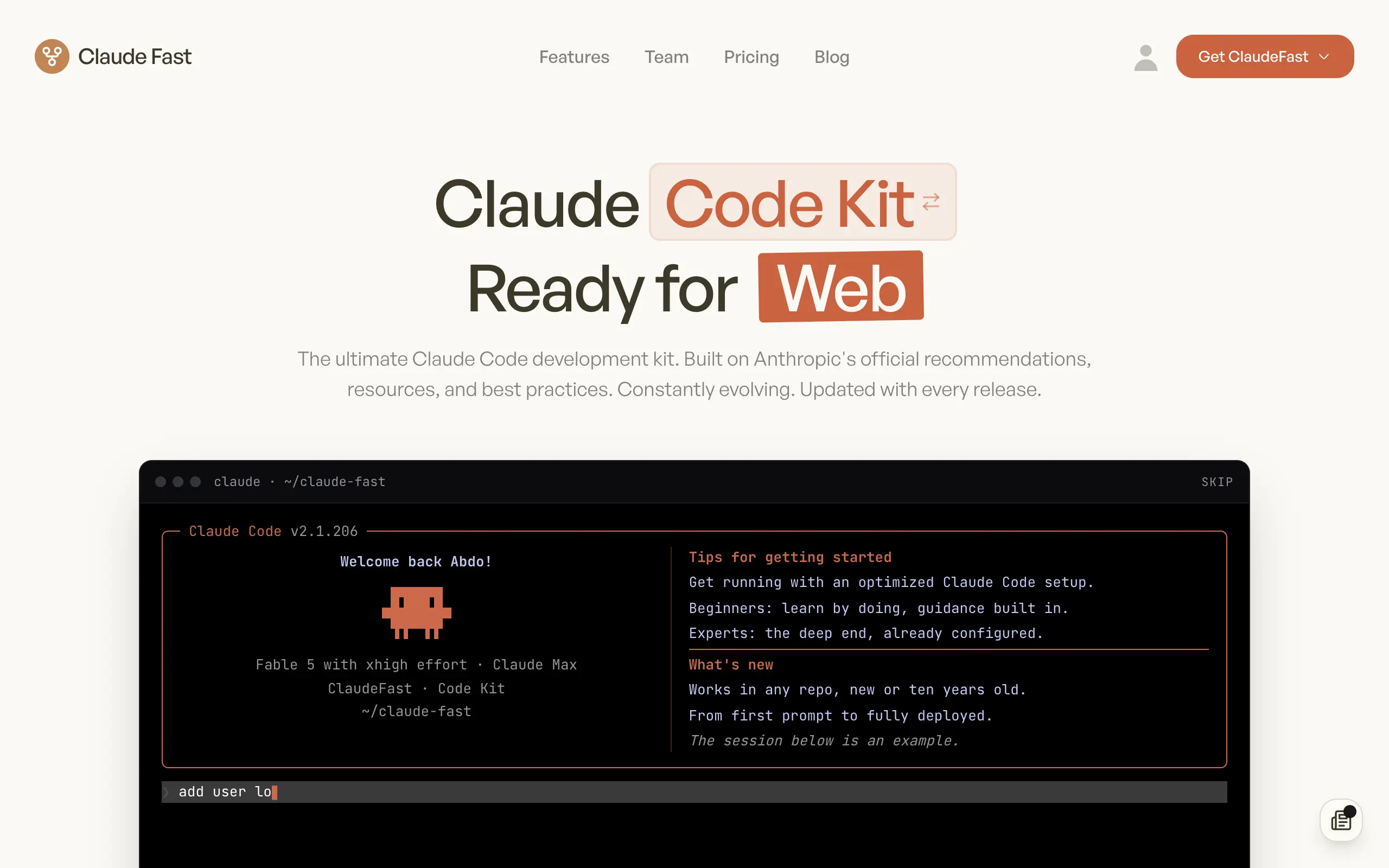
Claude Fast
Supercharge your Claude Code with 6x effective context window and specialized AI agents 🤖
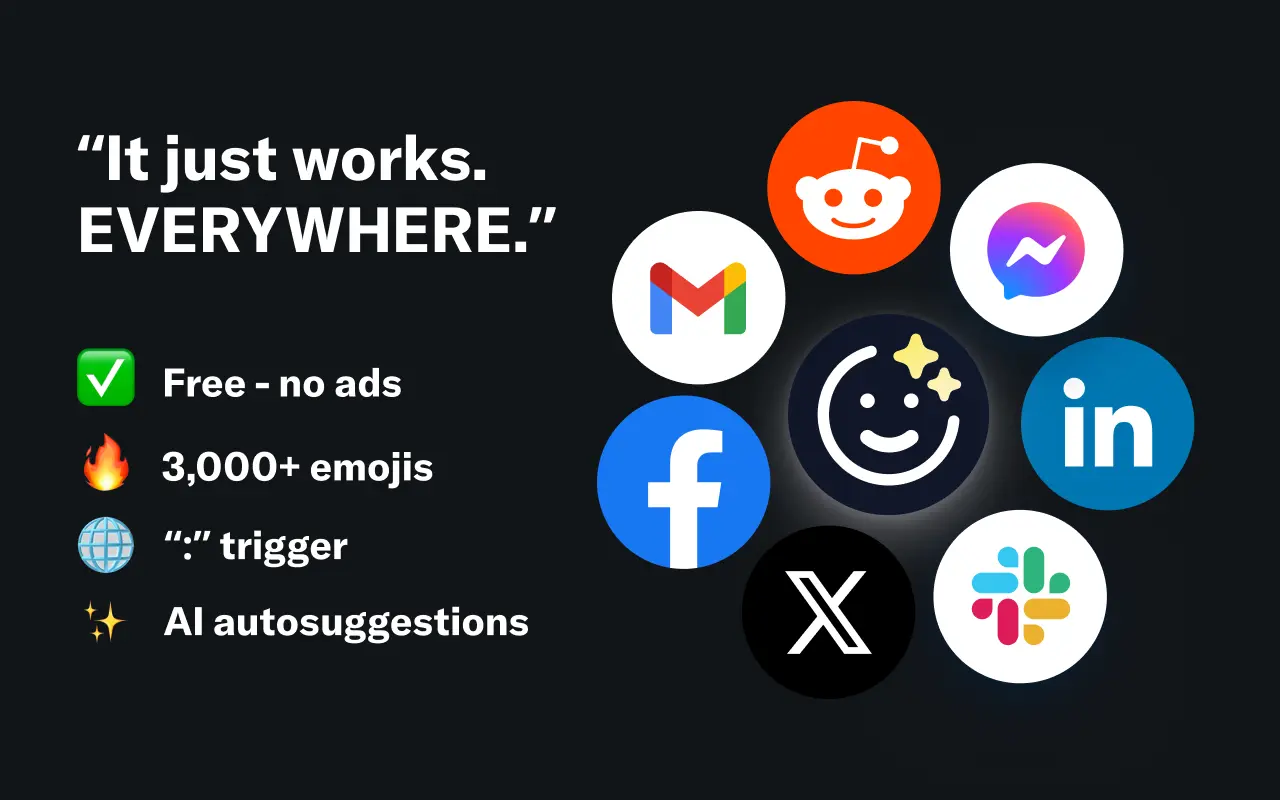
EmojAI
AI-powered emoji picker with smart, context-aware suggestions 🤖
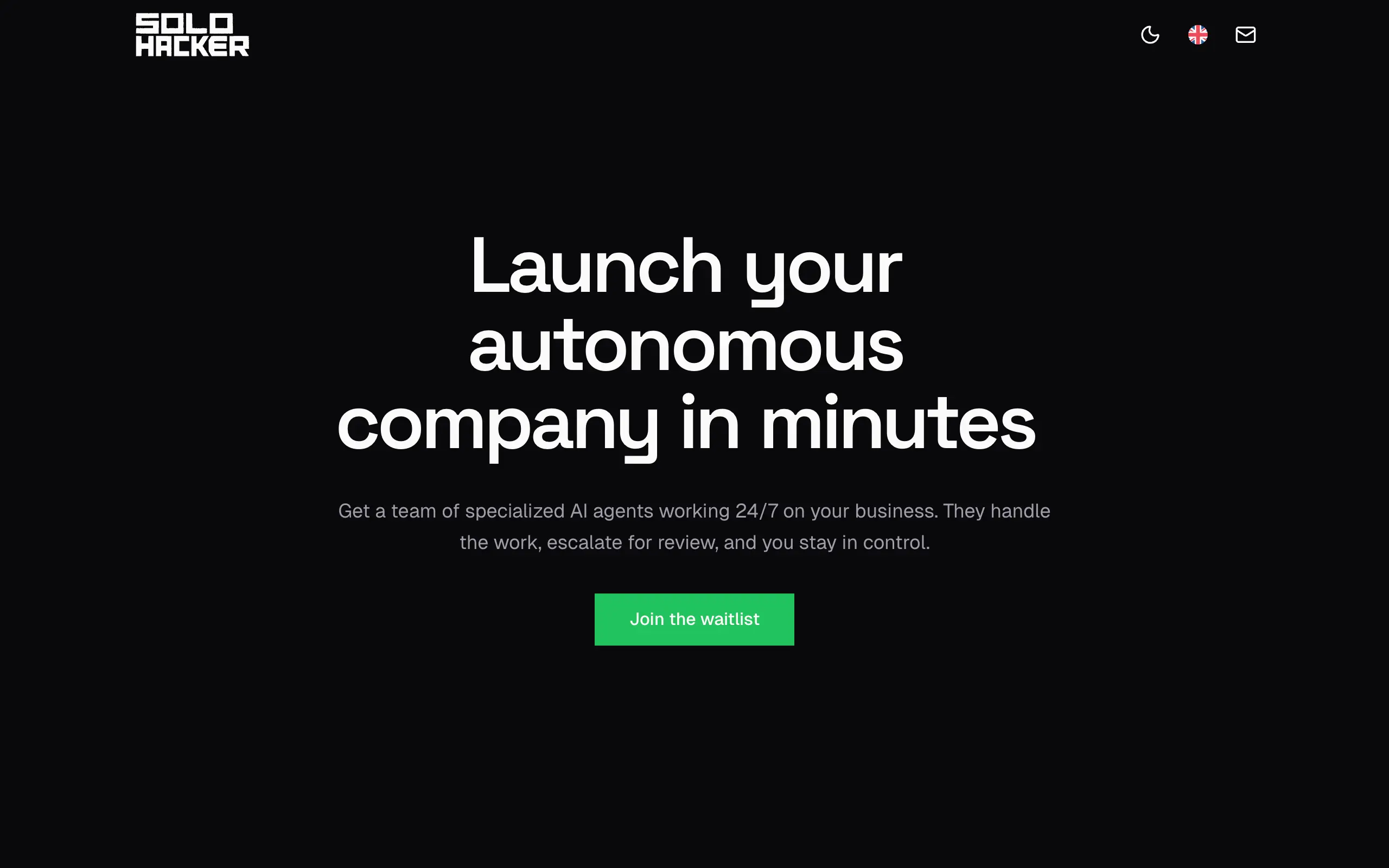
Solohacker
Autonomous company launcher - AI agents work 24/7, escalate what matters, and you stay in control 🤖
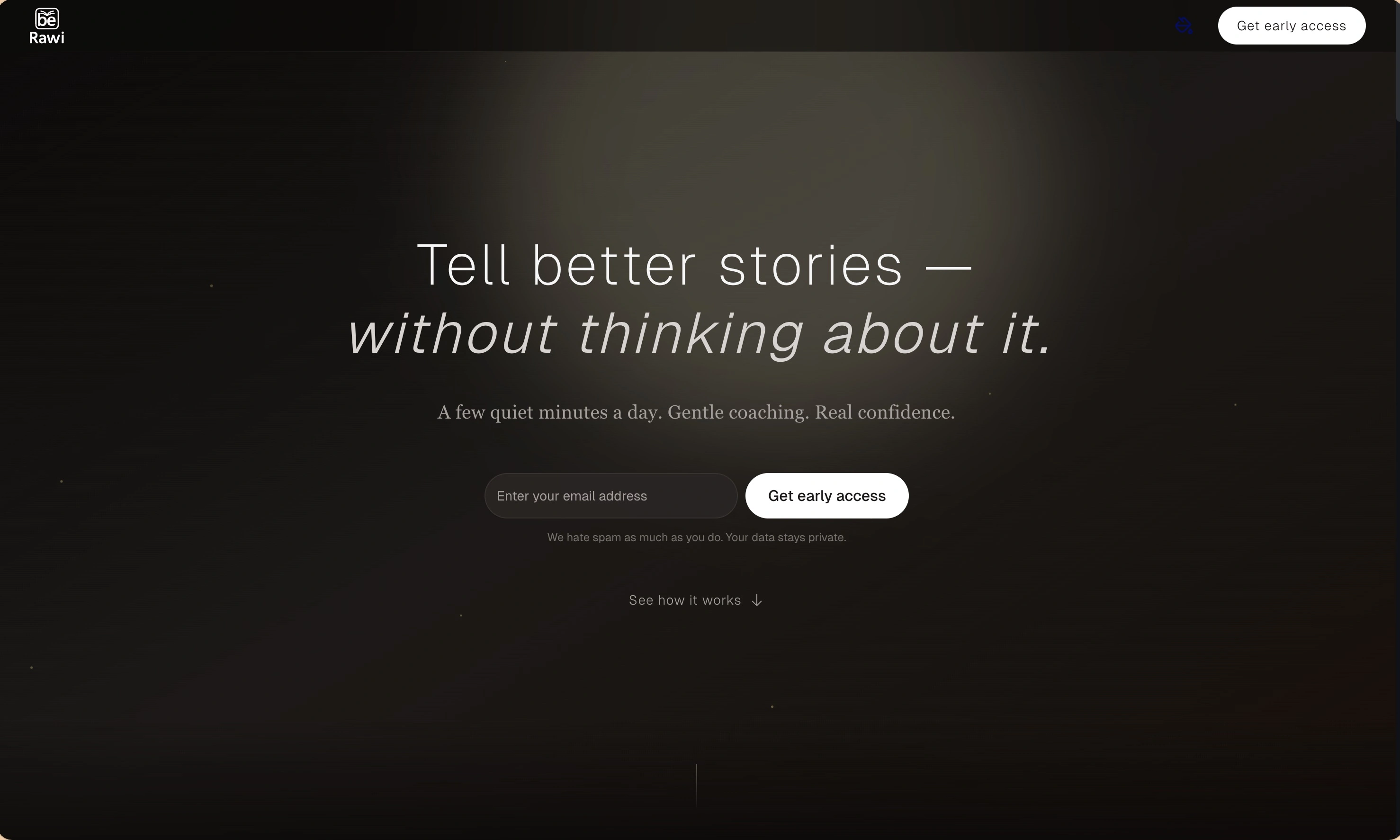
BeRawi: Storytelling Coach
Practice storytelling daily with instant feedback to sound clearer, more engaging, and confident 🎤
Omichat
Chat with 50+ AI models, including ChatGPT and Claude, in one place - switch models anytime without losing context 🤖
Claude Fast
Supercharge your Claude Code with 6x effective context window and specialized AI agents 🤖
EmojAI
AI-powered emoji picker with smart, context-aware suggestions 🤖
Solohacker
Autonomous company launcher - AI agents work 24/7, escalate what matters, and you stay in control 🤖
BeRawi: Storytelling Coach
Practice storytelling daily with instant feedback to sound clearer, more engaging, and confident 🎤
Omichat
Chat with 50+ AI models, including ChatGPT and Claude, in one place - switch models anytime without losing context 🤖
Claude Fast
Supercharge your Claude Code with 6x effective context window and specialized AI agents 🤖
EmojAI
AI-powered emoji picker with smart, context-aware suggestions 🤖
Solohacker
Autonomous company launcher - AI agents work 24/7, escalate what matters, and you stay in control 🤖
BeRawi: Storytelling Coach
Practice storytelling daily with instant feedback to sound clearer, more engaging, and confident 🎤
Omichat
Chat with 50+ AI models, including ChatGPT and Claude, in one place - switch models anytime without losing context 🤖
Claude Fast
Supercharge your Claude Code with 6x effective context window and specialized AI agents 🤖
EmojAI
AI-powered emoji picker with smart, context-aware suggestions 🤖
Solohacker
Autonomous company launcher - AI agents work 24/7, escalate what matters, and you stay in control 🤖
BeRawi: Storytelling Coach
Practice storytelling daily with instant feedback to sound clearer, more engaging, and confident 🎤

Connect with like-minded people
Join our community to get feedback, support, and grow together with 1,000+ builders on board, let's ship it!
Join usShip your startup everywhere. In minutes.
Don't burn tokens on setup and start building features on day one.